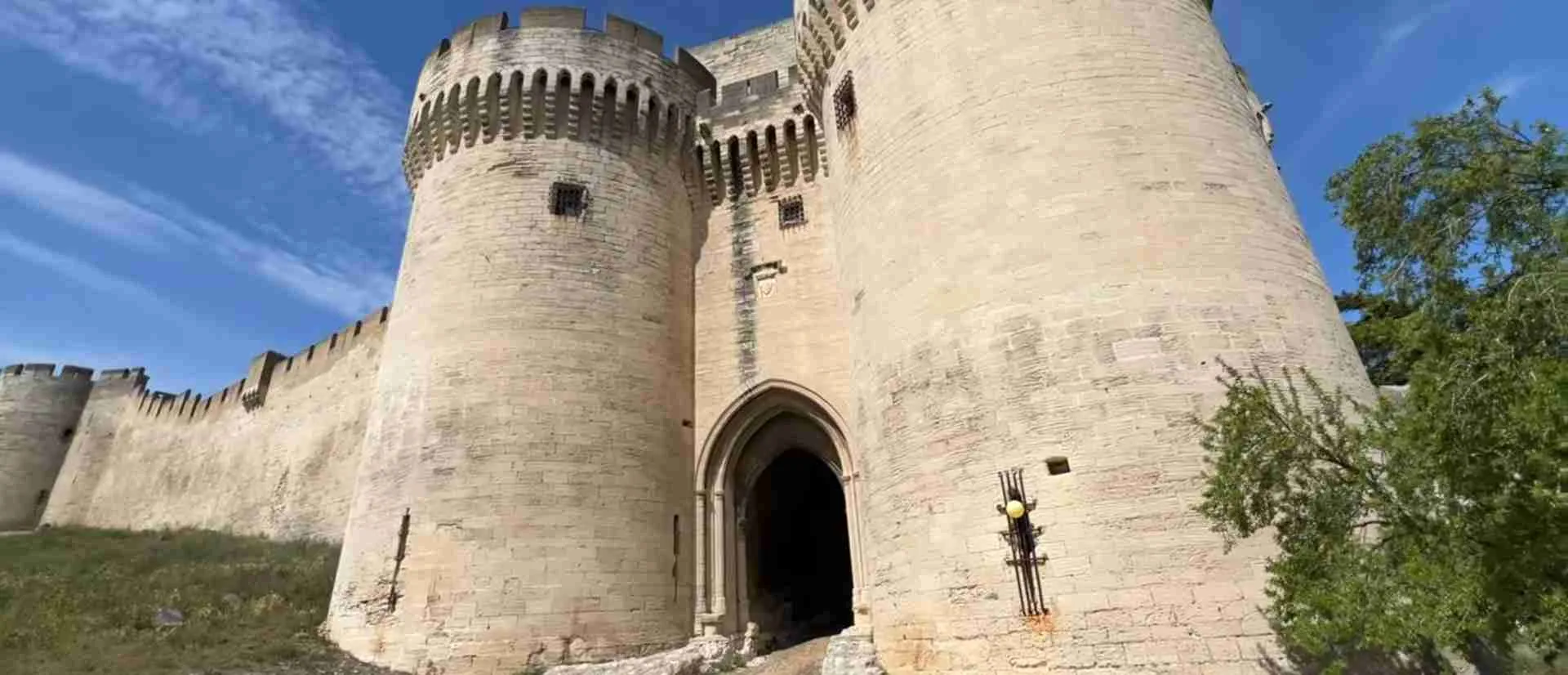
Provence Travel Guide 2026: Lavender & Roman Heritage
Key Takeaways:
- Lavender season peaks mid-June through mid-July 2026 with Valensole Plateau offering the most spectacular displays accessible via car rental or organized tours from major Provence cities
- Roman heritage sites including Pont du Gard UNESCO aqueduct, Orange’s Roman Theatre, and Arles amphitheater cost €10-12 per site with multi-site passes available at €30 for five monuments in 2026
- Accommodation ranges €80-150 per night for mid-range options in lavender season, dropping to €60-100 in shoulder months with advance booking recommended 3-4 months ahead for July visits
- Regional transportation via TGV from Paris reaches Avignon in 2 hours 40 minutes at €45-95, with car rental essential for lavender field access at €40-60 per day in summer 2026
- Budget €120-180 per person daily for comprehensive Provence experiences including Roman sites, lavender tours, Provençal cuisine, and regional wine tastings during peak season
- Combining lavender landscapes with Roman UNESCO heritage creates optimal 4-7 day itineraries balancing natural beauty with archaeological significance across southern France
Introduction to Provence Planning 2026
Provence stands as one of France’s most captivating regions, where purple lavender fields stretch to distant mountains and Roman engineering achievements dominate historic town centers. Planning your 2026 Provence journey requires understanding the delicate timing of lavender blooms, the accessibility of scattered Roman heritage sites, and the seasonal pricing patterns that define this Mediterranean region. The combination of natural spectacle and archaeological significance creates unique planning considerations for travelers seeking both landscape photography and cultural immersion.
The region’s appeal intensifies during lavender season when fields across Valensole Plateau, Sault, and the Luberon transform into fragrant purple seas. This natural phenomenon coincides with peak tourist season, creating specific challenges for accommodation booking and site access. Meanwhile, Provence’s Roman heritage—including three UNESCO World Heritage sites—remains accessible year-round with varying crowd levels and weather conditions. Your 2026 planning must balance these temporal factors while considering transportation logistics across a geographically dispersed region where car rental often proves essential despite excellent train connections to major cities.
This comprehensive guide addresses every aspect of Provence planning for 2026, from lavender field timing and photography strategies to Roman site access and regional transportation networks. Whether you’re planning a focused lavender photography expedition, a Roman heritage exploration, or a comprehensive Provence cultural experience, understanding current costs, optimal timing, and booking strategies ensures your 2026 visit captures the region’s dual appeal of natural beauty and ancient grandeur.
People Also Ask About Provence Travel 2026
When is the best time to see lavender fields in Provence in 2026?
Lavender fields in Provence reach peak bloom from mid-June through mid-July 2026, with the most spectacular displays occurring during the final two weeks of June and the first two weeks of July. Valensole Plateau experiences earlier blooming starting around June 15, while higher-elevation Sault fields peak closer to July 10-20. The exact timing shifts by 5-7 days annually based on spring weather patterns, but the June 20 – July 15 window captures peak bloom across most Provence lavender regions in 2026.
Harvest begins in mid-July, transforming purple fields to stubble within days, making timing critical for lavender-focused visits. The Valensole region hosts its Lavender Festival on the third Sunday of July (July 19, 2026), marking the season’s culmination. For guaranteed lavender viewing in 2026, plan visits between June 25 and July 12, when bloom coverage reaches 85-95% across the Valensole Plateau, Luberon villages, and Sault highlands. Weather conditions remain ideal during this period with minimal rainfall and extended daylight for photography.
How much does a Provence trip cost in 2026?
A comprehensive Provence trip costs €120-180 per person daily in 2026 for mid-range travel including accommodation, dining, site admissions, and local transportation. Budget travelers manage €80-100 daily by choosing countryside guesthouses at €60-80 per night, self-catering some meals, and limiting organized tours. Luxury experiences range €250-400 daily with upscale bastide accommodations at €200-350 per night, Michelin-starred dining at €80-150 per meal, and private guided experiences at €150-250 per day.
Major costs include accommodation (€80-150 nightly mid-range), car rental (€40-60 daily in summer), Roman heritage admissions (€10-12 per major site), and dining (€35-55 daily for lunch and dinner at local restaurants). A typical 5-day Provence itinerary costs €600-900 per person excluding accommodation, or €1,000-1,650 including mid-range hotels. Peak lavender season (late June – mid July 2026) adds 20-30% to accommodation costs compared to shoulder months of May, early June, and September.
Do you need a car to explore Provence in 2026?
Car rental proves essential for lavender field access and comprehensive Roman heritage exploration in 2026, as public transportation doesn’t reach Valensole Plateau, scattered lavender farms, or countryside Roman sites. While TGV trains connect Paris to Avignon and Marseille efficiently, and regional buses serve major towns, the geographic dispersion of Provence’s primary attractions makes independent vehicle access nearly mandatory for meaningful exploration beyond city centers.
Rental costs range €40-60 per day for compact cars in summer 2026, with automatic transmissions adding €10-15 daily. Book 2-3 months ahead for July visits when lavender tourism peaks and vehicle availability tightens. Alternative approaches include organized lavender tours from Avignon or Aix-en-Provence at €80-120 per person daily, though these limit flexibility for photography timing and spontaneous village exploration. For visitors without driving capability or preference, base in Aix-en-Provence or Avignon and combine guided day tours with walkable city exploration.
What are the must-see Roman sites in Provence in 2026?
Provence’s essential Roman sites for 2026 include three UNESCO World Heritage monuments plus exceptional provincial theaters and amphitheaters. Pont du Gard aqueduct stands as the region’s most impressive Roman engineering achievement, spanning the Gardon River with three-tiered arches reaching 49 meters high. Access costs €10 in 2026 (check pontdugard.fr for current official rates) including museum and riverside walking paths. The monument opens daily 9 AM – 6 PM with extended hours to 8 PM June through August.
Orange’s Roman Theatre features the world’s best-preserved Roman stage wall, designated UNESCO World Heritage along with the triumphal arch. Admission costs €11.50 in 2026 with audio guides included. Arles amphitheater accommodates 20,000 spectators and remains in active use for contemporary events including the famous Féria festivals. Entry costs €10 for the amphitheater plus Roman theater combination. Additional significant Roman sites include Vaison-la-Romaine’s excavated Roman city (€10 entry), Glanum archaeological site near Saint-Rémy-de-Provence (€9 entry), and Nîmes’ Maison Carrée and Arena (€14 combination ticket). A multi-site pass covering five major monuments costs €30, providing 33% savings for comprehensive Roman heritage exploration in 2026.
Extended multi-day tours – 5+ days
Featured Provence Multi-Day Tour Packages

8 days
Rhône Route Provence 2027 – A-Rosa Stella
- ✓ Comprehensive Provence tour
- ✓ Expert local guides included
- ✓ All accommodation arranged
- ✓ Transportation provided

8 days
Cycle Provence
- ✓ Comprehensive Provence tour
- ✓ Expert local guides included
- ✓ All accommodation arranged
- ✓ Transportation provided

7 days
Provence Discovery Tour
- ✓ Comprehensive Provence tour
- ✓ Expert local guides included
- ✓ All accommodation arranged
- ✓ Transportation provided

5 days
5 Days in Avignon: Exploring Provence, Saint-Rémy, Les Baux & Luberon
- ✓ Comprehensive Provence tour
- ✓ Expert local guides included
- ✓ All accommodation arranged
- ✓ Transportation provided
Multi-day tour packages powered by TourRadar. Prices and availability subject to change.
Essential Planning Information 2026
Understanding Provence Costs in 2026
Provence operates on seasonal pricing with peak costs during lavender season (late June – mid July) and shoulder season savings of 20-30% in May, early June, September, and October 2026. Accommodation represents the largest variable expense, ranging from €60-80 nightly for countryside chambres d’hôtes to €120-180 for mid-range hotels in Avignon, Aix-en-Provence, or Arles. Luxury bastides and boutique properties command €200-350 nightly during peak season. Book 3-4 months ahead for July accommodations when lavender tourism creates capacity constraints across the region.
Transportation costs center on car rental at €40-60 per day for compact vehicles in summer 2026, plus fuel at approximately €1.85 per liter for diesel. A typical 5-day Provence road trip covers 400-600 kilometers, costing €70-110 in fuel depending on vehicle efficiency. Parking remains free in most lavender field areas and small villages, while major cities charge €2-4 per hour or €15-25 daily for secure lots. Roman heritage site admissions cost €9-12 per monument with the multi-site pass at €30 offering savings for visitors planning three or more major archaeological locations.
Dining expenses range €12-18 for casual lunch at village cafés, €25-40 for traditional Provençal dinners at local restaurants, and €60-120 for upscale dining experiences at chef-driven establishments. Markets in major towns offer excellent picnic provisions, with quality cheeses, bread, and charcuterie costing €15-25 for two people. Wine tastings at Châteauneuf-du-Pape, Gigondas, or Luberon vineyards cost €8-15 per person for standard sessions, €20-40 for premium or guided experiences. Budget €35-55 daily per person for mid-range dining, €60-90 for upscale restaurant experiences in 2026.
Regional Geography and Planning Zones
Provence divides into distinct geographic zones requiring different base locations and transportation strategies for 2026 planning. The Vaucluse region centers on Avignon and encompasses major lavender areas including Sault and the Luberon villages, plus UNESCO Roman sites at Orange and Vaison-la-Romaine. This zone serves as an ideal base for combined lavender and heritage touring, with Avignon offering extensive accommodation options and TGV rail access from Paris and Lyon.
The Bouches-du-Rhône area centers on Aix-en-Provence and Arles, providing access to Roman amphitheaters, Saint-Rémy-de-Provence’s archaeological sites, and southern lavender fields. The Alpes-de-Haute-Provence region features Valensole Plateau—Provence’s largest and most photogenic lavender expanse—plus Verdon Gorge natural attractions. Each zone requires 2-3 days for comprehensive exploration, with the Vaucluse and Valensole areas offering optimal lavender field access during peak bloom periods in late June and early July 2026.
Transportation between zones takes 45-90 minutes by car via well-maintained departmental roads. The A7 autoroute provides rapid north-south movement between Avignon and Aix-en-Provence (80 kilometers, 1 hour), though toll costs add €8-12 to journey expenses. Regional roads through villages offer more scenic routes but require additional time for narrow streets and slower speeds. Plan your 2026 base location based on primary interests: Avignon for Roman heritage emphasis, Aix-en-Provence for balanced access, or Valensole village for dedicated lavender photography.
Best Time to Visit Provence 2026
Lavender Season Timing and Optimization
The 2026 lavender season follows typical Provence patterns with bloom beginning in mid-June at lower elevations and progressing through mid-July across the region’s various microclimates. Valensole Plateau experiences first significant bloom around June 15-18, reaching peak purple coverage by June 25. The plateau’s 800-square-kilometer expanse offers the most impressive lavender landscapes in Provence, with individual fields stretching hundreds of meters and creating the iconic purple-and-gold patterns when combined with wheat harvests.
Luberon villages including Gordes, Roussillon, and Bonnieux feature smaller-scale lavender fields that bloom slightly later, peaking July 1-12 in 2026. These areas combine lavender with hilltop village photography and provide more intimate, countryside settings compared to Valensole’s agricultural expanses. Sault region lavender reaches peak bloom around July 8-15 at its higher elevation of 750 meters, extending the season for visitors arriving in mid-July. This timing variation allows extended lavender coverage from June 20 through July 15 by strategic geographic movement across Provence.
Harvest begins immediately after peak bloom, transforming purple fields to brown stubble within 2-3 days of cutting. Valensole harvest starts around July 12-15, Luberon fields follow by July 18-20, and Sault concludes the season by July 25 in typical years. Weather patterns influence exact dates, with warmer springs advancing bloom by 3-5 days and cooler conditions delaying peak by similar margins. For guaranteed lavender coverage in 2026, schedule visits June 25 – July 10 when the broadest geographic area maintains peak bloom regardless of minor seasonal shifts.
Seasonal Weather Patterns and Crowd Analysis
Provence weather in summer 2026 follows Mediterranean patterns with minimal rainfall, high temperatures, and intense sunlight ideal for lavender photography but challenging for midday outdoor activity. June temperatures range 24-30°C with occasional rain showers, while July heats to 28-35°C with virtually no precipitation. The mistral wind—a strong northerly flow—blows 100-150 days annually, creating challenging photography conditions but clearing atmospheric haze for dramatic landscape clarity.
Peak tourist crowds concentrate during lavender season (late June – mid July) when European vacation schedules align with bloom timing. Valensole Plateau sees heaviest visitation on July weekends when day-trippers from Marseille and Nice combine with international tourists. Parking at popular lavender field viewpoints fills by 8-9 AM on peak weekends, requiring early morning or late afternoon visits for optimal access. Weekday visitation drops 40-50%, providing better field access and photography conditions without weekend congestion.
Shoulder seasons offer compelling alternatives for visitors flexible on lavender timing. May features green landscapes, spring wildflowers, and 30-40% lower accommodation costs with excellent weather for Roman site exploration. September delivers harvest-season atmosphere, grape picking activities, and renewed weather comfort after summer heat, though lavender fields remain brown from July cutting. October extends pleasant weather through mid-month with fall colors in higher elevations and minimal crowds at Roman heritage sites. Winter months (November – March) see many rural accommodations closed, though major cities remain accessible with significantly reduced costs and empty Roman monuments.
Festival Calendar and Cultural Events 2026
Provence’s 2026 festival calendar concentrates cultural events during summer months, creating both enhanced cultural experiences and increased accommodation demand. The Avignon Festival (Festival d’Avignon) runs July 4-24, 2026, transforming the UNESCO Palace of the Popes and surrounding venues into France’s largest theater festival. Hotel availability tightens during this period with 20-30% premium pricing in Avignon itself, though nearby towns within 15-20 kilometers maintain more reasonable rates.
Lavender festivals celebrate the harvest season across multiple Provence locations. Valensole hosts its Lavender Festival on the third Sunday of July (July 19, 2026) with traditional distillery demonstrations, local crafts, and lavender product markets. Sault’s Lavender Festival occurs August 15, after harvest completion, featuring regional products and countryside activities. These events create local accommodation pressure but offer authentic cultural immersion into Provence’s agricultural traditions and lavender industry.
Additional cultural events include Arles’ Féria du Riz in September, Orange’s Roman Theatre summer concerts (June-August), and Aix-en-Provence’s music festival in July. The truffle season in winter (December-February) attracts culinary tourists to markets in Carpentras and Richerenches, offering off-season cultural experiences with minimal crowds and significant cost savings. Plan 2026 cultural event attendance 4-6 months ahead, booking accommodations immediately after festival dates confirm to secure reasonable rates in host cities.
Transportation Guide 2026
Reaching Provence in 2026
High-speed TGV trains provide the most efficient Provence access from Paris, with direct services reaching Avignon TGV station in 2 hours 40 minutes at €45-95 depending on booking timing and travel class in 2026. Early booking 2-3 months ahead secures lowest fares in the €45-65 range, while last-minute purchases approach €95 for peak travel days. Aix-en-Provence TGV station receives direct Paris service in 3 hours 15 minutes at similar pricing, serving as an alternative southern entry point.
Regional TGV connections link Lyon to Avignon in 1 hour (€30-55), Marseille to Avignon in 30 minutes (€18-32), and Nice to Marseille in 2 hours 30 minutes (€35-60). These routes enable multi-region itineraries combining Provence with Lyon gastronomy, French Riviera beaches, or Alpine experiences. Book train tickets at sncf-connect.com up to 4 months ahead for optimal pricing, particularly for July travel during peak lavender and festival seasons.
Air access centers on Marseille Provence Airport (MRS), receiving direct flights from Paris CDG (1 hour 20 minutes, €80-180), European capitals, and seasonal North American services. Airport shuttle buses reach Aix-en-Provence in 30 minutes (€10), Avignon in 60 minutes (€25), and Marseille Saint-Charles station in 25 minutes (€10). Car rental facilities at the airport offer competitive rates at €35-50 per day for advance bookings, providing immediate regional access without city center navigation.
Car Rental and Regional Driving 2026
Car rental proves essential for lavender field access and comprehensive Provence exploration in 2026, with compact vehicles costing €40-60 per day in summer season depending on rental duration and advance booking timing. Automatic transmissions add €10-15 daily premium, though manual transmission remains standard in France. International rental companies (Europcar, Hertz, Avis) operate from airports and TGV stations, while local agencies in Avignon and Aix-en-Provence sometimes offer lower rates for multi-day rentals.
Book rentals 2-3 months ahead for July visits when lavender tourism creates vehicle shortages and premium pricing. One-way rentals between different Provence cities cost €50-80 drop-off fees, though picking up and returning to the same location avoids these charges. Full insurance coverage (CDW + theft protection) adds €15-25 daily but eliminates liability for vehicle damage common on narrow village streets and rural roads.
Provence driving presents moderate challenges including narrow village streets requiring careful navigation, roundabout prevalence, and parking scarcity in popular lavender areas during peak season. GPS navigation proves essential as rural roads lack consistent signage and lavender field access roads appear unmarked on standard maps. Fuel costs approximately €1.85 per liter for diesel, €1.95 for gasoline in 2026, with stations common along major routes but scarce in countryside areas between villages. Plan refueling in larger towns and carry full tanks when exploring remote lavender regions or Roman archaeological sites.
Public Transportation and Tour Alternatives
Regional bus networks connect major Provence cities and towns, though service frequency limits practical utility for comprehensive regional exploration. Avignon to Gordes buses run 3-4 times daily (€2-5, 45 minutes), Aix-en-Provence to Lourmarin operates twice daily (€3, 50 minutes), and connections between smaller Luberon villages require multiple transfers consuming 2-3 hours for 20-kilometer distances. Weekend service reduces further, making public transport impractical for Saturday-Sunday lavender field visits.
Organized day tours provide car-free alternatives for lavender and Roman heritage exploration at €80-120 per person in 2026. These typically include Valensole Plateau lavender fields, 1-2 Luberon villages, and sometimes Verdon Gorge or Roman sites depending on itinerary focus. Tours depart from Avignon, Aix-en-Provence, or Marseille at 8-9 AM, returning 6-7 PM after full-day experiences. Small group tours (8-15 participants) cost €100-120 with more intimate experiences, while larger coach tours reduce to €80-95 per person.
Private guided experiences offer maximum flexibility at €300-500 per day for 2-4 person groups, allowing customized timing for photography, extended village exploration, and responsive adjustments for lavender bloom conditions. These prove particularly valuable for serious photographers requiring golden hour access to specific lavender locations or visitors with mobility limitations needing flexible pacing. Book specialized tours 1-2 months ahead through local tourism offices or regional guides advertising through Provence tourism websites.
Accommodation Strategies 2026
Mid-Range Accommodation Options
Provence mid-range accommodation in 2026 centers on three-star hotels, countryside chambres d’hôtes (guesthouses), and vacation rentals offering authentic regional experiences at €80-150 per night depending on location and season. Avignon hotels range €100-150 nightly during lavender season with intra-muros (within walls) locations commanding premium rates for walkable access to restaurants, shops, and Palace of the Popes. Peripheral Avignon locations drop to €80-110 with free parking and quieter settings requiring 10-15 minute drives to city center.
Luberon village accommodations feature converted stone houses, family-run guesthouses, and small boutique properties emphasizing regional character and countryside settings. Gordes accommodations range €120-180 in peak season given the village’s prominence and lavender field proximity, while nearby Roussillon and Bonnieux offer similar quality at €90-130 nightly. These locations provide morning and evening access to surrounding lavender landscapes ideal for photography timing, though restaurant options within villages remain limited compared to larger cities.
Valensole area accommodation consists primarily of working farms (fermes), rural guesthouses, and vacation rentals directly amid lavender fields. These properties range €80-120 nightly with continental breakfasts featuring local honey, lavender products, and regional specialties. The intimate scale (typically 3-6 rooms) creates authentic agricultural experiences but requires advance booking 3-4 months ahead for late June and early July stays when lavender bloom attracts concentrated tourism. Properties within 5 kilometers of Valensole Plateau’s prime lavender fields sell out earliest, with locations 10-15 kilometers distant maintaining better availability.
Budget and Luxury Accommodation Alternatives
Budget travelers find accommodation options at €60-80 nightly through countryside chambres d’hôtes in less-touristed villages, two-star hotels in larger cities, and vacation rental studios in residential areas. Carpentras, Cavaillon, and Apt offer functional accommodations €20-40 below equivalent Avignon or Gordes properties while maintaining access to lavender regions within 30-40 minute drives. These locations sacrifice walkable village atmosphere but deliver significant savings for visitors prioritizing field access over accommodation character.
Youth hostels in Avignon and Aix-en-Provence charge €25-35 for dormitory beds, €60-80 for private rooms, providing budget bases for visitors comfortable with shared facilities and social atmospheres. These work well for solo travelers or young couples prioritizing experience budgets over accommodation comfort. Camping options exist throughout Provence at €15-30 nightly for tent sites, €40-70 for equipped mobile homes, though July heat makes camping physically demanding despite cost savings.
Luxury accommodation in Provence features restored bastides (manor houses), five-star hotels, and exclusive countryside estates ranging €200-350 nightly for standard rooms, €400-800 for suites and villas. These properties emphasize swimming pools, spa facilities, gourmet dining, and curated wine cellars showcasing regional vintages. Locations in Gordes, Saint-Rémy-de-Provence, and rural Luberon countryside offer ultimate Provence luxury experiences with private lavender field access, sommelier-led tastings, and chef-prepared regional cuisine. Book luxury properties 4-6 months ahead for summer 2026, as limited inventory creates early sellouts for prime lavender season dates.
Strategic Booking Approaches for 2026
Accommodation booking for Provence 2026 requires 3-4 month advance planning for lavender season visits (late June – mid July), with the most desirable properties selling out 4-6 months ahead. Set accommodation budget first, then identify optimal base locations balancing cost and access before searching specific properties. Use booking platforms (Booking.com, Airbnb) for broad searches, then verify availability and negotiate rates directly with smaller properties for potential savings of 10-15%.
Consider split-base strategies for longer visits, spending 2-3 nights in northern Provence (Avignon area) for UNESCO Roman sites and Luberon lavender, then shifting to Valensole region for 2-3 nights of plateau access and Verdon Gorge exploration. This approach optimizes driving distances while experiencing different Provence landscapes and accommodation styles. Book both bases simultaneously to secure preferred dates, as sequential booking risks losing desired properties to other travelers.
Cancellation policies vary significantly across Provence accommodation types. Hotels typically allow free cancellation until 2-7 days before arrival, while chambres d’hôtes enforce stricter policies requiring 30-60 day notice for refunds given their limited room inventory. Vacation rentals demand full payment 30-60 days ahead with no refunds for late cancellations. Select refundable options when booking early for summer 2026, accepting 10-15% premium for flexibility as lavender bloom timing uncertainties or personal schedule changes can necessitate date adjustments.
Budget Planning for 2026 Provence Travel
Sample Budget Breakdowns by Travel Style
Budget Provence travel in 2026 achieves €80-100 per person daily through strategic compromises on accommodation, dining, and transportation. Countryside chambres d’hôtes at €70-90 per night (€35-45 per person double occupancy), picnic lunches from markets at €10-15, casual dinners at village restaurants at €18-25, Roman site admissions at €10-12, and fuel costs for rental car (€15-20 daily share) create comprehensive experiences emphasizing outdoor activities and self-guided exploration over organized tours and upscale dining.
Mid-range travelers budget €120-180 per person daily for balanced comfort and comprehensive experiences. Accommodation at €100-150 nightly (€50-75 per person), restaurant lunches at €15-22, quality dinners at local establishments at €30-40, Roman heritage site admissions including multi-site passes, organized half-day tours at €40-60, wine tastings at €12-18, and full car rental costs (€40-60 daily) provide excellent Provence exploration without budget constraints limiting site access or dining quality.
Luxury Provence experiences cost €250-400 per person daily through boutique bastide accommodations at €200-350 nightly (€100-175 per person), Michelin-starred or chef-driven dining at €80-150 per meal, private guided tours at €150-250 daily (shared among small groups), premium wine experiences at €40-80 per person, and upgraded car rentals. These budgets emphasize exclusive access, culinary excellence, and personalized experiences over mass tourism approaches, delivering intimate Provence immersion through expert local guidance and distinctive accommodation properties.
Money-Saving Strategies for 2026
Advance booking provides the most significant Provence savings in 2026, particularly for accommodation and transportation. Reserve hotels and chambres d’hôtes 3-4 months ahead to secure 20-30% lower rates compared to last-minute pricing during peak lavender season. Book TGV train tickets 3-4 months early for €45-65 Paris-Avignon fares versus €85-95 for purchases within two weeks of travel. Reserve car rentals 2-3 months ahead to access €40-50 daily rates avoiding the €60-75 costs common for July bookings made within 30 days of pickup.
Shoulder season travel in May, early June, or September delivers 25-40% accommodation savings while maintaining excellent weather for Roman site exploration and countryside touring. September offers particular value with harvest-season cultural events, grape-picking opportunities, and renewed weather comfort after summer heat, compensating for brown lavender fields post-harvest. These months reduce accommodation from €100-150 to €70-100 nightly, dining costs drop 15-20% as restaurants reduce prices after peak season, and car rental rates decrease to €35-45 daily.
Self-catering approaches using vacation rental accommodations with kitchen facilities reduce dining costs by 30-40% through breakfast preparation and picnic lunch assembly using market provisions. Provence markets in Aix-en-Provence, Apt, and Carpentras offer exceptional local produce, cheeses, bread, and charcuterie at costs significantly below restaurant pricing. Prepare breakfast (€5-8 per person versus €12-18 restaurant cost) and lunch (€10-15 versus €18-28) while enjoying dinner at local restaurants for cultural immersion without excessive food budgets.
Free and low-cost experiences reduce daily expenses while delivering authentic Provence immersion. Lavender field access remains free throughout the region, with private property clearly marked but numerous accessible fields along public roads. Village exploration costs nothing while providing architectural photography, cultural observation, and local market experiences. Free Roman sites include Glanum archaeological site exterior viewing, numerous Roman bridges and aqueduct segments, and Orange’s triumphal arch (exterior). Plan itineraries balancing paid admissions to major sites with free exploration of countryside landscapes and village wandering.
Sample 2026 Provence Itineraries
4-Day Lavender and Roman Heritage Focus
Day 1 – Arrival and Avignon Orientation: Arrive Avignon via TGV from Paris (2 hours 40 minutes, €45-95 advance booking). Pick up rental car at Avignon TGV station (€40-60 per day). Check into Avignon accommodation within city walls for walkable dinner access. Afternoon exploration of Palace of the Popes UNESCO World Heritage site (€12 admission, visit 2-3 hours). Evening walk through Avignon’s medieval streets and dinner at traditional Provençal restaurant. Accommodation €100-150 mid-range hotel, Palace admission €12, lunch €15-20, dinner €30-40, rental car €50. Total day cost: €95-120 per person excluding accommodation.
Day 2 – Pont du Gard and Orange Roman Sites: Morning departure 9 AM for Pont du Gard aqueduct UNESCO site (30 kilometers from Avignon, €10 admission including museum). Spend 2-3 hours exploring three-tiered arches, riverside walks, and interpretive exhibits. Afternoon visit to Orange for Roman Theatre UNESCO World Heritage site (€11.50 admission with audio guide). Evening return to Avignon via scenic D road through vineyards. Pont du Gard €10, Orange Theatre €11.50, lunch €18-25, dinner €30-40, fuel €10-15. Total day cost: €79.50-91.50 per person excluding accommodation.
Day 3 – Valensole Plateau Lavender Exploration: Early departure 7 AM for Valensole Plateau (100 kilometers, 1 hour 45 minutes) to capture morning light on lavender fields. Stop at multiple viewpoints along D6 and D8 roads for photography sessions. Late morning visit to lavender distillery for production demonstrations (free admission, shop for products). Lunch picnic amid lavender fields using provisions from Valensole village market (€15-20 for two people). Afternoon exploration of Moustiers-Sainte-Marie village and ceramics workshops. Return to Avignon evening. Distillery visit free, lunch provisions €10-12 per person, dinner €30-40, fuel €25-30. Total day cost: €65-82 per person excluding accommodation.
Day 4 – Luberon Villages and Departure: Morning circuit of Luberon villages starting with Gordes (35 kilometers from Avignon), exploring hilltop setting and surrounding lavender fields. Continue to Roussillon for ochre cliffs and village photography. Final stop at Bonnieux for countryside views and lunch at village restaurant. Afternoon return to Avignon TGV station for Paris departure, dropping rental car at station facility. Gordes village visit free, Roussillon Ochre Trail €3.50, lunch €20-28, snacks €8-12, fuel €15-20. Total day cost: €46.50-63.50 per person excluding accommodation.
4-Day Total Budget: Accommodation €400-600 (€100-150 × 4 nights for two people, €200-300 per person), daily costs €286-357 per person, TGV round-trip €90-190, car rental €160-240 for 4 days. Complete trip cost: €736-987 per person including all expenses.
7-Day Comprehensive Provence Immersion
Days 1-2: Follow 4-day itinerary Days 1-2 for Avignon base and initial Roman heritage exploration. Add evening wine tasting at Châteauneuf-du-Pape (30 minutes from Avignon, €15-25 per person for standard session at village cave).
Day 3 – Arles Roman Sites and Camargue: Morning visit to Arles amphitheater and Roman theater (€10 combination ticket). Explore Van Gogh locations and medieval center (free walking tour). Afternoon excursion to Camargue region for wild horse and flamingo observation at Parc Ornithologique (€7.50 admission). Evening return to Avignon or relocate to Aix-en-Provence base for southern access. Arles sites €10, Camargue park €7.50, lunch €18-25, dinner €30-40, fuel €15-20. Total day cost: €80.50-102.50 per person excluding accommodation.
Day 4 – Relocation to Valensole Base: Morning departure from Avignon for Valensole region (100 kilometers). Stop at Lourmarin village for market day exploration and lunch at terrace restaurant. Afternoon arrival at Valensole area accommodation amid lavender fields. Evening golden hour photography session at plateau viewpoints. Accommodation shift to countryside chambre d’hôte €80-120, lunch €20-30, dinner provisions €15-20, fuel €20-25. Total day cost: €55-75 per person excluding accommodation.
Day 5 – Valensole Plateau Intensive: Full day exploring Valensole Plateau lavender landscapes starting with sunrise photography at 6 AM. Visit multiple field locations along D6, D8, and smaller departmental roads. Midday break at Valensole village for market provisions and shade during intense afternoon heat. Late afternoon and evening golden hour sessions capturing different field aspects and lighting conditions. Lunch provisions €12-18, dinner €25-35, fuel €15-20. Total day cost: €52-73 per person excluding accommodation.
Day 6 – Verdon Gorge and Moustiers: Morning departure for Verdon Gorge (30 kilometers from Valensole, Europe’s deepest canyon at 700 meters). Drive spectacular Route des Crêtes with multiple viewpoints and short hiking opportunities. Lunch at Moustiers-Sainte-Marie with ceramics workshop browsing. Afternoon return through lavender fields for additional photography as bloom peak shifts. Evening at accommodation with Provençal dinner. Lunch €25-35, snacks €10-15, fuel €20-25. Total day cost: €55-75 per person excluding accommodation.
Day 7 – Return via Aix-en-Provence: Morning departure from Valensole toward Aix-en-Provence (80 kilometers). Explore Aix’s old town, Cours Mirabeau boulevard, and Paul Cézanne sites. Lunch at traditional Provençal brasserie. Afternoon return to Marseille airport or Aix TGV station for departure. Drop rental car at airport/station facility. Aix parking €15-20, lunch €22-30, fuel €15-20. Total day cost: €52-70 per person excluding accommodation.
7-Day Total Budget: Accommodation €700-1,050 (€100-150 × 7 nights for two people, €350-525 per person), daily costs €531-683 per person, transportation (TGV + car rental) €250-430, wine tastings and special experiences €30-50. Complete comprehensive trip: €1,161-1,688 per person.
Booking and Reservations for 2026 Provence
Accommodation Booking Strategies
Book Provence accommodations 3-4 months ahead for lavender season visits (late June – mid July 2026) to secure optimal properties at reasonable rates before peak demand pricing takes effect. Start searching in February-March for July stays, using major booking platforms (Booking.com, Airbnb) for initial availability surveys, then contact properties directly for potential rate negotiations or package deals including breakfast and local experiences. Small chambres d’hôtes and family-run properties often offer 10-15% discounts for direct bookings avoiding platform commission fees.
Prioritize refundable booking options when reserving early, accepting 10-15% premium for cancellation flexibility given lavender bloom timing uncertainties. The 2-3 week prime lavender window can shift based on spring weather patterns, potentially requiring date adjustments to optimize bloom viewing. Hotels typically offer free cancellation until 2-7 days before arrival, while strict chambre d’hôte policies requiring 30-60 day cancellation notice limit flexibility for accommodation type most intimately positioned within lavender regions.
Create accommodation shortlists before booking, identifying 3-4 acceptable properties in preferred locations at target price points. Check availability simultaneously across multiple dates (your preferred week plus one week before and after) to identify booking bottlenecks indicating peak demand periods. This approach reveals whether specific properties sell out or entire regions face capacity constraints, informing strategic compromises between location preferences and availability realities during intense lavender tourism season.
Transportation and Tour Reservations
Book TGV train tickets at sncf-connect.com immediately after they become available 4 months before travel dates, securing lowest €45-65 Paris-Avignon fares that escalate to €85-95 as departure approaches. Reserve seats on specific trains rather than open tickets, as popular departure times (morning services from Paris, evening returns) sell out during peak summer season. Purchase round-trip tickets simultaneously for slight discount versus separate one-way reservations.
Reserve rental cars 2-3 months ahead for July pickups, comparing rates across Europcar, Hertz, Avis, and local agencies. Book directly through rental company websites for best pricing and reservation security, as third-party aggregators sometimes encounter confirmation issues. Select full insurance coverage (€15-25 daily premium) to eliminate liability concerns on narrow Provence roads, and confirm automatic transmission availability if required (needs explicit reservation as manual remains standard).
Book organized lavender tours and wine experiences 1-2 months ahead for July dates when small group tours (8-15 participants) fill through tourism office promotions and previous visitor recommendations. Contact tour operators directly through their websites or via Provence tourism office referrals (avignon-tourisme.com, aixenprovencetourism.com) for availability confirmation and booking procedures. Verify tour departure points, exact timing, and included elements (lunch, tastings, admission fees) before payment to ensure expectations align with delivered experiences.
Roman Heritage Site Access Planning
Major Provence Roman sites don’t require advance booking for general admission, allowing flexible daily planning based on weather, crowd observations, and itinerary adjustments. Purchase tickets on-site at Pont du Gard, Orange Theatre, and Arles amphitheater without online reservation requirements. However, guided tours at these sites—offering enhanced historical context and access to restricted areas—fill 1-2 weeks ahead during summer season and merit advance booking through official site websites.
Multi-site passes covering five major Provence Roman monuments cost €30 versus €50-60 for individual admissions to the same sites, representing 33% savings for comprehensive heritage exploration. Purchase passes at the first visited monument or online through regional tourism websites. The pass activates on first use and remains valid for 15 days, allowing flexible scheduling across extended Provence stays without requiring predetermined site visit dates.
Special evening access programs at Orange Theatre and Avignon Palace of the Popes during summer 2026 require advance online booking through official websites, typically opening reservation systems 2-3 months ahead. These after-hours experiences provide enhanced atmosphere with reduced crowds and special lighting, though cost €18-25 versus €10-12 for standard daytime admission. Book these premium experiences 4-6 weeks ahead once core itinerary dates confirm to avoid sellouts for popular Friday and Saturday evening programs.
2026 Provence Updates and Current Information
Infrastructure and Access Developments
Provence transportation infrastructure in 2026 maintains established networks with minor improvements to regional road surfaces and parking facilities at popular lavender viewing areas. Valensole Plateau sees expanded parking at key D6 and D8 road junctions, reducing roadside congestion during peak bloom weekends. These developments improve access safety though don’t eliminate early morning arrival requirements (before 8 AM) for optimal parking during July weekends when day-tripper volumes peak.
Digital innovations enhance visitor planning through improved mobile apps from major Roman heritage sites offering augmented reality historical reconstructions and multilingual audio guides. Pont du Gard’s updated app (free download) provides 3D visualization of ancient aqueduct water flow and construction techniques. Orange Theatre’s application recreates Roman-era performances and architectural elements visible through smartphone screens during site visits. Download these applications before arrival using WiFi to avoid mobile data costs during site exploration.
Accommodation developments include new boutique properties in Luberon villages and Valensole region, adding 50-80 rooms across small-scale conversions of historic buildings into upscale guesthouses. These additions don’t fundamentally change accommodation availability during peak season but provide additional mid-range to luxury options for travelers seeking character properties with modern amenities. The new inventory tends toward €150-250 nightly range, expanding choices for visitors between basic chambres d’hôtes and premium bastide estates.
Sustainability and Responsible Tourism
Provence lavender farmers increasingly request visitor respect for agricultural operations, with private property clearly marked and specific public access routes designated along field edges. Entering lavender rows damages plants and interferes with harvest operations, reducing farmer income and goodwill toward tourism. Photograph from designated viewing areas and roadside pullovers rather than entering field interiors, ensuring sustainable tourism that maintains farmer support for visitor access to these working agricultural landscapes.
Electric vehicle charging infrastructure expands across Provence in 2026 with stations in major cities (Avignon, Aix-en-Provence, Arles) and increasingly in smaller Luberon villages and Valensole area. However, charging density remains insufficient for pure EV travel without careful planning, and rental availability for electric vehicles stays limited to hybrid models rather than full electric. Consider hybrid rentals for reduced fuel costs and environmental impact while maintaining range security in rural areas between charging facilities.
Overtourism management at popular lavender locations focuses on temporal dispersion through promotion of early morning and late afternoon access when photography lighting excels and crowds thin. Visit Valensole Plateau 6-8 AM or 6-8 PM during July for optimal experiences combining photographic quality with reduced congestion. Weekday visits deliver 40-50% lower crowd levels compared to Saturday-Sunday day-tripper peaks from Marseille and Nice, providing more contemplative lavender field experiences.
Health and Safety Considerations
Summer heat in Provence reaches 32-38°C during July lavender season, requiring sun protection, substantial water supplies, and midday activity reduction during 12-4 PM peak heat hours. Carry 2-3 liters water per person for full-day car explorations, particularly when photographing lavender fields where shade remains scarce and heat reflects intensely from purple blooms. Apply high-SPF sunscreen repeatedly as Provence’s clear skies and reflective landscapes create intense UV exposure even in apparent shade.
Medical facilities exist in all major Provence cities with English-speaking services available at Avignon Hospital Center and Aix-en-Provence hospitals. Pharmacies (identified by green cross signs) operate in every town over 2,000 population, providing over-the-counter medications and basic first aid supplies. European Health Insurance Card holders receive reciprocal care in France, while travelers without EU coverage should verify health insurance international provisions or purchase travel medical insurance before departure.
Rural Provence roads present challenges including narrow village streets (often 2.5-3 meters wide for two-way traffic), blind curves on hillside routes, and occasional livestock crossing rural departmental roads. Drive cautiously below posted speed limits when unfamiliar with routes, and use horn warnings when approaching blind curves in villages and mountain areas. Allow extra time for journeys compared to GPS estimates as navigation systems don’t account for narrow-street cautious speeds or parking search time in popular villages.
Frequently Asked Questions
Can you visit Provence lavender fields without a car?
Visiting Provence lavender fields without a car proves extremely difficult though not entirely impossible through organized day tours departing from Avignon, Aix-en-Provence, or Marseille. These tours cost €80-120 per person for full-day experiences including Valensole Plateau or Luberon fields, 1-2 villages, and sometimes Verdon Gorge or wine tasting. Public buses don’t serve lavender field areas directly, as the most photogenic locations exist on rural roads between towns rather than in villages with bus service. For travelers without car access or driving capability, organized tours represent the only practical lavender field access option in 2026.
What other regions of France have lavender besides Provence?
While Provence contains France’s most extensive lavender cultivation, smaller-scale production exists in Drôme Provençale region north of Valensole (around Grignan and Dieulefit) and in parts of Ardèche. These areas offer similar purple landscapes with significantly fewer tourists during bloom season, though accommodation and access infrastructure remains less developed compared to established Provence tourism networks. Drôme lavender blooms on similar timing (late June – mid July) but fields exist at smaller scale without Valensole Plateau’s vast agricultural expanses creating iconic purple horizons.
How do you pronounce major Provence destinations correctly?
Provence: proh-VAWNS (not “pro-vence”). Avignon: ah-vee-NYOHN (stress on final syllable). Gordes: GORD (hard G, silent S). Roussillon: roo-see-YOHN. Valensole: vah-lahn-SOLE. Luberon: loo-buh-ROHN. Aix-en-Provence: ex-awn-proh-VAWNS (ex like English “X”). Châteauneuf-du-Pape: shah-toh-nuff-doo-POP. Basic French pronunciation helps in village navigation and local interactions, though tourism-area residents expect English speakers and respond graciously to pronunciation attempts regardless of accuracy.
Is Provence safe for solo travelers?
Provence ranks among France’s safest regions for solo travelers with low violent crime rates and welcoming attitude toward international tourism. Standard urban precautions apply in Avignon, Aix-en-Provence, and Marseille including awareness of pickpockets in crowded areas and avoiding isolated locations late evening. Rural Provence and small villages present virtually no safety concerns beyond typical travel risks like vehicle accidents or heat-related illness. Solo travelers frequently explore Provence independently via rental car or organized day tours, with female solo travelers reporting comfortable experiences throughout the region.
What’s the best way to photograph lavender fields?
Optimal lavender photography requires golden hour timing (first 2 hours after sunrise or final 2 hours before sunset) when low-angle light creates texture across purple rows and warm color temperature enhances natural lavender purple tones. Arrive at Valensole Plateau by 6 AM in July when sunrise occurs around 6:15 AM, or return 7-9 PM for evening light (sunset approximately 9 PM). Midday harsh overhead light flattens lavender appearance and creates intense blue color casts requiring significant post-processing correction. Bring wide-angle lens (16-35mm) for landscape compositions and 70-200mm telephoto for compressed perspective emphasizing row patterns.
Can you buy lavender products directly from farms?
Many Valensole Plateau farms operate small shops selling lavender essential oil, dried bundles, honey, soaps, and other lavender-derived products directly to visitors. These farmgate sales offer authentic products at costs 20-30% below tourist shop pricing in villages and cities. Look for “vente directe” or “producteur” signs along D6 and D8 roads indicating farm shops, typically operating 9 AM – 6 PM during lavender season. Distillery visits demonstrate essential oil production processes and offer purchasing opportunities for concentrated oils, though quantities may be limited based on current harvest yields and previous sales.
What are typical Provençal dishes to try?
Essential Provençal cuisine includes bouillabaisse (Marseille fish stew, €35-60 per person at quality restaurants), ratatouille (vegetable stew emphasizing summer produce), tapenade (olive spread served as aperitif accompaniment), salade niçoise (tuna, egg, olive, anchovy salad), daube provençale (slow-braised beef in red wine), and pissaladière (onion, anchovy, olive flatbread). Summer vegetables feature prominently given Provence’s agricultural abundance, with tomatoes, zucchini, eggplant, and peppers forming flavor foundations. Finish meals with calisson (almond candy from Aix-en-Provence) or nougat (honey-almond confection from Montélimar region north of Provence).
Do Roman sites offer guided tours in English?
Major Provence Roman sites including Pont du Gard, Orange Theatre, and Arles amphitheater provide English-language audio guides included with admission or available for €3-5 rental. Live guided tours in English operate at these sites during summer season (June-August) typically at 10 AM and 2 PM, costing €8-12 beyond base admission. Pre-book guided tours 1-2 weeks ahead through official site websites during July-August when group sizes fill with international visitors. Audio guides offer flexibility for self-paced exploration while providing comparable historical information to guided tour experiences.
Can you swim in Verdon Gorge?
Swimming and water activities in Verdon Gorge center on Lac de Sainte-Croix, the reservoir at the gorge’s western entrance, where designated beach areas with lifeguard supervision operate June through September. The lake’s turquoise water reaches comfortable swimming temperatures (20-24°C) by July, with paddleboard and pedal boat rentals available at €15-25 per hour. Kayaking down the lower gorge from Castellane offers adventure alternatives at €25-40 per person for half-day rentals, though requires moderate physical capability for paddling against upstream sections. Swimming directly in the gorge river remains prohibited in most sections due to dangerous currents and limited emergency access.
What’s the best Provence base for families with young children?
Aix-en-Provence serves as optimal Provence family base offering pedestrian city center for stroller access, numerous parks and fountains for children’s entertainment, broad accommodation options including vacation rentals with kitchen facilities, and central position for day trips to lavender fields (60-80 kilometers), Roman sites (30-50 kilometers), and Mediterranean beaches (30 kilometers to Cassis). The city provides reliable restaurant options, medical facilities, and shopping for children’s needs while maintaining authentic Provençal atmosphere without Avignon’s intensive car traffic or small Luberon villages’ limited services for families requiring consistent amenities.