Rabat Capital Guide: Morocco’s Modern Heritage City
Key Takeaways
- Rabat stands as Morocco’s political capital and a UNESCO World Heritage site recognized for its unique synthesis of Arab-Islamic heritage and modern urban planning
- The city showcases exceptional examples of 20th-century urban design by French architect Henri Prost alongside historic sites like the Hassan Tower and Kasbah of the Udayas
- Rabat offers a more tranquil alternative to Marrakech and Fes, combining imperial monuments with seaside gardens and contemporary cultural institutions
- The medina presents an authentic Moroccan experience with traditional markets, artisan workshops, and well-preserved residential architecture
- Strategic coastal location provides stunning Atlantic views from multiple vantage points including the Kasbah gardens and Hassan Tower esplanade
- The city serves as Morocco’s cultural and administrative heart, housing royal palaces, government institutions, and major museums including the Mohammed VI Museum of Modern Art
Introduction: Understanding Rabat’s Unique Character
Rabat occupies a distinctive position among Morocco’s imperial cities. While Marrakech captivates with its bustling souks and Fes mesmerizes with medieval complexity, Rabat presents an elegant synthesis of ancient heritage and modern sophistication. The city stretches along the Atlantic coast at the mouth of the Bou Regreg river, its skyline punctuated by minarets, royal palaces, and contemporary government buildings that reflect its role as Morocco’s administrative capital.
The designation as UNESCO World Heritage site in 2012 recognized Rabat as an outstanding example of cultural exchange between Maghrebi traditions and Western modernism. The city embodies a successful urban planning experiment from the French Protectorate era that respected existing Islamic structures while introducing broad boulevards, public parks, and modern infrastructure. This harmonious coexistence creates an urban landscape unlike any other in Morocco.
Rabat’s historical significance extends back centuries. The site served as a Roman settlement before emerging as a ribat (fortified monastery) during the Almohad dynasty in the 12th century. Sultan Yacoub al-Mansour envisioned Rabat as a grand imperial capital, commissioning the Hassan Mosque and Tower as monuments to Almohad power. Though his ambitious plans remained incomplete following his death, these structures established Rabat’s architectural legacy.
The modern city emerged during the French Protectorate when Resident-General Hubert Lyautey selected Rabat as the administrative capital in 1912. He commissioned architect Henri Prost to design a nouvelle ville that would accommodate colonial administration while preserving the historic medina. Prost’s plan created one of the 20th century’s most successful examples of colonial urban planning, establishing principles of zoning, garden cities, and architectural preservation that continue to shape the city today.
Contemporary Rabat balances governmental functions with cultural vitality. The city hosts Morocco’s major political institutions, diplomatic missions, and cultural organizations. Yet it maintains a relaxed atmosphere compared to the commercial intensity of Casablanca or the tourist focus of Marrakech. Tree-lined avenues, seaside promenades, and well-maintained public spaces contribute to an urbane quality of life that appeals to both residents and visitors seeking authentic Moroccan experiences.
People Also Ask About Rabat Capital Guide
Why is Rabat Morocco’s capital instead of Casablanca or Marrakech?
Rabat became Morocco’s capital in 1912 when French Resident-General Hubert Lyautey selected it as the administrative center of the Protectorate. Lyautey chose Rabat for strategic reasons: its coastal location facilitated communication with France, the existing medina provided historical legitimacy, and the relatively small population allowed construction of modern administrative quarters without displacing large numbers of residents. Casablanca, while economically dominant, was considered too commercial and European-influenced. Marrakech’s distance from the coast and its association with previous dynasties made it less suitable for the Protectorate’s administrative needs.
The choice proved enduring. When Morocco gained independence in 1956, King Mohammed V retained Rabat as capital, recognizing its established governmental infrastructure and balanced character. The royal palace complex, parliament, ministries, and diplomatic quarter had created institutional momentum difficult to reverse. Today Rabat’s status reflects both colonial legacy and post-independence continuity, though Casablanca remains the economic capital and Marrakech the tourism hub.
What makes Rabat’s architecture unique among Moroccan cities?
Rabat presents exceptional architectural diversity spanning multiple periods and styles. The medieval medina contains traditional Moroccan residential architecture with its narrow streets, courtyard houses, and neighborhood mosques. The Almohad monuments including Hassan Tower and the Chellah necropolis represent 12th-century Islamic architecture at its most ambitious, with massive scale and refined decorative elements. The Kasbah of the Udayas showcases Andalusian influences brought by refugees from Spain, visible in its whitewashed buildings with blue accents and ornate doorways.
What distinguishes Rabat is the French colonial-era architecture designed by Henri Prost and subsequent architects. The nouvelle ville introduced Art Deco styling, neo-Moorish government buildings, and garden city planning principles. Structures like the Bank al-Maghrib headquarters, the cathedral, and residential districts combine European forms with Moroccan decorative motifs. This architectural dialogue between Islamic tradition and European modernism creates visual interest throughout the city. Post-independence architecture added modernist and contemporary buildings while maintaining respect for historical districts, resulting in a coherent urban fabric that documents Morocco’s complex architectural evolution.
How does Rabat differ from other Moroccan imperial cities?
Rabat distinguishes itself through its role as administrative capital and its modern urban planning legacy. Unlike Fes with its labyrinthine medieval medina or Marrakech with its vibrant tourist economy, Rabat functions primarily as a governmental center. This creates a more sedate, orderly atmosphere with less commercial pressure and fewer tourist crowds. The city’s public spaces, including extensive gardens and seaside promenades, exceed those in other imperial cities in both quality and accessibility.
The presence of numerous diplomatic missions, international organizations, and cultural institutions gives Rabat a cosmopolitan character. Multiple languages coexist in daily life, restaurants offer diverse cuisines, and cultural events reflect global influences. The Mohammed VI Museum of Modern Art, the National Library, and various foreign cultural centers create an intellectual atmosphere uncommon in other Moroccan cities. Yet Rabat maintains authentic Moroccan identity through its functioning medina, traditional souks, and strong artisan communities. The result is a city that feels simultaneously international and genuinely Moroccan, modern and historical, ordered yet culturally rich.
What is the significance of Rabat’s UNESCO World Heritage status?
UNESCO inscribed Rabat on the World Heritage List in 2012 under the title “Rabat, Modern Capital and Historic City: a Shared Heritage.” The designation recognizes the city as an outstanding example of comprehensive urban planning from the 20th century that successfully integrated a historic Islamic town with a modern European-designed new town. The World Heritage site encompasses both the historic and modern quarters, acknowledging their inseparable relationship.
The UNESCO recognition highlights Rabat’s value as evidence of cultural exchange between Maghrebi and European civilizations during the colonial period. The careful preservation of the medieval medina alongside the construction of the French-designed ville nouvelle demonstrates unprecedented respect for indigenous heritage within a colonial context. Henri Prost’s planning principles, including preservation zones, architectural review, and infrastructure development, influenced urban planning throughout Africa and the Mediterranean region. The nomination documents emphasize Rabat’s role in demonstrating that modernization need not destroy historic urban fabric. This makes Rabat particularly valuable for understanding colonial-era urbanism and heritage preservation strategies. The World Heritage status has enhanced conservation efforts and attracted international attention to Rabat’s architectural significance.
Extended multi-day tours – 5+ days
Featured Rabat Multi-Day Tour Packages
3 days
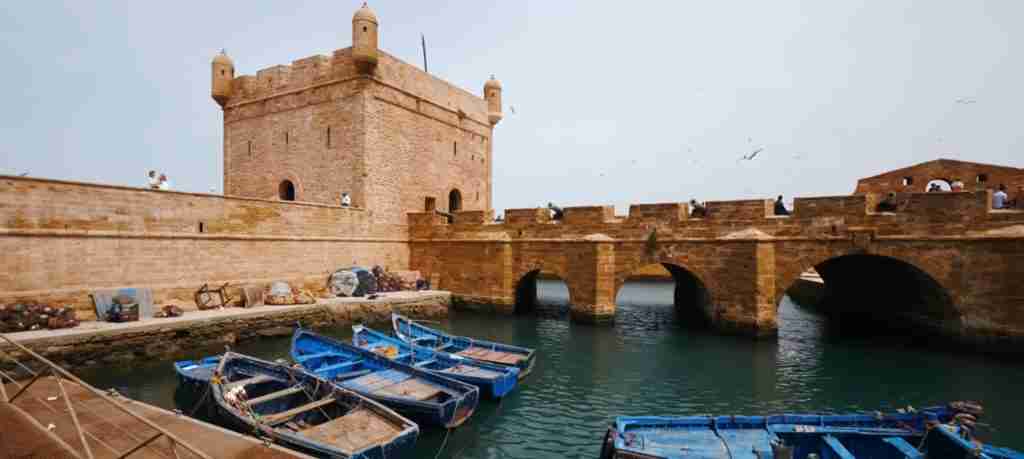
Rabat 3-Day Discovery Tour
- ✓ Comprehensive Rabat experience
- ✓ Expert local guides included
- ✓ All accommodation included
- ✓ Transportation provided
5 days
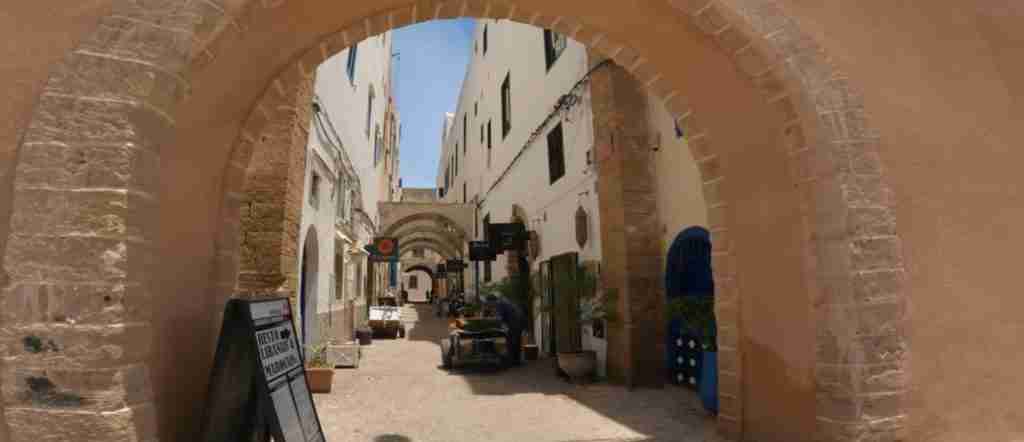
Rabat 5-Day Highlights Experience
- ✓ Comprehensive Rabat experience
- ✓ Expert local guides included
- ✓ All accommodation included
- ✓ Transportation provided
7 days
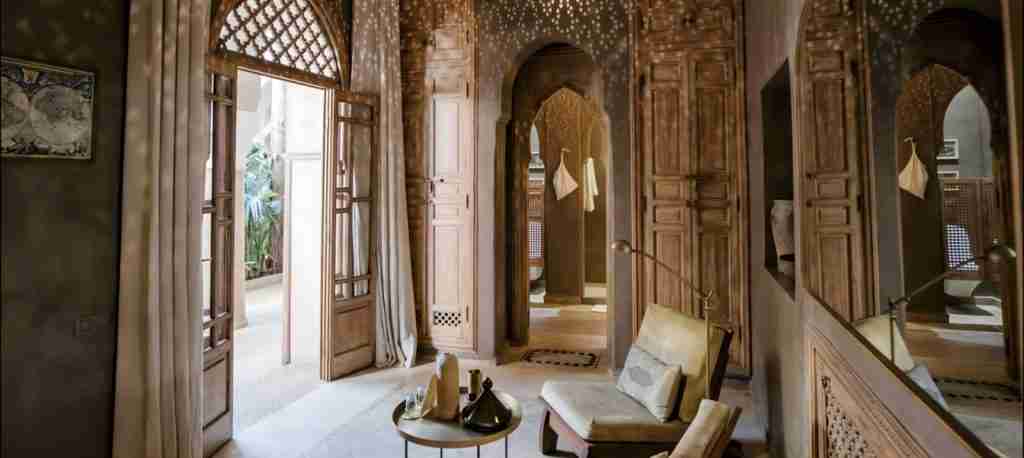
Rabat 7-Day Cultural Journey
- ✓ Comprehensive Rabat experience
- ✓ Expert local guides included
- ✓ All accommodation included
- ✓ Transportation provided
10 days
Rabat 10-Day Complete Adventure
- ✓ Comprehensive Rabat experience
- ✓ Expert local guides included
- ✓ All accommodation included
- ✓ Transportation provided
Multi-day tour packages powered by TourRadar. Prices and availability subject to change.
Historical Background: From Ribat to Royal Capital
The history of Rabat begins with geography. The Bou Regreg river provided a natural harbor while the Atlantic coast offered strategic naval access. Archaeological evidence confirms Roman and Phoenician presence in the area, with the Roman settlement of Sala Colonia located across the river at what is now Salé. These ancient civilizations recognized the site’s maritime and agricultural potential, establishing trade connections that would persist for millennia.
The foundation of Rabat as an Islamic city occurred in 1150 when Almohad Sultan Abd al-Mu’min established a ribat (fortified monastery) on the site. The ribat served dual purposes: religious education and military defense against Christian raids from the sea. The Almohad dynasty, which controlled North Africa and southern Spain, needed secure coastal bases to support their campaigns in Iberia. The settlement grew as a garrison town populated by soldiers, scholars, and merchants supporting the Almohad war effort.
The golden age arrived under Sultan Yacoub al-Mansour who reigned from 1184 to 1199. Following his victory over Christian forces at the Battle of Alarcos in 1195, al-Mansour planned to transform Rabat into a grand imperial capital rivaling Cairo or Baghdad. He commissioned the Hassan Mosque, intended to be the world’s largest, with dimensions of 180 by 140 meters. The attached minaret, the Hassan Tower, was designed to reach 80 meters, surpassing even the Koutoubia in Marrakech. Massive ramparts enclosing 420 hectares protected the expanding city.
Al-Mansour’s death in 1199 abruptly ended these ambitions. His successors lacked resources to complete the Hassan Mosque, which remained with only the forest of columns and the minaret reaching just 44 meters. The Almohad dynasty weakened, and Rabat declined as political centers shifted to Fes and Marrakech. The site retained strategic importance but lost its imperial grandeur for over four centuries.
A unexpected renaissance occurred in the 17th century when thousands of Muslims and Jews expelled from Spain settled in Rabat. These Moriscos and Sephardic Jews brought Andalusian culture, architectural traditions, and commercial expertise. They established the Kasbah of the Udayas as a pirate republic, conducting maritime raids against European shipping. The corsairs of Salé and Rabat became notorious throughout the Mediterranean, accumulating wealth that funded construction of palaces, mosques, and fortifications. This period established Rabat’s reputation as a cosmopolitan maritime city with strong Andalusian character.
The Alaouite dynasty, which continues to rule Morocco, designated Rabat as one of four imperial capitals. Sultan Mohammed ben Abdallah built a royal palace in the 18th century, establishing the site that remains the primary royal residence. However, Rabat remained less important than Fes (religious capital) or Marrakech (southern power base) until the 20th century.
The transformative period began in 1912 when France established its Protectorate over Morocco. Resident-General Hubert Lyautey made the crucial decision to locate the Protectorate’s administration in Rabat rather than Tangier, Casablanca, or Fes. This choice reflected Lyautey’s vision of colonial governance that respected indigenous culture while introducing modernization. He recognized that placing the capital in an existing imperial city provided legitimacy, while the relatively modest size allowed construction of administrative quarters without massive displacement of Moroccan residents.
Lyautey commissioned French architect Henri Prost to design the nouvelle ville. Prost spent months studying Moroccan urban traditions before creating his master plan. He established a preservation zone protecting the medina from demolition or alteration, segregated the new European town by a buffer zone of gardens and parks, and designed broad boulevards radiating from administrative buildings. The plan incorporated garden city principles with residential zones featuring villas set in greenery, commercial districts with arcaded streets, and monumental government buildings in neo-Moorish style.
Construction proceeded rapidly between 1913 and 1925. Prost designed several major buildings himself, including the Bank al-Maghrib and the residential quarter of Orangers. Other architects contributed structures that blended Art Deco, neo-Moorish, and modernist elements. The nouvelle ville grew into a functional colonial capital with paved streets, electric lighting, running water, and administrative efficiency contrasting sharply with the traditional medina.
Independence in 1956 brought questions about whether to retain Rabat as capital. King Mohammed V decided to maintain it, recognizing the governmental infrastructure and international recognition already established. The royal family made the Rabat palace their primary residence. Post-independence governments expanded the city with new residential districts, modernist government buildings, and infrastructure improvements. The population grew dramatically as rural migration brought workers seeking government employment and urban amenities.
Contemporary Rabat continues evolving while maintaining its distinctive character. Major projects include the Bouregreg Valley Development, transforming the riverfront with cultural facilities, public spaces, and modern infrastructure. The Mohammed VI Tower and other high-rises introduced vertical development. Yet the UNESCO World Heritage designation ensures protection of both historic and colonial-era districts, preserving the architectural heritage that makes Rabat unique among African capitals.
Architectural Significance: Heritage and Modern Planning
Rabat’s architectural significance derives from the exceptional coexistence of multiple building traditions spanning nine centuries. The city functions as an outdoor museum of Moroccan architecture, demonstrating evolution from medieval Islamic urbanism through colonial-era modernism to contemporary development. Each period contributed distinctive elements while respecting existing structures, creating remarkable architectural continuity.
The Almohad architectural legacy centers on the Hassan Tower and mosque complex. The minaret demonstrates the Almohad style’s characteristic features: square plan measuring 16 meters per side, decoration concentrated on the upper levels, and sophisticated proportional systems. The tower facade employs different decorative patterns on each level, creating visual progression from simple geometric motifs at the base to complex interlaced arches near the summit. The use of red sandstone, sourced from nearby quarries, provides warm coloring that changes throughout the day as light shifts.
The unfinished Hassan Mosque reveals structural ambitions. The prayer hall’s 312 columns, though never completed to support the roof, display exceptional stonework with capitals varying between different sections. The columns stand on a vast platform with sophisticated drainage systems to prevent water damage. The scale—intended to accommodate 40,000 worshippers—demonstrates Almohad engineering confidence and organizational capacity. Modern architectural analysis suggests the original design incorporated innovative structural solutions to span the enormous interior spaces.
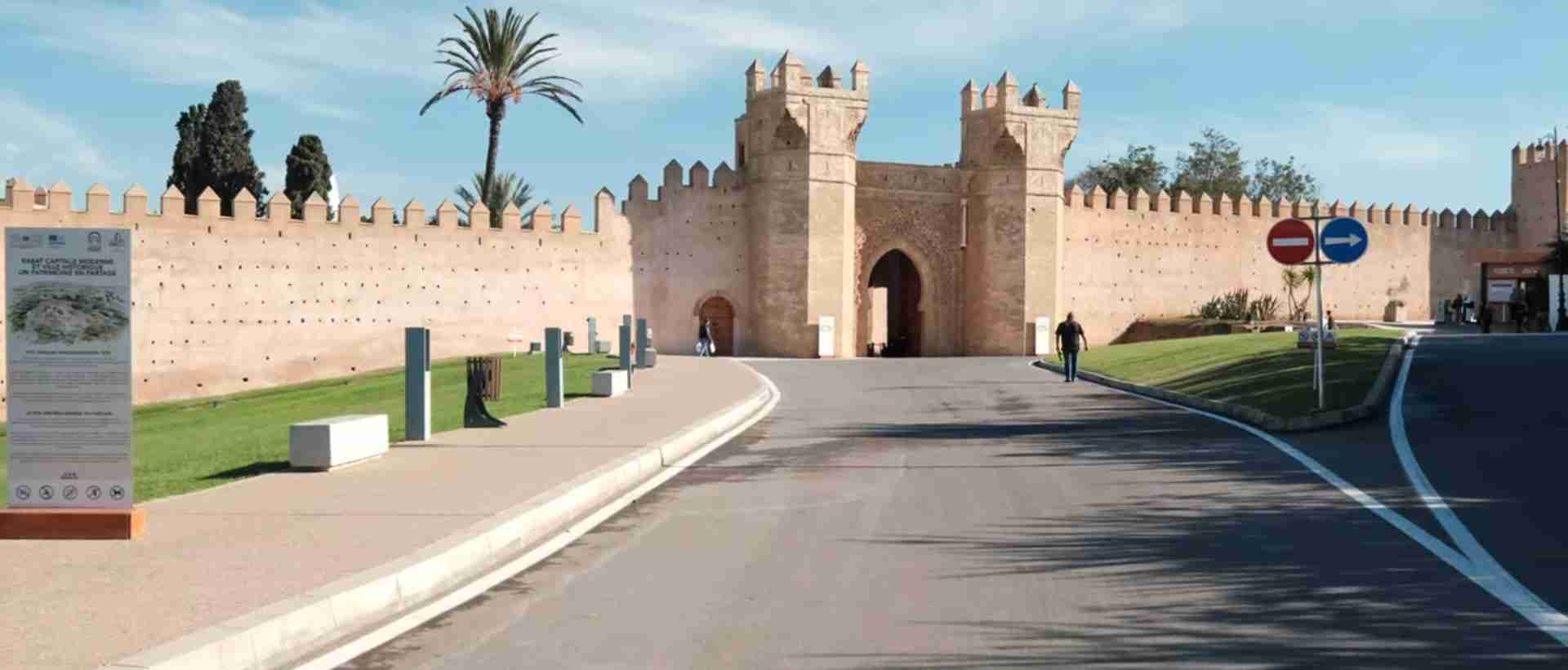
The defensive ramparts built by Yacoub al-Mansour encircle the historic core with walls up to 10 meters high and 2.5 meters thick. Constructed from rammed earth (pisé) with stone foundations, the walls stretch for 5.2 kilometers with multiple gates featuring different architectural approaches. Bab el-Rouah (Gate of the Winds) presents the most elaborate example, with horseshoe arches, decorative carvings, and flanking towers. The gate design influenced fortification architecture throughout Morocco and demonstrates Almohad mastery of defensive engineering combined with aesthetic refinement.
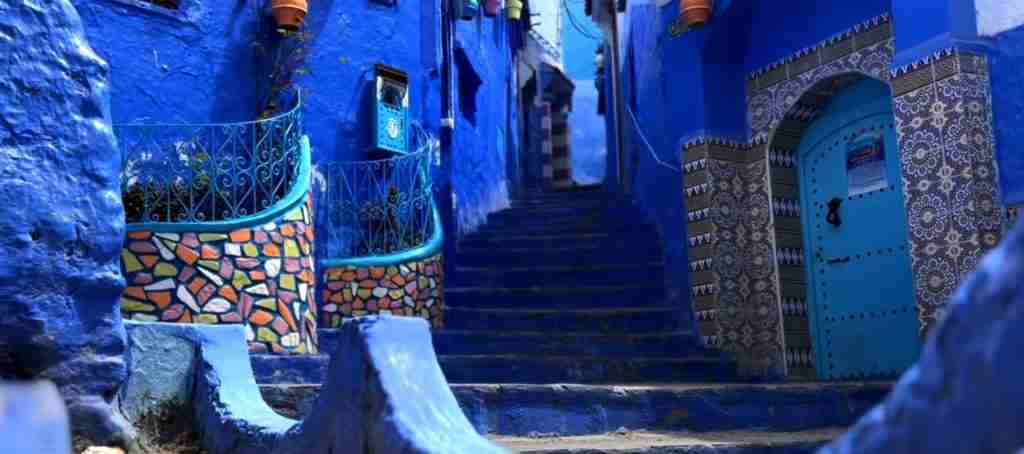
The Kasbah of the Udayas showcases Andalusian architectural influence. Moriscos expelled from Spain in the 17th century built the residential quarter with distinctive white and blue color scheme, ornate doorways, and domestic architecture emphasizing privacy and interior courtyards. The buildings feature characteristics different from typical Moroccan construction: lower ceiling heights, blue-painted woodwork (a tradition from Granada), and extensive use of zellige tilework in geometric patterns. The main gate, Bab Oudaia, displays Almohad military architecture with its massive stone construction and intricate decorative program.
The medina proper demonstrates traditional Moroccan urban planning principles. The dense fabric of narrow streets follows a hierarchical pattern from major commercial thoroughfares like Rue des Consuls to progressively narrower residential lanes ending in dead-end private courts. Buildings present blank external walls to maintain domestic privacy while interior courtyards provide light, ventilation, and family space. Traditional houses (riads) follow standard plans with rooms arranged around central courtyards, fountain or garden features, and decorated reception rooms for entertaining guests. The souks organize by trade, with each craft occupying specific streets—a pattern dating to medieval Islamic city planning.
Henri Prost’s nouvelle ville represents the architectural centerpiece of colonial Rabat. Prost’s master plan established principles that influenced urban planning throughout French colonial territories. He created a comprehensive zoning system separating administrative, residential, and commercial functions. The street network featured wide boulevards radiating from ceremonial centers, allowing efficient traffic circulation while creating monumental vistas. The Avenue Mohammed V, the main thoroughfare, stretches in a straight line from the medina to the train station, lined with arcaded buildings providing shaded walkways.
Prost designed several key buildings establishing the architectural vocabulary for the nouvelle ville. The Bank al-Maghrib headquarters exemplifies his approach: monumental scale expressing institutional authority, neo-Moorish decorative elements providing cultural continuity, and Art Deco geometric composition reflecting European modernism. The building employs traditional Moroccan decorative techniques including zellige mosaics, carved plasterwork, and painted wood ceilings, while the overall composition follows Beaux-Arts principles of symmetry and hierarchy.
The residential districts demonstrate garden city planning principles. The Orangers neighborhood features villas set within generous gardens, creating low-density development with abundant greenery. Buildings follow eclectic styles ranging from neo-Moorish to Art Deco to modernist, unified by consistent setbacks, height limits, and landscaping requirements. This approach created residential environments of exceptional quality, with tree-lined streets, neighborhood parks, and careful attention to urban design details.
Major government buildings employed neo-Moorish architecture to establish visual continuity with Moroccan architectural traditions while accommodating modern institutional functions. The Parliament building, constructed in the 1920s, features horseshoe arches, decorative tilework, and a monumental entrance portal referencing mosque architecture, yet the internal organization follows Western administrative building types with offices arranged along corridors. The Ministry of Finance and other government structures adopted similar approaches, creating an architectural language that became standard for official buildings throughout Morocco.
The Catholic Cathedral of Saint Peter, built in the 1920s, represents fascinating architectural synthesis. Architect Adrien Laforgue designed a structure combining Art Deco geometric forms with Islamic architectural motifs. The tower references minaret design while the interior employs Moroccan decorative techniques. This cultural fusion reflected colonial ideology of Franco-Moroccan cooperation while creating one of Rabat’s most distinctive buildings. The cathedral now hosts cultural events and exhibitions, having lost its religious function as the European population declined after independence.
Post-independence architecture introduced modernist and contemporary styles. The Mausoleum of Mohammed V, completed in 1971, represents significant architectural achievement. Designed by Vietnamese architect Vo Toan, the white marble structure synthesizes Moroccan traditional forms with modernist sensibilities. The square plan, pyramidal roof, and decorative details reference Moroccan mausoleum architecture, while the refined detailing and proportions demonstrate contemporary design sophistication. The mausoleum sits adjacent to the Hassan Tower, creating powerful architectural dialogue between medieval and modern.
Contemporary development has added high-rise buildings and modernist structures to Rabat’s skyline. The Mohammed VI Tower, completed in 2022, reaches 250 meters with twisted form and glass curtain wall providing contemporary architectural statement. However, height restrictions and architectural review processes maintain the historic city’s visual character. New construction in residential areas continues respecting traditional scales and forms, with contemporary interpretations of Moroccan courtyard houses and garden villas maintaining neighborhood coherence.
The architectural preservation efforts deserve recognition. The ADER (Agence pour la Dédensification et la Réhabilitation de la Médina de Rabat) works to restore medina buildings while improving living conditions. Projects include renovating historic houses, upgrading infrastructure, and supporting traditional crafts. Similar efforts in the nouvelle ville protect colonial-era buildings from demolition or inappropriate alterations. The UNESCO World Heritage designation strengthened these conservation programs, ensuring Rabat’s architectural heritage remains intact for future generations while accommodating ongoing urban development needs.
Cultural Impact: Capital City Identity
Rabat’s role as Morocco’s administrative capital profoundly shapes its cultural identity. The concentration of governmental institutions, diplomatic missions, and international organizations creates cosmopolitan atmosphere distinguishing it from other Moroccan cities. Multiple cultural traditions coexist: traditional Moroccan values and practices maintained by families with generations in Rabat, French colonial influences persisting in language and cultural habits, and contemporary globalized culture introduced through education and media exposure.
The governmental presence influences daily life in numerous ways. Civil servants constitute a large portion of the employed population, creating middle-class neighborhoods with stable incomes and educational emphasis. Government offices close at specific hours, creating rhythms of commuting, lunch breaks, and evening activities. The presence of ministries and administrations attracts businesses providing professional services—law firms, consultancies, technical services—contributing to formal sector development. This contrasts with the more entrepreneurial commercial atmosphere of Casablanca or the tourism-driven economy of Marrakech.
Diplomatic communities add international dimensions to Rabat’s culture. Embassies from over 120 countries maintain presence, with diplomats and staff participating in city life. Foreign cultural centers—French Institut, German Goethe-Institut, Spanish Cervantes Institute, American Cultural Center—offer language courses, exhibitions, films, and lectures. These institutions provide cultural programming unavailable elsewhere in Morocco, creating opportunities for cultural exchange and exposure to international arts and ideas. The diplomatic community also supports restaurants, shops, and services catering to international tastes, contributing to Rabat’s cosmopolitan character.
Educational institutions significantly impact culture. Rabat hosts Morocco’s major universities including Mohammed V University, considered the country’s most prestigious institution. University students from across Morocco bring regional diversity to the city. The concentration of educational facilities, libraries, and research centers creates intellectual atmosphere. Bookshops, cafes frequented by students and intellectuals, and cultural debates contribute to Rabat’s identity as Morocco’s educational capital. This contrasts with cities like Marrakech where tourism dominates cultural production or industrial centers like Casablanca where commercial activity prevails.
Traditional Moroccan culture thrives in Rabat’s medina and older neighborhoods. Extended families maintain traditional living patterns with multiple generations sharing courtyard houses. Religious observance remains strong, with neighborhood mosques serving as community centers. Traditional crafts including carpet weaving, embroidery, jewelry making, and woodworking continue in family workshops. The souks function as genuine marketplaces serving local needs rather than tourist attractions. Traditional gender roles persist more than in Casablanca, with women’s participation in public life following conservative norms, though this gradually changes as younger generations pursue education and careers.
Arts and culture receive substantial support in Rabat. The Mohammed VI Museum of Modern and Contemporary Art, opened in 2014, houses Morocco’s most important collection of modern art with works by Moroccan and international artists. The National Theatre stages performances ranging from traditional Arabic drama to contemporary experimental work. The Villa des Arts provides exhibition space for emerging artists. The Royal Theatre, designed by architect Zaha Hadid and completed in 2024, offers world-class performance facility for opera, ballet, and concerts. This cultural infrastructure exceeds facilities in other Moroccan cities, reflecting Rabat’s status as cultural as well as political capital.
Music traditions flourish with particular diversity. Traditional Moroccan musical forms including Andalusian classical music, chaabi popular music, and Gnawa spiritual music maintain active performance traditions. The Orchestre Philharmonique du Maroc performs classical Western music. Contemporary genres including jazz, rock, and electronic music develop through clubs and festivals. The Mawazine Festival, held annually in May, ranks among Africa’s largest music festivals with international headliners performing alongside Moroccan artists. This musical diversity reflects both traditional culture and contemporary globalization.
Culinary culture demonstrates similar synthesis. Traditional Moroccan cuisine thrives in the medina and family homes, with tagines, couscous, pastilla, and traditional pastries prepared following time-honored recipes. French culinary influences persist from colonial times, visible in bakeries offering croissants and baguettes, cafes serving espresso, and bistros featuring French-Moroccan fusion cuisine. International restaurants proliferate, serving Lebanese, Italian, Japanese, Indian, and other cuisines to satisfy diplomatic and expatriate communities. Street food culture includes both traditional Moroccan offerings and newer developments like food trucks serving contemporary fusion dishes.
The relationship between Rabat and Salé across the Bou Regreg river adds cultural complexity. Salé maintains more conservative traditional character than cosmopolitan Rabat. The two cities share history but maintain distinct identities, with friendly rivalry expressed through social attitudes, dialect differences, and cultural preferences. The Bouregreg Valley Development project aims to unite the riverbanks with cultural facilities, recreational spaces, and improved transportation, potentially transforming the relationship between these sister cities.
Social dynamics in Rabat reflect its governmental character. The city hosts elite classes connected to power—royal family members, senior government officials, business leaders, and old families with historical connections to previous dynasties. These elites maintain exclusive neighborhoods, private clubs, and social circles. A substantial middle class of civil servants, professionals, and educated workers forms the social backbone. Working-class neighborhoods house service workers, craftsmen, and migrants from rural areas. This social stratification, while present in all Moroccan cities, takes particular forms in Rabat where government employment provides primary avenue for middle-class status.
Contemporary youth culture introduces change. Young Moroccans educated in universities, exposed to global media through internet and satellite television, and connected to international trends through social media develop cultural practices diverging from traditional norms. Cafes and public spaces host young people socializing in mixed-gender groups, behavior less common in previous generations. Contemporary fashion, music preferences, and social attitudes reflect globalization’s impact. Yet most youth maintain connections to Moroccan identity, practicing religion, respecting family obligations, and participating in traditional celebrations even while adopting contemporary cultural forms.
The medina’s cultural preservation faces challenges and opportunities. Traditional crafts decline as younger generations pursue education and formal employment rather than continuing family trades. Traditional architecture requires expensive maintenance, pushing residents toward modern housing. Yet recognition of cultural heritage value has stimulated conservation efforts. Restored riads become boutique hotels, cultural centers, or offices for cultural organizations. Craft cooperatives receive support to maintain traditional techniques. Cultural tourism develops as visitors seek authentic Moroccan experiences, creating economic incentives for heritage preservation.
Religious life maintains central importance in Rabat’s culture. The presence of the Royal Palace connects the city to the King’s role as Commander of the Faithful, Morocco’s highest religious authority. Major mosques including the Hassan Mosque site (now used for outdoor prayers on religious holidays) and the 14th-century Grande Mosquée serve as focal points for religious observance. Islamic education continues in traditional koranic schools (msids) and modern religious schools. The annual celebration of the Prophet’s birthday (Mawlid) sees elaborate festivities throughout the city. Yet Rabat also demonstrates religious tolerance, with Jewish and Christian communities maintaining places of worship and practicing their faiths freely.
Artistic Heritage: Crafts, Museums, and Cultural Institutions
Rabat’s artistic heritage encompasses traditional crafts that have flourished for centuries alongside contemporary art movements supported by major cultural institutions. The medina’s souks preserve craft traditions passed through generations of artisan families. Carpet weaving represents one of the most important crafts, with workshops producing both traditional designs and contemporary interpretations. Rabat carpets feature distinctive patterns and color palettes different from carpets produced in other Moroccan cities. The technique involves hand-knotting wool or silk threads on vertical looms, a process requiring months for larger pieces.
Leather working maintains strong presence in Rabat’s artisan quarter. Craftsmen produce traditional babouches (pointed slippers), bags, belts, and other leather goods using techniques unchanged for centuries. The leather receives natural dyes from plant materials, creating rich colors. Master craftsmen demonstrate exceptional skill in cutting, stitching, and decorating leather items. While modern machine production threatens traditional leatherworking, luxury market demand for handcrafted goods keeps the tradition viable.
Jewelry making follows both Berber and Arab traditions. Rabat’s jewelers work in silver and gold, creating pieces with techniques including filigree, engraving, and stone setting. Traditional designs incorporate geometric patterns, Arabic calligraphy, and protective symbols. Jewelry serves important cultural functions beyond decoration, marking life transitions, providing portable wealth, and offering spiritual protection through amulets and talismans. Contemporary jewelers reinterpret traditional forms with modern aesthetics, creating pieces appealing to younger Moroccan and international clients.
Woodworking achieves high artistic levels in Rabat. Cedar wood from the Middle Atlas mountains provides primary material for furniture, architectural elements, and decorative objects. Craftsmen employ techniques including carving, inlay, and painted decoration. Traditional pieces include marriage chests, low tables, screens, and architectural elements like carved doors and ceiling panels. The technique of marquetry, creating patterns from different colored woods, reaches particular refinement. Skilled craftsmen spend years mastering the complex geometric designs characteristic of Islamic art.
Ceramic and tile work (zellige) represents distinctive Moroccan artistic achievement. Artisans cut small pieces of colored ceramic into precise geometric shapes, assembling them into complex patterns covering walls, floors, fountains, and columns. The process requires multiple specialized skills: tile makers who form and fire the ceramic pieces, glazers who apply colored glazes, cutters who shape pieces to exact specifications, and mosaicists who assemble the final patterns. Rabat’s buildings showcase exceptional zellige work, particularly in the Kasbah and historic houses.
Textile arts extend beyond carpet weaving to embroidery, weaving, and costume making. Rabat embroidery features distinctive styles and motifs, with techniques passed from mothers to daughters. Silk thread embroidery decorates traditional caftans, decorative panels, and household textiles. The color symbolism and pattern vocabulary carry cultural meanings related to protection, fertility, and social status. Traditional costume making continues despite declining everyday use of traditional dress, sustained by demand for wedding outfits and special occasion clothing.
The Mohammed VI Museum of Modern and Contemporary Art establishes Rabat as Morocco’s center for contemporary art. Opened in 2014, the museum occupies a purpose-built facility designed to international museum standards. The collection includes works by major Moroccan artists including Hassan el Glaoui, Ahmed Cherkaoui, Mohammed Kacimi, and Farid Belkahia, documenting Morocco’s modern art movement from its early 20th-century emergence through contemporary practice. The museum also features international works, temporary exhibitions of cutting-edge contemporary art, and educational programs introducing Moroccan audiences to global art developments.
The museum’s collection strategy emphasizes Moroccan art’s relationship to broader Arab and African art movements. Exhibitions explore how Moroccan artists navigate between local traditions and global contemporary art practices. The museum has become a research center for scholars studying North African modernism and contemporary art. Its library, archives, and documentation center provide resources previously unavailable in Morocco. The museum also supports living artists through residencies, commissions, and acquisitions, actively contributing to contemporary art production.
The Museum of Oudayas, located in the Kasbah, focuses on Moroccan traditional arts and Andalusian heritage. The museum occupies a 17th-century palace with rooms arranged around a central courtyard. Collections include traditional jewelry, costumes, ceramics, carpets, and musical instruments. The displays contextualize objects within their cultural functions, explaining the role of various crafts in daily life, ceremonies, and social structures. The Andalusian garden attached to the museum provides tranquil space showcasing traditional Islamic garden design with geometric layout, water features, and aromatic plants.
The National Museum of Archaeology, though focused on pre-Islamic periods, contains significant collections from Roman Mauretania and earlier civilizations. Bronze sculptures from Volubilis, including the famous bronze ephebe, demonstrate classical artistic achievement in North Africa. Punic artifacts reveal Phoenician cultural influences. Prehistoric objects document human presence in Morocco spanning millennia. The museum contextualizes archaeological finds within Mediterranean and African cultural spheres, demonstrating Morocco’s long participation in trans-regional networks.
The Villa des Arts serves as contemporary art center with changing exhibitions, artist studios, and cultural programs. The villa, an elegant French colonial-era building, provides intimate setting for experimental work and emerging artists. Programming emphasizes interaction between visual arts, performance, film, and digital media. Workshops and artist talks create dialogue between artists and public. The villa functions as incubator for contemporary Moroccan art, giving emerging artists exhibition opportunities and supporting innovative practices.
Literary and intellectual culture centers on the National Library, one of Africa’s largest library facilities. The modernist building, completed in 2008, houses over 1.5 million volumes including rare manuscripts, historic documents, and contemporary publications. The library serves researchers, students, and general readers with collections covering all fields of knowledge. Special collections include Moroccan heritage documents, Arabic manuscripts, and materials related to North African studies. The library hosts lectures, exhibitions, and cultural programs, functioning as intellectual center beyond its archival and lending functions.
Galleries and art spaces proliferate throughout the ville nouvelle. Commercial galleries represent established and emerging artists, contributing to art market development. Non-profit art spaces operated by cultural associations provide alternative exhibition venues. Cultural centers attached to foreign embassies feature their national artists, creating opportunities for cultural exchange. This gallery infrastructure, concentrated in Rabat more than other Moroccan cities, reflects the capital’s role as cultural center and the presence of educated, affluent audiences.
Music institutions include the National Orchestra, which performs classical Western music; the Rabat Arabic Music Orchestra, specializing in Andalusian classical music; and the National Conservatory, which trains musicians in both Western and Arab musical traditions. These institutions preserve and develop musical heritage while exposing Moroccan audiences to diverse musical traditions. Concert series, festivals, and educational programs create active musical culture serving both connoisseurs and general audiences.
The Royal Theatre of Rabat, designed by Zaha Hadid and completed in 2024, represents Morocco’s most ambitious cultural infrastructure project. The 1,800-seat theater features cutting-edge technical facilities for opera, ballet, concerts, and theatrical performances. The building’s dramatic architecture has become instant landmark, with fluid forms contrasting with traditional Moroccan architecture while responding to the riverside site. The theater hosts international touring productions and supports development of Moroccan performing arts through commissions and residencies. Its opening positions Rabat as North African performing arts center.
Film culture benefits from cinematheques, art cinema theaters, and annual festivals. The Moroccan Cinémathèque preserves historic Moroccan films and screens retrospectives of world cinema. Several festivals showcase Arab, African, and international films, creating opportunities for Moroccan audiences to engage with global film culture. Morocco’s film industry, centered largely in Casablanca and Ouarzazate, maintains connections to Rabat through funding agencies, cultural institutions, and industry events.
Cultural policy receives substantial government support reflecting Rabat’s capital status. The Ministry of Culture oversees heritage preservation, arts funding, and cultural programming. Royal patronage for major cultural projects demonstrates high-level commitment to cultural development. This support distinguishes Morocco from many developing countries where culture receives low priority. The investment in cultural infrastructure and programming positions Rabat as leading cultural center within Africa and the Arab world.
Photography Guide: Capturing Rabat’s Visual Essence
Photographing Rabat requires understanding its unique visual character—the interplay between ancient and modern, the coastal light quality, and the architectural diversity spanning centuries. The city rewards photographers seeking to capture cultural authenticity rather than tourist spectacle. Unlike Marrakech’s visually overwhelming souks or Fes’s intensely concentrated medina, Rabat offers more subtle photographic opportunities requiring attention to details, light, and context.
The Hassan Tower provides Rabat’s most iconic photographic subject. The best light occurs during golden hour, roughly one hour after sunrise and one hour before sunset, when warm light accentuates the red sandstone’s color and creates long shadows emphasizing the minaret’s architectural details. Photographers should explore multiple angles: the classic frontal view showing the tower’s full height, compositions incorporating the forest of columns in the foreground, and perspectives from the elevated platform looking toward the Mausoleum of Mohammed V. Wide-angle lenses (16-35mm) work well for including architectural context, while telephoto lenses (70-200mm) isolate decorative details.
The Mausoleum of Mohammed V offers photographic challenges due to interior restrictions—photography is prohibited inside the mausoleum chamber. However, the exterior provides stunning opportunities. The white marble structure photographs beautifully against clear blue skies, with the horseguards in traditional uniforms adding color and cultural interest. The changing of the guard ceremony, occurring hourly, provides action and human element. Photographers should respect the sacred nature of the site, avoiding disruptive behavior and showing sensitivity when photographing guards and visitors.
The Kasbah of the Udayas presents exceptional photographic opportunities with its distinctive blue and white color scheme. The narrow streets with whitewashed walls and blue painted doors and windows create graphic compositions. The Andalusian Garden within the Kasbah offers tranquil setting with geometric pathways, fountain features, and lush vegetation. Morning light works best for street photography, avoiding harsh midday shadows. The rampart walls facing the ocean provide dramatic sunset locations, with Atlantic waves crashing against rocks below and views extending toward Salé across the Bou Regreg river.
Bab Oudaia, the monumental gate at the Kasbah entrance, deserves careful photographic attention. The massive stone structure with horseshoe arch and decorative carvings demonstrates Almohad architectural mastery. Photographers should shoot from slightly elevated positions to emphasize the gate’s scale and avoid distortion from extreme upward angles. The passage through the gate creates interesting light and shadow contrasts. Wide shots include surrounding fortification walls while detail shots focus on carved ornamental patterns and stone weathering that reveals centuries of history.
The medina’s souks offer street photography opportunities distinct from more tourist-oriented markets in other cities. Rabat’s souks serve primarily local customers, creating authentic atmosphere. Photographers should always request permission before photographing people, respecting privacy and cultural sensitivities. Craftsmen working in their shops—carpet weavers, metalworkers, leather craftsmen—often permit photography, especially if you show genuine interest and purchase items. Available light in covered souks can be challenging, requiring high ISO settings (1600-3200) and wide apertures. Flash photography should be avoided as it disrupts the ambient atmosphere and annoys subjects.
Rue des Consuls, the medina’s main commercial street, provides good opportunities for architectural details. Traditional shop fronts, carved wooden doors, ornate metalwork, and colorful displays create rich visual subject matter. The street’s covered sections create interesting light patterns with shafts of sunlight penetrating through openings. Telephoto lenses compress perspective, emphasizing the street’s linear character and density.
The ville nouvelle offers architectural photography opportunities showcasing colonial-era and contemporary buildings. Avenue Mohammed V, the main boulevard, presents Art Deco and neo-Moorish buildings worth documenting. Early morning or late afternoon light emphasizes facade details and creates interesting shadow patterns. The arcaded walkways provide shaded foreground elements for compositions. The Bank al-Maghrib building, the cathedral, and various administrative buildings demonstrate architectural synthesis between European and Moroccan forms.
The gardens and parks throughout Rabat provide peaceful photographic settings. The Jardin d’Essais botanical garden near Agdal offers diverse plant species, tree-lined pathways, and traditional landscape design. The Chellah necropolis combines Roman ruins, medieval Islamic structures, and abundant vegetation creating atmospheric setting for both architectural and nature photography. The site’s storks, which nest in the ruins, add wildlife element. Afternoon light filtering through trees creates dappled patterns. The site’s slightly overgrown character and aged stonework create romantic aesthetic different from pristine restoration elsewhere.
Coastal photography opportunities extend along Rabat’s Atlantic seafront. The Beach of Nations (Plage des Nations) north of the city center provides wide beaches, dramatic wave action, and sunset opportunities. The Bouregreg Marina and riverfront development offer contemporary architectural subjects with waterfront reflections. The area works well for long exposure photography at dusk, capturing movement in water and clouds. The new Mohammed VI Museum of Modern Art, with its geometric facade, photographs well from the riverside promenade.
Street life photography captures Rabat’s character as working capital rather than tourist destination. Morning scenes of commuters heading to government offices, lunch hours in popular restaurants, evening strolls along Avenue Mohammed V—these everyday activities reveal authentic urban life. The mixture of traditional dress and contemporary fashion, the presence of both Arabic and French in commercial signage, and the interaction between modern and traditional urban spaces provide rich documentary subjects.
Technical considerations for photographing Rabat include awareness of the coastal atmosphere’s impact on light quality. The Atlantic influence creates softer light than inland desert areas, reducing extreme contrasts. Hazy conditions sometimes occur, especially in summer, requiring post-processing adjustments to increase clarity and contrast. The relatively northern latitude (34°N) means sun angles differ from more southern Moroccan locations, with higher midday sun in summer but attractive light angles in winter months.
Cultural sensitivity remains essential when photographing in Rabat. Many Moroccans, particularly older residents and women, prefer not to be photographed. Always request permission before photographing people. Government buildings, police, and military installations should not be photographed. Religious sites require respectful behavior—mosques are generally closed to non-Muslims, and photography of worshippers should be avoided. Photographing children requires parental permission.
Post-processing strategies for Rabat photography should enhance rather than transform the visual character. Warm toning emphasizes the red sandstone architecture and golden light quality. Boosting blues saturates the distinctive color scheme in the Kasbah. Subtle vignetting helps focus attention on central subjects. Black and white conversion works well for architectural subjects, emphasizing form and texture while removing color distractions. However, color photography better captures Rabat’s visual character, particularly the blue and white of the Kasbah, the red sandstone of Almohad monuments, and the diverse urban color palette.
The best seasons for photography in Rabat are spring (March-May) and autumn (September-November) when light quality is excellent, weather is pleasant, and vegetation is lush. Winter provides good light but occasional rain and cooler temperatures. Summer brings intense light, haze, and heat that can limit midday shooting. However, each season offers distinct photographic opportunities—winter’s dramatic cloud formations, spring’s flowering gardens, summer’s vibrant street life, autumn’s golden light.
Local Culture and Customs: Understanding Rabat Society
Understanding Rabat’s local culture requires recognizing the city’s distinctive position within Moroccan society. As administrative capital, Rabat combines traditional Moroccan cultural values with cosmopolitan influences from the governmental, diplomatic, and educational communities. Daily life reflects this duality—traditional gender roles, religious observance, and family structures coexist with contemporary professional culture, international exposure, and gradual social change.
Language use in Rabat demonstrates cultural complexity. Moroccan Arabic (darija) serves as the primary spoken language for most residents. Classical Arabic functions as the language of formal settings, religious discourse, and official documentation. French maintains strong presence as language of business, higher education, and international communication—a colonial legacy that persists despite Arabic language nationalism. Many educated Rbatis (as Rabat residents are known) switch fluidly between Arabic and French in conversation. English grows in importance, especially among young people and in international contexts, though it remains less prevalent than French. Berber languages, spoken by migrants from Berber regions, have limited presence in Rabat compared to their strongholds in rural areas.
Religious life shapes daily rhythms and social norms. The call to prayer sounds five times daily from numerous mosques, marking time through the day. Friday holds special significance as the main congregational prayer day, with government offices and many businesses closing for extended lunch breaks. The holy month of Ramadan transforms city life—businesses adjust hours, special foods appear in markets, and evening streets fill with people after breaking the daily fast. Night prayers (tarawih) draw crowds to mosques. The end of Ramadan, celebrated during Eid al-Fitr, involves family gatherings, gift exchanges, and festive meals. Eid al-Adha, the sacrifice feast, sees families slaughtering sheep following Islamic tradition, an event that still occurs widely in Rabat despite urban setting.
Family structures remain central to social organization. Extended families maintain close connections even when not living in same households. Family decisions often involve consultation with parents and elder relatives, particularly regarding marriage, education, and major expenditures. Traditional patriarchal authority persists though gradually moderates with generational change. Children often live with parents until marriage, and adult children maintain obligations to support elderly parents. Family honor (reputation) carries significant weight, influencing behavior particularly regarding gender relations and marriage.
Gender relations follow more progressive patterns in Rabat than in rural areas or more conservative cities, yet remain traditional compared to Western standards. Women participate in education and professional life at increasing rates—universities have near gender parity, and women work in government offices, businesses, and professional services. However, traditional expectations about appropriate female behavior persist. Many women wear hijab (head covering) in public, though this is personal choice rather than legal requirement in Morocco. Mixed-gender socializing occurs in educational and professional settings but remains limited in traditional neighborhoods. Marriages often follow traditional patterns with family involvement in partner selection, though love marriages become more common among educated youth.
Social etiquette emphasizes politeness, indirectness, and attention to hierarchical relationships. Greetings involve extensive inquiries about health, family, and well-being—rushing through greetings signals rudeness. Formal address uses titles and respectful forms. Age commands respect, with younger people expected to defer to elders. Hospitality traditions remain strong—offering tea to guests is standard practice, and refusing hospitality without good reason causes offense. Business relationships develop through personal connections and trust building rather than purely transactional approaches. Time orientation differs from Western punctuality—flexibility and patience characterize social interactions, though government offices maintain stricter schedules.
Traditional ceremonies mark important life events. Birth celebrations involve specific rituals and family gatherings. Circumcision for boys remains universal practice celebrated with family parties. Marriage involves elaborate multi-day celebrations with traditional music, ceremonial dresses, henna application, and feasting. Moroccan weddings in Rabat blend traditional elements with contemporary influences—traditional musicians might perform alongside DJ sets, brides wear multiple outfit changes including traditional caftans and Western-style gowns. Funerals follow Islamic practices with burial within 24 hours, collective prayers, and periods of mourning when families receive condolence visits.
Food culture reflects Moroccan culinary traditions with regional and class variations. Home cooking centers on tagines (slow-cooked stews), couscous (typically served Fridays), and an array of salads, breads, and traditional dishes. Meals serve social functions bringing families together. Food holds symbolic meanings—breaking bread together creates bonds, sharing meals expresses hospitality, and specific dishes mark celebrations and religious occasions. Tea drinking constitutes important social ritual with specific preparation and serving protocols. Mint tea, prepared with green tea, fresh mint, and substantial sugar, accompanies social interactions throughout the day.
Market culture persists despite supermarkets and modern retail. Traditional souks provide social environments where shopping involves bargaining, conversation, and relationship maintenance with regular vendors. The act of shopping extends beyond mere purchasing to social interaction and community participation. Women often shop daily for fresh ingredients, maintaining routines that connect them to neighborhood networks. Market days create social rhythms with specific days known for particular products.
Clothing practices vary by context and personal choice. Traditional dress including djellabas (hooded robes), caftans, and babouches (slippers) remains common, especially among older residents and in traditional neighborhoods. Contemporary Western-style clothing prevails in business districts and among younger people, though styles lean conservative—modest coverage remains norm even in contemporary dress. Fashion in Rabat reflects class distinctions, with elite youth following international trends while working-class residents maintain more traditional or modest styles.
Public space use reflects both traditional patterns and contemporary changes. Cafes traditionally served as male social spaces, though this gradually changes with young women increasingly visible in cafe culture. Parks and gardens provide family recreation spaces. The Bouregreg corniche serves as popular promenade area where families walk, couples stroll, and friends gather, especially on weekends and summer evenings. Beach areas north of the city attract weekend crowds seeking seaside recreation. These public spaces demonstrate gradual social liberalization while maintaining cultural appropriateness.
Educational values strongly influence Rabati culture. Parents emphasize children’s education as pathway to stable government employment or professional careers. Competition for university admission and good jobs creates pressure on students. French language proficiency carries particular importance for professional advancement. Educational achievement brings family pride and improved marriage prospects. The presence of major universities creates student culture with cafes, bookshops, and affordable restaurants catering to young people.
Class distinctions structure social relationships. Elite families connected to royal court, government leadership, and business success maintain exclusive social circles, private clubs, and residential areas. The substantial middle class of civil servants, professionals, and educated workers forms the social mainstream, aspiring to property ownership, children’s education, and comfortable lifestyle. Working classes including service workers, craftsmen, and laborers struggle with housing costs and economic pressures. Rural migrants arriving for employment opportunities face particular challenges integrating into urban society while maintaining connections to rural origins.
Political culture reflects Morocco’s constitutional monarchy system. Open criticism of the monarchy remains taboo and legally restricted. However, political discussion about government policies, social issues, and economic challenges occurs actively in cafes, among educated circles, and increasingly on social media. Civil society organizations, labor unions, and professional associations provide avenues for collective action. Political parties contest elections for parliament and local government, though royal authority ultimately determines major policy directions. Rabat’s governmental character means political awareness runs high, with residents closely following policy developments affecting public sector employment and national direction.
Environmental consciousness grows among educated urban residents. Concern about plastic pollution, urban development impact on heritage sites, and climate change effects on Morocco generates activism and policy responses. The Bouregreg Valley Development project incorporated environmental planning including wetland preservation. Urban gardens and green space initiatives respond to environmental concerns. However, environmental awareness remains limited compared to immediate economic concerns for most residents.
UNESCO Recognition and Conservation Efforts
Rabat’s inscription on the UNESCO World Heritage List in 2012 recognized the city’s outstanding universal value as evidence of cultural exchange between Arab-Islamic and European civilizations. The official designation title—”Rabat, Modern Capital and Historic City: a Shared Heritage”—emphasizes the inseparability of the historic medina and the French colonial-era ville nouvelle. This comprehensive approach to heritage protection differs from many World Heritage designations that focus exclusively on pre-modern monuments.
The UNESCO justification emphasized Rabat’s demonstration of a specific urban planning approach developed during the colonial period that respected indigenous urban traditions while introducing modern infrastructure and European architectural forms. Henri Prost’s master plan established principles of heritage preservation, zoning, and controlled development that influenced urban planning throughout French colonial territories and beyond. The World Heritage designation acknowledged that colonial-era planning, despite its association with imperial domination, produced urban environments of lasting value.
The inscription recognized several specific criteria for World Heritage status. Criterion (ii) notes Rabat exhibits important interchange of human values through the dialogue between Maghrebi urban traditions and European modernist planning. Criterion (iv) designates Rabat as an outstanding example of 20th-century capital construction demonstrating comprehensive urban planning that successfully integrated new town development with historic preservation. These criteria establish Rabat as globally significant example of modern urbanism worthy of international recognition and protection.
The World Heritage property encompasses multiple components totaling approximately 349 hectares, with a buffer zone of approximately 1,078 hectares providing additional protection. The components include the medina and historic fortifications built during the Almohad period (12th-13th centuries), the Kasbah of the Udayas with its Andalusian character, the Chellah archaeological site with Roman and medieval ruins, the Hassan Tower and esplanade, the ville nouvelle designed by Henri Prost, and the modern administrative districts developed during and after the French Protectorate period. This comprehensive inclusion ensures protection for the full historical development of the city.
Conservation management involves multiple governmental and non-governmental organizations coordinating their efforts. The primary responsibility lies with the Direction du Patrimoine Culturel within Morocco’s Ministry of Culture. This agency oversees heritage site protection, conservation project approval, and enforcement of heritage regulations. Local government through the Rabat municipality provides complementary management, particularly regarding urban planning, infrastructure, and public space maintenance. The Inspection Régionale des Monuments Historiques et des Sites monitors condition of historic structures and coordinates restoration work.
The ADER (Agence pour la Dédensification et la Réhabilitation de la Médina de Rabat), established in 1989, focuses specifically on medina rehabilitation. This agency works to reduce overcrowding, restore historic buildings, improve infrastructure including water supply and sewage systems, and enhance living conditions for medina residents. The ADER approach emphasizes maintaining residential character rather than transforming the medina into tourist zone. Projects include purchasing deteriorated buildings, undertaking restorations, and reselling or renting properties to families committed to maintaining them.
Conservation work in the medina presents complex challenges. Many buildings suffer from deferred maintenance, structural deterioration, and inappropriate alterations made during the 20th century. Traditional construction techniques using rammed earth, wood beams, and lime plaster require specialized skills becoming increasingly rare. Water infiltration from aging roof systems causes particular damage. Overcrowding means many historic courtyard houses have been subdivided into multiple dwelling units with informal additions compromising architectural integrity. Conservation work must address structural problems while improving habitability to maintain residential populations.
The Hassan Tower and esplanade received major conservation treatment following earthquake damage in 1999. Engineers assessed structural stability, implemented reinforcement where necessary, and cleaned stonework. The forest of columns underwent individual assessment with consolidation treatment applied to damaged elements. Drainage systems were improved to prevent water accumulation that accelerates stone deterioration. The Mausoleum of Mohammed V, adjacent to the tower, receives ongoing maintenance given its importance as royal burial site and national monument.
The Kasbah of the Udayas conservation program addressed deterioration of residential buildings while maintaining the distinctive Andalusian character. Restoration work follows traditional construction methods using lime-based mortars, traditional pigments for the characteristic blue and white color scheme, and woodwork repairs using traditional joinery techniques. The program faces challenges from gentrification pressures as restored properties attract affluent buyers, potentially displacing long-term residents and changing the neighborhood’s social character.
Conservation of the ville nouvelle presents different challenges. The colonial-era buildings require maintenance of architectural details including decorative tilework, carved plaster, painted woodwork, and wrought iron. Many buildings have been subdivided or altered for contemporary uses. Commercial pressures encourage demolition and replacement with larger structures. Heritage protection regulations require approval for major alterations, but enforcement challenges persist. Some exemplary restoration projects demonstrate viable approaches to conserving colonial architecture while accommodating contemporary needs.
Archaeological conservation at the Chellah site balances preservation of Roman and medieval ruins with managing natural vegetation growth. The romantic, partially overgrown character attracts visitors and provides habitat for the site’s famous stork colonies. However, unchecked vegetation growth damages stonework as roots penetrate masonry. Conservation work involves selective vegetation removal, structural stabilization, and preventive measures against further deterioration while maintaining the site’s atmospheric character. The challenge lies in finding equilibrium between preservation and the naturalistic setting that contributes to the site’s appeal.
Documentation and research programs support conservation efforts. Detailed surveys using photogrammetry, laser scanning, and traditional architectural documentation record current conditions of heritage buildings. Historical research through archival documents, old photographs, and oral history provides evidence for restoration decisions. Architectural studies analyze construction techniques and material characteristics. This documentation serves multiple purposes: establishing baseline conditions for monitoring change, informing restoration projects, and creating permanent records should buildings be damaged or lost.
Capacity building initiatives train craftspeople in traditional construction techniques. Heritage conservation requires skilled workers who understand historic materials and methods. Programs provide training in lime plastering, traditional tilework, woodworking, and stone masonry. These skills benefit both conservation projects and living heritage preservation as craftspeople continue producing traditional work. The training programs also create employment opportunities, making heritage preservation economically sustainable.
Public awareness and education programs aim to build local support for conservation. Many residents view heritage regulations as obstacles to development or restrictions on property rights. Education efforts explain the cultural value and economic benefits of heritage preservation. Programs work with schools, community organizations, and property owners to foster conservation attitudes. Community participation in conservation planning increases support for preservation efforts and ensures interventions respond to resident needs.
Tourism management presents ongoing challenges. While increased visitation brings economic benefits, it also creates pressures on heritage sites. The medina, Kasbah, and major monuments must accommodate tourist numbers while preserving authentic character and maintaining residential populations. Tourism development requires careful balance to prevent heritage sites from becoming exclusively tourist zones losing their living cultural character. The UNESCO designation has increased international tourist interest, making effective tourism management increasingly important.
Climate change poses emerging threats to Rabat’s heritage. Rising sea levels threaten coastal fortifications and the Kasbah positioned along the waterfront. Increased intensity of storm events may damage historic structures. Changed precipitation patterns could affect rammed earth architecture particularly vulnerable to water. Heritage management increasingly incorporates climate adaptation strategies including improved drainage, structural reinforcement, and risk assessment for vulnerable sites.
Development pressures continually challenge heritage conservation. Economic growth creates demand for new construction, infrastructure expansion, and commercial development. Rabat’s role as capital ensures ongoing governmental facility requirements. Real estate values make heritage sites attractive for redevelopment. The UNESCO designation provides protection but also requires balancing conservation with the legitimate development needs of a living, growing city. Effective heritage management must demonstrate that conservation serves contemporary needs rather than merely preserving the past.
Regional cooperation supports heritage management. Rabat participates in networks connecting Mediterranean and African World Heritage cities. These networks facilitate exchange of conservation expertise, technical training, and management strategies. International organizations including UNESCO, ICOMOS, and various bilateral cooperation programs provide technical and financial support for conservation projects. This international dimension reinforces local commitment to heritage preservation while bringing external resources and expertise.
The long-term success of Rabat’s heritage conservation depends on maintaining political will, adequate funding, skilled personnel, and public support. The UNESCO World Heritage designation provides international recognition and framework for protection. However, effective conservation requires sustained local commitment translating preservation principles into practical action despite competing demands for resources and development pressures. Rabat’s experience demonstrates both the possibilities and challenges of heritage conservation in living cities continuing to evolve while respecting their historical character.
Frequently Asked Questions
What is the best time of year to visit Rabat?
Spring (March to May) and autumn (September to November) provide optimal conditions for visiting Rabat. These shoulder seasons offer comfortable temperatures ranging from 15-25°C (59-77°F), minimal rainfall, and pleasant weather for walking and sightseeing. Spring brings flowering gardens and lush greenery throughout the city. Autumn features beautiful light quality ideal for photography and comfortable evening temperatures for exploring the medina and waterfront areas. Both seasons avoid the summer heat and winter rain while providing authentic experiences with fewer tourists than peak travel periods.
How many days do you need to explore Rabat properly?
Two to three days allows comprehensive exploration of Rabat’s major sites and cultural experiences. Day one covers the Hassan Tower, Mausoleum of Mohammed V, Chellah ruins, and medina exploration. Day two explores the Kasbah of the Udayas, Andalusian Gardens, Museum of Oudayas, and coastal areas. Day three allows visiting the Mohammed VI Museum of Modern Art, exploring the ville nouvelle architecture, and taking day trips to nearby Salé or beach areas. Travelers with particular interests in architecture, history, or art may prefer longer stays to explore museums, attend cultural events, or simply enjoy Rabat’s relaxed urban atmosphere.
Is Rabat safer than other Moroccan cities?
Rabat maintains reputation as Morocco’s safest major city, benefiting from its capital status and strong police presence. Violent crime remains rare, and visitors experience few security problems. The governmental character and diplomatic community contribute to orderly urban environment. Standard precautions apply: watch belongings in crowded areas, avoid isolated areas after dark, and remain aware of surroundings. The medina sees fewer aggressive touts than tourist-focused cities like Marrakech. Women travelers generally report feeling comfortable in Rabat. However, all visitors should maintain appropriate cultural sensitivity regarding dress and behavior to avoid unwanted attention.
Can non-Muslims visit the Hassan Mosque and other religious sites?
The Hassan Mosque remains unfinished and functions as open-air monument rather than active mosque. Non-Muslims can freely visit the site, walk among the columns, and photograph the Hassan Tower and surroundings. The adjacent Mausoleum of Mohammed V has restricted access—visitors can view the tomb chamber from the gallery level but cannot enter the chamber itself. Most operational mosques in Morocco, including those in Rabat, remain closed to non-Muslims. The Hassan II Mosque in Casablanca stands as the only functioning mosque in Morocco that non-Muslims can enter through guided tours. Visitors should dress modestly when visiting any religious site and show respect for Islamic practices and worshippers.
What language do people speak in Rabat?
Moroccan Arabic (darija) serves as the primary spoken language in Rabat. French maintains strong presence as second language, widely used in business, education, and government. Many Rbatis speak both languages fluently, switching between them in conversation. Classical Arabic functions in formal settings, religious contexts, and written communication. English increasingly appears among young educated Moroccans and in tourist areas, though proficiency levels vary. Basic French phrases prove very useful for travelers, as French remains more widely spoken than English outside international hotels and tourist services. Greetings and simple phrases in Arabic are appreciated and facilitate positive interactions with local residents.
What should visitors wear in Rabat?
Modest dress helps visitors show cultural respect and avoid unwanted attention in Rabat. Women should cover shoulders and knees in public spaces, avoiding tight or revealing clothing. Loose pants, long skirts, or dresses paired with shirts covering shoulders work well. Lightweight scarves provide versatile covering for entering religious sites or conservative areas. Men should avoid shorts in traditional neighborhoods and religious sites, though they’re acceptable in modern areas and beach districts. Comfortable walking shoes prove essential for exploring the medina’s cobblestone streets and uneven surfaces. Beach areas permit swimwear, but cover-ups should be worn when leaving the beach. Overall, Rabat’s capital status and cosmopolitan character means dress standards are less conservative than rural areas, but respectful covering remains appropriate.
How does Rabat’s medina compare to those in Fes or Marrakech?
Rabat’s medina offers more relaxed, authentic experience than the touristy souks of Marrakech or the overwhelming complexity of Fes. Smaller in scale and easier to navigate, the Rabat medina serves primarily local residents with fewer aggressive vendors pressuring tourists. The souks sell genuine goods for local consumption rather than tourist-oriented merchandise. This creates opportunity to experience authentic Moroccan market culture without constant solicitation. The architecture preserves traditional character without extensive restoration aimed at tourist appeal. However, Rabat’s medina lacks the spectacular architectural monuments found in Fes or the concentrated energy of Marrakech’s Jemaa el-Fnaa. Visitors seeking intense sensory experience may find Rabat too sedate, while those desiring authentic glimpses of Moroccan daily life appreciate the medina’s genuine character.
What are the must-try local dishes in Rabat?
Rabat’s cuisine reflects broader Moroccan culinary traditions with coastal influences and capital city sophistication. Tagine, the slow-cooked stew prepared in distinctive conical clay pot, appears in numerous variations including chicken with preserved lemons, lamb with prunes, and fish with vegetables. Couscous, traditionally served on Fridays, comes with vegetables, meat, and chickpeas. Pastilla, a sweet-savory pie with pigeon or chicken, almonds, and cinnamon wrapped in thin pastry, represents special occasion food. Fresh seafood features prominently given the coastal location—grilled sardines, fish tagines, and seafood platters showcase Atlantic catches. Street food includes msemmen (layered flatbread), harira (chickpea soup), and various sandwiches. Mint tea accompanies meals and social occasions throughout the day. Pastries including chebakia (sesame cookies), ghriba (almond cookies), and various honey-sweetened treats satisfy sweet cravings.
Can you take day trips from Rabat to other destinations?
Rabat’s central location makes it excellent base for day trips exploring northern Morocco. Casablanca lies just 90 kilometers south with frequent train connections making it easy to visit the Hassan II Mosque and waterfront areas. The blue city of Chefchaouen in the Rif Mountains sits about three hours away, offering mountain scenery and distinctive blue-washed architecture. Meknes, another imperial city, is accessible within 90 minutes by train, with additional options to visit nearby Volubilis Roman ruins. Coastal towns including Asilah with its white medina and art galleries and Essaouira’s Portuguese fortifications provide seaside alternatives. The Middle Atlas mountains with Ifrane and cedar forests make longer but rewarding day trips. Salé, just across the Bou Regreg river, technically qualifies as separate city but integrates with Rabat for practical purposes, offering additional medina exploration and artisan workshops.
How accessible is Rabat for travelers with disabilities?
Rabat presents mixed accessibility conditions. Modern areas including the ville nouvelle feature relatively level sidewalks and street crossings, though uneven pavement and obstacles require caution. Major monuments including the Hassan Tower site and Mausoleum provide ground-level access to main viewing areas. The Mohammed VI Museum of Modern Art incorporates full accessibility with ramps, elevators, and accessible facilities. However, the historic medina poses significant challenges with narrow streets, uneven cobblestones, steps, and doorways unsuitable for wheelchairs or limited mobility. Traditional riads typically feature stairs and courtyard access unsuitable for wheelchairs. Public transportation shows limited accessibility—newer tram lines include accessible stops and vehicles, but buses and taxis often lack accommodations. Hotels vary widely in accessibility provisions. Travelers with disabilities should carefully research specific venues, consider hiring private accessible transportation, and plan itineraries focusing on accessible sites. The capital status means Rabat offers better accessibility than most Moroccan cities, but significant barriers remain compared to international accessibility standards.