Athens with Kids 2026: Complete Family Travel Guide
Key Takeaways
- Age-Appropriate Planning: Athens accommodates families with children ages 6+ most effectively, with the Acropolis requiring 2-3 hour visits best suited for ages 8+ who appreciate historical context and can manage uphill walking
- Interactive Learning: The Acropolis Museum’s family programs, Hellenic Children’s Museum hands-on exhibits, and Athens Zoo experiences provide engaging alternatives to traditional archaeological site touring
- Strategic Timing: Spring (April-May) and autumn (September-October) offer optimal family conditions with comfortable temperatures (18-25°C), reduced crowds, and beach-accessible weather without summer’s intense heat
- Family Budget Planning: Daily costs for a family of four range €240-380 excluding accommodation, with combination archaeological tickets (children under 18 free), family-style taverna meals (€50-80), and efficient metro transportation
- Accommodation Strategy: Family-friendly hotels in Plaka, Koukaki, or near the National Garden provide connecting rooms or family suites (€180-320 per night), breakfast buffets, and proximity to pedestrian-friendly areas
- Activity Balance: Successful family itineraries alternate cultural experiences (2-3 hours) with recreational activities including National Garden playgrounds, coastal beaches, and interactive museums maintaining children’s engagement throughout multi-day visits
Planning Your Athens Family Adventure 2026
Athens presents a compelling family destination combining ancient history with modern urban amenities, Mediterranean beaches, and child-friendly infrastructure that accommodates diverse age groups and interests. The city’s compact historic center concentrates major attractions within walking distance or short metro rides, while pedestrianized areas like Plaka and the National Garden provide safe exploration zones away from vehicle traffic.
Successful family visits balance educational experiences with recreational activities, preventing the museum fatigue that affects children during intensive sightseeing schedules. The Acropolis and archaeological sites demand 2-3 hours of concentrated attention best suited for ages 8 and above who grasp historical significance, while younger children (ages 4-7) benefit from shorter visits (60-90 minutes) supplemented by hands-on museums like the Hellenic Children’s Museum or outdoor spaces including the National Garden and Athens Zoo.
Seasonal timing significantly impacts family comfort and enjoyment. Spring (April-May) and autumn (September-October) deliver temperatures 18-25°C ideal for active sightseeing without heat stress, while summer (June-August) requires modified schedules with early morning site visits (8-10 AM) and afternoon beach retreats to coastal suburbs. Winter (November-March) provides budget advantages with reduced accommodation rates and minimal crowds, though shorter daylight hours (sunset 5-6 PM) compress touring windows.
Transportation infrastructure supports family logistics through an efficient metro system with elevators at major stations, wide sidewalks in historic districts, and trams connecting downtown to coastal beaches. The 3-day family metro pass costs €20 covering unlimited travel for one adult plus unlimited children under 18, while children under 6 ride free without tickets. Taxis accommodate families with standard sedans (4 passengers) or minivans arranged through ride-sharing apps for larger groups.
People Also Ask About Athens with Kids 2026
Is Athens good for families with kids in 2026?
Athens ranks as an excellent family destination in 2026, offering diverse attractions that engage children across age groups while providing educational value beyond typical beach resorts. The city combines ancient archaeological sites with interactive museums, coastal beaches, expansive parks, and child-friendly dining that accommodates both cultural exploration and recreational relaxation. Children ages 6-12 particularly benefit from Greece’s emphasis on family-oriented tourism, with free archaeological site admission for those under 18, family discounts at museums, and tavernas welcoming children with dedicated menus and high chairs. The compact downtown layout minimizes long-distance travel between attractions, while pedestrianized areas in Plaka, Monastiraki, and the National Garden provide safe zones for children to explore with parental supervision.
What is the best age to take kids to Athens in 2026?
Ages 8-14 represent the optimal range for Athens visits, when children appreciate historical narratives, manage 2-3 hour site visits without fatigue, and engage with museum exhibits requiring reading comprehension and sustained attention. The Acropolis experience particularly resonates with ages 10+ who understand Greek mythology, Classical civilization, and architectural significance through school curricula or preparatory reading. Younger children (ages 4-7) enjoy Athens successfully when itineraries balance brief archaeological visits with substantial playground time, beach activities, and hands-on museums emphasizing interactive learning over passive observation. Teenagers (ages 14+) appreciate the historical depth while enjoying Athens’ vibrant street life, shopping districts, and coastal areas. Families with children under 4 may find the walking requirements, heat exposure, and limited stroller access at archaeological sites challenging, though not impossible with modified expectations and schedules.
How much does an Athens family trip cost in 2026?
A family of four visiting Athens spends €800-1,380 for three days excluding flights, covering mid-range accommodation, attraction admissions, meals, and transportation. Daily breakdown includes family accommodation €180-280 per night (family room or suite in 3-4 star hotel), meals €80-120 for family of four (breakfast €20-30, lunch €30-40, dinner €40-60), archaeological sites €68-88 for adults (children under 18 free), museums €30-40 for adult admissions, local transportation €20 for 3-day family pass, and incidental costs €40-60 for snacks, gelato, and beverages. Budget-conscious families reduce costs through apartment rentals with kitchens (€120-180 nightly), supermarket breakfast provisions, neighborhood taverna dining, and free activities including the National Garden and beach visits. Luxury families increase budgets with upscale hotels (€350-500 nightly), guided tours (€200-300 for family groups), and premium dining experiences.
What are the best family activities in Athens for 2026?
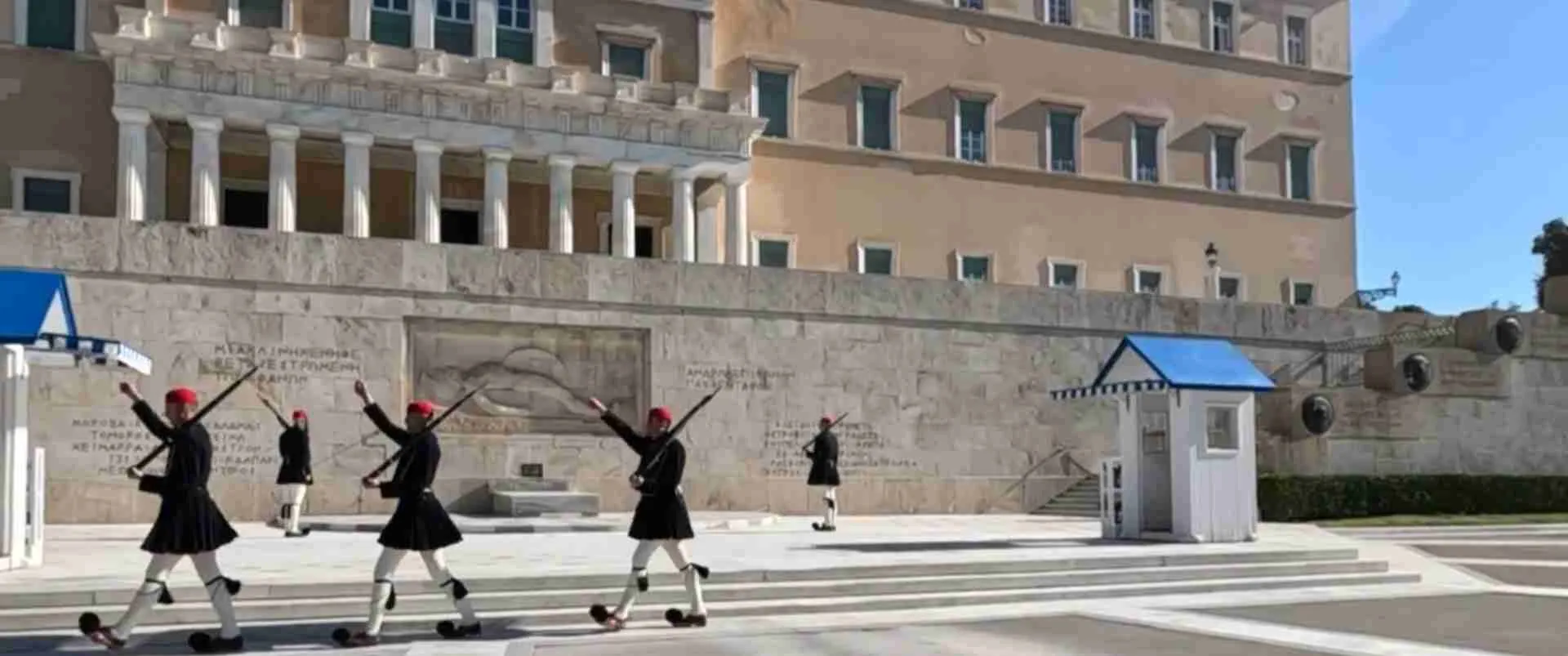
The Acropolis with age-appropriate audio guides provides Athens’ signature family experience, supplemented by the interactive Acropolis Museum where children explore the Parthenon Gallery’s sculptural reconstruction. The National Garden offers 15 hectares of playgrounds, duck ponds, small zoo, and shaded pathways for active play between cultural visits. Coastal tram access to organized beaches in Glyfada and Voula delivers Mediterranean swimming, beach games, and waterfront dining. The Hellenic Children’s Museum engages ages 4-12 with hands-on exhibits exploring Greek culture, traditional crafts, and daily life. Athens Planetarium presents astronomy shows appropriate for ages 8+ with Greek mythology themes. The changing of guard ceremony at Syntagma Square captivates children with colorful uniforms and synchronized movements. Cape Sounion day trips combine coastal scenery with the dramatic Temple of Poseidon setting, though the 70-kilometer journey requires 4-5 hour commitment.
Extended multi-day tours – 5+ days
Featured Athens Multi-Day Tour Packages
3 days
Athens 3-Day Discovery Tour
- ✓ Comprehensive Athens experience
- ✓ Expert local guides included
- ✓ All accommodation included
- ✓ Transportation provided
5 days
Athens 5-Day Highlights Experience
- ✓ Comprehensive Athens experience
- ✓ Expert local guides included
- ✓ All accommodation included
- ✓ Transportation provided

7 days
Athens 7-Day Cultural Journey
- ✓ Comprehensive Athens experience
- ✓ Expert local guides included
- ✓ All accommodation included
- ✓ Transportation provided
10 days
Athens 10-Day Complete Adventure
- ✓ Comprehensive Athens experience
- ✓ Expert local guides included
- ✓ All accommodation included
- ✓ Transportation provided
Multi-day tour packages powered by TourRadar. Prices and availability subject to change.
Essential Family Planning Information 2026
Admission Policies and Family Discounts
Greek archaeological sites provide free admission for all children under 18 regardless of nationality, requiring passport verification at ticket checkpoints. This policy applies to the Acropolis, Ancient Agora, Roman Agora, Temple of Olympian Zeus, and all state-run archaeological locations. Adults require the standard €34 combination ticket covering seven major sites valid for 5 consecutive days (check thetaae.gr for current official rates as pricing may vary), representing exceptional family value when two adults accompany multiple children receiving free entry.
Museums maintain varied admission policies with the National Archaeological Museum charging €12 for adults while children under 18 enter free. The Acropolis Museum costs €15 for adults with children under 18 admitted free. Private museums including the Benaki Museum and Museum of Cycladic Art charge reduced rates for children (€4-6) with family tickets available combining adult and child admissions at discounted prices. EU residents under 25 with valid student ID receive free admission to state archaeological sites and museums.
Family combination tickets bundle multiple attractions at reduced rates. The Athens Combo Ticket (€42 for adults) includes Acropolis, Acropolis Museum, and hop-on hop-off bus valid 48 hours – beneficial for families maximizing efficiency across 2-3 days. Audio guides at major sites offer children’s versions with age-appropriate narratives and interactive elements (€5 per device, one device shared among family members). Guided family tours specialized for ages 6-12 operate at the Acropolis and museums (€15-25 per child, €45-55 per adult) with engaging storytelling and hands-on activities.
Child-Friendly Transportation Systems
The Athens Metro accommodates families through wide platforms, elevator access at major stations (Syntagma, Monastiraki, Acropolis, Airport), and dedicated priority seating for families with young children. Strollers navigate metro systems during off-peak hours (10 AM-4 PM, after 8 PM) when passenger density permits, though peak commuting times (7-9 AM, 5-7 PM) create challenging conditions. The 3-day tourist pass (€20) covers one adult and unlimited children under 18, while children under 6 require no ticket. Metro cars feature air conditioning crucial during summer heat.
Taxis accommodate families through standard sedans seating 4 passengers (2 adults, 2 children) or minivans arranged via ride-sharing apps for larger groups. Child safety seats are not standard in Greek taxis, with parents advised to bring portable travel boosters for children under age 8 or 135cm height. Taxis charge metered rates without additional fees for children, with typical journeys within central Athens costing €5-10. Airport taxis charge €40 flat rate to downtown regardless of passenger count (up to 4 people).
The coastal tram (Line T3) connects Syntagma Square to beach suburbs including Glyfada and Voula, operating 5 AM-12:30 AM with air-conditioned cars and space for strollers during off-peak periods. The 45-minute journey provides coastal scenery entertainment for children while accessing organized beaches with facilities. Walking routes between Syntagma Square, Plaka, and Monastiraki cover 1-2 kilometers on pedestrianized streets safe for children, though stroller navigation encounters occasional cobblestone surfaces and stepped transitions.
Health and Safety Infrastructure
Athens maintains modern medical facilities including English-speaking pediatricians at private hospitals (SOS Doctors, €80-120 consultation) and public hospital emergency departments (free for EU citizens with European Health Insurance Card, €50-100 for non-EU visitors). Pharmacies identified by green cross signs operate throughout central districts, dispensing children’s medications including fever reducers, antihistamines, and basic antibiotics (prescription required for some medications). Pharmacists provide professional advice for minor ailments and recommend appropriate physicians for serious conditions.
Summer heat risks require attention with temperatures exceeding 35°C during July-August creating dehydration and heat exhaustion risks, particularly during midday archaeological site visits. Strategies include morning scheduling (8-11 AM), frequent water breaks (bottled water €1-2), sun protection (SPF 50+ sunscreen, hats, sunglasses), and afternoon retreat to air-conditioned museums or hotel pools. Archaeological sites provide minimal shade with the Acropolis entirely exposed to direct sunlight.
Food safety standards in Athens meet European Union regulations with tap water safe for drinking and consumption, though bottled water is widely preferred for taste. Tourist-focused restaurants maintain high hygiene standards with Greek cuisine featuring familiar child-friendly options including grilled chicken, french fries, pasta, pizza, and mild yogurt dishes. Allergies and dietary restrictions are communicated through restaurant staff who accommodate requests, though language barriers occasionally complicate complex requirements – written notes in Greek facilitate communication.
Best Family-Friendly Attractions 2026
The Acropolis: Making History Accessible
The Acropolis engages children through preparation emphasizing Greek mythology stories familiar from school curricula or children’s books. Rick Riordan’s Percy Jackson series creates enthusiasm for Greek gods and heroes, while simplified mythology collections introduce Zeus, Athena, Poseidon, and other deities whose temples populate the sacred rock. Audio guides designed for children (ages 7-12) present age-appropriate narratives with 30-minute highlights versus adult versions’ 90-minute comprehensive coverage.
Physical considerations include 2-3 hour visit duration with moderate uphill walking (150-meter elevation gain over 300 meters) manageable for ages 6+ with reasonable fitness. The marble pathways become slippery when wet, requiring closed-toe shoes with good traction. Strollers are prohibited with baby carriers recommended for children under 3. Rest areas provide limited seating with families encouraged to bring portable seating mats. Summer visits require 8 AM arrival avoiding midday heat (temperatures reach 35-38°C on exposed marble surfaces).
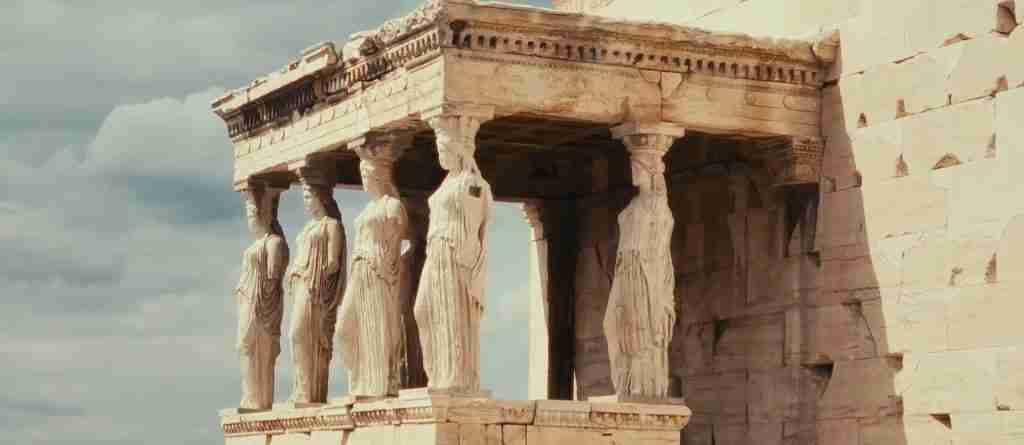
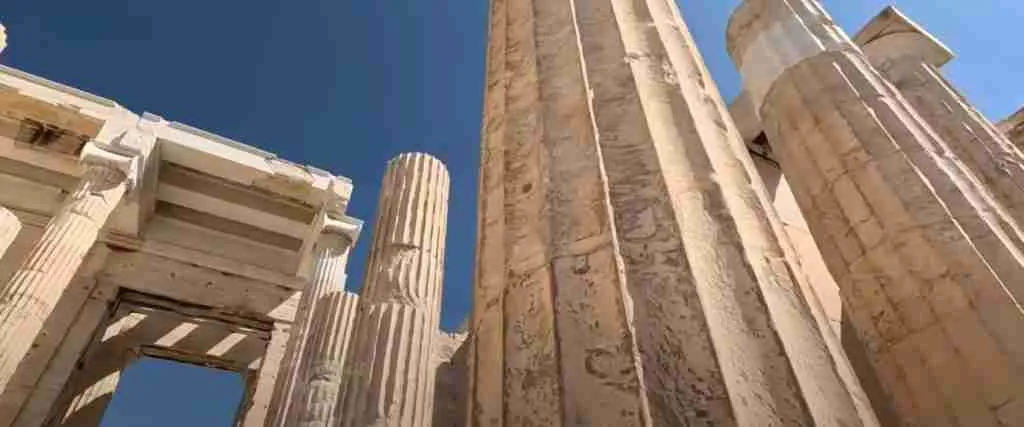
Engagement strategies maintain children’s attention through scavenger hunts identifying specific architectural features (Doric columns, Caryatids, pediment sculptures), photography challenges capturing family poses with Parthenon backgrounds, and storytelling emphasizing dramatic episodes including Athena’s contest with Poseidon or the Parthenon’s construction requiring 20,000 tons of marble transported from Mount Pentelicus. Post-visit discussions reinforce learning through drawing activities, mythology readings, or documentary viewing at hotel.
Acropolis Museum: Interactive Ancient Greece
The Acropolis Museum provides climate-controlled comfort with engaging exhibits designed for multi-generational appeal. The ground-floor glass floor reveals ongoing archaeological excavations beneath the building, captivating children with “real archaeology in progress” experience. The Caryatid Hall displays five original Porch Maidens with interpretive panels explaining their function as architectural supports – children compare the sculptures’ heights to their own measurements.
The top-floor Parthenon Gallery reconstructs the temple’s sculptural program at full scale with original marbles and plaster casts arranged in original positions. Children grasp the Parthenon’s enormous size through walking the gallery’s perimeter (70 meters length, matching the actual temple) while identifying narrative scenes from the frieze depicting the Panathenaic procession. Interactive touch screens provide detailed views of sculptural reliefs with age-appropriate explanations.
Family programs operate weekends and school holidays with hands-on workshops creating ancient Greek pottery replicas, designing columns using architectural principles, or dressing in period costume. These 90-minute programs cost €8-12 per child with advance booking required (museum website or phone reservations 2-3 weeks ahead for summer dates). The museum restaurant’s outdoor terrace offers Acropolis views with children’s menu (€8-12) featuring familiar options including chicken tenders, pasta, and fresh fruit.
National Garden: Urban Oasis and Playgrounds
The National Garden delivers essential respite from intensive sightseeing through 15 hectares of shaded pathways, botanical collections, playgrounds, and small zoo featuring native Greek animals including peacocks, goats, and ducks. The 19th-century landscape provides numerous benches, ponds with turtles, and child-safe environments away from vehicle traffic. Multiple entrances from Syntagma Square, Zappeion, and Irodou Attikou Street enable easy access from various downtown locations.
Playground facilities include modern equipment appropriate for ages 2-12 with swings, climbing structures, slides, and spring riders on safety surfacing. The duck pond attracts children feeding waterfowl (though official feeding is discouraged for bird health). The small zoo’s animals appear in close-proximity enclosures enabling excellent viewing for young children. Walking circuits range 0.5-2 kilometers depending on route selection, with mostly level terrain suitable for strollers.
The garden functions as strategic break points during intensive touring days, with families spending 1-2 hours allowing children active play while parents rest on shaded benches. Portable snacks and beverages supplement the on-site cafe (€4-8 for beverages and basic snacks). The adjacent Zappeion Hall features neoclassical architecture and additional gardens worth brief exploration. Summer visits benefit from morning or late afternoon timing avoiding midday heat when shade becomes precious.
Hellenic Children’s Museum: Hands-On Learning
The Hellenic Children’s Museum (ages 4-12 focus) provides interactive exhibits exploring Greek culture, traditional crafts, and daily life through tactile experiences unavailable at traditional archaeological sites. The construction zone teaches ancient building techniques with foam blocks replicating marble temple construction. The market exhibit simulates Greek shopping experiences with scales, produce replicas, and currency. The bubble room creates enormous soap bubbles demonstrating physics principles through play.
Workshops scheduled weekends and school holidays offer activities including pottery making, traditional bread baking, shadow theater puppetry, and ancient game recreation. These 60-90 minute sessions cost €5-8 per child with advance booking recommended for summer visits. The museum’s small scale (suitable for 1.5-2 hour visits) prevents overwhelming younger children while delivering concentrated engagement. Air-conditioned galleries provide summer heat relief.
Located in Plaka near Hadrian’s Arch, the museum integrates into archaeological touring days as afternoon diversion following morning Acropolis visits. The facility operates Tuesday-Sunday 10 AM-2 PM with admission €4 for children, €6 for adults, free for children under 3. Birthday party programs accommodate special events for families celebrating while traveling. The gift shop offers educational toys, children’s mythology books in English, and Greek craft items (€8-25).
Coastal Beaches: Mediterranean Swimming
Organized beaches in southern suburbs deliver Mediterranean swimming, sand play, and waterfront dining accessible via coastal tram (45 minutes from Syntagma Square). Voula Beach features Blue Flag certification indicating water quality, with organized sections providing sunbeds (€8-10), umbrellas (€5-7), showers, changing rooms, and lifeguards during summer season (May-October). The sandy beach with gradual water entry suits young children, while the 600-meter beach length accommodates various activities.
Glyfada Beach offers similar facilities with additional beach volleyball courts, water sports rentals (paddleboards €15-20 per hour, kayaks €12-18), and upgraded tavernas serving seafood (€15-25 per person). Free public beach sections provide cost-conscious alternatives to organized areas, though facilities are limited to basic showers and changing cabins. Coastal promenades enable evening strolls with ice cream shops, playgrounds, and cafes creating family-friendly atmosphere.
Beach visits function optimally as full-day experiences (arriving 10 AM, departing 5-6 PM) or afternoon programs following morning cultural activities. Pack sun protection, swimming gear, beach toys, and snacks reducing dependency on beach vendors charging premium prices. Summer weekends attract Athenian families creating crowded conditions versus quieter weekday visits. September-early October extends swimming season with warm water (23-25°C) and reduced crowds compared to July-August peak.
Athens Planetarium: Cosmic Exploration
The Athens Planetarium presents astronomy programs incorporating Greek mythology’s cosmic narratives, making constellation stories accessible for ages 8+. The 280-seat theater with 950-square-meter dome screen creates immersive experiences through high-definition projections. Shows lasting 40-50 minutes include “Mythology in the Stars” connecting ancient Greek stories with astronomical observation, “Solar System Adventure” exploring planets, and seasonal stargazing programs.
Located in Paleo Faliro (20 minutes via tram from Syntagma), the facility operates shows Tuesday-Sunday with multiple daily screenings. Admission costs €8 for adults, €6 for children under 18 (check eugenfound.edu.gr for current official rates). English-language shows operate limited schedules (typically weekends and summer season) with advance schedule verification essential. The planetarium’s modern architecture includes cafe serving beverages and snacks (€3-7).
Planetarium visits combine effectively with coastal beach activities given the Paleo Faliro location’s proximity to waterfront areas. The nearby Stavros Niarchos Foundation Cultural Center offers additional exploration through expansive parks, playgrounds, and architectural experiences designed by Renzo Piano. Combined visits create full-day coastal-cultural programs alternative to intensive downtown sightseeing.
Age-Appropriate Activities Guide 2026
Activities for Ages 4-7 (Preschool and Early Elementary)
Children ages 4-7 benefit from shorter activity durations (60-90 minutes per experience) with emphasis on interactive, sensory-rich environments over lecture-style tours. The National Garden provides optimal engagement through playground time, duck feeding, small zoo animals, and exploratory walking on safe pathways. The Hellenic Children’s Museum delivers hands-on exhibits matching developmental stages with construction play, dramatic play market, and creative workshops.
Archaeological sites work for this age group when visits are abbreviated (60 minutes maximum at Acropolis) and supplemented with mythology storytelling emphasizing visual elements over historical dates. The Changing of Guard ceremony at Syntagma Square captivates through colorful uniforms, synchronized movements, and photographic opportunities (20-minute duration ideal for attention spans). Beach days provide extended engagement through sand play, shallow water swimming, and beachside taverna meals.
Hotel pool time becomes valuable for this age range, with family-friendly properties offering heated pools, shallow sections, and supervised environments enabling parental relaxation while children play safely. Evening Plaka walks work well when positioned as “treasure hunt” exploration seeking specific shop items, street performers, or architectural details rather than aimless wandering. Gelato shops, sweet bakeries, and playground stops punctuate activities maintaining enthusiasm.
Activities for Ages 8-12 (Elementary and Middle School)
Children ages 8-12 appreciate deeper historical context when presented through engaging narratives emphasizing dramatic events, personal stories, and cultural connections to contemporary life. The Acropolis experience expands to full 2-3 hour visits when children prepare through mythology reading (Percy Jackson series particularly effective) and understand the Parthenon’s architectural significance. Audio guides designed for this age range balance information density with engaging delivery.
The National Archaeological Museum rewards this age group’s increasing attention spans with carefully selected galleries emphasizing dramatic artifacts: the Mask of Agamemnon’s golden splendor, the Artemision Bronze’s athletic power, the Antikythera Mechanism’s technological sophistication. Parents guide museum visits through strategic gallery selection (1.5-2 hours focusing on highlights) rather than comprehensive coverage creating fatigue. Scavenger hunts identifying specific artifacts maintain engagement throughout visits.
Cape Sounion day trips work effectively for ages 8-12 combining coastal scenery, dramatic cliff settings, and the Temple of Poseidon’s mythological associations. The 70-kilometer journey (90 minutes each way) becomes tolerable through audio entertainment, travel games, and mythology podcast listening. The temple’s seafaring god connection resonates with this age group’s expanding understanding of ancient Greek maritime culture. Swimming opportunities at nearby beaches add recreational value.
Activities for Teenagers (Ages 13+)
Teenagers appreciate Athens’ historical depth while enjoying contemporary urban culture, shopping districts, and social atmosphere. The Acropolis and archaeological sites deliver educational value without condescension, with adult audio guides providing comprehensive information and architectural analysis matching high school curricula. The National Archaeological Museum’s extensive collections support school projects or personal interests in Classical civilization, art history, or archaeology careers.
The Ancient Agora and Roman Forum enable more independent exploration with teens managing self-guided visits using museum materials and smartphone research. Photography opportunities throughout Athens appeal to teen interests in social media content, with Instagram-worthy locations including Anafiotika’s photogenic streets, Lycabettus Hill’s panoramic views, and street art in Psyrri district. Shopping along Ermou Street or in Monastiraki flea market creates authentic travel experiences beyond family-structured touring.
Coastal suburbs offer beach culture, water sports, and evening promenade atmosphere appealing to teenage social needs. Organized beaches provide volleyball courts, paddleboard rentals, and beach bars creating social environments. Evening activities in Plaka or Psyrri districts introduce Greek nightlife culture through cafes, ice cream shops, and street entertainment in supervised family contexts. Teens manage increasing independence while parents maintain reasonable oversight.
Family Accommodation Strategies 2026
Hotel Selection Criteria for Families
Family-friendly hotels prioritize specific amenities including connecting rooms or family suites accommodating 4+ people in 40-50 square meters, breakfast buffets eliminating morning meal planning stress, and central locations minimizing transportation requirements. Properties in Plaka, Monastiraki, Koukaki, or near Syntagma Square position families within 10-15 minute walks of major attractions while providing pedestrian-friendly environments safe for children.
Essential amenities include air conditioning (critical for summer visits), elevators (carrying luggage and tired children up stairs becomes exhausting), in-room refrigerators (storing beverages, snacks, medications), and WiFi enabling evening entertainment through streaming services or games. Rooftop terraces with Acropolis views create memorable family dinner settings without requiring restaurant outings. Hotels with pools provide recreational alternatives during midday heat or weather delays, though pool availability is limited in central Athens properties.
Family suite configurations offer superior value compared to booking multiple standard rooms, with one bedroom plus living area containing sofa beds accommodating children while providing parents privacy. Booking direct with hotels sometimes yields family room upgrades or children’s amenity packages (welcome gifts, children’s robes, cribs) unavailable through third-party platforms. Reviews on family-oriented travel sites (TripAdvisor Family Travel Forum, Family Travel Association members) provide authentic family perspectives beyond generic hotel ratings.
Budget Hotel Options (€120-180 per night)
Budget family hotels balance cost efficiency with essential amenities through strategic location selection and modest room sizes. Properties in Koukaki district (south of Acropolis) provide excellent value with family rooms €120-160 per night including breakfast buffets, air conditioning, and WiFi. The neighborhood’s residential character creates quieter evenings versus Plaka’s tourist activity while maintaining proximity to Acropolis Museum and metro access.
Hotel Attalos in Monastiraki offers family rooms €140-180 with rooftop terrace Acropolis views, central location seconds from metro station, and basic breakfast service. The property’s aging décor trades luxury finishes for location convenience and competitive pricing. Ava Hotel Athens in Plaka provides family accommodations €150-180 with contemporary design, location near Ancient Agora, and helpful staff assisting with family logistics including restaurant recommendations and tour bookings.
Apartment rentals through Airbnb or Booking.com provide budget alternatives (€100-150 nightly) with kitchen facilities enabling meal preparation reducing dining costs. Two-bedroom apartments in Psyrri or Exarcheia neighborhoods accommodate families while delivering local atmosphere beyond hotel tourism bubble. Kitchen access enables breakfast preparation, snack storage, and occasional simple dinners reducing total food budgets 30-40%. Location assessment requires attention to stair access (many apartments occupy upper floors without elevators) and neighborhood safety for evening walking.
Mid-Range Family Hotels (€180-280 per night)
Mid-range properties enhance family comfort through larger room sizes, superior amenities, and additional services justifying premium rates. AthensWas Hotel in Syntagma area offers family suites €220-280 with separate bedrooms, living areas, kitchenettes, and design-forward aesthetics appealing to families valuing contemporary style. The property’s location near National Garden provides playground access while maintaining central positioning for sightseeing.
Electra Metropolis Athens delivers upscale family experience at €240-300 for connecting rooms or family suites, with rooftop pool (rare in central Athens), multiple dining venues, and Syntagma Square location enabling walking access to Parliament, metro, and shopping. The breakfast buffet’s extensive selection accommodates picky eaters with familiar international options alongside Greek specialties. Concierge services assist with tour bookings, restaurant reservations, and family activity planning.
NEW Hotel in Syntagma (€200-260 family rooms) combines contemporary design with family practicality through spacious accommodations, staff trained in family hospitality, and strategic location near National Garden and cultural triangle. The property’s restaurant serves child-friendly Mediterranean cuisine with high chairs and children’s menu options. Room service enables convenient in-room dining for early evening meals before children’s bedtime.
Luxury Family Properties (€280-450 per night)
Luxury hotels provide comprehensive family services including dedicated kids’ programs, pools with shallow sections, spa services for parents, and concierge assistance arranging private guides, drivers, and specialized experiences. Hotel Grande Bretagne in Syntagma Square offers family suites €350-450 with butler service, rooftop pool with Acropolis views, multiple dining options, and historical prestige (operating since 1874). The property’s children’s program includes welcome amenities, activity kits, and babysitting arrangements.
King George Palace (€320-420 family accommodations) provides luxury positioning in Syntagma with extensive breakfast buffet, Michelin-starred dining, and spa facilities enabling parents’ relaxation while children participate in supervised programs. The family suites’ separate bedrooms and living areas provide space for varying schedules and privacy needs. The concierge arranges private archaeological tours with family-specialized guides (€200-300 for 4-hour tours) enhancing educational value beyond self-guided visits.
Four Seasons Astir Palace Athens in coastal Vouliagmeni (20 kilometers south, €400-600) delivers resort experience combining private beach access, multiple pools, children’s programs, and water sports with Athens cultural proximity via 30-minute taxi transfers. This option suits families prioritizing beach relaxation with selective Athens sightseeing versus intensive downtown touring. The extensive grounds, spa, and dining variety create self-contained vacation environment.
Kid-Friendly Dining & Food Guide 2026
Greek Cuisine for Children
Greek cuisine offers numerous child-friendly options beyond stereotypical “picky eater” concerns, with grilled meats, simple pastas, and familiar ingredients forming traditional taverna menus. Souvlaki (grilled meat skewers) served with pita bread, french fries, and tzatziki yogurt sauce represents the archetypal kid-approved Greek dish available at virtually every restaurant (€8-12 per portion). Greek salads (without typical vinegar dressing) provide fresh vegetables, while horiatiki salad’s cucumbers, tomatoes, and feta cheese appeal to many children.
Moussaka (layered eggplant-meat casserole) presents more challenging flavors for conservative palates, though restaurants typically accommodate requests for plain pasta with butter or olive oil, grilled chicken without sauces, and french fries (universally available). Traditional Greek yogurt with honey provides healthy dessert or snack option (€3-5), while loukoumades (honey-drizzled donuts) represent popular sweet treats (€4-6 per portion). Freshly squeezed orange juice (€3-4) and smoothies supplement beverage options beyond soda.
Restaurant staff welcome children with high chairs available at family-focused establishments, though formal upscale venues may be less suitable for young children’s energy levels. Greek meal timing runs later than Northern European or North American norms, with dinner service beginning 8-9 PM and restaurants filling 9-10 PM. Families with young children benefit from earlier arrival (7-8 PM) securing quieter environments and faster service before local crowds arrive.
Family-Friendly Restaurant Recommendations
Taverna Plaka in Plaka district serves traditional Greek cuisine in family-friendly atmosphere with outdoor seating, children’s menu (€6-10), and staff accustomed to international families. The €12-18 main courses include grilled meats, fresh fish, and vegetarian options with generous portions enabling family-style sharing. Live music evenings create festive atmosphere without overwhelming noise levels. The central location enables post-dinner Plaka strolling or gelato stops.
O Thanasis in Monastiraki specializes in souvlaki and kebabs (€8-12 per portion) serving simple, child-approved grilled meats with minimal ambiguity about ingredients or preparation. The fast-casual style enables quick meals when time-pressed or children reach hunger limits during sightseeing. The outdoor seating frames Monastiraki Square views with Acropolis background creating memorable dining setting. Expect 20-30 minute waits during peak lunch (1-3 PM) and dinner (8-10 PM) periods.
Avocado Vegetarian Restaurant in Plaka accommodates vegetarian families or children with meat aversions through creative plant-based menu including pasta, vegetable curries, fresh salads, and smoothies (€10-16 per main course). The casual atmosphere welcomes children without formal dress or behavior expectations. Health-conscious families appreciate organic ingredients, whole grains, and nutrient-dense options versus typical tourist restaurant fried foods and heavy meats.
Nice n Easy in Kolonaki and Syntagma locations provides international options including pasta, pizza, sandwiches, and Mediterranean-fusion cuisine appealing to children resistant to traditional Greek food (€12-20 per main course). The contemporary café atmosphere, English-speaking staff, and familiar menu items ease transition for families early in their Athens stay before warming to local cuisine. All-day breakfast service (ending 4 PM) accommodates jet-lagged families craving familiar morning foods mid-afternoon.
Quick Meals and Snacks
Greek bakeries (fournos) offer economic breakfast and snack solutions with spinach pie (spanakopita €2-3), cheese pie (tyropita €2-3), and sweet pastries (€1.50-3) available from early morning through afternoon. These portable options enable picnic-style meals in National Garden or beach environments. Supermarkets (AB Vassilopoulos, Masoutis) provide familiar items including packaged snacks, fresh fruit, yogurt, and beverages at costs 50-60% below hotel mini-bars or tourist restaurants.
Gelato shops throughout Plaka, Monastiraki, and coastal areas serve premium ice cream (€3-5 for double scoop) with flavors appealing to all ages. Greek flavors including mastic (pine resin), kataifi (shredded pastry), and Greek yogurt honey supplement standard chocolate and vanilla options. Waffle and crepe stands near Syntagma Square offer sweet and savory options (€4-7) popular with children as afternoon treats or light dinners.
Street food including grilled corn (€2-3), roasted chestnuts in winter (€3-4 per bag), and fresh coconut chunks (€3-4) provide authentic snacking experiences. Juice bars serve freshly squeezed orange juice (€3-4), pomegranate juice (€4-5), and fruit smoothies (€5-7) delivering nutrition during hot weather when children require frequent hydration. These quick options supplement restaurant meals reducing daily food costs while maintaining dietary variety.
Budget Planning for Families 2026
Daily Cost Breakdown for Family of Four
Accommodation represents the largest single expense for family travel, with mid-range family hotels or apartments averaging €180-280 per night in central locations. Budget options reduce this to €120-180, while luxury properties increase to €280-450. Weekly apartment rentals sometimes offer 10-15% discounts versus nightly rates for extended stays (5+ nights). Booking platforms provide family filters identifying properties with appropriate room configurations, amenities, and guest reviews from other families.
Attraction costs benefit from Greece’s generous policy of free admission for children under 18 at all state archaeological sites. Two adults require €68 for combination archaeological tickets plus €30-40 for museum admissions (National Archaeological Museum, Acropolis Museum), totaling approximately €98-108 for comprehensive 3-day archaeological coverage. Additional attractions including Hellenic Children’s Museum (€20 for family of four), planetarium (€28), and organized beach facilities (€40-60 for sunbeds and umbrellas) supplement core costs. Total 3-day attraction budget: €186-236 for family of four.
Meal expenses scale based on restaurant selection and dining frequency. Family taverna dinners average €50-80 for four people (two adults, two children sharing courses), with lunch ranging €30-50 for casual establishments and breakfast €20-30 for hotel buffets or bakery provisions. Snacks, beverages, and gelato add €15-25 daily. Total daily food costs: €115-185 for family of four, or €345-555 across three days. Budget strategies including apartment breakfast preparation and supermarket snacks reduce this 25-30%.
Transportation costs remain modest with the 3-day family metro pass (€20 covering one adult and unlimited children under 18) plus one additional adult 3-day pass (€20), totaling €40 for complete 3-day public transport access. Airport taxis (€40 each way) add €80 if arriving/departing together. Cape Sounion tours (€45-55 per adult, children free or reduced) cost approximately €110 for two adults plus reduced child rates. Total transportation: €230-270 for three days.
Three-Day Family Budget Scenarios
Budget Family Trip (€1,020-1,390 total for family of four): Apartment rental €120-180 per night, adult combination tickets €68, museums €30, Cape Sounion public bus €28, family metro pass €40, supermarket breakfast €10-15, bakery/picnic lunch €20-30, taverna dinner €40-60, snacks €15-20 daily. Daily average €240-320 excluding accommodation.
Mid-Range Family Trip (€1,500-2,040 total for family of four): Family hotel €180-280 per night, adult tickets €68, museums €40, Cape Sounion tour €110, family metro pass €40, hotel breakfast included, lunch €30-40, taverna dinner €50-80, snacks €20-30, attractions €40-60 daily. Daily average €380-480 excluding accommodation.
Comfort Family Trip (€2,100-2,970 total for family of four): Family suite hotel €280-450 per night, adult tickets €68, museums €40, private Cape Sounion tour €200, family metro pass €40, breakfast buffet included, lunch €40-60, quality taverna dinner €70-100, attractions and activities €60-90, snacks €25-35 daily. Daily average €503-590 excluding accommodation.
Money-Saving Strategies for Families
Combination archaeological tickets provide immediate savings of €38 for two adults versus individual site admissions, with children under 18 entering free creating substantial family value. Purchasing tickets at less-crowded sites (Ancient Agora, Hadrian’s Library) versus Acropolis ticket office saves queue time and potential impulse purchases from waiting vendors. Online purchase through official platforms adds minor fees but guarantees availability for peak-season visits.
Apartment rentals with kitchen facilities enable breakfast preparation (savings €15-25 daily for family of four), snack storage reducing impulse purchases, and occasional simple dinners (pasta, salads) cutting one restaurant meal. Supermarket shopping for bottled water (€0.50 vs €2 at tourist sites), fresh fruit, yogurt, and breakfast items reduces daily food costs 30-40%. Central apartment locations in Koukaki or Psyrri districts provide authentic neighborhood atmosphere at lower rates than Plaka hotels.
Free activities balance paid attractions through National Garden visits, Changing of Guard ceremony, Plaka neighborhood exploration, beach time at public sections (versus organized facilities charging €40-60 for family), and Byzantine church visits (€1-2 suggested donations versus €12-15 museum admissions). Strategic scheduling places one major paid attraction daily (Acropolis, National Archaeological Museum) supplemented by free experiences maximizing budget efficiency. Shoulder season visits (April-May, September-October, November-March) reduce accommodation costs 30-50% versus summer peak while delivering pleasant touring conditions.
Sample Family Itineraries 2026
Three-Day Itinerary for Families with Young Children (Ages 4-8)
Day 1: National Garden playground and exploration (9-11 AM), Changing of Guard ceremony Syntagma Square (11-11:30 AM), lunch near Syntagma (12-1 PM), Acropolis brief visit with mythology focus (2-3:30 PM), early taverna dinner Plaka (5-6:30 PM). Balanced activity-rest rhythm. Daily cost: €280-340 for family of four excluding accommodation.
Day 2: Hellenic Children’s Museum with hands-on exhibits (10 AM-12 PM), Plaka exploration and souvenir shopping (12:30-2 PM), lunch (2-3 PM), hotel rest time (3-5 PM), coastal tram to beach (5:30-7:30 PM), beachside dinner (8-9 PM). Cultural morning, recreational afternoon. Daily cost: €240-300 for family of four excluding accommodation.
Day 3: Hotel pool or beach morning (9 AM-12 PM), simple lunch (12:30-1:30 PM), Acropolis Museum shortened visit (2-3:30 PM), gelato break (4-4:30 PM), final Plaka evening and farewell dinner (6-8 PM). Relaxed schedule accommodating fatigue. Daily cost: €220-280 for family of four excluding accommodation.
Three-Day Itinerary for Families with Older Children (Ages 9-14)
Day 1: Early Acropolis comprehensive visit with audio guides (8-11 AM), Acropolis Museum with Parthenon Gallery focus (11:30 AM-1:30 PM), lunch Plaka (2-3 PM), Ancient Agora and Temple of Hephaestus (3:30-6 PM), Psyrri dinner with mezze experience (7-9 PM). Intensive archaeological immersion. Daily cost: €320-400 for family of four excluding accommodation.
Day 2: National Archaeological Museum highlights tour (9 AM-12 PM), Syntagma and National Garden (12:30-2 PM), lunch (2-3 PM), coastal tram to Glyfada beach with water sports (3:30-7 PM), beachside seafood dinner (7:30-9 PM). Cultural morning, active afternoon. Daily cost: €300-380 for family of four excluding accommodation.
Day 3: Cape Sounion full-day tour with Temple of Poseidon and coastal swimming (9 AM-6 PM), return Athens (6-7 PM), farewell dinner with Acropolis views (8-10 PM). Dramatic coastal experience. Daily cost: €350-450 for family of four excluding accommodation.
Five-Day Extended Family Itinerary
Day 1-3: Follow three-day itinerary above based on children’s ages, establishing rhythm with major attractions early when energy peaks.
Day 4: Day trip to Delphi archaeological site (2.5 hours northwest) with organized family tour (€280-350 for family of four) exploring Oracle sanctuary, theater, stadium, and museum. Return Athens evening. Alternative: Athens Zoo visit (€20 adults, €15 children) in Spata location with 2,000+ animals, playgrounds, and exhibits. Daily cost: €300-400 for family of four excluding accommodation.
Day 5: Slow morning at hotel pool or coastal beach (9 AM-1 PM), lunch (1:30-2:30 PM), Roman Agora and Hadrian’s Library (3-5 PM), shopping Ermou Street (5-7 PM), final evening Lycabettus Hill sunset and restaurant (7:30-10 PM). Relaxed conclusion. Daily cost: €220-300 for family of four excluding accommodation.
Practical Tips & Safety 2026
Managing Heat and Sun Exposure
Summer temperatures (June-August) average 32-36°C with heatwaves occasionally reaching 40°C, creating genuine health risks for children during midday exposure. Strategic scheduling places archaeological site visits 8-11 AM when temperatures remain moderate (26-30°C) and sunlight angles reduce glare on marble surfaces. The Acropolis provides zero shade with continuous sun exposure throughout 2-3 hour visits requiring comprehensive protection including SPF 50+ sunscreen reapplied every 90 minutes, wide-brimmed hats, UV-protective clothing, and frequent water breaks.
Children dehydrate faster than adults with early symptoms including irritability, reduced urine output, and flushed skin. Carry 1-liter water bottles per person (refillable at hotel before outings), plan drinks every 20-30 minutes during active sightseeing, and recognize heat exhaustion signs (dizziness, nausea, headache, excessive sweating) requiring immediate cooling, rest, and hydration. Archaeological sites lack water fountains with vendors selling bottled water €2-3 versus supermarket prices €0.50-1.
Afternoon scheduling (2-6 PM) focuses on air-conditioned museums, hotel rest time, or coastal areas where sea breezes moderate temperatures. Evening activities resume 6-9 PM as temperatures drop to comfortable ranges (28-32°C) enabling Plaka exploration, outdoor dining, and playground time. Children’s lightweight breathable clothing (cotton, linen, technical moisture-wicking fabrics) provides comfort while covering skin against sun exposure. Avoid dark colors absorbing heat in favor of light tones reflecting sunlight.
Stroller vs Carrier Considerations
Athens’ mixed terrain creates challenges for stroller navigation with cobblestone streets in Plaka and Anafiotika, marble archaeological sites prohibiting strollers entirely (Acropolis, Ancient Agora), and crowded metro cars during peak hours limiting maneuverability. Lightweight compact strollers function adequately on paved sidewalks in modern districts (Syntagma, Kolonaki) and within the National Garden’s pathways, while off-road or all-terrain strollers navigate cobblestones more successfully than basic umbrella models.
Baby carriers (soft-structured carriers, wraps, or hip seats) provide superior flexibility for archaeological sites, cobblestone areas, and public transport while keeping children close during crowded environments. Parents assess weight tolerance with carriers comfortable for ages 6 months-3 years (weight limits 15-20 kg depending on carrier type). Combination strategies employ strollers for long-distance transport and restaurant use, switching to carriers for specific sites prohibiting wheels. Hotels store strollers during days emphasizing walking tours.
Metro elevator access at major stations (Syntagma, Monastiraki, Acropolis, Airport) facilitates stroller transport, though multiple-level station changes (transferring lines) sometimes require stair navigation when escalators serve as primary vertical transport. Bus and tram access accommodate strollers during off-peak periods but create difficulties when crowded. Taxi mini-vans arranged through ride-sharing apps provide space for strollers without trunk folding.
Childproofing and Safety Protocols
Archaeological sites present fall risks from uneven marble surfaces, low walls without barriers, and elevation changes. Parents maintain visual contact with children throughout Acropolis visits where cliff edges on north and south slopes lack comprehensive railings. The Ancient Agora’s scattered ruins create tripping hazards on pathways with embedded ancient stones and depression where water collects after rain. Close supervision prevents children climbing on archaeological structures (prohibited and damaging) or touching fragile marble elements.
Urban environments require attention to vehicle traffic on streets without pedestrian-only status, though central areas (Plaka most streets, National Garden, Anafiotika) provide car-free zones. Greek drivers operate assertively with pedestrian crossings sometimes ignored – confirm vehicles stop before crossing even at designated crosswalks. Metro platform gaps between train and platform edge require holding children’s hands, while escalators demand adult supervision for children unfamiliar with boarding procedures.
Crowded tourist areas including Monastiraki flea market, metro stations, and Acropolis queue lines create pickpocketing risks targeting distracted parents managing children. Secure bags with front-facing wear, use hotel safes for passports and excess cash, carry only daily cash requirements, and maintain awareness of surroundings in crowded environments. Child identification includes teaching children hotel name and address, parent phone numbers memorized or written in pockets, and designated meeting points if separated in crowds.
Medical Care and Pharmacies
Common childhood ailments during travel include digestive issues from unfamiliar foods, minor injuries from active play, heat-related illness, and occasional fevers. Well-stocked pharmacies throughout central Athens stock children’s medications including fever reducers (paracetamol/acetaminophen brands Depon, Panadol), antihistamines, rehydration salts, wound care supplies, and sunburn treatments. Pharmacists provide professional advice with many speaking English, recommending appropriate medications and dosages for children.
For conditions requiring physician assessment, SOS Doctors (telephone +30 1016) provides 24-hour house calls with English-speaking pediatricians visiting hotels (€80-120 consultation plus medication costs). Public hospital emergency departments treat acute conditions with EU citizens presenting European Health Insurance Cards receiving care matching domestic insurance coverage, while non-EU visitors pay fees €50-150 depending on treatment complexity. Private hospitals including Metropolitan Hospital and Mitera Hospital offer pediatric emergency departments with English-speaking staff (higher costs €150-300 but faster service).
Travel insurance becomes essential for non-EU families, covering emergency medical treatment, hospital admission, and potential medical evacuation. Policies specifically including pediatric coverage ensure children receive appropriate care without financial barriers. Pack sufficient supplies of regular medications children take (allergy medications, asthma inhalers, etc.) as specific brands vary internationally. Bring copies of prescriptions for medication replacement if needed.
Dining with Food Allergies
Greek cuisine features common allergens including nuts (used in desserts, some savory dishes), dairy (feta cheese, yogurt), eggs, and wheat. Restaurants accommodate allergy requests with staff able to modify dishes removing specific ingredients or suggest naturally allergen-free options. Written allergy cards in Greek stating specific allergies (“I am allergic to…” / “Είμαι αλλεργικός σε…”) facilitate clear communication with kitchen staff preventing dangerous misunderstandings.
Celiac disease accommodations exist in Athens with some restaurants offering gluten-free bread, pasta, and desserts, though dedicated gluten-free facilities remain limited. Traditional Greek dishes naturally gluten-free include grilled meats without marinades, Greek salad (without croutons), grilled fish, vegetable dishes, and rice pilaf. Cross-contamination risks require discussion with restaurant management about preparation procedures and dedicated cooking surfaces. Specialized gluten-free bakeries operate in Athens (The Gluten Free House in Chalandri) though locations peripheral to tourist districts.
Dairy allergies find accommodations through meat-based dishes, vegetable preparations, and explicit requests for meals without cheese or yogurt sauces. Nut allergies require vigilance as baklava, kataifi, and other desserts prominently feature walnuts and almonds, while some savory dishes incorporate pine nuts or ground almonds. Hotel breakfast buffets enable safer food selection with clear visibility of ingredients and staff able to provide detailed information about dish components.
FAQ Section
What is the best time of year to visit Athens with kids?
April-May and September-October deliver optimal family conditions combining comfortable temperatures (18-25°C), manageable crowds, extended daylight hours, and diverse weather options including both sightseeing and beach activities. Spring showcases blooming vegetation in the National Garden and countryside, while autumn maintains warm sea temperatures (23-25°C) extending swimming season without summer’s oppressive heat. These shoulder seasons reduce accommodation costs 20-30% versus July-August peak while offering better availability and less stressed attractions. June and late August serve as alternative shoulder periods with warmer conditions (28-32°C) but fewer tourists than peak summer when temperatures often exceed 35°C requiring morning-only outdoor activities.
Are Athens archaeological sites stroller accessible?
The Acropolis and most ancient archaeological sites prohibit strollers due to uneven marble surfaces, stairs, and narrow pathways where wheels damage ancient stones. The Ancient Agora, Roman Agora, and Temple of Olympian Zeus similarly restrict wheeled access with baby carriers required for infants and toddlers. Museums including the National Archaeological Museum and Acropolis Museum accommodate strollers through elevator access and wide galleries, though crowded conditions during peak hours make carriers more practical. The National Garden, Syntagma Square, and modern pedestrianized shopping streets like Ermou provide stroller-friendly environments with smooth paving. Metro stations with elevator access (Syntagma, Monastiraki, Acropolis, Airport) enable stroller transport, though transferring lines sometimes requires carrying strollers on stairs or escalators.
What should I pack for Athens with children?
Essential packing includes comfortable closed-toe walking shoes (archaeological sites’ marble surfaces become slippery), sun protection (SPF 50+ sunscreen, wide-brimmed hats, sunglasses, UV-protective clothing), refillable water bottles (1-liter capacity per person), lightweight breathable clothing layers (mornings cool, midday hot, evenings moderate), modest clothing for church visits (covered shoulders and knees), baby carrier for site visits prohibiting strollers, small first-aid kit (bandages, fever reducer, antihistamine, rehydration salts), entertainment for travel time (tablets, books, coloring supplies), portable snacks addressing immediate hunger, and photocopies of passports stored separately from originals. Summer visits require minimal clothing quantities (items dry overnight in Mediterranean climate) while spring/autumn need light jackets for evening temperatures dropping to 15-18°C.
Can young children enjoy Athens?
Children ages 6+ experience Athens successfully when itineraries balance cultural attractions with recreational activities, while ages 4-5 benefit from emphasis on interactive museums, playgrounds, and beaches versus intensive archaeological touring. The Hellenic Children’s Museum, National Garden playgrounds, Athens Zoo, and organized beaches provide age-appropriate activities for young children alongside abbreviated Acropolis visits (60-90 minutes) and Acropolis Museum experiences focused on visual elements rather than historical detail. Preparation through age-appropriate mythology books, Percy Jackson stories for older elementary children, or Greek culture picture books for younger ages builds context making ancient sites meaningful. Successful family visits incorporate one major cultural experience daily supplemented by recreational time preventing overwhelm while creating positive memories balancing education and fun.
Are Athens restaurants child-friendly?
Greek culture warmly welcomes children in restaurants with tavernas providing high chairs, accommodating simple dish requests, and tolerating typical child energy levels without disapproval. Traditional Greek cuisine includes naturally kid-friendly options: grilled chicken souvlaki, french fries (ubiquitous menu item), plain pasta with butter or olive oil, fresh bread, Greek yogurt with honey, and mild cheese. Restaurant staff expect families dining together with children’s presence considered natural rather than disruptive. Evening service runs late (8-10 PM peak) with families benefiting from earlier arrival (7-8 PM) securing quieter environments before local crowds. Formal upscale restaurants may be less appropriate for very young children, while casual tavernas, mezedopoleio, and family-focused establishments operate with explicit child-welcoming approaches including children’s menus at some locations.
How do I keep kids engaged at archaeological sites?
Engagement strategies transform archaeological visits into active experiences through preparation (reading mythology stories emphasizing gods whose temples you’ll visit), scavenger hunts (identifying specific architectural features: Doric columns, pediment sculptures, caryatids), photography challenges (children photograph family in front of landmarks), audio guides designed for children (age-appropriate narratives and durations), storytelling emphasizing dramatic events (battles, competitions, legendary heroes), comparative activities (measuring column heights against children’s heights), and post-visit reinforcement through drawing, writing, or documentary viewing. Age-appropriate expectations prevent frustration: ages 4-7 benefit from 60-90 minute visits, ages 8-12 manage 2-3 hours with breaks, teenagers appreciate comprehensive exploration when material connects to school curricula. Strategic break planning with snacks, water, shade rest, and clear timeframes (“we’ll spend one hour here, then gelato”) maintains cooperation.
What are the best beaches near Athens for families?
Voula Beach (accessible via coastal tram from Syntagma, 45 minutes) provides Blue Flag water quality, organized sections with sunbeds (€8-10), umbrellas (€5-7), shallow gradual water entry, lifeguards during summer season, showers, changing rooms, and beachside tavernas serving familiar foods. The 600-meter sandy beach accommodates families with designated swimming areas and calm waters suitable for young children. Glyfada Beach offers similar facilities with additional water sports rentals (paddleboards, kayaks), beach volleyball courts, and upgraded dining options. Both beaches operate organized sections May-October with free public areas available year-round (limited facilities). Weekdays provide less crowded conditions than weekends when Athenian families populate coastal suburbs. September-early October extends swimming season with warm water (23-25°C) and reduced crowds. Pack sun protection, swimming gear, beach toys, and snacks reducing dependency on beach vendors charging premium prices.
Is Athens safe for families with children?
Athens maintains low violent crime rates with families experiencing high safety levels comparable to other major European cities. Primary concerns include petty theft (pickpocketing in crowded metro stations, tourist sites, and markets) preventable through standard precautions: secure bags worn front-facing, valuables in hotel safes, only daily cash carried, situational awareness in crowded areas. Traffic requires attention as Greek drivers operate assertively sometimes ignoring pedestrian crossings – confirm vehicles stop before crossing streets even at designated crosswalks. The National Garden, Plaka pedestrianized streets, and coastal suburbs provide car-free zones for children’s safer exploration. Archaeological sites present trip and fall risks from uneven surfaces requiring parental supervision on cliff edges (Acropolis north and south slopes) and around low walls without comprehensive barriers. Political demonstrations occasionally occur in Syntagma Square with families advised to avoid protest areas. Overall Athens ranks as family-safe with standard urban awareness ensuring trouble-free visits.
Do I need travel insurance for Athens family trip?
Travel insurance provides essential protection for family trips covering medical emergencies (pediatric care €80-300 for consultations and treatment), trip cancellation/interruption (recovering prepaid accommodation and flight costs if illness or emergency requires itinerary changes), lost luggage (replacing essential items for children), and medical evacuation (critical for serious illness requiring specialized care). Family policies cover all travelers under one plan with children included at minimal additional cost versus individual policies per family member. EU families with European Health Insurance Cards receive emergency medical coverage matching domestic insurance, though supplemental travel insurance adds valuable trip cancellation and luggage protection. Non-EU families require comprehensive medical coverage as treatment costs for non-residents range €150-500 for emergency care. Review policy terms ensuring pediatric coverage, pre-existing condition clauses, and activity exclusions (some policies exclude archaeological site visits if injury potential exists).
Can I find baby supplies in Athens?
Athens offers comprehensive baby supply availability through supermarkets (AB Vassilopoulos, Masoutis), pharmacies, and specialized baby stores stocking diapers (major brands including Pampers, Huggies), formula (both powder and ready-to-feed), baby food jars and pouches, wipes, and basic care items. Supermarket chains in central Athens (Syntagma, Monastiraki areas) provide convenient access without requiring special trips to peripheral shopping districts. Pharmacies stock specialized items including teething remedies, diaper rash treatments, and children’s medications with pharmacists providing professional advice about appropriate products. Organic and specialty dietary baby foods exist through health food stores and select supermarkets, though selection is more limited than conventional options. Prices roughly match Western European rates (slightly higher than North American prices) with diapers €8-15 per package and formula €12-20 per canister depending on brand and size. Pack sufficient supplies for first 1-2 days avoiding immediate shopping pressure upon arrival.