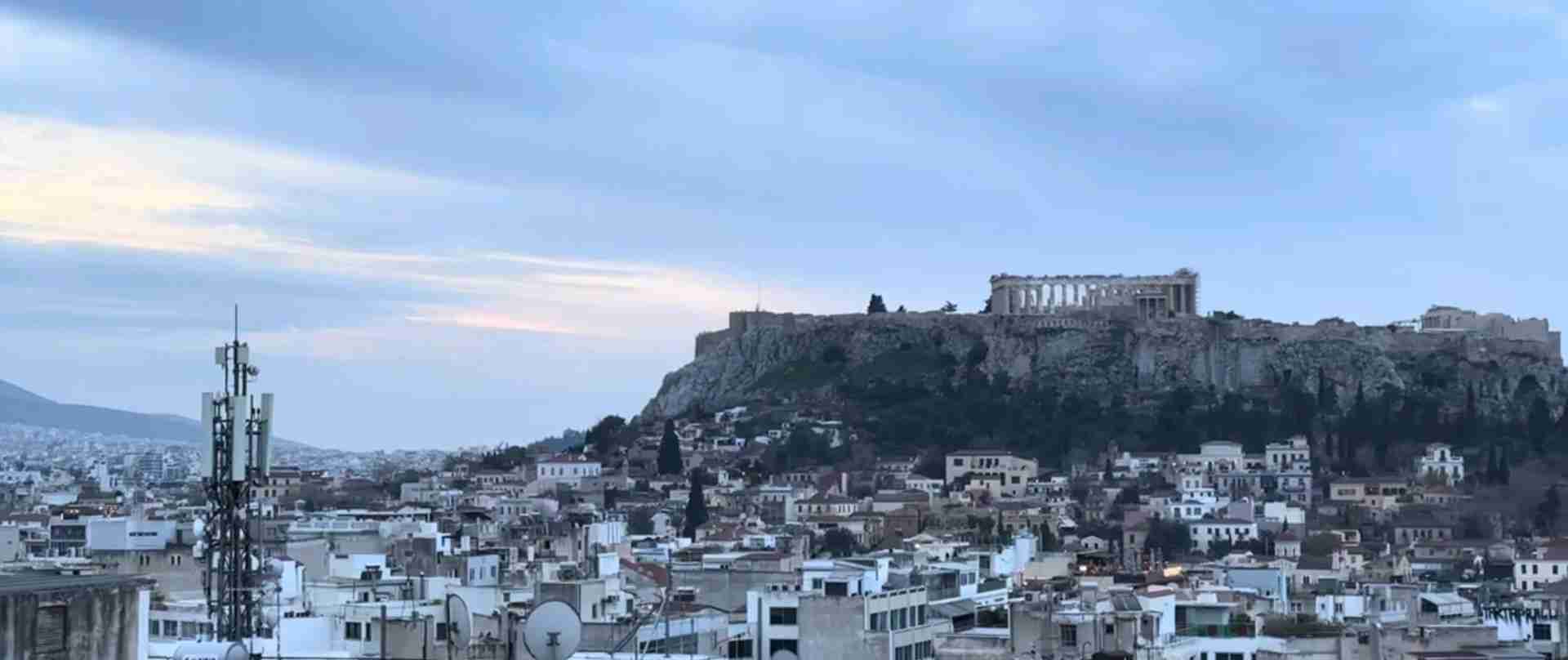
Athens 3-Day Itinerary 2026: First-Time Visitor Guide
Key Takeaways
- Optimal Duration: Three days provides comprehensive coverage of ancient sites, world-class museums, and coastal experiences without rushing through Athens’ archaeological treasures
- Strategic Timing: Start early at major sites (8 AM arrivals) to avoid midday heat and crowds, with Acropolis visits requiring 3-4 hours and museum experiences demanding 2-3 hours minimum
- Budget Planning: Daily costs range €95-145 per person excluding accommodation, with combined ticket packages offering significant savings on multiple archaeological sites
- Transportation Efficiency: Metro pass (€9 for 3 days) provides unlimited travel between all major attractions, airport transfers, and coastal destinations including Cape Sounion routes
- Advance Booking Benefits: Acropolis tickets ($17-21) sell out during peak season, while combination tickets ($34) include Acropolis, Ancient Agora, Roman Agora, Hadrian’s Library, and Kerameikos Cemetery
- Seasonal Optimization: Spring (April-May) and autumn (September-October) offer ideal conditions with temperatures 18-25°C, fewer crowds, and extended museum hours without summer congestion
Planning Your Athens 3-Day Adventure 2026
Athens demands a strategic three-day itinerary that balances ancient archaeological wonders with modern urban experiences, museum collections spanning 5,000 years, and coastal excursions to UNESCO World Heritage sites. This carefully structured plan maximizes your time across the city’s essential attractions while maintaining a sustainable pace for first-time visitors navigating one of Europe’s most historically significant capitals.
The city’s compact historic center concentrates major sites within walking distance, yet the depth of each experience requires dedicated time allocation. The Acropolis alone deserves 3-4 hours for thorough exploration, while the National Archaeological Museum demands at least 3 hours to appreciate its unparalleled collection of ancient Greek artifacts. Smart planning separates morning archaeological visits from afternoon museum experiences, leveraging optimal lighting conditions and crowd patterns.
Transportation infrastructure connects all major attractions through an efficient metro system, with Line 3 linking the airport directly to Syntagma Square and Line 1 providing access to Piraeus port and coastal areas. The three-day metro pass eliminates individual ticket purchases while enabling spontaneous exploration beyond the planned itinerary. Strategic accommodation selection in Plaka or Monastiraki districts places you within 10-15 minute walks of primary attractions.
Budget allocation across three days requires understanding Athens’ tiered pricing structure. Archaeological sites offer combination tickets that bundle multiple locations at substantial discounts compared to individual admissions. Restaurant costs vary dramatically between tourist-focused tavernas in Plaka (€25-40 per meal) and authentic neighborhood establishments in Psyrri or Exarcheia (€15-25 per meal). Strategic meal planning reduces daily food expenses while enhancing cultural authenticity.
People Also Ask About Athens 3-Day Itinerary 2026
Is 3 days enough time to see Athens in 2026?
Three days provides sufficient time to explore Athens’ essential attractions including the Acropolis, major archaeological sites, premier museums, and a coastal day trip to Cape Sounion. This duration covers the Acropolis and surrounding ancient sites (Day 1), the National Archaeological Museum and Plaka district (Day 2), and the Temple of Poseidon with coastal Athens (Day 3). While longer stays enable deeper neighborhood exploration and additional museum visits, a well-planned 3-day itinerary captures Athens’ historical essence and cultural highlights. The key is starting early (8 AM site openings), using the metro system efficiently, and pre-booking tickets to avoid queue delays that consume valuable touring time.
How much does a 3-day Athens trip cost in 2026?
A 3-day Athens trip costs €285-435 per person excluding accommodation, covering attractions, meals, and local transportation. Daily breakdown includes archaeological site admissions €25-35 (combination tickets offer best value), meals €40-60 (breakfast €8-12, lunch €15-20, dinner €20-30), local transportation €3 with a 3-day metro pass, and incidental costs €12-20 for snacks and beverages. Accommodation adds €120-220 per night for mid-range hotels in central districts, with budget options starting €60-90 and luxury properties €250-400. Total trip cost including accommodation ranges €645-1,095 per person depending on lodging category, dining choices, and additional activities like guided tours (€45-75) or evening experiences.
What is the best time to visit Athens in 2026?
April-May and September-October represent optimal periods for Athens visits in 2026, combining pleasant temperatures (18-25°C), manageable crowd levels, and extended daylight hours for sightseeing. Spring showcases blooming jacaranda trees and comfortable conditions for archaeological site exploration without summer heat stress. Autumn offers warm seas for coastal visits, harvest season cuisine, and reduced accommodation rates compared to July-August peak. Summer (June-August) brings intense heat (32-38°C) requiring early morning site visits and afternoon museum retreats, while winter (November-March) provides lowest prices and minimal crowds but shorter daylight hours and occasional rain. March and November serve as shoulder seasons with moderate weather and competitive pricing.
Do I need to book Athens attractions in advance for 2026?
Advance booking is essential for the Acropolis during peak season (April-October) when daily visitor quotas sell out weeks ahead, particularly for morning time slots (8-10 AM) offering optimal lighting and temperature conditions. The National Archaeological Museum and Acropolis Museum accept walk-ins with minimal waits, but online tickets eliminate queue time during midday crowds. Combination archaeological tickets (€34 covering Acropolis, Ancient Agora, Roman Agora, Hadrian’s Library, Kerameikos, and Aristotle’s Lyceum) are available online and at less-crowded sites, providing 5-day validity from first use. Cape Sounion sunset tours require 2-3 day advance booking in summer. Book Acropolis tickets 3-4 weeks ahead for spring/autumn visits, 6-8 weeks for summer travel.
Extended multi-day tours – 5+ days
Featured Athens Multi-Day Tour Packages
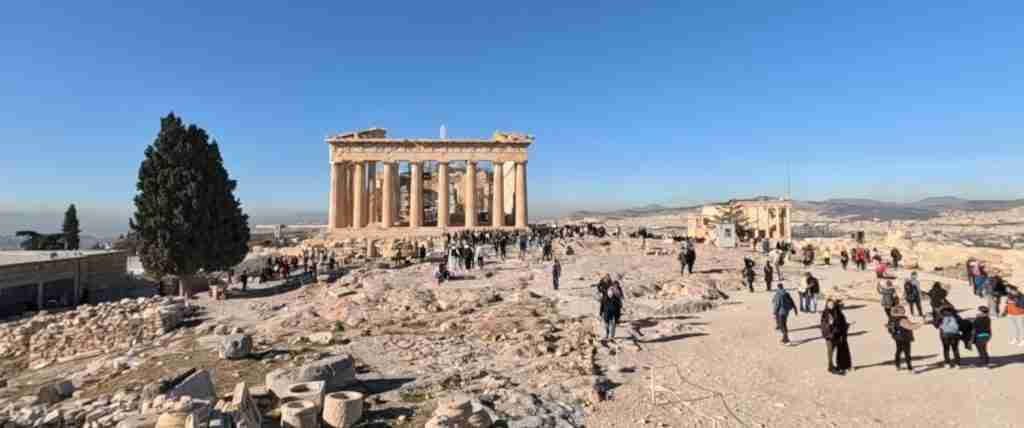
3 days
Athens 3-Day Discovery Tour
- ✓ Comprehensive Athens experience
- ✓ Expert local guides included
- ✓ All accommodation included
- ✓ Transportation provided
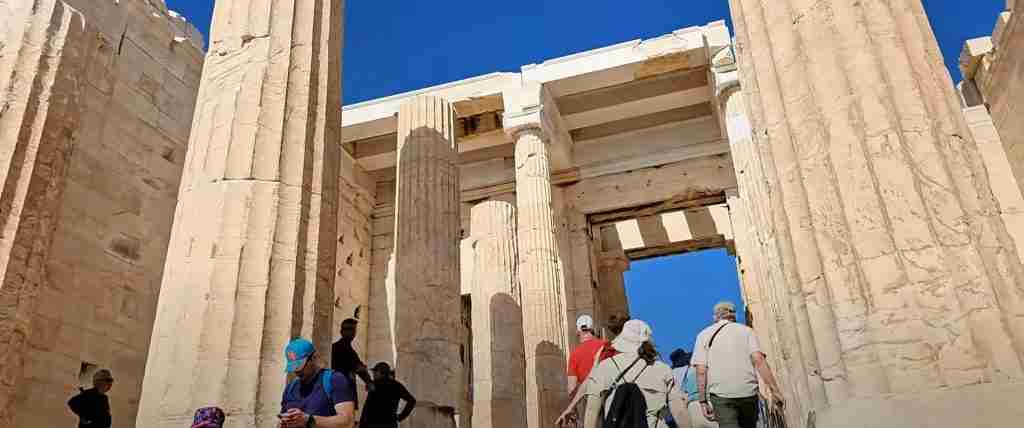
5 days
Athens 5-Day Highlights Experience
- ✓ Comprehensive Athens experience
- ✓ Expert local guides included
- ✓ All accommodation included
- ✓ Transportation provided

7 days
Athens 7-Day Cultural Journey
- ✓ Comprehensive Athens experience
- ✓ Expert local guides included
- ✓ All accommodation included
- ✓ Transportation provided
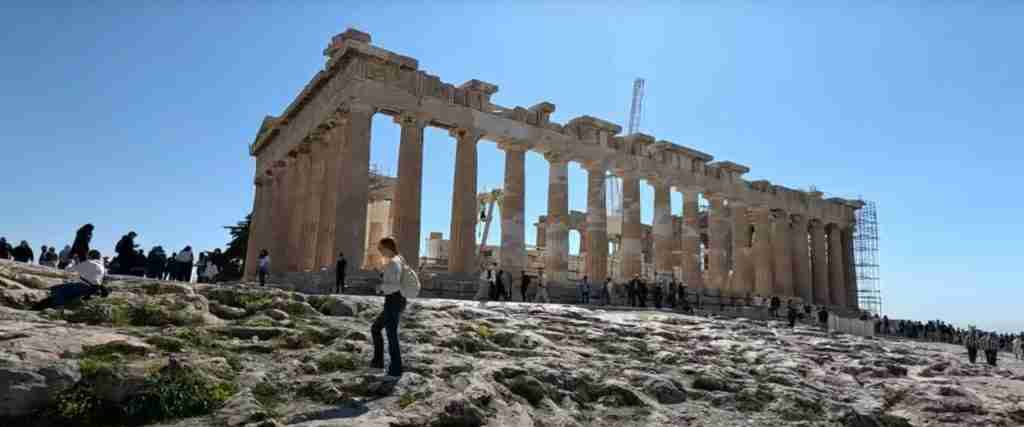
10 days
Athens 10-Day Complete Adventure
- ✓ Comprehensive Athens experience
- ✓ Expert local guides included
- ✓ All accommodation included
- ✓ Transportation provided
Multi-day tour packages powered by TourRadar. Prices and availability subject to change.
Essential Planning Information 2026
Ticket Prices and Combination Packages
Athens archaeological sites operate a sophisticated ticketing system that rewards multi-site visitors with substantial discounts. The Multisite Ticket costs €34 for adults and includes admission to the Acropolis, Ancient Agora, Roman Agora, Hadrian’s Library, Kerameikos Cemetery, Aristotle’s Lyceum, and Temple of Olympian Zeus – representing a 50% savings compared to individual tickets (check thetaae.gr for current official rates as pricing may vary). This combination ticket remains valid for 5 consecutive days from first use, enabling flexible itinerary adjustments.
Individual site pricing structures as follows: Acropolis €21 (April-October) and €11 (November-March), Ancient Agora €10 full price, Roman Agora €8, Temple of Olympian Zeus €8, and Kerameikos €4. The Acropolis Museum operates separately at €15 general admission with €10 reduced rate for seniors and €8 for students with valid ID. National Archaeological Museum charges €12 general admission year-round. Children under 18 receive free admission to all state-run archaeological sites and museums with passport verification.
Free admission days occur on specific dates including March 6 (Melina Mercouri Memorial Day), April 18 (International Monuments Day), May 18 (International Museums Day), September’s final weekend (European Heritage Days), and October 28 (National Holiday). First Sunday of each month November-March provides free Acropolis access, though expect increased crowds. EU students under 25 receive free admission to all state archaeological sites with valid student ID and passport.
Transportation Infrastructure 2026
The Athens Metro system provides the most efficient transportation network for visitors, with three primary lines connecting all major tourist areas. Line 3 (blue) runs from Athens International Airport to Syntagma Square, Monastiraki, and Piraeus port with trains every 30 minutes (6 AM-11:30 PM). Line 2 (red) connects Acropolis station to Syntagma Square and the National Archaeological Museum at Omonia. Line 1 (green) serves Piraeus, Monastiraki, and northern suburbs including Kifissia.
Metro pricing operates on a zoned system: single tickets cost €1.20 for 90 minutes of unlimited transfers within central Athens, €9 for airport transfers, and €4.10 for return airport tickets. The 3-day tourist ticket provides unlimited metro, bus, and tram access for €20, while the 5-day pass costs €30. Tickets are purchased at automated machines in all stations (English interface available) and must be validated before platform access. Children under 6 travel free, ages 6-18 receive 50% discount with ID verification.
Taxi services operate on metered fares with base rate €1.30 and €0.74 per kilometer within city limits, €1.20 per kilometer outside Athens. Airport taxis charge flat rates: €40 to central Athens (Syntagma/Plaka), €55 to Piraeus port. Ride-sharing apps including Beat (local alternative to Uber) offer competitive pricing and English-language interface. Walking between Syntagma Square, Plaka, and Monastiraki covers 1-2 kilometers on pedestrianized streets, while Acropolis to National Archaeological Museum spans 2.5 kilometers (30-minute walk or 10-minute metro ride).
Seasonal Patterns and Weather Optimization
Spring 2026 (April-May) delivers ideal conditions with temperatures 18-24°C, minimal rainfall, and blooming vegetation across archaeological sites. April averages 5 rain days with 9 hours daily sunshine, while May offers 4 rain days and 10 hours sunshine. Morning visits to exposed sites like the Acropolis are comfortable without intense heat, while afternoon museum experiences provide climate-controlled environments. Spring crowds remain moderate except Easter week (Orthodox Easter April 20, 2026) when Greek domestic tourism peaks.
Summer (June-August) brings intense heat with July-August averaging 33-36°C and occasional heatwaves reaching 40°C. Archaeological site visits require 8 AM arrivals to complete outdoor exploration before midday temperatures peak. Afternoon hours (2-6 PM) are best spent in air-conditioned museums or waterfront districts. Summer attracts maximum crowds requiring advance booking for all major attractions. June offers transition conditions with 28-31°C and fewer visitors than July-August.
Autumn (September-October) mirrors spring conditions with September averaging 28-30°C (warm swimming conditions) and October cooling to 22-25°C. September maintains summer crowds through mid-month, then moderates significantly. October provides optimal balance of pleasant weather, reduced crowds, and competitive accommodation rates. Both months average 3-4 rain days with 8-9 hours daily sunshine.
Winter (November-March) delivers mild temperatures 12-16°C with increased rainfall (7-9 rain days monthly). Archaeological sites experience minimal crowds and reduced admission prices (€11 vs €21 for Acropolis). Museums offer comfortable year-round environments. Winter daylight shortens to 9-10 hours (sunset 5-6 PM) requiring adjusted touring schedules. Occasional cold fronts bring temperatures below 10°C, particularly January-February.
Day 1: Ancient Athens & Acropolis 2026
Morning: Acropolis and Sacred Rock (3-4 hours)
Begin your Athens experience at the Acropolis, arriving at 8 AM when gates open to avoid crowds and midday heat. The South Slope entrance provides optimal access with shorter queues than the main western entrance. Allow 3-4 hours for comprehensive exploration including the Parthenon, Erechtheion, Propylaea, Temple of Athena Nike, and Theater of Dionysus. The sacred rock elevation gains 150 meters over 300-meter walking distance, with marble pathways becoming slippery when wet.
The Parthenon dominates the Acropolis summit, its Doric columns and sculptural program representing the pinnacle of Classical Greek architecture. Circumnavigate the structure to appreciate the subtle optical refinements including curved stylobate and entasis columns. The Erechtheion’s iconic Caryatid Porch stands on the northern side, with original sculptures now protected in the Acropolis Museum (plaster casts on site). The Temple of Athena Nike occupies the southwestern bastion, its Ionic columns and relief sculptures celebrating Athenian military victories.
The Theater of Dionysus on the South Slope represents the birthplace of Western drama, with performances of Aeschylus, Sophocles, and Euripides premiering in this 17,000-seat venue. The later Odeon of Herodes Atticus (AD 161) remains in use for modern performances, its restored seating providing dramatic photo opportunities. Panoramic views from the Acropolis encompass modern Athens, Lycabettus Hill, the Aegean Sea, and surrounding mountains including Mount Hymettus.
Photography opportunities peak during morning hours (8-11 AM) with side-lighting emphasizing the Parthenon’s sculptural relief and architectural details. Tripods are prohibited, but handheld photography captures excellent results with attention to composition excluding modern scaffolding from conservation work. The northwestern platform provides the classic Parthenon profile shot, while the southeastern corner frames the Erechtheion with downtown Athens background.
Midday: Acropolis Museum (2 hours)
Descend from the Acropolis to the purpose-built Acropolis Museum at its southern base, a 5-minute walk from the South Slope exit. The museum’s glass floor reveals ongoing archaeological excavations beneath the building, while the top-floor Parthenon Gallery reconstructs the temple’s sculptural program at actual scale with original sculptures and plaster casts showing original positions. The Caryatid Hall displays five original Porch Maidens with the sixth remaining in British Museum collections.
The ground floor Archaic Gallery showcases sculptures from the 6th century BC including painted korai statues and elaborate pediment decorations. The first floor presents artifacts from the Classical and Roman periods including votive offerings, everyday objects, and architectural fragments. The museum restaurant on the second floor terrace offers Acropolis views and Mediterranean cuisine (€18-28 per main course), though neighborhood tavernas provide better value options nearby.
Afternoon: Ancient Agora and Roman Forum (2-3 hours)
Walk 15 minutes north through Plaka to the Ancient Agora, the commercial and civic heart of Classical Athens. The restored Stoa of Attalos houses the Agora Museum with excavation findings including pottery, coins, and everyday objects illustrating ancient Athenian life. The Temple of Hephaestus stands as the best-preserved ancient Greek temple, its Doric columns and sculptural decoration intact after 2,500 years. The site’s shaded pathways and scattered ruins provide atmospheric exploration opportunities away from Acropolis crowds.
The nearby Roman Agora (5-minute walk east) features the Tower of the Winds, an octagonal marble structure combining sundial, weather vane, and water clock functions. The Gate of Athena Archegetis marks the forum’s western entrance with impressive Doric columns. Hadrian’s Library adjacent to the Roman Agora preserves substantial walls from the 2nd century AD complex that housed 16,800 scrolls and served as a cultural center.
Evening: Plaka District and Monastiraki (2-3 hours)
Conclude Day 1 exploring Plaka’s pedestrianized streets with neoclassical architecture, artisan shops, and traditional tavernas. Adrianou Street provides the main commercial corridor with jewelry shops, ceramics studios, and tourist-oriented restaurants. Kydathinaion Street offers more authentic dining options (€15-25 per person) including traditional Greek mezze, grilled meats, and local wines. The neighborhood’s car-free environment creates pleasant evening ambiance with outdoor seating and street musicians.
Monastiraki Square and its famous flea market operate daily with peak activity Sundays when vendors expand to surrounding streets. The square’s views frame the Acropolis illuminated after sunset (timing varies by season: 8 PM summer, 6 PM winter). Evening dining in Psyrri district (10-minute walk north of Monastiraki) provides local atmosphere with mezedopoleio serving small plates (€4-8 each) and craft beer bars offering Greek microbrews (€5-7 per beer).
Day 1 Cost Summary
Accommodation €120-220 per night (mid-range hotel double occupancy). Acropolis combination ticket €34 (covers Day 1 and Day 2 sites), Acropolis Museum €15, breakfast €8-12, lunch €15-20, dinner €25-35, coffee and snacks €8-12, metro 3-day pass €20 (covers all three days). Total Day 1 cost: €125-148 per person (excluding accommodation).
Day 2: Museums & Plaka District 2026
Morning: National Archaeological Museum (3-4 hours)
Start Day 2 at the National Archaeological Museum (8 AM opening), Greece’s premier archaeological institution housing over 11,000 artifacts spanning 5,000 years. The Mycenaean Collection features the golden Mask of Agamemnon, intricate jewelry, and weapons from Bronze Age palace civilizations (1600-1100 BC). The Sculpture Collection presents the evolution of Greek sculpture from Archaic kouroi through Classical masterpieces including the Artemision Bronze (Zeus or Poseidon) recovered from a shipwreck.
The museum’s chronological arrangement facilitates understanding Greek art development across periods. The Cycladic Collection displays minimalist marble figurines (3200-2000 BC) that influenced modern artists including Picasso and Modigliani. The Egyptian and Near Eastern Collection provides cultural context for Greek artistic borrowings and innovations. The Antikythera Mechanism, a 2nd-century BC astronomical calculator, represents ancient technological sophistication. Plan minimum 3 hours for thorough exploration, though comprehensive study requires 4-5 hours.
The museum cafe serves light meals and beverages (€8-15) in a garden courtyard setting. Audio guides (€5) provide detailed explanations for major artifacts in English, French, German, Italian, and Spanish. Photography without flash is permitted throughout permanent galleries. The gift shop offers high-quality reproductions, scholarly publications, and jewelry inspired by ancient designs (€15-200).
Midday: Syntagma Square and National Garden (1-2 hours)
Metro from the museum to Syntagma Square (10 minutes on Line 2) for the Changing of the Guard ceremony at the Tomb of the Unknown Soldier, occurring hourly with an elaborate ceremony Sundays at 11 AM. The Presidential Guard (Evzones) wear traditional fustanella kilts and perform synchronized movements developed from historical military drills. The ceremony lasts 15-20 minutes with optimal viewing from the monument’s left side.
The adjacent National Garden provides 15 hectares of shaded pathways, botanical collections, and a small zoo with native Greek animals. The 19th-century landscape design includes ponds, pergolas, and Classical-style ruins creating romantic atmosphere. The garden’s southern exit leads to the Zappeion Hall, a neoclassical exhibition center with colonnaded facades. The combined Syntagma-Garden walk offers respite from archaeological intensity and showcases modern Greek civic life.
Afternoon: Plaka Archaeological Walk and Byzantine Churches (2-3 hours)
Return to Plaka for deeper exploration along Diogenous Street’s ancient pathway, passing beneath Roman and Byzantine structures. The Church of Panagia Kapnikarea (11th century) stands in the middle of Ermou shopping street, its Byzantine architecture and frescoes contrasting with surrounding commercial buildings. The nearby Church of Agios Eleftherios incorporates ancient marble blocks and relief sculptures in its fabric, demonstrating Byzantine recycling of Classical materials.
The Anafiotika neighborhood on the Acropolis’s northern slope recreates a Cycladic island village with whitewashed houses, narrow stepped streets, and bougainvillea-covered walls. Built by workers from Anafi island in the 19th century, the district provides quiet exploration away from tourist crowds and photogenic architectural details. The area’s steep staircases and winding paths require moderate fitness, with elevations gaining 40-50 meters from Plaka’s main streets.
The Museum of Greek Popular Instruments (free admission) on Diogenous Street displays traditional musical instruments with audio stations demonstrating each instrument’s sound. The collection spans bouzouki, lyra, santouri, and regional folk instruments. The museum’s courtyard cafe serves Greek coffee (€3-4) and traditional sweets (€3-5) in a peaceful setting.
Evening: Psyrri District Dining and Entertainment (2-3 hours)
Explore Psyrri’s transformed industrial district now featuring street art, contemporary tavernas, and live music venues. The area’s mezedopoleio serve traditional small plates including grilled octopus (€8-12), saganaki cheese (€6-8), and seasonal vegetables (€5-7) paired with local wines (€4-6 per glass) or raki spirits (€3-4). Multi-course mezze meals cost €20-30 per person with drinks.
The neighborhood’s live music scene encompasses rembetika (Greek blues) clubs, contemporary Greek rock venues, and experimental music spaces. Cover charges range €5-10 with minimum drink requirements. Street art tours operate evenings (€15-20 per person, 2 hours) showcasing murals and installations by Greek and international artists. The vibrant atmosphere peaks Thursday-Saturday nights with locals outnumbering tourists.
Day 2 Cost Summary
National Archaeological Museum €12, Changing of Guard ceremony free, breakfast €8-12, lunch €15-20, coffee break €5-8, dinner (mezze) €20-30, evening drinks/entertainment €10-15, local metro rides included in 3-day pass. Total Day 2 cost: €70-97 per person (excluding accommodation).
Day 3: Temple of Poseidon & Coastal Athens 2026
Morning: Cape Sounion and Temple of Poseidon (Full Day Option)
Dedicate Day 3 to Cape Sounion, located 70 kilometers south of Athens with the magnificent Temple of Poseidon crowning a cliff 60 meters above the Aegean Sea. Organized tours depart 9-9:30 AM from central Athens (€45-55 per person including transportation and admission, check viator.com or getyourguide.com for current rates). Public bus (KTEL) departs from Pedion Areos terminal to Sounion (€6.90 each way, 2-hour journey) with multiple daily departures, though tour options provide historical commentary and optimal timing for sunset viewing.
The Temple of Poseidon (440 BC) represents Doric architecture at its most dramatic setting, with 15 surviving columns framing spectacular sea views. The temple served as a navigational landmark for ancient sailors and a sanctuary for maritime offerings. Byron’s graffiti carved into a column base during his 1810 visit remains visible (though modern vandalism is prosecuted). The archaeological site includes remains of ancient fortification walls, a propylon gateway, and foundation of an earlier Archaic temple.
The cape’s clifftop position offers 270-degree Aegean panoramas encompassing nearby islands including Kea, Kythnos, and Serifos. Morning visits (site opens 9:30 AM) provide excellent photography conditions with directional lighting emphasizing the temple’s architectural details. Afternoon visits culminate in legendary sunsets (timing varies seasonally: 7:30-8:30 PM summer, 5:30-6:30 PM winter) when the marble columns glow golden-red against the darkening sea.
The nearby coastal town of Lavrio offers seafood tavernas serving grilled fish (€12-18 per person), Greek salads (€7-9), and local wines (€4-5 per glass) with harbor views. The area’s beaches including Legrena and Kape provide swimming opportunities April-October with organized facilities (sunbeds €8-10, umbrellas €5-7). Return transportation to Athens arrives 6-7 PM for morning departures, 9-10 PM for sunset tours.
Alternative Half-Day: Athens Coastal Suburbs
For visitors preferring Athens-based exploration, the coastal tram provides access to southern suburbs and beaches. Tram Line T3 connects Syntagma Square to Voula beach (45 minutes, €1.20 covered by 3-day pass) with stops at Paleo Faliro waterfront, Glyfada shopping district, and intermediate beach communities. The route operates 5 AM-12:30 AM with 10-15 minute intervals.
The Stavros Niarchos Foundation Cultural Center in Paleo Faliro features modern architecture by Renzo Piano, with the National Library and Greek National Opera housed in a sustainable green-roofed complex. The 170,000-square-meter park includes Mediterranean gardens, children’s playgrounds, and waterfront promenades (free admission). The visitor center operates daily with free tours 11 AM and 5 PM. The site’s restaurants and cafes serve lunch (€15-25 per person) with sea views.
Glyfada combines beach access with upscale shopping along Metaxa Avenue. The neighborhood’s beaches offer organized sections (€8-12 for sunbed and umbrella) and free public areas. Waterfront fish tavernas serve fresh seafood (€20-35 per person) with local atmosphere. The area’s cosmopolitan character attracts affluent Athenians creating sophisticated dining and nightlife scenes.
Evening: Return to Athens and Farewell Dinner
Conclude your Athens experience with dinner in Koukaki neighborhood (5-minute walk south from Acropolis Metro), an emerging district balancing local character with visitor amenities. Restaurants along Drakou and Veikou streets serve contemporary Greek cuisine (€18-28 per main course) with creative interpretations of traditional recipes. The neighborhood’s wine bars offer extensive Greek wine selections (€5-8 per glass) from emerging wine regions including Santorini, Nemea, and Drama.
Alternative upscale dining in Kolonaki district (northeast of Syntagma Square) features refined restaurants with Acropolis views. Rooftop venues combine gourmet cuisine (€35-55 per person) with dramatic nighttime cityscapes. The neighborhood’s sophisticated atmosphere attracts business clientele and affluent residents, with service standards exceeding tourist-focused establishments. Reservations are essential for rooftop venues, particularly Friday-Saturday evenings.
Day 3 Cost Summary
Cape Sounion tour €45-55 including admission and transportation, OR Temple of Poseidon admission €8 plus bus fare €13.80 round-trip, lunch at coastal taverna €18-25, afternoon coffee €4-6, farewell dinner €25-40, metro/tram included in 3-day pass. Total Day 3 cost: €95-135 per person (excluding accommodation).
Budget Breakdown for 3 Days 2026
Attraction Costs Optimization
The €34 combination archaeological ticket represents the most significant cost-saving opportunity, providing access to seven major sites (Acropolis, Ancient Agora, Roman Agora, Hadrian’s Library, Kerameikos, Aristotle’s Lyceum, Temple of Olympian Zeus) versus €72 for individual admissions. The 5-day validity from first use accommodates the 3-day itinerary with flexibility for additional sites if interests dictate. Acropolis Museum (€15) and National Archaeological Museum (€12) require separate tickets, bringing total admission costs to €61 for comprehensive archaeological coverage.
Cape Sounion represents an additional expense with tour packages (€45-55) simplifying transportation logistics and providing historical context through guides. Independent travelers using KTEL buses reduce costs to €21.80 (€13.80 bus, €8 admission) but sacrifice convenience and commentary. The Temple of Poseidon sunset timing requires coordinating return bus schedules (last departure 8-9 PM seasonally) or arranging private transportation (€120-150 for 4-person capacity).
Dining Cost Management
Strategic dining choices significantly impact daily budgets. Breakfast at hotel (if included) eliminates €8-12 daily costs, while bakeries and cafes provide affordable alternatives with coffee and pastries €4-7. Lunch in neighborhood tavernas costs €12-18 versus €20-30 in tourist zones like Plaka. Dinner expenses range €20-40 depending on restaurant category and wine consumption. Budget-conscious travelers focus on mezze-style dining sharing multiple small plates (€25-35 for two people) versus formal multi-course meals (€40-60 per person).
Water costs add €2-4 daily (bottled water €1-2, cafe water €0.50-1), while afternoon coffee breaks cost €3-5 for Greek coffee or €4-6 for espresso drinks. Evening drinks in bars range €5-8 per beer, €6-10 for cocktails, €4-8 per wine glass. Supermarkets provide bottled water (€0.50-1), snacks, and breakfast items reducing costs for budget travelers, with central locations in Syntagma and Monastiraki.
Transportation Budget
The 3-day metro pass (€20) covers all public transport within Athens including airport transfer (€9 single), eliminating individual ticket costs. Daily alternatives include single metro tickets (€1.20 for 90 minutes) totaling €7-10 daily depending on journey frequency, making the 3-day pass economical for airport users and active explorers. Taxis between neighborhoods cost €5-10, while airport taxis charge €40 flat rate to central Athens (suitable for groups splitting costs).
Three-Day Budget Scenarios
Budget Option (€645-825 total): Hostel accommodation €60-90 per night, combination ticket €34, museums €27, Cape Sounion bus €21.80, 3-day metro pass €20, breakfast €6-8, lunch €12-15, dinner €15-20, snacks €6-8 daily. Daily average €95-115 excluding accommodation.
Mid-Range Option (€885-1,230 total): 3-star hotel €120-180 per night, combination ticket €34, museums €27, Cape Sounion tour €50, 3-day metro pass €20, breakfast €8-12, lunch €15-20, dinner €25-35, snacks €10-15 daily. Daily average €125-145 excluding accommodation.
Comfort Option (€1,185-1,635 total): 4-star hotel €220-320 per night, combination ticket €34, museums €27, private Cape Sounion tour €75, 3-day metro pass €20, breakfast €12-15, lunch €20-28, dinner €35-50, snacks €12-18 daily. Daily average €155-185 excluding accommodation.
Booking Strategies for 2026
Advance Reservation Timeline
Acropolis tickets require 3-4 week advance booking for spring/autumn visits (April-May, September-October), extending to 6-8 weeks for peak summer (July-August). Morning time slots (8-10 AM) sell out first due to optimal conditions. The official ticketing platform (etickets.tap.gr) releases availability 60 days ahead, while unauthorized resellers charge premiums (€25-30 vs €21 official price). Book immediately upon availability for preferred dates and times.
Hotel reservations in central districts (Plaka, Monastiraki, Syntagma, Koukaki) book 3-6 months ahead for summer travel, 6-8 weeks for spring/autumn. Budget accommodations sell out earlier than luxury properties due to limited inventory. Booking platforms offer free cancellation options until 24-48 hours before arrival, enabling flexible planning. October-March off-season rates drop 30-40% below peak pricing with greater last-minute availability.
Cape Sounion tours accept bookings 1-2 weeks ahead sufficiently, though popular sunset departures fill 2-3 weeks advance in summer. The KTEL bus requires no reservation, operating first-come seating. Restaurant reservations are unnecessary except rooftop dining venues requiring 2-3 day advance notice Friday-Saturday evenings. Walking tours and other activities accept bookings 3-7 days ahead.
Combination Ticket Strategy
Purchase the €34 combination ticket at less-crowded sites including the Ancient Agora, Roman Agora, or Hadrian’s Library rather than Acropolis ticket offices. The Ancient Agora entrance on Adrianou Street experiences minimal queues, with tickets valid immediately for all included sites. Online purchase through the official portal adds €1-2 processing but eliminates queue time. The ticket’s 5-day validity enables exploration beyond the standard 3-day itinerary if schedule permits.
Validate the combination ticket at first use, triggering the 5-day countdown. Strategic planning visits less critical sites (Kerameikos, Aristotle’s Lyceum) on Day 1 to familiarize with the ticketing system before Acropolis and Ancient Agora visits on subsequent days. The ticket includes one entry per site, prohibiting return visits but covering comprehensive single visits to each location.
Seasonal Booking Optimization
Spring (April-May) requires earliest booking due to optimal weather and manageable crowds creating high demand. Easter week (Orthodox Easter April 20, 2026) sees Greek domestic tourism peak, requiring 8-12 week advance hotel reservations. Summer (June-August) extends shoulder periods at month transitions, with early June and late August offering better availability than July-mid-August peak.
Autumn (September-October) provides booking flexibility with 4-6 week lead times sufficient. September maintains summer demand through mid-month, then moderates significantly. October represents optimal value with competitive rates and availability. Winter (November-March) enables spontaneous planning with 1-2 week advance sufficient except Christmas-New Year when European visitors create demand spikes.
Sample 2026 Itineraries
Archaeological Enthusiast Itinerary
Day 1: Early Acropolis visit (8 AM-12 PM), Acropolis Museum (12:30-2:30 PM), lunch in Plaka (3-4 PM), Ancient Agora and Temple of Hephaestus (4:30-7 PM). Focus on architectural details, sculptural programs, and historical context. Budget €130-155 per person excluding accommodation.
Day 2: National Archaeological Museum comprehensive visit (8 AM-1 PM), lunch near Omonia (1:30-2:30 PM), Kerameikos Cemetery and Museum (3-5 PM), Roman Agora and Tower of Winds (5:30-7 PM), Hadrian’s Library (7-8 PM). Emphasis on artifact study and chronological art development. Budget €75-95 per person excluding accommodation.
Day 3: Temple of Olympian Zeus (9-10:30 AM), Aristotle’s Lyceum (11 AM-12:30 PM), lunch in Pangrati (1-2 PM), Cape Sounion tour with Temple of Poseidon (3-8 PM). Complete the combination ticket sites with coastal sanctuary experience. Budget €110-135 per person excluding accommodation.
Family-Friendly Itinerary
Day 1: Acropolis visit with child-focused audio guide (9-11:30 AM), Acropolis Museum with interactive exhibits (12-2 PM), lunch in Plaka with traditional foods (2:30-3:30 PM), Plaka exploration and souvenir shopping (4-6 PM), early dinner (6:30-7:30 PM). Moderate pace with rest breaks. Budget €140-170 for family of four.
Day 2: National Garden exploration and playground (9-11 AM), Changing of Guard ceremony (11 AM), child-friendly museum visit or Athens Zoo alternative (12-2:30 PM), lunch near Syntagma (3-4 PM), tram to beach suburb (4:30-7 PM). Balanced cultural and recreational activities. Budget €95-120 for family of four.
Day 3: Morning beach time in coastal suburb (9 AM-1 PM), seafood lunch (1:30-2:30 PM), return to Athens for rest (3-5 PM), evening Plaka walk and farewell dinner (6-8 PM). Relaxed schedule with swimming and Greek beach experience. Budget €125-155 for family of four.
Photography-Focused Itinerary
Day 1: Golden hour Acropolis (7:30-9:30 AM), architectural detail photography Ancient Agora (10 AM-12 PM), Anafiotika neighborhood and Byzantine churches (1-3 PM), blue hour photography from Lycabettus Hill or Philopappos Hill (sunset-8 PM). Light and composition optimization. Budget €115-140 per person excluding accommodation.
Day 2: Street photography in Monastiraki and Psyrri (8-11 AM), National Archaeological Museum object photography (12-3 PM), late afternoon Syntagma and changing of guard (4-5 PM), sunset from rooftop bar with Acropolis views (6:30-8 PM). Cultural documentation and architectural photography. Budget €90-115 per person excluding accommodation.
Day 3: Early departure for Cape Sounion (7 AM), Temple of Poseidon photography multiple angles (9-11 AM), coastal landscape photography (11 AM-1 PM), lunch return to Athens (2-4 PM), final evening Plaka and Acropolis illumination (7-9 PM). Dramatic landscape and golden hour temple photography. Budget €105-130 per person excluding accommodation.
Planning Your 2026 Visit
Essential Packing Considerations
Athens archaeological sites require substantial walking on uneven marble and stone surfaces, with comfortable closed-toe shoes (hiking sandals, walking shoes, or lightweight boots) essential for safety and comfort. The Acropolis alone involves 2-3 kilometers of walking with elevation gains, while comprehensive daily itineraries cover 8-12 kilometers. Bring sun protection including high-SPF sunscreen (Greek sun intensity exceeds northern European levels), wide-brimmed hat, and sunglasses for exposed archaeological sites with minimal shade.
Layers accommodate variable conditions from morning coolness (15-18°C in spring/autumn) to midday heat (25-30°C). Lightweight breathable fabrics (cotton, linen, technical fabrics) provide comfort during active sightseeing. Modest dress codes apply at Byzantine churches and monasteries (covered shoulders and knees), though major archaeological sites impose no restrictions. Bring refillable water bottle (1-liter capacity minimum) for hydration during extended site visits, with public fountains available in some locations.
Camera equipment should include wide-angle lens (16-35mm) for architectural photography, telephoto (70-200mm) for detail shots, and neutral density filters for daylight long exposures. Backup battery and memory cards are essential as charging opportunities during sightseeing days are limited. Portable battery pack maintains phone navigation and photography capabilities throughout long touring days. Small daypack (20-25 liter) carries water, snacks, guidebooks, and weather protection without encumbering movement.
Mobile Connectivity and Apps
EU visitors maintain data access through roaming agreements, while international travelers purchase Greek SIM cards (€10-20 for 10-15GB data, 30-day validity) at airport kiosks or telecommunications shops (Cosmote, Vodafone, Wind). Most hotels, museums, and restaurants offer WiFi, though mobile data enables navigation and translation during exploration. Download offline maps (Google Maps, Maps.me) before travel for areas with limited connectivity.
Essential apps include: Athens Transport (real-time metro/bus/tram schedules), Google Translate (Greek-English with camera translation for menus and signs), XE Currency (current exchange rates), and Athens Audio Guide (self-guided tours with GPS triggers). Restaurant apps including TripAdvisor and Google Maps provide reviews and location services. Uber operates limited service with Beat (local ride-sharing) providing broader coverage and Greek-language support.
Cultural Etiquette and Practical Customs
Greeks maintain relaxed schedules with late dining (9-11 PM typical), afternoon siestas affecting shop hours (2-5 PM many businesses close), and extended leisure time emphasis. Restaurant service is unhurried without check presentation until requested – signal servers when ready to pay. Tipping ranges 5-10% in restaurants (round up to convenient amount), €1-2 per drink in bars, and €5-10 for exceptional tour guide service. Taxi tips involve rounding to nearest euro.
Photography protocols prohibit tripods at archaeological sites without special permits, while flash photography damages ancient frescoes and paintings in museums. Byzantine churches welcome visitors during non-service hours but request donation (€1-2 suggested). Archaeological sites prohibit backpacks larger than daypacks, food consumption, smoking, and touching ancient structures. Security screening at major museums requires 10-15 minutes during peak periods.
Greek phrases enhance local interactions: “Kalimera” (good morning), “Efharisto” (thank you), “Parakalo” (please/you’re welcome), “Signomi” (excuse me). English proficiency is widespread in tourist areas but limited in neighborhoods like Exarcheia or Kypseli. Credit cards are accepted at hotels, established restaurants, and museums, though small tavernas and shops prefer cash (ATMs widely available, €2-4 withdrawal fees for foreign cards).
FAQ Section
Can you visit Athens in 3 days?
Three days provides comprehensive coverage of Athens’ essential attractions including the Acropolis and surrounding archaeological sites, the National Archaeological Museum, Plaka historic district, and a day trip to Cape Sounion. This timeframe captures Athens’ archaeological legacy and contemporary urban culture through strategic planning with early starts (8 AM site openings), efficient metro transportation, and pre-booked tickets eliminating queue delays. Extended stays (4-5 days) enable deeper museum exploration, additional neighborhoods like Exarcheia or Koukaki, and multiple day trips to Delphi or Mycenae, but 3 days delivers a fulfilling first-time experience balancing ancient sites with modern Greek culture.
What is the best month to visit Athens?
April-May and September-October represent optimal months for Athens visits, combining pleasant temperatures (18-25°C), manageable crowds, and comfortable conditions for archaeological site exploration. Spring (April-May) showcases blooming vegetation, 9-10 hours daily sunshine, and minimal rainfall (4-5 days monthly), while autumn (September-October) offers warm sea temperatures for coastal visits and harvest-season cuisine. June and late August serve as shoulder periods with fewer crowds than July-August peak when temperatures reach 33-38°C requiring early morning site visits. March and November provide budget-conscious alternatives with 30-40% reduced accommodation rates and minimal crowds but increased rainfall probability and shorter daylight hours.
How do you get around Athens for 3 days?
The 3-day metro pass (€20) provides unlimited access to Athens’ comprehensive public transport network including metro lines, buses, trams, and the airport express. Metro Line 3 connects the airport to Syntagma Square, Monastiraki, and Piraeus in 40 minutes, while Lines 1 and 2 reach all major attractions including the Acropolis station, National Archaeological Museum (Omonia), and coastal suburbs. The system operates 5 AM-midnight weekdays with extended weekend hours, with trains every 5-10 minutes during peak times. Walking covers distances between Syntagma Square, Plaka, and Monastiraki (10-15 minutes), while taxis supplement public transport for evening returns or coastal destinations (€5-10 within central Athens). The metro’s efficiency, cleanliness, and English signage make it the preferred transportation mode for 3-day visitors.
Is Athens expensive for tourists?
Athens offers moderate pricing compared to other European capitals, with daily costs ranging €95-145 per person excluding accommodation – significantly less than Paris, Rome, or London. Accommodation varies widely from budget hostels (€60-90), mid-range hotels (€120-180), to luxury properties (€220-400) with central locations commanding premium rates. The €34 combination archaeological ticket provides exceptional value covering seven major sites, while museum admissions (€12-15) remain affordable. Dining costs span €15-25 per meal in neighborhood tavernas versus €25-40 in tourist zones, with mezze-style dining offering budget-conscious variety. Transportation is economical with the 3-day metro pass (€20) covering extensive travel. Strategic choices including neighborhood dining, combination tickets, and public transport maintain daily budgets €95-115 for budget travelers, €125-145 for mid-range comfort.
What should I not miss in Athens?
The Acropolis and Parthenon represent Athens’ unmissable experience, requiring 3-4 hours for comprehensive exploration of the Parthenon, Erechtheion, Propylaea, and Temple of Athena Nike. The Acropolis Museum displays original Parthenon sculptures and Caryatids in purpose-built galleries reconstructing the temple’s sculptural program. The National Archaeological Museum houses Greece’s premier collection spanning 5,000 years including the Mask of Agamemnon, Artemision Bronze, and Antikythera Mechanism. The Ancient Agora and Temple of Hephaestus provide atmospheric exploration of Classical Athens’ civic center. Cape Sounion’s Temple of Poseidon combines dramatic clifftop setting with Doric architecture at sunset. Plaka’s pedestrianized streets, Byzantine churches, and traditional tavernas offer cultural immersion beyond archaeological sites. These six experiences deliver Athens’ historical essence and contemporary character within a 3-day framework.
Can you do a day trip from Athens?
Cape Sounion represents the premier day trip from Athens, located 70 kilometers south with the Temple of Poseidon crowning dramatic coastal cliffs. Organized tours (€45-55) operate 9 AM-8 PM including transportation, admission, and historical commentary, while public KTEL buses (€6.90 each way) provide independent access with 2-hour journey times. Delphi archaeological site (2.5 hours northwest) offers full-day excursions (€90-120) to the UNESCO sanctuary with its Temple of Apollo and ancient theater. Mycenae and Epidaurus (1.5-2 hours southwest) combine Bronze Age palace ruins with the ancient Greek theater renowned for perfect acoustics in day tours (€85-110). The island of Hydra (1.5-hour ferry from Piraeus) provides car-free Cycladic architecture and coastal swimming (€30-45 ferry round-trip). All day trips require early departure (7-9 AM) and return evening arrival (7-9 PM), consuming full touring days best suited for 4-5 day Athens stays.
What is the best area to stay in Athens for first-time visitors?
Plaka and Monastiraki districts provide optimal locations for first-time visitors, placing guests within 10-15 minute walks of the Acropolis, Ancient Agora, Roman Agora, and major museums while offering pedestrianized streets, traditional tavernas, and Acropolis views from numerous hotels. Syntagma Square area delivers central positioning with metro connectivity, upscale shopping along Ermou Street, and proximity to the National Garden and Parliament. Koukaki neighborhood south of the Acropolis combines residential character with emerging dining scene, Acropolis Museum proximity, and metro access at competitive rates. Psyrri offers vibrant nightlife, street art, and authentic mezze culture for visitors prioritizing contemporary Athens over purely historical experiences. Avoid areas around Omonia Square despite budget pricing due to less appealing urban environment. Central neighborhoods command premium rates (€120-220 mid-range) but eliminate transportation time and costs while maximizing limited 3-day schedules.
How far in advance should I book Athens attractions?
Book Acropolis tickets 3-4 weeks ahead for spring/autumn visits (April-May, September-October) and 6-8 weeks for summer travel (June-August) when morning time slots (8-10 AM) sell out first. The official ticketing platform (etickets.tap.gr) releases availability 60 days in advance with immediate booking recommended upon availability opening. Other archaeological sites including Ancient Agora, Roman Agora, and Temple of Olympian Zeus accept walk-ins with minimal waits, though the €34 combination ticket is available online or at less-crowded entrance points. Museums including the National Archaeological Museum and Acropolis Museum rarely require advance booking except during major temporary exhibitions. Cape Sounion tours need 1-2 week advance booking for summer sunset departures, while spring/autumn/winter offer greater spontaneity. Restaurant reservations are unnecessary except rooftop dining venues requiring 2-3 days notice for weekend evenings. Walking tours and general activities accommodate 3-7 day advance booking sufficiently.
Is Athens safe for tourists?
Athens maintains low violent crime rates with tourist-focused petty theft representing the primary concern in crowded metro stations, Monastiraki flea market, and major archaeological sites. Pickpocketing targets distracted tourists in queues and on metro Line 3 (airport route) during peak times – maintain awareness of bags and valuables in crowded environments. The Omonia Square area experiences higher street crime rates with visitors advised to avoid walking alone after dark, though daytime metro transfers pose minimal risk. Political demonstrations occur regularly in Syntagma Square and Exarcheia neighborhood, occasionally involving tear gas deployment – monitor local news and avoid protest areas. Scams include overcharging in unlicensed taxis (use only yellow licensed cabs with meters or ride-sharing apps), inflated restaurant bills in tourist zones (verify prices before ordering), and bracelet scams near tourist sites (decline unsolicited gifts firmly). Overall Athens ranks as safe as other major European cities with standard urban precautions (valuables secured, situational awareness, well-lit routes after dark) ensuring trouble-free visits.
What is the dress code for Athens attractions?
Archaeological sites including the Acropolis, Ancient Agora, and Temple of Poseidon impose no dress code restrictions beyond practical considerations for walking on uneven marble surfaces – comfortable closed-toe shoes are essential for safety on polished stone pathways that become slippery when wet. Byzantine churches and monasteries require modest dress covering shoulders and knees for both men and women, with shawls or wraps available at major churches for visitors in sleeveless shirts or shorts. Museums maintain climate-controlled environments (20-22°C) with no dress restrictions, though layers accommodate temperature transitions from hot outdoor conditions. Greek culture maintains casual dress standards with beachwear confined to coastal areas, though Athens summers see shorts and casual clothing widely accepted. Upscale restaurants in Kolonaki or rooftop venues may request smart casual attire (no beach sandals or athletic wear), while traditional tavernas and mezze establishments welcome relaxed dress. Pack comfortable walking shoes, modest clothing options for religious sites, sun protection for exposed archaeological areas, and one smart casual outfit for upscale dining experiences.