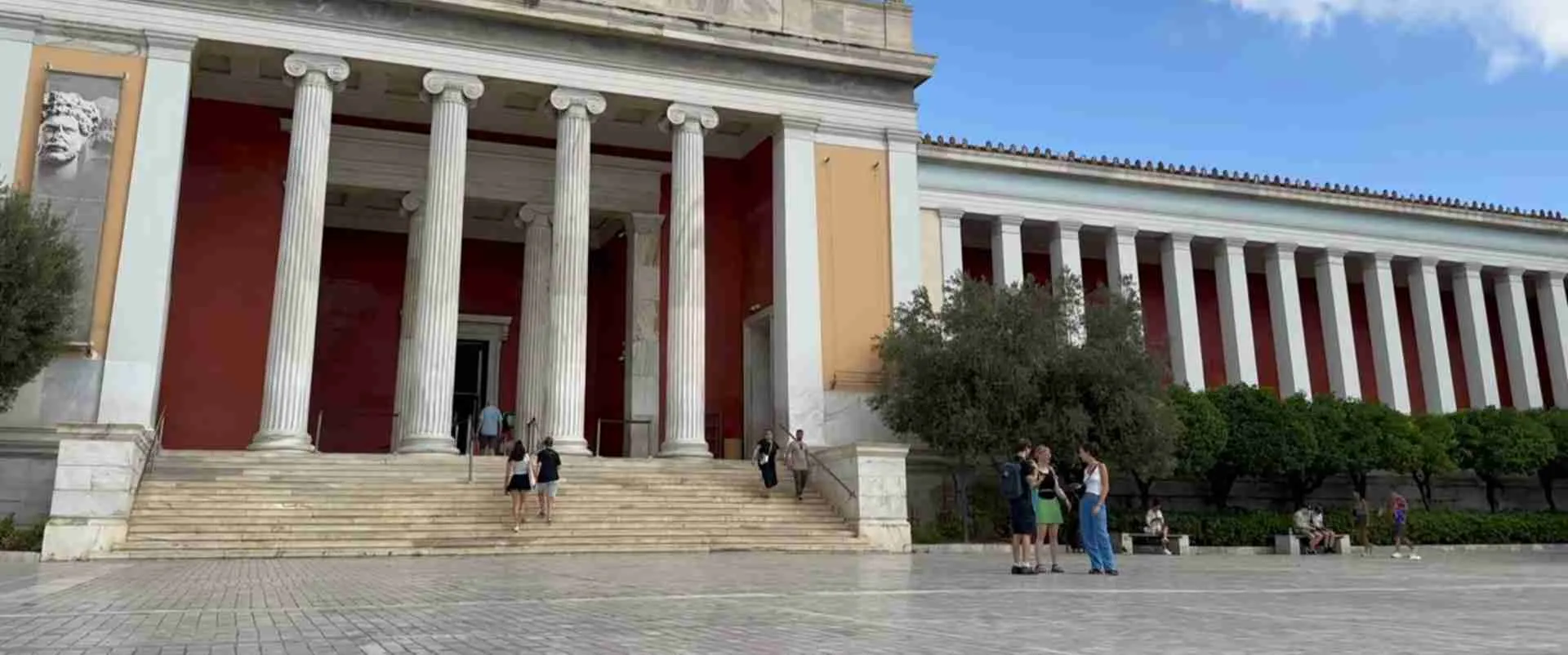
Athens Solo Travel 2026: Safety Tips & Best Experiences
Key Takeaways
- Athens ranks among Europe’s safest capitals for solo travelers, with violent crime rates significantly lower than major Western European cities and welcoming local attitudes toward independent visitors
- Solo-friendly neighborhoods Plaka, Monastiraki, Koukaki, and Kolonaki offer pedestrian-oriented layouts, concentrated accommodation options, and vibrant evening atmospheres with natural social opportunities
- Strategic accommodation selection in central districts eliminates safety concerns while providing walking access to major attractions, reducing transportation needs and enabling spontaneous exploration
- Athens’ café culture, group tours, and hostel social spaces create natural meeting opportunities for solo travelers seeking social interaction without forced connections
- Solo dining proves culturally acceptable at Athens tavernas and restaurants, with bar seating, outdoor tables, and lunch specials accommodating individual diners comfortably
- Daily budgets for solo Athens travel range €55-85 covering accommodation, meals, transportation, and admissions through single-room rates, local dining, and strategic attraction selection
Introduction: Why Athens Excels as a Solo Travel Destination in 2026
Athens emerges as an exceptional solo travel destination combining accessibility, affordability, safety, and cultural richness in proportions rare among major European capitals. The city’s compact historic center allows confident independent navigation without extensive local knowledge, while Mediterranean hospitality traditions create welcoming environments for travelers dining, exploring, and socializing alone. Solo visitors discover Athens accommodates individual travel patterns naturally rather than treating solo travelers as exceptions requiring special arrangements.
The 2026 Athens landscape particularly favors independent travelers through expanded pedestrian infrastructure connecting major attractions, enhanced public transportation reaching all city districts, and diverse accommodation options spanning budget hostels to boutique hotels in safe, central neighborhoods. The strong tourism infrastructure developed across recent decades means extensive English language usage in tourist areas, clear signage at attractions and transportation hubs, and established services catering to international visitors including substantial solo traveler populations.
Cultural factors enhance Athens’ solo travel appeal significantly. Greek dining traditions accommodate solo diners without the awkwardness experienced in some European countries where individual restaurant visits attract unwanted attention. The city’s archaeological focus creates shared interests among visitors, naturally facilitating conversations at sites, museums, and viewpoints where common cultural engagement provides social connection foundations. Athenian locals demonstrate generally welcoming attitudes toward tourists, with lower harassment levels than experienced in some Mediterranean destinations.
This comprehensive guide addresses solo travel priorities including safety strategies, neighborhood selection, accommodation recommendations, social opportunities, dining approaches, and budget optimization specific to individual travelers. The practical advice combines security awareness with experience maximization, recognizing that successful solo travel balances cautious planning with spontaneous exploration enabling the flexibility and freedom that motivate independent journeys.
People Also Ask About Athens Solo Travel 2026
Is Athens safe for solo travelers in 2026?
Athens maintains strong safety records for solo travelers, ranking significantly safer than most major Western European capitals regarding violent crime, with tourist-targeted issues limited primarily to pickpocketing in crowded areas like Monastiraki and on metro lines. Solo women report generally positive experiences though recommend standard urban awareness including avoiding completely isolated areas late at night, not displaying expensive items unnecessarily, and trusting instincts when situations feel uncomfortable. Central neighborhoods Plaka, Koukaki, Monastiraki, and Kolonaki remain busy throughout evening hours, providing natural safety through foot traffic and commercial activity. Police maintain visible presence in tourist areas, English-speaking capabilities allow reporting concerns, and tourist police divisions specifically address visitor issues.
What is the best neighborhood for solo travelers in Athens 2026?
Koukaki neighborhood emerges as the optimal solo traveler base in Athens 2026, combining residential character with proximity to major attractions (5-minute walk to Acropolis Museum, 10 minutes to Acropolis entrance), excellent dining options, safe evening atmosphere, and numerous accommodation choices from hostels to hotels. The neighborhood delivers authentic local feel without tourist saturation, pedestrian-friendly streets enable confident independent exploration, and the Syngrou-Fix metro station provides transportation connections. Alternative excellent choices include Monastiraki (maximum central location, vibrant atmosphere, extensive social opportunities), Plaka (traditional character, pedestrian streets, safe environment), and Kolonaki (upscale neighborhood, café culture, cultural attractions).
Can you meet other travelers in Athens as a solo visitor in 2026?
Athens provides numerous natural meeting opportunities for solo travelers through hostels hosting social events, walking tours attracting independent visitors, café culture encouraging extended conversations, archaeological site visits where shared interests facilitate discussions, and cooking classes or workshops designed for social interaction. Major hostels in Monastiraki and Psyrri organize bar crawls, group dinners, and social activities specifically connecting solo guests. Free walking tours departing daily from Syntagma Square naturally group independent travelers, while archaeological attractions like the Acropolis create spontaneous conversations among visitors sharing cultural interests. Solo travelers seeking social connection discover Athens accommodates this easily, while those preferring solitary exploration find equal comfort in independent sightseeing.
How much does solo travel in Athens cost per day in 2026?
Solo Athens travel budgets range €55-85 daily in 2026 depending on accommodation choices and dining preferences. Budget breakdown: hostel dorm beds €18-28 nightly, budget hotels €45-65 for single rooms, street food meals €5-7, taverna lunches €8-12, modest dinners €12-18, coffee and snacks €5-8, metro day pass €4.50, major archaeological sites combined ticket €30 (one-time purchase valid 5 days, check hellenic-ministry-culture.gr for current official rates). Mid-range solo budgets (€85-120 daily) upgrade to better hotels (€70-100 singles) and table-service restaurants (€15-25 per meal). The single supplement costs prove relatively modest in Athens compared to Western Europe, with many accommodations offering reasonable single rates rather than charging full double-room prices.
Extended multi-day tours – 5+ days
Featured Athens Multi-Day Tour Packages
3 days
Athens 3-Day Discovery Tour
- ✓ Comprehensive Athens experience
- ✓ Expert local guides included
- ✓ All accommodation included
- ✓ Transportation provided
5 days
Athens 5-Day Highlights Experience
- ✓ Comprehensive Athens experience
- ✓ Expert local guides included
- ✓ All accommodation included
- ✓ Transportation provided
7 days
Athens 7-Day Cultural Journey
- ✓ Comprehensive Athens experience
- ✓ Expert local guides included
- ✓ All accommodation included
- ✓ Transportation provided
10 days
Athens 10-Day Complete Adventure
- ✓ Comprehensive Athens experience
- ✓ Expert local guides included
- ✓ All accommodation included
- ✓ Transportation provided
Multi-day tour packages powered by TourRadar. Prices and availability subject to change.
Essential Safety Strategies for Solo Travelers in Athens 2026
Understanding Athens Crime Patterns and Tourist Safety
Athens crime statistics reveal patterns significantly favoring tourist safety compared to many European capitals. Violent crime rates affecting tourists remain exceptionally low, with tourist-targeted incidents overwhelmingly consisting of non-confrontational property crimes: pickpocketing, bag snatching, and distraction theft. The Greek tourism economy’s importance creates strong governmental and commercial incentives maintaining safe visitor environments, reflected in tourist police divisions, enhanced security at major attractions, and generally vigilant local business communities protecting their economic interests through customer safety.
Pickpocketing concentrates in predictable locations allowing preventive strategies: crowded metro cars especially Airport-Syntagma routes, Monastiraki Flea Market during busy Sunday operations, major archaeological site queues where attention focuses forward, and busy pedestrian streets like Ermou during peak shopping hours. Standard urban precautions prove effective: front pockets for valuables, crossbody bags worn forward in crowds, zipped compartments for phones and wallets, and backpack awareness in tight spaces. The thieves rely on distraction and opportunity rather than confrontation, meaning basic awareness typically prevents incidents.
Neighborhoods present varying safety profiles requiring different awareness levels. Central tourist districts (Plaka, Monastiraki, Syntagma) maintain extensive foot traffic, commercial activity, and police presence throughout evening hours, creating naturally safe environments. Koukaki and Kolonaki residential neighborhoods deliver quiet evening character with local populations providing natural surveillance and generally safe atmospheres. Areas requiring increased caution during late hours include portions of Omonia Square surroundings, some Metaxourgio blocks, peripheral Exarchia streets, and isolated areas in any neighborhood when foot traffic disappears after midnight. Solo travelers avoiding these specific areas during late hours eliminate the majority of potential safety concerns.
Accommodation Safety Selection for Solo Travelers 2026
Strategic accommodation selection provides foundational safety for solo Athens stays through neighborhood choice, facility security features, and location convenience. Central neighborhoods offer multiple safety advantages: walking access to attractions eliminating late-night transportation, busy evening streets providing natural security through foot traffic, numerous dining and entertainment options within comfortable walking distance, and proximity to tourist infrastructure including English-speaking services and assistance.
Security features distinguishing quality solo-traveler accommodations include 24-hour reception desks providing human security presence and after-hours entry assistance, electronic key card systems limiting unauthorized access to guest floor corridors, in-room safes protecting valuables and passports, well-lit building entrances visible from public streets, and interior-facing or upper-floor rooms reducing street-level access concerns. Budget hostels catering to solo travelers typically maintain strong security awareness given their clientele vulnerability, often implementing better access controls than some budget hotels.
Location-specific safety considerations within recommended neighborhoods include: ground-floor rooms on quiet side streets may prove vulnerable to noise and privacy concerns (request upper floors), accommodations on major pedestrian thoroughfares like Adrianou Street in Plaka provide maximum evening foot traffic security, metro station proximity (within 5-minute walk) enables confident late evening returns from entertainment districts, and positions within 10-minute walks of major squares (Syntagma, Monastiraki, Koukaki’s Drakou Square) ensure never being in isolated areas during returns.
Transportation Safety and Navigation in Athens 2026
Athens transportation systems prove generally safe for solo travelers with basic awareness. Metro services operate 5:30 AM to midnight on weekdays (until 2:00 AM Fridays-Saturdays), providing reliable transportation across major routes with security cameras in stations and trains, emergency communication buttons in each car, and reasonably frequent service during operational hours. Solo travelers should position themselves in populated metro cars rather than empty ones, remain aware of surroundings especially during rush hours when pickpockets operate, and avoid displaying expensive items like high-end smartphones unnecessarily.
Taxi safety requires selecting legitimate services rather than unmarked vehicles. Official Athens taxis display distinctive yellow-gray paint, taxi meters mounted on dashboards, and official licensing credentials visible to passengers. Ride-hailing apps including Beat (Greece’s dominant platform) and Free Now provide additional security through GPS tracking, driver identification, fare transparency, and digital payment eliminating cash handling concerns. Late-night solo travelers returning to accommodations preferentially use app-based services over street-hailed taxis for enhanced security and fare protection, with typical central Athens rides costing €6-12.
Walking navigation safety combines route awareness with confident presentation. Solo travelers should familiarize themselves with routes between accommodation and major destinations during daylight hours before attempting evening walks, use GPS navigation apps maintaining awareness of surroundings rather than prolonged phone absorption that broadcasts vulnerability, walk purposefully even when slightly uncertain about directions projecting confidence that deters opportunistic crime, and avoid obvious tourist behaviors like studying paper maps on street corners that identify targets. The compact historic center’s pedestrian-oriented layout enables intuitive navigation once basic orientation establishes relationships between major landmarks like the Acropolis, Lycabettus Hill, and Syntagma Square.
Personal Safety Practices for Solo Athens Exploration 2026
Daily safety routines establish protective patterns without paranoid restriction. Morning departures from accommodation should include: checking weather forecasts influencing clothing and activity choices, carrying photocopies of passport and important documents while storing originals in hotel safes, bringing sufficient cash for day’s planned expenses plus emergency reserves while leaving unnecessary credit cards secured, maintaining phone battery charged above 50% for emergency communications and navigation, and informing hotel staff about general daily plans and expected return times creating informal accountability.
During attraction visits and neighborhood exploration, situational awareness prevents most incidents. Solo travelers should periodically scan surroundings rather than maintaining constant phone absorption, recognize unusually aggressive vendors or individuals attempting to initiate unwanted interactions, trust instincts when situations or people trigger discomfort responses, avoid isolated areas in parks or archaeological sites when visitor numbers drop significantly, and position themselves near family groups or other tourists when feeling uncertain about environments or situations.
Evening safety protocols adjust standard daytime awareness appropriately. Solo diners should select well-populated restaurants with visible locations rather than isolated establishments on dark side streets, inform accommodation staff about dinner locations and expected return times, use app-based transportation for returns after 10:00 PM especially from less-central neighborhoods, carry small flashlights for poorly-lit street navigation in residential areas, and avoid engaging with aggressive nightlife promoters in entertainment districts who sometimes target solo travelers with excessive drink promotions or suspicious venue recommendations.
Emergency preparedness includes maintaining 24-hour pharmacies locations (marked by green crosses, with rotating all-night schedules posted at each pharmacy), storing Tourist Police contact information (171 nationwide emergency number, English speaking operators), knowing accommodation address written in Greek for taxi drivers or emergency services, keeping emergency credit card and cash separate from daily-use money, and maintaining home-country embassy contact details. These preparations prove valuable not for daily use but for confident independent travel knowing support systems exist when needed.
Best Neighborhoods for Solo Travelers in Athens 2026
Koukaki: The Ideal Solo Traveler Base
Koukaki neighborhood extends south of the Acropolis Museum, combining residential authenticity with tourist convenience in proportions perfect for solo travelers seeking local atmosphere without isolation concerns. The area underwent significant revitalization across the 2010s, transforming from overlooked residential district into Athens’ most desirable neighborhood for independent travelers and young professionals, resulting in excellent infrastructure balancing local character with visitor-friendly amenities.
Accommodation options in Koukaki range from social hostels perfect for meeting other travelers to boutique hotels offering quiet sophistication. The area concentrates over twenty accommodation options within a 500-meter radius of Syngrou-Fix metro station, creating competitive pricing (hostels €18-28 dorm beds, budget hotels €45-70 singles, mid-range hotels €75-120 singles in 2026 – check booking platforms for current rates). The density of choices allows solo travelers arriving without reservations to physically visit multiple options comparing facilities, though advance booking proves advisable during peak seasons (May-September).
Dining scenes in Koukaki deliver exceptional value and solo-friendly environments. Olympou Street and Veikou Street concentrate numerous tavernas serving traditional Greek cuisine at neighborhood prices (€10-15 for main courses) with bar seating and small tables accommodating solo diners comfortably. Modern restaurants and international cuisine options appear throughout the district, while bakeries, coffee shops, and casual eateries provide breakfast and snack solutions. The neighborhood’s residential character means establishments cater to regular local customers rather than one-time tourist visits, creating welcoming atmospheres for solo travelers returning across multi-day stays.
Evening safety and solo comfort in Koukaki prove excellent given residential populations maintaining natural surveillance, well-lit main streets, nearby Acropolis illumination providing landmark orientation, and busy café scene extending through 11:00 PM even on weekdays. Solo travelers walk confidently through the area at any hour, with the 5-minute distance to Acropolis Museum and 10-minute walk to Plaka providing options for extending evenings while maintaining comfortable return routes. The neighborhood lacks aggressive nightlife meaning quiet evening character that some solo travelers prefer over Monastiraki’s intensity.
Monastiraki: Central Location and Social Energy
Monastiraki occupies Athens’ geographic and cultural heart at the Ancient Agora base, delivering maximum accessibility to attractions, transportation, dining, and social opportunities. The neighborhood’s defining characteristic involves constant activity from early morning through midnight, creating vibrant urban energy that appeals to solo travelers seeking stimulation and spontaneous social encounters rather than quiet retreat atmospheres.
The accommodation landscape concentrates heavily on hostels designed specifically for solo travelers and backpackers, with over fifteen establishments within 300 meters of Monastiraki metro station. These hostels emphasize social infrastructure through communal kitchens, organized bar crawls, group dinners, roof terraces hosting evening gatherings, and reception staff providing insider recommendations and facilitating connections among guests. Dorm beds cost €18-32 depending on season and room size, while private rooms in the same hostels range €50-75 for singles in 2026 (check hostelworld.com or booking.com for current rates).
Solo dining proves exceptionally easy in Monastiraki given the concentration of casual establishments, counter-service options, and outdoor seating where watching street life provides natural entertainment. Adrianou Street tavernas offer traditional souvlaki and gyros (€5-8), Mitropoleos Street features diverse international options from Asian to Italian (€8-15), and rooftop restaurants provide Acropolis views with meals that solo travelers can enjoy without self-consciousness given the spectacular scenery justifying table-for-one reservations.
The neighborhood’s safety profile remains strong in tourist-heavy areas though requires awareness during late hours in peripheral streets. Main squares and commercial corridors maintain crowds and activity through midnight, creating natural security. However, some connecting alleys grow quiet after businesses close, and the nearby Psyrri nightlife district attracts occasional aggressive behavior as bars empty. Solo travelers staying in Monastiraki discover the central location eliminates late-night transportation needs as most evening activities occur within walking distance, though the constant activity level may prove overstimulating for travelers seeking quieter bases.
Plaka: Traditional Character and Safe Atmosphere
Plaka’s pedestrian streets, traditional architecture, and tourist-oriented infrastructure create Athens’ safest and most navigationally simple neighborhood for solo travelers, though atmosphere skews decidedly toward tourist experiences rather than local authenticity. The car-free environment eliminates traffic concerns, clear pedestrian routes enable confident independent exploration, and concentrated commercial activity maintains busy streets from morning through late evening.
Accommodation in Plaka trends toward small hotels and guesthouses in renovated neoclassical buildings, delivering charm and character though typically at premium pricing compared to surrounding neighborhoods. Single rooms range €60-95 in budget establishments, €100-150 in mid-range hotels during 2026 (check booking platforms for current rates). The limited hostel presence reduces social infrastructure compared to Monastiraki, though quieter atmosphere appeals to solo travelers seeking retreat spaces after intensive sightseeing days.
Solo dining in Plaka requires navigating the tourist-versus-local spectrum strategically. Main streets like Kidathineon and Mnisikleous feature tourist-oriented tavernas with higher prices (€15-25 main courses) and aggressive solicitation that some solo travelers find uncomfortable. However, peripheral streets and upper Plaka locations near Anafiotika provide authentic establishments where locals dine and solo visitors integrate naturally. The neighborhood’s compact size allows exploring multiple options before committing to meals, with pedestrian environment enabling comfortable table assessment without awkward car-dodging.
Evening safety in Plaka ranks among Athens’ best given pedestrian-only streets, extensive commercial activity, proximity to major hotels bringing security infrastructure, and tourist police presence. Solo travelers walk confidently at any hour, with well-lit streets, clear sightlines, and numerous escape routes into busy areas providing security comfort. The neighborhood’s primary limitation for solo travelers involves reduced social opportunities compared to hostel-heavy Monastiraki and trendy Koukaki, potentially creating isolation for travelers seeking spontaneous connections with other visitors.
Kolonaki: Upscale Sophistication and Café Culture
Kolonaki rises north of Syntagma Square up Lycabettus Hill slopes, presenting Athens’ most affluent neighborhood with designer boutiques, upscale dining, museum concentration, and sophisticated café culture. The area appeals to solo travelers prioritizing quality over budget, cultural immersion through art galleries and museums, and refined atmosphere over party scenes.
Accommodation options lean heavily toward boutique hotels and upscale establishments, with limited budget choices raising solo travel costs significantly. Single rooms in decent hotels start €85-110, rising to €140-200 in high-end properties during 2026 peak seasons (check booking platforms for current rates). The neighborhood’s residential character and wealth profile create excellent safety environments though reduced backpacker infrastructure limits spontaneous social opportunities compared to budget-friendly districts.
Solo dining thrives in Kolonaki’s extensive café scene where extended coffee sessions, laptop work, and people-watching create natural solo activities. The neighborhood concentrates Athens’ best coffee shops, contemporary restaurants, and international cuisine, with bar seating, communal tables, and outdoor café culture accommodating solo diners comfortably. Prices reflect upscale positioning (€5-7 coffee, €15-25 main courses, €8-12 lunch specials), though quality matches higher expenditure levels.
The neighborhood delivers exceptional solo sightseeing opportunities through the Benaki Museum, Museum of Cycladic Art, Byzantine & Christian Museum, and National Gallery proximity, while Lycabettus Hill hiking trails begin from upper Kolonaki streets. Evening safety remains excellent given residential populations, well-lit streets, and affluent security awareness. Solo travelers selecting Kolonaki trade budget savings and backpacker social scenes for refined experiences, cultural depth, and sophisticated atmosphere rare in tourist-heavy districts.
Solo-Friendly Activities and Experiences in Athens 2026
Archaeological Sites and Museum Visits for Individual Travelers
Athens’ archaeological attractions naturally accommodate solo visitors given self-guided exploration models, audio guide availability, and cultural content engaging individual attention rather than requiring group sharing. The Acropolis proves ideal for solo sightseeing allowing personal pacing through the site, photography without group scheduling constraints, and contemplative engagement with ancient architecture. Admission costs €30 for the combined ticket (valid 5 days covering Acropolis, Ancient Agora, Roman Agora, Hadrian’s Library, and other sites – check hellenic-ministry-culture.gr for current official rates as pricing may vary).
Audio guides enhance solo archaeological experiences by providing expert commentary without tour group following requirements. The Acropolis Museum rents excellent audio guides (€5) explaining the permanent collection across 90-120 minute suggested routes that solo travelers adjust freely to personal interests. The Ancient Agora includes audio guide options (€4) contextualizing the sprawling ruins, while the National Archaeological Museum provides comprehensive English audio tours (€3) across its world-class collections.
Museum visiting strategies for solo travelers include weekday mornings (Tuesday-Friday 9-11 AM) when crowds remain minimal allowing unrushed observation, taking notebook breaks in museum cafés to process information before continuing, using photography as engagement tool while respecting flash restrictions and photography bans in specific galleries, and planning 2-3 hour maximum sessions before museum fatigue reduces appreciation quality. Solo travelers enjoy flexibility adjusting visits dynamically based on interest levels and energy, unlike group tours maintaining rigid schedules.
Walking Tours and Group Activities for Social Connection 2026
Free walking tours departing daily from Syntagma Square create natural meeting opportunities for solo travelers while providing expert historical context. Multiple companies operate tip-based tours (guides work for tips, participants pay what they feel appropriate, €10-15 proves standard) covering historic center highlights across 2.5-3 hours. The tours attract primarily solo travelers and couples, creating easy conversation opportunities before, during, and after walks. Tours depart 10:00 AM and 5:00 PM daily, with no reservations required (simply appear at meeting points identified on company websites).
Specialized walking tours focusing on food, street art, or neighborhood exploration provide themed social opportunities. Athens food tours (€65-85, check GetYourGuide or Viator for current rates) combine tastings across 3-4 hours while naturally grouping solo travelers sharing culinary interests. Street art tours in Psyrri and Metaxourgio (€30-45) attract creative-minded individuals, while sunset photography tours (€40-55) connect photography enthusiasts. The structured activity provides conversation foundations reducing social awkwardness while shared interests facilitate genuine connections beyond forced mingling.
Cooking classes deliver exceptional solo travel experiences combining cultural education, practical skills, and extended social time in small groups. Half-day Greek cooking workshops (€70-95) include market visits, hands-on meal preparation, and communal dining of created dishes across 4-5 hours. The intimate settings (typically 8-12 participants) and collaborative cooking create natural social dynamics, with solo travelers frequently exchanging contact information and arranging subsequent dinners or sightseeing together.
Café Culture and Solo Relaxation Spaces
Athens’ extensive café culture provides perfect solo traveler environments for working, reading, people-watching, and spontaneous social encounters without forced interaction pressure. Traditional cafés (kafeneio) and modern coffee shops welcome extended sessions, with €3-5 coffee purchases providing implicit seating rights for 60-90 minutes minimum. Solo travelers adopt café rotation strategies selecting different establishments for morning coffee, afternoon breaks, and pre-dinner drinks, experiencing neighborhood character while maintaining flexible schedules.
Café selection for solo comfort prioritizes: bar seating options allowing comfortable single-person positioning without conspicuous solo table occupation, outdoor tables providing street-life entertainment, WiFi availability enabling work or planning sessions, English-speaking staff facilitating comfortable ordering and conversation, and neighborhood regular atmosphere rather than pure tourist traffic. Recommended solo-friendly café zones include Koukaki’s Olympou Street (local atmosphere, reasonable prices), Monastiraki Square surroundings (activity observation, central location), Kolonaki’s Skoufa Street (sophisticated settings, quality coffee), and Plaka’s upper streets (traditional character, Acropolis views).
Extended café sessions prove culturally acceptable in Greece where leisurely coffee consumption represents social tradition rather than commercial efficiency priority. Solo travelers comfortably occupy tables for 2-3 hours over multiple coffee rounds (€3-5 each), breakfast combinations (€6-9), or light lunches (€8-12). The environments naturally facilitate reading, journaling, photo editing, trip planning, or simply observing neighborhood rhythms without pressure for continuous consumption or table turnover.
Evening Entertainment Options for Solo Travelers 2026
Athens evening entertainment accommodates solo participants through diverse options balancing social opportunity with independent comfort. Outdoor cinema screenings in summer months (June-September, €8-10 admission, check athinorama.gr for schedules) attract both solo viewers and groups, with relaxed garden settings in Plaka and Psyrri making solo attendance comfortable and occasionally facilitating conversations with neighboring attendees sharing film interests.
Live music venues in Psyrri and Exarchia welcome solo attendees at small clubs featuring Greek and international artists. Cover charges range €10-20 depending on performer profile, with bar seating and standing-room areas allowing solo visitors to enjoy music without awkward table isolation. Traditional Greek music tavernas (bouzoukia) provide cultural experiences though expensive for solo budgets (€40-60 minimums including drinks), making group tour options (€55-75) more economical for experiencing this quintessential Greek entertainment form.
Evening walking remains pleasant and safe in central Athens, with illuminated monuments creating spectacular nighttime sightseeing. The Acropolis illumination viewed from various vantage points (Areopagus Hill, Filopappou Hill, Monastiraki Square), strolling the Archaeological Promenade’s pedestrian route, and exploring Plaka’s atmospheric lit streets provide engaging solo evening activities requiring no reservations, entry fees, or social coordination. The activities combine cultural appreciation with gentle exercise, allowing reflection on the day’s experiences while maintaining productive engagement with Athens’ night character.
Solo Dining Guide for Athens 2026
Cultural Context for Solo Restaurant Visits
Greek dining culture proves remarkably accommodating for solo restaurant visits, contrasting favorably with some European countries where individual diners encounter awkwardness or subtle discouragement. Traditional Greek mezze dining (small shared plates) theoretically favors groups, but tavernas routinely serve solo diners ordering 1-2 mezze dishes plus main courses without judgment or poor service. The cultural acceptance derives partly from Greek business lunch traditions where solo dining represents normal professional behavior rather than social anomaly.
Solo dining strategies in Athens include: requesting bar seating when available providing natural solo positioning and potential conversation with bartenders, choosing outdoor tables where street-watching provides entertainment reducing self-conscious isolation, visiting during off-peak hours (2:00-4:00 PM lunch, 6:00-7:30 PM early dinner) when restaurants run quieter and staff attention proves more available, bringing reading materials or phones for comfortable downtime between courses, and confidently occupying tables recognizing that solo dining represents legitimate restaurant use rather than problematic behavior.
Restaurant staff attitudes toward solo diners range from completely indifferent (professional service without notable reaction) to occasionally extra-attentive (servers engaging in friendly conversation, offering recommendations beyond standard service levels). Persistent aggressive solicitation from restaurant promoters in heavy tourist areas (especially Plaka and Monastiraki) sometimes intensifies toward solo travelers perceived as easier targets than couples or groups, requiring confident declinations and willingness to walk past multiple establishments before finding comfortable settings.
Best Restaurant Types for Solo Travelers 2026
Souvlaki shops and gyros stands deliver Athens’ most solo-friendly dining through counter service, fast turnover, minimal seating ceremony, and excellent value. Standing at high tables or bar seating while consuming wraps (€4-6) or plates (€7-9) proves completely normal, with locations like Kostas (Plaka), O Thanasis (Monastiraki), and dozens of neighborhood options providing authentic quick meals. These establishments suit solo lunch or casual dinner without restaurant formality or pricing.
Traditional tavernas with bar seating options accommodate solo diners excellently, particularly during lunch service when business crowds create natural solo dining normalization. Establishments in Koukaki, Psyrri, and Exarchia offer bar positions where solo travelers order full meals (€12-18 including starter, main, drink) while potentially conversing with bartenders or neighboring diners. The informal atmosphere and Greek wine by the glass (€4-6) create comfortable solo experiences balancing cultural authenticity with practical accessibility.
Food halls and market restaurants provide ideal solo dining environments through casual atmospheres, diverse food stalls allowing variety sampling, communal seating reducing solo table awkwardness, and budget-friendly pricing. The Varvakios Central Market area includes traditional workers’ tavernas serving authentic Greek cuisine (€8-14 complete meals) in bustling atmospheres where solo diners blend naturally with market workers and local regulars. The settings deliver genuine Athens dining culture without tourist markups or service formality.
Contemporary restaurants in Koukaki, Kolonaki, and revitalized Psyrri increasingly feature chef’s counter seating providing front-row kitchen views, bartender interaction opportunities, and sophisticated solo dining environments. These options range €18-30 for main courses plus drinks, delivering elevated experiences where solo dining represents lifestyle choice rather than circumstantial necessity. Reservations prove advisable for popular establishments, with solo diners often securing walk-in availability at counters when tables remain fully booked.
Solo Meal Planning and Budget Strategies 2026
Strategic meal planning optimizes solo dining budgets while maintaining cultural authenticity and nutritional balance. Breakfast strategies include: budget hotel breakfast buffets when included in room rates providing substantial morning nutrition (typically 7:00-10:00 AM), neighborhood bakeries offering fresh pastries and Greek coffee combinations (€3-5), or supermarket provisions (yogurt, fruit, bread, cheese totaling €4-6) consumed in accommodation or parks.
Lunch represents Athens’ best value meal given daily lunch specials, set menus at reduced prices, and tavernas catering to local workers. Neighborhood tavernas outside heavy tourist zones offer complete lunches (starter, main, drink) for €10-14, while souvlaki and gyros options provide substantial meals at €6-9. Solo travelers maximize lunch value by eating substantial midday meals allowing lighter, less expensive dinners reducing overall daily food costs compared to heavy dinner expenditures.
Dinner budgets vary dramatically by choice: street food dinners cost €6-10 (gyros wrap, small beer, dessert), casual taverna meals run €12-18 (mezze, main course, house wine), and contemporary restaurant experiences range €25-40 (appetizer, entrée, cocktails, dessert). Solo travelers on tight budgets alternate between street food dinners and occasional taverna splurges, while mid-range budgets support daily taverna dining with weekend restaurant upgrades. The ability to adjust daily spending based on previous days’ expenditures proves a key solo travel advantage over group dynamics requiring consensus spending levels.
Snacking and grazing strategies suit solo travelers well given ordering flexibility. Greek bakeries provide fresh koulouri (sesame bread rings) for €1, cheese pies (tyropita) at €2-3, and sweet pastries (bougatsa) for €2.50-4. Fresh fruit from neighborhood markets, supermarket yogurt (Greek yogurt in Greece proves exceptional), and takeaway coffee (€2-4) create satisfying light meals totaling €6-10 when full restaurant service feels unnecessary. The grazing approach particularly suits solo travelers maintaining flexible schedules without fixed group meal times.
Budget Planning for Solo Athens Travel 2026
Daily Budget Breakdowns by Travel Style
Ultra-Budget Solo Travel (€55-70 daily): Hostel dorm bed €18-25, street food lunch €6-8, taverna dinner €10-14, breakfast from bakery €3-5, coffee and snacks €5-7, walking primary transportation (€0) with occasional metro single tickets (€1.40), free attractions supplemented by one-time combined archaeological ticket purchase €30 spread across 5-day validity. This budget level requires discipline avoiding tourist-trap restaurants, consistent walking over convenient transportation, hostel accommodation acceptance, and strategic free attraction maximization. Solo travelers maintaining this budget across week-long stays spend approximately €385-490 total excluding flights and first-night accommodation costs.
Mid-Range Solo Travel (€85-120 daily): Budget hotel single room €45-70, lunch at neighborhood tavernas €12-18, dinner at traditional restaurants €15-22, bakery breakfast €4-6, cafés and snacks €8-12, metro day pass €4.50, major museum admissions €10-15, occasional organized activity or tour €30-50 amortized across multiple days. This comfort level supports traditional accommodation privacy, table-service restaurant meals, convenient transportation, comprehensive museum visits, and occasional social tours or activities without constant budget anxiety. Seven-day trips cost approximately €595-840 excluding flights.
Comfortable Solo Travel (€140-200 daily): Mid-range hotel single €75-120, varied restaurant dining €30-45 daily total, coffee shop work sessions €10-15, metro and occasional taxis €8-15, museum admissions and organized tours €20-35 daily average, evening entertainment €15-25. This level enables boutique hotel comfort, dining experimentation across restaurant types, transportation convenience without walk-everywhere requirements, comprehensive cultural activities including cooking classes and specialized tours, and spontaneous entertainment choices. Week-long budgets reach €980-1400 excluding flights.
Solo-Specific Cost Factors and Single Supplements
Solo travelers face inevitable single supplements in accommodation pricing, though Athens proves relatively favorable compared to Western Europe. Budget hotels often charge 70-80% of double room rates for singles rather than full double pricing, while hostels eliminate supplements entirely through per-bed dorm pricing. The practical impact means solo travelers on €85 daily budgets spend proportionally more on accommodation (€45-70 or 53-82% of budget) than couples splitting €80-120 doubles (€40-60 each or 47-71% of shared budgets).
Dining costs for solo travelers avoid the doubled expenses affecting couples, with individual consumption of €12-18 lunch and €15-25 dinner totaling €27-43 daily matching or underrunning couple averages when ordering patterns remain similar. The solo advantage appears in ordering flexibility: one appetizer, one main course, and one drink proves completely acceptable, while coupled diners sometimes feel pressure ordering symmetrically inflating total costs. Solo travelers also skip shared large dishes common in group dynamics, controlling portions and costs precisely.
Activity and transportation costs prove neutral between solo and coupled travel given per-person museum admissions, individual tour pricing, and metro tickets calculated per passenger. The lack of cost-splitting for taxis (solo €8-12 vs. couples paying €4-6 each for same ride) creates minor disadvantages, though Athens’ excellent public transit and walkable geography minimize taxi dependency. Overall, solo Athens travelers spend approximately 15-25% more daily than per-person costs for couples, significantly better than 40-50% premiums common in expensive European destinations.
Money-Saving Strategies for Solo Athens Travelers 2026
Accommodation savings through strategic booking and flexibility provide significant budget relief. Hostel dorm beds eliminate single supplements entirely while offering social benefits, with savings of €20-40 nightly compared to private budget hotel rooms funding substantial dining upgrades or activity additions. Booking platforms occasionally offer last-minute solo rates at mid-range hotels when double occupancy appears unlikely, making flexible arrival dates potentially advantageous for unplanned solo travelers. Extended stays (5+ nights) justify negotiating direct with small hotels for reduced single rates, particularly during shoulder seasons (April, October-November) when occupancy pressures decrease.
Food cost optimization combines strategic meal timing with venue selection. The large Greek lunch tradition means lunch specials at 1:00-3:00 PM offer better value than dinner menus at the same establishments, allowing solo travelers to designate lunch as primary meal (€12-18 with generous portions) followed by light street food dinners (€6-10). Neighborhood tavernas beyond tourist centers charge €3-5 less per dish for equivalent quality compared to Plaka or Monastiraki locations, making accommodation selection in areas like Koukaki provide ongoing savings beyond initial room rates.
Transportation savings through walking prove substantial given Athens’ compact historic center. Daily budgets eliminating the €4.50 metro pass save €31.50 weekly, funding quality restaurant meals or paid attractions. Strategic metro use only for airport transfers (€9 one-way) and reaching Piraeus port or peripheral attractions (€1.40 per trip) while walking central areas balances convenience with economy. Solo travelers carrying comfortable walking shoes and weather-appropriate clothing discover that 10-12km daily walking feels natural when distributed across 8-10 hours of sightseeing.
Cultural activity optimization through free attraction prioritization, strategic paid admission timing, and combined ticket purchasing maximizes experience per euro spent. The combined archaeological ticket (€30 valid 5 days) provides access to Athens’ premier ancient sites including the Acropolis, Ancient Agora, and Roman Forum, with per-site cost dropping to €6 when visiting all five locations versus €10-20 individual admissions. Museum free-entry days (first Sunday November-March, specific holidays including International Museum Day May 18) allow zero-cost access to world-class collections when timing permits, with the trade-off of larger crowds manageable through early arrival strategies.
Practical Solo Travel Tips for Athens 2026
Packing Essentials for Independent Athens Exploration
Solo travelers prioritize versatile, efficient packing enabling independent movement without luggage encumbrance or security concerns. Accommodation choices influence strategies, with hostel staying requiring combination locks for lockers (bring your own as hostel-provided locks prove unreliable), quick-dry towels since some hostels charge towel rentals, and flip-flops for shared bathroom navigation. Hotel staying eliminates these requirements but suggests packing cubes organizing belongings efficiently in limited single-room spaces.
Technology essentials for solo travel include: unlocked smartphones enabling Greek SIM card purchases (€10-20 for 10-20GB data plans at airport kiosks or Germanos/Cosmote stores), portable battery packs maintaining phone charge across long sightseeing days away from electrical outlets, universal power adapters for Greece’s Type C/F outlets, and backup charging cables. Navigation apps (Google Maps downloaded for offline Athens use), translation apps (Google Translate with Greek offline package), and museum apps (Acropolis Museum app) enhance independent exploration when connectivity proves intermittent.
Security items providing peace of mind without paranoia include: RFID-blocking wallet or passport holder protecting against electronic pickpocketing (though this risk proves minimal in Athens), money belt or neck pouch for passport and emergency cash storage during day trips, TSA-approved luggage locks for checked bags and hostel lockers, and photographic copies of passport/credit cards stored separately from originals. Cable locks securing backpacks to café chairs or hostel beds prevent opportunistic theft during bathroom breaks or overnight.
Solo Traveler Health and Wellness Considerations
Travel insurance proves essential for solo travelers lacking companions to assist during medical emergencies or provide financial backup during travel disruptions. Comprehensive policies (€30-60 for week-long Greece coverage depending on age and coverage limits) include medical expense coverage, emergency evacuation, trip cancellation protection, and lost luggage compensation. Solo travelers should carry insurance documentation including 24-hour emergency contact numbers, policy numbers, and coverage summaries enabling quick reference during stress situations.
Medication and first-aid preparation prevents minor issues from disrupting solo itineraries. Packing lists should include: prescription medications in original containers plus copies of prescriptions enabling emergency refills, over-the-counter pain relievers, anti-diarrheal medication, antihistamines for allergies, bandages and antibacterial ointment, and any personal medical necessities. Greek pharmacies (farmakeio) stock extensive over-the-counter medications with pharmacists providing excellent advice, though communication proves easier when avoiding urgent situations requiring complex explanation of symptoms.
Physical wellness during intensive sightseeing requires conscious management. Solo travelers should recognize fatigue signs requiring rest rather than pushing through discomfort to maintain ambitious schedules, balance intensive archaeological site days with lighter neighborhood wandering or museum visits, maintain regular meal schedules preventing low blood sugar affecting decision-making and safety awareness, and prioritize adequate sleep (7-8 hours) enabling next-day energy rather than sacrificing rest for nightlife participation. The flexibility advantage of solo travel includes adjusting daily plans based on physical conditions without disappointing travel companions.
Communication and Language Strategies 2026
English proficiency in Athens tourist areas proves generally strong, with hotel staff, restaurant servers, museum personnel, and transportation operators typically speaking functional to fluent English. However, neighborhood establishments outside heavy tourist zones and interactions with older Greeks may require basic Greek phrases enhancing communication and demonstrating cultural respect. Essential phrases include: “kalimera” (good morning), “efcharisto” (thank you), “parakalo” (please/you’re welcome), “signomi” (excuse me), and “den katalavaino” (I don’t understand).
Translation technology bridges communication gaps effectively when language barriers emerge. Google Translate app camera function instantly translates Greek text in restaurant menus, signs, and museum labels, while conversation mode enables basic spoken exchanges. Download Greek language package for offline translation capability during metro journeys or areas with weak connectivity. Solo travelers should maintain respectful patience during communication challenges, recognizing that Greeks generally appreciate earnest attempts at connection even when language proficiency proves limited.
Solo traveler-specific communication includes maintaining regular contact with home connections for both social connection and security awareness. Scheduled check-ins with friends or family (daily or every 2-3 days depending on relationship dynamics and personal preferences) provide accountability if situations deteriorate, while social media updates or travel blog posts maintain home connections without constant messaging requirements. Balance communication with present-moment experience appreciation, recognizing that excessive phone time diminishes solo travel’s fundamental value of independent cultural immersion and self-reliance development.
FAQ: Athens Solo Travel 2026
Is Athens boring for solo travelers?
Athens provides exceptional solo travel experiences through diverse activities spanning archaeological exploration, neighborhood wandering, café culture, culinary discoveries, and cultural events accommodating individual participation naturally. Solo travelers report high satisfaction combining independent museum visits and archaeological site exploration with optional social opportunities through walking tours, cooking classes, hostel events, and spontaneous café conversations. The city’s layered history, contemporary vitality, and Mediterranean atmosphere create engaging environments for reflective solo experiences, while the developed tourism infrastructure enables comfortable independent travel without isolation concerns. Boredom proves unlikely given comprehensive cultural content, though travelers seeking primarily nightlife and party scenes may prefer destinations like Barcelona or Berlin for those specific priorities.
Can solo female travelers visit Athens safely?
Solo female travelers report generally positive Athens experiences with safety levels comparable to or exceeding many major European cities. Standard urban awareness prevents most issues: avoiding isolated areas late at night, declining aggressive street solicitation firmly, dressing modestly when visiting religious sites, and maintaining situational awareness in crowded metro cars or markets where pickpockets operate. Catcalling occurs less frequently than in some Mediterranean destinations, though individual experiences vary with factors including appearance, dress, and traveled neighborhoods. Female solo travelers staying in recommended neighborhoods (Plaka, Koukaki, Monastiraki, Kolonaki), using transportation wisely, and maintaining confident presentation discover Athens accommodates independent women’s travel well. Joining group tours or activities provides social connection and safety-in-numbers benefits when desired without constant requirement.
Should solo travelers book tours in advance for Athens 2026?
Advance booking requirements depend on tour type and travel season. Free walking tours require no reservations, accepting drop-in participants at scheduled meeting times making them perfect for spontaneous solo joining. Popular food tours, cooking classes, and specialized experiences (photography workshops, day trips to Delphi or islands) sell out during peak seasons (May-September) requiring 3-7 days advance booking, though shoulder season (April, October-November) often allows next-day or same-week reservations. Solo travelers benefit from advance booking’s price comparison opportunities and schedule certainty, though maintaining some flexibility for weather-dependent activities or spontaneous connections with other travelers met during stays proves valuable. Booking 2-3 signature experiences in advance while leaving other days flexible balances planning security with solo travel’s fundamental freedom advantage.
What should solo travelers do if they feel lonely in Athens?
Loneliness management strategies for solo Athens travelers include: relocating to social hostels organizing group activities and common-space gatherings, joining walking tours or cooking classes providing structured social opportunities with like-minded travelers, frequenting café culture scenes where extended sessions sometimes facilitate conversations with staff or regulars, using travel social apps (Meetup, Couchsurfing Events, Bumble BFF) identifying group activities or individual connection opportunities, messaging home connections via video calls during downtime providing social interaction without local dependency, and recognizing that temporary solitude represents valid solo travel experience rather than problem requiring immediate solution. Some solo travelers discover that initial loneliness transforms into comfortable independence and self-reliance as trips progress, making patience and self-compassion important during adjustment periods.
How long should solo travelers spend in Athens?
Optimal Athens solo stays range 4-6 days providing comprehensive major attraction coverage, neighborhood exploration diversity, cultural activity participation, and flexible pacing without rushed schedules. This duration allows: two days for primary archaeological sites (Acropolis, Ancient Agora, museums), one day for neighborhood wandering (Plaka, Monastiraki, Psyrri, Koukaki), one day for viewpoint climbing and relaxation (Lycabettus Hill, National Garden, café sessions), one cultural activity day (cooking class, food tour, or day trip), and one flexible day for spontaneous interests or energy-level adjustment. Solo travelers with limited time manage meaningful 3-day visits concentrating on must-see attractions, while extended week-long or longer stays enable deeper neighborhood immersion, day trip opportunities (Delphi, Aegina, Sounion), and relaxed pacing matching solo travel’s flexibility advantages. Athens serves excellently as Greek itinerary anchor before or after island travel, with 4-5 days providing satisfying urban cultural balance to island beach experiences.
Are Athens hostels safe for solo travelers?
Athens hostels catering to international travelers maintain generally strong safety standards through security measures including 24-hour reception staffing, electronic key card access systems, individual locker provision in dorm rooms, CCTV coverage in common areas and corridors, and trained staff managing security concerns. Theft proves rare though not impossible, making valuables storage in provided lockers with personal combination locks essential, particularly for passports, excess cash, electronics, and other irreplaceable items. Female-only dorms provide additional comfort for women solo travelers preferring gender-segregated sleeping spaces. Reading recent reviews on Hostelworld, Booking.com, or TripAdvisor identifies hostels with consistent positive safety feedback versus properties experiencing security issues or management problems. Reputable establishments in Monastiraki, Psyrri, and Koukaki prioritize guest security recognizing their business success depends on solo traveler satisfaction and safety perception.
Can solo travelers join group activities easily in Athens?
Athens provides excellent group activity access for solo travelers through free walking tours accepting drop-in participation without reservations, food tours and cooking classes designed for mixed groups of solo travelers and couples, organized bar crawls hosted by major hostels welcoming non-guests for small fees, museum tours and archaeological site group tours offering single-participant joining without minimums, and day trip tours to surrounding destinations (Delphi, Sounion, Meteora) regularly departing with solo traveler majorities. Tour operators specifically market to solo travelers recognizing this demographic’s importance, with many activity descriptions explicitly stating “perfect for solo travelers” or “meet other travelers.” Solo joining proves easiest during peak seasons (May-September) when tour minimums fill readily, while shoulder seasons may require more flexible scheduling waiting for sufficient participant numbers. The established tourism infrastructure and Athens’ popularity create reliable group activity access unlike smaller destinations where tour viability depends on chance group formation.
What is the best season for solo travel to Athens?
Spring (April-May) and autumn (September-October) emerge as optimal solo Athens travel seasons combining comfortable temperatures (18-28°C), manageable tourist crowds enabling spontaneous accommodation and activity booking, moderate pricing on hotels and tours, and pleasant weather for extensive walking and outdoor dining. These shoulder periods deliver authentic urban atmosphere without summer tourist saturation or winter closures and weather limitations. Summer (June-August) offers longest daylight, most social opportunities through peak backpacker presence, and vibrant evening atmospheres, though intense heat (30-40°C) restricts daytime activities and popular sites face maximum crowds. Winter (November-March) provides smallest tourist numbers, lowest prices (accommodation savings reaching 30-40% versus peak season), and atmospheric experiences, though shorter daylight (sunset around 5:30 PM) compresses daily schedules and occasional rain disrupts outdoor plans. Solo travelers prioritizing social connection prefer summer’s busy backpacker season, those seeking contemplative experiences choose spring/autumn balance, while budget-focused solos maximize value during winter months.
Should solo travelers rent cars in Athens?
Car rental proves unnecessary and often counterproductive for solo Athens travelers, given the city’s excellent public transportation, compact historic center walkability, notorious traffic congestion, challenging parking availability and costs, and one-way street complexity requiring local navigation knowledge. The metro, buses, and trams efficiently serve all tourist destinations at €1.40 single rides or €4.50 daily passes, while walking enables atmospheric neighborhood discovery impossible when driving. Solo travelers planning day trips to Delphi, Sounion, or surrounding areas discover organized tours (€45-85) provide comprehensive experiences including transportation, guides, and admission coordination without driving stress or navigation challenges. Car rental makes sense only for solo travelers planning extensive Peloponnese exploration or multi-day regional trips where driving provides flexibility and access to remote locations, though even these itineraries often prove more enjoyable when combining Athens car-free days with strategic regional rental for rural exploration segments.
How do solo travelers handle Athens’ summer heat?
Summer heat management (temperatures reaching 35-40°C during July-August) requires strategic scheduling and physical preparation. Solo travelers should structure days with early morning starts (7:00-10:00 AM) for outdoor archaeological sites and hill climbs when temperatures remain moderate, midday breaks (12:00-4:00 PM) in air-conditioned museums, cafés, or hotel rooms during peak heat, and evening resumption (5:00-9:00 PM) for neighborhood exploration and dining when temperatures moderate. Hydration requirements increase dramatically, with 2-3 liters water daily preventing heat exhaustion, while sun protection through wide-brimmed hats, SPF 50+ sunscreen, and lightweight long-sleeve clothing prevents burns enabling extended outdoor time. Archaeological sites like the Acropolis offer minimal shade, making very early visits (8:00 AM opening) essential during heat waves. Solo travelers should recognize heat as serious health consideration requiring schedule modification and physical limitation respect, with flexibility advantages allowing spontaneous plan adjustments when temperatures exceed comfortable tolerance levels.