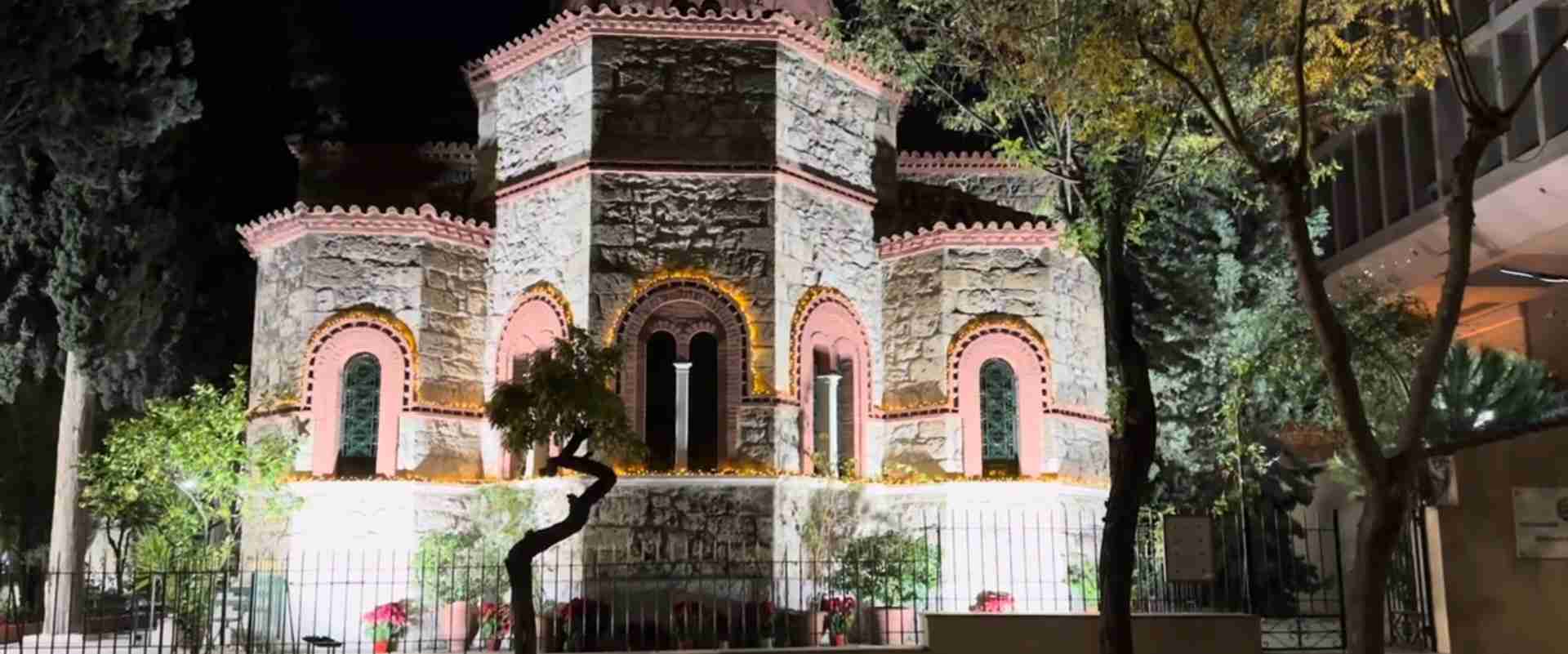
Athens Photography Guide: Capturing Ancient Greece & Modern Beauty
This comprehensive photography guide provides technical strategies for mastering Athens’ challenging lighting conditions, identifies the most productive viewpoints and shooting locations across different times of day and seasons, explains compositional approaches for ancient architecture and urban landscapes, and offers practical advice on equipment selection, crowd management techniques, and ethical photography practices at sacred archaeological sites
Key Takeaways
- Golden Hour Mastery: The Acropolis transforms during sunrise (6:00-7:30 AM) and sunset (7:00-8:30 PM in summer) when warm light illuminates marble monuments and creates dramatic shadows across ancient columns
- Strategic Viewpoints: Filopappou Hill, Areopagus Rock, and Lycabettus Hill offer elevated perspectives for capturing Athens’ layered urban landscape with the Acropolis as the compositional anchor
- Technical Challenges: Intense Mediterranean sun creates harsh midday contrast (11 AM – 3 PM), requiring careful exposure management, polarizing filters, and strategic positioning to avoid blown highlights on white marble
- Blue Hour Opportunities: The 30-45 minute window after sunset provides exceptional conditions for photographing illuminated monuments against deep blue skies, particularly the Parthenon’s dramatic nighttime lighting
- Urban Photography Layers: Athens combines ancient ruins, neoclassical architecture, street art in Psyrri and Exarcheia, and vibrant market scenes, demanding versatile equipment and adaptable shooting techniques
- Seasonal Light Variations: Winter offers softer light and fewer crowds for intimate architectural details, while summer provides extended golden hours and dynamic street photography opportunities despite challenging midday conditions
Introduction: Photographing the Cradle of Western Civilization
Athens presents photographers with an extraordinary visual canvas where 2,500 years of history intersect with contemporary Mediterranean urban life. The city’s photography potential extends far beyond the iconic Parthenon silhouette—encompassing dramatic marble temples bathed in golden Aegean light, neoclassical boulevards with ornate facades, vibrant street markets pulsing with color and movement, and elevated viewpoints offering sweeping panoramas across the Attic basin to the Saronic Gulf.
The unique photographic character of Athens emerges from the interplay between ancient Pentelic marble monuments that glow honey-gold at sunset, the intense Mediterranean sun creating challenging contrast scenarios, and the layered urban fabric mixing Byzantine churches, Ottoman remnants, 19th-century European-influenced architecture, and modern street art. Understanding how to work with Athens’ distinctive light quality, navigate the city’s diverse photographic zones, and capture both monumental architecture and intimate cultural moments transforms a simple documentation exercise into compelling visual storytelling.
Whether you’re pursuing architectural documentation, cultural street photography, landscape panoramas, or creative artistic interpretations, Athens rewards photographers who understand its rhythms, respect its heritage, and embrace both its timeless monuments and evolving contemporary character.
People Also Ask About Athens Photography
What is the best time of day to photograph the Acropolis?
The optimal times for photographing the Acropolis are during golden hour periods when the sun’s low angle illuminates the Pentelic marble with warm, directional light. Sunrise golden hour (approximately 6:00-7:30 AM in summer, 7:00-8:30 AM in winter) offers soft morning light from the east, creating gentle shadows that reveal architectural details while the marble monuments glow with warm tones. This early period provides calm conditions before crowds arrive and often features clearer atmospheric conditions with less urban haze.
Sunset golden hour (approximately 7:00-8:30 PM in summer, 5:00-6:30 PM in winter) provides even more dramatic lighting as the sun sets to the west, backlighting the Parthenon’s western facade and creating spectacular silhouettes. The marble structures catch the last warm rays, producing the famous honey-gold glow that makes Pentelic marble legendary among photographers. Blue hour, the 30-45 minute period immediately following sunset, offers exceptional opportunities for capturing the illuminated Acropolis against deep blue twilight skies, creating striking color contrasts and atmospheric depth.
Midday photography (11 AM – 3 PM) presents significant technical challenges due to harsh overhead lighting creating deep shadows in column interiors, blown highlights on white marble surfaces, and extreme contrast ratios that exceed most camera sensors’ dynamic range. However, skilled photographers can use these conditions creatively with careful exposure management, polarizing filters to control reflections and enhance sky saturation, and strategic positioning to work with rather than against the intense directional light.
Which viewpoints offer the best perspectives for photographing Athens?
Filopappou Hill (also called Philopappos Hill or Hill of the Muses) stands 147 meters high southwest of the Acropolis and provides the most celebrated elevated viewpoint for photographing the Parthenon and surrounding cityscape. The hill offers multiple vantage points at different elevations, allowing photographers to compose shots with the Acropolis as the dominant foreground element against the sprawling urban landscape and mountains beyond. The southwest-facing slopes are particularly valuable during afternoon and sunset sessions, with the Philopappos Monument itself serving as an interesting compositional element or foreground anchor.
Areopagus Rock (Mars Hill), located directly below the Acropolis’ northwest entrance, provides an intimate perspective for photographing the Propylaea gateway and western facade of the Parthenon from a lower elevation. This compact rocky outcrop offers 360-degree views including sunset shots toward Piraeus and the Saronic Gulf, and serves as an accessible location for blue hour photography sessions. The rock’s modest height (about 115 meters) creates a more human-scale relationship with the monuments compared to distant elevated viewpoints.
Mount Lycabettus, rising 277 meters above the city center, delivers the most expansive panoramic perspectives of Athens, with the Acropolis appearing as a compositional element within the vast urban sprawl extending to the sea. The summit, accessible via funicular railway or hiking trail, rewards photographers with sunrise and sunset opportunities featuring the entire Attic basin, though the distance from the Acropolis requires telephoto lenses (200-400mm) to isolate architectural details. The viewpoint excels for capturing Athens’ urban scale, atmospheric conditions like morning mist settling in valleys, and dramatic storm light approaching from the sea.
Anafiotika neighborhood, built on the northeast slopes directly beneath the Acropolis, provides intimate street photography opportunities with whitewashed Cycladic-style houses creating foreground interest and vertical compositions incorporating the overhanging ancient fortification walls. The narrow pedestrian lanes, bougainvillea-draped staircases, and village-like atmosphere offer contrast to monumental architecture, while strategic positions allow creative layered compositions combining residential charm with towering archaeological presence.
What camera equipment works best for Athens photography?
A versatile zoom lens covering the 24-70mm range serves as the workhorse for Athens photography, handling architectural details, street scenes, and environmental portraits with a single lens. The moderate wide-angle capability (24mm) captures complete building facades and monument perspectives without excessive distortion, while the short telephoto reach (70mm) isolates architectural elements and compresses distant urban layers. A constant f/2.8 or f/4 maximum aperture provides flexibility for working in shadowed archaeological sites and evening blue hour sessions without excessive ISO escalation.
A wide-angle lens in the 16-35mm range proves essential for photographing complete structures like the Parthenon from limited viewing positions, capturing expansive city panoramas from elevated viewpoints, and creating dramatic perspective effects emphasizing monumental scale. Ultra-wide focal lengths (16-20mm) excel for interior spaces at archaeological museums and creating striking vertical compositions looking up at column capitals, though careful use is required to avoid excessive distortion that can make classical architecture appear skewed or unnatural.
A telephoto zoom (70-200mm or 100-400mm) enables isolation of architectural details from distance, compression of urban layers creating graphic compositions, and candid street photography without intrusive proximity. The longer reach proves valuable when photographing from Lycabettus toward the Acropolis, isolating decorative elements on building facades, and working around crowd restrictions at popular monuments. The telephoto’s compression effect creates dramatic layered compositions stacking ancient temples, neoclassical buildings, and modern urban development.
Supporting equipment enhances Athens photography capabilities across different scenarios. A sturdy travel tripod proves essential for blue hour and night photography of illuminated monuments, HDR bracketing sequences to manage extreme contrast in midday marble photography, and long exposure techniques smoothing pedestrian movement in busy plazas. Polarizing filters control reflections on marble surfaces, deepen blue Mediterranean skies, and reduce atmospheric haze in distant panoramic views. Neutral density graduated filters help balance bright skies against shadowed foreground elements, particularly valuable when photographing from elevated viewpoints during golden hour.
How can photographers work effectively with Athens’ intense Mediterranean light?
Understanding and managing Athens’ distinctive light quality separates successful architectural photography from disappointing results. The intense Mediterranean sun creates extraordinary luminosity and color saturation but generates extreme contrast challenges, particularly when photographing white Pentelic marble that can easily exceed camera sensor dynamic range capabilities. The key technical approach involves strategic timing, careful exposure management, and specialized techniques for different lighting conditions rather than fighting against the intense illumination.
During harsh midday conditions (11 AM – 3 PM), expose for highlights on white marble surfaces to preserve detail in the brightest areas, accepting that shadow regions will render darker than the eye perceives. Shoot in RAW format to maximize post-processing latitude for recovering shadow detail and controlling highlight rolloff. Use exposure compensation (typically -0.7 to -1.3 EV) when camera meters attempt to render bright marble as middle gray, which would result in overexposed, detail-less white surfaces. Polarizing filters reduce glare from marble while enhancing sky saturation, though they also decrease overall light transmission by 1-2 stops.
HDR (High Dynamic Range) bracketing captures multiple exposures at different exposure values (typically -2, 0, +2 EV) allowing later blending to preserve both highlight detail in bright marble and shadow information in column interiors or shaded areas. This technique works best with static subjects and tripod support, making it ideal for architectural documentation but less suitable for dynamic street scenes. Modern cameras’ in-camera HDR processing can produce usable results for quick workflow, though manual bracket blending in post-processing provides superior control over final tonality and mood.
Strategic positioning relative to the sun’s direction offers compositional control over lighting effects. Sidelighting (sun at 90 degrees to the camera-subject axis) reveals texture and dimensionality in carved stone details, creating the shadow depth that defines column fluting and sculptural relief. Backlighting (shooting toward the sun) creates dramatic silhouettes and rim lighting effects, particularly effective during golden hour when the low sun can create spectacular halos around Caryatid figures or column tops. Front lighting (sun behind the camera) produces even illumination with minimal shadows but can appear flat and dimensionless, though it works well for documentary architectural recording.
Extended multi-day tours – 5+ days
Featured Athens Multi-Day Tour Packages
3 days
Prehistoric Tour of Greece – 3 days
- ✓ Comprehensive Athens tour
- ✓ Expert local guides included
- ✓ All accommodation arranged
- ✓ Transportation provided
3 days
Mycenae, Olympia & Delphi: 3-Day Private Tour with Local Tastings
- ✓ Comprehensive Athens tour
- ✓ Expert local guides included
- ✓ All accommodation arranged
- ✓ Transportation provided
2 days
Delphi Two Days Tour from Athens
- ✓ Comprehensive Athens tour
- ✓ Expert local guides included
- ✓ All accommodation arranged
- ✓ Transportation provided
3 days
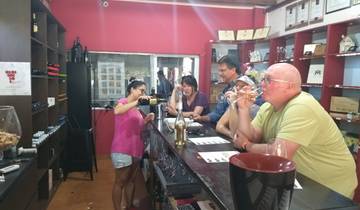
The Peloponnese wine roads (3 days – small group, escorted, cultural, culinary
- ✓ Comprehensive Athens tour
- ✓ Expert local guides included
- ✓ All accommodation arranged
- ✓ Transportation provided
Multi-day tour packages powered by TourRadar. Prices and availability subject to change.
Understanding Athens’ Unique Photographic Character
Athens presents photographers with a multilayered visual environment where ancient archaeological monuments, neoclassical 19th-century architecture, Byzantine churches, and contemporary urban fabric coexist within a compact, walkable center. This temporal layering creates exceptional opportunities for compositions that juxtapose different architectural periods, cultural elements, and urban functions within single frames. The Pentelic marble that characterizes Athens’ most famous monuments possesses distinctive light-reflecting properties—its fine crystalline structure creates a subtle translucent glow during golden hour, while the iron content produces warm honey-gold tones that intensify as the sun approaches the horizon.
The city’s topography, built across several hills with the Acropolis as the central elevated focal point, provides natural viewpoint advantages for photographers. This vertical dimension allows shooting downward into densely packed neighborhoods like Plaka and Monastiraki, upward toward monumental temples from street level, and across horizontal planes incorporating distant mountains (Hymettus, Penteli, Parnitha) as compositional elements. The Saronic Gulf to the southwest introduces maritime elements, atmospheric haze effects, and sunset opportunities toward the water that expand beyond typical landlocked urban photography.
Athens’ Mediterranean climate produces distinctive seasonal light characteristics that influence photographic strategies. Summer brings intense overhead sun with harsh contrast from late May through early September, extended golden hour periods with sunset occurring as late as 8:30 PM in June-July, and consistent clear blue skies that can appear monotonous without cloud drama. Winter offers softer overall illumination, lower sun angles throughout the day creating longer shadow patterns and more directional light even at midday, occasional dramatic storm systems bringing cloud formations and atmospheric conditions, and earlier sunsets (around 5:00 PM in December-January) that create blue hour opportunities during more convenient shooting hours.
The urban character of Athens neighborhoods creates distinct photographic zones with different visual vocabularies. Plaka’s narrow pedestrian streets lined with neoclassical houses, bougainvillea cascades, and taverna-filled courtyards offer intimate street photography and architectural detail opportunities. Monastiraki and its surrounding markets pulse with color, movement, and vendor interactions ideal for documentary and cultural photography. Psyrri and Exarcheia neighborhoods feature vibrant street art covering building facades, creating graphic urban compositions that contrast sharply with ancient monuments visible in the same sight lines. Syntagma and Omonia squares present grand neoclassical institutional architecture, while Kolonaki’s upscale streets showcase refined 20th-century European-influenced design.
Golden Hour and Blue Hour Photography Strategies
Golden hour represents the premium photography window for capturing Athens’ monuments and cityscape, with the hour before sunset providing the most dramatic and sought-after lighting conditions. The sun’s low angle produces warm, directional illumination that rakes across building facades and ancient columns, creating the three-dimensional shadow patterns that define architectural form. Pentelic marble responds spectacularly to this warm light, with the material’s translucent qualities and iron content producing the famous honey-gold glow that has made sunset Acropolis images iconic. The color temperature shift toward orange-red wavelengths creates emotional warmth and visual richness that transforms standard architectural documentation into compelling imagery.
Planning golden hour sessions requires understanding seasonal variations in sunset timing and light direction. Summer sunsets (occurring around 8:00-8:30 PM June-July) provide extended working periods with the sun’s northwest trajectory illuminating the Parthenon’s western facade and creating dramatic backlighting opportunities from viewpoints like Filopappou Hill. Winter sunsets (around 5:00-5:30 PM December-January) offer softer overall light and more pronounced color shifts due to the sun’s lower trajectory through more atmosphere, though working time is compressed and weather becomes less predictable. Spring and autumn provide balanced conditions with moderate sunset times (7:00-7:30 PM) and comfortable temperatures for extended shooting sessions.
Positioning strategy during golden hour depends on desired lighting effects and compositional goals. Western-facing viewpoints like Filopappou Hill receive frontal warm light on their Acropolis views, creating evenly illuminated facade photography with rich golden tones but minimal shadow drama. Eastern viewpoints capture backlighting and silhouette opportunities, with the sun setting behind the Parthenon creating rim lighting effects and dramatic sky backgrounds. Northern and southern positions from Lycabettus or Areopagus provide sidelighting that reveals texture and dimension while maintaining workable exposure balance between illuminated and shadowed areas.
Technical execution during golden hour demands attention to rapid light changes and dynamic exposure conditions. The color temperature shifts dramatically over the 45-60 minute golden hour period, starting with neutral warm tones and progressing to intense orange-red as the sun approaches the horizon. Shooting in RAW format preserves maximum color information and white balance flexibility, allowing later decisions about emphasizing or moderating the warm color cast. Exposure metering requires careful consideration—evaluating highlights on white marble while ensuring shadow areas don’t fall into total blackness, often necessitating exposure compensation adjustments as light levels decline and contrast increases.
Blue hour, the 30-45 minute period after sunset when twilight produces deep blue skies and monument lighting activates, creates entirely different photographic opportunities. The illuminated Acropolis, dramatically lit by warm tungsten floodlights, contrasts beautifully against the saturated blue sky, creating color complementarity and visual separation. This brief window requires precise timing—arriving too early results in pale, washed-out skies, while too late means complete darkness with lost sky detail. The optimal moment occurs when ambient sky brightness roughly balances artificial monument lighting, producing even exposure across the frame without extreme bright lights or dead black skies.
Blue hour photography necessitates tripod support for the longer exposures required in diminishing light, typically 1-4 seconds at ISO 400-800 and f/8-f/11 apertures. These extended shutter speeds allow smoothing of pedestrian movement in plazas below the Acropolis and blurring clouds into soft streaks if wind conditions exist. Manual exposure mode provides consistent results as light levels change, while auto white balance or daylight presets maintain the natural blue color of twilight skies. The compressed working window demands preparation—arrive during golden hour to set up tripods and compose shots, test exposures as light fades, then execute the primary captures during the peak blue hour minutes.
Mastering Architectural Photography of Ancient Monuments
Photographing Athens’ ancient monuments demands understanding classical Greek architectural principles, the specific visual characteristics of Pentelic marble, and technical approaches to capturing three-dimensional stone structures in compelling two-dimensional images. The Doric order temples, particularly the Parthenon, incorporate subtle optical refinements designed to correct human visual perception—columns bulge slightly at mid-height (entasis), corner columns lean imperceptibly inward, stylobate floors curve upward at center. These refinements create challenges for photographers attempting “correct” architectural documentation, as truly straight lines and right angles don’t exist in classical Greek temple architecture.
Composition strategies for temple photography balance respecting the monument’s designed viewpoints while seeking creative perspectives that reveal new visual insights. The ancient Greeks designed temples to be viewed primarily from three-quarter angles that show both facade and side simultaneously, creating dynamic diagonal compositions rather than flat frontal elevations. Photographing the Parthenon from its northwest corner at approximately 45 degrees to both western and northern facades reproduces this intended viewing geometry, creating depth and dimensionality while displaying the temple’s colonnade rhythm and pediment sculptures. Frontal straight-on perspectives produce formal documentation valuable for architectural analysis but often appear static and dimensionally flat in photographic form.
Vertical compositions emphasize the monumentality and upward thrust of column colonnades, particularly effective when shooting from ground level looking upward to capture column shafts rising toward capitals and entablatures above. This low perspective exaggerates vertical scale and creates dramatic perspective convergence, though excessive upward tilt can introduce distortion that makes columns appear to lean inward unnaturally. Tilt-shift lenses allow perspective control to maintain vertical lines parallel while still achieving upward viewpoints, valuable for professional architectural documentation though less essential for creative interpretation where some perspective distortion enhances rather than detracts from impact.
Detail photography focuses on specific architectural elements—capital decoration, column fluting revealing light and shadow patterns, entablature frieze sections, and weathering patterns in 2,500-year-old marble. These tight compositions require longer focal lengths (70-200mm) to isolate elements from visual clutter and create abstract studies of form, texture, and light. Sidelighting becomes crucial for detail work, as the raking light reveals subtle carving depths and surface variations invisible under flat frontal illumination. Early morning and late afternoon provide the directional light necessary for successful detail photography, while midday overhead sun flattens relief and reduces texture visibility.
Managing crowds in monument photography presents persistent challenges, particularly at the Acropolis which receives thousands of daily visitors. Early morning entry (the site opens 8:00 AM) provides brief windows of relatively empty spaces before tour groups arrive around 9:30-10:00 AM, though sunrise golden hour occurs earlier requiring balancing optimal light against crowd avoidance. Long exposure techniques during blue hour smooth moving pedestrians into ghostly blurs or eliminate them entirely with exposures of 15-30 seconds combined with neutral density filters. Tight compositional framing excludes crowds by focusing on upper architectural elements against sky, or strategic positioning places column shafts in foreground that block sightlines to crowded areas behind.
Weather conditions dramatically affect marble photography results. Overcast skies provide soft, even illumination ideal for documentary architectural work and detail photography without harsh contrast concerns, though the resulting images often lack dramatic impact and emotional engagement. Post-rain conditions create wet marble that deepens color saturation and enhances texture visibility, while puddled water on marble pavements offers reflection opportunities for creative compositions. Stormy atmospheric conditions with dramatic cloud formations, visible rain curtains, and directional storm light breaking through gaps create powerful environmental contexts for monuments, though such conditions occur infrequently and unpredictably in Athens’ generally sunny climate.
Elevated Viewpoint Photography and Panoramic Techniques
Elevated viewpoints transform individual monument photography into comprehensive urban landscape imagery that contextualizes ancient Athens within the modern metropolis. Filopappou Hill, positioned 147 meters above sea level southwest of the Acropolis, provides the most productive elevated shooting location for photographers seeking classic Acropolis perspectives with urban sprawl as backdrop. Multiple vantage points at different elevations along the hill’s slopes allow compositional flexibility—lower positions emphasize the Acropolis’ monumentality by reducing foreground urban elements, while higher positions incorporate more cityscape context showing Athens extending toward distant mountains and sea.
Compositional strategies from Filopappou emphasize the Acropolis as the dominant visual anchor, using the rule of thirds to position the Parthenon in the frame’s upper third while allowing sprawling urban landscape to fill lower portions. Telephoto lenses (70-200mm) compress the visual distance between foreground Acropolis and background city layers, creating stacked compositions that emphasize Athens’ density and vertical development. Wide-angle perspectives (24-35mm) incorporate more foreground elements on Filopappou Hill itself—pine trees, rocky outcrops, or the Philopappos Monument—creating environmental context and foreground interest that leads viewer eyes toward the Acropolis middle ground.
Mount Lycabettus, rising 277 meters and accessible via funicular railway or hiking trail, delivers the most expansive panoramic perspectives of Athens extending from the Saronic Gulf to surrounding mountain ranges. The extreme elevation and distance from the Acropolis (approximately 2 kilometers) demands long telephoto lenses (200-400mm) for effective monument photography, though the viewpoint excels for wide panoramic compositions showing Athens’ urban scale and geographic setting. Sunrise sessions from Lycabettus capture the city awakening with morning mist settled in valleys and the Acropolis emerging as a highlighted focal point, while sunset provides opportunities for silhouetted cityscapes against colorful western skies.
Panoramic photography techniques expand the field of view beyond single-frame limitations, creating ultra-wide compositions that encompass Athens’ full 180-degree or 360-degree vista from elevated positions. Multi-shot panoramas involve capturing overlapping vertical-format images across the horizontal scene, later stitched using software to create seamless wide-format results with higher resolution than single ultra-wide captures could achieve. The technique requires level tripod positioning to maintain consistent horizon alignment, 30-40% overlap between adjacent frames for reliable stitching, and consistent exposure across all frames to avoid visible brightness shifts in the merged result.
Exposure strategy for elevated panoramic photography addresses the challenge of balancing bright sky above the horizon with darker urban landscape below. Graduated neutral density filters physically darken the upper frame portion, allowing single exposures to capture balanced tonality across the scene. HDR bracketing captures multiple exposures at different settings, blending the results to preserve detail from deepest shadows in urban canyons to brightest highlights in sky and cloud formations. Optimal timing during golden hour provides more balanced light across the scene as the low sun illuminates both elevated Acropolis and lower city areas with similar intensity, reducing extreme contrast compared to midday conditions.
Atmospheric conditions significantly impact elevated photography results, with morning and late afternoon often providing clearer air than midday when heat creates shimmer and haze. Post-storm conditions offer exceptional clarity with washed air revealing distant details and creating saturated colors, while morning fog settled in the Attic basin creates layered atmospheric effects with the Acropolis emerging above cloud layers. Seasonal variations affect atmospheric clarity—summer heat generates persistent haze reducing distant contrast, while winter and spring provide crisper conditions ideal for detailed distant photography revealing individual buildings and geographic features.
Street Photography and Urban Documentation
Athens street photography captures the contemporary urban culture thriving among ancient ruins, revealing daily life patterns in markets, cafes, pedestrian zones, and neighborhood streets. The city’s compact, walkable center concentrates photographic opportunities within areas accessible on foot, with each neighborhood offering distinctive visual character and cultural atmosphere. Plaka’s tourist-oriented charm contrasts with grittier Exarcheia activism, while upscale Kolonaki sophistication differs entirely from working-class markets around Monastiraki and Athinas Street. This diversity allows photographers to construct comprehensive cultural narratives within single shooting days.
Monastiraki Flea Market and surrounding commercial streets provide dynamic environments for documentary photography, with vendors selling everything from ancient coin reproductions to fresh produce, street musicians performing for tourists, and locals bargaining over vintage goods. The visual density—colorful merchandise displays, hand-painted signs, architectural details on aging buildings, pedestrian movement patterns—creates layered compositions reflecting authentic urban commerce. Photographing market scenes works best during morning and early afternoon when activity peaks, using moderate telephoto lenses (50-85mm) for candid portraits and environmental documentation that captures subjects within their contexts without intrusive close proximity.
Street art in Psyrri and Exarcheia neighborhoods transforms building facades into vibrant artistic canvases, offering graphic compositions that contrast sharply with ancient monuments visible in distance. The constantly evolving murals—ranging from political statements to pure artistic expression—document Athens’ contemporary creative culture and social commentary traditions. Photographing street art benefits from frontal straight-on perspectives that minimize perspective distortion, overcast lighting that reduces glare on painted surfaces, and wide-angle lenses that capture complete murals within their architectural contexts. Including environmental elements—pedestrians interacting with art, surrounding urban texture, visible ancient sites beyond—contextualizes the work within Athens’ layered urban fabric.
Cafe culture and outdoor dining scenes capture social patterns fundamental to Mediterranean urban life, with sidewalk tables filled from morning coffee through late-night conversations. The Plaka and Thissio neighborhoods offer scenic settings with Acropolis views framing outdoor dining areas, creating compositions that merge social activity with monumental backdrops. Candid photography of cafe scenes requires respect for privacy while capturing authentic moments—shooting from moderate distances with 50-85mm lenses, avoiding intrusive flash that announces photographic presence, and focusing on environmental portraits showing people within their settings rather than invasive close-ups.
Architectural detail photography in residential neighborhoods reveals the craftsmanship and design sensibilities of 19th and early 20th-century Athens. Neoclassical facades display ornate moldings, carved wooden balconies, decorative ironwork, and colorful painted details that reward patient observation and tight compositional focus. Anafiotika’s Cycladic-style whitewashed houses create graphic white-on-blue compositions echoing island architecture, while Exarcheia’s aging apartment buildings show urban decay creating textural richness and color palette depth. Detail work succeeds with longer focal lengths (85-135mm) that compress perspective and isolate specific elements from visual surroundings.
Ethical street photography practices respect subjects’ dignity while documenting authentic cultural moments. Obtaining permission before photographing individuals in close portrait situations shows respect and often results in more relaxed, natural expressions compared to stolen candid shots where subjects appear tense or confrontational. Children and vulnerable populations deserve particular privacy consideration—avoid photographing minors without parental consent, and refrain from imagery that depicts people in potentially exploitative or undignified situations. The goal involves cultural documentation that honors subjects’ humanity rather than treating people as exotic visual objects or poverty as photographic subject matter.
Museum and Indoor Archaeological Photography
The Acropolis Museum and National Archaeological Museum house priceless artifacts in controlled indoor environments presenting unique photographic challenges compared to outdoor monument photography. Low interior light levels, prohibitions on flash photography and tripods in most areas, reflective display cases, and crowded gallery spaces demand technical adaptations and specialized approaches. The museums permit photography for personal non-commercial use, though specific restrictions vary—verifying current policies before visiting avoids disappointment and ensures compliance with institutional rules.
Low-light photography without flash or tripod support requires maximizing camera sensor capabilities and lens performance. Fast prime lenses (f/1.4-f/2.8 maximum aperture) gather more light than variable-aperture zooms, allowing lower ISO settings or faster shutter speeds that reduce motion blur. Modern camera sensors with improved high-ISO performance produce usable results at ISO 1600-3200, though some noise appears that requires balancing against the motion blur risk of longer exposures with lower ISO. Image stabilization technology, whether in-lens or in-body sensor shift systems, enables handheld shooting at slower shutter speeds (1/15 – 1/30 second) that would traditionally produce camera shake blur.
Display case photography navigates reflective glass surfaces that create glare, mirror the photographer’s reflection, and reduce contrast in photographed objects behind glass. Shooting at acute angles rather than perpendicular to glass minimizes direct reflections, though this creates perspective distortion requiring compositional adjustment. Polarizing filters reduce glass reflections when oriented correctly, though the effectiveness varies with lighting angles and glass type. Getting the lens as close to glass as possible without touching limits reflection angles, while dark clothing reduces the photographer’s visible reflection compared to bright colors that appear prominently in glass.
Sculpture photography in museums emphasizes three-dimensional form through controlled lighting analysis and strategic viewpoint selection. Museum lighting designers position spotlights to reveal form and texture, creating shadow patterns photographers can leverage for dimensional modeling. Circumnavigating sculptures to assess how lighting changes from different viewpoints reveals optimal angles where light creates attractive shadow patterns and reveals form. Multiple exposures from different positions allow later selection of the most successful perspective, while detail shots isolate specific elements—facial expressions, drapery folds, anatomical modeling—for tight compositions emphasizing craftsmanship.
Pottery, jewelry, and small artifact photography in display cases presents scale and detail documentation challenges. Longer focal lengths (85-200mm) allow filling the frame with objects while maintaining distance from glass, and create selective focus that isolates featured artifacts from surrounding display elements. The compressed depth of field at longer focal lengths and wider apertures throws distracting background cases into soft blur, creating visual separation and emphasizing the primary subject. Including environmental context—adjacent objects, museum space, other visitors viewing exhibits—provides scale reference and creates narrative layers beyond isolated artifact documentation.
Copyright and usage restrictions govern museum photography even when personal photography is permitted. Most institutions prohibit commercial use of images, flash photography that can damage light-sensitive artifacts, and tripod usage that blocks gallery circulation. Some special exhibitions restrict all photography to protect traveling works or respect lending institutions’ policies. Specific artifacts like the Parthenon Marbles may have additional photography restrictions due to their significance and fragility. Respecting these institutional policies protects cultural heritage while maintaining photography privileges for future visitors, and demonstrates ethical responsibility as a cultural heritage photographer.
Seasonal Photography Considerations and Planning
Athens’ Mediterranean climate creates distinct seasonal photographic opportunities and challenges that influence planning decisions for dedicated photography visits. Summer (June-August) delivers intense sunshine, clear blue skies, extended daylight hours with sunset occurring as late as 8:30 PM, and predictable weather conditions allowing confident shoot planning. However, extreme heat creates midday thermal shimmer reducing distant detail sharpness, tourist crowds peak making clean architectural shots challenging, and the harsh overhead sun produces difficult contrast management scenarios. Summer favors early morning and late evening photography sessions while avoiding midday hours for rest and indoor museum photography.
Spring (March-May) and autumn (September-November) provide balanced conditions with moderate temperatures comfortable for extended outdoor shooting, reliable but not excessive sunshine, occasional cloud formations adding visual interest to skies, and reduced tourist crowds allowing better monument access. The moderate sun angles create more directional lighting throughout the day compared to summer’s overhead intensity, while temperature comfort enables productive shooting from morning through afternoon without heat exhaustion concerns. Spring brings wildflowers to archaeological sites and surrounding hills, adding color foregrounds to monument photography, while autumn’s golden vegetation creates warm color palettes complementing Pentelic marble tones.
Winter (December-February) offers unique photographic character with lower sun angles producing more dramatic shadows and directional light even during midday, occasional rain systems creating wet marble reflections and dramatic storm light, snow extremely rarely dusting the Acropolis creating extraordinary imagery when conditions align, and minimal tourist crowds allowing intimate access to monuments. The challenges include unpredictable weather requiring flexible shooting schedules, earlier sunsets (around 5:00-5:30 PM) compressing late-day shooting windows, and occasional gray overcast days producing flat lighting. Winter photography in Athens rewards patient photographers willing to work around weather variability while capturing unique atmospheric conditions unavailable during reliable summer months.
Festival and cultural event photography adds temporal specificity and dynamic human elements to Athens imagery. The Athens Epidaurus Festival (June-August) brings outdoor theater performances to ancient venues including the Odeon of Herodes Atticus below the Acropolis, creating opportunities for cultural performance photography against archaeological backdrops. Orthodox Easter celebrations fill churches and streets with religious processions, candlelight vigils, and traditional ceremonies providing cultural documentation opportunities. The Athens Marathon (November) follows the ancient route from Marathon to Athens, with runners approaching the city and finishing at the Panathenaic Stadium creating modern athletic connections to ancient Olympic heritage.
Planning photography-focused visits involves balancing optimal light conditions, weather reliability, crowd avoidance, and seasonal visual character. Dedicated photography trips scheduled during shoulder seasons (April-May, September-October) capture excellent light, moderate crowds, and weather reliability, while accepting some weather variability compared to peak summer predictability. Winter trips appeal to photographers prioritizing unique atmospheric conditions, dramatic storm light, and minimal tourists over weather certainty and extended golden hour timing. Multi-day visits allow flexibility to adapt shooting plans based on daily weather conditions, returning to key locations under different light and atmospheric circumstances.
Equipment Recommendations and Technical Considerations
Camera selection for Athens photography balances image quality capabilities, low-light performance, dynamic range, and practical handling considerations for extended walking and climbing to elevated viewpoints. Full-frame sensors provide superior high-ISO performance essential for museum photography and blue hour work, wider dynamic range helpful for managing marble’s extreme brightness, and better overall image quality for large prints. APS-C sensors offer lighter weight and more compact systems easier to carry during extended shooting days, longer effective focal length from crop factor advantageous for distant monument photography, and excellent image quality sufficient for most publishing and display needs at lower equipment cost.
Essential lenses for comprehensive Athens photography coverage include a wide-angle zoom (16-35mm or similar) for architectural interiors and expansive monument perspectives, a standard zoom (24-70mm or 24-105mm) as the versatile everyday lens handling most situations, and a telephoto zoom (70-200mm) for detail work and distant monument photography. This three-lens kit weighs significantly and represents substantial investment, prompting consideration of compromises—a single versatile super-zoom like 24-240mm sacrifices optical quality and maximum aperture for convenience and reduced weight, while a two-lens combination like 16-35mm and 70-200mm covers extremes while accepting gaps in standard focal lengths.
Fast prime lenses complement zoom systems with superior optical quality, wider maximum apertures for low-light work, and smaller size reducing carried weight. A 35mm f/1.4 or f/1.8 provides moderate wide-angle useful for street photography and environmental portraits while gathering significant light for museum work. A 50mm f/1.4 or f/1.8 serves as a compact, high-quality standard lens approximating natural human vision perspective. An 85mm f/1.8 excels for portrait work, architectural details, and selective focus techniques isolating subjects through shallow depth of field. The fixed focal length demands photographer movement to compose rather than zoom convenience, encouraging more thoughtful composition and physical engagement with subjects.
Support equipment enhances specific photographic capabilities beyond basic camera and lens functionality. A carbon fiber travel tripod balances stability with reduced weight compared to aluminum alternatives, essential for blue hour monument photography and long exposure work while remaining manageable during extended carrying. Polarizing filters control reflections on marble and glass, deepen sky saturation, and reduce atmospheric haze in distant views. Graduated neutral density filters balance bright skies against darker foregrounds in landscape work from elevated viewpoints. A lightweight camera bag with padded lens compartments protects equipment during walking between shooting locations while remaining comfortable during extended carrying.
Backup and data management strategies protect irreplaceable photography from equipment failure or theft during travel. Dual memory card slots writing simultaneous copies create instant backup of every capture, protecting against card failure. Daily downloads to laptop or tablet with backup to portable hard drive or cloud storage ensure geographical separation of image copies. Carrying backup camera batteries, memory cards, and critical spare lenses guards against equipment failure rendering the entire trip unproductive. Insurance coverage for photography equipment provides financial protection against theft or accidental damage during travel.
Smartphone photography capabilities continue advancing, with current high-end phones producing excellent results for casual photography, instant sharing, and backup documentation when primary cameras are impractical. The limitations remain significant compared to dedicated cameras—small sensors struggle in low light, lack of optical zoom forces reliance on inferior digital cropping, and limited manual control restricts creative photographic techniques. However, the constant availability, instant editing and sharing capabilities, and increasingly sophisticated computational photography make smartphones valuable supplementary tools for location scouting, test shots planning later dedicated camera work, and casual documentation between primary shooting sessions.
Post-Processing and Image Development Techniques
Digital post-processing transforms raw captures into finished photographs that communicate intended mood, emphasis, and interpretation. Shooting in RAW format preserves maximum image data from camera sensors, allowing substantial latitude for exposure adjustment, color correction, highlight recovery, and shadow lifting that JPEG processing discards during in-camera rendering. RAW processing software (Adobe Lightroom, Capture One, DxO PhotoLab) provides precise control over white balance, exposure, contrast, saturation, and localized adjustments that shape final image appearance.
White balance decisions establish color palette and emotional tone, particularly critical for Athens photography where Pentelic marble’s color shifts from neutral white in midday to warm honey-gold at sunset. Auto white balance often neutralizes the desirable warm tones during golden hour, producing color-accurate but emotionally flat results. Daylight white balance preset preserves warm sunset tones and blue twilight color during blue hour, maintaining the natural color temperature relationships that communicate time of day and atmospheric conditions. Custom white balance adjustments fine-tune specific color casts, warming or cooling overall tonality to emphasize particular moods or correct undesirable color shifts from artificial lighting.
Exposure optimization in post-processing recovers highlight and shadow detail lost in the single-exposure compromise between bright and dark scene elements. Highlight recovery pulls back overexposed areas in white marble that exceed sensor capture range, revealing surface texture and tonal gradation. Shadow lifting reveals detail in underexposed dark areas like column interiors and shaded building facades, though excessive shadow recovery introduces noise and flat tonality. The balance involves preserving detail across the tonal range while maintaining contrast and dimensional modeling that gives photographs depth and three-dimensionality.
Contrast adjustments control overall tonal separation and visual impact, with increased contrast creating bold, graphic imagery emphasizing shape and form, while reduced contrast produces softer, more subtle interpretations. Local contrast adjustments through clarity and texture controls affect midtone edges specifically, enhancing perceived sharpness and detail visibility without affecting overall tonal range. Athens marble photography benefits from moderate clarity increases that reveal surface texture and carved details, though excessive application creates artificial over-sharpened appearance.
Color processing shapes mood and emphasizes specific elements through selective saturation and hue adjustments. Increasing blue sky saturation creates vivid backgrounds that separate visually from neutral marble monuments, while warming yellow-orange tones in marble emphasizes the golden quality during late-day lighting. Desaturation moves imagery toward black and white conversion, eliminating color distractions and emphasizing form, texture, and tonal relationships. HSL (hue, saturation, luminance) controls allow targeting specific color ranges for adjustment without affecting the entire image globally.
Perspective correction addresses distortion from tilting cameras upward to capture tall monuments or wide-angle lenses exaggerating foreground elements. Vertical line correction straightens converging verticals making buildings appear to lean backward, creating more formal architectural documentation. However, some perspective distortion enhances rather than detracts from visual impact—the exaggerated upward thrust of columns converging toward the sky emphasizes monumentality and scale. The decision involves balancing technical correctness against expressive interpretation that may benefit from controlled distortion.
Panorama stitching combines multiple overlapping frames into ultra-wide or high-resolution composite images exceeding single-frame capabilities. Modern software (Adobe Photoshop, PTGui, Hugin) automates most stitching processes, analyzing overlapping regions and blending exposures seamlessly. The technique works best with consistent exposure across all frames, minimal moving elements (people, vehicles) in overlap zones, and level horizon alignment during capture. The resulting high-resolution files enable large-format printing or extreme cropping while maintaining detail resolution.
Black and white conversion eliminates color to emphasize form, texture, tonal relationships, and compositional structure without color’s emotional associations. Athens architecture photography translates powerfully to monochrome, with white Pentelic marble rendering as pure bright tones against darker skies, and column shadows creating dramatic patterns. Effective black and white conversion involves more than simple desaturation—using channel mixing to control how different colors convert to gray tones, dodging and burning to locally adjust brightness emphasizing key elements, and adjusting contrast to create desired tonal separation and mood.
Practical Photography Logistics and Permissions
Photography permissions at archaeological sites and museums in Athens generally allow personal non-commercial photography without special permits or fees, though specific restrictions apply to particular locations and circumstances. The Acropolis Archaeological Site permits photography for personal use using handheld cameras, but prohibits tripods without special permission obtained in advance from the Ephorate of Antiquities. This tripod restriction aims to prevent obstruction of heavily trafficked circulation paths and potential damage to ancient marble pavements from tripod leg pressure on fragile surfaces. Photographers seeking tripod privileges for professional or serious artistic work must apply for special permission several weeks in advance, explaining the project’s purpose and agreeing to supervision during shooting.
Museum photography policies vary by institution and specific gallery, requiring verification of current rules before visiting. The Acropolis Museum permits photography for personal use without flash or tripods in most galleries, though special exhibitions may restrict all photography. The National Archaeological Museum similarly allows personal photography in permanent collections while prohibiting flash, tripods, and photography of temporary loan exhibitions. Some galleries protecting particularly light-sensitive artifacts prohibit photography entirely, clearly marked with signage. Commercial photography, drone usage, and videography with professional equipment require advance permission and typically involve fees and supervision.
Respectful photography at active religious sites like Orthodox churches and monasteries honors sacred spaces and ongoing worship while documenting architectural and cultural heritage. Permission should be obtained before photographing in church interiors, particularly during services when photography may be prohibited or strictly limited. Flash photography inside churches damages frescoes and icons through cumulative light exposure, and disturbs worship, making natural light photography essential. Modest clothing respecting religious decorum (covering shoulders and knees, removing hats) demonstrates cultural sensitivity, while quiet unobtrusive behavior minimizes disruption to worshippers and resident monks or priests.
Street photography ethics balance documentary value against personal privacy and dignity considerations. Greek law generally permits photography in public spaces without model releases for editorial and artistic purposes, though commercial use of identifiable individuals typically requires consent. Cultural sensitivity suggests avoiding intrusive close-up photography without permission, particularly of vulnerable populations, children, or people in potentially embarrassing situations. The photographer’s ethical responsibility involves respecting subjects’ humanity while documenting authentic cultural moments, asking permission when photographing individuals in close portrait situations, and exercising restraint in publishing images that might cause harm or embarrassment despite legal permission to capture them.
Theft and equipment security concerns require reasonable precautions in crowded tourist areas and public transportation. Expensive camera equipment marks photographers as potential targets for pickpockets and theft, particularly in crowded areas like Monastiraki market, Syntagma metro station, and tourist-heavy Plaka streets. Wearing camera straps cross-body rather than over single shoulder reduces snatch-theft risk, while remaining aware of surroundings and securing equipment when setting tripods protects against opportunistic theft. Storing equipment in nondescript bags rather than obvious camera backpacks reduces visibility, while hotel safe deposit of unused lenses and backup equipment minimizes loss if carry bags are stolen.
Weather protection safeguards equipment from rain, dust, and salt air conditions encountered during Athens photography. Though the city enjoys predominantly dry weather, occasional rain showers require rapid equipment protection using rain covers, plastic bags, or retreat to covered areas. Dusty conditions at archaeological sites deposit fine particles on lenses and sensors, necessitating regular cleaning with appropriate tools—lens pens, microfiber cloths, and rocket blowers. Coastal locations near Piraeus and the Saronic Gulf expose equipment to salt-laden air potentially corroding metal components over time, suggesting careful post-shooting cleaning and storage in dry environments with silica gel desiccant packs absorbing moisture.
Creating Compelling Athens Photography Projects
Project-based photography approaches Athens as comprehensive documentary subject rather than casual tourist documentation, developing cohesive bodies of work exploring specific themes, neighborhoods, cultural phenomena, or visual concepts. Thematic projects provide focus and depth, encouraging photographers to look beyond obvious iconic images toward more nuanced cultural understanding and personal artistic interpretation. Project thinking transforms random collection of disconnected images into meaningful visual narratives that communicate stories, reveal patterns, and offer insights beyond what individual photographs achieve in isolation.
Temporal documentation projects track specific locations across different times of day, seasons, weather conditions, or years, revealing how light, atmosphere, and human activity transform places. A year-long project photographing the same Acropolis viewpoint monthly documents seasonal light changes, vegetation cycles, tourist pattern variations, and atmospheric conditions. Daily cycle projects capture single locations from pre-dawn through night, showing how architectural spaces and urban areas transform as light shifts and different user populations activate spaces for varied purposes. Decade projects returning to locations years later reveal urban development, restoration work, changing cultural uses, and photographer’s own artistic evolution.
Neighborhood documentary projects provide focused exploration of distinct Athens districts, creating comprehensive portraits of places through architecture, residents, commercial activity, street life, and environmental details. A Psyrri project might explore street art evolution, taverna culture, gentrification processes, and architectural preservation challenges through systematic documentation over weeks or months. An Anafiotika project could examine the neighborhood’s unique Cycladic architecture, resident community, tourism impacts, and relationship to the overhanging Acropolis. Deep focus on limited geographic areas develops intimate knowledge revealing subtleties invisible during brief visits.
Architectural typology projects document specific building types, design elements, or historical periods across Athens, revealing patterns and variations through systematic visual comparison. A neoclassical architecture project photographs 19th-century buildings across neighborhoods, documenting facade designs, decorative details, preservation states, and contemporary adaptations. A balcony project explores the iron and wood balconies characteristic of Athens architecture, creating typological study showing design variations and craftsmanship. Street art documentation tracks murals across Psyrri, Exarcheia, and Metaxourgio, recording artistic styles, political content, and ephemeral works disappearing through painting over or building renovation.
Cultural practice projects document rituals, traditions, social patterns, and daily life activities revealing Athens’ contemporary culture. A cafe culture project explores outdoor dining traditions, photographing morning coffee rituals, afternoon conversations, and late evening social gatherings across different neighborhoods and seasons. A market photography project documents vendors, customers, products, and commercial interactions at Monastiraki flea market, central food markets, and neighborhood street markets. Religious festival documentation captures Orthodox celebrations, processions, and ceremonies connecting contemporary practice to centuries of tradition.
Personal artistic interpretation projects use Athens as visual inspiration for creative exploration rather than documentary accuracy, emphasizing mood, abstraction, conceptual ideas, or experimental techniques. An abstract Athens project photographs architectural details, shadows, reflections, and fragments creating compositions emphasizing form, color, and texture while divorcing elements from literal recognition. A long exposure project uses extended shutter speeds to blur motion and create ethereal interpretations of busy urban spaces and tourist-crowded monuments. An infrared photography project reveals Athens in otherworldly false color with vegetation appearing white and skies dramatic black, transforming familiar scenes into surreal landscapes.
Conservation Through Photography and Ethical Responsibilities
Heritage photography serves valuable documentation roles beyond artistic or commercial purposes, creating visual records supporting archaeological research, conservation efforts, tourism promotion, and public education about cultural significance. High-quality photographic documentation of monuments, artifacts, and archaeological sites preserves detailed visual information about current condition states, restoration work progress, and gradual deterioration over time. Systematic photography following standardized protocols provides comparable data across time periods, enabling researchers to track changes, identify conservation priorities, and assess intervention effectiveness.
The photographer’s ethical responsibility extends beyond legal permissions to encompass cultural sensitivity, conservation awareness, and long-term heritage protection considerations. Physical interaction with ancient sites requires awareness that cumulative impacts from millions of visitors annually cause measurable deterioration—touching marble surfaces leaves acidic residues from skin oils that accelerate weathering, walking on restricted marble pavements contributes to surface erosion, and climbing on structures creates load stresses ancient construction never anticipated. Photographers should strictly observe barriers, restricted area signs, and site regulations protecting fragile archaeological resources from accelerated degradation.
Light exposure to artifacts poses conservation concerns often overlooked by photographers pursuing desired images. While single photographic flash exposure causes negligible damage, the cumulative effect of thousands of flash photographs on light-sensitive materials like textiles, manuscripts, paintings, and certain pigments contributes to measurable fading and deterioration over time. Museums prohibit flash photography primarily to protect collections, and photographers have ethical obligations to respect these restrictions regardless of personal assessment about single exposures’ impact. Natural light photography or high-ISO techniques without flash demonstrate respect for conservation priorities while still enabling documentation.
Drone photography regulations in Greece strictly prohibit flights over archaeological sites, museums, military installations, and most urban areas without special permissions rarely granted for heritage locations. The Civil Aviation Authority enforces these restrictions to protect national security, privacy, and cultural heritage from damage risks posed by drone crashes onto ancient structures or interference with restoration work. Photographers using drones illegally face substantial fines and equipment confiscation, while their aerial images may inadvertently reveal security vulnerabilities at protected sites. Legal elevated photography from public viewpoints like Lycabettus provides alternative perspectives without regulatory or ethical complications.
Social media sharing of heritage photography creates complex dynamics affecting conservation and sustainable tourism. Stunning images of lesser-known locations can attract excessive visitor numbers overwhelming sites unprepared for mass tourism, accelerating deterioration and degrading the intimate character that made locations appealing initially. Photographers should consider whether sharing location details serves public interest or potentially harms fragile sites through encouraging unsustainable visitor levels. Conversely, compelling photography raising awareness about conservation needs, restoration projects, and heritage significance serves valuable educational roles encouraging public support for protection efforts.
Attribution and respect for photographic subjects extends beyond legal copyright requirements to ethical considerations of human dignity and cultural respect. Photographs portraying people in Athens—whether street photography, cultural documentation, or environmental portraits—represent human beings with rights to privacy, dignity, and respectful depiction. Publishing images depicting individuals in potentially embarrassing, undignified, or exploitative contexts violates ethical responsibilities regardless of legal permissions. Photographers should consider whether their images honor subjects’ humanity or reduce people to exotic objects for viewers’ consumption, exercising restraint and respect that transcends minimal legal requirements.
Frequently Asked Questions
Do I need special permits to photograph the Acropolis?
Personal non-commercial photography at the Acropolis requires no special permits and is included in general admission. Handheld cameras are permitted throughout the site during regular visiting hours. However, tripod usage requires advance permission from the Ephorate of Antiquities of Athens, which must be requested several weeks before your visit through formal application explaining your project purpose. Commercial photography, videography with professional equipment, drone usage, and photography during closed hours all require special permits with associated fees and supervision requirements.
Can I bring a tripod to archaeological sites in Athens?
Tripods are generally prohibited at major archaeological sites including the Acropolis, Ancient Agora, and most archaeological museums without special permission. The restrictions protect fragile ancient pavements from damage, prevent obstruction of circulation paths in crowded areas, and limit professional commercial activity without proper permits. Photographers can apply for special permission from site authorities for serious artistic or academic projects, though approval is not guaranteed and requires advance planning. Monopods sometimes receive more lenient treatment than tripods, though policies vary by site.
What time does the Acropolis open for photography?
The Acropolis opens 8:00 AM daily (with seasonal variations), providing access during the last portion of morning golden hour in summer months. Sunrise occurs around 6:00-6:30 AM in summer, meaning the most dramatic early light happens before site opening, though sunrise golden hour extends into the first opening hours. Arriving at site opening provides the best combination of favorable light and minimal crowds before tour groups arrive around 9:30-10:00 AM. The site closes at sunset during summer (around 8:00 PM) but earlier in winter (around 5:00 PM), affecting late-day photography opportunities.
Is flash photography allowed in Athens museums?
Flash photography is prohibited in virtually all Athens museums to protect light-sensitive artifacts from cumulative light damage and to avoid disturbing other visitors. The Acropolis Museum, National Archaeological Museum, Byzantine and Christian Museum, and other institutions all prohibit flash for conservation reasons. Personal photography without flash is generally permitted in permanent collections for non-commercial purposes, though some special exhibitions and specific galleries prohibit all photography. Always verify current policies before visiting, as rules vary by institution and can change for special circumstances.
What lens is most useful for Athens photography?
A versatile 24-70mm zoom serves as the most useful single lens for Athens, handling architectural documentation, street scenes, and general purpose photography across most situations. The moderate wide-angle capability (24mm) captures building facades and monuments from limited viewing positions, while the short telephoto reach (70mm) isolates architectural details and creates environmental portraits. For photographers carrying only one lens, a 24-70mm f/2.8 or f/4 provides the flexibility to photograph effectively across the diverse Athens environment from ancient monuments to contemporary street scenes.
How do I photograph the Acropolis without tourist crowds?
Arriving at site opening (8:00 AM) provides the best opportunity for relatively empty spaces before tour groups arrive mid-morning. Winter months (November-March) see significantly reduced tourist numbers compared to peak summer, enabling less crowded photography though with earlier sunsets and less predictable weather. Long exposure techniques during blue hour (30-90 seconds) blur moving tourists into ghostly transparent figures or eliminate them entirely. Telephoto lenses isolate upper architectural elements against sky, excluding ground-level crowds from compositions. Strategic framing using column shafts or architectural elements as foreground blocking sightlines to crowded areas behind also helps.
What are the best months for photography in Athens?
April-May and September-October provide optimal photography conditions combining reliable weather, moderate temperatures, reduced crowds compared to peak summer, and favorable light quality. Spring brings wildflowers to archaeological sites and surrounding hills while offering comfortable temperatures for extended outdoor shooting. Autumn provides golden vegetation complementing marble tones and features consistent sunshine with occasional dramatic cloud formations. These shoulder seasons avoid summer’s extreme heat and harsh overhead sun while offering more weather reliability than winter’s occasional rainy periods.
Can I use a drone for aerial photography in Athens?
Drone flights are prohibited over archaeological sites, museums, the Acropolis area, and most Athens urban areas without extremely difficult-to-obtain special permissions. Greek Civil Aviation Authority regulations strictly control drone usage to protect national security, privacy, and cultural heritage from crash damage risks. Violations result in substantial fines and equipment confiscation. Legal elevated photography alternatives include public viewpoints like Lycabettus summit, Filopappou Hill, and Areopagus Rock, which provide excellent aerial-style perspectives without regulatory complications.
Where can I photograph sunset with the Acropolis in view?
Filopappou Hill southwest of the Acropolis provides the most celebrated sunset viewpoint, with the Parthenon illuminated by golden light from frontal and side angles creating the iconic honey-glow effect on Pentelic marble. Multiple vantage points at different elevations allow compositional flexibility, while the hill’s accessibility and lack of admission fees make it popular with photographers. Areopagus Rock below the Acropolis’ western entrance offers closer sunset perspectives, though crowds gather during golden hour. Lycabettus summit provides distant panoramic sunset views incorporating the Acropolis within broader cityscape, though requiring telephoto lenses for effective monument photography.
How do I handle the intense midday sun when photographing marble monuments?
Expose for highlights on bright marble surfaces to preserve detail in the lightest areas, accepting that shadow regions will render darker than perceived. Use exposure compensation (-0.7 to -1.3 EV) to prevent overexposure of white marble that camera meters attempt to render as middle gray. Polarizing filters reduce glare while enhancing sky saturation, though they also decrease overall light by 1-2 stops. HDR bracketing captures multiple exposures blended to preserve both highlight and shadow detail. Alternatively, avoid midday entirely for marble photography, focusing those hours on shadowed locations, museum interiors, or shaded market areas, while reserving early morning and late afternoon for optimal monument photography.
Additional Frequently Asked Questions
What camera settings work best for photographing the Acropolis at sunset?
Start with aperture priority mode at f/8-f/11 for architectural sharpness across the frame, ISO 100-400 to minimize noise while maintaining adequate shutter speed (1/125 second minimum for handheld sharp images), and evaluative metering with -0.7 to -1.0 EV exposure compensation to prevent marble overexposure. As light fades, increase ISO to 800-1600 to maintain workable shutter speeds, or use tripod support for longer exposures at base ISO. Shoot RAW format for maximum post-processing flexibility with white balance and exposure adjustments. Monitor histograms to ensure highlights aren’t clipping in bright marble areas.
Are there photography workshops or tours in Athens?
Several companies offer photography-focused tours and workshops in Athens, ranging from brief sunset Acropolis sessions to multi-day comprehensive workshops covering ancient sites, street photography, and cultural documentation. These guided experiences provide local knowledge about optimal shooting locations and times, access considerations, cultural context enhancing photographic understanding, and often special access arrangements for locations or timing difficult to arrange independently. Private photography guides offer customized experiences tailored to specific interests and skill levels, while group workshops provide learning opportunities and social interaction with fellow photography enthusiasts.
How can I photograph Athens street art effectively?
Photograph street art during overcast conditions or open shade to avoid harsh glare on painted surfaces and achieve even illumination across murals. Shoot frontal straight-on to minimize perspective distortion, using wide-angle lenses (24-35mm) to capture complete murals within their architectural contexts. Include environmental elements like surrounding buildings, pedestrians interacting with art, or visible ancient monuments beyond to contextualize work within Athens’ layered urban environment. Document artist signatures and dates when visible, and research artist names and stories to add depth to photographic documentation beyond pure visual recording.
What safety considerations should photographers be aware of in Athens?
Remain aware of surroundings in crowded tourist areas like Monastiraki and Plaka where pickpockets target distracted photographers with expensive equipment. Secure camera straps cross-body rather than over single shoulder, and maintain visual awareness when changing lenses or adjusting settings. Avoid displaying excessive equipment wealth simultaneously, keeping backup lenses in bags rather than hanging multiple cameras and lenses visibly. Be cautious when setting up tripods that equipment remains attended and secure. Exercise traffic awareness when photographing in streets and crossing roads, particularly when backing up for better angles. Stay hydrated during summer heat and seek shade during midday hours to avoid heat exhaustion.
Can I photograph inside Orthodox churches in Athens?
Photography permissions vary by individual church, with some permitting photography while others prohibit it entirely. Always ask permission before photographing in church interiors, particularly during active worship services when photography is generally inappropriate. Never use flash, which damages frescoes and icons through cumulative light exposure and disturbs worship. Dress modestly (covering shoulders and knees, removing hats) and behave respectfully, minimizing disturbance to worshippers and clergy. Some churches charge small fees for photography permissions. If photography is declined, respect the decision and simply enjoy the sacred space without documentation.