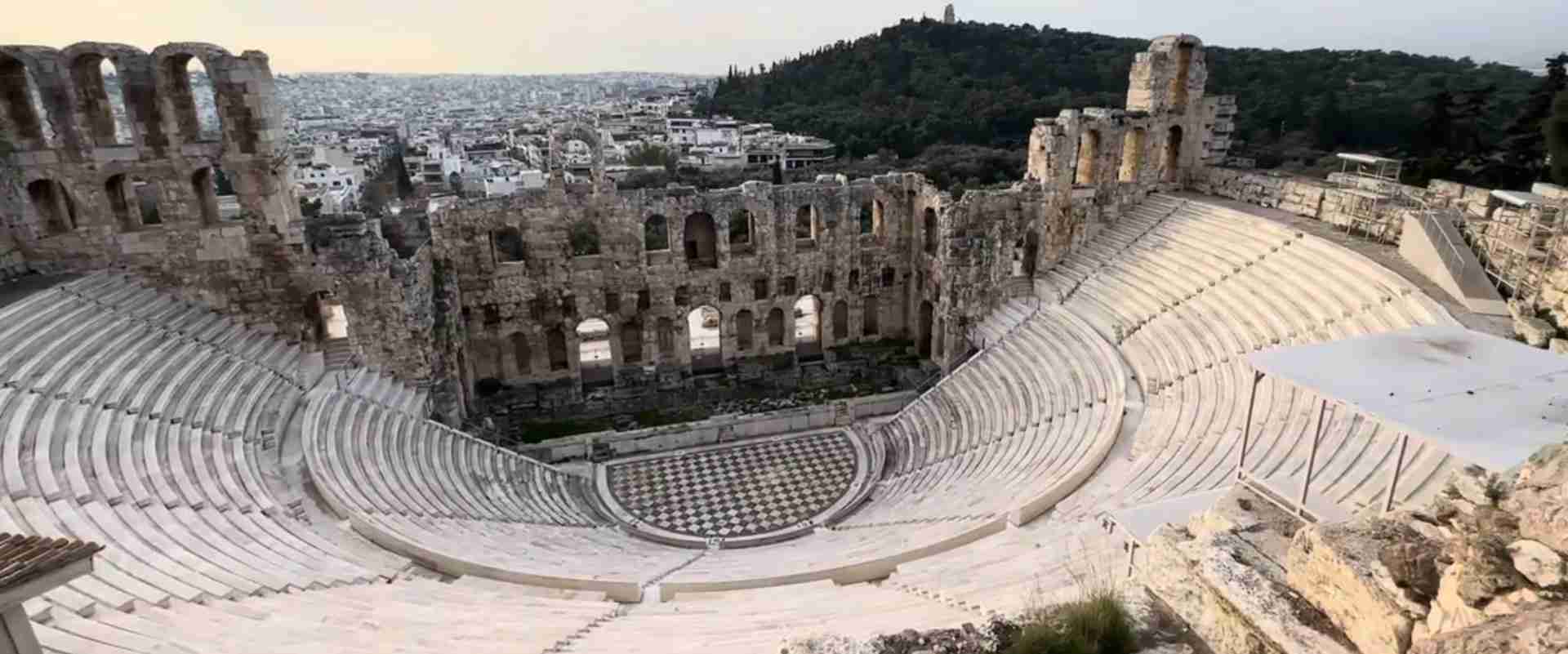
Athens 10 Free Things to Do 2026: Budget Travel Guide
Key Takeaways
- Athens offers extensive free access to ancient ruins, including the Ancient Agora viewpoints, Roman Agora exterior, and Hadrian’s Library from street level
- Panoramic viewpoints like Lycabettus Hill, Filopappou Hill, and Areopagus provide spectacular Acropolis views without admission fees
- Traditional neighborhoods Plaka, Monastiraki, and Anafiotika deliver authentic cultural experiences through architecture, street art, and local atmosphere
- Free cultural events in 2026 include changing of the guard ceremonies, outdoor concerts, neighborhood festivals, and museum free-entry days
- Strategic timing maximizes free experiences: early morning walks avoid crowds, sunset viewpoints offer best photography, Sunday markets provide local immersion
- Budget travelers save €50-80 daily by combining free attractions with affordable €3-6 street food and €1.40 metro transportation
Introduction: Experiencing Athens Without Breaking the Bank in 2026
Athens stands as one of Europe’s most budget-friendly capital cities, offering travelers unprecedented access to world-class archaeological sites, stunning panoramic viewpoints, and vibrant cultural neighborhoods without spending a single euro. The city’s unique character combines ancient heritage with contemporary urban life, creating diverse free experiences that range from exploring millennium-old ruins to discovering cutting-edge street art in revitalized districts.
The 2026 travel landscape in Athens favors budget-conscious visitors through expanded pedestrian zones, enhanced public spaces, and continued free access to numerous archaeological areas viewable from public thoroughfares. The city’s compact historic center allows travelers to walk between major attractions, eliminating transportation costs while experiencing authentic neighborhood atmospheres. Strategic planning transforms Athens into an incredibly affordable destination where cultural immersion doesn’t require premium admission fees.
This comprehensive guide details ten exceptional free activities that showcase Athens’ archaeological treasures, natural beauty, cultural vitality, and local traditions. Each recommendation includes practical logistics, optimal timing strategies, and insider tips for maximizing experiences while maintaining a zero-euro activity budget. Budget travelers discover that Athens’ greatest treasures remain accessible regardless of financial constraints, proving that memorable travel experiences derive from cultural engagement rather than expenditure levels.
People Also Ask About Athens Free Activities 2026
What free things can you do in Athens in 2026?
Athens offers ten major free activities in 2026: exploring ancient ruins from public viewpoints, climbing Lycabettus Hill and Filopappou Hill for panoramic vistas, wandering Plaka and Anafiotika neighborhoods, watching the changing of the guard at Syntagma Square, discovering street art in Psyrri and Metaxourgio, visiting the Ancient Agora from exterior viewpoints, browsing Monastiraki Flea Market, experiencing Areopagus Hill sunset views, attending free cultural events and concerts, and exploring the National Garden. These activities provide comprehensive Athens experiences across archaeology, culture, nature, and local life without admission fees.
Can you see the Acropolis for free in 2026?
The Acropolis interior requires paid admission (€30 for combined ticket in 2026, check hellenic-ministry-culture.gr for current official rates), but multiple free viewpoints offer spectacular perspectives. Areopagus Hill sits directly opposite the Acropolis providing sunset views, Filopappou Hill offers elevated southern panoramas, Lycabettus Hill delivers 360-degree city views including the Acropolis, and numerous Plaka rooftop cafes provide complimentary vistas when purchasing drinks. Strategic viewpoint selection creates comprehensive Acropolis appreciation without monument entry.
What are the best free viewpoints in Athens for 2026?
Athens’ premier free viewpoints in 2026 include Lycabettus Hill (277 meters elevation offering 360-degree panoramas), Filopappou Hill (southwestern Acropolis views with Philopappos Monument), Areopagus Hill (Acropolis sunset perspectives), Strefi Hill in Exarchia (northern city views), and the Ancient Agora northwest corner (Acropolis framing with Temple of Hephaestus foreground). Each location provides distinct perspectives, photography angles, and optimal visiting times. Early morning visits to Lycabettus avoid crowds, sunset hours at Areopagus create golden-hour photography, and midday Filopappou exploration combines views with historical monuments.
Are museums free in Athens on certain days in 2026?
Athens museums offer free entry on specific dates in 2026: March 6 (International Women’s Day), April 18 (International Monuments Day), May 18 (International Museum Day), September 27-28 (European Heritage Days), and October 28 (National Holiday). The Acropolis and major archaeological sites provide free admission on these dates, though expect significant crowds requiring 60-90 minute entry queues. First Sunday of each month from November through March offers free access to state museums. Arrive 60-90 minutes before opening to secure reasonable queue positions.
Extended multi-day tours – 5+ days
Featured Athens Multi-Day Tour Packages
3 days
Prehistoric Tour of Greece – 3 days
- ✓ Comprehensive Athens tour
- ✓ Expert local guides included
- ✓ All accommodation arranged
- ✓ Transportation provided
3 days
Mycenae, Olympia & Delphi: 3-Day Private Tour with Local Tastings
- ✓ Comprehensive Athens tour
- ✓ Expert local guides included
- ✓ All accommodation arranged
- ✓ Transportation provided
2 days
Delphi Two Days Tour from Athens
- ✓ Comprehensive Athens tour
- ✓ Expert local guides included
- ✓ All accommodation arranged
- ✓ Transportation provided
3 days
The Peloponnese wine roads (3 days – small group, escorted, cultural, culinary
- ✓ Comprehensive Athens tour
- ✓ Expert local guides included
- ✓ All accommodation arranged
- ✓ Transportation provided
Multi-day tour packages powered by TourRadar. Prices and availability subject to change.
Essential Planning Information for Free Athens Activities 2026
Understanding Athens’ Free Access Geography
Athens’ historic center concentrates free attractions within a compact 3-kilometer radius, creating walkable access between major sites. The Archaeological Promenade (Dionysiou Areopagitou pedestrian street) connects key areas from Syntagma Square through Plaka, past the Acropolis, to Filopappou Hill without traffic interruption. This 2.5-kilometer route passes Ancient Agora viewpoints, Areopagus Hill, the Acropolis Museum (exterior), and multiple archaeological sites visible from public spaces.
Elevation changes define Athens topography, with seven hills offering panoramic viewpoints accessible through walking paths and stairs. Lycabettus Hill rises 277 meters above sea level in northeastern Athens, Filopappou and Areopagus Hills flank the Acropolis from southwest and northwest respectively, and Strefi Hill overlooks Exarchia neighborhood from the north. Each climb requires 15-30 minutes depending on fitness levels and route selection, rewarding effort with expansive city perspectives.
Neighborhood geography organizes free cultural experiences logically. Plaka occupies the Acropolis northeastern slopes with pedestrian streets, Monastiraki centers on the ancient marketplace and flea market zone, Psyrri extends northwest featuring street art and renovated buildings, Anafiotika clings to Acropolis eastern slopes replicating Cycladic architecture, and Exarchia provides alternative culture north of the historic center. Metro stations at Syntagma, Monastiraki, and Thissio serve as orientation points for navigating between districts.
Optimal Timing Strategies for 2026 Free Experiences
Seasonal variations influence free activity experiences significantly across Athens’ Mediterranean climate. Spring months (April-May 2026) deliver moderate temperatures (18-25°C), blooming vegetation in parks and hills, manageable tourist crowds, and extended daylight hours ideal for multiple viewpoint visits. Summer (June-August) brings intense heat (28-38°C) requiring early morning or evening timing for hill climbs, though sunset viewpoint sessions extend until 8:30-9 PM with spectacular golden hour photography.
Autumn (September-October 2026) provides optimal conditions combining pleasant temperatures (20-28°C), reduced crowds compared to summer peaks, and comfortable all-day walking weather. Winter (November-March) offers the smallest crowds at free attractions, crisp air enhancing visibility from viewpoints, and atmospheric experiences in traditional neighborhoods, though shorter daylight hours (sunset around 5:30 PM) compress activity schedules.
Daily timing optimization maximizes free experiences quality. Early morning sessions (7-9 AM) on Lycabettus Hill avoid heat and crowds while capturing soft light for photography. Mid-morning hours (9 AM-12 PM) suit neighborhood exploration in Plaka and Anafiotika before peak temperatures. Afternoon periods (3-6 PM) work for shaded activities like Monastiraki market browsing and National Garden walks. Sunset timing (variable by season: 5:30 PM winter, 8:30 PM summer) proves ideal for Areopagus and Filopappou viewpoints. Evening hours (7-10 PM) bring neighborhood vitality to Psyrri and Monastiraki with outdoor dining and street life.
Transportation for Free Activities in 2026
Athens metro system provides efficient access to free attraction zones at €1.40 per 90-minute ticket. Line 3 (Blue) connects airport to Syntagma Square (historic center hub), Line 1 (Green) serves Monastiraki and Thissio (Ancient Agora access), and Line 2 (Red) reaches Acropoli station (Acropolis Museum and pedestrian promenade). Daily passes cost €4.50 allowing unlimited metro, bus, and tram travel across 24 hours, beneficial when visiting dispersed free attractions.
Walking routes connect most free activities within the historic center efficiently. Syntagma Square to Monastiraki Flea Market requires 10 minutes via Ermou Street, Monastiraki to Plaka involves 5-minute walks through pedestrian lanes, Plaka to Areopagus Hill takes 8 minutes ascending stone paths, and Areopagus to Filopappou Hill extends 15 minutes along the Archaeological Promenade. Total daily walking distances for comprehensive free attraction coverage typically range 8-12 kilometers, easily manageable across 6-8 hours with breaks.
Lycabettus Hill access involves either 25-30 minute uphill walks from Kolonaki neighborhood base or funicular railway (€10 round-trip, not free but provides alternative for mobility considerations). Free walking routes begin at Kolonaki Square following Loukianou Street to the Lycabettus funicular lower station, then continuing upward via zigzagging paths marked with blue-white trail markers. Multiple route options exist with varying steepness and distance, all converging at the summit chapel and viewpoint.
The 10 Best Free Things to Do in Athens 2026
1. Climb Lycabettus Hill for 360-Degree City Panoramas
Lycabettus Hill dominates northeastern Athens skyline at 277 meters elevation, offering the city’s most comprehensive panoramic viewpoint encompassing the Acropolis, Saronic Gulf, surrounding mountains, and urban sprawl extending toward Piraeus. The summit features the whitewashed Chapel of Agios Georgios (Saint George), an open-air theater hosting summer concerts, and multiple viewing platforms providing 360-degree perspectives across Athens basin.
Free access via walking paths begins at Kolonaki neighborhood base, following well-maintained trails through pine forest that provide shade during ascent. The primary route from Aristippou Street involves approximately 800 meters of upward hiking across 25-30 minutes for average fitness levels, with numerous rest points offering incremental views during climb. Alternative routes from Ploutarchou Street and Loukianou Street provide varied approaches with similar duration and effort requirements.
Optimal visiting times depend on photography priorities and crowd preferences. Sunrise sessions (accessible year-round, arriving before 7 AM) deliver solitude, cool temperatures, and dramatic eastern light illuminating the Acropolis. Mid-morning visits (9-11 AM) balance good visibility with manageable temperatures and moderate crowds. Sunset timing creates the most popular sessions (arriving 45 minutes before sunset) with golden hour photography opportunities, though expect 50-100 other visitors during peak seasons. Clear winter days offer exceptional visibility extending to Aegean islands on the horizon.
The summit café operates throughout the day selling beverages and snacks (€3-6 for coffee or soft drinks), though bringing water for the ascent proves essential during warm months. The hill remains accessible 24 hours daily, enabling nighttime visits when Athens illumination creates spectacular urban light displays, though ascent after dark requires flashlights and caution on uneven paths. Allow 75-90 minutes total for the complete experience including ascent, summit exploration, and descent.
2. Explore Ancient Agora from Free Public Viewpoints
The Ancient Agora served as Athens’ civic and commercial heart from the 6th century BC through Byzantine periods, though interior access requires paid admission (€10 single site, €30 combined ticket – check hellenic-ministry-culture.gr for current official rates). Exceptional free perspectives exist from multiple public vantage points surrounding the archaeological site, allowing comprehensive appreciation of the Temple of Hephaestus, Stoa of Attalos, and sprawling ruins without entry fees.
The northwestern corner along Adrianou Street provides the premier free viewpoint, offering elevated perspectives across the entire archaeological site with the Acropolis backdrop. Metal railings mark the observation area where the Temple of Hephaestus (Greece’s best-preserved Doric temple) appears prominently in the foreground, the reconstructed Stoa of Attalos stretches along the eastern edge, and excavated foundations of civic buildings, shops, and temples create a comprehensive ancient cityscape. This location attracts photographers during golden hour when western light illuminates the Acropolis while the Agora falls into atmospheric shadow.
Additional free perspectives exist along Adrianou Street extending south toward Monastiraki, from Thisio metro station plaza (western approach), and from elevated café terraces in the surrounding area that provide complimentary views when purchasing beverages (€3-5 for coffee). The Monastiraki metro station platform itself offers glimpses of excavated Agora sections through protective glass panels, creating an underground archaeological viewing experience integrated into public transportation infrastructure.
Optimal timing for Agora viewpoints combines lighting considerations with crowd management. Early morning sessions (7-9 AM) deliver soft directional light ideal for photography, empty viewpoints, and cool temperatures. Late afternoon periods (4-6 PM) create dramatic shadows emphasizing architectural features and topographic variations across the site. Evening visits after sunset reveal illuminated Acropolis juxtaposed against dark Agora foreground, producing striking photographic contrasts. Allow 20-30 minutes for thorough viewpoint exploration and photography from multiple angles.
3. Wander Plaka’s Pedestrian Streets and Traditional Architecture
Plaka neighborhood spreads across the Acropolis northeastern slopes, comprising Athens’ oldest residential district with pedestrian lanes, neoclassical buildings, Byzantine churches, and traditional tavernas creating an atmospheric urban village environment. The car-free streets allow leisurely exploration through layered history where ancient foundations support Ottoman-era structures beneath neoclassical facades, while bougainvillea-draped balconies and street musicians add contemporary Mediterranean character.
The neighborhood’s organic street pattern reflects millennia of continuous habitation, with major routes like Adrianou Street (parallel to Ancient Agora), Kidathineon Street (central commercial axis), and Mnisikleous Street (stepped lane ascending toward Acropolis) providing primary navigation corridors. Dozens of narrow side streets and staircases invite spontaneous exploration, revealing hidden courtyards, small churches like Agios Nikolaos Rangavas and Metamorfosis tou Sotiros, and residential architecture spanning Byzantine, Ottoman, and modern Greek periods.
Free cultural experiences emerge throughout Plaka beyond architectural appreciation. Street musicians perform traditional Greek music on Mnisikleous Street steps during evening hours, creating atmospheric soundtracks for neighborhood strolls. Small galleries display contemporary art with free browsing (no purchase obligations), while shop windows showcase traditional crafts, ceramics, and textiles without pressure for transactions. The district’s elevated portions provide periodic Acropolis glimpses through building gaps, creating natural photo opportunities integrating ancient monuments with neighborhood context.
Optimal Plaka exploration involves 90-120 minutes of unhurried wandering, preferably during early morning hours (7-9 AM) when streets remain relatively empty and soft light enhances photography, or evening sessions (6-8 PM) when neighborhood vitality peaks with outdoor dining and street entertainment. The compact area allows multiple visits across a stay, each potentially following different route variations and discovering new architectural details, small churches, or neighborhood corners. Weekday visits avoid weekend tourist concentrations, though Sunday mornings deliver particularly atmospheric experiences with church bells and local residents.
4. Discover Anafiotika’s Cycladic Village Character
Anafiotika occupies a small district clinging to the Acropolis eastern slopes, where mid-19th century builders from Anafi island created a whitewashed village replicating Cycladic architecture within Athens’ urban fabric. The neighborhood’s narrow staircases, tiny houses with blue-painted doors and windows, flowerpot-lined paths, and intimate scale create an island atmosphere incongruous with the surrounding capital city, offering one of Athens’ most distinctive free cultural experiences.
The district comprises approximately two blocks of alleyways and stairs, accessible from Plaka’s upper reaches via Stratonos Street or ascending staircases from Thrasyllou Street. Despite its small size, Anafiotika rewards careful exploration across 30-45 minutes, with each turn revealing photogenic compositions of traditional architecture, planted courtyards visible through open doors, cats lounging on sunny steps, and periodic Acropolis wall sections integrated into the neighborhood fabric.
Photography opportunities define Anafiotika’s primary appeal, with whitewashed walls, cobalt accents, bougainvillea blooms (peak April-September), and geometric shadows creating classic Greek island aesthetics. The elevated location provides glimpses across Athens toward Lycabettus Hill between buildings, while looking upward reveals Acropolis fortification walls rising directly overhead. The tiny Byzantine church of Agios Georgios tou Vrachou (Saint George of the Rock) occupies the district’s heart, its scale proportionate to the intimate neighborhood character.
Optimal visiting times prioritize lighting and solitude. Morning sessions (8-10 AM) deliver bright sunlight illuminating whitewashed facades while maintaining empty streets for unobstructed photography. Midday hours create harsh shadows but emphasize architectural geometry and color contrasts. Late afternoon periods (4-6 PM) bring softer light with warm tones enhancing traditional materials. The neighborhood remains accessible 24 hours, though nighttime visits require flashlights and careful navigation of uneven staircases. Respect residential privacy by maintaining quiet voices and avoiding photographing into open windows or private courtyards without permission.
5. Watch the Changing of the Guard at Syntagma Square
The Presidential Guard (Evzones) ceremonial unit performs changing of the guard rituals at the Tomb of the Unknown Soldier fronting the Hellenic Parliament in Syntagma Square, offering Athens’ most accessible free cultural ceremony. The hourly guard changes occur throughout every day, while elaborate Sunday ceremonies at 11 AM involve full company participation with military band accompaniment, creating enhanced spectacles attracting 500-800 spectators.
Standard hourly ceremonies (occurring on the hour from 7 AM through 11 PM daily) last 10 minutes and feature two Evzones performing synchronized movements in distinctive traditional uniforms including pleated kilts (fustanella), red shoes with pompoms (tsarouhia), and tasseled caps. The choreographed routine emphasizes slow, precise movements with high leg kicks and rhythmic foot stamping, performed with impressive coordination despite cumbersome traditional costume elements.
Sunday 11 AM ceremonies expand the standard ritual significantly, with full guard company marching from the Evzones barracks across Vasilissis Sofias Avenue to Syntagma Square accompanied by military band. The 30-minute spectacle includes formal inspection, coordinated marching formations, and traditional music, drawing both tourists and local families as weekly cultural tradition. Arrive 30-45 minutes early to secure front-row positions along the parliament building’s marble steps.
Optimal viewing positions include the raised marble platforms flanking the Tomb of the Unknown Soldier (limited space for 20-30 people, first-come basis), the central Syntagma Square fountain area (elevated perspective), or Parliament building steps (side angle views). Photography proves straightforward during hourly ceremonies when crowds remain manageable, while Sunday sessions require early positioning for unobstructed angles. The ceremony proceeds regardless of weather conditions, with rain, heat, or wind not interrupting the traditional ritual. Respectful observation includes maintaining silence during performances and avoiding crossing ceremony areas during active guard movements.
6. Browse Monastiraki Flea Market and Street Vendors
Monastiraki Flea Market sprawls across multiple streets radiating from Monastiraki Square, combining permanent antique shops on Ifestou Street with Sunday outdoor vendors selling everything from vintage clothing to Byzantine icons, creating Athens’ most vibrant street market atmosphere. The free browsing experience provides cultural immersion into Greek commercial traditions, haggling practices, and eclectic merchandise ranging from genuine antiques to tourist kitsch.
The market’s permanent component operates daily along Ifestou Street and surrounding alleys, where multi-story shops overflow with furniture, lighting fixtures, artwork, ceramics, textiles, and curiosities accumulated across decades. These establishments welcome browsers without purchase pressure, allowing exploration of crowded interiors packed floor-to-ceiling with merchandise. Proprietors often share stories about notable pieces, adding cultural context to the commercial environment.
Sunday markets expand significantly with outdoor vendors occupying Avyssinias Square and adjacent streets from early morning (starting 7-8 AM) through early afternoon (winding down around 3 PM). The temporary stalls offer vintage clothing, used books, military memorabilia, records and CDs, Orthodox religious items, handicrafts, and various collectibles. Serious bargain hunters arrive before 9 AM for best selection, while casual browsers enjoy peak atmosphere between 10 AM-1 PM when crowds and vendor energy reach maximum levels.
Cultural experiences beyond shopping include people-watching from surrounding café terraces (purchasing €3-5 coffee provides extended seating for market observation), photographing the colorful merchandise displays and animated vendor-customer interactions, and absorbing the polyglot atmosphere where Greek, English, and various European languages mix in commercial negotiations. The market area includes views of the Ancient Agora to the west and Acropolis to the south, creating archaeological context for contemporary commercial activity. Allow 60-90 minutes for thorough market exploration, extending to 2-3 hours when including café breaks and surrounding neighborhood wandering.
7. Experience Sunset from Areopagus Hill
Areopagus Hill (also called Mars Hill or Ares Rock) occupies a strategic position directly opposite the Acropolis entrance, providing spectacular sunset perspectives of the Parthenon and surrounding monuments from an elevated rocky outcrop. The site carries historical significance as ancient Athens’ supreme judicial court location and early Christian importance as the location where Saint Paul delivered his famous sermon to Athenian philosophers, adding cultural depth to the spectacular viewpoint experience.
Access involves ascending worn marble steps from Dionysiou Areopagitou pedestrian street, with the climb requiring 3-5 minutes of careful navigation on slippery polished stone surfaces. The summit platform accommodates 50-80 people across flat rock surfaces, with most visitors occupying the western edge facing the Acropolis. The elevation gain of approximately 25 meters above street level provides ideal perspectives for photographing the Parthenon facade illuminated by setting sun, creating golden hour compositions without the entrance fees required for Acropolis interior access.
Sunset timing transforms Areopagus into Athens’ most popular free viewpoint, with arrival 45-60 minutes before sunset essential for securing optimal positions during peak seasons (May-September 2026). The pre-sunset period allows surveying the 180-degree panorama encompassing the Acropolis complex, Ancient Agora below, Filopappou Hill to the southwest, and urban Athens extending toward mountains in the distance. As sunset approaches, western light progressively shifts from bright white to golden yellow to orange-pink, dramatically altering Acropolis appearance across 30-minute transitions.
Post-sunset blue hour extends the photographic opportunities as artificial illumination activates across the Acropolis while residual daylight maintains sky color, creating the striking contrast between monument lighting and atmospheric backgrounds preferred by many photographers. The site remains accessible after dark, with ongoing arrivals and departures maintaining relatively safe environment despite the absence of formal lighting. Evening temperatures drop 5-8°C after sunset, making light jackets or sweaters advisable during shoulder seasons. The rocky surfaces lack seating, so visitors sit directly on stone (consider bringing small cushions for extended sunset sessions). Allow 90-120 minutes for complete sunset experience including pre-sunset positioning, the sunset event itself, and blue hour photography.
8. Stroll Through the National Garden
The National Garden occupies 15.5 hectares (38 acres) behind the Hellenic Parliament, providing Athens’ premier central green space with tree-shaded paths, botanical collections, duck ponds, ancient ruins, and peaceful atmosphere contrasting sharply with surrounding urban intensity. The free-access park operates daily from dawn to dusk, welcoming joggers, families, couples, and tourists seeking respite from architectural sightseeing and neighborhood wandering.
The garden’s layout includes a network of interconnected paths winding through diverse plantings including palms, cypresses, pines, and flowering species organized in both formal arrangements and naturalistic groupings. Small architectural features punctuate the landscape: the neoclassical Zappeion Hall anchors the southern section (exterior viewing free, interior requires event access), ancient column fragments and mosaics appear throughout the grounds, and a small zoo area houses peacocks, goats, and ducks near children’s playground zones.
Multiple entrances provide access from different directions: the primary northern gate opens from Vasilissis Sofias Avenue behind Parliament, eastern and western gates connect to surrounding streets, and the southern entrance merges with Zappeion Gardens creating extended green space. The central location places the National Garden within easy walking distance of Syntagma Square (2 minutes), Plaka neighborhood (8 minutes), and Panathenaic Stadium (10 minutes), making it an ideal rest point when linking other free attractions.
Optimal visiting times depend on temperature preferences and crowd tolerance. Early morning hours (7-9 AM) attract joggers and walkers in peaceful atmosphere with bird activity and cool temperatures ideal for summer months. Midday visits provide maximum shade beneath mature trees during hot afternoons. Late afternoon periods (5-7 PM) bring local families and couples for pre-dinner strolls. The park provides legitimate respite value during multi-day Athens visits, offering psychological contrast to intensive archaeological and cultural sightseeing. Allow 30-60 minutes for relaxed garden strolls, extending to 90 minutes when including Zappeion Hall exterior exploration and photo opportunities.
9. Explore Street Art in Psyrri and Metaxourgio Neighborhoods
Athens’ street art scene concentrates in Psyrri and Metaxourgio districts, where deteriorating buildings transformed into outdoor galleries showcase work from both Greek and international artists. The free walking exploration through these revitalized neighborhoods reveals massive murals, intricate stencils, political statements, and artistic experiments covering building facades, shutters, electrical boxes, and any available surface, creating one of Europe’s most vibrant urban art environments.
Psyrri neighborhood extends northwest from Monastiraki, with primary street art concentrations along Agiou Dimitriou Street, Aristofanous Street, Karaiskaki Street, and numerous connecting alleys. The area experienced significant artistic transformation from the early 2010s onward, as economic crisis-era abandonment created canvases for expression combining social commentary, aesthetic experimentation, and cultural identity exploration. Works range from small paste-ups to building-covering murals, with styles encompassing photorealism, geometric abstractions, character-based pieces, and text-based interventions.
Metaxourgio district lies further northwest, traditionally an industrial and working-class area experiencing ongoing gentrification with street art serving as primary visual attraction. Major works appear along Kerameikou Street, Salaminos Street, Iakchou Street, and surrounding blocks where large-scale murals transform multi-story buildings into striking visual landmarks. The neighborhood’s grittier character compared to more tourist-oriented Psyrri provides authentic Athens atmosphere where artistic expression intersects with genuine urban life rather than commodified cultural tourism.
Self-guided street art tours require no fees, guides, or advance planning beyond noting general district locations. The organic exploration process allows discovering works while experiencing neighborhood commercial activity in cafes, restaurants, and shops that coexist with artistic displays. Photography opportunities prove exceptional given the scale and quality of major pieces, though afternoon lighting varies significantly by specific locations and building orientations. New works appear regularly while older pieces deteriorate or face painting-over, creating an ever-evolving gallery requiring no admission tickets. Allow 90-120 minutes for Psyrri exploration, 60-90 minutes for Metaxourgio, or combine both districts across 3-hour walking sessions that include café breaks in revitalized neighborhood spaces.
10. Visit Roman Agora and Hadrian’s Library (Exterior Views)
The Roman Agora and adjacent Hadrian’s Library occupy central positions in Athens’ archaeological landscape, with their impressive exterior structures providing substantial free viewing experiences despite paid interior access requirements (€10 single site admission – check hellenic-ministry-culture.gr for current official rates). The monumental gates, standing columns, and preserved walls visible from surrounding streets create comprehensive architectural appreciation without entry fees.
The Roman Agora’s most spectacular element, the Gate of Athena Archegetis, rises on the western side along Markou Avrilou Street as a remarkably preserved marble gateway constructed in the 1st century BC. The four-column Doric facade with ornate inscriptions remains visible in its entirety from public sidewalks, with optimal viewing and photography from across the street where the full structure appears framed against sky. The octagonal Tower of the Winds occupies the eastern section, its distinctive eight-sided form and sculptural reliefs representing wind deities partially visible above modern structures from Kyrrhestou Street.
Hadrian’s Library stands adjacent to the Roman Agora along Areos Street, with substantial wall sections and Corinthian columns from the original 2nd century AD complex rising prominently above street level. The western facade features a row of standing columns supporting partial entablature, creating impressive classical architecture silhouettes photographable from public sidewalks. The scale and preservation quality rival structures requiring paid admission, making the free exterior perspective a significant architectural experience in itself.
Strategic viewing positions include: Markou Avrilou Street for Gate of Athena Archegetis frontal perspectives, Areos Street for Hadrian’s Library western colonnade, Pelopida Street for integrated views of both complexes, and various café terraces surrounding the sites where beverage purchases (€3-5) provide extended viewing opportunities from elevated positions. Evening illumination after dark creates dramatic architectural photography with monuments spotlit against dark backgrounds. The central Plaka location makes these sites natural waypoints when moving between other free attractions. Allow 20-30 minutes for thorough exterior exploration and photography from multiple angles.
Sample 2026 Athens Free Activities Itinerary
One-Day Free Athens Experience
This sample itinerary demonstrates how strategic free attraction combinations create comprehensive Athens experiences without admission fees, covering ancient ruins, panoramic viewpoints, traditional neighborhoods, and cultural events across a single day.
Morning Session (7:00 AM – 12:00 PM): Begin with sunrise Lycabettus Hill climb departing 6:30 AM to reach summit for 7:15 AM sunrise (timing varies by season). Spend 45 minutes enjoying panoramic views, photographing golden hour light on the Acropolis, and exploring the summit chapel area. Descend via alternative route through pine forest, reaching Kolonaki neighborhood by 9:00 AM. Walk 15 minutes south to National Garden northern entrance, strolling peaceful paths for 45 minutes while temperatures remain comfortable. Exit southern entrance near Zappeion Hall, photographing the neoclassical exterior. Continue 10 minutes west to Plaka neighborhood, wandering pedestrian streets and ascending to Anafiotika district by 11:00 AM. Explore the Cycladic-style neighborhood across 40 minutes, appreciating whitewashed architecture and Acropolis wall views. Descend to Plaka proper, purchasing affordable street food lunch (€4-6 for gyros or souvlaki) from local vendors.
Afternoon Session (12:30 PM – 5:30 PM): Walk 10 minutes west to Roman Agora exterior viewpoints, photographing the Gate of Athena Archegetis and Tower of the Winds from public streets across 25 minutes. Continue to adjacent Hadrian’s Library, viewing the western colonnade and preserved walls from Areos Street. Proceed 5 minutes northwest to Monastiraki Flea Market, browsing permanent antique shops along Ifestou Street and surrounding alleys for 60-75 minutes. Explore Monastiraki Square area, viewing Ancient Agora from northwestern viewpoint along Adrianou Street where the Temple of Hephaestus creates dramatic foreground. Walk through Thissio neighborhood, reaching Filopappou Hill base by 3:30 PM. Ascend via paved paths to Philopappos Monument summit (20-25 minutes), enjoying southwestern Acropolis panoramas and exploring the monument area.
Evening Session (5:45 PM – 9:00 PM): Descend Filopappou Hill via alternative route toward Acropolis southern slopes, reaching Areopagus Hill by 6:15 PM (timing adjusted seasonally for sunset approximately 60 minutes later). Secure viewing position on the rocky summit, watching as setting sun progressively illuminates the Parthenon across golden hour transition. Remain through blue hour as Acropolis illumination activates against twilight sky, creating dramatic photographic compositions. Descend around 8:15 PM, walking 5 minutes to Syntagma Square to observe the 9:00 PM changing of the guard ceremony (10 minutes). Conclude evening with optional stroll through illuminated Plaka streets, browsing lit shop windows and experiencing neighborhood night atmosphere.
Daily Cost Summary: Metro day pass €4.50, street food lunch €5-6, coffee or drink during day €3-4, optional dinner €8-12. Total day cost: €20.50-26.50 per person (excluding accommodation).
Money-Saving Strategies for 2026 Athens Budget Travel
Maximizing Free Attraction Combinations
Strategic free attraction sequencing creates comprehensive Athens experiences while minimizing paid admission expenditures. The combination of panoramic viewpoints (Lycabettus, Filopappou, Areopagus), archaeological exterior views (Ancient Agora, Roman Agora, Hadrian’s Library), and neighborhood exploration (Plaka, Anafiotika, Monastiraki) provides diverse cultural content across multiple days without requiring monument entry fees. Budget travelers visiting Athens for 3-4 days discover that free attractions alone create fulfilling itineraries when combined with selective paid admission to one or two priority sites.
The integration of free activities with affordable local dining multiplies savings significantly. Street food purchases (gyros €4-5, souvlaki €3-4, spanakopita €2-3) eliminate expensive tourist restaurant meals while delivering authentic cuisine. National Garden picnics using supermarket provisions (fresh bread €1-2, cheese €3-4, tomatoes €2-3, olives €2-3) create enjoyable lunch breaks in pleasant surroundings. Neighborhood bakeries (fournoi) offer fresh pastries and coffee combinations for €2-4, providing budget breakfast alternatives to hotel dining.
Transportation optimization through walking reduces daily costs substantially. The compact historic center allows reaching most free attractions on foot, with typical daily walking distances of 8-12 kilometers easily manageable across 6-8 hours with breaks. Metro day passes (€4.50) prove cost-effective when visiting dispersed locations like Lycabettus Hill (Evangelismos station), but many itineraries eliminate even this expense through strategic route planning within pedestrian-accessible zones. Sunday provides additional free museum access opportunities, allowing budget allocation toward one paid attraction admission offsetting free museum day savings.
Affordable Food and Beverage Options Near Free Attractions
Budget dining near major free attraction zones provides sustenance without tourist premium pricing. Monastiraki area offers numerous souvlaki shops along Adrianou Street and Mitropoleos Street where complete meals cost €5-7 including meat, pita, and soft drink. Plaka’s peripheral streets (away from main tourist corridors like Kidathineon) feature traditional tavernas serving daily lunch specials (€6-9 for main course plus side), while neighborhood bakeries provide fresh cheese pies (tyropita) and spinach pies (spanakopita) at €2-3 each.
Syntagma Square surrounding streets include affordable options despite central location. Voukourestiou Street and Kolokotroni Street house local sandwich shops, coffee chains, and fast-food outlets where meals cost €5-8 compared to €12-18 at tourist-oriented establishments on the square itself. The Varvakios Central Market (10 minutes north of Monastiraki) features canteen-style restaurants serving traditional Greek cuisine to market workers at authentic prices (€7-10 for complete meals).
Supermarkets near free attraction zones allow picnic assembly at fraction of restaurant costs. AB Vassilopoulos operates locations in Syntagma and Kolonaki, Lidl maintains stores in Metaxourgio and Omonia areas, and smaller groceries appear throughout Plaka and Monastiraki. Typical picnic provisions (bread, cheese, tomatoes, olives, water) cost €8-12 total, feeding two people for lunch. The National Garden provides ideal picnic settings, while elevated viewpoints like Filopappou and Areopagus allow scenic outdoor dining with spectacular panoramas included at no additional charge.
Free Cultural Events and Festivals in 2026
Athens’ cultural calendar includes numerous free events throughout 2026, enhancing budget travel value through supplementary entertainment and cultural experiences. The Athens & Epidaurus Festival (May-October 2026) offers select free outdoor performances in various city locations including Lycabettus open-air theater and neighborhood squares, with schedules announced at greekfestival.gr in spring 2026. Advance online registration often required for free performances due to capacity limitations.
Neighborhood festivals occur throughout summer months across Athens districts, featuring free music performances, traditional dancing demonstrations, and local food vendors. Plaka Summer Festival (June-August) brings evening street music and theater performances to pedestrian areas, while individual neighborhood celebrations in Psyrri, Exarchia, and Thissio provide authentic local cultural experiences. These events typically operate weekend evenings from 7:00-11:00 PM, requiring no tickets or reservations.
National holidays provide free museum access opportunities including March 25 (Independence Day), October 28 (Ochi Day), and first Sunday of winter months (November-March). The September European Heritage Days weekend opens numerous archaeological sites and museums for free entry, though expect significant crowds requiring 60-90 minute queues at popular locations. Monday holiday closures affect most archaeological sites and museums, so verify operating schedules when planning around national holidays. Free cultural events schedule updated regularly at thisisathens.org official city tourism website.
Practical Tips for Free Athens Activities 2026
Essential Items for Free Attraction Visits
Comfortable walking shoes prove critical for Athens free activity enjoyment, as typical daily itineraries involve 8-12 kilometers across varied terrain including cobblestone streets, marble staircases, rocky hillside paths, and uneven archaeological site peripheries. Running shoes or hiking shoes with good traction prevent slips on polished marble surfaces at Areopagus Hill and worn stone steps throughout Plaka. Avoid open-toed sandals for hill climbs and extensive walking days.
Sun protection requirements intensify during May-September when Mediterranean sunshine creates strong UV exposure across extended outdoor activity hours. Wide-brimmed hats provide face and neck coverage during viewpoint visits and neighborhood exploration, while SPF 30+ sunscreen prevents burns during 3-6 hour outdoor sessions. Sunglasses reduce glare when photographing bright marble monuments and protect eyes during southern-facing viewpoint sessions where sun positions directly in sight lines.
Hydration supplies prove essential given Athens’ limited public drinking fountains and expensive bottled water at tourist-area shops (€1.50-2 for 500ml bottles). Reusable water bottles filled at accommodation allow free hydration throughout the day, with refill opportunities at cafes when purchasing beverages or at selected public fountains in National Garden and major squares. Summer temperatures (28-38°C) require 2-3 liters of water daily during active outdoor exploration, while even moderate spring and autumn weather (20-28°C) necessitates regular hydration given extended walking durations.
Photography Considerations for Free Viewpoints
Photography equipment recommendations depend on priorities and experience levels. Smartphones capture adequate images for memory and social media purposes across all free Athens attractions, with panoramic features useful for wide-angle viewpoint perspectives from Lycabettus and Filopappou hills. Dedicated cameras provide superior image quality and creative control, with wide-angle lenses (16-35mm range) ideal for architectural photography and city panoramas, while telephoto options (70-200mm) compress perspectives creating dramatic Acropolis compositions from distant viewpoints.
Optimal lighting conditions vary significantly by location and time of day. Eastern-facing viewpoints like Lycabettus northeastern positions receive best light during morning hours (7-10 AM), western-facing spots like Areopagus excel during late afternoon and sunset (4-8 PM depending on season), while southern exposures including Filopappou Hill provide consistent lighting across midday hours. Golden hour periods (first hour after sunrise, final hour before sunset) deliver warm color temperatures and directional shadows enhancing architectural photography at all locations.
Composition strategies for free Acropolis viewpoints include: incorporating foreground elements (vegetation, architectural fragments, people) to create depth and scale, using negative space in sky to emphasize monument silhouettes, capturing multiple exposures across changing light conditions during sunset sessions, and exploring both horizontal and vertical frame orientations. Crowd management in photographs requires early morning visits or strategic positioning that frames monuments against sky rather than tourist-filled foregrounds. Tripods prove beneficial for sunset sessions and night photography but can create obstacles at crowded viewpoints like Areopagus during peak times.
Safety and Practical Considerations
Athens ranks as relatively safe for tourists, though standard urban precautions apply in crowded areas like Monastiraki Flea Market and on public transportation. Keep valuables secured in front pockets or crossbody bags rather than backpack exterior pockets vulnerable to pickpocketing. Avoid displaying expensive camera equipment unnecessarily in crowded areas, and maintain awareness in less-touristed neighborhoods like parts of Metaxourgio during evening hours.
Hill climbs require caution on uneven surfaces and loose stones, particularly descending when ankle twists occur more frequently than during ascents. Lycabettus paths include steep sections with eroded steps where handrails provide stability. Areopagus Hill’s marble surfaces become extremely slippery when wet, making rain periods or early morning dew conditions hazardous for climbing. Take extra time descending, use three-point contact when necessary on steeper sections, and skip hill visits entirely during or immediately after rain when slick surfaces create genuine danger.
Weather extremes influence free activity feasibility and comfort significantly. Summer heat waves (35-40°C) affecting Athens during July-August require morning-only outdoor activities, midday indoor breaks, and evening resumption of sightseeing. Carry more water than seems necessary, recognize heat exhaustion symptoms (dizziness, nausea, excessive sweating), and modify ambitious plans when temperatures exceed comfortable limits. Winter rain periods (most common December-February) make outdoor activities less pleasant though rarely impossible, with waterproof jackets and covered footwear enabling continued exploration.
FAQ: Athens Free Activities 2026
Can you climb Lycabettus Hill at night?
Lycabettus Hill remains accessible 24 hours daily, allowing nighttime ascents for sunset-to-darkness transitions or purely nocturnal visits when Athens illumination creates spectacular urban light displays. However, official path lighting remains limited beyond the funicular route, requiring flashlights or headlamps for safe navigation on dark trails with uneven surfaces, loose stones, and precipitous edges. Security concerns remain minimal given regular foot traffic of local walkers and tourists even during late hours, though groups rather than solo climbers prove advisable after 10:00 PM. Summit café operates until approximately 1:00 AM during summer months, providing destination and minimal ambient lighting.
Is Monastiraki Flea Market open every day in 2026?
Monastiraki Flea Market operates on two distinct schedules: permanent antique shops along Ifestou Street open daily (typically 9:00 AM – 6:00 PM weekdays, 9:00 AM – 4:00 PM Sundays), while outdoor vendor stalls function exclusively on Sunday mornings (approximately 7:00 AM – 3:00 PM). The Sunday market delivers the authentic flea market atmosphere with hundreds of temporary vendors, significant crowds, and most diverse merchandise selection. Daily visits provide perfectly valid experiences browsing permanent shops, though Sunday sessions offer expanded scale and vibrancy justifying specific scheduling when multi-day Athens itineraries allow flexibility.
What time is changing of the guard at Syntagma Square?
Changing of the guard ceremonies occur hourly on the hour from 7:00 AM through 11:00 PM daily (7:00 AM, 8:00 AM, 9:00 AM… 10:00 PM, 11:00 PM), with each standard ceremony lasting approximately 10 minutes. The enhanced Sunday ceremony occurs at 11:00 AM featuring full company participation, military band accompaniment, and extended 30-minute duration. The hourly ceremonies maintain impressive precision and traditional movements providing worthwhile cultural experiences any day of the week, while Sunday sessions deliver maximum spectacle justifying specific timing when schedules permit.
Are there toilets at free Athens attractions?
Public toilet facilities remain limited at most free Athens viewpoints and neighborhoods. Lycabettus Hill summit café provides restrooms for customers (€3-5 beverage purchase provides access), but no facilities exist along climbing paths. Areopagus Hill and Filopappou Hill lack any toilet facilities. National Garden maintains public restrooms near the children’s playground area in the southern section. Monastiraki area and Plaka neighborhood include numerous cafes where €3-5 drink purchases provide restroom access, while Syntagma Square has underground facilities in the metro station. Strategic planning for 3-4 hour outdoor sessions requires identifying café stops or metro station access points along routes.
Can you picnic on Areopagus or Filopappou hills?
Both Areopagus and Filopappou hills allow picnicking, though facilities and comfort levels differ significantly. Areopagus Hill’s bare rocky surface provides no shade, seating, or amenities, making extended dining sessions uncomfortable despite spectacular Acropolis views. Brief snack consumption proves practical, but plan substantial meals for locations with better facilities. Filopappou Hill offers multiple grassy areas, scattered pine tree shade, stone seating near Philopappos Monument, and generally relaxed atmosphere welcoming picnickers. The southeastern slopes provide particularly pleasant spots combining Acropolis views, natural shade, and comfortable positioning for extended meal breaks. Bring cushions or blankets for both locations, carry out all trash (bins scarce), and avoid alcohol consumption in archaeological areas where restrictions apply.
Is Athens safe for solo travelers visiting free attractions?
Athens remains quite safe for solo travelers exploring free attractions, with standard urban awareness preventing the majority of potential issues. Daylight hours at all recommended free locations (viewpoints, neighborhoods, markets) present minimal security concerns. Evening sessions require increased awareness in less-touristed areas like parts of Metaxourgio and peripheral Exarchia, though major attractions like Syntagma Square, Plaka, and Monastiraki maintain busy atmospheres and numerous people throughout evening hours. Women traveling solo report generally positive experiences though may prefer avoiding completely isolated early morning or late night visits to empty viewpoints. Trust instincts, maintain awareness of surroundings, avoid displaying expensive equipment unnecessarily, and don’t let fear prevent enjoying excellent free cultural experiences Athens offers.
What is the best free viewpoint for Acropolis photography?
The optimal free Acropolis viewpoint depends on specific photographic priorities. Areopagus Hill delivers the closest elevated perspective at approximately 100 meters distance, creating dramatic facade details during golden hour and sunset sessions ideal for telephoto compositions. Filopappou Hill provides classic southern panorama showing the Acropolis length with Parthenon prominence, excellent for wide-angle landscape compositions integrating city context. Lycabettus Hill offers the most comprehensive cityscape perspective at greatest distance, perfect for establishing shots showing Athens urban sprawl with Acropolis as central focal point. Serious photographers visit all three across different lighting conditions, while single-visit prioritization suggests Areopagus for sunset drama, Filopappou for classic composition, or Lycabettus for sunrise city panoramas.
Can you see street art in Psyrri during the day or only at night?
Psyrri street art remains visible and photographable throughout all daylight hours, with daytime visits actually preferable for photography given better natural lighting conditions revealing artwork details, colors, and textures. Morning sessions (9:00 AM – 12:00 PM) provide excellent directional sunlight for photography without harsh shadows, while afternoon hours offer softer light though specific wall orientations determine optimal timing. Evening visits (after 7:00 PM) deliver vibrant neighborhood atmosphere with active café and bar scene providing cultural context for artistic environment, though photography quality diminishes as natural light fades. Night visits reveal some illuminated pieces and atmospheric neighborhood character but limit photography capabilities. Combine morning/midday walking for artwork appreciation with evening return for dinner and drinks experiencing Psyrri’s contemporary cultural vitality.
Do you need advance planning for free Athens activities in 2026?
Free Athens attractions require minimal advance planning beyond basic awareness of locations, operating hours, and optimal visiting times. No reservations, tickets, or bookings apply to viewpoints, neighborhoods, markets, or exterior archaeological viewing. Strategic planning enhances experiences by coordinating sunrise timing for Lycabettus (requires checking seasonal sunrise hours), Sunday 11:00 AM positioning for enhanced changing of the guard ceremonies, Sunday morning visits for full Monastiraki Flea Market operation, and sunset timing for Areopagus sessions (seasonal sunset varies 5:30 PM – 8:30 PM). Weather checking influences hill climbing decisions and outdoor activity comfort. Otherwise, spontaneous exploration proves perfectly viable for all recommended free attractions, allowing flexible daily adjustments based on energy levels, weather conditions, and evolving interests.
How much money do you need for a day of free activities in Athens?
A comprehensive day of free Athens activities requires €15-30 per person covering transportation, meals, and beverage purchases providing restroom access and rest stops. Metro day passes cost €4.50 allowing unlimited travel, though walking-focused itineraries eliminate even this expense. Budget meals include street food lunch (€5-7 for gyros or souvlaki), supermarket picnic provisions (€8-12 feeding two people), and dinner at neighborhood tavernas (€10-15 for main course, side, drink). Coffee or beverage purchases at strategic café stops (2-3 across the day) add €6-10, providing restroom access and rest periods. The remaining attraction experiences truly cost nothing beyond time and physical effort walking, climbing hills, and exploring neighborhoods. Budget travelers consistently spending €20-25 daily discover Athens offers exceptional cultural value compared to most European capitals where comparable activity levels require €60-100 minimum expenditures.