
Athens Travel Guide 2026: Ultimate Planning Resource
Key Takeaways
- Athens Acropolis tickets cost €20 for adults in 2026, with combined tickets offering better value at €30 for multiple archaeological sites
- Visit between April-June or September-October 2026 for optimal weather and manageable crowds while avoiding peak summer heat
- Budget €100-140 per person daily (excluding accommodation) for comfortable Athens exploration with meals, attractions, and transport
- Book Acropolis tickets 2-3 days ahead during 2026 peak season to guarantee entry and avoid sold-out timeslots
- Metro from Athens Airport to city center costs €9 and takes 40 minutes, offering the most efficient arrival option
- Stay in Plaka or Monastiraki neighborhoods for walkable access to major archaeological sites and authentic Greek dining experiences
Introduction to Planning Your Athens 2026 Visit
Athens stands as Europe’s ancient crown jewel, where 2,500 years of civilization converge in a vibrant modern capital. The Acropolis rises above the cityscape as humanity’s most iconic monument to classical antiquity, drawing millions of visitors who seek to walk where democracy was born and Western philosophy flourished. Planning your 2026 Athens experience requires understanding both the timeless magnificence of sites like the Parthenon and the practical realities of visiting one of the world’s most popular heritage destinations.
This comprehensive guide provides everything needed to plan an exceptional Athens visit in 2026. You’ll discover current costs for attractions and dining, optimal timing to avoid crowds while enjoying perfect weather, transportation strategies from airport arrival through daily exploration, accommodation options across all budgets, and insider techniques for maximizing your experience at the Acropolis and surrounding archaeological treasures. Whether you’re dedicating three days to essential highlights or a week to deeper exploration, this guide ensures your 2026 Athens adventure balances cultural immersion with practical efficiency.
The Greek capital rewards prepared visitors. Understanding peak season dynamics, booking strategies, and neighborhood advantages transforms a good trip into an extraordinary journey through Western civilization’s birthplace. Athens combines world-class ancient ruins with thriving contemporary culture, exceptional cuisine at remarkable value, and Greek hospitality that makes every visitor feel welcomed. Your 2026 visit begins with smart planning informed by current conditions and proven strategies.
People Also Ask About Athens 2026
How much does it cost to visit Athens in 2026?
Daily costs in Athens for 2026 range €100-140 per person excluding accommodation. This covers Acropolis entry at €20, combined archaeological ticket at €30 for multiple sites, lunch at €15-20, dinner at €25-35, metro day pass at €4.50, snacks and coffee at €8-12, and incidental expenses. Budget travelers manage on €70-90 daily by choosing tavernas over restaurants, utilizing free archaeological sites on certain Sundays, and walking instead of using transport. Luxury experiences reach €200+ daily with fine dining, private tours, and premium activities. Accommodation adds €60-200 per night depending on category and location. Check official Acropolis ticketing at etickets.tap.gr for current pricing as rates may adjust seasonally.
When is the best time to visit Athens in 2026?
April through June and September through October 2026 offer optimal Athens visiting conditions. Spring months deliver pleasant 20-25°C temperatures, blooming landscapes, and manageable crowds before peak summer tourism. September and October provide warm weather with reduced visitor numbers and lower accommodation rates compared to summer. Avoid July-August when temperatures exceed 35°C, crowds overwhelm major sites, and Athens experiences its highest prices. November through March sees rain and cooler weather but offers significant budget advantages and empty archaeological sites. Easter 2026 (April 20) brings unique cultural experiences but also increased crowds and premium pricing.
Do you need advance bookings for Athens attractions in 2026?
Book Acropolis tickets 2-3 days ahead during March-October 2026 peak season to guarantee entry and preferred morning timeslots. The site admits visitors until capacity during busy periods, and afternoon slots often sell out by mid-morning. Combined tickets for multiple archaeological sites provide flexibility and can be purchased on arrival at less-visited locations like the Ancient Agora. Museums like the Acropolis Museum accept walk-in visitors but timed entry helps avoid queues. Popular guided tours book solid 1-2 weeks ahead during high season. Winter months (November-February) require minimal advance planning as attractions rarely reach capacity.
What’s the cheapest way to get around Athens in 2026?
Metro and bus networks provide the most economical Athens transportation in 2026. A 24-hour travel pass costs €4.50 and covers unlimited metro, bus, tram, and trolleybus rides throughout the city. Three-day passes at €9 and five-day passes at €14 offer even better value for extended visits. Single tickets cost €1.20 and validate for 90 minutes across all public transport. Walking connects most central Athens attractions within 20-30 minutes and costs nothing while providing authentic neighborhood experiences. Taxis charge €4-10 for typical cross-city journeys but add up quickly compared to metro convenience. Airport express buses cost €5.50 versus €9 for metro, though metro proves faster and more comfortable.
Extended multi-day tours – 5+ days
Featured Athens Multi-Day Tour Packages
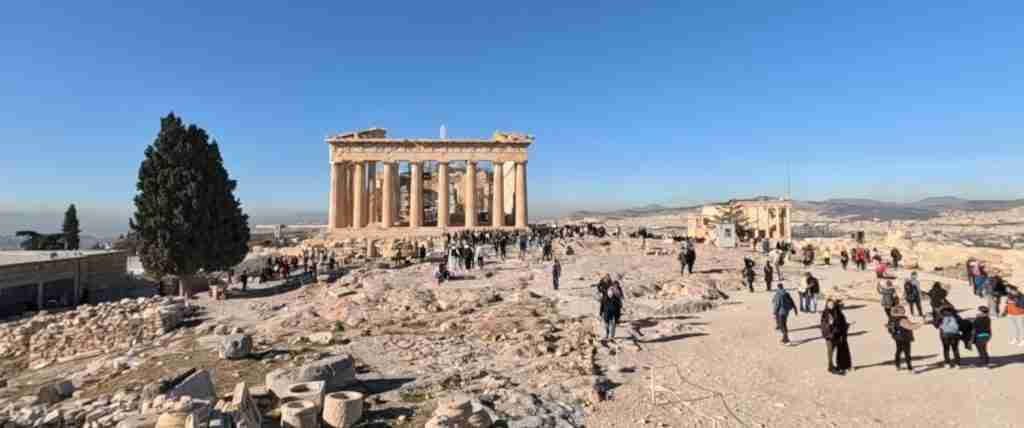
3 days
Athens 3-Day Discovery Tour
- ✓ Comprehensive Athens experience
- ✓ Expert local guides included
- ✓ All accommodation included
- ✓ Transportation provided
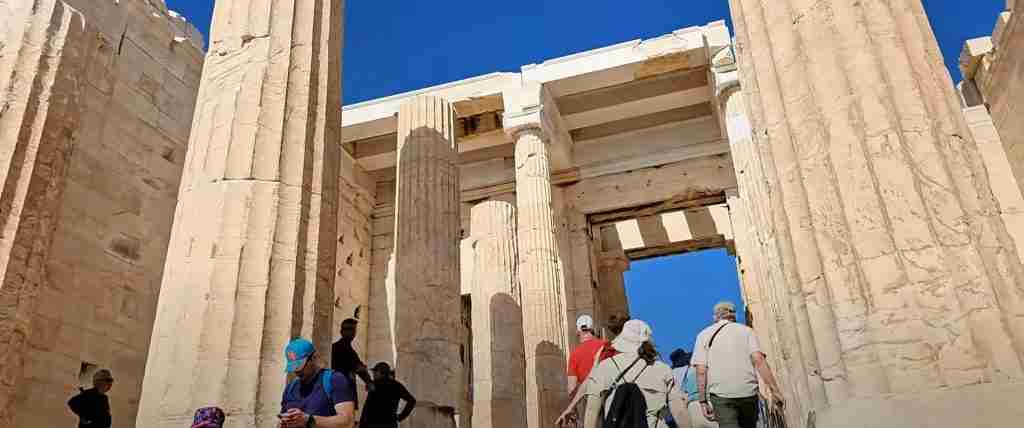
5 days
Athens 5-Day Highlights Experience
- ✓ Comprehensive Athens experience
- ✓ Expert local guides included
- ✓ All accommodation included
- ✓ Transportation provided

7 days
Athens 7-Day Cultural Journey
- ✓ Comprehensive Athens experience
- ✓ Expert local guides included
- ✓ All accommodation included
- ✓ Transportation provided
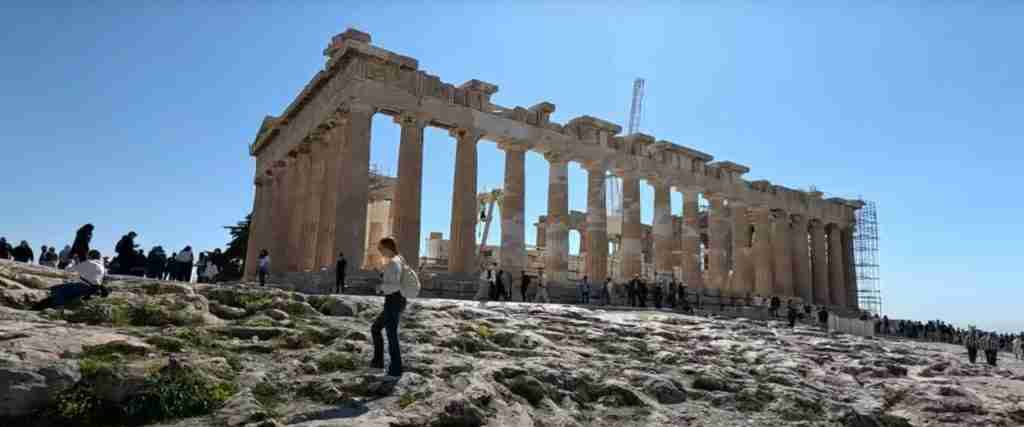
10 days
Athens 10-Day Complete Adventure
- ✓ Comprehensive Athens experience
- ✓ Expert local guides included
- ✓ All accommodation included
- ✓ Transportation provided
Multi-day tour packages powered by TourRadar. Prices and availability subject to change.
Essential Planning Information 2026
Current Costs and Pricing Breakdown for 2026
Athens offers exceptional value compared to Western European capitals while delivering world-class cultural experiences. Understanding 2026 pricing helps budget accurately and identify opportunities for savings. The Acropolis admission costs €20 for adults from April-October and €10 during November-March off-season (check etickets.tap.gr for current official rates). The combined archaeological ticket at €30 covers seven major sites including the Acropolis, Ancient Agora, Roman Agora, Hadrian’s Library, Kerameikos, Olympieion, and Aristotle’s Lyceum. This ticket provides 50% savings versus individual entries and validates for five days.
The Acropolis Museum charges €15 full admission (€10 November-March) and opens daily 9 AM-5 PM with extended Friday hours to 10 PM during summer. National Archaeological Museum costs €12 and houses Greece’s finest ancient artifacts. First Sunday monthly November-March provides free entry to all state archaeological sites and museums, creating significant savings opportunities for winter visitors.
Meal costs reflect Athens’ remarkable dining value. Traditional tavernas serve generous lunch portions for €10-15 including Greek salad, main course, and bread. Tourist-area restaurants charge €15-20 for comparable meals. Dinner at quality establishments ranges €25-35 per person with wine, while upscale dining reaches €50-80. Souvlaki and gyros from street vendors cost €3-5 and provide authentic fast food. Breakfast at hotels runs €8-15 or €5-8 at local cafes for Greek coffee and pastries. Supermarket provisions enable economical meals with fresh produce, bread, cheese, and olives totaling €15-25 daily per person.
Local transportation costs remain refreshingly low. Metro, bus, and tram single tickets cost €1.20 for 90-minute validation. Daily passes at €4.50 provide unlimited travel and prove economical for active sightseeing days. Three-day passes cost €9 and five-day passes €14. Airport metro fares cost €9 per person or €16 round-trip. Taxis charge €38-50 from airport to city center with legitimate metered rates. Within the city, taxi rides cost €4-10 for typical journeys.
Seasonal Pricing Patterns for 2026
Athens pricing follows distinct seasonal patterns that create significant budget opportunities. Peak season runs April-October with highest accommodation rates, full-price attraction tickets, and premium tour pricing. Shoulder season September-October offers 15-25% lower hotel rates than peak July-August while maintaining excellent weather. November-March winter season delivers the deepest discounts with archaeological sites at 50% reduced admission and hotels offering 30-50% savings versus summer peaks.
Accommodation pricing varies dramatically by season. Mid-range Plaka hotels charge €120-180 nightly during April-October peak season, dropping to €70-110 November-March. Luxury properties range €200-350 in summer versus €140-220 in winter. Budget hostels and guesthouses cost €40-70 year-round with minimal seasonal fluctuation. Booking 6-8 weeks ahead of April-October visits secures better rates and selection, while winter allows last-minute reservations at discount prices.
Best Time to Visit Athens 2026
Seasonal Analysis for 2026 Planning
Spring 2026 from mid-April through June represents Athens’ finest visiting season. Temperatures range 20-28°C with minimal rainfall, perfect for archaeological exploration. Wildflowers bloom across ancient sites creating spectacular photography opportunities. Easter falls April 20, 2026, bringing unique Greek Orthodox celebrations but also premium pricing and advance booking requirements. May and June deliver ideal conditions with warm days, pleasant evenings, and manageable tourist numbers before peak summer crowds arrive.
Summer July-August 2026 brings intense heat exceeding 35°C and maximum tourist crowds. The Acropolis becomes particularly challenging in afternoon heat with limited shade. However, extended daylight hours until 8:30 PM enable early morning and evening sightseeing. Many Athenians vacation in August, creating a quieter city atmosphere despite tourist presence. Rooftop bars and evening dining thrive during summer months.
Autumn September-October 2026 offers Athens’ second optimal season. Temperatures moderate to 25-30°C in September and 20-25°C in October with excellent sunshine. Tourist numbers decline significantly after school returns, creating more intimate site experiences. Accommodation and flight prices drop 15-25% below summer peaks. October brings occasional rain but maintains predominantly dry weather ideal for exploration.
Winter November-March 2026 presents Athens’ budget season with 50% reduced archaeological admissions and deeply discounted accommodation. Temperatures range 10-15°C with occasional rain requiring flexible planning. Major sites operate shorter hours (8 AM-3 PM typical) but crowds disappear entirely. Christmas and New Year periods see increased local activity but minimal impact on tourist sites. First Sunday monthly provides free archaeological site entry, maximizing winter value.
Weather Patterns and Crowd Predictions for 2026
Athens enjoys Mediterranean climate with hot dry summers and mild wet winters. Summer months June-September average less than 15mm rainfall total with temperatures climbing to 32-38°C. Early morning hours before 10 AM provide the most comfortable sightseeing conditions during summer heat. Spring April-May sees occasional showers but maintains predominantly sunny weather with 20-25°C temperatures perfect for walking and exploration.
Autumn delivers exceptional weather with warm sunny days in September extending into October. November marks the transition to winter with increasing rainfall and temperatures dropping to 12-18°C. December-February averages 50-60mm monthly rainfall spread across 10-12 rainy days per month. Winter temperatures rarely fall below 8°C, making Athens pleasant compared to northern European cities despite occasional storms.
Crowd patterns follow school calendars and European vacation schedules. Easter week 2026 (April 14-21) brings maximum crowds and premium pricing as Greeks celebrate their most important holiday. June-August sees steady high tourist numbers with August slightly quieter as Europeans vacation elsewhere. September crowds decline immediately after European school return, creating optimal combination of weather and manageable visitor numbers. October-March archaeological sites feel nearly empty with exceptional opportunities for contemplative experiences.
Accommodation Strategies for 2026
Budget Accommodation Options in 2026
Athens offers excellent budget accommodation maintaining quality standards and prime locations. Hostels in Plaka, Monastiraki, and Psyrri neighborhoods cost €25-45 per night for dormitory beds with some offering private rooms at €50-70. City Circus Athens near Monastiraki provides social atmosphere, rooftop views, and walking distance to major sites. Athens Backpackers in Psyrri delivers party atmosphere and organized activities for younger travelers.
Budget hotels and guesthouses charge €60-90 for double rooms with private bath in central locations. Acropolis View Hotel offers exactly what its name promises at mid-budget pricing. Marble House Pension in Koukaki provides family-run hospitality and breakfast in quiet residential area 10 minutes walk from Acropolis. Book through Hotel.com, Booking.com, or direct hotel websites for best rates and flexible cancellation. Reserve 6-8 weeks ahead for April-October visits to secure lowest pricing.
Apartments through Airbnb cost €50-80 nightly for one-bedroom units with kitchen facilities enabling meal preparation savings. Koukaki and Mets neighborhoods south of Acropolis offer residential atmosphere with excellent tavernas and metro access at lower rates than tourist-central Plaka. Verify properties sit within 10-minute walk of Akropoli, Syngrou-Fix, or Monastiraki metro stations for maximum convenience.
Mid-Range and Luxury Options for 2026
Mid-range hotels €120-180 nightly deliver comfort, location, and amenities without luxury pricing. Hotel Grande Bretagne’s sister property Hotel King George provides five-star service at four-star pricing near Syntagma Square. Herodion Hotel facing the Acropolis south slope offers rooftop restaurant with Parthenon views and walking distance to all major sites. New Hotel in Syntagma Square presents contemporary design and central location for urban exploration.
Boutique properties €150-220 nightly combine personalized service with distinctive character. Perianth Hotel in Plaka delivers minimalist luxury and rooftop bar overlooking ancient monuments. 360 Degrees in Monastiraki provides six rooms with individual design and prime flea market location. Athens Was Hotel near Syntagma fuses neoclassical architecture with modern amenities.
Luxury hotels €200-400 nightly offer ultimate comfort and service. Hotel Grande Bretagne remains Athens’ iconic grande dame with legendary service, Parthenon-view suites, and rooftop restaurant. King George Palace delivers intimate luxury and GB’s sister property benefits. Four Seasons Astir Palace in seaside Vouliagmeni (30 minutes from center) provides resort atmosphere with private beach and multiple pools for those balancing city culture with relaxation.
Location determines convenience more than price category. Plaka and Monastiraki neighborhoods sit in the archaeological zone with walking access to Acropolis, Ancient Agora, Roman ruins, and countless tavernas. Syntagma Square offers metro hub connection to airport and port while maintaining walkable access to major sites. Koukaki and Mets south of Acropolis provide residential character and neighborhood dining at reduced rates with 10-minute walk to monuments.
Transportation Guide for 2026
Airport Arrival and Transfer Options in 2026
Athens International Airport Eleftherios Venizelos sits 20km east of the city center with multiple efficient transfer options. Metro Line 3 (blue line) connects airport to city center with trains departing every 30 minutes from 6:30 AM to 11:30 PM. Journey time reaches 40 minutes to Syntagma Square with tickets costing €9 per person or €16 round-trip valid 48 hours. Trains include luggage racks and air conditioning with announcements in Greek and English. Purchase tickets at airport metro station machines before passing through validation gates.
Express buses X95 and X96 provide 24-hour service to Syntagma Square and Piraeus Port respectively. Tickets cost €5.50 purchased on board or at kiosks and validate for 90 minutes including transfers to metro or local buses. X95 journey takes 60-75 minutes depending on traffic with departures every 15-20 minutes. Buses offer luggage storage and comfortable seating but lack metro’s traffic immunity. Use buses for late-night arrivals after metro closing or significant luggage requiring seats rather than standing.
Licensed taxi ranks outside arrivals charge flat €38 daytime (5 AM-midnight) or €54 nighttime (midnight-5 AM) to central Athens addresses. Journey takes 35-50 minutes depending on traffic. Verify driver uses meter and agrees to flat rate before departure to avoid overcharging. Taxis accommodate four passengers with luggage. Pre-book transfers through Welcome Pickups or other services for €42-48 with English-speaking drivers and flight monitoring for delayed arrivals.
Ride-sharing services like Beat (Greece’s Uber equivalent) operate from airport with pricing comparable to licensed taxis. Download app before arrival and verify service area covers your accommodation address. Private transfers through Athens Taxi or Welcome Pickups cost €45-55 for sedan or €65-80 for van accommodating larger groups. These services provide fixed pricing, English-speaking drivers, and flight tracking eliminating arrival stress.
Public Transport and City Movement in 2026
Athens metro system provides the backbone of efficient city navigation with three lines connecting all major tourist areas. Line 1 (green) runs Piraeus to Kifisia through Monastiraki and Omonia. Line 2 (red) connects Anthoupoli to Elliniko through Syntagma and Acropolis stations. Line 3 (blue) runs airport to Egaleo through Syntagma and Monastiraki. Trains operate 5:30 AM to midnight weekdays with Friday-Saturday service extending to 2 AM. Frequency reaches every 5-7 minutes during daytime hours.
Single tickets cost €1.20 and validate for 90 minutes including metro, bus, tram, and trolleybus transfers. 24-hour travel passes at €4.50 cover unlimited travel and prove economical for active sightseeing days requiring 4+ journeys. Five-day passes cost €14 and provide exceptional value for week-long visits. Purchase tickets at metro station machines accepting cards or cash, then validate at platform entrance gates. Inspectors conduct random checks with €60 fines for invalid tickets.
Bus and trolleybus networks supplement metro coverage with routes connecting neighborhoods and sites. Route 040 circles central Athens passing all major archaeological sites. Coastal tram Line T3 connects Syntagma to Voula beach via Glyfada for seaside escapes. Bus and tram tickets cost €1.20 and validate for 90 minutes including metro transfers. Board buses through front door and validate ticket in machine. Tourist map from metro stations shows integrated transport network.
Walking remains Athens’ most rewarding transport method for central neighborhoods. Plaka to Acropolis takes 5 minutes uphill. Monastiraki to Ancient Agora requires 8 minutes walking. Syntagma Square to Panathenaic Stadium needs 15 minutes through National Gardens. The entire archaeological zone from Acropolis to Kerameikos spans 2.5km walkable in 30 minutes along car-free pedestrian paths. Comfortable walking shoes prove essential for cobblestone streets and uneven ancient pavings.
Money-Saving Strategies for 2026
Advance Booking Benefits and Timing
Book accommodation 6-8 weeks before April-October 2026 visits to secure lowest rates and best selection. Hotels increase prices as occupancy rises, with last-minute premium rates common during peak season. Flexible-rate bookings through Booking.com or Hotels.com enable cancellation up to 24-48 hours before arrival while securing advance pricing. Direct hotel bookings sometimes offer 5-10% additional discounts or complimentary breakfast not available through third parties.
Purchase flights 10-14 weeks ahead for optimal international pricing to Athens. Aegean Airlines and Olympic Air offer competitive rates on European routes, while legacy carriers provide sales 12-16 weeks before departure. Tuesday-Wednesday departures average 15-20% cheaper than Friday-Sunday travel. Shoulder season September-October and April-May deliver 25-40% flight savings versus peak July-August without sacrificing weather quality.
Combined archaeological tickets at €30 provide 50% savings versus individual site admissions totaling €60+ if purchased separately. Buy the pass at less-crowded sites like Ancient Agora or Kerameikos rather than waiting in Acropolis queues. Five-day validity allows flexible pacing of archaeological exploration. Free first Sunday monthly November-March to all state museums and sites saves €20-30 in admission costs for strategic winter visitors.
Budget Optimization Techniques for 2026
Choose accommodation in Koukaki, Mets, or Pangrati neighborhoods rather than tourist-central Plaka for 20-30% savings on comparable quality. These residential areas provide authentic Athens experiences, excellent local tavernas, and metro access to major sites within 10 minutes. Walking distance to Acropolis matches or beats Plaka locations while avoiding inflated tourist-area pricing.
Eat lunch as your main meal when tavernas serve identical dishes at €10-15 versus €18-25 evening pricing. Traditional midday menu offerings include appetizers and larger portions than dinner service. Evening meals from street vendors (souvlaki €3-5) or supermarket provisions (€8-12) significantly reduce daily food costs while maintaining authentic Greek cuisine experiences. Reserve restaurant dinners for 1-2 special meals rather than nightly routine.
Walk between central Athens sites rather than using transport for short distances. Plaka to Ancient Agora takes 10 minutes. Monastiraki to Syntagma Square needs 8 minutes. Acropolis to Panathenaic Stadium requires 20 minutes through National Gardens. These walks provide neighborhood atmosphere and authentic Athens experiences while eliminating transport costs. Metro passes make sense for airport transfer and longer journeys but walking maximizes budget efficiency for archaeological zone exploration.
Visit free attractions including Areopagus Hill sunset views, Anafiotika neighborhood wandering, Filopappou Hill Acropolis vistas, National Gardens strolling, Panathenaic Stadium exterior views, street markets (Monastiraki Flea Market Sundays), and numerous Byzantine churches throughout Plaka. These experiences cost nothing while providing authentic Athens character often exceeding paid attraction value.
Sample 2026 Athens Itineraries
Three-Day Essential Athens Itinerary with Costs
Day 1: Acropolis and Ancient Center
Begin 8 AM arrival at Acropolis south entrance before tour groups arrive. Three hours explores Propylaea, Parthenon, Erechtheion, and Temple of Athena Nike with time for photography and contemplation. Descend to Acropolis Museum (€15) for 2-3 hours discovering original sculptures and modern archaeological presentation. Lunch at Mani Mani restaurant (€18-25) serves creative Greek cuisine with Acropolis views. Afternoon walking tour explores Ancient Agora (included in combined ticket), Roman Agora, Hadrian’s Library, and Tower of the Winds. Evening stroll through Plaka’s pedestrian lanes leads to dinner at Scholarhio taverna (€20-28). Day costs: combined ticket €30, museum €15, lunch €20-25, dinner €25, metro €4.50 day pass, snacks €8. Total: €102.50-107.50 per person excluding accommodation.
Day 2: Museums and Modern Athens
National Archaeological Museum opens 8 AM with world’s finest ancient Greek artifact collection requiring 3-4 hours. Exit to Exarchia neighborhood for lunch at Rozalia taverna (€12-16) experiencing student quarter atmosphere. Afternoon explores Syntagma Square Parliament building, guards changing ceremony (11 AM or 6 PM), National Gardens strolling, and Panathenaic Stadium (€5) where first modern Olympics occurred. Sunset from Lycabettus Hill (funicular €8 round-trip) provides 360-degree Athens panorama. Dinner in Kolonaki upscale neighborhood (€30-40) samples refined Greek dining. Day costs: museum €12, stadium €5, funicular €8, lunch €15, dinner €35, metro day pass €4.50, coffee €4. Total: €83.50 per person excluding accommodation.
Day 3: Day Trip to Delphi or Sounion
Organized Delphi tour (€95-110) departs 8:30 AM for Greece’s most spectacular ancient sanctuary. Full-day tour includes transportation, guide, site admission, and archaeological museum. Return by 7 PM. Alternative Cape Sounion sunset tour (€45-55) departs 3 PM for Poseidon Temple clifftop location with dramatic Aegean views. Flexible meal options depending on tour choice. Delphi day costs: tour €100, lunch €15, snacks €8. Total: €123 per person. Sounion option: tour €50, late lunch €20, dinner after return €25. Total: €95 per person excluding accommodation.
Three-day total costs: €309-326 per person excluding accommodation (€80-160 nightly depending on choice).
Five-Day Comprehensive Athens Experience
Extend three-day itinerary with additional archaeological sites and Athens experiences. Day 4 explores Kerameikos ancient cemetery, Benaki Museum of Greek Culture (€12), Byzantine and Christian Museum (€8), and evening Psyrri neighborhood dining and nightlife. Day 5 adds National Gallery art museum (€12), morning Monastiraki flea market browsing, Anafiotika neighborhood photography, and optional second evening at ancient Odeon of Herodes Atticus for performance (€30-80 depending on production). These additions cost €62-112 daily excluding accommodation, bringing five-day total to €433-550 per person plus accommodation.
Booking and Reservations for 2026
Official Booking Channels and Procedures
Reserve Acropolis tickets through official etickets.tap.gr platform operated by Hellenic Ministry of Culture. System opens bookings 30 days ahead with timed entry slots from 8 AM to 7 PM (summer) or 3 PM (winter). Select date, timeslot, and ticket quantity, then complete payment via credit card. Email confirmation includes QR code for entrance scanning. Print or display mobile confirmation. Combined tickets purchase at the same portal covering seven sites over five days.
Book accommodation through Booking.com, Hotels.com, or direct hotel websites for best rates and customer protection. Filter by neighborhood preference (Plaka, Monastiraki, Syntagma, Koukaki), price range, and guest ratings above 8.0 for quality assurance. Read recent reviews for current condition assessment. Flexible cancellation rates cost slightly more but provide security for uncertain travel plans. Confirm hotels include breakfast or proximity to bakeries and cafes for economical morning meals.
Purchase museum tickets on arrival at National Archaeological Museum, Acropolis Museum, and other institutions. These rarely sell out except during peak Easter week. Online booking through individual museum websites provides entry security for specific timeslots if preferred but proves unnecessary for most visits. First Sunday monthly November-March provides free entry to all state museums eliminating booking needs for winter visitors.
Tour Operator Recommendations for 2026
GetYourGuide offers extensive Athens tour selection with customer reviews and flexible cancellation. Small group Acropolis tours (€45-65) provide skip-line access and expert archaeological guides enhancing site understanding beyond audio tours. Afternoon walking tours (€35-50) cover ancient Agora, Roman ruins, and Plaka neighborhoods with local history context. Book 1-2 weeks ahead during peak season for preferred timeslots.
Viator provides similar tour marketplace with competitive pricing. Food walking tours (€75-95) combine cultural exploration with Greek cuisine tastings across 3-4 hours. Photography tours (€80-120) target optimal lighting and compositions at major sites with professional guidance. Day trips to Delphi (€95-110), Meteora (€130-160), or Mycenae/Epidaurus (€95-110) include transportation and guides for regions requiring challenging independent logistics.
Local operators like Alternative Athens offer neighborhood walking tours (€45-60) exploring street art, contemporary culture, and areas beyond standard tourist routes. Athens Insiders provides customized private tours (€180-250 for groups up to 6) tailored to specific interests from Byzantine churches to modern architecture. Private options make sense for families or small groups wanting flexible pacing and personalized attention.
2026 Planning Strategies and Tips
Neighborhood Selection and Location Strategy
Plaka neighborhood at the Acropolis base provides maximum tourist convenience with pedestrian lanes, countless tavernas, and souvenir shops steps from ancient monuments. However, expect premium pricing for accommodation (€120-200 nightly) and meals (€20-30 vs €12-18 elsewhere). Evening atmosphere turns touristy with aggressive restaurant touts. Choose Plaka for first-time visitors prioritizing location over authentic neighborhood character.
Monastiraki offers metro hub convenience, flea market atmosphere, and blend of tourist and local businesses. Accommodation costs €90-160 nightly with better value than Plaka while maintaining archaeological zone location. Sunday morning flea market and rooftop bars create vibrant atmosphere. Monastiraki metro station connects efficiently to airport and port. This neighborhood balances convenience with value for practical travelers.
Koukaki and Mets south of Acropolis deliver residential authenticity with exceptional neighborhood tavernas, bakeries, and daily life atmosphere. Hotels and apartments cost €70-130 nightly offering 25-40% savings versus Plaka for comparable quality. Ten-minute walk reaches Acropolis through quiet streets. Locals frequent restaurants ensuring authentic cuisine at fair prices. Akropoli and Syngrou-Fix metro stations provide city connectivity. Choose these neighborhoods for longer stays seeking authentic Athens beyond tourist zones.
Syntagma Square at Athens center functions as transport hub with metro connections, Parliament building, National Gardens, and upscale shopping. Hotels range €100-250 nightly. Kolonaki upscale neighborhood nearby offers designer boutiques and refined dining. This area suits business travelers or those wanting central location with easy airport metro access. Less archaeological character than Plaka but more contemporary Athens energy.
Health, Safety, and Practical Considerations
Athens maintains safe environment for travelers with petty theft representing primary concern. Crowded metro trains and tourist areas attract pickpockets targeting phones, wallets, and cameras. Use inside jacket pockets or front pants pockets rather than backpacks for valuables. Monastiraki and Omonia stations see most incidents. Evening exploration in Plaka, Monastiraki, and Psyrri neighborhoods remains safe with normal urban awareness. Avoid isolated areas and parks after dark.
European Health Insurance Card (EHIC) provides EU citizens basic coverage. Non-EU visitors need comprehensive travel insurance covering medical emergencies. Pharmacies throughout Athens offer excellent professional service for minor ailments. Doctors speak English at private clinics and major hospitals. Emergency number 112 connects to ambulance, police, and fire services. Most hotels provide doctor referral services.
Summer heat requires serious hydration with 2-3 liters water daily and sun protection. Acropolis offers minimal shade with intense sun reflection from marble. Morning visits before 10 AM or late afternoon after 5 PM reduce heat exposure. Wear hat, sunglasses, and high-SPF sunscreen. Heat exhaustion symptoms include dizziness, nausea, and headache – seek shade and hydration immediately. Many elderly visitors experience issues from inadequate preparation for intense summer conditions.
Tap water meets EU safety standards and remains drinkable throughout Athens. Restaurants provide complimentary water. Public restrooms are limited – use museum, restaurant, or hotel facilities. Acropolis has restrooms near entrance and exits. Bring toilet paper as public facilities sometimes lack supplies. Most businesses accept credit cards but carry €20-40 cash for small purchases, street food, and occasional cash-only tavernas.
2026 Updates and Current Information
Post-Pandemic Travel Considerations
Greece eliminated all COVID-19 entry requirements in 2022 with no vaccination, testing, or documentation needed for 2026 visits. European Union citizens enter with national ID card. UK, US, Canadian, and Australian visitors need passport valid six months beyond departure date with visa-free entry up to 90 days within 180-day period. Schengen visa rules apply for longer stays or non-exempt nationalities. Verify current entry requirements at Greek Ministry of Foreign Affairs website before travel.
Athens tourism infrastructure fully recovered from pandemic closures with all major sites, museums, and attractions operating normal schedules. Hotel occupancy reached pre-2019 levels during 2023-2024 seasons. Restaurant industry adapted with outdoor seating expansion and digital ordering systems now standard. No capacity restrictions apply to museums or archaeological sites. Tour operators returned to full schedules with competitive pricing reflecting restored tourism volumes.
Archaeological Site Updates and Ongoing Projects
Acropolis restoration continues with rotating sections under scaffolding and conservation. Current work focuses on Parthenon west facade and Erechtheion porch elements. Scaffolding affects photography but doesn’t limit access. Work proceeds using original marble fragments and traditional techniques. Completion timeline extends to 2030s for comprehensive restoration project begun in 1970s. Ancient Agora completed Temple of Hephaestus conservation in 2024 with enhanced visitor pathways and improved signage.
New archaeological discoveries continue around Athens with recent excavations in Kerameikos and metro construction areas. Acropolis Metro station displays found artifacts in situ beneath glass floors. Future metro expansion Line 4 planned for 2027-2028 completion will add new archaeological viewing areas. Syntagma metro station hosts rotating exhibitions of construction-discovered artifacts and archaeological methods.
Accommodation Trends and New Openings
Boutique hotel expansion continues with new properties opening in Koukaki and Mets neighborhoods. Perianth Hotel completed 2023 renovation with minimalist luxury rooms and rooftop bar. Athens Capital Center Hotel-MGallery opened 2024 near Syntagma Square. Four Seasons announced 2026 opening in Astir Marina expanding luxury options. Apartment rental market expanded significantly through Airbnb and Booking.com platforms offering alternatives to traditional hotels.
Sustainable tourism initiatives include eco-certified hotels and waste reduction programs. Several Plaka properties eliminated single-use plastics and installed solar panels. Athens launched cycling infrastructure expansion making bike rentals more practical for tourist exploration. Electric bus fleet replacement continues with quieter and cleaner public transport improving visitor experience.
Frequently Asked Questions About Athens 2026
Is three days enough for Athens?
Three days provides sufficient time for essential Athens highlights including full Acropolis exploration, Acropolis Museum, Ancient Agora, National Archaeological Museum, Plaka neighborhood wandering, and one day trip to Delphi or Cape Sounion. This schedule requires efficient planning with early starts and strategic site selection. Five days allows more relaxed pacing with additional museums, neighborhoods, and archaeological sites while permitting afternoon breaks during summer heat. Week-long visits enable multiple day trips, deeper neighborhood exploration, and thorough museum experiences without rushing. First-time visitors find three days satisfying for major highlights while repeat travelers appreciate extended time for comprehensive discovery.
What should I wear to the Acropolis?
Wear comfortable athletic or walking shoes with good traction for uneven marble surfaces and steep slopes. Ancient stones become slippery when polished by millions of visitors. Avoid sandals, flip-flops, or dress shoes lacking grip. Dress modestly though no formal requirements exist – shoulders and knees need not be covered unlike religious sites. Layers work best with morning coolness transitioning to afternoon heat. Bring hat, sunglasses, and sunscreen for intense sun exposure on exposed hilltop. Light breathable fabrics in summer heat and light jacket or sweater for winter visits. Small backpack carries water, snacks, and camera while keeping hands free for climbing.
Can you visit Athens on a budget?
Budget travelers enjoy Athens on €70-90 daily excluding accommodation through strategic choices. Combined archaeological ticket at €30 covers seven major sites over five days. Winter free admission first Sundays saves entry costs. Lunch from tavernas costs €10-15 versus €25-35 restaurant dinners. Street food souvlaki and gyros at €3-5 provides authentic cuisine economically. Hostel dormitory beds cost €25-35 nightly. Metro five-day pass at €14 covers unlimited transport. Free attractions include Areopagus Hill, Anafiotika neighborhood, Filopappou Hill, National Gardens, and street markets. Athens offers exceptional value compared to Western European cities while delivering world-class cultural experiences making budget travel highly rewarding.
Is Athens better than Rome for ancient ruins?
Athens concentrates ancient Greek civilization’s pinnacle sites within compact walkable archaeological zone. The Acropolis represents classical architecture’s most refined achievement with Parthenon perfection. Ancient Agora preserves democracy’s birthplace with restored Stoa of Attalos and Temple of Hephaestus. Scale suits pedestrian exploration with fewer crowds than Rome. Rome counters with vast archaeological scope from Forum to Colosseum to Pantheon spanning centuries of imperial development. Roman preservation often surpasses Greek ruins with standing structures versus foundations. Choose Athens for focused classical Greek civilization immersion in manageable timeframe. Select Rome for broader ancient empire scope requiring more days for comprehensive coverage. Both cities reward ancient history enthusiasts with unmatched authentic monuments and museum collections.
What’s the best area to stay in Athens?
Plaka offers maximum tourist convenience at Acropolis base with pedestrian streets and abundant dining options despite premium pricing. Monastiraki balances location, metro access, and value with lively atmosphere and flea market character. Koukaki and Mets neighborhoods south of Acropolis deliver authentic residential experience and local tavernas at 25-40% lower costs while maintaining 10-minute walk to monuments. Syntagma Square provides modern Athens energy, shopping, and central metro hub for efficient city navigation. First-time short-stay visitors choose Plaka or Monastiraki for archaeological zone immersion. Budget-conscious and longer stays select Koukaki for authenticity and value. Business travelers prefer Syntagma for contemporary amenities and transport connections.
Do you need a guide for the Acropolis?
Guided tours enhance Acropolis understanding through archaeological context, architectural analysis, and historical storytelling beyond audio guide narration. Expert guides explain Parthenon optical refinements, Erechtheion architectural innovation, and Acropolis strategic significance impossible to appreciate from plaques alone. Small group tours cost €45-65 with skip-line access and 2-3 hour comprehensive coverage. However, well-researched independent visitors armed with guidebooks or detailed online resources appreciate monuments satisfactorily without guides. Acropolis Museum visit afterward provides essential context for independent exploration. Morning early arrival before tour groups enables contemplative experience. Guides prove particularly valuable for families with children, first-time ancient history visitors, or those seeking deeper architectural and archaeological understanding.
What’s the combined ticket and is it worth it?
Combined archaeological ticket costs €30 and covers seven major sites: Acropolis, Ancient Agora, Roman Agora, Hadrian’s Library, Kerameikos, Temple of Olympian Zeus, and Aristotle’s Lyceum. Individual admissions total €60+ making the combined pass 50% savings. Five-day validity from first use allows flexible pacing without rushing multiple sites daily. Purchase at less-crowded locations like Ancient Agora or Kerameikos to avoid Acropolis queues. Skip combined ticket only if visiting exclusively Acropolis with tight schedule. Three-day minimum Athens visits make combined ticket essential for comprehensive archaeological exploration. Single-site Acropolis tickets cost €20 April-October or €10 November-March purchased separately without combined option flexibility.
Is Athens safe for solo female travelers?
Athens maintains safe environment for solo female travelers with standard urban precautions. Tourist areas, metro system, and popular neighborhoods see regular police presence. Evening exploration in Plaka, Monastiraki, and Psyrri remains safe with normal awareness. Local men sometimes approach solo female travelers with compliments or conversation attempts – firm polite decline ends interactions. Avoid empty metro cars late night and deserted areas after dark. Monastiraki and Omonia metro stations attract occasional unsavory characters – stay alert. Taxis prove safe though use official ranks or Beat app rather than street hails. Greek culture respects women and locals frequently assist solo travelers with directions or recommendations. Join walking tours or activities to meet other travelers. Book accommodation with high safety ratings in established tourist neighborhoods.
What day trips work from Athens?
Delphi ranks as premier day trip with Apollo’s sanctuary dramatically sited on Mount Parnassus slopes. Organized tours (€95-110) include transportation, guide, and site admission for full-day excursion. Cape Sounion sunset tours (€45-55) visit clifftop Poseidon Temple overlooking the Aegean. Meteora monasteries built atop natural rock towers require early departure for 4-hour drive but deliver spectacular medieval Byzantine architecture. Mycenae and Epidaurus combine Bronze Age citadel with ancient theater still used for performances. Hydra island accessed by ferry provides car-free Mediterranean atmosphere and coastal scenery. Nafplio charming Venetian town offers seaside beauty and relaxed pace. All destinations work as organized tours with transportation and guides included. Independent travel requires research, rental car or public transport planning, and full-day commitment.
When do archaeological sites open in Athens?
Acropolis opens 8 AM daily year-round with closing times varying seasonally: 8 PM April-October peak season, 5 PM November-March winter season, and intermediate hours for shoulder months. Last entry occurs 30 minutes before closing. Ancient Agora, Roman Agora, and other archaeological sites maintain similar schedules with 8 AM opening and seasonal afternoon closing. National Archaeological Museum opens 8 AM Tuesday-Sunday with Monday closure and varying closing times by season. Acropolis Museum operates 9 AM-5 PM with extended Friday hours to 10 PM during summer. Verify current schedules at individual site websites as hours adjust seasonally and holidays affect opening. First Sunday monthly November-March provides free admission to all state archaeological sites and museums maintaining normal operating hours.