Antwerp Travel Guide 2026: Best Things to Do & See
Belgium’s second-largest city combines Baroque grandeur with cutting-edge fashion, medieval architecture with modern port innovation, and world-class museums with vibrant street life. This comprehensive guide helps you plan your 2026 Antwerp visit, covering everything from Rubens masterpieces and Gothic cathedrals to diamond shopping and Belgian chocolate, with practical details on costs, timing, and insider recommendations.
Key Takeaways
- Compact Historic Center: Most major attractions cluster within walking distance around Grote Markt, making Antwerp easy to explore on foot or by tram
- Art & Architecture Hub: Home to exceptional museums including MAS, Royal Museum of Fine Arts, and Rubens House, plus the stunning Antwerpen-Centraal railway station
- Budget-Friendly Transit: Public transport day pass costs €7.50 for unlimited tram and bus travel across the city for 24 hours
- Cultural Diversity: Diamond district, fashion boutiques, maritime heritage, and Belgian culinary traditions create unique neighborhood experiences
- Ideal Visit Length: Two to three days covers major highlights, with easy day trip options to Brussels, Bruges, and Ghent
- English Widely Spoken: Navigating Antwerp requires minimal Dutch language skills, though basic phrases enhance local interactions
People Also Ask About Antwerp Travel 2026
How many days do you need in Antwerp in 2026?
Two to three days provides ideal time to experience Antwerp’s main attractions without rushing. Day one covers the historic center including Grote Markt, Cathedral of Our Lady, and Rubens House. Day two explores museums like MAS and Royal Museum of Fine Arts, plus the diamond district and fashion quarter. Day three allows for the Eilandje waterfront district, specialty museums, or a day trip to nearby cities. Weekend visitors can comfortably see highlights in 48 hours, while culture enthusiasts benefit from three to four days for deeper museum exploration and neighborhood discovery.
What is Antwerp most famous for in 2026?
Antwerp holds worldwide recognition as the diamond capital, handling 84% of rough diamond trading and 50% of cut diamond processing. The city equally claims fame for Baroque painter Peter Paul Rubens, whose masterpieces fill multiple museums and the Cathedral of Our Lady. Fashion designers including the renowned “Antwerp Six” established the city as a European fashion capital, while Antwerpen-Centraal railway station ranks among the world’s most beautiful train stations. The massive Port of Antwerp-Bruges serves as Europe’s second-largest port, and the city’s printing heritage includes the UNESCO-listed Plantin-Moretus Museum.
How much does Antwerp cost per day in 2026?
Budget travelers spend €70-90 daily including hostel accommodation (€25-35), street food and casual meals (€25-35), public transport day pass (€7.50), and selective museum visits (€12-20). Mid-range visitors budget €150-200 daily with hotel accommodation (€100-140), restaurant meals (€40-60), transport, and comprehensive museum entry. Luxury travelers allocate €300+ daily for premium hotels (€200+), fine dining (€80-120), private tours, and upscale experiences. Museum passes and Antwerp City Card reduce costs for culture-focused itineraries.
Is Antwerp worth visiting compared to Brussels in 2026?
Antwerp offers more concentrated historic charm, superior art collections, and authentic Belgian character compared to Brussels’ EU-focused internationalism. The compact medieval center feels more manageable and atmospheric than Brussels’ sprawling layout. Antwerp excels for art lovers with world-class Rubens collections and cutting-edge fashion scene, while Brussels provides better access to Belgian politics and EU institutions. Both cities complement each other well on multi-city Belgium itineraries, with direct trains connecting them in 35-45 minutes. Antwerp suits travelers seeking cultural depth, architectural beauty, and local Belgian experiences.
Extended multi-day tours – 5+ days
Featured Belgium Multi-Day Tour Packages
7 days
7 Day Brussels including Antwerp, Battle of the Bulge, Flanders Fields, Ghent, Bruges, Luxemburg & Dinant
- ✓ Comprehensive Belgium tour
- ✓ Expert local guides included
- ✓ All accommodation arranged
- ✓ Transportation provided
7 days
7 Days Across Paris & Brussels: From Eiffel Tower to Grand Place
- ✓ Comprehensive Belgium tour
- ✓ Expert local guides included
- ✓ All accommodation arranged
- ✓ Transportation provided
6 days
6 Days of Belgian Charm: Bruges, Ghent, Antwerp, Dinant & Luxembourg
- ✓ Comprehensive Belgium tour
- ✓ Expert local guides included
- ✓ All accommodation arranged
- ✓ Transportation provided

9 days
9 Days in Brussels and Luxembourg by Train: Fairytale Cities, Castles & Culture
- ✓ Comprehensive Belgium tour
- ✓ Expert local guides included
- ✓ All accommodation arranged
- ✓ Transportation provided
Multi-day tour packages powered by TourRadar. Prices and availability subject to change.
Introduction: Planning Your Antwerp Experience in 2026
Antwerp seamlessly blends 500 years of trading wealth with contemporary European cool. The Scheldt River shaped this city’s destiny as a maritime powerhouse, funding the Baroque masterpieces, guild halls, and merchant palaces that define the historic center today. Modern Antwerp maintains this creative energy through avant-garde fashion, innovative architecture, and dynamic cultural programming.
The compact city center radiates from Grote Markt, where Renaissance guild houses surround the Brabo Fountain commemorating Antwerp’s founding legend. Ten minutes’ walk in any direction reaches major attractions including the soaring Cathedral of Our Lady, the opulent Rubens House, or the riverside MAS museum with panoramic city views. The diamond district near Centraal Station sparkles with jewelry boutiques, while the southern Het Zuid neighborhood showcases contemporary galleries and design studios.
Antwerp rewards multiple visit styles. Art enthusiasts spend days exploring museum collections spanning Flemish Primitives to contemporary installations. Architecture fans photograph everything from Gothic cathedrals to Art Nouveau facades to strikingly modern harbor buildings. Food lovers tour chocolate shops, sample Belgian beers in traditional cafes, and discover Michelin-starred restaurants. Fashion devotees browse boutiques in the Mode Quarter where the Antwerp Six revolutionized Belgian design.
This guide provides complete 2026 planning information covering practical logistics, must-see attractions, neighborhood guides, budget strategies, and insider recommendations for experiencing Antwerp like a local while hitting all the highlights efficiently.
Essential Planning Information for Antwerp 2026
Best Time to Visit Antwerp in 2026
April through October offers optimal weather with temperatures ranging 15-25°C and extended daylight hours perfect for outdoor cafes and waterfront walks. Spring (April-May) brings mild weather, blooming parks, and manageable crowds before summer tourism peaks. Museum visits and indoor attractions benefit from fewer visitors and comfortable temperatures.
Summer (June-August) delivers peak season with 20-25°C temperatures, outdoor festivals, terrace dining, and vibrant street life. Expect larger crowds at major museums and higher accommodation prices, particularly during special events like Antwerp Pride in August. Book hotels and popular restaurant reservations 2-3 months ahead for summer travel.
Fall (September-October) provides excellent value with pleasant 15-20°C weather, autumn colors in city parks, cultural season openings, and reduced crowds. Restaurant terraces remain active, museums operate full schedules, and accommodation prices drop after summer peaks.
Winter (November-March) offers authentic local atmosphere, Christmas markets in December, and lowest prices for hotels and flights. Indoor attractions including museums, churches, and covered shopping arcades shine during colder months. Pack layers for 5-12°C temperatures and frequent rain.
Getting to Antwerp in 2026
Brussels Airport serves as the primary international gateway, located 35 minutes from Antwerp Central Station by direct train. Trains depart every 30 minutes throughout the day, with tickets purchased at the station or online through SNCB Belgian Railways. The journey costs approximately €10-15 per person.
Antwerp International Airport (Deurne) handles limited European flights and sits 5 kilometers from the city center. Bus line 53 connects the airport to Antwerpen-Centraal in 20-25 minutes, operating every 20-30 minutes throughout the day. Taxis cost €20-25 for the same journey.
International trains connect Antwerp directly to Amsterdam (1 hour 10 minutes), Paris (2 hours via Thalys), and London (3 hours via Eurostar through Brussels). Domestic trains from Brussels Central take 35-45 minutes, from Bruges 90 minutes, and from Ghent 50 minutes. Antwerp operates three main stations: Centraal (city center), Berchem (southern interchange), and Dam (northern neighborhoods).
Driving to Antwerp requires navigating the Low Emission Zone restricting older vehicles from the city center and Linkeroever district. Register foreign vehicles within 24 hours through www.slimnaarantwerpen.be to avoid fines. Parking costs €2-4 per hour in city center garages, with P-route signs directing to available spaces.
Antwerp Public Transportation 2026
De Lijn operates Antwerp’s comprehensive tram and bus network covering the city center and surrounding districts. Trams serve as the primary transport mode, with some sections running underground while maintaining tram classification rather than metro status.
Single journey tickets cost €1.80 when purchased through the De Lijn app, €2.50 via SMS text to 4884, or €3 from the driver. Each ticket validates for 60 minutes from activation, allowing transfers between trams and buses. Day passes cost €7.50 for unlimited 24-hour travel from first validation, offering better value for tourists making multiple journeys.
The 10-ride card costs €15 and provides individual 60-minute journeys activated as needed. Purchase tickets before boarding through the mobile app, ticket machines at major tram stops, or SMS. Children under 6 travel free when accompanied by a paying adult passenger.
Validate tickets at yellow scanners when boarding each vehicle. Inspections occur regularly, with €110 fines for traveling without valid tickets. The De Lijn app displays real-time arrival information and journey planning across the entire network.
Walking covers most city center attractions within 15-20 minute distances. Antwerp’s bike-friendly infrastructure includes dedicated lanes and Velo Antwerp bike-sharing stations throughout the center, offering alternative transport for €1.60 per 30 minutes after registration.
Antwerp Accommodation Options 2026
The historic center around Grote Markt provides ideal location for first-time visitors, with walking access to major attractions, restaurants, and nightlife. Mid-range hotels cost €100-180 per night for double rooms, while budget hotels and hostels charge €60-90 and €25-35 per bed respectively.
Het Zuid (the South) offers trendy boutique hotels, contemporary design, and proximity to Museum of Fine Arts and fashion district. Expect €120-200 per night for stylish accommodations with artistic flair. The neighborhood provides excellent restaurants, bars, and galleries for culture-focused visitors.
Zurenborg features Art Nouveau architecture and residential character 2 kilometers from the center, reachable by tram in 10-15 minutes. Mid-range hotels and apartments cost €80-140 per night, offering better value than central locations while maintaining easy access to attractions.
Eilandje near MAS museum delivers waterfront views, modern hotels, and maritime atmosphere. Newer development means contemporary accommodations at €110-170 per night, with restaurants and bars along regenerated docks.
Book summer accommodations (June-August) 2-3 months ahead for best availability and prices. Spring and fall visits allow 3-4 weeks advance booking, while winter travel permits last-minute deals. Check Antwerp City Card hotel packages combining accommodation with museum passes and transport.
Top Attractions & Things to Do in Antwerp 2026
Cathedral of Our Lady (Onze-Lieve-Vrouwekathedraal)
Belgium’s tallest church tower dominates Antwerp’s skyline at 123 meters, showcasing Gothic architecture at its finest. Construction spanned 1352-1521, creating the masterpiece visible today with soaring arches, intricate stonework, and magnificent stained glass windows flooding the interior with colored light.
Four monumental altarpieces by Peter Paul Rubens represent the cathedral’s artistic treasures, including “The Elevation of the Cross” (1610) and “The Descent from the Cross” (1612-1614). These Baroque masterworks demonstrate Rubens’ dramatic composition and emotional power on scales designed for the cathedral’s vast spaces.
The UNESCO World Heritage Belfry of Antwerp forms part of the cathedral complex, housing a 47-bell carillon and offering guided tower tours during spring and summer 2026. Tours begin at City Hall while the Vleeshuis Museum undergoes restoration, showcasing the tower’s musical instruments and providing panoramic city views.
Free admission allows visitors to explore the cathedral during worship hours (Monday-Friday 10:00-17:00, Saturday 10:00-15:00, Sunday 13:00-16:00), while €8 tickets provide access during tourist hours with comprehensive information about the artworks and architecture. Audio guides enhance understanding of the cathedral’s 700-year history.
Museum aan de Stroom (MAS)
The riverside MAS museum rises 60 meters above the Eilandje district, its distinctive red sandstone and glass architecture creating Antwerp’s most recognizable modern landmark. Ten floors explore Antwerp’s maritime heritage, global trade connections, and cultural collections through innovative exhibitions.
Escalators spiral through the building’s central “boulevard,” providing constantly changing perspectives on the city and port. The rooftop panorama platform offers 360-degree views across Antwerp at no charge (check opening hours online), making it a popular sunset destination.
Current exhibitions in 2026 include “Compassion” exploring human empathy through art and culture, alongside permanent collections covering Antwerp’s 500-year relationship with global trade, local craftsmanship, and maritime traditions. Interactive displays and multimedia presentations engage visitors of all ages.
Reserve timed entry tickets online in advance to guarantee admission (check mas.be for current rates and booking). Average visits last 90 minutes to 2 hours depending on exhibition interest. The museum operates Tuesday-Sunday 10:00-17:00, closing Mondays. Antwerp City Pass and museum pass holders receive free entry.
Rubens House (Rubenshuis)
Peter Paul Rubens designed and lived in this Italian palazzo-style residence from 1616 until his death in 1640, creating both home and studio for Europe’s most successful Baroque painter. The house museum reopened in 2024 with the new Rubens Experience, replanted Baroque garden, and research library.
The Rubens Experience uses technology to immerse visitors in the artist’s life and 17th-century world, displaying works, personal items, and period furnishings that recreate the atmosphere of Rubens’ era. The historic residence remains under renovation with opening planned for future phases of the project.
The replanted Baroque garden features 17,500 plants and flowers selected with color advice from Antwerp fashion designer Dries Van Noten. The verdant urban oasis provides peaceful respite with views of Rubens’ home, sculptures, fountains, and period garden design recreating 17th-century aesthetics.
Entry to Rubens Experience and garden requires online ticket reservation due to limited capacity. Visitors under 18, companions of disabled guests, and holders of discount passes including UiTPAS, museum pass, and Antwerp City Pass receive free admission. Hours operate Monday-Friday 10:00-17:00, weekends 10:00-18:00.
Royal Museum of Fine Arts Antwerp (KMSKA)
KMSKA houses one of Belgium’s finest art collections spanning 700 years of painting from Flemish Primitives to contemporary masters. Recent renovations created modern exhibition spaces while preserving the 19th-century museum building’s architectural character.
The Flemish collection showcases unparalleled Baroque works by Rubens, Van Dyck, and Jordaens, displayed in galleries designed to highlight their monumental scale and dramatic lighting. James Ensor’s modernist masterpiece “Christ’s Entry into Brussels in 1889” commands attention in the 19th-century galleries.
Temporary exhibitions in 2026 feature major retrospectives and contemporary installations (check kmska.be for current programming). The museum offers educational programs, guided tours, and family activities making art accessible to diverse audiences.
Advance online booking secures preferred time slots and reduces waiting, especially during peak summer months and special exhibitions. General admission tickets include permanent collections, while temporary exhibitions may require separate or combined tickets. Reduced rates apply for seniors, students, and youth.
Antwerpen-Centraal Railway Station
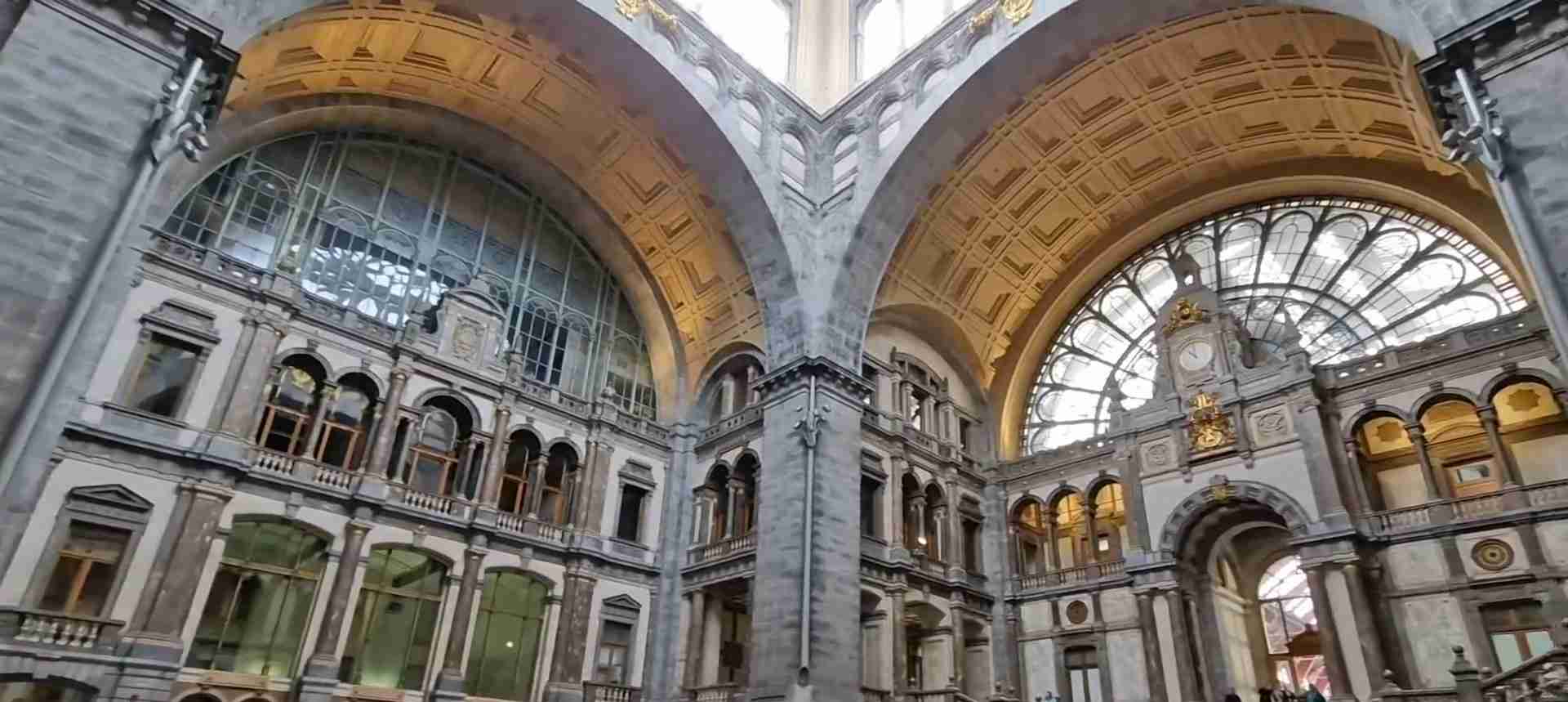
Often called the “Railway Cathedral,” Centraal Station ranks among the world’s most beautiful train stations with its spectacular 1905 design combining Neo-Baroque facade, soaring iron and glass train shed, and ornate waiting halls decorated with marble and gilding.
The monumental entrance hall features a 75-meter dome, grand staircases, and architectural details showcasing early 20th-century craftsmanship. Modern underground platforms added in 2007 handle high-speed international trains while preserving the historic station’s architectural integrity.
Free access allows visitors to explore the station’s public areas, photograph the architecture, and experience this working monument. The station connects to the diamond district, zoo, and city center within short walks.
Plan 15-30 minutes to appreciate the building’s details beyond simply catching trains. Early morning or late evening visits avoid peak commuter crowds for better photography and contemplation of the architectural features.
Grote Markt & Guildhalls
Antwerp’s central square showcases Renaissance and Baroque architecture through the ornate guildhalls surrounding the triangular plaza. Each building displays unique facades with detailed stonework representing the craft guilds that dominated Antwerp’s Golden Age economy.
The Brabo Fountain stands at the square’s center, depicting the legendary giant Druon Antigoon whose severed hand (Antwerpen in Dutch) supposedly gave the city its name. The sculpture by Jef Lambeaux shows the Roman soldier Silvius Brabo throwing the giant’s hand into the Scheldt River.
City Hall anchors the eastern side with its 16th-century Renaissance facade, while the guildhalls create a museum of architectural styles and decorative elements. Outdoor cafes and restaurants line the square, offering prime people-watching and building views.
Free access makes Grote Markt an essential stop on any Antwerp itinerary. Visit early morning for photographs without crowds, or evening when building illumination creates dramatic atmosphere. The square hosts markets, festivals, and events throughout the year.
Plantin-Moretus Museum
This UNESCO World Heritage site preserves the world’s oldest printing press still in its original building, showcasing 16th-century printing technology and the Plantin-Moretus family’s publishing dynasty. The museum celebrates its 450th anniversary in 2026 with special exhibitions.
Original Gutenberg printing presses, typesetting rooms, and the family residence demonstrate Renaissance and Baroque printing operations. Rare books, engravings, and manuscripts fill the collections, while the Baroque garden provides peaceful contemplation space.
The museum tells the story of how mass communication began, featuring works by famous artists including Rubens who created illustrations for books published here. The preserved workshop shows exactly how printers created books that spread knowledge across Europe.
Check the museum website for current admission fees, opening hours, and 2026 anniversary programming. Guided tours enhance understanding of the printing processes and historical significance. Allow 60-90 minutes for comprehensive visits.
Diamond District
Four city blocks near Centraal Station contain the world’s largest diamond trading center, handling billions in diamond sales annually. The district welcomes public visitors to browse jewelry boutiques, learn about diamond grading, and experience this unique aspect of Antwerp’s economy.
Diamond shops range from exclusive high-end jewelers to more accessible retailers, many offering guided explanations of the “4 Cs” (cut, color, clarity, carat) used to value diamonds. Some stores provide behind-the-scenes looks at cutting and polishing operations.
The DIVA diamond museum explores Antwerp’s diamond history and jewelry design, with 2026 exhibitions featuring never-before-seen diamond rings and contemporary jewelry art. Interactive displays explain diamond formation, trading, and craftsmanship.
Window shopping costs nothing and provides fascinating glimpses into this rarefied world. Serious buyers should research reputable dealers, request certificates from independent gemological laboratories, and understand international pricing before purchasing. The district operates Monday-Saturday with many shops closing Sundays.
Het Zuid & Contemporary Art
The southern neighborhood combines elegant 19th-century architecture with contemporary galleries, design studios, and creative businesses. Sunday morning antique markets along Kloosterstraat attract collectors and browsers seeking vintage treasures and artisan crafts.
Museum of Contemporary Art Antwerp (M HKA) showcases post-1970s art through rotating exhibitions and permanent collections of Belgian and international contemporary works. The museum emphasizes experimental and provocative pieces challenging conventional perspectives.
Independent galleries cluster around Museum Mayer van den Bergh and the surrounding streets, offering diverse contemporary art viewpoints. Many galleries welcome walk-in visitors during afternoon hours, particularly Thursday-Saturday.
Stylish cafes and restaurants fill the neighborhood with locals rather than tourists, creating authentic Antwerp atmosphere. The area shines for evening drinks and dinner before or after museum visits.
Antwerp Neighborhoods & Areas to Explore 2026
Eilandje: The Waterfront District
Antwerp’s regenerated docklands showcase innovative architecture, maritime heritage, and waterfront dining. MAS museum anchors the district, while the Havenhuis (Port House) by Zaha Hadid demonstrates bold contemporary design rising from a renovated fire station.
Red Star Line Museum tells the story of European emigration to America through this shipping line’s historic terminal. Between 1873 and 1934, over 2 million people departed from these docks seeking new lives across the Atlantic, creating moving personal narratives displayed throughout the museum.
Waterfront restaurants and bars line the Sint-Aldegondiskaai and Nassaustraat, offering everything from casual fish and chips to upscale seafood dining. Summer terraces provide sunset views across the Scheldt River and working port.
The district connects to the city center via 10-minute walks or trams 7 and 15. Sunday afternoon strolls explore the marina, modern residential developments, and transformation of industrial heritage into contemporary urban spaces.
Mode Quarter: Fashion District
Antwerp achieved international fashion recognition through the “Antwerp Six” designers who graduated from the Royal Academy of Fine Arts in the 1980s. The Mode Quarter continues this creative legacy with designer boutiques, fashion studios, and the MoMu fashion museum.
MoMu celebrates 40 years of the Antwerp Six in 2026 with special exhibitions showcasing how these six designers revolutionized fashion. The museum features rotating exhibitions of Belgian and international fashion alongside permanent collections documenting Antwerp’s design influence.
Boutiques along Nationalestraat, Huidevettersstraat, and surrounding streets sell cutting-edge Belgian and international fashion. Many designers maintain studios above their shops, creating direct connections between creation and retail.
The district blends with the diamond quarter and historic center, making it easily incorporated into walking tours. Thursday-Saturday afternoons offer best opening hours for boutique browsing, while museum visits complement shopping excursions.
Zurenborg: Art Nouveau Architecture
This residential neighborhood 2 kilometers from the center showcases exceptional Art Nouveau and Belle Époque architecture from Antwerp’s late 19th-century expansion. Cogels-Osylei and surrounding streets display houses with ornate facades, decorative details, and varied architectural styles.
Walking tours reveal hidden details including stained glass, wrought iron work, mosaics, and sculptural elements decorating residential buildings. Each house demonstrates unique design while contributing to overall neighborhood character.
Local cafes and restaurants serve residential areas rather than tourists, offering authentic Antwerp dining at moderate prices. The neighborhood provides insights into how Antwerp’s middle classes lived during the city’s Belle Époque prosperity.
Trams 11 and 24 reach Zurenborg from the center in 15 minutes. Combine architectural walks with visits to nearby parks and local markets for complete neighborhood experiences away from central tourist concentrations.
Belgian Food & Dining in Antwerp 2026
Traditional Belgian Specialties
Belgian frites (French fries) reach perfection in Antwerp through double-frying techniques creating crispy exteriors and fluffy interiors. Frituur stands throughout the city serve frites in paper cones with mayonnaise or dozens of sauce options. Try Frituur Filip or Frituur No. 1 for authentic local experiences costing €3-5.
Moules-frites (mussels and fries) provides classic Belgian dining from September through April when mussels reach peak quality. Restaurants prepare mussels in white wine, cream, garlic, or regional variations, served with unlimited frites. Expect €18-28 for generous portions at traditional brasseries.
Belgian waffles divide into two styles: lighter Brussels waffles with rectangular grids, and denser Liège waffles with pearl sugar creating caramelized sweetness. Street vendors and waffle shops sell both varieties for €3-6, topped with fruit, chocolate, or whipped cream. Authentic versions use fresh batter rather than pre-made frozen waffles.
Waterzooi, a creamy chicken or fish stew from nearby Ghent, appears on traditional restaurant menus alongside stoofvlees (Flemish beef stew braised in beer). These hearty dishes cost €18-26 and showcase Belgian comfort food traditions.
Belgian Chocolate & Sweets
Antwerp chocolate shops offer world-class pralines, truffles, and specialty chocolates from boutique chocolatiers and major Belgian brands. The Chocolate Line creates innovative flavors including beer ganache and lavender, while Burie and Del Rey maintain traditional Belgian techniques.
Quality Belgian chocolate uses cocoa butter rather than vegetable fats, creating smooth textures and pure cocoa flavors. Pralines (filled chocolates) range €3-6 each, with mixed boxes from €15-40 depending on quantity and maker. Sample before purchasing to find preferred styles.
Chocolate Museum (Chocolate Nation) provides interactive experiences explaining cocoa cultivation, chocolate production, and Belgian chocolate traditions. Admission includes tastings and demonstrations, combining education with indulgence near Grote Markt.
Buy chocolate fresh rather than days before departure, particularly during summer when temperatures affect quality. Many shops vacuum-seal purchases or pack chocolates with ice packs for travel.
Belgian Beer Culture
Antwerp cafes serve hundreds of Belgian beer styles from Trappist ales to lambics, each with unique flavors and serving rituals. Traditional brown cafes maintain authentic atmosphere with wood interiors, beer menus listing 50+ options, and locals gathering for conversation.
De Koninck, Antwerp’s local amber ale since 1833, comes served in distinctive “bolleke” glasses holding 250ml. The brewery offers guided tours and tastings explaining traditional brewing processes (book online in advance).
Beer costs €3-6 for standard pours in regular cafes, €5-8 for specialty beers or upscale locations. Sampling flights allow tasting multiple styles for €12-18. Never order beer without its proper glass – serving rituals matter in Belgian beer culture.
Kulminator near the Grote Markt maintains 600+ beer selections in a small bar requiring appointments to visit. Paters Vaetje offers 100+ beers in cozy surroundings, while Bierhuis Kulminator specializes in rare vintage bottles and spontaneous fermentation lambics.
Restaurant Recommendations 2026
Budget dining (€10-20 per person) includes Vietnamese pho at Pho Hoai, Lebanese mezze at Baroeg, and Turkish kebabs in the area around Centraal Station. Lunchrooms and sandwich shops offer fresh Belgian bread sandwiches with quality ingredients for €6-10.
Mid-range restaurants (€25-45 per person) fill Het Zuid and the historic center with everything from traditional Belgian cuisine to international options. Restaurant ‘t Fornuis serves seasonal Belgian dishes, while De Peerdestal combines excellent steaks with local beers.
The Bourla theater district around Graanmarkt hosts numerous quality restaurants in atmospheric settings. Book ahead for Friday and Saturday dinners, particularly during summer months when outdoor terraces fill quickly.
Fine dining establishments including The Jane (two Michelin stars in a converted chapel) offer exceptional experiences for €150-250 per person. Reserve 2-3 months ahead for prestigious restaurants and confirm special dietary requirements when booking.
Sample Antwerp Itineraries 2026
One-Day Antwerp Highlights
Morning: Begin at Grote Markt at 9:00 to photograph the guildhalls before crowds arrive. Walk to Cathedral of Our Lady (opens 10:00) for Rubens masterpieces. Continue through narrow medieval streets to Vleeshuis (Butcher’s Hall) admiring historic architecture.
Midday: Lunch at a traditional cafe near Groenplaats, trying moules-frites or waterzooi. Walk through the diamond district to Antwerpen-Centraal Station, allowing 30 minutes to explore this architectural marvel.
Afternoon: Visit either Rubens House (advance booking required) or walk through Het Zuid contemporary galleries. Stop for Belgian waffles and coffee at a local patisserie. Explore MAS museum including free rooftop views (if time permits, visit exhibitions).
Evening: Return to Grote Markt for sunset photographs. Dinner at a traditional brasserie, followed by Belgian beers at a brown cafe. Night stroll through illuminated historic center.
Day costs: Museum €20, meals €40-50, transport day pass €7.50, snacks €10. Total: €77.50-87.50 per person (excluding accommodation).
Two-Day Art & Culture Focus
Day 1 Morning: Royal Museum of Fine Arts at opening (10:00) for comprehensive collections viewing before crowds. Spend 2-3 hours exploring Flemish masters and modern Belgian art.
Day 1 Afternoon: Lunch in Het Zuid, followed by contemporary galleries and Museum Mayer van den Bergh for medieval art. Late afternoon coffee break at a design cafe. Evening dinner and drinks in the trendy Zuid neighborhood.
Day 2 Morning: Plantin-Moretus Museum at opening for printing heritage and Renaissance collections. Walk through historic center to Rubens House for Baroque art and garden.
Day 2 Afternoon: Lunch near Grote Markt, then Cathedral of Our Lady for Rubens altarpieces. Explore MAS museum exhibitions and rooftop views. Free evening for personal interests or shopping in the diamond district.
Two-day costs: Museums €60-80, meals €80-100, transport €15, extras €20. Total: €175-215 per person (excluding accommodation €100-180).
Three-Day Comprehensive Exploration
Day 1 follows the one-day highlights itinerary covering major attractions and historic center orientation.
Day 2 focuses on art and museums with KMSKA, Plantin-Moretus, and Rubens House visits, plus exploration of Het Zuid galleries and design quarter.
Day 3 explores specialized interests: fashion enthusiasts visit MoMu and boutique shopping in the Mode Quarter; architecture fans tour Zurenborg Art Nouveau and modern Eilandje district; history buffs explore Red Star Line Museum and St. Anna’s Tunnel. Afternoon options include a guided food tour, boat cruise on the Scheldt, or day trip to Mechelen or Lier.
Three-day costs: Museums €80-100, meals €120-150, transport €22.50, tours/activities €30-50, extras €30. Total: €282.50-352.50 per person (excluding accommodation €200-360).
Day Trips from Antwerp 2026
Bruges (Brugge)
Belgium’s medieval gem sits 90 minutes from Antwerp by train, offering canal-lined streets, Gothic architecture, and chocolate shops in exceptionally preserved historic settings. Morning departures allow full days exploring the UNESCO World Heritage center.
Direct trains depart Antwerpen-Centraal hourly, costing €15-20 roundtrip. The compact center permits walking to major sights including the Belfry, Markt square, and Groeningemuseum. Canal boat tours provide relaxing perspectives on medieval architecture.
Return trains run until late evening, enabling dinner in Bruges or Antwerp depending on preference. Day trip budgets €50-80 per person including transport, attractions, and meals.
Ghent (Gent)
Medieval trading power Ghent combines university energy with Gothic and Baroque landmarks including St. Bavo’s Cathedral housing Van Eyck’s “Adoration of the Mystic Lamb.” The 50-minute train journey makes Ghent ideal for half-day or full-day excursions.
Trains depart every 30 minutes throughout the day, costing €10-15 roundtrip. The city center reaches walking distance from Sint-Pieters Station via trams, or enjoys 20-minute strolls along canals and historic streets.
Combine Ghent with Bruges for multi-city day trips using flexible train tickets allowing stops at both destinations. Budget €40-70 per person for comprehensive day visits.
Brussels
The Belgian capital sits 35-45 minutes from Antwerp, offering EU institutions, Art Nouveau architecture, museums, and diverse international dining. Grand Place ranks among Europe’s most beautiful squares, while museums cover everything from comics to fine arts.
Frequent trains connect Antwerp to Brussels Central Station throughout the day, costing €8-12 roundtrip. Multiple Brussels stations serve different neighborhoods – Central for Grand Place, Midi for EU Quarter.
Day trips easily combine specific Brussels interests with Antwerp stays, providing accommodation savings and different city atmospheres. Budget €35-60 per person including transport and activities.
Mechelen
This smaller historic city between Antwerp and Brussels offers quieter alternatives to major tourist destinations, with impressive St. Rombouts Cathedral, Grote Markt, and tapestry workshops. The 20-minute train journey makes Mechelen perfect for relaxed half-day visits.
Trains depart every 30 minutes, costing €5-8 roundtrip. The compact center allows comprehensive exploration in 3-4 hours including cathedral tower climb (seasonal), museum visits, and lunch at local restaurants.
Combine Mechelen with Lier or return to Antwerp for afternoon museum visits. Budget €25-40 per person for complete experiences.
Practical Tips for Visiting Antwerp 2026
Money & Budgeting
Belgium uses the euro (€) with widespread credit card acceptance at hotels, restaurants, and shops. Contactless payments including Apple Pay and Google Pay work throughout Antwerp, though some smaller cafes and market vendors prefer cash.
ATMs distribute euros at competitive exchange rates plus bank fees. Withdraw larger amounts less frequently to minimize transaction charges. Notify your bank before travel to prevent card blocks due to foreign transactions.
Restaurants include service charges in bills, making tipping optional though rounding up or leaving 5-10% rewards exceptional service. Taxi drivers appreciate rounding to nearest euro, while tour guides expect €5-10 per person for group tours.
Museum passes provide value for culture-focused visits. The Museum Pass covers over 200 Belgian museums for €59 annually, while Antwerp City Card includes major museums plus public transport for €32 (24 hours), €42 (48 hours), or €50 (72 hours).
Language & Communication
Dutch (Flemish dialect) serves as Antwerp’s official language, though English proficiency reaches high levels in tourism industry, shops, and restaurants. Young adults and service workers typically speak excellent English, while older residents may prefer Dutch or French.
Learn basic Dutch phrases including “dank u” (thank you), “alstublieft” (please), and “spreekt u Engels?” (do you speak English?) to show respect for local language. Residents appreciate attempts at Dutch even when continuing conversations in English.
Free WiFi functions at most hotels, many restaurants and cafes, and public spaces including Centraal Station. International phone plans or local SIM cards enable mobile connectivity for maps, translations, and restaurant research.
Safety & Health
Antwerp maintains safe conditions for tourists with low violent crime rates. Exercise standard urban precautions including securing valuables, staying aware in crowded areas like Centraal Station and markets, and avoiding poorly lit areas late at night.
Pickpockets target tourist areas including Grote Markt, museum entrances, and public transport. Keep phones, wallets, and passports in front pockets or secure bags, particularly in crowds and on trams.
The European Health Insurance Card (EHIC) provides basic medical coverage for EU residents, while travel insurance protects against medical emergencies, theft, and trip disruptions. Pharmacies (apotheek) handle minor health issues and sell over-the-counter medications.
Sustainable Travel
Antwerp’s compact layout and excellent public transport reduce car dependency. Walking and trams cover most tourist needs, while bikes offer eco-friendly alternatives for longer distances.
Support local businesses including independent restaurants, boutique shops, and neighborhood cafes rather than international chains. Markets and food halls showcase regional producers and sustainable practices.
Reduce waste by carrying reusable water bottles (tap water meets high quality standards), declining unnecessary bags, and choosing restaurants emphasizing seasonal local ingredients.
Frequently Asked Questions About Visiting Antwerp 2026
Do I need to speak Dutch to visit Antwerp?
English proficiency suffices for all tourist interactions in Antwerp. Hotels, restaurants, museums, and shops employ English-speaking staff, while young adults generally communicate comfortably in English. Learning basic Dutch phrases shows cultural respect but isn’t necessary for successful visits. Tourist information, museum labels, and public transport apps all offer English language options.
Is the Antwerp City Card worth buying in 2026?
The Antwerp City Card provides value for museum-focused itineraries including 3+ major attractions. The 48-hour card (€42) covers unlimited public transport, free entry to participating museums, and discounts on tours and restaurants. Calculate museum admission costs plus transport day passes (€15 for 2 days) to determine if the €42 card saves money based on your specific plans. Heavy museum visitors benefit most, while casual sightseers may find individual tickets more economical.
What’s the best area to stay in Antwerp for first-time visitors?
The historic center around Grote Markt offers optimal location for first visits, placing you within 15-minute walks of Cathedral, Rubens House, MAS, and countless restaurants. Accommodation costs more than peripheral areas but saves significant transit time and provides atmospheric evening experiences. Het Zuid provides trendy alternatives with good museum access, while Zurenborg offers residential character at lower prices with 15-minute tram connections to the center.
Can you visit Antwerp’s diamond district on Sundays?
Most diamond shops close Sundays, making Saturday the best day for diamond shopping if visiting over weekends. The district operates Monday-Saturday with peak activity Tuesday-Friday when traders conduct business. Window shopping remains possible Sundays, though entering shops and receiving expert guidance requires weekday visits. Plan diamond district exploration for weekday mornings when consultants have time for detailed discussions.
How long does it take to tour Antwerpen-Centraal Station?
Allow 20-30 minutes for comprehensive station exploration photographing the architecture, examining decorative details, and understanding the building’s history. Quick visits capturing key views take 10-15 minutes, while architecture enthusiasts spend 45+ minutes studying specific elements. Visit early morning (7:00-9:00) or late afternoon (16:00-18:00) for dramatic natural light through the glass roof. Evening visits (after 19:00) offer illuminated atmosphere with reduced crowds.
Are Antwerp museums closed on specific days in 2026?
Many Antwerp museums close Mondays, including MAS, KMSKA, and several smaller institutions. Plan museum-heavy itineraries for Tuesday-Sunday to maximize access. Some museums including Rubens House operate extended weekend hours (until 18:00 Saturdays and Sundays versus 17:00 weekdays). Check individual museum websites for 2026 schedules, holiday closures, and special opening hours during summer months.
What’s the difference between Antwerp and Antwerpen?
Antwerp represents the English name while Antwerpen is the Dutch (Flemish) name for the same city. Residents use Antwerpen in Dutch contexts, while international tourism materials typically employ Antwerp for English-language content. Both names appear on signs, maps, and transport information. French speakers call the city Anvers, reflecting Belgium’s multilingual character.
Is Antwerp expensive compared to other Belgian cities?
Antwerp’s costs match Brussels for accommodation and dining, while offering better value than Bruges where tourism drives higher prices. Museum admission, public transport, and casual dining cost less than major Western European capitals including Amsterdam, Paris, or London. Budget travelers manage €70-90 daily, mid-range visitors spend €150-200, and luxury travelers budget €300+ depending on accommodation and dining choices. Advance booking and museum passes reduce overall expenses.
Can you walk everywhere in Antwerp or do you need public transport?
The historic center remains entirely walkable with 15-20 minute distances between major attractions. Visitors staying centrally and focusing on Grote Markt, Cathedral, Rubens House, and nearby museums rarely need trams. Outlying areas including Zurenborg, Eilandje, and Het Zuid sit 25-40 minute walks from the center, making trams practical for energy conservation. Day passes (€7.50) provide unlimited transport for visitors covering multiple neighborhoods or saving walking energy for museum exploration.
What should I buy as souvenirs from Antwerp in 2026?
Belgian chocolate from quality chocolatiers including Burie, Del Rey, or The Chocolate Line provides classic souvenirs in attractive packaging. Local beers including De Koninck showcase Antwerp’s brewing heritage, available in specialty shops selling Belgian beer selections. Fashion-conscious visitors find unique pieces from Antwerp designers in Mode Quarter boutiques. Antwerp lace, though less common than in Bruges, appears in specialty shops. Diamond purchases require expert guidance and certification from reputable dealers.