
Antigua Guatemala Food Tour 2026: Local Cuisine Guide
Key Takeaways:
- Organized food tours cost $45-85 per person in 2026 with most lasting 3-4 hours and including 8-12 tastings
- Traditional Guatemalan cuisine centers on corn-based dishes, black beans, and distinctive Maya-influenced flavors found throughout Antigua’s markets and restaurants
- Coffee tours range $25-45 per person and include farm visits, roasting demonstrations, and professional tastings at surrounding highland plantations
- Street food experiences cost $15-25 per day and provide authentic access to local specialties at markets like Mercado Central and weekend vendors
- Self-guided culinary exploration combines market visits, cooking classes ($55-75), and restaurant dining for complete food culture immersion
- Peak food tour season runs December-April with advance booking recommended 2-4 weeks ahead for popular walking tours and coffee experiences
Planning Your Antigua Food Tours in 2026
Antigua Guatemala transforms food exploration into cultural discovery through its distinctive blend of Maya traditions, Spanish colonial influences, and contemporary culinary innovation. The city’s compact colonial center concentrates exceptional dining experiences, traditional markets, artisan coffee roasters, and specialized food tours within easy walking distance, creating optimal conditions for comprehensive gastronomic adventures.
Food tours in Antigua operate year-round with specialized offerings spanning organized walking tours, coffee plantation visits, cooking classes, and market explorations. The highland climate maintains consistent conditions for outdoor dining and market visits throughout 2026, while the surrounding volcanic slopes produce exceptional coffee, vegetables, and tropical fruits that define regional cuisine.
Professional food tour operators maintain small group sizes of 6-12 participants, ensuring intimate experiences with local vendors, detailed explanations of culinary traditions, and opportunities for direct interaction with chefs, farmers, and artisan producers. Tours combine historical context about Maya and colonial food traditions with practical tastings of contemporary Guatemalan cuisine.
The concentration of traditional markets, specialty restaurants, artisan chocolate makers, coffee roasters, and street food vendors within Antigua’s UNESCO World Heritage zone creates exceptional conditions for both organized tours and independent culinary exploration. Most food experiences center around the central plaza and surrounding streets, though coffee tours venture into the highland regions surrounding the city.
People Also Ask About Antigua Guatemala Food Tours 2026
How much do food tours cost in Antigua Guatemala in 2026?
Professional walking food tours cost $45-65 per person for 3-hour experiences and $75-85 for 4-hour extended tours in 2026. Check tour operator websites for current official rates as pricing may vary. These prices include 8-12 food tastings, beverages, cultural explanations, and professional guide services. Specialized coffee tours range $25-45 per person depending on plantation location and tasting components.
Cooking classes cost $55-75 per person for half-day sessions including market visits, hands-on instruction, and full meal preparation. Chocolate-making workshops range $35-50 per person for 2-3 hour experiences. Self-guided market exploration costs $15-25 per day for street food and vendor tastings, while restaurant dining ranges $25-60 per person depending on establishment type.
What is the best food tour in Antigua Guatemala for 2026?
Walking food tours departing from Parque Central provide the most comprehensive introduction to Antiguan cuisine, combining street food tastings, market visits, restaurant stops, and cultural context about Maya and colonial food traditions. These 3-4 hour experiences visit 6-8 locations including traditional comedores, specialty chocolate shops, coffee roasters, and street vendors.
Coffee plantation tours in the surrounding highlands offer specialized experiences focusing on Guatemala’s world-renowned coffee production, combining farm visits, processing demonstrations, roasting observations, and professional cupping sessions. Cooking class experiences provide hands-on learning combining market ingredient selection with traditional recipe preparation under chef guidance.
When is the best time for food tours in Antigua in 2026?
December through April provides peak conditions for food tours with dry weather ensuring comfortable walking, optimal market operations, and consistent outdoor dining. Morning tours departing 9-10 AM encounter the most vibrant market activity with fresh produce, active vendors, and ideal temperatures for walking and outdoor tastings.
Coffee harvest season runs October through March, offering enhanced plantation tour experiences with active harvesting, processing demonstrations, and fresh crop tastings. Market days Thursday and Saturday feature expanded vendor offerings and traditional food presentations, while Sunday mornings provide quieter exploration conditions for smaller group experiences.
Do you need to book food tours in advance in Antigua for 2026?
Book popular walking food tours 2-4 weeks ahead during December-April high season to secure preferred dates and morning departure times. Coffee plantation tours require 1-2 weeks advance reservation for transportation coordination and small group scheduling. Cooking classes need 1-week minimum advance booking for ingredient preparation and kitchen space allocation.
Same-day bookings work for May-November shoulder season, though morning tours fill first. Street food market exploration requires no advance booking, while upscale restaurant reservations need 1-3 days notice during weekends and peak season. Chocolate workshops accept walk-ins during low season but recommend advance booking December-April.
Extended multi-day tours – 5+ days
Featured Antigua Multi-Day Tour Packages
3 days
Antigua 3-Day Discovery Tour
- ✓ Comprehensive Antigua experience
- ✓ Expert local guides included
- ✓ All accommodation included
- ✓ Transportation provided
5 days
Antigua 5-Day Highlights Experience
- ✓ Comprehensive Antigua experience
- ✓ Expert local guides included
- ✓ All accommodation included
- ✓ Transportation provided
7 days
Antigua 7-Day Cultural Journey
- ✓ Comprehensive Antigua experience
- ✓ Expert local guides included
- ✓ All accommodation included
- ✓ Transportation provided

10 days
Antigua 10-Day Complete Adventure
- ✓ Comprehensive Antigua experience
- ✓ Expert local guides included
- ✓ All accommodation included
- ✓ Transportation provided
Multi-day tour packages powered by TourRadar. Prices and availability subject to change.
Essential Planning Information 2026
Current Costs and Pricing Breakdown for 2026
Walking food tours cost $45-65 for 3-hour standard tours and $75-85 for 4-hour extended experiences in 2026. Check operator websites for current official rates. These comprehensive tours include 8-12 tastings at restaurants, markets, and specialty vendors, plus beverages, cultural explanations, and all food samples. Group sizes max out at 10-12 participants ensuring intimate vendor interactions.
Coffee plantation tours range $25-35 for basic farm visits to $40-45 for premium experiences including transportation, processing demonstrations, roasting observations, and professional cupping sessions. Half-day cooking classes cost $55-75 per person including market visits, ingredient costs, hands-on instruction, and full meal preparation that participants consume.
Chocolate-making workshops cost $35-50 for 2-3 hour experiences covering cacao history, roasting demonstrations, grinding techniques, and hands-on truffle or bar creation. Street food market exploration runs $15-25 per day for independent tastings across multiple vendors, while traditional restaurant meals range $8-15 for comedores to $25-40 for upscale dining establishments.
Coffee tastings at specialty roasters cost $5-10 per cupping session, while artisan chocolate bars range $4-8 per specialty bar. Traditional breakfast costs $5-8 at local comedores, lunch ranges $8-15 for typical Guatemalan plates, and dinner runs $12-35 depending on restaurant category and menu selections.
Transportation Options and Schedules for 2026
Walking provides the primary transportation method for food tours within Antigua’s compact colonial center, with most tour stops located within 0.3-0.8 kilometers of Parque Central. The flat, pedestrian-friendly streets with colonial architecture create ideal conditions for walking between tastings, markets, and restaurant locations.
Coffee plantation tours include round-trip transportation from Antigua in tour pricing, with departures 8-9 AM from central meeting points and returns 12-1 PM for morning tours or 3-4 PM for extended experiences. Shuttle vans accommodate 6-12 passengers and navigate the highland roads surrounding the city, covering distances of 5-15 kilometers to various plantation locations.
Tuk-tuks cost $2-4 for short trips within the city center and provide convenient transportation between distant food locations or for evening restaurant returns. Taxis charge $5-8 for trips within Antigua or $15-25 for transportation to nearby towns like San Miguel Dueñas or Ciudad Vieja for specialized food experiences.
Market visits work best on foot with early morning 7-9 AM arrival at Mercado Central and Mercado de Artesanías capturing peak vendor activity and fresh produce displays. Weekend markets operate 6 AM-2 PM with maximum food vendor presence 8-11 AM.
Top Food Tours in Antigua 2026
Walking Food Tours and Cultural Experiences
Antigua Food Tours operates comprehensive 3-4 hour walking experiences departing Parque Central at 9 AM and 2 PM daily, visiting 6-8 locations including street vendors, chocolate shops, coffee roasters, traditional comedores, and specialty restaurants. Tours cost $65 and include 10-12 tastings covering traditional Maya dishes, colonial-era recipes, and contemporary Guatemalan cuisine innovations.
Guatemala Food Tours offers morning departures focusing on market exploration, street food culture, and traditional breakfast experiences at local comedores. The 3-hour tour visits Mercado Central, specialty vendors, artisan chocolate makers, and concludes with full típico breakfast service. Tours accommodate maximum 10 participants with emphasis on vendor interactions and culinary history explanations.
Cultural food experiences through Guatemalan Flavors combine cooking demonstrations, ingredient education, and tastings focusing on corn-based traditions including tortilla-making, tamale preparation, and traditional beverage creation. The 4-hour experience costs $75 and includes market visits, hands-on participation, and full meal service of prepared dishes.
Specialized Coffee Plantation Tours
Finca Filadelfia conducts comprehensive coffee tours departing Antigua 9 AM daily, covering the 8-kilometer distance to the plantation in included transportation. The 3-hour experience costs $35 and includes plantation walks through coffee groves, processing facility tours, roasting demonstrations, cupping sessions with professional tasters, and coffee purchase opportunities at farm prices.
Café Azotea operates tours focusing on organic coffee production and sustainable farming practices, with morning departures 8:30 AM Tuesday-Saturday. The $40 tour includes transportation, plantation walks, processing explanations, roasting facility visits, cupping with quality control experts, and access to on-site museum documenting Guatemalan coffee history.
ChocoMuseo Antigua combines chocolate and coffee experiences in single 4-hour tours departing 9 AM, visiting nearby cacao plantations and coffee farms. The $45 tour includes transportation, processing demonstrations for both products, tastings, and hands-on participation in chocolate bar creation using fresh cacao beans.
Hands-On Cooking Classes and Workshops
Antigua Cooking School offers half-day classes departing Mercado Central at 9 AM, beginning with guided market tours for ingredient selection followed by hands-on preparation of 4-5 traditional dishes in professional kitchen facilities. The $65 class includes all ingredients, equipment, instruction, and lunch service of prepared recipes. Classes accommodate 8-12 participants with focus on Maya cooking techniques and colonial-era recipe adaptations.
Casa de las Especias conducts specialized workshops focusing on traditional salsas, moles, and pepper preparations using Guatemalan chilies and spices. The 3-hour class costs $55 and includes ingredient sourcing, technique demonstrations, hands-on preparation, and recipe booklets. Advanced classes cover tamale-making and traditional festival food preparation.
Chocolate-making workshops through ChocoMuseo provide 2-3 hour experiences covering cacao history, roasting techniques, grinding methods, and hands-on truffle or bar creation. The $45 class includes all materials, professional instruction, and chocolate products participants create. Daily sessions depart 10 AM and 2 PM with maximum 12 participants.
Traditional Guatemalan Dishes to Try in 2026
Essential Maya and Colonial Specialties
Pepián represents Guatemala’s national dish, combining chicken or beef with roasted seeds, tomatoes, and distinctive spice blend creating thick, flavorful sauce served over rice with tortillas. The complex preparation involves toasting sesame, pumpkin, and sunflower seeds before grinding with chilies, tomatoes, and spices, resulting in rich, slightly sweet sauce with smoky undertones. Traditional restaurants serve pepián for $8-12 per plate.
Kak’ik provides traditional Maya soup featuring turkey in aromatic red broth colored and flavored with achiote, tomatoes, and chilies, served with tamales and rice. The preparation maintains pre-Columbian cooking methods passed through generations, with ceremonial significance in Maya communities. Authentic versions cost $10-14 at specialized comedores and upscale restaurants preserving traditional recipes.
Jocon presents chicken in bright green sauce made from tomatillos, cilantro, and green chilies, creating tangy, herbaceous flavor profile distinct from Mexican preparations. The sauce achieves vibrant color through fresh herb concentration and gentle simmering techniques. Restaurants serve jocon for $9-13 with rice, black beans, and handmade tortillas.
Chiles rellenos feature poblano peppers stuffed with ground meat, vegetables, and spices, coated in egg batter, fried until golden, and served in tomato-based sauce. Guatemalan versions incorporate local cheese varieties and regional spice combinations differing from Mexican preparations. Traditional presentations cost $7-11 at comedores throughout Antigua.
Street Food and Market Specialties
Tostadas create popular street food combining crispy corn tortillas topped with guacamole, tomato salsa, shredded cabbage, and choice of meat or cheese. Vendors prepare fresh toppings throughout the day with assembly on-demand. Prices range $1.50-3 per tostada with most customers ordering 2-3 for complete meal.
Garnachas provide thick, fried corn cakes topped with seasoned meat, pickled vegetables, salsa, and cheese, creating hearty handheld meals available from street vendors and market stalls. The corn base achieves crispy exterior and soft interior through specific masa preparation and frying techniques. Garnachas cost $2-3.50 each with most locations offering chicken, beef, or pork options.
Chuchitos represent Guatemalan tamales wrapped in corn husks rather than banana leaves, filled with seasoned meat and tomato-based sauce, steamed until tender. The smaller size compared to Mexican tamales allows consumption as snacks throughout the day. Market vendors sell chuchitos for $1.50-2.50 each with morning preparation ensuring fresh availability 8 AM-1 PM.
Elotes prepare fresh corn on the cob boiled or grilled and served with lime, salt, and chili powder or mayonnaise, cheese, and sauce combinations. Street vendors operate evening hours 5-9 PM near Parque Central and main plazas. Prices range $1.50-2.50 per ear depending on topping selections.
Breakfast Traditions and Morning Foods
Desayuno típico provides traditional Guatemalan breakfast combining scrambled or fried eggs, black beans, fried plantains, fresh cheese, cream, and tortillas with optional meats. Comedores serve típico for $5-8 with most locations offering 7-11 AM breakfast service. The combination represents complete nutritional profile with proteins, carbohydrates, and traditional flavors.
Rellenitos create sweet breakfast option using mashed plantains formed around sweetened black bean paste, shaped into balls, and fried until golden. The contrast between sweet plantain exterior and earthy bean filling provides distinctive Guatemalan flavor combination. Bakeries and street vendors sell rellenitos for $1-1.50 each throughout morning hours.
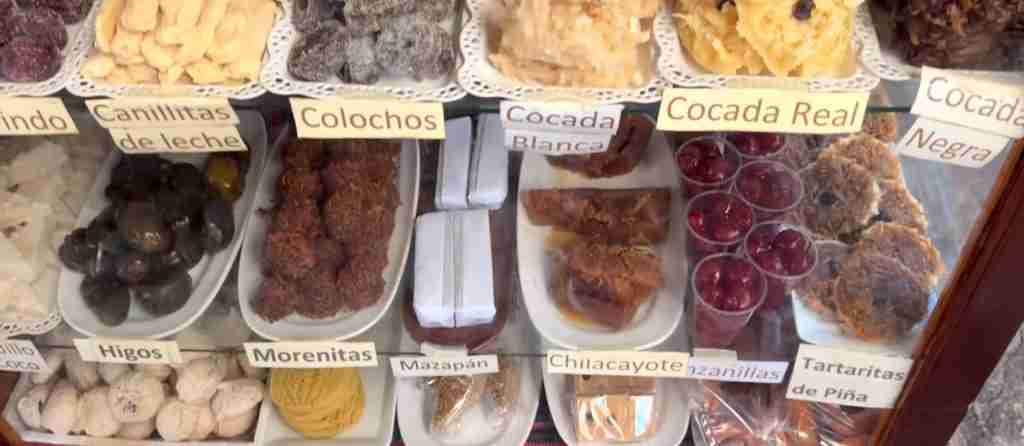
Pan dulce encompasses various sweet breads including conchas, orejas, and champurradas available at panaderías throughout Antigua. Traditional bakeries produce fresh batches 6-7 AM with peak selection available 7:30-9 AM. Prices range $0.50-1.50 per piece depending on size and complexity. Coffee and sweet bread combinations provide popular breakfast option costing $3-5 total at local cafés.
Street Food Markets and Vendors 2026
Mercado Central and Traditional Market Culture
Mercado Central operates daily 6 AM-6 PM on Calle del Mercado west of Parque Central, providing the largest concentration of traditional food vendors, produce sellers, and prepared food stalls in Antigua. The covered market structure contains 100+ vendor stalls across multiple sections including fresh produce, butcher counters, prepared foods, and specialty ingredients.
Morning hours 7-10 AM offer peak market activity with fresh produce arrivals, active vendor interactions, and traditional breakfast service at interior comedores. Food stalls serve típico breakfasts for $5-7, fresh juices for $2-3, and traditional snacks including tostadas, garnachas, and chuchitos. The market provides optimal setting for authentic food experiences away from tourist-focused establishments.
Prepared food vendors concentrate in the market’s central section, offering daily rotating menus of traditional dishes including pepián, kak’ik, jocon, and various stews served with rice, beans, and tortillas for $6-9 per complete plate. Vendors prepare food throughout morning hours with peak service 11 AM-2 PM for lunch crowds.
Specialty sections include fresh produce vendors selling highland vegetables and tropical fruits, spice merchants offering traditional chili varieties and dried herbs, and meat counters providing fresh and prepared products. Ingredient shopping costs vary but budget $15-25 for complete meal components serving 4-6 people.
Weekend Markets and Specialty Vendors
Saturday morning markets expand beyond Mercado Central with additional vendors setting up along surrounding streets 7 AM-1 PM. The increased vendor presence brings specialty food items, regional products from highland communities, and traditional festival foods not available during weekday operations. Street vendors sell fresh tamales, atol de elote (corn-based beverage), and traditional sweets.
Sunday markets near Parque Central feature reduced vendor numbers but include specialty artisan producers offering organic vegetables, artisan cheeses, homemade preserves, and traditional sweets. Operations run 8 AM-12 PM with focus on quality ingredients and specialty items priced $3-8 per package or product.
Evening street food vendors operate 5-9 PM near major plazas and high-traffic tourist areas, offering grilled meats, elotes, fresh fruit cups, and traditional beverages. Mobile cart operations provide accessible sampling opportunities with items priced $1.50-4 per serving. Thursday and Saturday evenings feature increased vendor presence corresponding with market days.
Best Restaurants and Dining Experiences 2026
Traditional Comedores and Local Favorites
Doña María Gordillo operates family-run comedor serving authentic típico dishes in simple, local atmosphere frequented by Guatemalan residents. The lunch menu rotates daily featuring traditional preparations of pepián, kak’ik, and regional specialties for $8-12 per complete meal including soup, main dish, rice, beans, and tortillas. Service runs Monday-Saturday 11 AM-4 PM with peak lunch hours 12-2 PM.
Comedor y Pupusería Salvadoreña combines Guatemalan and Salvadoran specialties including pupusas (stuffed corn cakes), traditional soups, and regional dishes in casual setting. Complete meals cost $7-11 with combination plates offering tastings of multiple dishes. The location three blocks north of Parque Central attracts local lunch crowds ensuring authentic preparations and reasonable prices.
Y Tu Piña También specializes in traditional Guatemalan breakfasts and típico lunches with focus on quality ingredients and generous portions. The breakfast menu features various típico combinations for $6-9, while lunch specials include daily rotating traditional dishes for $8-13. Service runs 7 AM-4 PM daily with outdoor courtyard seating.
Contemporary and Upscale Dining
Hector’s Bistro presents refined interpretations of traditional Guatemalan cuisine using contemporary techniques and upscale presentations. Dinner tasting menus cost $35-45 per person and feature seasonal ingredients from local producers, traditional flavor combinations reimagined through modern culinary approaches, and wine pairings. Reservations recommended 2-3 days ahead for weekend dinner service.
Mesón Panza Verde combines colonial architecture, elegant courtyard dining, and menu blending traditional Guatemalan dishes with international influences. Dinner entrées range $18-32 with emphasis on fresh seafood, quality meats, and seasonal vegetables. The wine program features extensive selections with focus on South American producers. Dinner service runs 6-10 PM with live music Thursday-Saturday evenings.
Café Sky provides rooftop dining with volcano views and menu combining traditional Guatemalan specialties with international options. Breakfast costs $8-14, lunch runs $12-18, and dinner ranges $15-25. The location near Parque Central offers convenient access with panoramic city and volcano vistas enhancing dining experiences.
Specialty Restaurants and Unique Experiences
Tartines specializes in French-influenced pastries and breakfast items using traditional Guatemalan ingredients including local coffee, chocolate, and tropical fruits. Morning service 7 AM-12 PM features croissants, pastries, breakfast bowls, and coffee drinks for $6-12. The combination of French technique and Guatemalan ingredients creates distinctive fusion offerings.
Nim Po’t focuses on indigenous Maya cuisine preserving pre-Columbian recipes and cooking techniques through collaboration with highland communities. Tasting menu costs $28-35 per person and includes traditional preparations using native ingredients, cultural explanations, and indigenous beverage pairings. Dinner service operates Thursday-Saturday with advance reservations required.
La Fonda de la Calle Real operates traditional Guatemalan restaurant in colonial mansion with multiple dining rooms, courtyard seating, and menu covering regional specialties from various Guatemalan departments. Lunch and dinner cost $12-22 per entrée with combination platters offering tastings across multiple regional preparations. Live marimba music accompanies weekend dinner service.
Coffee Tours and Tastings 2026
Highland Plantation Experiences
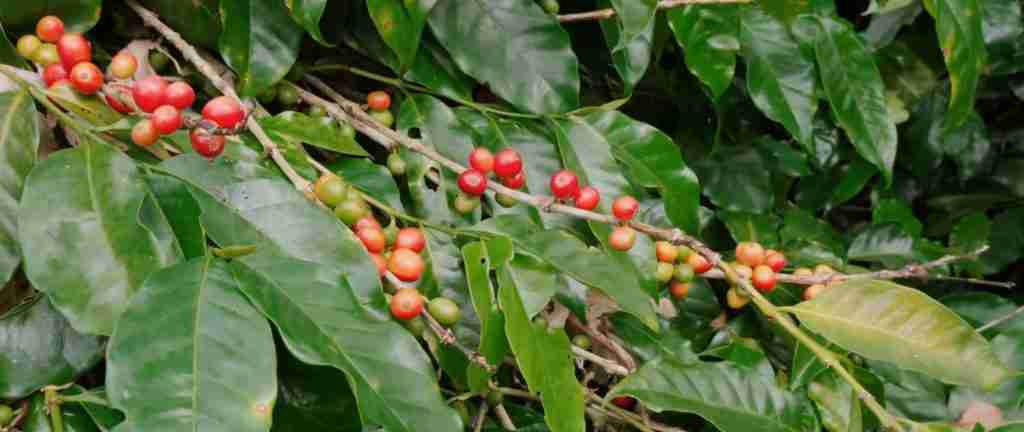
Coffee plantation tours departing Antigua provide comprehensive introduction to Guatemalan coffee production from cultivation through roasting and brewing. Most tours include round-trip transportation covering 5-15 kilometer distances into surrounding highlands where volcanic soil, elevation, and climate create optimal growing conditions for specialty arabica varieties.
Tours begin with plantation walks through coffee groves where guides explain cultivation techniques, varietal characteristics, and harvesting methods. Participants observe coffee cherries at various ripeness stages, learn seasonal cycles, and understand relationships between elevation, soil composition, and final cup characteristics. Most tours operate year-round with enhanced experiences October-March during harvest season when processing activities demonstrate full production cycle.
Processing demonstrations cover pulping, fermentation, washing, and drying stages transforming fresh cherries into green coffee beans ready for roasting. Guides explain quality grading systems, sorting processes, and distinction between commercial and specialty coffee production. The hands-on components allow participants to touch and examine coffee at various processing stages.
Roasting facility tours present transformation from green beans to finished coffee through observation of commercial roasting equipment, explanation of roast profiles, and demonstration of sensory evaluation techniques. Professional roasters explain temperature control, timing considerations, and relationships between roast levels and flavor development.
Cupping Sessions and Professional Tastings
Professional cupping sessions conclude most coffee tours, providing systematic tasting methodology used by quality control experts to evaluate coffee characteristics. Participants learn proper cupping protocols including coffee-to-water ratios, specific temperatures, timing procedures, and evaluation vocabulary describing flavor, aroma, body, and acidity.
Tasting flights compare multiple coffee varieties, processing methods, or roast levels using standardized cupping techniques. Guides explain flavor wheel navigation, identification of specific taste notes, and evaluation of coffee quality based on Specialty Coffee Association standards. Most sessions include 4-6 coffee samples with detailed explanations of each variety’s characteristics and origins.
Educational components cover Guatemalan coffee regions including Antigua, Huehuetenango, and Atitlán with explanations of regional characteristics, altitude differences, and processing variations. Participants learn designation systems, quality grades, and market structures distinguishing Guatemalan coffee in international specialty markets.
Urban Coffee Experiences and Specialty Roasters
Café No Sé operates specialty roasting and brewing focusing on small-batch production and single-origin Guatemalan coffees. The tasting bar offers cupping flights for $8-12 comparing regional varieties and processing methods. Barista-led sessions explain brewing variables, extraction principles, and relationships between grind size, water temperature, and final cup characteristics.
Fernando’s Kaffee conducts coffee education sessions focusing on home brewing techniques, equipment selection, and bean storage. The 90-minute workshops cost $15-20 and include comparative brewing demonstrations using various methods including pour-over, French press, and espresso preparations. Participants receive bags of coffee and brewing guides for home experimentation.
Antigua Coffee Roasters offers roastery tours and tasting sessions in urban facility three blocks from Parque Central. The $10 experience includes roasting demonstrations, quality evaluation explanations, and tasting flights of 3-4 coffee varieties. Coffee purchases at roaster prices provide value compared to retail cafés with whole bean and ground options available.
Budget-Friendly Food Experiences 2026
Self-Guided Market Exploration Strategies
Market-based food exploration provides the most economical approach to experiencing Guatemalan cuisine, with daily food costs of $15-25 covering breakfast, lunch, snacks, and beverages through vendor purchases at Mercado Central and street food locations. Morning típico breakfast at market comedores costs $5-7, midday tostadas or garnachas run $4-6 for 2-3 pieces, and evening street food ranges $3-5 per serving.
Produce shopping at market stalls enables fresh fruit snacks throughout the day with tropical options including mangoes, papayas, pineapples, and seasonal fruits costing $1-3 per serving or $5-8 for full day’s supply. Vendors prepare fresh fruit cups for $2-3 including lime juice and chili seasoning. Fresh juice vendors offer tropical combinations for $2-3 per large glass.
Comedor lunch service at Mercado Central provides complete traditional meals for $6-9 including soup, main dish, rice, beans, salad, and tortillas. The rotating daily menus ensure variety across multiple visits while maintaining authentic preparations and local pricing. Peak lunch service 12-2 PM offers freshest preparations and maximum menu variety.
Economical Restaurant Strategies
Lunch specials at traditional restaurants provide significant savings compared to dinner service, with complete meal offerings including soup, entrée, drink, and sometimes dessert for $8-12. Many upscale restaurants offer reduced lunch menus featuring similar quality preparations at 30-40% lower prices than evening service. Lunch service runs 12-3 PM at most establishments.
Street vendors near Parque Central and major plazas operate evening hours 5-9 PM offering economical dinner options including grilled meats, elotes, tamales, and traditional snacks for $1.50-4 per item. Combining multiple street food items creates complete meals costing $6-10 total while sampling diverse preparation styles and traditional recipes.
Panaderías throughout Antigua sell fresh bread, pastries, and traditional sweets for $0.50-2 per item, providing economical breakfast or snack options. Combining bakery items with market coffee creates complete breakfast for $3-5. Late afternoon visits 4-5 PM sometimes offer discounted prices on remaining morning production.
Free and Low-Cost Tasting Opportunities
Market vendors frequently offer small taste samples of produce, prepared foods, and traditional snacks to potential customers. Polite interactions and genuine interest in products often result in complimentary tastings without purchase obligations. This approach provides sampling opportunities across multiple vendors and product categories.
Coffee roasters including Café Condesa and Antigua Coffee Roasters offer free tasting samples of daily brew selections for customers browsing retail spaces. The samples allow comparison of roast styles and regional varieties without purchase commitment. Most locations welcome extended visits with multiple samples and coffee education conversations.
Chocolate shops including ChocoMuseo provide complimentary tasting samples of various chocolate products, cacao percentages, and flavor combinations. The samples range from single-origin bars to specialty truffles, allowing comparison of Guatemalan cacao varieties and processing styles. Staff members explain production methods and regional characteristics during tastings.
Sample Food Itineraries 2026
One-Day Comprehensive Food Experience
Begin at Mercado Central arrival 8 AM for market atmosphere and fresh produce displays. Sample fresh juice $2-3 and traditional breakfast at market comedor $5-7. Explore vendor stalls observing preparation techniques and ingredient varieties. Exit market 9:30 AM for walking tour to chocolate shop.
Visit ChocoMuseo 10 AM for complimentary tastings and optional chocolate-making workshop $45 including hands-on participation and finished products. Browse artisan chocolate bars $4-8 for afternoon snacks or gifts. Depart 11:30 AM walking to central area restaurants.
Lunch at traditional comedor 12 PM sampling típico plate with pepián or kak’ik $8-12. Order additional side dishes or regional specialties for complete traditional meal experience. Extended lunch 12-1:30 PM allows digestion before afternoon activities.
Coffee tasting at specialty roaster 2:30 PM sampling regional varieties through cupping flight $8-10. Learn brewing techniques and quality evaluation methods. Purchase coffee beans for home preparation at wholesale prices $10-15 per pound.
Late afternoon street food sampling 5 PM visiting vendors near Parque Central for tostadas $1.50-3, elotes $1.50-2.50, and traditional snacks. Light dinner 7 PM at upscale restaurant tasting contemporary Guatemalan cuisine $18-28 per entrée with craft cocktail or wine pairing $8-12.
Total day cost: Market breakfast $8, chocolate workshop $45, típico lunch $12, coffee tasting $10, street food $6, upscale dinner $30, beverages $8. Total: $119 per person (excluding accommodation).
Budget-Focused Two-Day Food Tour
Day One begins market breakfast 7:30 AM at comedor $5-7 with típico plate and fresh juice $2. Self-guided market walk 8:30-9:30 AM sampling vendor offerings and observing preparation techniques. Mid-morning fruit cup purchase $2-3 for snack.
Free chocolate tasting 10:30 AM at multiple shops comparing varieties and production styles. Street food lunch 12 PM combining garnachas $2-3, tostadas $1.50-3 across multiple vendors totaling $6-8. Afternoon coffee at budget café $3-4 with traditional sweet bread $1-1.50.
Evening exploration visiting street vendors 5:30-7 PM sampling various preparations including tamales $1.50-2.50, rellenitos $1-1.50, elotes $1.50-2.50. Light dinner total $5-7 from street vendor combinations.
Day One total: Breakfast $7, juice $2, fruit $3, lunch $7, coffee and bread $5, dinner $6. Total: $30 per person (excluding accommodation $25-45).
Day Two market breakfast 8 AM $5-7. Budget coffee plantation tour $25-30 including transportation, plantation visit, processing tour, cupping session. Return 12:30 PM for lunch at traditional restaurant with daily special $8-10. Afternoon free tastings at coffee roasters and chocolate shops. Evening comedor dinner $8-12 with traditional main dish and sides.
Day Two total: Breakfast $7, coffee tour $28, lunch $9, dinner $10. Total: $54 per person (excluding accommodation).
Two-day total: $84 per person covering six meals, coffee tour, multiple tastings, and comprehensive food experiences. Accommodation adds $50-90 total for budget lodging.
Three-Day Culinary Immersion Experience
Day One organized walking food tour 9 AM-1 PM $65 visiting 6-8 locations with 10-12 tastings and cultural explanations. Light afternoon snack from bakery $2-3. Evening dinner at mid-range restaurant $15-22 sampling refined traditional preparations.
Day One total: Walking food tour $65, snack $3, dinner $18. Total: $86 per person (excluding accommodation $40-70).
Day Two coffee plantation tour 8:30 AM-12:30 PM $35-40 including transportation, comprehensive farm experience, and professional cupping. Market lunch 1 PM $8-10 at comedor. Afternoon cooking class 3-6 PM $65 including market visit, hands-on instruction, and dinner of prepared dishes.
Day Two total: Coffee tour $38, market lunch $9, cooking class $65. Total: $112 per person (excluding accommodation).
Day Three market breakfast 7:30 AM $5-7 followed by self-guided exploration. Chocolate-making workshop 10 AM-12 PM $45 with hands-on participation. Lunch at traditional restaurant $10-14 sampling regional specialty. Afternoon free coffee and chocolate tastings. Farewell dinner at upscale restaurant 7 PM $25-35 with wine pairing $10-15.
Day Three total: Breakfast $6, chocolate workshop $45, lunch $12, dinner $30, wine $12. Total: $105 per person (excluding accommodation).
Three-day total: $303 per person covering organized tours, classes, multiple restaurant meals, and comprehensive culinary experiences. Accommodation adds $120-210 total for mid-range lodging.
Booking Your 2026 Food Tours
Advance Booking Recommendations for Peak Season
Walking food tours require 2-4 weeks advance booking during December-April high season when daily departures fill 10-14 days ahead. Morning tours departing 9-10 AM book fastest due to optimal market timing and comfortable temperatures. Afternoon tours maintain better availability but encounter reduced market activity and higher temperatures.
Coffee plantation tours need 1-2 weeks advance reservation for transportation coordination and small group scheduling. Tours limiting group sizes to 8-10 participants fill earlier than larger operations. October-March harvest season experiences require extended booking windows of 3-4 weeks due to enhanced popularity and limited daily tour capacities.
Cooking classes operate on limited weekly schedules with most venues offering 2-4 sessions weekly. Book 1-2 weeks ahead during high season for preferred dates and times. Weekend classes fill fastest, while weekday morning sessions maintain better availability. Contact venues directly for scheduling flexibility and customization options.
Tour Operator Selection and Comparison
Evaluate food tour operators based on group size policies, with 6-10 participant maximum ensuring intimate vendor interactions and detailed explanations. Review included tastings quantity and variety, with comprehensive tours providing 10-12 samples across diverse food categories including street food, traditional restaurants, markets, and specialty vendors.
Verify guide qualifications and language capabilities, preferably selecting operators employing local guides with culinary expertise and cultural knowledge. English-fluent guides provide detailed historical context and culinary explanations while facilitating vendor interactions. Some operators offer specialized tours in Spanish, French, or German with advance request.
Compare tour routes and timing, selecting experiences balancing walking distances with tasting frequency. Optimal tours limit walking to 2-3 kilometers total across 3-4 hours, allowing sufficient time at each location for explanations, tastings, and vendor interactions. Morning departures capture peak market activity and comfortable temperatures.
Direct Booking vs Platform Reservations
Direct booking through tour operator websites provides best pricing with typical savings of 10-15% compared to third-party booking platforms. Operators offer flexible cancellation policies when booking directly, with most allowing full refunds 48-72 hours before tour departure. Direct communication enables tour customization and dietary restriction accommodation.
Platform bookings through major tour aggregators provide consolidated reviews and comparison capabilities but include service fees increasing total costs 12-18%. Platforms offer payment protection and dispute resolution services benefiting international travelers concerned about payment security. Cancellation policies tend toward platform standard terms rather than operator-specific flexibility.
Payment options vary by booking method, with direct reservations accepting credit cards, PayPal, and sometimes local bank transfers, while platform bookings typically require credit card payment with fees. Some operators accept partial deposits for direct bookings with balance due before tour departure, while platform bookings require immediate full payment.
Frequently Asked Questions About Antigua Guatemala Food Tours 2026
Are food tours in Antigua worth the cost?
Professional food tours provide concentrated cultural education, vendor access, and guided tastings exceeding self-directed exploration capabilities, particularly for first-time visitors unfamiliar with Guatemalan cuisine and Spanish language. The $65 tour cost covers 10-12 tastings, cultural context, historical explanations, and vendor introductions that independent travelers spend days discovering.
What dietary restrictions can food tours accommodate in 2026?
Most food tour operators accommodate vegetarian, vegan, and gluten-free dietary needs with advance notice provided during booking. Traditional Guatemalan cuisine naturally includes numerous vegetarian options based on beans, corn, vegetables, and rice. Notify operators of restrictions 3-5 days before tour departure for vendor coordination and menu adjustments.
Do you tip food tour guides in Antigua?
Tipping food tour guides follows 15-20% standard for exceptional service, totaling $10-15 for typical $65 tour. Guides working for commission-based compensation appreciate tips supplementing base earnings. Present tips in local currency (quetzales) or US dollars at tour conclusion with verbal appreciation for specific service elements you valued.
How much walking is involved in Antigua food tours?
Walking food tours cover 2-3 kilometers total distance across 3-4 hours with frequent stops for tastings, vendor interactions, and cultural explanations. The flat, pedestrian-friendly colonial streets present minimal physical challenges. Wear comfortable walking shoes suitable for cobblestone surfaces and bring sun protection for midday departures.
Can you take photos during food tours and market visits?
Photography during food tours is encouraged for personal documentation though vendors appreciate requests before photographing individuals or specific stall operations. Market photography works best with respectful approach requesting permission and avoiding intrusive camera positioning. Tour guides facilitate vendor interactions and photo opportunities while explaining cultural context.
What drinks are included in Antigua food tours?
Standard food tours include non-alcoholic beverages such as traditional fresh juices, coffee samples, and sometimes horchata or traditional corn-based drinks. Some tours offer optional alcohol additions including local beer or wine pairings for additional $10-15. Confirm beverage inclusions during booking for specific tour offerings.
Are children welcome on Antigua food tours in 2026?
Family-friendly food tours accommodate children with advance notice allowing guides to adjust pacing and food selections. Some operators offer reduced pricing for children under 12 years while others maintain standard rates for all participants. Verify minimum age policies and child-appropriate food options when booking family tours.
What’s the best season for coffee plantation tours?
October through March harvest season provides optimal coffee tour experiences with active cherry picking, processing demonstrations, and fresh crop tastings unavailable during off-season months. Tours operate year-round but harvest season experiences offer comprehensive views of complete production cycle from tree to cup.
How do cooking class experiences compare to food tours?
Cooking classes provide hands-on learning with recipe preparation skills and techniques applicable to home cooking, while food tours offer broader cultural context and diverse tastings across multiple venues. Classes suit travelers seeking practical culinary skills, while tours benefit those prioritizing cultural education and varied sampling.
Can you purchase ingredients and products during food tours?
Food tours typically include time at specialty vendors for product purchases including coffee, chocolate, spices, and traditional ingredients. Guides provide recommendations and assist with vendor negotiations when appropriate. Budget additional $20-40 for specialty product purchases if interested in taking home Guatemalan culinary items.