
Angkor Wat Local Experiences 2026: Cultural Immersion Guide
Authentic local experiences transform Angkor Wat visits from isolated temple tourism into comprehensive cultural immersion connecting ancient Khmer heritage with contemporary Cambodian life, traditions, and communities. While magnificent temple architecture rightfully dominates visitor attention, the living culture surrounding these historical monuments offers equally valuable insights into Cambodian identity, artistic traditions, culinary heritage, and spiritual practices continuing millennia-old customs adapting to modern contexts while maintaining cultural authenticity.
Key Takeaways
- Traditional Apsara dance performances occur nightly in Siem Reap at $15-30 tickets showcasing classical Khmer culture through elaborate costumes and choreography
- Countryside village tours at $40-60 connect travelers with farming communities, traditional crafts, and authentic Cambodian rural life beyond temple tourism
- Khmer cooking classes cost $25-45 teaching market shopping, traditional techniques, and preparing classic dishes like amok and lok lak
- Tonle Sap Lake floating villages offer unique cultural experiences at $35-50 showing stilted communities and fishing traditions on Southeast Asia’s largest lake
- Traditional craft workshops including silk weaving, stone carving, and silversmithing provide hands-on experiences at $30-60 supporting artisan communities
- Buddhist blessing ceremonies at temples enable spiritual participation and cultural understanding through interaction with resident monks at nominal donations
Introduction
Local experiences bridge the gap between archaeological tourism and cultural understanding, enabling meaningful interactions with Cambodian people whose ancestors built Angkor’s temples and whose contemporary lives reflect both continuity with historical traditions and dynamic adaptation to 21st century challenges and opportunities. These cultural activities support local communities economically while providing travelers with authentic insights impossible to gain through temple visits alone, creating more complete and meaningful travel experiences that benefit both visitors and host communities.
This comprehensive guide explores diverse local experiences available throughout the Angkor region including traditional performances, village visits, culinary immersion, craft workshops, spiritual activities, and community-based tourism initiatives. These carefully selected experiences emphasize authenticity, community benefit, and cultural sensitivity while providing accessible entry points for travelers seeking deeper engagement with Cambodian culture beyond surface-level tourist activities during their 2026 UNESCO heritage adventure.
People Also Ask About Angkor Wat Local Experiences 2026
What cultural experiences are available near Angkor Wat?
Cultural experiences near Angkor Wat include traditional Apsara dance performances at $15-30, Khmer cooking classes at $25-45, village tours at $40-60, traditional craft workshops at $30-60, floating village visits at $35-50, and Buddhist blessing ceremonies at temples. These activities connect travelers with living Cambodian culture, traditional arts, local cuisine, and community life beyond temple tourism.
Can I visit local villages near Angkor Wat?
Visit local villages near Angkor Wat through organized tours at $40-60 respecting community privacy and providing economic benefit through guide employment and craft purchases. Tours include farming villages, stilted house communities, and artisan workshops showcasing rural Cambodian life. Independent village visits without guides may cause disruption and miss cultural context enhancing understanding of community customs and traditions.
Are there cooking classes in Siem Reap?
Siem Reap offers numerous Khmer cooking classes at $25-45 including market tours, traditional cooking techniques, and preparing 3-4 classic dishes. Classes run 3-5 hours with English instruction covering ingredients, techniques, and cultural context. Popular schools include Chanrey Tree, Sister Srey, and Le Tigre de Papier providing authentic culinary immersion supporting social enterprises training disadvantaged youth.
What is Apsara dance and where can I see it?
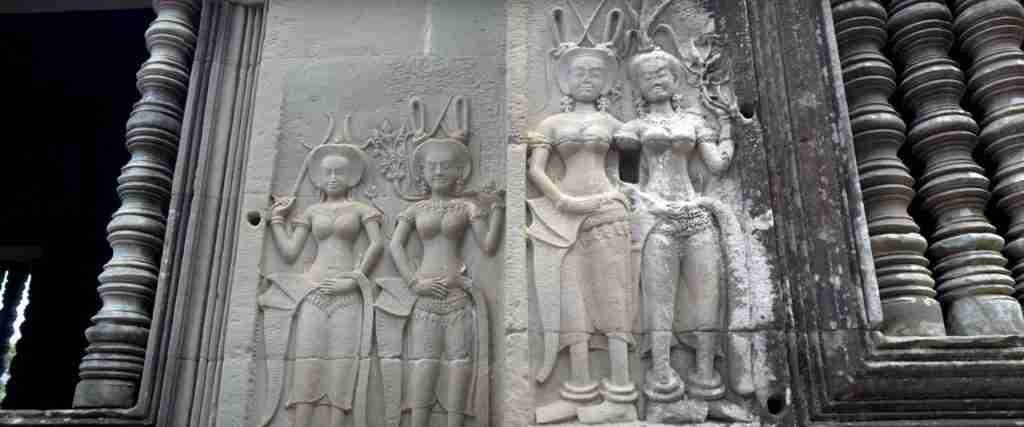
Apsara dance is classical Khmer dance featuring elaborate hand gestures, ornate costumes, and graceful movements depicting Hindu-Buddhist stories. Performances occur nightly in Siem Reap at venues including Apsara Theatre, Temple Club, and various restaurants offering dinner-show packages at $15-30. The UNESCO-recognized art form connects to temple carvings showing apsara dancers throughout Angkor’s bas-reliefs.
Extended multi-day tours – 5+ days
Featured Angkor Wat Multi-Day Tour Packages
3 days
Angkor Wat 3-Day Discovery Tour
- ✓ Comprehensive Angkor Wat experience
- ✓ Expert local guides included
- ✓ All accommodation included
- ✓ Transportation provided
5 days
Angkor Wat 5-Day Highlights Experience
- ✓ Comprehensive Angkor Wat experience
- ✓ Expert local guides included
- ✓ All accommodation included
- ✓ Transportation provided
7 days
Angkor Wat 7-Day Cultural Journey
- ✓ Comprehensive Angkor Wat experience
- ✓ Expert local guides included
- ✓ All accommodation included
- ✓ Transportation provided

10 days
Angkor Wat 10-Day Complete Adventure
- ✓ Comprehensive Angkor Wat experience
- ✓ Expert local guides included
- ✓ All accommodation included
- ✓ Transportation provided
Multi-day tour packages powered by TourRadar. Prices and availability subject to change.
Traditional Performing Arts
Cambodian performing arts including classical dance, shadow puppetry, and traditional music provide living connections to Angkor’s artistic heritage interpreting religious narratives and cultural values through sophisticated performance traditions recognized by UNESCO as Intangible Cultural Heritage.
Classical Apsara Dance Performances
Classical Apsara dance derives from royal court traditions dating to Angkor period with movements inspired by celestial dancers carved on temple walls throughout the archaeological complex. Performances feature elaborate costumes with gilded headdresses, intricate hand and finger gestures called mudras conveying specific meanings, and graceful body movements accompanied by traditional Pinpeat orchestra including xylophones, drums, and gongs creating distinctive Khmer musical soundscapes.
Nightly performances occur at dedicated theaters including Apsara Theatre presenting professional hour-long shows at $15-30 tickets. Dinner-show packages at restaurants like Koulen II or Temple Club combine buffet meals with performances at $35-50 per person. The Cambodian Living Arts organization presents authentic performances supporting traditional artists while educating visitors about classical dance history, symbolism, and cultural significance through pre-show explanations.
Performances typically include multiple dance pieces depicting Hindu epics like the Ramayana, Buddhist jataka tales, and folk stories showcasing different dance styles, costumes, and character types. The dancers undergo years of rigorous training beginning in childhood mastering complex movements, facial expressions, and symbolic gestures conveying narrative without spoken words. Understanding basic story elements and gesture meanings enhances appreciation though visual spectacle alone creates memorable cultural experiences.
Shadow Puppet Theater
Traditional shadow puppet theater called Sbek Thom uses large leather puppets manipulated behind illuminated screens creating silhouette stories accompanied by live narration and musical ensemble. This ancient art form nearly disappeared during the Khmer Rouge period though revival efforts restored performances available at occasional special events and cultural centers. The intricate leather puppets carved from single buffalo hides depict characters from Hindu epics with performances requiring multiple puppeteers choreographing complex movements.
Traditional Music Performances
Traditional Khmer music features distinctive instruments including roneat xylophones, skor drums, and sralai oboe-like wind instruments creating complex rhythmic and melodic patterns accompanying dance performances and ceremonial events. Occasional concerts at Cambodian Living Arts center or special cultural events showcase pure musical performances without dance allowing focus on sophisticated musical traditions and instrumental techniques. The music connects directly to temple bas-reliefs depicting musicians and instruments showing millennium-old continuity in Cambodian musical culture.
Culinary Experiences and Food Culture
Khmer cuisine represents essential cultural expression combining indigenous ingredients with influences from Thai, Vietnamese, and Chinese culinary traditions creating distinctive flavors and preparations deserving attention alongside temple exploration during Angkor visits.
Cooking Class Experiences
Khmer cooking classes provide comprehensive culinary immersion beginning with market tours explaining ingredients, shopping customs, and food culture. Classes teach preparing 3-4 traditional dishes including fish amok (steamed curry in banana leaves), beef lok lak (stir-fried beef with vegetables), nom banh chok (rice noodle soup), and traditional desserts. Instruction covers ingredient preparation, cooking techniques, balancing flavors, and cultural context explaining dishes’ historical origins and contemporary significance in Cambodian life.
Popular cooking schools include Chanrey Tree offering upscale classes at $45 in traditional wooden houses with professional chef instruction. Sister Srey Cafe operates social enterprise training programs charging $35 for classes supporting disadvantaged youth education. Le Tigre de Papier provides intimate classes at $40 emphasizing traditional family recipes and home cooking techniques. Classes run 3-5 hours including market tours, hands-on cooking, and enjoying prepared meals with recipe cards enabling home recreation.
Street Food Tours
Guided street food tours costing $25-40 explore Siem Reap’s night markets, street stalls, and local eateries introducing travelers to authentic Khmer flavors beyond tourist-oriented restaurants. Tours sample grilled meats, noodle dishes, fresh spring rolls, tropical fruits, and traditional desserts while explaining ingredients, preparation methods, and cultural context. Guides navigate food safety considerations selecting vendors maintaining appropriate hygiene standards for international visitors with sensitive digestive systems.
The tours include 8-12 tastings providing substantial dinner portions while exposing travelers to diverse Cambodian flavors and eating customs. Popular tours through Siem Reap Food Tours or local guide companies introduce regional specialties, seasonal ingredients, and family recipes unavailable at standard restaurants. The social nature of street food culture enables interactions with vendors and local diners creating authentic cultural exchanges beyond isolated tourist activities.
Traditional Market Exploration
Siem Reap’s Phsar Leu market offers authentic local market experiences with minimal tourist presence compared to central Old Market. Vendors sell fresh produce, meat, seafood, spices, and prepared foods serving local residents rather than tourists. Independent exploration reveals daily Cambodian life, food culture, and shopping customs though hiring guides enhances understanding through cultural explanations and vendor introductions enabling meaningful interactions despite language barriers.
Farm-to-Table Dining
Several Siem Reap restaurants emphasize farm-to-table concepts sourcing ingredients from local organic farms supporting sustainable agriculture while delivering fresh seasonal flavors. Restaurants like Marum and Chanrey Tree partner with rural communities purchasing produce at fair prices benefiting farming families economically. Some establishments offer farm tours showing rice cultivation, vegetable gardens, and traditional farming techniques connecting diners with food sources and agricultural heritage underlying Cambodian culture.
Village and Community Visits
Visiting rural villages surrounding Angkor provides insights into contemporary Cambodian life showing how communities maintain traditional practices while adapting to modern development and tourism economies.
Traditional Village Tours
Organized village tours at $40-60 visit farming communities showing rice cultivation, vegetable gardens, traditional stilt houses, and daily activities including cooking, weaving, and animal husbandry. Tours coordinate with village leaders ensuring visit times don’t disrupt daily routines while providing economic benefits through guide employment, craft purchases, and small donations supporting community projects like school supplies or water wells.
Typical tours include palm sugar production demonstrations showing traditional methods extracting sap from sugar palms and boiling to produce crystallized sugar and wine. Rice paper making workshops reveal labor-intensive processes creating thin dried sheets for spring rolls. Traditional house visits show stilted construction designed for flood protection and cooling ventilation adapted to tropical monsoon conditions. The experiences reveal ingenuity and adaptation characterizing Cambodian rural life.
Floating Village Experiences
Tonle Sap Lake floating villages offer unique cultural experiences showing communities living entirely on water in houses built on floating platforms or tall stilts accommodating dramatic seasonal water level changes. Tours costing $35-50 include boat transportation across the lake visiting villages with schools, markets, churches, and homes all constructed as floating structures. Kompong Phluk village 16 kilometers from Siem Reap provides less touristy experiences compared to heavily visited Kompong Khleang.
The communities survive through fishing, fish farming, and tourism supplementing declining fish stocks due to environmental changes and regional dam construction affecting lake ecology. Tours reveal adaptive strategies, community organization, and daily life challenges in unique environments showcasing human resilience and cultural adaptation. Consider tours through responsible operators ensuring visit fees benefit communities rather than exploitative operations extracting profits without local benefit.
Artisan Village Visits
Specialized artisan villages maintain traditional crafts including silk weaving, stone carving, silver working, and pottery through multi-generational knowledge transfer. Visits show complete production processes from raw materials through finished products. Artisans d’Angkor complex near Siem Reap operates training centers and workshops preserving traditional techniques while providing employment for disadvantaged youth and rural families. Visitors watch artisans working, learn craft histories, and purchase authentic products directly supporting craftspeople.
Traditional Craft Workshops
Hands-on craft workshops provide active participation in traditional Cambodian arts creating personal connections with cultural heritage through direct engagement rather than passive observation.
Silk Weaving Experiences
Silk weaving workshops at $30-50 teach traditional Cambodian weaving techniques using wooden handlooms and natural dyes. Participants learn basic weaving motions, pattern creation, and dying processes during 2-3 hour sessions. The Golden Silk Farm outside Siem Reap offers comprehensive programs including silkworm cultivation, silk thread production, natural dying with local plants, and weaving instruction. Completed pieces though small provide tangible connections to craft traditions while supporting artisan communities economically.
Stone Carving Classes
Stone carving workshops teach basic techniques used creating Angkor’s magnificent bas-reliefs though obviously simplified for short visitor sessions. Participants work soft sandstone with traditional chisels and hammers learning basic cutting, shaping, and detail carving under master artisan guidance. Sessions costing $40-60 produce small relief carvings or decorative stones providing appreciation for skill, patience, and artistic vision required for Angkor’s elaborate carvings. The hands-on experience transforms abstract admiration into concrete understanding of technical challenges facing ancient and contemporary stone carvers.
Traditional Pottery Making
Pottery workshops introduce traditional Khmer ceramic techniques including coil building, wheel throwing, and decorative surface treatments. Sessions last 2-3 hours costing $35-55 with completed pieces fired and available for later pickup or shipping. Cambodian pottery traditions date to pre-Angkorean periods with regional kilns producing both utilitarian wares and decorative ceramics for temple use and elite consumption. Contemporary potters maintain traditional techniques while creating modern designs adapted to current markets.
Silver Jewelry Crafting
Silver working workshops teach basic jewelry fabrication using traditional Cambodian techniques including filigree, repoussé, and stone setting. Participants create simple rings, pendants, or earrings during 3-4 hour sessions costing $50-70 including materials and completed jewelry. Master silversmiths guide technical work while explaining symbolic meanings in traditional Cambodian jewelry designs and their cultural significance in ceremonies, gift giving, and personal adornment.
Spiritual and Religious Experiences
Buddhism permeates Cambodian culture providing spiritual framework and community organization throughout society. Respectful participation in religious activities offers profound cultural insights unavailable through secular tourism alone.
Buddhist Blessing Ceremonies
Buddhist monks at active temples throughout Angkor Archaeological Park and Siem Reap offer blessing ceremonies for visitors providing spiritual experiences and cultural immersion. Ceremonies involve chanting prayers, sprinkling blessed water, and tying red blessing strings around wrists for protection and good fortune. Participants make small donations $5-10 supporting temple operations and monastic communities. The ceremonies provide personal spiritual experiences while demonstrating living Buddhist practices connecting to temple religious purposes beyond historical architecture.
Meditation Sessions
Some temples and meditation centers offer instruction in Vipassana or mindfulness meditation techniques fundamental to Theravada Buddhism practiced throughout Cambodia. Sessions range from brief 30-minute introductions to multi-day retreats for serious practitioners. Meditation at temple settings adds atmospheric dimension unavailable at secular meditation studios while connecting practice with its cultural and religious roots. Basic instruction introduces breathing techniques, posture, and concentration methods applicable beyond Cambodia travel.
Monk Chat Programs
Informal monk chat sessions at certain temples enable conversations with English-speaking monks discussing Buddhism, Cambodian culture, monastic life, and spiritual practices. These casual educational exchanges benefit both participants with monks practicing English language skills while visitors gain insights into Buddhist philosophy and contemporary Cambodian religious life. Sessions occur spontaneously though some temples schedule regular visitor engagement times. Dress respectfully and observe Buddhist customs including not touching monks and maintaining appropriate distance demonstrating cultural sensitivity.
Alms Giving Participation
Early morning alms giving ceremonies involve offering food to monks conducting morning alms rounds collecting daily meals from community members. Visitors can participate purchasing prepared alms offerings from local vendors and respectfully presenting food to monks following proper etiquette. The ceremonies demonstrate reciprocal relationships between monastic and lay communities with monks providing spiritual guidance while communities provide material support through daily food offerings. Participation creates personal connection with Buddhist practices fundamental to Cambodian culture.
Outdoor and Nature Experiences
Beyond temples and cultural activities, the Angkor region offers natural experiences showing Cambodia’s environmental diversity and outdoor recreation opportunities connecting travelers with landscapes surrounding the archaeological sites.
Countryside Cycling Tours
Guided cycling tours at $40-60 explore countryside villages, rice paddies, and rural landscapes surrounding Angkor following quiet back roads avoiding traffic and revealing authentic agricultural communities. Tours cover 20-30 kilometers at relaxed pacing with stops at villages, sugar palm groves, and scenic viewpoints showing Cambodia’s rural character beyond temple concentrations. The cycling provides exercise while enabling spontaneous community interactions and landscape appreciation impossible from motorized vehicles moving too quickly for detailed observation.
Kayaking Tonle Sap Lake
Kayaking tours on Tonle Sap Lake and associated waterways at $45-70 combine active outdoor recreation with cultural experiences paddling through floating villages and flooded forest ecosystems. Tours last 3-5 hours with guide instruction covering paddling technique, safety, and environmental education about Southeast Asia’s largest freshwater lake. Seasonal timing affects water levels and flooding with wet season October-November offering optimal conditions paddling through submerged forests creating surreal paddling environments.
Phnom Kulen National Park
Phnom Kulen mountain 30 kilometers from Siem Reap combines natural beauty with archaeological significance featuring sacred hilltop temples, riverbed carvings, and swimming waterfalls. Full-day excursions at $60-80 include transportation, entrance fees, guide services, and lunch exploring this sacred mountain where Jayavarman II declared independence founding the Angkor Empire. The cooler mountain temperatures and forest environment provide relief from lowland heat while waterfalls offer refreshing swimming opportunities in natural pools popular with Cambodian families on weekends.
Bird Watching Experiences
The Prek Toal bird sanctuary on Tonle Sap Lake protects Southeast Asia’s most important waterbird breeding colonies including endangered species like lesser adjutants, spot-billed pelicans, and painted storks. Specialized bird watching tours at $80-120 include boat transportation, local guide services, and early morning observation sessions when bird activity peaks. The conservation-focused tours support community-based ecotourism initiatives benefiting village families through guide employment and entrance fees funding sanctuary protection.
Social Enterprise and Community Development
Several Siem Reap organizations operate social enterprises combining tourism activities with community development, skills training, and support for disadvantaged populations creating meaningful ways to contribute positively through spending.
Skills Training Program Visits
Organizations like Artisans d’Angkor, Senteurs d’Angkor, and APOPO visitor centers demonstrate skills training programs teaching traditional crafts, hospitality services, and professional skills to disadvantaged youth and rural families. Visitors tour facilities, observe training programs, and purchase products directly supporting program operations. These visits reveal development challenges and community initiatives addressing poverty and limited opportunity beyond surface-level tourism impressions.
Social Enterprise Dining
Restaurants including Marum, Sister Srey Cafe, and Haven operate training programs teaching hospitality skills to vulnerable youth including former street children and trafficking survivors. Dining at these establishments provides quality meals while supporting life-changing training opportunities. The restaurants maintain international standards while creating safe supportive environments where trainees develop marketable skills enabling economic independence and breaking cycles of poverty and exploitation.
Fair Trade Shopping
Fair trade shops throughout Siem Reap sell crafts produced through equitable supply chains ensuring artisans receive fair compensation for their work. Products include silk textiles, stone carvings, jewelry, ceramics, and recycled material crafts made by rural communities, disability cooperatives, and women’s empowerment groups. Shopping at these venues creates greater impact than random market purchases though requiring research identifying truly fair organizations versus businesses appropriating fair trade marketing without genuine community benefit.
Planning Your Cultural Immersion
Strategic planning balances temple exploration with cultural activities creating comprehensive Angkor experiences connecting archaeological heritage with living Cambodian culture, communities, and traditions enriching overall trip meaning and satisfaction.
Time Allocation Strategy
Allocate 30-40% of Angkor visit time to cultural activities beyond temples preventing one-dimensional archaeological focus while maintaining primary emphasis on UNESCO heritage sites. A 5-day trip includes 3 days of intensive temple exploration plus 2 days mixing temples with cultural activities like cooking classes, village tours, and traditional performances. This balance prevents temple fatigue while creating deeper destination understanding connecting past and present.
Activity Selection Framework
Choose cultural activities matching personal interests whether culinary arts, traditional crafts, performing arts, or community engagement. Prioritize quality over quantity selecting 2-3 meaningful experiences over superficial sampling of numerous activities. Consider physical demands, time commitments, and scheduling logistics coordinating cultural activities with temple visits avoiding exhausting days attempting too many intensive activities.
Booking and Logistics
Book popular activities like cooking classes and specialized tours 1-2 weeks ahead during peak November-February season ensuring availability and preferred dates. Cultural performances and village tours book easily with shorter notice though advanced booking guarantees specific tour times and group sizes. Hotels arrange most activities charging small booking fees or commissions built into pricing though delivering convenience and service reliability worth modest additional costs.
Cultural Sensitivity and Responsible Tourism
Respectful engagement with Cambodian culture and communities requires awareness of cultural sensitivities, appropriate behavior, and responsible tourism practices ensuring visits benefit rather than exploit host communities.
Respectful Photography
Request permission before photographing individuals showing respect for privacy and personal dignity. Avoid photographing poverty, disability, or vulnerable situations without consent and clear purpose beyond voyeuristic documentation. Share photographs responsibly on social media avoiding captions or presentations perpetuating stereotypes or misrepresenting Cambodian people and culture. Consider whether photography serves genuine documentary or artistic purposes versus reducing people to exotic subjects for personal entertainment.
Appropriate Donations and Giving
Direct cash giving to children creates dependency and attracts begging interfering with education and normal development. Instead, support schools, community projects, and legitimate charities addressing poverty through systematic approaches rather than individual handouts. Purchase crafts from artisans, eat at local restaurants, and hire local guides directing spending toward economic opportunities rather than charity maintaining dignity and creating sustainable livelihoods.
Cultural Adaptation and Respect
Dress modestly especially at temples and villages showing respect for cultural values prioritizing modesty over Western casual standards. Learn basic Khmer greetings and phrases demonstrating cultural interest and respect. Observe local customs regarding shoes, appropriate touch, and social hierarchy. Accept cultural differences without judgment recognizing alternative values and practices without imposing Western standards as universal norms requiring adoption.
FAQ Section
What cultural activities should I do in Siem Reap?
Essential Siem Reap cultural activities include Apsara dance performances at $15-30, Khmer cooking classes at $25-45, village tours at $40-60, and traditional craft workshops at $30-60. These experiences connect travelers with living Cambodian culture beyond temple tourism providing insights into performing arts, cuisine, rural life, and traditional crafts enriching overall trip understanding and satisfaction.
Are village tours in Cambodia ethical?
Village tours prove ethical when coordinated with community leaders, providing economic benefits through guide employment and craft purchases, respecting privacy by timing visits appropriately, and offering cultural education rather than poverty voyeurism. Choose reputable operators emphasizing community benefit and sustainable tourism rather than exploitative businesses treating villages as human zoos extracting profits without local compensation.
How much should I pay for a cooking class in Siem Reap?
Khmer cooking classes in Siem Reap cost $25-45 for 3-5 hour experiences including market tours, hands-on cooking instruction, prepared meals, and recipe cards. Premium classes at upscale venues charge up to $50 though standard $35-40 classes deliver excellent instruction and authentic experiences. Social enterprise schools supporting disadvantaged youth training offer comparable quality while directing profits toward charitable missions.
Where can I see traditional Cambodian dance?
See traditional Cambodian dance at dedicated theaters including Apsara Theatre and Cambodian Living Arts venues presenting professional performances at $15-30. Restaurants like Koulen II and Temple Club offer dinner-show packages at $35-50 combining buffet meals with dance performances. Shows occur nightly year-round with English explanations providing cultural context and storyline understanding enhancing appreciation.
Can I visit Tonle Sap floating villages independently?
Visit Tonle Sap floating villages independently though hiring guides enhances experience through cultural explanations, appropriate etiquette instruction, and ensuring visit benefits communities through proper payment channels. Independent visits risk cultural misunderstandings, supporting exploitative boat operators taking profits without community benefit, and missing educational content explaining village life, challenges, and cultural significance of these unique communities.
What should I bring to a cooking class?
Bring cameras for documenting recipes and techniques, comfortable clothes tolerating kitchen heat and possible staining, appetites for enjoying prepared meals, and notebooks recording tips beyond provided recipe cards. Classes provide all cooking equipment, ingredients, and aprons. Closed-toe shoes work better than sandals in kitchen environments though casual dress proves acceptable for these informal educational experiences.
Are Angkor Wat blessing ceremonies appropriate for non-Buddhists?
Buddhist blessing ceremonies welcome non-Buddhists when approached respectfully as cultural and spiritual experiences rather than novelty tourist activities. Demonstrate appropriate behavior including modest dress, respectful demeanor, and small donations supporting temple operations. The ceremonies offer meaningful spiritual experiences and cultural insights regardless of personal religious beliefs when engaged sincerely rather than as entertainment or photo opportunities.
How do I find legitimate social enterprise businesses?
Research businesses online through travel forums, guidebooks, and review sites identifying organizations with transparent social missions and verifiable community impact. Look for membership in fair trade organizations, documented training programs, and clear explanations of how spending benefits disadvantaged populations. Request information about social programs when visiting suspicious of vague claims without specific program details or observable training activities.
What is appropriate to wear for village visits?
Wear modest clothing covering shoulders and knees respecting rural Cambodian cultural values prioritizing modesty. Choose lightweight breathable fabrics handling tropical heat and possible dusty conditions. Comfortable walking shoes suit uneven village paths and agricultural areas. Avoid expensive jewelry and excessive accessories appearing ostentatious in impoverished communities creating uncomfortable wealth disparities and potential security concerns.
Can I volunteer at community projects near Angkor Wat?
Short-term volunteering raises ethical concerns with brief visitor involvement potentially disrupting programs, displacing local employment, and creating dependency on foreign assistance. Consider financial donations to established organizations rather than volunteering unless committing weeks or months enabling genuine contribution. Some social enterprises offer volunteer opportunities for skilled professionals providing training or technical assistance though require advance arrangements and meaningful time commitments.