
Angkor Wat Budget Guide 2026: Complete Cost Breakdown
Planning your Angkor Wat budget requires understanding Cambodia’s dual-pricing economy where international tourists encounter higher costs than locals while still enjoying exceptional value compared to Western destinations. A comprehensive five-day trip including flights, accommodation, meals, temple passes, and activities costs $600-900 for budget travelers, $1,200-1,800 for mid-range comfort seekers, or $2,500-4,000 for luxury experiences. These estimates provide US travelers with realistic cost frameworks for their 2026 UNESCO heritage adventure.
Key Takeaways
- Budget travelers spend $40-60 daily including $15-25 hostels, $10-15 meals, $5-10 transport, and temple pass costs amortized
- Mid-range visitors budget $80-120 daily with $50-80 hotels, $20-30 dining, $15-20 tuk-tuk hire, and comfortable amenities
- Luxury travelers allocate $200-400 daily for $150-300 resorts, $50-80 fine dining, $40-60 private cars, and premium services
- Temple passes cost $37 one-day, $62 three-day, or $72 seven-day with no additional entrance fees for major temples
- Round-trip flights from US cities range $800-1,200 when booked 3-4 months ahead with $200-400 savings over last-minute fares
- Total trip costs for 5 days average $600-900 budget, $1,200-1,800 mid-range, or $2,500-4,000 luxury including flights and all expenses
Introduction
Cambodia’s tourism infrastructure supports all budget levels from $15 hostel beds to $300 luxury resort suites, $2 street food meals to $50 fine dining experiences, and $15 daily tuk-tuk hire to $60 private car services. The country’s affordable pricing allows travelers to upgrade specific aspects of their trip without breaking overall budgets. You might stay in mid-range hotels while eating street food, or choose budget accommodation while splurging on guided temple tours.
This guide breaks down every expense category for Angkor Wat visits, providing specific price ranges, money-saving strategies, and splurge-worthy upgrades. Understanding these costs enables effective trip planning, appropriate budget allocation, and informed decisions about where to save versus where to spend for optimal value and experience quality during your 2026 temple exploration adventure.
People Also Ask About Angkor Wat Costs in 2026
How much does it cost to visit Angkor Wat?
Angkor Wat temple passes cost $37 for one day, $62 for three days, or $72 for seven days. Daily expenses add $40-60 budget, $80-120 mid-range, or $200-400 luxury including accommodation, meals, and transport. A complete 5-day trip totals $600-900 budget, $1,200-1,800 mid-range, or $2,500-4,000 luxury including round-trip flights from the United States.
Is Angkor Wat expensive for tourists?
Angkor Wat offers excellent value compared to European or North American destinations. Temple passes provide multi-day access for under $75 while accommodation ranges $15-80 for most travelers. Daily costs of $50-120 cover comfortable travel with good hotels, quality meals, and reliable transportation. Cambodia ranks among Southeast Asia’s most affordable heritage destinations.
What is the cheapest way to visit Angkor Wat?
Budget $600-900 total for a 5-day Angkor trip staying in $15-25 hostels, eating street food at $2-5 per meal, using shared tuk-tuks at $5-8 daily, and purchasing the $62 three-day temple pass. Book flights 3-4 months ahead for $800-1,000 fares. Travel during monsoon season June-September for 40% accommodation discounts.
Do I need cash or card at Angkor Wat?
Bring US dollars in small bills for Angkor Wat visits. Temple passes, tuk-tuks, restaurants, and most hotels accept cash only. ATMs in Siem Reap dispense US dollars with $5-6 withdrawal fees. Credit cards work at upscale hotels and tour operators but carry 3-4% processing fees. Budget $200-400 cash for a typical 5-day visit.
Extended multi-day tours – 5+ days
Featured Angkor Wat Multi-Day Tour Packages
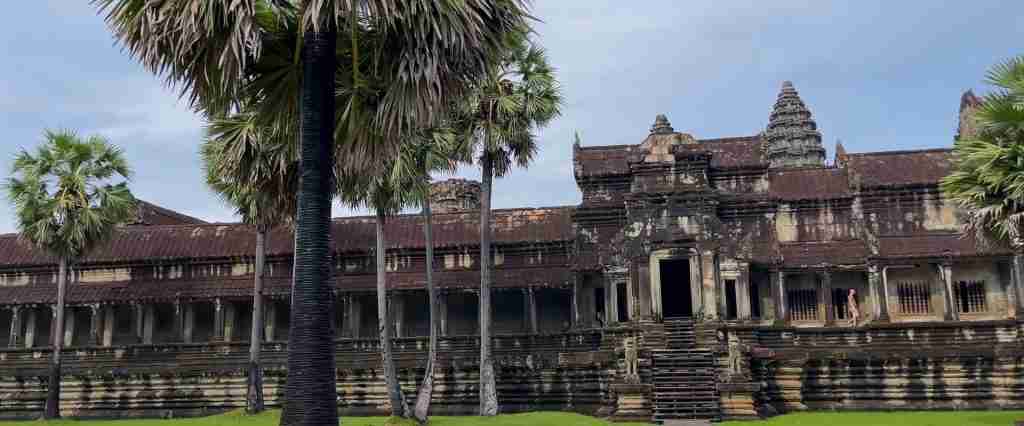
3 days
Angkor Wat 3-Day Discovery Tour
- ✓ Comprehensive Angkor Wat experience
- ✓ Expert local guides included
- ✓ All accommodation included
- ✓ Transportation provided
5 days
Angkor Wat 5-Day Highlights Experience
- ✓ Comprehensive Angkor Wat experience
- ✓ Expert local guides included
- ✓ All accommodation included
- ✓ Transportation provided
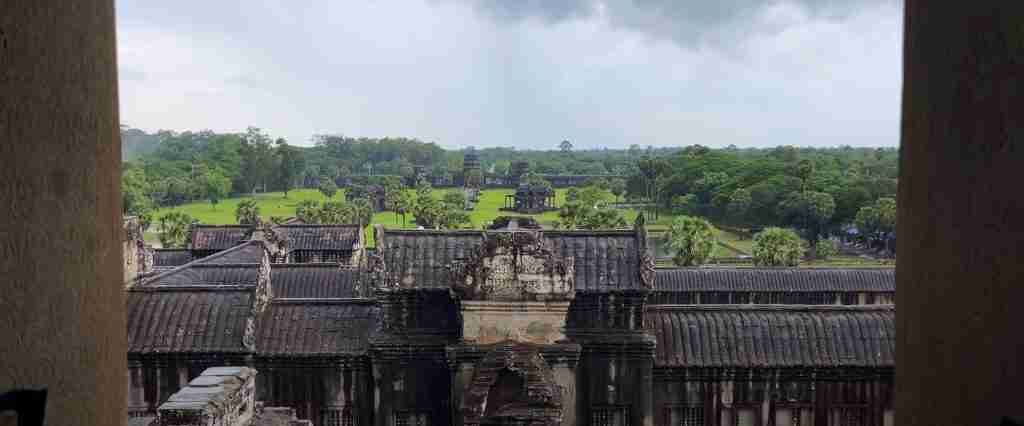
7 days
Angkor Wat 7-Day Cultural Journey
- ✓ Comprehensive Angkor Wat experience
- ✓ Expert local guides included
- ✓ All accommodation included
- ✓ Transportation provided

10 days
Angkor Wat 10-Day Complete Adventure
- ✓ Comprehensive Angkor Wat experience
- ✓ Expert local guides included
- ✓ All accommodation included
- ✓ Transportation provided
Multi-day tour packages powered by TourRadar. Prices and availability subject to change.
Understanding Cambodia’s Pricing Structure
Cambodia operates a dual-currency system using US dollars for most tourism transactions and Cambodian riel for change under $1. This system simplifies budgeting for American travelers who can use familiar dollar amounts without currency conversion calculations. Prices remain stable throughout the year with seasonal variations affecting accommodation more than food, transport, or entrance fees.
Tourist Pricing vs Local Pricing
Tourism businesses in Siem Reap implement tourist pricing 50-100% higher than local rates. A tuk-tuk ride costing a Cambodian $1-2 charges tourists $3-5. Restaurant meals priced $1-2 at local establishments cost $5-10 at tourist-oriented venues. Temple pass pricing specifically targets international visitors with no local equivalent pass system.
Accept this dual-pricing reality as standard practice throughout Southeast Asia rather than attempting to access local pricing which proves impossible for foreign tourists. Focus instead on comparing tourist prices across providers and timing visits during low season when competitive pressure drives accommodation discounts reaching 40-50% below peak rates.
Tipping and Bargaining Culture
Tipping remains uncommon in Cambodia except at tourist-oriented establishments. Round up tuk-tuk fares by $1 or leave $2-3 at restaurants when service exceeds expectations. Tour guides expect $10-15 tips for full-day services while hotel staff appreciate $1-2 for luggage assistance or room service.
Bargaining applies to market purchases, extended tuk-tuk hire, and sometimes hotel rates during low season. Start negotiations at 50-60% of initial asking prices and settle around 70-80%. Fixed-price establishments including restaurants, modern shops, and tour operators don’t accept bargaining. Temple passes maintain strict fixed pricing with zero negotiation flexibility.
Flight Costs and Booking Strategies
Round-trip flights from the United States to Siem Reap represent your largest single expense, typically costing $800-1,400 depending on departure city, booking timing, and routing choices. These fares include one connection through major Asian hubs like Bangkok, Singapore, Seoul, or Tokyo before the final leg to Siem Reap International Airport.
Route Options and Pricing
West Coast departures from Los Angeles, San Francisco, or Seattle range $800-1,100 when booked 3-4 months ahead with connections through Bangkok or Tokyo. East Coast flights from New York, Boston, or Washington DC cost $1,000-1,400 with longer journey times requiring connections through Middle Eastern or Asian hubs. Central departures from Chicago or Dallas typically fall between these ranges at $900-1,200.
Direct flights to Bangkok, Singapore, or Hong Kong followed by separate budget airline tickets to Siem Reap sometimes save $100-200 but require managing separate bookings and navigating international connections independently. This strategy works best for flexible travelers accepting higher complexity for modest savings.
Maximizing Flight Savings
Book flights 3-4 months before departure for optimal pricing as fares increase $200-400 inside 8-week windows. Tuesday and Wednesday departures cost $50-100 less than Friday-Sunday travel. Red-eye overnight flights save an additional $50-150 compared to daytime departures while maximizing limited vacation time.
Set fare alerts on comparison sites monitoring your preferred routes and dates. Book immediately when prices drop below $900 from West Coast or $1,100 from East Coast. Airlines occasionally offer flash sales with $600-800 transpacific fares but these require flexible dates and quick booking decisions.
Consider shoulder season travel during March, April, or October when flight demand decreases and fares drop $200-300 below peak November-February pricing. The weather remains acceptable for temple visits while delivering significant transportation savings enhancing overall trip value.
Accommodation Cost Breakdown
Siem Reap offers accommodation across all price ranges from $10 hostel dorm beds to $500 luxury resort suites. Most travelers find excellent value in the $40-80 mid-range category providing comfortable rooms, swimming pools, breakfast, and convenient locations near Old Market or Pub Street areas.
Budget Accommodation $10-35 Per Night
Hostel dorm beds cost $10-15 per night in properties near the Old Market offering air conditioning, lockers, communal kitchens, and social atmospheres. Private rooms in budget guesthouses run $20-35 with air conditioning, private bathrooms, and basic breakfast included. These properties maintain cleanliness and security while minimizing frills like pools or restaurants.
Budget accommodation clusters around the Old Market area within walking distance of restaurants, bars, and tour booking offices. The central location eliminates transport costs for evening activities while maintaining easy tuk-tuk access to temples. Book through Booking.com or Hostelworld for verified reviews and flexible cancellation policies.
Mid-Range Hotels $40-100 Per Night
Mid-range hotels offering $40-70 rates provide spacious air-conditioned rooms, swimming pools, on-site restaurants, and helpful staff arranging tuk-tuks and tours. Properties in this range often occupy beautiful traditional Khmer buildings with gardens and atmospheric architecture. Breakfast typically includes Western and Asian options with fresh fruit, coffee, and made-to-order eggs.
The $70-100 upper mid-range segment adds room size, better pool facilities, spa services, and shuttle transportation to major temples. These hotels cater specifically to Western tourists with English-speaking staff, travel assistance, and tour booking services. Location options expand beyond the central Old Market to quieter residential areas while maintaining temple accessibility.
Luxury Resorts $150-400 Per Night
Luxury resorts charging $150-250 deliver expansive pools, multiple restaurants, spa facilities, fitness centers, and beautifully appointed rooms with Khmer design elements. Properties like Sofitel Angkor Phokeethra and Park Hyatt Siem Reap occupy prime locations along the airport road with temple views and extensive grounds creating peaceful retreats.
Ultra-luxury options at $300-400 per night include private pool villas, butler service, temple tour guides, and exclusive experiences like private temple visits or helicopter tours. These properties target travelers prioritizing comfort and convenience over budget considerations while delivering exceptional service and amenities.
Seasonal Pricing Variations
Peak season December-January increases accommodation costs 30-50% across all categories. A $50 mid-range hotel in September costs $70-80 in December. Book 2-3 months ahead during peak season securing preferred properties before prices increase further and availability tightens.
Monsoon season June-September drops accommodation pricing 40-50% creating exceptional value opportunities. Budget guesthouses fall from $25 to $12-15 while mid-range properties decline from $70 to $40-45. Luxury resorts offer aggressive promotions including complimentary nights, spa credits, and room upgrades to fill excess capacity during slow periods.
Temple Pass Pricing and Options
The Angkor Archaeological Park ticket system provides straightforward pricing with three pass options covering access to all major temples except Phnom Kulen and Beng Mealea which require separate $20 entrance fees. These passes represent excellent value given the number of temples accessible and the historical significance of the complex.
Pass Types and Selection
One-day passes cost $37 and expire at the end of purchase date regardless of entry time. These work for extremely time-limited visitors but provide insufficient time for comprehensive exploration of the vast 400-square-kilometer complex. Most travelers find one-day passes leave them frustrated by the rushed experience and limited temple access.
Three-day passes priced at $62 can be used over a one-week period allowing strategic scheduling around weather, energy levels, and specific sunrise-sunset timing preferences. This option suits most travelers providing adequate time for major temples plus several lesser-known sites without exhausting exploration pace. The $62 cost averages $20.67 per day representing excellent value.
Seven-day passes at $72 remain valid for one month enabling extended exploration, return visits to favorite temples, and comprehensive photography sessions. These passes appeal to archaeology enthusiasts, photographers, and travelers with flexible schedules willing to spend a full week exploring Angkor’s extensive temple network. The daily cost drops to just $10.29 making this the best per-day value.
Additional Site Fees
Phnom Kulen mountain located 30 miles from Siem Reap requires a separate $20 entrance fee covering access to the hilltop temple, river carvings, and waterfall swimming areas. The site warrants a full-day excursion combining natural beauty with archaeological significance. Budget $60-80 total including entrance fee and $40-60 round-trip tuk-tuk or car transportation.
Beng Mealea temple 40 miles east of Siem Reap charges $5 entrance fee for this largely unrestored complex where jungle vegetation overtakes crumbling structures. The adventure-style exploration rewards visitors with discovery experiences unavailable at manicured main temples. Transportation costs $50-70 for round-trip tuk-tuk service.
Daily Food and Dining Costs
Food costs in Siem Reap vary dramatically based on dining choices ranging from $1-2 street food meals to $50+ fine dining experiences at upscale restaurants. Most travelers spend $15-30 daily eating well without excessive budgeting while maintaining food safety standards appropriate for international visitors.
Budget Dining Options
Street food vendors and local restaurants around the Old Market serve rice dishes, noodle soups, and fried rice for $2-4 per meal. Fresh fruit shakes cost $1-1.50 while grilled meats on sticks run $0.50-1 each. Budget travelers eating primarily at local establishments spend $8-12 daily covering three meals plus snacks and drinks.
Night markets opening at 5 PM offer dozens of food stalls selling traditional Khmer dishes, international options, and fresh fruits at $2-5 per item. The markets provide safe introductions to Cambodian street food with tourist-friendly hygiene standards and English-speaking vendors. Budget $10-15 for a complete night market dining experience including appetizers, main dishes, and desserts.
Mid-Range Restaurant Dining
Tourist-oriented restaurants along Pub Street and surrounding the Old Market charge $6-12 for main courses with rice or noodles. These establishments maintain international food safety standards, offer English menus, and serve familiar Western dishes alongside Khmer specialties. Beer costs $1-2 while cocktails run $3-5 in most bars and restaurants.
Mid-range travelers typically spend $20-30 daily eating breakfast at hotels, lunch at temple-area restaurants or packed from hotels, and dinner at sit-down establishments in town. This budget allows trying various Khmer dishes, occasional Western comfort food, and drinks at bars without strict cost monitoring.
Upscale Dining Experiences
Fine dining restaurants in Siem Reap charge $15-30 for main courses with sophisticated preparations, imported ingredients, and elegant atmosphere. Properties like Chanrey Tree, Cuisine Wat Damnak, and Marum offer upscale Khmer cuisine with wine pairings and exceptional service. Budget $40-70 per person including appetizers, main courses, desserts, and drinks.
Hotel restaurants at luxury resorts provide international cuisine with main courses at $18-35 and extensive wine lists. These establishments cater to guests preferring convenient on-site dining without venturing into town. The premium prices reflect resort location and service levels rather than food quality exceeding better-value restaurants in town.
Transportation and Getting Around
Transportation costs in Siem Reap remain remarkably affordable with tuk-tuks dominating temple visits and local movement. Daily transportation budgets range from $5-10 for budget-conscious travelers sharing rides to $15-20 for private tuk-tuk hire or $40-60 for air-conditioned car services.
Tuk-Tuk Services and Pricing
Hire tuk-tuk drivers for full-day temple tours at $15-20 covering all major sites within the archaeological park from sunrise through closing time. This rate includes driver waiting time at temples, route planning assistance, and basic historical information from drivers who often speak functional English. Negotiate rates before departure and confirm exactly which temples the price includes.
Individual tuk-tuk trips within Siem Reap cost $2-3 for short distances and $5-7 for longer routes like airport transfers. Budget travelers using individual trip pricing rather than full-day hire spend $8-12 daily on temple transportation plus $3-5 for evening restaurant and bar access from hotels.
Bicycle and Motorbike Rentals
Bicycle rentals cost $2-5 per day providing independent temple exploration though the 10-16 mile circuits challenge casual riders in tropical heat and humidity. This option suits physically fit travelers prioritizing experience over comfort while achieving maximum budget efficiency. Bring water bottles, sunscreen, and prepare for exhausting full-day riding.
Electric bikes at $10-15 daily offer middle ground between manual bicycles and motorized transportation. These bikes handle temple circuits comfortably without excessive physical exertion while maintaining flexibility for spontaneous stops and route changes impossible with hired drivers.
Motorbike rentals run $7-12 daily but require international driving licenses and significant Southeast Asian traffic experience. Insurance coverage proves difficult and accidents create major financial and medical liabilities. Most travelers find tuk-tuks provide better value considering liability risks and traffic navigation challenges.
Private Car Services
Air-conditioned cars with drivers cost $40-60 daily offering climate-controlled comfort particularly valuable during hot season March-May visits. Cars accommodate 2-4 passengers making this cost-effective for small groups when divided among travelers. English-speaking drivers often provide superior historical knowledge compared to standard tuk-tuk drivers.
Tours and Guided Experiences
Professional tour guides enhance Angkor Wat experiences through historical context, architectural explanations, and access to restricted areas. Costs range from $40-60 for certified guides to $80-150 for specialized photography or archaeology expert tours.
Official Temple Guide Services
Licensed Angkor guides charge $40-60 for full-day private tours covering major temples with detailed explanations of bas-reliefs, religious symbolism, and Khmer history. These guides book directly through hotels, tour offices, or at the ticket counter area. Verify certification and agree on specific temples included before committing to avoid misunderstandings.
Group tours organized by travel agencies cost $30-45 per person including transportation and guide services but follow fixed schedules limiting flexibility and time at each temple. Solo travelers or couples find private guides worth the marginal premium cost for personalized pacing and custom itinerary options.
Specialty Tour Options
Photography tours with expert guides who understand lighting, composition, and optimal shooting locations cost $80-120 per day. These specialized guides maximize photography opportunities while providing technical assistance and location knowledge beyond standard historical guides. Book through dedicated photography tour companies in Siem Reap.
Sunrise tours combining Angkor Wat sunrise viewing with breakfast and major temple visits cost $45-65 per person including transportation. These packages simplify early morning logistics for travelers without arranged tuk-tuks while ensuring optimal sunrise viewing positions through expert timing and positioning.
Additional Expenses and Hidden Costs
Beyond major expense categories, various additional costs affect overall trip budgets. Understanding these supplementary expenses prevents budget overruns and enables accurate total cost projections for your 2026 Angkor Wat adventure.
Visa and Entry Requirements
US citizens pay $30 for visa on arrival at Siem Reap Airport or $36 for e-visas processed online before travel. E-visas expedite airport processing saving 30-45 minutes compared to arrival visa queues. Both options provide 30-day tourist visas with single entry. Bring passport photos or pay $2-3 for on-site photography at arrival visa counters.
Insurance and Health Costs
Travel insurance covering trip cancellation, medical emergencies, and evacuation costs $50-150 for typical week-long trips depending on coverage levels and age. This expense provides essential protection given Cambodia’s developing healthcare infrastructure and long evacuation distances to quality medical facilities.
Budget $20-40 for basic medical kit supplies including anti-diarrhea medication, antihistamines, bandages, and oral rehydration salts available at pharmacies in Siem Reap. Bring prescription medications from the United States as finding specific drugs in Cambodia proves difficult and time-consuming.
Communications and Connectivity
Local SIM cards purchased at Siem Reap Airport cost $5-10 including 10-20GB data enabling navigation, translation apps, and communication throughout your visit. This expense eliminates expensive international roaming charges while providing reliable connectivity. Most hotels and restaurants offer free WiFi supplementing cellular data.
Souvenirs and Shopping
Budget $30-80 for souvenirs including traditional silk scarves at $10-20, handicrafts at $5-15, and local art at $20-50. Markets around the Old Market offer extensive shopping with bargaining expected. Avoid purchasing antiques or temple stones which may be fake, overpriced, or illegally sourced requiring export permits.
Budget Travel Strategy
Budget-conscious travelers successfully experience Angkor Wat spending $40-60 daily through strategic choices across accommodation, dining, and transportation without sacrificing safety or missing essential experiences.
Accommodation Strategy
Stay in hostels or budget guesthouses at $15-25 per night in central locations near the Old Market. These properties provide clean rooms, air conditioning, and social atmospheres while maintaining easy access to restaurants and night markets. Book slightly outside peak season for better rates and last-minute upgrade opportunities.
Food Cost Management
Eat breakfast at hotels or guesthouses where included morning meals save $3-5 daily. Purchase lunch ingredients at supermarkets for $2-4 rather than eating at temple-area restaurants charging $8-12. Dine at local restaurants and night markets for dinner spending $5-8 while maintaining food safety standards appropriate for Western stomachs.
Transportation Efficiency
Hire tuk-tuks for full days at $15-20 rather than paying $5-7 per trip totaling $30-40 daily. Consider sharing tuk-tuk costs with other travelers met at hostels reducing individual expenses to $8-10 per day. Walk within central Siem Reap rather than using tuk-tuks for short distances saving $2-3 per trip.
Activity Selection
Skip expensive guided tours at $40-60 per day and explore independently using downloaded maps, smartphone apps, and guidebook information. Purchase three-day passes at $62 providing adequate temple exploration without seven-day pass costs. Avoid distant temples requiring expensive dedicated transportation focusing instead on sites accessible within standard circuits.
Mid-Range Comfort Strategy
Mid-range travelers spending $80-120 daily achieve excellent balance between comfort and value through selective upgrades in accommodation and dining while maintaining efficient transportation choices.
Optimal Accommodation Selection
Book hotels in the $50-80 range offering swimming pools, comfortable rooms, good breakfast, and helpful staff. These properties provide afternoon heat relief through pool access while delivering genuine Khmer architectural charm and professional service levels. The moderate pricing maintains budget discipline while significantly upgrading comfort versus hostel stays.
Balanced Dining Approach
Enjoy breakfast at hotels, pack light lunches or eat simple meals at temple areas for $5-8, then dine at tourist-oriented restaurants in Siem Reap for $10-15 per dinner. This approach maintains energy throughout long temple days while allowing evening exploration of Siem Reap’s diverse restaurant scene without excessive food expenses.
Value-Added Experiences
Hire professional guides for one or two days at $40-60 to gain deep historical understanding then explore independently on remaining days applying learned interpretive skills. This hybrid approach balances education with budget efficiency while maintaining exploration flexibility. Consider specialty sunrise tours at $45-65 ensuring optimal viewing experiences at Angkor Wat.
Luxury Travel Options
Luxury travelers budgeting $200-400 daily access premium accommodations, fine dining, private transportation, and exclusive experiences creating exceptional comfort throughout their Angkor exploration.
Premium Accommodation Benefits
Stay at luxury resorts offering $150-300 nightly rates with expansive pools, multiple restaurants, spa facilities, and temple shuttle services. These properties provide complete relaxation environments for afternoon breaks during temple visit days while delivering exceptional service and beautiful grounds for evening unwinding.
Fine Dining Experiences
Dine at upscale restaurants charging $20-40 per main course with sophisticated Khmer cuisine, imported wines, and elegant atmospheres. These establishments showcase Cambodia’s culinary sophistication while providing air-conditioned comfort and international service standards. Budget $60-100 per person for complete dining experiences including appetizers, mains, desserts, and drinks.
Exclusive Experiences
Book private temple tours with expert guides at $80-150 per day providing deep archaeological insights and photography assistance. Consider helicopter tours over Angkor Wat at $150-250 per person for aerial perspectives impossible from ground level. Arrange private sunrise experiences at lesser-known temples avoiding crowds while maintaining iconic viewing opportunities.
Sample Budget Breakdowns
These comprehensive 5-day trip budgets illustrate total costs across different travel styles helping you accurately project expenses for your 2026 Angkor Wat adventure.
Budget Traveler 5-Day Total: $700-950
Flights $800-1,000, Accommodation $75-125 ($15-25 x 5 nights), Temple Pass $62 (3-day), Food $50-75 ($10-15 x 5 days), Transportation $40-60 ($8-12 x 5 days), Visa $30, Miscellaneous $50-80. This budget delivers authentic experiences, clean safe accommodation, and comprehensive temple access while minimizing unnecessary expenses.
Mid-Range Traveler 5-Day Total: $1,400-2,000
Flights $900-1,200, Accommodation $300-400 ($60-80 x 5 nights), Temple Pass $62 (3-day), Food $125-150 ($25-30 x 5 days), Transportation $75-100 (mix of tuk-tuks and one car day), Guide Services $50-80 (one day), Visa $36 (e-visa), Tours $50-80, Insurance $75, Miscellaneous $100-150. This budget provides comfortable hotels, quality dining, and enhanced experiences without luxury pricing.
Luxury Traveler 5-Day Total: $3,200-4,500
Flights $1,200-1,500 (business class or premium economy), Accommodation $900-1,500 ($180-300 x 5 nights), Temple Pass $72 (7-day), Food $350-450 ($70-90 x 5 days), Transportation $300-350 (private car all days), Guide Services $200-300 (multiple days), Visa $36, Exclusive Experiences $300-500, Insurance $150, Miscellaneous $200-300. This budget maximizes comfort, convenience, and exclusive access throughout the entire experience.
Money-Saving Tips and Strategies
Implement these proven strategies to reduce costs across all expense categories while maintaining quality experiences and safe, comfortable travel conditions during your Angkor Wat adventure.
Timing Optimization
Travel during shoulder months March or October saving 20-30% on accommodation and flights compared to peak December-January season. Monsoon season June-September delivers 40-50% accommodation discounts for travelers accepting afternoon rain patterns. Book flights 3-4 months ahead rather than last-minute purchasing saving $200-400 on transpacific fares.
Accommodation Hacks
Book directly with hotels after researching rates on booking sites, requesting 10-15% discounts for direct bookings during slow periods. Stay slightly outside central tourist zones where rates drop 20-30% while maintaining easy tuk-tuk access. Consider 6-7 night stays during low season when properties offer seventh night free promotions.
Food Cost Reduction
Shop at supermarkets for bottled water at $0.50-1 per liter versus $2-3 at temple vendors. Purchase snacks and light lunch items at markets for $2-4 rather than restaurant meals at $8-12. Eat substantial hotel breakfasts extending morning energy and reducing mid-day meal costs.
Transportation Efficiency
Arrange tuk-tuk drivers through hotels rather than at tourist sites where prices run 30-50% higher. Book multiple consecutive days with single drivers receiving 15-20% discounts compared to daily hiring. Walk short distances within Siem Reap rather than using tuk-tuks for every movement saving $5-10 daily.
When to Splurge
Strategic splurging on specific experiences significantly enhances trip value while maintaining overall budget discipline. These investments deliver memorable experiences justifying premium costs.
Professional Guide Services
Invest in professional guides for at least one day gaining deep historical and architectural insights impossible through independent exploration. The $40-60 cost transforms temple visits from sightseeing to genuine education while enhancing appreciation for subsequent independent exploration using applied knowledge.
Sunrise Tour Experiences
Book organized sunrise tours at $45-65 eliminating early morning logistics stress while ensuring optimal viewing positions through expert timing and local knowledge. The small premium over independent sunrise attempts delivers significantly better experiences and photography opportunities justifying the cost.
Accommodation Upgrades
Upgrade to mid-range hotels with pools even on budget trips providing essential afternoon heat relief and significantly enhanced comfort. The $30-40 per night premium over budget guesthouses delivers pool access, better breakfasts, and improved overall trip satisfaction outweighing modest cost increases.
Planning Your 2026 Visit
Create comprehensive budgets 3-4 months before travel allowing time for flight monitoring, accommodation research, and strategic cost optimization across all expense categories while maintaining flexibility for unexpected opportunities and upgrades.
Budget Template Creation
Build detailed spreadsheets listing all expense categories with low-high ranges based on your preferred travel style. Include flight costs, accommodation daily rates, food budgets, transportation, temple passes, tours, insurance, visas, and 20% contingency for miscellaneous expenses and unexpected opportunities. Update estimates as you book specific components locking in actual costs.
Priority Allocation
Identify personal priorities determining where to allocate larger budget portions. Temple photography enthusiasts invest in guide services and optimal accommodation for sunrise access. Comfort-seekers prioritize mid-range hotels with pools and air-conditioned transportation. Culture enthusiasts book guided tours and cooking classes accepting simpler accommodation.
FAQ Section
How much money do I need for Angkor Wat?
Budget travelers need $600-900 total for 5-day trips including flights, accommodation, meals, temple passes, and transportation. Mid-range travelers spend $1,200-1,800 for comfortable hotels and quality dining. Luxury travelers allocate $2,500-4,000 for premium resorts, fine dining, and exclusive experiences. Daily costs range $40-60 budget, $80-120 mid-range, or $200-400 luxury.
Is Cambodia cheap for American tourists?
Cambodia offers excellent value for American tourists with daily costs 50-70% below comparable European or US domestic destinations. Accommodation ranges $15-80 for most travelers while meals cost $2-15 and temple passes provide multi-day access under $75. The affordable pricing enables comfortable travel on moderate budgets.
What currency should I bring to Cambodia?
Bring US dollars in small bills ($1, $5, $10, $20) for Cambodia travel. The country operates a dual-currency system accepting US dollars for most transactions with Cambodian riel used for change under $1. ATMs dispense US dollars with $5-6 withdrawal fees. Credit cards work at upscale venues with 3-4% processing fees.
How much does Angkor Wat ticket cost?
Angkor Wat temple passes cost $37 for one day, $62 for three days valid over one week, or $72 for seven days valid over one month. Three-day passes suit most travelers providing adequate exploration time with best per-day value. Passes cover all major temples except Phnom Kulen and Beng Mealea requiring separate $20 and $5 fees respectively.
Do I need travel insurance for Cambodia?
Travel insurance is highly recommended for Cambodia covering trip cancellation, medical emergencies, and evacuation. Policies cost $50-150 for week-long trips providing essential protection given developing healthcare infrastructure and potential medical evacuation needs to Bangkok or Singapore facilities. Include coverage for adventure activities if planning extensive temple climbing.
Can I use credit cards in Siem Reap?
Credit cards work at upscale hotels, tour operators, and international restaurants but incur 3-4% processing fees. Most tuk-tuks, local restaurants, markets, and temple passes accept cash only. Bring $200-400 cash for typical 5-day visits withdrawing additional amounts from ATMs as needed. ATMs throughout Siem Reap dispense US dollars.
How much should I tip in Cambodia?
Tipping remains uncommon in Cambodia except at tourist-oriented establishments. Round up tuk-tuk fares by $1 or leave $2-3 at restaurants for exceptional service. Tour guides expect $10-15 for full-day services. Hotel staff appreciate $1-2 for luggage assistance. Avoid tipping at small local businesses where it’s not expected.
What is the cheapest month to visit Angkor Wat?
September offers the lowest costs with accommodation discounts reaching 45-50% below peak December-January rates and flight prices at yearly minimums. June through August also deliver significant savings with 40-45% accommodation discounts. These monsoon season months require rain preparation but reward budget travelers with exceptional value and minimal crowds.
Should I book tours in advance or in Cambodia?
Book accommodation and flights 2-4 months ahead for best pricing and availability. Tours, tuk-tuks, and guides book easily upon arrival in Siem Reap often with better rates through direct negotiation and current recommendations from hotel staff. Pre-booking tours locks in pricing but eliminates flexibility and local recommendation benefits.
How much cash should I bring to Angkor Wat?
Bring $200-300 initial cash in small bills for arrival expenses, temple passes, tuk-tuks, and first few days of meals. Withdraw additional amounts from ATMs as needed throughout your stay. ATMs charge $5-6 fees and limit transactions to $400-500 per withdrawal. Most expenses require cash as credit card acceptance remains limited outside upscale establishments.