
Angkor Wat Complete Guide 2026: Ultimate UNESCO Experience
Angkor Wat stands as the world’s largest religious monument and Cambodia’s most treasured cultural landmark. Built in the early 12th century by King Suryavarman II, this massive temple complex represents the pinnacle of Khmer architecture and serves as the spiritual heart of Cambodia. The UNESCO World Heritage Site designation in 1992 protects not just Angkor Wat itself, but the entire Angkor Archaeological Park spanning 400 square kilometers with over 1,000 temples, hydraulic structures, and ancient reservoirs.
Key Takeaways
- Angkor Wat temple complex covers 400 square kilometers with over 1,000 structures requiring 3-5 days minimum exploration
- One-day passes cost $37, three-day passes $62, and seven-day passes $72 with tickets purchased at official counters
- Sunrise visits require 4:30 AM arrival while afternoon explorations offer fewer crowds and dramatic golden-hour photography
- US citizens receive visa on arrival for $30 or can apply for e-visa at $36 with 30-day tourist stay permitted
- Siem Reap serves as base city with accommodation ranging from $15 budget hostels to $300+ luxury resorts
- March through May brings extreme heat while November through February offers comfortable 68-86°F temperatures
Introduction
For American travelers planning 2026 visits, Angkor Wat offers an unparalleled journey into Southeast Asian history. The main temple features five lotus-shaped towers rising 213 feet above the jungle, intricate bas-reliefs covering 1,970 square yards of stone walls, and a sophisticated water management system that sustained a city of one million people eight centuries ago. The complex encompasses famous sites including Angkor Thom, Ta Prohm (the “Tomb Raider temple”), Bayon with its 216 serene faces, and hundreds of lesser-known structures waiting to be explored.
Planning your 2026 Angkor Wat experience requires understanding the site’s immense scale, Cambodia’s tropical climate patterns, and practical logistics for US visitors. This guide provides comprehensive information for maximizing your UNESCO heritage adventure, from booking strategies and transportation options to photography tips and cultural insights. Whether you’re allocating three days or an entire week, proper preparation transforms a temple visit into an extraordinary cultural immersion.
People Also Ask About Angkor Wat 2026
When is the best time to visit Angkor Wat in 2026?
The best time to visit Angkor Wat is November through February when temperatures range from 68-86°F with minimal rainfall. These months offer comfortable exploration conditions and clear skies for photography. For US travelers, booking flights 2-4 months ahead ensures better pricing, with round-trip tickets from major US cities averaging $800-1,200.
How much does it cost to visit Angkor Wat in 2026?
Angkor Wat entrance costs $37 for a one-day pass, $62 for three days, and $72 for seven days. Budget $50-80 per day including meals, tuk-tuk transport, and activities. US visitors should expect total costs of $600-1,000 for a typical 4-day visit including flights, accommodation, passes, and daily expenses.
Do I need advance booking for Angkor Wat?
Advance booking is not required for Angkor Wat. Purchase tickets at the official ticket counters located 4 kilometers from the main temples. Counters open at 5 AM for sunrise visits. Bring your passport for ticket purchase and have a passport photo ready, though digital photos are taken on-site at no extra charge.
What’s the easiest way to get to Angkor Wat?
Fly into Siem Reap International Airport, located 7 kilometers from the city center. Tuk-tuks from the airport cost $7-10. From Siem Reap, hire a tuk-tuk driver for temple visits at $15-20 per day. Many drivers speak English and serve as informal guides throughout your exploration of the complex.
Extended multi-day tours – 5+ days
Featured Angkor Wat Multi-Day Tour Packages
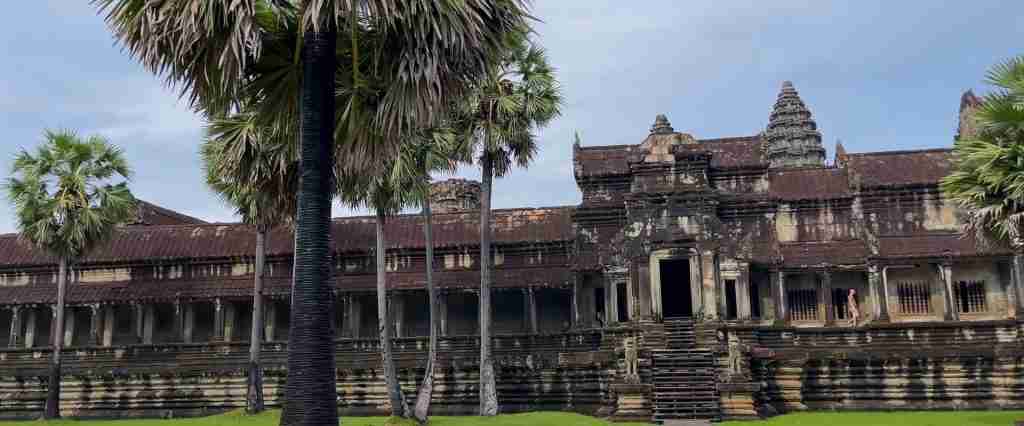
3 days
Angkor Wat 3-Day Discovery Tour
- ✓ Comprehensive Angkor Wat experience
- ✓ Expert local guides included
- ✓ All accommodation included
- ✓ Transportation provided
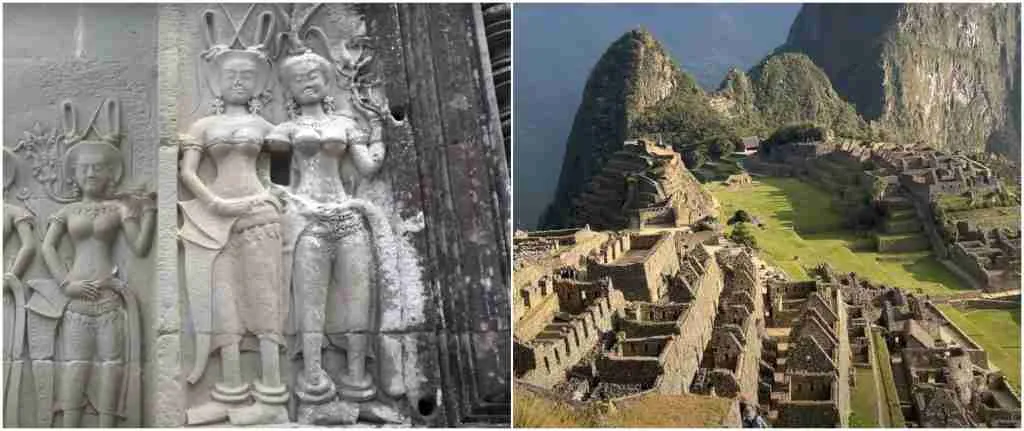
5 days
Angkor Wat 5-Day Highlights Experience
- ✓ Comprehensive Angkor Wat experience
- ✓ Expert local guides included
- ✓ All accommodation included
- ✓ Transportation provided
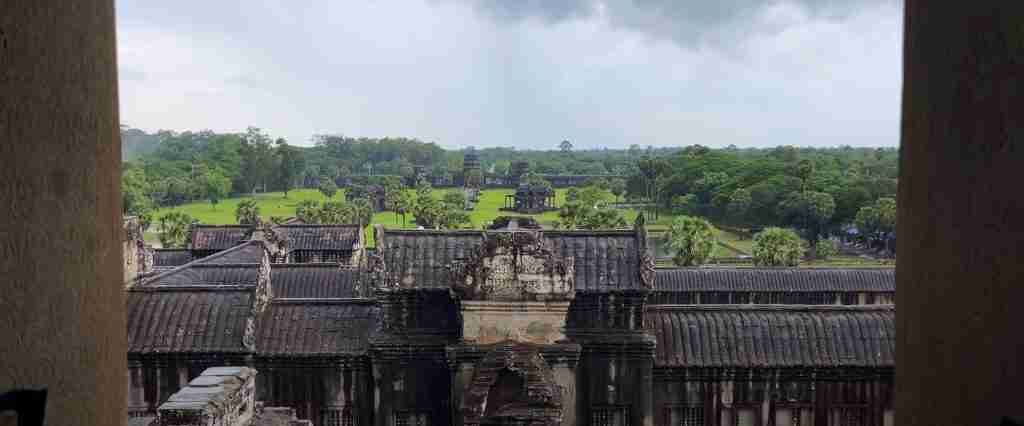
7 days
Angkor Wat 7-Day Cultural Journey
- ✓ Comprehensive Angkor Wat experience
- ✓ Expert local guides included
- ✓ All accommodation included
- ✓ Transportation provided

10 days
Angkor Wat 10-Day Complete Adventure
- ✓ Comprehensive Angkor Wat experience
- ✓ Expert local guides included
- ✓ All accommodation included
- ✓ Transportation provided
Multi-day tour packages powered by TourRadar. Prices and availability subject to change.
Understanding the Angkor Archaeological Park
The Angkor Archaeological Park represents one of the most significant archaeological sites in Southeast Asia, comparable in importance to Machu Picchu or the Egyptian pyramids. The complex served as the capital of the Khmer Empire from the 9th to 15th centuries, housing a sophisticated urban center that supported up to one million residents through an advanced hydraulic system of reservoirs, canals, and irrigation networks.
Main Temple Areas and Distribution
Angkor Wat itself occupies the southern section of the archaeological park, surrounded by a 650-foot-wide moat and encompassing 402 acres. The temple’s western orientation distinguishes it from most Khmer temples, suggesting its original purpose as a funerary temple for King Suryavarman II. North of Angkor Wat lies Angkor Thom, a fortified city covering 3.5 square miles with the Bayon temple at its center featuring 54 towers adorned with 216 enigmatic faces.
The Small Circuit connects major temples in a 10-mile loop including Ta Prohm, where massive tree roots engulf ancient stone structures creating dramatic scenes. The Grand Circuit extends 16 miles to encompass Preah Khan, Neak Pean, and Pre Rup temples. Outlying temples like Banteay Srei, located 15 miles northeast, showcase exceptional pink sandstone carvings requiring separate half-day excursions.
Planning Your Temple Exploration Strategy
Allocate a minimum of three days to experience Angkor’s highlights without exhaustion. Day one focuses on Angkor Wat sunrise, followed by exploration of the main temple’s three levels, then afternoon visits to Angkor Thom and Bayon. Day two covers the Small Circuit including Ta Prohm, Ta Keo, and Banteay Kdei temples with sunset at Pre Rup or Phnom Bakheng. Day three ventures to distant temples including Banteay Srei and the River of a Thousand Lingas at Kbal Spean.
Seven-day passes allow deeper exploration at a relaxed pace, visiting lesser-known temples like Beng Mealea, a sprawling unrestored complex 40 miles east of Siem Reap. This extended timeframe enables sunrise visits to multiple locations, midday breaks during peak heat, and thorough examination of the extensive bas-relief galleries depicting Hindu epics and historical battles.
Ticket Options and Pricing Structure
Angkor Wat operates a straightforward ticket system managed by the Angkor Enterprise organization. One-day passes cost $37 and expire at day’s end regardless of entry time. Three-day passes priced at $62 can be used over a one-week period, allowing strategic planning around weather and energy levels. Seven-day passes at $72 remain valid for one month, ideal for photographers and archaeology enthusiasts seeking comprehensive exploration.
Purchase Process and Requirements
Purchase tickets at the official Angkor Ticket Counter located on Road 60, approximately 4 kilometers from Angkor Wat. The facility opens at 5 AM for sunrise visitors and closes at 5:30 PM. Bring your passport for identification purposes. Digital photographs are taken on-site and printed directly on tickets, eliminating the need for passport photos. Payment accepts US dollars or Cambodian riel, though credit cards are accepted at official counters.
Tickets grant access to all temples within the Angkor Archaeological Park except Phnom Kulen and Beng Mealea, which require separate $20 entrance fees. Children under 12 enter free with adult supervision. Tickets are non-transferable and checked at each major temple entrance by officials who scan the barcode and verify the photo matches the holder.
Money-Saving Strategies for US Travelers
Book accommodation in Siem Reap town rather than near temple grounds, saving $50-100 per night while maintaining easy access via tuk-tuk. Hire tuk-tuk drivers for full-day rates of $15-20 instead of individual trips at $5-7 each. Eat at local restaurants in town where meals cost $3-5 compared to $15-25 at temple-area tourist establishments. Purchase water and snacks from supermarkets at $1-2 rather than temple vendors charging $2-3.
Consider traveling during shoulder months of March or October when accommodation prices drop 20-30% compared to peak November-February season. Flight prices also decrease $200-400 during these periods. Download offline maps and research temple layouts beforehand to maximize exploration efficiency without hiring expensive personal guides at $40-60 per day.
Transportation and Logistics
Siem Reap International Airport serves as the primary gateway to Angkor Wat, receiving direct flights from Bangkok, Singapore, Ho Chi Minh City, and major Asian hubs. US travelers typically connect through one of these cities, with total journey times of 20-24 hours from the East Coast and 16-20 hours from the West Coast. Book connecting flights with a minimum 3-hour layover to account for customs and potential delays.
Getting Around Siem Reap and the Temples
Tuk-tuks dominate temple transportation in Siem Reap, offering open-air rides suitable for Cambodia’s tropical climate. Arrange a driver through your hotel or approach drivers at the ticket counter area. Establish clear daily rates of $15-20 covering all major temples within the park. Many drivers provide basic historical information and recommend optimal viewing times for different temples.
Bicycle rentals cost $2-5 per day for exploring temples independently, though the 10-16 mile circuits challenge casual riders in tropical heat. Electric bikes at $10-15 per day offer a middle ground between tuk-tuks and traditional bicycles. Air-conditioned cars with drivers run $40-60 per day, worthwhile for larger groups or travelers prioritizing comfort over authentic experience.
The Angkor Archaeological Park recently introduced electric shuttle buses connecting major temples, though schedules remain limited and tuk-tuks provide more flexibility. Walking between temples is impractical given distances of 2-4 miles between major sites and extreme heat during midday hours.
Day Trip Logistics and Timing
Sunrise visits to Angkor Wat require departure from Siem Reap hotels by 4:30 AM to secure viewing positions before the 5:30-6:00 AM sunrise. The main temple opens at 5 AM specifically for sunrise viewers. Bring flashlights for navigating dark paths and arrive 45-60 minutes early during peak season when crowds fill the western reflection pools.
Most temples open 5 AM and close at 5:30 PM, though Angkor Wat remains accessible until 6 PM. The midday period from 11 AM to 2 PM brings intense heat and harsh sunlight creating challenging photography conditions. Return to Siem Reap during this window for lunch, rest, and midday heat avoidance, then resume temple exploration from 2:30-3 PM through closing time.
Accommodation Options Near Angkor Wat
Siem Reap offers accommodation ranging from $15 budget hostels to $300+ luxury resorts, all located 6-8 kilometers from Angkor Wat. The Old Market and Pub Street areas provide central locations with restaurants, bars, and shops within walking distance. Book hotels with swimming pools for essential afternoon cooling during temple visit breaks.
Budget and Mid-Range Choices
Budget guesthouses near the Old Market cost $15-35 per night with air conditioning, private bathrooms, and basic breakfast included. Mid-range hotels in the $50-80 range add swimming pools, spacious rooms, and shuttle services to the temples. Many properties offer free tuk-tuk arrangements and provide packed breakfasts for early morning temple visits.
The Wat Bo area northeast of the Old Market presents quieter alternatives with traditional Khmer wooden houses converted to boutique guesthouses at $40-70 per night. These family-run properties often include home-cooked meals and personalized temple recommendations from owners who grew up in Siem Reap.
Luxury and Resort Properties
High-end resorts cluster along the road to Angkor Wat, offering $150-300 per night rates with expansive pools, spa facilities, and temple-view rooms. Properties like the Sofitel Angkor Phokeethra and Park Hyatt Siem Reap provide shuttle services to temples, professional tour guides, and upscale dining options. These resorts cater to travelers prioritizing comfort and convenience over budget considerations.
Book accommodation 2-3 months ahead for November through February peak season when properties fill quickly and prices increase 30-50%. March through October shoulder and low seasons offer last-minute booking opportunities with rates dropping 25-40% and upgrade possibilities during check-in.
Essential Preparation for US Visitors
US citizens receive visa on arrival at Siem Reap Airport for $30 paid in cash at immigration counters. Alternatively, apply for e-visas at $36 through the official Cambodia e-visa portal, providing faster airport processing. Tourist visas permit 30-day stays with single entry. Bring passport-sized photos and ensure your passport remains valid for six months beyond your arrival date.
Health and Safety Considerations
Cambodia requires no mandatory vaccinations for US travelers, though the CDC recommends routine vaccines plus Hepatitis A and Typhoid for most visitors. Malaria risk remains low in Siem Reap and Angkor Archaeological Park, making prophylaxis unnecessary for short visits. Dengue fever presents greater concern during rainy season, so apply DEET-based insect repellent throughout your visit.
Drink only bottled water available everywhere for $0.50-1.00 per liter. Avoid ice in drinks at local establishments and stick to thoroughly cooked foods. Major hotels and upscale restaurants maintain international food safety standards. Bring prescription medications in original containers with doctor’s notes for customs purposes.
The sun intensity in Cambodia surpasses most US locations, making sunscreen with SPF 50+ essential. Reapply every two hours during temple visits. Wear wide-brimmed hats and lightweight long-sleeved shirts for additional protection. Heat exhaustion affects many visitors, so drink water constantly even when not feeling thirsty.
What to Pack for Temple Visits
Temple dress codes require covered shoulders and knees for upper-level access at Angkor Wat and certain other temples. Pack lightweight, breathable long pants or knee-length skirts and shirts covering shoulders. Scarves work for quick coverage when needed. Comfortable closed-toe walking shoes with good grip handle steep temple stairs and uneven stone surfaces better than sandals.
Bring a daypack with 2-3 liters of water, high-energy snacks, sunscreen, insect repellent, and a small towel for wiping sweat. Portable phone chargers keep devices powered for photography and map navigation throughout long temple days. Small flashlights help navigate darker temple interiors and early morning paths.
Cultural Insights and Temple Etiquette
Angkor Wat functions as an active Buddhist temple with monks residing in certain areas and locals coming to pray. Show respect by removing shoes when entering temple chambers, speaking quietly near prayer areas, and avoiding pointing feet toward Buddha images. Photography is permitted everywhere except where specifically prohibited by signs.
Interacting with Monks and Local Vendors
Buddhist monks commonly visit Angkor temples during early morning and late afternoon hours. Women should not touch monks or hand items directly to them, instead placing objects where monks can retrieve them. Monks often initiate friendly conversations to practice English, and appropriate interaction demonstrates cultural respect.
Local vendors sell cold drinks, snacks, and souvenirs at every major temple. Firm but polite refusals work when not interested in purchasing. Children often approach tourists selling postcards or handmade bracelets for $1. Consider supporting these vendors occasionally, as many families depend on tourism income, but avoid creating dependency by overbuying.
Photography Guidelines and Restrictions
Photograph freely throughout Angkor Archaeological Park except inside certain shrine chambers marked with prohibition signs. Respect these restrictions as they protect sacred spaces and fragile artwork. Drones require special permits from the Apsara Authority and are prohibited for casual visitors to protect the site and maintain peaceful atmosphere.
Avoid climbing on structures for photos, as this damages ancient stone and poses safety risks. Many popular photo spots develop naturally where other tourists gather, indicating optimal angles and safe positioning. The iconic Angkor Wat reflection pools fill with water year-round providing mirror-image opportunities during calm morning conditions.
Exploring Beyond Angkor Wat
While Angkor Wat draws primary attention, dozens of temples throughout the archaeological park offer unique architecture and historical significance. Ta Prohm remains partially unrestored with massive spung trees (Tetrameles nudiflora) growing through galleries and courtyards, creating dramatic scenes popularized by the Tomb Raider film. Visit early morning or late afternoon to avoid tour group crowds filling this relatively small temple.
Must-See Temples in the Complex
Bayon Temple at Angkor Thom’s center features 54 towers carved with 216 serene faces believed to represent Avalokiteshvara or King Jayavarman VII himself. The temple’s central location within the ancient city walls makes it easily accessible and essential for understanding Khmer Buddhism’s evolution. Explore the extensive bas-reliefs depicting daily life, warfare, and religious ceremonies on the outer galleries.
Banteay Srei, located 15 miles northeast of the main complex, showcases intricate pink sandstone carvings considered the finest examples of Khmer art. The temple’s small scale and elaborate decorative elements create an intimate atmosphere contrasting with the massive structures of Angkor Wat and Bayon. Allocate half a day for the round-trip journey and exploration.
Pre Rup temple provides excellent sunset views from its upper terraces overlooking surrounding jungle and rice paddies. The less-crowded alternative to Phnom Bakheng’s popular but congested sunset platform offers similar panoramic vistas with better photography opportunities and peaceful atmosphere.
Off-the-Beaten-Path Discoveries
Beng Mealea, located 40 miles east of Siem Reap, presents a largely unrestored temple complex where jungle vegetation overtakes crumbling galleries and collapsed towers. The adventure-style exploration through vine-covered passages and over massive stone blocks appeals to visitors seeking discovery experiences beyond the manicured main temples. Budget $50-70 for round-trip tuk-tuk transportation.
The River of a Thousand Lingas at Kbal Spean requires a 30-minute uphill jungle hike to reach riverbed carvings dating to the 11th century. Hundreds of lingas (phallic symbols representing Shiva) and intricate relief carvings cover the sandstone riverbed, visible during dry season when water levels drop. Combine this site with Banteay Srei for an efficient day trip.
Dining and Cuisine in Siem Reap
Siem Reap’s dining scene ranges from $1 street food to $50 fine dining experiences at international restaurants. Local Khmer cuisine features rice noodle dishes, fresh spring rolls, grilled meats, and curries influenced by Thai and Vietnamese flavors with distinct Cambodian characteristics. The Old Market area and Pub Street concentrate restaurants catering to tourists with English menus and varying price points.
Where to Eat Near the Temples
Small restaurants near temple entrances serve basic fried rice, noodle soups, and grilled chicken for $3-5 per dish. These establishments provide convenient lunch options during temple visits, though quality varies and prices run higher than equivalent meals in town. Bring snacks from Siem Reap for better value and variety.
Night markets in Siem Reap open 5 PM daily offering street food vendors selling grilled meats, fresh fruit shakes, and local specialties at $1-3 per item. The Angkor Night Market and Old Market Night Market provide safe, tourist-friendly introductions to Cambodian street food without sanitation concerns affecting more local establishments.
Restaurant Recommendations for US Travelers
Chanrey Tree serves upscale Khmer cuisine in a traditional wooden house overlooking a quiet street, with main courses running $12-20. The restaurant emphasizes local ingredients and authentic recipes adapted for international palates. Reservations recommended during peak season for dinner service.
Sister Srey Cafe operates as a social enterprise training disadvantaged youth in hospitality while serving Western breakfast options, salads, and sandwiches at $5-8. The air-conditioned cafe provides relief from heat and reliable food safety for cautious travelers adjusting to local cuisine.
Planning Your 2026 Visit
Start planning your Angkor Wat trip 4-6 months before intended travel dates to secure optimal flight prices and accommodation. Search for flights on fare comparison sites, booking when prices dip below $1,000 from major US cities. Consider shoulder months of March, April, or October for 20-30% savings on accommodation while maintaining good weather conditions.
Building Your Itinerary
A comprehensive Angkor experience requires 5-7 days including travel time. Allocate 3-4 days for temple visits, one day for rest and Siem Reap exploration, and travel days on both ends. This schedule prevents temple fatigue while allowing thorough exploration of major sites plus several lesser-known temples.
Sample 5-day itinerary: Day 1 – Arrive Siem Reap, purchase temple pass, explore town. Day 2 – Angkor Wat sunrise, South Gate of Angkor Thom, Bayon, Ta Prohm, sunset at Pre Rup. Day 3 – Small Circuit temples including Ta Keo, Banteay Kdei, Sras Srang, afternoon rest. Day 4 – Banteay Srei, Kbal Spean, Landmine Museum. Day 5 – Morning at Angkor Wat upper levels, departure.
Booking Flights and Accommodation
Book flights 2-4 months ahead for best pricing, watching for sales from major carriers. United, Delta, and American all code-share with Asian carriers for seamless connections through Tokyo, Seoul, or Bangkok. Consider positioning flights to gateway cities for direct connections to Siem Reap, saving 4-6 hours compared to multiple-connection routings.
Reserve accommodation through Booking.com or Agoda, which dominate Cambodia’s hotel market with competitive rates and reliable booking systems. Read recent reviews focusing on cleanliness, location, and tuk-tuk arrangements. Properties near Old Market or Wat Bo area provide optimal positioning for restaurants and nightlife while maintaining reasonable proximity to temples.
2026 Updates and Changes
The Angkor Archaeological Park continues infrastructure improvements to support growing visitor numbers while protecting ancient structures. New wooden walkways at certain temples reduce foot traffic damage to original stone paths. Enhanced drainage systems protect temple foundations during monsoon rains while ensuring year-round accessibility for visitors.
Current Access and Regulations
Temple access remains consistent with previous years, though authorities increasingly enforce dress codes at upper-level areas requiring covered shoulders and knees. Ticket checking has become more thorough with officials scanning barcodes at each major temple entrance. Carry tickets and passport at all times during temple visits.
The Apsara Authority continues restoration work at various temples, occasionally closing specific structures for conservation. These temporary closures affect minor temples rather than major sites and typically last 2-4 weeks. Check the official website before arrival for current access information and any site-specific restrictions.
Planning Advantages for 2026 Travelers
Booking 4-6 months ahead for November 2026 through February 2027 peak season ensures accommodation availability at preferred properties. Flight prices benefit from advance purchase with typical savings of $200-400 compared to last-minute bookings. Use price tracking tools to monitor fare fluctuations and book when prices drop below your target range.
Consider travel insurance covering trip cancellation, medical emergencies, and evacuation given Cambodia’s developing healthcare infrastructure and long distances from US medical facilities. Policies cost $50-150 for typical week-long trips and provide peace of mind for international travel to Southeast Asian destinations.
FAQ Section
How many days do I need to visit Angkor Wat?
Allocate a minimum of three days for Angkor Archaeological Park exploration, covering major temples including Angkor Wat, Bayon, Ta Prohm, and several smaller structures. Seven days allows comprehensive exploration at a comfortable pace including distant temples like Beng Mealea and Kbal Spean. Add 2 travel days for a complete trip totaling 5-7 days including arrival and departure.
Is Angkor Wat worth visiting?
Angkor Wat ranks among the world’s most impressive archaeological sites, comparable to Machu Picchu, the Pyramids of Giza, and Petra. The massive scale, intricate carvings, and historical significance create an extraordinary experience justifying the long flight from the US. Photography opportunities, cultural immersion, and architectural marvels make this a worthwhile bucket-list destination.
What should I wear to Angkor Wat?
Wear lightweight, breathable clothing covering shoulders and knees to meet temple dress codes. Long pants or knee-length skirts work better than shorts. Comfortable closed-toe walking shoes handle steep stairs and uneven surfaces. Bring a wide-brimmed hat and sunglasses for sun protection during outdoor exploration between temple buildings.
Can I visit Angkor Wat on my own?
Independent exploration works well at Angkor Wat using tuk-tuk drivers for transportation and smartphone apps for navigation and historical information. Official guides cost $40-60 per day and provide deeper historical context and access to restricted areas. Most travelers successfully explore independently using guidebooks and downloaded information.
What is the best time of day to visit Angkor Wat?
Sunrise at Angkor Wat provides the most iconic views with the temple silhouetted against colorful skies. Arrive by 5 AM during peak season to secure viewing spots. Late afternoon from 3-5 PM offers golden-hour photography with fewer crowds and more comfortable temperatures than midday visits.
Are there ATMs in Siem Reap?
ATMs operate throughout Siem Reap accepting international cards and dispensing US dollars or Cambodian riel. Machines charge $5-6 withdrawal fees and typically limit transactions to $500 per withdrawal. Bring some cash from home for arrival expenses, then use ATMs as needed during your stay.
Do I need a guide for Angkor Wat?
Guides enhance understanding of temple symbolism, history, and architectural features but are not required for meaningful visits. Many travelers use smartphone apps, downloaded content, and guidebooks successfully. Consider hiring a guide for one day to learn interpretive skills, then explore independently on subsequent days.
What currency is used in Siem Reap?
US dollars are widely accepted throughout Siem Reap and Angkor Archaeological Park, with Cambodian riel used for change under $1. Bring small bills ($1, $5, $10, $20) as many vendors cannot break $50 or $100 notes. Credit cards work at major hotels and upscale restaurants but carry cash for temples, tuk-tuks, and local restaurants.
Is it safe to travel to Cambodia?
Cambodia maintains good safety records for tourists with petty theft representing the primary concern. Use hotel safes for valuables, watch bags in crowded areas, and avoid isolated locations after dark. Siem Reap specifically caters to international visitors with tourist police presence and established safety protocols. Traffic poses greater risk than crime, so exercise caution when crossing streets.
Can I use my phone in Cambodia?
International roaming plans from major US carriers work in Cambodia but incur high costs. Purchase a local SIM card at the airport for $5-10 including 10-20GB data, enabling navigation, translation apps, and communication throughout your visit. Most hotels and restaurants offer free WiFi for guests.