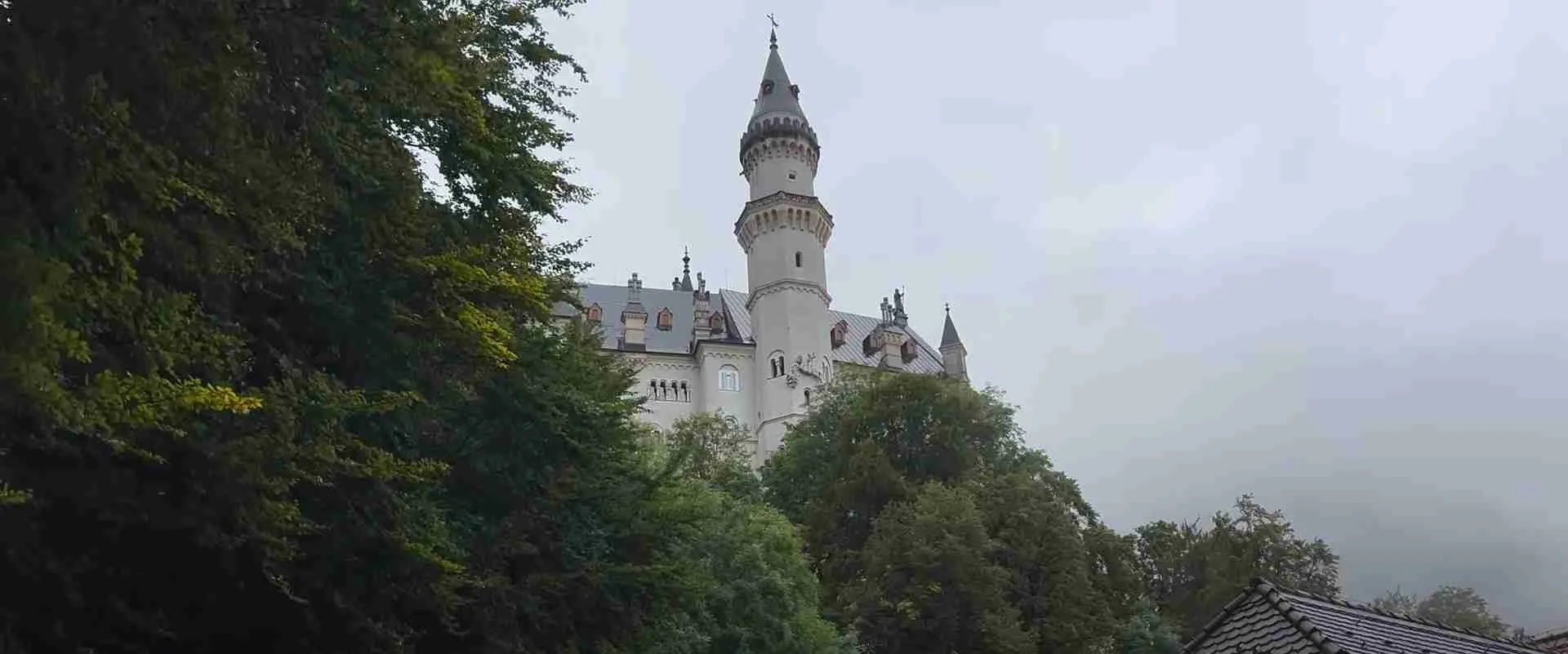
Neuschwanstein Castle 2026: Complete UNESCO World Heritage Guide
Neuschwanstein Castle stands as Bavaria’s most photographed landmark and one of Germany’s premier UNESCO World Heritage candidates. Perched dramatically on a rugged hill above the village of Hohenschwangau, this 19th-century Romanesque Revival palace was commissioned by King Ludwig II of Bavaria and has captivated over 60 million visitors since opening to the public in 1886.
Key Takeaways
- Book tickets 2-3 months in advance – Neuschwanstein sells out quickly, especially during summer months
- Budget €150-200 per day including castle admission, meals, and local transportation
- Best visit months: May-June and September-October for optimal weather and manageable crowds
- Allow 3-4 hours minimum for castle tour, grounds exploration, and Marienbrücke viewpoint
- Combine with Hohenschwangau Castle for a comprehensive Bavarian castle experience
- Stay in Füssen (2km away) for best access and accommodation value at €90-140 per night
Introduction
For American travelers planning a 2026 visit, Neuschwanstein offers an accessible fairytale experience just 120 kilometers from Munich. The castle’s iconic silhouette inspired Disney’s Sleeping Beauty Castle, making it a bucket-list destination for travelers seeking European architectural grandeur combined with breathtaking Alpine scenery.
This comprehensive 2026 guide provides everything US visitors need for a successful Neuschwanstein experience, from advance booking strategies to budget planning, transportation options, and insider tips for maximizing your visit to this Bavarian architectural masterpiece.
People Also Ask About Neuschwanstein Castle 2026
When is the best time to visit Neuschwanstein Castle in 2026?
The best months to visit Neuschwanstein are May, June, September, and early October when weather is pleasant and crowds are moderate. Summer (July-August) brings peak tourism with 6,000+ daily visitors. Spring offers blooming landscapes, while fall provides stunning foliage. Winter visits offer dramatic snow-covered views but require weather-appropriate gear. Book 2-3 months ahead regardless of season.
How much does it cost to visit Neuschwanstein Castle in 2026?
Neuschwanstein admission costs €17.50 for adults, with combination tickets (Neuschwanstein + Hohenschwangau) at €31. Budget €150-200 per day including castle tickets, meals (€35-50), local transport (€15-20), and accommodation. US travelers should expect $165-220 daily. Round-trip Munich transportation adds €30-35. Reserve tickets online through the official Hohenschwangau Ticket Center website.
Do I need advance tickets for Neuschwanstein Castle?
Advance booking is mandatory for Neuschwanstein Castle. Walk-up tickets sell out by mid-morning during peak season. Purchase timed-entry tickets online through the official ticket center website up to 8 weeks ahead. Tours run every 5 minutes with strict 35-minute guided visits. Arrive 90 minutes before your scheduled tour time to collect tickets and reach the castle entrance.
What’s the easiest way to get to Neuschwanstein from Munich?
Take the regional train (Bayern-Ticket) from Munich Hauptbahnhof to Füssen (2 hours, €30-35 round-trip). From Füssen station, bus 73 or 78 reaches Hohenschwangau village (10 minutes, €2.50 one-way). Alternatively, organized day tours from Munich (€50-65) include transportation and skip-the-line tickets. Trains depart Munich hourly starting at 6 AM.
Extended multi-day tours – 5+ days
Featured Munich Multi-Day Tour Packages

4 days
Germany´S Beer Experience
- ✓ Booking needs min. 2 travelers
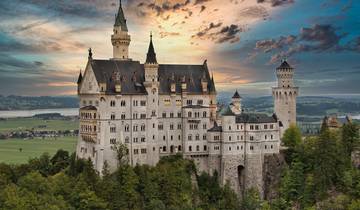
7 days
7 Days by Train in Munich & Zurich: Alpine Dreams & Bavarian Charms
- ✓ Comprehensive Munich tour
- ✓ Expert local guides included
- ✓ All accommodation arranged
- ✓ Transportation provided
4 days
Oktoberfest Munich (3-Star Hotel Senator)
- ✓ Booking needs min. 2 travelers
7 days
GERMAN CHRISTMAS MARKETS 2026
- ✓ Comprehensive Munich tour
- ✓ Expert local guides included
- ✓ All accommodation arranged
- ✓ Transportation provided
Multi-day tour packages powered by TourRadar. Prices and availability subject to change.
Planning Your Neuschwanstein Visit for 2026
Optimal Booking Timeline
Secure your Neuschwanstein experience by booking castle tickets 6-8 weeks before your planned visit date. The official Hohenschwangau Ticket Center opens online reservations 8 weeks in advance, with popular time slots (10 AM-2 PM) filling within days during summer months.
For accommodation in Füssen, book 3-4 months ahead for shoulder season (May-June, September-October) and 4-6 months for peak summer dates. Hotels near the castle fill quickly, with the best-value properties (€90-120 per night) reserving earliest.
Transportation from Munich requires less advance planning. Bayern-Tickets for regional trains can be purchased same-day, but consider booking organized day tours 2-3 weeks ahead if you prefer guided experiences with guaranteed castle entry.
Understanding Castle Entry and Tour Structure
Neuschwanstein operates on a strict timed-entry system with guided tours only. Your ticket specifies an exact entry time, and late arrivals forfeit admission with no refunds. Tours accommodate 25-30 people and last precisely 35 minutes, covering 14 of the castle’s interior rooms.
The tour route includes the Throne Hall, Singers’ Hall, and Ludwig II’s private apartments. Photography inside the castle is prohibited, but dramatic exterior and landscape photos are encouraged from multiple vantage points around the grounds.
Audio guides in English are included with admission. Tours run continuously from 9 AM to 6 PM (April-October) and 10 AM to 4 PM (November-March). The castle closes on December 24-25 and January 1.
Getting from Ticket Center to Castle Entrance
After collecting your reserved tickets at the Hohenschwangau Ticket Center, you face a 1.5-kilometer uphill walk to Neuschwanstein’s entrance. Three options exist for reaching the castle:
Walking (30-40 minutes): The free paved path winds through forest with moderate inclines. Wear comfortable walking shoes and allow 40 minutes from ticket center to castle gate. This route offers excellent photo opportunities and Alpine scenery.
Horse-Drawn Carriage (15 minutes): Carriages depart from near the ticket center and cost €8 uphill, €4 downhill. Service operates weather-permitting from April through October. Carriages stop at Marienbrücke junction, leaving a 10-minute walk to the castle entrance.
Shuttle Bus (10 minutes): Buses run every 15-20 minutes from the parking area near the ticket center. Tickets cost €3 uphill, €2 downhill, or €6 round-trip. Buses drop passengers 500 meters below the castle entrance, requiring a 10-minute uphill walk.
Allocate 90 minutes between ticket collection and your tour start time to account for transportation and the final approach walk.
Budget Planning for Your 2026 Neuschwanstein Experience
Daily Cost Breakdown for American Travelers
Castle Admission & Tours:
- Neuschwanstein single entry: €17.50
- Combination ticket (both castles): €31
- Audio guide: included
- Photography permit (exterior only): free
Transportation Costs:
- Munich-Füssen Bayern-Ticket: €30-35 round-trip
- Local bus (Füssen-Hohenschwangau): €5 round-trip
- Shuttle bus to castle: €6 round-trip
- Alternative: organized day tour from Munich: €50-65
Meals and Refreshments:
- Breakfast in Füssen: €8-12
- Lunch at castle-area restaurant: €15-22
- Dinner in Füssen: €18-28
- Coffee/snacks: €8-12
Accommodation (per night):
- Füssen budget hotels: €90-120
- Füssen mid-range hotels: €120-180
- Schwangau village hotels: €110-150
- Munich hotels (longer commute): €100-140
Total Daily Budget: €150-200 per person for a comprehensive Neuschwanstein day trip from Munich, or €180-230 including overnight accommodation in Füssen.
Money-Saving Strategies
Purchase the Bayern-Ticket for regional train travel, which covers up to 5 people for €30-35 total on weekends and holidays. Book midweek for lower accommodation rates in Füssen (20-30% less than weekend pricing).
Consider the combination castle ticket (€31 vs €35 for separate tickets) if visiting both Neuschwanstein and Hohenschwangau. Pack snacks and water, as castle-area restaurants charge premium prices (€6-8 for sandwiches, €4-5 for water).
Stay in Füssen rather than hotels near the castles to access better restaurant value and supermarkets. Evening meals in Füssen’s town center cost 30-40% less than castle-area establishments.
Accommodation Near Neuschwanstein Castle
Best Areas to Stay for Castle Access
Füssen Town Center (2km from castles): Füssen offers the best combination of accommodation value, restaurant variety, and local atmosphere. Hotels range from €90-180 per night with excellent breakfast options. The town provides supermarkets, bakeries, and authentic Bavarian dining at reasonable prices. Bus 73 and 78 connect Füssen to the castles every 30 minutes.
Hohenschwangau Village (500m from castles): This tiny village sits directly below Neuschwanstein with 4-5 hotels and guesthouses (€120-200 per night). Staying here eliminates commute time but limits dining options to premium-priced castle-area restaurants. Book 4-6 months ahead for summer availability.
Schwangau (1km from castles): Schwangau provides middle-ground accommodation with lakeside hotels (€110-150 per night) near Alpsee and Schwansee. The village offers limited restaurants but easy walking or bus access to the castles.
Recommended Hotels for American Travelers
Mid-range properties in Füssen like Hotel Sonne and Altstadt-Hotel Zum Hechten provide comfortable rooms (€110-140) with breakfast, central locations, and English-speaking staff. These hotels sit within walking distance of Füssen’s train station and old town.
For proximity to castles, Hotel Müller Hohenschwangau and Hotel Lisl offer direct views and immediate access (€150-200 per night). These properties include breakfast and provide the quintessential castle-view experience.
Budget-conscious travelers should consider Füssen’s guesthouses and pensions (€80-100 per night) like Gästehaus Schöberl, which offer clean, simple accommodations with breakfast included.
Transportation Guide: Reaching Neuschwanstein in 2026
From Munich Airport (MUC)
The most efficient route from Munich Airport combines S-Bahn and regional train service. Take S-Bahn S1 or S8 from the airport to Munich Hauptbahnhof (45 minutes, €12.40). From Hauptbahnhof, board regional trains to Füssen (2 hours, €30-35 Bayern-Ticket).
Total journey time: 3-3.5 hours Total cost: €35-40 one-way Trains run hourly from 6 AM to 8 PM
Alternative organized tours from Munich Airport include transportation and castle admission (€85-110 per person) with pickup at airport hotels.
From Munich City Center
Regional trains depart Munich Hauptbahnhof for Füssen every hour throughout the day. The Bayern-Ticket (€30-35) covers this journey with unlimited regional train travel for the day. Purchase tickets from DB machines at the station or through the Deutsche Bahn app.
The scenic 2-hour train journey passes through Bavarian countryside with views of the Alps. Trains feature comfortable seating, restrooms, and space for luggage. No reservations are required for regional services.
From Füssen station, buses 73 and 78 depart every 30 minutes for Hohenschwangau (10 minutes, €2.50 one-way). Taxis from Füssen to the castle ticket center cost €12-15.
Organized Day Tours from Munich
Numerous tour operators offer full-day Neuschwanstein excursions from Munich (€50-70 per person). These tours include round-trip transportation, English-speaking guides, and reserved castle entry times. Tours depart Munich at 8-9 AM and return at 6-7 PM.
Premium tours (€75-95) add Linderhof Palace or Oberammergau village visits. Most tours provide 3-4 hours of free time at Neuschwanstein for castle tours and grounds exploration.
Book tours through reputable operators like Gray Line, Radius Tours, or Munich Walk Tours. Confirm that castle admission tickets are included or reserved, as some tours require separate ticket purchases.
Driving and Parking
Driving from Munich to Neuschwanstein takes 1.5-2 hours via A7 and B17 (120km). Parking costs €8-10 for the day in official lots near the Hohenschwangau Ticket Center. Lots fill by 10 AM during summer months.
Rental cars from Munich start at €45-60 per day. Factor in fuel costs (€15-20 round-trip) and autobahn toll charges if applicable. The scenic route through Landsberg am Lech adds 30 minutes but offers charming Bavarian villages.
GPS coordinates for parking: 47.5576° N, 10.7498° E
Best Tours and Guided Experiences
Castle Guided Tours
All Neuschwanstein interior visits occur via mandatory guided tours (35 minutes, included with admission). Tours operate in German and English with audio guide devices provided. The route covers the Throne Hall, King’s Bedroom, Dining Room, and Singers’ Hall with detailed historical commentary about Ludwig II and the castle’s construction.
Guards strictly enforce the 35-minute tour duration, prohibit photography inside, and require visitors to keep pace with the group. Tours accommodate 25-30 people and depart every 5 minutes during peak hours.
Multi-Castle Combination Tours
The combination ticket (€31) grants access to both Neuschwanstein and Hohenschwangau castles on the same day. Hohenschwangau, Ludwig II’s childhood residence, provides historical context for understanding Neuschwanstein. Tours of Hohenschwangau last 35 minutes and reveal the inspiration behind Ludwig’s fairy-tale vision.
Schedule Hohenschwangau for the morning (tours start at 9 AM) and Neuschwanstein for afternoon. This sequence follows Ludwig’s biographical timeline and prevents backtracking between locations.
Full-Day Bavaria Tours
Extended tours from Munich (€90-130) combine Neuschwanstein with Linderhof Palace and Oberammergau village. These 10-11 hour excursions provide comprehensive exposure to Ludwig II’s architectural legacy and Bavarian Alpine culture.
Tours include transportation, castle admissions, and guided commentary. Lunch stops occur in traditional Bavarian villages with time for local cuisine sampling. These tours suit travelers with limited time wanting maximum castle exposure in a single day.
Photography Tours and Workshops
Specialized photography tours (€75-95) focus on capturing Neuschwanstein from optimal vantage points including Marienbrücke (Mary’s Bridge), Jugend viewpoint, and Pöllat Gorge. These 4-5 hour experiences include professional photography instruction and access to lesser-known viewpoints.
Early morning photography sessions (starting 6 AM) catch sunrise light on the castle facade. Evening tours capture sunset colors over the Alps. Book through local Füssen tour operators or photography workshop companies.
Neuschwanstein Itinerary Planning for 2026
Classic One-Day Itinerary from Munich
6:30 AM – Depart Munich Hauptbahnhof on early regional train to Füssen 8:45 AM – Arrive Füssen, catch bus 73 to Hohenschwangau 9:15 AM – Collect reserved castle tickets at ticket center 9:30 AM – Early tour of Hohenschwangau Castle (35 minutes) 10:30 AM – Walk or take shuttle to Neuschwanstein area 11:00 AM – Hike to Marienbrücke for iconic bridge photos (20 minutes) 12:00 PM – Neuschwanstein guided tour (reserve 12:30 PM slot) 1:15 PM – Lunch at Schlossrestaurant Neuschwanstein or picnic on grounds 2:30 PM – Explore Pöllat Gorge and surrounding trails 4:00 PM – Return to Füssen via bus 73 4:30 PM – Explore Füssen old town, visit Hohes Schloss 6:15 PM – Board return train to Munich 8:30 PM – Arrive Munich Hauptbahnhof
This itinerary maximizes castle time while allowing flexibility for photos and grounds exploration.
Two-Day Bavarian Castles Experience
Day 1: Neuschwanstein Focus Morning arrival in Füssen, check into hotel, afternoon Neuschwanstein tour with extensive grounds exploration, sunset viewing from Marienbrücke, dinner in Füssen’s old town.
Day 2: Extended Exploration Morning Hohenschwangau Castle tour, hike around Alpsee lake, visit Museum der bayerischen Könige (Museum of Bavarian Kings), explore Füssen’s historical center including St. Mang’s Abbey, optional afternoon trip to Wieskirche (UNESCO pilgrimage church, 30 minutes away).
This two-day approach eliminates rushing and allows deeper engagement with the region’s history and natural beauty.
Family-Friendly Itinerary
For families with children, plan a relaxed schedule with flexible timing. Start with a 10-11 AM Neuschwanstein tour (avoiding early wake-ups), allow 90 minutes for uphill walking with breaks, pack snacks and entertainment for potential tour queues.
After the castle tour, families enjoy Alpsee lake (5-minute walk from Hohenschwangau) with pedal boat rentals (€12-15 per 30 minutes) and lakeside playgrounds. The flat 2.5km Alpsee loop trail provides easy walking with duck feeding opportunities.
Füssen’s old town offers gelato shops, bakeries, and the Baumkronenweg treetop walk (€5 adults, €3 children) for afternoon entertainment. Hotels with pools provide evening relaxation after active castle days.
Practical Travel Tips for American Visitors
Entry Requirements and Documentation
US citizens visiting Germany for tourism (including Neuschwanstein) require a valid passport but no visa for stays under 90 days. Ensure your passport remains valid for at least six months beyond your planned departure date from Europe.
Germany participates in the Schengen Agreement, allowing free movement between 27 European countries. Your 90-day allowance covers all Schengen nations collectively, not per country. Keep digital and physical copies of your passport stored separately.
No COVID-19 vaccination or testing requirements currently apply for US travelers entering Germany, though requirements may change. Check the US Embassy in Germany website before departure for current entry protocols.
Currency and Payment Methods
Germany uses the Euro (€). Credit cards are widely accepted at hotels, restaurants, and major attractions, though smaller establishments prefer cash. Notify your bank of international travel to prevent card blocks.
ATMs throughout Füssen and near Neuschwanstein dispense Euros. Withdrawal fees typically range from $3-5 per transaction plus 1-3% foreign exchange fees. Consider Charles Schwab or similar accounts offering ATM fee reimbursement.
The Hohenschwangau Ticket Center accepts credit cards for castle admissions. Cash works better for shuttle buses, small cafes, and souvenir vendors. Carry €50-100 in small bills (€5, €10, €20) for incidental purchases.
Exchange rates fluctuate, but budget approximately $1.10-1.15 per Euro for 2026 planning. Use credit cards with no foreign transaction fees (Chase Sapphire, Capital One Venture) to maximize value.
Language Considerations
English proficiency is high in Bavaria’s tourist areas. Neuschwanstein tour guides speak fluent English, and audio guides provide English commentary. Hotel staff, restaurant servers, and transportation personnel in Füssen manage English conversations comfortably.
Learning basic German phrases enhances interactions: “Guten Tag” (hello), “Danke” (thank you), “Sprechen Sie Englisch?” (Do you speak English?), and “Die Rechnung, bitte” (the check, please) demonstrate cultural respect.
All signage at Neuschwanstein appears in German and English. Train announcements include English for major routes. Deutsche Bahn (German Rail) app and website offer full English functionality for ticket booking and schedule checking.
Weather Preparation and Clothing
Bavarian Alpine weather changes rapidly. Pack layered clothing for any season:
Spring (April-May): Temperatures range 10-18°C (50-65°F). Bring rain jacket, light sweater, and comfortable walking shoes. Occasional snow possible in early April.
Summer (June-August): Temperatures reach 20-25°C (68-77°F). Pack sunscreen, sunglasses, light layers, and rain protection. Thunderstorms occur frequently in afternoons.
Fall (September-October): Temperatures drop to 10-18°C (50-65°F). Bring warm jacket, rain gear, and closed-toe shoes. Early October brings first snow to surrounding peaks.
Winter (November-March): Temperatures fall to -5 to 5°C (23-41°F). Pack winter coat, waterproof boots, gloves, and hat. Snow covers castle grounds creating dramatic photography opportunities.
The uphill walk to Neuschwanstein requires sturdy, comfortable shoes regardless of season. Avoid high heels, open-toed sandals, or slippery-soled footwear.
Health and Safety
Germany maintains excellent healthcare standards. For minor medical needs, pharmacies (Apotheke) in Füssen stock over-the-counter medications and provide basic health advice. Pharmacists often speak English.
Purchase travel insurance covering medical emergencies, trip cancellation, and evacuation. Policies cost $50-100 for weeklong trips and provide essential protection. Emergency medical care in Germany is expensive for uninsured foreigners.
Füssen Hospital (Klinik Füssen) provides emergency care. For serious medical emergencies, call 112 (equivalent to 911). This number works throughout the European Union and dispatches ambulance, fire, or police services.
The castle area presents minimal safety concerns. Watch children near cliff edges and overlooks. Marienbrücke bridge spans a dramatic gorge with protective barriers but requires supervision for young children. Trail surfaces can be slippery when wet.
Connectivity and Technology
Purchase a European SIM card or international phone plan for navigation, translation apps, and communication. T-Mobile US plans include free international data in Germany. AT&T and Verizon offer international day passes ($10-12 per day) or travel packages.
Free WiFi is available at most Füssen hotels, many restaurants, and the Hohenschwangau Ticket Center. Neuschwanstein grounds lack reliable cellular coverage in some areas. Download offline Google Maps for the region before arrival.
Electrical outlets in Germany use Type C and F plugs (230V). US devices require plug adapters (not voltage converters for modern electronics). Purchase universal adapters for $15-20 before departure or at Munich Airport.
Bring portable battery packs for smartphones, as GPS navigation and photography drain batteries quickly during full-day castle visits.
Neuschwanstein Photography Guide
Best Photo Locations and Timing
Marienbrücke (Mary’s Bridge): This suspension bridge 90 meters above Pöllat Gorge provides the iconic Neuschwanstein shot featured in countless postcards and travel guides. The bridge offers straight-on castle views with Alpine backdrop. Arrive early (before 9 AM) or late (after 5 PM) to avoid crowds. Morning light (8-10 AM) illuminates the castle facade beautifully. The 15-minute uphill hike from the castle entrance requires moderate fitness.
Jugend Viewpoint: Located along the trail from Hohenschwangau to Neuschwanstein, this elevated position captures the castle’s dramatic cliff-top setting with Forggensee lake visible in the valley below. Sunset photography (6-8 PM in summer) produces golden-hour castle silhouettes against colorful skies.
Pöllat Gorge Lower Viewpoint: Just past Marienbrücke, a short trail leads to gorge overlooks featuring Neuschwanstein framed by waterfall and forest. These lesser-known angles provide unique compositions away from typical tourist shots.
Hohenschwangau Village: Wide-angle shots from the parking area capture both Neuschwanstein and Hohenschwangau castles simultaneously with village buildings in the foreground. Early morning mist in the valley (April-June) creates atmospheric conditions.
Camera Settings and Equipment
Bring a versatile zoom lens (24-105mm or 24-70mm) for castle photography. Wide-angle lenses (16-35mm) excel at Marienbrücke for capturing the entire castle and surrounding landscape. Telephoto lenses (70-200mm) compress perspective and isolate architectural details from distant viewpoints.
Tripods are prohibited inside Neuschwanstein but allowed on grounds and Marienbrücke. For handheld shooting, use fast shutter speeds (1/250s or faster) to counter movement on the swaying bridge. Polarizing filters enhance blue skies and reduce reflections from castle windows.
Drone photography is strictly forbidden throughout the castle area. Violators face confiscation and fines up to €500. Neuschwanstein sits within a no-fly zone due to heritage protection regulations.
Seasonal Photography Opportunities
Winter (December-February): Snow-covered castle against white Alpine peaks creates fairytale scenes. Fewer tourists allow unobstructed compositions. Challenge: Shorter daylight hours (sunset by 4:30 PM) and potential trail closures during heavy snow.
Spring (April-May): Blooming flowers, fresh green foliage, and waterfall flow at peak strength. Morning fog in valleys produces mystical atmosphere. Occasional snow on distant peaks contrasts with valley greenery.
Summer (June-August): Extended daylight (sunset after 9 PM) permits evening photography sessions. Lush forest surroundings and blue skies. Challenge: Peak crowds on Marienbrücke require patience for clear shots.
Fall (September-October): Golden larches and colorful foliage frame the castle. Clear, crisp air enhances distant mountain visibility. Early fall (early September) balances good weather with reduced crowds.
Instagram and Social Media Tips
Tag photos with #Neuschwanstein, #Bavaria, #FairytaleCastle, #Germany, and #BavarianCastles for maximum visibility. Post during European afternoon hours (2-5 PM CET) when engagement peaks.
The Marienbrücge shot works best in portrait orientation for Instagram stories and reels. Capture short video clips of the castle from multiple angles for dynamic content. Time-lapse videos of clouds moving behind the castle perform well on social platforms.
Respect photography restrictions inside the castle. Social media posts featuring interior photos may be reported and removed. Focus creative energy on the spectacular exterior and landscape opportunities.
Local Experiences Beyond the Castle
Füssen Old Town Exploration
Füssen’s medieval old town deserves several hours of exploration. The pedestrian-friendly Reichenstraße features colorful facades, traditional Bavarian architecture, and local shops selling regional crafts. Hohes Schloss, Füssen’s high castle, displays late Gothic architecture and houses the Bavarian State Gallery (free admission).
St. Mang’s Abbey complex includes baroque architecture, the Prince’s Hall with ornate frescoes, and the Museum of Füssen showcasing lute-making traditions and local history (€6 admission). The Abbey library and chapel feature intricate ceiling paintings and period furnishings.
Lechfall waterfall sits 10 minutes’ walk from Füssen’s center. This accessible natural attraction features a scenic footbridge over the cascading Lech River with mountain views. Free admission makes it an excellent budget-friendly activity.
Alpine Lake Activities
Alpsee and Schwansee lakes offer peaceful alternatives to castle crowds. Alpsee features a 2.5km easy walking loop with mountain reflections, swan populations, and meadow picnic areas. Rent pedal boats (€12-15 per 30 minutes) or rowboats (€8-10 per hour) from lakeside vendors.
Schwansee provides quieter surroundings with forest trails and fishing spots (permit required). The Schwansee Rundweg circular trail takes 45 minutes and connects to extended hiking routes into the Alps.
Swimming is permitted in both lakes during summer months, though water temperatures remain cool (16-20°C). Small beaches offer sunbathing areas without crowds or fees.
Traditional Bavarian Dining
Experience authentic Bavarian cuisine at Füssen’s traditional restaurants. Schwangauer Stuben serves classic dishes like Schweinshaxe (pork knuckle, €16-20), Käsespätzle (cheese noodles, €12-15), and local Allgäu beef specialties in a cozy, wood-paneled setting.
Zum Hechten, Füssen’s oldest restaurant (dating to 1464), offers hearty portions of Wiener Schnitzel (€14-18), Maultaschen (Swabian ravioli, €11-14), and seasonal wild game dishes. Pair meals with local Bavarian beers like Füssen’s own Hirschbräu.
For casual dining, try Bäckerei Ihle for fresh pretzels, sandwiches, and pastries (€3-6). Morning breakfast includes fresh bread, local cheeses, and cold cuts at prices 50% below hotel breakfast costs.
Museum of Bavarian Kings
This modern museum in Hohenschwangau village chronicles the Wittelsbach dynasty and provides essential context for understanding Ludwig II’s vision. Exhibits include royal artifacts, historical documents, and multimedia presentations about Bavaria’s royal history (€11.50 admission).
The museum fills knowledge gaps not covered in castle tours, explaining Ludwig’s political challenges, artistic influences, and the financial controversies surrounding his building projects. Plan 60-90 minutes for a thorough visit.
Audio guides in English accompany the museum tour. The location offers views across Alpsee lake and convenient positioning between the two castles.
Tegelberg Mountain Adventures
Tegelberg mountain (1,730 meters) rises directly behind Neuschwanstein, offering spectacular Alpine panoramas. The Tegelbergbahn cable car operates year-round (€24 round-trip, €15 one-way) reaching the summit in 7 minutes.
Summit activities include panoramic restaurants, hiking trails, and Germany’s longest summer toboggan run (€4 per ride). Winter brings skiing and snowboarding on beginner-to-intermediate slopes.
Tandem paragliding flights launch from the summit (€90-120 for 15-20 minute flights), providing aerial views of Neuschwanstein, the lakes, and surrounding Alps. Book through local adventure sports operators in Schwangau.
For experienced hikers, the Tegelberg summit trail climbs from Hohenschwangau village (3-4 hours ascend, challenging). This free alternative to the cable car rewards with mountain solitude and wildflower meadows.
Planning Your 2026 Visit
Creating Your Booking Timeline
6 Months Before Travel (December 2025 for June 2026 trip):
- Research flight options to Munich
- Determine visit dates based on weather preferences and schedule
- Book accommodation in Füssen or Schwangau
- Purchase travel insurance
3 Months Before:
- Book flights to Munich
- Reserve rental car if driving
- Research restaurant options and local experiences
- Plan additional Bavarian destinations if time permits
8 Weeks Before:
- Book Neuschwanstein castle tickets online (first day reservations open)
- Reserve any organized tours from Munich
- Make restaurant reservations for special dining experiences
- Confirm hotel bookings and requests
2 Weeks Before:
- Check weather forecasts and adjust packing
- Download offline maps and translation apps
- Notify banks of international travel
- Confirm all reservations and print confirmations
- Purchase European SIM card or activate international phone plan
Day Before Visit:
- Check castle website for any operational updates
- Review tour times and transportation schedules
- Prepare day pack with essentials
- Charge all electronic devices and cameras
Combining Neuschwanstein with Other Destinations
Neuschwanstein integrates easily into broader German and Austrian itineraries:
Romantic Road Connection: Füssen anchors the southern end of Germany’s famous Romantic Road scenic route. Combine Neuschwanstein with stops in Rothenburg ob der Tauber (3 hours north), Dinkelsbühl, and Augsburg for a comprehensive Bavarian heritage tour.
Austrian Alps Extension: Innsbruck, Austria sits 90 minutes from Füssen. The Tyrolean capital offers Imperial Palace, Golden Roof landmark, and Nordkette cable car to 2,300-meter Alpine peaks. Continue to Salzburg (2.5 hours from Füssen) for Mozart heritage and “Sound of Music” locations.
Munich City Combination: Spend 2-3 days exploring Munich’s museums, beer gardens, and historical center before or after Neuschwanstein. The cities’ proximity (2 hours) makes this Bavaria’s most popular combination.
Zugspitze Peak: Germany’s highest mountain (2,962 meters) lies 45 minutes from Füssen. The Zugspitze cable car provides year-round access to glacier skiing, hiking, and 360-degree Alpine panoramas. Budget a full day for this extension.
Special Events and Seasonal Considerations
Summer Music Performances: Classical concerts occasionally occur in Neuschwanstein’s Singers’ Hall. Check the official castle website for special event schedules, though these concerts are infrequent and require separate tickets.
Christmas Markets (late November-December): Füssen hosts traditional Christmas markets with regional crafts, warm Glühwein (mulled wine), and seasonal foods. The market atmosphere enhances winter castle visits despite shorter daylight hours.
Oktoberfest Timing (late September-early October): Visiting Neuschwanstein during Munich’s Oktoberfest requires advance planning. Accommodation prices increase 50-100% throughout Bavaria. Book 6+ months ahead if combining castle visits with festival attendance.
Spring Snowmelt (April-May): Pöllat Gorge waterfall reaches peak flow during snowmelt season, creating dramatic photography conditions. Trails may be muddy but passable with proper footwear.
2026 Updates and Changes
Current Operational Information
Neuschwanstein continues operating under its established guided-tour system with timed entry tickets. The castle opens daily except for December 24-25 and January 1. Summer hours (April-October) run 9 AM-6 PM with last entry at 5:30 PM. Winter hours (November-March) operate 10 AM-4 PM with last entry at 3:30 PM.
The official Hohenschwangau Ticket Center manages all reservations through their online booking system. Tickets become available 8 weeks before visit dates. The ticket center opens at 8 AM daily for walk-up purchases, though advance booking is strongly recommended during all seasons.
Audio guides in English, German, French, Italian, Spanish, Russian, Japanese, Mandarin, Korean, and Portuguese are included with admission. The guides provide detailed commentary synchronized with the 35-minute tour route through the castle’s interior rooms.
Booking System and Advance Planning
Online ticket purchases through the official website require selecting specific tour times. The system displays real-time availability and confirms bookings immediately. Tickets are non-refundable and non-transferable, though rescheduling may be possible with advance notice (contact ticket center directly).
Payment methods include major credit cards (Visa, Mastercard, American Express) and PayPal. Confirmation emails include booking numbers and collection instructions. Print confirmations or display on mobile devices at the ticket center when collecting physical entrance tickets.
Group reservations (15+ people) require special booking procedures with longer advance notice. Contact the reservation office directly for group arrangements, which include assigned tour times and group entrance procedures.
Transportation Access Improvements
Regional train service between Munich and Füssen operates hourly throughout the day with consistent schedules. Deutsche Bahn maintains the route with modern regional express trains featuring comfortable seating, luggage storage, and onboard restrooms.
Bus connections from Füssen to Hohenschwangau run every 30 minutes during peak season (April-October) and every 60 minutes in winter. The RVO (Regionalverkehr Oberbayern) bus service accepts cash and contactless payment for €2.50 one-way tickets.
Parking facilities near the Hohenschwangau Ticket Center accommodate 500+ vehicles with improved signage and traffic flow. Electric vehicle charging stations are available in the main parking area. Parking costs €8-10 per day with payment via automated machines accepting cash and cards.
Health and Safety Protocols
Standard health and safety measures remain in effect at Neuschwanstein. The castle maintains clean restroom facilities, first aid stations, and emergency protocols. Visitors with mobility limitations should note that the castle tour involves 165 steps up and 181 steps down with no elevator access.
The uphill approach to the castle presents physical demands. Walking paths are well-maintained but steep in sections. Horse-drawn carriages and shuttle buses provide alternatives for visitors unable to complete the uphill walk.
Emergency services respond quickly to the castle area. Medical emergencies trigger immediate assistance from on-site staff with radio communication to local emergency services. Helicopter evacuation is possible for serious medical situations.
Sustainable Tourism Initiatives
Neuschwanstein promotes sustainable tourism through visitor number management, public transportation incentives, and environmental protection programs. The timed-entry system prevents overcrowding and distributes visitors throughout operating hours.
Regional authorities encourage public transportation use through the Bayern-Ticket system, which offers affordable regional train access. Bus connections between Füssen and the castles reduce private vehicle traffic in the sensitive Alpine environment.
The castle grounds maintain strict “leave no trace” policies. Visitors must use designated trails, dispose of waste in provided receptacles, and respect wildlife and vegetation. Smoking is prohibited throughout the castle grounds and interior.
Frequently Asked Questions
How far in advance should I book Neuschwanstein tickets?
Book castle tickets 6-8 weeks before your visit date when online reservations open. Popular time slots (10 AM-2 PM) during summer months (June-August) fill within days of becoming available. Shoulder season dates (May, September, October) offer more flexibility but still require advance booking to guarantee entry. Winter visits provide the most availability but limited daylight hours for photography and exploration.
Can I visit Neuschwanstein without a guided tour?
No independent castle access exists. All Neuschwanstein interior visits occur exclusively via mandatory 35-minute guided tours with timed entry. The tour route, duration, and content are fixed. Visitors may explore the castle grounds, viewpoints, and exterior freely, but interior access requires joining an assigned tour group. Audio guides in multiple languages accompany each tour.
Is Neuschwanstein worth visiting in winter?
Winter visits offer unique advantages including dramatic snow-covered scenery, minimal crowds, and excellent photography conditions. The castle remains fully operational November through March with reduced hours (10 AM-4 PM). Challenges include shorter daylight, potential trail closures during heavy snow, and colder temperatures requiring appropriate clothing. Marienbrücke may close temporarily during icy conditions for safety. Winter admission prices remain the same as summer rates.
How much time should I allocate for Neuschwanstein?
Plan a minimum 3-4 hours from arrival at Hohenschwangau until departure. This includes ticket collection (15 minutes), uphill transportation (20-40 minutes depending on method), waiting time before tour (15-30 minutes), the 35-minute guided tour, and grounds exploration including Marienbrücke (60-90 minutes). Adding Hohenschwangau Castle extends the visit to 6-7 hours total. Full-day trips from Munich require 10-11 hours including travel time.
What’s the best age for children to visit Neuschwanstein?
Children aged 8+ typically engage most with the castle’s history and appreciate the fairytale architecture. Younger children (4-7) enjoy the experience visually but may find the 35-minute guided tour challenging. The castle offers no child-specific programming or interactive exhibits. Families must navigate the uphill approach (consider horse carriage or shuttle bus), manage steep stairs inside the castle (no strollers allowed), and keep children supervised near cliff edges and viewpoints. Children under 18 receive free admission but still require reserved tickets.
Can I take photos inside Neuschwanstein Castle?
Photography and video recording are strictly prohibited throughout Neuschwanstein’s interior. Guards enforce this policy consistently and may request visitors store phones and cameras. Violations can result in removal from the tour. Exterior photography is unrestricted and encouraged. Focus camera use on the dramatic exterior architecture, surrounding landscapes, Marienbrücke viewpoint, and Pöllat Gorge rather than interior rooms.
Are there restaurants near Neuschwanstein?
Several dining options exist near the castle. Schlossrestaurant Neuschwanstein (near the entrance) serves traditional Bavarian meals, snacks, and beverages with castle views (€12-22 for main dishes). Hotel Müller Hohenschwangau restaurant offers sit-down dining in Hohenschwangau village (€15-30 for meals). Castle area restaurants charge premium prices compared to Füssen’s town center establishments. Consider bringing picnic supplies for budget-conscious dining on the castle grounds.
What happens if I miss my castle tour time?
Late arrivals forfeit admission with no refunds or rescheduling. The timed-entry system operates strictly to maintain tour schedules and crowd management. Tours depart at exact assigned times regardless of visitor delays. Build buffer time into your schedule—arrive at the castle entrance at least 15 minutes before your tour time. If you anticipate missing your slot due to transportation delays, contact the ticket center immediately, though alternatives are not guaranteed.
Is Neuschwanstein accessible for visitors with disabilities?
Neuschwanstein presents significant accessibility challenges. The castle interior involves 165 steps up and 181 steps down with no elevator access. Wheelchair users and visitors with mobility limitations cannot access the interior tour. The uphill approach from the ticket center to castle entrance features steep grades difficult for wheelchairs. Hohenschwangau Castle offers similar accessibility limitations. Contact the ticket center before booking to discuss specific accessibility needs and alternative arrangements.
Can I buy same-day tickets at Neuschwanstein?
Walk-up same-day tickets are available at the Hohenschwangau Ticket Center (opens 8 AM), but sell out quickly during peak season—often by 10 AM. Summer weekends and holidays see the fastest sell-outs. Winter weekdays offer better same-day availability. Walk-up buyers receive whatever tour times remain available rather than selecting preferred slots. Risk of sold-out conditions makes advance online booking essential for guaranteed entry, especially for visitors with limited time or inflexible schedules.