
Andalusia Complete Travel Guide 2026: Ultimate Planning Resource
This comprehensive guide provides everything needed to plan your 2026 Andalusia adventure. From detailed cost breakdowns and transportation strategies to seasonal timing advice and accommodation recommendations, you’ll find practical, actionable information for creating the perfect Southern Spain experience. Whether you’re drawn to Moorish architecture, coastal relaxation, mountain hiking, or authentic cultural immersion, Andalusia delivers unparalleled diversity within a manageable geographic area.
Key Takeaways
- Andalusia offers exceptional value with accommodation ranging €60-180 per night and daily budgets of €80-150 per person for comprehensive experiences including Alhambra, Mezquita, and Alcázar visits
- Spring (March-May) and fall (September-November) provide optimal weather with temperatures of 18-28°C and reduced crowds compared to summer peak season
- Advance booking is essential for Alhambra tickets (sell out 2-3 months ahead) and AVE high-speed trains between major cities cost €25-85 depending on route and booking timing
- The region combines UNESCO World Heritage sites (Alhambra, Mezquita, Alcázar) with stunning Mediterranean and Atlantic coastlines, white villages, and authentic flamenco culture
- Transportation infrastructure connects major cities efficiently via AVE trains, regional trains, and bus networks, while rental cars provide flexibility for exploring pueblos blancos and rural areas
- Budget travelers can experience Andalusia thoroughly for €80-100 daily, mid-range travelers €120-180, and luxury experiences €250-400+ per person
Introduction to Planning Your Andalusia Adventure in 2026
Andalusia stands as Spain’s most captivating region, where Moorish palaces rise beside Gothic cathedrals, flamenco rhythms echo through whitewashed villages, and Mediterranean beaches meet rugged mountain ranges. This southernmost autonomous community encompasses eight provinces—Seville, Granada, Córdoba, Málaga, Cádiz, Almería, Huelva, and Jaén—each offering distinct cultural experiences, architectural treasures, and culinary traditions that reflect centuries of Roman, Moorish, and Christian influences.
Planning your 2026 Andalusia journey requires understanding the region’s geographic diversity and seasonal patterns. The autonomous community spans 87,268 square kilometers, from the snow-capped Sierra Nevada mountains to sun-drenched Costa del Sol beaches, from the Doñana wetlands to the olive groves of Jaén province. Major cities connect via excellent transportation networks, while rural areas reward travelers with authentic experiences far from tourist crowds.
The region’s three UNESCO World Heritage sites—the Alhambra in Granada, the Mezquita in Córdoba, and Seville’s Alcázar and Cathedral complex—anchor most itineraries, but Andalusia’s appeal extends far beyond these iconic monuments. Ronda’s dramatic gorge, the white villages of Pueblos Blancos route, Cádiz’s ancient streets, and Granada’s Albaicín neighborhood provide equally memorable experiences. Understanding how to navigate between these destinations, when to visit for optimal weather and manageable crowds, and how to budget effectively transforms a good trip into an exceptional journey.
People Also Ask About Andalusia Travel 2026
How much does a trip to Andalusia cost in 2026?
A week in Andalusia costs €560-1,050 per person for budget travelers, €840-1,260 for mid-range experiences, and €1,750-2,800+ for luxury travel. Budget travelers spend €80-100 daily covering hostel accommodation (€25-35), public transportation (€10-15), two restaurant meals plus groceries (€30-40), and one major attraction (€15). Mid-range travelers allocate €120-180 daily for three-star hotels (€60-90), restaurant dining (€45-65), guided tours (€25-40), and varied transportation including occasional taxis. Luxury experiences cost €250-400+ daily with four-star accommodation (€150-250), fine dining (€80-120), private tours (€100-200), and premium transportation. Alhambra tickets cost €19.09 for general admission in 2026, Mezquita entry is €13, and Seville Alcázar costs €14.50 (check official websites for current rates). AVE high-speed trains between major cities range €25-85 depending on route and advance booking.
What is the best time to visit Andalusia in 2026?
Spring (March through May) and fall (September through November) offer optimal conditions for Andalusia travel in 2026. Spring brings mild temperatures of 18-25°C, blooming orange blossoms, and vibrant festivals including Semana Santa (Holy Week) and Feria de Abril in Seville. Fall provides comfortable 20-28°C weather, grape harvest season, and significantly reduced crowds compared to summer. Summer (June-August) sees temperatures exceeding 35-40°C in inland cities like Seville and Córdoba, making coastal areas more comfortable during this period. Winter (December-February) offers the lowest prices and smallest crowds, with temperatures of 10-18°C suitable for city exploration, though some mountain areas experience snow and coastal regions see occasional rain. May and October represent ideal months balancing pleasant weather, manageable crowds, and moderate pricing.
Do you need to book Alhambra tickets in advance for 2026?
Advance booking for Alhambra tickets is essential, with popular time slots selling out 2-3 months ahead during peak season (April-October) and 4-6 weeks ahead in shoulder seasons. The monument limits daily visitors to 6,000 across timed entry slots, with morning slots (8:30-10:00 AM) and late afternoon times (4:00-6:00 PM) most sought after. Tickets release 3 months in advance on the official Alhambra website and Ticketmaster Spain. Book immediately when tickets become available for your preferred dates, as waiting even a few days can mean missing your desired time slot. Same-day tickets occasionally become available at the ticket office, but relying on this strategy risks disappointment. The €19.09 general admission ticket (2026 pricing, check official website for current rates) includes Nasrid Palaces, Generalife Gardens, and Alcazaba fortress with your assigned time slot for Nasrid Palaces entry.
How many days do you need in Andalusia in 2026?
A comprehensive Andalusia experience requires 7-10 days minimum to explore the region’s major highlights without constant rushing. Seven days allows coverage of the “Golden Triangle” cities—Seville (2 days), Granada (2 days), and Córdoba (1 day)—plus coastal time in Málaga or Nerja (2 days). Ten days adds white villages exploration, Ronda’s dramatic gorge, Cádiz’s historic center, or extended time in favored cities. Two weeks enables thorough regional exploration including Sierra Nevada hiking, Cabo de Gata beaches, Jerez sherry bodegas, and multiple pueblos blancos. Three-day weekend trips work for single-city focus, particularly Seville or Granada, but sacrifice the region’s diversity. The AVE high-speed train network makes it possible to visit 3-4 major cities in one week, though allocating extra time in Seville and Granada enhances the experience given their extensive monuments and neighborhoods worth exploring.
Extended multi-day tours – 5+ days
Featured Andalucia Multi-Day Tour Packages
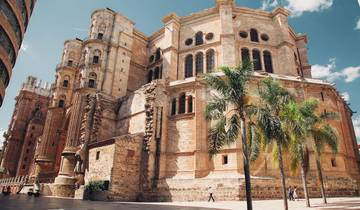
6 days
6 Day Malaga including visit to Gibraltar, Granada, Alhambra and Caminito del Rey
- ✓ Comprehensive Andalucia tour
- ✓ Expert local guides included
- ✓ All accommodation arranged
- ✓ Transportation provided
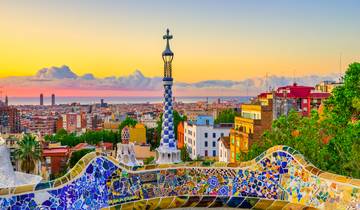
11 days
Flavors of Spain: A 11 Day Journey Through Madrid, Seville, Granada & Barcelona
- ✓ Comprehensive Andalucia tour
- ✓ Expert local guides included
- ✓ All accommodation arranged
- ✓ Transportation provided

11 days
A Taste of Spain: : 11 Days Across Madrid, Seville, Granada & Barcelona
- ✓ Comprehensive Andalucia tour
- ✓ Expert local guides included
- ✓ All accommodation arranged
- ✓ Transportation provided
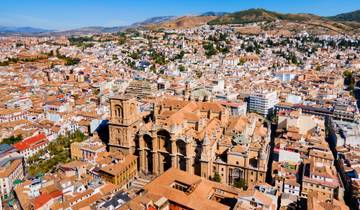
5 days
Granada: Crossroads of Arab and Christian Cultures
- ✓ Booking needs min. 2 travelers
Multi-day tour packages powered by TourRadar. Prices and availability subject to change.
Essential Planning Information for 2026
Understanding Andalusia’s Geography and Destinations in 2026
Andalusia divides into distinct geographic zones, each offering unique experiences and requiring different planning approaches. The Guadalquivir River valley contains the major cultural cities of Seville, Córdoba, and Jaén, characterized by flat terrain, extremely hot summers, and rich agricultural lands producing olives and wheat. The Mediterranean coast stretches from Almería through Málaga to Gibraltar, featuring beach resorts, fishing villages, and the mountainous terrain of the Alpujarras. The Atlantic coast encompasses Cádiz province with its historic port cities, surf beaches, and sherry triangle. The Sierra Nevada and other mountain ranges provide hiking, skiing, and white village exploration opportunities.
Seville, the regional capital with 700,000 residents, anchors most itineraries with its Cathedral and Giralda tower, Alcázar palace, Plaza de España, and atmospheric Barrio Santa Cruz. The city requires 2-3 days to experience properly, including flamenco performances, tapas tours, and riverside walks. Granada holds the crown jewel Alhambra palace complex, along with the Albaicín neighborhood’s Moorish character and views across to the Sierra Nevada. Two days minimum allows Alhambra exploration plus neighborhood wandering, with three days enabling day trips to Sierra Nevada or Alpujarras villages.
Córdoba centers on the magnificent Mezquita cathedral-mosque, supplemented by the Jewish Quarter’s narrow streets, Roman Bridge, and Medina Azahara ruins outside the city. One full day covers the main attractions, though two days allows more relaxed exploration and evening atmosphere enjoyment. Málaga serves as the coastal gateway with an improving cultural scene including Picasso Museum, Alcazaba fortress, and beachfront promenades, requiring 1-2 days. Ronda’s dramatic gorge and bridge make it a popular day trip or overnight stop when traveling between major cities.
The pueblos blancos (white villages) scatter across the mountains between Ronda and Cádiz, with Arcos de la Frontera, Grazalema, and Zahara de la Sierra among the most photogenic. These villages require rental car access or organized tours, rewarding visitors with authentic Andalusian life and stunning landscapes. The Costa de la Luz along the Atlantic coast offers less developed beaches than the Mediterranean side, with Tarifa (Spain’s windsurfing capital), Vejer de la Frontera, and Conil de la Frontera providing laid-back coastal experiences. Eastern Andalusia’s Cabo de Gata natural park preserves pristine beaches and volcanic landscapes away from mass tourism.
Climate and Weather Patterns for 2026 Planning
Andalusian weather varies dramatically by season and location, requiring strategic planning to match your preferences and tolerance levels. Inland cities experience extreme temperature swings, with Seville, Córdoba, and Granada regularly exceeding 40°C in July and August, making midday sightseeing uncomfortable and sometimes dangerous. Coastal areas benefit from Mediterranean or Atlantic breezes, keeping summer temperatures 5-10°C cooler than inland locations. Mountain regions like Sierra Nevada and Ronda experience genuine winter conditions with snow from December through March.
Spring (March-May) brings ideal conditions with daytime temperatures of 18-25°C, blooming flowers, green landscapes, and cultural festivals. March sees Semana Santa (Holy Week) processions across all major cities, with Seville’s celebrations particularly elaborate and attracting massive crowds. April features Seville’s Feria de Abril, Granada’s Cruces de Mayo, and Córdoba’s Patio Festival, all requiring advance accommodation booking. May offers the best weather-to-crowd ratio before summer heat arrives, with comfortable temperatures and reduced festival congestion.
Summer (June-August) divides visitors between those seeking beach time and those willing to brave intense inland heat. Coastal areas see temperatures of 28-35°C with refreshing sea breezes, while Seville and Córdoba regularly hit 38-42°C. Most locals avoid midday activities during summer, adopting siesta patterns and evening dining after 9 PM. Air conditioning becomes essential in accommodation, and early morning sightseeing (before 10 AM) combined with late afternoon/evening activities (after 6 PM) provides the most comfortable schedule. Beach destinations fill with Spanish families in August, raising accommodation prices and reducing availability.
Fall (September-November) mirrors spring’s pleasant conditions, with September maintaining warm beach weather (25-30°C) while cities begin cooling from summer extremes. October provides ideal city touring temperatures of 20-25°C with minimal rain and thinning crowds. November sees increased rainfall, particularly along the coast, but also offers the year’s best value with accommodation prices dropping 30-50% from peak season. Wine harvest season across Jerez and Montilla-Moriles regions creates special visiting opportunities in September and October.
Winter (December-February) brings the lowest prices and smallest crowds, with most monuments and museums maintaining full schedules. Daytime temperatures of 10-18°C suit city exploration, though evening dining requires warm clothing. Coastal areas see considerable rain from December through February, while Sierra Nevada ski resort operates from December through April depending on snowfall. Christmas and New Year create brief high-season periods in major cities, but January and February offer exceptional value for budget-conscious travelers willing to accept occasional rain and early sunset times around 6 PM.
Transportation Guide for 2026 Andalusia Travel
High-Speed Trains and Regional Rail Networks
Spain’s AVE high-speed train network revolutionized Andalusian travel, connecting Madrid to Seville in 2.5 hours, Málaga in 2.5 hours, and Córdoba in 1.75 hours. Within Andalusia, AVE trains link Seville to Córdoba in 45 minutes (€25-45), Seville to Málaga in 2 hours (€35-70), and Córdoba to Málaga in 1 hour (€30-55). Advance booking through Renfe’s website or app provides the best pricing, with tickets released 60 days ahead and cheapest fares selling quickly. Flexible tickets cost 30-50% more than advance purchase Promo fares, but allow free date changes and cancellations.
Regional trains (Media Distancia and Cercanías) serve destinations not on the AVE network, including Ronda from Málaga (2 hours, €12), Granada to Almería (2.5 hours, €15-20), and various coastal routes. These trains run less frequently than AVE services, with schedules favoring commuter patterns rather than tourist convenience. The Cercanías commuter network around Málaga, Seville, and Cádiz provides affordable city-to-coast connections, with unlimited day passes costing €5-8.
Granada lacks AVE connection as of early 2026, requiring bus or conventional train to reach from other major cities. The Seville-Granada bus route (3 hours, €20-25) runs more frequently and directly than the train option requiring changes. Plans exist for future AVE extension to Granada, but travelers in 2026 must rely on existing bus and conventional rail services. Cádiz connects to Seville via regional trains (1.75 hours, €12-18) with several daily departures, while Jerez offers more frequent service (1 hour to Seville, €8-15).
Bus Networks and Intercity Services
Bus companies fill gaps in the rail network and often provide cheaper alternatives for regional travel. ALSA operates most long-distance routes, with modern coaches offering wifi, charging ports, and comfortable seating. The Seville-Granada route runs 8-10 times daily (3 hours, €20-25), while Málaga-Granada buses depart every 1-2 hours (1.5 hours, €12-18). Advance booking through ALSA’s website saves 10-20% compared to station purchases, with additional discounts for round-trip tickets.
Each province maintains local bus networks serving smaller towns and villages, though services often reduce significantly on weekends and holidays. The pueblos blancos route requires careful schedule checking, as some villages see only 2-3 buses daily, with none on Sundays. Ronda connects to Seville (2.5 hours, €15-20), Málaga (2 hours, €12-15), and surrounding white villages through various operators. Coastal buses along the Costa del Sol run frequently between Málaga, Torremolinos, Fuengirola, and Marbella (€2-5 per journey).
Main bus stations in major cities occupy central locations near train stations, simplifying connections. Seville’s Plaza de Armas and Prado de San Sebastián stations serve different routes, requiring attention to departure points. Granada’s bus station sits 2km from the city center, connected by local bus #33 (€1.40). Advance ticket purchase is recommended for popular routes during peak season and festival periods, while less-traveled routes allow day-of purchase without concern.
Car Rental Strategies and Driving Considerations
Rental cars provide maximum flexibility for exploring pueblos blancos, rural areas, and coastal regions beyond major cities, though they create parking challenges and expenses in urban centers. International rental companies operate at all major airports and city locations, with weekly rentals starting at €180-280 for economy cars in low season and €300-450 during summer peak. Booking through comparison sites like Rentalcars.com or AutoEurope 2-3 months ahead secures better rates than last-minute rental.
Málaga Airport offers the region’s best rental car value and selection, serving as an ideal pickup point for coastal and mountain exploration. Dropping the car in a different city incurs one-way fees of €50-150 depending on distance, though Málaga-Seville drops cost less than Málaga-Granada due to AVE competition. Insurance coverage requires careful review, with credit card coverage often excluding Spain or requiring additional documentation. Comprehensive insurance through the rental company costs €15-30 daily but eliminates excess charges and simplifies potential damage claims.
Major cities impose strict parking restrictions with resident-only zones, limited metered spaces (€1.50-2.50 per hour), and expensive parking garages (€20-35 per day). The Mezquita area in Córdoba, Albaicín in Granada, and Santa Cruz in Seville all restrict vehicle access, requiring parking at designated areas and walking to monuments. Highway tolls don’t exist in Andalusia, though some mountain routes feature narrow roads requiring confident driving skills. Gas costs €1.40-1.65 per liter, with highway rest stops charging premium prices compared to town stations.
International driving permits receive mixed enforcement—some rental companies require them while others accept national licenses with Roman alphabet names. Drivers from non-EU countries should carry an IDP alongside their national license. Spanish drivers maintain aggressive highway speeds and close following distances, requiring defensive driving awareness. Rural mountain roads wind dramatically with minimal safety barriers, demanding slow speeds and careful attention to oncoming traffic on blind curves.
Accommodation Strategies for 2026
Budget Accommodation Options
Hostels across Andalusian cities offer dorm beds for €18-28 and private rooms for €45-70 per night depending on season and location. Seville’s hostels concentrate in Santa Cruz and Centro neighborhoods, Granada’s cluster near Plaza Nueva and Realejo, while Málaga’s spread between the historic center and beach area. Top-rated hostels include Oasis Backpackers in Seville and Granada (€22-30 dorms), Makuto Guesthouse in Córdoba (€20-28), and Room007 Málaga (€25-35). Most provide free breakfast, common kitchens, organized activities, and social atmospheres attracting solo travelers and groups.
Budget hotels and pensions charge €40-75 for basic double rooms with private bathrooms, offering more privacy than hostels without luxury amenities. Family-run pensiones in historic centers provide authentic local experiences, though amenities vary widely and advance research through reviews helps avoid disappointing properties. Neighborhoods slightly outside main tourist zones offer better value, with 10-15 minute walks to major monuments saving €10-20 per night compared to premium locations.
Apartment rentals through Airbnb, Booking.com, or Vrbo suit longer stays and groups, with one-bedroom apartments starting at €50-80 nightly and two-bedrooms at €80-140. Weekly and monthly discounts reduce these rates 15-30%, making apartments competitive with hotels for stays exceeding 3-4 nights. Kitchen facilities enable grocery shopping and meal preparation, significantly reducing dining costs. Granada’s Realejo and Albaicín apartments provide residential neighborhood immersion, while Seville’s Triana and Alameda areas offer local authenticity away from tourist crowds.
Mid-Range and Boutique Hotels
Three-star hotels across Andalusia charge €70-120 per night for double rooms with air conditioning, WiFi, private bathrooms, and breakfast inclusion. Chain hotels like NH, Barceló, and Meliá maintain consistent standards across cities, while independent boutique properties offer more character in converted historic buildings. Seville’s Hotel Alfonso XIII and Hotel Casa 1800 occupy restored palaces, Granada’s Carmen de la Alcubilla provides Alhambra views from gardens, and Córdoba’s Balcón de Córdoba overlooks the Mezquita.
Boutique hotels converted from historic buildings command premium rates of €100-180 but deliver unique architectural features, personalized service, and central locations. These properties occupy former noble houses, convents, and aristocratic residences, preserving original tiles, courtyards, and facades. Room sizes vary dramatically in historic buildings, with some offering spacious suites and others providing compact quarters—photos and reviews help set appropriate expectations. Roof terraces, internal courtyards, and small pools enhance summer comfort when outdoor exploration becomes uncomfortable during midday heat.
Rural hotels and cortijos (country estates) in white villages, countryside, and mountain areas provide peaceful retreats from urban tourism, charging €60-120 per night. These properties feature pools, gardens, traditional architecture, and often include dinner service given limited village restaurant options. Rental car access becomes essential for rural stays, as public transportation serves these areas minimally. The Alpujarras mountains, Grazalema natural park, and Cabo de Gata coast offer excellent rural hotel selections for nature-focused stays.
Luxury Accommodation Experiences
Four and five-star hotels across Andalusia’s major cities range €150-350 per night, with resort properties and parador hotels commanding €200-500. Seville’s Hotel Alfonso XIII (€300-600) represents luxury heritage hospitality, while Granada’s Parador de Granada (€250-450) occupies a converted convent within the Alhambra grounds requiring advance booking months ahead. Málaga’s premium hotels line the waterfront, Marbella concentrates luxury resorts along the Golden Mile, and Jerez offers sherry-estate hotels combining accommodation with bodega tours.
Paradores, Spain’s state-run historic hotel chain, converts castles, palaces, convents, and mansions into unique luxury properties. Andalusian paradores include Granada’s Alhambra location, Carmona’s hilltop fortress, Ronda’s cliff-edge setting, and several coastal properties. Rooms cost €120-300 depending on location and season, with restaurants serving traditional regional cuisine at moderate prices. Parador membership provides 10-15% discounts and priority booking for the most sought-after properties.
Resort hotels along Costa del Sol and Costa de la Luz offer all-inclusive packages, golf access, spa facilities, and beach clubs from €200-500+ per night. Marbella’s Puente Romano and Don Carlos Resort, Tarifa’s Hurricane Hotel, and Cabo de Gata’s boutique properties deliver luxury beach experiences. These hotels target different markets—family resorts provide kids’ clubs and buffet dining, while adult-oriented properties emphasize spa treatments, fine dining, and sophisticated amenities.
Budget Planning for 2026 Andalusia Travel
Daily Budget Breakdowns by Travel Style
Budget travelers explore Andalusia thoroughly on €80-100 per person daily, covering hostel accommodation (€25-35), public transportation (€10-15), two restaurant meals plus groceries for breakfast/snacks (€30-40), and one major monument admission (€15). This budget assumes dorm accommodation, free walking tours supplemented with paid major attractions, picnic lunches from markets, and evening tapas crawls rather than formal restaurant dinners. Cities provide better value than coastal areas, where beach access is free but accommodation and dining cost more.
Mid-range travelers spend €120-180 daily for three-star hotel doubles (€60-90 per person), restaurant dining three times (€45-65), paid tours or multiple monument entries (€25-40), and mixed transportation including occasional taxis (€15-25). This budget enables comfortable travel without luxury amenities, allowing spontaneous decisions, guided tours, and quality dining experiences. Couples sharing accommodation gain significant savings compared to solo travelers paying single supplements or full double room rates.
Luxury travelers allocate €250-400+ per person daily, covering four-star hotels (€150-250 per person in doubles), fine dining experiences (€80-120), private tours and premium attractions (€100-200), and convenient transportation including taxis and private transfers (€40-80). This budget permits staying in historic palace hotels, booking private Alhambra tours avoiding crowds, dining at Michelin-starred restaurants, and eliminating most logistical concerns through paid solutions.
Major Attraction Costs and Entry Fees
Andalusia’s UNESCO World Heritage monuments anchor most budgets with entry fees requiring advance planning. The Alhambra charges €19.09 for general admission including Nasrid Palaces, Generalife Gardens, and Alcazaba fortress, with guided tours costing €50-70 and night visits to Nasrid Palaces at €10. Check the official Alhambra website for current rates as pricing may vary. The Mezquita in Córdoba costs €13 for individuals and €11 for groups, with tower climb adding €3 and audio guides €5. Seville’s Alcázar charges €14.50 for general admission, with evening visits at €17 and rooftop tours €7 additional.
Seville Cathedral admission costs €12 including Giralda tower access, while Casa de Pilatos charges €12 for full access and €10 for ground floor only. Málaga’s combination tickets offer value, with Alcazaba and Gibralfaro castle costing €5.50 together. Granada’s Cathedral and Royal Chapel charge €6 each, Albaicín’s San Nicolás viewpoint is free, and Sacromonte Abbey costs €5. Ronda’s bullring museum charges €8, the bridge walkway underneath €2, and Pileta Cave €10 with required guided tour.
Museum passes and combination tickets provide savings for multiple attractions. Seville’s tourism card offers unlimited public transport plus discounts at major monuments for €45 (48 hours) or €54 (72 hours). Granada’s Dobla de Oro ticket combines Alhambra with four Albaicín monuments for €25.20. Individual monument costs add up quickly—visiting Alhambra, Mezquita, Seville Alcázar, and Seville Cathedral totals €58.59 in entry fees alone, making advance planning and combination tickets worthwhile for active sightseers.
Food and Dining Budget Strategies
Andalusian dining costs vary dramatically based on venue type and location. Budget breakfast at bakeries costs €3-6 for coffee and pastry, lunch menus del día (three-course set menus) range €12-18 at neighborhood restaurants, and evening tapas portions cost €3-8 each. Splurging on one upscale dinner with wine averages €50-80 per person, while basic restaurant dinners run €25-40. Supermarket shopping for breakfast supplies and picnic ingredients reduces daily food costs to €25-35 including one restaurant meal.
Tapas culture enables budget-friendly evening dining through small portions allowing multiple dish sampling. Granada uniquely maintains the tradition of free tapas with drink orders—a beer or wine (€2.50-3.50) comes with a small plate of food, making several drinks and accompanying tapas a complete €10-15 meal. Seville and Córdoba charge separately for tapas, but portions remain smaller and cheaper than full restaurant servings. Raciones (larger sharing plates) cost €8-18 and suit groups splitting multiple dishes.
Markets across Andalusian cities offer fresh produce, jamón, cheese, and bread for picnic assembly. Triana Market in Seville, Atarazanas Market in Málaga, and Alcaicería in Granada provide both shopping and tapas bar dining. A market picnic lunch assembled for €8-12 per person saves €10-15 compared to restaurant meals while enabling scenic outdoor dining in parks or by monuments. Wine costs €2-4 per bottle at supermarkets, €8-15 at restaurants, and €15-30+ at upscale establishments.
Restaurant timing affects pricing—lunch menus del día offer better value than evening à la carte dining. Bars and cafes charge 20-40% less at bar-height tables versus seated service. Tourist-zone restaurants near major monuments mark up menus significantly—walking two blocks away reduces costs 25-35% for equivalent quality. Local neighborhood restaurants in residential areas provide authentic experiences and better value than historic center tourist traps.
Sample Andalusia Itineraries for 2026
Classic One-Week Andalusia Circuit
Day 1-2: Seville – Arrive Seville, spend two full days exploring the Cathedral and Giralda (€12), Alcázar palace (€14.50), Plaza de España, Barrio Santa Cruz, evening flamenco show (€20-35), and Triana neighborhood. Accommodation €60-90 per night (mid-range hotel), Cathedral and Alcázar €26.50, lunch menu del día €14, tapas dinner €18-25, flamenco show €25, local transport €3. Total for two days: €268-346 per person (excluding accommodation).
Day 3: Córdoba – Morning AVE train from Seville (€30-45, 45 minutes), full day exploring Mezquita (€13), Jewish Quarter walking, Roman Bridge, lunch in historic center (€15-20), afternoon at Medina Azahara archaeological site (€1.50), evening return to Seville or overnight in Córdoba. Mezquita €13, transport €3, lunch €18, Medina Azahara €1.50, dinner €22. Total day cost: €87.50 per person (excluding accommodation €70-110 if staying in Córdoba).
Day 4-5: Granada – Bus or train from Seville to Granada (€20-25, 3 hours), two full days for Alhambra exploration (€19.09), Albaicín neighborhood wandering, Sacromonte caves, Cathedral (€6), evening at San Nicolás viewpoint (free). Accommodation €70-120 per night, Alhambra €19.09, Cathedral €6, transport €3, meals €40-55 daily. Total for two days: €293-402 per person (excluding accommodation).
Day 6-7: Málaga and Coast – Bus from Granada to Málaga (€12-18, 1.5 hours), explore Picasso Museum (€9), Alcazaba (€3.50), beach time, day trip to Nerja Caves (€15 plus €8 bus) or Ronda (€12-15 bus). Accommodation €60-100 per night, museums €15, transport €10-15, meals €40-50 daily. Total for two days: €230-310 per person (excluding accommodation).
Seven-day total excluding accommodation: €878-1,145 per person. With accommodation €60-90 nightly for 6 nights (sharing double): €360-540 additional. Grand total: €1,238-1,685 per person for comprehensive week covering major cities and highlights.
Two-Week Deep Dive Itinerary
Days 1-3: Seville – Three days allows thorough cathedral, Alcázar, and museum exploration, flamenco show, river cruise (€15), bike tour (€25), Plaza de España, Parque de María Luisa, Metropol Parasol (€3), evening tapas in Triana and Alameda. Accommodation €70-110 per night, attractions €60-80, dining €120-165 for three days. Total three days: €180-245 per person (excluding accommodation).
Days 4-5: Córdoba – Two days enables Mezquita, Jewish Quarter, patios (many free in May), Alcázar de los Reyes Cristianos (€5), Medina Azahara (€1.50), evening strolls along Guadalquivir. Transport from Seville €30-45, accommodation €60-100 per night. Attractions €20, meals €80-110 for two days. Total: €100-130 per person (excluding accommodation and Seville transport).
Days 6-8: Granada – Three days covers Alhambra thoroughly, Albaicín exploration, Sacromonte Abbey (€5), flamenco cave show (€25-35), Cathedral, Royal Chapel, Hammam Al Andalus spa (€40), day trip to Sierra Nevada or Alpujarras villages (€15-25 transport plus activities). Accommodation €70-120 per night. Attractions €95-125, transport from Córdoba €20-25, meals €120-165. Total three days: €235-315 per person (excluding accommodation and Córdoba transport).
Days 9-10: Ronda and White Villages – Rent car in Granada (€50-80 for 4 days) or join organized tour (€65-90 per day). Explore Ronda’s gorge, bullring (€8), Pileta Cave (€10), drive through Grazalema, Zahara, Arcos de la Frontera. Rural accommodation €70-100 per night. Meals €70-100 for two days, attractions €18-25. Total: €88-125 per person (excluding accommodation, half of car rental).
Days 11-12: Cádiz and Costa de la Luz – Continue to Cádiz, explore old town, beaches, Cathedral (€7), Torre Tavira (€7), day in Tarifa or Vejer. Accommodation €60-90 per night. Attractions €14-20, meals €70-100. Total: €84-120 per person (excluding accommodation).
Days 13-14: Málaga and Return – Drive to Málaga, return rental car, final beach time, Picasso Museum (€9), Alcazaba (€3.50), Cathedral (€10), departure. Accommodation €70-110, attractions €22.50, meals €70-100. Total: €92.50-122.50 per person (excluding accommodation, half car rental).
14-day total excluding accommodation: €799.50-1,057.50 per person. Accommodation for 13 nights at €70-110: €910-1,430. Car rental shared between two: €25-40 per person. Grand total: €1,734.50-2,527.50 per person for comprehensive two-week exploration.
Practical Tips for 2026 Andalusia Travel
Booking Strategies and Advance Planning
Alhambra tickets require booking 2-3 months ahead for peak season (April-October) and major holidays, releasing exactly 3 months before visit date at midnight Spanish time. Set phone alarms for ticket release dates and complete purchase immediately, as popular morning and late afternoon time slots sell out within hours. Nasrid Palaces entrance time is fixed, but visitors spend 2-4 hours total exploring all Alhambra sections. Morning slots (8:30-10:00 AM) provide best light and fewer crowds, while late afternoon (4:00-6:00 PM) offers evening atmosphere and sunset views.
Accommodation booking 2-3 months ahead secures better rates and selection, particularly for boutique hotels with limited rooms. Cancellable bookings through Booking.com allow flexibility while securing properties, with free cancellation typically until 1-7 days before arrival. Festival periods—Semana Santa (week before Easter), Feria de Abril in Seville (two weeks after Easter), Córdoba Patios Festival (first two weeks May)—require 4-6 months advance booking as properties sell out completely.
AVE train tickets release 60 days ahead with cheapest Promo fares selling within 24-48 hours for popular routes and convenient times. Flexible tickets cost significantly more but allow schedule changes, valuable for uncertain itineraries. Bus tickets generally allow day-of purchase except during peak holiday periods (Semana Santa, Christmas, August), when advance booking prevents sold-out departures. Car rental comparison shopping 6-8 weeks ahead finds best rates, with last-minute bookings often costing double.
Cultural Etiquette and Local Customs
Spanish dining schedules differ dramatically from Northern European and American patterns—breakfast runs 8-10 AM, lunch 2-4 PM, and dinner 9-11 PM. Restaurants serving lunch before 1:30 PM cater to tourists, while local spots begin filling after 2 PM. Ordering dinner at 7 PM marks you as foreign, though tourist restaurants accommodate early diners. Tapas bars serve continuously from lunch through late evening, providing flexible dining options for those uncomfortable with late Spanish meal times.
Siesta culture remains strong, with many shops closing 2-5 PM especially in smaller towns and during hot summer months. Banks, government offices, and small businesses maintain split schedules, creating midday dead zones for certain errands. Major supermarkets, chain stores, and tourist-area businesses stay open through afternoon, but planning shopping and errands for morning or evening prevents frustration.
Dress codes for religious sites require covered shoulders and knees—bringing a light scarf or shawl enables entry to cathedrals and mosques. Photography is permitted in most monuments except where explicitly marked, though flash and tripods often face restrictions. Respectful behavior during Catholic ceremonies and Muslim prayer times shows cultural awareness, with major cathedrals maintaining active worship alongside tourist visits.
Tipping practices differ from American customs—small amounts (€1-2) or rounding up bills suffices for casual dining, while nicer restaurants warrant 5-10% for good service. Bar service requires no tipping beyond small coin change. Taxi drivers appreciate rounding up but don’t expect percentage-based tips. Tour guides earn €3-5 per person for good tours, with half-day and full-day guides receiving more.
Safety, Health, and Emergency Information
Andalusia maintains generally safe conditions for tourists, with petty theft representing the primary concern in crowded tourist areas. Pickpocketing concentrates around major monuments, busy markets, and public transportation, particularly in Seville’s Barrio Santa Cruz and Granada’s Albaicín during peak hours. Carrying minimal cash, using concealed wallets or money belts, and maintaining awareness in crowded situations prevents most theft. Bag snatching from outdoor restaurant tables and distraction techniques (bird droppings, spilled liquid, friendly strangers) require vigilance.
Summer heat creates genuine health risks in inland cities where temperatures exceed 40°C—staying hydrated, avoiding midday sun exposure, and recognizing heat exhaustion symptoms prevents serious problems. Air-conditioned breaks during hottest hours, carrying water bottles, and wearing sun protection become essential July through August. Emergency rooms treat heatstroke cases daily during peak summer, with dehydration affecting unprepared tourists.
European Health Insurance Cards (EHIC) provide EU residents access to Spanish public healthcare, while non-EU travelers should carry comprehensive travel insurance covering emergency treatment. Public hospitals deliver competent care with English-speaking staff in major cities, though rural areas may require translator apps. Pharmacies (farmacia, marked with green crosses) offer professional consultation for minor ailments and sell medications over-the-counter that require prescriptions elsewhere.
Emergency numbers include 112 for general emergencies (operators speak English), 091 for national police, and 092 for local police. Tourist police offices in major cities provide English-language assistance for theft reports, lost passports, and emergency situations. Smartphone translation apps help communicate with police and medical personnel in situations where English speakers aren’t immediately available.
Frequently Asked Questions About Andalusia Travel 2026
Is Andalusia expensive to visit?
Andalusia offers excellent value compared to other Western European destinations, with budget travelers managing €80-100 daily including accommodation, mid-range experiences costing €120-180, and luxury travel running €250-400+. Major expense categories include accommodation (€25-35 hostels, €60-120 mid-range hotels, €150-250 luxury), dining (€12-18 lunch menus, €3-8 tapas, €25-40 basic dinners), and monument entries (€5-20 most attractions). Public transportation costs remain reasonable with AVE trains €25-85 between cities and local buses €1.40-2.50. Compared to Barcelona, Paris, or London, Andalusia delivers significantly lower costs while maintaining high-quality experiences, cultural richness, and diverse attractions.
Do people speak English in Andalusia?
English proficiency varies significantly by location and context in Andalusia. Tourist industry workers at hotels, major monuments, tour companies, and central restaurants generally speak functional to fluent English, especially in Seville, Granada, and Málaga. Smaller towns, neighborhood restaurants, and local businesses operate primarily in Spanish, requiring basic Spanish phrases or translation apps. Younger Spaniards (under 35) typically speak some English from school education, while older generations communicate primarily in Spanish. Learning basic Spanish courtesy phrases—greetings, please/thank you, asking for help—enhances interactions even when using translation apps. Google Translate’s camera feature helps read menus and signs, while offline translation apps work without data connection.
What should I pack for Andalusia in different seasons?
Spring (March-May) requires layering with light jackets for cool mornings (10-15°C), comfortable walking shoes, sun protection, and mix of short and long sleeves for variable temperatures reaching 20-25°C by afternoon. Summer (June-August) demands minimal clothing—breathable fabrics, wide-brim hat, high-SPF sunscreen, sunglasses, and comfortable sandals plus closed-toe shoes for monument visits. Bring refillable water bottle for constant hydration during 35-42°C heat. Fall (September-November) mirrors spring with layers, light rain jacket for October-November precipitation, and comfortable walking shoes for extensive city exploration. Winter (December-February) needs warm jacket, long pants, closed-toe shoes, and layers for 10-18°C temperatures, plus umbrella for coastal rainfall. All seasons benefit from day pack, power adapter (Type C/F European), portable charger, and comfortable walking shoes—Andalusian cities involve extensive pedestrian exploration over cobblestones and hills.
Can I visit Andalusia without a car?
Major Andalusian cities connect excellently via AVE trains and bus networks, making car-free travel perfectly viable for city-focused itineraries. Seville, Córdoba, Granada, and Málaga all feature walkable historic centers with comprehensive local bus/metro systems. AVE trains link these cities in 45 minutes to 2 hours, while intercity buses serve less frequent routes. However, white villages (pueblos blancos), rural areas, and many coastal spots require either rental car or organized tours, as public transportation serves these areas minimally. The Ronda-Grazalema-Arcos route, Alpujarras mountain villages, and Cabo de Gata coast all reward car access. Consider hybrid approach: train/bus between major cities, then 2-3 day car rental from Málaga for countryside exploration before returning to public transportation.
How many days should I spend in each major city?
Seville warrants 2-3 days covering Cathedral (2-3 hours), Alcázar (2-3 hours), Plaza de España, Barrio Santa Cruz, Metropol Parasol, Maria Luisa Park, evening flamenco, and Triana neighborhood exploration. Granada needs 2-3 days for Alhambra (half day minimum), Albaicín wandering (half day), Sacromonte, Cathedral/Royal Chapel, and evening viewpoint visits. Córdoba requires 1-2 days for Mezquita (2-3 hours), Jewish Quarter, Roman Bridge, and optional Medina Azahara half-day excursion. Málaga suits 1-2 days for Picasso Museum, Alcazaba, cathedral, and beach relaxation. Ronda makes excellent day trip or overnight stop (1 day sufficient). Cádiz and Jerez each merit 1 day for historic centers and specialty visits (sherry bodegas in Jerez). Budget minimum 7 days for comprehensive coverage of Seville-Córdoba-Granada-Málaga circuit, 10-14 days for adding white villages, coast time, and relaxed pacing.
What are the best day trips from major Andalusian cities?
From Seville: Córdoba (45 minutes by AVE, full day trip), Carmona (45 minutes by bus, half-day), Itálica Roman ruins (30 minutes by bus, 2-3 hours), Doñana National Park (organized tour, full day). From Granada: Sierra Nevada mountains (1 hour by bus, hiking or skiing day trip), Alpujarras white villages (organized tour or car, full day), Nerja Caves (2 hours by bus, half-day), Guadix cave houses (1 hour by bus, half-day). From Málaga: Ronda (2 hours by bus/train, full day), Nerja (1 hour by bus, half-day beach trip), Frigiliana white village (1.5 hours by bus, half-day), Antequera dolmens (1 hour by bus, half-day). From Córdoba: Medina Azahara ruins (30 minutes by bus, half-day), Priego de Córdoba (1.5 hours by bus, full day), Sierra Subbética nature park (organized tour, full day).
When is Semana Santa and how does it affect travel?
Semana Santa (Holy Week) precedes Easter Sunday, occurring in late March or April depending on lunar calendar—in 2026, it runs March 29-April 5. The week features elaborate religious processions throughout Andalusia, with Seville hosting Spain’s most famous celebrations attracting hundreds of thousands of visitors. Accommodation requires booking 4-6 months ahead and costs 200-300% of normal rates. Transportation fills completely—trains, buses, and rental cars sell out weeks in advance. Streets close for processions, restaurants overflow, and normal tourism activities face massive crowds. If specifically interested in Semana Santa cultural experience, plan meticulously and accept higher costs and complications. If primarily interested in monuments and standard tourism, avoid this week entirely—late March/early April offers better weather and value outside Semana Santa dates.
Are there any Andalusia tourism cards or passes worth buying?
Tourism passes provide value for intensive sightseeing but require careful calculation against individual tickets. Seville Tourism Card (€45 for 48 hours, €54 for 72 hours) includes unlimited public transport plus entry to Hospital de la Caridad, city council building, and discounts at major monuments—breaks even with 2-3 included attractions plus transport use. Granada’s Dobla de Oro ticket (€25.20) combines Alhambra with four Albaicín monuments, saving €5-8 versus individual purchases. Málaga’s Museum Card (€14.95 for 48 hours) covers 6 museums including Picasso and Thyssen—worthwhile for museum enthusiasts. Most passes don’t include top attractions (Alhambra, Mezquita, Alcázar require separate tickets), limiting value for travelers focused on UNESCO sites. Calculate your planned activities against pass coverage and individual ticket costs—active sightseers visiting 4+ included attractions daily benefit most, while selective visitors save money with à la carte tickets.
What’s the best way to experience flamenco in Andalusia?
Authentic flamenco experiences range from intimate tablao shows to casual bar performances, each offering different atmospheres and quality levels. Professional tablaos in Seville (€20-40), Granada (€20-35), and other cities present polished 60-90 minute shows with talented performers, though tourist-oriented nature creates less spontaneous atmosphere. Neighborhood bars hosting live flamenco—Seville’s Triana district, Granada’s Sacromonte caves, Jerez’s peñas flamencas—offer more authentic local experiences with variable quality and irregular schedules. Peñas (flamenco clubs) welcome respectful visitors for €5-15, particularly on weekend evenings when local performers gather. Major festivals showcase top-tier artists: Seville’s Bienal de Flamenco (September, biennial), Jerez Festival (February-March annual), Granada’s International Festival (June-July). Book tablao shows directly through venue websites for best prices, arrive 15-30 minutes early for preferred seating, and order drink/tapa minimum supporting venue. Caves in Sacromonte provide unique settings but vary dramatically in quality—research reviews carefully and book through established venues like Jardines de Zoraya rather than street promoters.
How do I handle the extreme summer heat in Andalusian cities?
Summer temperatures of 38-42°C in Seville, Córdoba, and Granada require strategic planning and realistic expectations about outdoor activity limitations. Schedule monument visits before 10 AM or after 5 PM when temperatures moderate slightly, using midday hours (11 AM-5 PM) for air-conditioned museums, lunch breaks, hotel pool time, or complete siesta rest. Constant hydration becomes critical—carry refillable water bottle, drink before feeling thirsty, and recognize dehydration symptoms (headache, dizziness, reduced urination). Wear wide-brim hat, high-SPF sunscreen (reapply every 2 hours), and light-colored loose clothing. Seek shade aggressively and use cooling strategies like wet scarf around neck, cool showers, and staying in air-conditioned spaces during peak heat. Consider shifting itinerary to coastal areas July-August, where sea breezes keep temperatures 5-10°C cooler than inland cities. Locals adapt to heat through lifestyle adjustments—accept slower pace, embrace siesta culture, dine late when temperatures drop, and avoid rushing between activities. Heat exhaustion sends tourists to emergency rooms daily—listen to your body, rest when needed, and recognize that extreme heat legitimately limits normal sightseeing capacity.