
Cuenca Day Trip from Madrid 2026: Medieval UNESCO Heritage Guide
- Cuenca sits 165 kilometers east of Madrid with convenient AVE high-speed train connections reaching the city in 55 minutes, making it Spain’s most accessible UNESCO World Heritage medieval destination from the capital
- The iconic Casas Colgadas (Hanging Houses) perch dramatically on cliff edges above the Huécar River gorge, representing the city’s most photographed architectural wonder and requiring 2-3 hours for comprehensive exploration
- Complete day trip costs range €85-125 per person including round-trip AVE tickets at €45-65, museum admissions at €15-20, meals at €25-40, with advance booking securing the lowest train fares for 2026 visits
- Optimal visiting window extends March through June and September through November when temperatures stay comfortable at 15-25°C, crowds remain manageable, and the dramatic gorge landscapes showcase seasonal color variations
- UNESCO recognition in 1996 protected Cuenca’s exceptional medieval urban landscape where Christian and Muslim architectural influences blend uniquely across steep terrain, with current conservation efforts maintaining authenticity for future generations
- Strategic morning departures at 7:30-8:30 AM maximize exploration time, allowing 7-8 hours in Cuenca for comprehensive coverage of the historic quarter, cathedral, museums, and cliffside viewpoints before evening return trains
Planning Your Cuenca Day Trip in 2026
Cuenca represents one of Spain’s most dramatic medieval cities, where gravity-defying architecture clings to limestone cliffs above two converging river gorges. Located 165 kilometers east of Madrid in the autonomous community of Castilla-La Mancha, this UNESCO World Heritage city offers day-trippers an extraordinary journey through centuries of Spanish history without requiring overnight accommodation. The strategic positioning between Madrid and Valencia made Cuenca a crucial medieval fortress city, and today that same geographic advantage makes it perfectly accessible for single-day exploration from the Spanish capital.
The city’s fame rests primarily on its Casas Colgadas—the Hanging Houses—which cantilever spectacularly over the Huécar River gorge, their wooden balconies suspended above 100-meter drops. These 15th-century structures epitomize Cuenca’s unique response to limited flat building space, creating one of Europe’s most photographed architectural scenes. Beyond these iconic houses, Cuenca’s walled medieval quarter preserves narrow cobblestone streets, the Gothic cathedral, multiple museums, and countless viewpoints where the Castilian plateau meets dramatic vertical geography.
Transportation infrastructure connects Madrid and Cuenca through multiple options suited to different travel preferences and budgets. The AVE high-speed train completes the journey in 55 minutes from Madrid Atocha to Cuenca Fernando Zóbel station, though the modern station sits 5 kilometers from the historic center. Conventional trains take 2.5-3 hours to reach Cuenca’s central station adjacent to the old town. Bus services require 2-2.5 hours and terminate closer to the medieval quarter. Private car rental offers maximum flexibility for exploring surrounding areas but necessitates navigating steep access roads and limited parking near cliff-edge attractions.
The 2026 visiting season benefits from Cuenca’s continental climate with defined seasons and relatively mild weather patterns. Spring months bring wildflower displays across the surrounding Serranía de Cuenca mountain range, while autumn provides clear skies and comfortable temperatures ideal for extended walking through steep streets. Summer heat intensifies but remains bearable at Cuenca’s 956-meter elevation, significantly cooler than Madrid’s summer extremes. Winter visits offer fewer crowds and atmospheric fog that dramatically enhances the gorge scenery, though some facilities reduce hours during December through February.
Day trip logistics require careful time management to maximize the experience within the 7-8 hour window most visitors allocate. Morning departures allow arrival by 9-10 AM when museums open and streets remain relatively quiet. The compact historic quarter spans approximately 1.5 square kilometers, entirely walkable though vertically challenging with constant elevation changes. Strategic route planning minimizes backtracking across the gorge-divided geography where three bridges connect different sections of the medieval town.
People Also Ask About Cuenca Day Trips 2026
How much does a day trip from Madrid to Cuenca cost in 2026?
Complete Cuenca day trips from Madrid cost €85-125 per person depending on transportation choices, meal preferences, and museum visits. The AVE high-speed train represents the largest expense at €45-65 round-trip, with advance bookings securing lower fares and last-minute purchases reaching the upper range. Check renfe.com for current official train schedules and pricing as rates vary by departure time and booking date.
Budget-conscious travelers spend €85-95 total by selecting morning AVE trains at €45-50 round-trip, bringing packed lunches or eating at economical tapas bars for €15-20, paying €10-12 for essential museum admissions, and limiting purchases to gelato or coffee at €5-8. Mid-range visitors allocating €105-115 choose flexible AVE departures at €55-60, enjoy sit-down restaurant meals at €25-35, visit multiple museums at €15-20 total, and purchase local crafts or souvenirs. Premium experiences reaching €120-125 include first-class AVE seating, fine dining at cliff-edge restaurants, guided tours, and comprehensive museum passes.
Transportation alternatives modify the budget structure significantly. Conventional trains cost €25-35 round-trip but consume 5-6 hours travel time versus 2 hours on the AVE, effectively reducing exploration time in Cuenca. Bus services price similarly at €20-30 round-trip through companies like AVANZA, departing from Madrid’s Méndez Álvaro station. Private car rental adds fuel costs of €25-30 plus parking fees of €10-15, totaling €35-45 for transportation, beneficial when traveling in groups of 3-4 people who split costs.
Is Cuenca worth visiting as a day trip from Madrid in 2026?
Cuenca absolutely justifies day trip status from Madrid for travelers seeking medieval architecture, dramatic natural landscapes, and UNESCO World Heritage experiences without the logistical demands of overnight stays. The city delivers concentrated visual and historical impact within a compact geographic area perfectly suited to single-day exploration, unlike sprawling destinations requiring multiple days for comprehensive coverage.
The Hanging Houses alone warrant the journey, offering photographic opportunities and architectural wonder impossible to replicate elsewhere in Spain. These gravity-defying 15th-century structures represent unique solutions to topographic challenges, their cantilevered wooden balconies suspended above sheer cliff faces in a manner that continues to astonish visitors despite centuries of existence. The Abstract Art Museum housed within one Hanging House provides additional cultural value, showcasing Spain’s contribution to 20th-century artistic movements within a medieval setting.
Beyond the famous houses, Cuenca’s medieval quarter preserves authentic urban fabric from the 12th-16th centuries with minimal modern intrusion. The Gothic cathedral dominates the Plaza Mayor with its unfinished facade—an architectural curiosity where the original design remains incomplete after a 1902 tower collapse. Narrow streets wind between renovated medieval homes, many now housing artisan workshops, galleries, and restaurants that maintain human-scale development rarely preserved in more commercialized Spanish cities.
The gorge topography creates endless viewpoints where architectural heritage meets natural drama. The San Pablo Bridge spans the Huécar gorge 60 meters above the river, connecting the old town to the Saint Paul monastery ruins and offering vertiginous perspectives on the Hanging Houses. Cuenca’s elevation at 956 meters provides clear air and expansive views across the Castilian plateau, with sunlight quality particularly favorable for photography during golden hour periods.
What’s the best time to visit Cuenca from Madrid in 2026?
March through June represents the optimal visiting window for Cuenca day trips in 2026, combining comfortable temperatures of 15-23°C, manageable tourist volumes, extended daylight hours, and spring wildflower displays across the surrounding Serranía de Cuenca mountains. May particularly excels with warm days, cool mornings ideal for walking steep streets, and green landscapes following spring rainfall.
September through November provides equally excellent conditions as summer heat subsides and autumn colors transform the gorge vegetation. October stands out with stable weather patterns, comfortable 12-18°C temperatures, and clear skies that enhance long-distance views from cliff-edge viewpoints. The grape harvest season adds cultural interest in surrounding wine regions, with local restaurants featuring seasonal mushroom and game dishes during autumn months.
Summer visits from July through August encounter the hottest conditions with temperatures reaching 30-35°C during afternoon hours, though Cuenca’s elevation keeps temperatures 5-8°C cooler than Madrid. Morning departures allow completing outdoor exploration before peak heat, with museum visits strategically scheduled during the warmest afternoon hours. Summer also brings maximum tourist volumes, particularly during Spanish vacation periods in August when domestic tourism peaks and some facilities extend operating hours.
Winter months from December through February offer atmospheric experiences with frequent fog filling the gorges, creating dramatic visual effects as the Hanging Houses appear to float above cloud-filled valleys. Temperatures drop to 5-12°C with occasional snow dusting the medieval rooftops, though substantial snowfall remains rare. Reduced tourist numbers mean uncrowded museums and restaurants, though some facilities operate shortened hours or close entirely during January. Winter visits suit photographers seeking moody lighting conditions and travelers who prioritize solitude over guaranteed sunshine.
How early should I book the AVE train to Cuenca in 2026?
Book AVE trains to Cuenca 30-60 days before your planned 2026 visit to secure the lowest available fares and optimal departure times. Renfe releases tickets approximately 60 days in advance with promotional “Promo” fares offering discounts of 30-40% below standard pricing for travelers with flexible schedules who book immediately upon ticket release.
Peak demand periods surrounding Spanish holidays, summer weekends, and autumn bridge holidays require booking 45-60 days ahead as morning departure slots and afternoon return trains sell out completely. Easter week, Semana Santa in late March or April 2026, creates particularly intense demand with trains reaching capacity 6-8 weeks prior. Long weekends when Spanish residents take puente (bridge) holidays linking official holidays with weekends also generate rapid bookings that exhaust availability for casual planners.
Last-minute bookings within 7-14 days before travel remain feasible outside peak periods but sacrifice the substantial savings available through advance purchase. Standard fares increase 40-60% compared to promotional rates, and preferred morning departures around 8-9 AM often show limited or no availability. Evening return trains typically retain more capacity than morning outbound services since many visitors drive or take buses, creating AVE availability imbalances that favor flexible travelers willing to depart Madrid later or return earlier.
Tuesday through Thursday departures generally show better availability and pricing than weekend travel when both international tourists and Spanish domestic travelers concentrate demand. Mid-week trips also encounter lighter crowds in Cuenca itself, with restaurants and museums operating at normal capacity rather than the weekend overflow that can strain service quality and create lines at popular attractions.
Extended multi-day tours – 5+ days
Featured Madrid Multi-Day Tour Packages

3 days
Madrid 3-Day Discovery Tour
- ✓ Comprehensive Madrid experience
- ✓ Expert local guides included
- ✓ All accommodation included
- ✓ Transportation provided
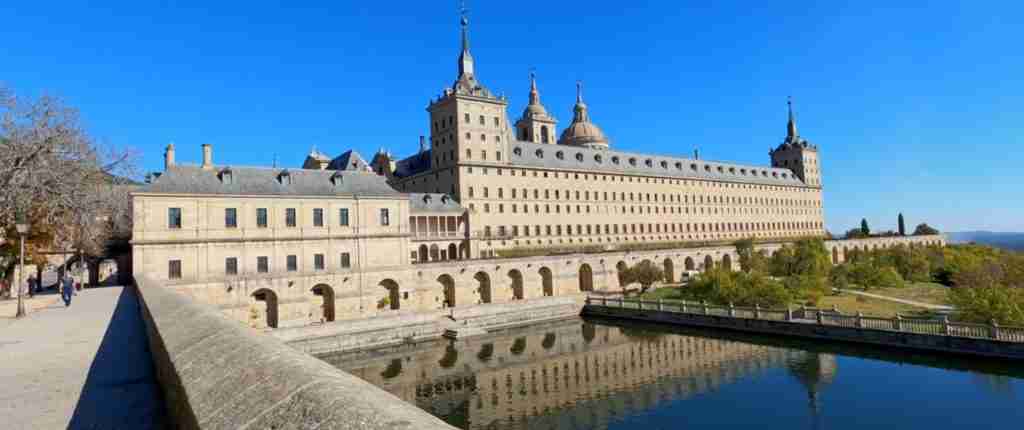
5 days
Madrid 5-Day Highlights Experience
- ✓ Comprehensive Madrid experience
- ✓ Expert local guides included
- ✓ All accommodation included
- ✓ Transportation provided
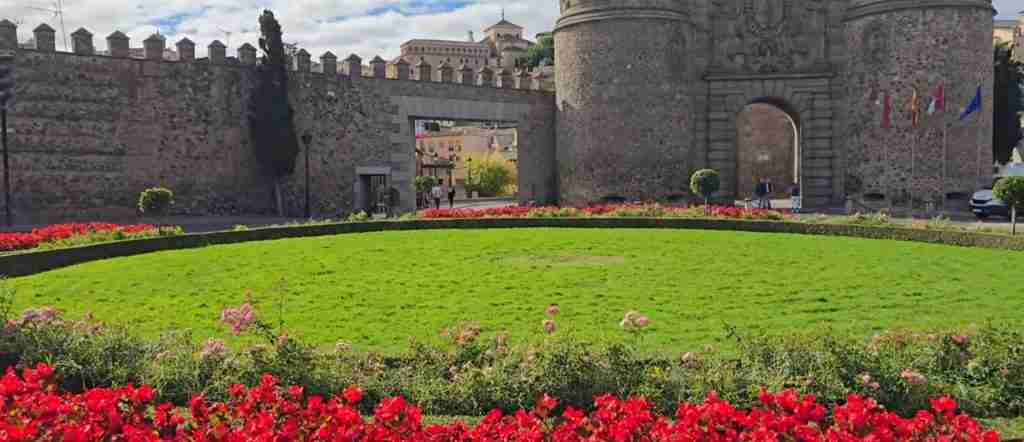
7 days
Madrid 7-Day Cultural Journey
- ✓ Comprehensive Madrid experience
- ✓ Expert local guides included
- ✓ All accommodation included
- ✓ Transportation provided
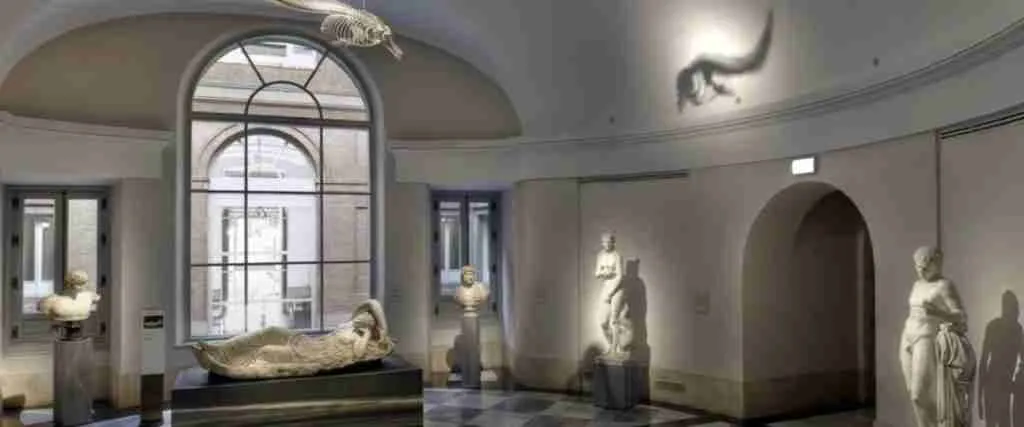
10 days
Madrid 10-Day Complete Adventure
- ✓ Comprehensive Madrid experience
- ✓ Expert local guides included
- ✓ All accommodation included
- ✓ Transportation provided
Multi-day tour packages powered by TourRadar. Prices and availability subject to change.
Essential Planning Information 2026
Current Costs and Pricing Breakdown for 2026
Transportation costs dominate Cuenca day trip budgets with AVE high-speed trains priced at €45-65 round-trip depending on booking timing and departure flexibility. Advance purchase “Promo” fares start at €45-50 for the 55-minute journey when booked 30-60 days ahead through renfe.com, while “Flexible” tickets allowing changes and refunds reach €60-65. Check renfe.com for current official schedules and pricing as rates may vary by season and availability. First-class “Preferente” upgrades add €15-20 per direction, providing larger seats, complimentary beverages, and access to Club AVE lounges at Madrid Atocha.
Conventional trains operating on the slower route via Aranjuez cost €25-35 round-trip with journey times of 2.5-3 hours each direction. These trains arrive at Cuenca’s central station immediately adjacent to the old town, eliminating the taxi or bus connection required from the AVE station. Bus services through AVANZA price at €20-30 round-trip with 2-2.5 hour journey times and departures from Madrid’s Méndez Álvaro bus terminal.
Museum admissions range €3-6 per venue with most visitors prioritizing the Abstract Art Museum at €5, Cathedral at €5, and Diocesan Museum at €4. Combined museum passes cost €12-15, saving €5-8 compared to individual admissions when visiting three or more institutions. The Science Museum charges €6 for adults, while the Municipal Archaeology Museum offers free admission. Guided walking tours of the historic quarter cost €15-20 per person for 90-minute experiences, often included in organized day trip packages from Madrid tour operators.
Meal expenses vary considerably based on restaurant selection and dining preferences. Budget tapas bars and cafeterías around Plaza Mayor charge €8-12 for substantial lunch menú del día offerings including first course, main course, bread, and beverage. Mid-range restaurants featuring regional Castilian cuisine price mains at €15-22, with complete meals including wine reaching €25-35 per person. Cliff-edge establishments with gorge views like Mesón Casas Colgadas charge premium rates of €35-50 per person for atmospheric dining experiences.
Local transportation within Cuenca adds minimal expense for most day-trippers who walk the entire historic quarter. Taxis from AVE station to the old town cost €8-12 for the 5-kilometer journey, with bus line 1 offering €1.50 per ride alternative service connecting the stations. Return taxis to the AVE station typically cost the same €8-12, though some visitors walk the 20-minute downhill route to save money while enjoying valley views.
Transportation Options and Schedules
AVE high-speed trains depart Madrid Atocha for Cuenca Fernando Zóbel station 8-12 times daily depending on season and day of week. Morning services typically begin with a 7:30-7:45 AM departure reaching Cuenca by 8:30-8:45 AM, followed by trains at 9:15 AM, 10:40 AM, and 12:15 PM. The 55-minute journey covers 165 kilometers at speeds up to 250 km/h across the Castilian meseta landscape, arriving at the modern AVE station 5 kilometers from the historic center.
Return AVE trains from Cuenca operate throughout afternoon and evening with services at 3:30 PM, 5:00 PM, 6:45 PM, 8:15 PM, and a final 9:30 PM departure. The 5:00-6:45 PM window accommodates most day-trippers seeking 7-8 hours exploration time while returning to Madrid for dinner. Weekend schedules sometimes add extra services during peak tourism periods, while winter months may reduce frequencies on weekdays.
The AVE station location requires onward transportation to reach the medieval quarter. Bus line 1 operates every 30 minutes connecting the AVE station with Cuenca’s central area for €1.50, with journey time of 10-15 minutes. Taxis wait at the station offering direct service to specific addresses in the old town for €8-12. Some visitors arrange hotel pick-up for €10-15 if booking accommodations, though this remains unnecessary for pure day-trippers.
Conventional trains provide an alternative approach using the traditional rail line through Aranjuez and Tarancón. These services depart Madrid Atocha at 8:00 AM and 2:30 PM, reaching Cuenca central station adjacent to the old town after 2.5-3 hours. The slower journey eliminates station transfer logistics and costs €10-15 less than AVE tickets, appealing to budget-focused travelers who accept longer transit times. Return services depart Cuenca at 10:15 AM and 4:45 PM, limiting day trip flexibility compared to multiple AVE options.
Bus services operate from Madrid’s Méndez Álvaro bus station with AVANZA running 6-8 daily departures beginning at 7:30 AM. Journey time ranges 2-2.5 hours depending on route and stops, with buses terminating at Cuenca’s bus station 15 minutes walk from Plaza Mayor. Return buses depart Cuenca hourly through late afternoon, providing more frequency than conventional trains. Bus tickets cost €10-15 one-way, matching conventional train pricing with similar journey durations.
Private car rental from Madrid enables complete schedule flexibility and easier access to viewpoints outside the historic center. The 165-kilometer drive via A-40 and N-420 highways takes 1.5-2 hours under normal conditions, though Madrid’s exit traffic adds 20-30 minutes during morning rush periods. Parking near the old town costs €1.50-2.50 per hour in surface lots below the historic quarter, with free parking available 15-20 minutes walk from the center. Gas costs total €20-25 round-trip for typical rental vehicles, plus tolls of €5-8 on certain highway sections.
Sample 2026 Itinerary: Perfect Day in Cuenca
Morning Departure and Arrival (7:30 AM – 9:30 AM)
Board the 7:30 AM AVE train from Madrid Atocha’s streamlined high-speed platforms, arriving at Cuenca Fernando Zóbel station by 8:25 AM after the swift 55-minute journey across the Castilian landscape. The modern station architecture contrasts dramatically with the medieval destination, its contemporary design by Spanish architects serving 1 million annual passengers since opening in 2010. Exit directly to waiting taxis that charge €10-12 for the 5-kilometer transfer to the old town, or save €8 by taking bus line 1 that departs every 30 minutes for €1.50, adding 10-15 minutes transit time.
Arrive at Plaza Mayor by 9:00-9:15 AM as the medieval quarter awakens, with shopkeepers opening shutters and early morning light illuminating the Gothic cathedral’s unfinished facade. The plaza serves as the geographic and social heart of Cuenca, surrounded by colorful facades dating from the 15th-18th centuries now housing cafés, restaurants, and municipal buildings. Orient yourself here using the cathedral as the landmark, with the Hanging Houses district extending east toward the Huécar gorge and the main shopping street Calle Alfonso VIII running northwest.
Start with breakfast at a plaza-facing café where coffee and pastries cost €4-6, providing fuel for the walking-intensive day ahead while observing local morning routines. The plaza’s slightly sloped topography reflects Cuenca’s constantly changing elevation, a preview of the vertical geography that defines the entire city experience.
Cathedral and Upper Town Exploration (9:30 AM – 12:00 PM)
Enter Cuenca Cathedral through the main entrance on Plaza Mayor, purchasing the €5 admission that includes access to the nave, chapels, cloister, and chapter house. Construction began in 1177 under Alfonso VIII following Cuenca’s reconquest from the Moors, making it one of Spain’s earliest Gothic cathedrals and showing transitional Norman-Gothic influences unusual in the peninsula. The incomplete facade results from a 1902 tower collapse that destroyed the original entrance, with the current plain facade creating an architectural anomaly where elaborate Gothic interiors hide behind austere exterior walls.
Spend 45-60 minutes exploring the cathedral’s treasures including the ambulatory with Baroque chapels, the remarkably intact Gothic cloister, and the chapter house displaying religious art spanning five centuries. The stained glass windows cast colored light across stone columns, while the retablo mayor showcases polychrome wood carving from multiple periods. The treasury museum within the cathedral complex preserves liturgical objects, illuminated manuscripts, and Flemish tapestries that demonstrate Cuenca’s historical wealth derived from wool trade and textile manufacturing.
Exit the cathedral and walk northeast on Calle Obispo Valero toward the Hanging Houses district, passing medieval homes renovated into boutique hotels, art galleries, and craft workshops. The street narrows as it approaches the cliff edge, with buildings showing the characteristic limestone and plaster construction that adapts to Cuenca’s challenging topography. Stop at viewpoints along the route where gaps between buildings reveal the Huécar gorge 100 meters below, introducing the vertical drama that intensifies ahead.
Reach the Casas Colgadas by 11:00 AM when morning light illuminates their cantilevered balconies from the optimal angle. These three surviving Hanging Houses date from the 15th century when space constraints forced builders to extend structures over the cliff face using timber support systems anchored in the limestone bedrock. The wooden balconies project 2-3 meters beyond the stone walls, creating the vertiginous effect that made Cuenca internationally famous. One house contains the Abstract Art Museum, while the others remain private residences or house restaurants, their interior preservation maintained through strict heritage regulations.
Enter the Abstract Art Museum for €5 admission, spending 30-45 minutes viewing Spain’s premier collection of abstract art from the 1950s-1980s. The juxtaposition of cutting-edge 20th-century art within medieval architecture creates intentional dialogue between eras, with works by Fernando Zóbel, Gustavo Torner, and other Spanish abstractionists displayed in the same rooms where 15th-century families lived. The museum’s windows frame the gorge landscape, incorporating natural scenery as part of the viewing experience.
Gorge Crossing and Saint Paul Monastery (12:00 PM – 1:30 PM)
Cross the San Pablo pedestrian bridge spanning the Huécar gorge 60 meters above the river, a thrilling 5-minute walk on the iron and wood structure built in 1902-1903 to replace an earlier stone arch bridge. The bridge sways slightly in wind, adding physical sensation to the visual drama of looking down at the rocky gorge bottom and back at the Hanging Houses now seen from the opposite side. This perspective reveals the full extent of the houses’ cantilever engineering and provides Cuenca’s most iconic photographic composition.
Reach the Saint Paul monastery ruins perched on the opposite cliff, now converted to a Parador luxury hotel that preserved the Gothic and Renaissance architectural elements while adding modern hospitality facilities. Non-guests access the exterior spaces freely, walking the terraced gardens that cascade down the cliff face and offer multiple vantage points for gorge and city views. The monastery’s strategic position demonstrates medieval military thinking, with this elevated outcrop providing defensive advantages and visual command over approaching routes.
The monastery church, partially ruined but stabilized, opens for visits showing Gothic ribbed vaulting and remaining wall frescoes that survived centuries of weather exposure. The peaceful cloister garden, maintained by the Parador, provides a contemplative space contrasting with the dramatic gorge scenery immediately adjacent. Allow 30-40 minutes for exploring the monastery grounds and capturing photographs from various angles before recrossing the bridge.
Lunch Break and Old Town Wandering (1:30 PM – 3:30 PM)
Return across San Pablo bridge and navigate back through the medieval quarter toward Plaza Mayor for lunch at a traditional Castilian restaurant. Regional specialties include morteruelo (a pâté of game meats, liver, and spices), zarajos (grilled lamb intestines wound on vine shoots), and resolí (a coffee liqueur traditionally homemade). Mid-range restaurants around Plaza Mayor charge €18-25 for main courses, with complete meals including wine totaling €25-35 per person.
Budget-conscious visitors find excellent value in menú del día offerings at cafeterías on streets radiating from the plaza, where €10-12 secures a three-course lunch with bread and beverage included. These fixed menus typically feature local dishes adapted to visitor preferences alongside standard Spanish fare, providing authentic taste without the commitment or expense of elaborate restaurant dining.
After lunch, wander the upper town neighborhoods north of the cathedral where residential streets preserve the quieter aspects of medieval urbanism. The Barrio del Castillo occupies the highest point where Cuenca’s original Muslim fortress stood before Christian conquest, now showing fragmentary walls integrated into later construction. These streets see fewer tourists, their uneven cobblestones and whitewashed walls creating photogenic compositions without the crowds concentrated around major monuments.
Stop at artisan workshops selling handmade crafts including ceramics, leather goods, and woven textiles that continue traditional techniques. These studios cluster on Calle San Pedro and surrounding lanes, many operating in ground floor spaces of medieval homes where craftspeople welcome visitors to observe working methods. Prices remain reasonable compared to Madrid galleries, with small ceramic pieces starting at €15-20 and larger decorative items reaching €80-150.
Museums and Scenic Viewpoints (3:30 PM – 5:30 PM)
Visit the Diocesan Museum adjacent to the cathedral, paying €4 admission to view religious art and artifacts spanning Cuenca’s history from medieval to contemporary periods. The collection includes processional crosses, illuminated choir books, bishops’ vestments, and paintings by El Greco and other Spanish masters who worked on Cuenca commissions. The museum occupies the former Episcopal Palace, its Renaissance courtyard providing architectural interest alongside the displayed collections.
Walk northeast to the Science Museum occupying a renovated historic building on Plaza de la Merced, charging €6 admission for interactive exhibits focused on natural history and paleontology relevant to the Cuenca region. The museum appeals particularly to families with children, though the dinosaur fossils discovered in surrounding provinces and the geological explanations of the karst landscape that created the gorges interest adult visitors seeking deeper understanding of the area’s formation.
Conclude the afternoon at the Mangana Tower viewpoint on the city’s western edge, where remnants of the defensive tower that once marked Cuenca’s medieval boundary now serve as a panoramic observation point. The 360-degree views encompass the old town’s roofscape, both gorges, the new city spreading across the plateau, and the Serranía de Cuenca mountains forming the horizon. Sunset lighting during late afternoon creates ideal photographic conditions, though even midday visits reveal the full extent of Cuenca’s dramatic topography.
Evening Return (5:30 PM – 7:00 PM)
Walk or take a taxi back to Cuenca AVE station, departing on the 5:45 PM or 6:45 PM train that arrives Madrid Atocha by 6:40 PM or 7:40 PM respectively. The return journey provides opportunity to review photos and impressions while watching the landscape transition from mountainous terrain back to the flat Castilian meseta. Alternatively, extend the day with the 8:15 PM departure if energy and interest support additional exploration time, though most visitors find 7-8 hours provides comprehensive coverage of primary attractions without exhaustion.
Budget Planning for 2026 Cuenca Day Trip
Transportation Budget Scenarios
Transportation choices create the widest budget variation in Cuenca day trip planning, with the AVE premium reducing time but increasing costs. The standard AVE option at €55-60 round-trip booked 2-3 weeks advance provides optimal balance between convenience and expense, completing the full day trip in 9-10 hours total including 2 hours combined travel time. This leaves 7-8 hours for Cuenca exploration, sufficient for thorough coverage of essential sites plus extended time at museums or restaurants.
Budget optimization through early booking captures promotional “Promo” fares at €45-50 round-trip, requiring 30-60 days advance purchase but saving €10-15 compared to standard tickets. These savings offset a museum admission or lunch upgrade, meaningfully impacting the total day cost. Promo fares carry restrictions on changes and refunds, requiring firm commitment to specific departure times, but day trip planning rarely needs flexibility once the date is set.
Conventional train selection reduces transportation to €25-35 round-trip, saving €20-30 versus AVE tickets but consuming 5-6 hours in transit versus 2 hours. This trade-off suits travelers on very tight budgets or those who enjoy slow travel, though the 2.5-3 hour journey each direction significantly reduces time available in Cuenca itself. The conventional train’s arrival at the central station eliminates taxi costs and provides immediate access to the old town, a minor advantage versus the AVE station transfer.
Bus services from AVANZA price identically to conventional trains at €20-30 round-trip with similar 2-2.5 hour journey times. The bus station location sits slightly closer to the old town than the AVE station but farther than the central train station, creating equivalent access logistics. Bus schedules provide more frequency throughout the day compared to conventional trains, appealing to travelers seeking flexible return times without paying AVE premiums.
Private car rental introduces fixed costs around €40-50 daily for economy vehicles, plus fuel at €20-25 and parking at €5-10, totaling €65-85 for transportation. This becomes economical for groups of 3-4 people splitting costs at €16-21 per person, notably cheaper than AVE tickets while maintaining speed and flexibility. Solo travelers or pairs find car rental less attractive unless planning to explore destinations beyond Cuenca proper, where the vehicle enables visits to surrounding natural parks or nearby historic towns.
Admission and Activity Costs
Museum admissions collectively cost €15-20 for visitors prioritizing cultural institutions, with Cathedral at €5, Abstract Art Museum at €5, Diocesan Museum at €4, Science Museum at €6 representing the primary options. The combined pass at €12-15 provides savings when visiting three or more venues, though many day-trippers focus on 2-3 museums rather than attempting exhaustive coverage that creates fatigue and diminishes enjoyment.
Free activities significantly extend the experience without adding costs. Walking the medieval streets, viewing the Hanging Houses exterior, crossing San Pablo bridge, and accessing multiple gorge viewpoints cost nothing while providing the most memorable experiences. The observation points at Mangana Tower, along Calle de los Tintes, and from various plaza edges allow comprehensive photography without admission fees.
Guided walking tours at €15-20 per person for 90-minute experiences add value for visitors seeking deeper historical context and local stories beyond what independent exploration provides. English-language tours operate daily during peak season and weekends year-round, departing from Plaza Mayor at scheduled times. These tours cover the cathedral exterior, main streets, Hanging Houses, and San Pablo bridge while providing anecdotes about Cuenca’s textile industry history, famous residents, and architectural evolution.
Photography is universally permitted outdoors and in most museums without additional fees, though some institutions prohibit flash or tripods. The dramatic landscapes and architectural compositions make Cuenca particularly rewarding for photography enthusiasts who naturally spend more time at viewpoints than rushed visitors, creating subjective value beyond quantifiable costs.
Food and Beverage Budget
Meal expenses range from €15 budget minimum to €40-50 for premium dining experiences, with mid-range restaurant meals at €25-35 representing the practical choice for most day-trippers. The three-meal structure typically includes breakfast in Madrid before departure or at Cuenca upon arrival, substantial lunch as the main meal, and light snacks or early dinner before returning to Madrid.
Budget dining relies on menú del día offerings at €10-12 for lunch, cafe breakfast at €4-6, and afternoon snacks at €3-5, totaling €17-23 for complete daily food costs. These fixed-price menus provide excellent value with generous portions of traditional dishes, often including bread, dessert or coffee, and a beverage. The quality remains surprisingly high despite budget pricing, with family-run establishments using these menus to showcase regional cuisine while attracting regular local customers.
Mid-range dining elevates the experience through à la carte ordering at establishments featuring regional specialties and cliff-edge views. Breakfast at €6-8, lunch at €18-25 for a main course plus wine, and afternoon coffee with pastries at €5-7 totals €29-40 for the day’s meals. These restaurants emphasize local sourcing, traditional preparations, and atmospheric settings that enhance the overall Cuenca experience beyond mere nutrition.
Premium dining focuses on restaurants within the Hanging Houses or other historic buildings with terrace seating overlooking the gorges. Mesón Casas Colgadas and similar establishments charge €35-50 per person for complete meals, justified by unique settings and refined Castilian cuisine. This option suits special occasion day trips or travelers for whom the meal becomes a central experience rather than functional necessity.
Sample Budget Breakdowns for 2026
Budget Day Trip (€85-95 total): AVE train advance booking €45-50, menú del día lunch €10-12, breakfast and snacks €8-10, Cathedral admission €5, Abstract Art Museum €5, coffee €3-5, taxi from AVE station €10. Total day cost: €86-97 per person (excluding any Madrid accommodation).
Mid-Range Day Trip (€105-115 total): AVE train standard fare €55-60, restaurant lunch €25-30, breakfast and snacks €12-15, three museum admissions €15, taxi round-trip from AVE station €20. Total day cost: €107-115 per person (excluding any Madrid accommodation).
Premium Day Trip (€140-160 total): AVE first class €70-80, fine dining lunch with wine €45-55, guided walking tour €18, four museum admissions €20, taxis and bus €25, artisan purchases €15-20. Total day cost: €143-158 per person (excluding any Madrid accommodation).
Group Car Rental (4 people, €70-80 per person total): Car rental split €12 per person, fuel and parking split €8 per person, mid-range lunch €25-30, breakfast and snacks €12-15, museum admissions €15. Total day cost per person: €72-80 when traveling in a group of four (excluding any Madrid accommodation).
Booking Strategies for 2026 Season
Optimal Booking Windows
Book AVE trains 30-60 days before your intended travel date to access promotional fares and secure preferred departure times, with the 60-day advance window providing maximum savings and selection. Renfe releases inventory and pricing approximately two months ahead, with the lowest “Promo” tickets selling quickly for popular morning departures on weekends and holidays. Set calendar reminders at the 60-day mark before your target date to book immediately upon ticket release.
Flexible travelers who wait for “Last Minute” promotions sometimes find discounted fares 7-10 days before departure when Renfe reduces prices on trains showing low bookings, though this strategy risks missing the trip entirely if trains fill. Tuesday through Thursday departures show the most last-minute availability, while Friday through Sunday services typically sell out or maintain high pricing even days before travel.
Museum tickets require no advance booking as Cuenca’s institutions rarely reach capacity outside major holiday weekends. Purchase admissions on arrival at each venue, allowing flexible itinerary adjustments based on interest, weather, and energy levels. The combination passes sold at tourist information offices on Plaza Mayor provide minimal savings and reduce flexibility, beneficial only for visitors certain they will visit five or more museums.
Guided tours operate on walk-up basis during off-peak seasons but benefit from advance booking on tour operator websites during spring and fall weekends when groups can fill available spots. English-language tours typically run at 10:30 AM and 4:00 PM, with confirmation 1-2 days ahead ensuring a spot without requiring weeks-advance planning. Private tours for 2-6 people cost €80-120 total regardless of group size, becoming economical for couples or small groups who split the cost while receiving personalized attention.
Seasonal Planning Considerations
Spring season from March through June attracts the highest visitor volumes in 2026, with Easter week, May Day weekend, and June graduations creating concentrated demand. Book AVE trains 45-60 days ahead during these periods, with Easter week requiring the earliest possible booking at the 60-day mark. Spring weather provides ideal conditions but commands premium pricing and crowds across all services.
Summer months July and August see Spanish domestic tourism peak as families take vacations, though international tourism remains moderate since Cuenca lacks the beach resort appeal of coastal destinations. AVE trains maintain good availability even 2-3 weeks before travel during July, with August showing tighter capacity during the first three weeks when most Spanish workers take vacation. Heat levels warrant early morning departures to complete walking before afternoon temperatures peak.
Autumn September through November offers the best combination of weather, availability, and value. Post-summer pricing drops for accommodations and tour services, though AVE tickets maintain standard rates year-round. Book 2-3 weeks ahead for autumn travel unless visiting during October’s Día de la Hispanidad long weekend when advance booking of 30-45 days proves necessary.
Winter December through February brings the lowest tourist volumes and occasional promotional pricing on services beyond transportation. AVE trains show excellent availability throughout winter, bookable even one week ahead without premium costs. The trade-off involves reduced daylight hours, colder temperatures requiring warmer clothing, and some museums operating limited winter schedules. Check individual museum websites for current winter hours before planning winter day trips.
Money-Saving Strategies
Combine the Cuenca day trip with other destinations in Castilla-La Mancha region to maximize value from multi-day rail passes that Renfe sometimes promotes during low seasons. The “Spain Pass” and similar products occasionally offer better per-journey rates than individual tickets when planning 3-4 train trips within a short period, though terms and availability vary annually.
Travel on weekdays rather than weekends to encounter smaller crowds and better restaurant availability without any price difference for transportation or admissions. Tuesday through Thursday particularly show quieter conditions, with locals working and fewer tour groups operating compared to weekend operations. The experience quality improves substantially in uncrowded conditions where you photograph the Hanging Houses without 50 other people in frame.
Bring packed breakfast and snacks from Madrid to reduce food costs by €8-12 per person, allocating those savings toward a nicer lunch or additional museum admissions. Supermarkets near Madrid hotels sell fresh pastries, fruit, coffee in thermoses, and ready-made sandwiches that transport easily and taste better than rushed station purchases.
Walk from AVE station to old town in 20-25 minutes rather than taking the €10-12 taxi, saving money while enjoying the valley views as the route descends toward the historic center. The walk follows a paved road with sidewalks, entirely safe and manageable with reasonable fitness, though the uphill return journey to the station proves more strenuous and justifies the taxi expense if tired after full day walking.
Package Tour Considerations
Organized day trip packages from Madrid tour operators cost €85-130 per person including round-trip coach transportation, guided tour, and sometimes meal or museum admissions. Companies like Civitatis, GetYourGuide, and Viator offer various Cuenca packages bookable online with English-speaking guides and fixed itineraries designed for international tourists unfamiliar with independent Spain travel.
These packages provide convenience and eliminate planning stress, though they sacrifice flexibility and often use slower bus transportation rather than AVE trains. The guided aspects add value for visitors wanting historical context beyond what they would discover independently, while the group dynamic either enhances or diminishes enjoyment depending on personal preferences and group composition.
Independent travel costs approximately the same or slightly less than basic package tours when choosing mid-range options, while budget independent travelers save €25-40 by forgoing the tour structure. Premium independent experiences with first-class AVE, fine dining, and multiple museum visits ultimately cost more than standard packages, though the customization justifies the additional expense for travelers with specific interests or preferences.
Frequently Asked Questions About Cuenca Day Trips 2026
Can you do Cuenca as a day trip from Madrid?
Cuenca works excellently as a day trip from Madrid with the AVE high-speed train enabling round-trip travel in just 2 hours total, leaving 7-8 full hours for exploration of the UNESCO World Heritage medieval quarter. The compact historic center concentrates primary attractions within a 1.5 square kilometer area, entirely walkable despite steep terrain, allowing comprehensive coverage of the Hanging Houses, cathedral, museums, and gorge viewpoints in a single day without rushing. Morning departures at 7:30-8:30 AM position you in Cuenca by 9:00-9:30 AM when museums open, while late afternoon returns at 5:45-6:45 PM provide ample time to experience the city’s highlights and enjoy a leisurely lunch.
Is Cuenca better than Toledo for a day trip from Madrid?
Cuenca and Toledo offer distinctly different experiences, with Cuenca providing more dramatic natural scenery through its gorge-edge architecture and less touristy atmosphere compared to Toledo’s more visited but equally important historical quarter. Cuenca’s Hanging Houses create unique visual drama impossible to see elsewhere, while Toledo’s concentration of El Greco artworks and three-culture heritage (Christian, Jewish, Muslim) provide richer cultural depth. Budget-conscious travelers prefer Toledo’s shorter 30-minute train journey costing €10-15 round-trip versus Cuenca’s 55-minute AVE at €45-65, though Cuenca’s smaller crowds and stunning topography appeal to visitors seeking less-discovered destinations. Consider Cuenca if you prioritize unique architecture and natural landscapes, Toledo if art history and dense historical layers interest you more.
What is Cuenca Spain famous for?
Cuenca achieved international fame for its Casas Colgadas or Hanging Houses, gravity-defying 15th-century residential buildings that cantilever over 100-meter cliff drops above the Huécar River gorge through ingenious timber engineering. UNESCO designated Cuenca’s historic walled city as a World Heritage site in 1996, recognizing the exceptional preservation of a fortified medieval city built on a dramatic limestone promontory between two gorge systems. The city additionally gained recognition as Spain’s center for abstract art following Fernando Zóbel’s establishment of the Abstract Art Museum in 1966, which showcased Spanish contributions to international modernist movements within Cuenca’s historic architecture. Contemporary reputation rests on this combination of medieval urbanism, extreme topography, and unexpected contemporary art presence creating distinctive character unlike other Spanish heritage cities.
How many days do you need in Cuenca Spain?
One full day provides sufficient time for comprehensive exploration of Cuenca’s essential attractions including the Hanging Houses, cathedral, Abstract Art Museum, San Pablo bridge, and the main medieval quarter streets and viewpoints. Travelers allocating 7-8 hours in the city can cover all major sights at a comfortable pace while including a sit-down lunch and time for photography at multiple gorge overlooks. Two days allow deeper exploration of secondary museums, extended time for hiking the gorge trails below the city, visits to the modern town neighborhoods, and day trips to surrounding natural areas like the Enchanted City rock formations. Three days suit visitors specifically interested in Cuenca’s abstract art scene, regional hiking, or slow travel who want to experience local daily rhythms beyond tourist itineraries. For most visitors arriving from Madrid, a single day trip captures Cuenca’s essence without requiring overnight accommodation.
Is there parking near Cuenca old town?
Parking lots exist at the base of the old town with the largest facility, Parking Huécar, offering 200+ spaces at €1.50-2.00 per hour or €12-15 daily maximum rate. This covered garage sits immediately below the historic quarter requiring a 5-10 minute uphill walk to reach Plaza Mayor, the most convenient option for drivers. Several smaller surface parking areas scatter around the old town perimeter at similar rates, though spaces fill quickly on weekends and holidays. Free street parking exists in newer neighborhoods 15-20 minutes walk from the center, requiring time and willingness to carry any items uphill to the historic area. The old town itself maintains strict vehicle restrictions with only resident permits allowing entry to the narrow medieval streets, making parking outside and walking in the universal approach for day visitors.
What is the best month to visit Cuenca?
May and October represent the optimal months for visiting Cuenca in 2026, combining comfortable temperatures of 15-22°C, minimal rainfall, manageable tourist crowds, and ideal lighting conditions for photography throughout the day. May brings spring wildflowers across the surrounding mountains and longer daylight hours extending afternoon exploration, while October provides clear skies after summer heat and autumn color transitions in the gorge vegetation. Both months avoid the winter cold and reduced hours of December through February while escaping the peak summer heat and maximum crowds of July through August. April and September serve as excellent alternatives slightly more affected by spring rain or lingering summer temperatures respectively. Winter visits appeal to photographers seeking atmospheric fog effects and travelers who prioritize solitude over guaranteed sunshine, though some museum schedules reduce and outdoor comfort requires warmer clothing.
Are there good restaurants in Cuenca?
Cuenca offers excellent restaurant options spanning budget menú del día establishments to cliff-edge fine dining venues with gorge views and regional Castilian cuisine. Mesón Casas Colgadas occupies one of the famous Hanging Houses with dramatic terrace seating overlooking the Huécar gorge, specializing in roasted meats and local game at €35-50 per person for complete meals. Budget-conscious visitors find outstanding value around Plaza Mayor where family-run cafeterías serve generous three-course menú del día offerings at €10-12 including regional specialties like morteruelo and zarajos. Posada de San José combines moderate pricing with atmospheric setting in a renovated medieval building, while Raff San Pedro focuses on contemporary Spanish cuisine with tasting menus at mid-range prices. The restaurant scene balances traditional Castilian cooking using mountain ingredients with modern interpretations, supported by excellent local wines from nearby Denomination of Origin regions.
Is Cuenca safe for tourists?
Cuenca maintains very high safety standards for tourists with extremely low crime rates, minimal street crime, and safe conditions for walking throughout the historic quarter day and night. The small city size of 55,000 residents and family-oriented culture create secure environments where violent crime remains virtually nonexistent and petty theft occurs rarely. The primary safety concerns involve the topography itself rather than crime—watch footing on uneven cobblestone streets, stay behind railings at gorge viewpoints, and use caution on San Pablo bridge where the metal grating deck and elevation can cause vertigo. Summer heat requires attention to hydration and sun protection during midday hours, while winter ice on stone streets necessitates careful walking. Emergency services respond quickly, English-speaking staff work at hotels and tourist offices, and the visible municipal police presence focuses on assisting visitors rather than addressing crime.
Can you walk everywhere in Cuenca?
The historic quarter of Cuenca is entirely walkable with all major attractions located within 1-1.5 kilometers of Plaza Mayor, though the constant elevation changes and steep streets require moderate fitness and comfortable walking shoes. The vertical geography means routes constantly ascend or descend with minimal flat sections, accumulating significant total elevation gain throughout a full day of sightseeing. San Pablo bridge, the Hanging Houses, cathedral, and main museums all sit within 10-15 minute walks of each other, though the ups and downs make these distances feel longer than flat-terrain equivalents. The modern town spreading across the plateau beyond the old quarter requires longer distances to reach, typically necessitating taxis or buses that operate between the two areas. Most visitors never need motorized transportation within the historic center itself, instead managing the hill work as part of the authentic Cuenca experience inseparable from its dramatic cliff-top setting.
What should I wear for a day trip to Cuenca?
Wear comfortable walking shoes with good traction and ankle support for navigating Cuenca’s steep cobblestone streets, uneven surfaces, and constant elevation changes throughout the compact medieval quarter. Athletic shoes or hiking boots work better than fashion sneakers or sandals given the demanding terrain and hours of walking required. Dress in layers during spring and fall when morning temperatures at 10-12°C rise to 20-24°C by afternoon, with a light jacket easily removable as the day warms. Summer visits require sun hats, sunglasses, and lightweight breathable fabrics since the 30-35°C heat intensifies when walking uphill sections and open plaza areas lack shade. Winter trips need warm jackets, gloves, and possibly insulated layers for 5-10°C temperatures, especially if planning extended time at outdoor viewpoints. Bring a backpack or day bag to carry water bottles, snacks, cameras, and any layers removed during the day, leaving hands free for photographing and navigating the challenging topography safely.
Planning Your 2026 Cuenca Experience
Cuenca delivers concentrated medieval magic within day trip logistics from Madrid, combining the practical convenience of AVE high-speed rail access with the timeless appeal of gravity-defying architecture clinging to limestone cliffs. The Hanging Houses alone justify the journey, their dramatic cantilevers over sheer gorges creating images and memories that persist long after the day trip concludes. Yet Cuenca offers far more than a single photographic icon—the complete medieval quarter preserves authentic urban fabric where daily life continues within centuries-old structures, creating living heritage rather than museum exhibits.
The 2026 visiting season presents optimal conditions for experiencing Cuenca’s unique character, with improved transportation infrastructure, expanded museum offerings, and refined visitor services enhancing accessibility while preservation efforts maintain the authentic medieval atmosphere. Strategic planning around seasonal patterns, booking windows, and budget allocation enables personalized experiences matching individual interests whether focused on art, architecture, photography, or simply absorbing the dramatic landscape-architecture fusion that makes Cuenca unmistakable.
The day trip format suits Cuenca perfectly—intimate enough to explore comprehensively in 7-8 hours yet substantial enough to create meaningful experiences beyond superficial sightseeing. The vertical geography naturally controls tourism flow, discouraging the overwhelming crowds that diminish experience quality in more accessible destinations. This combination of convenience from Madrid and preserved authenticity positions Cuenca as an essential Spanish heritage experience for 2026 travelers seeking medieval wonder without the logistics of remote destinations.