
Andalusia 7-Day Itinerary 2026: Perfect Week in Southern Spain
Key Takeaways
- This optimized 7-day circuit covers Andalusia’s essential highlights—Seville (2 days), Granada (2 days), Córdoba (1 day), Málaga (2 days)—with efficient routing minimizing backtracking and maximizing sightseeing time
- Total week costs range €1,238-1,685 per person including accommodation, transportation, meals, and major attractions, with budget options at lower end and comfortable mid-range at upper range
- Advance booking is critical for Alhambra tickets (2-3 months ahead, €19.09), AVE train seats (60 days ahead for best prices €25-85), and accommodation during peak season (March-October)
- Strategic transportation routing uses AVE high-speed trains for major city connections (Seville-Córdoba 45 minutes, Córdoba-Málaga 1 hour) and buses for Granada segments (Seville-Granada 3 hours, Granada-Málaga 1.5 hours)
- Daily budgets average €120-180 per person for mid-range travel including €60-90 accommodation, €40-55 meals, €25-40 attractions, and €15-25 transportation depending on routing
- This itinerary balances intensive cultural exploration with coastal relaxation, combining UNESCO World Heritage monuments (Alhambra, Mezquita, Alcázar) with beaches, neighborhoods, and authentic local experiences
Introduction to Your Perfect Andalusia Week in 2026
A seven-day Andalusia itinerary provides the ideal timeframe for experiencing Southern Spain’s essential cultural treasures, architectural masterpieces, and diverse landscapes without constant rushing. This carefully structured week-long journey balances intensive sightseeing in historic cities with relaxation time, strategic transportation connections, and realistic daily pacing that prevents exhaustion while maximizing experiences. The route follows a logical geographic progression, minimizing backtracking and long travel days while ensuring you witness Andalusia’s most spectacular monuments, neighborhoods, and coastal beauty.
This itinerary centers on the “Golden Triangle” of Seville, Granada, and Córdoba—three cities containing Andalusia’s UNESCO World Heritage sites and most iconic monuments—before concluding with coastal time in Málaga and optional beach extensions. Each city receives appropriate time allocation based on monument density and neighborhood exploration requirements: Seville earns two full days for its Cathedral, Alcázar, and atmospheric quarters; Granada demands two days for thorough Alhambra exploration plus the Albaicín neighborhood; Córdoba receives one intensive day for Mezquita-centered sightseeing; Málaga provides two days balancing cultural attractions with Mediterranean relaxation.
The routing strategy optimizes Spain’s AVE high-speed train network and intercity bus services for efficient connections. Beginning in Seville, you progress eastward through Córdoba to Granada, then south to coastal Málaga—a pattern that works equally well in reverse for those arriving/departing from Málaga Airport instead of Seville. Transportation costs remain reasonable through advance booking, with total intercity travel expenses of €67-123 per person for the entire week depending on AVE versus bus choices and booking timing.
Budget planning for this itinerary assumes mid-range comfort levels with private hotel rooms (€60-90 per night sharing doubles), restaurant dining for most meals supplemented by occasional picnics (€40-55 daily), paid major attractions and tours (€25-40 daily), and mixed public transportation (€15-25 daily). Total week costs of €1,238-1,685 per person provide realistic expectations including accommodation, transportation, dining, and entrance fees. Budget travelers reduce costs by €300-450 through hostel accommodation, self-catered breakfasts, free walking tours, and consistent public transportation use, while luxury travelers add €500-800 for boutique hotels, guided tours, fine dining, and convenience factors.
People Also Ask About Andalusia 7-Day Itineraries 2026
Is 7 days enough for Andalusia in 2026?
Seven days provides sufficient time to experience Andalusia’s essential highlights across four major cities, though it requires focused sightseeing and strategic planning to avoid constant rushing. This timeframe allows comprehensive coverage of the major UNESCO sites—Alhambra (half day minimum), Mezquita (2-3 hours), Seville’s Alcázar and Cathedral (half day each)—plus neighborhood exploration in each city’s historic quarters. You’ll experience varied landscapes from Guadalquivir River valley to Mediterranean coast, sample regional cuisine across different provinces, and witness architectural evolution from Roman through Moorish to Renaissance periods. However, seven days necessitates choosing between depth and breadth—you’ll visit major cities thoroughly but sacrifice time in white villages, rural areas, and extended coastal relaxation. Ten to fourteen days enables more leisurely pacing, white village excursions, and genuine downtime, while three to five days forces single-city focus or superficial multi-city touring. Seven days represents the minimum for meaningful multi-city Andalusian exploration while maintaining quality over quantity.
What is the best route for a 7-day Andalusia trip in 2026?
The optimal 7-day route follows a logical geographic progression: Seville (Days 1-2) → Córdoba (Day 3) → Granada (Days 4-5) → Málaga (Days 6-7), or reverse for Málaga arrivals. This routing minimizes backtracking, places longest travel day (Seville-Granada, 3 hours) in the middle when you’ve acclimated to Spanish rhythms, and positions coastal relaxation at week’s end after intensive cultural sightseeing. Alternative routes exist—some travelers prefer Málaga → Granada → Córdoba → Seville to start with easier coastal adjustment before cultural immersion, while others add Ronda as Day 5-6 stop between Granada and Málaga. The recommended route maximizes AVE high-speed train use between Seville-Córdoba (45 minutes, €30-45) and Córdoba-Málaga (1 hour, €30-55), with buses handling Granada segments where AVE doesn’t yet serve. Beginning in Seville allows experiencing Andalusia’s largest city first while fresh, building toward Alhambra climax mid-week, and concluding with relaxed beach time rather than rushing to catch departure flights after intensive monument touring.
How much does a 7-day Andalusia trip cost in 2026?
A week in Andalusia costs €1,238-1,685 per person for mid-range travel including accommodation, transportation, meals, and major attractions. This breaks down to accommodation €360-540 for 6 nights (€60-90 per night sharing doubles), intercity transportation €67-123 depending on AVE versus bus choices, daily attraction costs €175-280 total (averaging €25-40 per day), meals €280-385 for the week (€40-55 daily), and local transportation €70-105 (€10-15 daily). Budget travelers reduce costs to €950-1,200 through hostel dorms (€18-28 nightly), self-catered breakfasts, free walking tours supplementing paid attractions, picnic lunches, and exclusive public transport use. Luxury travelers spend €2,100-3,200+ with boutique hotels (€150-250 nightly), private guided tours (€100-200 daily), fine dining (€80-120 daily), and convenient transportation including taxis and private transfers. Major variable costs include Alhambra tickets at €19.09, Seville Alcázar €14.50, Mezquita €13, and Seville Cathedral €12 (check official websites for current rates as pricing may vary). AVE trains between major cities range €25-85 depending on route and advance booking timing, while intercity buses cost €12-25 per journey.
When is the best time for a 7-day Andalusia trip in 2026?
May and October represent ideal months for seven-day Andalusia circuits, offering comfortable temperatures of 20-28°C, reduced crowds compared to peak summer, moderate pricing, and reliable weather with minimal rainfall. Spring (March-May) brings blooming landscapes, pleasant 18-25°C temperatures, and vibrant festivals though Semana Santa (March 29-April 5, 2026) creates massive crowds and price spikes requiring avoidance unless specifically desired. Fall (September-November) provides excellent value with September maintaining warm beach weather (25-30°C), October delivering perfect city touring conditions (20-25°C), and November offering lowest prices despite occasional rain. Summer (June-August) suits coastal focus with temperatures of 35-42°C in inland cities making midday sightseeing uncomfortable, while winter (December-February) delivers best value with 10-18°C temperatures suitable for cultural exploration but limiting beach appeal. Book Alhambra tickets 2-3 months ahead regardless of season, with peak times (April-October) requiring immediate purchase when tickets release to secure preferred time slots. Spring and fall shoulder seasons balance weather comfort, crowd levels, and pricing for optimal overall experience.
Extended multi-day tours – 5+ days
Featured Andalucia Multi-Day Tour Packages
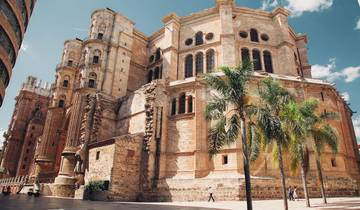
6 days
6 Day Malaga including visit to Gibraltar, Granada, Alhambra and Caminito del Rey
- ✓ Comprehensive Andalucia tour
- ✓ Expert local guides included
- ✓ All accommodation arranged
- ✓ Transportation provided
11 days
Flavors of Spain: A 11 Day Journey Through Madrid, Seville, Granada & Barcelona
- ✓ Comprehensive Andalucia tour
- ✓ Expert local guides included
- ✓ All accommodation arranged
- ✓ Transportation provided

11 days
A Taste of Spain: : 11 Days Across Madrid, Seville, Granada & Barcelona
- ✓ Comprehensive Andalucia tour
- ✓ Expert local guides included
- ✓ All accommodation arranged
- ✓ Transportation provided
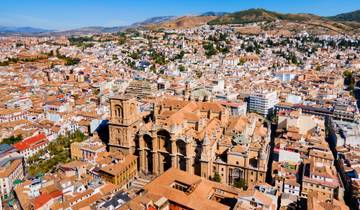
5 days
Granada: Crossroads of Arab and Christian Cultures
- ✓ Booking needs min. 2 travelers
Multi-day tour packages powered by TourRadar. Prices and availability subject to change.
Pre-Trip Planning for 2026 Andalusia Week
Essential Advance Bookings and Timeline
Successful Andalusia travel requires strategic advance planning with different booking timelines for various components. Begin planning 3-4 months before departure to secure optimal choices across all categories while maintaining flexibility for personal preference refinements. The Alhambra represents the critical path item—tickets release exactly 3 months ahead at midnight Spanish time, with popular morning (8:30-10:00 AM) and late afternoon (4:00-6:00 PM) time slots selling out within hours during peak season. Set phone alarms for your desired visit date’s ticket release (90 days prior) and complete purchase immediately through the official Alhambra website or Ticketmaster Spain.
Accommodation booking follows Alhambra confirmation, typically 2-3 months ahead for best selection and pricing. Major booking platforms like Booking.com, Hotels.com, and Airbnb offer free cancellation options (usually until 1-7 days before arrival), enabling early booking without commitment risk. Focus on central locations within walking distance of major monuments—Seville’s Santa Cruz or Centro neighborhoods, Granada’s Realejo or near Plaza Nueva, Córdoba’s Jewish Quarter area, Málaga’s historic center. Budget €60-90 per night for comfortable three-star hotels in good locations, with hostel alternatives at €25-35 for dorms or €45-70 for private rooms.
Transportation reservations depend on mode choices and flexibility needs. AVE high-speed trains release tickets 60 days ahead, with cheapest Promo fares (30-50% below Flexible prices) selling quickly for convenient morning and afternoon departures. Book Seville-Córdoba and Córdoba-Málaga AVE segments 2 months ahead if possible, though decent availability usually persists until 2-3 weeks before travel. Bus tickets for Seville-Granada and Granada-Málaga routes allow more flexibility—purchase 1-2 weeks ahead during peak season or even day-of during shoulder periods, though advance booking through ALSA’s website provides 10-20% discounts.
Additional planning elements include flamenco show research and potential prebooking (recommended for popular tablaos like Seville’s Casa de la Memoria), restaurant reservations for upscale dining (3-7 days ahead sufficient except during festivals), and organized tour booking for any desired guided experiences (1-2 weeks ahead for popular walking tours and food tours). Travel insurance covering medical emergencies, trip cancellation, and lost luggage provides peace of mind, particularly for those with non-refundable bookings or traveling from outside the EU without European Health Insurance Card coverage.
Packing Essentials for 2026 Andalusia Week
Packing for Andalusia requires balancing temperature variations, extensive walking demands, and modest dress codes for religious sites. Comfortable walking shoes represent the single most important item—Andalusian cities involve extensive pedestrian exploration over cobblestones, hills, and uneven surfaces. Break in shoes thoroughly before departure, bring blister treatment supplies, and consider packing a second pair for alternating daily use to prevent hot spots and foot fatigue. Lightweight, breathable clothing suits spring through fall visits, with layers enabling temperature adjustment as you transition between air-conditioned interiors and outdoor heat.
Religious site access requires covered shoulders and knees at cathedrals and some monuments—pack lightweight scarf or shawl for quick coverage rather than planning outfit changes. Women find loose-fitting pants or knee-length dresses with cardigans versatile for both modest coverage and comfort, while men need long pants or knee-length shorts (shorter shorts face occasional access denial). Sun protection becomes critical April through October with high-SPF sunscreen, wide-brim hat, and quality sunglasses preventing sunburn and heat exhaustion during outdoor exploration.
Technical items include European power adapters (Type C/F), portable charger for smartphone-dependent navigation and photography, and adequate charging cables for all devices. Download offline Google Maps for each city, translation apps (Google Translate with Spanish language pack), and Alhambra/museum audio guide apps before departure. Bring refillable water bottle for constant hydration, small day pack for carrying daily essentials during sightseeing, and lightweight rain jacket for potential showers (especially November-February coastal visits).
Document organization requires passport validity, printed hotel confirmations, transportation tickets (or smartphone screenshots), travel insurance documentation, and European Health Insurance Card if applicable. Notify credit card companies of Spain travel to prevent fraud blocks, carry at least one backup payment method, and keep small amount of cash (€50-100) as backup since some small establishments and rural areas may not accept cards. Copy important documents and store digitally in cloud storage accessible if physical copies are lost or stolen.
Detailed 7-Day Andalusia Itinerary for 2026
Day 1: Arrival and Seville Introduction
Arrive Seville via airport (8km from center, €4.70 airport bus or €22-28 taxi) or train station (Santa Justa, 20-minute walk or €8-12 taxi to center). Check into accommodation in Santa Cruz, Centro, or Arenal neighborhoods—central locations enable walking to major monuments while providing authentic atmospheric streets. After settling in, begin gentle orientation exploring nearby Plaza del Triunfo, walking past Seville Cathedral’s exterior, and discovering Barrio Santa Cruz’s maze of narrow streets, flower-filled patios, and hidden plazas.
Late afternoon focuses on iconic Plaza de España, built for the 1929 Ibero-American Exposition and featuring spectacular semicircular building with ceramic province alcoves, fountains, and canal with rental rowboats (€6 per 35 minutes). The adjacent Parque de María Luisa provides shaded gardens, monuments, and peaceful walking paths perfect for jet lag recovery and Spanish schedule adjustment. Return to accommodation area for evening tapas introduction—Santa Cruz and Arenal neighborhoods overflow with tapas bars ranging from tourist-oriented to authentic local spots.
Evening timing follows Spanish customs with dinner service beginning 9-10 PM. Sample first tapas at 8-9 PM bar-hopping through multiple venues, ordering small plates (€3-8 each) and drinks (€2.50-4). Focus on Andalusian specialties like jamón ibérico, salmorejo (thick gazpacho), espinacas con garbanzos (spinach with chickpeas), and pescaíto frito (fried fish). Enjoy evening stroll through illuminated streets—Seville’s monuments light dramatically after dark, creating magical atmosphere without daytime crowds and heat.
Day 1 costs: Airport transfer €4.70-28, accommodation €60-90 (first night), Plaza de España rowboat €6 (optional), evening tapas and drinks €18-28, local transport €3. Total day cost: €31.70-65 per person (excluding accommodation).
Day 2: Seville Cathedral and Alcázar Immersion
Start early (8:00-8:30 AM) to beat crowds and heat at Seville Cathedral and Giralda tower, arriving when doors open at 11:00 AM (Monday-Saturday schedule varies). The cathedral requires 90-120 minutes for thorough exploration including Christopher Columbus tomb, main altarpiece, treasury, and Giralda tower climb (35 ramps to 70-meter viewpoint). Entry costs €12 with audio guide included, covering both cathedral and tower access. Morning timing provides better tower views before atmospheric haze develops and significantly reduced visitor congestion compared to afternoon peaks.
Walk directly to adjacent Real Alcázar after cathedral visit, arriving around 1:00 PM. The Alcázar demands 2-3 hours minimum for exploring multiple palace sections, Mudéjar rooms, Gothic palace, gardens, and optional rooftop tour (€7 additional). General admission costs €14.50 for adults in 2026 (check official website for current rates). Audio guides (€5) enhance understanding of architectural evolution and historical significance. Gardens provide peaceful respite with shade, fountains, and maze-like paths perfect for afternoon heat escape. Exit through Patio de Banderas for excellent cathedral exterior photos.
Late afternoon explores Metropol Parasol (€3 for top walkway with panoramic city views) or Museo del Baile Flamenco (€10, flamenco museum with afternoon shows €20). Early evening suits Triana neighborhood exploration across the river—cross historic Triana Bridge, browse ceramic shops maintaining traditional tile production, and discover neighborhood tapas bars favored by locals over tourist-zone establishments. Return to Centro or Santa Cruz for organized flamenco show (€20-35) at established tablaos like Casa de la Memoria or Museo del Baile Flamenco, booking ahead for preferred seating and show times.
Day 2 costs: Cathedral €12, Alcázar €14.50, Metropol Parasol €3, lunch menu del día €14, tapas dinner €20-30, flamenco show €25, local transport €3. Total day cost: €91.50-101.50 per person (excluding accommodation €60-90).
Day 3: Córdoba Day Trip and Evening in Granada
Depart Seville early (7:30-8:30 AM) via AVE train to Córdoba (45 minutes, €30-45 depending on booking timing). Store luggage at Córdoba station lockers (€4-6) for day exploration, then bus or taxi to Mezquita area (€1.40 bus or €8 taxi, 15-minute journey). Begin immediately at Mezquita-Catedral arriving at 10:00 AM opening—this extraordinary building requires 90-120 minutes to properly appreciate the forest of columns, Moorish arches, Renaissance cathedral insertion, and architectural evolution representing Roman, Visigothic, Islamic, and Christian periods. Entry costs €13 for adults (check official website for current rates), with audio guides providing excellent historical context.
Post-Mezquita exploration covers the Jewish Quarter’s narrow streets, Calleja de las Flores (photographing the tower through flower-framed street), Synagogue (€0.30 entry), and Plaza del Potro. Lunch at neighborhood restaurant (€15-22) sampling Córdoban specialties like salmorejo, rabo de toro (oxtail stew), and flamenquín (rolled pork). Afternoon options include Roman Bridge walk with Torre de la Calahorra museum (€4.50), Alcázar de los Reyes Cristianos (€5), or taxi to Medina Azahara archaeological site (€1.50 entry plus €9 shuttle from visitor center, allow 2.5-3 hours total).
Late afternoon return to Córdoba station (4:30-5:30 PM), retrieve luggage, and continue to Granada via bus (ALSA, 2.5-3 hours, €15-22) or train connection through Antequera (less direct). Arrive Granada evening (7:30-9:00 PM), check into accommodation near Plaza Nueva or Realejo neighborhood, and enjoy light tapas dinner. Granada uniquely maintains free tapas tradition—each drink order (€2.50-3.50) includes small plate of food, making several drinks with accompanying tapas a complete €10-15 meal while experiencing authentic local custom.
Day 3 costs: AVE Seville-Córdoba €35, station luggage €5, Mezquita €13, lunch €18, Alcázar or Medina Azahara €5, bus Córdoba-Granada €18, Granada accommodation €70-120, tapas dinner €12-18, local transport Córdoba €3. Total day cost: €109 per person (excluding Granada accommodation).
Day 4: Alhambra and Generalife Exploration
Today centers entirely on the Alhambra complex, requiring your pre-booked timed entry ticket (€19.09 general admission, purchased 2-3 months ahead). Plan 4-5 hours minimum for comprehensive exploration covering Nasrid Palaces, Generalife Gardens, Alcazaba fortress, and Charles V Palace. Arrive 30 minutes before your Nasrid Palaces time slot, as late entry forfeits access to these essential rooms. Morning slots (8:30-10:00 AM) provide optimal lighting, fewer crowds, and cooler temperatures, while late afternoon times (4:00-6:00 PM) offer sunset views and evening atmosphere.
The visit sequence typically begins with Generalife Gardens (allow 60-75 minutes) featuring Moorish water gardens, fountains, cypress paths, and views across to the Alhambra palaces. Continue to Alcazaba fortress (30-45 minutes) with military architecture and panoramic Granada vistas from tower tops. Nasrid Palaces demand 90-120 minutes for the Mexuar, Comares Palace, Court of Lions, and adjacent rooms showcasing peak Islamic architecture with intricate stuccowork, tile patterns, and mathematical precision. Conclude at Charles V Palace (30 minutes) containing Alhambra Museum with artifacts and historical context.
Post-Alhambra afternoon explores the Albaicín neighborhood’s Moorish street pattern, white houses, and viewpoints. Walk down from Alhambra through Realejo neighborhood to Plaza Nueva, then climb into Albaicín via Carrera del Darro (scenic riverside street) or direct uphill routes. Key stops include San Nicolás viewpoint (free, sunset crowds), Mirador de San Cristóbal (less crowded alternative), Plaza Larga with neighborhood market, and maze-like streets preserving medieval character. Evening returns to San Nicolás or other Albaicín viewpoints for sunset Alhambra views—arrive 45-60 minutes before sunset during summer for space, 30 minutes in winter.
Day 4 costs: Alhambra ticket €19.09, lunch near Alhambra €15-22, Albaicín tea house/break €8-12, tapas dinner €15-25, local bus to Alhambra €1.40. Total day cost: €58.49-79.49 per person (excluding accommodation €70-120).
Day 5: Granada to Málaga via Scenic Route
Morning departure allows final Granada exploration before midday checkout. Options include Granada Cathedral (€6, 60-minute visit) with impressive Renaissance interior, Royal Chapel (€6, 30-45 minutes) containing Catholic Monarchs’ tombs, Sacromonte Abbey (€5, 60 minutes) with cave museum and city views, or extended Albaicín wandering through streets missed yesterday. Alternatively, book organized tour to Sierra Nevada mountains for hiking (€35-45) or Alpujarras white villages (€40-55), requiring full-day commitment and evening Málaga arrival.
Afternoon bus from Granada to Málaga (ALSA, 1.5-2 hours, €12-18) provides scenic route through mountain passes and olive groves. Departure times run throughout afternoon with 2:00-4:00 PM options allowing Granada morning activities and evening Málaga arrival. Alternative via Nerja (change buses, total 2.5-3 hours, €15-22) permits brief Nerja Caves stop (€15 entry, 45-minute guided tour of spectacular underground formations) extending travel time but adding unique experience.
Arrive Málaga late afternoon/early evening (5:00-7:00 PM), check into accommodation near Centro Histórico or waterfront, and begin coastal city adjustment. Walk to Muelle Uno waterfront development for dinner with harbor views, explore Calle Larios pedestrian shopping street illuminated beautifully at night, or relax at beachfront chiringuitos (beach bars) enjoying first Mediterranean sunset. Málaga’s more relaxed pace compared to Granada and Seville provides welcome decompression after intensive cultural sightseeing.
Day 5 costs: Granada morning activity €5-6, lunch €14-20, bus Granada-Málaga €15, Málaga accommodation €60-100, dinner €25-35, local transport €3. Total day cost: €62-79 per person (excluding Málaga accommodation).
Day 6: Málaga Cultural Highlights and Beach Time
Morning focuses on Málaga’s growing cultural scene starting with Picasso Museum (€9 permanent collection, €12 combined with temporary exhibitions, free final 2 hours Sundays). The museum occupies a restored 16th-century palace displaying 200+ Picasso works across multiple periods, requiring 90-120 minutes for thorough appreciation. Walk to nearby Alcazaba Moorish fortress (€3.50, combined €5.50 with Gibralfaro castle) for palace gardens, archaeological museum, and city views, allowing 60-90 minutes for exploration. Continue uphill or take bus #35 to Gibralfaro castle for panoramic harbor and bullring vistas.
Afternoon divides between additional cultural sites and beach relaxation based on personal preferences and energy levels. Cathedral (€10, impressive Renaissance architecture), Thyssen Museum (€9, Old Masters collection), and Contemporary Art Centre (€8) provide air-conditioned culture during hottest hours. Alternatively, head to Malagueta Beach for Mediterranean swimming, sunbathing, and chiringuito lunch (€15-25 for fresh fish and paella). Beach atmosphere ranges from organized sections with lounger rentals (€8-12 daily) to free public areas with just sand and sea.
Evening explores Málaga’s dining scene with options ranging from historic center tapas bars to waterfront restaurants and local neighborhoods like El Palo (traditional fishing village now city suburb, excellent seafood). Consider sunset harbor walk along Muelle Uno development, rooftop bar drinks overlooking cathedral, or outdoor dining in Plaza de la Merced. Málaga’s food costs run slightly higher than Granada or Córdoba but remain reasonable compared to Barcelona or Madrid, with quality local wine available from €2-4 per glass.
Day 6 costs: Picasso Museum €9, Alcazaba and Gibralfaro €5.50, lunch at beach or center €18-28, dinner €25-40, beach lounger €10 (optional), local transport €3. Total day cost: €60.50-85.50 per person (excluding accommodation €60-100).
Day 7: Day Trip to Ronda or Final Málaga Exploration
Final day offers choice between ambitious Ronda day trip or relaxed Málaga conclusion with departure flexibility. Ronda excursion via bus (2 hours, €12-15 each way) or train (2 hours, €12-15, scenic route) requires early departure (8:00-9:00 AM) and late return (6:00-8:00 PM) for 6-7 hours in Ronda exploring the dramatic gorge, Puente Nuevo bridge (free exterior views, €2 for underneath walkway), bullring and museum (€8), old town wandering, and lunch with gorge views. Budget €65-90 total for Ronda day trip including transportation, attractions, and meals.
Alternative relaxed Málaga morning focuses on neighborhoods missed yesterday—Soho street art district, Mercado de Atarazanas (central market with tapas bars), hammam spa experience (€40-60 for bath and massage), or extended beach time. This option suits afternoon/evening departures from Málaga Airport (15-minute €1.70 bus or €15-20 taxi from center) or provides buffer time for those continuing to other Spanish destinations via train station connections.
Departure logistics require attention to timing—Málaga Airport lies 8km from center with frequent bus service (Line A Express, every 15 minutes, €3) but allow 45 minutes minimum for journey plus security. Train station (Málaga-María Zambrano) serves AVE high-speed connections to Madrid (2.5 hours, €40-90), Seville (2 hours, €35-70), and Barcelona (5.5 hours, €80-150) with advance booking recommended for best pricing. Those extending coastal stay might continue to Nerja (1 hour bus, €5-8) for cave-and-beach combination or Marbella (45 minutes bus, €7-10) for upscale resort experience.
Day 7 costs: Ronda day trip €65-90 OR Málaga activities €20-40, lunch €15-25, airport transfer €3-20, final local transport €3. Total day cost: €41-138 per person (excluding final night accommodation if staying through departure day).
Transportation Deep Dive for 2026 Itinerary
Intercity Transportation Options and Costs
This seven-day itinerary requires four intercity connections: Seville-Córdoba, Córdoba-Granada, Granada-Málaga, and optional Málaga-Ronda return. Total transportation costs range €67-123 per person depending on AVE versus bus choices and advance booking timing. The most economical routing uses AVE for Seville-Córdoba (€30-45, 45 minutes), buses for Córdoba-Granada (€15-22, 2.5-3 hours) and Granada-Málaga (€12-18, 1.5-2 hours), totaling €57-85 for intercity travel. Premium routing substitutes Renfe train for Córdoba-Granada (requiring change at Antequera, €25-35, 3-3.5 hours total) raising costs but maintaining train travel consistency.
AVE tickets through Renfe’s website or app release 60 days ahead with four fare categories: Promo (cheapest, limited availability, no changes), Promo+ (moderate discount, limited changes), Flexible (standard price, full changes allowed), and Premium (most expensive, extra amenities). Book immediately when tickets release for Promo fares saving 30-50% compared to Flexible tickets, particularly for peak travel times and popular routes. Seat selection costs €2-4 additional but enables choosing preferred coach position, window versus aisle, and travel direction. Turista (standard) class provides comfortable seating with WiFi and snack bar, while Preferente (business) offers larger seats, meal service, and lounge access for 40-60% premium.
Bus companies (primarily ALSA) offer simpler pricing with moderate advance booking discounts (10-20% off) and fewer restrictions than train Promo fares. Purchase through ALSA website or app 1-4 weeks ahead for discounted fares while maintaining some flexibility, or buy at stations day-of during shoulder seasons. Buses provide comfortable modern coaches with WiFi, charging ports, restrooms, and air conditioning, operating at similar speeds to regional trains on many routes due to highway improvements. The Granada-Málaga bus route proves particularly convenient running direct versus train requiring changes.
Local Transportation Within Cities
Each Andalusian city maintains distinct local transportation needs and systems. Seville’s historic center covers walkable distances (20-30 minutes Santa Cruz to Triana), though buses (€1.40 per ride, €5 unlimited daily pass) serve longer distances and airport connections (Line EA airport special €4.70). Taxis cost €6-12 for cross-city trips, becoming worthwhile for late nights, luggage moves, or groups of three-four splitting costs. Metro system serves primarily residential suburbs with limited tourist utility except for connections from Santa Justa train station to select areas.
Granada’s compact historic center and walkable neighborhoods minimize public transportation needs—most visitors walk from Plaza Nueva to Alhambra, through Albaicín, and around Cathedral area. City buses (€1.40 per ride) serve Alhambra access (C30, C32 lines from center), Albaicín loops (C31, C34), and other neighborhoods, though steep hills make taxis (€6-10 typical rides) attractive alternatives when tired from sightseeing. The LAC tourist bus (€8 daily pass) provides hop-on/hop-off service to major monuments with less frequency than dedicated Alhambra buses.
Córdoba’s tiny historic center requires minimal transportation—visitors walk between Mezquita, Jewish Quarter, and river areas in 10-20 minutes. Bus #3 serves train station to Mezquita route (€1.40), while taxis cost €6-9 for station transfers with luggage. Medina Azahara requires special shuttle bus (€9 round-trip from visitor center, which lies 7km from city requiring taxi or organized tour). Most Córdoba visitors rely entirely on walking within the historic zone, using only station transfers via taxi or bus.
Málaga offers most extensive local transportation with metro (€1.35-1.95 depending on zones), buses (€1.40), and tourist train circuits. Metro serves airport to center (Line 1/2, 15-20 minutes, €1.70) and reaches train station, but historic center and beach areas concentrate within walkable radius (15-20 minutes). Beach stretches extend beyond reasonable walking range, where bus Line 3/11 (€1.40) connects city center through Malagueta to eastern beaches, or Line 2 reaches western Pedregalejo neighborhood. Taxis charge €6-12 for typical city trips, with airport runs €15-20 depending on traffic and destination neighborhood.
Accommodation Strategy for 2026 Week
Neighborhood Selection and Location Priorities
Strategic accommodation location selection dramatically impacts daily convenience, walking distances, and neighborhood atmosphere. In Seville, prioritize Santa Cruz for proximity to Cathedral and Alcázar (premium prices €80-120), Centro for central positioning with better value (€60-90), or Triana for authentic local atmosphere across the river (€50-80). Avoid accommodations near Santa Justa train station unless arriving/departing at specific times—the 25-minute walk or €8-12 taxi/bus to historic center creates daily inconvenience. Alameda and Macarena neighborhoods offer good value (€45-75) with 15-20 minute walks to major monuments and excellent local dining scenes.
Granada accommodation divides between Realejo (quiet residential area below Alhambra, €60-100), Plaza Nueva area (central location between Albaicín and monuments, €70-110), and Albaicín itself (atmospheric Moorish quarter with hills, €50-90). Realejo provides peaceful evenings and easy Alhambra access on foot, Plaza Nueva balances all sites accessibility, while Albaicín offers unique character at the cost of steep walking and potential noise from bars. Avoid distant areas like Granada train station neighborhood—the 2km distance to center creates constant taxi dependence. Check Alhambra proximity if prioritizing walking access, though city buses serve the monument reliably from most central areas.
Córdoba’s compact historic center makes location less critical—anywhere within Jewish Quarter or surrounding streets (€50-90) provides walking access to Mezquita within 10 minutes. River-view properties charge premiums (€70-120) for Mezquita vistas and balcony potential, worthwhile for romantic occasions or photographers. Station-area hotels (€40-70) suit early train departures but sacrifice atmospheric evening experiences in historic center. Given Córdoba’s single overnight on this itinerary, prioritize character and central location over cost savings in distant neighborhoods.
Málaga offers diverse location options: historic center (€60-100) for walking to museums and cultural sites, beach area around Malagueta (€70-120) for sand access and waterfront dining, or eastern neighborhoods like Pedregalejo (€50-90) for authentic local atmosphere and fishing village character. Beach hotels command premiums during summer but drop significantly shoulder season. Historic center provides balance of culture and convenience, though summer heat makes beach-adjacent properties more comfortable. Airport-area hotels serve only early departures or late arrivals—the 8km distance from city makes them poor bases for Málaga exploration.
Booking Platforms and Strategies
Multiple booking platforms serve different needs and offer varying benefits. Booking.com provides largest selection with free cancellation options on most properties (typically until 1-7 days before arrival), accumulated Genius discounts (10% for frequent users), and convenient interface comparing neighborhoods. Airbnb suits longer stays and groups where apartments provide better value than hotel rooms, offering kitchen facilities for breakfast preparation and local neighborhood immersion. Hotels.com rewards program provides free night after 10 nights booked, valuable for regular travelers though requiring advance planning to maximize benefits.
Direct hotel booking sometimes offers better rates than aggregator platforms, particularly for boutique properties and local chains. Check hotel websites after finding properties on Booking.com or Hotels.com, as some offer “best rate guarantee” or direct booking discounts. However, aggregator platforms provide consumer protection, centralized reservation management, and easier modification/cancellation processes worth the small rate premium for most travelers. Hostelworld dominates hostel bookings with detailed reviews, photo galleries, and atmosphere descriptions helping identify party versus quiet properties.
Timing strategies balance early booking security against last-minute deals. Book 2-3 months ahead for optimal selection, especially during spring festivals, summer peak, and major holidays. Cancelable reservations (free cancellation until 1-7 days before) enable securing properties while monitoring for price drops—rebook if rates decrease substantially. Last-minute deals (48-72 hours before) occasionally offer 20-40% discounts on unsold inventory, but risk selling out entirely during popular periods. Shoulder seasons (November-March except Christmas/Easter) provide best last-minute value as hotels reduce prices to fill rooms.
Daily Budget Optimization Strategies for 2026
Dining Cost Management Techniques
Food expenses represent a major variable cost category where strategic choices create significant budget impact. Breakfast costs minimize through apartment/hostel kitchen use (€3-5 for groceries versus €6-12 for café breakfast), supermarket pastries grabbed on morning walks (€2-4), or hotel breakfast inclusion when booking accommodation (€5-8 added to room rate, cheaper than restaurant equivalent). Cafés charge premium prices in tourist zones near major monuments—walk two blocks into residential areas for 30-40% savings on identical items.
Lunch optimization leverages menú del día (three-course set menus) offered at neighborhood restaurants for €12-18 including bread, drink, starter, main course, and dessert. These represent exceptional value compared to à la carte ordering (typically €25-35 for equivalent items) and provide substantial midday fuel for afternoon sightseeing. Search for menu boards outside restaurants in residential areas rather than tourist squares, with handwritten chalkboards often indicating authentic local spots. Picnic lunches from markets (Triana Market Seville, Atarazanas Market Málaga) cost €8-12 per person and enable scenic outdoor dining in parks, plazas, or riverside areas.
Dinner strategies vary by location—Granada’s free tapas tradition (€2.50-3.50 drinks include food plates) enables complete meals for €10-15 through several drink-and-tapa rounds. Seville and Córdoba charge separately for tapas, where ordering 3-4 plates (€3-8 each) plus drinks creates €15-25 dinners. Restaurant dinners run €25-40 for standard quality, €50-80 for upscale experiences with wine. Split expensive meals with budget evenings—one nice dinner every 2-3 days maintains overall budget while enabling quality dining experiences. Late dining (after 9:30 PM) accesses better atmosphere when locals fill restaurants, though early options (7:30-8:30 PM) suit those uncomfortable with Spanish timing.
Attraction and Activity Cost Management
Monument entry fees total €58.59 for major UNESCO sites (Alhambra €19.09, Seville Alcázar €14.50, Mezquita €13, Seville Cathedral €12) plus additional attractions pushing weekly costs to €120-180 for active sightseers. Strategic free activities balance paid monuments: San Nicolás viewpoint Granada (free, sunset crowds), Plaza de España Seville (free, iconic photo location), Roman Bridge Córdoba (free walk), Málaga beaches (free swimming and sunbathing), and neighborhood wandering throughout all cities.
Free walking tours (tip-based, €10-15 suggested per person) provide excellent orientation and historical context in each city, supplementing paid monument entries with broader urban understanding. These 2-3 hour tours cover historic centers, major exterior sights, and local neighborhoods while enabling questions and recommendations from knowledgeable guides. Confirm tour quality through online reviews before joining, as tip-based model attracts variable guide quality. Some cities offer official free tours from tourism offices, while others rely on private companies like Sandemans or local startups.
Museum passes and combination tickets provide modest savings for intensive cultural visitors. Seville Tourism Card (€45 for 48 hours, €54 for 72 hours) includes unlimited transport plus entry to several museums, though excludes Cathedral and Alcázar. Granada’s Dobla de Oro ticket (€25.20) combines Alhambra with four Albaicín monuments saving €5-8. Calculate your planned activities against individual ticket costs—these passes benefit museum enthusiasts visiting 4+ included attractions but don’t provide value for selective visitors focusing only on top UNESCO sites. Audio guides (typically €5) enhance understanding at major monuments, worthwhile for history enthusiasts though optional for visual-focused visitors.
Seasonal Variations and 2026 Planning Considerations
Spring Travel (March-May 2026) Specifics
Spring Andalusia travel combines ideal weather conditions with festival complications requiring careful date selection. March through May temperatures range 18-28°C providing comfortable all-day sightseeing without summer heat extremes or winter cold. Semana Santa (March 29-April 5, 2026) creates unique cultural experiences with elaborate religious processions throughout all Andalusian cities, particularly spectacular in Seville. However, this week triggers extreme crowding, accommodation rate increases of 200-300%, and completely sold-out hotels requiring 4-6 months advance booking. Street closures for processions disrupt normal tourism flow, restaurants overflow, and monuments see massive queues. Unless specifically drawn to Semana Santa religious experiences, avoid this week entirely—travel immediately before (March 15-28) or after (April 6-20) for spring weather without festival chaos.
Seville’s Feria de Abril (Fair of April, April 13-19, 2026) follows two weeks after Semana Santa, featuring traditional dress, flamenco dancing, horse shows, and caseta tents for private celebrations. Accommodation again becomes challenging and expensive, though the fair occupies fairground areas allowing normal monument access. Late April and all of May provide perfect spring conditions without major festivals—blooming flowers, green landscapes from spring rains, pleasant 20-26°C temperatures, and manageable crowds. Córdoba’s Patio Festival (first two weeks May) displays decorated private courtyards open for public viewing, adding unique cultural dimension worth scheduling around though creating some accommodation strain.
Spring booking requires 2-3 months advance purchase for optimal Alhambra time slots (releasing 90 days ahead), accommodation (particularly festival periods), and AVE train Promo fares (60 days ahead). Pack layers for temperature variation between cool mornings (15-18°C) and warm afternoons (24-28°C), light rain jacket for occasional showers (more frequent in March than May), and sun protection for increasing UV intensity. Spring represents peak travel season with crowds but not yet summer extremes—early mornings at major monuments and weekday travel minimize congestion impacts while maintaining excellent weather conditions.
Summer Travel (June-August 2026) Adaptations
Summer Andalusia travel demands significant heat management strategies as inland cities regularly reach 38-42°C creating genuine health risks and limiting comfortable sightseeing hours. Coastal areas maintain more moderate 28-35°C with sea breezes, shifting ideal itineraries toward beach-heavy rather than intensive cultural touring. Monument visits require early morning scheduling (8:00-10:00 AM openings) before heat peaks, followed by air-conditioned museum time or hotel pool breaks during 12:00-5:00 PM extreme temperatures, then resumed outdoor exploration after 6:00 PM when temperatures drop slightly. Evening activities extend later—sunset occurs 9:30-10:00 PM summer enabling extensive twilight sightseeing, and Spanish dining shifts to 10:00-11:00 PM starts.
Accommodation prioritizes air conditioning (non-negotiable summer), pools for midday respite, and central locations minimizing midday walking between sites. Budget increases €10-20 per night during July-August peak season compared to shoulder periods, though booking 2-3 months ahead secures reasonable rates. Coastal properties command highest premiums while inland city hotels sometimes offer better summer value as heat drives tourists toward beaches. Hydration becomes critical—carry refillable water bottle constantly, drink before feeling thirsty (2-3 liters daily minimum), and recognize dehydration symptoms (headache, dizziness, reduced urination).
August represents local Spanish holiday month with families flooding coastal areas, raising beach town prices and reducing availability. Inland cities see reduced local activity but maintained tourist presence. Consider reverse itinerary emphasizing coast early (Málaga, day trips to beach towns) before transitioning inland cities (Seville, Córdoba, Granada) mid-week when acclimated to heat and established coping strategies. Summer travel suits beach enthusiasts, heat-tolerant travelers, and those willing to modify standard sightseeing patterns for climate adaptation. Those uncomfortable with extreme heat should strongly consider spring or fall alternatives.
Fall and Winter Travel (September-February 2026) Opportunities
Fall Andalusia travel combines excellent conditions with superior value—September maintains warm weather (25-32°C) suitable for beach and culture mix, October delivers ideal temperatures (20-26°C) for city exploration, and November offers lowest prices despite increasing rain probability. Crowds thin significantly post-August with Spanish students returning to school and international tourism declining. Accommodation costs drop 30-50% from summer peaks, monument queues shorten, and restaurant reservations become unnecessary except weekends. September and October represent best overall value periods balancing weather comfort, attraction access, and moderate pricing.
Winter (December-February) creates budget travel opportunities for those accepting limitations—daytime temperatures of 10-18°C suit city walking with appropriate clothing, but beaches lose appeal and coastal areas see considerable rain. Sierra Nevada ski resort operates December-April providing winter activity alternatives, while cultural city touring benefits from lowest crowds and prices. Christmas and New Year create brief high-season periods (December 20-January 6) with pricing similar to spring, but January-February deliver exceptional value. Expect early sunsets (6:00 PM) limiting evening outdoor activities and occasional rain requiring flexible indoor backup plans.
Fall/winter packing emphasizes layers and rain protection—waterproof jacket, umbrella, warm fleece or sweater for evening chill. November through February see increased rainfall particularly on coast, though amounts remain moderate compared to Northern Europe. Booking timelines relax outside peak season—Alhambra tickets remain available 1-2 months ahead (still book early for preferred times), accommodation books 2-4 weeks ahead without selling out, and AVE trains maintain availability closer to travel dates. Fall and winter suit budget-conscious travelers, those avoiding crowds, and visitors prioritizing cultural experiences over beach activities.
Frequently Asked Questions About 7-Day Andalusia Itineraries 2026
Can I do this itinerary in reverse starting from Málaga?
Absolutely—reverse routing (Málaga → Granada → Córdoba → Seville) works equally well and suits travelers arriving/departing from Málaga Airport or beginning with coastal relaxation before intensive cultural touring. The reverse provides gentle introduction starting with laid-back Mediterranean atmosphere, building toward larger Seville at week’s end, and avoiding rushing to catch departure flights after exhausting Alhambra exploration. Transportation connections remain identical (Granada-Málaga bus €12-18, Córdoba-Granada bus €15-22, Seville-Córdoba AVE €30-45), though reverse timing may affect optimal Alhambra booking—coordinate ticket purchase with whichever direction places Granada on Day 4-5 when you’re acclimated but not exhausted. Some travelers prefer ending in Seville for its larger airport with more international flight options, while others value Málaga’s efficient airport and beach proximity for final relaxation before departure.
What if I can’t get Alhambra tickets for my preferred date?
Alhambra ticket scarcity creates genuine planning challenges during peak season—if your desired date sells out, consider these alternatives: (1) Shift entire trip dates by 1-2 days to available Alhambra slots since this represents the itinerary’s essential element worth schedule adjustment. (2) Book guided tour through licensed operators who maintain separate ticket allocation—these cost €50-70 versus €19.09 individual tickets but guarantee access and provide expert interpretation. (3) Visit Generalife Gardens separately with garden-only tickets (€10, easier availability) while accepting you’ll miss Nasrid Palaces interior—disappointing but better than skipping entirely. (4) Try for last-minute releases—check official website daily as cancelled tickets occasionally reappear, though unreliable strategy. (5) Adjust itinerary extending Granada to 3 days with flexible middle day waiting for potential ticket availability. The Alhambra justifies significant schedule flexibility given its status as Andalusia’s premier monument—shift other city dates rather than visiting Granada without palace access.
Is it worth adding Ronda as an overnight stop instead of a day trip?
Ronda overnight provides more relaxed exploration and evening gorge atmosphere but requires sacrificing time elsewhere in the seven-day framework. The town warrants 4-6 hours for comprehensive coverage—Puente Nuevo and gorge views (1 hour), bullring museum (45 minutes), old town wandering (1-2 hours), lunch with views (1-1.5 hours), and optional Pileta Cave (2 hours including travel). Day trip from Málaga (4 hours round-trip transport plus 6 hours in Ronda) creates long but manageable day, while overnight requires removing one day from other cities or extending to 8-day itinerary. Ronda overnight makes sense if you value white village atmosphere, want sunset/sunrise gorge photography, or plan extensive surrounding area exploration (pueblos blancos route, Grazalema nature park). However, seven-day itinerary already packs major cities tightly—adding Ronda overnight means reducing Seville to 1.5 days, skipping Málaga entirely, or accepting less comprehensive coverage elsewhere. Consider Ronda for 10+ day itineraries where time pressure eases.
How do I handle luggage during day trips like Córdoba?
Córdoba day trip with luggage manages smoothly through train station lockers (€4-6 per bag for standard day use) enabling hands-free monument exploration. Arrive Córdoba from Seville with checked bags, store immediately at station lockers or left luggage office, then bus/taxi to Mezquita area unburdened. After Córdoba sightseeing, return to station to retrieve bags and continue to Granada. Most Spanish train stations offer automated lockers or staffed left luggage facilities open 7:00 AM-11:00 PM, charging by size and duration. Alternative strategies include: (1) Booking accommodation with late checkout or early check-in allowing bag drop before/after stays—requires advance arrangement and tips (€2-5). (2) Using luggage storage services like Nannybag or Radical Storage operating through shops and hotels in city centers, booked via apps, costing €5-8 per bag daily. (3) Carrying only day pack with essentials and leaving main luggage at Seville hotel for return after Córdoba (works only if returning to Seville rather than continuing Granada). Station lockers represent simplest, cheapest solution for this itinerary’s Córdoba transit day.
Can I do this itinerary without advance bookings?
Attempting this itinerary without advance bookings creates significant challenges and risks—Alhambra tickets sell out 2-3 months ahead during peak season (April-October) making day-of access nearly impossible except through expensive last-minute tour operators (€80-120). Same-day Alhambra tickets occasionally release at ticket office, but availability is unreliable and requires arriving before 8:00 AM for queue without guarantee. Accommodation during festivals (Semana Santa, Feria de Abril, May patios) sells completely months ahead, while even normal periods see central properties fill 2-4 weeks advance. AVE train Promo fares (30-50% cheaper than flexible tickets) sell out quickly, leaving only expensive options for day-of purchase. Budget minimum 2 months lead time for Alhambra booking (3 months for peak season), then 1-2 months for accommodation and AVE trains. Shoulder season (November-March except holidays) allows more flexibility with 2-4 week advance booking sufficient, though Alhambra still requires early attention. Without advance planning, expect: paying premium prices for last-minute accommodation, traveling by bus instead of preferred AVE trains, missing Alhambra entirely or joining expensive group tours, and staying in suboptimal neighborhoods distant from monuments.
What happens if there’s a train strike or transportation disruption?
Spanish transportation strikes occur occasionally, though notice periods typically provide 5-10 days warning enabling plan adjustments. Monitor news in week before travel and enable Renfe app notifications for route-specific updates. During strikes, essential services maintain minimum operation (typically 30-40% of normal service) prioritizing peak hours and major routes. Alternative strategies during disruptions: (1) Shift to bus transportation if trains affected—ALSA and other bus companies rarely strike simultaneously with rail workers. (2) Book earlier or later trains avoiding peak strike impact hours if minimum service operates. (3) Rent car for affected segment if advance notice permits booking, though spontaneous rental during strikes sees limited availability and high prices. (4) Adjust itinerary compressing/skipping affected cities if transportation becomes impossible—flexibility helps manage unforeseen changes. (5) Purchase travel insurance covering trip disruption for refunds if strikes force significant cancellations. Most strikes affect commuter services more than tourist-oriented AVE trains, but confirm specific route impacts through official Renfe communications and consider backup bus routing for each segment as contingency planning.
Should I get travel insurance for this trip?
Travel insurance provides valuable protection for seven-day Andalusia trips involving significant advance bookings and transportation connections. Comprehensive coverage addresses medical emergencies (€50-150 treatment costs covered if needed, emergency evacuation if serious), trip cancellation (refunds if unable to travel due to illness, family emergency, or other covered reasons), trip interruption (compensation if forced to end trip early), and baggage loss/delay (clothing purchase reimbursement if luggage missing). Standard week-long trip insurance costs €40-80 per person depending on coverage levels, age, and pre-existing condition waivers. EU residents with European Health Insurance Card obtain automatic medical coverage making medical-focused policies less critical, though trip cancellation coverage remains valuable for non-refundable bookings. Non-EU travelers require comprehensive medical coverage as emergency room visits and treatment cost hundreds to thousands of euros without insurance. Evaluate total trip cost (€1,200-1,700 per person) and non-refundable elements (Alhambra tickets, hotel deposits, AVE tickets) against insurance premiums—if cancellation would forfeit €500+ in bookings, insurance provides worthwhile protection for modest cost.
How much Spanish do I need to know for this itinerary?
Basic Spanish phrases enhance experiences significantly though not absolutely required in major tourist cities where English proficiency varies. Learn essential courtesy phrases: “hola” (hello), “por favor” (please), “gracias” (thank you), “perdón” (excuse me), “cuánto cuesta” (how much), “la cuenta por favor” (check please), and “habla inglés?” (do you speak English?). Tourist industry workers at hotels, major monuments, tour companies, and central restaurants generally speak functional English in Seville, Granada, and Málaga, while Córdoba and smaller establishments operate primarily in Spanish. Younger Spaniards (under 40) typically speak some English from school education, older generations less so. Translation apps (Google Translate with Spanish language pack downloaded for offline use) handle menu reading, direction asking, and complex communication. Restaurant staff often speak minimal English but manage basic ordering through pointing, menu photos, and patience. Learning numbers 1-20, food vocabulary (agua=water, vino=wine, carne=meat, pescado=fish, verduras=vegetables), and direction terms (derecha=right, izquierda=left, recto=straight) covers most daily needs. Spanish speakers receive warmer interactions and better local insights, though monolingual English travelers navigate successfully with apps, patience, and basic courtesy phrases showing respect for local culture.
What are the best apps and resources for this trip?
Essential smartphone apps transform Andalusia travel convenience and cost-efficiency. Google Maps with offline area downloads provides navigation, walking directions, public transportation routing, and restaurant/attraction discovery without international data charges. Renfe and ALSA apps enable train and bus booking, ticket storage, and schedule checking for all intercity transportation. Booking.com or Hotels.com apps manage accommodation confirmations, modification requests, and property communication. Google Translate with downloaded Spanish language pack handles menu translations, sign reading, and basic communication attempts. XE Currency or similar apps provide instant price conversions for budgeting and purchase decisions. Citymapper (available in Seville, Málaga) offers superior public transportation routing versus Google Maps in covered cities. WhatsApp enables free communication with hotels, tour operators, and restaurants requiring European contacts. Spain-specific apps include El Tenedor (restaurant reservations), Wallapop (local marketplace), and regional tourism apps (e.g., Andalucía app for official regional information). Download all apps before departure, enabling offline functionality where available, and confirm roaming data plans or purchase local SIM cards (€15-30 for 1-2 weeks data) for constant connectivity. Paper backup of critical information (accommodation addresses, confirmation numbers, emergency contacts) prevents total dependence on charged smartphones.
Can I extend this itinerary to include Morocco or Portugal?
Extending Andalusia itineraries into Morocco or Portugal requires careful time allocation and realistic expectations about added complexity. Morocco access via ferry from Tarifa (30-minute fast ferry to Tangier, €35-45 each way) or Algeciras (1-2 hour ferry, €30-40) creates day trip possibilities or 2-3 day Tangier/Chefchaouen excursions, though day trips involve 6-8 hours travel for limited Morocco exposure. Two-week itineraries accommodate meaningful Morocco addition: reduce Andalusia to 5-6 days, allocate 5-6 days for Tangier, Chefchaouen, and potentially Fez, with remaining 2-3 days as buffer and travel. Portugal’s Algarve coast lies 2.5-3 hours from Seville (by bus to Faro) or 4 hours from Málaga, while Lisbon requires 5-6 hours from Seville. Algarve addition makes sense for beach-focused extensions, allocating 3-4 days for coastal exploration separate from Andalusia cultural touring. Lisbon requires genuine commitment—either include as round-trip bookend (fly into Lisbon, out of Málaga or reverse) with 3-4 days each end plus Andalusia middle, or accept it as separate trip. Seven-day framework doesn’t accommodate meaningful Morocco or Portugal additions without severely compromising Andalusia coverage—extend to 12-14 days minimum for dual-country itineraries maintaining quality experiences in each region.