Peru has more than just Machu Picchu. Travelers looking for hidden gems can find amazing alternative ruins. These sites give a deeper look into ancient cultures and are less crowded.
Machu Picchu gets millions of visitors every year. But, there are many other ruins that offer unique historical experiences. Places like Choquequirao and Chan Chan show the advanced skills of ancient civilizations.
Exploring these hidden sites reveals new insights into Peru’s past. Each place has its own architectural wonders, cultural importance, and stunning views. They are just as impressive as Machu Picchu.
Key Takeaways
- Peru hosts numerous alternative ruins beyond Machu Picchu
- Hidden archaeological sites offer more intimate cultural experiences
- Lesser-known ancient wonders provide unique historical perspectives
- Many alternative ruins are less crowded and more authentic
- Archaeological sites reveal complex pre-Columbian civilizations
- Contact us by filling out the trip planner form, our expert travel advisors will work closely with you to create your journey (Free Service)
What Ruins Are Better Than Machu Picchu?
Peru’s ancient sites offer amazing alternatives to Machu Picchu. This famous site saw 1.2 million visitors by 2013. But, there are hidden spots with fewer tourists, offering unique experiences.
The best spots to see ancient Peru without the crowds are incredible. These hidden gems let you explore in a more personal way.
Key Alternatives to Consider
- Choquequirao: A massive site with only 30-40% excavated
- Kuélap: A 6th-century settlement with 550 buildings
- Vilcabamba: An isolated site perfect for experienced hikers
- Chan Chan: The largest adobe city in the Americas
Why Explore Lesser-Known Sites
Visiting lesser-known sites has big benefits. You get:
- More authentic cultural experiences
- Less environmental impact
- A deeper connection with history
- More freedom to explore
Benefits of Alternative Ruins
| Site | Unique Feature | Visitor Experience |
|---|---|---|
| Choquequirao | Larger than Machu Picchu | Isolated and pristine |
| Kuélap | Ancient mountain fortress | Less crowded archaeological site |
| Vilcabamba | Remote historical location | Potential for solo exploration |
Our top picks offer amazing chances to see Peru’s ancient wonders. They are off the beaten path.


Choquequirao: The Sister City of Gold
Choquequirao is hidden deep in the Peruvian Andes. It shows the amazing skills of Incan engineers and architects. This place is a must-see for those who love adventure and history, offering a unique experience unlike Machu Picchu.
The trek to Choquequirao is tough, covering 39 miles of rough mountains. It’s much quieter than Machu Picchu, with only 10 to 20 visitors a day. This makes it a true gem for those who want to explore without the crowds.
- Located 31 miles south of Machu Picchu
- Elevation of approximately 10,000 feet
- Estimated to be three times larger than Machu Picchu
- Entrance fee of just $15 for solo trekkers
“Choquequirao represents the ultimate adventure for those seeking a genuine connection with Incan history,” says archaeologist Maria Rodriguez.
The site’s llama terraces are almost a mile long, reaching the Apurímac River. They show how the Incas farmed the land. Those who brave this journey will see breathtaking views and learn a lot, unlike the busy places tourists usually go to.
There are plans to make Choquequirao easier to get to with a cable car. But for now, it’s a hidden treasure. It’s a chance for brave explorers to see the ancient Incan world up close.
Kuélap: Fortress of the Cloud Warriors
Kuélap is hidden in the misty cloud forests of northern Peru. It’s a key part of the Chachapoyas culture, known as the “Warriors of the Clouds”. This pre-Incan fortress is one of South America’s most amazing archaeological sites. It lets visitors see into the life of a civilization before the Inca Empire.
Architectural Marvel of Cloud Forest Archaeology
The fortress has unique features that make it stand out. Built between 900 and 1100 CE, Kuélap shows the Chachapoyas people’s engineering skills:
- Massive stone walls reaching 65 feet high
- Circular stone dwellings instead of rectangular structures
- Strategic mountain location at 3,000 meters elevation
- Complex defensive systems protecting the settlement
Historical Significance of an Ancient Civilization
At its peak, Kuélap was home to over 5,000 people. This included priests and community leaders. The Chachapoyas culture was strong, lasting until the Inca conquest in 1470. They left behind a legacy that still excites researchers today.
Modern Visitor Experience
Recent updates have made visiting Kuélap easier. A cable car system, installed in 2017, covers 4 kilometers in 20 minutes. Now, visitors can explore this cloud forest archaeology wonder with ease.
Kuélap offers a breathtaking journey through time, revealing the remarkable achievements of the Chachapoyas civilization.
Chan Chan: World’s Largest Adobe City
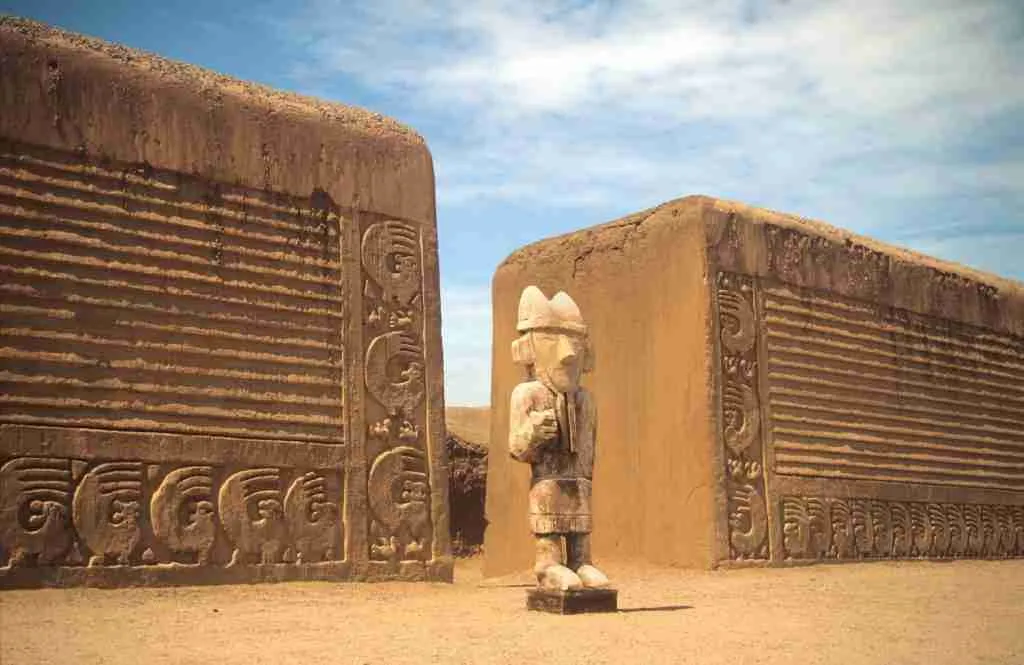
Chan Chan is in coastal Peru and shows the Chimú Empire’s amazing building skills. It’s a top example of coastal Peru archaeology. It shows how advanced the urban planning of old civilizations was.
Chan Chan is huge, covering 20 square kilometers. It was built around 1300 AD. At its peak, it had up to 100,000 people living there. The city’s walls were made of mud bricks and were as tall as 12 meters.
- UNESCO World Heritage Site since 1986
- Covers approximately 20 square kilometers
- Constructed entirely from adobe
- Populated between 60,000-100,000 people
The design of Chan Chan shows off the Chimú culture’s advanced skills. Its ten citadels have detailed high reliefs of nature like waves and birds. The biggest citadel, Gran Chimú, is 22.1 hectares and shows the Chimú’s urban planning genius.
| Archaeological Feature | Details |
|---|---|
| Total Area | 20 square kilometers |
| Peak Population | 60,000-100,000 people |
| Wall Height | Up to 12 meters |
| UNESCO Recognition | 1986 |
Visitors can see the Tschudi Complex, the only part open to the public. Tours cost about 40 soles. They give a close look at this amazing piece of the Chimú Empire’s history.
Waqrapukara: The Horned Fortress
In the heart of off-the-beaten-path Peru, Waqrapukara is a marvel. It shows the beauty of Andean mysticism and the skill of Incan architecture. This hidden spot gives visitors a unique look into the Inca world, away from Machu Picchu’s crowds.
At 4,140 meters (13,583 feet) high, Waqrapukara is impressive. Its name comes from its unique horn-like rocks. The Incas blended their buildings with nature perfectly.
Location and Access
Getting to Waqrapukara is an adventure. You can start the Aqokunka trail from Sangarará village. The journey is challenging but worth it:
- Trail length: 10-13 km round trip
- Trailhead elevation: 4,500 meters
- Hiking time: 2-3 hours for most visitors
- Recommended starting point: Sangarará village
Architectural Features
The site covers about 12 acres and shows amazing Incan engineering. Unique architectural elements include:
- Triple door jambs (found in only a few significant Inca sites)
- Seamless stone masonry
- Strategic positioning integrated with natural rock formations
Best Time to Visit
For the best visit, keep these tips in mind:
- Best months: May to September (dry season)
- Recommended preparation: Altitude acclimatization
- Ideal for travelers seeking authentic Andean mysticism
Waqrapukara is a unique journey into Peru’s past. It promises an experience beyond what most tourists expect.
Sacred Valley Hidden Gems
The Sacred Valley is full of amazing places to explore, beyond the famous Machu Picchu. It’s filled with alternative Inca sites, showing off the rich culture of the Cusco region.
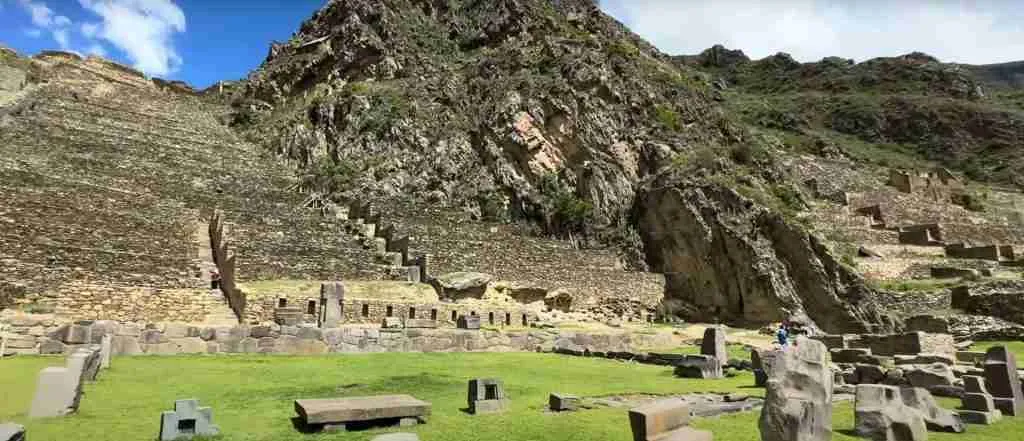
For those wanting to truly experience Andean heritage, there are incredible spots to visit. These places offer deep dives into the region’s history. Some of the top spots include:
- Ollantaytambo Fortress: A strategic archaeological complex
- Pisac Ruins: Featuring intricate terraces and ceremonial structures
- Chinchero: Known for traditional weaving techniques
The Sacred Valley is perfect for those who want to dive deep into local culture. You can visit places with fewer tourists than Machu Picchu. This means you can have more personal experiences with the history.
| Location | Distance from Cusco | Key Feature |
|---|---|---|
| Ollantaytambo | 72 km | Ancient fortress with remarkable stonework |
| Pisac | 33 km | Extensive agricultural terraces |
| Chinchero | 28 km | Traditional textile workshops |
For those who love history, the Inkary Museum is a must-see. It highlights eight pre-Incan cultures over 4,000 years. Places like Media Luna offer unique experiences, like tours of salt farms and traditional crafts.
The Sacred Valley is like a living museum of Andean civilization. It gives travelers deep insights into ancient Peruvian cultures.
The best time to visit these sites is from May to September. During this time, you can have unforgettable adventures in Peru’s archaeological wonderland.
Chavín de Huántar: Ancient Religious Center
Chavín de Huántar sits high in the Andes, at 3,200 meters. It’s a key site from before the Incas. It’s one of the most important religious places in ancient Peru.
The site shows the advanced skills of early Peruvian people. It gives us a deep look into their art and beliefs.
Temple Complex Exploration
The Chavín de Huántar temple covers about 13 hectares. It’s known for its amazing architecture:
- Intricate underground galleries with complex tunnel systems
- Hundreds of detailed stone carvings
- Labyrinthine architectural design
- Advanced stone construction techniques
Religious Significance
Chavín de Huántar was a major ceremonial center from around 900 BC. It was a key place for spiritual practices. It also drew pilgrims, shaping the culture of the area.
Archaeological Discoveries
| Discovery | Significance |
|---|---|
| Monolithic Lanzón | Central carved stone pillar with anthropomorphic figures |
| Underground Chambers | Ritual spaces potentially involving hallucinogenic substances |
| Stone Carvings | Hundreds of intricate representations of cultural symbolism |
UNESCO named Chavín de Huántar a World Heritage site in 1985. This highlights its role in understanding ancient Peru.
Moray: Agricultural Innovation
Moray is in the Sacred Valley of Peru. It shows the amazing Inca farming techniques that changed farming in the Andes. This site is a marvel that shows how the Incas improved farming with their designs.
The site’s main feature is its circular terraces. They were made to create special climates. These terraces show how the Incas knew a lot about changing the environment for farming.
- Located at 11,500 feet above sea level
- Covers an impressive 92-acre archaeological landscape
- Temperature variation between terraces can reach 27°F
- Depths of central terraced monument reach 120 feet
The Incas used these terraces as an agricultural laboratory. They studied how different temperatures and soils affected crops. This helped them grow crops that could survive in tough mountain conditions. The bottom terraces were built by the Huari culture before the Incas.
Moray represents more than an archaeological site—it’s a window into the scientific brilliance of ancient Andean agricultural practices.
Visitors can see this amazing site from May to September. The weather is clear and mild, perfect for exploring. The Cusco Tourist Ticket makes it easy to visit Moray and other places. It’s a must-see for anyone wanting to learn about the Incas’ farming innovations.
Caral-Supe: America’s Oldest Civilization
Caral is in the Supe Valley and is a key site for ancient Peruvian civilizations. It shows the Norte Chico culture, which started around 2600 B.C. This is before the Inca Empire by nearly 4,000 years. It reveals a complex urban center that changes how we see early human societies.
The site covers 1,500 acres and has six big pyramids. These pyramids are as impressive as those in early Egypt. Archaeologists marvel at the Pirámide, a huge structure almost 100 feet tall. It’s as big as four football fields.
- Established around 2600 B.C.
- Located 125 miles north of Lima
- UNESCO World Heritage Site since 2009
- Population estimated at 3,000 during peak years
Discoveries show the Norte Chico people were very cultured. They found dozens of flutes made from pelican bones, showing a deep love for music. They also grew cotton, made intricate textiles, and traded with coastal areas.
Caral marks a key moment in human history. It shows early American civilizations were advanced long before others.
Caral’s importance goes beyond its age. It was confirmed to be old through carbon dating and was recognized by UNESCO in 2001. It gives us a unique look at the start of human social organization in the Americas.
Northern Peru’s Archaeological Wonders
The northern parts of Peru are full of ancient history. They show us what life was like before the Incas. These places are not as well-known as Machu Picchu, but they are just as fascinating.
Sipán Royal Tombs: A Window into Moche Culture
The Royal Tombs of Sipán are a key part of the Moche culture. They are near Chiclayo and have made big discoveries in ancient history. The treasures found here are as impressive as those from Egypt.
- Discovered in 1987 near Lambayeque
- Artifacts dating from AD 300 to AD 700
- Unprecedented preservation of royal burial sites
Tucume Pyramid Complex: Architectural Marvel
The Tucume Pyramid Complex is another highlight in northern Peru. It has 26 huge adobe pyramids. These show the skill of ancient builders.
Conservation Efforts: Protecting Archaeological Heritage
It’s important to keep these sites safe for the future. Teams work hard to protect and study them. This way, we can all learn about northern Peru’s history.
Northern Peru offers an unparalleled journey through time, revealing civilizations that shaped the ancient American landscape.
Conclusion
Peru has much more to offer than just Machu Picchu. Travelers can explore many ancient sites, each with its own story. Places like Choquequirao and Kuélap show us the lives of ancient cultures.
There are many sites beyond Machu Picchu that are just as amazing. Caral-Supe, Chan Chan, and Waqrapukara are some examples. They offer a deep look into Peru’s history and culture.
It’s important to visit these sites responsibly. This helps protect them for the future. By choosing eco-friendly travel, we support local communities and preserve history.
Peru’s history is a window into human creativity and survival. Whether you’re trekking or exploring cities, you’ll discover something new. These experiences connect us to Peru’s rich culture, making it a unique place for explorers.
