Choquequirao is a hidden gem in the Peruvian Andes. It’s a Peru archaeological site that’s as impressive as Machu Picchu. It sits at an amazing 3,040 meters above sea level, making it a treasure of South America.
The ruins show off the Inca’s amazing engineering and culture. It’s even bigger than Machu Picchu, but only 40% of it has been explored. This makes it a mystery waiting to be solved.
For those who love history, Choquequirao is a must-see. The journey there is tough, but it’s worth it. You’ll see a side of Inca civilization that few have seen.
Key Takeaways
- Located in the Cusco region at 3,040 meters elevation
- Approximately three times larger than Machu Picchu
- Only 40% of the site has been uncovered by archaeologists
- Requires a challenging 4-5 day trek to access
- Recognized by Lonely Planet as a top travel destination in 2017
- Contact us for a comfortable and personalized itinerary (Free Service)
Historical Overview of Choquequirao
Choquequirao sits in the Andes Mountains, showing the rich history of the Inca Empire. It gives us a peek into the lives of ancient Peruvians. This site is a treasure trove of knowledge about the past.
Pre-Inca Settlement Period
Before the Inca Empire, many groups lived around Choquequirao. The Antis, Manaries, and Pilcozones were among them. They built societies that would shape the future.
- They developed advanced farming methods
- They had complex social systems
- They traded goods across different areas
Inca Empire’s Golden Age
In the 15th century, Choquequirao became a key place for the Incas. Emperor Pachacuti Inca Yupanqui and his son Tupac Inca Yupanqui built it. It showed their skill in city planning and architecture.
“Choquequirao stands as a testament to the Inca’s remarkable ability to construct magnificent cities in challenging mountain environments.”
| Key Inca Period Details | Specification |
|---|---|
| Construction Period | 15th Century |
| Primary Builders | Pachacuti and Tupac Inca Yupanqui |
| Strategic Importance | Connecting Highlands to Jungle Regions |
Spanish Conquest and Abandonment
The arrival of the Spanish changed everything. Choquequirao became a place of resistance for the Incas. Leaders like Manco Inca fought to keep their culture alive.
- It was a strong defense against the Spanish
- It was the last stand of Inca freedom
- It was left empty as the fight went on
For centuries, Choquequirao was hidden. But in the late 20th century, archaeologists started to explore it again.
Location and Geographic Significance
Choquequirao is a stunning site in the Andes mountains, in the Cusco region. It sits at 3,104 meters above sea level, offering a breathtaking view. The ancient Inca site is in the Vilcabamba mountain range, with a view of the Apurimac River canyon.
Choquequirao’s location shows the Inca’s advanced urban planning. It shows how the site’s design fits perfectly with its natural surroundings. Visitors can see this connection between nature and architecture.
- Elevation: 3,104 meters above sea level
- Total site area: 1,800 hectares
- Currently excavated: 30-40% of total area
- Distance from Apurimac River canyon: Approximately 1,650 meters vertical drop
The tough terrain around Choquequirao has helped keep it safe. It’s far from most people, which has saved it from damage. Getting to Choquequirao is an adventure, taking 4 days for even seasoned hikers.
Choquequirao offers an untouched glimpse into the remarkable engineering and cultural sophistication of the Inca civilization.
Explorers and archaeologists love the site’s unique ecosystem. The area changes from high-altitude Andean to subtropical forests. This creates a special place for biodiversity, attracting researchers and nature lovers.


Architectural Marvel in the Andes
Choquequirao is a stunning example of Inca architecture. It shows the advanced engineering and design skills of the Inca people. Located high in the Andes, it highlights the Inca’s stone masonry abilities.
The city’s design covers about 1,800 hectares. It shows the Inca’s smart urban planning. They built structures that blend well with the mountains, showing their love for nature.
Construction Techniques
The stone masonry at Choquequirao is a remarkable achievement. The stones fit together perfectly without mortar. This makes the structures very strong and able to last for centuries.
- Precise stone cutting techniques
- Earthquake-resistant building methods
- Advanced structural alignment
Urban Planning and Design
Choquequirao’s layout shows careful planning. It has different areas for different uses. The terraces, a key feature of Inca architecture, had many uses.
| Sector | Primary Function |
|---|---|
| Administrative Area | Governance and Management |
| Residential Zones | Housing for Different Social Classes |
| Agricultural Terraces | Food Production and Erosion Control |
Religious and Ceremonial Structures
The religious parts of Choquequirao show the Inca’s spiritual bond with nature. Ceremonial platforms and temples were built to align with the stars and landscapes.
Choquequirao is a treasure that shows the Inca’s advanced culture. It’s a unique site in the Andes that offers a deep look into Inca civilization.
Choquequirao: The Sister City of Gold
Choquequirao is a stunning Incan citadel in the Andes, rivaling Machu Picchu. Its name, “Cradle of Gold,” comes from Aymara and Quechua languages. This name hints at its deep importance.
This golden city showcases Inca engineering and culture. Unlike Machu Picchu, Choquequirao is mostly untouched. Only 30-40% of its 1,800 hectares have been explored. It covers 18 square kilometers at 3,050 meters high.
- Located 98 km from Cusco
- Comprises 12 distinct archaeological sectors
- Receives approximately a dozen visitors per day
Choquequirao is less known than Machu Picchu, but it’s just as fascinating. While Machu Picchu gets 2,500 visitors daily, Choquequirao sees only 12. Its golden look comes from mica-laden stones that shine in sunlight.
| Feature | Choquequirao | Machu Picchu |
|---|---|---|
| Daily Visitors | 12 | 2,500 |
| Excavated Area | 30-40% | 90% |
| Total Area | 18 km² | 13 km² |
Choquequirao might be three times the size of Machu Picchu, making it very significant. Its remote spot and hard-to-reach location have kept it untouched. This offers a unique experience for those brave enough to trek there.
The Twelve Sectors of Choquequirao
Choquequirao is a stunning example of Inca urban planning. It covers six square kilometers, with only a third of its sectors explored. This site shows the detailed social structure of the Incas through its layout.
The site is split into 12 sectors, each with its own purpose. These sectors show the Incas’ advanced planning and design skills.
Main Plaza and Administrative Zones
The central plaza is at the heart of Choquequirao. It was the main spot for administration and social life. The Inca’s urban planning is evident here, with paths and buildings connecting sectors.
- Central administrative buildings
- Ceremonial gathering spaces
- Architectural indicators of social hierarchy
Religious and Ceremonial Spaces
The sectors for religious practices show Choquequirao’s spiritual importance. These areas had platforms for watching the stars and performing rituals. They show the Incas’ deep understanding of the universe.
Agricultural Terraces and Storage Facilities
The extensive terraces show the Incas’ skill in managing land. These platforms increased food production and showed their ecological wisdom.
| Sector Type | Primary Function | Approximate Area |
|---|---|---|
| Administrative | Governance and Social Management | 20% of Total Site |
| Religious | Ceremonial and Astronomical Observations | 15% of Total Site |
| Agricultural | Crop Production and Food Storage | 40% of Total Site |
| Residential | Living Quarters | 25% of Total Site |
Choquequirao sees about 8,000 visitors each year. It’s a well-preserved look into the Inca world. It gives us a unique view of their urban design and social structure.
Ancient Engineering and Water Systems
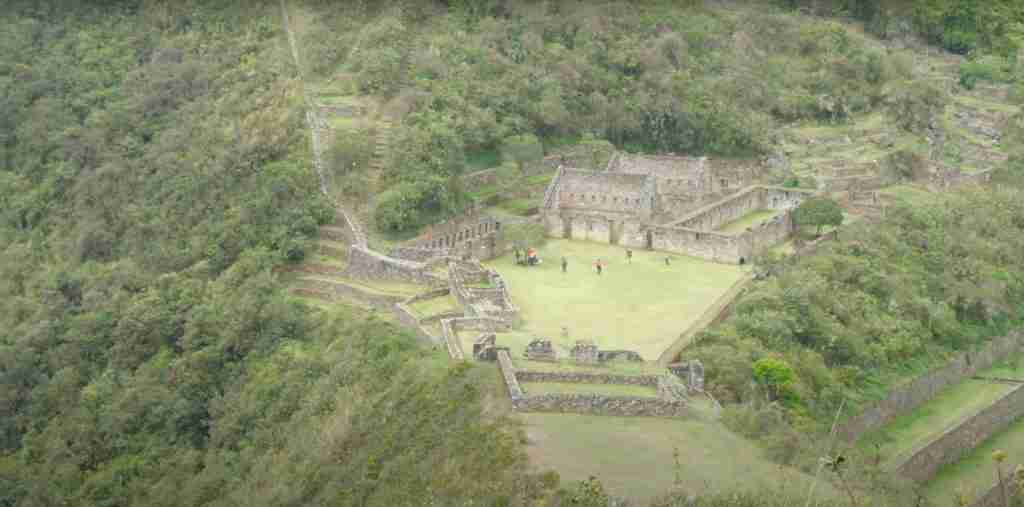
Choquequirao is a marvel of Inca hydraulic engineering. It shows how they turned mountains into cities. Their irrigation systems are a testament to their water management skills.
The Inca built a network of aqueducts. These systems were not just for water. They also held spiritual value.
- Gravity-fed water channels transported water across steep terrain
- Precision-engineered stone conduits minimized water loss
- Strategically placed fountains served both practical and ceremonial purposes
Choquequirao’s irrigation systems were designed with care. They supported farms and cities. The water management techniques implemented here were centuries ahead of their time.
| Water System Component | Purpose | Engineering Technique |
|---|---|---|
| Stone Aqueducts | Water Transportation | Gravity-based Flow |
| Terraced Canals | Agricultural Irrigation | Slope Gradient Management |
| Ceremonial Fountains | Ritual and Urban Water Supply | Precision Stone Cutting |
The Inca’s work at Choquequirao still inspires today. Their way of managing water is a lesson in innovation.
Archaeological Discoveries and Excavations
Choquequirao’s journey into the past is a thrilling look at Inca culture. It was hidden from the world until the late 20th century. Now, archaeologists are uncovering secrets of this ancient Inca city.
Major Findings Since 1970
Excavations at Choquequirao have found amazing Inca artifacts. These discoveries give us a glimpse into the Inca’s world. Some of the key finds include:
- Intricate terrace systems with unique white stone llama figures
- Complex architectural structures spanning 12 distinct sectors
- Evidence of sophisticated urban planning and ceremonial spaces
- Detailed stone carvings representing ritual and cultural practices
Ongoing Research Projects
Researchers are working hard to preserve Choquequirao. They use new tools like LiDAR mapping and drone surveys. These help them explore the site without damaging it.
The studies show Choquequirao was a key Inca center. It was important for both government and religion. The llama terraces are a big mystery, with 23 figures looking towards mountains.
Choquequirao stands as a testament to the extraordinary engineering and artistic capabilities of the Inca civilization.
Flora and Fauna of the Region
Choquequirao sits in the Andean heart, a stunning sanctuary of biodiversity. It has eight unique ecosystems, weaving a natural tapestry. This tapestry supports a wide variety of endemic species.
The cloud forest around Choquequirao is home to amazing wildlife. Scientists have found sixteen bird species unique to this area. This shows how vital this place is for nature.
- Notable wildlife includes:
- Spectacled bears
- Andean condors
- Pumas
- Viscachas
- Toucans
The plant life here is also incredible. A detailed study found 93 unique plant species, many found only here. The area has everything from high-altitude grasslands to dense forests. Each supports its own network of life.
| Ecosystem Type | Characteristic Species | Elevation Range |
|---|---|---|
| High Andean Forest | Endemic orchids, medicinal plants | 3,000-4,000 meters |
| Cloud Forest | Rare ferns, bromeliads | 2,000-3,500 meters |
| Seasonally Dry Forest | Cactus species, drought-resistant shrubs | 1,500-2,500 meters |
“The biodiversity of Choquequirao represents a living museum of Andean natural heritage.” – Conservation Biologist
Our studies show how these ecosystems work together. They stress the need for ongoing conservation. This is to keep this incredible natural world safe.
Accessing Choquequirao Today
The Choquequirao trek is an amazing adventure that tests even the most seasoned hikers. It’s about 98km from Cusco, deep in the Peruvian Andes. This journey offers a unique chance to explore a remote archaeological site.
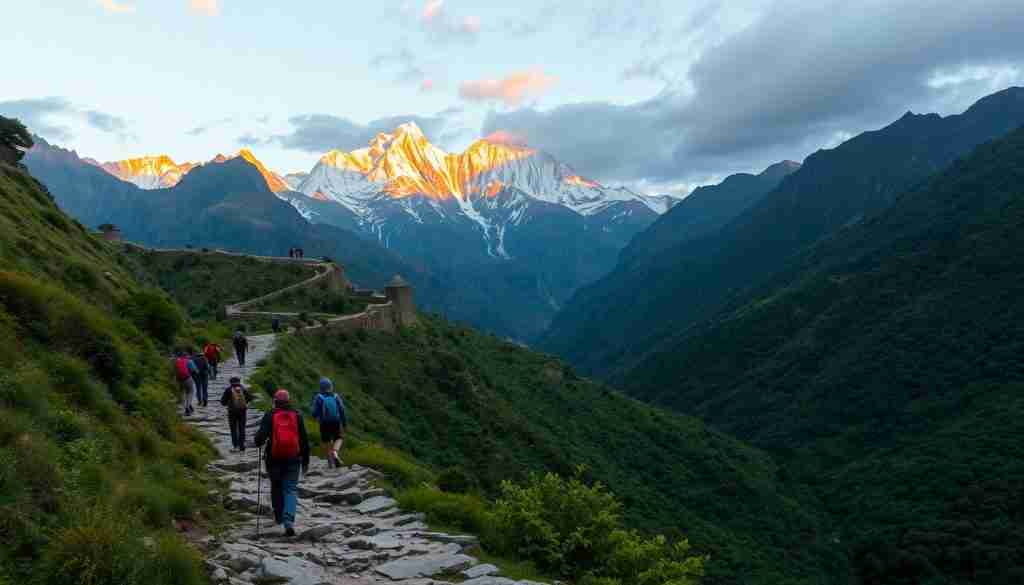
Planning a hike in Peru, like the Choquequirao trek, is crucial. This trek spans 40km, with elevations from 1,400m to 3,100m. It’s tough terrain that requires top physical shape and acclimatization.
Trekking Routes and Difficulty Levels
There are several paths to reach this incredible site:
- Classic Route from Cachora: 4-day trek
- Alternative Routes: 5-8 days duration
- Varying difficulty levels for different fitness capabilities
The trek is rated very difficult. It’s best for experienced hikers in top shape. Small groups make the journey more personal and eco-friendly.
Best Time to Visit
The best time to go is during Peru’s dry months, May to September. Hikers can expect:
- Stable weather conditions
- Clearer mountain views
- Minimal rainfall
Guides are ready with emergency gear, like satellite phones and oxygen. They ensure safety on this incredible journey.
Cultural Significance and Heritage
Choquequirao is a deep look into Peru’s rich Inca legacy. It shows the amazing cultural heritage of the indigenous people. This site is a window into the advanced societies of the Andes before Europeans arrived.
The site’s importance goes beyond its beauty. Choquequirao gives us a peek into the Inca’s social and tech achievements. Its design shows the advanced planning of the indigenous people.
- Preservation of indigenous knowledge
- Symbolic resistance during Spanish conquest
- Representation of Inca cosmological understanding
- Hub of technological and social innovation
Local communities are key in keeping Choquequirao safe. They share their knowledge, linking the past to today’s efforts to save our culture.
Choquequirao: A living testament to the enduring spirit of Peruvian cultural heritage
Choquequirao is a chance for sustainable tourism. It lets visitors see an almost untouched Inca site. With much of it still unexplored, it holds secrets of this remarkable civilization.
At 3,033 meters high, Choquequirao is a symbol of strength, creativity, and ongoing culture in the Andes.
Present-Day Conservation Efforts
Keeping Choquequirao safe is a big job for those who care about history. On December 24, 2010, it was named a Regional Conservation Area. This was a big step forward in saving this ancient site.
Choquequirao is hard to reach, which makes it tough to protect. Only a small part of it has been explored. Experts and conservationists face many challenges in keeping this place safe.
Preservation Challenges
There are big hurdles to overcome:
- Environmental erosion and too much plant growth
- It’s hard for teams to get there
- More visitors could harm the site
- The area is hard to get to and very high up
Future Development Plans
There are plans to keep Choquequirao safe while letting people visit. A cable car might make it easier to get there. But, there’s a worry about how it might affect the environment.
| Conservation Aspect | Current Strategy | Projected Outcome |
|---|---|---|
| Archaeological Stabilization | Structural reinforcement | Preserve architectural elements |
| Visitor Management | Limited daily access | Minimize site degradation |
| Research Expansion | Continued excavations | Uncover historical insights |
The future of Choquequirao relies on teamwork. Archaeologists, local people, and visitors all need to work together. They must all be dedicated to saving this amazing cultural treasure.
Conclusion
Choquequirao is a remarkable site that shows the Inca heritage. It offers a deep dive into Peru’s ancient history. Unlike Machu Picchu, it’s less known but full of stories waiting to be found.
The journey to Choquequirao is tough. It’s about 40 kilometers long and takes four days to hike. It’s for those who love history and are ready for a challenge. A guided tour costs between 400 to 600 USD, offering a unique Peru travel experience.
Choquequirao is more than ruins. It’s a museum of Inca culture, kept true to its roots. You’ll see white stone llamas and amazing architecture. It shows a society that thrived in the Andes, between 3,103 and 3,500 meters high.
As conservation work goes on, Choquequirao invites those seeking real travel experiences. It’s a chance to connect with history in a meaningful way.
For those planning to visit, Choquequirao is a call to explore responsibly. By choosing eco-friendly tours and respecting the site, we help keep this heritage alive for future generations.
