Amsterdam Travel Guide 2026: Ultimate Planning Resource
Key Takeaways
- Amsterdam’s 17th-century canal ring is a UNESCO World Heritage site offering unique urban waterway experiences with guided boat tours starting from €16-18 per person
- Peak season runs April-September with hotel rates €180-320 per night, while November-February offers budget-friendly rates €90-150 with fewer crowds
- The I Amsterdam City Card (€65-115 for 24-120 hours) includes free museum entry, public transport, and canal cruises, saving budget-conscious travelers 40-50% on major attractions
- Book Anne Frank House tickets 8-10 weeks ahead as daily capacity sells out completely, while Rijksmuseum and Van Gogh Museum require 2-4 weeks advance reservation
- Daily costs range €78-145 per person for budget travel, €145-240 for mid-range experiences, excluding accommodation but including meals, attractions, and local transport
- Amsterdam Schiphol Airport connects directly to Central Station via train in 15-20 minutes for €5.40, operating every 10-15 minutes from 6 AM to midnight daily
Introduction to Planning Your Amsterdam 2026 Visit
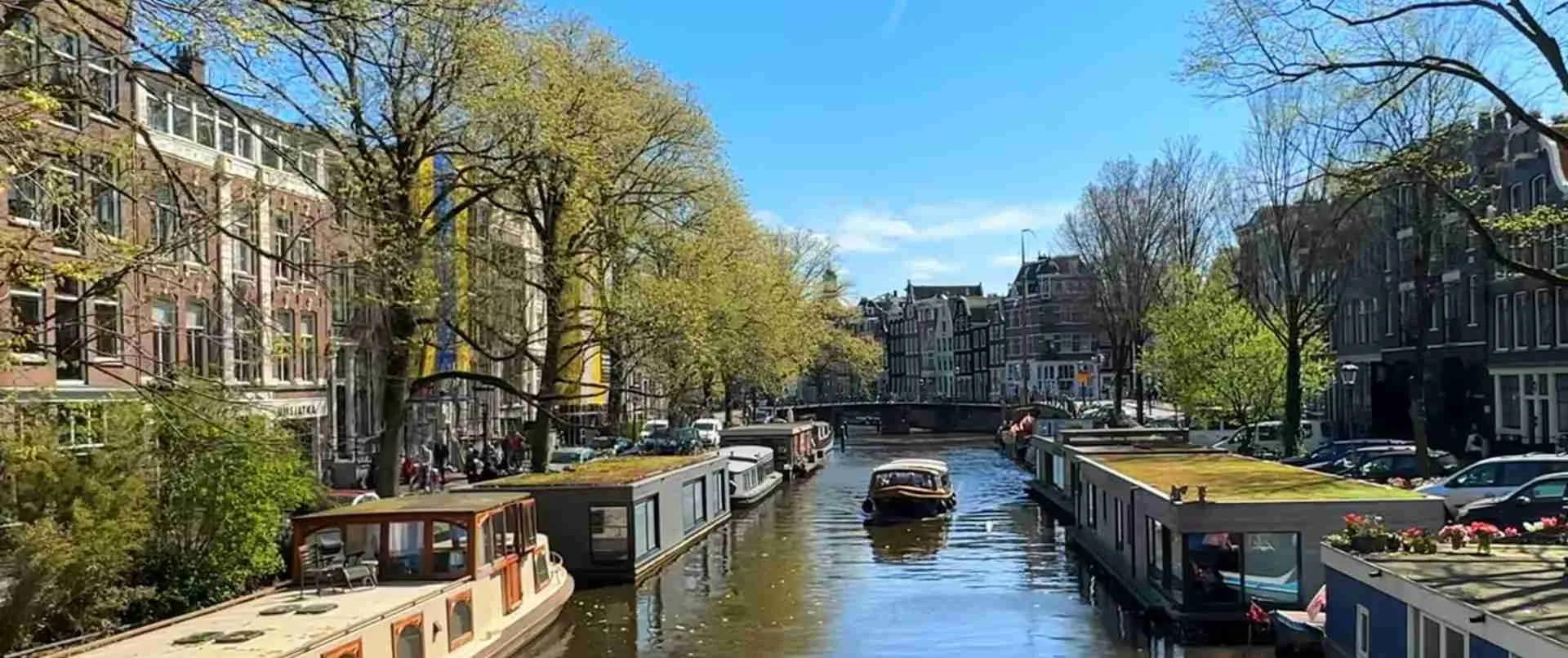
Amsterdam stands as one of Europe’s most distinctive cities, where 17th-century canal houses line UNESCO-protected waterways and world-class museums preserve artistic masterpieces. The city’s compact historic center makes walking and cycling the preferred transportation methods, with 400 kilometers of bike paths connecting neighborhoods, museums, and cultural attractions. Planning your 2026 visit requires understanding seasonal pricing patterns, advance booking requirements for major museums, and transportation options from Schiphol Airport to accommodate your budget and travel style.
The city operates as a year-round destination with distinct seasonal characteristics affecting costs and experiences. Spring brings tulip season and King’s Day celebrations in late April, while summer delivers long daylight hours and outdoor festivals but commands premium accommodation rates. Autumn offers mild weather and cultural events with moderate pricing, and winter provides budget-friendly rates despite shorter days and occasional rain. Your 2026 planning decisions around timing, accommodation location, and advance museum bookings directly impact both your budget and the quality of experiences available during your visit.
This comprehensive guide provides specific costs, booking strategies, and practical logistics for visiting Amsterdam in 2026. You’ll find detailed information on transportation from the airport, accommodation options across different budget levels, museum reservation requirements, canal tour selections, and daily cost breakdowns for various travel styles. The guide uses confident, specific information about operational facts while acknowledging that certain prices may vary throughout the year, giving you the planning foundation needed to create your ideal Amsterdam experience.
People Also Ask About Amsterdam 2026
How much does it cost to visit Amsterdam in 2026?
Daily costs in Amsterdam range €78-145 per person for budget travel, €145-240 for mid-range experiences, and €240-400 for luxury visits, excluding accommodation. Budget travelers spend €15-25 on meals at cafes and markets, €18-28 for museum entries or the I Amsterdam City Card, €8-16 for canal tours and attractions, plus €8.50 for day public transport. Check official websites for current museum and attraction rates as pricing may vary. Mid-range visitors allocate €45-75 for restaurant meals, €35-50 for premium museum experiences and longer canal cruises, and €30-40 for additional activities. Luxury travelers invest €100-150 in fine dining, €80-120 for private canal tours and exclusive experiences, and €50-80 for premium transportation options including water taxis.
Accommodation represents the largest single expense, with budget hostels charging €35-55 per bed in shared dormitories, budget hotels €90-140 for private doubles, mid-range hotels €180-280, and luxury properties €320-550 per night during peak season. Winter rates drop 35-50% compared to summer, while shoulder seasons offer 20-30% savings. The I Amsterdam City Card costs €65 for 24 hours, €80 for 48 hours, €95 for 72 hours, and €115 for 120 hours, providing free entry to over 70 museums and attractions plus unlimited public transport, delivering significant value for museum-focused itineraries.
When is the best time to visit Amsterdam in 2026?
April-May and September-October offer optimal conditions for visiting Amsterdam in 2026, combining comfortable weather, manageable crowds, and moderate pricing between winter lows and summer peaks. Spring temperatures range 10-18°C with tulip season creating spectacular displays at Keukenhof Gardens from mid-March through mid-May, while autumn delivers 12-17°C temperatures with golden light perfect for photography and fewer tourists than summer months. These shoulder seasons provide 20-30% accommodation savings compared to June-August peak rates while maintaining good weather for walking, cycling, and canal tours.
Summer (June-August) brings the longest daylight hours, warmest temperatures of 17-23°C, and extensive outdoor events including festivals, open-air concerts, and terrace culture, but commands premium accommodation rates and requires advance bookings for all major attractions. Winter (November-February) offers the lowest prices with accommodation rates dropping 40-50% below summer peaks, making it attractive for budget travelers willing to accept 3-9°C temperatures, earlier sunsets around 5 PM, and potential rain. The Christmas season brings festive markets and Amsterdam Light Festival (November-January), while King’s Day on April 27th creates citywide celebrations but requires booking accommodation 6-8 months ahead as capacity sells out completely.
Do you need to book Amsterdam museums in advance for 2026?
Yes, advance booking is mandatory for Anne Frank House and highly recommended for Rijksmuseum, Van Gogh Museum, and other major attractions in 2026. The Anne Frank House releases tickets exactly 8 weeks before visit dates at 10 AM Central European Time, with daily capacity of approximately 1,200-1,400 visitors selling out within minutes for peak season dates and within hours for off-season dates. No tickets are available at the door, making online advance purchase through annefrank.org the only entry option. Book your desired date immediately when the 8-week booking window opens to secure admission.
Rijksmuseum and Van Gogh Museum accept walk-up visitors but experience 45-90 minute queue times during peak hours in summer, while advance online tickets allow direct entry through dedicated lanes. Reserve these museums 2-4 weeks ahead for summer visits, 1-2 weeks for shoulder seasons, and 3-7 days for winter. The I Amsterdam City Card provides free entry to both museums plus 70+ other attractions with reserved time slots required only for Anne Frank House, making the card valuable for multi-museum itineraries. Lesser-known museums including Stedelijk Museum, Rembrandt House, and Museum Van Loon typically accommodate walk-up visitors even during summer, though online purchases save 5-10% compared to door prices and eliminate queuing.
What’s the best way to get around Amsterdam in 2026?
Walking and cycling serve as the primary transportation methods in Amsterdam’s compact historic center, where most major attractions sit within 2-3 kilometers of each other and the flat terrain facilitates easy movement. Rent bicycles from shops near Central Station for €10-15 per day or €40-60 per week, accessing the city’s 400 kilometers of dedicated bike lanes that connect all neighborhoods and attractions. Bike rental shops require ID and deposit (€50-100 cash or credit card hold) and provide locks, lights, and basic repair tools. Follow local cycling rules including using hand signals, yielding to pedestrians, and parking only in designated bike racks to avoid €60-100 fines for illegal parking.
Public transport via GVB operates an extensive network of trams, buses, and metro lines covering areas beyond walking distance. Purchase a rechargeable OV-chipkaart for €7.50 (card deposit) and load credit for individual rides, or buy day passes for €8.50 (24 hours), €14.50 (48 hours), €21 (72 hours), and €28.50 (96 hours), valid on all trams, buses, and metro. The I Amsterdam City Card includes unlimited GVB transport plus museum entries. Trams run 6 AM-midnight on most lines with night buses covering later hours, operating every 10-15 minutes during peak times and every 15-30 minutes during off-peak. Water taxis and canal buses provide scenic but expensive alternatives at €7.50 per ride or €28 for day passes, most useful for traveling with heavy luggage or reaching waterfront hotels.
Extended multi-day tours – 5+ days
Featured Amsterdam Multi-Day Tour Packages
3 days
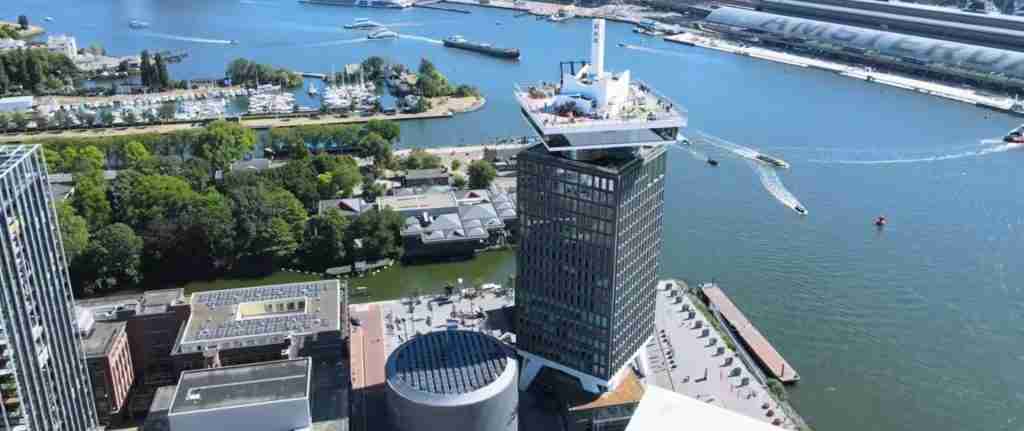
Amsterdam 3-Day Discovery Tour
- ✓ Comprehensive Amsterdam experience
- ✓ Expert local guides included
- ✓ All accommodation included
- ✓ Transportation provided
5 days
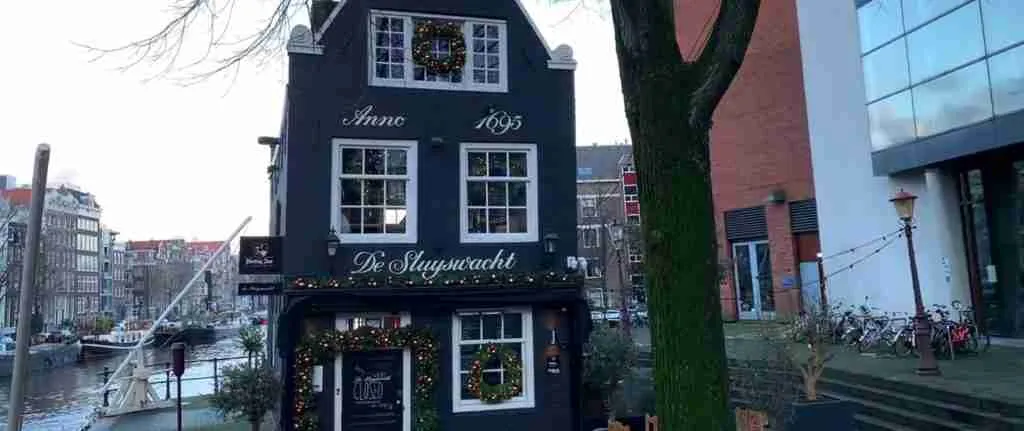
Amsterdam 5-Day Highlights Experience
- ✓ Comprehensive Amsterdam experience
- ✓ Expert local guides included
- ✓ All accommodation included
- ✓ Transportation provided

7 days
Amsterdam 7-Day Cultural Journey
- ✓ Comprehensive Amsterdam experience
- ✓ Expert local guides included
- ✓ All accommodation included
- ✓ Transportation provided

10 days
Amsterdam 10-Day Complete Adventure
- ✓ Comprehensive Amsterdam experience
- ✓ Expert local guides included
- ✓ All accommodation included
- ✓ Transportation provided
Multi-day tour packages powered by TourRadar. Prices and availability subject to change.
Essential Planning Information for 2026
Current Costs and Pricing in Amsterdam 2026
Museum admission costs form a significant portion of daily expenses, with top-tier institutions charging premium rates. The Rijksmuseum costs €22.50 for adults, Van Gogh Museum €20, Anne Frank House €16, Stedelijk Museum €20, and Rembrandt House Museum €16 in 2026. Check official museum websites for current rates as pricing may vary. The I Amsterdam City Card at €65-115 provides free entry to these museums plus 70+ additional attractions, delivering value when visiting 3+ major museums over 24-72 hours. Amsterdam Museum costs €18, NEMO Science Museum €17.50, and the Hermitage Amsterdam €20, while smaller canal house museums charge €10-14. Youth discounts (under 18) provide 30-50% savings at most museums, and students with valid ID save 10-20% at select venues.
Canal cruises represent quintessential Amsterdam experiences with varied pricing based on duration and style. Standard 60-75 minute canal tours cost €16-18 per adult through major operators including Blue Boat Company, Stromma, and Canal Company, operating hourly from Central Station and Damrak locations. Evening cruises with wine and cheese service charge €35-45, while dinner cruises on canal boats cost €75-95 including three-course meals. Private canal boat rentals accommodate 2-12 passengers for €150-280 per hour depending on boat size and season, useful for groups seeking customized routes and timing. Canal bus day passes cost €28 for hop-on-hop-off service at 19 stops near major attractions, functioning as combination transportation and sightseeing option.
Daily transportation expenses depend on your travel style and distance covered. The OV-chipkaart day pass at €8.50 covers unlimited tram, bus, and metro travel within Amsterdam, while individual tram rides cost €3.40 with chipkaart or €4 cash from drivers. Bike rentals cost €10-15 per day from shops near Central Station, with discounts for multi-day rentals (€40-60 per week). Taxis charge €2.95 base fare plus €2.54-2.95 per kilometer, making short rides within the center €12-18 and airport trips €40-50. Uber operates similarly with slight variations. Water taxis charge €50 flat rate for central pickups plus €1.50 per person per minute of travel, practical for luggage transport or reaching canal-side hotels but expensive for regular transportation.
Seasonal Patterns and Weather Planning 2026
Amsterdam experiences four distinct seasons with moderate coastal climate influenced by North Sea proximity. Spring (March-May) brings gradually warming temperatures from 7-10°C in March to 15-18°C by May, with April averaging 13°C and offering ideal conditions for tulip viewing at Keukenhof Gardens (mid-March to mid-May). Rainfall occurs 10-12 days monthly during spring with occasional sudden showers requiring rain jackets, while longer daylight hours extend to 8 PM by late May, allowing full days of sightseeing. King’s Day on April 27th creates citywide orange-themed celebrations with street parties, concerts, and boat gatherings, requiring accommodation bookings 6-8 months ahead as hotels sell out completely.
Summer (June-August) delivers warmest temperatures of 17-23°C with July peak averages around 22°C, though heat waves occasionally push temperatures to 28-32°C for 3-5 day periods. Daylight extends until 10 PM in June, allowing evening canal walks and outdoor dining at canal-side terraces. Rainfall averages 8-10 days monthly, usually as brief afternoon showers rather than all-day rain. Summer attracts maximum crowds with accommodation rates reaching annual peaks and major museums requiring advance bookings. The Amsterdam Dance Event in October, Gay Pride Canal Parade in early August, and numerous neighborhood festivals fill the summer calendar, while open-air concerts at Vondelpark provide free evening entertainment.
Autumn (September-November) transitions from pleasant early September temperatures of 15-18°C to November’s 6-9°C with increasing rainfall frequency. September offers excellent value with summer-like weather but 20-25% lower accommodation rates than July-August, making it optimal for budget-conscious travelers. The Amsterdam Light Festival launches in late November, featuring illuminated art installations along canals and building facades through January. Museum crowds decrease significantly after mid-September, allowing walk-up visits to most attractions except Anne Frank House. Fall colors peak in Vondelpark and Amstelpark during late October, while crisp autumn air creates clear conditions for photography of canal houses and bridges.
Winter (December-February) brings the year’s coldest temperatures of 2-6°C with frequent rainfall and occasional light snow that rarely accumulates. Daylight shrinks to just 8 hours by late December with sunset around 4:30 PM, limiting sightseeing hours but creating cozy atmosphere in brown cafes and indoor museums. Accommodation rates drop 40-50% below summer peaks, making winter attractive for budget travelers prioritizing museums, cafes, and cultural experiences over outdoor activities. Christmas markets appear throughout December at locations including Leidseplein, Dam Square, and Museum Quarter, while New Year’s Eve brings massive street celebrations with fireworks displays. Ice skating rinks open in Museum Quarter and Leidseplein when temperatures permit, though reliability varies yearly depending on weather conditions.
Accommodation Strategies for 2026
Budget Accommodation Options Amsterdam 2026
Budget hostels in Amsterdam charge €35-55 per bed in 6-12 person dormitories, with private hostel rooms costing €90-130 per night for doubles. Generator Amsterdam, ClinkNOORD, and Cocomama Hostel provide central locations within 10-15 minutes walk from Central Station, offering shared kitchens, common areas, and organized social activities. The Bulldog Hotel and Flying Pig hostels cater to younger party-oriented crowds with bar areas and later quiet hours, while St. Christopher’s at Winston focuses on cleaner, quieter environments for sleep-prioritizing budget travelers. All budget hostels include free WiFi, luggage storage, and 24-hour reception, with most offering breakfast for €5-8 additional.
Budget hotels charge €90-140 per night for basic private doubles with bathroom in 2-3 star properties. Hotel Leidsegracht, Hotel CC, and Budget Hotel Tourist Inn occupy converted canal houses within walking distance of major museums and attractions, providing simple clean rooms without luxury amenities. Budget chain hotels including Ibis Budget Amsterdam City South and Meininger Hotel Amsterdam City West offer predictable standards with rooms featuring private bathrooms, basic breakfast options for €12-15, and free WiFi. These chains typically position themselves 2-3 kilometers from the historic center, requiring 15-20 minute tram rides to reach main attractions but commanding 30-40% lower rates than equivalent central properties.
Apartment rentals through Airbnb and Booking.com provide budget options for groups and families, with entire studio apartments renting for €80-120 per night in neighborhoods like De Pijp, Oud-West, and Oost. Two-bedroom apartments accommodating 4-5 people cost €140-200 nightly, offering kitchen facilities that reduce meal expenses significantly. Amsterdam requires tourist tax of €12.50 per person per night regardless of accommodation type, adding to the total cost. Book apartments 2-3 months ahead for summer visits and 4-6 weeks for shoulder seasons, ensuring properties comply with Amsterdam’s strict short-term rental regulations limiting rentals to 30 days annually per property.
Mid-Range and Luxury Accommodation Options 2026
Mid-range hotels charge €180-280 per night for 3-4 star properties offering comfortable rooms with modern amenities, breakfast buffets, and prime locations in the Canal Ring or Museum Quarter. Hotel Pulitzer Amsterdam, Ambassade Hotel, and The Hoxton Amsterdam occupy historic canal houses with original 17th-century architectural features, providing boutique experiences with restaurant and bar facilities. Chains including NH Collection Amsterdam Grand Hotel Krasnapolsky and Park Plaza Victoria Amsterdam deliver consistent quality with spacious rooms, fitness centers, and breakfast buffets included in rates. Mid-range properties typically position themselves within 5-10 minutes walk from major museums and attractions, eliminating public transport needs for most sightseeing.
Luxury hotels charge €320-550 per night for 5-star properties offering exceptional service, canal views, Michelin-recognized restaurants, and extensive amenities. The Waldorf Astoria Amsterdam, Sofitel Legend The Grand Amsterdam, and De L’Europe Amsterdam provide the city’s finest accommodations with spa facilities, concierge services, and rooms featuring marble bathrooms, premium bedding, and historic Dutch design elements. Canal House properties including The Dylan Amsterdam and Andaz Amsterdam Prinsengracht combine boutique character with luxury standards, occupying renovated 17th-century buildings with modern interiors. Luxury hotels include breakfast buffets, 24-hour room service, and complimentary minibar items, though city tax of €12.50 per person per night applies additionally.
Houseboat accommodations provide unique Amsterdam experiences, with 2-3 person boats renting for €120-180 per night and larger 4-6 person vessels costing €200-300. Booking.com and specialized sites including HouseboatHotel.com list options ranging from basic budget boats with shared facilities to luxury vessels with full kitchens, bathrooms, and canal views. Most houseboats moor in residential neighborhoods requiring 10-20 minute walks or tram rides to major attractions, though scenic canal-side settings compensate for the distance. Book houseboats 3-4 months ahead for summer availability as inventory remains limited compared to traditional hotels, and verify heating systems when booking for autumn-winter stays as some boats lack adequate insulation for cold weather comfort.
Transportation Guide Amsterdam 2026
Airport to City Center Transportation 2026
Amsterdam Schiphol Airport connects directly to Amsterdam Central Station via NS train service operating every 10-15 minutes from 6 AM to midnight daily, with the 15-20 minute journey costing €5.40 for second class tickets purchased from ticket machines or mobile apps. First class tickets cost €9 providing access to quieter train cars, though seating differences remain minimal on the short journey. Trains depart from platforms directly beneath the airport terminal, reached by following clear signage after customs and baggage claim. Platform signs display “Amsterdam Centraal” as the destination, with service continuing to other stations including Amsterdam Sloterdijk and Amsterdam Zuid for travelers with hotels in those areas.
The Amsterdam Airport Express bus route 397 operates every 10-15 minutes from 5 AM to midnight, connecting Schiphol Airport to Leidseplein and Museum Quarter with stops at several hotels along the route. The 30-35 minute journey costs €6.50 one-way or €11.50 round-trip, purchased from drivers or GVB ticket machines at the airport. The airport express works well for travelers with hotels in Leidseplein or Museum Quarter areas, avoiding the need to navigate Central Station with luggage. Regular night bus service N97 covers overnight hours with similar routing but slower journey times of 45-50 minutes, costing the same €6.50 as daytime express service.
Taxis from Schiphol Airport to Amsterdam city center cost €40-50 depending on final destination, traffic conditions, and time of day, with the 20-35 minute journey varying based on route and congestion. Official Schiphol taxis operate from designated ranks outside Arrivals with fixed meters and professional drivers, while unauthorized taxi touts inside terminals often charge inflated rates. Uber and Bolt operate at Schiphol with similar pricing to official taxis, picked up from designated rideshare zones in the parking garage. Private transfer services pre-booked online charge €45-55 for sedans accommodating up to 3 passengers and €65-80 for vans fitting up to 7 passengers, providing door-to-door service without queuing for taxis or navigating public transport with luggage.
Public Transport Within Amsterdam 2026
The GVB public transport network operates 15 tram lines, 50+ bus routes, and 4 metro lines covering all Amsterdam neighborhoods and suburbs. Purchase a rechargeable OV-chipkaart for €7.50 (one-time card fee) and load credit for individual rides at €3.40 per journey, or buy day passes providing better value for multiple daily trips. Day pass options include €8.50 for 24 hours, €14.50 for 48 hours, €21 for 72 hours, and €28.50 for 96 hours, valid on all GVB trams, buses, and metro lines. The I Amsterdam City Card includes unlimited GVB transport plus free museum entries, delivering maximum value for visitors planning multiple museum visits combined with extensive public transport use.
Trams form the backbone of Amsterdam public transport, with lines 1, 2, 4, 5, 13, 14, 17, and 24 serving the historic center and major attractions. Line 2 connects Central Station to Museum Quarter via Dam Square and Leidseplein, while line 4 runs from Central Station through Rembrandtplein to De Pijp neighborhood. Trams operate 6 AM-midnight on most lines with 5-10 minute frequencies during peak hours and 10-15 minutes during off-peak times. Check in and check out with your OV-chipkaart or day pass at the yellow/pink card readers when boarding and exiting trams, with inspectors regularly checking valid tickets and issuing €60 fines plus fare for violations.
Metro lines operate Monday-Friday 6 AM-midnight, Saturday-Sunday 6:30 AM-midnight, with extended hours until 1 AM on Friday-Saturday nights. Lines 51, 53, and 54 serve Amsterdam Noord across the IJ river, connecting to Central Station via the free IJ ferry that operates 24 hours daily with departures every 5-15 minutes. Metro proves most useful for reaching Amsterdam ArenA stadium, eastern neighborhoods including IJburg, and southern areas near Amsterdam Zuid station and World Trade Center. Night buses cover all major routes from 1 AM-6 AM when trams and most metro lines stop running, operating every 30-60 minutes and accepting the same OV-chipkaart and day passes as daytime services.
Cycling in Amsterdam 2026
Bicycle rental shops cluster around Central Station, with major operators including MacBike, Black Bikes, and A-Bike Rental charging €10-15 per day or €40-60 per week for standard 3-7 speed Dutch bikes. Premium options including electric bikes cost €22-30 per day, useful for longer distances or travelers less comfortable with traditional cycling. Shops require government-issued photo ID and security deposit of €50-100 cash or credit card hold, returned when bikes are returned undamaged with locks and lights intact. Rental prices include two locks (wheel lock plus chain lock), front and rear lights required by law, and basic repair tools. Shops provide route maps highlighting major bike paths and attractions, though most routes follow intuitive canal-side paths.
Amsterdam’s 400 kilometers of dedicated bike lanes connect all neighborhoods and major attractions, with flat terrain making cycling accessible for all fitness levels. Follow Dutch cycling rules including riding in designated bike lanes marked with red asphalt or white bicycle symbols, using hand signals for turns, yielding to pedestrians at crosswalks, and stopping for red lights at intersections. Park bicycles only in designated bike racks identified by white painted bicycles on pavement or dedicated bike parking facilities, avoiding railings, bridges, and random poles where bikes receive €60-100 removal fines. Major bike parking facilities sit beneath Central Station (3,500+ spaces, €1.35 for 24 hours), near Rijksmuseum and Vondelpark entrances, and at most metro stations.
Cycling safety requires awareness of Amsterdam-specific rules and conditions. Watch for tram tracks that can catch narrow tires, crossing tracks at perpendicular angles rather than parallel to avoid wheels getting stuck. Yield to faster cyclists when riding in bike lanes, staying right and using hand signals before changing lanes or turning. Lock both wheels plus frame to fixed objects using the provided chain lock, as bike theft affects 20,000+ bicycles annually with unlocked or poorly secured bikes targeted first. Rain occurs frequently requiring waterproof bags or panniers for belongings, while winter darkness necessitates using provided lights with front white and rear red lights mandatory after sunset with €60 fines for violations.
Museum Strategy for 2026
Major Museum Booking Requirements 2026
Anne Frank House requires advance online booking through annefrank.org as the only entry method, with tickets released exactly 8 weeks before visit dates at 10 AM Central European Time. Daily capacity of approximately 1,200-1,400 visitors sells out within minutes for popular summer dates and within hours for off-season weekdays, making prompt booking essential when your desired date enters the booking window. The museum costs €16 for adults, €7 for children 10-17, and free for children under 10, with combined English and Dutch audio tour included in admission. Visit duration averages 60-75 minutes through the preserved hiding place where Anne Frank and her family lived 1942-1944, with evening time slots (after 5:30 PM) offering better availability than midday visits during summer months.
The Rijksmuseum accepts walk-up visitors but sells online advance tickets providing dedicated entrance lanes that bypass 30-60 minute queues during peak summer hours. Book tickets 2-4 weeks ahead for June-August visits, 1-2 weeks for April-May and September-October shoulder seasons, ensuring guaranteed entry at your preferred time slot. Adult admission costs €22.50 including audio guides in 10 languages, with under-18s entering free when accompanied by adults. The museum requires 2-4 hours to see major highlights including Rembrandt’s Night Watch, Vermeer paintings, and Golden Age collections, or full days for comprehensive visits of the 8,000+ object permanent collection across 80 galleries in the renovated 19th-century building.
Van Gogh Museum operates advance online booking through vangoghmuseum.nl, with €20 adult admission including entrance and multimedia guide covering the artist’s life and 200+ paintings spanning his Dutch, Paris, Arles, and Saint-Rémy periods. Reserve tickets 2-4 weeks ahead for summer, 1-2 weeks for shoulder seasons, and 3-7 days for winter to guarantee your preferred time slot and avoid potential sold-out dates. Under-18s enter free with advance booking required. The museum opens daily 9 AM-6 PM most of the year, extending to 9 PM on Fridays, with suggested visit duration of 90-120 minutes through the permanent collection plus temporary exhibitions focusing on Van Gogh’s contemporaries and influences. Early morning time slots before 11 AM or late afternoon after 3 PM provide the least crowded experiences during summer.
I Amsterdam City Card Value Analysis 2026
The I Amsterdam City Card costs €65 for 24 hours, €80 for 48 hours, €95 for 72 hours, and €115 for 120 hours, providing free entry to 70+ museums and attractions plus unlimited GVB public transport. Calculate your specific value by adding planned museum admissions: Rijksmuseum €22.50, Van Gogh Museum €20, Stedelijk Museum €20, Amsterdam Museum €18, Rembrandt House €16, canal cruise €16-18, totaling €112.50-114.50 for just six major attractions. Add unlimited tram and bus transport worth €8.50 per day, and the card delivers substantial savings when visiting 3+ museums over 24-72 hours. The card works best for museum-focused itineraries concentrating on multiple museums daily rather than leisurely trips seeing 1-2 museums plus extensive shopping and dining.
Card benefits extend beyond basic museum entry, including 25% discounts on additional services such as canal cruises beyond the included basic tour, bike rentals, and restaurant dining at participating establishments. Activation occurs at first use by scanning at any included attraction or GVB transport checkpoint, with the time period counting from that moment rather than purchase time, allowing flexible activation on your actual visit day. Order cards online through iamsterdam.com for delivery to hotels or pickup at visitor centers, or purchase directly at Schiphol Airport tourist information desks and Central Station visitor services, though online purchase provides 5% discount compared to in-person pricing.
The card includes Anne Frank House entry only by purchasing the card at specific times when combined tickets become available, which requires checking the website regularly as availability fluctuates and sells out within minutes when released. Without Anne Frank House combination tickets, the card still provides value through other museum entries and transport. Cards work best for fast-paced itineraries visiting major museums like Rijksmuseum and Van Gogh Museum in one day, smaller museums including Rembrandt House and Amsterdam Museum on subsequent days, plus unlimited tram transport saving time compared to walking. Relaxed travelers seeing 1-2 museums daily without extensive tram use save money buying individual admissions rather than multi-day cards.
Canal Experiences for 2026
Canal Cruise Options Amsterdam 2026
Standard 60-75 minute canal cruises cost €16-18 per adult through major operators including Blue Boat Company, Lovers Canal Cruises, and Stromma, departing hourly from central locations near Central Station, Damrak, and Anne Frank House. These cruises navigate the UNESCO World Heritage canal ring including Herengracht, Keizersgracht, and Prinsengracht, passing under historic bridges while multilingual audio guides (included) describe canal house architecture, Golden Age history, and modern Amsterdam life. Departures run continuously 9 AM-6 PM in summer, 10 AM-5 PM in winter, with last cruises departing 30-45 minutes before sunset. Book online 1-3 days ahead for guaranteed seats during peak summer months, though walk-up availability usually exists for morning and early afternoon departures except holidays and special event days.
Evening cruises with wine and cheese service cost €35-45 for 75-90 minute tours departing after 6 PM, featuring Dutch cheese selections, two glasses of wine per person, and illuminated canal views as historic houses light up after dark. These romantic evening options attract couples and special occasion celebrations, with sunset departures around 8-9 PM in summer providing transition from daylight to evening canal lighting. Stromma and Blue Boat Company operate these premium evening services with smaller boats accommodating 30-50 passengers compared to 100-150 on standard daytime cruises, creating more intimate atmospheres and better photo opportunities without crowds blocking views.
Dinner cruises combine 2-2.5 hour canal tours with three-course meals, costing €75-95 per person depending on menu selections and service level. Operators including Canal Company and Lovers Dinner Cruise feature seasonal Dutch-international menus with options for dietary restrictions including vegetarian and gluten-free requirements when specified during booking. The cruises depart 6:30-7:30 PM, navigating the full canal ring plus Amstel River while serving appetizers, main courses, and desserts at tables set with white linens. Live music or curated playlists accompany dining, with open-air upper decks available during warmer months for post-dinner viewing. Reserve dinner cruises 1-2 weeks ahead during summer as limited boat capacity sells out popular evening departures.
Alternative Canal Experiences 2026
Private canal boat rentals provide customized routes and timing for groups, with boats accommodating 2-12 passengers costing €150-280 per hour depending on vessel size, season, and included amenities. Companies including Boats4rent and Canal Motorboats rent self-drive electric boats requiring no license or experience, with brief 10-15 minute orientation sessions teaching basic operation, navigation rules, and recommended routes. Rentals require €200-300 security deposit and government-issued ID, with fuel included in hourly rates. Groups charter boats for 2-4 hours creating personalized itineraries visiting neighborhoods off standard tourist routes, anchoring for canal-side picnics, or celebrating special occasions with BYOB policies allowing personal food and beverages.
Canal kayaking and paddleboarding offer active canal experiences, with rental companies including Waternet Sports and Amsterdam Boating School providing kayaks for €15-20 per hour and stand-up paddleboards for €20-25 per hour. Guided kayak tours cost €40-50 for 2-hour excursions with experienced guides leading groups through quieter canals in Jordaan and Eastern Docklands neighborhoods, teaching Amsterdam history while paddling past historic warehouses and modern architecture. Rentals require swimming ability as water depths range 2-4 meters, with life jackets included. Spring through early autumn provides optimal conditions as winter temperatures of 2-6°C and potential rain make water activities less comfortable except for adventurous cold-weather enthusiasts.
The canal bus operates hop-on-hop-off service at 19 stops near major attractions including Central Station, Anne Frank House, Rijksmuseum, Leidseplein, and Eastern Docklands, functioning as combination transport and sightseeing option. Day passes cost €28 for adults, €14 for children 4-12, providing unlimited rides throughout operating hours of 9:30 AM-7 PM in summer, 9:30 AM-6 PM in winter. Boats depart each stop every 30-45 minutes, with full loop journeys taking approximately 90 minutes. The canal bus works well for first-day Amsterdam orientation, allowing passengers to understand neighborhood layouts and distances while identifying attractions for subsequent detailed visits. Audio guides included in admission describe canal architecture and neighborhoods, though the service costs significantly more than standard canal cruises while providing less comprehensive routes than full sightseeing tours.
Sample 2026 Itineraries and Day Plans
Classic Amsterdam Three-Day 2026 Itinerary
Day one focuses on Amsterdam’s UNESCO World Heritage canal ring and major museums. Start with 9 AM Rijksmuseum advance booking for first admission slot, spending 2.5-3 hours exploring Golden Age masterpieces including Rembrandt’s Night Watch and Vermeer paintings before crowds increase after 11 AM. Exit through Museum Quarter gardens to Museumplein for coffee and Dutch apple tart at cafes bordering Vondelpark (€8-12), then visit Van Gogh Museum with pre-booked 1 PM time slot for 90-minute tours through 200+ paintings spanning the artist’s career. Afternoon canal cruise departs 3:30 PM from Museum Quarter for 75-minute navigation of the historic canal ring, followed by evening exploration of Jordaan neighborhood for dinner at local brown cafes or restaurants featuring stamppot, bitterballen, and other Dutch specialties.
Accommodation €120-180 per night (mid-range double), Rijksmuseum €22.50, Van Gogh Museum €20, canal cruise €16-18, lunch €12-18, dinner €35-45, snacks and coffee €10-15, GVB day pass €8.50. Total day cost: €124-147 per person (excluding accommodation).
Day two explores Amsterdam’s Jewish Cultural Quarter and Anne Frank House with pre-booked morning entry. Begin at Jewish Historical Museum for 9:30 AM opening, spending 90 minutes learning about Amsterdam’s significant Jewish community through centuries of Dutch history (€18 admission). Walk through historic Jewish Quarter to Portuguese Synagogue, one of Europe’s largest active synagogues from 1675 (included in Jewish Museum ticket or €15 separate admission). Lunch at Waterlooplein flea market area offers affordable sandwiches, falafel, and Dutch snacks for €8-15, followed by afternoon Anne Frank House visit requiring exact advance booking time slot. The preserved hiding place visit lasts approximately 75 minutes, exiting near Jordaan neighborhood for evening walks through narrow streets lined with independent boutiques, galleries, and canal houses. Dinner in Nine Streets shopping district or Jordaan features Indonesian rijsttafel, traditional Dutch cuisine, or international options.
Jewish Historical Museum €18, Portuguese Synagogue entry included, Anne Frank House €16, lunch €8-15, dinner €30-40, snacks €8-12, GVB day pass €8.50. Total day cost: €88.50-109.50 per person (excluding accommodation).
Day three explores alternative Amsterdam neighborhoods and cultural experiences. Morning visit to NEMO Science Museum (€17.50) offers interactive exhibits and rooftop terrace with panoramic city views, spending 2-3 hours with hands-on science demonstrations. Walk or tram to Eastern Docklands modern architecture district, viewing innovative residential buildings and waterfront development transforming former industrial areas into contemporary neighborhoods. Lunch at Roest outdoor venue or Eastern Docklands cafes provides casual dining with canal views for €15-22. Afternoon options include Stedelijk Museum for modern art (€20), Amsterdam Museum for city history (€18), or Tropenmuseum exploring world cultures (€18). Evening farewell dinner in De Pijp neighborhood features Albert Cuyp Market area restaurants offering diverse international cuisines, craft beer cafes, or traditional Dutch establishments before departure next morning.
NEMO Science Museum €17.50, afternoon museum €18-20, lunch €15-22, dinner €40-50, snacks €10-15, GVB day pass €8.50. Total day cost: €109.50-133.50 per person (excluding accommodation).
Three-day total: €322.50-390 per person (excluding accommodation €240-360). This classic itinerary covers Amsterdam’s essential museums, historic sites, and neighborhoods while maintaining manageable daily pacing without overwhelming schedules or rushed visits.
Budget Amsterdam Two-Day 2026 Itinerary
Day one maximizes free and low-cost Amsterdam experiences. Begin with 9 AM Vondelpark walking tour, exploring Amsterdam’s central green space featuring ponds, sculpture gardens, and open-air theater hosting free performances during summer. Walk through Museumplein photographing exterior views of Rijksmuseum and I Amsterdam sculpture (free), continuing to P.C. Hooftstraat luxury shopping street and then Jordaan neighborhood for canal house architecture viewing. Lunch at Albert Cuyp Market provides affordable Dutch street food including herring sandwiches, stroopwafels, and falafel for €8-12. Afternoon free walking tour meets 1 PM at Dam Square, covering Old Town highlights, Royal Palace exterior, Red Light District, and canal ring history for 2.5-3 hours with 10-15 euro tips at completion. Evening stroll through De Wallen Red Light District observes Amsterdam’s famous tolerance policies, followed by budget dinner at cafeterias, shawarma shops, or market food stalls.
Accommodation €90-140 per night (budget hotel double), free walking tour tip €10-15, lunch €8-12, dinner €15-20, snacks €8-12, GVB day pass €8.50. Total day cost: €49.50-67.50 per person (excluding accommodation).
Day two focuses on selective paid attractions with maximum value. Purchase I Amsterdam City Card 24-hour (€65) providing Rijksmuseum entry, canal cruise, and unlimited transport, using card for 9 AM Rijksmuseum opening with focus on free-admission ground floor and Cuypers Library highlights if skipping full admission galleries. Mid-morning canal cruise included with city card launches from Damrak, followed by lunch at supermarkets including Albert Heijn with prepared sandwiches, salads, and snacks for €6-10. Afternoon visits include Rembrandt House Museum (city card included), Begijnhof hidden courtyard (free), and Amsterdam Museum (city card included). Evening dinner at budget Asian restaurants in Chinatown serves noodles, rice dishes, and stir-fries for €12-18, with nighttime canal walks providing free entertainment viewing illuminated bridges and canal houses.
I Amsterdam City Card €65 (includes Rijksmuseum, canal cruise, transport, Rembrandt House, Amsterdam Museum), lunch €6-10, dinner €12-18, snacks €8-12. Total day cost: €91-105 per person (excluding accommodation).
Two-day budget total: €140.50-172.50 per person (excluding accommodation €180-280). This budget itinerary reduces daily costs by 40-50% compared to mid-range visits through selective attraction choices, affordable dining, and maximizing I Amsterdam City Card value.
Booking Strategies for 2026 Amsterdam Visits
Advance Booking Timeline Recommendations 2026
Anne Frank House requires the longest advance booking at exactly 8 weeks before visit dates when tickets release at 10 AM Central European Time through annefrank.org. Set calendar reminders and be ready to purchase immediately when your desired date enters the booking window, as popular summer dates sell out within minutes and even off-season weekdays fill within hours. The museum releases approximately 80% of daily capacity through this 8-week advance system, holding 20% for educational groups and same-day last-minute tickets that release at 9 AM visit day through the website, though these same-day tickets sell out within seconds during summer and within minutes during winter, making them unreliable for guaranteed entry.
Major museums including Rijksmuseum and Van Gogh Museum require 2-4 weeks advance booking for summer (June-August) guaranteed time slots, 1-2 weeks for shoulder seasons (April-May, September-October), and 3-7 days for winter (November-March). These museums accept walk-up visitors but create 30-90 minute entrance queues during peak hours, making advance tickets valuable for guaranteed immediate entry through dedicated lanes. Book online through official museum websites vangoghmuseum.nl and rijksmuseum.nl rather than third-party resellers that add €5-10 service fees without providing benefits beyond what official sites offer. Mobile tickets sent via email work perfectly for entry without requiring paper printouts, simply showing QR codes on phones at entrance gates.
Accommodation booking timelines vary significantly by season and travel style. Summer (June-August) requires 3-4 months advance booking for mid-range and luxury hotels to secure preferred locations and rates, while budget hostels accept bookings 6-8 weeks ahead with adequate availability. King’s Day (April 27) requires 6-8 months advance booking as the entire city sells out for the national celebration, with remaining availability consisting of premium-priced properties or locations far from the center. Shoulder seasons need 6-8 weeks advance booking for best selection, while winter provides flexibility with 2-4 weeks advance bookings securing excellent availability and rates. Book directly through hotel websites rather than booking platforms when prices match, as direct bookings provide better cancellation flexibility and potential room upgrade opportunities at check-in.
Money-Saving Booking Strategies 2026
The I Amsterdam City Card delivers maximum value when purchased for museum-intensive itineraries visiting 3+ major museums over 24-72 hours. Calculate your planned museum admissions (Rijksmuseum €22.50, Van Gogh Museum €20, Stedelijk €20, Amsterdam Museum €18) plus canal cruise €16-18 and GVB transport €8.50 per day, with the 48-hour card at €80 breaking even at just four activities while providing unlimited additional entries to 70+ museums and attractions. Purchase cards online through iamsterdam.com for 5% discount compared to in-person pricing at tourist information centers, with digital delivery to email allowing immediate activation upon first use rather than at purchase time.
Seasonal timing dramatically affects accommodation costs, with winter (November-February) rates running 40-50% below summer peaks and shoulder seasons (March-May, September-October) offering 20-30% savings. Book winter visits for dramatic accommodation savings while maintaining excellent museum access since indoor attractions operate year-round with shorter queues and better availability than summer. Tuesday-Thursday visits provide 10-15% lower accommodation rates compared to Friday-Monday nights, particularly during autumn and winter when weekend city breaks drive up Friday-Saturday pricing. Extend stays to 3-4 nights receiving multi-night discounts from hotels, with direct booking providing negotiation opportunities for free breakfast or room upgrades unavailable through third-party platforms.
Restaurant dining costs reduce significantly by choosing lunch over dinner, with many restaurants offering lunch menus at €15-22 featuring similar dishes to €35-45 dinner menus but with smaller portions. Purchase groceries and prepared foods from Albert Heijn supermarkets for €6-10 meals, saving €15-25 compared to restaurant dining while maintaining nutrition and energy for full sightseeing days. Visit museums during free or reduced admission times including Rijksmuseum free entry for children under 18 and some smaller museums offering free admission one evening monthly, though these free times attract maximum crowds reducing viewing quality. Rent bicycles for multiple days at €40-60 per week instead of daily rates of €10-15, with cycling replacing paid public transport and providing faster point-to-point navigation than trams in the compact historic center.
Planning Your 2026 Amsterdam Visit
Essential Pre-Visit Planning Steps 2026
Create your Amsterdam museum wishlist and prioritize must-see attractions, then determine your visit dates based on seasonal preferences balancing weather, crowds, and accommodation costs. Anne Frank House requires immediate booking action once your dates are set, purchasing tickets exactly 8 weeks before your visit when they release at 10 AM Central European Time. Book Rijksmuseum and Van Gogh Museum 2-4 weeks ahead for summer, 1-2 weeks for shoulder seasons, or wait until arrival for walk-up entry during winter accepting potential 30-60 minute queues. Consider purchasing the I Amsterdam City Card if planning 3+ museum visits over 24-72 hours, calculating whether card value exceeds individual admission costs plus GVB transport expenses.
Reserve accommodation 3-4 months ahead for summer visits, 6-8 weeks for shoulder seasons, and 2-4 weeks for winter, comparing hotel rates across booking platforms and direct hotel websites for best pricing and cancellation policies. Choose accommodation location based on your Amsterdam priorities: Canal Ring for historic atmosphere within walking distance of major attractions, Jordaan for authentic local neighborhoods with restaurants and boutiques, Museum Quarter for immediate access to Rijksmuseum and Van Gogh Museum, or De Pijp for diverse international dining and Albert Cuyp Market proximity. Budget travelers optimize value by booking properties 2-3 kilometers from the center in neighborhoods like Oud-West or Oost, requiring 15-20 minute tram rides but commanding 30-40% lower rates than equivalent Canal Ring hotels.
Research transportation from Schiphol Airport to your accommodation, with NS trains providing fastest and cheapest service to Central Station (€5.40, 15-20 minutes) followed by trams or walking to your hotel, while Airport Express bus route 397 serves Museum Quarter and Leidseplein areas directly. Download the GVB app for mobile ticketing or purchase OV-chipkaart upon arrival for convenient public transport access, though the I Amsterdam City Card includes unlimited GVB transport eliminating need for separate ticketing. Plan daily itineraries clustering nearby attractions together, accounting for advance booking time slots at Anne Frank House, Rijksmuseum, and Van Gogh Museum that anchor your daily schedules. Build flexibility for spontaneous discoveries in neighborhoods like Jordaan, De Pijp, and Eastern Docklands that reward wandering without rigid schedules.
Current Information and 2026 Updates
Amsterdam implements sustainable tourism policies during 2026 including cruise ship limitations, restrictions on new hotel construction in the historic center, and campaigns encouraging visitors to explore neighborhoods beyond the Canal Ring tourist core. The city’s “Stay Away” campaign targeting disruptive tourist behavior continues, with increased enforcement of noise regulations, public drinking prohibitions, and penalties for violations in Red Light District areas. These policies aim to balance tourism economics with resident quality of life, though they don’t significantly affect museum visits, canal tours, or cultural experiences for respectful visitors.
Transportation updates for 2026 include expanded metro lines connecting Amsterdam Noord to new residential developments, continued bike path improvements throughout the city, and electric bus fleet expansion reducing emissions while maintaining service frequencies. The Noord-Zuid metro line connecting Central Station to Amsterdam Zuid business district and RAI convention center operates with 5-minute frequencies during peak hours, improving access to southern neighborhoods and reducing reliance on tram connections for cross-city trips. Schiphol Airport completed new departure hall renovations improving passenger flow, while train service maintains current frequencies and pricing with no significant changes planned for 2026.
Museum developments include Rijksmuseum ongoing exhibition rotations highlighting different Golden Age collections quarterly, Van Gogh Museum temporary exhibitions featuring contemporaries including Gauguin and Toulouse-Lautrec, and Amsterdam Museum’s focus on contemporary urban issues including diversity, sustainability, and housing challenges. Anne Frank House maintains current visitor capacity with no changes to advance booking systems, continuing the 8-week advance purchase requirement that sells out popular dates quickly. Check individual museum websites for specific temporary exhibition schedules when planning 2026 visits, as major exhibitions attract increased crowds requiring earlier advance bookings than permanent collection visits.
Frequently Asked Questions About Amsterdam 2026
What’s the cheapest time to visit Amsterdam in 2026?
January-February provides Amsterdam’s cheapest accommodation rates at 40-50% below summer peaks, with mid-range hotels dropping from €220-280 in July to €90-140 in January. November and early December (before Christmas markets begin) offer similar savings while avoiding the coldest weather and shortest daylight hours. Budget travelers save €80-120 per night on accommodation by visiting winter months, accepting temperatures of 2-6°C and sunset around 4:30-5 PM in December-January. Major museums maintain full winter operating hours with significantly shorter queues than summer, while canal cruises and cultural attractions continue regular schedules making winter viable for culture-focused visits prioritizing museums, cafes, and indoor experiences over outdoor activities and evening walks.
Can you walk everywhere in Amsterdam or do you need public transport?
Amsterdam’s compact historic center spans just 3-4 kilometers end-to-end, making walking viable for visiting major attractions including Rijksmuseum, Van Gogh Museum, Anne Frank House, and Dam Square without requiring public transport. Walking from Central Station to Museum Quarter takes 25-30 minutes, while Central Station to Jordaan neighborhood requires 15-20 minutes. However, GVB trams save time and energy when visiting multiple neighborhoods daily, transporting visitors between distant attractions in 10-15 minutes compared to 25-35 minute walks. The €8.50 GVB day pass provides better value than individual €3.40 rides when making 3+ trips daily, while the I Amsterdam City Card includes unlimited transport plus museum entries. Rent bicycles for €10-15 daily to navigate like locals using 400 kilometers of bike lanes connecting all neighborhoods, making 15-minute bike rides cover distances requiring 35-40 minute walks.
Is Amsterdam expensive compared to other European cities in 2026?
Amsterdam ranks among Europe’s more expensive cities with accommodation and dining costs 20-30% higher than Prague, Lisbon, or Budapest but similar to Paris, London, and Copenhagen. Daily mid-range budgets of €145-240 per person excluding accommodation compare to €120-180 in Barcelona or Rome and €100-150 in Prague, though Amsterdam’s museum admission prices at €16-22.50 for major institutions match or slightly exceed other European capitals. The I Amsterdam City Card at €65-115 provides better value than equivalent Paris Museum Pass or London Pass when visiting multiple attractions, while accommodation represents the largest expense differential compared to cheaper European destinations. Budget travelers reduce costs through hostel dormitories €35-55, supermarket meals €6-10, free walking tours, and January-February visits capturing 40-50% accommodation savings, creating total daily budgets of €78-145 including activities and transport.
What are Amsterdam’s current entry requirements for international visitors in 2026?
Amsterdam follows Netherlands and Schengen Area entry requirements, with US, Canadian, Australian, and UK citizens entering visa-free for stays up to 90 days within any 180-day period for tourism purposes. Visitors require passports valid for at least 3 months beyond departure date from the Schengen Area. European Union citizens enter freely with ID cards or passports without time limitations. Visitors from countries requiring Schengen visas must apply through Netherlands embassies or consulates in their home countries at least 15-30 days before travel, though processing times vary by nationality and season. No specific health requirements exist for Amsterdam entry from most countries, though travel insurance remains strongly recommended covering medical emergencies, trip cancellations, and lost luggage as Amsterdam’s healthcare costs reach €100-200 for basic medical consultations without insurance coverage.
Can you visit Amsterdam without speaking Dutch in 2026?
English proficiency in Amsterdam exceeds 90% among service industry workers, hotel staff, restaurant employees, and museum personnel, making Dutch language skills completely unnecessary for tourist visits. All major museums including Rijksmuseum, Van Gogh Museum, and Anne Frank House provide English audio guides, signage, and exhibit descriptions as standard options alongside Dutch, German, French, and Spanish. Restaurants display English menus or provide translations upon request, while public transport announcements include English alongside Dutch. Street signs, tourist information, and booking websites operate in English as default or primary option. Learning basic Dutch phrases including “alstublieft” (please), “dank u wel” (thank you), and “spreekt u Engels?” (do you speak English?) shows respect for local culture but remains optional as English speakers receive universal accommodation throughout tourist areas and most residential neighborhoods.
What’s the best way to avoid crowds at Amsterdam’s major attractions in 2026?
Book first entry time slots at Rijksmuseum (9 AM) and Van Gogh Museum (9 AM) during summer months, arriving 10-15 minutes before opening for virtually empty gallery experiences before 11 AM crowds arrive. Anne Frank House evening time slots after 6 PM attract fewer visitors than midday entries, though availability remains limited requiring immediate booking when your 8-week advance window opens. Visit major museums Tuesday-Thursday rather than Friday-Monday weekends when tourist and Dutch visitor crowds peak, reducing gallery congestion by 30-40% while maintaining full exhibition access. Choose November-February winter months when overall tourist numbers drop 50-60% compared to July-August peaks, though accept shorter daylight hours and colder temperatures as tradeoffs for uncrowded museum experiences and canal walks. Explore alternative museums including Hermitage Amsterdam, Amsterdam Museum, and Rembrandt House providing excellent cultural experiences with minimal queues year-round.
Are Amsterdam’s canal cruises worth the cost in 2026?
Standard 60-75 minute canal cruises at €16-18 per person deliver excellent value for understanding Amsterdam’s UNESCO World Heritage canal ring architecture, Golden Age history, and modern city layout through unique water-level perspectives impossible to achieve by walking or cycling. First-time visitors gain orientation and historical context enhancing subsequent neighborhood exploration on foot, while photographers capture distinctive canal house views from angles unavailable at street level. Evening cruises at €35-45 including wine and cheese provide romantic experiences viewing illuminated bridges and canal houses, though daylight cruises offer clearer architectural detail and better photography opportunities. The I Amsterdam City Card includes one basic canal cruise plus 70+ museum entries and unlimited transport, making standalone cruise purchases unnecessary when using the card. Skip cruises if budgets are tight or your itinerary prioritizes museums and neighborhoods over comprehensive canal touring, as walking canal-side streets provides free architecture viewing without multilingual historical narration.
What should I know about Amsterdam’s bike culture before renting in 2026?
Amsterdam’s 880,000+ bikes outnumber cars and scooters combined, with cycling serving as primary transportation for residents commuting, shopping, and traveling throughout the city. Rent standard 3-7 speed Dutch bikes with upright seating positions rather than racing bikes, as flat terrain and short distances eliminate needs for aggressive cycling postures or many gears. Dutch cycling culture emphasizes predictable behavior over excessive caution, with experienced cyclists maintaining steady speeds, using clear hand signals, and avoiding sudden stops or swerves that create hazards for following riders. Bike lanes marked with red asphalt or white bicycle symbols provide dedicated space separate from cars and pedestrians, though cyclists must yield to pedestrians at crosswalks and stop for red lights receiving €60-100 fines for violations including riding without lights after dark. Lock both wheels plus frame to fixed objects using provided chain locks, as Amsterdam experiences 20,000+ annual bike thefts targeting unlocked or poorly secured bicycles regardless of age or condition.
Is it necessary to tip in Amsterdam restaurants and for services in 2026?
Dutch service industry wages include living compensation without relying on tips for basic income, making tipping practices in Amsterdam significantly different from US customs. Restaurant bills include service charges, with additional tipping completely optional rather than expected. Locals round up bills to convenient amounts (€48 bill rounded to €50) or add 5-10% for exceptional service, while tourists often tip 10% for good restaurant experiences without social obligation to reach American-style 15-20% standards. Taxi drivers appreciate rounding fares up to the next euro or adding €1-2 for luggage assistance but don’t expect percentage-based tips. Hotel porters receive €1-2 per bag, housekeeping €2-3 per night for multi-night stays, though many hotels operate without tipping expectations. Free walking tour guides work for tips as primary compensation, with participants typically giving €10-15 per person for 2.5-3 hour tours depending on tour quality and budget levels.
What are the best day trips from Amsterdam in 2026?
Zaanse Schans windmill village sits 20 minutes north of Amsterdam by train (€5-6 each way), featuring preserved 17th-18th century windmills, traditional wooden houses, and artisan demonstrations of clog making and cheese production in living history village settings. The open-air museum charges no admission for village access, though individual windmill and museum entries cost €5-8 each with combined tickets available. Haarlem medieval city lies 15 minutes west by train (€5.40 each way), offering Frans Hals Museum showcasing Dutch Golden Age paintings, historic Grote Kerk church, and compact historic center with shopping streets and canal-side cafes providing authentic Dutch city experiences without Amsterdam tourist crowds. Keukenhof Gardens operates mid-March through mid-May showcasing 7 million tulips across 32 hectares of landscaped gardens, reached via combination bus-train tickets from Amsterdam for €28 including admission, with peak bloom timing varying by spring weather requiring checking bloom forecasts before planning visits. Utrecht, Leiden, and Delft historic cities sit 25-45 minutes from Amsterdam by train, offering medieval architecture, university culture, and canal-lined centers while maintaining distinct characters separate from Amsterdam’s tourist intensity.