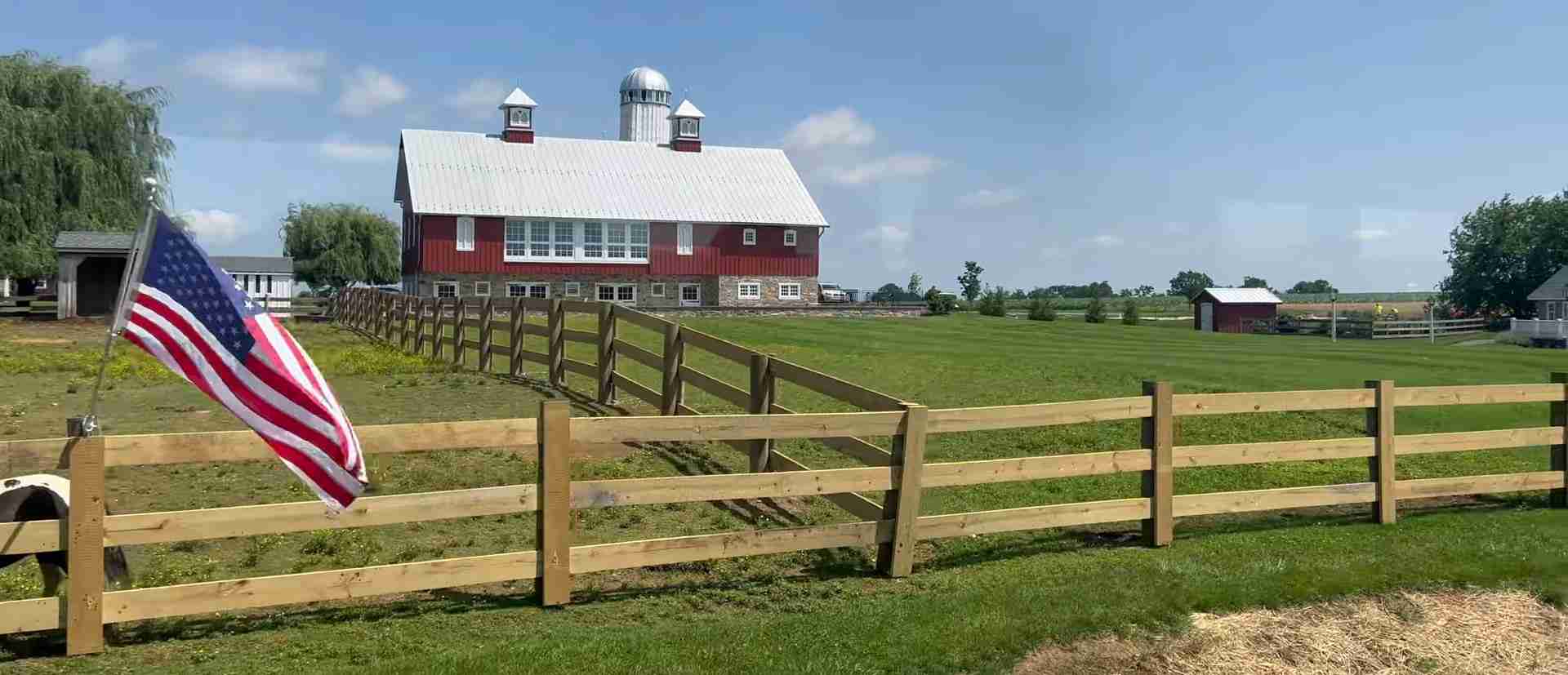
Amish Country Day Trip from Philadelphia 2026: Travel Planning Guide
Lancaster County’s Amish Country sits just 70 miles west of Philadelphia, offering one of America’s most accessible immersions into a centuries-old way of life. This day trip transports you from Pennsylvania’s largest city to horse-drawn buggies, working farms, and communities that deliberately chose tradition over convenience, creating an experience that enriches understanding while respecting boundaries.
Key Takeaways: Amish Country Day Trip 2026
- Travel Distance and Time: Amish Country sits 70-80 miles west of Philadelphia with driving times of 1.5 hours via Route 30 or Pennsylvania Turnpike, making it ideal for departure between 7:30-8:30 AM and return by 6-7 PM for a full day experience.
- Day Trip Costs in 2026: Budget-conscious visitors spend $55-75 per person for basic touring and dining, mid-range explorers invest $115-175 for comprehensive experiences including multiple attractions and buggy rides, while organized tour participants pay $90-135 for guided packages from Philadelphia that eliminate driving logistics.
- Core Amish Experiences: Authentic immersion requires visiting working farms through guided tours at The Amish Experience or Amish Farm & House, riding in horse-drawn buggies along backroads for $15-65 depending on route length, and dining at family-style restaurants or smorgasbords where Pennsylvania Dutch cooking traditions continue unchanged since the 1700s.
- Sunday Visit Restrictions: Amish communities observe strict Sabbath traditions closing all businesses, farms, and buggy rides on Sundays, requiring day trip planning for Monday through Saturday when attractions operate 9 AM to 5 PM and roads carry the distinctive sight of buggies alongside automobiles.
- Best Seasons for Visiting 2026: Spring harvest season from April through June and fall harvest from September through October offer peak agricultural activity with roadside farm stands overflowing with produce, while summer brings crowds and heat, and winter provides solitude but shorter daylight hours and potential weather complications.
- Respectful Cultural Engagement: Photography of Amish individuals violates religious beliefs requiring permission even from distance, conversations should be initiated only when Amish people engage first, and commercial tourist traps should be balanced with authentic businesses where proceeds directly support Amish families maintaining traditional livelihoods.
People Also Ask About Amish Country Day Trips 2026
How much does an Amish Country day trip from Philadelphia cost in 2026?
Day trip costs range $55-75 per person for budget-conscious exploration, $115-175 for comprehensive mid-range experiences, or $90-135 for organized guided tours from Philadelphia. Budget costs include gas at approximately $20 round trip for the 140-160 mile journey, one attraction admission of $16-21, a simple buggy ride for $15-21, casual lunch at $12-18, and minimal snacks totaling $55-75. Mid-range visitors typically spend $115-175 by adding multiple attractions such as The Amish Experience VIP Tour at $59, extended buggy rides at $35-50, buffet dining at $20-30, and shopping allowances of $15-25. Organized tour packages from Philadelphia cost $90-135 and include round-trip transportation, guided touring through Amish farmland, attraction admissions, and sometimes meals, eliminating individual car expenses while providing expert narration.
What’s the best way to get from Philadelphia to Lancaster Amish Country in 2026?
Self-driving offers the most flexibility for Amish Country day trips in 2026, covering 70-80 miles in approximately 1.5 hours via US Route 30 East or I-76 Pennsylvania Turnpike to Route 283 South. Organized tours departing from Center City Philadelphia at 12th and Arch Streets provide hassle-free transportation in comfortable vehicles with knowledgeable guides, operating full-day excursions typically 8 AM to 5 PM for $90-135 per person. Public transportation exists through SEPTA Regional Rail to Amtrak Keystone Service reaching Lancaster city in 1.5-2 hours, but requires additional taxi or rideshare to reach rural Amish attractions 10-15 miles outside Lancaster, making this option less practical for day visitors wanting comprehensive farm and countryside experiences.
Can you visit Amish farms and interact with Amish people in 2026?
Authentic farm visits occur through licensed tour operators including The Amish Experience VIP Tour for $59, which brings small groups to three working Amish properties including dairy farms during milking time and private homes where Amish families answer questions directly. Aaron & Jessica’s Buggy Rides offers farm tour packages at $18-35 that include barn visits where Amish neighbors explain equipment and animal husbandry without electricity. Casual roadside interactions happen naturally at farm stands selling produce, baked goods, and crafts where Amish vendors engage in commerce, though photography remains prohibited regardless of setting and conversations should never interrupt work or worship. Visitors must distinguish between respectful cultural tourism through established channels versus intrusive behavior like photographing children, entering private property without invitation, or treating Amish communities as living museums rather than working neighborhoods.
What are the must-see Amish attractions near Lancaster in 2026?
The Amish Experience at Plain & Fancy Farm in Bird-in-Hand provides comprehensive cultural education through an 1840s Amish homestead tour for $16, F/X Theater production explaining Amish beliefs for $36, and VIP guided bus tours visiting three authentic Amish properties for $59. The Amish Village in Strasburg features a 12-acre property with authentic 1840 farmhouse, one-room schoolhouse, blacksmith shop, and farm animals, offering combined house and bus tour packages. Abe’s Buggy Rides delivers genuine transportation experiences in Amish-style buggies for $15-65 depending on route length, traveling backroads past working farms, covered bridges, and limestone barns dating to the 1700s. Kitchen Kettle Village in Intercourse operates 40+ shops and restaurants in an authentic Amish setting where visitors purchase quilts, furniture, jams, and baked goods directly from craftspeople, while Shady Maple Smorgasbord in East Earl presents America’s largest buffet at 200 feet of Pennsylvania Dutch cooking for $20 per person.
Extended multi-day tours – 5+ days
Featured Philadelphia Multi-Day Tour Packages

3 days
Philadelphia 3-Day Discovery Tour
- ✓ Comprehensive Philadelphia experience
- ✓ Expert local guides included
- ✓ All accommodation included
- ✓ Transportation provided
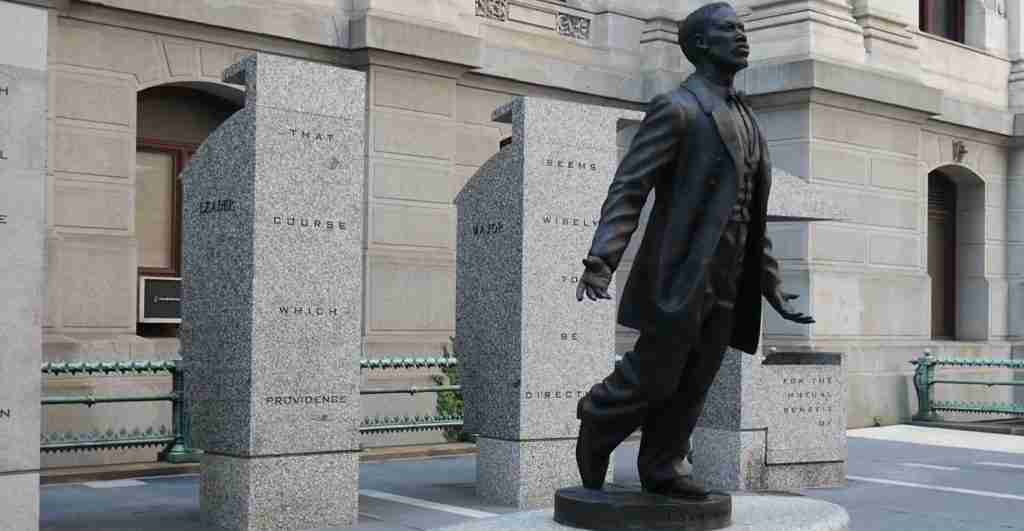
5 days
Philadelphia 5-Day Highlights Experience
- ✓ Comprehensive Philadelphia experience
- ✓ Expert local guides included
- ✓ All accommodation included
- ✓ Transportation provided
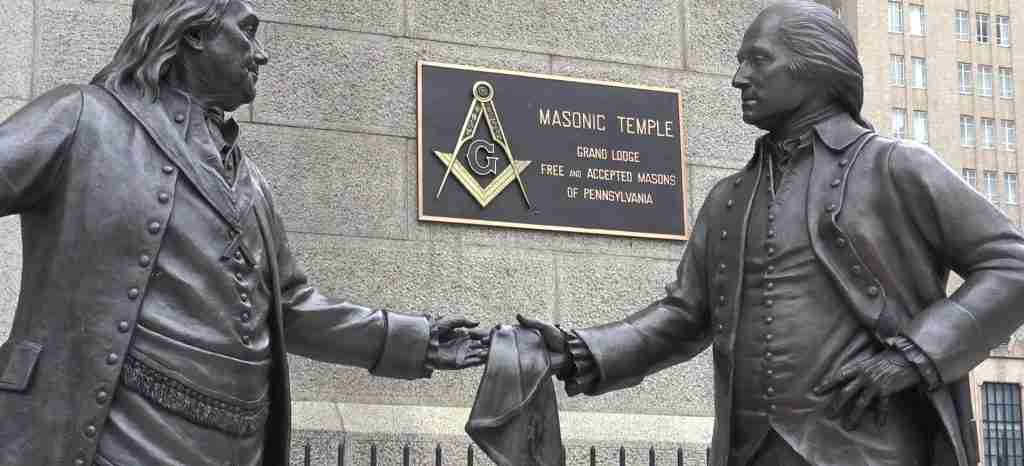
7 days
Philadelphia 7-Day Cultural Journey
- ✓ Comprehensive Philadelphia experience
- ✓ Expert local guides included
- ✓ All accommodation included
- ✓ Transportation provided
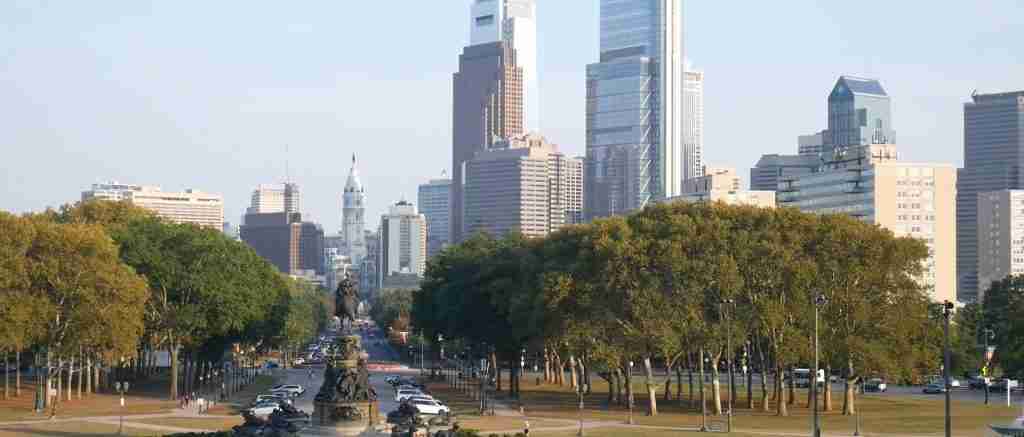
10 days
Philadelphia 10-Day Complete Adventure
- ✓ Comprehensive Philadelphia experience
- ✓ Expert local guides included
- ✓ All accommodation included
- ✓ Transportation provided
Multi-day tour packages powered by TourRadar. Prices and availability subject to change.
Introduction: Discovering Pennsylvania Dutch Country in 2026
The roads west from Philadelphia begin unremarkably with suburban sprawl and interstate monotony, but somewhere past Downingtown the landscape shifts. Strip malls give way to rolling farmland, and the first horse-drawn buggy appears on the shoulder of Route 30, its driver in plain clothing guiding a standardbred at eight miles per hour while traffic flows past at sixty. This transition marks entry into Lancaster County, home to America’s oldest and largest Amish settlement where approximately 40,000 people maintain a lifestyle deliberately frozen in the 18th century despite surrounding modernity.
Lancaster County Amish communities trace their origins to 1737 when European Anabaptists fleeing religious persecution settled Pennsylvania’s fertile farmland, establishing agricultural traditions that persist nearly three centuries later. Unlike historical reenactors or theme park attractions, Lancaster’s Amish represent living communities making daily choices to reject electricity, automobiles, television, and most technology in favor of horse-powered farming, wood-heated homes, and social structures emphasizing family, church, and separation from worldly influence. Visitors witness not a museum exhibit but an ongoing cultural experiment in which baptized members voluntarily accept Ordnung rules governing dress, transportation, and lifestyle, accepting shunning for violations while maintaining remarkably low crime, divorce, and substance abuse rates.
The proximity to Philadelphia makes Amish Country Pennsylvania’s most accessible cultural immersion, requiring only 1.5 hours of driving to transition from Independence Hall to working farms where mules plow fields and clotheslines replace dryers. This accessibility carries responsibility. Tourism generates significant income for Lancaster County, bringing 12 million annual visitors who collectively spend over $2 billion supporting restaurants, attractions, and shops. Yet the Amish themselves remain deliberately separate, neither seeking tourist attention nor objecting to respectful observation when conducted through proper channels rather than intrusive photography or trespassing.
Successful day trips in 2026 balance authentic cultural engagement with respect for boundaries. Commercial attractions operated by non-Amish entrepreneurs coexist alongside Amish-owned farm stands, bakeries, and furniture shops where proceeds directly support families maintaining traditional livelihoods. Licensed tour operators provide access to private properties not normally open to public, facilitating conversations with Amish families who volunteer to share their perspective. Meanwhile, the countryside itself offers free observation of agricultural practices from buggy traffic to hand-harvested fields, creating a layered experience where visitors choose their depth of engagement.
This guide addresses practical planning for 2026 day trips including transportation logistics, attraction selection, dining strategies, seasonal considerations, and cultural protocols necessary for meaningful experiences. Lancaster County operates under different rhythms than Philadelphia’s urban pace, requiring adjustments in expectations about convenience, photography, and interaction that, when properly understood, transform a simple day trip into genuine cross-cultural exchange.
Transportation Options from Philadelphia to Amish Country 2026
Self-Driving: Routes, Timing, and Parking Logistics
Self-driving provides maximum flexibility for Amish Country exploration, covering the 70-80 mile journey in approximately 1.5 hours under normal conditions. Two primary routes connect Philadelphia to Lancaster’s Amish heartland, each offering distinct advantages depending on starting location and destination preferences.
Route 30 West (Lincoln Highway) follows the historic transcontinental route departing from West Philadelphia through suburban communities including Paoli, Downingtown, and Coatesville before entering Lancaster County near Gap. This scenic corridor passes antique shops, farm stands, and roadside attractions while maintaining two lanes in each direction with frequent traffic lights and commercial development. Total distance from Philadelphia City Hall to Bird-in-Hand along Route 30 measures approximately 75 miles requiring 1 hour 45 minutes in normal traffic, though weekend congestion and tourist season slowdowns can extend travel to 2 hours. Route 30 provides the most direct access to central Amish attractions in Bird-in-Hand, Intercourse, and Paradise without highway tolls.
The Pennsylvania Turnpike (I-76) offers faster travel for visitors prioritizing speed over scenery. Departing from Philadelphia via the Schuylkill Expressway, the Turnpike runs west to Exit 286 (Reading/Lancaster) where Route 222 South connects to Route 30 East, or Exit 266 (Lebanon/Lancaster) connecting via Route 72 South to Route 283 South into Lancaster city. This route covers approximately 80 miles in 1 hour 20 minutes, saving 15-30 minutes compared to Route 30 but incurring tolls of approximately $7-9 each way with E-ZPass, or $11-14 via license plate billing. The Turnpike suits visitors starting from western Philadelphia suburbs or those wanting rapid arrival for maximum attraction time.
Gas costs for round-trip travel depend on vehicle efficiency and current fuel prices. Pennsylvania gas averaged $3.20 per gallon in early 2026, meaning a 160-mile round trip in a vehicle achieving 25 miles per gallon consumes 6.4 gallons at approximately $20 total fuel cost. Larger vehicles or those with lower efficiency should budget $25-35 for gas. Toll costs add another $15-30 round trip if choosing the Turnpike route, making Route 30 the more economical option for budget-conscious travelers.
Parking in Amish Country varies by attraction. Major commercial sites including The Amish Experience, The Amish Village, and Kitchen Kettle Village provide free parking in dedicated lots accommodating 50-200 vehicles. Downtown Lancaster city charges metered parking at $1-2 per hour or garage parking at $5-10 for full-day access, though most day-trippers avoid the city entirely in favor of rural attractions. Roadside farm stands and small businesses typically offer informal gravel parking without fees. Visitors should plan to park once at a central attraction like Bird-in-Hand or Intercourse, then walk or drive short distances to nearby shops and restaurants rather than constantly repositioning vehicles.
Optimal departure timing from Philadelphia targets 7:30-8:30 AM arrival in Amish Country by 9-10 AM when attractions open and morning light favors photography of farms and landscapes. This schedule allows 6-8 hours of exploration before departing by 4-5 PM to avoid rush hour traffic returning to Philadelphia, arriving home by 6-7 PM. Weekend travelers should expect heavier traffic both directions, potentially adding 30-60 minutes to each leg.
Organized Tour Packages: Convenience and Value Analysis
Organized tours from Philadelphia eliminate driving logistics while providing expert narration, though at premium cost and reduced flexibility compared to self-driving. Several operators run full-day Amish Country excursions departing Center City Philadelphia between 8-9 AM and returning by 5-6 PM, including all transportation in comfortable coaches or vans.
Small-group tours through companies like WeVenture Tours typically charge $90-135 per person for full-day experiences limited to 12-15 participants, departing from 12th and Arch Streets near Reading Terminal Market. These packages include round-trip transportation in air-conditioned vehicles, guided touring through Amish backroads with expert narration about history and culture, admission to The Amish Village or similar attraction, buggy ride experiences, and stops at farm stands and craft shops for purchasing local products. Lunch remains separate at participant expense, typically occurring at a smorgasbord or family-style restaurant where the group dines together. Premium small-group tours emphasize intimate access and personalized attention from guides who often have decades of Lancaster County experience and personal relationships with Amish families.
Larger motorcoach tours accommodate 40-55 passengers at lower per-person costs of $80-100, departing from various Philadelphia pickup points including hotels and 30th Street Station. These budget-friendly options provide the same basic itinerary as small-group tours but with less individualized attention and more time spent managing large group logistics at each stop. Tour quality varies significantly by operator, with reputable companies employing trained guides while budget operators sometimes rely on bus drivers providing limited narration.
The value proposition of organized tours depends on individual circumstances. Solo travelers and couples without personal vehicles save on car rental costs of $60-90 per day while avoiding navigation stress and parking logistics. Groups of 3-4 people traveling together find self-driving more economical since $20-25 in gas plus $15-30 in tolls totals $35-55 split among passengers, significantly less than $90-135 per person tour fees. Organized tours excel for visitors wanting expert cultural context, guaranteed access to private Amish properties through established tour operator relationships, and freedom from driving responsibilities allowing fuller attention to landscapes and experiences.
Tour packages typically include 90 minutes of guided bus touring through Amish farmland with stops for photographs and farm stand shopping, 60-90 minutes at a major attraction like The Amish Village including farmhouse and property tours, 30-45 minutes for buggy rides in authentic Amish carriages, and 2-3 hours of independent time for lunch and shopping at Kitchen Kettle Village or similar commercial centers. Return transportation departs by 3:30-4 PM to beat Philadelphia rush hour traffic.
Public Transportation and Alternative Options
Public transportation from Philadelphia to Amish Country exists but proves impractical for comprehensive day trips due to multiple connections and limited rural service. SEPTA Regional Rail connects to Amtrak Keystone Service at 30th Street Station, running to Lancaster city in approximately 1 hour 45 minutes with ticket costs of $15-25 one way depending on time and service class. However, Lancaster Amtrak station sits in downtown Lancaster city, 10-15 miles northeast of the Amish heartland around Bird-in-Hand, Intercourse, and Strasburg where primary attractions concentrate.
From Lancaster city to Amish attractions requires taxi or rideshare services like Uber or Lyft at $25-40 each way, plus additional charges for multiple stops or waiting time while touring. Red Rose Transit Authority operates limited bus service within Lancaster County, but routes primarily serve commuters between residential areas and employment centers rather than tourists seeking rural farm experiences. The Route 13 bus connects Lancaster city to Strasburg but runs only 5-6 times daily on weekdays with no Sunday service, making flexible touring nearly impossible.
The total cost and time investment for public transportation approaches $80-100 per person including Amtrak tickets, local taxi fares, and attraction admissions while consuming 4-5 hours in pure transit time versus 3 hours for round-trip driving. This option suits only travelers absolutely committed to car-free travel or those staying multiple days in Lancaster city where public transport limitations become less constraining. Day-trippers from Philadelphia universally benefit from either personal vehicles or organized tour packages rather than attempting the public transit route.
Major Amish Attractions and Cultural Experiences 2026
The Amish Experience at Plain & Fancy Farm: Comprehensive Cultural Education
The Amish Experience operates as Lancaster County’s most comprehensive educational attraction, combining theatrical presentation, historic property tours, and guided countryside excursions into packages designed for varying interests and budgets. Located at 3121 Old Philadelphia Pike in Bird-in-Hand directly on Route 340, the facility anchors itself around an 1840s Amish homestead preserved as Lancaster County’s only officially designated heritage site, providing authentic architecture and furnishings for understanding daily Amish life.
The Amish Country Homestead and One-Room School tour costs $16 for adults and $11 for children ages 4-12 in 2026, delivering 45-minute guided walks through the preserved farmhouse and adjacent schoolhouse. Visitors examine rooms arranged as they would have appeared during active Amish occupation, with guides explaining the absence of electrical outlets, the presence of oil lamps and wood stoves, and the clothing hanging in closets representing plain dress standards. The one-room schoolhouse demonstrates educational practices where a single teacher manages eight grades simultaneously using German and English instruction, with children attending only through eighth grade before beginning full-time farm work or apprenticeships.
Jacob’s Choice at the Amish Experience Theater presents a five-screen multimedia production exploring Amish beliefs, values, and the choice to remain separate from mainstream American society. The 40-minute film costs $36 for adults and $22 for children ages 12 and under, using documentary footage, dramatic reenactments, and interviews with Amish individuals who agreed to participate on condition their faces remain obscured. The production addresses common visitor questions about electricity rejection, rumspringa adolescent experimentation, and shunning practices for those who leave the faith, providing cultural context that enriches subsequent touring experiences.
The Complete Package combining theater and homestead admission costs $36 for adults and $22 for children, representing the best value for first-time visitors wanting foundational understanding before exploring the countryside. This package requires approximately 2 hours including both experiences.
The VIP (Visit-in-Person) Tour delivers the most authentic interaction available through commercial channels, charging $59 for adults and $49 for children ages 6-12 (children under 6 not permitted due to farm safety considerations). This 2.5-hour guided bus tour in climate-controlled 14-passenger vehicles visits three working Amish properties not normally open to tourists: an active dairy farm during milking time where Amish farmers demonstrate traditional equipment and explain daily routines, a small business operated by non-farming Amish families showing economic adaptations within Ordnung restrictions, and an Amish home where the family sits with visitors to answer questions about faith, lifestyle, and challenges of maintaining separation in modern Pennsylvania.
The Meal-in-Home Experience costs $68 per person (ages 13+) or $66 for children 12 and under, combining the VIP Tour backroads journey with an authentic family-style meal served in an Amish family’s dining room. Visitors sit at long communal tables while Amish hosts serve heaping platters of roast beef or fried chicken, mashed potatoes, buttered noodles, fresh vegetables, homemade bread, and traditional desserts including shoofly pie and whoopie pies. This experience operates Monday through Saturday with reservations required, typically scheduling lunch at 12-1 PM or dinner at 5-6 PM.
All Amish Experience activities operate Monday through Saturday year-round (closed Sundays respecting Sabbath traditions) with hours from 9 AM to 5 PM in winter extending to 8 PM during summer peak season. Tickets can be purchased online at identical prices to walk-up admission without service fees, or reserved by phone at 717-768-8400. The facility includes a gift shop selling Amish-made quilts, furniture, jams, and baked goods, plus Plain & Fancy Restaurant serving Pennsylvania Dutch cuisine.
The Amish Village: Historic Property and Countryside Tours
The Amish Village in Strasburg offers 12 acres of authentic Amish farmland including an 1840 farmhouse, operating barn with farm animals, one-room schoolhouse, blacksmith shop, and multiple outbuildings demonstrating agricultural practices and crafts. Located at 199 Hartman Bridge Road approximately 5 miles south of Route 30, this family-owned attraction provides intimate scale compared to larger commercial sites, with tour groups limited to 15-20 participants ensuring personalized attention.
The Amish Farmhouse and Village Tour includes guided 30-45 minute walks through the historic home with costumed interpreters explaining room functions, furnishings, and daily routines. Following the house tour, visitors explore the 12-acre property independently, visiting the functioning barn where sheep, goats, chickens, pigs, and horses live in conditions matching traditional Amish farming, the one-room schoolhouse arranged with desks and educational materials, and the blacksmith shop containing authentic tools and equipment. The village marketplace sells Amish baked goods including whoopie pies, shoofly pie, and cookies made by neighboring families.
The Backroads Bus Tour departs hourly in temperature-controlled coaches, traveling scenic routes through working Amish farmland with narration about architecture, agriculture, and community organization. The 90-minute journey passes numerous Amish homesteads, schools, and businesses while guides explain details like why some farms have wind turbines (permitted as they don’t connect to electrical grid) or why buggies display orange safety triangles (required by state law). Tours occasionally stop at Amish-owned farm stands when open, allowing purchases of produce, baked goods, or crafts directly from vendors.
The Premium Package combines both experiences at discounted pricing compared to separate purchases, recommended for visitors wanting comprehensive touring. The property includes picnic facilities, playground equipment for children, and the Amish Village Store selling quilts, furniture, home goods, and food products. Operating hours run Monday through Saturday 9 AM to 5 PM, with extended summer hours to 6 PM. Tickets are available on-site without reservations, though weekend visits during peak season (May-October) may involve 15-30 minute waits during busy periods.
Amish Farm & House: America’s First Amish Attraction
Founded in 1955, the Amish Farm & House claims status as the United States’ first tourist attraction dedicated to Amish culture, operating a 15-acre working farm at 2395 Covered Bridge Drive along Route 30 East near Lancaster. The property centers on an authentic 1805 farmhouse once owned by an Amish family, now preserved with period furnishings and agricultural equipment demonstrating pre-electric rural life.
The Classic Amish Bus Tour runs continuously throughout operating hours, departing the farmstead for 90-minute guided excursions through Amish countryside in climate-controlled coaches. Tours pass working farms during active agricultural periods, potentially witnessing plowing with horse teams, hand-harvesting of crops, or laundry drying on outdoor lines. Guides provide extensive narration about Amish beliefs, explaining elements like why Amish children attend school only through eighth grade (further education viewed as unnecessary and potentially corrupting) or how Amish businesses operate without electricity by using pneumatic air-powered tools, diesel generators for mechanical equipment, and hand-cranked appliances.
The Farmhouse Tour delivers 30-minute guided walks through the 1805 home with interpreters explaining domestic life without electricity. Visitors examine Amish clothing including women’s prayer kapps and men’s broad-brimmed hats, kitchen equipment operated without electrical power, and sleeping arrangements for large families in compact spaces. The property includes barns housing farm animals including cows, chickens, pigs, horses, and goats that children can observe and sometimes pet under supervision.
The Premium Package combines the bus tour, farmhouse tour, and property exploration at bundled pricing. The 15-acre grounds include a gift shop, bakery selling Amish-made pies and cookies, and picnic areas. Special seasonal tours operate periodically including Valentine’s Sweetie Pie Tours featuring pie tastings at Amish homes, and Christmas Cookie Tours visiting three Amish families for homemade treats and recipes.
Operating hours run Monday through Saturday 9 AM to 5 PM year-round with no Sunday service. Tours depart every 30-45 minutes or as groups assemble, requiring no advance reservations though large tour groups should contact ahead for scheduling. The attraction sits directly on Route 30 with ample free parking.
Buggy Ride Experiences: Authentic Amish Transportation 2026
Understanding Buggy Rides: Cultural Significance and Experience Types
Horse-drawn buggy rides represent the most iconic Amish Country experience, transforming the primary transportation method of Lancaster’s plain communities into tourist activities that simultaneously educate visitors while generating income for Amish and Mennonite families operating tour services. Unlike automobile touring where landscapes blur at highway speeds, buggy travel at 5-8 miles per hour allows detailed observation of farm architecture, agricultural practices, and the quiet countryside that defines Amish territory.
Authentic Amish buggies follow standardized designs with enclosed black bodies, gray tops, and solid rubber wheels optimized for paved and gravel roads. The interior accommodates 6-8 adults on wooden benches, with side curtains that roll down in inclement weather and minimal suspension creating a jostling ride over rough pavement. Buggies include small battery-powered headlights and taillights for nighttime travel plus orange safety triangles required by Pennsylvania law, representing one of few modern concessions Amish communities make to coexist with automobile traffic.
Most buggy tour operations employ Amish or Mennonite drivers who grew up handling horses and navigating rural roads by buggy from childhood. These operators work independently or through family businesses, using personal buggies and horses to conduct tours on set routes that avoid heavy traffic while passing notable landmarks including Amish farms, one-room schools, covered bridges, and historical sites dating to the 1700s. Drivers typically welcome questions about Amish life, farming practices, and cultural traditions, providing casual education alongside transportation.
Tours range from brief 20-30 minute rides covering 2-3 miles to extensive 90-minute journeys spanning 6-7 miles with stops at working farms, craft shops, or scenic overlooks. Longer routes often pass through covered bridges, cross farmland being actively worked by horse teams, and include narrative about specific properties and families visible along the route. Some premium tours include farm visits where drivers introduce guests to Amish neighbors who explain dairy operations, equipment maintenance without electricity, or demonstrate crafts like quilt-making or woodworking.
Weather affects buggy touring differently than automobile travel. Light rain presents minimal issue as side curtains protect passengers, though severe thunderstorms force cancellations for safety. Summer heat makes open-air buggy rides pleasant with natural breezes, while winter tours require bundling in blankets provided by operators as buggies lack heating. Spring and fall offer optimal conditions with moderate temperatures and active agricultural scenery from planting and harvest activities.
Abe’s Buggy Rides: Flexible Routes from Bird-in-Hand
Operating since 1968, Abe’s Buggy Rides maintains facilities at 2596 Old Philadelphia Pike in Bird-in-Hand, offering five different route options ranging from quick introductions to comprehensive countryside touring. The business operates on first-come, first-served basis without reservations, with wait times typically 5-15 minutes during weekdays and 30-60 minutes during peak weekend periods.
The 2-Mile Ride costs $15 per adult and $7 per child under 4 feet tall, requiring approximately 20 minutes to complete a basic loop through nearby farmland. This entry-level option suits families with young children or visitors wanting brief buggy experience without extensive time commitment. The route passes several Amish homesteads and offers basic narration about visible properties.
The 3-Mile Ride increases to $21 per adult and $10 per child, extending travel time to approximately 30 minutes while adding passage through a historic railroad bridge dating to the 1700s. This mid-range option provides better value for most visitors, balancing cost against meaningful touring time.
The 4.5-Mile Ride costs $35 per adult and $20 per child, running approximately 45 minutes through expanded territory including an Amish one-room schoolhouse and beef cattle pastures. This route allows more detailed driver narration and increased landscape variety.
The 1-Hour Ride charges $50 per adult and $25 per child, incorporating the same schoolhouse route while adding stops at Amish-Mennonite craft and bake shops when open, allowing passengers to purchase fresh cookies, pies, sticky buns, and handmade goods. Drivers coordinate stops based on shop availability, as not all Amish businesses maintain regular hours.
The 6.5-Mile Ride represents the premium option at $65 per adult and $30 per child, requiring 1 hour 15 minutes for comprehensive countryside touring with multiple potential stops and extensive narration. This extended journey suits dedicated enthusiasts wanting maximum immersion.
All routes operate Monday through Saturday from 9 AM to 5 PM during standard season, with reduced hours in winter. Abe’s accepts cash, checks, and credit cards. The property includes picnic tables and playground equipment for waiting families, plus barn areas where visitors can observe and feed farm animals. Leashed pets are permitted on buggy rides.
Aaron & Jessica’s Buggy Rides: Private Tours and Farm Visits
Located at Plain & Fancy Farm on Route 340 in Bird-in-Hand, Aaron & Jessica’s Buggy Rides specializes in private tours and small-group experiences, with many drivers being Amish or Mennonite community members. The operation emphasizes quality over volume, limiting group sizes for personalized attention and authentic interaction.
The Country Tour costs $18 per adult and $12 per child ages 3-12 (children 2 and under free), running 30-35 minutes through exclusively Amish farmland where neighboring families work land settled as early as 1737. This tour passes clusters of Amish homes and businesses without leaving the buggy, providing observation-only experience with driver narration. Snacks, cookies, and drinks from Amish vendors occasionally appear for purchase when neighbors bring goods to the buggy, though this occurs sporadically based on individual family availability.
The Farm Tour costs $35 per adult and $16 per child, extending to 50-60 minutes with the crucial addition of a working farm visit. Drivers assist passengers in disembarking to tour an authentic Amish barn, examine farm equipment powered by horses or diesel generators rather than electricity, and observe cows, chickens, goats, and horses in daily farming context. Farm tours operate Monday through Saturday only, as Sunday Sabbath traditions prevent all commercial activity. This option delivers the most substantive cultural education available through buggy touring, combining transportation experience with guided agricultural demonstration.
Private Ride options accommodate groups wanting exclusive buggy use for custom routes and extended time. Pricing varies based on party size, route length, and specific requests such as birthday celebrations, engagement announcements, or specialized interest topics like Amish healthcare practices or education systems. Private tours require advance email booking with detailed specifications.
Sunday Country Tours operate exclusively on Sundays for those wanting weekend experiences, offering modified routes that respect Sabbath restrictions by avoiding active farms and businesses. These tours focus on landscape observation and architecture rather than cultural interaction, passing numerous farms gathering for morning church services where dozens of buggies converge at host properties rotating weekly among district families.
Aaron & Jessica’s operates year-round weather permitting, with hours from 9 AM to 5 PM Monday through Saturday, and limited Sunday availability. Walk-up service accommodates individuals and small groups, while reservations are required for parties exceeding 10 people or requesting private tours. Payment accepted includes cash and credit cards.
Dining in Amish Country: Pennsylvania Dutch Cuisine 2026
Smorgasbord Restaurants: All-You-Can-Eat Buffet Traditions
Smorgasbord dining represents Lancaster County’s most distinctive culinary tradition, featuring sprawling all-you-can-eat buffets presenting hundreds of feet of Pennsylvania Dutch specialties from roast meats to traditional desserts. These establishments cater primarily to tourists but maintain authentic recipes passed through generations of Amish and Mennonite cooks, creating experiences that balance commercialization with genuine cultural cuisine.
Shady Maple Smorgasbord in East Earl operates America’s largest buffet at 200 linear feet of food spanning multiple stations, serving over 1.5 million guests annually since opening in 1984. The facility accommodates 1,200 diners simultaneously in a cavernous dining hall where servers deliver drinks while guests help themselves to unlimited portions from four active grill stations producing fried chicken, roast beef, ham, and rotisserie specialties throughout service hours. The breakfast buffet runs Monday through Saturday from 6 AM to 11 AM featuring eggs, bacon, sausage, scrapple, waffles, French toast, fruit, pastries, and oatmeal for approximately $17 per person. The lunch buffet operates Monday through Saturday 11 AM to 4 PM offering lighter fare including soups, salads, sandwiches, and select hot entrees for approximately $20 per person. The dinner buffet runs Monday through Saturday 4 PM to 8 PM presenting the full Pennsylvania Dutch feast including rotisserie chicken, roast beef, baked ham, meatloaf, mashed potatoes, buttered noodles, numerous vegetable selections, fresh-baked breads, and extensive dessert stations featuring pies, cakes, soft-serve ice cream, and puddings for approximately $20 per adult.
All Shady Maple food originates from scratch in the attached commercial kitchen and onsite bakery producing 300+ products daily including shoofly pie, whoopie pies, and cinnamon rolls served on the buffet and sold retail in the adjacent farm market. The smokehouse processes over 100 meat varieties from bacon to specialty sausages. This level of vertical integration ensures authenticity despite massive scale, with recipes reflecting traditional Mennonite cooking rather than Americanized buffet standards.
Miller’s Smorgasbord at 2811 Lincoln Highway East in Ronks has served Pennsylvania Dutch buffets since 1929, maintaining family ownership across four generations. The dining room seats 500 with lunch buffets running $18-22 per person and dinner buffets $20-26, featuring rotating menus that change daily to reflect seasonal ingredients and traditional cooking cycles. Signature items include Lancaster County ham balls (ground ham mixed with ground pork, bread crumbs, and brown sugar glaze), chicken pot pie (a wet noodle stew unlike pastry-topped pot pies elsewhere), pepper cabbage (pickled cabbage with peppers), and brown buttered noodles. Miller’s emphasizes made-from-scratch preparation and serves all meals family-style at large tables where groups share serving platters rather than individually navigating buffet lines, creating communal dining atmosphere matching Amish traditions.
Dienner’s Country Restaurant at 2855 Lincoln Highway East in Soudersburg operates a smaller 200-seat facility focusing on traditional recipes prepared in small batches. The lunch and dinner buffets cost approximately $20 per person, featuring famous rotisserie chicken cooked continuously on wood-fired spits, tender beef with gravy, buttered noodles, sweet corn, creamy mashed potatoes, and extensive salad bar. The restaurant opens at 11 AM Monday through Saturday with last seating by 7:30 PM. Dienner’s maintains Amish and Mennonite cooking staff visible through windows from the dining room, allowing observation of traditional preparation methods.
All smorgasbord restaurants close Sundays respecting Sabbath traditions, require no reservations for parties under 20 people, and discourage wasted food by charging small fees for excessive leftovers. Most buffets exclude alcohol from service in keeping with plain community preferences, though soft drinks, lemonade, and iced tea flow freely. The all-you-can-eat format suits families with varied preferences and hearty appetites, though portion control proves challenging given the abundance.
Family-Style Dining: Shared Platters and Traditional Service
Family-style restaurants serve meals at communal tables where platters and bowls circulate among diners sharing space with strangers, recreating how Amish families and church districts eat during gatherings. This service style emerged from Pennsylvania German traditions of communal eating at barn raisings, weddings, and church services, now adapted for tourist trade while maintaining authentic presentation.
Plain & Fancy Farm Restaurant operates at 3121 Old Philadelphia Pike adjacent to The Amish Experience attractions, offering the Amish Family-Style Menu from January through October and the Holiday Feast Menu during November and December. The standard menu costs approximately $28 per adult and $16 per child, beginning service when tables fill with 8-12 diners who may not know each other but share the meal together. Servers bring rolling carts loaded with bowls and platters including fresh rolls with apple butter, coleslaw, pepper cabbage, fried chicken, roast beef, meatloaf, mashed potatoes with gravy, buttered noodles, green beans, and corn. Diners pass serving dishes around the table helping themselves to desired portions while conversation develops naturally among tablemates. Meals conclude with two homemade desserts served to each person, typically including shoofly pie, whoopie pie, or tapioca pudding. Beverages including iced tea, lemonade, water, coffee, and hot tea are included in the fixed price.
The family-style format operates Wednesday through Saturday with dinner seatings beginning at 4:30 PM, running until approximately 8 PM depending on season. Reservations are required for individual diners and small groups to ensure tables fill completely, as partial tables disrupt the shared service model. Large tour groups receive priority seating and dedicated table sections.
Good ‘N Plenty Restaurant at 150 Eastbrook Road in Smoketown presents family-style Pennsylvania Dutch meals in a restored 1871 farmhouse expanded over decades to accommodate over 500 guests simultaneously. The menu costs approximately $30 per adult and $18 per child, featuring similar rotating platters of fried chicken, ham, beef, multiple starches, vegetables, relishes, breads, and desserts. The massive dining rooms create bustling atmosphere during peak hours when dozens of tables receive simultaneous service, generating considerable noise and energy unlike quieter traditional restaurants. Good ‘N Plenty operates Monday through Saturday from 11:30 AM to 8 PM with both lunch and dinner service, closing Sundays.
Family-style dining delivers authentic communal eating experiences matching Amish traditions more closely than buffet service, though fixed menus limit options for dietary restrictions. Vegetarians face particular challenges as most family-style meals center on multiple meat preparations with vegetables served as sides rather than entrees. The shared-table format suits outgoing personalities comfortable with stranger conversation but may discomfort introverted diners preferring privacy during meals.
Casual Dining and Amish-Owned Eateries
Beyond tourist-focused buffets and family-style restaurants, Lancaster County offers numerous casual eateries owned and operated by Amish or Mennonite families serving simpler fare at lower prices. These establishments provide more authentic interaction with plain community members while supporting businesses that directly benefit local families.
Katie’s Kitchen at 200 Hartman Bridge Road in Ronks operates as an Amish-owned family restaurant serving breakfast, lunch, and dinner from 7 AM to 7 PM Monday through Saturday. The menu features classic diner items alongside Pennsylvania Dutch specialties with breakfast platters at $8-12, sandwiches and burgers at $9-14, and dinner entrees including meatloaf, chicken, and ham at $12-18. Daily specials showcase rotating home-style cooking like beef and noodles, ham loaf, or pork chops. The restaurant includes outdoor picnic table seating during warm months and homemade ice cream service. Service comes from Amish staff in traditional dress, and the property operates without electricity using propane for cooking and refrigeration.
Hometown Kitchen at 2855 Lincoln Highway East in Georgetown presents another Amish-operated option where visitors watch Amish cooks preparing meals in an open kitchen visible from dining areas. The menu includes Pennsylvania Dutch standards like chicken pot pie (the wet noodle version), homemade breads, whoopie pies, and shoofly pie, with lunch and dinner items ranging $10-18. The restaurant operates Tuesday through Saturday from 8 AM to 7 PM, closed Sundays and Mondays.
Bird-in-Hand Bakery & Cafe at 542 Gibbons Road offers Amish-made baked goods including donuts, sticky buns, pies, cookies, and breads, plus light lunch service of sandwiches and soups at $8-12. The bakery opens early at 6 AM for fresh donuts and pastries, closing by 4 PM after selling through daily production. This Amish-family business operates Monday through Saturday only.
Roadside farm stands provide the most authentic and economical dining option, selling fresh produce, baked goods, homemade root beer, and prepared foods like sandwiches or pretzels at prices well below restaurant rates. These stands operate on honor system with cash boxes for payment when owners work elsewhere on the property, requiring exact change and honest transactions. Farm stand availability peaks during harvest season from May through October when produce abundance supports daily operations, while winter finds many stands closed or operating limited hours for preserved goods like jams, pickles, and baked items.
Seasonal Considerations: Best Times to Visit Amish Country 2026
Spring Season: April Through June Agricultural Activity
Spring delivers optimal conditions for Amish Country day trips, combining moderate temperatures, active agricultural schedules, and lighter tourist crowds compared to summer peaks. April through June witnesses planting seasons when Amish farmers prepare fields with horse-drawn equipment, providing dynamic agricultural scenes rarely visible in mechanized modern farming. Fields transition from bare earth to planted rows to emerging crops, creating visual interest for repeat visitors who see landscapes change week by week.
Roadside farm stands begin opening in May as early crops mature, with asparagus, rhubarb, and spring greens appearing first, followed by strawberries in late May and early June. These stands operate peak hours from early morning through early evening when farm families harvest and restock throughout the day. The variety and quantity increases steadily through June as growing season progresses, with stands displaying homemade jams, baked goods, and fresh flowers alongside produce.
Spring weather in Lancaster County ranges from cool mornings in the 40s-50s°F warming to pleasant afternoons in the 60s-70s°F, ideal for buggy rides and outdoor farm touring without summer heat. Rainfall occurs frequently but typically in short afternoon thunderstorms rather than all-day events, requiring only light rain jackets and flexibility in scheduling. Severe weather including tornadoes remains extremely rare but possible during May and June.
Tourist crowds remain moderate during April and May, increasing substantially during Memorial Day weekend when summer season unofficially begins. Attractions maintain regular hours but rarely face long wait times, restaurants accommodate walk-in diners without reservations, and roads carry normal traffic rather than summer congestion. This shoulder season offers best value for visitors prioritizing authentic experiences over peak-season amenities.
Special events in spring include Amish Mud Sales held at fire stations across Lancaster County from February through May. These fundraising auctions feature Amish-made furniture, quilts, tools, farm equipment, and donated goods sold to benefit volunteer fire companies. Despite the name, mud sales continue regardless of weather, with the term referencing early-spring muddy conditions during original events. Major mud sales draw thousands of attendees including significant Amish participation, offering rare opportunity to observe communities gathering in large numbers while supporting charitable causes. Dates and locations vary annually and are not centrally coordinated, requiring local inquiry or checking Lancaster County fire company websites for schedules.
Summer Season: July Through August Peak Tourism Period
Summer represents Lancaster County’s highest-volume tourist season, bringing intense crowds, extended attraction hours, and oppressive heat alongside peak agricultural productivity. July and August see families vacationing during school breaks, tour buses arriving daily from eastern seaboard cities, and accommodations near capacity requiring advance reservations. This seasonal concentration supports year-round businesses but significantly diminishes the peaceful rural atmosphere that attracts many visitors.
Temperatures during summer regularly reach 85-95°F with high humidity creating heat indices exceeding 100°F during afternoon hours. Buggy rides become uncomfortable in midday heat despite breezes, leading operators to recommend morning or evening tours when possible. Farm touring involves considerable sun exposure with limited shade in open fields, requiring hats, sunscreen, and frequent hydration. Indoor attractions like The Amish Experience Theater and air-conditioned restaurants provide necessary relief during peak heat hours.
Agricultural activity reaches maximum intensity with corn, tomatoes, peppers, melons, peaches, and dozens of other crops maturing simultaneously. Roadside farm stands overflow with produce diversity unmatched in other seasons, operating long hours from dawn to dusk as farm families harvest continuously. This abundance creates prime opportunities for purchasing fresh ingredients, though competition from other visitors can deplete popular items by midday during weekends.
Extended daylight hours with sunset approaching 8:30 PM allow full-day touring from 8 AM to 7 PM, maximizing attraction visits and countryside exploration within single trips. Many attractions extend operating hours until 8 PM on summer weekends to accommodate demand and spread crowds across longer service periods. However, the combination of heat, crowds, and commercial atmosphere diminishes authentic cultural experiences as tourism infrastructure operates at maximum capacity.
July 4th and Labor Day weekends represent absolute peak visitor periods when attractions face multi-hour waits, restaurants turn away walk-in diners, and roads congest with bumper-to-bumper traffic through normally quiet farm country. Visitors unable to avoid these dates should arrive by 8 AM for first-access privileges, pre-book dining reservations weeks ahead, and expect compromised experiences compared to off-peak periods.
Fall Season: September Through November Harvest Abundance
Fall rivals spring as optimal visiting season, offering moderate temperatures, spectacular harvest season activity, and reduced crowds as schools resume and summer vacationers return home. September through November showcases Lancaster County agriculture at peak productivity with corn harvests, apple picking season, pumpkin patches, and field work creating continuous visual interest and roadside stand abundance.
September maintains warm temperatures in the 70s-80s°F with lower humidity than summer, creating comfortable conditions for all-day touring. October brings quintessential fall weather with temperatures dropping to 60s-70s°F, colorful foliage appearing in non-farmed woodlots and tree lines, and crisp air ideal for buggy rides and farm walks. November grows cooler with temperatures in the 50s-60s°F requiring light jackets but remaining suitable for outdoor activities.
Harvest season runs August through October with corn fields transitioning from green to brown as crops dry for combining, farm families working extended hours to bring in yields before weather turns, and roadside stands displaying peak variety including apples, pumpkins, winter squash, late tomatoes, peppers, and fresh cider. The agricultural intensity provides unmatched authenticity as farming activities take precedence over tourism, with Amish families occasionally declining buggy ride bookings or tourist farm visits due to pressing harvest deadlines.
Fall foliage peaks in late October when deciduous trees display red, orange, and gold colors against the green of Amish pastures and brown of harvested fields. This natural beauty attracts photographers and scenic drive enthusiasts, creating secondary wave of visitors distinct from summer family vacationers. The combination of harvest activity and fall colors makes September through mid-October arguably the single best period for Amish Country day trips balancing weather, agricultural scenes, and crowd levels.
Thanksgiving week brings final seasonal surge as extended holiday weekend draws visitors from across the Mid-Atlantic region, with accommodations fully booked and attractions managing high volume. Most restaurants offer special Thanksgiving feast menus on the holiday itself, though some close to allow staff family time. After Thanksgiving, tourist activity drops dramatically until Christmas creating excellent opportunities for quiet winter visits.
Winter Season: December Through March Quiet Period
Winter visits offer maximum solitude and authentic atmosphere as tourist infrastructure operates at minimal capacity and commercial activities yield to genuine agricultural work cycles. December through March sees dramatically reduced visitor numbers, shortened attraction hours, and closed roadside stands, creating conditions that either appeal to visitors seeking genuine rural experiences or disappoint those expecting full summer amenities.
December maintains mild early-winter conditions with temperatures in the 40s-50s°F, occasional snow flurries, and Christmas season decorations appearing in non-Amish businesses (Amish communities do not celebrate Christmas with external decorations though internal family observances occur). Many attractions reduce hours or close entirely from Christmas through New Year, requiring advance research to confirm availability.
January through March deliver true winter with temperatures ranging from 20s-40s°F, snow cover persisting for days or weeks after storms, and agricultural activity reduced to barn work and equipment maintenance invisible from roads. Buggy travel becomes challenging during snow and ice though Amish families continue using buggies as year-round transportation, fitting them with runners replacing wheels for snow travel in severe conditions. Tourist buggy rides operate weather permitting but face frequent cancellations during winter storms.
The positive aspects of winter visits include seeing how Amish communities function during harsh seasons, observing traditional practices like wood heating and hand-hauling water to livestock, and experiencing complete absence of tourist crowds. Attractions remain open with limited hours, restaurants serve hearty winter menus emphasizing soups and comfort foods, and authentic cultural interaction increases as Amish families have more available time for conversation with curious visitors who make the effort to visit during off-season.
Special winter events include occasional Amish crafts sales and quilting demonstrations at indoor venues when farm work pauses, though these events are not regularly scheduled or publicly advertised requiring local inquiry. The lack of formal events creates opportunity for genuine discovery rather than packaged tourist programming.
Practical considerations for winter day trips include checking weather forecasts carefully before departure, carrying emergency supplies in vehicles for potential winter storm delays, confirming attraction hours immediately before visiting as schedules change frequently in winter, and accepting that roadside stands and many small businesses close entirely until spring. Winter visits suit experienced travelers comfortable with reduced amenities and variable conditions in exchange for authentic off-season perspectives.
Cultural Protocols and Respectful Tourism 2026
Photography Guidelines: What to Photograph and What to Avoid
Photography in Amish Country requires careful attention to religious beliefs and ethical boundaries. The Amish interpretation of the Second Commandment’s prohibition against graven images extends to photographs, which they view as creating personal images violating humility standards and encouraging vanity. This belief means photographing Amish individuals without explicit permission constitutes religious offense, though enforcement relies on social disapproval rather than legal prohibition since photography on public property remains technically legal.
Prohibited photography includes close-up images of Amish people’s faces whether they are adults or children, photographs taken from short distances that clearly identify individuals even if faces are turned away, images focused on specific Amish families or groups engaged in private activities, and photographs taken on Amish private property without owner permission. These restrictions apply regardless of photographer distance or use of zoom lenses. The fact that subjects are in public view on roads or in fields does not grant photography rights when individuals are identifiable.
Acceptable photography includes distant landscape images where Amish people appear as small figures providing scale and context but are not identifiable individuals, photographs of buggies from behind or side angles where occupants remain non-identifiable, images of barns, farms, and agricultural scenes that happen to include Amish workers at significant distances, and photographs of roadside stands, businesses, and public buildings. When in doubt, the governing principle asks whether the photograph celebrates the individual (prohibited) or documents the landscape and culture generally (acceptable).
Some Amish individuals will consent to photographs when asked politely, particularly young people during rumspringa experimental period before baptism into church membership, or adults engaged in commercial activities like buggy ride operations where photography forms part of tourist experience. However, requesting permission creates social pressure that many Amish find uncomfortable, leading to reluctant consent rather than genuine approval. The most respectful approach avoids requesting photographs of individuals entirely, focusing instead on architecture, landscapes, and agricultural scenes.
Commercial attractions including The Amish Experience and The Amish Village permit unrestricted photography of historic buildings, farm equipment, and property grounds. Licensed buggy ride operators allow photographs during tours as part of service, with drivers often pointing out optimal photo opportunities. These pre-approved contexts eliminate confusion about acceptability.
Visitors who photograph prohibited subjects may face verbal confrontation from Amish individuals or community members defending privacy, though physical interference remains extremely rare. More commonly, photographing Amish people damages cross-cultural relationships by reinforcing tourist perceptions that reduce living communities to museum exhibits. The cumulative effect of thousands of visitors taking prohibited photographs creates ongoing tension between Amish communities and tourism industry despite the economic benefits tourism provides.
Interaction Guidelines: Conversations and Cultural Sensitivity
Direct interaction with Amish individuals outside formal tour contexts requires sensitivity to community preferences for privacy and boundaries separating plain communities from the outside world. The Amish concept of Gelassenheit emphasizing humility and submission discourages calling attention to oneself, making unsolicited conversation from tourists uncomfortable even when individuals respond politely out of Christian charity.
Appropriate contexts for interaction include commercial transactions at roadside stands, craft shops, or bakeries where Amish proprietors initiate conversation as part of business operations, licensed tour experiences where Amish guides or host families volunteer to answer questions as part of their employment, and chance encounters where Amish individuals initiate contact such as asking for assistance or offering directions. In these contexts, visitors should keep conversations brief and focused on practical matters or genuine questions about products and services rather than probing personal beliefs or lifestyle choices.
Inappropriate interaction includes stopping cars alongside working Amish farmers to ask questions or request photographs, approaching Amish children for conversations or photos particularly when adult supervision is absent, visiting Amish homes or farms uninvited even under pretext of purchasing goods, and sustained interrogation about religious beliefs, Ordnung rules, or community practices in casual encounters. These behaviors violate privacy expectations and create situations where Amish individuals feel pressured to engage despite discomfort.
Common questions that tourists ask Amish people in commercial contexts receive patient answers despite repetition thousands of times annually. These include inquiries about electricity rejection, transportation choices, clothing standards, education through eighth grade only, and rumspringa adolescent experimentation. Amish individuals accustomed to tourist interaction provide scripted responses emphasizing faith, tradition, and community values while avoiding theological debate or criticism of modern society. More personal questions about income, family size, health practices, or opinions about specific outsiders generally receive polite deflection.
The relationship between Amish communities and tourism industry remains complex with economic benefits supporting many families through farm stand sales, buggy ride operations, craft businesses, and employment at attractions, while cultural costs include constant photography attempts, privacy violations, traffic congestion during peak season, and pressure to modify practices for tourist appeal. Respectful visitors recognize this tension by supporting Amish-owned businesses through purchases, following photography restrictions, and limiting interactions to appropriate commercial or educational contexts rather than treating communities as entertainment.
Sunday Sabbath Observance: Planning Around Religious Practices
Sunday in Amish Lancaster County transforms from weekday activity to complete stillness as communities observe Sabbath restrictions prohibiting all work, commerce, and unnecessary travel. This weekly rhythm affects tourism planning significantly as virtually all Amish-owned businesses close and many commercial attractions operated by non-Amish proprietors also observe Sunday closures respecting community norms.
Amish Sabbath observance begins Saturday evening and extends through Sunday evening, during which families refrain from agricultural work, business operations, cooking elaborate meals, and recreational activities. Sunday mornings alternate between hosting church services in homes and barns on rotating basis among district families, and spending quiet time with family when services occur elsewhere. The church gatherings draw dozens of buggies to single properties creating dramatic visual scenes as communities assemble, though photographing these gatherings or approaching properties during services constitutes serious intrusion.
Closed on Sundays include all Amish-owned farm stands, bakeries, craft shops, furniture stores, and businesses operating from home properties, all buggy ride services operated by Amish families, most family-style and smorgasbord restaurants including Shady Maple, Miller’s, Good ‘N Plenty, and Dienner’s, and various commercial attractions including The Amish Experience, The Amish Village, and Amish Farm & House. This near-total closure leaves minimal tourist infrastructure operating on Sundays.
Limited Sunday options include scenic driving through countryside where roads remain open and Sabbath observance creates opportunities to witness buggies traveling to and from church services, visiting Kitchen Kettle Village where non-Amish shops maintain Sunday hours, and dining at restaurants not tied to Amish ownership such as chain establishments along Route 30. Some buggy ride operators offer modified Sunday tours focusing on landscape observation rather than farm visits, as detailed in Aaron & Jessica’s Sunday Country Tour option.
The practical implication for day-trippers requires visiting Monday through Saturday when full attraction access, dining options, and business operations create normal tourist experiences. Sunday visits essentially waste the day trip opportunity by closing access to most desired activities, making weekend travelers better served by Saturday excursions or extending trips to include Monday when attractions reopen. The Sunday closure additionally means Saturday becomes the single busiest day for tourists and locals conducting weekly shopping before Sabbath, creating maximum crowds at all venues.
Sample Day Trip Itineraries 2026
Budget-Focused Route: Authentic Experiences Under $75
This itinerary prioritizes free and low-cost activities while maintaining authentic cultural experiences suitable for budget-conscious travelers or families managing expenses.
Depart Philadelphia 7:30 AM via Route 30 West, arriving in Bird-in-Hand by 9 AM. Begin at The Amish Experience for the Amish Country Homestead tour at $16 per adult, spending 9-10 AM learning foundational cultural information through the historic house and one-room school. Skip the additional theater and VIP tours to conserve budget.
Drive to Abe’s Buggy Rides for the 3-mile tour at $21 per adult departing 10:30 AM. This 30-minute experience provides authentic buggy transportation and countryside narration, the core Amish Country activity within tight budget. Complete the ride by 11 AM.
Spend 11 AM to 12:30 PM driving scenic backroads including Route 340 through Intercourse, Route 772 through Strasburg, and Route 896 connecting various small communities. This free scenic touring allows photography of barns, farms, and landscapes while observing Amish farmers working fields, buggies traveling roads, and roadside stands offering produce. Stop at 1-2 farm stands to purchase fresh fruit, vegetables, or baked goods at prices well below restaurants, sampling whoopie pies, sticky buns, or fruit at $3-5 per item for lunch supplements.
12:30-1:30 PM visit Kitchen Kettle Village for lunch at casual outdoor food stands offering sandwiches, pretzels, and drinks at $8-12 per person. Browse the 40+ shops without purchase obligations, examining Amish quilts, furniture, and crafts to understand pricing and quality even when budgets prohibit buying. Kitchen Kettle provides free admission and parking, with restroom facilities and picnic areas for consuming food purchased from stands.
1:30-3:30 PM explore Strasburg area including free walking around the town center, photographing the Strasburg Rail Road vintage steam trains visible from public roads without paying admission, and visiting Central Market in Lancaster city (free admission, open Tuesday, Friday, Saturday) if timing allows. Purchase snacks, drinks, or small souvenirs at roadside stands and local shops, budgeting $8-12 for afternoon refreshments and remembrances.
Depart for Philadelphia by 3:30 PM via Route 30 East, arriving home by 5-5:30 PM before evening traffic intensifies.
Total costs per person: Gas $20, homestead tour $16, buggy ride $21, lunch at Kitchen Kettle $10, farm stand purchases and snacks $10. Total approximately $75 per person.
Mid-Range Comprehensive Tour: Balanced Activities and Dining
This itinerary provides thorough cultural education, multiple authentic experiences, and comfortable dining suitable for travelers wanting comprehensive exposure without luxury pricing.
Depart Philadelphia 7 AM via Route 30 West or I-76 to Route 283 South, arriving in Bird-in-Hand by 8:30 AM. Begin at The Amish Farm & House for the Premium Package combining farmhouse tour and countryside bus tour, departing on first 9 AM bus tour. This 2-hour comprehensive experience costs approximately $45 per adult, delivering expert narration about Amish beliefs, agricultural practices, and community organization while visiting an authentic 1805 homestead and touring backroads passing working farms. Complete the attraction by 11 AM.
Drive to Aaron & Jessica’s Buggy Rides for the Farm Tour at $35 per adult departing 11:30 AM. This premium buggy experience includes 50-60 minutes of countryside travel plus a working farm visit where Amish neighbors demonstrate dairy operations and explain equipment, combining transportation experience with authentic agricultural education. Return to buggy facilities by 12:30 PM.
12:30-2 PM lunch at Shady Maple Smorgasbord for the all-you-can-eat dinner buffet at $20 per person, featuring over 200 feet of traditional Pennsylvania Dutch cooking including rotisserie chicken, roast beef, buttered noodles, vegetables, fresh breads, and extensive dessert selections. This substantial meal provides authentic cuisine while allowing rest and refueling mid-day.
2-4 PM visit Kitchen Kettle Village for shopping and browsing among 40+ stores selling Amish quilts at $200-2,000, handcrafted furniture, jams, jellies, canned goods, baked goods, and crafts. Budget $20-30 for purchases of preserves, baked goods, or small craft items as souvenirs. Visit the jam kitchen to observe production, sample flavors, and learn about traditional preservation methods. The village provides restrooms, shaded seating areas, and free admission.
4-5 PM scenic drive through additional countryside via Route 340 East toward Intercourse, then Route 772 South through Strasburg, and Route 896 North returning toward Lancaster. Stop at 1-2 roadside farm stands for late-afternoon purchases of produce or baked goods budgeting $10-15, creating opportunities for final photographs and spontaneous interactions.
Depart for Philadelphia by 5 PM via Route 30 East, arriving home by 6:30-7 PM.
Total costs per person: Gas $20, Farm & House premium package $45, farm tour buggy ride $35, Shady Maple buffet $20, Kitchen Kettle purchases $25, farm stand shopping $12. Total approximately $155 per person.
Premium Organized Tour: Guided Cultural Immersion
This professionally guided experience eliminates driving responsibilities while providing expert narration and access to private Amish properties not available to independent visitors.
Meet organized tour operator at 12th and Arch Streets in Center City Philadelphia at 8 AM. Board comfortable air-conditioned van or small bus for departure to Lancaster County, receiving introductory narration about Amish history and culture during the 1.5-hour drive. Tour guide provides context about Anabaptist origins in Europe, migration to Pennsylvania in 1700s, and modern challenges of maintaining traditional lifestyles in contemporary America.
Arrive in Bird-in-Hand area by 9:30 AM for 90-minute guided bus tour through Amish farmland on climate-controlled vehicle following backroads inaccessible to tour buses, passing working farms during morning activities when Amish families conduct field work, barn chores, and equipment maintenance. Guide provides continuous narration identifying specific properties, explaining agricultural practices visible in fields, and answering questions about Amish lifestyle, beliefs, and relationship with modern society. Stop at operating farm stand when available for purchases of fresh produce, baked goods, and homemade root beer directly from Amish vendors, creating authentic commercial interaction. Return from countryside tour by 11 AM.
11 AM-12 PM visit The Amish Village for guided property tour including 1840 farmhouse, one-room schoolhouse, and barn with farm animals. Licensed guides explain domestic life without electricity, educational practices through eighth grade only, and agricultural methods using horse-powered equipment. Small group size of 12-15 tour participants allows detailed questions and personalized attention compared to independent visits managing larger crowds.
12-1:30 PM family-style lunch at Good ‘N Plenty Restaurant where the tour group shares communal tables with other guests, receiving platters of fried chicken, roast beef, mashed potatoes, buttered noodles, vegetables, fresh breads, and desserts served family-style at $30 per person typically included in tour package pricing. Guide joins table to continue cultural education during meal.
1:30-3:30 PM free time at Kitchen Kettle Village for independent shopping and exploration among craft shops, food vendors, and specialty stores. Tour guide remains available for questions and recommendations but allows participants to browse at personal pace, purchasing Amish quilts, furniture, preserves, or other items as desired with typical shopping budgets of $30-60 for souvenirs and gifts.
Depart Lancaster County by 3:30 PM for return trip to Philadelphia via Route 30 or I-76 depending on traffic conditions, arriving at original departure point by 5-5:30 PM. Guide provides concluding remarks summarizing key learnings and answering final questions during return journey.
Total costs per person: Organized tour package $115 including round-trip transportation, guided touring, all attraction admissions, and family-style lunch. Additional shopping budget $45. Total approximately $160 per person.
Shopping and Souvenirs: Amish-Made Products 2026
Authentic Amish Crafts: Quilts, Furniture, and Woodwork
Lancaster County sustains thriving cottage industries producing handcrafted goods according to traditional methods passed through generations, creating shopping opportunities ranging from affordable small items to investment-quality furniture and textiles. Distinguishing authentic Amish-made products from commercial reproductions requires attention to construction methods, pricing, and sales contexts.
Amish quilts represent the region’s signature craft, featuring geometric patterns in solid-color fabrics hand-stitched with 8-12 stitches per inch creating durability alongside artistry. Traditional patterns include Log Cabin, Nine Patch, Bear’s Paw, and Star variations, executed in colors reflecting community preferences toward dark blues, greens, purples, and burgundies rather than bright primary colors associated with tourist marketing. Authentic queen-size quilts require 200-400 hours of handwork and cost $800-3,000 depending on complexity and materials, while smaller lap quilts and wall hangings range $200-800. Mass-produced quilts machine-stitched in Asia sell at $100-300 but lack the hand-quilting precision and construction quality of genuine Amish work. Reputable shops including Those Who Quilt at Kitchen Kettle Village and Zook’s Fabrics provide detailed information about makers, construction methods, and care requirements, often connecting buyers with specific quilters for custom orders.
Amish furniture emphasizes solid wood construction using traditional joinery without particle board, veneer, or metal fasteners. Oak, cherry, and walnut dominate wood selection with pieces built for multi-generational use rather than disposable consumer goods. Common items include dining tables with extension leaves accommodating large families, rocking chairs featuring continuous arm construction, bedroom sets with solid wood bed frames and dressers, and storage pieces like blanket chests and wardrobes. Prices reflect quality with dining tables starting around $1,500-3,000, bedroom sets at $4,000-8,000, and custom pieces potentially exceeding $10,000. Multiple furniture shops operate in Amish Country including Riehl’s Quilts & Crafts, Gordonville Furniture, and Country Road Furniture, with many offering custom ordering where buyers select wood species, finish colors, and dimensions. Delivery to Philadelphia adds $100-200 for medium furniture and $200-400 for large bedroom sets, though buyers can arrange personal pickup to avoid charges.
Smaller wooden crafts including cutting boards, rolling pins, wooden toys, birdhouses, and decorative items sell at $15-150 depending on size and complexity. These items provide accessible price points for tourists wanting authentic Amish-made goods without furniture investment, with construction quality evident in smooth finishes, precise joinery, and functional design prioritizing utility over decoration.
Food Products: Preserves, Baked Goods, and Specialty Items
Amish food traditions emphasize preservation techniques including canning, smoking, and pickling that extend harvest abundance through winter months, creating distinctive products available for purchase at farm stands, markets, and specialty shops. These items combine authentic cultural practices with practical souvenirs that transport easily and offer extended shelf life.
Jams and jellies made from local fruit harvests appear in dozens of flavors including standard strawberry, raspberry, and grape alongside regional specialties like rhubarb, elderberry, and apple butter. Authentic Amish preserves use high fruit content with minimal commercial pectin, creating thick spreads that showcase fruit flavor rather than excessive sweetness. Prices range $5-8 for standard 12-16 ounce jars, with specialty flavors and larger containers reaching $10-12. Kitchen Kettle Village operates a working jam kitchen where visitors observe production and sample varieties before purchasing, while roadside stands sell home-canned goods at slightly lower prices with less variety but more direct connection to producing families.
Pickled vegetables including sweet pickles, dill pickles, pickled beets, pepper cabbage, and chow-chow (a mixed vegetable relish) reflect Pennsylvania Dutch preservation traditions. These items sell at $6-10 per jar and require refrigeration after opening, complicating transport for day-trippers without coolers. Farm stands often stock shelf-stable pickled items or provide temporary cooling for purchases until return trips.
Baked goods present challenges for day-trip purchases due to freshness requirements but represent quintessential Amish food products. Whoopie pies (cream-filled chocolate cakes), shoofly pie (molasses pie with crumb topping), sticky buns, and cinnamon rolls appear at bakeries and farm stands typically selling out by afternoon. Prices range $2-4 per whoopie pie, $8-12 for whole pies, and $4-8 for sticky buns or rolls. Items purchased in the morning remain acceptable quality through evening when returning to Philadelphia, though optimal consumption occurs same-day. Amish bakeries including Bird-in-Hand Bakery and Dienner’s Bakery offer largest selections during morning hours 6-9 AM.
Specialty food items include homemade root beer and birch beer sold at farm stands in recycled plastic bottles at $3-5 per quart, honey produced by local beekeepers at $8-15 per pound, maple syrup from Pennsylvania sugar bush operations at $12-18 per pint, and seasonal items like apple cider during fall or strawberry jam during early summer. These products connect directly to local agricultural cycles and represent authentic Amish or Mennonite farm production rather than commercial manufacturing.
Shopping Venues: Markets, Stands, and Retail Locations
Kitchen Kettle Village at 3529 Old Philadelphia Pike in Intercourse operates as Lancaster County’s premier shopping destination for Amish and Pennsylvania Dutch products, featuring 40+ independently owned shops in a village setting with free admission and parking. Established in 1954 as a single jam shop, the facility expanded across seven decades into a comprehensive retail center selling quilts, furniture, home decor, clothing, food products, fudge, baked goods, and crafts. Operating hours run Monday through Saturday 9 AM to 6 PM with seasonal variations, closed Sundays. The village provides central courtyard seating, multiple food vendors, restrooms, and organized layout facilitating efficient browsing. Quality and authenticity vary by shop, with some offering genuine Amish-made goods at fair prices while others stock commercial merchandise at inflated tourist pricing, requiring shoppers to compare and evaluate rather than assuming all products meet craft standards.
Central Market in downtown Lancaster at Penn Square operates Pennsylvania’s oldest continuously running farmers market, hosting 60+ vendors selling produce, meats, cheeses, baked goods, prepared foods, and crafts in a historic Victorian building constructed in 1889. The market operates year-round on Tuesdays and Fridays 6 AM to 4 PM, and Saturdays 6 AM to 2 PM. Unlike tourist-focused venues, Central Market serves local residents with Amish and Mennonite vendors providing farm products at practical prices rather than souvenir pricing. This authentic market atmosphere suits visitors wanting genuine shopping experiences alongside Lancaster residents, though the downtown location adds 15-20 minutes driving from main Amish Country attractions.
Roadside farm stands provide the most direct connection to Amish farm families, selling produce, baked goods, eggs, and seasonal items from home properties along country roads. These informal businesses operate on honor system with cash boxes for payment when families work elsewhere, requiring exact change and honest transactions. Stand quality and selection vary enormously from professionally constructed permanent structures with daily fresh inventory to simple card tables displaying a few items sporadically. Peak operating season runs May through October when harvest abundance supports regular stocking, while winter finds most stands closed or operating limited hours. Prices undercut commercial venues significantly with tomatoes at $2-3 per pound versus $4-5 at grocery stores, sweet corn at $4-6 per dozen, and baked goods at 20-30% below retail bakery pricing. The tradeoff requires flexibility as stands maintain irregular hours, limited selection compared to stores, and no guarantees of availability for specific items.
Practical Tips and Money-Saving Strategies 2026
Advance Planning: Reservations and Timing Optimization
Successful Amish Country day trips depend heavily on advance planning despite the region’s rural simplicity, particularly regarding seasonal timing, weekend versus weekday visits, and attraction reservations. The difference between well-planned and spontaneous trips can mean 2-3 hours saved in wait times, access to sold-out experiences, and significantly reduced costs.
Weekday visits offer substantial advantages over weekend trips, with Monday through Thursday delivering minimal crowds at attractions, available seating at restaurants without reservations, and reduced road traffic allowing efficient movement between sites. Most visitors concentrate on Saturdays creating maximum congestion, while Fridays see moderate crowds from weekend-extending travelers. Sundays remain largely closed as detailed in Sabbath observance section, making them unsuitable for comprehensive touring.
Seasonal timing affects experiences profoundly, with spring (April-June) and fall (September-November) providing optimal weather, agricultural activity, and moderate crowds compared to summer peaks. Specific optimal windows include late May when strawberries appear at farm stands and planting concludes, September when harvest activity peaks without excessive heat, and early October when fall colors combine with agricultural abundance. Winter visits suit only specialized travelers prioritizing solitude over amenities.
Organized tour reservations require booking 2-4 weeks ahead during peak season (July-August) to secure seats, while spring and fall allow 1-2 week advance booking. Major attractions including The Amish Experience VIP Tours limit group sizes and may sell out weekends during high season, warranting online reservations 1-2 weeks ahead even for self-driving visitors. Buggy rides generally operate first-come, first-served without reservations except for private tours or large groups, but weekend waits can reach 45-90 minutes during summer requiring patience or early arrival.
Restaurant reservations prove unnecessary at buffet restaurants except for large tour groups, though family-style venues like Plain & Fancy require advance booking to ensure table space. Walking into any smorgasbord Monday through Saturday typically means immediate seating or 10-15 minute waits maximum, while Saturdays can extend to 30-45 minutes during peak dining hours of 12-2 PM and 5-7 PM.
Hidden Costs and Budget Management
Beyond obvious expenses of attractions, dining, and gas, Amish Country day trips incur numerous small costs that accumulate to significant amounts without careful budgeting. Awareness of these hidden expenses helps maintain financial control while preventing mid-trip budget crises.
Parking remains free at most attractions and commercial venues, but downtown Lancaster city charges metered or garage parking at $5-15 for full-day access. Most day-trippers avoid the city center entirely, but those combining Amish touring with Central Market visits should budget parking costs.
Tolls on Pennsylvania Turnpike total $15-30 round trip via E-ZPass or $22-42 via license plate billing, making Route 30 the preferred economical choice despite slightly longer travel time. Visitors without E-ZPass face highest toll rates and potential administrative fees for license plate billing.
Shopping temptations at Kitchen Kettle Village and farm stands create unplanned expenditures, with typical visitors spending $30-80 on jams, baked goods, and small crafts beyond original budget intentions. Setting firm spending limits before entering shopping areas prevents impulse purchases that erode day trip budgets.
Refreshments including bottled water, soft drinks, coffee, and snacks add $10-20 per person throughout the day, with commercial venue pricing higher than bringing supplies from home. Packing coolers with water, snacks, and drinks eliminates these costs entirely while providing flexibility for roadside breaks at scenic locations.
Attraction add-ons and upgrades frequently tempt visitors once on-site, such as upgrading from basic Amish Experience homestead tour to full VIP experience for additional $43, or extending budgeted 30-minute buggy ride to premium 90-minute farm tour for additional $30-44. These upgrades improve experiences but require budgetary flexibility or firm advance decisions about spending limits.
Tipping expectations vary by context, with buggy ride drivers customarily receiving $3-5 per adult for basic tours or $5-10 for extended farm visits, tour bus drivers on organized trips expecting $5-10 per participant, and restaurant servers following standard 15-20% gratuity on buffet or family-style meals. These amounts add $15-30 per person to daily totals.
Free and Low-Cost Authentic Experiences
Budget-conscious visitors can achieve meaningful Amish Country experiences through strategic selection of free activities and minimal-cost attractions while avoiding commercial tourism infrastructure that concentrates expenses.
Scenic driving provides the foundation for free exploration, with routes including Route 340 from Bird-in-Hand through Intercourse to Paradise, Route 772 from Intercourse through Strasburg, Route 896 connecting multiple small communities, and numerous unnamed country roads passing working farms and Amish homesteads. Self-guided driving allows photography of barns, fields, and landscapes, observation of agricultural activities and buggy traffic, and spontaneous stops at scenic overlooks or interesting locations without time pressure from structured tours.
Roadside farm stands offer more than just shopping opportunities, serving as free cultural experiences where visitors observe Amish families conducting commerce, sample fresh produce before purchasing, and engage in brief conversations about crops and weather. Even minimal purchases of single items create legitimate customer status while supporting Amish businesses directly.
Downtown Lancaster city provides free walking experiences including exterior views of historic buildings, Central Market on operating days (free admission with purchases optional), and various public parks. While outside core Amish territory, the city connection to Pennsylvania Dutch heritage offers architectural and historical context.
Church services and mud sales present rare opportunities to observe Amish communities gathering in large numbers for authentic religious and social functions. Church services occur Sunday mornings at rotating home locations marked by dozens of parked buggies, viewable from public roads though approaching properties or photographing gatherings constitutes intrusion. Mud sales run February through May at fire stations with free admission, drawing hundreds of Amish participants buying and selling goods while socializing, though outsiders should respect that these are community events, not tourist attractions.
Budget attraction options include The Amish Experience homestead tour alone at $16 without expensive theater or VIP additions, short 20-30 minute buggy rides at $15-21 versus extended premium tours, and self-guided property exploration at The Amish Village without paid tours. These minimal-cost options deliver authentic experiences while preserving budget for additional activities.
Frequently Asked Questions About Amish Country Day Trips 2026
Can I visit Amish Country from Philadelphia without a car?
Visiting Amish Country without personal vehicle requires organized tour packages departing Center City Philadelphia at $90-135 per person including round-trip transportation, guided touring, and attraction admissions. Public transportation via Amtrak reaches Lancaster city in 1.5-2 hours at $15-25 one way, but rural Amish attractions sit 10-15 miles from the station requiring taxi or rideshare at $25-40 each way plus waiting charges. The combination of train tickets and local transportation costs $80-100 per person while consuming 4-5 hours in transit versus 3 hours for driving, making public transport impractical for day trips. Organized tours provide the optimal car-free option, eliminating navigation responsibilities while offering expert cultural context.
What should I wear when visiting Amish Country?
Dress codes for Amish Country visitors emphasize comfort and modesty rather than strict requirements, as tourists are not expected to conform to Amish clothing standards. Practical casual clothing suitable for farm environments works well, including comfortable walking shoes for uneven farm terrain, long pants or modest shorts for buggy rides and property tours, and light layers accommodating variable weather. Immodest clothing including very short shorts, tank tops revealing excessive skin, or offensive slogans may draw disapproving looks from Amish community members and seems disrespectful in conservative cultural context, though no formal enforcement occurs. Summer visits require sun protection including hats and sunscreen for open-air buggy rides and farm walking tours. Spring and fall benefit from layered clothing as mornings start cool while afternoons warm considerably. Winter demands heavy jackets, hats, and gloves for outdoor activities including buggy rides in unheated carriages. The key principle prioritizes function over fashion while respecting conservative community values through modest rather than provocative choices.
How much cash should I bring for a day trip to Amish Country?
Cash requirements for Amish Country day trips depend heavily on shopping intentions and dining choices, though electronic payment has expanded significantly at commercial attractions. Budget $60-100 in cash for comprehensive day covering farm stand purchases at $15-25, roadside stand goods at $10-20, small cash-only craft vendors at $15-30, tipping buggy drivers and servers at $15-20, and emergency contingency for cash-only situations. Major attractions including The Amish Experience, The Amish Village, and Amish Farm & House accept credit cards for admission and gift shop purchases. Most restaurants including Shady Maple, Miller’s, and Good ‘N Plenty process cards for meals. However, authentic Amish-owned farm stands, small bakeries, and roadside vendors operate cash-only using honor boxes when families work elsewhere. Buggy ride operations vary with some accepting cards while others prefer cash for driver tips. ATMs appear in Lancaster city and along Route 30 commercial corridors but remain scarce in rural areas, making advance cash withdrawal prudent. Breaking larger bills into $20s, $10s, $5s, and singles facilitates exact change purchases at farm stands operating without cash registers or change-making capacity.
Are there restroom facilities available throughout Amish Country?
Restroom access in Amish Country requires strategic planning as facilities cluster at commercial attractions and restaurants rather than distributing evenly through rural areas. All major attractions including The Amish Experience, The Amish Village, and Amish Farm & House provide modern restrooms as do buggy ride facilities, Kitchen Kettle Village shops, and restaurants. Fast food establishments and gas stations along Route 30 offer public restrooms in commercial corridors. However, the scenic backroads passing Amish farms lack public facilities entirely, with the nearest restrooms potentially 5-10 miles distant. Visitors should use facilities at each attraction before departing and avoid consuming excessive liquids while driving rural routes. Families with young children benefit from timing facility stops at major venues and carrying emergency supplies for roadside incidents. Amish homesteads and private farms do not welcome restroom requests from tourists, as approaching private property for such purposes constitutes unwelcome intrusion into family space.
What’s the best month to visit Amish Country for first-time visitors?
September represents the optimal single month for first-time Amish Country visits, combining comfortable temperatures in the 60s-70s°F, peak harvest season agricultural activity with abundant farm stands, reduced tourist crowds as schools resume and summer visitors depart, and extended daylight allowing full-day touring. September weather provides ideal conditions for buggy rides without summer heat or winter cold, farm touring shows maximum agricultural diversity as corn dries in fields while late-season vegetables and fruits reach maturity, and roadside stands overflow with produce variety unmatched in other months. The transition from summer to fall creates visual interest as landscapes shift from lush green to golden harvest tones while maintaining warmth and sunshine. October offers similar advantages with addition of fall foliage but brings increased weekend crowds from leaf-peeper tourists. May serves as secondary optimal month with spring planting activity and emerging crops, though cooler temperatures and occasional rain present minor complications. Summer months July and August deliver reliable weather but suffer excessive heat, intense crowds, and commercialized tourism atmosphere diluting authenticity. Winter provides solitude but closes most farm stands and complicates outdoor activities with cold and potential snow.
Can children enjoy Amish Country day trips or is it boring for kids?
Children respond enthusiastically to Amish Country experiences when trips include interactive farm activities, buggy rides, and animal encounters rather than passive museum touring or adult-focused cultural education. The Amish Village and Amish Farm & House both feature working barns with cows, horses, pigs, goats, chickens, and other animals that children can observe and sometimes pet, playground equipment for burning energy between activities, and property exploration allowing running and investigation rather than quiet indoor touring. Buggy rides thrill most children as novel transportation quite different from cars, with extended routes including farm stops delivering educational value through hands-on agricultural demonstration. Kitchen Kettle Village provides kid-friendly appeal through candy shops, fudge making demonstrations, and outdoor space for walking. Farm stands selling fresh produce, cookies, and whoopie pies allow children to select items and participate in purchasing. Activities boring for children include extended adult conversations about Amish theology and culture, lengthy restaurant meals exceeding young attention spans, and shopping for quilts or furniture holding no interest for kids. Successful family trips balance educational elements with interactive experiences, limiting single activities to 45-60 minutes before transitioning to different engagement type, and incorporating playgrounds or animal viewing between structured touring.
What’s the difference between Amish and Mennonite communities in Lancaster County?
Amish and Mennonite communities both derive from Anabaptist religious traditions emphasizing adult baptism, pacifism, and separation from mainstream society, but differ significantly in lifestyle restrictions and technology adoption. Amish groups follow stricter Ordnung rules prohibiting electricity from public power grids, automobile ownership for transportation, and most modern conveniences, maintaining visible separation through plain dress including women’s prayer kapps and men’s broad-brimmed hats. Mennonites range from conservative groups closely resembling Amish in plain dress and technology rejection, to progressive groups indistinguishable from mainstream American society using electricity, driving cars, wearing contemporary clothing, and pursuing higher education. Lancaster County hosts both conservative Mennonites sharing many Amish practices and modern Mennonites operating businesses, attending college, and integrating fully with surrounding society while maintaining faith traditions of peace, service, and community emphasis. Visitors encounter primarily Old Order Amish in tourist contexts as these groups remain most visibly distinct and concentrated in Lancaster’s rural farming areas, while Mennonite diversity means some operators of buggy rides and tourist businesses come from less conservative Mennonite backgrounds rather than Amish communities. The practical distinction for tourists focuses on Old Order Amish as the primary cultural interest, recognizing Mennonite diversity spans a continuum from nearly identical to Amish through completely modernized expressions of shared theological heritage.
Are Amish people friendly to tourists or do they resent the intrusion?
Amish attitudes toward tourism vary considerably among individuals, families, and church districts, ranging from willing participation in licensed tour operations and commercial businesses serving visitors, to clear preference for privacy and minimal outsider contact. Many Amish families derive significant income from tourism through buggy ride operations, farm stand sales, craft businesses, and employment at attractions, creating economic incentive to welcome respectful visitors while maintaining cultural boundaries. These commercially engaged Amish individuals typically display patience answering common questions, explaining cultural practices, and facilitating authentic experiences within appropriate contexts. However, tourism volume exceeding 12 million annual visitors to Lancaster County creates constant pressure on communities trying to maintain separation from worldly influence, with photography attempts, property trespassing, and intrusive questioning generating ongoing frustration. Amish children face particular pressure as tourist subjects despite religious prohibitions against photography and cultural emphasis on humility discouraging attention-seeking. The relationship remains fundamentally complicated by tourism’s economic benefits conflicting with Gelassenheit values of humility and separation, creating situation where Amish communities tolerate tourism as economic necessity while preferring reduced intrusion into daily life. Respectful visitors who follow photography guidelines, limit interactions to appropriate commercial contexts, support Amish-owned businesses through purchases, and treat communities as living neighborhoods rather than museum exhibits generally receive polite if reserved welcome, while intrusive tourists ignoring boundaries encounter justified disapproval.
What happens during rumspringa and can tourists observe it?
Rumspringa represents the adolescent period beginning around age 16 when Amish youth gain freedom to experiment with modern society before choosing adult baptism into the church or leaving the community permanently. This traditional practice allows young people to make informed decisions about lifelong commitment rather than being forced into church membership without exposure to alternatives. During rumspringa, Amish youth may wear contemporary clothing instead of plain dress, drive cars, use smartphones and social media, attend movies and concerts, and participate in mainstream teenage activities including dating outside the community. The popular media portrayal of rumspringa as wild party period vastly exaggerates reality, as most Amish teenagers maintain relatively conservative behavior staying close to family and community while sampling modern conveniences rather than abandoning all restrictions. Approximately 85-90% of rumspringa participants ultimately choose baptism and permanent Amish membership, with only 10-15% leaving communities permanently. Tourists cannot meaningfully observe rumspringa as it occurs in young people’s personal lives rather than public displays, and attempting to engage Amish teenagers during this experimental period raises ethical concerns about outsiders influencing crucial life decisions. Some buggy ride operators and tour guides during their own rumspringa or having left Amish communities provide insider perspectives, but genuine rumspringa experience remains internal community matter inappropriate for tourist observation or entertainment.
How do Amish communities survive economically in modern Pennsylvania?
Amish economic survival combines traditional agricultural pursuits with diversified income sources adapted to modern market realities while maintaining Ordnung restrictions on technology and worldly entanglement. Approximately 50% of Lancaster County Amish families still derive primary income from farming despite land costs and development pressure making agricultural profitability increasingly challenging, specializing in dairy operations, produce farming for roadside stands, greenhouse operations, and organic/specialty crops serving premium markets. The remaining 50% work in small businesses and cottage industries including furniture making, construction services, equipment repair, food production including bakeries and canned goods, and tourism-related businesses such as buggy rides, farm tours, and craft shops. Amish economic success stems from several factors: low overhead costs from avoiding electricity and minimizing technology expenditures, family labor including children working from young ages without modern child labor law complications, community cooperation through barn raisings and equipment sharing reducing capital requirements, and tourist demand for authentic handcrafted goods commanding premium pricing. Large family sizes averaging 6-7 children ensure abundant labor for farms and businesses while creating internal markets for Amish goods and services. The combination of agricultural production, value-added processing selling directly to consumers, specialized craft trades, and construction skills working for both Amish and English clients creates diversified economic base supporting 40,000 Lancaster County Amish without welfare dependence or significant poverty despite education limited to eighth grade and rejection of most modern employment sectors.