Alhambra Itinerary Planning 2026: Perfect Day-by-Day Guide
The Alhambra’s vast 142,000 square meter complex demands strategic planning for successful visits. Poor itinerary planning results in missed sections, rushed experiences, or exhausting marathon sessions under the Mediterranean sun. Smart scheduling transforms potentially overwhelming visits into organized, enjoyable explorations that capture the monument’s magic without physical or mental fatigue.
Key Takeaways
- 3-4 hours minimum required for basic Alhambra exploration covering all major sections
- Morning visits (8:30-11:00 AM) deliver optimal conditions before crowds and heat intensify
- Book Nasrid Palaces time slots first then plan remaining activities around fixed entry times
- Separate half-day blocks for Alhambra morning and Granada city afternoon creates balanced pacing
- Two-day Granada stays allow thorough Alhambra exploration plus Albaicín and cathedral visits
- Strategic routing saves 30-45 minutes by visiting sections in optimal sequence
Introduction
Effective itinerary planning starts with understanding the Alhambra’s five distinct sections: Nasrid Palaces (the crown jewel with timed entry), Generalife Gardens (expansive outdoor areas), Alcazaba fortress (military structures with panoramic views), Palace of Charles V (Renaissance museum spaces), and connecting pathways through forested areas. Each section demands specific time allocations based on interests and physical capabilities.
This guide provides tested itinerary templates for different visit durations, detailed timing strategies, and practical routing advice. Whether planning quick four-hour essentials tours or comprehensive two-day explorations, these itineraries optimize your 2026 Alhambra experience for maximum enjoyment and minimal stress.
People Also Ask About Alhambra Itinerary Planning 2026
How much time do you need for the Alhambra?
Budget 3-4 hours minimum for essential Alhambra sections including Nasrid Palaces, Generalife Gardens, and Alcazaba fortress. Thorough visits with photography and detailed exploration require 5-6 hours. Add 1-2 hours if visiting Palace of Charles V museums or taking extended garden walks.
What’s the best order to visit Alhambra sections?
Visit Generalife Gardens first, then Nasrid Palaces at your timed entry slot, and finish with the Alcazaba fortress. This routing saves energy by covering expansive gardens early, experiencing palaces at optimal times, and ending with sunset views from fortress towers. Reverse routing works for afternoon visits.
Can you visit the Alhambra in one day with Granada?
One-day Granada itineraries work by dedicating mornings to the Alhambra (8:30 AM-12:30 PM) and afternoons to city attractions including the cathedral, Royal Chapel, and Albaicín neighborhood. Evening hours explore Plaza Nueva dining and shopping. This creates full but achievable single-day experiences.
Should I book morning or afternoon Alhambra time slots?
Morning time slots (8:30-11:00 AM) provide better conditions with cooler temperatures, superior lighting for photography, and smaller crowds. Afternoon visits work well in winter but face summer heat and peak crowds. Book the earliest available morning slot for optimal experiences.
Extended multi-day tours – 5+ days
Featured Andalucia Multi-Day Tour Packages
6 days
6 Day Malaga including visit to Gibraltar, Granada, Alhambra and Caminito del Rey
- ✓ Comprehensive Andalucia tour
- ✓ Expert local guides included
- ✓ All accommodation arranged
- ✓ Transportation provided

11 days
Flavors of Spain: A 11 Day Journey Through Madrid, Seville, Granada & Barcelona
- ✓ Comprehensive Andalucia tour
- ✓ Expert local guides included
- ✓ All accommodation arranged
- ✓ Transportation provided

11 days
A Taste of Spain: : 11 Days Across Madrid, Seville, Granada & Barcelona
- ✓ Comprehensive Andalucia tour
- ✓ Expert local guides included
- ✓ All accommodation arranged
- ✓ Transportation provided

5 days
Granada: Crossroads of Arab and Christian Cultures
- ✓ Booking needs min. 2 travelers
Multi-day tour packages powered by TourRadar. Prices and availability subject to change.
Understanding the Alhambra Layout
Main Sections Overview
The Alhambra comprises five distinct areas requiring different exploration approaches and time commitments. Understanding each section’s characteristics enables realistic time allocation and strategic routing decisions.
Nasrid Palaces: These interconnected palace buildings represent the Alhambra’s highlights featuring the Court of Lions, Hall of Ambassadors, and intricate stucco decorations. The Nasrid Palaces operate on strict timed entry requiring specific arrival windows. Plan 75-90 minutes for thorough exploration photographing architectural details and absorbing historical atmospheres.
Generalife Gardens: The summer palace and extensive gardens cover the eastern section with formal plantings, water features, and agricultural terraces. These outdoor spaces require 60-75 minutes including the Generalife Palace itself. Gardens photograph beautifully during golden hour and provide relief from summer heat through shaded pathways.
Alcazaba Fortress: Military structures from the 11th-13th centuries include defensive walls, watch towers, and weapon stores. The Torre de la Vela bell tower offers panoramic Granada views. Budget 30-45 minutes for complete fortress exploration including tower climbs and photograph opportunities.
Palace of Charles V: This Renaissance circular courtyard palace houses the Alhambra Museum and Museum of Fine Arts. Museum visits add 30-60 minutes to itineraries depending on interest levels. The palace courtyard provides excellent photo opportunities and rest areas with shaded colonnades.
Connecting Areas: Wooded pathways, the Puerta del Vino gate, and various gardens connect major sections. These transitional spaces add 20-30 minutes to total visit times but offer peaceful moments and unexpected photo opportunities between crowded main attractions.
Entry Points & Orientation
The Alhambra’s multiple entry points affect itinerary planning and routing strategies. Understanding access locations prevents confusion and wasted time navigating the complex.
Main Entrance (Justice Gate Area): Most visitors enter through the main ticket office area near the parking lots. This entrance provides direct access to the Palace of Charles V and Nasrid Palaces. Bus stops, taxis, and walking paths converge here making it the primary arrival point.
Generalife Entrance: The eastern entrance near the Generalife offers alternative access particularly useful for early morning garden visits. Some itineraries start here to explore gardens before moving to the palace areas. This entrance suits visitors approaching from specific Granada neighborhoods.
Internal Navigation: Clear signage marks routes between sections, but the complex layout confuses first-time visitors. Maps available at entrances prove essential for orientation. Major sections connect through defined pathways preventing getting lost despite the complex’s large scale.
Essential Itineraries
Quick 3-Hour Highlights Tour
The minimum viable itinerary covers essential Alhambra highlights in three focused hours suitable for limited-time visitors or those combining the monument with other Granada activities.
8:30 AM – Arrival & Entry (15 minutes): Arrive at main entrance by 8:15 AM for 8:30 AM time slot. Clear security and proceed directly toward Nasrid Palaces while crowds remain minimal. Early arrival maximizes your limited time and ensures smooth entry processes.
8:45 AM – Nasrid Palaces (75 minutes): Enter at your designated time slot and explore systematically: Mexuar Hall, Comares Palace with Hall of Ambassadors, Court of Myrtles with reflecting pool, and Court of Lions with surrounding rooms. Photograph key architectural details and absorb the atmosphere without rushing. Focus on signature spaces rather than attempting complete documentation.
10:00 AM – Alcazaba Fortress (35 minutes): Walk to the fortress area and climb the Torre de la Vela for panoramic views. Photograph Granada cityscape and Sierra Nevada mountains. Explore defensive walls and weapon storage areas briefly before descending.
10:35 AM – Generalife Overview (40 minutes): Walk through connecting paths to Generalife Gardens. Focus on the Generalife Palace and Patio de la Acequia with its water channel and fountains. Take quick walks through upper gardens but skip extended agricultural terrace exploration to maintain schedule.
11:15 AM – Palace of Charles V Courtyard (20 minutes): Return through connecting paths to photograph the Renaissance courtyard. Skip museums unless specific interest dictates otherwise. Use courtyard colonnades for rest and photos before departing.
11:35 AM – Exit: Depart through main gates with essential highlights covered and enough energy remaining for afternoon Granada activities.
Standard 4-5 Hour Complete Visit
The recommended standard itinerary balances comprehensive coverage with comfortable pacing, suitable for typical visitors wanting thorough Alhambra experiences without exhaustion.
8:30 AM – Arrival & Generalife First (90 minutes): Enter through Generalife entrance and explore gardens thoroughly. Start with upper gardens and agricultural terraces working down to the Generalife Palace. Photograph water features, seasonal plantings, and palace architecture. Morning light enhances garden photography, and early arrival means empty pathways perfect for peaceful exploration.
10:00 AM – Walk to Nasrid Palaces (15 minutes): Transit through connecting forested paths enjoying shaded walks between garden and palace areas. Stop at viewpoints overlooking the Generalife and Granada valley.
10:15 AM – Nasrid Palaces (90 minutes): Enter at your scheduled time slot and explore comprehensively. Spend extra time in the Court of Lions examining water fountain engineering and surrounding room details. The Hall of Two Sisters rewards careful ceiling examination. Photograph intricate stucco work and tile patterns throughout. Read informational plaques for historical context.
11:45 AM – Palace of Charles V & Museums (45 minutes): Explore the Renaissance courtyard and visit the Alhambra Museum displaying artifacts from the complex’s history. The Fine Arts Museum suits those interested in Spanish Renaissance painting. Rest in courtyard shade during this cultural intermission.
12:30 PM – Alcazaba Fortress (40 minutes): Complete your visit with fortress exploration. Climb all accessible towers for 360-degree views. Photograph from multiple vantage points capturing different Granada perspectives. Explore military architecture and defensive systems thoroughly.
1:10 PM – Final Walks & Departure (20 minutes): Stroll through remaining connecting areas, visit gift shops, and exit through main gates. Descend to Granada city center for lunch with the afternoon free for cathedral and Albaicín exploration.
Comprehensive 6-7 Hour In-Depth Experience
Extended itineraries suit serious history enthusiasts, photography lovers, and visitors wanting leisurely, contemplative exploration without time pressure.
8:30 AM – Generalife Extended (120 minutes): Begin with thorough Generalife exploration including all garden levels, agricultural terraces, and hidden corners. Photograph systematically from multiple angles. Study Renaissance garden design elements and water engineering systems. Find quiet benches for contemplative moments surrounded by nature.
10:30 AM – Rest Break (20 minutes): Stop at the Parador café terrace or quiet garden areas for coffee or refreshments. Extended visits require strategic rest periods preventing exhaustion.
10:50 AM – Nasrid Palaces Detailed Exploration (120 minutes): Enter palaces with extended time for detailed examination. Photograph from multiple angles, study stucco patterns closely, and spend extended periods in favorite rooms. Read all interpretive materials and observe how light changes interior atmospheres as morning progresses.
12:50 PM – Lunch Break (60 minutes): Exit to nearby restaurants or Parador dining for proper meals. The Alhambra complex has limited food options, so exiting for quality lunches works better. Return through ticket re-entry system if continuing afternoon visits.
1:50 PM – Palace of Charles V Complete (60 minutes): Visit both museums thoroughly, spending time with exhibit collections. Study Renaissance architectural details in the courtyard. Rest periodically in shaded colonnade areas.
2:50 PM – Alcazaba Fortress Extended (45 minutes): Explore all fortress sections including underground areas, storage rooms, and complete wall circuits. Photograph from every tower and viewpoint. Study military engineering and defensive systems carefully.
3:35 PM – Final Explorations (40 minutes): Revisit favorite areas, explore previously missed corners, or return to specific locations for different lighting conditions. Complete souvenir shopping and final photography before departure.
4:15 PM – Exit: Depart satisfied with comprehensive Alhambra knowledge and thorough documentation of your visit.
Multi-Day Granada Itineraries
Two-Day Perfect Balance Plan
Two days in Granada allow optimal Alhambra exploration combined with comprehensive city center visits, creating balanced experiences without exhaustion.
Day 1: Alhambra Focus
Morning (8:30 AM-1:00 PM): Dedicate mornings to complete Alhambra visits using the standard 4-5 hour itinerary. Start with Generalife, proceed to Nasrid Palaces, explore museums, and finish with the Alcazaba. This schedule leaves you finishing as lunchtime crowds arrive.
Lunch (1:00-2:30 PM): Descend to central Granada for leisurely restaurant meals. Try traditional Granada tapas culture where drinks include free tapas, experiencing authentic local dining. Rest after intensive morning walking.
Afternoon (2:30-6:00 PM): Explore Granada’s lower city including the Royal Chapel (final resting place of Catholic Monarchs), Granada Cathedral (Renaissance masterpiece), and Alcaicería bazaar (former silk market with shops). These indoor attractions suit afternoon hours when heat peaks.
Evening (6:00-10:00 PM): Stroll through Plaza Nueva and surrounding streets. Dinner at traditional restaurants features regional specialties. Evening walks explore lively Granada nightlife and café culture.
Day 2: Albaicín & Sacromonte
Morning (9:00 AM-12:30 PM): Walk the Albaicín neighborhood’s narrow whitewashed streets. Visit the 11th-century Arab baths, explore artisan shops, and discover hidden plazas. Climb to San Nicolás viewpoint for classic Alhambra photos with Sierra Nevada backdrop.
Lunch (12:30-2:00 PM): Lunch in Albaicín restaurants or traditional tea houses (tetería) serving Moroccan-influenced cuisine. These establishments capture Granada’s multicultural heritage.
Afternoon (2:00-5:00 PM): Explore Sacromonte, Granada’s traditional gypsy quarter built into hillside caves. Visit the Abbey of Sacromonte and cave museums explaining the neighborhood’s unique history. Some caves offer flamenco show previews and cultural demonstrations.
Evening (5:00-10:00 PM): Return to Albaicín for sunset at Mirador de San Nicolás watching the Alhambra glow golden as the sun sets. Evening flamenco shows in Sacromonte caves provide authentic cultural experiences concluding your Granada visit.
Three-Day Comprehensive Experience
Three days enable leisurely exploration allowing deeper dives into interests, revisits to favorite areas, and including day trips to surrounding attractions.
Day 1: Follow the two-day itinerary’s Day 1 focusing on the Alhambra and lower city attractions. This day establishes your Granada foundation and orientation.
Day 2: Begin with Albaicín morning exploration, then add afternoon visits to the Monastery of La Cartuja (Baroque masterpiece north of center) and the Parque de las Ciencias (science museum suitable for families). Evening explores the Campo del Príncipe neighborhood with restaurant dining and local atmosphere.
Day 3: Choose between two options: Option A – Return to the Alhambra for deeper second visits focusing on favorite sections or areas rushed previously, booking afternoon time slots experiencing different lighting. Option B – Take day trips to nearby attractions including Sierra Nevada mountain villages, white villages of Las Alpujarras, or coastal Nerja caves and beaches (90 minutes away).
Week-Long Granada Base Itinerary
Extended Granada stays enable daily Alhambra revisits, comprehensive regional exploration, and relaxed pacing without tourist rush.
Structure: Dedicate 2-3 days to Granada city attractions spread across the week. Allocate 2 days to Alhambra visits at different times (morning and afternoon/evening sessions) capturing varied atmospheres and lighting. Reserve 2-3 days for regional day trips to Sierra Nevada, Alpujarras villages, Córdoba (2 hours), Málaga coast (90 minutes), or Jaén’s Renaissance cathedral cities.
Flexible Scheduling: Week-long stays allow weather-dependent planning, switching outdoor activities to sunny days and indoor museum visits to rainy periods. Rest days prevent exhaustion from daily tourist activities. Local market visits, language school sessions, or cooking classes add cultural depth to extended stays.
Seasonal Itinerary Adjustments
Spring Optimization (March-May)
Spring offers ideal Alhambra conditions with mild temperatures, blooming gardens, and manageable crowds before summer peak season.
Weather Advantages: Temperatures range 15-25°C providing comfortable walking conditions. Gardens display spring blooms including roses, wisteria, and seasonal flowers at peak beauty. Morning mist occasionally creates atmospheric conditions for photography.
Timing Strategy: Standard morning itineraries work perfectly without extreme heat concerns. Afternoon visits remain comfortable unlike summer months. Extended 6-7 hour itineraries proceed smoothly without exhaustion from heat.
Special Events: April’s Semana Santa (Holy Week) brings increased Spanish domestic tourism. Book 4-5 months ahead for Easter week visits. Granada’s Crosses of May festival (early May) adds cultural color to visits.
Summer Adjustments (June-August)
Summer presents Alhambra challenges including intense heat, peak crowds, and long daylight hours requiring modified itinerary approaches.
Heat Management: Temperatures exceed 35°C during peak afternoon hours. Schedule intensive walking during early morning (8:30-11:00 AM) before heat peaks. Take extended lunch breaks (1:00-4:00 PM) in air-conditioned restaurants or hotels avoiding the hottest hours.
Crowd Navigation: Summer brings maximum visitor numbers. Early morning visits (8:30 AM entry) provide the best experiences before crowds intensify. Evening time slots (available summer months) offer cooler temperatures and golden lighting for photography.
Modified Timing: Split visits work well: explore Nasrid Palaces and Alcazaba in early morning, break during midday heat, return for late afternoon/evening Generalife garden walks when temperatures drop and lighting improves.
Fall Excellence (September-November)
Fall combines summer’s extended hours with spring’s comfortable temperatures, creating optimal Alhambra conditions for many visitors.
Perfect Conditions: September-October temperatures range 20-28°C with reliable sunshine. Gardens transition to autumn colors. Crowds decrease after August peak but remain substantial through October.
Photography Opportunities: Fall lighting provides warm tones enhancing red fortress walls and garden colors. Lower sun angles create dramatic shadows in palace courtyards. Morning and evening golden hours extend longer than summer months.
Flexible Scheduling: Comfortable temperatures allow any time slot selection without heat concerns. Standard itineraries work throughout the day. Extended explorations proceed comfortably without weather limitations.
Winter Strategies (December-February)
Winter offers uncrowded Alhambra experiences with unique atmospheric conditions but requires cold-weather preparations and adjusted expectations.
Crowd Advantages: Winter brings minimum visitor numbers creating nearly private experiences in many areas. Photography captures empty spaces rarely seen during peak seasons. Guided tours maintain smaller group sizes.
Weather Challenges: Temperatures range 5-15°C requiring layers, jackets, and appropriate footwear. Rain occurs more frequently, though Granada’s climate remains relatively dry. Snow occasionally dusts Sierra Nevada mountains providing dramatic backdrops.
Timing Modifications: Shorter daylight hours limit afternoon time slots. Plan complete visits in morning-early afternoon windows (9:00 AM-2:00 PM). Gardens appear less impressive without full plantings but architectural details shine in winter light. Reduced hours at some facilities require checking current schedules.
Special Interest Itineraries
Photography-Focused Schedule
Photography itineraries prioritize lighting conditions, compositional opportunities, and time for careful shooting over comprehensive coverage.
Golden Hour Emphasis: Arrive for 8:30 AM first entry capturing morning golden hour in Generalife Gardens and Nasrid Palace courtyards. Alternatively, book late afternoon summer slots (6:00 PM entry) for sunset golden hour lighting fortress walls and creating dramatic shadows.
Strategic Stopping Points: Allow 30-45 minutes at signature locations: Court of Lions, Court of Myrtles, Generalife water channels, and Alcazaba tower viewpoints. Photograph from multiple angles exploring different compositions. Return to favorite locations as lighting changes throughout visits.
Equipment Considerations: Tripods require special permits but work only in limited areas. Wide-angle lenses capture palace interiors and gardens effectively. Telephoto lenses detail intricate stucco work and distant mountain views. Bring multiple batteries and memory cards for extensive shooting sessions.
Architecture Enthusiast Itinerary
Architecture-focused visits emphasize construction techniques, design evolution, and detailed element study over rapid section coverage.
Systematic Documentation: Study architectural transitions from military Alcazaba through Nasrid Islamic palaces to Renaissance Charles V palace. Photograph construction details including arches, columns, ceiling structures, and decorative programs. Take notes on design elements and building techniques.
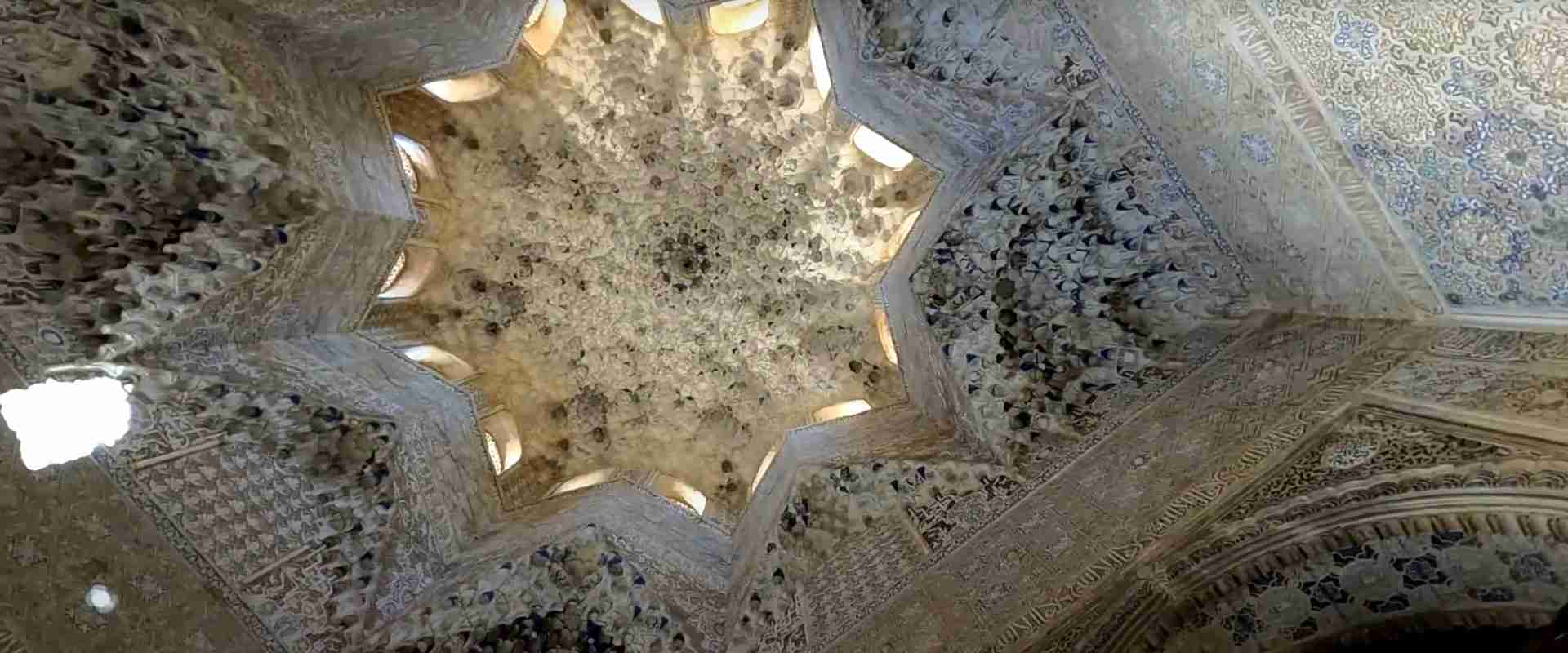
Extended Palace Time: Allocate 2+ hours to Nasrid Palaces examining stucco work, muqarnas ceilings, tile patterns, and geometric designs. Study water engineering systems, climate control features, and spatial organization. Compare design approaches across different palace sections built in various periods.
Technical Focus: Photograph structural details, material transitions, and engineering solutions. Study how buildings integrate with topography and climate. Document Renaissance elements in Charles V palace contrasting with Islamic architectural principles in Nasrid structures.
Garden & Nature Focus
Nature-oriented itineraries emphasize botanical collections, garden design, and outdoor experiences over indoor palace spaces.
Extended Generalife (2+ hours): Explore all garden levels thoroughly. Study formal garden design, irrigation systems, and plant species. Photograph seasonal blooms, water features, and agricultural terraces. Find quiet spots for sketching or journaling surrounded by nature.
Connecting Gardens: Explore forested connecting paths, wild garden areas, and smaller planted spaces between major sections. These overlooked areas reveal ecological diversity and provide bird watching opportunities. Native plant species demonstrate traditional Andalusian landscape design.
Seasonal Planning: Spring visits (April-May) capture peak bloom periods. Summer displays full garden maturity. Fall colors appear in October-November. Winter visits emphasize garden structure and evergreen elements over flowering displays.
Family-Friendly Itinerary
Family itineraries balance children’s interests, attention spans, and energy levels with meaningful Alhambra experiences.
Modified Duration (2.5-3 hours): Limit total visit time matching children’s endurance. Focus on highlights including Court of Lions, Alcazaba towers, and Generalife gardens. Skip extended museum visits unless children show specific interest.
Interactive Elements: Create scavenger hunts finding specific architectural details, animals in decorative patterns, or geometric shapes. Count towers, find hidden water features, or photograph favorite decorations. Engage children through activities maintaining interest.
Strategic Breaks: Schedule frequent rest stops in gardens or shaded courtyards. Bring snacks and water as complex food options remain limited. Allow children to explore while supervising safety in areas with stairs or elevation changes.
Educational Approach: Share age-appropriate stories about palace life, explaining how people lived without modern conveniences. Discuss water engineering, defensive strategies, or artistic techniques in simple terms. Use children’s natural curiosity to enhance learning.
Practical Planning Tips
Timed Entry Management
The Nasrid Palaces’ strict timed entry system forms the cornerstone around which entire itineraries must be built. Understanding and working within this system ensures smooth visits.
How Timed Entry Works: Purchase tickets designate specific 30-minute windows for Nasrid Palaces entry (example: 10:00-10:30 AM). Arrive within your window or forfeit palace access entirely. Entry time governs your entire itinerary as missing your slot cannot be recovered.
Planning Around Entry Times: Book the earliest available Nasrid entry slot, then structure remaining sections around this fixed appointment. Early slots (8:30-9:30 AM) allow pre-palace Generalife visits. Later slots permit palace-first itineraries followed by gardens and fortress.
Buffer Time: Arrive at the Alhambra entrance 30-45 minutes before your Nasrid time slot. Factor in parking, security screening, walking distances, and orientation time. Running late causes missed entries with no refunds or rescheduling options.
Energy & Pacing Management
The Alhambra’s scale, walking distances, stairs, and elevation changes demand realistic physical planning and strategic rest periods.
Physical Demands: Complete visits involve 2-4 miles of walking, climbing numerous stairs, and navigating uneven surfaces. Elevation changes within the complex total 50+ meters. Summer heat adds significant physical challenge to walking demands.
Strategic Rest Points: Plan 10-15 minute breaks every 60-90 minutes. Use courtyard benches, garden sitting areas, or café terraces. Palace of Charles V courtyards provide excellent midpoint rest locations with shade and seating.
Hydration & Snacks: Bring water bottles and light snacks as food purchasing opportunities within the complex remain limited. Parador restaurant exists but operates with standard restaurant hours and pricing. Adequate hydration proves essential especially during warm months.
Optimal Routing Strategies
Strategic routing minimizes backtracking, places sections in logical sequence, and works with rather than against topography and crowd patterns.
Generalife-First Routing: Start with gardens, proceed to Nasrid Palaces, and finish with Alcazaba. This pattern works well for morning visits, covering expansive gardens while fresh, experiencing palaces at optimal times, and ending with sunset fortress views.
Palace-First Alternative: Enter Nasrid Palaces immediately at early slots (8:30 AM), then explore remaining sections as crowds build. This approach captures palaces at their emptiest but may require revisiting areas as you complete circuits through the complex.
Avoid Backtracking: Study maps before visiting to understand section relationships and connecting pathways. The Alhambra’s sprawling layout makes backtracking time-consuming and exhausting. Plan routes moving generally in one direction through the complex.
Weather Contingency Planning
Granada’s generally favorable climate occasionally produces challenging weather requiring flexible planning and appropriate preparations.
Rain Strategies: The Alhambra operates in all weather conditions. Rain sends crowds toward covered palace areas, making gardens emptier. Bring umbrellas and waterproof jackets. Prioritize Nasrid Palaces and museums during rain, saving gardens for better weather windows.
Heat Management: Summer temperatures exceeding 35°C demand early morning visits, extended midday breaks, and adequate sun protection. Wear hats, apply sunscreen, and seek shade regularly. Consider split visits during extreme heat periods.
Wind Considerations: Strong winds occasionally impact Granada, particularly winter months. Secure hats and loose clothing. Photography becomes challenging in wind, particularly for tripod work. Gardens experience less wind protection than palace courtyards.
Planning Your 2026 Visit
Advance Planning Timeline
Systematic planning prevents problems and optimizes your 2026 Alhambra experience through strategic booking and preparation.
4-5 Months Before: Book Alhambra tickets for peak season visits (April-October), securing preferred Nasrid time slots. Research and book Granada accommodations. Purchase flights or arrange transportation to Granada. Reserve any guided tours or special experiences.
2-3 Months Before: Plan detailed daily itineraries allocating time to Alhambra and Granada city attractions. Book additional Granada experiences including Albaicín walking tours, flamenco shows, or cooking classes. Arrange any day trip transportation to surrounding areas.
1 Month Before: Review and refine itineraries based on weather forecasts and personal preferences. Download offline maps and Alhambra information. Prepare packing lists emphasizing comfortable walking shoes, weather-appropriate clothing, and photography equipment. Verify all confirmations.
1 Week Before: Final confirmation of all bookings including hotels, tours, and attraction tickets. Review Alhambra layout and routing strategies. Pack bags with focus on comfortable clothing, walking shoes, sun protection, and hydration supplies. Download tickets to mobile devices.
Booking Coordination Strategies
Coordinating multiple bookings creates cohesive Granada experiences without scheduling conflicts or logistical problems.
Alhambra First Priority: Book Alhambra tickets first, then arrange everything else around your selected date and time slot. The monument’s popularity and limited capacity make it the constraint around which other plans must flex.
Accommodation Location: Choose hotels near Granada city center (15-20 minutes from Alhambra) or in the Albaicín for traditional atmosphere. Avoid accommodations requiring complex transportation to reach major attractions. Walking-friendly locations provide flexibility and reduce transportation costs.
Transportation Planning: Granada’s compact center suits walking for most attractions. Book airport transfers if flying to Granada or Málaga. Arrange rental cars only if planning extensive day trips to surrounding regions. City buses connect major attractions affordably.
Budget Integration with Itineraries
Itinerary planning impacts overall trip costs through activity selection, dining choices, and transportation needs.
Time Allocation & Costs: Longer Alhambra visits reduce need for other paid attractions, potentially lowering costs. Quick visits leave more time and budget for additional Granada experiences. Balance monument time with other activities based on interests and budget constraints.
Meal Planning: Strategic meal timing affects costs. Lunch outside the Alhambra complex accesses more affordable restaurants. Granada’s tapas tradition offers economical dining where drinks include free food. Budget €15-25 per meal for moderate restaurants, €8-12 for casual tapas bars.
Hidden Costs: Factor parking fees (€3-5 per hour near the Alhambra), bottled water within the complex (€2-3), souvenir purchases, and gratuities for guided tours. These small expenses accumulate quickly without planning.
2026 Updates & Changes
Current Visiting Conditions
The Alhambra maintains established visiting procedures with timed entry systems, clear section access, and standard operational hours. Current practices support approximately 6,600 daily visitors through staggered Nasrid Palaces time slots and general admission to other sections.
Operational Consistency: The monument operates daily with consistent hours: general grounds 8:30 AM-6:00 PM (extended to 8:00 PM April-October), Nasrid Palaces 8:30 AM-6:00 PM with timed entries. These established patterns provide reliable planning foundations.
Access Information: Current ticketing systems allow online purchase through official channels with confirmation emails and mobile tickets. Entry procedures include security screening and ticket verification at multiple checkpoints throughout the complex.
Planning for Optimal 2026 Experiences
Strategic 2026 planning ensures the best possible Alhambra visits through appropriate timing, advance preparation, and realistic itinerary development.
Early Booking Advantage: Purchase tickets 3-4 months before peak season visits guaranteeing preferred dates and time slots. Early booking provides the most flexibility for itinerary planning around secured Nasrid entry times.
Seasonal Optimization: Select travel dates matching personal preferences for weather, crowds, and atmosphere. Spring and fall offer optimal conditions for most visitors. Winter provides unique uncrowded experiences. Summer demands early booking and heat-adapted itineraries.
Flexible Approach: Build some flexibility into itineraries accommodating energy levels, weather variations, and unexpected discoveries. Overly rigid schedules create stress when reality doesn’t match plans perfectly. Allow time for spontaneous moments and favorite area revisits.
Frequently Asked Questions
Can I visit the Alhambra without advance planning?
Same-day tickets rarely available during peak season (April-October) when the complex sells out weeks or months ahead. Winter visits (November-March) offer better same-day availability, but advance booking remains strongly recommended. Arriving without tickets likely results in disappointment during busy periods.
How early should I arrive before my Nasrid Palaces time slot?
Arrive 30-45 minutes before your designated Nasrid entry time. This buffer accommodates parking, security screening, ticket verification, walking to palace entrance, and orientation. Missing your time slot forfeits palace access entirely without refunds or rescheduling options.
Can I re-enter sections after leaving?
General grounds allow re-entry on the same day with your ticket. The Nasrid Palaces permit single entry only during your designated time slot. Once you exit the palaces, you cannot re-enter. Plan palace visits carefully to see everything during your one opportunity.
Is the Alhambra accessible for people with mobility limitations?
The complex presents challenges for mobility-limited visitors due to stairs, uneven surfaces, and steep pathways. Wheelchairs access main palace courtyards through alternative routes, but many areas remain inaccessible. Request accessibility information when booking to plan appropriate routes matching capabilities.
What should I bring for a comfortable visit?
Wear comfortable, supportive walking shoes with good traction for uneven surfaces. Bring water bottles, sunscreen, hats, and sunglasses for sun protection. Carry light rain jackets during uncertain weather. Bring cameras with charged batteries and adequate storage for extensive photography opportunities.
Can I leave the complex for lunch and return?
Yes, tickets allow same-day re-entry to general areas. Exit through main gates, lunch at nearby restaurants or hotels, and return showing your original ticket. Plan this approach for extended 6+ hour visits avoiding limited internal food options while maintaining full access.
What’s the best itinerary for families with young children?
Limit total visit time to 2.5-3 hours focusing on highlights: Court of Lions, Alcazaba towers, and Generalife gardens. Schedule morning visits before heat and fatigue set in. Include frequent breaks, bring snacks, and create interactive activities like scavenger hunts maintaining children’s engagement.
Should I book guided tours or explore independently?
Guided tours enhance understanding through expert commentary but follow set schedules and group pacing. Independent visits allow flexible timing and personal interests but require more advance preparation. First-time visitors benefit from guided tours. Return visits work well independently exploring at personal pace.
How do seasonal changes affect itinerary planning?
Summer requires early morning visits avoiding peak heat and booking 4+ months ahead for popular slots. Winter offers uncrowded experiences but demands warm clothing and shorter daylight planning. Spring and fall provide ideal conditions with comfortable weather, moderate crowds, and flexible scheduling options.
Can I visit both the Alhambra and Granada city in one day?
One-day itineraries work by dedicating mornings to the Alhambra (8:30 AM-12:30 PM) and afternoons to city attractions including the cathedral, Royal Chapel, and Albaicín neighborhood. This creates full but achievable single-day experiences covering major highlights.