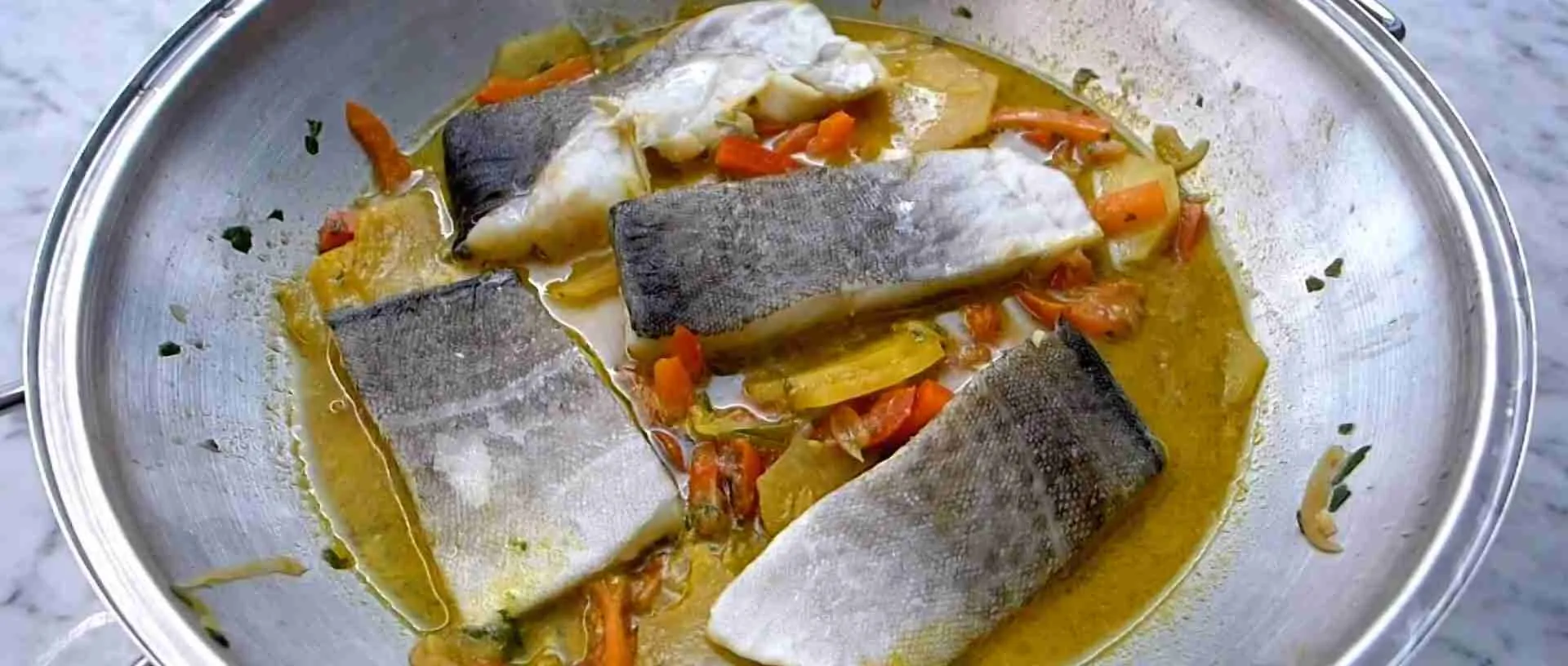
Algarve Food Guide: Seafood & Cataplana Traditions
The Algarve region transforms Portugal’s Atlantic bounty into one of Europe’s most distinctive seafood cuisines, where copper cataplana pots seal in ocean flavors and centuries-old fishing traditions meet contemporary culinary innovation. This southernmost Portuguese region offers everything from grilled sardines sizzling over charcoal to elaborate shellfish stews that trace their origins to Moorish occupation, all sourced from waters that deliver exceptional variety and quality year-round.
Key Takeaways About Algarve Food & Cataplana Traditions
- The Cataplana Vessel Defines Regional Cooking: This hinged copper pot of Moorish origin creates a sealed steaming environment that concentrates flavors and aromas, making it the signature cooking method for the region’s most iconic seafood dishes.
- Olhão Fish Market Anchors Daily Freshness: The Algarve’s largest fish market operates six days weekly in twin red-brick buildings constructed in 1916, where restaurant chefs and home cooks purchase daily catches directly from fishermen starting at 7 AM.
- Atlantic Waters Provide Exceptional Seafood Diversity: Local waters yield everything from razor clams and goose barnacles to spider crabs and red carabineiro prawns, with seasonal variations bringing sardines from May through October and specific shellfish varieties throughout the year.
- Traditional Dishes Balance Sea and Land Ingredients: Classic Algarve recipes like cataplana de marisco combine fresh seafood with presunto ham, chouriço sausage, and regional vegetables, reflecting centuries of agricultural and maritime integration.
- Regional Specialties Vary by Coastal Town: Portimão claims supremacy for grilled sardines, Tavira specializes in tuna preparations, Santa Luzia masters octopus dishes, and Sagres offers barnacles harvested from dangerous Atlantic rocks.
- Moorish Influence Shapes Sweet and Savory Traditions: Arab occupation left lasting culinary marks through almond-based confections like dom rodrigos and morgados, plus techniques like cataplana steaming and the use of xarém cornmeal in seafood dishes.
People Also Ask About Algarve Food & Seafood
What Makes Algarve Seafood Different From Other Portuguese Regions?
Algarve seafood benefits from direct Atlantic Ocean access combined with the sheltered Ria Formosa lagoon system, creating dual sourcing that provides both deep-water species and protected-water shellfish. The region’s fishing traditions maintain smaller-scale operations compared to northern Portugal’s industrial ports, meaning catches reach markets and restaurants within hours rather than days. Additionally, the Algarve’s year-round mild climate allows continuous fishing seasons for many species, while colder northern waters experience more pronounced seasonal restrictions. The Moorish culinary heritage distinguishes Algarve preparations through spice combinations and cooking methods like cataplana steaming that don’t appear as prominently in Lisbon or Porto kitchens.
How Is a Cataplana Dish Actually Prepared?
Traditional cataplana preparation begins by heating olive oil in the bottom half of the copper pot, then layering ingredients in a specific sequence: aromatic vegetables like onions and garlic first, followed by cured meats such as presunto or chouriço, then fresh seafood arranged carefully to ensure even cooking, and finally tomatoes, peppers, white wine, and fresh coriander. The hinged lid closes and seals with the pot’s curved bottom, creating a pressurized steaming environment where no moisture escapes. The entire sealed pot goes over medium heat for 15-25 minutes depending on seafood types, during which the ingredients steam in their own juices while the copper conducts heat evenly. Servers bring the sealed cataplana directly to the table, opening it dramatically to release aromatic steam, then ladling the contents onto plates or into serving bowls with crusty Portuguese bread for soaking up the flavorful broth.
Where Do Algarve Restaurants Source Their Seafood?
Top Algarve restaurants purchase directly from the Mercado de Olhão, Quarteira market, Portimão fish auction, or Tavira docks, with chefs or designated buyers arriving between 6-8 AM to select specific fish and shellfish from the morning’s catch. Many coastal establishments maintain relationships with individual fishing families who reserve portions of their daily catch, particularly for premium items like spider crabs, red prawns, or specific whole fish. Some restaurants in Lagos, Albufeira, and Vilamoura work with cooperative systems where multiple small boats supply a shared distribution network, ensuring consistent quality even when individual boats face poor catches. Inland restaurants in the barrocal region typically receive deliveries from these coastal markets by midmorning, though the freshest seafood naturally appears in waterfront establishments that purchase within walking distance of fishing docks.
Which Traditional Algarve Dishes Should First-Time Visitors Try?
Essential first experiences include cataplana de marisco (mixed seafood stew in copper pot), conquilhas à Algarvia (small clams with garlic, coriander, and Portuguese sausage), arroz de lingueirão (razor clam rice), and charcoal-grilled whole fish served with olive oil and sea salt. For land-meets-sea traditions, order carne de porco à Alentejana (pork with clams), which despite its name claiming Alentejo origins has become thoroughly adopted by Algarve kitchens. Grilled sardines during summer months represent the region at its most elemental and delicious, while octopus prepared Santa Luzia-style showcases coastal town specializations. Adventurous eaters should sample percebes (goose barnacles) from Sagres or Aljezur when available, and any meal benefits from ending with dom rodrigo or other almond-based sweets that demonstrate the region’s Moorish pastry heritage.
Extended multi-day tours – 5+ days
Featured Algarve Multi-Day Tour Packages

3 days
Algarve 3-Day Discovery Tour
- ✓ Comprehensive Algarve experience
- ✓ Expert local guides included
- ✓ All accommodation included
- ✓ Transportation provided

5 days
Algarve 5-Day Highlights Experience
- ✓ Comprehensive Algarve experience
- ✓ Expert local guides included
- ✓ All accommodation included
- ✓ Transportation provided

7 days
Algarve 7-Day Cultural Journey
- ✓ Comprehensive Algarve experience
- ✓ Expert local guides included
- ✓ All accommodation included
- ✓ Transportation provided

10 days
Algarve 10-Day Complete Adventure
- ✓ Comprehensive Algarve experience
- ✓ Expert local guides included
- ✓ All accommodation included
- ✓ Transportation provided
Multi-day tour packages powered by TourRadar. Prices and availability subject to change.
Introduction: Understanding Algarve’s Seafood-Centered Culinary Identity
The Algarve’s 150 kilometers of Atlantic coastline have shaped a food culture where the ocean dictates daily rhythms, seasonal celebrations, and family traditions passed through generations of fishing communities. Unlike Portugal’s northern regions where codfish preservation developed from necessity during long ocean voyages, or Lisbon’s cosmopolitan fusion influenced by colonial trade routes, the Algarve maintains a culinary identity rooted in immediate freshness—fish grilled within hours of leaving the water, shellfish steamed in their own brine, and cooking methods designed to showcase rather than mask the sea’s natural flavors.
This direct relationship between catch and consumption creates a food culture where restaurant menus change based on what arrived at the morning’s fish auction, where home cooks shop the Olhão market before deciding what to prepare for lunch, and where the concept of “yesterday’s fish” simply doesn’t exist in quality establishments. The region’s geography reinforces this immediacy: with the Atlantic on one side and the sheltered Ria Formosa lagoon system on the other, most Algarve residents live within 20 minutes of fishing operations, creating supply chains measured in minutes rather than hours.
The cataplana—both the dish and the copper vessel that gives it its name—epitomizes this approach to seafood. The hinged pot’s sealed cooking environment emerged from necessity in an era before refrigeration, when fishermen and coastal families needed methods to cook delicate seafood quickly while preserving every drop of moisture and flavor. Today this same technique produces dishes that tourists photograph compulsively and locals demand at family gatherings, wedding celebrations, and Sunday lunches. A properly executed cataplana captures the essence of Algarve food philosophy: exceptional raw ingredients, minimal interference, maximum flavor concentration.
But Algarve cuisine encompasses far more than cataplana alone. The region’s Moorish occupation from the 8th through 13th centuries left indelible marks on both sweet and savory traditions, introducing almond cultivation that now blankets inland valleys, spice combinations that still flavor contemporary dishes, and cooking techniques adapted from North African tagines. The barrocal—the transitional zone between coast and mountains—contributed meat-based dishes featuring wild boar, rabbit, and chicken that balance the seafood dominance, while agricultural traditions provided the tomatoes, peppers, onions, and herbs that form the aromatic base for countless recipes.
Modern Algarve food culture maintains these historical foundations while incorporating contemporary innovation. Young chefs trained in Lisbon or abroad return to family restaurants, updating traditional recipes with refined techniques while respecting core flavors. Markets that once served only locals now accommodate tourists without losing their essential character. Fishing families who once sold exclusively through auctions now participate in restaurant partnerships and food tourism experiences. This evolution preserves authenticity while making Algarve culinary traditions accessible to visitors who arrive seeking not just great meals but understanding of the culture that produces them.
Understanding Algarve food requires grasping this interplay between preservation and evolution, between family recipes guarded for generations and restaurants willing to explain every ingredient, between working fishing ports and the food tourism that now supports them. The following sections explore these layers in detail—from the mechanics of cataplana cooking to the specific fish varieties that define regional cuisine, from morning routines at the Olhão market to seasonal variations that shape annual eating patterns, from traditional coastal town specializations to the inland meat dishes that complete the regional repertoire.
The Cataplana: Algarve’s Signature Cooking Vessel and Technique
Origins and Cultural Significance of the Cataplana Pot
The cataplana’s distinctive clamshell shape traces directly to Moorish occupation of the Algarve from 711 to 1249 CE, when Arab settlers introduced cooking methods adapted from North African tagines but modified for Portuguese ingredients and Atlantic seafood. While tagines feature conical lids that promote condensation and return moisture to slowly cooking meats and vegetables, the cataplana’s hinged, sealed design creates a pressurized environment suited to quick-cooking seafood that benefits from steam concentration rather than extended braising. The copper construction reflects both availability—Portugal’s metal-working traditions made copper vessels accessible to fishing communities—and thermal properties that distribute heat evenly across the curved surfaces.
Historical cataplanas were hammered by hand from single sheets of copper, with craftsmen shaping the metal through repeated heating and cooling cycles that created the characteristic domed halves. These artisanal vessels, still produced by a handful of traditional metalworkers in towns like Loulé and São Brás de Alportel, can cost €200 for a 33-centimeter pot that will last multiple generations with proper care. Industrial manufacturing now produces more affordable aluminum and stainless steel versions starting around €80, though purists insist only copper delivers the proper heat distribution and traditional aesthetic that makes cataplana cooking special.
The vessel’s cultural importance extends beyond cooking function into social ritual. Bringing a sealed cataplana to the table—still hot, steam escaping when opened—creates theatrical drama that turns a meal into an event. The practice of cooking and serving in the same vessel reduces cleanup while maintaining temperature, but more importantly signals that diners receive food exactly as prepared, without transfer or manipulation. Family gatherings, celebrations, and Sunday lunches often center around cataplana preparation, with experienced cooks timing the unsealing to coincide with everyone seated and ready to eat.
Different regions and towns within the Algarve claim their own cataplana variations, creating friendly rivalries about proper ingredients and techniques. Olhão insists on clam-based versions, while Lagos favors mixed shellfish, and Tavira advocates for fish-based cataplanas that showcase the town’s tuna and swordfish specialties. These local variations reflect available catches and established fishing specializations, but all share the fundamental cooking method: sealed steam cooking that concentrates ocean flavors while keeping seafood tender.
Traditional Cataplana Cooking Methodology
Proper cataplana cooking begins with ingredient sequencing that ensures aromatic vegetables release their essences first, creating a flavor base before seafood enters the pot. The cook heats olive oil in the bottom half over medium flame, then adds finely sliced onions that soften for 3-4 minutes until translucent without browning. Minced garlic follows—typically 4-6 cloves for a two-person cataplana—along with bay leaves and a touch of piri-piri or malagueta pepper for subtle heat. This aromatic foundation cooks briefly until fragrant, usually less than two minutes, before cured meats join the pot.
Presunto (Portuguese dry-cured ham) and chouriço (garlic-paprika sausage) add depth and salinity that complements rather than overwhelms seafood flavors. Traditional recipes call for these meats cut into small pieces—presunto torn into strips, chouriço sliced into rounds—that render some fat into the cooking liquid while providing textural contrast to tender shellfish and fish. Not all cataplanas include meat; purely seafood versions exist throughout the coast, but the land-sea combination represents the most classic Algarve approach, reflecting centuries of agricultural-maritime integration.
Seafood arrangement requires attention to cooking times and delicacy. Firmer fish like monkfish or swordfish goes in first, followed by shellfish that needs longer cooking such as larger clams or mussels. Delicate prawns, smaller clams, and quick-cooking fish pieces layer on top, along with sliced tomatoes, bell peppers cut into strips, and generous amounts of fresh coriander with stems included for maximum flavor. White wine—typically a dry Algarve white—goes in just before sealing, about half a cup for a standard two-person cataplana, providing acidity and liquid for steam generation.
The sealing moment marks the critical transition from preparation to cooking. The top half closes onto the bottom, with the hinged connection allowing proper alignment and the curved edges meeting to create a near-airtight seal. Some cooks place a weight on top to prevent steam from escaping through gaps, though well-made cataplanas fit tightly enough to maintain pressure without additional securing. The sealed pot remains over medium heat for 15-25 minutes depending on seafood quantities and sizes—thinner contents need less time, while larger clams or thick fish pieces require the full duration.
During cooking, no opening or stirring occurs; the sealed environment is sacrosanct. Experienced cooks judge doneness by timing, aromatics escaping from minimal gaps, and the sound of liquid simmering inside the pot. The cataplana comes off heat when clams have opened fully—closed clams indicate either insufficient cooking or dead shellfish that should be discarded—and fish flakes easily when tested. Bringing the sealed pot directly to the table allows for theatrical presentation, with the cook opening the cataplana in front of diners to release aromatic steam and reveal colorful layers of seafood, vegetables, and herbs.
Regional Cataplana Variations and Specialty Recipes
Cataplana de marisco represents the most recognized version, combining multiple shellfish types in ratios that vary by cook preference and daily market availability. A typical composition might include small clams (amêijoas), razor clams (lingueirão), prawns (gambas), mussels (mexilhões), and occasionally squid rings for textural variety. The key lies in balancing quantities so no single shellfish dominates while maintaining enough variety to create complexity. Fish markets sell “cataplana mix” packages with pre-selected shellfish assortments, useful for tourists or inexperienced cooks, though serious practitioners insist on hand-selecting each component based on freshness and size.
Fish cataplanas shift the focus from shellfish to substantial fish pieces, often featuring monkfish (tamboril) for its firm texture that holds together during steaming, swordfish (espadarte) for its meaty quality, or sea bass (robalo) when available fresh. These versions typically include fewer ingredients overall—the fish itself stars rather than sharing attention with multiple shellfish types—and often incorporate more tomato for a slightly saucier result. Tavira’s traditional tuna cataplana uses fresh Atlantic bluefin or yellowfin cut into thick steaks, combined with minimal vegetables to showcase the fish’s rich flavor and silky texture.
Octopus cataplana (polvo na cataplana) requires pre-cooking the octopus to tenderize it before final preparation in the pot, a two-stage process that extends preparation time but produces exceptional results. Cooks boil octopus in salted water with wine cork (a Portuguese tradition believed to help tenderization) for 40-50 minutes until tender, then slice the cooled tentacles into bite-sized pieces. These go into the cataplana with potatoes, onions, garlic, paprika, and white wine, steaming for 15 minutes to meld flavors while keeping octopus from becoming rubbery through overcooking. The result combines octopus’s distinctive texture with potato’s starch that thickens the cooking liquid into a light sauce.
Pork and clam cataplana (porco com amêijoas na cataplana) bridges the traditional Alentejo dish with cataplana cooking method, marrying cubed pork loin with small clams in a combination that seems unlikely but produces harmonious results. The pork marinates overnight in white wine, garlic, paprika, and bay leaves, then browns quickly before going into the cataplana with the marinade, small amounts of tomato paste, and finally fresh clams added just before sealing. This version requires slightly longer cooking—around 25 minutes—to ensure pork reaches proper doneness while clams steam open without becoming tough.
Contemporary chefs experiment with non-traditional cataplana applications, using the vessel for ingredients ranging from duck and wild mushrooms to vegetarian combinations featuring locally grown vegetables. While purists dismiss these innovations as inauthentic, they demonstrate the cooking method’s versatility and adaptation to changing tastes. Some restaurants offer “cataplana tasting menus” where successive small pots arrive featuring different preparations, educating diners about regional variations while maintaining the theatrical sealed-pot presentation that defines the tradition.
Purchasing and Caring for Cataplana Cookware
Authentic hand-hammered copper cataplanas from traditional craftsmen represent significant investments, with prices ranging from €150-250 depending on size and detail quality. These artisanal pieces feature visible hammer marks, slightly irregular curves that testify to handwork, and solid brass or copper hinges that withstand decades of use. The 33-centimeter diameter suits two diners or serves as a side dish for four, while 40-centimeter versions accommodate four generously or six as part of larger meals. Craftsmen in Loulé’s traditional copper workshops can custom-make larger sizes for restaurants or serious home cooks planning regular entertaining.
Industrial cataplanas offer more accessible pricing, with hammered aluminum versions starting around €40-60 and stainless steel with copper cladding ranging €80-120. While these lack the thermal properties and traditional aesthetic of solid copper, they function adequately for occasional use and require less maintenance than copper’s tendency to oxidize and develop patina. Some cooks actually prefer the lighter weight of aluminum cataplanas for easier handling, particularly when bringing sealed pots from stove to table. The key quality indicator regardless of material involves the seal—edges should meet precisely when closed, with minimal gaps that would allow steam to escape and reduce pressure.
Copper cataplanas require specific care to maintain their cooking properties and appearance. After each use, the pot should be washed with warm water and mild soap, avoiding abrasive scrubbers that scratch the copper surface. The interior may be left to develop natural patina that actually improves cooking performance, while the exterior can be polished with commercial copper cleaners or traditional mixtures of salt and lemon juice that restore shine. Proper storage keeps both halves together to prevent warping, ideally hanging by the handle rather than stacked under other cookware that could dent the curved surfaces.
Seasoning new copper cataplanas before first use prevents metallic tastes and builds an initial patina layer. The process involves boiling water with vegetable peels and vinegar inside the sealed pot for 30 minutes, discarding the liquid, then repeating with fresh water. Some traditionalists rub the interior with olive oil and heat gently to polymerize the oil into a light coating, though others argue this unnecessary for copper. The first few uses may impart slight metallic taste that dissipates as natural seasoning develops from repeated cooking with acidic ingredients like tomatoes and wine.
Travelers purchasing cataplanas in Algarve markets or specialized shops should budget for proper packaging if planning to transport them internationally. The curved shape and hinge mechanism require protective wrapping to prevent damage during luggage handling. Many shops offer bubble wrap and cardboard box packaging designed specifically for cataplanas, sometimes for small additional fees. Alternatively, some visitors purchase industrial aluminum versions for home use while appreciating authentic copper cataplanas in restaurant settings, accepting that the full traditional experience includes the vessel’s visual beauty alongside its cooking function.
Essential Algarve Seafood: Species, Seasons, and Preparations
Atlantic Fish Varieties Defining Regional Cuisine
Sardines (sardinhas) reign as the Algarve’s most iconic fish, particularly during the May-October season when Portuguese sardines reach peak oil content and flavor. These Atlantic specimens grow substantially larger than Mediterranean or canned varieties, often reaching 20-25 centimeters in length with plump bodies that remain moist when grilled over charcoal. Portimão claims supremacy for sardine preparation, with waterfront grills producing hundreds daily during summer months when the annual Sardine Festival attracts thousands of visitors. The traditional preparation involves no marinade or seasoning beyond coarse sea salt, allowing the fish’s natural oils and mild flavor to shine when cooked over very hot charcoal for 3-4 minutes per side.
Sea bass (robalo) represents premium quality in Algarve restaurants, whether farm-raised from Ria Formosa aquaculture operations or wild-caught in Atlantic waters. The fish’s mild, slightly sweet flavor and firm white flesh suit multiple preparations, from whole specimens grilled with olive oil and lemon to fillets baked in salt crusts that steam the fish while preserving moisture. Wild sea bass commands premium prices—often €25-35 per kilogram in markets—due to limited catches and high demand from top restaurants. The distinction between farmed and wild matters significantly in texture and flavor, with wild bass featuring firmer flesh and more pronounced taste, though farm-raised versions offer consistent availability and lower prices.
Swordfish (espadarte) arrives at Algarve markets as thick steaks or whole smaller specimens, offering meaty texture that appeals to diners who typically avoid fish. The Atlantic waters off the Algarve’s western coast near Sagres produce swordfish catches year-round, though summer months bring peak abundance. The firm flesh suits grilling, pan-searing, or cataplana preparations, maintaining structure during cooking while absorbing flavors from marinades and sauces. Traditional preparations involve simple olive oil, garlic, and lemon, though contemporary chefs experiment with Madeiran-style preparations using tomato-onion sauce or Asian-influenced marinades featuring ginger and soy.
Tuna (atum) from Algarve waters offers superior quality compared to frozen imports used in most restaurants globally, with fresh bluefin and yellowfin appearing in markets during spring and summer months. Tavira particularly specializes in tuna preparations, from raw tartare-style dishes to grilled steaks served rare in the center, to traditional atum de conserva (preserved tuna in olive oil) that families prepare and store for year-round use. The difference between fresh local tuna and frozen imported varieties becomes immediately apparent in color—vibrant deep red versus dull brown-gray—and texture, with fresh tuna remaining silky rather than grainy or dry.
Monkfish (tamboril) provides firm, lobster-like texture without shellfish’s premium pricing, making it popular for cataplanas, stews, and rice dishes where it maintains structure during extended cooking. The fish’s unusual appearance—massive head with enormous mouth—means markets sell primarily tail sections as thick, boneless fillets that slice easily into medallions or cubes. Monkfish’s mild flavor absorbs surrounding ingredients while contributing subtle sweetness, making it ideal for dishes with bold seasonings or rich sauces. Some restaurants feature monkfish rice (arroz de tamboril) that rivals seafood rice in popularity, with the firm fish pieces providing textural contrast to creamy rice.
Shellfish and Crustaceans: From Common to Exotic
Small clams (amêijoas) form the foundation of countless Algarve dishes, from simple preparations with garlic and coriander to complex cataplanas and rice dishes. The Ria Formosa lagoon system produces exceptional clam varieties that locals consider superior to ocean-caught specimens, thanks to the protected waters’ ideal salinity and nutrient levels. Conquilhas à Algarvia—one of the region’s signature dishes—features these small clams cooked with diced chouriço, garlic, white wine, and masses of fresh coriander, served in shallow bowls with bread for soaking up the garlicky, slightly spicy broth. Markets sell live clams by weight, with prices fluctuating based on season and size, generally ranging €8-15 per kilogram for cooking-quality specimens.
Razor clams (lingueirão) bring distinctive sweet flavor and chewy texture to rice dishes and cataplanas, though their preparation requires more effort than standard clams. These elongated mollusks live buried in sand, extending from their shells to filter-feed, and must be purged of grit through soaking in salted water before cooking. Arroz de lingueirão ranks among the Algarve’s most beloved rice dishes, combining the clams with tomato, onion, garlic, and coriander in a soupy rice preparation that emphasizes broth and shellfish over dry grain. The razor clams’ distinctive shape—long, narrow shells—makes them visually striking when served, often arranged standing upright in the finished dish.
Goose barnacles (percebes) represent the Algarve’s most challenging and expensive seafood delicacy, harvested from dangerous Atlantic rock formations where waves crash with tremendous force. The town of Aljezur celebrates these strange-looking crustaceans with an annual festival each November, though they appear on restaurant menus throughout the western Algarve whenever weather permits safe harvesting. Barnacles require no preparation beyond boiling briefly in salted water—traditionally seawater brought from the harvest location—then serving immediately with the inedible outer tube peeled away to reveal the tender inner flesh. Their unique taste combines briny ocean flavor with almost nutty sweetness, commanding prices around €60-100 per kilogram due to harvest dangers and limited availability.
Red prawns (carabineiros) and tiger prawns (gambas) both appear on Algarve menus, with carabineiros commanding premium prices due to their stunning deep red color and sweet, intense flavor. These deep-water prawns caught in Atlantic waters offer more complex taste than standard Mediterranean prawns, with rich, almost lobster-like quality. Restaurants prepare them simply—grilled with coarse salt, boiled and served cold with mayonnaise, or incorporated into elaborate rice dishes. The heads contain concentrated flavor essence that chefs use for stocks and sauces, making the entire prawn valuable rather than just tail meat. Tiger prawns offer similar but less intense flavor at lower prices, making them more common in everyday cooking versus carabineiros reserved for special occasions.
Spider crab (santola) and spiny lobster (lagosta) represent the pinnacle of Algarve shellfish luxury, with santola offering better value than lobster while delivering comparable sweet, rich meat. Spider crabs arrive at markets live, their brownish-red shells spanning 15-20 centimeters across with long, spindly legs that give them their name. Traditional preparation involves boiling in salted water, then serving the crab split open so diners extract meat from the body cavity and legs. The process requires patience and skill, but the reward of sweet, delicate meat justifies the effort. Restaurants sometimes prepare santola recheada (stuffed spider crab), mixing the extracted meat with spices and breadcrumbs before returning it to the shell and baking.
Seasonal Availability and Quality Fluctuations
The Algarve’s seafood calendar follows Atlantic patterns rather than Mediterranean ones, with distinct seasons affecting availability, quality, and pricing for numerous species. Understanding these patterns helps diners time visits to coincide with peak seasons for specific fish and shellfish, or at minimum manage expectations about what appears fresh versus frozen on restaurant menus.
Sardine season runs from May through October, with July and August representing absolute peak quality when the fish contain maximum oil content and flavor. Outside this window, restaurants either serve frozen sardines from peak season (clearly inferior to fresh) or skip sardines entirely in favor of other seasonal fish. The annual Portimão Sardine Festival typically occurs in early August, timed to coincide with peak availability and traditional summer celebrations when grilling sardines outdoors becomes daily practice along the coast.
Clam availability remains relatively consistent year-round thanks to Ria Formosa’s protected waters, though winter storms occasionally disrupt harvesting and create temporary shortages. Spring months—March through May—bring particularly plump, flavorful clams as water temperatures rise and the mollusks feed actively. Summer demand from tourism creates pricing spikes despite consistent supply, while autumn offers optimal balance of quality and reasonable prices after tourist season ends. Razor clams follow similar patterns but show more seasonal variation, with summer months bringing best quality and highest prices.
Tuna season peaks from May through September, with catches diminishing in winter months when the fish migrate to warmer waters. Fresh tuna on Algarve menus during winter typically indicates frozen inventory from peak season or imports from warmer Atlantic zones. The quality difference between peak-season fresh tuna and any other source remains so dramatic that serious restaurants simply remove tuna from winter menus rather than compromise. Tavira’s tuna tradition makes this seasonal variation particularly noticeable, with specialized tuna restaurants operating abbreviated schedules during off-season months.
Octopus availability fluctuates based on weather and sea conditions, with rough Atlantic swells preventing the trap fishing that captures most octopus sold in Algarve markets. Summer’s calmer seas provide consistent supply, while winter storms create unpredictable availability. Santa Luzia’s reputation for octopus specialties means the town’s restaurants maintain frozen inventory to ensure year-round menu offerings, though knowledgeable diners inquire about fresh versus frozen status. The freezing process actually benefits octopus by breaking down fibers that make fresh octopus tough, so properly frozen and thawed octopus can equal or exceed fresh in tenderness.
Percebes (goose barnacles) depend entirely on weather and sea conditions suitable for safe harvesting, making them the most unpredictable Algarve seafood. Winter storms that create dangerous conditions also produce the best barnacle growth, creating a paradox where optimal growing conditions prevent harvesting. Spring and early summer offer the most reliable availability, with calmer seas allowing regular harvesting while barnacles remain plump from winter feeding. Summer tourist demand outstrips supply even during good harvest periods, driving prices upward and making barnacles an increasingly expensive delicacy reserved for special occasions rather than casual dining.
Lesser-Known Species Worth Discovering
Horse mackerel (carapau) offers exceptional value and flavor despite its humble reputation, particularly when served “alimado”—butterflied and grilled until crispy. This small fish abundant in Algarve waters costs a fraction of sardines or sea bass yet provides similar gratification when prepared properly. The traditional preparation involves slicing the fish down the backbone, removing bones while keeping both fillets attached, then grilling over very hot charcoal until the skin crisps and the flesh stays moist. Served with a simple salad of tomato, onion, and oregano (montanheira salad), grilled horse mackerel represents traditional Algarve eating at its most authentic and accessible.
Conger eel (safio) appears in specialized rice dishes that showcase the fish’s rich, almost fatty texture and deep flavor. Arroz de safio requires skill to prepare properly, combining eel pieces with tomato-based broth and rice cooked to soupy consistency. The eel’s bones contribute gelatin that gives the dish luxurious, almost porridge-like texture, while the flesh provides distinctive taste that divides opinions—those who appreciate it become devoted fans, while others find it too strong. Santa Luzia and Olhão restaurants specializing in traditional seafood rice dishes often feature safio as a specialty, particularly during winter months when the eel’s flavor intensifies.
Cuttlefish (choco) and squid (lula) both feature prominently in Algarve cooking, with cuttlefish particularly prized for its tender texture when prepared correctly. Grilled cuttlefish requires skill to avoid toughness, typically involving high heat and brief cooking time that keeps the flesh tender while developing char. Lulas com ferrado represents a traditional Algarve dish featuring squid cooked with potatoes in a simple preparation emphasizing the mollusk’s natural flavor. The dish traces to fishing communities who needed economical, filling meals combining affordable squid with staple potatoes, now elevated to restaurant-menu status as diners seek authentic traditional recipes.
Whelks (buzios) and other sea snails appear at shellfish specialists and markets, offering briny ocean flavor with chewy texture. Traditional preparation involves boiling in salted water, then extracting the meat with pins or small forks—a slow, meditative process that makes whelks social food consumed during long conversations over wine. Some restaurants serve whelks as petiscos (small plates) alongside olives, lupini beans, and other traditional accompaniments. The acquired taste and labor-intensive eating make whelks less popular with tourists, but locals appreciate their intense sea flavor and low cost relative to more prestigious shellfish.
Sea urchins (ouriços do mar) bring intense ocean flavor to those willing to navigate the spiny exterior and extract the edible orange roe. Some specialized restaurants and market vendors sell sea urchins, though they remain less common in Algarve than in northern Portugal or Galicia. The roe’s creamy, briny taste works well simply served raw with lemon, or mixed into scrambled eggs for a luxurious breakfast dish. Availability depends on tides and harvest regulations that protect populations from over-collection, making sea urchins occasional treats rather than regular menu items.
Olhão Fish Market: The Algarve’s Seafood Epicenter
Market History and Architectural Significance
The Mercado de Olhão’s twin red-brick buildings opened in 1916, replacing earlier informal market structures that sprawled along the waterfront in less organized fashion. The architect designed the matching pavilions with distinctive neo-Arabic styling that referenced Olhão’s Moorish heritage while incorporating modern materials and engineering techniques. The ironwork supporting the roof structures reportedly involved consultation with engineers from Gustave Eiffel’s firm, though direct Eiffel attribution remains debated among architectural historians. Regardless of the precise designer, the buildings represent early 20th-century Portuguese architecture that balanced traditional aesthetics with contemporary construction methods.
The twin-building approach separated fish from produce by design, acknowledging that strong seafood aromas should remain isolated from fruits, vegetables, and other foods. This practical consideration shaped the market’s distinctive appearance, with two identical structures facing the waterfront and separated by a central plaza where outdoor vendors now set up additional stalls on busy Saturday mornings. The symmetry creates photogenic architecture that tourists photograph extensively, while the functional separation allows shoppers to visit only the building relevant to their needs without navigating through everything.
Restoration work in 1997 preserved the buildings’ original character while modernizing infrastructure necessary for contemporary food safety standards. The renovation added improved refrigeration capabilities for fish vendors, updated electrical and plumbing systems, and strengthened structural elements that had deteriorated from decades of coastal weather exposure and daily market activities. Contemporary visitors experience essentially the original 1916 market enhanced with subtle modern conveniences that don’t compromise historical authenticity.
The market’s location directly on Olhão’s waterfront reflects the town’s identity as the Algarve’s largest fishing port. Fishing boats moor within sight of the market buildings, creating direct supply chains where catches move from boat to vendor stall within hours. This geographical arrangement—repeated in smaller scale at other Algarve fishing ports—ensures optimal freshness while maintaining traditional patterns where fish markets occupy prime waterfront real estate rather than being relocated to peripheral locations for convenience or development value.
Daily Operations and Shopping Rhythms
The fish market opens at 7 AM six days weekly (Monday through Saturday, closed Sundays), though professional buyers and restaurant representatives arrive earlier to inspect quality and negotiate purchases before official opening. This pre-opening period sees serious commercial transactions where chefs and fishmongers evaluate the morning’s catch, discussing sizes, freshness indicators, and pricing for large-quantity purchases. Tourists and casual shoppers typically arrive after 8 AM when the initial commercial rush subsides and vendors focus on retail sales to local residents and visitors.
Morning hours—particularly before 10 AM—offer the best selection and freshest seafood, as vendors display their entire inventory and fish remain properly chilled. By midday, popular varieties may sell out, though vendors replenish stocks when possible. The market officially closes at 1:30 PM, but experienced shoppers arrive no later than noon to ensure good selection. This early closure reflects traditional Portuguese meal timing where lunch preparations occur during late morning hours using ingredients purchased at morning markets, rather than evening shopping patterns common in other European countries.
Saturday mornings transform the market into its most vibrant, crowded, and photogenic incarnation. The outdoor plaza fills with temporary stalls selling regional products—honey, olive oil, dried fruits, cured sausages, fresh produce from inland farms, and artisanal goods. Local families conduct weekly shopping, creating authentic Portuguese market atmosphere as vendors shout prices and special offers, customers compare quality and negotiate quantities, and the social dimension of market shopping—conversations between neighbors, recipe advice from vendors, children observing family shopping traditions—becomes visible to observant tourists. Saturday morning attendance increases so dramatically that arriving before 8 AM becomes essential for comfortable navigation and decent photography without masses of people in every frame.
The produce market in the second building operates on similar schedules but attracts different shopping patterns, with local residents purchasing fruits and vegetables for immediate use rather than the preservation-oriented buying that fish purchases often involve. The vegetable vendors offer traditional Portuguese varieties—small, flavorful tomatoes unlike uniform supermarket ones; multiple potato types for different cooking methods; local greens including cabbages, chard, and turnip greens essential for traditional soups and stews. Dried goods vendors sell beans, nuts, dried figs, and locally-harvested salt, all staples in Portuguese pantries. Some stalls feature regional honey, jams, and preserves that make excellent gifts or ingredients for home cooking when renting accommodations.
Understanding Fish Quality and Market Pricing
Evaluating fish freshness requires attention to specific indicators that vendors cannot easily fake. Clear, bright eyes indicate recent catch, while cloudy or sunken eyes suggest age. Firm flesh that springs back when pressed shows proper handling and storage, versus soft, mushy texture that indicates deterioration. Shiny, metallic skin with intact scales means the fish hasn’t been poorly handled or stored too long. Gills should appear bright red or pink, not brown or gray. Most importantly, truly fresh fish smells like the ocean—clean, slightly briny—rather than “fishy,” which actually indicates decomposition and bacterial growth.
Shellfish quality assessment follows different criteria. Clams, mussels, and other bivalves should be alive when purchased, indicated by tightly closed shells or shells that close quickly when tapped. Dead shellfish with shells that don’t close should never be purchased or eaten, as they pose serious food safety risks. The weight test helps identify good specimens—hold a clam in your hand and it should feel substantial, not light and hollow, which would indicate a dead clam whose body has dried inside the shell. Live shellfish can survive several hours after purchase if kept cool and moist, though cooking the same day as purchase ensures optimal quality.
Pricing at Olhão market fluctuates based on season, catch size, weather conditions, and species rarity. Sardines during peak season might cost as little as €4 per kilogram, representing exceptional value for delicious, oily fish perfect for grilling. Premium species like wild sea bass command €25-35 per kilogram, while spider crabs vary from €15-30 per kilogram depending on size and availability. Carabineiro prawns reach €60-100 per kilogram, positioning them as luxury items even in a market setting. These prices represent significant savings compared to restaurants, where the same fish will cost 3-4 times more after preparation and service.
Negotiating remains acceptable for large purchases or when buying multiple items from the same vendor, though most prices stay relatively fixed for small retail quantities. Building relationships with specific vendors rewards return visits, with regulars receiving first selection of premium fish and sometimes preferential pricing. Vendors appreciate questions about preparation methods, cooking recommendations, and recipe suggestions—this interaction forms part of traditional market culture that engages vendors as experts sharing knowledge rather than mere transaction facilitators.
Self-catering visitors purchasing fish at the market should prepare to cook the same day, as accommodations rarely provide proper fish refrigeration. Vendors can clean and fillet fish on request, removing heads, tails, and internal organs while retaining bones or filleting completely based on customer preference. Some tourists purchase whole grilled fish from the small restaurants surrounding the market plaza rather than buying raw fish for home cooking, enjoying fresh market seafood without cooking logistics while supporting the market’s broader food ecosystem.
Navigating the Market as a Visitor
First-time visitors should enter through the main waterfront entrance where both market buildings are visible, allowing orientation before plunging into the busy interior. The fish market typically attracts more tourist attention due to dramatic seafood displays and photogenic arrangements, but the produce market offers equally authentic Portuguese shopping culture with less crowding and fewer cameras. Spending time in both buildings provides complete market experience and understanding of how Portuguese coastal communities source daily ingredients.
Bringing cash remains essential, as most vendors don’t accept credit cards and the few that do may impose minimum purchase amounts. Small bills facilitate easier transactions than large notes that require change. A reusable shopping bag helps carry purchases, though vendors provide plastic bags when needed. Comfortable shoes matter given the concrete floors and potential for liquid spills that create slippery surfaces. Morning visits mean cooler temperatures, but the market lacks climate control and can become warm and crowded during peak hours.
Photography presents sensitive considerations given that the market remains primarily a working commercial operation rather than a tourist attraction. Vendors generally accept photography of their displays, but photographing people—either vendors or local shoppers—requires discretion and preferably permission. The dramatic seafood arrangements, colorful produce displays, and architectural details provide ample photography opportunities without needing to capture faces or people conducting commercial transactions. Respect for market operations means staying clear of narrow aisles when vendors move large fish or customers negotiate purchases.
The surrounding cafés and small restaurants offer opportunities to rest, observe market activity, and sample seafood purchased from market vendors. Some establishments allow customers to buy fish directly from market stalls then pay for preparation and cooking—bringing your own fish for restaurant preparation. This practice works best when arrangements are discussed beforehand and when purchasing substantial quantities that justify the restaurant’s effort. More commonly, the cafés serve simple grilled fish, shellfish plates, and coffee where visitors can observe market activity while digesting the sensory experience and planning return visits.
Timing a market visit with the rest of an Olhão exploration makes logistical sense, as the town offers several attractions beyond the market. The modest Museu Municipal explains local fishing history and maritime traditions, while the waterfront gardens provide pleasant walking paths with Ria Formosa lagoon views. Ferry departures to the barrier islands of Armona and Culatra leave from the nearby marina, making the market a potential stop before or after island beach visits. Combining market experience with broader Olhão exploration creates a full morning or afternoon that captures the town’s essential character as working fishing port rather than resort destination.
Regional Algarve Dishes Beyond Cataplana
Traditional Seafood Rice Preparations
Arroz de marisco stands as one of the Algarve’s most beloved rice dishes, combining multiple shellfish types with tomato-based broth and rice cooked to soupy consistency between Spanish paella and Italian risotto. Unlike paella where rice grains remain distinct, arroz de marisco produces a unified, almost porridge-like texture where liquid and rice blend together while shellfish maintain their integrity. The preparation begins with sofrito—onions, garlic, tomatoes, and peppers cooked slowly until they break down into thick sauce—then adds shellfish stock made from shells and heads, followed by raw rice and various shellfish. Clams, prawns, and sometimes crab contribute their flavors during the final cooking phase, which takes 18-20 minutes with occasional stirring to prevent sticking while maintaining soupy consistency.
The technique demands attention to liquid ratios, as the rice should remain “loose” or “wet” (molhada) rather than dry or sticky. Cooks add hot stock gradually, allowing the rice to absorb liquid and release starch that creates creamy texture. Unlike risotto where constant stirring activates starch, arroz de marisco requires only occasional stirring, allowing the rice to cook more evenly while developing the characteristic consistency. The final texture should be spoonable rather than forkable, wet enough to require shallow bowls rather than flat plates, yet substantial enough to feel satisfying rather than soupy.
Regional variations emphasize different shellfish based on local catches and town specializations. Coastal towns near the Ria Formosa favor clam-heavy versions where small sweet clams dominate, while Atlantic-facing ports include more prawns and robust fish like monkfish. Some versions incorporate squid or cuttlefish cut into rings, adding textural variety and slightly chewy contrast to tender rice and shellfish. The rice itself typically uses Carolina-type long-grain varieties rather than short-grain risotto rice, producing different starch characteristics that influence final texture.
Arroz de lingueirão (razor clam rice) represents a more specialized preparation showcasing these distinctive mollusks. The razor clams’ sweet flavor and interesting texture make them worthy of dedicated rice dishes rather than simply mixing into general seafood preparations. Cooks typically use more coriander in razor clam rice than other versions, as the herb’s distinctive flavor complements the clams’ sweetness. The dramatic presentation—razor clam shells standing upright in the finished dish—makes this a photogenic option that tourists order frequently, though locals appreciate the flavor combinations regardless of visual appeal.
Octopus rice (arroz de polvo) requires the most preliminary work, as the octopus needs thorough cleaning and pre-cooking before rice preparation begins. After boiling the octopus to tenderness, cooks slice the tentacles and reserve the cooking liquid for building the rice broth. The rice cooks with tomato, onion, garlic, paprika, and red wine that gives it distinctive red-brown color and deep flavor. When done properly, the octopus pieces remain tender rather than rubbery, the rice absorbs octopus essence throughout, and the result becomes hearty enough to serve as complete meal rather than requiring additional protein.
Grilled Fish and Simple Preparations
Charcoal-grilled whole fish represents Algarve cooking at its most elemental, requiring only exceptional raw materials and proper fire management. The technique seems simple—season fish with coarse sea salt, place on grill over hot charcoal, flip once, serve with olive oil and lemon—but produces transcendent results when executed properly. The key lies in achieving intensely hot charcoal that sears the skin quickly, creating crispy exterior while keeping flesh moist. Grills should be adjusted to maintain fish about 8-10 centimeters from coals, close enough for high heat but not so close that flames lick the fish and create bitter char.
Different fish require adjusted timing based on thickness and oil content. Sardines need only 3-4 minutes per side due to their small size and high fat content that keeps them moist. Sea bream or sea bass at 400-500 grams requires 5-6 minutes per side, with the flesh near the backbone being the last to cook through. Whole tuna or swordfish steaks at 3-4 centimeters thick benefit from 4-5 minutes per side, though many prefer these fish still pink in the center. The universal indicator for doneness involves flesh easily separating from bones when tested with fork or knife, though experience teaches cooks to judge by appearance, firmness, and timing rather than cutting into fish prematurely.
The montanheira salad that accompanies grilled fish throughout the Algarve consists simply of tomato, onion, and oregano dressed with olive oil and vinegar. This combination cuts through rich fish oils while providing fresh contrast to charred flavors. Some versions add bell peppers or cucumbers, though traditionalists insist that tomato-onion-oregano represents the authentic recipe. The salad’s name references mountain or inland origins, suggesting that this simple combination traveled from agricultural regions to coastal fishing communities where it became essential accompaniment to grilled seafood.
Restaurants specializing in grilled fish typically display their selection near the entrance, allowing diners to choose specific fish from ice-filled cases. This practice ensures transparency about freshness and quality while creating interactive dining experience where customers examine options before ordering. The fish comes to the table whole—head, tail, and bones intact—requiring diners to navigate around bones while extracting flesh. This authentic presentation intimidates some tourists but remains the standard throughout the Algarve, as locals consider filleting a waste that removes flavorful portions and reduces the eating experience to mere consumption rather than engagement with whole ingredients.
Meat and Land-Based Specialties
Piri-piri chicken (frango piri-piri) traces its origins to Guia, a small Algarve town that claims invention of this now-ubiquitous Portuguese dish featuring spatchcocked chicken marinated in malagueta pepper sauce then grilled over charcoal. The marinade’s composition varies by restaurant, but always includes the small, fiery malagueta peppers (related to African piri-piri chilies), garlic, lemon juice, olive oil, and paprika. The chicken butterflies flat by removing the backbone, allowing even cooking and maximum surface area for marinade absorption and char development. Proper piri-piri chicken requires at least several hours of marination, with many restaurants preparing chickens the night before service to achieve deep flavor penetration.
The grilling process mirrors seafood preparation—hot charcoal, careful positioning to avoid flare-ups from dripping fat, regular turning to develop even char without burning. The finished chicken emerges with crispy, well-seasoned skin and moist interior meat that carries subtle heat from malagueta peppers without overwhelming spice. Served with french fries and simple salad, piri-piri chicken represents accessible Portuguese food that appeals broadly while maintaining authentic roots. Guia hosts an annual chicken festival celebrating this dish, with multiple vendors competing to prove whose preparation most authentically represents the original recipe.
Carne de porco à Alentejana combines cubed pork with small clams in a dish that seems unlikely but produces harmonious results. Despite the name claiming Alentejo origins, the recipe has become thoroughly adopted throughout the Algarve and appears on virtually every traditional restaurant menu. The pork marinates overnight in white wine, garlic, paprika, and bay leaves, then browns quickly in a hot pan. Separately, clams steam open in white wine and garlic, producing flavorful liquid that combines with pork, marinade, and vegetables to create the final preparation. The marriage of land and sea—pork’s richness with clams’ briny sweetness—exemplifies Portuguese cooking’s tendency to combine seemingly disparate ingredients into balanced dishes.
Wild boar (javali) appears on menus throughout the Algarve’s inland regions, particularly in towns like Loulé and São Brás de Alportel where hunting traditions remain strong. The meat’s gamey flavor and lean texture suit slow-braising preparations that tenderize while building deep, complex sauces. Traditional wild boar stew combines the meat with red wine, garlic, bay leaves, and vegetables, cooking for several hours until fork-tender. Some restaurants feature wild boar sausages or roasts as alternatives to stewed preparations, though these require careful cooking to prevent dryness from the meat’s low fat content.
Cozido de grão represents the Algarve’s version of Portuguese boiled dinners, replacing other regions’ beans with chickpeas while maintaining the combination of various meats, blood sausages, and vegetables in a single pot. The long cooking time—often 3-4 hours—allows flavors to meld while tenderizing tougher cuts. Traditionally a winter dish when hearty, filling meals suit cooler weather, cozido de grão appears less frequently on restaurant menus than seafood-focused options but remains important in family cooking and traditional restaurants catering to local clientele.
Soups and Starters Essential to Regional Meals
Caldo verde—Portugal’s national soup—appears throughout the Algarve despite originating in the northern Minho region. The simple combination of finely shredded cabbage or kale, potato purée, olive oil, and slices of chouriço sausage creates comforting starter that precedes heavier main courses. The key to proper caldo verde lies in shredding the cabbage into hair-thin strips using special knives or mandoline slicers, allowing it to cook quickly in the potato broth without becoming mushy. The potatoes cook until soft enough to mash directly in the pot, creating creamy base without adding cream or butter. The soup’s jade-green color from cabbage against white potato broth creates visual appeal, while the floating sausage rounds add spice and richness.
Gazpacho algarvia adapts the famous Spanish cold soup to Portuguese ingredients and preferences, resulting in different flavor profiles and textures than Andalusian versions. The Algarve recipe typically includes more water or stock, creating thinner consistency, and often incorporates fresh oregano that provides distinctive aromatic quality. Some versions add bread to thicken the soup, while others keep it purely vegetable-based. The soup’s refreshing qualities make it popular during hot summer months, appearing on most traditional restaurant menus from June through September when tomatoes reach peak ripeness and flavor.
Clam soup (sopa de amêijoas) showcases these mollusks in lighter preparation than cataplana or rice dishes, combining small clams with aromatic vegetables in clear or slightly creamy broth. The soup highlights clams’ natural brininess while coriander and garlic add dimension without overwhelming. Some versions finish with cream or egg yolk that enriches and thickens slightly, while others maintain clear broth that emphasizes seafood flavors. Served with crusty bread and typically followed by grilled fish or meat, clam soup represents traditional Portuguese meal progression where lighter dishes precede heavier ones.
Açorda—a traditional Portuguese bread soup—takes various forms throughout the Algarve, from seafood versions with prawns and white fish to simpler preparations featuring only bread, garlic, coriander, olive oil, and poached eggs. The technique involves pouring boiling water or stock over stale bread torn into chunks, allowing it to absorb liquid and soften into porridge-like consistency. The addition of raw egg stirred into hot broth creates creamy texture without dairy, while abundant olive oil provides richness and helps bind the mixture. Açorda represents peasant food origins—using stale bread economically—elevated through quality ingredients and proper technique into satisfying, substantial dish.
Algarve Sweet Traditions: Moorish Heritage in Desserts
Almond-Based Confections and Their Cultural Significance
Dom Rodrigo represents the Algarve’s most distinctive sweet, featuring egg yolk and almond paste mixture wrapped in colorful foil in shapes suggesting traditional designs or simple rounds. The confection’s origins trace to convent kitchens where nuns transformed donated egg yolks (whites went to wine clarification and textile starching) and locally grown almonds into preservable sweets that generated income. The preparation involves cooking egg yolks with sugar syrup to specific temperature and consistency, then combining with ground almonds and shaping while still warm. The foil wrapping—traditionally gold, red, or blue—serves both preservation and presentation purposes, creating jewel-like candies that function as gifts and special-occasion treats.
The taste profile combines intense sweetness from the sugar with rich, almost fatty texture from egg yolks and subtle nuttiness from almonds. The confections remain stable at room temperature for weeks due to high sugar concentration, making them practical souvenirs or pantry staples for extending summer flavors into winter months. Some artisanal producers reduce sugar content for contemporary tastes while maintaining traditional shapes and wrapping methods, though purists argue that authentic dom rodrigos require traditional sweetness levels that developed in eras when sugar provided rare luxury.
Morgado—another almond-sugar-egg confection—takes different form than dom rodrigos, often shaped into decorative molds featuring regional motifs like almond blossoms, fish, or traditional patterns. These elaborate shapes position morgados as display pieces for celebrations and festivals rather than everyday eating, though their composition remains similar to other almond sweets. The decorative tradition reflects convents’ needs to create appealing products that competed in markets while maintaining appropriate religious aesthetics—beautiful without being ostentatious, skilled without appearing prideful.
Toucinho do céu (bacon from heaven) creates one of Portuguese pastry’s most misleading names, as the confection contains no bacon despite its title. The “toucinho” reference traces to the sweet’s rich, fatty texture that resembles (conceptually if not actually) bacon’s unctuousness. The preparation combines ground almonds, egg yolks, and sugar into dense, moist cake that slices cleanly yet melts on the tongue. Some versions incorporate small amounts of flour or breadcrumbs, while purist recipes use only almonds, eggs, and sugar. The finished cake keeps well for several days, developing deeper flavors as the components marry, and pairs excellently with coffee or aguardente (Portuguese brandy).
Egg-Based Sweets and Conventual Traditions
Portuguese egg sweet traditions developed primarily in convents where nuns supported themselves through pastry production, creating the doces conventuais category that includes hundreds of regional variations. The abundance of egg yolks available to convents—egg whites went to numerous industrial and domestic uses—combined with sugar from Portuguese colonies created the economic and ingredient basis for these intensely rich sweets that balance on the edge of cloying yet somehow remain appealing.
Pastéis de nata—Portugal’s most famous egg tart—originated in Lisbon’s Belém district but spread throughout the country including the Algarve, where virtually every pastelaria produces versions of varying quality. The proper pastéis features crispy, flaky puff pastry shell filled with custard that balances sweetness with subtle lemon and cinnamon notes. The top should show slight caramelization from high oven heat that creates dark spots without burning. Served warm with cinnamon and powdered sugar optional, pastéis de nata represent the Portuguese sweet most familiar to international visitors, though authentic versions surpass frozen or mass-produced imitations.
Ovos moles (soft eggs) from nearby Aveiro have influenced Algarve sweet making, appearing in local pastry shops as wafer-wrapped cylinders or shells filled with egg yolk-sugar paste. The preparation involves cooking egg yolks with sugar syrup to precise consistency—too loose and it won’t set, too firm and it becomes grainy—that results in smooth, spreadable paste. The edible wafer wrapper provides textural contrast to creamy filling while making the sweets portable and less messy to eat. The intense sweetness and rich egg flavor mean small portions suffice, with most people finding two or three ovos moles adequately satisfying.
Barriga de freira (nun’s belly) demonstrates Portuguese sweet naming’s tendency toward irreverent humor, describing the confection’s appearance rather than actual ingredients. The sweet combines egg yolks, sugar, and ground almonds into soft, pumpkin-like rounds or ovals that supposedly resemble religious figures’ protruding stomachs. The texture falls between cake and candy, solid enough to hold shape yet soft enough to easily bite through. These sweets appear primarily in traditional pastry shops and during festivals rather than everyday consumption, maintaining their position as special-occasion treats that connect contemporary Algarve residents to centuries of conventual baking traditions.
Fig, Carob, and Regional Agricultural Sweets
Dried figs (figos secos) transform one of the Algarve’s most important historical crops into preserved sweets that sustained families through winter months when fresh fruit disappeared. The drying process concentrates sugars while developing deeper, almost caramel-like flavors distinct from fresh figs’ delicate taste. Traditional drying involved laying figs on reed mats in full sun for several days, turning regularly until completely dehydrated and slightly leathery. Modern production uses temperature-controlled environments, but quality dried figs still begin with excellent raw materials—particularly the purple Burro variety that grows throughout the Algarve’s inland regions.
Morgadinho de figo combines dried figs with almonds, cinnamon, and anise into dense, sweet loaves that slice thinly for serving with coffee or aguardente. The preparation involves grinding dried figs with almonds, spices, and sometimes breadcrumbs, then pressing the mixture into molds that create decorative shapes or simple rectangular loaves. These fig-based sweets keep for months when properly stored, making them practical pantry items and popular gifts or souvenirs. The flavor profile differs dramatically from egg-based sweets—less intensely sweet, more complex from figs’ natural sugars and spice additions, denser and more substantial.
Carob products increasingly appear in Algarve markets and shops as health-conscious alternatives to chocolate, since carob provides naturally sweet, chocolatey flavor without caffeine or processed sugar requirements. Carob trees grow abundantly throughout the Algarve’s inland regions, producing long brown pods that locals historically used for animal feed or processed into flour for traditional sweets. Contemporary producers create carob chocolate bars, candies, and baked goods targeting tourists interested in regional ingredients and health-food alternatives. The taste resembles milk chocolate with slightly earthy, less refined character that some prefer while others find inferior to actual chocolate.
Bolo de mel (honey cake) represents traditional Christmas sweet throughout Portugal including the Algarve, though the “honey” reference often describes molasses-like syrup rather than actual honey. The dense, spiced cake combines molasses or cane syrup with flour, almonds, walnuts, candied fruits, and warming spices like cinnamon, cloves, and nutmeg. The result resembles fruitcake or gingerbread in texture and spicing, keeping for weeks or months as the flavors develop and meld. Some families prepare bolo de mel in November for Christmas consumption, allowing proper aging time that mellows alcoholic and spice intensities while binding everything into cohesive flavors.
Contemporary Algarve Dessert Innovations
Modern Algarve pastry chefs balance respect for traditional sweets with contemporary techniques and aesthetic preferences, creating desserts that acknowledge heritage while appealing to current tastes. This evolution includes reducing sugar levels in traditional recipes, incorporating new ingredients like tropical fruits from the Algarve’s subtropical climate, and presenting traditional sweets in refined, restaurant-appropriate plating rather than rustic family-style service.
Deconstructed traditional desserts appear on fine dining menus throughout the region, with chefs separating component elements and reconstructing them in visually striking arrangements. A deconstructed dom rodrigo might feature almond cream, egg yolk mousse, and gold leaf arranged artistically rather than traditionally wrapped, maintaining traditional flavors while updating presentation. These innovations sometimes offend traditionalists who view them as unnecessary complications to perfected recipes, but they introduce Algarve sweet traditions to diners who might otherwise skip dessert or order international options.
Regional fruit desserts showcase the Algarve’s exceptional produce, from strawberries grown in hillside terraces to oranges from extensive groves to exotic fruits like persimmons and loquats that thrive in the mild climate. Fresh fruit tarts combining Portuguese custard bases with seasonal fruit toppings bridge traditional and contemporary approaches, offering familiar formats elevated by exceptional raw materials. Some chefs feature fruit-forward desserts that highlight natural sweetness over added sugar, responding to contemporary preferences while still celebrating regional agricultural traditions.
Ice cream and gelato producers throughout the Algarve incorporate traditional flavors into frozen formats—almond ice cream that tastes like liquid morgado, fig gelato reminiscent of dried fig confections, carob chocolate flavors, even savory options like olive oil or sea salt that surprise while remaining rooted in regional ingredients. These innovations make traditional flavors accessible to visitors unfamiliar with dense, intensely sweet conventional Portuguese desserts while maintaining connections to local food culture.
Algarve Wines and Traditional Beverages
Regional Wine Production and Characteristics
The Algarve’s four DOC (Denominação de Origem Controlada) wine regions—Lagos, Portimão, Lagoa, and Tavira—produce wines that benefit from intense sunshine, coastal breezes, and diverse soil types ranging from limestone to clay to sand. The warm, dry climate favors grape varieties that tolerate heat and limited water, producing wines with ripe fruit character, moderate to high alcohol levels, and varying acidity depending on coastal proximity and altitude. While Algarve wines lack the international recognition of Douro reds or Vinho Verde whites, they offer excellent drinking when paired appropriately with regional foods, particularly seafood dishes that call for crisp, refreshing whites.
White grape varieties dominate Algarve production, with Arinto and Verdelho producing wines ranging from light, citrusy expressions for everyday drinking to more structured versions with oak aging that complement richer fish preparations. Arinto brings high natural acidity that cuts through oily fish and butter sauces, while maintaining enough body to stand up to boldly seasoned dishes. Verdelho offers tropical fruit character with moderate acidity, working well with shellfish and vegetable-heavy preparations. Some producers experiment with skin-contact white wines that gain additional texture and complexity from extended grape skin contact, creating orange wines that pair surprisingly well with cataplana and other aromatic seafood stews.
Red wine production focuses on heat-tolerant varieties like Negra Mole, Trincadeira, and Aragonez (Tempranillo), producing wines with ripe red and black fruit flavors, moderate tannins, and substantial alcohol that warms during winter months. These reds suit the Algarve’s meat dishes—piri-piri chicken, wild boar stews, grilled sausages—better than delicate seafood, though some lighter reds can accompany tuna or swordfish successfully. The region’s warmth generally prevents high acidity or firm tannin structures that characterize cooler-climate reds, instead producing wines with generous, fruit-forward character that appeals to those who find northern Portuguese or Spanish reds too austere.
Rosé wines increasingly appear from Algarve producers, taking advantage of the region’s ability to produce ripe, flavorful red grapes while creating lighter wines suited to warm weather and seafood consumption. Quality rosés balance fruit character with refreshing acidity, offering enough body to pair with grilled fish or light meat dishes while maintaining the refreshing qualities diners seek during hot summer months. The pale salmon or copper colors typical of quality rosé production appear in better Algarve examples, while artificially bright pink wines suggest lower quality or added coloring.
Traditional Spirits and Liqueurs
Medronho—aguardente distilled from arbutus (strawberry tree) berries—represents the Algarve’s most distinctive alcoholic tradition, produced primarily in small-scale operations throughout inland mountainous regions. The clear spirit reaches 40-50% alcohol, delivering powerful alcoholic punch with subtle fruity sweetness and herbal undertones. Traditional production involves fermenting whole arbutus berries, then distilling in copper pot stills that may be centuries old and passed through families for generations. Much medronho production occurs outside official channels, with families making small quantities for personal consumption and sharing with friends, creating semi-legal status that adds mystique to the spirit.
Quality medronho displays smoothness despite high alcohol content, with well-made examples going down cleanly without harsh burn. Inferior versions taste rough and provide painful morning-after effects, making source selection important when purchasing or accepting offered medronho. Some producers add honey, creating medronho com mel that softens the spirit’s intensity while adding viscosity and sweetness. Medronho serves as digestif after heavy meals, traditionally consumed neat in small glasses that emphasize sipping rather than shooting. The spirit also appears in traditional medicine and folk remedies, though these applications have declined as modern healthcare replaced traditional practices.
Licor de amêndoa amarga (bitter almond liqueur) showcases another regional product, creating sweet liqueur from almonds that grow abundantly throughout inland Algarve valleys. The preparation involves steeping crushed almonds in neutral spirit until almond oils and flavors extract completely, then adding sugar syrup to create liqueur of desired sweetness. The resulting drink features strong almond character—reminiscent of amaretto but less intensely sweet—that works well as after-dinner drink or ingredient in desserts and cocktails. Some producers create both sweet and extra-dry versions, allowing flexibility in usage from straight sipping to cocktail mixing.
Aguardente de figo (fig brandy) uses another abundant Algarve crop to produce fruit spirit with distinctive character. Unlike medronho which ferments and distills fresh berries, fig aguardente typically uses dried figs that provide concentrated sugars and intense fig flavor. The resulting spirit shows golden color and rich, almost caramelized fig essence that some find more approachable than medronho’s pure alcoholic force. Fig aguardente appears less commonly than medronho but represents important regional tradition in areas where fig cultivation dominates agriculture.
Coffee Culture and Non-Alcoholic Traditions
Portuguese coffee culture pervades the Algarve as throughout Portugal, with specific terminology and customs that differ from international Starbucks-influenced coffee consumption. Bica—a small, strong espresso—represents the default coffee order, served in tiny cups that emphasize intense flavor over volume. Meia de leite (half milk) combines equal parts coffee and steamed milk in larger cups, roughly equivalent to a café au lait. Galão features more milk than coffee in tall glasses, approaching latte proportions but maintaining Portuguese sensibility about coffee strength and flavor.
The ritual of coffee consumption structures Portuguese daily life, with morning bica providing essential wake-up, mid-morning coffee marking work break, post-lunch coffee aiding digestion, and afternoon coffee supporting social gatherings. Most cafés serve simple pastries alongside coffee—pastéis de nata, croissants, toast with butter and jam—creating complete snack options rather than coffee-only consumption. The social dimension of café culture means many Portuguese spend considerable time in neighborhood cafés, conducting business conversations, catching up with acquaintances, and observing street life over extended coffee sessions.
Fresh-squeezed orange juice appears on virtually every breakfast and brunch menu throughout the Algarve, taking advantage of extensive orange groves that produce exceptional fruit. The juice’s bright, sweet-tart flavor and thick, pulpy texture differ dramatically from processed supermarket versions, making it worth ordering despite higher prices than coffee or other beverages. Some cafés prepare juice to order, squeezing oranges only when customers order, ensuring absolute freshness and maximum vitamin content. Others pre-squeeze batches for efficient service, though quality remains high when orange quality starts excellent.
Algarve water—both still and sparkling—comes primarily from regional sources, with several mineral water brands bottled locally. The tap water throughout the Algarve meets European safety standards and poses no health risks to visitors, though mineralization and chlorination levels create taste that some find unpleasant. Restaurants routinely serve bottled water, either still (sem gás) or sparkling (com gás), with customers expected to purchase rather than requesting tap water. This practice generates revenue while ensuring consistent beverage quality, though environmentally-conscious diners may request tap water despite mild social awkwardness.
Restaurant Types and Dining Culture in the Algarve
Understanding Portuguese Restaurant Categories
Tasca represents the most traditional Portuguese restaurant category—small, family-run establishments serving home-style cooking in casual settings with minimal décor and maximum authenticity. Tascas typically offer limited menus featuring daily specials based on market availability rather than extensive printed menus with dozens of options. The atmosphere emphasizes food and conversation over ambiance, with simple tables, basic tableware, and pricing that reflects minimal overhead and family labor rather than professional staff costs. Locals frequent tascas for reliable, flavorful cooking that maintains traditional recipes without contemporary modifications or presentation concerns.
Marisqueira specifically focuses on seafood and shellfish, ranging from casual establishments serving grilled fish to upscale restaurants featuring elaborate shellfish platters and refined preparations. The name literally translates as “shellfish house,” though most serve full seafood menus including fish, octopus, and squid alongside clams, prawns, and crabs. Quality marisqueiras display their seafood prominently—live shellfish in tanks or on ice, whole fish arranged for customer selection—creating transparency about freshness and quality. Pricing varies dramatically based on location and refinement level, from affordable neighborhood marisqueiras to expensive tourist-area establishments that charge premium prices for waterfront views and polished service.
Restaurante indicates more formal dining with professional service, printed menus, and dining rooms designed with ambiance in mind rather than pure functionality. The category spans vast range from family-friendly establishments serving traditional food in comfortable settings to Michelin-starred fine dining showcasing contemporary Portuguese cuisine with international techniques. The key distinction from tascas involves intentional dining experience creation—lighting, décor, table settings, service style—rather than focusing solely on food quality and value. Restaurantes generally maintain more extensive wine lists, offer dessert selections beyond simple fruit or basic sweets, and employ trained staff rather than family members serving tables.
Churrascaria specializes in grilled meats—particularly chicken—prepared over charcoal or wood fires, with piri-piri chicken often featured prominently alongside grilled steaks, sausages, and occasionally fish. These establishments range from bare-bones takeaway operations to sit-down restaurants, but all emphasize the grill as cooking method and showcase. The casual, convivial atmosphere suits families and large groups, with generous portions and moderate pricing making churrascarias popular for celebrations and gatherings. The scent of charcoal smoke and grilling meat creates distinctive atmosphere that draws customers from blocks away in neighborhoods where multiple churrascarias compete for business.
Dining Customs and Etiquette
Portuguese meal timing differs from many European countries, with lunch typically occurring between 12:30-2:30 PM and dinner from 7:30-10 PM or even later during summer months. Restaurants may close between lunch and dinner service, particularly in smaller towns where family-run establishments operate limited hours. Showing up at 6 PM expecting dinner service will likely result in closed doors or staff still preparing for evening service. Understanding and respecting these timing patterns improves dining experiences and demonstrates cultural awareness that locals appreciate.
The couvert—appetizers automatically brought to tables—represents standard practice throughout Portugal including the Algarve. Typical couvert includes bread, butter, olives, sardine pâté, and occasionally cheese or cured meats. Diners may refuse the couvert, but any items consumed incur charges typically ranging €2-5 per person. The practice generates controversy among tourists who perceive it as unwanted upselling, but Portuguese diners understand couvert as optional appetizer service that customers can decline without offense. Politely refusing items immediately upon delivery (“Não, obrigado”) prevents charges and signals that diners prefer to skip straight to ordered dishes.
Service style in traditional Portuguese restaurants emphasizes efficiency and professionalism over constant attention or forced friendliness. Waitstaff provide competent service without hovering or repeatedly interrupting meals to check satisfaction. This approach reflects cultural differences in hospitality styles—Portuguese servers consider excessive attention intrusive rather than attentive—and can seem abrupt or inattentive to visitors accustomed to American-style service. Catching a server’s attention often requires direct eye contact or raised hand rather than expectation that they constantly monitor tables. This system works smoothly once understood, though tourists sometimes misinterpret professional distance as rudeness or poor service.
Tipping practices in Portugal differ from American customs, with service charges often included in prices and additional tips considered optional appreciation for exceptional service rather than mandatory payment. Rounding up bills or leaving 5-10% for particularly good service represents standard practice, while 15-20% tips seem excessive to Portuguese servers and mark tourists as unfamiliar with local customs. Credit card systems often don’t provide tip line options, making cash tips necessary when desired. The lower tipping expectations help keep restaurant meals more affordable than equivalent quality dining in countries where high tips are standard.
Navigating Menus and Ordering Successfully
Portuguese menus—even in tourist areas—often appear only in Portuguese or include English translations that create more confusion than clarity through awkward phrasings or mistranslations. Learning key terms helps decipher menus and order confidently: grelhado means grilled, assado is roasted, cozido is boiled or stewed, frito is fried. Seafood terms include peixe (fish), marisco (shellfish), amêijoas (clams), gambas (prawns), polvo (octopus), lulas (squid). Meat options feature frango (chicken), porco (pork), vaca (beef), borrego (lamb). Understanding these basic terms allows constructing mental framework for menu navigation even without full Portuguese fluency.
The “prato do dia” or “dose” sections merit attention for value-conscious diners. Prato do dia means “dish of the day”—typically a traditional preparation using seasonal or available ingredients at reduced pricing to encourage daily specials turnover. Dose refers to portion size, with “meia dose” meaning half portion that often still provides generous servings at reduced cost. Many traditional restaurants happily serve meia doses, making them excellent options for smaller appetites or diners wanting to sample multiple dishes without excessive quantities or costs.
Asking for recommendations from servers or owners often yields excellent results, particularly in family-run establishments where staff have genuine pride in their food and want customers to enjoy meals. Phrasing requests around seafood freshness—”O que é fresco hoje?” (What’s fresh today?)—signals understanding that menus reflect possibilities rather than guarantees, and that daily catch determines optimal orders. Servers appreciate this awareness and typically steer customers toward best options rather than pushing expensive items or convenient preparations.
Fish pricing typically appears as per-kilogram rates, with actual charges based on specific fish weight. This system prevents price shock when ordering whole fish, as customers can request specific sizes or establish maximum acceptable weights. Asking “Quanto custa?” (How much does it cost?) with reference to selected fish before finalizing order allows clarification of actual cost based on that particular specimen’s weight. Reputable restaurants provide scales for customer verification if desired, ensuring transparency in what could otherwise create pricing disputes or disappointments when bills arrive.
Finding Authentic Restaurants Away from Tourist Traps
The presence of Portuguese language menus only (or clearly primary Portuguese menus with minimal English additions) often indicates restaurants catering to local clientele rather than tourists. Establishments that rely on local patronage must maintain quality and value to survive, creating natural quality filter that tourists can exploit by seeking these authentic operations. Conversely, restaurants with elaborate multi-language menus featuring photos and English-first layout typically target tourists and may compromise quality in favor of volume and convenience.
Observing clientele provides reliable quality indicators—restaurants filled with Portuguese families during Sunday lunch or groups of Portuguese diners on weekday evenings demonstrate local trust and satisfaction. These establishments may lack Instagram-worthy décor or waterfront views, but deliver reliable food quality and fair pricing. Asking local residents for recommendations works remarkably well, as Portuguese people take pride in their regional cuisine and happily share favorite restaurants with genuinely interested visitors.
Location relative to major tourist concentrations influences pricing and quality, with best value often found slightly inland or in residential neighborhoods rather than prime waterfront locations. A one or two-block walk from main tourist drags frequently yields restaurants with half the prices and superior quality, as overhead costs drop dramatically and competition focuses on food rather than location. This pattern repeats across all Algarve coastal towns—Albufeira, Lagos, Portimão, Tavira—where savvy diners explore side streets rather than accepting first waterfront option encountered.
Specialty focus often indicates seriousness about quality, with restaurants emphasizing single preparations or limited menus typically excelling at their chosen niche. A restaurant advertising itself primarily as cataplana specialist, or a churrascaria focusing on piri-piri chicken, or a marisqueira emphasizing specific shellfish suggests accumulated expertise and ingredient sourcing relationships that broader menus cannot match. This specialization approach has increased recently as restaurants respond to social media where signature dishes attract more attention than comprehensive competence across multiple categories.
Cooking Classes and Food Tourism Experiences
Market Tours and Culinary Workshops
Organized food tours centered on the Olhão market combine cultural education with culinary experience, typically starting with guided market visits where experts explain seafood varieties, quality indicators, and Portuguese shopping customs. Tour leaders introduce participants to vendors, sometimes arranging tastings of oysters, clams, or other shellfish that demonstrate freshness and regional flavors. The market visit transitions to hands-on cooking instruction where participants prepare traditional Algarve dishes using ingredients selected during the morning’s shopping, concluding with group meals featuring the prepared foods.
These experiences generally run 3-4 hours and cost €50-80 per person, offering good value for food, instruction, and cultural insights provided. The small group sizes—typically 6-10 participants—allow personalized attention and genuine interaction with instructors rather than lecture-style presentations. Many tours operate from dedicated teaching kitchens equipped with proper cooking equipment and designed for group instruction, though some use traditional restaurant kitchens or home settings that add authenticity even if slightly less convenient.
Cataplana-specific classes focus exclusively on mastering this signature Algarve preparation, covering ingredient selection, proper sequencing, cooking timing, and presentation techniques. Students typically prepare multiple cataplana variations during single sessions, creating seafood, fish, and meat versions that demonstrate technique versatility. The classes emphasize that cataplana success depends primarily on ingredient quality and proper technique rather than complicated recipes or exotic components, empowering participants to recreate dishes at home with reasonable expectation of success.
Wine-pairing components increasingly appear in culinary workshops, connecting Algarve food traditions with regional wine production through guided tastings that demonstrate how local wines complement traditional dishes. These integrated experiences help participants understand that Algarve cuisine evolved in relationship with local wine production, with food and wine traditions developing together rather than independently. The educational dimension goes beyond simple “this wine pairs with this fish” to explore why certain combinations work and how regional food-wine relationships developed historically.
Restaurant Partnerships and Chef Experiences
Some top Algarve restaurants offer behind-the-scenes experiences where food enthusiasts observe service preparation, interact with chefs, and sometimes participate in specific cooking tasks. These arrangements vary from informal kitchen tours to structured programs with dedicated instruction time, depending on restaurant operations and participant expectations. The access provides insights into professional cooking operations that home cooks can apply to their own kitchens, from organization systems to timing strategies to quality control methods.
Private chef experiences bring professional cooks to rental villas or homes, creating restaurant-quality meals in vacation accommodation settings. This approach suits groups seeking special occasion dinners or families wanting authentic Portuguese meals without restaurant logistics. Chefs typically discuss menus beforehand, incorporating preferences and dietary requirements while recommending traditional preparations appropriate to the setting and available equipment. The costs generally range €50-100 per person depending on menu complexity and chef experience, comparing favorably to high-end restaurant dining while offering customization and intimacy impossible in public establishments.
Cooking demonstrations at restaurants or food events showcase traditional techniques without hands-on participation, appealing to those interested in culinary culture but less comfortable with active cooking. Professional chefs prepare traditional dishes while explaining methods, ingredients, and cultural contexts, often incorporating storytelling about family traditions or regional history. These demonstrations typically conclude with tastings of prepared foods, sometimes expanded into full meals that include additional dishes beyond those demonstrated. The demonstration format works well for larger groups and creates less pressure than participatory classes while still delivering educational content and authentic food experiences.
Fishing and Foraging Experiences
Fishing trip experiences—whether morning trawler excursions or chartered sport fishing—connect participants directly with seafood sourcing while offering Atlantic Ocean experiences. Traditional fishing boat trips typically depart pre-dawn, running several hours while crews check nets or long-lines and process catches. These working trips provide authentic glimpses into commercial fishing operations though they require early rising and tolerance for maritime conditions that sometimes include rough seas and cold winds. Sport fishing charters offer more comfortable alternatives with flexible timing and focus on recreational fishing rather than commercial harvest.
Some tour operators arrange for restaurant preparation of catches from morning fishing trips, creating satisfying loop from ocean to plate within single day. Participants catch fish in the morning, then return that afternoon or evening to restaurants where chefs have prepared the catches according to traditional methods. This experience delivers concrete understanding of freshness’s importance while creating personal connection to food sourcing that transforms typical dining into memorable occasions. The arrangements require coordination between fishing operators and restaurant partners, limiting availability but creating unique experiences when successfully executed.
Foraging workshops teaching wild food identification and harvest methods remain relatively rare in the Algarve compared to other European regions, but a few specialized operators offer experiences focused on coastal plants, mushrooms (during appropriate seasons), or shellfish gathering in permitted areas. These programs emphasize sustainable harvesting practices, proper species identification to avoid toxic varieties, and traditional usage methods for foraged ingredients. The combination of outdoor activity, traditional knowledge transmission, and connection to regional foodways appeals particularly to visitors interested in farm-to-table dining and sustainable food systems.
Seasonal Food Events and Culinary Festivals
Annual Seafood Festivals and Celebrations
The Festival do Marisco (Seafood Festival) in Olhão typically occurs during the second week of August, transforming the town’s waterfront into massive outdoor dining area featuring dozens of vendors selling every imaginable seafood preparation. The nine-day festival attracts tens of thousands of visitors who come for grilled fish, shellfish platters, cataplanas, seafood rice dishes, and traditional sweets, all accompanied by live music performances and cultural exhibitions. The atmosphere combines carnival energy with serious eating as locals and tourists navigate crowded vendor stalls, carry plates of steaming seafood to picnic tables, and return repeatedly for additional dishes until completely satisfied or physically unable to continue.
Prices at the festival represent excellent value compared to restaurant dining, with vendors offering generous portions at reduced costs to encourage high volume sales and festival participation. A substantial grilled fish plate might cost €8-12, cataplana portions for two around €20-25, and shellfish platters €15-20, all including sides and bread. The casual atmosphere permits moving between vendors to sample different preparations and styles, creating progressive eating experiences where participants construct personalized multi-course meals from various sources. The festival’s success has inspired similar events in other Algarve towns, though Olhão’s remains the largest and most prestigious.
Faro’s Seafood Festival occurs earlier in the summer (late June or early July), offering similar format but smaller scale that some visitors prefer for reduced crowding and more manageable navigation. The festival occupies waterfront areas near the marina, with vendor setup and entertainment programming following patterns established by Olhão but adapted to Faro’s specific character and capabilities. The timing advantage allows visitors planning extended Algarve stays to potentially attend both festivals, comparing preparations and experiencing regional variations in seafood traditions.
Portimão’s Sardine Festival celebrates the fish most associated with Algarve cuisine through focused event usually held in early to mid-August. Unlike broader seafood festivals, this celebration emphasizes sardines specifically—grilled over charcoal in traditional style, served with bread, salad, and wine or beer in settings that recreate historic fishing community celebrations. The festival includes competitions for best-grilled sardines, traditional music and dance performances, and exhibitions about sardine fishing history and cultural importance. The concentrated focus creates distinctive atmosphere different from general seafood festivals’ variety-oriented approach.
Harvest Celebrations and Agricultural Festivals
The Almond Blossom Festival occurs in February when almond trees throughout the Algarve’s interior bloom in spectacular displays of white and pink flowers that blanket hillsides and valleys. While primarily agricultural celebration rather than food festival, events include tastings of almond-based sweets, fresh almonds, and products made from the region’s most important traditional crop. The timing makes this early-season event appealing to visitors seeking to experience the Algarve outside peak tourist months while witnessing the landscape transformation that presages spring arrival. Several towns host simultaneous celebrations, with Tavira and São Brás de Alportel offering particularly elaborate programs.
The Fig Festival in Loulé (typically September) celebrates another crucial Algarve crop through tastings of fresh and dried figs, fig-based sweets and preserves, and traditional preparations showcasing the fruit’s versatility. The festival combines agricultural exhibition with cultural programming, including demonstrations of traditional fig drying methods, cooking workshops featuring fig-based recipes, and presentations about the fig’s historical importance to regional economy and diet. The September timing coincides with fresh fig season, allowing festival visitors to taste exceptional quality fruit at peak ripeness alongside traditional preserved preparations.
Orange harvest festivals occur in various Algarve towns during winter months (December through February) when citrus fruits reach maturity and fill markets with exceptional quality. These celebrations often include orange juice pressing demonstrations, tastings comparing different varieties, and discussions of the region’s extensive citrus cultivation history. Some festivals offer orchard visits where participants can pick oranges directly from trees, providing tactile connection to agricultural processes that supermarket shopping eliminates. The fresh-squeezed juice served at these events demonstrates quality differences that processing and transportation compromise in commercial operations.
Wine Harvest and Gastronomic Events
Grape harvest festivals (Festas das Vindimas) celebrate wine production through traditional pressing ceremonies, tastings of new wines, and pairing dinners featuring regional dishes with local wine selections. These events typically occur in late August through September depending on specific harvest timing, which varies by grape variety and yearly weather patterns. The festivals combine agricultural celebration with tourism promotion, as wine producers use these events to introduce products to potential customers while celebrating successful harvests. Some events maintain traditional practices like foot-treading grapes in large wooden troughs, creating photogenic spectacles that attract media attention and social media sharing.
The Festival MED in Loulé (late June) represents the Algarve’s largest cultural festival, incorporating significant food components alongside music, art, and traditional craft exhibitions. While not exclusively culinary event, the festival features extensive food vendor areas showcasing traditional Algarve dishes, contemporary interpretations of regional cuisine, and international options that reflect Loulé’s position as cultural crossroads. The multi-day format allows deep exploration of the region’s food culture while experiencing broader cultural programming that contextualizes cuisine within larger artistic and social traditions.
Restaurant weeks and gastronomy months occur periodically throughout the year, with participating establishments offering special menus at fixed prices that encourage trying restaurants that might otherwise seem too expensive. These events benefit both restaurants (which gain new customers) and diners (who access high-quality meals at reduced costs), creating win-win situations that strengthen food tourism while supporting local establishments. The formats vary—some feature multi-course tasting menus, others offer à la carte discounts—but all aim to promote the region’s culinary capabilities while making quality dining more accessible to broader audiences.
Practical Information for Food-Focused Algarve Visits
Self-Catering: Markets and Shopping for Home Cooking
Rental accommodations with kitchens enable visitors to shop local markets and cook traditional Algarve dishes using authentic ingredients, often at fraction of restaurant costs while gaining hands-on understanding of regional cooking methods. The experience of selecting fish at morning markets, purchasing vegetables from farm vendors, and preparing meals in vacation rentals creates intimate connection to Algarve food culture impossible through restaurant dining alone. Self-catering particularly suits longer stays where daily restaurant meals become repetitive or budgets prohibit constant eating out at quality establishments.
The Olhão market represents the Algarve’s premium shopping destination for seafood and produce, worth traveling to even when staying in other coastal towns. Saturday mornings offer the fullest selection and most authentic atmosphere, though weekday visits provide similar quality with smaller crowds. The fish market vendors clean and prepare purchases upon request, removing heads, gutting fish, and even filleting when requested, making cooking logistics simpler for visitors unfamiliar with fish preparation. Cash remains essential as most vendors don’t accept cards, and bringing reusable shopping bags reduces plastic waste while making transport easier.
Local supermarkets supplement market shopping with pantry staples, cooking oils, spices, and ingredients difficult to find at traditional markets. Portuguese supermarket chains—Pingo Doce, Continente, Lidl—stock good selections of regional products alongside international items, with wine sections offering excellent selections at prices far below restaurant markups. The prepared food sections feature traditional Portuguese dishes ready for reheating, useful for quick meals between market shopping excursions or when cooking motivation flags after beach days.
Essential equipment for self-catering success includes proper knives (most rentals provide inadequate kitchen knives), cutting boards, and basic spices if planning extensive cooking. Many rentals lack grills or outdoor cooking equipment despite the Algarve’s perfect weather for outdoor dining, though some properties offer these amenities. Checking equipment inventories before booking prevents disappointment when ambitious cooking plans encounter missing implements. Some rental properties specifically market themselves as “foodie” accommodations with premium kitchen equipment, appealing to visitors who prioritize cooking capabilities.
Dietary Restrictions and Alternative Options
Vegetarian dining in the traditionally seafood and meat-focused Algarve requires more attention than in cosmopolitan centers, though options exist and continue improving as international visitors bring expectations for vegetable-forward eating. Traditional Portuguese cuisine includes numerous vegetable dishes—vegetable soups, salads, grilled or roasted vegetables as sides—but these often appear as accompaniments rather than main courses. Asking restaurants to compose vegetarian plates from side dishes usually succeeds, though the approach yields better results at quality establishments accustomed to accommodation requests than at simple tascas with limited kitchen flexibility.
Vegan dining presents greater challenges given Portuguese cooking’s reliance on eggs, dairy, and meat products even in seemingly vegetable-based dishes. Vegetable soup often contains chouriço or bacon, salads may include tuna or egg, and bread sometimes contains milk or butter. Communicating vegan requirements clearly and confirming ingredients prevents accidental consumption of animal products. Larger towns like Lagos, Albufeira, and Faro include dedicated vegetarian or vegan restaurants that understand requirements and create satisfying plant-based meals, providing reliable options when traditional establishments prove frustrating.
Gluten-free dining requires similar diligence as many traditional dishes include wheat-based ingredients in obvious (bread, pasta) and hidden (flour-thickened sauces, breading) forms. Grilled fish and meat with vegetables naturally avoid gluten, but cross-contamination risks exist in kitchens that handle wheat products extensively. Portugal’s celiac disease awareness has increased substantially, with many restaurants now indicating gluten-free options on menus or training staff to understand requirements. Specialty stores in larger towns stock gluten-free products for self-catering visitors, though selection and pricing compare unfavorably to northern European or North American markets.
Allergies—particularly shellfish allergies—require extra caution given seafood’s prevalence in Algarve cuisine and cross-contamination risks in kitchens handling numerous seafood varieties simultaneously. Communicating allergies clearly to restaurant staff using both English and Portuguese terms prevents dangerous misunderstandings. Written allergy cards in Portuguese eliminate language barrier risks, clearly stating specific allergens and severity of reactions. Quality restaurants take allergies seriously and work to accommodate safely, but simpler establishments may lack knowledge or kitchen separation necessary to guarantee allergen-free preparations.
Budget Considerations and Value Strategies
Lunch represents the Algarve’s best dining value, with many restaurants offering substantial lunch specials or prato do dia options at significant discounts to dinner pricing. The same restaurant charging €20-25 for dinner mains might offer complete lunch menus including soup, main course, dessert, drink, and coffee for €10-12. Quality doesn’t necessarily decrease for these lunch specials—restaurants aim to fill tables during slower daytime hours while showcasing their capabilities to potential dinner customers. Building main meals around lunch rather than dinner can reduce food costs substantially without compromising quality or experience.
Market shopping and self-catering for some meals while eating out for others creates balanced approach that controls costs without eliminating restaurant experiences. Preparing simple breakfasts and occasional lunches from market ingredients while reserving dinner budgets for quality restaurant meals allows stretching resources further. The savings from self-prepared meals often justify splurging on higher-end restaurant dinners or specialty ingredients from markets that would otherwise exceed budgets. This flexible approach also prevents restaurant fatigue while maintaining engagement with Algarve food culture through both shopping and dining experiences.
Wine significantly impacts restaurant bills, with markup percentages on wine often exceeding those on food. Checking wine pricing before ordering prevents bill shock when seemingly moderate wine choices add substantially to totals. House wines (vinho da casa) typically offer reasonable quality at best value, particularly in restaurants with strong local customer bases that demand decent wines at fair prices. Alternatively, purchasing wine from supermarkets for self-catering meals provides excellent selections at prices one-quarter to one-third of restaurant charges, making quality wine accessible even on tight budgets.
Avoiding obvious tourist traps—waterfront restaurants with aggressive touts, establishments with photo menus in multiple languages, places with outdoor seating directly on major tourist thoroughfares—automatically improves value without requiring extensive research. Walking one or two blocks inland from prime tourist locations often reveals restaurants with half the prices and equal or superior quality, as overhead costs drop dramatically away from premium locations. Local clientele presence indicates good value and quality, as Portuguese diners won’t tolerate poor food or exploitative pricing at establishments they could easily avoid.
Frequently Asked Questions About Algarve Food
What’s the Best Season to Visit the Algarve for Food?
Summer months from May through September offer the fullest seafood variety and coincide with major food festivals, though they also bring peak tourist crowds and highest prices. Sardine season runs May-October with peak quality in July-August, while fresh tuna appears predominantly May-September. The Olhão Seafood Festival in August and Portimão Sardine Festival represent culinary calendar highlights. However, shoulder seasons—April-May and September-October—provide excellent balance of good weather, quality ingredients, manageable crowds, and reasonable pricing. Winter visits offer authentic experiences with minimal tourists and focus on hearty inland dishes, though some coastal restaurants operate reduced hours or close entirely during low season.
How Much Should I Budget for Meals in the Algarve?
Budget travelers can eat well for €20-30 daily per person by mixing market purchases for self-prepared meals, simple lunch specials at tascas, and occasional dinner splurges. Mid-range dining budgets of €40-60 daily allow lunch specials plus quality restaurant dinners with wine, or multiple restaurant meals at moderate establishments. Luxury dining budgets exceeding €80-100 daily accommodate fine dining experiences, premium wine selections, and specialty ingredients without constraint. These ranges assume mixture of meal types rather than all restaurant dining; eating every meal at restaurants significantly increases costs. The Algarve offers exceptional quality at all price points, with even budget options delivering fresh, flavorful food that surpasses what similar budgets provide in many European destinations.
Can I Find Traditional Cataplana in Tourist Areas or Should I Seek Local Restaurants?
Quality cataplana appears throughout the Algarve in both tourist-oriented and local establishments, though attention to authenticity markers helps identify best preparations. Restaurants displaying copper cataplana vessels, featuring Portuguese-language menu descriptions, and showing evidence of local clientele typically deliver more authentic versions than establishments pushing cataplana primarily to tourists through photo menus and aggressive promotion. The dish’s theatrical presentation makes it naturally appealing to tourists, so appearing on tourist-area menus doesn’t automatically indicate compromise, but quality varies significantly. Seeking recommendations from Portuguese residents or hotel staff who personally eat at restaurants improves odds of finding excellent cataplana regardless of location or tourist presence.
Is the Seafood Actually Fresher in the Algarve Than Other Coastal Regions?
The Algarve’s combination of active fishing industry, short supply chains, and culinary culture emphasizing immediate freshness creates conditions where seafood genuinely reaches consumers faster and in better condition than many other European coastal regions. The Olhão fish market operates six days weekly with morning catches available to consumers by 8 AM, restaurants purchase directly from morning auctions, and cultural expectations demand absolute freshness rather than accepting day-old fish as adequate. This doesn’t mean every restaurant serves pristine fish—tourist traps exist everywhere—but at quality establishments the freshness difference between Algarve seafood and that available in non-coastal regions becomes immediately apparent in appearance, texture, and flavor. The region’s dependence on fishing and seafood tourism creates economic incentives to maintain quality standards that areas less reliant on maritime reputation may not prioritize as intensely.
What Food Items Make Good Gifts or Souvenirs From the Algarve?
Traditional sweets like dom rodrigos, morgados, or fig-based confections travel well and represent distinctive Algarve traditions difficult to find elsewhere. Packaged versions from quality producers maintain freshness for weeks, making them practical gifts or souvenirs. Local olive oil from Algarve producers offers excellent quality at reasonable prices, though liquid restrictions may complicate air travel—purchasing before departure allows checking rather than carrying on. Flor de sal (salt flower) harvested from Algarve salt pans provides finishing salt that elevates home cooking while representing regional tradition. Preserved tuna or sardines in olive oil from quality producers like Minerva demonstrate Portuguese tinned fish excellence. Cataplana cookware itself makes ambitious but authentic souvenir for serious home cooks, though transportation logistics require planning.
Do I Need Reservations at Algarve Restaurants?
Popular restaurants during peak season (July-August) often require reservations, particularly for weekend dinners or establishments with limited seating. Booking a day or several days ahead usually suffices except for the most sought-after restaurants that may need week-plus advance planning. Shoulder season and off-season visits rarely require reservations except at consistently popular spots, with walk-in service available at most establishments. Lunch generally requires no reservation even during busy periods, as restaurant capacity typically exceeds demand for midday meals. When planning special occasion dinners or wanting specific restaurants, booking ahead eliminates disappointment, though the Algarve’s restaurant abundance means quality alternatives exist even when first choices are fully booked.
Are Algarve Restaurants Accommodating to Children and Families?
Portuguese culture embraces multi-generational family dining, making restaurants throughout the Algarve naturally family-friendly even when not specifically marketed as such. Children commonly accompany parents to all restaurant types from casual tascas to upscale establishments, with staff accustomed to accommodating young diners. High chairs typically available upon request, though confirming when booking prevents disappointment at restaurants with limited equipment. Many restaurants offer children’s portions (dose criança) at reduced prices, or will split adult meals between multiple children. The Portuguese custom of late dinner timing means families with young children might prefer lunch as main meal or seek earlier dinner slots, which most restaurants accommodate readily, especially for families with small children.
What’s the Difference Between Fresh and Frozen Fish on Algarve Menus?
Portuguese law requires restaurants to indicate frozen fish (congelado) on menus, typically with asterisk notation and explanation at menu bottom. This transparency allows informed decision-making, as frozen fish costs significantly less while delivering inferior texture and flavor compared to truly fresh specimens. Frozen fish works adequately in stews or heavily seasoned preparations where texture matters less, but for grilled whole fish or simple preparations where fish quality determines dish success, fresh fish justifies the premium. Outside peak season, some fish that appear fresh may actually derive from frozen inventory thawed for service—legal as long as properly indicated—so checking menu notations prevents surprises. At quality restaurants with strong reputations, frozen fish rarely appears except for species unavailable fresh or during rough weather that prevents fishing.
Can I Learn to Cook Traditional Algarve Dishes Well Enough to Recreate at Home?
Traditional Algarve cooking emphasizes technique over complicated recipes, making home recreation achievable with proper instruction and quality ingredients. Cataplana cooking requires the specialized vessel but the technique itself proves straightforward once understood. Grilled fish needs only high-quality fresh fish and proper heat management. Rice dishes demand attention to liquid ratios and timing but use accessible ingredients and methods. The greatest challenge often involves sourcing ingredients—European sea bass differs from American equivalents, Portuguese chouriço has distinct character from Spanish chorizo—but reasonable substitutions allow approximating flavors when authentic ingredients prove unavailable. Cooking classes or workshops during Algarve visits provide foundations for home practice, while Portuguese cookbooks and online resources offer guidance for replicating techniques in home kitchens. Success ultimately depends more on understanding underlying techniques than following specific recipes.
How Can I Experience Authentic Local Food Culture Beyond Restaurant Dining?
Market visits provide immersive food culture experiences beyond passive restaurant consumption, allowing observation of Portuguese shopping customs, vendor-customer interactions, and ingredient quality assessment. Attending food festivals like Olhão’s Seafood Festival creates opportunities to sample multiple preparations while experiencing communal celebration around food. Cooking classes connect participants directly with traditional techniques and local cooks who share cultural knowledge alongside culinary skills. Staying in local neighborhoods rather than resort areas increases encounters with authentic food culture through proximity to neighborhood bakeries, markets, and family-run restaurants serving local clientele. Simply observing Portuguese eating patterns—timing, portion sizes, course progression, social dynamics—teaches cultural lessons that enrich understanding beyond flavor and technique. Approaching the Algarve with curiosity about food’s cultural context rather than merely consuming dishes transforms eating from tourist activity into cultural education.