Bilbao Budget Guide 2026: Complete Cost Breakdown
Key Takeaways
- Budget travelers experience Bilbao for €55-80 daily including accommodation, food, transport, and attractions through strategic pintxos dining and hostel stays
- Mid-range budgets of €140-200 daily enable comfortable hotels, restaurant meals, museum admissions, and occasional splurges on Michelin experiences
- Accommodation represents largest expense: hostels €25-40, mid-range hotels €90-140, luxury properties €200-350 per night in 2026
- Transportation costs remain minimal with €1.50 metro rides, €5-8 taxis within city center, and walkable Old Quarter concentrating major attractions
- Strategic timing reduces costs by 30-40%: visiting shoulder seasons (April-May, October-November) and dining at menu del día lunches versus dinner service
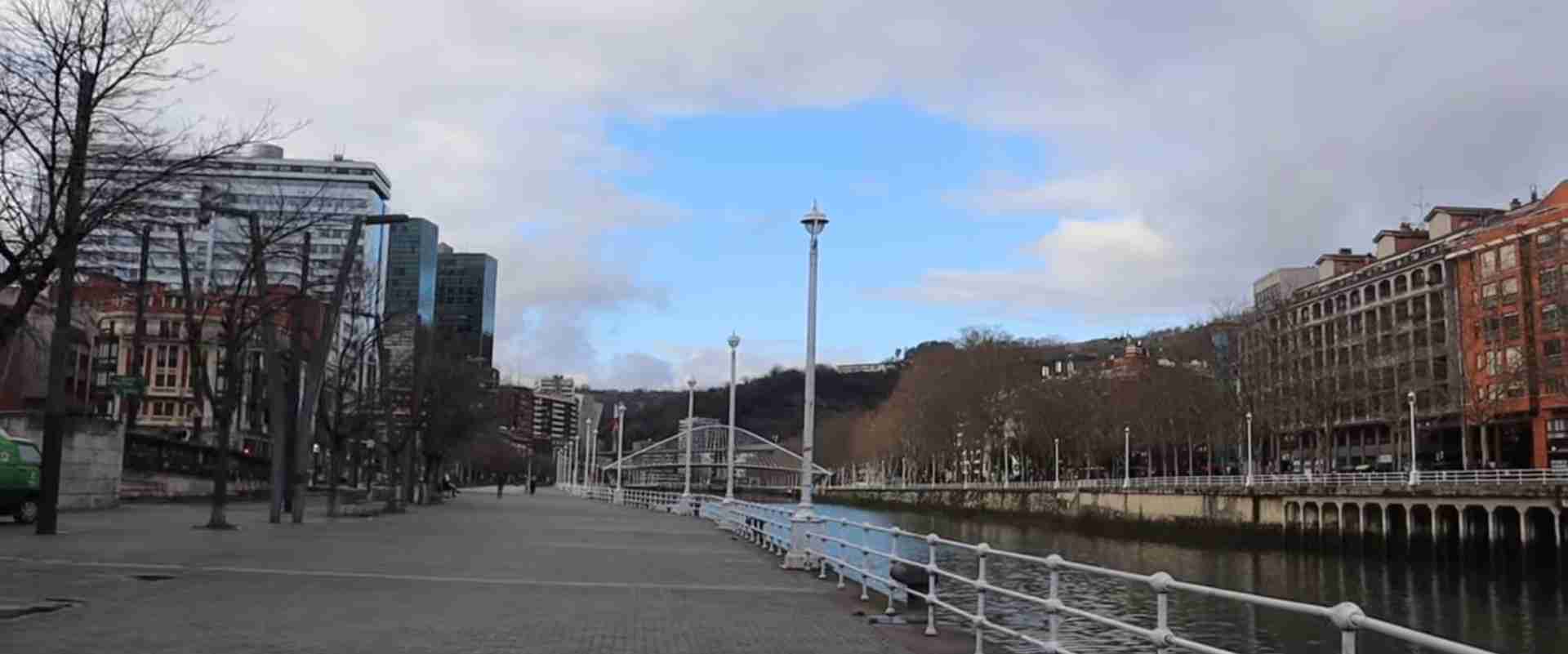
- Free experiences including Guggenheim exterior, Casco Viejo exploration, riverside walks, and viewpoint hikes provide quality cultural immersion without admission costs
Understanding Bilbao’s Cost Structure
Bilbao presents moderate costs within Western European standards, positioning between expensive capitals like Paris or London and budget-friendly Eastern European alternatives. The city’s recent transformation from industrial port to cultural destination has raised prices in tourist-concentrated areas, yet authentic neighborhood experiences and strategic planning maintain accessibility across budget levels. Understanding Bilbao’s cost patterns enables realistic budget construction and prevents unexpected expenses from disrupting travel plans.
The Basque Country’s relative prosperity compared to other Spanish regions influences local pricing—costs run 15-25% higher than Southern Spain or interior regions, reflecting higher local wages and living standards. However, Bilbao remains 20-30% cheaper than San Sebastián (45 minutes away), making it an excellent base for exploring Basque gastronomic culture without premium coastal resort pricing. The city’s compact size reduces transportation needs, and the concentration of pintxos bars within walking distance minimizes meal logistics costs.
Currency considerations matter for international visitors: Spain uses the euro (€), and exchange rates fluctuate. Credit cards work universally at established businesses, though small bars and market vendors prefer cash. ATM withdrawals face €2-4 fees plus home bank charges, so withdrawing larger amounts (€200-300) reduces per-transaction costs. Contactless payment functions widely with €50 limits, and most establishments accept Visa and Mastercard while American Express remains less common. No-foreign-transaction-fee credit cards significantly reduce travel costs for U.S. visitors, saving 3% on all purchases.
Seasonal pricing variations create 20-40% cost differences between peak summer (July-August) and shoulder seasons (April-May, September-October). Tourist-oriented establishments raise prices during high season while neighborhood restaurants maintain standard rates year-round. Festival periods like Aste Nagusia (Great Week in August) see dramatic accommodation price increases and reduced availability, making this challenging budget period. Conversely, January-February winter months offer lowest prices across categories, though some establishments close for annual vacations and weather limits outdoor activities.
People Also Ask About Bilbao Costs in 2026
How much money do you need per day in Bilbao in 2026?
Daily costs in Bilbao range €55-80 for budget travelers, €140-200 for mid-range comfort, and €300-450+ for luxury experiences in 2026. Budget allocation breaks down approximately: accommodation 40-50% of daily total, food 30-35%, attractions/activities 10-15%, and transportation 5-10%. A week-long Bilbao visit costs €385-560 budget, €980-1,400 mid-range, or €2,100-3,150 luxury per person. These figures assume standard tourist activities including museum visits, pintxos culture participation, and day trips, but exclude major splurges like Michelin-starred tasting menus (€120-180 per person) or premium wine experiences. Check accommodation booking platforms for current rates as seasonal variations significantly impact daily costs, particularly July-August when prices increase 30-40% above shoulder season levels.
Is Bilbao expensive compared to other Spanish cities in 2026?
Bilbao costs 15-25% more than Madrid or Barcelona for accommodation and dining, reflecting Basque prosperity and lower tourism volume enabling price maintenance. A mid-range hotel room costing €90-120 in Bilbao runs €70-95 in Madrid, while pintxos averaging €4-6 in Bilbao appear at €3-4.50 as tapas in Andalusian cities. However, Bilbao remains 30-40% cheaper than coastal Basque resort San Sebastián, where equivalent hotel rooms cost €130-180 and pintxos reach €6-9. Among major Spanish destinations, Bilbao ranks mid-tier: more expensive than Seville, Valencia, or Granada, less expensive than Barcelona or Ibiza, and significantly cheaper than San Sebastián or Marbella. The city’s excellent value proposition comes from authentic experiences at moderate costs rather than budget-basement pricing.
What is the cheapest way to visit Bilbao in 2026?
Minimize Bilbao costs through strategic choices across all expense categories: book hostels 4-6 weeks ahead (€25-35 per night in dorm beds), emphasize free attractions (Guggenheim exterior, Casco Viejo, riverside walks, city viewpoints), maximize menu del día lunches at neighborhood restaurants (€12-18 for three courses with wine), focus on standing pintxos at traditional bars versus seated restaurant service (savings of 15-25%), walk or use metro strategically (€1.50 per ride versus €5-8 taxis), and visit during shoulder seasons April-May or October-November when accommodation costs 30% less than summer. Pack picnic provisions from Mercado de la Ribera (€20-30 for two people) for some meals, drink wine purchased at retail (€8-15 per bottle) in parks rather than restaurant markups, and prioritize free walking tours over paid commercial options. These strategies reduce daily costs to €50-65 per person while maintaining quality experiences and authentic cultural immersion.
How much does food cost in Bilbao in 2026?
Food expenses range €30-45 daily budget, €65-95 mid-range, and €150+ luxury depending on dining patterns. Budget breakdown: café breakfast €4-8, menu del día lunch €12-18, afternoon coffee €2-4, standing pintxos dinner €20-30. Mid-range pattern: quality café breakfast €8-12, seated restaurant lunch €25-40, afternoon pintxos €15-20, restaurant dinner €45-65. Individual pintxos cost €3-8 depending on complexity (simple tortilla €3, elaborate seafood preparations €6-8), with typical evening consumption of 5-7 pieces plus drinks totaling €25-35 per person. Restaurant mains run €18-32, three-course dinners with wine €45-75, and Michelin-starred tasting menus €120-180. Check restaurant websites for current pricing as seasonal menu changes affect costs, and reserve high-end establishments 2-4 weeks ahead. Menu del día represents exceptional value at €12-25 for three courses including wine, available weekday lunches at most restaurants.
Extended multi-day tours – 5+ days
Featured Bilbao Multi-Day Tour Packages

3 days
Bilbao 3-Day Discovery Tour
- ✓ Comprehensive Bilbao experience
- ✓ Expert local guides included
- ✓ All accommodation included
- ✓ Transportation provided

5 days
Bilbao 5-Day Highlights Experience
- ✓ Comprehensive Bilbao experience
- ✓ Expert local guides included
- ✓ All accommodation included
- ✓ Transportation provided

7 days
Bilbao 7-Day Cultural Journey
- ✓ Comprehensive Bilbao experience
- ✓ Expert local guides included
- ✓ All accommodation included
- ✓ Transportation provided
10 days
Bilbao 10-Day Complete Adventure
- ✓ Comprehensive Bilbao experience
- ✓ Expert local guides included
- ✓ All accommodation included
- ✓ Transportation provided
Multi-day tour packages powered by TourRadar. Prices and availability subject to change.
Essential Planning Information for 2026
Budget Planning Framework
Constructing realistic Bilbao budgets requires understanding fixed versus variable costs, mandatory versus optional expenses, and daily versus one-time expenditures. Fixed costs include accommodation (unavoidable nightly expense), while variable costs like dining allow significant flexibility through strategic choices. Mandatory expenses cover basic needs—sleeping, eating, minimal transportation—while optional costs fund enhanced experiences, premium dining, or guided tours. Daily expenses repeat throughout your stay, while one-time costs like airport transfers or attraction passes happen once.
Budget allocation percentages guide planning: accommodation typically consumes 40-50% of total daily budget, food represents 30-35%, attractions and activities account for 10-15%, and transportation takes 5-10%. These proportions shift based on priorities—food-focused travelers may allocate 40-45% to dining while reducing accommodation to budget hostels, while luxury travelers might reverse this emphasizing premium hotels. The framework provides starting points for budget construction, adjustable to individual preferences and travel styles.
Contingency funds (10-15% of total budget) protect against unexpected costs: medical needs, lost items, spontaneous opportunities, or price increases. Building €50-100 daily buffers into budgets prevents budget anxieties from limiting experiences or forcing difficult choices between comfort and costs. Most travelers spend contingency funds on splurges rather than emergencies, turning safety margins into quality-of-life improvements like upgrading to better hotel rooms or adding extra museum visits.
Pre-trip fixed costs require separate budgeting: flights to Bilbao vary dramatically (€50-400+ from European cities depending on airline, timing, and booking advance), travel insurance runs €30-80 for week-long trips, and any advance bookings for Michelin restaurants or special tours. These one-time expenses shouldn’t count against daily budgets, as conflating them with operational costs distorts planning. Calculate pre-trip costs separately, then focus daily budgets on ground expenses within Bilbao itself.
Cost Comparison: Budget vs. Mid-Range vs. Luxury 2026
Budget travelers (€55-80 daily) prioritize experiences over comfort, accepting trade-offs in accommodation quality, dining flexibility, and convenience. Hostel dorm beds (€25-40) provide adequate sleep, menu del día lunches deliver proper meals for €12-18, standing pintxos dinners offer authentic culture at €20-30, free attractions and walking tours provide cultural content, and metro passes cover transportation needs. This approach works well for younger travelers, solo visitors comfortable with hostel environments, and anyone prioritizing destination experiences over accommodation luxury. The budget tier delivers authentic Bilbao experiences—you eat the same pintxos, visit the same museums, and explore the same neighborhoods as higher-budget travelers, just with simpler sleeping arrangements and more strategic meal timing.
Mid-range travelers (€140-200 daily) balance comfort and experience, upgrading accommodation to private hotel rooms (€90-140 for doubles) while maintaining flexibility in dining and activities. This tier enables restaurant meals rather than exclusively pintxos, museum admissions without budget stress, occasional taxis over metro rides, and spontaneous splurges on wine or tours. Mid-range represents the sweet spot for many travelers—comfortable hotels with private bathrooms, diverse dining experiences including both pintxos culture and seated restaurants, comprehensive attraction access, and stress-free transportation. This budget level eliminates constant cost consciousness while avoiding luxury-tier excess spending.
Luxury travelers (€300-450+ daily) emphasize premium experiences across categories: boutique or five-star hotels (€200-350), Michelin-starred dining (€120-180 per meal), private tours and guides (€150-300), premium wine experiences (€80-150), and convenient taxis or private drivers versus public transport. This tier delivers effortless travel where cost considerations rarely limit choices, advance bookings secure best tables and rooms, and expert guides provide exclusive access and interpretation. Luxury Bilbao focuses on gastronomic excellence, cultural depth, and seamless logistics rather than sightseeing volume or budget optimization.
Accommodation Costs 2026
Hostel and Budget Options
Bilbao’s hostel scene serves budget travelers and social seekers with dormitory and private room options. Dorm beds in 4-8 person rooms cost €25-35 per night in 2026, with 10-12 person dorms running €20-28 for maximum savings. Private rooms at hostels (typically double beds with shared bathrooms) cost €50-70 per night, offering middle ground between dorm social atmosphere and hotel privacy. Check booking platforms like Hostelworld or Booking.com for current rates as seasonal variations affect pricing, with summer peaks increasing costs by €8-12 per bed and winter lows dropping €5-8 below standard rates.
Top-rated budget accommodations include Bilbao Akelarre Hostel near the Old Quarter, offering modern facilities, social common areas, and kitchen access for self-catering. Dorm beds run €28-35, private rooms €60-75, and included breakfast adds value. The location enables walking to pintxos bars and major attractions, eliminating transport costs. Alternatively, Moon Hostel Bio in Abando district provides eco-focused accommodations with dorms at €25-32 and privates at €55-70, positioning guests near Guggenheim Museum and modern city areas.
Budget hotels occupy the €60-85 range for double rooms with private bathrooms, bridging hostels and mid-range hotels. Chains like Ibis Budget or Pensión Bilbao provide basic comfortable rooms without frills, typically including WiFi and simple continental breakfast. These properties work well for travelers prioritizing private space over hostel social scenes or requiring more privacy than dorm living provides. Locations vary—properties near San Mamés stadium or in Indautxu neighborhood offer good value, while Casco Viejo locations command €10-15 premiums for central positioning.
Apartment rentals through Airbnb or Booking.com sometimes undercut hotel costs for longer stays (4+ nights), with studio apartments running €45-70 nightly and one-bedroom units €65-95. Kitchen access enables self-catering for some meals, reducing food costs significantly—market shopping and apartment cooking can cut daily food expenses by €20-30. However, cleaning fees (€40-80) and service charges reduce value for short stays, making hotels more economical for 1-3 night visits. Always calculate total costs including fees before booking apartments.
Mid-Range Hotel Options 2026
Mid-range hotels (€90-140 double rooms) provide comfortable accommodations with private bathrooms, daily housekeeping, reception services, and typically breakfast inclusion. This category represents Bilbao’s most competitive segment, with numerous properties offering solid value and strategic locations. Three-star hotels dominate this range, delivering reliable standards without luxury amenities or exceptional design. Expect rooms of 15-20 square meters, modern bathrooms with showers, air conditioning, TVs, and WiFi, plus generally helpful English-speaking staff.
Well-positioned mid-range options include Hotel Silken Indautxu (€95-125 doubles) in the business district near Gran Vía, offering contemporary rooms and breakfast buffets. The location provides easy metro access and reasonable walking distance to Old Quarter (15-20 minutes) while maintaining lower costs than central properties. Hotel Miró (€110-140) operates in the Guggenheim area, delivering modern design-focused accommodations with museum views from some rooms and proximity to riverside walking paths. These properties balance location convenience with moderate pricing.
Boutique hotels at the high end of mid-range (€120-160) provide characterful accommodations in historic buildings or design-conscious properties. Pension Begoña (€100-130) occupies an Art Nouveau building in Abando, combining architectural charm with personal service and central location. Hotel Carlton Bilbao (€130-180) represents historic luxury on Gran Vía, where period details and central positioning justify premium within mid-range category. These properties suit travelers valuing atmosphere and character over basic functionality.
Booking strategies significantly impact mid-range costs: reserving 4-6 weeks ahead secures best rates and availability, particularly for summer travel when popular properties fill. Weekday stays (Sunday-Thursday) cost €10-20 less than weekends, though business hotels sometimes reverse this pattern with higher weekday rates. Cancellation policies matter—flexible rates cost €10-15 more but enable changes if plans shift, while non-refundable bookings lock lowest prices but carry risk. Many properties offer better rates through direct booking versus aggregator sites, so checking hotel websites after price comparison often reveals €5-15 savings plus potential upgrades or breakfast inclusion.
Luxury Accommodation Experiences 2026
Luxury hotels (€200-350+ doubles) emphasize exceptional service, premium locations, sophisticated design, and comprehensive amenities. Five-star properties concentrate in Abandoibarra near the Guggenheim and along Gran Vía in the Ensanche district, positioning guests in Bilbao’s most attractive and convenient areas. These hotels feature spacious rooms (25-40 square meters), luxury bathrooms with separate tubs and showers, premium bedding and toiletries, fitness facilities, often restaurants and bars, concierge services, and meticulous attention to detail throughout guest experiences.
Gran Hotel Domine Bilbao (€220-320) directly faces the Guggenheim Museum, offering stunning views from rooms and public spaces designed by multiple notable designers. The property combines artistic atmosphere with five-star services, and the rooftop terrace provides iconic Bilbao photo opportunities. Room rates include breakfast buffets, WiFi, and fitness access, while the central location enables walking to Old Quarter and riverside attractions. Peak summer and autumn weekends command highest rates (€280-320), while winter midweeks offer best value (€200-240).
Hotel Carlton (€180-280) represents historic luxury in an early 20th-century building on Gran Vía. The property maintains belle époque grandeur while incorporating modern amenities, and the central location provides excellent access to both Old Quarter and modern neighborhoods. The hotel’s restaurant and bar create social scenes, while traditional service standards appeal to travelers valuing classic hospitality over contemporary design aesthetics. Corporate rates and package deals can reduce costs to upper mid-range levels (€150-180), so checking promotional offers rewards research efforts.
Boutique luxury options like Palacio Urgoiti (€250-350) occupy restored historic mansions, offering intimate atmospheres with 15-30 rooms versus large hotel scales. These properties emphasize personalized service, unique architectural elements, and distinctive design choices creating memorable experiences beyond standard luxury hotel formulas. The premium pricing reflects limited inventory and special character—for travelers seeking unique accommodations rather than predictable luxury chains, boutique properties justify costs through distinctive experiences. Many include elaborate breakfasts, afternoon refreshments, or evening wine hours in rates, adding value beyond room costs alone.
Dining and Food Budget 2026
Budget Dining Strategies
Budget food costs of €30-45 daily require strategic meal planning emphasizing menu del día lunches, standing pintxos service, market provisions, and minimizing restaurant dinners. Begin with simple café breakfast (€4-6) consisting of coffee and pastry or toast—this matches local patterns where substantial breakfasts are uncommon. Spanish breakfast culture runs light, with major eating occurring at lunch, so resisting urge for large morning meals aligns with budget goals and local customs simultaneously.
Maximize menu del día value by making lunch the primary meal, consuming 3 courses with wine for €12-18 at neighborhood restaurants. This substantial midday eating provides nutritional foundation enabling lighter evening meals, following Spanish patterns where lunch dominates and dinner runs smaller. Target restaurants in residential neighborhoods (Rekalde, Santutxu) where menú prices run €12-15 versus tourist-area premiums of €18-25. The menu format delivers proper cooked meals with meat or fish, vegetables, and dessert—far superior nutrition and value than multiple small pintxos purchases attempting to construct equivalent meals.
Evening pintxos strategy emphasizes standing at bars (saving 10-15% versus seated service), selecting cold counter pintxos (€2.50-4) over expensive hot preparations (€6-8), and moving between multiple establishments sampling 1-2 items each versus filling up at single bars. This approach delivers cultural authenticity while controlling costs—a circuit of 4-5 bars sampling 5-7 total pintxos with small drinks costs €20-30, providing satisfying evening meal plus entertainment value. Avoid tourist-trap establishments on Plaza Nueva and main streets, instead targeting side street bars where locals predominate and prices run 20-30% lower.
Self-catering some meals dramatically reduces costs for apartment stays or those comfortable with picnic dining. Market shopping at Mercado de la Ribera provides excellent provisions: bread €2-3, cheese €5-8 (200 grams), cured meats €6-10 (200 grams), olives €3-5, fruit €2-4, wine €8-15 per bottle. These supplies create 2-3 meals for €25-35, versus €40-60 for equivalent restaurant consumption. Riverside parks and Doña Casilda Iturrizar park near Fine Arts Museum provide pleasant picnic settings, turning budget necessity into enjoyable cultural experience observing local park life.
Mid-Range Dining Approach 2026
Mid-range food budgets of €65-95 daily enable restaurant meals, quality pintxos experiences, and occasional splurges without constant cost consciousness. Allocate spending across diverse experiences: quality café breakfast with juice and substantial pastries (€8-12), seated restaurant lunch or premium pintxos session (€25-40), afternoon coffee and snack (€5-8), and restaurant dinner or extended pintxos crawl (€35-55). This pattern delivers comfort, variety, and cultural authenticity while maintaining reasonable costs.
Restaurant lunch strategy emphasizes establishments offering à la carte service rather than menu del día, enabling selection of house specialties and regional dishes. Seafood restaurants near Mercado de la Ribera deliver fresh fish preparations for €25-40 per person including wine—grilled whole fish, seafood rice, or traditional Basque preparations showcase regional cuisine at moderate costs. These midday meals provide primary culinary experiences, with evenings focused on lighter pintxos grazing adding variety without excessive calories or spending.
Quality pintxos experiences at recognized establishments (Gure Toki, Víctor Montes, El Globo) cost €35-50 per person for comprehensive tastings including hot and cold preparations plus wine or craft beer pairings. This investment delivers creative cooking, premium ingredients, and often innovative presentations demonstrating contemporary Basque cuisine evolution. Balancing 2-3 premium pintxos experiences with 2-3 traditional neighborhood bar visits across a week provides both high-end exposure and authentic cultural immersion.
Wine budgets within mid-range tier enable bottle selection at restaurants (€25-40) rather than house wine by glass, improving quality and pairing opportunities. Txakoli bottles run €18-30 at restaurants, providing excellent value for regional specialties that complement seafood and pintxos. Occasional splurges on better wines (€45-70 bottles) enhance special meals without breaking budgets. Restaurant wine markups run 2.5-3.5x retail, so strategic purchasing—quality wines at restaurants, basic wines purchased retail for apartment consumption—optimizes both experience and costs.
Luxury Dining Experiences 2026
Luxury food budgets exceeding €150 daily emphasize Michelin-starred dining, premium wine experiences, exclusive tours, and comprehensive culinary immersion. This tier targets food-focused travelers where gastronomic excellence justifies premium spending, and cost considerations rarely limit dining choices. Allocate budget toward signature experiences: Michelin tasting menus with wine pairings (€180-270 per person), private food tours with expert guides (€150-220), premium pintxos sessions at elite establishments (€60-80), and quality wines throughout (€50-90 daily in restaurant settings).
Michelin-starred meals represent luxury tier centerpieces: restaurants like Mina (one star, €120-140 tasting menu) or Zortziko (€110-135) deliver 8-12 course progressions showcasing contemporary Basque cuisine through seasonal ingredients and advanced techniques. Wine pairings add €60-90, though by-glass selections (€8-15) enable selective pairing reducing costs while maintaining quality. These 2.5-3 hour dining experiences demand advance reservations (2-4 weeks for weekend dinners) and comprise primary attractions rivaling museum visits or cultural events in importance and memory creation.
Premium pintxos experiences pursue the very best preparations across multiple high-end establishments, emphasizing elaborate hot pintxos, premium ingredients like foie gras or high-quality seafood, and extensive wine exploration. Spending €70-90 per person across evening of pintxos bar-hopping represents luxury-tier approach where cost consciousness never limits ordering or curiosity. This enables trying signature preparations without hesitation, ordering second rounds of exceptional items, and selecting premium wine pairings throughout.
Private food tours and culinary experiences (€150-250 per person) provide expert guidance, exclusive access, and comprehensive market-to-table education. These intensive programs typically include market tours with vendor introductions, hands-on cooking classes in professional kitchens, extensive wine tastings, and multi-course meals featuring prepared dishes. While expensive, the knowledge transfer, cultural insights, and exclusive experiences justify costs for serious food enthusiasts. Book these experiences early in trips, applying learned knowledge to subsequent independent dining throughout stays.
Transportation Costs 2026
Public Transportation System
Bilbao’s metro system provides efficient, affordable transportation covering city neighborhoods and extending to suburban areas. Single metro rides cost €1.50, representing excellent value for distances up to 5-6 kilometers covering most tourist itineraries. The Creditrans card (€3 refundable deposit) stores value and works across metro, tram, and bus systems, offering integrated transportation access. Minimum load is €5, with card balance deductible per ride until exhausted, then reloadable at station machines accepting cash and cards.
Multi-day transportation passes offer savings for intensive users: Barik tourist card provides unlimited metro, tram, and bus travel for 1 day (€9.60), 2 days (€15.20), or 3 days (€19.20). These cards justify costs only if taking 7+ rides daily, which exceeds most tourist patterns given Bilbao’s compact walkable core. The Old Quarter, Guggenheim Museum, Fine Arts Museum, riverside walks, and many attractions concentrate within 2-kilometer radius suitable for walking. Metro becomes most useful for reaching accommodations in outer neighborhoods or visiting suburban attractions like Getxo beaches (30 minutes, €1.50).
The tram system runs single line along Abandoibarra riverside from San Mamés station to Basurto, serving Guggenheim Museum, convention center, and university area. Rides cost €1.50, identical to metro pricing, and the same Creditrans card works across systems. Tram provides scenic transportation along the Nervión River with frequent service (every 5-10 minutes), though walking the riverside path covers similar distances in 20-30 minutes while offering flexible stopping at viewpoints and cafés.
Buses serve neighborhoods and suburban areas metro doesn’t reach, particularly useful for Artxanda funicular access or beach communities. Fares cost €1.50 for city buses, €2-3 for longer suburban routes, again using Creditrans card integration. Bus frequency varies by route (every 10-30 minutes typical), and routes can confuse visitors unfamiliar with Basque place names. Google Maps provides accurate bus routing and timing, making navigation manageable despite language barriers and complex route structures.
Taxis and Ride Services 2026
Taxis operate extensively throughout Bilbao with reasonable fares for Western European standards. Base fare starts at €3.85, with €1.40 per kilometer plus time-based charges during traffic or stops. Typical rides within central Bilbao cost €7-12, while airport transfers to city center run €25-30 depending on traffic and terminal. Taxis queue at major locations (train station, Guggenheim, Plaza Nueva) and respond to phone requests or hailing on streets. All licensed taxis use meters, eliminating negotiation or pricing uncertainty common in other destinations.
Ride-hailing services operate with less presence than many cities—Uber availability is limited, while Cabify functions more reliably with similar pricing to traditional taxis (€8-14 typical city center rides). The advantage lies in app-based payment, route transparency, and fare estimates before booking, appealing to travelers uncomfortable with cash transactions or language barriers. However, taxi availability generally exceeds ride-hailing during peak times, making traditional cabs often faster for immediate pickup needs.
Between taxis and metro, strategic selection optimizes costs: use metro for single travelers or couples reaching distant neighborhoods (saving €5-8 versus taxis), while taxis make sense for groups of 3-4 people when per-person cost (€2-4 each) approaches metro fares while providing door-to-door convenience. Late nights after 10 PM, taxi safety and convenience outweigh minor cost savings from waiting for metro trains. Heavy rain or extreme heat similarly justify taxi use over walking or metro connections requiring outdoor transfers.
Airport transportation choice impacts budget: metro connection from airport to city center costs €1.50 per person (30-35 minutes), representing exceptional value for solo travelers or couples versus €25-30 taxi fares. However, groups of 3-4 people paying €6-8 total metro fares versus splitting €28 taxi fare (€7 each) find minimal cost difference while taxis deliver luggage convenience and door-to-door service. The Bizkaibus airport shuttle (€3 per person, 20 minutes) provides middle option between metro economy and taxi convenience, with reliable schedules every 20-30 minutes and luggage accommodation.
Walking and Bikeshare Programs 2026
Walking provides Bilbao’s best transportation method for most tourist itineraries, with compact Old Quarter containing pintxos bars, historic buildings, and atmospheric squares within 15-minute walking radius. The riverside walk from Old Quarter to Guggenheim Museum covers 1.5 kilometers (20-25 minutes) through pleasant pedestrian areas with Nervión River views and architectural interest. Continuing to Fine Arts Museum adds another 1 kilometer (12-15 minutes), creating comprehensive cultural circuit achievable entirely on foot. The city’s relatively flat terrain (except Artxanda hill) and pedestrian-friendly streets encourage walking, and this zero-cost transportation method simultaneously provides cultural immersion and neighborhood exploration.
Bilbao’s bikeshare program (Bilbaobizi) operates 200+ stations with 2,000+ bicycles throughout city neighborhoods. Subscriptions cost €15 weekly or €34 annually, with first 30 minutes of each trip free and subsequent half-hours charged €1-2. The program suits stays of 4+ days when subscription cost spreads across multiple uses, though single-day subscriptions (€6.50) enable trial for shorter visits. Bike infrastructure varies—riverside paths offer excellent separated cycling, while street cycling mixes with traffic requiring comfort with urban riding. Helmets aren’t provided, and Bilbao’s hills (particularly around Old Quarter edges) challenge casual cyclists, limiting bikeshare appeal for many visitors.
Combination strategy optimizes transportation: walk for central area exploration and riverside circuits, use metro for reaching outer neighborhoods or suburbs, employ taxis for late nights or bad weather, and consider bikeshare only if comfortable with urban cycling and staying long enough to justify subscription costs. Most visitors find walking plus occasional metro rides sufficient for comprehensive Bilbao exploration while minimizing transportation spending to €5-15 daily (€35-105 weekly). The compact city rewards pedestrians with spontaneous discoveries and neighborhood atmosphere that vehicular transport bypasses.
Activities and Attractions Budget 2026
Museum and Cultural Attractions 2026
Bilbao’s premier cultural attractions charge admission fees requiring budget allocation: Guggenheim Museum entry costs €16 for adults in 2026, with audio guides €6.50 additional. Check guggenheim-bilbao.eus for current official rates as pricing may adjust seasonally. The museum’s exterior and riverside plaza provide free viewing of the building’s iconic titanium architecture—many visitors find this sufficient for architectural appreciation without interior admission. The museum’s Tuesday-Sunday hours (10 AM-8 PM most seasons) enable flexible visit timing, and arriving at opening or after 5 PM reduces crowd density though costs remain identical.
Fine Arts Museum (Museo de Bellas Artes) charges €10 adult admission, offering more affordable alternative to Guggenheim while showcasing excellent collections of Spanish and Basque art from medieval to contemporary periods. The permanent collection alone justifies admission, and temporary exhibitions add value. The museum’s location in Doña Casilda Iturrizar park positions visitors for combined cultural and nature experiences, and Wednesday free admission (6-8 PM) enables budget visits timing permitting.
Additional attractions include Euskal Museoa (Basque Museum, €3 admission) exploring regional history and culture, Athletic Bilbao stadium tours (€12-15) for football enthusiasts, and Artxanda funicular (€4.20 round-trip) accessing hilltop viewpoints. These secondary attractions appeal to specific interests rather than universal must-see status, so selective visiting based on personal preferences optimizes both time and budget. The Zubizuri bridge, Casco Viejo streets, Plaza Nueva, and cathedral exterior all provide free cultural experiences requiring no admission costs.
Combination tickets or passes provide savings for intensive museum visitors, though Bilbao lacks comprehensive city cards common in other destinations. The Bilbao Bizkaia Card (€15 for 48 hours, €20 for 72 hours) includes some museum admissions plus metro unlimited access, benefiting visitors planning multiple paid attractions. However, most travelers find selective admission purchasing more economical than passes requiring intensive daily activity to justify costs. Calculate whether card savings exceed individual ticket purchases based on actual planned visits rather than optimistic intentions.
Free and Low-Cost Experiences 2026
Bilbao offers substantial free cultural content complementing paid attractions: Guggenheim exterior and riverside plaza enable architectural appreciation and iconic photo opportunities without €16 admission, the Casco Viejo exploration reveals medieval street patterns and historic buildings at zero cost, riverside walks along the Nervión provide pleasant 2-4 kilometer routes with modern architecture and park access, and multiple viewpoints (Artxanda accessible via €4.20 funicular or free hiking trails) deliver panoramic city perspectives. These free experiences form foundation of Bilbao visits, with paid attractions supplementing rather than defining itineraries.
Pintxos bar-hopping delivers entertainment value beyond food consumption—the social atmosphere, architectural interiors, and cultural observation provide cultural immersion rivaling museum experiences. While pintxos cost €3-8 each, the per-hour entertainment value compares favorably to paid attractions when considering food necessity and cultural authenticity. Standing at bars observing preparation techniques, local social interactions, and daily rhythms offers anthropological insights into Basque culture unavailable from exhibits or tours.
Market visits at Mercado de la Ribera require no admission and provide comprehensive food culture education: vendor interactions, seasonal ingredient displays, traditional shopping patterns, architectural appreciation (Art Deco building), and rooftop viewpoint (€1 access) create rich experiences at minimal cost. The market’s morning hours (8 AM-2:30 PM weekdays) capture peak activity when locals shop and vendors maintain fullest selections. Afternoon returns (5-8 PM weekdays) show quieter periods with reduced inventory but persistent atmosphere.
Self-guided neighborhood walks using free resources (tourism office maps, Google Maps routing, downloaded walking tour podcasts) eliminate guide costs while maintaining flexibility and personal pacing. The Abandoibarra district showcases modern architecture beyond Guggenheim, Deusto university area reveals student life and riverside development, and hilltop residential neighborhoods like Begoña offer local perspectives and excellent city views. These explorations cost nothing beyond time and comfortable walking shoes, yet deliver authentic cultural immersion and memorable experiences.
Sample Budget Breakdowns 2026
Budget Traveler: €55-80 Daily
Accommodation: Hostel dorm bed €28-35 per night, including WiFi and common area access. Choose locations in or near Old Quarter minimizing transportation needs and positioning for evening pintxos culture without metro costs.
Breakfast: Café coffee and pastry €4-6, matching Spanish breakfast patterns. Skip hotel breakfast charges (€8-12 at budget hotels) in favor of authentic café experiences at half the cost.
Lunch: Menu del día at neighborhood restaurant €12-18 including wine and three courses. Target establishments in residential areas where prices undercut tourist-zone premiums by €3-6. This substantial midday meal provides primary nutrition and culinary experience.
Afternoon: Coffee at regular café €2-3, providing rest break and people-watching. Alternatively, skip afternoon coffee and use this time for free walking or museum exterior visits.
Dinner: Standing pintxos circuit €20-30 for 5-7 pieces plus drinks across 3-4 bars. Focus on cold counter pintxos (€2.50-4) and small drinks (€2-4) rather than elaborate hot preparations. This approach delivers cultural authenticity and satisfying evening meal.
Transportation: Walking for most movement, occasional metro ride €1.50 for reaching outer areas or returning late to distant accommodations. Daily transportation cost €0-3.
Attractions: Free experiences (Old Quarter, riverside walks, Guggenheim exterior) most days, with one paid museum visit weekly (€10-16). Spread €2-3 daily for attraction budget, enabling 1-2 admissions across week-long visit.
Day cost summary: Hostel €28-35, breakfast €4-6, lunch menu €12-18, afternoon coffee €2-3, pintxos dinner €20-30, transportation €0-3, attractions €2-3. Total daily cost: €68-98 per person. Tightening budget to €55-70 requires skipping afternoon coffee (save €2-3), reducing pintxos to 4-5 pieces (save €5-8), and emphasizing free attractions (save €2-3 daily). This delivers authentic Bilbao experiences at backpacker pricing, suitable for extended travels or strict budget requirements.
Mid-Range Traveler: €140-200 Daily 2026
Accommodation: Mid-range hotel double room €90-140 per night (€45-70 per person assuming double occupancy), including private bathroom, daily housekeeping, WiFi, and often breakfast. Choose centrally-located properties in Abando or near Guggenheim for convenience and walking accessibility.
Breakfast: Hotel buffet included in accommodation, or quality café breakfast €8-12 if hotel doesn’t include morning meals. This enables substantial starts to sightseeing days with multiple courses and time flexibility.
Lunch: Seated restaurant meal €25-40 per person including appetizer or salad, main course (seafood, meat, daily special), dessert, and wine or beer. This provides primary dining experience showcasing Basque cuisine.
Afternoon: Coffee and snack at café or pintxos bar €5-8, bridging lunch and dinner while enabling rest during Spanish afternoon quiet period.
Dinner: Restaurant dinner €45-65 for three courses with wine, or extended pintxos session €35-50 at quality establishments. Alternate between restaurant and pintxos evenings across multi-day stays for variety.
Transportation: Combination of walking (free), occasional metro rides (€1.50 each, €3-6 daily for 2-4 trips), and strategic taxi use during bad weather or late nights (€7-12, €0-15 daily depending on usage). Average transportation €5-10 daily.
Attractions: Museum admissions €10-16 each, enabling 1-2 visits daily without budget stress. Allocate €15-25 daily for cultural attractions, tours, or experiences, creating comprehensive activity budget.
Day cost summary: Hotel €45-70 per person, breakfast included or €8-12, lunch €25-40, afternoon snack €5-8, dinner €35-65, transportation €5-10, attractions €15-25. Total daily cost: €138-230 per person. Optimizing within mid-range (€140-180) emphasizes hotel breakfast inclusion, menu del día upgrades for lunch (€18-28 versus full restaurant €35+), and selective evening restaurant splurges balanced with more pintxos sessions. This tier delivers comfortable experiences without constant budget consciousness, representing optimal value for many travelers balancing comfort and cost.
Luxury Traveler: €300-450+ Daily 2026
Accommodation: Boutique or five-star hotel €200-350 per night (€100-175 per person double occupancy), featuring exceptional locations, premium services, spacious rooms, and comprehensive amenities. Properties like Gran Hotel Domine or historic Carlton deliver signature Bilbao experiences beyond generic luxury chains.
Breakfast: Hotel breakfast included in luxury property rates, or upscale café breakfast €15-25 for variety. Luxury hotel buffets often provide extensive selections justifying included status, though occasional café breakfasts add neighborhood exploration.
Lunch: Fine dining restaurant €60-90 per person for extended lunches with wine, or premium pintxos session €50-70 at elite establishments. These midday experiences showcase regional cuisine without evening time pressure.
Afternoon: Quality café or gastrobar €10-18 for substantial snacks and premium beverages, or participation in wine tastings €30-50 for educational experiences.
Dinner: Michelin-starred tasting menu €120-180 plus wine pairing €60-90 (total €180-270), or upscale à la carte restaurant €80-120 per person. These culminating experiences demand advance reservations and represent trip highlights.
Transportation: Taxis for convenience €15-35 daily covering multiple rides, eliminating public transport time investment. Private drivers or premium car services add €80-150 daily for ultimate convenience, though taxis generally suffice for city-scale distances.
Attractions: VIP museum experiences €30-50, private tours €100-200 per person, exclusive access programs, and premium cultural events. Allocate €50-100 daily for enhanced cultural experiences beyond standard admissions.
Day cost summary: Hotel €100-175 per person, breakfast included, lunch €50-90, afternoon experience €10-50, dinner €80-270, transportation €15-35, attractions €50-100. Total daily cost: €305-720 per person depending on Michelin dining frequency and activity intensity. Moderating luxury tier (€300-400 daily) spaces Michelin experiences 2-3 times per week rather than nightly, alternates premium and standard attractions, and maintains taxi use without private drivers. This delivers consistent luxury while avoiding excessive spending, suitable for comfortable travelers seeking quality without ostentation.
Money-Saving Strategies 2026
Timing and Seasonal Optimization
Visit during shoulder seasons (April-May or October-November) to access 30-40% lower accommodation rates versus peak summer (July-August) while enjoying excellent weather and fewer crowds. Spring brings seasonal vegetables and moderate temperatures (15-20°C), fall features mushroom season and harvest celebrations, and both periods deliver authentic local atmosphere as tourism volume decreases. These months balance optimal travel conditions with budget benefits, making timing single most impactful cost reduction strategy available.
Within weeks, choose midweek visits (Tuesday-Thursday) over weekends when accommodation costs €10-20 less per night and restaurant availability improves. Weekend crowds at pintxos bars create waits and competitive bar positioning, while midweek evenings maintain relaxed pace with better bartender interaction opportunities. Business hotels reverse this pattern with higher weekday rates and weekend deals, so checking specific property patterns rewards research. Museums experience lighter visitation Tuesday-Thursday, improving viewing experiences while maintaining identical admission costs.
Daily timing optimization emphasizes menu del día lunches capturing restaurant-quality cooking at 40-50% dinner savings, afternoon museum visits when morning tourist buses have departed but closing time hasn’t approached, and early evening pintxos sessions (7-8 PM) preceding peak crowds while accessing fresh preparations. Late-night dining (10-11 PM or later) sometimes accesses reduced-price items as bars clear inventory, though selection diminishes. Early morning market visits (8-9 AM) capture peak activity and full vendor presence before midday closures.
Booking and Advance Planning 2026
Book accommodation 4-8 weeks ahead for optimal rate and availability balance—earlier booking locks rooms during high season but risks overpaying if late deals emerge, while waiting too long eliminates budget options as properties fill. The 6-week advance sweet spot captures early booking discounts (10-20% typical) while maintaining flexibility for most travel dates. Non-refundable rates save €10-20 per night versus flexible bookings but require commitment, so balance savings against change possibility in your circumstances.
Restaurant reservations matter for high-end establishments requiring 2-4 weeks advance booking for weekend dinners, yet most pintxos bars and casual restaurants accept walk-ins. Strategic planning reserves special meals (Michelin stars, acclaimed establishments) while maintaining flexibility for spontaneous neighborhood discoveries and mood-based dining choices. Over-scheduling restaurants removes serendipity and forces artificial eating patterns, so balance planning and spontaneity according to personal style.
Flight booking to Bilbao optimizes 2-4 months advance for low-cost carriers serving the city from European hubs. Budget airlines like Vueling, Volotea, or Norwegian offer €50-120 flights from major cities when booked early, versus €180-300 for last-minute or peak-season tickets. Include luggage costs in price comparisons—advertised €40 flights become €70-90 with baggage fees and seat selection. Traditional carriers sometimes match budget prices with advance purchase while including amenities, so comprehensive comparison across all airlines serving routes rewards effort with significant savings.
Strategic Spending and Value Optimization
Prioritize spending on distinctive local experiences (pintxos culture, Basque cuisine, regional specialties) while minimizing generic costs (chain restaurant meals, international food, standard tourist activities available anywhere). This philosophy aligns budget with destination-specific value—€40 spent on exceptional Basque lunch at market-adjacent restaurant creates more value and memories than €40 at generic international chain. Apply this lens to all spending decisions, asking whether purchases capture Bilbao’s unique character or simply meet basic needs equally satisfied elsewhere.
Leverage free experiences extensively: Old Quarter exploration, riverside walks, Guggenheim exterior, neighborhood wandering, market observation, and viewpoint hiking provide rich cultural content at zero cost. These activities often create deeper destination understanding than paid attractions, as unstructured exploration reveals daily rhythms and authentic character beyond curated museum experiences. Balancing free and paid activities maintains budget control while ensuring comprehensive cultural immersion.
Strategic splurging focuses budget on high-impact experiences: one Michelin-starred meal weekly rather than daily, premium wine for special dinners versus standard selections throughout, professional food tour once per trip for expert knowledge, and quality hotel room over basic hostel when recovering from travel fatigue. This selective elevation strategy maintains overall budget control while preventing experience-diminishing excessive frugality. Determining personal priority experiences and allocating extra budget there while economizing elsewhere creates optimal satisfaction without overspending.
Seasonal Cost Variations 2026
Peak Season Pricing (July-August)
Summer peak season commands highest costs across all categories: accommodation increases 30-50% above shoulder season baseline, tourist-area restaurants raise prices 10-15%, popular pintxos bars experience crowds requiring waits, and advance booking becomes essential for quality hotels and restaurants. A mid-range hotel costing €100-120 in May reaches €140-180 in August, while hostel dorms jump from €28 to €38-42. These increases reflect both demand and reduced inventory as locals vacation, limiting supply when tourist volume peaks.
Peak season benefits include guaranteed good weather (typically 20-26°C with minimal rain), extended daylight hours enabling longer sightseeing days, and comprehensive service availability as all establishments operate full schedules. The Aste Nagusia festival (Great Week in mid-August) brings citywide celebrations, street parties, and cultural programming, creating unique atmosphere unavailable other times. However, festival week sees accommodation costs spike to €180-250 for rooms normally priced €100-130, and advance booking 2-3 months ahead becomes essential.
Peak season cost mitigation strategies include booking accommodation far in advance (3-4 months for best rates), dining in neighborhood establishments away from tourist concentration where prices remain stable, emphasizing free attractions over paid museums when crowds diminish experience quality, and considering nearby coastal towns (Getxo, Plentzia) for accommodation with easy metro access to Bilbao central attractions. These tactics reduce peak season premium from 40% to 15-20% above baseline while maintaining quality experiences.
Shoulder Season Value (April-June, September-November)
Shoulder seasons deliver optimal value proposition: accommodation costs 20-30% below summer peaks while weather remains pleasant (15-23°C most days), restaurant and attraction crowds stay moderate enabling spontaneous visits without advance booking, and service quality often improves as businesses appreciate customers after slow winter months. Spring brings vibrant seasonal ingredients and festivals including Bilbao BBK Live (June music festival), while fall features harvest celebrations and mushroom season culinary focus.
September-October ranks as Bilbao’s single best visiting period, balancing excellent weather (still 18-24°C most days), post-summer price reductions, peak harvest season for food experiences, and cultural programming resuming after August vacation closures. Accommodation drops to €80-110 for mid-range hotels (versus €120-160 summer), pintxos bars maintain full service without overwhelming crowds, and locals return from vacations creating authentic neighborhood atmosphere. These months justify premium airfare if necessary, as ground cost savings and experience quality more than compensate.
Spring shoulder season (April-May) offers similar benefits with slightly cooler weather (13-19°C typical) and occasional rain requiring flexible sightseeing plans. The season’s white asparagus and artichoke harvests create special menu focuses at restaurants, and Easter week brings religious processions and cultural events. Late April through May avoids Easter price spikes while capturing improving weather and lengthening daylight. Accommodation costs €75-100 mid-range, representing excellent value for quality properties.
Low Season Opportunities (December-March)
Winter low season (excluding Christmas-New Year’s week) delivers rock-bottom prices: accommodation drops 40-50% below summer peaks with mid-range hotels at €60-85 and even luxury properties offering €120-180 rates, restaurant availability improves dramatically, and museums experience minimal crowding. These substantial savings enable luxury experiences at mid-range costs—splurge on that Michelin meal, upgrade to boutique hotels, extend trip duration through daily cost reduction.
Winter weather challenges include cool temperatures (8-14°C typical), frequent rain particularly December-February, shorter daylight hours (8 hours in December versus 15 in June), and reduced outdoor attraction appeal. However, indoor activities (museums, pintxos bars, restaurants, markets) form Bilbao visit core anyway, so weather limits experiences less than outdoor-focused destinations. January-February sees some establishments close for annual vacation (particularly family-owned restaurants), though sufficient options remain for quality experiences.
Christmas-New Year’s week reverses low season pricing with rates jumping to summer levels (€120-160 mid-range) and advance booking essential, though early January resumes low-season value immediately after January 6 (Epiphany). February-March represents absolute lowest prices and crowds if weather gamble acceptable—sunny weeks deliver near-empty museums and effortless restaurant access, while rainy stretches require indoor focus and backup plans. These months suit flexible travelers comfortable with weather uncertainty in exchange for maximum budget efficiency and crowd avoidance.
FAQ: Bilbao Budget Guide 2026
How much cash should you carry in Bilbao?
Carry €50-100 cash daily for small purchases, market vendors, traditional pintxos bars, and situations where card payment proves awkward or unavailable. Most established restaurants, hotels, and modern bars accept cards universally, but neighborhood establishments and market vendors often prefer cash. Small transactions under €10 work better with cash at many bars, though card minimums have largely disappeared. ATMs appear frequently in city center, so maintaining large cash reserves isn’t necessary—withdraw €100-200 at a time balancing convenience against ATM fees (€2-4 per withdrawal plus home bank charges).
Are there student or senior discounts for attractions?
Student discounts (typically 25-50% off) require valid International Student Identity Card (ISIC) at major museums including Guggenheim and Fine Arts Museum. European students under 26 with national ID cards often receive similar discounts. Senior discounts (usually 65+ age) apply at many museums and attractions with ID proof, though discount percentages vary by institution. Always ask about available discounts when purchasing tickets—many establishments don’t advertise reductions but honor them when requested with proper identification. Some attractions offer reduced admission Wednesday afternoons or specific hours weekly, benefiting all visitors regardless of student/senior status.
How much should you tip in Bilbao?
Tipping practices differ from American expectations with service already included in prices. At pintxos bars, locals often leave small change (€0.20-0.50) or round up bills, but tipping isn’t obligatory for standing bar service. Restaurant table service merits small tips for good service—rounding up bills or leaving €1-2 per person represents standard practice for casual dining, while nice restaurants merit 5-10% for exceptional service. Michelin-starred establishments follow similar patterns (€10-20 tips for €150-200 meals), though some visitors leave more for extraordinary experiences. Taxis don’t require tips though rounding up fares (€11 becomes €12) shows appreciation. Hotel housekeeping tips (€1-2 per night) and bellhop assistance (€1-2 per bag) follow normal practices.
Can you drink wine cheaper by buying from shops?
Wine shops and supermarkets sell bottles at retail prices dramatically below restaurant markups—quality wines available for €8-15 retail cost €25-45 in restaurants (2.5-3.5x markup typical). Purchase wine for apartment consumption, picnic provisions, or pre-dinner drinks in hotel rooms achieves significant savings while accessing excellent selections. However, restaurants justify premiums through service, ambiance, and proper pairing guidance, so strategic balance works best: buy retail for casual drinking and apartment meals, accept restaurant markups for special dining experiences where wine enhances complete meal packages. Parks and riverside areas accommodate picnic wine consumption (be discreet and respectful), and many apartments include wine glasses and corkscrews.
What’s included in hotel room rates?
Room rates vary significantly in inclusions—always verify when booking to avoid surprises. Most rates include WiFi, basic toiletries, daily housekeeping, and reception services. Breakfast inclusion varies: budget hotels and hostels rarely include morning meals, mid-range properties split between included and optional breakfast (€8-15 additional), while luxury hotels typically include buffets in rates. Parking rarely includes in urban hotel rates (€15-25 daily when available), as Bilbao’s compact size doesn’t necessitate rental cars. Minibar items always carry charges. Air conditioning and heating generally include. Some boutique hotels include evening wine hours, afternoon refreshments, or welcome drinks—check property descriptions for value-adding inclusions that differentiate similar-priced options.
How do credit card foreign transaction fees impact costs?
Foreign transaction fees (typically 2-3% of purchases) significantly increase costs for travelers using standard credit cards. A €2,000 week-long trip incurs €40-60 in transaction fees—substantial expense for budget travelers. Obtain no-foreign-transaction-fee credit cards (many available from major issuers) eliminating these charges entirely, saving €50-100+ on typical trips. These cards pay for themselves immediately through fee elimination, and many offer travel rewards further enhancing value. American Express works less universally than Visa/Mastercard in Spain, so carrying backup cards ensures payment acceptance. Notify card issuers of travel dates preventing fraud blocks that could disable cards abroad at inconvenient moments.
Is Bilbao more expensive than Madrid?
Bilbao costs 10-20% more than Madrid for accommodation and dining, reflecting Basque region prosperity and lower tourism volume allowing independent pricing. Madrid’s intense competition among hotels and restaurants creates pricing pressure lowering costs, while Bilbao’s smaller scale enables premium maintenance. However, Bilbao’s compact size reduces transportation costs versus Madrid’s sprawl requiring more metro/taxi use. The overall experience cost difference runs modest (€10-25 daily for mid-range travelers), making destination choice depend more on interests (Basque culture/cuisine versus Spanish capital culture/museums) than budget constraints. Both cities accommodate similar budget ranges, just with slight numerical differences favoring Madrid for pure cost efficiency.
Are there combo tickets covering multiple attractions?
Bilbao lacks comprehensive city cards offering significant savings, unlike destinations like Barcelona or Rome. The Bilbao Bizkaia Card (€15 for 48 hours) includes unlimited metro/tram/bus travel plus discounts at some museums and restaurants, but benefits most visitors spending €20-30 on individual tickets and metro rides over 48 hours—the card saves €5-8 maximum, hardly compelling value. Better strategy involves selective attraction visiting based on interests rather than attempting comprehensive coverage to justify pass costs. Museum admission costs moderate enough (€3-16 typical) that individual purchases don’t significantly impact budgets. Focus spending on truly valued experiences rather than maximizing pass value through forced visiting of marginal-interest attractions.
How much does a typical Bilbao vacation cost?
One-week Bilbao vacations cost €550-850 for budget travelers (€80-120 daily plus initial flight), €1,200-1,800 mid-range (€170-260 daily plus flight), and €2,500-3,500+ luxury (€350-500 daily plus flight). These totals assume 7 nights accommodation, 3 meals daily, attraction admissions, local transportation, and standard tourist activities, but exclude international flights which vary dramatically by origin (€100-500 from European cities, €400-1,000+ from North America). Budget tier emphasizes hostels, menu del día lunches, pintxos dinners, free attractions, and walking transport. Mid-range features private hotel rooms, mix of restaurant and pintxos meals, comprehensive museum visits, and convenient transportation. Luxury includes boutique hotels, Michelin dining 2-3 times, private experiences, and premium everything. Couples can share accommodation costs improving per-person economics, while solo travelers face single supplements increasing accommodation costs by 40-80%.
What budget surprises should you anticipate?
Unexpected costs commonly affecting Bilbao budgets include minibar charges at hotels (€4-8 per item, easy to accidentally consume), parking fees if renting cars (€20-35 daily), luggage storage for day trips (€6-8 per day at train station), laundry services at hotels (€15-30 versus €5-8 at laundromats), phone/data roaming if not arranged pre-trip (€10-50 daily potential charges), and spontaneous opportunities like unique tours or special events discovered during visits. Build 10-15% contingency funds into budgets (€8-12 daily for €80-100 base budgets) covering these surprise expenses without stress. Most “surprises” ultimately enhance trips—that unexpected concert ticket, spontaneous wine tasting, or perfect souvenir—so treating contingency as opportunity fund rather than emergency reserve improves travel enjoyment.