Alberta Travel Guide 2026: Ultimate Planning Resource
Alberta combines Rocky Mountain grandeur with vibrant urban culture, offering travelers dramatic landscapes from glacier-carved valleys to prairie horizons. This comprehensive 2026 guide covers everything from free national park admission during the Canada Strong Pass period to navigating the province’s most spectacular destinations including Banff, Jasper, Calgary, and Edmonton.
Key Takeaways About Alberta Travel in 2026
- Canada Strong Pass Benefits 2026: FREE national park admission June 19 – September 7, 2026 plus 25% off Parks Canada camping, eliminating entrance fees during peak summer season
- Budget Planning 2026: Expect CAD $155-235 per person daily for budget travelers (two sharing accommodation, including rental car), CAD $330-480 for mid-range comfort, and CAD $675-1,000 for luxury experiences
- Prime Visiting Windows 2026: June-September offers warmest weather and full attraction access, while shoulder seasons (May, October) deliver 40% lower hotel rates with fewer crowds
- Gateway Strategy 2026: Calgary International Airport provides the most efficient access, positioned 90 minutes from Banff and 3.5 hours from Jasper via the iconic Icefields Parkway
- Regional Diversity 2026: Alberta spans five distinct zones—Canadian Rockies national parks, Calgary’s urban sophistication, Edmonton’s cultural offerings, Badlands dinosaur territory, and northern wilderness
- Transportation Essentials 2026: Rental cars remain essential for Rocky Mountain exploration, though Calgary and Edmonton offer comprehensive public transit and Rocky Mountaineer trains connect Banff-Jasper
People Also Ask About Alberta Travel 2026
How much does an Alberta trip cost per person in 2026?
Alberta trip costs vary significantly by travel style and season in 2026. Budget travelers spending one week need approximately CAD $1,120-1,645 total per person (two sharing accommodation throughout, including rental car divided between travelers), covering lodging (CAD $55-85 per person nightly after dividing budget hotel rates by two), meals (CAD $55-75 daily), rental car transportation share (CAD $35-45 daily per person), and attraction passes (CAD $15-30 daily). Mid-range travelers investing CAD $2,310-3,360 per week per person enjoy comfortable hotels (CAD $125-175 per person when sharing rooms after dividing $250-350 room rates by two), full-service restaurant meals (CAD $90-125 daily), mid-size vehicle rental share (CAD $40-55 daily), and major attraction packages (CAD $75-125 daily). Luxury visitors spending CAD $4,725-7,000 per week per person access upscale hotels like Fairmont properties (CAD $275-400 per person sharing rooms after dividing $550-800 luxury rates by two), fine dining (CAD $140-190 daily), premium vehicle rental share (CAD $60-85 daily), and exclusive guided experiences (CAD $200-325 daily). These calculations assume two travelers sharing hotel rooms throughout, with hotel rates divided by two before adding individual expenses for meals, transportation, and activities.
What is the Canada Strong Pass and how does it affect Alberta travel in 2026?
The Canada Strong Pass provides free admission to all Parks Canada sites from June 19 through September 7, 2026, including Banff, Jasper, Waterton Lakes, and Elk Island National Parks. During this 81-day period, the typical CAD $84 annual Discovery Pass becomes unnecessary, saving families substantial entry costs. The program additionally offers 25% discounts on Parks Canada camping and overnight accommodations during the same period. Outside the Canada Strong Pass dates (January 16 – June 18, 2026), standard admission fees apply: CAD $11 daily adult passes or CAD $84 annual Discovery Passes for unlimited park access. Youth 17 and under receive free admission year-round.
Which Alberta destination should first-time visitors prioritize in 2026?
First-time Alberta visitors should dedicate 5-7 days to the Banff-Lake Louise-Jasper corridor, Canada’s most concentrated collection of mountain scenery. This route delivers turquoise glacial lakes (Lake Louise, Moraine Lake, Peyto Lake), the dramatic 230-kilometer Icefields Parkway connecting Banff and Jasper, and accessible glacier experiences at the Columbia Icefield. Banff townsite provides excellent infrastructure with 150+ restaurants and hotels at all price points. Calgary merits 1-2 additional days for urban experiences, Stampede attendance (July 4-13, 2026), and international airport access. Edmonton, the Badlands, and Waterton Lakes warrant separate trips after experiencing the primary Rocky Mountain attractions.
When should travelers book Alberta accommodations for summer 2026?
Book Banff and Jasper accommodations 4-6 months ahead for July-August 2026 visits, as prime hotels sell out by March for peak season. Lake Louise properties require even earlier booking (6-8 months advance) due to limited inventory. Calgary and Edmonton hotels offer more flexibility with 6-8 weeks advance booking sufficient except during Calgary Stampede (July 4-13, 2026) when rooms require 4-6 months notice. Shoulder season visitors (May, September-October) enjoy booking flexibility with 2-4 weeks advance notice adequate. The Canada Strong Pass period (June 19 – September 7) increases demand for national park gateway hotels, making early booking particularly important for late June through early September.
Extended multi-day tours – 5+ days
Featured Alberta Multi-Day Tour Packages
4 days
Rockies Summer Classic Tour
- ✓ Comprehensive Alberta tour
- ✓ Expert local guides included
- ✓ All accommodation arranged
- ✓ Transportation provided

7 days
Classic Canadian Rockies
- ✓ Comprehensive Alberta tour
- ✓ Expert local guides included
- ✓ All accommodation arranged
- ✓ Transportation provided
4 days
Rockies Classic Summer Tour
- ✓ Comprehensive Alberta tour
- ✓ Expert local guides included
- ✓ All accommodation arranged
- ✓ Transportation provided
7 days
Canada's Rockies (7 Days)
- ✓ Comprehensive Alberta tour
- ✓ Expert local guides included
- ✓ All accommodation arranged
- ✓ Transportation provided
Multi-day tour packages powered by TourRadar. Prices and availability subject to change.
Introduction: Alberta’s Unique Position in Canadian Travel 2026
Alberta occupies a singular position in the Canadian travel landscape, combining UNESCO World Heritage mountain wilderness with sophisticated urban centers and ancient fossil beds. The province spans 661,848 square kilometers from the 49th parallel north to the edge of boreal forest, encompassing dramatic ecological and cultural diversity within borders accessible through modern infrastructure.
The Canadian Rockies define Alberta’s western boundary, where Banff and Jasper National Parks protect 17,300 square kilometers of glaciated peaks, alpine meadows, and turquoise lakes fed by glacier melt. These parks anchored UNESCO World Heritage designation in 1984 as part of the Canadian Rocky Mountain Parks complex. Lake Louise, Moraine Lake, and the Columbia Icefield attract 4 million+ annual visitors seeking North America’s most accessible mountain landscapes.
Calgary, Alberta’s largest city with 1.6 million metropolitan residents, functions as the economic and transportation hub. The city transformed from cattle town to sophisticated metropolis while maintaining western heritage celebrated each July during the Calgary Stampede. Calgary International Airport (YYC) serves as western Canada’s primary gateway, positioning the city 128 kilometers from Banff’s eastern boundary. Downtown Calgary features a comprehensive skyway system connecting office towers, hotels, and shopping complexes above street level.
Edmonton, the provincial capital, contributes distinct cultural offerings 300 kilometers north of Calgary. The city of 1.4 million residents hosts West Edmonton Mall (the Western Hemisphere’s largest shopping complex), the Royal Alberta Museum, and Fort Edmonton Park. Edmonton’s river valley park system spans 7,400 hectares, creating North America’s largest urban parkland network. The city additionally serves as the gateway to northern Alberta’s wilderness regions.
The Alberta Badlands present a stark contrast to mountain and prairie landscapes, revealing 75 million years of geological history along the Red Deer River valley. Drumheller and Dinosaur Provincial Park showcase extensive fossil beds where paleontologists have recovered over 500 dinosaur specimens. The region’s dramatic hoodoos and painted hills create otherworldly landscapes accessible 135 kilometers northeast of Calgary.
Southern Alberta’s prairies transition into foothills approaching the Rockies, supporting working ranches and agricultural operations that defined early provincial development. This zone includes Waterton Lakes National Park, where prairie meets mountain along the Canada-US border, creating unique ecological conditions. The park interfaces with Montana’s Glacier National Park, forming the world’s first International Peace Park.
Alberta’s climate demonstrates continental extremes, with January temperatures averaging -10°C to -15°C across southern regions and summer peaks reaching 25°C-30°C. The Rockies generate their own weather patterns, with Lake Louise recording substantially cooler temperatures than Calgary year-round. Chinook winds periodically raise winter temperatures by 20°C+ within hours across southern Alberta, creating temporary respites from cold.
The 2026 travel season brings particular advantages through the Canada Strong Pass initiative, eliminating national park entrance fees June 19 – September 7. This 81-day free admission period coincides with optimal mountain weather and wildlife viewing opportunities. Combined with 25% camping discounts during the same period, the program delivers substantial savings for extended Rocky Mountain exploration.
Infrastructure improvements continue enhancing visitor access. Calgary’s expanded airport terminal accommodates growing international traffic. The Rocky Mountaineer railway extends seasonal service between Banff and Jasper during summer 2026, offering rail alternatives to driving. Banff implements continued parking restrictions at popular sites like Moraine Lake and Lake Louise, requiring shuttle bus usage or very early arrival.
Understanding Alberta’s Geography and Climate for 2026 Planning
Alberta’s diverse geography creates distinct travel regions requiring different preparation and timing considerations. The province stretches 1,200 kilometers north to south, generating substantial climate variation between southern prairies and northern boreal forest. Understanding these geographical zones informs efficient itinerary construction and appropriate packing decisions.
The Canadian Rockies form Alberta’s western boundary, creating a 600-kilometer mountain barrier between British Columbia and Alberta’s interior. This range includes 50+ peaks exceeding 3,000 meters elevation, with Mount Columbia reaching 3,747 meters as Alberta’s highest point. The Continental Divide follows the BC-Alberta border along mountain crests, determining whether precipitation flows toward the Pacific Ocean or Hudson Bay.
Banff National Park spans 6,641 square kilometers centered 128 kilometers west of Calgary. The park encompasses the Bow River valley, surrounded by limestone and shale peaks of the Front Ranges. Lake Louise sits at 1,600 meters elevation, while Banff townsite occupies the valley floor at 1,400 meters. This elevation differential creates temperature variations of 5-10°C between valley and lake destinations.
Jasper National Park extends 11,000 square kilometers northwest of Banff, representing Canada’s largest Rocky Mountain park. The park reaches deeper into mountain wilderness, with the Columbia Icefield covering 325 square kilometers as the largest ice mass in the Canadian Rockies. Jasper townsite occupies the Athabasca River valley at 1,060 meters elevation, experiencing milder temperatures than higher-elevation Banff.
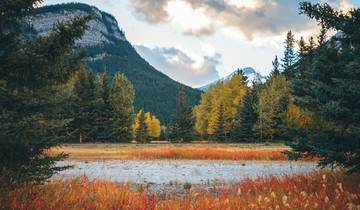
The Icefields Parkway (Highway 93 North) connects Lake Louise and Jasper across 232 kilometers of mountain terrain, crossing Sunwapta Pass at 2,035 meters. This route passes Peyto Lake, Mistaya Canyon, and numerous glaciers visible from the roadway. The parkway typically opens fully by late May, though snow closures occur occasionally through early June. Peak autumn color arrives in late September, with larch trees turning golden.
Calgary occupies the transition zone between foothills and prairie, sitting at 1,045 meters elevation where the Bow and Elbow Rivers converge. The city experiences dramatic weather shifts as warm Pacific air masses collide with cold continental systems. Chinook winds (föhn-type warm winds) can raise winter temperatures by 20°C+ within hours, melting snow and creating temporary spring conditions during December-March.
Edmonton sits 300 kilometers north of Calgary at 671 meters elevation, positioned on the North Saskatchewan River. The lower elevation and northern latitude create different climate patterns, with winter extending slightly longer and summer arriving later than southern Alberta. Edmonton receives less precipitation than mountain regions, averaging 455 millimeters annually compared to Banff’s 472 millimeters.
The Badlands region east of Calgary demonstrates erosional landscape formed by glacial meltwater cutting through sedimentary rock layers. The Red Deer River carved a valley 100+ meters deep, exposing Cretaceous rock layers containing extensive dinosaur fossils. Summer temperatures in the Badlands regularly exceed Calgary by 5°C due to lower elevation and reduced vegetation, creating very hot conditions July-August.
Waterton Lakes National Park occupies Alberta’s southwestern corner where mountain and prairie ecosystems meet. This convergence creates exceptional biodiversity, with 1,000+ plant species recorded within the park’s 505 square kilometers. Waterton experiences intense winds year-round as air masses compress crossing the Continental Divide, with gusts exceeding 100 kilometers per hour common during winter and spring.
Northern Alberta transitions into boreal forest and eventually tundra approaching the Northwest Territories border. Wood Buffalo National Park (Canada’s largest national park at 44,807 square kilometers) straddles the Alberta-Northwest Territories boundary, protecting wood bison herds and the world’s largest beaver dam. This region remains remote, requiring substantial planning for access.
Climate patterns across Alberta follow continental extremes. January temperatures average -15°C in Calgary, -13°C in Edmonton, and -10°C in Banff (warmer due to mountain temperature inversions). July averages reach 23°C in Calgary, 23°C in Edmonton, and 18°C in Banff. However, daily temperature ranges span 15-20°C, requiring layered clothing regardless of season.
Precipitation concentrates May-August, with June typically the wettest month. Mountain regions receive 40-60% more precipitation than prairie locations. Afternoon thunderstorms develop regularly during summer across all regions, though they typically clear quickly. Mountain snowfall begins as early as September at high elevations, with ski resorts opening by November.
Wildfire smoke from British Columbia or northern forests occasionally affects air quality during July-August, though 2026 forecasts remain uncertain. Historical patterns show smoke events lasting 3-7 days before wind shifts clear conditions. Travelers should monitor air quality indices when planning outdoor activities during summer.
Daylight hours vary dramatically by season at Alberta’s latitude. Summer solstice (June 20, 2026) brings 16.5 hours of daylight in Calgary, with twilight extending another hour. Winter solstice provides just 8 hours of daylight. These long summer days allow extended afternoon and evening exploration, with sunset arriving after 9:00 PM June-July.
Comprehensive Costs Breakdown for Alberta Travel in 2026
Alberta travel costs span wide ranges depending on accommodation choices, dining preferences, and attraction selections. The following detailed cost analysis covers all major expense categories, enabling accurate budget planning based on individual travel styles. All figures reflect per-person costs assuming two travelers sharing hotel accommodation throughout, with hotel rates divided by two before calculations.
National Park Entry Fees 2026
Parks Canada entry fees vary significantly by timing, with the Canada Strong Pass creating substantial savings during summer 2026. From June 19 through September 7, 2026, all national park admission becomes FREE, eliminating costs that would otherwise total CAD $11 daily per adult or CAD $84 for annual Discovery Passes. During this 81-day period, families save CAD $22-33 daily on entrance fees for mountain park access.
Outside the Canada Strong Pass dates (January 16 – June 18, and September 8 – December 31, 2026), standard fees apply. Daily passes cost CAD $11 per adult, CAD $10 per senior (65+), and CAD $22 per family/group (up to 7 people in one vehicle). Annual Discovery Passes providing unlimited access to all Parks Canada sites cost CAD $84 adult, CAD $72 senior, and CAD $168 family/group. Discovery Passes pay for themselves in 8+ days of park visits.
Youth aged 17 and under receive free admission year-round to all Parks Canada sites, regardless of Canada Strong Pass periods. This permanent free access reduces costs substantially for families with children. Mountain national parks (Banff, Jasper, Yoho, Kootenay, Waterton Lakes, Elk Island) accept the same passes interchangeably.
Parks Canada camping during the Canada Strong Pass period receives 25% discounts on published rates. Standard campground fees range CAD $22-39 nightly for basic sites and CAD $33-56 for serviced sites, with the discount reducing costs by CAD $5-14 nightly. Backcountry camping permits cost CAD $10 per person per night year-round, unchanged by Canada Strong Pass benefits.
Additional park fees apply for specific services regardless of Canada Strong Pass status. Fishing permits cost CAD $10 daily or CAD $35 annually. Backcountry camping permits require CAD $10 per person per night. Hot springs admission (Banff Upper Hot Springs, Miette Hot Springs) costs CAD $10 adults, CAD $9 seniors, CAD $8 youth. These supplementary fees remain constant throughout 2026.
Major Attraction Admission Costs 2026
Signature attraction prices represent significant budget items, particularly for comprehensive Rocky Mountain itineraries. The Banff Gondola, providing access to Sulphur Mountain’s 2,281-meter summit, costs CAD $75-88 for adults depending on date and season (check official website for current rates as pricing varies dynamically). Youth (ages 6-15) pay approximately CAD $42, while children 5 and under ride free but require tickets. The gondola includes summit interpretive center access, boardwalk trails, and restaurant facilities.
Lake Minnewanka Cruise offers one-hour guided tours across Banff’s largest lake, with adult tickets priced approximately CAD $75-88. Multiple cruise options exist, including the Classic Cruise (most popular), Premium Cruise with enhanced amenities, and Beer Voyage evening cruises featuring local craft beers. Alberta residents receive 10-20% discounts on select cruises through Pursuit Rewards program.
Columbia Icefield Adventure, combining Ice Explorer tours onto Athabasca Glacier and Glacier Skywalk admission, costs approximately CAD $140-165 for adults. This signature Jasper experience includes transportation onto the 300-meter-thick glacier aboard specialized vehicles and access to the cliff-edge glass walkway suspended 280 meters above Sunwapta Valley. Youth pricing reduces costs proportionally, with children under certain ages riding free.
Pursuit Pass combo tickets bundle multiple attractions with savings up to 40% versus individual purchases. The Rockies Pass combining Banff Gondola, Lake Minnewanka Cruise, and Columbia Icefield Adventure typically costs CAD $245-285 adult, representing savings of CAD $80-120 versus separate tickets. Passes remain valid throughout the summer season, allowing flexible scheduling across multiple days.
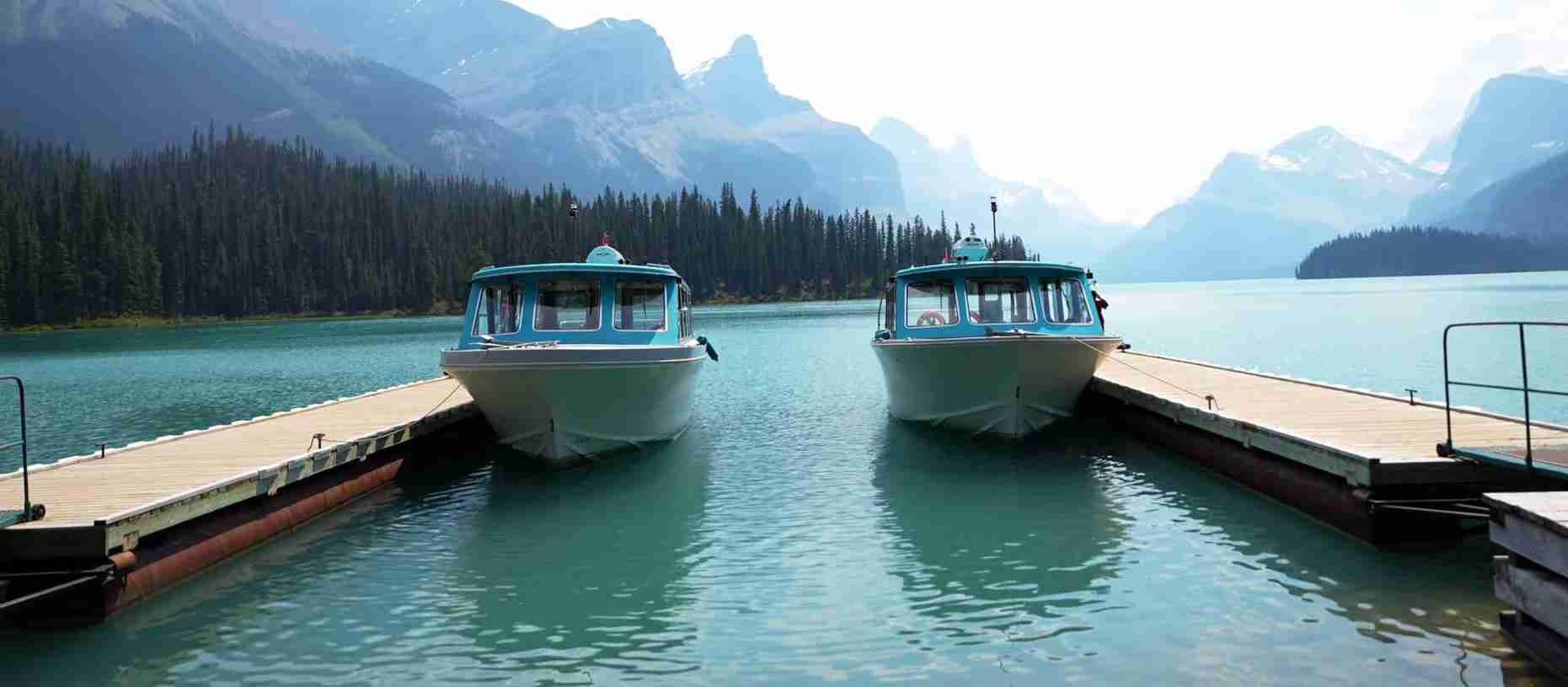
Maligne Lake Cruise in Jasper navigates to Spirit Island, accessible only by boat. Adult tickets cost approximately CAD $85-95 for the scenic 90-minute cruise through Rocky Mountain scenery. This experience operates mid-May through early October, weather permitting. Combination tickets pairing the cruise with other Jasper attractions reduce per-item costs.
Calgary attractions offer urban alternatives. Calgary Tower admission costs CAD $18 adults, CAD $13 children (ages 4-12), providing 360-degree city and mountain views from the 191-meter observation deck. Heritage Park Historical Village charges CAD $35 adults, CAD $24 youth (ages 7-17), CAD $22 children (ages 3-6) for full-day access to Canada’s largest living history museum. Calgary Zoo admission costs CAD $35 adults, CAD $24 youth (ages 3-15).
Royal Tyrrell Museum in Drumheller, featuring world-class dinosaur exhibits, charges CAD $21 adults, CAD $11 youth (ages 7-17), CAD $10 children (ages 7-12). This represents excellent value for the comprehensive paleontology displays and fossil preparation labs. Advance booking recommended during summer peak season.
Accommodation Costs Across Alberta Regions 2026
Accommodation represents the single largest expense category for most Alberta travelers, with costs varying dramatically by location, season, and property type. The following analysis presents per-person nightly costs assuming two travelers sharing rooms, with hotel rates divided by two throughout. Solo travelers pay full room rates without division.
Banff accommodation spans CAD $45-275 per person nightly when sharing rooms. Budget travelers access HI-Banff Alpine Centre hostel dormitories (CAD $45-55 per person with private booking, no division needed for dorm beds) or Samesun Banff hostel (CAD $50-60 per person in dorms). Budget hotel options like Banff Voyager Inn or Red Carpet Inn range CAD $80-110 per person (CAD $160-220 per room divided by two).
Mid-range Banff hotels including Moose Hotel & Suites, Elk + Avenue Hotel, or Mount Royal Hotel cost CAD $135-200 per person sharing rooms (CAD $270-400 per room divided by two) during summer. These properties provide modern amenities, central locations, and complimentary breakfast. Shoulder season rates (May, October) drop 30-40% below summer peaks.
Luxury Banff properties led by Fairmont Banff Springs and Rimrock Resort Hotel charge CAD $250-425 per person sharing rooms (CAD $500-850 per room divided by two) during July-August. These historic properties offer full-service spas, multiple dining venues, and distinctive architecture. Booking 4-6 months advance essential for summer availability.
Lake Louise accommodation options concentrate around the lake and village 57 kilometers northwest of Banff. Fairmont Chateau Lake Louise, the iconic lakeside hotel, charges CAD $350-550+ per person sharing rooms (CAD $700-1,100+ per room divided by two) for summer dates with lake views. The property books 6-9 months advance for July-August.
Lake Louise village alternatives include Mountaineer Lodge (CAD $110-165 per person sharing, CAD $220-330 per room divided by two), Lake Louise Inn (CAD $125-190 per person sharing, CAD $250-380 per room divided by two), and Deer Lodge lakeside (CAD $185-275 per person sharing, CAD $370-550 per room divided by two). All village properties position within 5 kilometers of the lake.
Jasper accommodation generally costs 15-25% less than equivalent Banff properties due to larger inventory and slightly lower demand. HI-Jasper hostel dormitories run CAD $45-60 per person (no division needed). Budget hotels like Astoria Hotel or Athabasca Hotel range CAD $75-115 per person sharing rooms (CAD $150-230 per room divided by two).
Mid-range Jasper hotels including Sawridge Inn, Marmot Lodge, or Tonquin Inn cost CAD $115-175 per person sharing rooms (CAD $230-350 per room divided by two). Luxury options led by Fairmont Jasper Park Lodge charge CAD $275-425 per person sharing lakeside cabins (CAD $550-850 per room divided by two), with golf course views and extensive grounds justifying premium pricing.
Calgary hotel costs vary by neighborhood and event timing. Budget options including Ramada Plaza Calgary Downtown or Best Western Plus Suites Downtown range CAD $50-75 per person sharing rooms (CAD $100-150 per room divided by two). Mid-range properties like Hotel Arts or Residence Inn Calgary Downtown cost CAD $75-125 per person sharing rooms (CAD $150-250 per room divided by two).
Luxury Calgary hotels including Fairmont Palliser, Hotel Le Germain, or The Westin Calgary range CAD $125-200 per person sharing rooms (CAD $250-400 per room divided by two). Calgary Stampede week (July 4-13, 2026) increases all hotel rates 100-200%, requiring early booking and premium pricing acceptance.
Edmonton accommodation costs run 10-20% below Calgary equivalents. Budget hotels average CAD $45-70 per person sharing rooms (CAD $90-140 per room divided by two). Mid-range properties cost CAD $70-110 per person sharing rooms (CAD $140-220 per room divided by two). Luxury hotels including JW Marriott Edmonton or Matrix Hotel charge CAD $110-165 per person sharing rooms (CAD $220-330 per room divided by two).
Canmore, positioned 25 kilometers east of Banff, offers accommodation 20-35% less expensive than Banff proper while maintaining mountain access. Budget hotels range CAD $65-95 per person sharing rooms (CAD $130-190 per room divided by two). Mid-range properties cost CAD $95-155 per person sharing rooms (CAD $190-310 per room divided by two). Canmore provides free street parking, unlike Banff’s paid parking zones.
Dining and Food Costs 2026
Restaurant prices across Alberta vary by city size and tourist concentration, with mountain resort towns commanding premium pricing. The following costs reflect typical meals at representative establishments, enabling daily budget calculation.
Budget dining in Banff and Jasper centers on fast-casual options. Breakfast at Wild Flour Bakery or Bear’s Paw Bakery costs CAD $12-18 per person for pastries and coffee. Lunch at Eddie Burger + Bar, Nando’s, or Subway runs CAD $18-25 per person. Dinner at casual restaurants like Magpie & Stump, Earls, or Melissa’s Missteak costs CAD $25-38 per person before drinks. Daily budget dining totals approximately CAD $55-81 per person.
Mid-range Banff and Jasper dining elevates quality and ambiance. Breakfast at Melissa’s Missteak or Coyote’s Grill costs CAD $18-28 per person. Lunch at The Bison Restaurant or Eden costs CAD $28-42 per person. Dinner at The Maple Leaf, Brazen or Park Distillery runs CAD $42-65 per person before drinks. Daily mid-range dining totals approximately CAD $88-135 per person.
Upscale mountain dining includes signature restaurants. Breakfast at Fairmont properties costs CAD $28-38 per person for buffets. Lunch at high-end establishments runs CAD $38-55 per person. Dinner at Eden, Sleeping Buffalo, or Sky Bistro (atop Banff Gondola) costs CAD $65-110+ per person for multi-course meals. Daily fine dining totals approximately CAD $131-203 per person before wine.
Calgary and Edmonton dining costs run 20-30% below mountain town equivalents. Budget meals (breakfast CAD $10-15, lunch CAD $15-22, dinner CAD $20-32) total CAD $45-69 daily per person. Mid-range dining (breakfast CAD $15-22, lunch CAD $22-35, dinner CAD $35-55) totals CAD $72-112 daily. Upscale restaurants (dinner CAD $55-95+) exist in both cities, particularly Calgary’s Stephen Avenue and Edmonton’s High Street.
Grocery shopping substantially reduces costs. Safeway and Save-On-Foods operate in Banff, Jasper, Calgary, and Edmonton, with prices 15-25% higher in mountain towns than cities. Basic grocery supplies (bread, cold cuts, fruit, snacks) for picnic lunches cost CAD $8-15 per person daily. Breakfast supplies (yogurt, granola, fruit, coffee) run CAD $6-10 per person daily. Cooking dinners reduces costs to CAD $15-25 per person when staying in accommodations with kitchens.
Coffee and snacks add to daily costs. Starbucks (present in all Alberta cities and Banff) charges CAD $5-8 for specialty drinks. Local cafes cost CAD $4-6 for regular coffee. Afternoon snacks or treats run CAD $5-10 per person. Budget an additional CAD $10-18 daily for coffee and snacks.
Transportation Costs 2026
Transportation represents a significant expense category, particularly for Rocky Mountain exploration requiring vehicle access. The following analysis covers all major transportation modes and associated costs.
Rental cars remain essential for comprehensive Alberta exploration. Compact cars from Calgary International Airport cost CAD $45-75 daily during summer through major agencies (Enterprise, Budget, Hertz). Intermediate SUVs suitable for mountain driving with gear storage run CAD $75-115 daily. Full-size SUVs accommodating families cost CAD $95-145 daily. Weekly rentals reduce daily rates approximately 15-20%.
Additional rental car costs include fuel (CAD $1.45-1.65 per liter for regular gasoline in 2026), insurance if not covered by credit cards (CAD $15-35 daily), and parking. Banff paid parking costs CAD $5 per day in public lots, while Calgary downtown parking runs CAD $12-25 daily. One-way rentals between Calgary and Vancouver incur drop fees of CAD $200-400, making roundtrip Calgary rentals more economical.
Fuel costs for typical Alberta itineraries span CAD $150-280 total for one week of mountain driving. Calgary to Banff (128 kilometers) consumes approximately CAD $15-20 fuel one-way in compact cars. The Icefields Parkway (Calgary to Jasper via Lake Louise, 412 kilometers) requires CAD $50-65 fuel one-way. Factor CAD $25-40 daily for fuel with moderate driving.
Public transportation within Calgary includes the CTrain light rail system and bus network. Single fares cost CAD $3.60 adults, CAD $2.50 youth. Day passes run CAD $11.25, providing unlimited rides. The CTrain connects Calgary International Airport to downtown in 25 minutes. Monthly passes cost CAD $112, beneficial for extended stays.
Edmonton Transit Service charges CAD $3.50 per ride or CAD $10.50 for day passes. The Valley Line LRT connects downtown with south Edmonton. Monthly passes cost CAD $100. Both Calgary and Edmonton offer excellent public transit coverage, reducing rental car necessity for urban exploration.
Roam Transit operates within Banff and connects to Canmore and Lake Louise. Routes 1, 2, and 3 circulate through Banff townsite for CAD $2 per ride. Route 6 connects Banff to Lake Minnewanka. Route 8X provides express service to Canmore (CAD $6 one-way). Regional routes to Lake Louise cost CAD $10 one-way. Summer service increases frequency with buses operating 6:00 AM – 2:00 AM daily.
On-It Regional Transit connects Banff, Canmore, Calgary, and Cochrane with scheduled service. Banff-Calgary costs CAD $15 one-way, operating 5 daily departures during summer. Advance reservation required. This service provides rental car alternatives for Calgary-Banff transportation.
Rocky Mountaineer luxury train operates Passage to the Peaks route between Banff and Jasper during select June-July 2026 dates. Two-day packages including overnight hotel stay cost CAD $1,800-2,800 per person depending on service level (SilverLeaf or GoldLeaf). This premium experience emphasizes scenery and dining rather than economical transportation.
Brewster Express operates daily scheduled service between Banff, Lake Louise, and Jasper. Banff-Jasper costs approximately CAD $95 one-way. Calgary Airport-Banff shuttle service runs CAD $75 one-way with multiple daily departures. These services accommodate travelers without rental vehicles.
Bicycle rentals in Banff cost CAD $15-25 for 2 hours, CAD $40-60 full-day for standard bikes. Electric bikes run CAD $30-40 for 2 hours, CAD $70-95 full-day. Jasper rental rates run 10-15% lower. Banff Legacy Trail connecting Banff and Canmore (26 kilometers paved) provides excellent cycling with bike rental options at both ends.
Activity and Tour Costs 2026
Beyond major attractions covered earlier, numerous activities and guided tours enhance Alberta experiences with associated costs ranging from complementary to premium pricing.
Hiking remains free throughout national parks, with 1,600+ kilometers of maintained trails in Banff and Jasper. Popular hikes including Johnston Canyon, Plain of Six Glaciers, and Maligne Canyon require no fees beyond park admission. Trail conditions and snow coverage vary by elevation and season, with higher trails (2,000+ meters) remaining snow-covered through June.
Guided hiking tours add expertise and safety for challenging routes. Half-day guided hikes cost CAD $95-135 per person for groups. Full-day summit hikes including scrambles run CAD $175-245 per person. Multi-day backcountry trips with camping cost CAD $350-550+ per person daily, including meals, camping equipment, and guide services.
Wildlife viewing tours operate dawn and dusk when animals remain most active. Half-day tours cost CAD $75-110 per person, focusing on Bow Valley Parkway, Maligne Road, or Icefields Parkway locations. Full-day tours spanning 8-10 hours cost CAD $175-245 per person, covering extensive terrain for grizzly bear, elk, bighorn sheep, and mountain goat sightings.
Horseback riding experiences range from one-hour trail rides (CAD $85-110 per person) to half-day excursions (CAD $175-225) and full-day backcountry trips (CAD $275-350). Warner Guiding & Outfitting and Banff Trail Riders operate established programs with experienced wranglers. Advance booking essential during summer peak season.
Whitewater rafting on Kicking Horse River near Golden or Kananaskis River offers adventure activities. Half-day trips cost CAD $95-135 per person for family-friendly Class II-III rapids. Full-day excursions with lunch run CAD $165-215 per person. Class IV+ extreme rafting costs CAD $115-155 for experienced paddlers.
Canoeing and kayaking rentals on Lake Louise, Moraine Lake, or Maligne Lake cost CAD $85-130 per hour, CAD $175-225 for two hours. Guided canoe tours with interpretation run CAD $95-145 per person for two-hour excursions. Stand-up paddleboard rentals cost CAD $40-55 per hour.
Winter activities operate November-April. Ski lift tickets at Banff’s three resorts (Mount Norquay, Sunshine Village, Lake Louise) cost CAD $135-165 daily for adults in 2025-26 season. Multi-day passes and early-season purchases reduce per-day costs 15-30%. Equipment rentals run CAD $40-75 daily for skis or snowboards with boots.
Ice climbing instruction and guided climbs operate December-March at Johnston Canyon and other frozen waterfall locations. Half-day introductory courses cost CAD $235-285 per person including equipment. Full-day advanced ice climbing runs CAD $350-425 per person. No previous climbing experience necessary for introductory programs.
Helicopter tours provide aerial Rocky Mountain perspectives. 12-minute flights over Banff and surrounding peaks cost CAD $185-235 per person. 30-minute extended tours including Columbia Icefield views run CAD $350-425 per person. Private charter options accommodate custom routes at premium pricing.
Hot springs admission provides relaxation after hiking. Banff Upper Hot Springs charges CAD $10 adults, CAD $9 seniors, CAD $8 youth for day admission. Locker rentals cost CAD $2. Miette Hot Springs in Jasper charges identical rates. Both facilities remain very popular during summer, requiring early arrival or advance booking.
Sample Daily Budgets 2026
The following comprehensive daily budgets illustrate total per-person costs across budget, mid-range, and luxury travel styles, with all figures assuming two travelers sharing hotel accommodation and rental car throughout.
Budget daily costs per person (two sharing hotel and car): Accommodation CAD $55-85 per person (budget hotels CAD $110-170 per room divided by two), meals CAD $55-75 (breakfast CAD $12-15, lunch CAD $18-25, dinner CAD $25-35), transportation CAD $35-45 (compact rental car share, fuel, parking divided between two travelers), attraction admission CAD $15-30 (mix of free hiking and occasional paid attractions). Total daily budget cost: CAD $160-235 per person when sharing hotel rooms and rental car costs.
Mid-range daily costs per person (two sharing hotel and car): Accommodation CAD $125-175 per person (dividing CAD $250-350 mid-range hotel room rates by two), meals CAD $90-125 (breakfast CAD $20-28, lunch CAD $28-42, dinner CAD $42-55), transportation CAD $40-55 (mid-size SUV rental share, fuel, parking divided between two), major attraction admission CAD $75-125 (gondola, cruise, or icefield tours). Total daily mid-range cost: CAD $330-480 per person when sharing hotel rooms and rental car costs.
Luxury daily costs per person (two sharing hotel and car): Accommodation CAD $275-400 per person (dividing CAD $550-800 luxury room rates by two), meals CAD $140-190 (fine dining throughout day), transportation CAD $60-85 (premium SUV rental share, valet parking divided between two), premium activities CAD $200-325 (guided tours, helicopter flights, exclusive experiences). Total daily luxury cost: CAD $675-1,000 per person when sharing luxury accommodations and premium vehicle costs.
These daily figures enable weekly trip cost calculation. Budget travelers need approximately CAD $1,120-1,645 per week per person. Mid-range travelers spend CAD $2,310-3,360 per week. Luxury visitors invest CAD $4,725-7,000 per week. All calculations assume two people sharing hotel rooms and rental car throughout, with accommodation and transportation costs divided by two before adding individual expenses for meals, attractions, and activities.
Seasonal Planning: Best Times to Visit Alberta in 2026
Alberta’s extreme continental climate creates distinct seasonal experiences, each offering unique advantages for different traveler priorities. Understanding seasonal patterns enables optimal timing decisions balancing weather, crowds, costs, and activity access.
Summer Season: June-August 2026
Summer represents peak travel season across Alberta, delivering warmest temperatures, longest daylight, and full attraction operation. June temperatures average 17°C-21°C in Calgary and Banff, rising to 23°C-25°C in July-August. Mountain locations remain 5-7°C cooler than prairie cities, with Lake Louise averaging 15°C-18°C even during peak summer.
The Canada Strong Pass period (June 19 – September 7, 2026) eliminates national park entrance fees during prime summer season, representing substantial savings for mountain-focused itineraries. This 81-day free admission period includes July and August peak season, traditionally requiring CAD $11 daily passes or CAD $84 annual passes. The concurrent 25% camping discount further reduces costs during the most expensive travel period.
July and August deliver optimal hiking conditions with most high-elevation trails snow-free by mid-July. Alpine wildflower displays peak late July through early August at elevations above 2,000 meters. Moraine Lake and Lake Louise reach their most vibrant turquoise color July-August as glacial melt intensifies, creating maximum suspended rock flour in the water.
Summer crowds concentrate intensely at signature locations. Lake Louise parking fills by 6:00 AM during July-August, requiring mandatory shuttle bus usage from overflow lots or very early arrival. Moraine Lake implements restricted access requiring shuttle reservations (book through Parks Canada 48 hours advance). Banff townsite parking reaches capacity daily, making Roam Transit essential for attraction access.
Accommodation costs peak 80-100% above shoulder season rates during July-August. Banff mid-range hotels charging CAD $135-200 per person sharing in summer drop to CAD $75-110 during shoulder seasons. Advance booking 4-6 months essential for summer dates, particularly Canada Day weekend (July 1) and Calgary Stampede period (July 4-13).
Calgary Stampede (July 4-13, 2026) represents western Canada’s largest event, attracting 1.2 million visitors annually. Hotel rates across Calgary double or triple during Stampede, requiring 4-6 months advance booking. Event tickets cost CAD $18-35 for grounds admission, with evening rodeo and chuckwagon racing requiring additional CAD $60-120 tickets.
Afternoon thunderstorms develop regularly during June-August, typically clearing within 1-2 hours. Bring rain gear for mountain hiking regardless of morning weather. Lightning poses serious safety risks at high elevations—descend immediately when thunderstorms approach. Wildfire smoke from British Columbia or northern forests occasionally affects air quality 3-7 days during summer, though 2026 forecasts remain uncertain.
Shoulder Seasons: May and September-October 2026
Shoulder seasons deliver exceptional value, combining reasonable weather with substantially reduced crowds and costs. May temperatures average 12°C-16°C in Calgary, though mountain locations remain 5-8°C cooler with snow lingering at high elevations. September temperatures mirror May conditions, while October brings autumn colors and sharper cooling.
May (pre-Canada Strong Pass) requires standard park admission fees: CAD $11 daily or CAD $84 annual Discovery Passes. However, hotel costs run 30-40% below summer peaks. Banff mid-range hotels charging CAD $135-200 per person sharing during July-August drop to CAD $85-125 in May. Restaurants remain less crowded, eliminating typical summer wait times.
Many high-elevation trails remain snow-covered through May and early June, limiting hiking to valley-floor options. Lake Louise and Moraine Lake often retain ice cover until late May or early June, reducing turquoise color intensity. The Moraine Lake Road typically remains closed until late May due to avalanche risk, preventing vehicle access regardless of ice conditions.
September offers excellent weather with average temperatures of 14°C-18°C and historically lower precipitation than summer months. Autumn colors emerge in aspen groves at lower elevations by mid-September. Larch trees (alpine conifers that turn golden) display peak color late September through early October at high elevations including Larch Valley and Healy Pass.
The Canada Strong Pass extends through September 7, providing free park admission and 25% camping discounts during prime September weather. This creates exceptional value as accommodation costs drop 30-40% after Labor Day weekend (September 1, 2026) while retaining free park access through September 7.
October brings unpredictable weather with potential snow accumulation at high elevations. Temperatures range 5°C-12°C in valleys, with mountain passes experiencing freezing conditions. Some hiking trails close by mid-October due to snow and avalanche hazard. However, hotel rates drop 50-60% below summer peaks, with Banff mid-range properties falling to CAD $65-95 per person sharing rooms.
Shoulder season attraction operations vary by specific dates. The Banff Gondola, Lake Minnewanka Cruise, and most major attractions operate daily through October with reduced hours. Columbia Icefield Ice Explorer tours typically conclude in mid-October when snow conditions prevent safe glacier access. Verify specific attraction schedules when planning shoulder season visits.
Winter Season: November-April 2026-27
Winter transforms Alberta into snow sports and northern lights territory, attracting different visitor demographics than summer hiking crowds. Temperatures average -5°C to -15°C across southern Alberta January-February, with mountain locations experiencing temperature inversions creating warmer valley conditions than surrounding peaks.
Ski season operates November-May at Banff’s three resorts. Lake Louise Ski Resort features 4,200 acres of terrain accessed by high-speed lifts, opening late November. Sunshine Village offers 3,358 acres including extended spring skiing often through late May. Mount Norquay provides night skiing and terrain parks. Daily lift tickets cost CAD $135-165 adults, with multi-day passes reducing per-day rates.
Winter hotel rates drop 40-60% below summer peaks November-April (excluding Christmas-New Year period). Mid-range Banff hotels charge CAD $75-125 per person sharing rooms during winter versus CAD $135-200 summer. Ski packages bundling accommodation and lift tickets deliver additional savings. Book well advance for Christmas holidays and February school break weeks.
Johnston Canyon ice walk represents a signature winter experience, with massive frozen waterfalls accessible via groomed trail. The 2.4-kilometer round trip to Lower Falls remains open all winter, while Upper Falls access (5.4 kilometers round trip) depends on ice conditions. Ice cleats or traction devices essential for safe winter hiking. Guided ice walk tours cost CAD $75-95 per person.
Ice climbing attracts technical enthusiasts December-March. Johnston Canyon, Takakkaw Falls (Yoho), and other frozen waterfall locations provide world-class ice climbing. Guided instruction courses cost CAD $235-425 per person for half-day to full-day experiences including equipment. No previous climbing experience necessary for introductory programs.
The Banff Gondola operates year-round, offering Nightrise evening experience November-March. This after-dark program features lighting, multimedia projections, and music transforming the summit. Adult tickets cost CAD $70, youth CAD $46. Bundle with dinner at Sky Bistro for comprehensive winter mountain evening.
Chinook winds periodically raise temperatures 15-25°C within hours during January-March, creating temporary thaws and revealing bare ground. These föhn-type winds occur when Pacific air masses cross the Continental Divide, compressing and warming. Chinooks typically last 1-3 days before cold continental air masses return, creating dramatic weather swings.
Northern lights (aurora borealis) viewing improves during winter months due to extended darkness. Jasper National Park achieved Dark Sky Preserve designation, offering exceptional stargazing with reduced light pollution. Aurora forecasts available through Space Weather Prediction Center and Canadian Aurora Watch. Peak aurora seasons are March-April and September-October.
Major Alberta Destinations: Comprehensive 2026 Planning
Alberta encompasses diverse destinations requiring different time allocations and preparation strategies. The following detailed analyses enable informed decisions about where to focus limited vacation time.
Banff National Park 2026
Banff National Park anchors Alberta Rocky Mountain tourism, attracting 4+ million annual visitors to 6,641 square kilometers of protected wilderness. The park centers on Banff townsite (population 8,000), positioned 128 kilometers west of Calgary at 1,400 meters elevation. This accessibility combined with comprehensive infrastructure makes Banff the logical starting point for first-time Rocky Mountain visitors.
Lake Louise, 57 kilometers northwest of Banff townsite, presents perhaps Canada’s most photographed landscape. The 2.4-kilometer-long glacial lake sits at 1,600 meters elevation, surrounded by Victoria Glacier and mountain walls rising 600+ vertical meters. Peak turquoise color arrives July-August when glacial melt suspends maximum rock flour particles in the water. The lakeside Fairmont Chateau provides luxury accommodation starting CAD $350 per person sharing rooms.
Moraine Lake in the Valley of the Ten Peaks rivals Lake Louise for scenic impact, featuring even deeper turquoise water backed by dramatic mountain amphitheater. The smaller lake sits at 1,885 meters elevation, accessed via 13-kilometer Moraine Lake Road from Lake Louise. Limited parking (capacity 250 vehicles) fills by 6:00 AM during summer, requiring Parks Canada shuttle reservations or very early arrival. The Rockpile trail provides the classic viewpoint after short 300-meter climb.
Johnston Canyon represents Banff’s most popular short hike, following catwalks bolted to canyon walls alongside cascading creek. Lower Falls (1.1 kilometers each way) features 10-meter waterfall viewable from suspended platform. Upper Falls (2.7 kilometers from trailhead) drops 30 meters into deep pool. The trail receives 1,000+ daily visitors during summer, requiring early morning arrival for parking and less crowded conditions. Winter ice walking transforms the canyon into frozen spectacle.
The Banff Gondola ascends Sulphur Mountain to 2,281-meter summit, providing 360-degree panoramas spanning six mountain ranges. The eight-minute ride costs CAD $75-88 adults (check official site for current rates as pricing varies). Summit facilities include interpretive center, boardwalk to weather station, and Sky Bistro restaurant. The alternative hiking route gains 655 meters elevation over 5.5 kilometers, with gondola descent costing half the full-price ticket.
Lake Minnewanka, Banff’s largest lake at 21 kilometers long, offers boat cruises, hiking, and fishing opportunities. One-hour interpretive cruises cost approximately CAD $75-88 adults, navigating to Devil’s Gap while naturalist guides explain geology and ecology. The Roam Transit Route 6 connects downtown Banff to Lake Minnewanka, eliminating driving and parking challenges. Lakeside trails provide additional hiking from moderate to strenuous difficulty.
Banff townsite concentrates 150+ restaurants, 75+ hotels, and extensive shopping along Banff Avenue. The pedestrian-friendly core includes Parks Canada visitor center, Whyte Museum, Banff Centre for Arts and Creativity, and numerous outdoor equipment retailers. Cave and Basin National Historic Site commemorates the thermal springs discovery that led to national park establishment. Banff Upper Hot Springs (CAD $10 admission) provides outdoor thermal pool with mountain views.
Bow Valley Parkway (Highway 1A) connects Banff and Lake Louise via scenic alternative to Trans-Canada Highway. The 51-kilometer route passes Johnston Canyon, Castle Mountain viewpoint, and prime wildlife habitat where elk, deer, and bears frequently appear. Spring restrictions (March-June) close portions during morning and evening hours to reduce wildlife disturbance during critical seasons.
Recommended Banff duration spans 3-5 days for comprehensive exploration. Minimum two days allows Lake Louise, Moraine Lake, and Banff townsite highlights. Additional days enable Johnston Canyon hiking, Banff Gondola ascent, and Lake Minnewanka activities. Combine with Icefields Parkway drive and Jasper for complete Rocky Mountain experience.
Icefields Parkway 2026
The Icefields Parkway (Highway 93 North) connecting Lake Louise and Jasper ranks among the world’s most spectacular drives, traversing 232 kilometers of pristine mountain wilderness. The route crosses the Continental Divide at Sunwapta Pass (2,035 meters), providing access to over 100 glaciers visible from the roadway. Budget full-day minimum for the drive, allowing time for numerous mandatory stops.
Peyto Lake viewpoint sits 40 kilometers north of Lake Louise, reached via short 400-meter paved path from parking area. The wolf-head-shaped lake displays intense turquoise color July-August, created by suspended rock flour from Peyto Glacier. Arrive before 9:00 AM during summer for parking availability and fewer crowds at this heavily photographed location.
Bow Lake spreads beneath Crowfoot Glacier 36 kilometers from Lake Louise. The readily accessible lake allows shoreline walks and reflection photography without hiking requirements. Num-Ti-Jah Lodge at Bow Lake’s north end provides accommodation and dining for travelers breaking the parkway journey.
Columbia Icefield represents the largest ice mass in the Canadian Rockies, covering 325 square kilometers at 3,000+ meters elevation. The Athabasca Glacier tongue descends to roadside level, making it the most accessible glacier in North America. Columbia Icefield Adventure combines Ice Explorer tours onto the glacier with Glacier Skywalk admission, costing approximately CAD $140-165 adults. Tours operate mid-April through mid-October weather permitting.
Glacier Skywalk extends 280 meters above Sunwapta Valley on glass-floored platform, providing dramatic perspective into the canyon below. The interpretive walkway includes exhibits explaining regional geology, glaciology, and ecology. Free shuttle buses connect Skywalk to Columbia Icefield Discovery Centre every 15 minutes, as no parking exists at Skywalk itself.
Sunwapta Falls and Athabasca Falls deliver contrasting waterfall experiences. Sunwapta Falls drops 18 meters where Sunwapta River narrows through rock canyon, accessed via 500-meter trail from parking. Athabasca Falls demonstrates the power of sustained erosion, with Athabasca River carving complex channels through limestone. Short paved trails provide multiple viewing angles, with minimal hiking required.
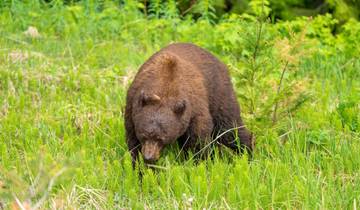
Wildlife viewing opportunities peak during early morning and evening hours along the parkway. Bow Valley Parkway, Maligne Road, and the parkway itself concentrate animal activity, with roadside sightings of elk, bighorn sheep, mountain goats, black bears, and grizzly bears common. Never approach wildlife—maintain 100-meter distance from bears, 30 meters from other large animals. Roadside pullouts allow safe observation and photography.
No services exist along the 80-kilometer stretch between Saskatchewan River Crossing and Columbia Icefield, requiring fuel and food planning. Saskatchewan River Crossing offers basic restaurant, gas station, and hotel. Fill fuel tanks in Lake Louise or Jasper before departure, bringing water and snacks for journey. Most pullouts lack facilities beyond pit toilets.
Road conditions vary seasonally. The parkway typically opens fully by late May after winter avalanche control and clearing operations. Occasional closures occur throughout summer for avalanche hazard or wildlife activity. Fall snow begins affecting high passes by October. Winter driving (November-April) requires winter tires and survival equipment, with avalanche hazard substantial. Check Parks Canada website for current conditions before departure.
Jasper National Park 2026
Jasper National Park spans 11,000 square kilometers northwest of Banff, representing Canada’s largest Rocky Mountain park. The park reaches deeper into wilderness while maintaining modern infrastructure in Jasper townsite (population 5,000). Jasper’s slightly lower elevation and northern latitude create different ecological conditions and generally fewer crowds than Banff.
Jasper townsite concentrates services along Connaught Drive and Patricia Street, offering 40+ restaurants, 25+ hotels, and mountain equipment shops. The Parks Canada visitor center provides trail conditions, weather forecasts, and backcountry permits. Jasper’s more compact size and relaxed atmosphere contrasts with Banff’s busier resort town character. Street parking remains free, unlike Banff’s paid zones.
Maligne Lake, 48 kilometers southeast of Jasper townsite, extends 22 kilometers as the Rockies’ largest natural lake. The lake’s deep blue water results from 35-kilometer depth and limited glacial sediment input. Boat cruises navigate to Spirit Island, accessible only by water, costing approximately CAD $85-95 adults for 90-minute roundtrip. Kayak rentals provide alternative exploration options. The scenic drive to Maligne Lake passes Maligne Canyon and Medicine Lake.
Maligne Canyon cuts 50+ meters deep through limestone bedrock, creating the deepest accessible canyon in the Rockies. The self-guided trail system includes six bridges crossing the narrow gorge, with the most dramatic section near the first two bridges. The 3.7-kilometer loop trail remains open year-round, transforming into spectacular ice climbing venue during winter when waterfalls freeze solid.
Mount Edith Cavell rises 3,363 meters south of Jasper townsite, featuring the iconic Angel Glacier clinging to steep north face. The 14.5-kilometer access road (open late June-October) climbs to parking area providing direct glacier views. Path of the Glacier trail (1.6 kilometers roundtrip) approaches ice-carved landscape at glacier’s former position. Cavell Meadows trail (7.5 kilometers roundtrip) gains 370 meters elevation, accessing wildflower meadows with July-August peak bloom.
Miette Hot Springs, 61 kilometers from Jasper townsite, provides natural thermal bathing in Canada’s hottest springs (54°C source temperature, cooled to 40°C for bathing). Day admission costs CAD $10 adults. The remote location reduces crowds compared to Banff hot springs. Road access requires driving through scenic Fiddle River valley. Facilities include changing rooms, lockers, and small café. Open May-October seasonally.
Jasper Skytram ascends Whistlers Mountain to 2,263-meter upper terminal, providing panoramas across Jasper townsite, Athabasca Valley, and surrounding peaks. The seven-minute ride costs approximately CAD $55-65 adults. Summit boardwalks allow exploration, with additional 1-kilometer trail to true summit at 2,464 meters (optional 200-meter elevation gain). Weather at summit runs 10-15°C cooler than valley, requiring warm layers regardless of valley conditions.
Athabasca Falls sits 30 kilometers south of Jasper on Icefields Parkway, demonstrating powerful erosion where Athabasca River drops 23 meters through narrow gorge. Paved trails provide multiple viewpoints of the thundering cascade. The falls flow year-round, with peak volume during June glacial melt. Short walking requirements make this accessible for all ability levels.
Medicine Lake presents a geological curiosity that drains completely each fall, leaving a dry lake bed before refilling each spring. The lake sits over karst limestone honeycombed with subterranean passages that carry water underground. Surface drainage varies dramatically by season, ranging from 7-kilometer lake to exposed gravel bars. The 22-kilometer Maligne Lake Road passes Medicine Lake, making this en route to Maligne Lake proper.
Wildlife viewing in Jasper equals or exceeds Banff opportunities due to larger wilderness area and lower visitor density. Elk frequently appear in Jasper townsite during spring and fall, with males bugling during September-October rut. Grizzly bears concentrate along Maligne Road and the Icefields Parkway, particularly near avalanche slopes where they feed on vegetation. Bighorn sheep appear regularly near Disaster Point and along Highway 16 east of Jasper.
Recommended Jasper duration spans 2-4 days. Minimum two days allows Maligne Lake, Jasper Skytram, and Maligne Canyon. Additional time enables Miette Hot Springs, Mount Edith Cavell, and backcountry hiking. Combine with Icefields Parkway drive from Banff for comprehensive Rocky Mountain circuit.
Calgary 2026
Calgary serves dual roles as western Canada’s economic hub and gateway to Rocky Mountain destinations. The city of 1.6 million residents combines corporate headquarters with western heritage, creating unique metropolitan character. Calgary International Airport (YYC) processes most Alberta visitors, positioned 15 kilometers northeast of downtown with direct flights from major North American, European, and Asian cities.
Downtown Calgary concentrates along Stephen Avenue (8th Avenue), a pedestrian-only block featuring restaurants, bars, and retail. The +15 Skywalk system connects downtown buildings via enclosed elevated walkways, enabling climate-controlled navigation across the city center. This network spans 18 kilometers with 60+ bridges, creating the world’s most extensive elevated pedestrian system. Downtown exploration requires 1-2 days for primary attractions.
Calgary Tower rises 191 meters above downtown, providing 360-degree observation deck views spanning the city, foothills, and distant Rockies on clear days. Admission costs CAD $18 adults, CAD $13 youth. The 1968 tower anchors downtown skyline, with top-floor restaurant offering revolving dining. Visit late afternoon for optimal mountain visibility before east-facing view darkens.
Glenbow Museum showcases western Canadian history, Indigenous cultures, and contemporary art across 8,300 square meters. Admission costs CAD $18 adults, CAD $11 youth. Permanent galleries explore southern Alberta history from First Nations through oil industry development. Rotating exhibitions feature international artists. Budget 2-3 hours for comprehensive visit. Located steps from Calgary Tower on Stephen Avenue.
Heritage Park Historical Village recreates prairie settlement life across 51 hectares along Glenbow Reservoir. Admission costs CAD $35 adults, CAD $24 youth. The living history museum includes 180+ exhibits spanning 1860s-1950s, with costumed interpreters, steam train rides, and paddlewheeler boat tours. Operating May-October with reduced hours September-October. Budget half-day minimum.
Calgary Zoo houses 1,000+ animals across African Savannah, Canadian Wilds, and Penguin Plunge exhibits. Admission costs CAD $35 adults, CAD $24 youth. The 120-acre facility near downtown along Bow River includes botanical gardens and prehistoric park featuring full-size dinosaur models. CTrain access eliminates parking concerns. Plan 3-4 hours for comprehensive visit.
Calgary Stampede (July 4-13, 2026) represents western Canada’s signature event, combining rodeo, chuckwagon racing, carnival, and concerts. Daily attendance exceeds 100,000 during the 10-day celebration of western heritage. Grounds admission costs CAD $18-35, with evening rodeo and chuckwagon racing requiring additional CAD $60-120 tickets. Hotel rates double or triple during Stampede, necessitating 4-6 months advance booking.
Prince’s Island Park occupies natural island in Bow River connected to downtown via footbridge. The 20-hectare urban park provides paved pathways, picnic areas, and venue for summer festivals. River pathway system extends 25 kilometers through Calgary, enabling cycling and walking along Bow and Elbow Rivers. Bike rentals available from multiple downtown operators.
Inglewood and Kensington neighborhoods offer alternatives to downtown dining and shopping. Inglewood’s 9th Avenue features antique shops, boutiques, and restaurants in historic buildings. Kensington Village north of downtown provides trendy cafés, independent retailers, and Kensington Market. Both neighborhoods accessible via CTrain or short walk from downtown.
CTrain light rail system operates three lines (Red, Blue, Green) serving downtown, airport, and major districts. Fares cost CAD $3.60 adults, CAD $11.25 day passes. Downtown portion operates as free fare zone, eliminating payment requirements for travel within city center. Airport-downtown CTrain requires 25 minutes with trains every 10 minutes during daytime.
Recommended Calgary duration spans 1-3 days depending on interests. One day covers downtown highlights (Calgary Tower, Stephen Avenue, Heritage Park or Zoo). Two days add Stampede attendance if timing aligns. Three days enable comprehensive city exploration plus day trip to Drumheller Badlands (135 kilometers northeast).
Edmonton 2026
Edmonton, Alberta’s capital city with 1.4 million residents, offers distinct urban culture 300 kilometers north of Calgary. The city combines government administration, universities, and oil industry presence with extensive arts programming and North America’s largest urban parkland network. Edmonton International Airport (YEG) serves northern Alberta access.
West Edmonton Mall dominates tourist attention as North America’s largest shopping complex (pre-2020s). The 492,000 square meter facility includes 800+ stores, Galaxyland amusement park (featuring Mindbender roller coaster), World Waterpark, and Ice Palace skating rink. Day admission to attractions costs CAD $45-65 per person. Budget full day for comprehensive experience. Free access to shopping areas year-round.
Royal Alberta Museum showcases natural and human history across 38,885 square meters. Admission costs CAD $21 adults, CAD $11 youth. Galleries explore Alberta’s geological formation, Indigenous cultures, and settlement history. Natural history exhibits include fossils, minerals, and extensive wildlife dioramas. The 2018-opened facility represents western Canada’s largest museum. Budget 2-3 hours minimum.
Fort Edmonton Park recreates prairie settlement history across 158 forested acres along North Saskatchewan River. Admission costs CAD $28 adults, CAD $20 youth. The living history park includes 75+ buildings spanning 1846-1920s, organized by era along sequential street scenes. Costumed interpreters demonstrate period activities. Steam train and streetcar rides included with admission. Operating May-September. Budget half-day minimum.
Art Gallery of Alberta features contemporary Canadian and international art across 8,000 square meters downtown. Admission costs CAD $14 adults, CAD $11 seniors, CAD $10 youth. The striking building designed by Randall Stout provides architectural interest beyond gallery collections. Rotating exhibitions change quarterly. Free admission Thursdays 5:00-8:00 PM. Budget 1-2 hours.
Telus World of Science provides hands-on science experiences, IMAX theater, and planetarium. Admission costs CAD $23 adults, CAD $18 youth for exhibits only, additional fees for theater programs. Located adjacent to Galaxyland at West Edmonton Mall area. Interactive exhibits appeal to families with children. Budget 2-3 hours.
Edmonton River Valley park system spans 7,400 hectares (22 times larger than New York’s Central Park), creating North America’s longest continuous urban parkland. The network includes 150+ kilometers of multi-use trails along North Saskatchewan River and tributary valleys. Popular sections include William Hawrelak Park, Kinsmen Park, and Louise McKinney Park downtown. Bike rentals available from U-Bicycle locations throughout system.
Old Strathcona district south of North Saskatchewan River preserves historic buildings housing restaurants, bars, and independent shops. Whyte Avenue (82nd Avenue) forms the neighborhood’s commercial core, featuring farmers markets, live music venues, and vintage retailers. LRT access simplifies downtown connections. Budget evening for dining and entertainment scene.
Edmonton Valley Zoo occupies 40 acres in river valley west of downtown, housing 350+ animals focused on northern climate species. Admission costs CAD $18 adults, CAD $16 youth. The zoo emphasizes conservation programs for endangered species. Operating year-round with reduced hours November-March. Budget 2-3 hours for compact layout.
Elk Island National Park sits 35 kilometers east of Edmonton, protecting 194 square kilometers of aspen parkland and grassland ecosystem. The park maintains free-roaming wood bison and plains bison herds, with excellent viewing opportunities year-round. Day admission costs CAD $8 adults per vehicle under normal circumstances (free during Canada Strong Pass June 19 – September 7, 2026). Hiking trails span forest and lakeshores. Budget half-day for park visit.
Recommended Edmonton duration spans 1-3 days. One day covers West Edmonton Mall, Royal Alberta Museum, or Fort Edmonton Park. Two days add river valley exploration and Old Strathcona evening. Three days enable Elk Island National Park day trip and comprehensive city attractions.
Practical Travel Information for Alberta 2026
Getting to Alberta 2026
Calgary International Airport (YYC) functions as Alberta’s primary gateway, serving 17 million+ annual passengers with direct flights from 50+ destinations. The airport sits 15 kilometers northeast of downtown Calgary, connected via CTrain Red Line requiring 25 minutes transit time. International arrivals include connections from London, Frankfurt, Paris, Amsterdam, Tokyo, and numerous US cities. WestJet and Air Canada dominate domestic service.
Airport ground transportation includes CTrain (CAD $11.25 day pass covers airport and downtown travel), taxis (CAD $35-45 to downtown Calgary, CAD $195-220 to Banff), ride-sharing (Uber/Lyft, prices vary by demand), and shuttle services. Banff Airporter operates scheduled shuttles between Calgary Airport and Banff (CAD $75 one-way adults, multiple daily departures). Brewster Express provides alternative airport-Banff service with similar pricing.
Edmonton International Airport (YEG) serves northern Alberta with domestic and limited international flights. The airport positions 27 kilometers south of downtown Edmonton, accessible via cab (CAD $55-70), ride-sharing, or airport shuttle services. Regional bus connections (Ebus, Red Arrow) link Edmonton to Calgary, Jasper, and other destinations. Consider YEG for northern wilderness access or Edmonton-focused visits.
Driving to Alberta from US locations requires border crossing preparation. Interstate 15 from Montana connects to Highway 2 at Sweetgrass-Coutts crossing, continuing 110 kilometers to Lethbridge and 240 kilometers to Calgary. US visitors must present valid passports or enhanced driver’s licenses for Canada entry. Electronic Travel Authorization (eTA) required for air entry from visa-exempt countries.
VIA Rail passenger trains no longer serve Alberta directly as of 2024 route reductions. Rocky Mountaineer operates luxury seasonal trains between Vancouver, Banff, and Jasper during summer months, emphasizing scenery over economical transportation. The Passage to the Peaks route operates exclusively Banff-Jasper June-July 2026. Two-day packages cost CAD $1,800-2,800 per person including overnight hotel stay.
Getting Around Alberta 2026
Rental cars remain essential for comprehensive Alberta exploration, particularly Rocky Mountain national parks. Calgary International Airport hosts all major rental agencies (Enterprise, Budget, Hertz, Avis, National, Alamo) within the terminal building. Reserve vehicles 4-8 weeks advance during summer peak season. Alberta driving requires valid license from home country plus International Driving Permit for non-North American visitors.
Highway conditions vary by season and elevation. Major routes (Highway 1, Highway 2) remain maintained year-round, though winter driving requires winter tires November-April and survival equipment (blanket, food, water, flashlight). Mountain highways including Icefields Parkway may close temporarily for avalanche control or wildlife activity. Check 511 Alberta or Parks Canada websites for current conditions.
Fuel costs approximately CAD $1.45-1.65 per liter for regular gasoline across southern Alberta, with mountain towns charging 10-15% premium over Calgary prices. Gas stations appear every 50-80 kilometers along major highways, though wilderness stretches require planning. The Icefields Parkway includes 80-kilometer section without services between Saskatchewan River Crossing and Columbia Icefield.
Parking challenges concentrate in Banff townsite and Lake Louise. Banff paid parking costs CAD $5 daily in public lots, with downtown metered spots costing CAD $3 per hour. Lake Louise and Moraine Lake parking fills by 6:00 AM during summer, requiring Parks Canada shuttle reservations or very early arrival. Jasper offers free street parking throughout townsite, reducing parking stress.
Roam Transit operates comprehensive bus service within Banff, to Canmore, and to Lake Louise. Routes 1, 2, 3 circulate through Banff townsite for CAD $2 per ride. Route 6 connects to Lake Minnewanka. Route 8X provides express service to Canmore. Regional routes to Lake Louise cost CAD $10 one-way. Summer frequency increases with extended hours 6:00 AM – 2:00 AM.
On-It Regional Transit links Banff, Canmore, Calgary, and Cochrane with scheduled service. Banff-Calgary costs CAD $15 one-way. Advance reservation required through On-It website or phone. Service operates year-round with reduced winter frequency. This provides alternative to rental cars for Calgary-Banff transfer.
Inter-city bus service declined substantially post-2020s. Brewster Express operates daily service between Calgary, Banff, Lake Louise, and Jasper. Red Arrow connects Calgary and Edmonton with luxury coach service featuring WiFi and power outlets. Ebus serves multiple Alberta destinations with budget pricing. Verify current schedules and routes when planning bus-dependent travel.
Accommodation Booking Strategy 2026
Book Banff and Jasper hotels 4-6 months advance for July-August visits. Popular properties sell out by March for peak summer weeks, particularly Canada Day weekend (July 1), Calgary Stampede period (July 4-13), and August Family Day long weekends. Lake Louise requires 6-9 months advance booking due to limited inventory (fewer than 10 properties within village).
Shoulder season (May, September-October) offers booking flexibility with 4-8 weeks advance notice generally adequate. Hotel rates drop 30-40% below summer peaks after Labor Day (September 1, 2026). The Canada Strong Pass extends through September 7, providing free park admission while accommodation costs decline, creating exceptional value window.
Calgary and Edmonton hotels provide greater availability with 6-8 weeks advance booking sufficient except during major events. Calgary Stampede (July 4-13, 2026) requires 4-6 months advance booking with rates doubling. Edmonton’s Canadian Finals Rodeo (early November) creates similar demand surge. Both cities offer 100+ hotel options accommodating last-minute bookings outside event periods.
Alternative accommodation options include vacation rentals (Airbnb, VRBO) in Canmore and surrounding communities. These properties cost 15-25% less than Banff equivalents while maintaining mountain access. Camping at Parks Canada campgrounds requires advance reservations through Parks Canada reservation service, particularly for July-August sites. Front-country campgrounds cost CAD $22-39 nightly for unserviced sites, CAD $33-56 for full hookups.
Hotel cancellation policies vary by property and booking platform. Many Banff and Jasper hotels require 7-14 days advance cancellation during summer, charging full rate for later cancellations. Book refundable rates when possible, accepting slightly higher prices for flexibility. Travel insurance covering trip cancellation recommended for significant advance bookings.
What to Pack for Alberta 2026
Layered clothing remains essential year-round due to Alberta’s 15-20°C daily temperature swings. Mountain locations run 5-10°C cooler than prairie cities at same elevations. Summer visitors (June-August) require lightweight base layers, warm mid-layers (fleece or light down jacket), and waterproof outer shell for afternoon thunderstorms. Temperatures range 10°C-25°C valley floor, dropping below freezing at high elevations.
Hiking footwear determines trail comfort and safety. Sturdy hiking boots with ankle support suit steep or uneven terrain. Trail runners work adequately for maintained valley trails. Break in footwear before travel to prevent blisters during vacation hiking. Trekking poles assist on steep descents and snow crossings, available at outdoor retailers in Banff and Jasper if not traveling with personal equipment.
Sun protection remains critical at high altitude where UV radiation intensifies. SPF 30+ sunscreen, sunglasses with UV protection, and wide-brimmed hat prevent painful sunburn during prolonged outdoor exposure. Apply sunscreen every 2 hours during hiking and reapply after swimming. Mountain sun burns quickly even through clouds.
Rain gear protects against afternoon thunderstorms common June-August. Packable rain jacket or windbreaker occupies minimal pack space while providing weather protection. Quick-dry fabrics prevent extended dampness. Avoid cotton clothing which retains moisture and loses insulating properties when wet. Synthetic or wool base layers maintain warmth even damp.
Day pack (20-30 liters) carries hiking essentials including water (minimum 2 liters per person), snacks, first aid kit, map, and extra clothing layers. Bear spray required for backcountry hiking, available at outdoor retailers (CAD $50-70) or rental locations in Banff and Jasper. Know proper bear spray deployment before venturing onto trails.
Winter visitors (November-April) require comprehensive cold weather gear including insulated parka, thermal base layers, warm gloves, toque (winter hat), and snow boots. Temperatures range -10°C to -25°C valley floor, colder at elevation and during clear nights. Ice cleats or traction devices ($20-30) attach to boots for safe winter trail hiking. Multiple thin layers provide better insulation than single thick layers.
Camera equipment benefits from weather protection. Waterproof camera bags or dry bags protect electronics during sudden rain. Extra batteries essential as cold temperatures drain battery life quickly. Sunrise and sunset provide optimal lighting for mountain photography, requiring headlamps or flashlights for pre-dawn and post-sunset return hikes.
Personal medications, prescriptions, and basic first aid supplies should accompany all travelers. Pharmacies exist in Banff, Jasper, Calgary, and Edmonton, but specialty medications may require advance planning. Allergy medications address occasional wildfire smoke exposure. Motion sickness medication helps some travelers on winding mountain roads.
Safety and Wildlife Awareness 2026
Wildlife encounters represent the most common safety concern in Rocky Mountain parks. Banff and Jasper host healthy populations of grizzly bears, black bears, elk, moose, and mountain goats, all potentially dangerous if approached or surprised. Never approach wildlife—maintain 100 meters distance from bears, 30 meters from other large animals. Use vehicle as observation platform when safe pullouts allow.
Bear safety protocols include carrying bear spray (available for purchase or rent CAD $10-15 daily), hiking in groups, making noise on trails, and storing food properly. Parks Canada requires bear-resistant food storage at backcountry campsites. Day hikers must not leave food in vehicles at trailheads. If bear encounter occurs, remain calm, speak in low tones, and back away slowly. Never run from bears.
Lightning poses serious risk during summer afternoon thunderstorms. Avoid exposed ridges, tall trees, and open water when thunderstorms approach. Descend from high-elevation areas at first sign of electrical activity. If caught in lightning storm, crouch low on insulated surface (pack, rope) with minimal ground contact. Thunderstorms typically clear within 1-2 hours.
Hypothermia risk exists year-round at high elevations. Mountain weather changes rapidly, with temperatures dropping 10°C+ when storms arrive. Wet cotton clothing accelerates heat loss. Early symptoms include shivering, confusion, and clumsiness. Treatment requires warming person with dry clothing, hot drinks, and shelter. Prevent hypothermia by carrying extra layers and avoiding cotton fabrics.
Altitude affects some visitors at elevations above 1,800 meters. Symptoms include headache, nausea, fatigue, and shortness of breath. Most people adapt within 24-48 hours. Stay well-hydrated, avoid alcohol first day, and ascend gradually. Severe altitude sickness requires immediate descent. Lake Louise (1,600m) and mountain passes (2,000m+) represent highest-elevation visitor areas.
Trail conditions vary by season and elevation. Snow covers high trails through June, sometimes requiring ice axes or crampons for safe passage. River crossings swell during June-July glacial melt, occasionally becoming impassable. Check Parks Canada trail reports before hiking. Inform someone of hiking plans and expected return time. Cell phone coverage remains limited outside major corridors.
Emergency services in national parks include Parks Canada dispatch (911 or 1-877-852-3100), RCMP, ambulance, and rescue services. Satellite communication devices (InReach, SPOT) provide backcountry emergency communication where cell coverage absent. Travel insurance covering medical evacuation recommended for US and international visitors, as Canadian healthcare costs can exceed $10,000 for serious incidents.
Connectivity and Communications 2026
Cell phone coverage exists reliably in Banff, Jasper, Calgary, and Edmonton city centers, along Trans-Canada Highway corridor, and populated valleys. Major carriers (Rogers, Telus, Bell) provide similar coverage across Alberta. US visitors should verify roaming rates with carriers or purchase Canadian SIM cards to avoid excessive charges.
Mountain wilderness areas including Icefields Parkway, backcountry trails, and remote valleys lack reliable cell coverage. Do not depend on phones for navigation or emergency communication in wilderness. Paper maps and compass provide backup navigation. Satellite communication devices (InReach, SPOT) enable emergency communication where cell coverage absent, available for rent in Banff and Jasper.
WiFi access exists at most hotels, restaurants, and cafés in cities and towns. Parks Canada visitor centers provide free WiFi. Bandwidth limitations may affect video streaming. Download maps, trail information, and entertainment before departing for areas with limited connectivity. Google Maps offline mode allows map access without cell service.
Currency and Payment Methods 2026
Canadian dollars (CAD) represent the only accepted currency. Exchange rates fluctuate around 0.72-0.75 CAD per US dollar as of early 2026. Banks and ATMs in Calgary, Edmonton, Banff, and Jasper provide best exchange rates. Airport currency exchange kiosks charge 3-5% premiums over bank rates.
Credit cards accepted universally at hotels, restaurants, and attractions. Visa and Mastercard processed everywhere, American Express and Discover less universally. Contactless payment (tap) standard for transactions under CAD $250. Some small businesses and rural gas stations prefer cash or Canadian cards.
ATMs exist in all cities and tourist towns, dispensing CAD $20, $50, and $100 bills. International ATM fees typically include home bank foreign transaction fee (CAD $5-10) plus percentage fee (1-3%). Some Canadian banks charge additional access fee (CAD $3-5). Check with home bank about foreign ATM fee waivers before travel.
Tipping customs follow North American standards. Restaurants expect 15-18% for adequate service, 20%+ for excellent service. Taxi and ride-share drivers receive 10-15%. Hotel housekeeping receives CAD $3-5 per night. Tour guides receive 10-20% of tour cost depending on service quality. Bar staff receive CAD $1-2 per drink or 15-20% of bill.
Frequently Asked Questions About Alberta Travel 2026
Do I need a car to visit Alberta’s national parks in 2026?
While technically possible using shuttle services, rental cars provide far superior flexibility for Rocky Mountain exploration. Banff and Jasper concentrate key attractions (Lake Louise, Moraine Lake, Columbia Icefield, Maligne Lake) 15-60 kilometers from town centers, requiring either rental car or costly tour operators. The Icefields Parkway connecting Banff and Jasper spans 232 kilometers with dozens of scenic pullouts accessible only by personal vehicle. Roam Transit buses connect Banff, Canmore, and Lake Louise, while Brewster Express operates scheduled service between Calgary, Banff, and Jasper, but these services limit spontaneous stops and flexibility. Budget-conscious travelers can manage without cars by staying exclusively in Banff or Jasper townsites, using local buses and booking organized tours for major attractions. However, rental cars (CAD $45-115 daily) divided between travelers often costs less than equivalent tour bookings while providing complete schedule control.
Can I see the Northern Lights in Alberta in 2026?
Yes, northern lights (aurora borealis) appear regularly across Alberta, particularly in Jasper National Park which holds Dark Sky Preserve designation. Peak aurora seasons span March-April and September-October when darkness hours increase while solar activity remains elevated. Winter (November-February) provides darkest skies but requires extreme cold tolerance with temperatures below -20°C common. Jasper’s Dark Sky Preserve status means reduced light pollution compared to most inhabited areas, enhancing aurora visibility. Optimal viewing occurs midnight-3:00 AM on clear, moonless nights away from artificial light sources. Aurora forecasts available through Canadian Space Weather Forecast Centre and apps like Aurora Forecast provide 1-3 day advance predictions. Northern regions near Wood Buffalo National Park experience stronger, more frequent aurora displays than southern Alberta, though accessibility challenges limit casual viewing. Calgary and Edmonton experience occasional weak aurora during strong solar storms, visible on northern horizon.
What wildlife will I see in Alberta’s national parks in 2026?
Elk represent the most commonly observed large mammal in Banff and Jasper, frequently appearing roadside and in townsites particularly during spring (April-May) and fall (September-October). Bulls bugle dramatically during September-October rut, while cows with calves appear near populated areas May-June. Bighorn sheep concentrate along Bow Valley Parkway, around Mount Norquay, and near Disaster Point on Highway 16 east of Jasper. Mountain goats inhabit high-elevation cliffs visible from Icefields Parkway and around Mount Edith Cavell. Black bears forage roadside during spring (April-May) and late summer (August-September), often causing traffic jams as visitors photograph from vehicles. Grizzly bears appear less frequently but range throughout both parks, particularly visible in avalanche slopes during spring and berry patches in fall. Moose inhabit wetland areas including Bow Valley Parkway, Vermilion Lakes, and Maligne Lake Road. White-tailed deer and mule deer appear in valley bottoms. Rare sightings include wolves, cougars, wolverines, and lynx. Dawn and dusk provide optimal viewing times. Never approach wildlife—maintain 100-meter distance from bears, 30-meter distance from other large animals.
Should I visit Banff or Jasper first in 2026?
Visit Banff first for most logical flow when arriving through Calgary International Airport. Calgary sits 128 kilometers from Banff, 410 kilometers from Jasper, making Banff the natural first destination. Banff offers superior infrastructure with 150+ restaurants, 75+ hotels, and comprehensive services supporting easy acclimatization to mountain travel. Lake Louise and Moraine Lake represent absolute highlights meriting early visit while energy levels remain high. After 2-4 days exploring Banff’s attractions, drive the Icefields Parkway north to Jasper, stopping at Columbia Icefield, Peyto Lake, and numerous other viewpoints en route. Jasper’s quieter atmosphere and different landscape provide refreshing contrast after busy Banff. This south-to-north routing follows logical geographic progression, though reverse routing works equally well. Budget minimum 5-7 days total for Banff-Icefields-Jasper circuit, enabling proper exploration without excessive rushing. Some visitors prefer basing entirely in Banff or Jasper to avoid hotel changes, making day trips to the other destination, though this means repetitive driving and less time at actual destinations.
What should I do if I encounter a bear while hiking in 2026?
Remain calm and assess the situation carefully if encountering bears on trails. Never run, as running triggers chase response in bears. Speak to the bear in calm, low tones while slowly backing away, maintaining eye contact without staring directly. Make yourself appear larger by raising arms or opening jacket. If bear approaches, deploy bear spray when bear reaches 10-15 meters distance, aiming slightly downward to create protective cloud. Continue backing away after spraying. If bear makes contact despite deterrents, response depends on bear species: for black bears, fight back aggressively using any available objects; for grizzly bears, play dead by lying on stomach with hands protecting neck, legs spread to prevent rolling. Most bear encounters end without incident when humans back away calmly. Prevention provides best strategy: carry bear spray in accessible holster (not buried in pack), hike in groups of 3+, make noise on trails (singing, talking, clapping periodically), and avoid surprising bears around blind corners or in dense vegetation. Parks Canada requires bear spray for backcountry camping. Report all bear encounters to Parks Canada staff immediately.
Can I drink the tap water in Alberta in 2026?
Yes, tap water throughout Alberta meets Canadian drinking water standards and remains safe for consumption without treatment. Calgary and Edmonton municipal water undergoes rigorous treatment and testing. Banff and Jasper draw water from mountain streams with comprehensive filtration systems eliminating pathogens. Hotels, restaurants, and public buildings provide safe tap water. Carry reusable water bottles, refilling from taps and fountains rather than purchasing bottled water. Backcountry hikers should filter or treat water from streams and lakes to eliminate Giardia and other waterborne parasites. Portable water filters (Sawyer, LifeStraw, Katadyn) provide reliable treatment. Boiling water for 1 minute at valley elevations, 3 minutes above 2,000 meters, also kills pathogens. Glacier-fed streams appear clean but still contain microscopic organisms requiring treatment before drinking.
Is Banff expensive to visit in 2026?
Banff ranks among Canada’s most expensive destinations due to limited supply within national park boundaries and overwhelming demand from 4+ million annual visitors. Hotel costs run 50-100% above equivalent Calgary properties, with mid-range Banff hotels charging CAD $135-200 per person sharing rooms (CAD $270-400 per room divided by two) during summer versus CAD $75-125 in Calgary. Restaurant meals cost 20-30% more than city equivalents. However, free hiking, stunning scenery, and the Canada Strong Pass period (June 19 – September 7) eliminating entrance fees enable budget-conscious travel. Strategies for reducing Banff costs include: staying in Canmore (25 kilometers east) where hotels run 20-35% cheaper, preparing picnic lunches from grocery stores saving CAD $15-25 per person daily, hiking free trails rather than paying for gondolas and cruises, and visiting during shoulder seasons (May, October) when hotel rates drop 30-40%. Ultra-budget travelers staying in hostel dormitories and preparing own meals manage CAD $95-155 per person daily. Standard budget travelers using budget hotels, budget restaurants, and rental cars spend CAD $155-235 daily. Mid-range travelers with comfortable hotels, full-service meals, and major attractions invest CAD $330-480 daily. Luxury visitors accessing Fairmont properties, fine dining, and premium experiences spend CAD $675-1,000 daily, all figures assuming two sharing hotel rooms with rates divided by two before calculation.
How long should I spend in Alberta in 2026?
Allocate minimum one week for meaningful Alberta exploration combining Rocky Mountain highlights with urban experiences. An ideal 7-day itinerary includes: Day 1-2 Calgary (arrival, city exploration, potential Stampede attendance if July timing), Day 3-4 Banff (Lake Louise, Moraine Lake, Banff townsite highlights), Day 5 Icefields Parkway drive with stops at Peyto Lake and Columbia Icefield, Day 6-7 Jasper (Maligne Lake, Jasper Skytram, Maligne Canyon). This provides comprehensive introduction while maintaining reasonable pace. Two weeks enables deeper exploration including: additional Banff days for Johnston Canyon and Banff Gondola, multi-day Icefields Parkway navigation stopping at all viewpoints, extended Jasper exploration including Miette Hot Springs and Mount Edith Cavell, Edmonton visit with West Edmonton Mall and Royal Alberta Museum, and potential Drumheller Badlands day trip for dinosaur fossils. Three weeks permits comprehensive coverage adding Waterton Lakes National Park, Canadian Badlands thorough exploration, and Edmonton-area attractions. First-time visitors should prioritize Banff-Jasper corridor (5-7 days minimum) over attempting complete provincial coverage. Time of year affects ideal duration—summer visitors pack more activities into each day due to extended daylight (16+ hours), while winter travelers face shorter days and potential weather delays requiring schedule flexibility.
What’s the best month to visit Alberta in 2026?
September emerges as optimal for balancing weather, costs, and crowds. Temperatures remain pleasant (14°C-18°C average), precipitation drops below summer levels, and autumn colors illuminate aspen groves by mid-month. The Canada Strong Pass extends through September 7, maintaining free park admission into shoulder season when hotel rates decline 30-40% after Labor Day. Larch trees turn spectacular gold late September, creating unique alpine color displays. Crowds diminish substantially after Labor Day weekend, with Lake Louise and Moraine Lake parking available mid-morning rather than requiring pre-dawn arrival. Wildlife becomes more visible as animals prepare for winter, with elk bugling dramatically during September rut. July-August provides warmest weather and guaranteed trail access but delivers maximum crowds, highest costs (hotels 80-100% above shoulder season), and parking challenges requiring 5:00 AM starts. June offers advantages of Canada Strong Pass free admission beginning June 19 combined with fewer crowds than July-August, though high-elevation trails remain snow-covered and mountain wildflowers haven’t peaked. May presents excellent value with hotel rates 30-40% below summer, but Lake Louise and Moraine Lake may retain ice cover, and the Moraine Lake Road stays closed until late May. October brings dramatic cost savings (hotels 50-60% below summer) and spectacular larch colors, but increasing cold and potential snowstorms reduce comfort. Winter (December-March) targets different audiences focused on skiing rather than hiking and sightseeing.
Do I need travel insurance for Alberta travel in 2026?
Yes, comprehensive travel insurance remains highly recommended for all Alberta visitors, particularly US and international travelers. Canadian healthcare costs can exceed $10,000 for serious medical incidents requiring hospitalization or emergency evacuation. Parks Canada rescue operations, while free at point of service, can generate substantial costs if helicopter evacuation from backcountry becomes necessary. Trip cancellation coverage protects advance bookings if travel becomes impossible due to illness, injury, or family emergency. Comprehensive policies typically cover: medical expenses including hospital care and prescriptions, emergency medical evacuation including helicopter rescue if needed, trip cancellation or interruption refunding non-refundable bookings, baggage loss or delay providing funds for essential replacement items, and 24-hour emergency assistance providing coordination support. Policies cost 4-10% of total trip cost depending on age and coverage limits. Purchase insurance immediately after booking to maximize cancellation coverage. Verify that policies cover adventure activities if planning hiking above 2,500 meters, backcountry skiing, ice climbing, or other technical pursuits. US Medicare and most US health insurance provide limited or no coverage in Canada. European health insurance cards (EHIC) don’t cover Canada. Pre-existing condition exclusions vary by policy—read terms carefully if managing chronic conditions. Credit card travel insurance provides basic coverage but typically includes lower limits and more exclusions than dedicated travel insurance policies.