
Albania Best Time to Visit 2026: Seasonal Planning Guide
Albania’s Mediterranean climate creates four distinct travel seasons, each offering unique advantages from empty Riviera beaches in shoulder months to snow-covered Albanian Alps in winter. Summer delivers guaranteed sunshine and vibrant coastal energy, while spring and autumn provide ideal hiking conditions with 30-40% lower costs, and winter transforms mountain villages into affordable ski destinations with €15 day passes and near-empty UNESCO sites.
Key Takeaways About Albania’s Best Travel Times 2026
- Optimal Windows 2026: May-June and September-October offer the best balance of weather, costs, and crowd levels. Expect €65-135 per person daily for mid-range comfort with two sharing hotel accommodation, perfect hiking temperatures between 18-27°C, and 30-40% savings versus peak summer rates.
- Peak Summer Reality 2026: July-August brings 28-35°C coastal heat, crowded beaches in Ksamil and Sarandë, and doubled accommodation prices along the Albanian Riviera. Mid-range travelers spend €90-175 per person daily during peak season with two sharing hotel accommodation, though Albania remains significantly cheaper than neighboring Greece or Croatia.
- Winter Value 2026: December-March offers Albania’s lowest costs at €50-110 per person daily for mid-range comfort with two sharing hotel accommodation, nearly empty historical sites in Berat and Gjirokastër, and emerging ski opportunities in the Albanian Alps with day passes around €15-25. Coastal areas experience 8-15°C temperatures with frequent rain, while mountains receive consistent snow from January-February.
- Festival Calendar 2026: Albania’s event season peaks May-September with the Albania AfroLatin Festival (May 6-12), ION and Kala electronic music festivals (early June in Dhërmi), International Folklore Festival in Durrës (June 25-29), Korca Beer Festival (August), and Tirana International Film Festival (September 21-27).
- Regional Weather Variations 2026: Albania spans three climate zones creating distinct seasonal patterns. The coastal Riviera from Sarandë to Dhërmi maintains mild winters and hot summers with sea temperatures reaching 25°C in August. Mountain regions including Theth and Valbonë experience heavy snowfall December-March with temperatures dropping to -5°C. Interior cities like Tirana and Berat face continental extremes with summer highs reaching 38°C and winter lows around 4°C.
- Booking Strategy 2026: Reserve Riviera accommodation 2-3 months ahead for July-August stays to secure 30-40% better rates before peak-season price spikes. Shoulder-season and winter bookings require minimal advance planning with walk-in availability common and last-minute deals frequent in Tirana, Berat, and mountain guesthouses outside June-August.
People Also Ask About Albania Best Time 2026
What is the best month to visit Albania in 2026?
September and May rank as Albania’s optimal single months in 2026, offering warm temperatures between 21-25°C, minimal rainfall, and 30-40% lower costs than peak summer. September delivers peak-summer conditions with sea temperatures still warm at 23-25°C and beaches clearing of July-August crowds. May provides excellent hiking weather across Albanian Alps trails including Valbonë-Theth, blooming wildflowers in Llogara National Park, and comfortable city exploration in Tirana and Berat with daytime highs around 22-23°C. Both months maintain 6+ hours of daily sunshine with only 5-8 days of light rain, creating ideal conditions for photography, outdoor activities, and cultural site visits without summer’s oppressive heat or winter’s operational limitations.
When is peak tourist season in Albania 2026?
Peak tourist season runs July-August 2026 when European vacation schedules bring maximum crowds to Albanian beaches and accommodation prices along the Riviera double from shoulder-season rates. Ksamil, Dhërmi, Himara, and Sarandë beaches reach capacity mid-July through mid-August with sunbed reservations required and coastal restaurants operating at premium pricing. Mid-range travelers spend €90-175 per person daily during peak season with two sharing hotel accommodation compared to €65-135 in shoulder months. Interior UNESCO sites including Berat and Gjirokastër see elevated but manageable visitor numbers, while mountain destinations like Theth benefit from peak-season accessibility as improved weather opens high-altitude trails and guesthouses operate full summer schedules.
Is Albania worth visiting in winter 2026?
Albania delivers exceptional winter value December-March 2026 for travelers prioritizing budget, cultural immersion, and uncrowded historical sites over beach activities. Mid-range winter costs drop to €50-110 per person daily with two sharing hotel accommodation, representing 40-50% savings versus summer rates. Tirana’s coffee culture thrives year-round with heated terraces and Winter Fest in Skanderbeg Square (December 15, 2025-January 7, 2026) offering ice skating and local food stalls. Berat and Gjirokastër UNESCO sites stand nearly empty allowing unrushed photography and intimate museum experiences. Albanian Alps destinations including Valbonë and Theth transform into budget ski-touring bases with guesthouse rates around €15-30 nightly. The Dardhë ski resort near Korçë operates December-March with day passes €15-25, offering Albania’s most affordable European skiing despite limited infrastructure.
What is Albania’s weather like month by month in 2026?
Albania’s weather follows Mediterranean and continental patterns creating distinct monthly conditions throughout 2026. January-February deliver peak winter with 8-15°C coastal temperatures, -5 to 5°C in mountains, and 10-12 rainy days monthly, ideal for ski touring and empty cultural sites. March warms to 15-18°C with blooming landscapes and Summer Day celebrations (Dita e Verës) on March 14. April-May bring perfect hiking weather at 18-25°C with 5-8 rainy days and wildflower-covered trails. June transitions to summer heat at 25-30°C with minimal rainfall and warm sea temperatures reaching 22°C. July-August peak at 28-38°C depending on location with only 3-4 rainy days monthly and sea temperatures 24-25°C. September maintains summer warmth at 24-27°C with clearer skies post-August humidity. October offers mild 18-22°C temperatures ideal for cultural tourism. November-December cool to 10-15°C with increasing rainfall signaling low season across coastal regions.
Extended multi-day tours – 5+ days
Featured Albania Multi-Day Tour Packages
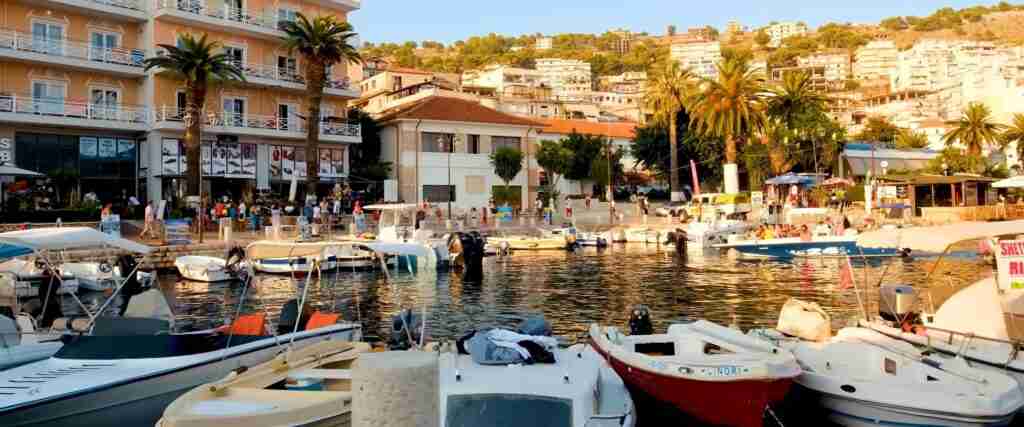
3 days
Albania 3-Day Discovery Tour
- ✓ Comprehensive Albania experience
- ✓ Expert local guides included
- ✓ All accommodation included
- ✓ Transportation provided
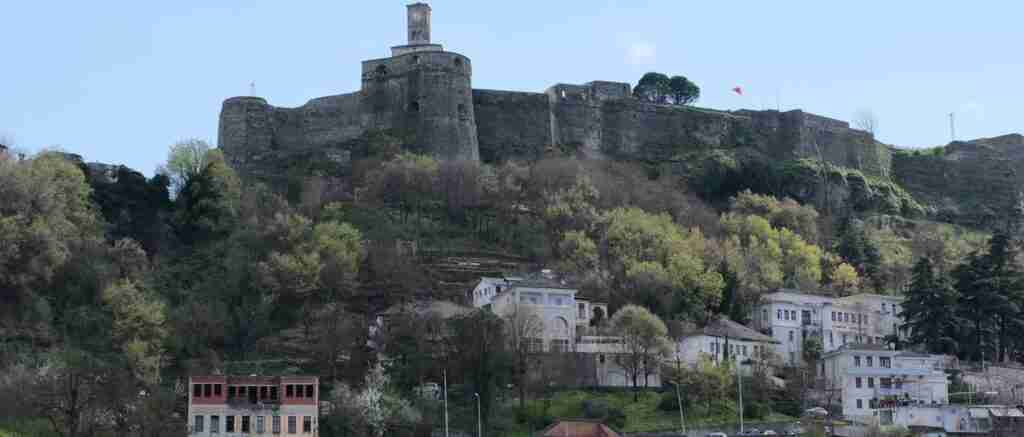
5 days
Albania 5-Day Highlights Experience
- ✓ Comprehensive Albania experience
- ✓ Expert local guides included
- ✓ All accommodation included
- ✓ Transportation provided
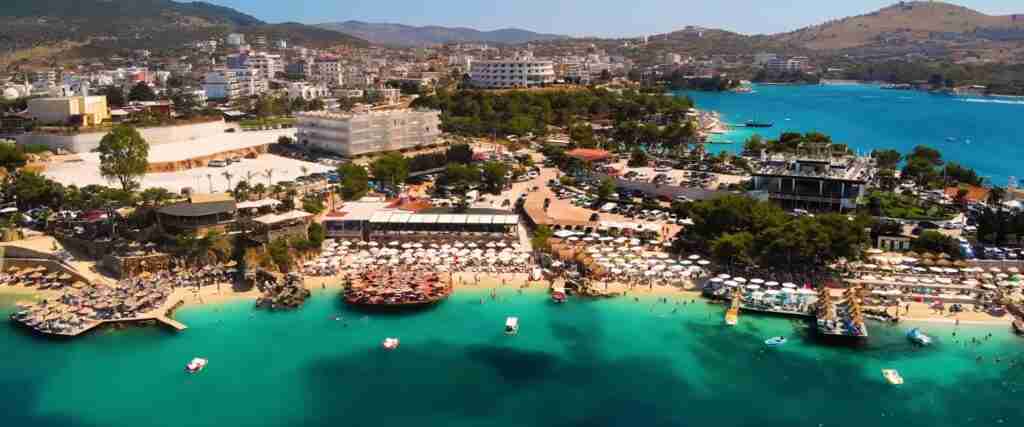
7 days
Albania 7-Day Cultural Journey
- ✓ Comprehensive Albania experience
- ✓ Expert local guides included
- ✓ All accommodation included
- ✓ Transportation provided

10 days
Albania 10-Day Complete Adventure
- ✓ Comprehensive Albania experience
- ✓ Expert local guides included
- ✓ All accommodation included
- ✓ Transportation provided
Multi-day tour packages powered by TourRadar. Prices and availability subject to change.
Introduction: Understanding Albania’s Seasonal Travel Landscape in 2026
Albania’s emergence as Europe’s best-value beach destination in 2026 brings sophisticated seasonal planning considerations as this Balkan nation experiences 120 kilometers of turquoise Adriatic and Ionian coastline, dramatic Albanian Alps reaching 2,700 meters, and UNESCO World Heritage Ottoman towns clustered within hours of each other. The country’s geographic diversity creates three distinct climate zones operating simultaneously: Mediterranean coastal weather along the Riviera from Vlorë to Sarandë, continental extremes in interior cities like Tirana and Korçë, and alpine conditions in northern mountain ranges including the Accursed Mountains (Bjeshkët e Nemuna). This climatic complexity means optimal travel timing depends entirely on planned activities, budget priorities, and tolerance for crowds versus solitude.
The 2026 travel calendar reveals clear seasonal windows where specific Albania experiences peak in quality and value. Summer months June-August guarantee sunshine for beach tourism but bring European vacation crowds and doubled accommodation costs along popular Riviera stretches. Shoulder seasons May-June and September-October deliver the country’s most balanced travel conditions with warm weather, operational mountain trails, active cultural calendars, and 30-40% cost savings versus peak summer. Winter December-March transforms Albania into Europe’s most affordable ski destination while offering virtually empty UNESCO sites in Berat, Gjirokastër, and Butrint, though coastal areas close many tourism facilities and mountain access requires proper winter equipment.
Albania’s festival and event calendar concentrates May-September with international music festivals including ION and Kala drawing electronic music enthusiasts to Dhërmi beaches in early June, the Korca Beer Festival celebrating Albanian brewing traditions each August, and the Tirana International Film Festival showcasing Southeast European cinema each September. Religious and cultural celebrations including Orthodox Christmas (January 7) and Summer Day (March 14) provide authentic cultural immersion opportunities outside standard tourist seasons. Adventure tourism peaks differently by activity: beach season runs June-September with August sea temperatures reaching 25°C, hiking season extends April-October across Albanian Alps trails like Valbonë-Theth, and ski season operates December-March in Dardhë and backcountry touring zones.
Cost variations across Albania’s seasonal calendar create dramatic budget planning implications beyond simple shoulder-season savings. Riviera accommodation in destinations like Ksamil and Himara experiences 100% price increases from May to August, transforming €50 June guesthouse rooms into €100+ August bookings. Interior cities including Tirana maintain relatively stable year-round pricing with only 20-30% seasonal variation. Mountain guesthouses in Theth and Valbonë operate primarily June-September with limited winter availability and rock-bottom rates outside peak hiking season. The confluence of weather, pricing, crowd levels, and activity availability creates distinct optimal windows for different traveler types: budget backpackers thrive in May-June or September-October, beach enthusiasts accept July-August crowds for guaranteed swimming conditions, cultural tourists find January-March ideal for empty historical sites, and adventure seekers target September-October for stable mountain weather post-summer heat.
Peak Summer Season in Albania: July-August 2026
July and August 2026 represent Albania’s peak tourist season when European vacation schedules bring maximum crowds to coastal areas and accommodation prices along the Albanian Riviera reach their annual zenith. These months deliver guaranteed beach weather with daytime temperatures ranging 28-35°C along the coast and reaching 38°C in interior cities like Tirana and Berat. Sea temperatures peak at 24-25°C providing ideal swimming conditions, while rainfall drops to only 3-4 days monthly making July and August statistically Albania’s driest months. The combination of perfect beach weather, school vacation timing across Europe, and Albania’s growing reputation as a budget alternative to Greek and Croatian coasts creates the country’s highest visitor concentrations and most vibrant coastal atmosphere.
Weather Conditions and Regional Climate During Peak Summer 2026
Albanian Riviera destinations from Ksamil north through Himara, Dhërmi, Vlorë, and Durrës experience intense Mediterranean summer heat during July-August 2026 with consistent sunshine, minimal cloud cover, and coastal breezes providing relief from inland heat. Daytime temperatures hover 28-32°C along the immediate coastline while interior valleys and cities experience more extreme heat reaching 35-38°C. The Albanian Alps maintain more moderate summer temperatures at 20-28°C depending on elevation, making mountain destinations like Theth and Valbonë popular escapes from coastal heat. Humidity levels remain manageable compared to Greek islands due to Albania’s mountainous interior preventing moisture buildup. Evening temperatures cool to 20-23°C along the coast and 15-18°C in mountains, creating comfortable conditions for outdoor dining and nightlife.
July and August receive Albania’s least rainfall with only 20-30mm precipitation monthly concentrated in brief afternoon thunderstorms that quickly clear. Sunshine averages 11-12 hours daily providing maximum daylight for beach activities and outdoor exploration. Sea conditions remain calm most days with occasional Adriatic winds creating moderate waves beneficial for water sports. Air quality in coastal areas stays excellent due to offshore breezes, while Tirana and other interior cities experience occasional summer pollution on windless days. The Llogara Pass connecting coastal and interior regions can experience strong winds making driving challenging but providing spectacular mountain vistas.
Crowds and Tourist Infrastructure During Peak Season 2026
Peak summer 2026 brings Albania’s highest visitor concentrations with popular beaches in Ksamil, Himara, Dhërmi, and Jale reaching capacity during midday hours. Ksamil’s famous island beaches require early morning arrival (before 9 AM) to secure quality spots, while organized beach clubs offer reserved sunbed areas for €10-20 daily. Sarandë’s beachfront promenade fills with tourists creating vibrant nightlife but also restaurant waits and crowded waterfront walks. Less-developed beaches including Gjipe, Bunec, and Drymades maintain more manageable crowds even during peak weeks.
All tourism infrastructure operates at full capacity July-August with restaurants, tour operators, water sports providers, and accommodation fully staffed. This creates maximum service availability but also requires advance booking for popular activities including Blue Eye Spring tours, Butrint archaeological site visits, and boat trips to hidden beaches. Interior UNESCO sites including Berat Castle, Gjirokastër’s old town, and the Apollonia archaeological park experience elevated visitor numbers but rarely feel overcrowded compared to western European equivalents. Tirana’s city center sees increased tourist presence though locals maintain dominant presence unlike purely tourist-focused coastal towns.
Accommodation Costs and Booking Requirements Peak Season 2026
Albanian Riviera accommodation experiences dramatic price increases during July-August 2026 with many properties doubling rates from shoulder-season pricing. Budget guesthouses along the coast range €40-70 nightly during peak weeks compared to €20-35 in May-June. Mid-range hotels and beachfront apartments command €80-180 nightly for rooms sleeping two, while boutique properties and resort hotels reach €150-300+ nightly. Ksamil and Himara represent the Riviera’s most expensive destinations with limited accommodation stock creating premium pricing, while Vlorë, Durrës, and smaller coastal villages offer more affordable alternatives.
Booking 2-3 months in advance proves essential for securing desired accommodation at reasonable rates during peak summer. Properties in prime locations (beachfront, village centers) book first with limited walk-in availability by July. Last-minute bookings (less than 2 weeks before arrival) face limited options and premium pricing. Interior cities including Tirana, Berat, and Gjirokastër maintain better peak-season availability with 2-4 week advance booking sufficient. Mountain guesthouses in Theth and Valbonä operate at capacity during peak hiking season requiring advance reservation though their season extends beyond beach-focused July-August.
Daily Costs During Peak Summer Season 2026
Peak summer daily costs in Albania 2026 rise substantially above shoulder-season rates due to accommodation price spikes and elevated restaurant pricing in tourist areas. Mid-range travelers spend €90-175 per person daily with two sharing hotel accommodation along the Riviera including €40-90 per person hotel share, €25-40 meals, €8-15 transport, and €15-30 attractions and activities. Budget travelers manage €40-65 daily combining hostel dormitories or budget guesthouses (€15-30 beds), street food and grocery purchases (€15-25), public buses (€5-10), and free beaches. Luxury travelers invest €180-320+ daily in boutique beachfront hotels (€90-160 per person share), upscale seafood restaurants (€50-80 meals), private boat tours (€40-80), and resort amenities.
Specific peak-season cost increases affect multiple budget categories. Beach club sunbeds and umbrellas run €10-20 daily at organized beaches versus free spots at undeveloped locations. Coastal restaurant prices run 30-50% above interior city equivalents with seafood commanding premium pricing. Water sports including kayak rentals (€15-25), paddleboard rentals (€12-20), and jet ski rentals (€40-60 per 15 minutes) operate at full summer rates. Popular day tour pricing remains relatively stable year-round with Blue Eye Spring tours €25-35, Butrint guided visits €30-45, and boat excursions to hidden beaches €35-60.
Advantages of Peak Summer Travel to Albania 2026
Peak summer delivers Albania’s most reliable beach weather with virtually guaranteed sunshine, warmest sea temperatures ideal for extended swimming sessions, and maximum operational hours at beach clubs and coastal restaurants. The vibrant beach party atmosphere in destinations like Dhërmi and Jale peaks July-August with international DJ sets, beach bonfires, and lively nightlife creating festival-like energy. All tourism services operate at full capacity eliminating shoulder-season issues like limited restaurant hours, closed attractions, or reduced transportation schedules.
Albanian summer still offers exceptional value versus competing Mediterranean destinations. Peak-season Albania costs 40-50% less than equivalent Greece or Croatia experiences with comparable beach quality and significantly less crowding than Mykonos, Santorini, or Dubrovnik. A week in Himara costs approximately what three nights in Santorini command. The combination of operational infrastructure, guaranteed weather, and relative affordability makes July-August viable for travelers prioritizing beach activities despite higher costs and crowds compared to shoulder seasons.
Disadvantages of Peak Summer in Albania 2026
Peak summer heat becomes oppressive in interior regions with Tirana, Berat, and Gjirokastër experiencing 35-38°C afternoon temperatures making midday sightseeing uncomfortable. Hiking in mountain regions loses appeal during July-August heat except at highest elevations. Coastal crowding in Ksamil, Himara, and Dhërmi creates competition for beach space, restaurant waits, and traffic congestion along the scenic coastal road. Accommodation costs double from May-June rates representing significant budget impact for week-long stays.
The Riviera’s popularity brings increased commercial pressure with aggressive beach club promoters, tourist-trap restaurants in prime locations, and occasional quality declines as businesses maximize volume over experience. Albanian authenticity diminishes in peak-season coastal hotspots where international tourists vastly outnumber locals unlike shoulder months when Albanian families populate beaches and restaurants. The coastal road (SH8) experiences heavy traffic July-August with difficult passing conditions and parking challenges in popular villages.
Shoulder Seasons in Albania: May-June and September-October 2026
Albania’s shoulder seasons represent the country’s optimal travel windows for most visitors in 2026, combining excellent weather conditions, substantially lower costs than peak summer, manageable crowd levels, and full operational access to attractions and activities. May-June and September-October deliver the sweet spot where Mediterranean climate provides warm temperatures, minimal rainfall, and comfortable conditions for both beach and mountain activities while avoiding July-August price spikes and tourist saturation. These months attract experienced travelers who prioritize value, authentic cultural interactions, and flexibility over guaranteed peak-summer beach conditions.
Spring Shoulder Season: May-June 2026 Weather and Conditions
May and June 2026 bring Albania’s spring transition into summer with steadily warming temperatures, blooming landscapes, and increasingly favorable beach conditions. May temperatures range 18-25°C across most regions with coastal areas reaching comfortable 22-24°C by month’s end. June accelerates warming to 25-30°C approaching peak summer heat but maintaining more moderate humidity levels. Sea temperatures start cool in early May (18-20°C) but reach swimmable 22-23°C by late May and 24°C through June, though some visitors find early May too cool for extended swimming.
Rainfall decreases dramatically through spring with May averaging 5-8 rainy days and June dropping to 3-5 days. These tend toward brief afternoon showers rather than day-long rain events. Sunshine increases to 9-11 hours daily by June creating excellent photography lighting and comfortable full-day exploration windows. Mountain regions including Albanian Alps experience snow melt through May making high-altitude trails like Valbonë-Theth accessible typically from mid-May onward depending on winter snowpack. Wildflowers bloom across mountain meadows and coastal hillsides creating spectacular natural displays particularly evident along the Llogara Pass and in Theth National Park.
Autumn Shoulder Season: September-October 2026 Weather and Conditions
September and October 2026 deliver many travelers’ favorite Albania weather combining warm temperatures with autumn clarity, reduced humidity, and stable conditions ideal for outdoor activities. September maintains near-summer warmth at 24-28°C coastal and 26-30°C in interior cities while avoiding August’s oppressive heat peaks. October cools to pleasant 18-22°C perfect for hiking, city exploration, and cultural tourism. Sea temperatures remain warm through September (23-25°C) extending swimming season well past summer’s official end. Early October swimming remains viable at 21-22°C for cold-tolerant swimmers though most beach activities wind down by mid-October.
September ranks as Albania’s driest month in some years with only 3-5 rainy days and exceptional sunshine. October sees rainfall increase to 7-9 days but maintains 6-7 hours daily sunshine. Fall colors begin appearing in mountain regions by late October creating beautiful photography opportunities. The post-summer atmospheric clarity produces exceptional coastal views and mountain vistas superior to summer haze. Evenings cool more noticeably in autumn requiring light jackets for outdoor dining unlike summer’s persistent warmth.
Shoulder Season Crowd Levels and Tourism Infrastructure 2026
May-June and September-October 2026 see substantially reduced tourist numbers compared to July-August peak with beaches maintaining comfortable space, restaurants operating without extended waits, and cultural sites allowing relaxed exploration. Albanian families populate beaches during these months creating more authentic local atmosphere than international tourist-dominated peak summer. Ksamil and Himara beaches remain busy but manageable without July’s capacity crowds. Less-developed beaches including Gjipe, Drymades, and Bunec feel nearly private during shoulder seasons.
Tourism infrastructure operates at nearly full capacity during shoulder months with most restaurants, hotels, tour operators, and attractions maintaining standard operating hours. Some beach clubs and seasonal coastal restaurants close in early May and late October but core services remain available. Mountain guesthouses in Theth and Valbonë operate through October making autumn ideal for hiking the Albanian Alps without summer heat. Transportation services including buses and furgons (shared minivans) maintain regular schedules though with slightly reduced frequency compared to peak summer.
Shoulder Season Accommodation Costs and Availability 2026
Shoulder-season accommodation costs in Albania 2026 drop 30-40% below peak summer rates creating substantial savings for week-long stays. Riviera guesthouses and mid-range hotels range €25-60 per person share (two sharing) during May-June and September-October compared to €40-90 in July-August. Budget options including hostels and basic guesthouses cost €15-30 nightly maintaining year-round affordability. Boutique hotels and beachfront properties offer excellent value at €50-120 nightly representing 40% discounts from peak rates while delivering identical quality and service.
Booking flexibility increases dramatically during shoulder seasons with 2-3 week advance reservations sufficient for most properties and last-minute walk-in options common outside major weekends. Tirana maintains consistent business traveler demand keeping city hotel prices relatively stable with only 15-20% seasonal variation. Berat and Gjirokastër guesthouses offer excellent shoulder-season value with room rates dropping to €30-50 for superior properties that command €60-80 in summer. Mountain accommodation becomes increasingly affordable as September transitions to October with Theth and Valbonë guesthouses eager to fill rooms before winter closure.
Daily Costs During Shoulder Seasons 2026
Shoulder-season daily costs in Albania 2026 represent the country’s best value proposition combining excellent weather, full service availability, and substantial savings below peak summer. Mid-range travelers spend €65-135 per person daily with two sharing hotel accommodation including €25-60 per person hotel share, €20-35 meals, €8-15 transport, and €12-25 attractions. Budget travelers manage €30-50 daily through hostel dormitories (€15-25), street food and grocery shopping (€10-18), public transportation (€5-10), and free hiking trails. Luxury travelers enjoy €120-220 daily in boutique hotels (€60-110 per person share), quality restaurants (€40-65 meals), private tours (€30-60), and premium experiences.
Restaurant pricing remains stable year-round in interior cities while coastal establishments reduce prices 15-25% outside July-August. Beach amenities including sunbed rentals drop to €5-12 daily at organized beaches. Tour operator pricing maintains relatively consistent rates though some operators offer shoulder-season discounts of 10-20% to fill capacity. Transportation costs remain fixed with bus fares (€3-8 intercity) and furgon rates (€5-12) unchanged across seasons. Attraction admission including Butrint (€10), Berat Castle (free), and Gjirokastër Citadel (€5) charges standard rates year-round.
Advantages of Shoulder Season Travel to Albania 2026
Shoulder seasons deliver Albania’s optimal balance across weather quality, cost efficiency, crowd management, and authentic cultural access. The 30-40% cost savings versus peak summer translate to significant budget extensions allowing longer stays, upgraded accommodations, or additional activities. Comfortable temperatures make hiking Albanian Alps trails including Valbonë-Theth genuinely pleasant versus summer heat. Reduced crowds enable meaningful conversations with local business owners, relaxed museum visits without tour group interruptions, and genuine cultural immersion impossible during tourist-saturated peak weeks.
Photography conditions peak during shoulder seasons with spring wildflowers, autumn clarity, and optimal lighting angles. Beach activities remain viable through June and September with warm sea temperatures minus peak-season crowds. The presence of Albanian families on vacation during these periods creates authentic atmosphere with local traditions, cuisine, and social dynamics visible. Adventure activities including paragliding from Llogara Pass, kayaking to hidden beaches, and mountain biking coastal roads operate at capacity with better guide availability and personalized attention than overbooked summer months.
Considerations for Shoulder Season Travel 2026
Early May and late October weather carries more variability than guaranteed July-August sunshine with occasional rainy spells possible. Sea temperatures in May start cool enough that some visitors find swimming less appealing than anticipated. Mountain access remains snow-dependent through mid-May with high-altitude trails potentially impassable depending on winter snowpack. Some seasonal beach clubs and coastal restaurants operate reduced hours or close entirely by late October limiting dining options in smaller coastal villages.
September maintains near-summer conditions with minimal disadvantages, while May and October represent shoulder extremes requiring more weather flexibility. Cultural festivals and events concentrate June-September meaning early May and October miss Albania’s peak festival calendar. Tour group presence increases in May-June and September compared to true off-season though remaining well below July-August levels. Advance booking becomes more important for popular weekends in June and September particularly around festival dates.
Off-Season Winter Travel: November-March 2026
Albania’s winter off-season November-March 2026 transforms the country into Europe’s most affordable travel destination while offering unique experiences unavailable during tourist-heavy summer months. Coastal regions enter genuine low season with many beach-focused businesses closing, reduced transportation schedules, and frequent rainfall making beach tourism impractical. Mountain regions experience opposite transformation as Albanian Alps receive heavy snowfall creating emerging ski-touring destinations and winter hiking opportunities. Interior UNESCO cities including Berat, Gjirokastër, and Butrint stand nearly empty enabling intimate cultural exploration without summer crowds. Winter Albania rewards flexible travelers prioritizing budget, authentic local interactions, and cultural depth over beach activities.
Winter Weather Patterns Across Albania’s Regions 2026
Albania’s winter weather varies dramatically by region creating distinct experiences within short distances. Coastal areas from Vlorë to Sarandë experience mild Mediterranean winters with daytime temperatures 10-15°C and nighttime lows 6-10°C. Rainfall increases substantially with November-December averaging 10-12 rainy days monthly though rarely extending to all-day downpours. The Adriatic and Ionian coasts maintain some sunny periods between rain systems but overcast conditions dominate. Sea temperatures drop to 14-16°C by January making swimming unappealing for most visitors.
Interior cities including Tirana, Berat, and Gjirokastër face colder continental winters with daytime highs 8-12°C and nighttime temperatures occasionally dropping below freezing. Tirana experiences occasional snow events though accumulation rarely persists. January and February represent winter’s coldest period with some days not exceeding 5-8°C requiring proper cold-weather clothing for outdoor sightseeing. Interior regions receive less rainfall than coastal areas but cloudier conditions and occasional fog.
Albanian Alps including Theth, Valbonë, and the Accursed Mountains experience true alpine winters with heavy snowfall, temperatures ranging -5 to 5°C, and high-altitude areas receiving 1-2 meters of snow accumulation. Ski resorts including Dardhë near Korçë operate December-March with most reliable snow January-February. Mountain access requires 4WD vehicles, winter tires (mandatory by Albanian law December 1-March 31), and proper cold-weather equipment. Some high mountain villages become inaccessible during heavy snowfall.
Winter Tourism Infrastructure and Operational Limitations 2026
Coastal tourism infrastructure scales back dramatically during Albania’s winter months with many beach clubs, seasonal restaurants, and some guesthouses closing November-March. Major coastal cities including Vlorë, Sarandë, and Durrës maintain year-round hotels and restaurants but at reduced capacity compared to summer operations. Smaller coastal villages including Himara, Dhërmi, and Jale see substantial business closures leaving limited dining and accommodation options. Advance research proves essential to identify open establishments.
Interior cities maintain normal operations year-round with Tirana’s vibrant coffee culture, museum schedule, and restaurant scene operating without seasonal disruption. Berat and Gjirokastër UNESCO sites remain accessible though some castle tower sections and museum buildings reduce hours or close due to heating limitations. Tour operators shift focus to cultural and historical offerings with reduced outdoor adventure options. Transportation services decrease frequency with fewer daily buses and furgon (shared minivan) departures particularly to mountain destinations.
Mountain tourism infrastructure supports winter activities in specific locations. Dardhë ski resort operates December-March with day passes €15-25 and basic rental equipment available. Theth and Valbonë guesthouses largely close for winter though 2-3 properties in each village maintain winter operations serving ski-touring and winter hiking enthusiasts. Thermal springs including Bënjë near Përmet operate year-round becoming particularly appealing during cold months.
Winter Accommodation Costs and Availability 2026
Winter accommodation in Albania 2026 drops to annual low prices with substantial discounts incentivizing off-season travel. Tirana hotels reduce rates 30-50% from summer peaks with quality mid-range properties available €35-70 nightly. Berat and Gjirokastër guesthouses drop to €25-45 for superior properties that command €60-90 in summer. Coastal hotels in major cities offer winter rates €30-60 representing dramatic savings though limited open properties in smaller beach villages.
Booking flexibility reaches maximum during winter with walk-in availability common and last-minute deals frequent. Properties eager to generate off-season revenue often negotiate rates below advertised prices particularly for multi-night stays. Mountain guesthouses in operating winter locations charge €15-30 including substantial meals reflecting limited guest competition. Budget travelers find dormitory beds in Tirana hostels for €10-15, while private rooms in family guesthouses across the country rarely exceed €30 in winter.
Winter Daily Costs in Albania 2026
Winter daily costs in Albania 2026 represent Europe’s most affordable travel season with mid-range comfort achievable at budget-traveler summer prices. Mid-range travelers spend €50-110 per person daily with two sharing hotel accommodation including €18-45 per person hotel share, €15-30 meals, €8-12 transport, and €8-20 attractions. Budget travelers manage €25-40 daily through hostel dormitories or budget guesthouses (€10-20), grocery shopping and street food (€8-15), public transportation (€5-10), and free historical site exploration. Luxury travelers maintain relative value at €90-180 daily in boutique hotels (€45-90 per person share), quality restaurants (€30-50 meals), and private cultural tours (€25-50).
Restaurant pricing drops in tourist areas with coastal establishments reducing menu prices 20-30% when operating in winter. Interior city restaurants maintain consistent year-round pricing already affordable at €8-15 for substantial meals. Coffee culture remains vibrant with café prices unchanged at €1-2 for macchiato. Ski resort costs at Dardhë remain Europe’s lowest with day passes €15-25, equipment rental €10-15, and basic mountain restaurant meals €8-12. Museum admissions maintain standard rates year-round though some offer winter discounts.
Winter Activities and Unique Experiences 2026
Albania’s winter season enables distinctive experiences impossible during crowded summer months. UNESCO World Heritage sites including Berat Castle, Gjirokastër’s Ottoman old town, and Butrint archaeological park stand nearly empty allowing unrushed exploration, superior photography without tourist interruptions, and intimate museum visits with curator interactions. Tirana’s Winter Fest (December 15, 2025-January 7, 2026) transforms Skanderbeg Square with ice skating rinks, Christmas markets, and evening performances creating festive urban atmosphere.
Albanian Alps skiing and winter mountaineering attract adventure travelers to Dardhë resort’s modest infrastructure and backcountry ski-touring around Korabi Mountain, Albania’s highest peak at 2,764 meters. Winter hiking remains viable on lower-altitude trails with proper equipment and cold-weather preparation. Thermal springs including Bënjë’s natural hot pools near Përmet deliver soothing relaxation in mountain settings with minimal fellow visitors. Traditional highland culture becomes more visible as mountain communities winter in lower villages sharing authentic food, music, and daily life with few tourists present.
Orthodox Christmas celebrations on January 7 provide cultural immersion opportunities with church services, family gatherings, and traditional meals visible in Berat and other religiously significant cities. Spring Day (Dita e Verës) on March 14 marks winter’s symbolic end with red-and-white bracelet traditions recognized by UNESCO as intangible cultural heritage. Coffee culture thrives year-round with heated terraces enabling social interaction despite cold temperatures, offering windows into authentic Albanian daily life beyond tourist season performances.
Advantages of Winter Travel to Albania 2026
Winter Albania delivers unmatched European value with mid-range comfort costing €50-110 daily representing 40-50% savings versus summer and dramatic discounts compared to western European winter destinations. Nearly empty cultural sites enable photography, contemplation, and exploration at personal pace impossible during crowded summer visits. Authentic cultural interactions increase as tourism industry workers have time for genuine conversations and locals dominate public spaces. The absence of international tourists creates opportunities to experience Albanian daily life, social customs, and local traditions without tourist-oriented filtering.
Accommodation availability allows spontaneous travel planning without advance bookings. Alpine skiing at Europe’s lowest prices provides snow sport access to budget travelers typically priced out of western European resorts. The combination of affordability, authenticity, and winter-specific activities makes November-March ideal for cultural tourists, budget travelers, adventure skiers, and anyone prioritizing depth over breadth in destination exploration.
Disadvantages and Challenges of Winter Travel 2026
Beach activities become completely impractical with cold sea temperatures, closed beach clubs, and frequent coastal rainfall. Many outdoor adventure activities including paragliding, sea kayaking, and boat tours cease operations. Coastal accommodation options shrink dramatically in smaller villages requiring stays in major cities. Transportation schedules reduce frequency increasing travel time and limiting flexibility. Mountain access requires proper vehicle equipment, driving skills, and winter gear many casual travelers lack.
Daylight hours shorten substantially with only 9-10 hours of light in December-January limiting daily activity windows. Heating in budget accommodations may prove inadequate requiring extra blankets or layers. Some museums and cultural sites reduce hours or close sections due to heating costs. The gray, rainy character of coastal winter lacks the sunny Mediterranean atmosphere most visitors expect from Albania. Weather unpredictability makes firm advance planning challenging as snow conditions, road access, and activity availability vary week to week.
Festival and Event Calendar for Albania 2026
Albania’s cultural calendar concentrates May-September 2026 with festivals spanning electronic music, traditional folklore, film, and cultural celebrations attracting both international visitors and domestic participants. The country’s emergence as a festival destination combines dramatic natural settings including Riviera beaches and mountain valleys with affordability and Albania’s reputation as Europe’s newest undiscovered party scene. Understanding festival timing helps travelers either coordinate visits to experience Albania’s energetic cultural events or avoid festival crowds and price spikes if seeking quieter exploration.
Spring Festival Season: May-June 2026 Events
Albania’s festival season launches in May with the Albania AfroLatin Festival (May 6-12, 2026) bringing salsa, bachata, and kizomba to southern Albanian beaches. This week-long event combines dance workshops, beachfront performances, and social dancing creating international atmosphere as dancers from across Europe gather. A post-festival trip extension (May 12-16) offers participants guided exploration of Albanian coastal highlights.
June erupts with Albania’s major electronic music festivals clustered in early summer. The ION Festival (early June, Dhërmi) emphasizes adventure-focused programming combining electronic music performances with hiking, rock climbing, and cultural exploration around Albanian Riviera locations. This unique fusion attracts approximately 3,000 attendees primarily international visitors seeking music festival experience integrated with Albania discovery rather than pure party focus. Accommodation books automatically with festival tickets controlling numbers and ensuring attendee lodging. The Kala Festival (June 3-10, 2026, Dhërmi) and similar electronic music events transform small coastal villages into temporary party zones with international DJ lineups and beach-club atmospheres.
The International Folklore Festival “Festival Days in Albania” (June 25-29, 2026, Durrës) showcases traditional music and dance from Balkan and international groups. Based in Durrës near Tirana, this cultural celebration emphasizes authentic folk traditions in Albania’s oldest city featuring the Roman Amphitheater and Mediterranean heritage. June also hosts Jazz in Albania events across Tirana, Shkodër, and Korçë bringing international and local jazz musicians to multiple cities in mid-April through May (specific 2026 dates unconfirmed).
Summer Peak Festival Season: July-August 2026
July and August maintain Albania’s festival momentum with events leveraging peak summer crowds and optimal weather. While specific major international festivals concentrate in June and September, August hosts the Korca Beer Festival celebrating Albanian brewing tradition with live music, street food, and thousands of participants gathering in this cultural heartland city. The festival creates vibrant atmosphere combining local beer culture with musical performances attracting both Albanian and international visitors. Timing visits around the Korca Beer Festival allows exploration of southeastern Albania including nearby Lake Ohrid border crossing to North Macedonia.
Summer music events proliferate along the Riviera with beach clubs hosting weekly DJ nights, full-moon parties, and smaller music gatherings throughout July-August. While these don’t match June’s organized festival scale, they maintain continuous party atmosphere in Dhërmi, Jale, and Himara. Traditional celebrations including village festivals (festivals in various locations) occur throughout summer featuring local music, food, and cultural displays providing authentic Albanian cultural experiences versus internationally focused electronic music events.
Autumn Festival Season: September-October 2026
September brings Albania’s most prestigious cultural event, the Tirana International Film Festival (September 21-27, 2026) showcasing Southeast European cinema, international films, documentaries, and student productions. Based at the Palace of Congresses and various Tirana cinemas, TIFF ranks among the region’s most respected film events attracting cinema enthusiasts, industry professionals, and cultural tourists. The festival provides artistic counterpoint to summer’s beach party culture with intellectual atmosphere, evening screenings, and café discussions. Staying in central Tirana enables walkable access to most festival venues.
The Gjirokastër Folk Festival, held every four years in September, represents Albania’s most significant traditional culture celebration (next occurrence 2026 or later depending on schedule). This major event transforms the Ottoman-era UNESCO city into showcase of Balkan and international folk music and art with thousands of attendees camping and gathering for multi-day programming. The festival’s four-year cycle makes attendance special opportunity to experience Albanian cultural pride and heritage celebration.
October hosts the International Festival of Modern and Contemporary Dance in Durrës featuring world-class contemporary dance performances. The South Outdoor Festival in Borsh village combines outdoor adventure activities with traditional food and cultural celebrations though specific 2026 dates remain unconfirmed.
Winter Cultural Events: November-March 2026
Winter cultural calendar focuses on traditional celebrations rather than large festivals. Tirana’s Winter Fest (December 15, 2025-January 7, 2026) transforms Skanderbeg Square into festive Christmas market with ice skating, seasonal food stalls, holiday decorations, and evening entertainment. While Albania’s Muslim-majority population doesn’t widely celebrate Christmas, Tirana’s increasingly cosmopolitan character embraces holiday festivities creating welcoming urban atmosphere during coldest months.
Orthodox Christmas on January 7 represents significant religious holiday for Albania’s Orthodox Christian minority (approximately 20% of population) with church services, family gatherings, and traditional meals visible in cities including Berat, Korçë, and parts of southern Albania. Summer Day (Dita e Verës) on March 14 marks spring’s symbolic arrival with red-and-white bracelet traditions, outdoor picnics, and community celebrations. This ancient tradition gained UNESCO recognition as intangible cultural heritage making it both authentic cultural experience and officially recognized cultural treasure.
Festival Accommodation and Cost Implications 2026
Major festival periods create temporary accommodation scarcity and price spikes in host cities and nearby areas. The ION and Kala festivals in Dhërmi book most village accommodation months in advance with prices increasing 50-100% during festival weeks. Some festivals including ION automatically include lodging with ticket purchases solving accommodation challenges while building costs into package pricing. Tirana International Film Festival increases city hotel demand though Tirana’s large accommodation supply prevents dramatic price increases with 15-25% premiums typical during September festival week.
Planning festival-focused Albania visits requires 2-3 month advance booking for accommodation in festival host cities. Alternative strategies include staying in nearby towns and commuting to festival venues or booking accommodations immediately after festival announcements before local inventory depletes. Budget increases of €20-40 daily should be anticipated during major festival weeks compared to non-festival periods.
Regional Climate and Weather Variations Across Albania 2026
Albania’s compact geography spanning just 28,748 square kilometers contains three distinct climate zones creating dramatically different seasonal patterns within short distances. Mediterranean coastal areas, continental interior valleys, and alpine mountain regions experience different temperatures, precipitation patterns, and optimal travel windows. Understanding these regional variations enables strategic trip planning matching activities to regions experiencing optimal conditions while avoiding areas in unfavorable seasonal weather.
Coastal Riviera Climate: Vlorë to Sarandë
Albania’s Adriatic and Ionian coastline from Vlorë south through Llogara Pass to Sarandë experiences classic Mediterranean climate with hot dry summers, mild wet winters, and distinct shoulder seasons. Summer temperatures June-August range 28-35°C with minimal rainfall (3-4 rainy days monthly) and 11-12 hours daily sunshine. Sea temperatures peak 24-25°C in August providing ideal swimming conditions. Evening coastal breezes moderate daytime heat making summer coastal evenings comfortable for outdoor dining and nightlife.
Coastal spring arrives early with March temperatures reaching 15-18°C and April warming to 18-22°C. May and June deliver perfect beach-preparation weather at 22-28°C though sea temperatures lag at 18-22°C in May before reaching comfortable 23-24°C by June. Coastal autumn extends beach season with September maintaining 24-28°C air temperatures and 23-25°C sea temperatures. October cools to 18-22°C with swimming still possible early month at 21-22°C sea temperatures.
Coastal winter November-March brings Albania’s wettest weather with 10-12 rainy days monthly and overcast conditions dominating. Temperatures remain mild at 10-15°C daytime rarely freezing but feeling cold due to humidity and wind. Sea temperatures drop to 14-16°C making swimming unappealing. Coastal winter rewards off-season travelers with dramatic storm watching, empty beaches for contemplative walks, and substantially reduced costs but eliminates beach tourism as viable activity.
Interior Continental Climate: Tirana, Berat, Gjirokastër
Albania’s interior cities including Tirana, Berat, Gjirokastër, Korçë, and Shkodër experience continental climate extremes exceeding coastal temperature ranges. Summer heat intensifies inland with July-August temperatures regularly reaching 35-38°C in Tirana and Berat. The lack of coastal breezes makes midday summer sightseeing uncomfortable requiring early morning or evening scheduling for outdoor activities. Low humidity compared to coastal areas provides some relief though intense sun remains challenging.
Interior spring and autumn deliver ideal city exploration weather. April-May temperatures 18-25°C and September-October 20-27°C create comfortable walking conditions for UNESCO site visits, museum exploration, and outdoor café culture. These seasons experience less rainfall than coastal areas with 5-8 rainy days monthly concentrated in brief showers. Interior regions receive more sunshine hours than cloudy coastal areas during winter months though absolute temperatures drop lower.
Winter interior temperatures December-March range 8-12°C daytime with nighttime lows occasionally below freezing. Tirana’s elevation at 110 meters moderates temperature extremes versus higher-altitude interior cities. Berat and Gjirokastër experience similar winter patterns with occasional snow events that rarely accumulate substantially or persist beyond 1-2 days. Interior winter favors cultural tourism with heated museums, indoor attractions, and vibrant coffee culture thriving regardless of outdoor conditions.
Albanian Alps and Mountain Climate: Theth, Valbonë, Korabi
Northern Albanian Alps including Theth National Park, Valbonë Valley, and peaks surrounding Korabi Mountain (2,764 meters) experience true alpine climate with heavy winter snowfall, cool summers, and rapid weather changes. Summer temperatures June-August range 18-28°C depending on elevation providing relief from coastal and interior heat. Mountain valleys experience warm days and cool nights requiring layered clothing. High-altitude areas above 2,000 meters maintain snow patches through summer.
Mountain spring arrives late with snow persisting at high elevations through May. The famous Valbonë-Theth hiking trail becomes reliably accessible mid-May to mid-June depending on winter snowpack. June delivers peak mountain wildflower displays with alpine meadows blooming across elevations. Mountain autumn September-October provides stable weather, comfortable temperatures, and spectacular fall colors making autumn ideal for Albanian Alps trekking.
Alpine winter December-March transforms mountains into snow-covered landscape with 1-2 meters accumulation at elevation. Temperatures range -5 to 5°C with high-altitude areas substantially colder. January-February deliver most reliable snowfall for ski touring and winter mountaineering. Some mountain villages including parts of Theth become road-inaccessible during heavy snowfall requiring 4WD vehicles and winter driving expertise. The small Dardhë ski resort near Korçë operates December-March with most consistent conditions January-February.
Strategic Regional Planning for Albania Trips 2026
Albania’s regional climate variations enable year-round travel by matching regions to seasons. Summer visitors should prioritize coast and mountains while avoiding interior cities during peak heat. Spring and autumn travelers find all regions accessible with interior cities particularly pleasant. Winter travelers should focus on interior UNESCO sites and emerging ski destinations while accepting coastal areas offer limited appeal. Multi-region itineraries benefit from understanding these patterns: combine coastal beaches with mountain hiking in summer, interior cultural sites with mountain villages in spring/autumn, or Tirana city culture with southern UNESCO sites in winter.
Specialized Travel Timing for Specific Activities 2026
Albania’s activity-specific optimal seasons vary beyond general seasonal recommendations with different adventure sports, cultural pursuits, and tourism types each having distinct ideal windows. Strategic travelers match their priority activities to seasons offering peak conditions rather than assuming shoulder or peak summer suits all interests.
Hiking and Trekking Season in Albanian Alps 2026
Albanian Alps hiking reaches peak conditions June-September with the famous Valbonë-Theth trail (approximately 7-9 hours, 18 kilometers) typically opening mid-May depending on high-altitude snow melt. June delivers wildflower displays across mountain meadows with comfortable hiking temperatures 15-25°C and long daylight hours. July-August see peak trail traffic though “crowds” remain minimal compared to western European hiking destinations with 20-50 daily hikers versus hundreds in Alps or Dolomites.
September ranks as optimal hiking month combining stable weather, warm days, cool nights ideal for sleeping, autumn colors beginning at elevation, and dramatically reduced fellow hikers. October extends hiking season with lower temperatures (10-18°C) requiring warmer layers but maintaining accessible trail conditions. November snow typically ends high-altitude hiking season though lower valleys remain accessible for experienced winter hikers with proper equipment.
Mountain guesthouse operations align with hiking season running reliably June-September with many properties closing October-May. Advanced hikers should book guesthouses 2-4 weeks ahead for popular routes during peak summer months. Hiring local guides costs €40-60 daily providing route knowledge, cultural insights, and support for challenging terrain though main trails remain well-marked and feasible for independent experienced hikers.
Beach and Swimming Season 2026
Albania’s official beach season runs June-September with sea temperatures progressing from cool (20-22°C) in early June to peak warmth (24-25°C) in August. Serious swimmers and cold-water enthusiasts extend season into May (18-20°C) and October (21-22°C) though most visitors find these temperatures challenging for prolonged swimming. The Albanian Riviera’s beaches vary in character from organized areas with sunbed rentals, beach clubs, and water sports to undeveloped stretches with natural access and zero facilities.
July-August deliver guaranteed beach weather with virtually zero rainfall and consistent sunshine though beach overcrowding in Ksamil, Himara, and Jale requires early arrival or acceptance of competition for prime spots. June and September provide superior beach experiences combining swimmable water temperatures, available beach space, operating beach clubs and restaurants, and 30-40% lower accommodation costs. May and October suit travelers prioritizing beach walks, coastal photography, and seaside relaxation over swimming with pleasant temperatures but cool water.
Cultural Tourism and UNESCO Site Visits 2026
Albania’s UNESCO World Heritage sites including Berat, Gjirokastër, and Butrint remain accessible year-round though visitor experiences vary dramatically by season. Spring (April-June) and autumn (September-October) deliver ideal cultural tourism conditions with comfortable temperatures for walking cobblestone streets, photographing Ottoman architecture, and exploring archaeological sites. These shoulder seasons enable unhurried exploration without July-August crowds while maintaining full operational hours at museums and cultural attractions.
Winter (November-March) transforms UNESCO sites into nearly private experiences with January-February seeing minimal visitors enabling intimate museum visits and superior photography without tourist interruptions. Cold temperatures require warm clothing for outdoor site exploration though heated museums and indoor sections provide respite. Some castle towers and outdoor sections reduce hours due to heating limitations. Summer (July-August) brings peak visitation though Albanian UNESCO sites remain far less crowded than Italian, Greek, or French equivalents with manageable tour groups and available space for individual exploration.
Photography and Landscape Tourism 2026
Landscape photography in Albania peaks during shoulder seasons when atmospheric clarity, dramatic lighting, and natural features align optimally. Spring (April-June) delivers wildflower blooms across Llogara Pass, mountain valleys, and coastal hillsides creating colorful foregrounds for landscape compositions. Morning and evening light angles during spring and autumn produce superior photography conditions versus summer’s harsh midday overhead sun.
Autumn (September-October) provides exceptional clarity with post-summer humidity dissipation enabling long-distance mountain views and vibrant coastal photography. Fall colors appear in mountain regions by late September creating additional visual interest. Winter photography rewards dedicated practitioners with dramatic storm systems along the coast, snow-covered mountains, and empty cultural sites allowing architectural photography without tourist interruptions. Summer’s guaranteed sunshine produces predictable but less dramatic lighting with haze reducing distant visibility.
Wildlife and Nature Observation Seasons 2026
Albania’s diverse ecosystems from Karavasta Lagoon wetlands to alpine Lura National Park forests support varied wildlife with observation opportunities varying seasonally. Spring and autumn migration periods bring maximum bird diversity to coastal wetlands with Karavasta Lagoon hosting pelicans, herons, and numerous migratory species March-May and September-October. Mountain wildlife including brown bears, wolves, and chamois become more visible during autumn when animals prepare for winter and vegetation dies back improving sightlines.
The endangered Balkan lynx inhabits forests along Albania-North Macedonia border with sightings rare but possible during winter tracking expeditions. Butterfly diversity peaks June-July across mountain meadows and coastal valleys. Sea turtle nesting occurs June-August along remote southern beaches though access restrictions protect nesting sites. Spring flower displays attract botanists and nature photographers to mountain regions May-June when endemic species bloom at various elevations.
Money-Saving Strategies for Albania Travel 2026
Albania ranks among Europe’s most affordable destinations in 2026 with additional cost-reduction strategies enabling budget travelers to extend stays substantially and mid-range visitors to access luxury experiences at moderate pricing. Strategic timing, accommodation selection, dining choices, and transportation decisions create dramatic cost variations between expensive and economical Albania experiences.
Seasonal Timing for Maximum Value 2026
Shoulder seasons (May-June and September-October) deliver Albania’s optimal value proposition combining 30-40% cost savings versus peak summer, excellent weather conditions, and full operational access to attractions. A week-long Riviera stay costs €450-950 per person in shoulder season versus €630-1,225 in July-August for identical accommodation quality. Winter (November-March) extends savings to 40-50% below peak rates though weather limitations reduce viable activities. Early May and late October represent extreme shoulder periods with maximum discounts and minimal tourist competition though increased weather unpredictability.
Booking 2-3 months ahead for peak summer secures 30-40% better rates than last-minute July arrivals as properties fill and remaining inventory prices at premium levels. Shoulder seasons allow booking flexibility with 2-3 weeks sufficient and occasional last-minute deals possible. Avoiding Albanian and regional holidays including Albanian Independence Day (November 28), New Year’s, and Orthodox Easter prevents domestic tourism price spikes in popular destinations.
Accommodation Cost Reduction Strategies 2026
Family-run guesthouses deliver exceptional value throughout Albania with rates €20-45 nightly including substantial breakfasts, personal recommendations, and authentic cultural interaction versus impersonal hotels. Mountain villages including Theth, Valbonë, and villages surrounding Berat and Gjirokastër offer all-inclusive guesthouse packages €30-50 per person daily including accommodation, breakfast, dinner, and often transportation assistance representing better value than self-catered coastal apartments.
Hostel dormitories in Tirana (€10-15), Berat (€12-18), and coastal cities (€15-25 peak season) enable ultra-budget travel while providing social atmosphere and traveler community. Private rooms in these same hostels cost €25-40 offering hotel amenities at guesthouse prices. Booking directly with properties via phone or email often yields 10-15% discounts versus booking platform commission-inflated rates particularly for multi-night stays.
Strategic location selection reduces costs substantially with Vlorë offering similar beach access to Ksamil at 30-40% lower prices. Durrës provides beach proximity to Tirana at budget prices versus premium Sarandë rates. Interior city bases including Berat enable day trips to coastal areas while maintaining affordable nightly accommodation costs. Choosing locations one village removed from primary tourist hotspots (Drymades instead of Dhërmi, Borsh instead of Himara) saves 25-40% on accommodation and dining.
Food and Dining Cost Management 2026
Traditional Albanian street food including byrek (savory pastry, €1-2), sufllaqe (gyros, €2-3), and petulla (fried dough, €1) enables eating for €5-10 daily when combined with grocery purchases. Local markets in Tirana, Berat, and other cities provide fresh produce, bread, cheese, and basics at prices 50-70% below tourist restaurant charges. Seeking restaurants in residential neighborhoods versus tourist centers reduces meal costs 30-50% with substantial traditional dishes costing €5-8 versus €12-18 in Riviera tourist zones.
Lunch specials at traditional restaurants (lokals) typically cost €4-6 for complete meals versus €10-15 dinner menu prices at identical establishments. Self-catering breakfast through grocery purchases saves €5-8 daily versus hotel breakfast charges. Albanian portions trend large making shared main courses viable for lighter eaters while reducing per-person costs. Local beer (€1-2) and raki (€2-3) cost substantially less than imported spirits and cocktails (€5-8).
Transportation Cost Optimization 2026
Public buses and furgons (shared minivans) provide Albania’s most economical transportation with intercity buses costing €3-8 and furgons €5-12 for most routes. The Tirana-Sarandë route (approximately 6 hours) costs €10-12 by bus versus €80-120 private taxi or €40-60 daily rental car. Buses connect all major cities though schedules require flexibility as departures concentrate morning and early afternoon. Furgons depart when full requiring patience though typically managing 1-2 hour maximum waits on popular routes.
Rental cars suit groups and families enabling cost-sharing reducing per-person expenses below public transport levels while adding flexibility. Weekly rental rates (€150-250 for compact cars) divided among four travelers cost less than individual bus tickets while enabling access to remote beaches and mountain villages. Fuel costs remain moderate at €1.50-1.70 per liter with Albania’s compact size limiting total driving distances. Hitchhiking remains culturally acceptable and safe in rural areas though becoming less common in cities.
Activity and Attraction Cost Control 2026
Albania’s free attractions rival paid sites in quality with Berat Castle charging no admission, public beaches providing cost-free swimming and sunbathing, and hiking trails maintaining open access. UNESCO sites charge modest fees: Butrint €10, Gjirokastër Citadel €5, while many museum visits cost only €2-5. Foregoing organized tours in favor of independent exploration using online resources and local advice reduces activity costs 70-90% while maintaining quality experiences.
Free walking tours in Tirana operate on tip-basis enabling quality guided experiences at budget-controlled costs. Municipal beaches provide free access while organized beach clubs charge €10-20 for sunbed and umbrella rentals. Natural attractions including Blue Eye Spring, Bënjë Thermal Baths, and canyon hiking require no admission fees though some charge minimal parking (€1-2). Timing visits to mountains and coastal areas during shoulder seasons enables excellent photography, hiking, and cultural experiences identical to peak-season quality at zero price premium.
Practical Weather Considerations and Packing Guide 2026
Albania’s seasonal weather variations and regional climate differences require strategic packing adapted to travel timing and planned regions. Mediterranean coastal areas, continental interior cities, and alpine mountains each demand different clothing and equipment with multi-region itineraries requiring layering systems accommodating rapid elevation and climate changes.
Summer Season Packing Requirements June-August 2026
Summer Albania requires lightweight, breathable clothing suited to 28-38°C heat with sun protection essential for beach and outdoor activities. Quick-dry clothing works well for beach destinations where swimming and walking alternate throughout days. Light-colored fabrics reflect heat while maintaining cooler body temperatures compared to darker clothing. Wide-brimmed hats and quality sunglasses protect against intense Mediterranean sun. Sunscreen (SPF 30-50) proves essential with reapplication every 2 hours during beach days.
Evening temperatures cool to 20-23°C requiring light jacket or long-sleeve shirt for coastal dining and city walks. Interior cities and mountain regions need warmer evening layers as temperatures drop more substantially after sunset. Comfortable walking shoes with good traction suit cobblestone streets in Berat and Gjirokastër while sandals suffice for beach areas. Modest clothing covering shoulders and knees remains advisable for mosque and church visits though Albania maintains relatively relaxed dress codes compared to more conservative regional neighbors.
Shoulder Season Packing Requirements May-June and September-October 2026
Shoulder seasons demand versatile layering systems accommodating temperature ranges from 18-30°C depending on time of day, elevation, and weather systems. Base layers including t-shirts and light long-sleeve shirts combine with mid-layers (fleece or light jacket) and weatherproof outer layers for changing conditions. May and October particularly require rain protection with waterproof jacket and umbrella as brief showers remain common. September tends drier with minimal rain gear needed.
Early May and late October temperatures drop enough that long pants prove more comfortable than shorts for most activities though beach areas maintain shorts-appropriate temperatures during sunny midday hours. Closed-toe walking shoes gain importance during shoulder seasons as trails may contain mud, wet rocks, or early morning dew. Light gloves and warm hat prove useful for early morning mountain hiking in May and October when temperatures start near freezing at elevation before warming substantially by midday.
Winter Season Packing Requirements November-March 2026
Winter Albania requires genuine cold-weather clothing for interior and mountain regions despite coastal areas maintaining relatively mild temperatures. Layering system including thermal base layers, warm mid-layers (fleece or down), and waterproof outer shell accommodates temperature ranges 8-15°C coastal and -5 to 5°C mountains. Warm hat, gloves, and scarf prove essential for comfortable outdoor sightseeing in interior cities during January-February coldest periods.
Waterproof boots or shoes with good traction address frequent winter rainfall and occasional snow in cities. Coastal areas see substantial rain November-March requiring quality rain jacket and waterproof pants for extended outdoor activities. Mountain regions demand winter hiking boots, gaiters, and potentially microspikes or crampons for snow and ice conditions. The Dardhë ski area requires standard alpine ski gear though rentals available on-site eliminate need for travelers to transport equipment.
Essential Items All Seasons 2026
Power adapter (Type C/F European plug) proves essential as Albania uses 230V European standard. International phone plans or local SIM cards enable navigation, accommodation booking, and restaurant research though note Albania remains outside EU roaming zone requiring separate roaming plans or local SIM purchase. The EU announced plans to eliminate Albania roaming charges in 2026 though implementation remains pending as of article writing. Vodafone, One, and ALBtelecom offer tourist SIM packages at Tirana Airport.
Reusable water bottle reduces plastic waste and costs as public fountains provide potable water in most cities though bottled water remains advisable in remote areas. Small daypack suits day trips and hiking while keeping valuables secure during public transport and city exploration. Basic first aid supplies including bandages, pain relievers, anti-diarrheal medication, and any prescription medications should be packed as rural pharmacies may not stock specific brands. Albanian pharmacies stock most common medications though communication challenges may arise without Albanian or Italian language skills.
Transportation and Access Considerations by Season 2026
Albania’s transportation infrastructure varies substantially by season with summer maintaining maximum route frequency and winter seeing reduced service particularly to mountain destinations. Understanding seasonal transportation patterns enables realistic itinerary planning and prevents arrival at destinations with limited onward connection options.
Summer Transportation Peak Season June-September 2026
Summer months deliver Albania’s maximum transportation frequency with buses and furgons departing most routes hourly or every 2 hours depending on demand. The popular Tirana-Sarandë corridor sees 5-8 daily buses while Tirana-Shkodër maintains similar frequency. Coastal road services (Vlorë-Sarandë via Riviera villages) increase substantially during summer with multiple daily options stopping in Himara, Dhërmi, Qeparo, and Borsh. Mountain routes to Theth and Valbonë operate daily June-September though morning departures most reliable.
Rental cars experience peak demand July-August requiring 2-4 week advance booking to secure vehicles at reasonable rates (€30-40 daily for compact cars). Summer rental costs run 30-50% above shoulder-season rates with premium charged for high-season availability. Traffic along coastal road SH8 increases substantially creating slower journey times and potential congestion in popular villages. Ferry services including Sarandë-Corfu operate maximum summer frequency with multiple daily crossings.
Shoulder Season Transportation May-June and September-October 2026
Shoulder seasons maintain robust transportation networks with slightly reduced frequency compared to peak summer. Most major intercity routes continue multiple daily services though some mountain routes drop to single daily departures particularly in early May and late October. The Tirana-Berat-Gjirokastër corridor maintains frequent service year-round serving business and tourism demand. Coastal routes remain well-served though reduced relative to July-August peaks.
Rental car availability improves during shoulder seasons with better rates (€25-35 daily) and last-minute booking feasible. Roads remain accessible to standard vehicles without winter tire requirements. Traffic congestion diminishes substantially creating faster journey times and more pleasant driving experiences along coastal roads. Ferry schedules begin scaling back by October with Sarandë-Corfu services reducing to 2-3 daily crossings versus peak summer’s 5-7 daily options.
Winter Transportation Limitations November-March 2026
Winter transportation sees substantial service reductions particularly affecting mountain and rural routes. Major intercity corridors including Tirana-Sarandë, Tirana-Vlorë, and Tirana-Shkodër maintain year-round service though with reduced daily departures. Mountain destinations including Theth and Valbonë receive limited or no public transport service December-March with 4WD vehicle access only and some periods of complete road closure during heavy snowfall. Villages requiring mountain pass crossings may become temporarily inaccessible.
Winter tire requirements (legally mandatory December 1-March 31) apply to all vehicles operating in Albania requiring rental cars include appropriate seasonal equipment. Driving skills and experience with snow and ice become important safety considerations for mountain access. Coastal and interior city routes remain accessible to standard vehicles year-round though occasional snowfall may create temporary delays in interior regions.
Domestic flights maintain limited service with Albanian Airlines operating Tirana-EU routes though minimal domestic aviation infrastructure exists. International bus connections to Greece, North Macedonia, Kosovo, and Montenegro continue year-round though with reduced frequency. Ferry services to Italy (Durrës-Bari/Brindisi) and Greece (Sarandë-Corfu) reduce substantially in winter with weather-dependent cancellations possible during storm systems.
Health and Safety Considerations by Season 2026
Albania maintains excellent safety standards for European travel with seasonal health considerations primarily involving weather-related precautions, food safety during hot months, and mountain activity risks. Understanding seasonal health factors enables appropriate prevention and response to common travel health challenges.
Summer Health Considerations 2026
Heat exposure represents primary summer health concern with interior cities reaching 35-38°C creating heat exhaustion and dehydration risks for unprepared visitors. Adequate hydration (2-3 liters daily during active days) proves essential with regular water intake rather than waiting for thirst sensation. Scheduling strenuous activities for morning and evening hours reduces heat exposure risk. Sun protection including sunscreen, hats, and light covering clothing prevents sunburn in intense Mediterranean sun.
Food safety requires attention during summer heat as improper storage can cause bacterial growth. Choosing busy restaurants with rapid ingredient turnover reduces foodborne illness risk versus quiet establishments with potentially old ingredients. Coastal seafood generally maintains excellent quality though travelers with sensitive digestions should ensure proper cooking. Tap water remains safe in cities though bottled water proves advisable in remote mountain areas. Insect protection becomes relevant in rural and wetland areas with mosquitoes present particularly near Karavasta Lagoon and similar coastal wetlands.
Mountain and Adventure Activity Safety 2026
Albanian Alps hiking presents standard mountain risks including weather changes, terrain challenges, and navigation requirements. The Valbonë-Theth trail crosses 1,900+ meter passes with potential altitude effects for sea-level residents though altitude sickness remains rare below 2,000 meters. Weather can change rapidly in mountains requiring waterproof gear and warm layers even during summer. Trail markings vary in quality making GPS navigation and detailed maps advisable particularly for routes beyond main tourist trails.
River crossings along some mountain trails can prove challenging or impossible during spring snowmelt (May-early June) requiring careful assessment and potential route changes. Hiring local guides (€40-60 daily) provides route knowledge, safety backup, and cultural insights particularly valuable for inexperienced mountain hikers. Mobile phone coverage remains spotty in mountain regions requiring pre-planning of routes and backup safety plans. Guesthouses provide valuable local knowledge about current trail conditions, weather forecasts, and route recommendations.
Water Safety and Swimming Considerations 2026
Albanian beaches maintain generally safe swimming conditions though lack of lifeguard coverage at many locations requires personal responsibility for water safety assessment. The Ionian Sea generally presents calmer conditions than Adriatic stretches with Ksamil and southern beaches suitable for weaker swimmers. Northern beaches including Shengjin and Velipojë experience stronger currents requiring stronger swimming skills. Rocky beach entries common along Riviera require water shoes to prevent foot injuries. Riptides remain uncommon though swimmers should always assess water conditions before entering.
Winter Safety and Cold Weather Precautions 2026
Winter driving presents Albania’s primary seasonal safety concern particularly in mountain regions where snow and ice require proper tires, driving skills, and route planning. The Albanian Roads app provides real-time road condition updates essential for winter mountain travel planning. Hypothermia risk increases during winter mountain activities requiring proper cold-weather clothing and emergency shelter capability. Some high mountain areas require avalanche awareness and safety equipment for winter ski touring.
Frequently Asked Questions About Albania Travel Timing 2026
Is Albania safe to visit in 2026 and does timing affect safety?
Albania ranks among Europe’s safest travel destinations in 2026 with low violent crime rates, welcoming local population, and well-developed tourism infrastructure in major destinations. Seasonal timing does not significantly affect safety though winter mountain activities increase adventure-related risks requiring proper equipment and skills. Petty theft remains rare compared to western European tourist destinations though normal urban precautions apply in crowded Tirana areas and peak-season beach towns. Solo female travelers report feeling safe across Albania with respectful treatment though conservative dress proves advisable in remote rural areas. Traffic safety represents Albania’s primary concern for visitors as driving standards lag western Europe particularly on mountain roads and rural areas.
How many days should I spend in Albania in 2026?
Albania rewards 7-14 days for comprehensive exploration combining coastal beaches, interior UNESCO cities, and Albanian Alps mountains. Five days enable meaningful single-region experience covering either Riviera beaches plus Butrint/Gjirokastër or Tirana/Berat/interior cultural sites. Two weeks allows multi-region itinerary incorporating beach time, cultural exploration, and mountain hiking creating varied Albania experience showcasing country’s geographic diversity. Week-long visits suit travelers prioritizing specific activities like beach relaxation or cultural tourism, while 10-14 days accommodate travelers wanting comprehensive Albania overview without rushed schedules.
What is Albania’s weather like compared to Greece and Croatia?
Albania experiences similar Mediterranean climate patterns to Greece and Croatia with comparable summer heat (28-35°C), mild winters, and distinct shoulder seasons. Albania’s coastal areas receive slightly more winter rainfall than Greek islands though less than Croatian Adriatic coast. Summer temperatures across three countries remain nearly identical with Albania’s interior regions potentially exceeding coastal Greece by 2-5°C. Albania’s advantage lies in fewer tourists creating less humid feel in cities despite similar absolute temperatures. Mountain regions in all three countries offer cool summer escapes though Albania’s Alps receive heavier winter snowfall than most Greek or Croatian mountains.
Can I swim in Albania in May or October 2026?
Swimming in Albania during May and October remains possible though water temperatures create mixed experiences depending on personal cold tolerance. May sea temperatures range 18-22°C feeling refreshing to cold-water enthusiasts but uncomfortably cold for most casual swimmers expecting warm bath-like conditions. October maintains 21-22°C water temperatures making early October swimming viable for most visitors though late October cools below 20°C deterring all but dedicated swimmers. Both months deliver excellent beach weather for sunbathing, coastal walks, and photography with air temperatures 22-25°C in May and 18-22°C in October. Beach clubs and facilities operate fully in May and early October though closing by late October.
Does Albania experience extreme weather or natural disasters?
Albania experiences relatively stable weather patterns without extreme natural disaster risks. Earthquakes occur periodically in seismically active Albania-Greece border regions with most recent significant event in November 2019 causing damage in Durrës though strong earthquakes remain infrequent. Summer drought creates occasional wildfire risk in dry vegetation particularly in mountain areas though firefighting capabilities manage most incidents. Flooding can affect coastal areas and river valleys during heavy winter rainfall though major infrastructure disruption remains rare. Severe storms occasionally impact Adriatic coast during winter creating rough seas and temporary ferry cancellations though these represent scheduling inconvenience rather than danger to land-based tourists.
What festivals and events should I plan around in Albania 2026?
Plan around major Albanian festivals by either coordinating visits to experience events or avoiding dates to escape crowds and price increases. The ION and Kala festivals in Dhërmi (early June 2026) attract 3,000-5,000 electronic music enthusiasts creating festive beach atmosphere but doubling accommodation costs and booking all village inventory months ahead. Tirana International Film Festival (September 21-27, 2026) brings cultural tourists to capital creating moderate hotel demand increases. Korca Beer Festival (August) makes southeastern Albania base city crowded for one week. Albania AfroLatin Festival (May 6-12) concentrates in southern beach areas. Booking 2-3 months ahead for festival dates proves essential while travelers avoiding festival crowds should plan visits in non-festival weeks.
How far in advance should I book Albania travel for 2026?
Booking timelines for Albania 2026 vary dramatically by season and accommodation type. Peak summer (July-August) Riviera accommodation requires 2-3 months advance booking to secure desired properties at reasonable rates with popular locations booking 3-4 months ahead. Shoulder seasons (May-June, September-October) allow 2-4 weeks advance booking with last-minute flexibility possible in non-peak weeks. Winter (November-March) enables spontaneous travel with walk-in accommodation commonly available and same-week bookings securing excellent rates. Interior cities including Tirana and Berat maintain better year-round availability than coastal areas with 1-2 weeks advance booking sufficient except during major festivals or Albanian holidays.
Is Albania crowded during peak season 2026?
Albania’s peak season crowding remains dramatically lower than established Mediterranean destinations despite growing tourism popularity. Popular beaches including Ksamil, Himara, and Dhërmi reach capacity during July-August requiring early arrival (before 9 AM) for quality spots though alternatives like Gjipe, Bunec, and Drymades maintain available space even peak summer. UNESCO sites see elevated visitor numbers though Berat Castle and Gjirokastër’s old town never approach western European crowding levels. Tirana experiences increased tourist presence though locals maintain dominant population unlike purely tourism-focused coastal towns. Albania’s best attribute remains relative uncrowding compared to Greek islands, Croatian coast, or Italian destinations while offering comparable natural beauty and cultural heritage.
What should I expect for Albania costs by season in 2026?
Albania daily costs vary 40-50% between peak summer and winter off-season with shoulder seasons offering optimal value. Peak summer (July-August) mid-range travelers spend €90-175 per person daily with two sharing hotel accommodation along the Riviera representing Albania’s highest annual costs. Shoulder seasons (May-June, September-October) drop to €65-135 per person daily for identical mid-range comfort and experiences representing 30-40% savings. Winter (November-March) costs bottom at €50-110 per person daily though weather eliminates beach activities. Budget travelers manage €25-65 daily depending on season while luxury travelers invest €120-320+ with similar seasonal variation percentages. A week-long Albania trip costs €450-1,225 per person excluding flights depending on season and comfort level.
Can I visit Albania for skiing or winter sports in 2026?
Albania offers emerging winter sports opportunities December-March 2026 at Europe’s most affordable pricing though infrastructure remains basic compared to established Alpine resorts. The Dardhë ski resort near Korçë operates with day passes €15-25, equipment rentals €10-15, and basic mountain restaurant meals €8-12 representing fraction of western European ski costs. The resort’s limited infrastructure (2 lifts, 1.3 kilometers marked slopes) suits beginners and budget-conscious skiers prioritizing affordability over extensive terrain. Advanced skiers explore backcountry ski touring around Korabi Mountain and Albanian Alps with local guides (€50-80 daily) accessing untouched snow in dramatic mountain landscapes. Heliskiing packages attract adventure skiers seeking helicopter-accessed pristine alpine terrain. Winter mountain activities require proper cold-weather equipment, avalanche awareness for backcountry travel, and realistic expectations about limited resort infrastructure.