Albania Budget Guide 2026: Ultimate Travel Cost Breakdown
Albania delivers exceptional value for travelers in 2026, with daily costs ranging from $35-60 for budget backpackers to $170-360 for luxury seekers. This comprehensive guide breaks down accommodation, dining, transportation, and activity expenses across Tirana, the Albanian Riviera, and UNESCO heritage sites, providing verified pricing and money-saving strategies for planning your Albanian adventure.
Key Takeaways: Albania Travel Costs 2026
- Budget Daily Costs: Expect $35-60 per person daily when staying in hostel dorms or budget guesthouses, eating at local restaurants and street food vendors, using public buses, and visiting free attractions with occasional paid entry sites. Weekly budget travelers need $230-415 per person.
- Mid-Range Daily Costs: Plan for $75-135 per person daily for comfortable 3-star hotels (two sharing), restaurant meals mixing local and upscale dining, combination of buses and taxis, and paid attractions with occasional guided tours. Weekly mid-range budgets run $510-950 per person.
- Luxury Daily Costs: Allocate $170-360 per person daily for boutique hotels and resorts (two sharing), fine dining experiences, private transfers or rental cars, and premium guided tours. Luxury travelers invest $1,190-2,520 per person weekly.
- Currency and Payments: Albanian Lek (ALL) trades at approximately 85 ALL to $1 USD in 2026. Cards accepted widely in cities and tourist areas, but carry cash for buses (30-40 ALL/$0.35-0.50 local routes), markets, small restaurants, and tips. Many coastal businesses price directly in euros.
- Seasonal Price Impact: Peak summer months July-August see coastal accommodation prices rise 30-60% above shoulder season rates, with Ksamil and Albanian Riviera beaches commanding premium pricing. Spring (May-June) and fall (September-October) offer identical weather with 20-40% savings on hotels and fewer crowds.
- Best Value Experiences: Albania’s heritage sites charge minimal fees—Berat Castle 200 ALL ($2.40), Gjirokastra Castle 400 ALL ($4.80), museums 200 ALL ($2.40). A complete UNESCO week costs just $30-40 per person in total entrance fees, making cultural exploration remarkably accessible.
People Also Ask About Albania Budget 2026
How much does Albania cost per day in 2026?
Albania costs $35-60 per person daily for budget travelers, $75-135 for mid-range comfort, and $170-360 for luxury experiences in 2026. Budget travelers stay in hostel dorms or guesthouses ($12-21 per person when sharing), eat local meals ($13-22 daily), use public buses ($5-10 daily), and visit free or low-cost attractions ($3-6 daily). Mid-range travelers book 3-star hotels ($24-48 per person sharing), dine at restaurants ($29-48 daily), mix buses with taxis ($10-20), and pay for attractions and tours ($10-20). Luxury visitors choose boutique hotels ($60-150 per person sharing), fine dining ($50-90), private transfers ($30-60), and premium experiences ($30-60). Coastal areas during July-August peak season add 30-60% to accommodation costs, while Tirana and inland cities maintain consistent pricing year-round.
Is Albania cheaper than Greece or Croatia in 2026?
Albania costs 30-50% less than comparable experiences in Greece or Croatia for 2026 travel. A mid-range hotel room that costs $75-135 per night in Albania runs $120-200 in Croatian coastal towns and $100-180 in Greek islands. Restaurant meals averaging $12-18 in Albania cost $18-30 in Croatia and $15-28 in Greece. Public transportation represents the largest savings—Albanian intercity buses cost $18-22 for Tirana to Saranda (5 hours), while equivalent Greek or Croatian routes run $35-55. Beach access differs dramatically: Albania’s public beaches remain free except for sunbed rentals ($5-10 daily), while Greek islands often charge $15-25 just for beach entry, and Croatian beaches command €10-20 for basic access. However, Albania’s tourism infrastructure continues developing, meaning some amenities common in Greece or Croatia may be unavailable or require adaptation.
What’s the average accommodation cost in Albania for 2026?
Accommodation in Albania ranges from $12-21 per person nightly for budget options to $60-150 per person for luxury properties in 2026, with significant regional and seasonal variation. Budget travelers pay $12-20 for hostel dorms in Tirana, Saranda, Shkodra, and Berat, or $24-42 per room ($12-21 per person sharing) for guesthouses. Mid-range 3-star hotels cost $48-96 per room ($24-48 per person sharing), with best value in Tirana, Berat, and Gjirokastra. Luxury boutique properties and resorts range $120-300+ per room ($60-150+ per person sharing), concentrated in Tirana and the Albanian Riviera. Albanian Alps mountain guesthouses offer exceptional value at $25-35 per person including full dinner, breakfast, and wine—representing Europe’s best accommodation deal. Coastal pricing peaks July-August with 30-60% premiums in Ksamil, Dhermi, and Himara, while Tirana maintains year-round stability.
How much does food cost in Albania per day in 2026?
Daily food expenses in Albania run $13-22 for budget travelers, $29-48 for mid-range dining, and $50-90 for upscale experiences in 2026. Budget eating means byrek (flaky pastry) $1-2, qofte kebabs $2-3, traditional lokal meals $5-8, coffee $0.50-1, and local beer $1-3. Street food and markets provide the most economical options, with fresh produce remarkably cheap—tomatoes, cucumbers, and fruit cost half Western European prices. Mid-range restaurant dining costs $10-15 per main course, seafood along the Riviera $15-25, and Albanian wine $2-4 per glass in taverns. Upscale Tirana restaurants and Riviera fine dining charge $20-40 per entrée with international wine selections. Travelers cooking from markets spend $5-10 daily on excellent fresh ingredients. Coffee culture runs deep—expect to pay €0.60-1.20 for traditional espresso, making Albania’s café scene affordably social.
Extended multi-day tours – 5+ days
Featured Albania Multi-Day Tour Packages
3 days
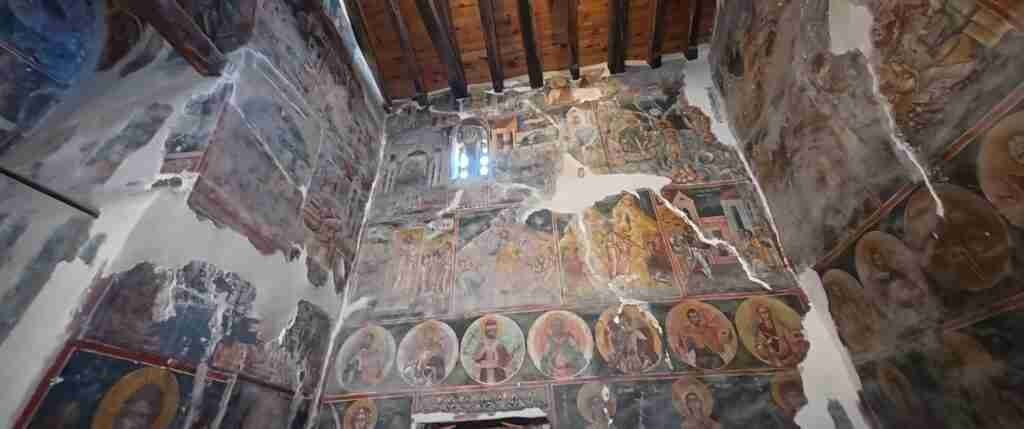
Albania 3-Day Discovery Tour
- ✓ Comprehensive Albania experience
- ✓ Expert local guides included
- ✓ All accommodation included
- ✓ Transportation provided
5 days
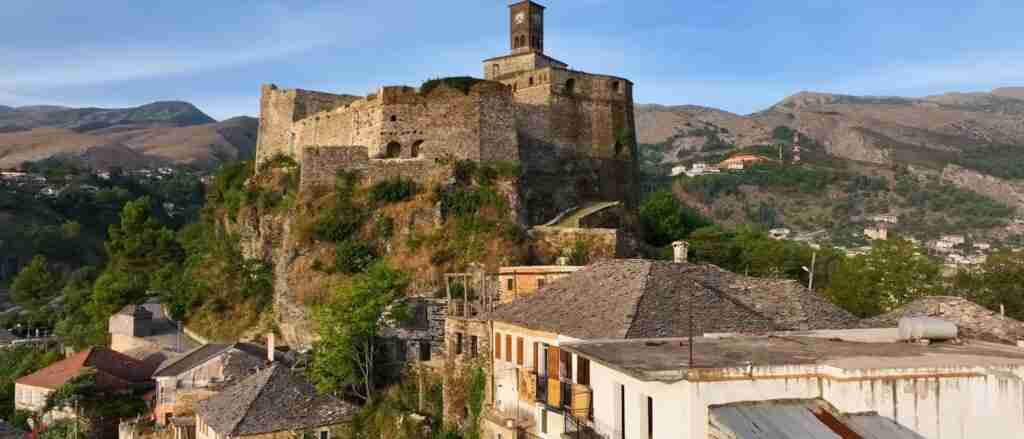
Albania 5-Day Highlights Experience
- ✓ Comprehensive Albania experience
- ✓ Expert local guides included
- ✓ All accommodation included
- ✓ Transportation provided
7 days
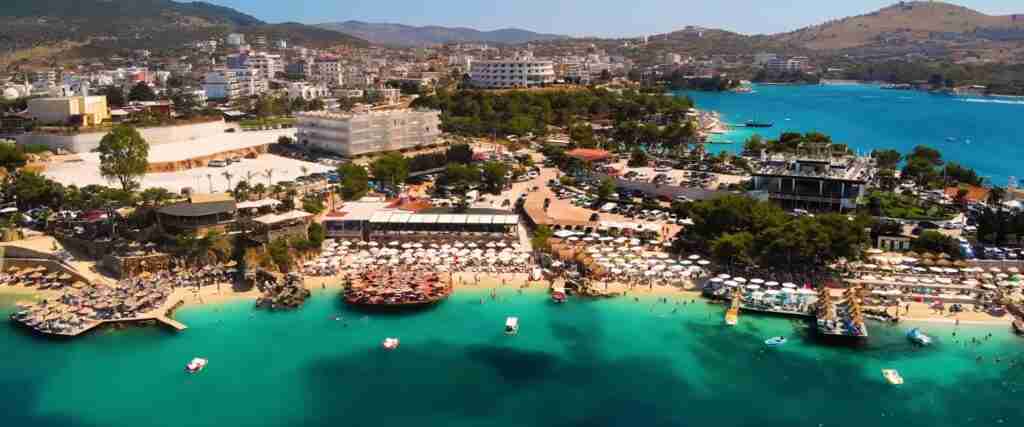
Albania 7-Day Cultural Journey
- ✓ Comprehensive Albania experience
- ✓ Expert local guides included
- ✓ All accommodation included
- ✓ Transportation provided
10 days
Albania 10-Day Complete Adventure
- ✓ Comprehensive Albania experience
- ✓ Expert local guides included
- ✓ All accommodation included
- ✓ Transportation provided
Multi-day tour packages powered by TourRadar. Prices and availability subject to change.
Introduction
Albania emerges as the Balkans’ most compelling value destination for 2026, combining UNESCO World Heritage sites, pristine Mediterranean beaches, dramatic Alpine scenery, and Ottoman architecture at prices 30-50% below neighboring Greece and Croatia. Daily budgets starting at $35 per person position Albania as Europe’s most accessible travel experience, yet “budget-friendly” no longer means “underdeveloped”—the country’s tourism infrastructure has matured dramatically since 2020, offering comfort and quality across all price points.
Understanding Albanian costs requires navigating several distinct pricing zones. Tirana delivers urban amenities and nightlife at consistently moderate prices year-round. UNESCO cities Berat and Gjirokastra provide exceptional value with heritage charm and minimal tourist inflation. The Albanian Riviera—Saranda, Ksamil, Dhermi, and Himara—commands premium summer pricing rivaling Mediterranean hotspots while maintaining affordability in shoulder seasons. The Albanian Alps offer Europe’s best accommodation deals with mountain guesthouses including full meals for $25-35 per person.
The Albanian Lek (ALL) serves as official currency, trading at approximately 85 ALL to $1 USD in 2026, though many coastal businesses price directly in euros. This guide provides comprehensive 2026 pricing across accommodation, dining, transportation, attractions, and hidden costs, with verified figures from recent travelers, local operators, and official sources. Budget tiers reflect realistic daily expenses for three traveler types: backpackers maximizing value, mid-range visitors seeking comfort without luxury, and those prioritizing premium experiences.
Tourism surged 34% in recent years with over 11 million visitors arriving in 2025, yet Albania retains remarkable affordability compared to Western Europe. Infrastructure improvements—new highways, expanded accommodation options, better bus networks—enhance travel comfort without dramatic price increases. However, coastal summer pricing now reflects growing demand, making timing crucial for budget optimization.
This complete 2026 breakdown covers daily and weekly budgets for all travel styles, detailed accommodation costs across regions and seasons, dining expenses from street food to fine restaurants, transportation options with current fares, attraction pricing including UNESCO sites and tours, sample itineraries with real costs, seasonal variation impact, money-saving strategies, hidden fees travelers overlook, regional price differences between coast and interior, and considerations for families, solo travelers, and seniors. Whether planning a week exploring Tirana and Berat heritage sites or a fortnight mixing mountain hiking with Riviera beaches, these verified 2026 costs provide the foundation for accurate Albanian budget planning.
Understanding Albania Costs in 2026
Albania’s cost structure reflects a country in transition—no longer the “cheapest in Europe” claim from pre-2020 guides, yet substantially more affordable than Mediterranean competitors and Western European destinations. The 2026 pricing landscape balances genuine value with increasing demand, creating opportunities for strategic budget optimization.
Three factors drive Albanian pricing patterns. First, location matters significantly: Tirana and inland heritage cities maintain stable, moderate costs regardless of season, while the Albanian Riviera operates on Mediterranean tourist economics with sharp summer peaks. Second, timing determines coastal expenses—July-August pricing in Ksamil and Dhermi mirrors Greek island levels, while May-June and September-October deliver identical weather at 30-40% savings. Third, infrastructure quality has improved dramatically without proportional price increases—new highways, expanded accommodation, and better services enhance travel comfort while costs remain well below Western Europe.
The Albanian Lek (ALL) functions as official currency, with exchange rates hovering around 85 ALL per $1 USD throughout 2026. Many tourist businesses price in euros, creating dual-currency dynamics along the coast. ATMs are widely available in cities with reasonable withdrawal fees ($2-4), though rural areas and mountain villages require cash reserves. Credit cards work in hotels, restaurants, and shops in Tirana, Saranda, and major sites, but buses, markets, small restaurants, and mountain guesthouses operate cash-only.
Albania’s value proposition centers on accommodation and dining—categories showing 40-60% savings versus Greece or Croatia—while maintaining international pricing for some imported goods and technology. A 3-star hotel room costing $48-96 in Albania runs $120-200 in Dubrovnik or Santorini. Restaurant meals averaging $12-18 cost $20-35 in comparable Mediterranean destinations. Public transportation remains remarkably cheap at $18-22 for five-hour intercity journeys, versus $35-55 for equivalent routes in neighboring countries.
However, certain categories show less dramatic savings. Car rentals, while slightly cheaper than regional competitors, still cost $30-84 daily with summer premiums. International brand goods—electronics, cosmetics, imported snacks—match or exceed Western European pricing. Specialty tours and private guides, while affordable, don’t show the same value multiplier as accommodation or dining. Albania’s budget advantage concentrates in locally-provided services rather than international goods.
Regional price variations create planning opportunities. Tirana offers urban amenities and excellent connectivity at moderate costs stable year-round—accommodation $24-96 per room, meals $5-15, extensive bus network. Berat and Gjirokastra combine UNESCO heritage with low tourist inflation—guesthouses $24-55 per room, traditional restaurants $5-12, minimal crowds even in summer. The Albanian Riviera splits into budget-friendly public beaches and premium resort zones, with dramatic pricing swings between shoulder season ($40-70 for seaside apartments) and August peaks ($80-200 for equivalent properties). The Albanian Alps provide Europe’s best value at $25-35 per person including dinner, breakfast, and wine in family guesthouses.
Understanding seasonal dynamics proves crucial for budget optimization. Peak season (July-August) sees coastal accommodation rise 30-60% above baseline, with Ksamil beach resorts jumping from $60-100 to $100-180 per room. Shoulder seasons (May-June, September-October) deliver near-identical weather—sea temperatures 20-24°C, sunshine 8-10 hours daily—with substantially lower accommodation costs and minimal crowds. Winter (December-February) offers rock-bottom prices in Tirana and heritage cities, though coastal areas largely close and mountain roads become impassable. Spring (April-May) and fall (September-October) represent optimal value windows with pleasant weather, manageable crowds, and moderate pricing.
Albania’s cost evolution continues upward as tourism infrastructure improves and visitor numbers grow, yet the country maintains significant value advantages over Mediterranean competitors. Strategic timing, regional diversification, and smart accommodation choices enable budget travelers to explore Albania for $35-60 daily while mid-range visitors enjoy substantial comfort at $75-135 per person—figures unattainable in Greece, Croatia, or Italy for comparable experiences. The key lies in understanding where Albania delivers exceptional value (accommodation, dining, heritage sites, public transport) versus categories approaching international pricing (rental cars, imported goods, premium tours).
Accommodation Costs Albania 2026
Albanian accommodation spans from $12 hostel dorm beds to $300+ luxury resorts, with pricing heavily influenced by location, season, and booking timing. The country’s lodging landscape has expanded dramatically since 2020, offering genuine options across all budget tiers while maintaining substantial savings compared to Mediterranean competitors.
Budget Accommodation Albania 2026
Budget travelers find solid options throughout Albania’s main tourist zones. Hostel dorms cost $12-20 per night in Tirana, Saranda, Shkodra, and Berat, with private hostel rooms running $30-45 for two people ($15-23 per person). Tirana’s hostel scene concentrates in the Blloku district with modern facilities, communal kitchens, and social atmospheres. Saranda and Shkodra offer waterfront hostel options during summer months, while Berat provides quieter heritage-focused properties.
Guesthouses represent Albania’s best budget value at $24-42 per room ($12-21 per person sharing). Family-run properties throughout Tirana, Berat, Gjirokastra, and smaller towns provide clean rooms, often including breakfast, with welcoming hosts sharing local knowledge. Historic city guesthouses occupy restored Ottoman houses with traditional architecture and character. Coastal guesthouses in less-developed areas—Vlora, Durres suburbs, small Riviera villages—maintain budget pricing even in summer.
Albanian Alps mountain guesthouses deliver exceptional value at $25-35 per person including full board—comfortable room, welcome raki, multi-course home-cooked dinner with local wine, and substantial breakfast. Theth, Valbona, and Vermosh guesthouses provide this package at rates representing Europe’s best accommodation deal. The included meals alone would cost $15-25 in restaurants, making the $25-35 total price remarkable value. Book directly through guesthouse phone numbers rather than booking platforms to secure best rates.
Budget accommodation booking strategies include contacting guesthouses directly via phone or Facebook for rates 10-20% below booking platforms, arriving in Tirana or Berat without reservations during non-peak periods to negotiate walk-in rates, and targeting May-June or September-October shoulder seasons when budget options proliferate with minimal advance booking needed. Winter months (November-March) see budget accommodation in Tirana and heritage cities drop to $18-30 per room, though coastal options largely close.
Mid-Range Accommodation Albania 2026
Mid-range accommodation costs $48-96 per room ($24-48 per person sharing) for 3-star hotels providing reliable comfort, private bathrooms, air conditioning, and often breakfast. Tirana offers the country’s best mid-range value with newly-built hotels near Skanderbeg Square at $50-80 per room, featuring modern amenities, English-speaking staff, and central locations. Boutique properties in Blloku district run $70-100 with design elements and rooftop bars.
Berat and Gjirokastra mid-range accommodation occupies restored Ottoman houses at $48-80 per room, combining heritage architecture with modern bathrooms and breakfast. Properties inside Berat Castle command premium positioning at $80-110 for rooms with castle views and unique settings. Gjirokastra’s stone mansion guesthouses cost $50-90 with atmospheric interiors and valley perspectives.
Albanian Riviera mid-range hotels cost $60-120 per room depending on beach proximity and season. Saranda’s 3-star properties along the waterfront charge $70-110 in shoulder season, rising to $100-160 in July-August. Dhermi and Himara beach hotels run $80-140 for sea-view rooms in peak summer. Less-developed coastal towns—Vlora, Shengjin, Velipoja—maintain lower mid-range pricing at $50-80 even in high season.
Apartment rentals via Airbnb or local agencies provide mid-range value, particularly for groups. Well-located Tirana apartments cost $40-70 per night for two-bedroom units sleeping four. Saranda apartments with sea views run $60-100 in shoulder season, $100-160 in August. Mountain villages offer apartments with full kitchens at $35-60, enabling meal preparation and budget extension.
Mid-range booking optimization involves reserving 2-4 weeks ahead for summer Riviera stays, booking Tirana hotels 1-2 weeks before arrival, and contacting properties directly for rates below booking platforms. May-June and September-October shoulder seasons deliver best mid-range value with reduced rates and easy availability.
Luxury Accommodation Albania 2026
Luxury accommodation in Albania costs $120-300+ per room ($60-150+ per person sharing), concentrated in Tirana and along the Albanian Riviera. Tirana’s 5-star hotels charge $120-200 per room for international-standard properties with spas, rooftop pools, and fine dining. Boutique design hotels in Blloku district run $150-250 with contemporary aesthetics, curated art, and exclusive atmospheres.
Albanian Riviera luxury resorts deliver the country’s most expensive accommodation at $150-300+ per room in peak season. Dhermi and Himara boutique beach hotels with infinity pools, private beach sections, and upscale restaurants charge $180-280 July-August. Ksamil’s newest resort properties command $200-350 for beachfront suites. Jale Bay boutique resorts blend design with nature at $150-250 per room.
Heritage luxury concentrates in restored Ottoman mansions in Gjirokastra and Berat at $120-200 per room, offering authentic architecture with luxury amenities, private gardens, and fine dining. These properties combine historical preservation with modern comfort, providing unique stays unavailable in beach resorts.
Albanian Alps luxury lodges remain limited but growing, with high-end mountain retreats in Theth and Valbona charging $80-150 per room—lower than Riviera properties yet representing premium pricing for the region. These lodges offer designed interiors, gourmet meals using local ingredients, and guided hiking access.
Luxury booking strategies include reserving Riviera resorts 2-3 months ahead for July-August, targeting May-June or September for 20-30% lower rates with identical weather, and checking boutique hotel websites directly for package deals combining multiple nights with meals or tours. Some luxury properties offer substantial discounts for longer stays exceeding five nights.
Regional Accommodation Variations 2026
Tirana accommodation maintains year-round stability with minimal seasonal variation. Budget options $24-42 per room, mid-range $48-96, luxury $120-200 remain consistent whether visiting January or August. The city’s business travel component prevents dramatic seasonal swings, ensuring availability and moderate pricing across all months.
Berat and Gjirokastra UNESCO cities show slight summer premiums but far less dramatic than coastal areas. Guesthouses rising from $24-42 in winter to $35-55 in July-August still deliver excellent value. Mid-range properties climbing from $48-80 to $60-100 remain affordable compared to international heritage destinations. Booking 1-2 weeks ahead suffices even in peak summer.
Albanian Riviera accommodation operates on Mediterranean tourist economics with sharp seasonal curves. Saranda, Ksamil, Dhermi, and Himara properties closed November-March reopen April with moderate shoulder season rates, peak at 150-200% of baseline July-August, then drop again September-October. A Dhermi beach hotel costing $60 per room in May charges $140 in August for identical accommodation. Smart travelers target May-June (21-23°C seas, 8 hours daily sunshine) or September (23-24°C seas, 9 hours sun) for 30-50% savings with superior weather compared to crowded August.
Albanian Alps guesthouses maintain stable pricing year-round at $25-35 per person including full board, though many close December-March when heavy snow blocks access roads. Summer (June-September) sees highest demand with advance booking recommended, while spring (April-May) and fall (September-October) offer easier availability with wildflowers or autumn colors enhancing scenery.
Food and Dining Expenses Albania 2026
Albanian cuisine delivers exceptional value, with daily food expenses running $13-22 for budget eating, $29-48 for mid-range dining, and $50-90 for upscale experiences. The country’s culinary landscape combines Mediterranean, Ottoman, and Balkan influences, offering fresh ingredients, generous portions, and prices substantially below Western European equivalents.
Budget Dining Albania 2026
Budget travelers eating street food, markets, and local restaurants spend $13-22 daily on satisfying meals. Breakfast costs $2-4 with traditional byrek (flaky pastry filled with cheese, spinach, or meat) at $1-2, accompanied by Turkish coffee or espresso $0.50-1. Byrek shops operate throughout cities and towns, providing hot, filling breakfast at rock-bottom prices. Bakeries sell fresh bread $0.50-1, pastries $0.80-1.50, and local yogurt $0.60-1.
Lunch at traditional lokal restaurants costs $5-8 for substantial daily specials—grilled meats, stews, rice or pasta, salad, and bread. These worker-focused eateries populate residential neighborhoods beyond tourist centers, offering authentic Albanian cuisine at genuine local prices. Qofte (grilled meat skewers) cost $2-3, tavë kosi (baked lamb with yogurt) $6-8, and byrek variations $2-3. Fresh fruit and vegetables from markets provide additional budget nutrition at prices 40-60% below Western Europe—tomatoes $1 per kilogram, cucumbers $0.80, peaches $1.50.
Dinner options for budget travelers include another lokal meal at $6-10, street food like gyros or grilled corn $2-4, or self-catering from supermarkets. Supermarket staples cost: bread $0.50-1, cheese $4-7 per kilogram, salami $6-9 per kilogram, pasta $0.80-1.50, canned goods $1-2, local wine $3-6 per bottle. Cooking from markets and supermarkets reduces daily food costs to $8-12 for three satisfying meals.
Albanian coffee culture enables budget-friendly socializing at €0.60-1.20 for traditional espresso—less than half Greek or Italian prices. Local beer (Birra Korça, Tirana, Kaon) costs $1-3 in neighborhood bars, $2-4 in tourist areas. Raki (grape brandy) runs $1-2 per shot, often complimentary with meals in traditional restaurants. Water remains safe from taps in cities, eliminating bottled water expenses.
Budget dining strategies include seeking out lokals in residential areas marked by Albanian-only menus and local clientele, shopping at neighborhood markets rather than tourist-area supermarkets for 20-30% savings, purchasing water in 2-liter bottles ($0.50-0.80) rather than 500ml tourist pricing ($1-1.50), and timing restaurant visits before tourist dinner hours (6-7 PM) when some establishments offer early-bird specials. Street food and bakeries provide the absolute cheapest options at $1-3 per meal component.
Mid-Range Dining Albania 2026
Mid-range dining costs $29-48 daily, mixing traditional restaurants with upscale establishments and occasional international cuisine. Breakfast at hotel buffets (often included) or cafés runs $4-8 for expanded options—omelets, yogurt with honey, fresh fruit, juice, and multiple coffees. Standalone breakfast at tourist-oriented cafés costs $5-10 for continental spreads.
Lunch at mid-range restaurants costs $10-15 per person for main courses. Traditional tavernas serving fresh fish, grilled meats, and regional specialties charge $12-18 for entrées with sides. Albanian Riviera seafood restaurants price catch of the day at $15-25 depending on fish type and preparation. Salads cost $4-7, appetizers $5-9, and local wine $2-4 per glass, $10-18 per bottle.
Dinner represents the day’s primary meal at $15-25 per person for main courses in quality restaurants. Tirana’s Blloku district offers international cuisine—Italian, Asian, steakhouses—at $15-30 per entrée. Heritage city restaurants in Berat and Gjirokastra serve traditional Albanian multi-course meals at $18-28 including appetizers, mains, and desserts. Coastal restaurants mix local cuisine with Mediterranean preparations at similar pricing, with seafood commanding premiums—whole fish $20-35, seafood pasta $15-22, grilled squid $14-20.
Mid-range beverage costs include cocktails $5-9 in Tirana bars, local wine $3-6 per glass, imported wine $7-12 per glass, and craft beer $3-5. Albanian wines from Çobo, Nurellari, or Kantina Arbëri wineries provide excellent quality at $12-25 per bottle in restaurants. Desserts run $4-7 for baklava, trilece, or Italian-influenced pastries.
Mid-range dining optimization involves choosing lunch as the main restaurant meal with dinner specials or lighter fare, exploring neighborhood restaurants beyond tourist zones for 20-30% lower prices and better quality, and mixing upscale dinners (3-4 weekly) with budget meals to maintain mid-range daily averages. Albanian Riviera dining costs peak in July-August with 20% premiums over shoulder season pricing, while Tirana and heritage cities maintain stable year-round restaurant prices.
Upscale and Fine Dining Albania 2026
Upscale dining in Albania costs $50-90 daily, concentrated in Tirana’s premium restaurants and Albanian Riviera resort properties. Tirana’s fine dining scene includes international cuisine with Albanian ingredients at $20-40 per entrée. Michelin-style tasting menus at top establishments run $50-80 per person excluding wine. Rooftop restaurants with city views charge $25-45 for mains with cocktails $8-14.
Albanian Riviera fine dining operates in boutique resort restaurants with seafood focus. Fresh lobster costs $40-65, whole fish preparations $30-50, and creative seafood plates $25-40. Wine lists feature Albanian boutique producers and international selections at $25-80 per bottle. Beachfront settings with sunset views command premium pricing even within upscale category.
Heritage city fine dining centers on traditional Albanian cuisine elevated with modern techniques. Multi-course traditional dinners at premium Berat or Gjirokastra restaurants cost $30-50 per person, incorporating regional specialties, organic ingredients from family farms, and wine pairings. These experiences deliver cultural immersion alongside culinary quality.
Wine tourism has expanded significantly, with vineyard restaurants near Berat, Korça, and Permet offering tastings plus meals at $25-45 per person. Çobo Winery, Kantina Arbëri, and Nurellari provide formal tasting experiences with food pairings, combining education with dining.
Upscale dining strategies include prioritizing quality over quantity—one exceptional dinner exceeds multiple mediocre meals—and targeting lunch tasting menus at top restaurants offering identical quality with 30% lower pricing than dinner service. Albanian Riviera fine dining concentrates June-September when resort restaurants operate fully, while Tirana’s upscale scene functions year-round.
Self-Catering and Market Shopping 2026
Self-catering dramatically reduces food expenses to $8-15 daily while accessing Albania’s excellent fresh produce. Markets operate in every town selling locally-grown fruits, vegetables, cheeses, and cured meats at prices 50-70% below Western European equivalents. Tomatoes cost $1 per kilogram, peppers $1.50, eggplant $1.20, peaches $1.50-2, strawberries $2-3, and cherries $3-4 in season.
Supermarkets provide broader selections with fixed pricing: local cheese $4-8 per kilogram, imported cheese $10-15, local yogurt $2-3 per kilogram, fresh bread $0.50-1 per loaf, pasta $0.80-1.50, rice $1.50-2.50, olive oil $5-9 per liter, local wine $3-8 per bottle. Meat and fish sections offer chicken $5-7 per kilogram, beef $10-15, pork $7-10, and fresh fish $8-15 depending on type.
Apartment or guesthouse kitchens enable breakfast preparation at $2-4 per person—bread, cheese, yogurt, fruit, coffee—and packed lunches at $3-5—sandwiches, fruit, snacks. Dinner cooking costs $6-10 per person for substantial meals with fresh ingredients, local wine, and multiple courses. Weekly grocery budgets of $50-100 per person cover three daily meals at higher quality than budget restaurant dining.
Albanian markets operate mornings with best selection arriving early. Vendors speak minimal English but transactions proceed smoothly with price displays or calculator negotiations. Bringing reusable bags proves essential as plastic bags cost $0.10-0.20. Coastal resort areas maintain higher market prices than inland towns, making Tirana or Berat ideal for major grocery stock-ups before beach stays.
Transportation Costs Albania 2026
Albanian transportation delivers excellent value, with public buses covering most routes at minimal cost, taxis reasonably priced by European standards, and car rentals offering freedom at moderate expense. The country’s improving road network enables efficient travel between cities, though rural mountain areas require careful navigation.
Public Buses and Furgons 2026
Intercity buses represent Albania’s cheapest transportation at $4-22 for major routes. Tirana to Berat costs 400 ALL ($4.80) for a three-hour journey, Tirana to Saranda runs 1,500-1,800 ALL ($18-22) for five hours, and Tirana to Shkodra charges 400 ALL ($4.80) for two hours. Shorter routes like Saranda to Ksamil cost 100 ALL ($1.20), though this minibus packs uncomfortably in summer. Berat to Gjirokastra runs 800-1,000 ALL ($10-12) for approximately four hours.
Bus quality varies from modern air-conditioned coaches on popular routes to basic minibuses on secondary connections. Tirana’s North and South bus stations serve different destinations—verify departure points when purchasing tickets. Schedules remain flexible with departures often delayed 15-30 minutes, though main routes operate reliably. Pre-booking proves unnecessary for most routes—arrive at stations, purchase tickets, and board. Summer months see increased frequency on tourist routes.
Furgons (shared minibuses) operate on many routes, departing when full rather than on schedules. These provide faster service than buses at slightly higher prices—Tirana to Berat furgon costs 500 ALL ($6) versus 400 ALL bus. Comfort diminishes as drivers pack maximum passengers, but journey times improve by 20-30%. Furgon stations cluster near main bus terminals with departures announced by drivers calling destinations.
Local city buses cost 30-40 ALL ($0.35-0.50) per ride in Tirana with extensive networks. Buses accept cash payment to conductors—no advance tickets required. Tirana’s bus system has improved with route maps available at major hotels and online. Saranda, Durres, and Shkodra operate more limited local bus networks at similar pricing. Most travelers walk within compact city centers, using buses only for reaching peripheral neighborhoods or suburbs.
Airport transportation from Tirana Rinas Airport costs 300 ALL ($3.50) per person for the Rinas Express shuttle bus running hourly to Skanderbeg Square (30 minutes). Taxis charge 2,000-2,500 ALL ($24-30) for the same journey—excellent value when splitting among 3-4 passengers. Pre-arranged private transfers cost $30-40 but include hotel dropoff rather than square departure point.
Taxi and Rideshare Costs 2026
Albanian taxis charge base fares of 300-400 ALL ($3.50-4.80) plus 100-150 ALL ($1.20-1.80) per kilometer. Typical urban journeys within Tirana run 400-700 ALL ($4.80-8.50), while airport transfers cost 2,000-2,500 ALL ($24-30). Taxis operate without meters in many areas, requiring fare agreement before departure. Locals recommend establishing price upfront and confirming whether quoted rate is total or per person—driver misunderstandings create common tourist frustrations.
Bolt rideshare operates in Tirana and increasingly in Saranda, providing 30-40% savings versus street taxis with transparent pricing. A journey costing 600 ALL ($7.20) by Bolt runs 900-1,000 ALL ($11-12) via street taxi. The app’s English interface, pre-set pricing, and cashless payment eliminate negotiation hassles. Bolt availability peaks during business hours and weekends in Tirana, with more limited evening service in secondary cities.
Intercity taxi services connect tourist areas at negotiable rates. Tirana to Berat taxi costs 6,000-8,000 ALL ($72-96) for the private vehicle, economical when splitting among 3-4 passengers. Saranda to Blue Eye return trip runs 3,000-4,000 ALL ($36-48) including waiting time. Some drivers offer full-day services at 8,000-12,000 ALL ($96-144) for itineraries incorporating multiple stops—competitive with organized tours for small groups.
Taxi optimization strategies include using Bolt whenever available for transparent pricing, splitting fares among multiple travelers to approach bus-per-person costs, and establishing total price before departure with confirmation it covers all passengers. Evening and holiday taxi fares sometimes include surcharges—clarify pricing before accepting rides. Tourist areas see higher street taxi rates than residential neighborhoods.
Car Rental Albania 2026
Car rental costs $30-84 daily depending on vehicle type, season, and rental duration. Economy cars (Fiat Panda, Renault Clio) run $30-45 daily in shoulder season, $45-60 in July-August. Compact SUVs needed for rough mountain roads cost $50-70 daily, rising to $70-84 in peak summer. International agencies (Europcar, Hertz, Sixt) charge premiums over local operators, but local agencies often allow rentals without credit card deposits—major advantage for budget travelers.
Fuel costs approximately $1.60-1.75 per liter for gasoline, with economy cars achieving 15-20 kilometers per liter. A 500-kilometer week of driving consumes 25-35 liters at $40-60 fuel expense. Parking remains free or very cheap in most Albanian cities—Tirana charges 100-200 ALL ($1.20-2.40) per hour in city center, while smaller towns offer free street parking. Albanian Riviera paid parking runs 200-500 ALL ($2.40-6) daily at beach areas.
Albanian roads have improved dramatically with new highways connecting Tirana to Durres, Tirana to Kosovo border, and Tirana toward Vlora. However, secondary roads in mountains and along Riviera require careful navigation with rough surfaces, occasional washouts, and hairpin curves. The scenic Llogara Pass road features dramatic drops without guardrails—spectacular views rewarding confident drivers but nerve-wracking for others. Mountain roads to Theth and Valbona remain rough with 4WD recommended, though skilled local drivers manage in standard vehicles.
Rental includes basic insurance, but comprehensive coverage with zero deductible costs additional $10-20 daily—worthwhile given road conditions. Check rental agreements carefully as some include mileage limits (200-300 kilometers daily) with excess charges. International Driving Permits remain technically required alongside home licenses, though enforcement varies. Drivers should inspect vehicles thoroughly before departure, photograph existing damage, and verify fuel policy—most operate full-to-full requiring return with full tank.
Car rental economics favor groups (4 passengers splitting costs approach bus per-person rates while adding flexibility) and travelers prioritizing remote areas inaccessible by bus. Solo travelers and couples covering only main cities find buses more economical. Rental periods exceeding seven days often receive 10-20% discounts, with monthly rates dropping to $600-900 for economy cars.
Transportation Budget Strategies 2026
Strategic transportation planning significantly impacts daily costs. Budget travelers using exclusively public buses spend $5-10 daily on transportation—two intercity journeys weekly at $10-20 each average to $3-5 daily when combined with free walking in cities. Mid-range travelers mixing buses for intercity routes with taxis for convenience and occasional rental car days allocate $10-20 daily. Luxury travelers preferring private transfers and rental cars throughout trips budget $30-60 daily.
Walking proves more practical than expected in Albanian cities. Tirana’s city center and Blloku district lie within 15-20 minute walks. Berat’s UNESCO old town climbs steeply but remains compact. Gjirokastra castle and old town spread vertically with significant climbing, yet taxis save minimal time. Saranda’s waterfront and center are entirely walkable. Prioritizing walkable accommodation locations eliminates most urban taxi needs.
Hitchhiking remains common and generally safe in Albania, particularly along main routes and in rural areas. HitchWiki provides route-specific information. Solo female hitchhikers should exercise standard cautions, while couples and groups find easy rides. Drivers often refuse payment, though offering €2-3 for longer journeys proves courteous. Hitchhiking works best for adventurous budget travelers comfortable with flexibility and uncertainty.
Organized tours sometimes cost less than independent transport for specific routes. Albanian Eagle Tours offers private driver-guide services at $120-180 daily for vehicles accommodating 1-4 passengers—$30-45 per person for small groups, eliminating rental car hassles, parking challenges, navigation stress, and fuel expenses while adding guide commentary. For itineraries like Berat wine tasting, Blue Eye, or Albanian Riviera scenic drives, private tours compete economically with rental cars while removing driving responsibilities.
Attraction and Activity Prices 2026
Albanian attractions remain remarkably affordable, with UNESCO World Heritage sites, castles, and museums charging minimal entry fees. Total weekly entrance expenses for comprehensive cultural touring run just $30-40 per person—a fraction of equivalent European heritage destinations.
UNESCO Sites and Heritage Attractions
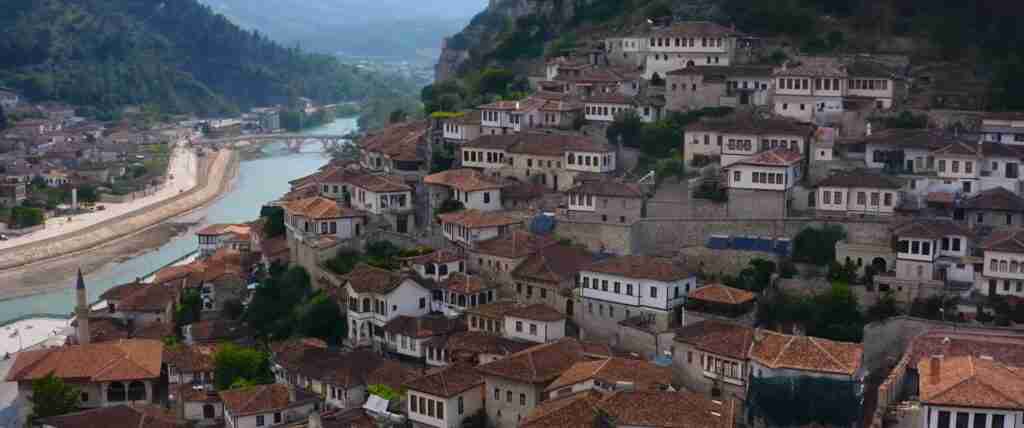
Berat Castle charges 200 ALL ($2.40) entry with free exploration of the massive hilltop fortress containing active residential neighborhood, Byzantine churches, and dramatic views. Onufri Museum within castle grounds adds 200 ALL ($2.40) for icon collection. Combined Berat heritage site exploration totals 400 ALL ($4.80) for several hours of castle wandering, church visits, and photography—exceptional value for UNESCO World Heritage access.
Gjirokastra Castle entry costs 400 ALL ($4.80), granting access to Albania’s second-largest fortress with weapons museum, Cold War tunnel, National Folklore Festival amphitheater, and panoramic Drino Valley views. Additional interior museums—Zekate House traditional Ottoman residence 200 ALL ($2.40), Cold War Tunnel 200 ALL ($2.40), Ethnographic Museum 300 ALL ($3.60)—total 800 ALL ($9.60) for complete Gjirokastra cultural immersion. Most visitors spend half-day exploring castle and old town at minimal expense.
Butrint National Park archaeological site near Saranda charges 1,000 ALL ($12) entrance—Albania’s highest heritage site fee, reflecting UNESCO status and exceptional Greek, Roman, Byzantine, and Venetian ruins spanning 2,500 years. The site warrants 2-3 hours minimum with ancient theater, Roman baths, basilicas, and lakeside fortifications. Audio guides available for 500 ALL ($6) additional.
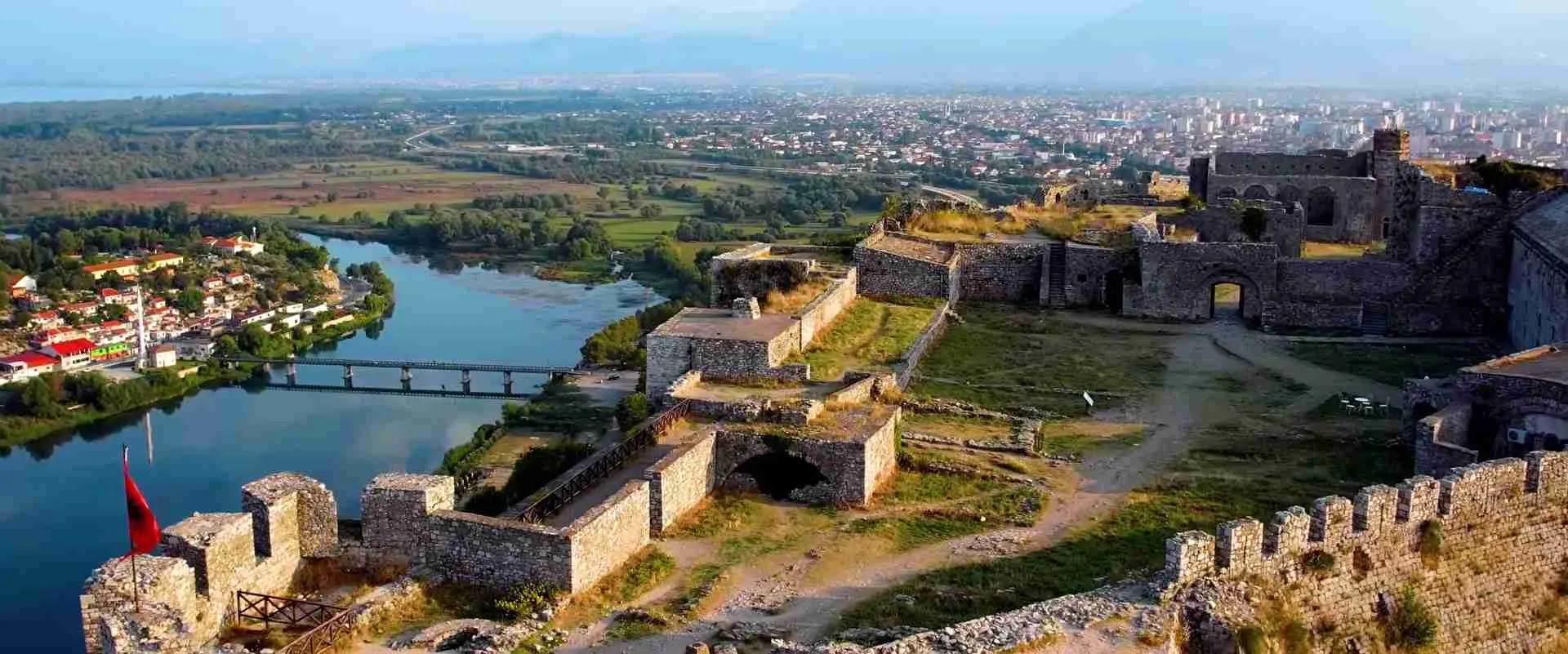
Apollonia archaeological park near Fier costs 300 ALL ($3.60) for Greek and Roman ruins including ancient library and Byzantine monastery. Durres amphitheater—Balkans’ largest Roman amphitheater—charges 400 ALL ($4.80). Rozafa Castle in Shkodra runs 200 ALL ($2.40) for Illyrian-Venetian fortress with Shkodra Lake panoramas. Kruja Castle and Skanderbeg Museum cost 500 ALL ($6) combined for Albania’s national hero shrine.
A comprehensive UNESCO and heritage week visiting Berat, Gjirokastra, Butrint, Apollonia, Durres, Rozafa Castle, and Kruja totals approximately 3,200 ALL ($38-40) in entrance fees—less than single museum admission in many Western European capitals. Many churches, old bazaars, and historic neighborhoods remain free to explore, further reducing cultural tourism expenses.
Natural Attractions and Outdoor Activities
Albanian natural attractions deliver remarkable value with many free or nominally priced. Blue Eye (Syri i Kaltër) natural spring near Saranda charges 100 ALL ($1.20) parking fee with free walking to the mesmerizing blue water source. Surrounding forest trails and picnic areas cost nothing. Organized tours from Saranda including transport run 3,000-4,000 ALL ($36-48) for half-day excursions—economical when splitting among passengers.
Albanian Alps hiking remains largely free with mountain guesthouse stays at $25-35 including meals. Theth to Valbona trek costs nothing beyond accommodation, though hiring local guides runs 5,000-8,000 ALL ($60-96) daily for groups. Valbona Valley National Park charges no entry fees for hiking. Accursed Mountains trails, Gashi River hike, and Theth waterfall access remain free with spectacular scenery rivaling Swiss Alps at fraction of costs.
Beach access throughout Albanian Riviera costs nothing for sand and swimming—Ksamil, Dhermi, Jale, Himara, and Gjipe beaches charge zero entry fees. However, beachfront sunbed and umbrella rentals run 500-2,000 ALL ($6-24) daily depending on location and season. Premium Ksamil beaches charge 1,500-2,000 ALL ($18-24) for two sunbeds plus umbrella, while less-developed beaches offer 500-800 ALL ($6-10) setups. Budget travelers bring towels and skip rentals, finding free beach space even at popular locations.
Osumi Canyon rafting organized trips cost 4,000-6,000 ALL ($48-72) per person for full-day adventures including transport from Berat, equipment, guides, and lunch. Vjosa River rafting runs similar pricing. These adventure activities provide excellent value compared to equivalent European destinations charging €80-120 for rafting experiences.
Thermal baths near Permet (Benja Thermal Baths) charge 200 ALL ($2.40) for natural hot spring pools with changing facilities. The setting along Lengarica River creates spectacular backdrop for relaxation. Organized tours from Gjirokastra including Blue Eye, Thermal Baths, and canyon viewing cost 4,500-6,000 ALL ($54-72) for full-day trips.
Museums and Cultural Experiences
Tirana’s museums charge modest entry fees. Bunk’Art 1 and Bunk’Art 2 Cold War bunkers converted to museums cost 700 ALL ($8.40) each, offering fascinating communist-era insights with extensive tunnel systems and multimedia exhibits. National History Museum charges 700 ALL ($8.40) for comprehensive Albanian historical overview. House of Leaves (Secret Surveillance Museum) costs 700 ALL ($8.40) for spy museum covering communist security apparatus. Combined Tirana museum visits total 2,800 ALL ($34) for major sites—excellent value for full-day cultural immersion.
Korça museums including National Museum of Medieval Art and Museum of Oriental Art charge 300-400 ALL ($3.60-4.80) each. Permet Traditional Houses museum costs 200 ALL ($2.40). Saranda Archaeological Museum runs 300 ALL ($3.60). Most small-town museums charge 200-300 ALL ($2.40-3.60) with limited opening hours requiring flexibility.
Contemporary art galleries in Tirana—Galeria Kombëtare e Arteve (National Gallery of Arts) and various private galleries—charge 300-700 ALL ($3.60-8.40) or free admission. The emerging Tirana art scene provides cultural engagement at minimal expense, with galleries concentrated in Blloku district alongside cafés and restaurants.
Tours and Guided Experiences 2026
Organized tours vary from budget-friendly group walking tours to premium private experiences. Free walking tours operate in Tirana with tip-based compensation—most participants tip 500-1,000 ALL ($6-12) for 2-3 hour tours covering main sights. These provide excellent orientation and historical context at minimal cost.
Albanian Eagle Tours offers private driver-guide services starting at 15,000-18,000 ALL ($180-216) per day for vehicles accommodating 1-4 passengers. Split among four travelers, private tours cost $45-54 per person daily—competitive with rental cars while including guide expertise, eliminating navigation stress, and providing cultural insights. Sample tours: Berat full-day with wine tasting 20,000 ALL ($240) per group, Apollonia and Karavasta Lagoon 18,000 ALL ($216) per group, Gjirokastra and Blue Eye 20,000 ALL ($240) per group.
Wine tasting tours near Berat cost 4,000-8,000 ALL ($48-96) per person including transport from city, winery visits at 2-3 properties, tastings of 4-6 wines at each location, and local snacks. Çobo Winery, Kantina Arbëri, and Nurellari provide professional experiences with English-speaking guides, scenic vineyard settings, and quality Albanian wines rivaling international varieties.
Albanian Riviera boat tours operate from Saranda and Himara at 3,000-5,000 ALL ($36-60) per person for half-day trips visiting hidden coves, snorkeling spots, and coastal caves. Full-day sailing trips cost 6,000-10,000 ALL ($72-120) including lunch and beverages. Ksamil boat transfers to surrounding islands run 1,000-1,500 ALL ($12-18) round-trip.
Cooking classes have emerged in Tirana, Berat, and Gjirokastra at 5,000-8,000 ALL ($60-96) per person for half-day sessions including market shopping, traditional preparation, and multi-course meals. These provide cultural immersion and practical skills while supporting local families hosting experiences.
Daily Budget Breakdowns by Travel Style 2026
Understanding realistic daily costs enables accurate trip planning across budget, mid-range, and luxury categories. These breakdowns reflect actual traveler expenses in 2026 with verified pricing and itemized components.
Budget Traveler Daily Costs: $35-60 Per Person
Budget travelers staying in hostel dorms or budget guesthouses, eating street food and local restaurants, using public buses, visiting free attractions, and occasionally paying museum entry fees spend $35-60 daily per person. Accommodation costs $12-21 per person (hostel dorm $12-20 or budget guesthouse room $24-42 for two sharing). Food expenses run $13-22 with breakfast byrek and coffee $2-4, lunch at lokal $5-8, dinner similar meal $6-10, plus snacks and water. Transport averages $5-10 daily combining occasional intercity buses, local buses, and walking. Activities cost $3-6 covering selective paid attractions, free beaches, and self-guided exploration.
Sample budget day in Berat: Guesthouse $28 room ($14 per person sharing), breakfast byrek and coffee $3, Berat Castle and Onufri Museum combined $5, lunch lokal $7, walking exploration free, dinner traditional restaurant $8, local beer $2, snacks and water $3. Total: $42 per person.
Sample budget day in Saranda: Hostel dorm $18, breakfast at hostel $2, local bus to Ksamil $1, beach day with brought snacks $3, lunch byrek $2, return bus $1, dinner lokal restaurant $9, two beers $5, ice cream $2. Total: $43 per person.
Sample budget day in Tirana: Hostel dorm $15, breakfast at bakery $3, free walking tour (tipped $8), lunch at lokal $6, Bunk’Art museum $8, dinner neighborhood restaurant $11, two beers $4, snacks $3. Total: $58 per person.
Budget weekly costs run $230-415 per person (low end $35 × 7 = $245, high end $60 × 7 = $420, rounded). This enables comprehensive Albanian exploration mixing cities, beaches, and heritage sites while maintaining strict spending discipline. Budget travelers cook occasional meals from markets, walk extensively, prioritize free attractions, and accept basic comfort levels.
Mid-Range Traveler Daily Costs: $75-135 Per Person
Mid-range travelers choosing 3-star hotels, dining at restaurants for all meals, combining buses with occasional taxis, paying for attractions and tours, spend $75-135 daily per person. Accommodation runs $24-48 per person (hotel room $48-96 for two sharing). Meals cost $29-48 with breakfast $4-8, lunch restaurant $10-15, dinner quality restaurant $15-25. Transport averages $10-20 mixing intercity buses, urban taxis, and occasional rental car days. Activities run $10-20 covering paid attractions, museum entry, and selective guided tours.
Sample mid-range day in Gjirokastra: Hotel room $70 ($35 per person sharing), hotel breakfast included, Gjirokastra Castle $5, Ethnographic Museum $4, lunch traditional restaurant $14, walking old town, taxi to Blue Eye and return $40 total ($20 per person), thermal baths $3, dinner quality restaurant $22, two glasses wine $8, dessert $5. Total: $116 per person.
Sample mid-range day Albanian Riviera: Seaside hotel $100 ($50 per person sharing), breakfast at hotel $7, beach sunbed rental $10, lunch beachfront restaurant $18, swimming and relaxation, taxi to nearby cove $8, dinner seafood restaurant $28, cocktails $12, gelato $4. Total: $137 per person.
Sample mid-range day in Berat: Boutique guesthouse $64 ($32 per person sharing with breakfast), Berat Castle $5, lunch with wine $20, wine tasting tour $60 per person, dinner restaurant $19, drinks $8. Total: $144 per person exceeding typical range due to wine tour—other days balance below average.
Mid-range weekly costs run $510-950 per person (low end $75 × 7 = $525, high end $135 × 7 = $945, rounded). This provides comfortable Albanian travel with reliable accommodation, quality dining, convenient transportation, and comprehensive cultural experiences without luxury premium. Mid-range travelers balance value-seeking with comfort priorities.
Luxury Traveler Daily Costs: $170-360 Per Person
Luxury travelers selecting boutique hotels and resorts, fine dining for all meals, private transfers or rental cars, premium tours, and upscale experiences spend $170-360 daily per person. Accommodation costs $60-150 per person (luxury hotel $120-300 for two sharing). Dining runs $50-90 with upscale breakfast $10-15, refined lunch $20-30, fine dinner $30-50, plus wine and cocktails. Transport averages $30-60 including rental car, private transfers, or premium taxis. Activities cost $30-60 covering private guides, premium experiences, and comprehensive touring.
Sample luxury day in Tirana: 5-star hotel $180 ($90 per person sharing), hotel breakfast buffet $15, private walking tour $150 for two ($75 per person), lunch fine dining $35, Bunk’Art with private guide $40, cocktails at rooftop bar $18, dinner tasting menu $65, premium wine $30. Total: $328 per person.
Sample luxury day Albanian Riviera: Boutique resort $280 ($140 per person sharing), gourmet breakfast included, private boat tour $120 per person, lunch seaside restaurant $40, resort spa treatment $80, dinner resort fine dining $70, premium cocktails and wine $35. Total: $485 per person exceeding typical daily range—balanced by lower-activity relaxation days at resort.
Sample luxury day wine country: Heritage boutique hotel Berat $200 ($100 per person sharing with breakfast), private wine tour full-day $240 for two ($120 per person) including vineyard visits and lunch, afternoon spa $60, dinner fine restaurant $55, premium Albanian wines $40. Total: $375 per person.
Luxury weekly costs run $1,190-2,520 per person (low end $170 × 7 = $1,190, high end $360 × 7 = $2,520). This enables Albania’s finest experiences with premium comfort, exclusive access, personalized service, and comprehensive cultural immersion. Luxury travelers prioritize quality, convenience, and unique experiences over cost optimization, yet still find Albania substantially more affordable than luxury travel in Western Europe or established Mediterranean destinations.
Sample Itineraries with Costs 2026
These detailed itineraries provide day-by-day cost breakdowns for common Albanian travel routes, helping travelers understand real expenses across budget, mid-range, and luxury categories.
Budget 7-Day Albania Itinerary: $240-420 Total Per Person
Day 1 – Tirana Arrival: Airport shuttle $3.50, hostel dorm $15, dinner lokal $10, beer $2, walking city center evening. Daily total: $30.50
Day 2 – Tirana Exploration: Hostel $15, breakfast bakery $3, free walking tour (tip $8), lunch lokal $6, Bunk’Art 1 $8, dinner traditional restaurant $11, two beers $4, snacks $3. Daily total: $58
Day 3 – Berat: Bus Tirana-Berat $5, guesthouse $14 per person sharing, lunch en route $6, Berat Castle $2.40, Onufri Museum $2.40, walking old town, dinner restaurant $9, wine $3, snacks $2. Daily total: $43.80
Day 4 – Berat: Guesthouse $14 per person, breakfast included, morning castle photography, lunch lokal $7, afternoon walking, dinner traditional $10, raki $2, coffee $1, market fruit $2. Daily total: $36
Day 5 – Gjirokastra: Bus Berat-Gjirokastra $10, guesthouse $13 per person sharing, lunch en route $7, Gjirokastra Castle $4.80, evening old town walking, dinner $11, beer $2. Daily total: $47.80
Day 6 – Saranda: Bus Gjirokastra-Saranda $5, hostel $18, lunch lokal $8, afternoon beach swimming free, sunbed skipped, dinner lokal $9, two beers $4, ice cream $2. Daily total: $46
Day 7 – Saranda & Return: Hostel $18, breakfast byrek $2, bus to Ksamil $1, beach day with packed lunch $4, return bus $1, early dinner $8, bus Saranda-Tirana overnight $18. Daily total: $52
Week Total: Accommodation $107, meals $93, transport $43, attractions $17, beverages and extras $54. Grand total approximately $314 per person for comprehensive week mixing Tirana, UNESCO sites, and beaches at strict budget level.
Mid-Range 7-Day Albania Itinerary: $575-945 Total Per Person
Day 1 – Tirana Arrival: Airport taxi shared $15 per person, 3-star hotel $30 per person sharing, evening stroll, dinner Blloku restaurant $22, cocktail $7, taxi to hotel $4. Daily total: $78
Day 2 – Tirana: Hotel $30 per person with breakfast, private walking tour $40 per person, lunch café $14, National History Museum $8, Bunk’Art 2 $8, dinner quality restaurant $28, wine $10, taxi $5. Daily total: $143
Day 3 – Berat: Rental car pickup $45 daily rate ($22.50 per person sharing), drive to Berat, boutique guesthouse $32 per person with breakfast, lunch en route $15, Berat Castle $5 attractions combined, wine bar evening $12, dinner traditional restaurant $20. Daily total: $106.50
Day 4 – Berat Wine Tour: Guesthouse $32 per person with breakfast, organized wine tour $60 per person including lunch, afternoon rest, dinner restaurant $19, drinks $8. Daily total: $119
Day 5 – Gjirokastra: Car rental $22.50 per person, drive to Gjirokastra, hotel $35 per person sharing with breakfast, Blue Eye side trip $3 parking, Gjirokastra Castle $5, dinner quality restaurant $24, drinks $9. Daily total: $98.50
Day 6 – Albanian Riviera: Car rental $22.50 per person, drive to Dhermi, beachfront hotel $55 per person sharing, lunch coastal restaurant $18, beach afternoon, sunbed $8, dinner seafood $32, wine $12. Daily total: $147.50
Day 7 – Saranda & Return: Car rental $22.50 per person, drive to Saranda, explore Butrint $12 entry, lunch $16, drive Tirana via scenic routes, hotel near airport $28 per person, dinner $20, car return. Daily total: $98.50
Week Total: Accommodation $242, meals and dining $203, rental car and fuel $170, attractions and activities $93, beverages and extras $83. Grand total approximately $791 per person for comfortable week with rental car freedom, quality dining, and comprehensive experiences.
Luxury 5-Day Albanian Riviera Escape: $950-1,800 Total Per Person
Day 1 – Tirana to Riviera: Private airport transfer $40 per person to boutique hotel, hotel rest and dinner $55, premium cocktails rooftop $20, luxury Tirana hotel $90 per person. Daily total: $205
Day 2 – Riviera Transfer: Hotel breakfast $15, private transfer to Dhermi $80 per person, boutique resort $140 per person, lunch coastal $35, afternoon resort pool, spa treatment $80, resort dinner $65, wine $35. Daily total: $450
Day 3 – Riviera Relaxation: Resort $140 per person with breakfast included, private boat tour $120 per person, seafood lunch on boat included, afternoon beach, resort dinner fine dining $70, cocktails $30. Daily total: $360
Day 4 – Cultural Day: Resort $140 per person with breakfast, private tour Butrint and Blue Eye $100 per person including guide and lunch, resort spa evening $70, dinner resort $60, premium wine $40. Daily total: $410
Day 5 – Return Tirana: Resort $140 per person with breakfast, morning beach, lunch resort $40, private transfer Tirana $80 per person, luxury airport hotel $75 per person, dinner near airport $45. Daily total: $380
5-Day Total: Accommodation $685, meals and dining $445, private transfers and tours $400, activities and spa $230, beverages and extras $45. Grand total approximately $1,805 per person for luxury coastal escape with resort comfort, private experiences, and premium service throughout.
Seasonal Price Variations Albania 2026
Albanian costs fluctuate significantly with seasons, particularly along the coast. Understanding seasonal pricing enables strategic planning for substantial savings without sacrificing experience quality. Inland cities maintain year-round stability while coastal areas operate on Mediterranean tourist economics with dramatic summer peaks.
Peak Summer Season: July-August
July-August represents Albania’s peak tourist season with highest prices, maximum crowds, and fullest infrastructure. Albanian Riviera accommodation rises 50-100% above shoulder season baseline—Dhermi hotels costing $60 per room in May charge $120-140 in August, Ksamil apartments jumping from $50 to $100-140, and premium resort properties commanding $200-300 for rooms costing $120-180 in June. Tirana and heritage cities show minimal summer premiums with stable year-round pricing.
Beach sunbed and umbrella rentals peak at 1,500-2,000 ALL ($18-24) daily in popular Ksamil locations, versus 800-1,200 ALL ($10-14) in shoulder season. Coastal restaurants add 15-25% premiums to menu prices during July-August with €15 seafood dishes rising to €18-20. Transportation sees increased frequency but similar pricing—buses don’t surge-price though fuller vehicles create discomfort.
Attractions maintain consistent entry fees regardless of season—Berat Castle always costs 200 ALL, Gjirokastra Castle 400 ALL. However, organized tours increase 10-20% in July-August with higher demand and operating costs. Wine tours costing 5,000 ALL ($60) in May run 6,000-7,000 ALL ($72-84) in August peak.
Weather delivers guaranteed sun with July-August averaging 30-35°C air temperatures and 24-26°C sea temperatures—ideal beach conditions. However, afternoon heat proves intense requiring siesta breaks, and popular beaches fill with umbrellas leaving limited free sand space. Albanian Riviera sunsets occur 8:30-9:00 PM providing extended beach days. Tirana summer heat (32-37°C) makes city exploration uncomfortable midday, though evenings remain pleasant for outdoor dining and nightlife.
Peak summer advantages include maximum infrastructure operating—all coastal hotels, restaurants, beach clubs, and tours function fully, buses run highest frequency, and social atmosphere peaks with international crowds. Disadvantages center on premium pricing, crowded beaches, booked accommodation requiring advance reservations, and intense heat limiting midday activity. Travelers prioritizing beach socializing and nightlife find July-August optimal despite costs. Those seeking value and comfort should target shoulder seasons.
Shoulder Seasons: May-June & September-October
Shoulder seasons represent Albania’s optimal value-weather combination. May-June and September-October deliver near-identical beach conditions as peak summer—sea temperatures 20-24°C, sunshine 8-10 hours daily, minimal rain—while accommodation costs 30-50% less and crowds substantially diminished. Albanian Riviera hotels charging $120-140 in August drop to $60-90 in May or September. Mid-range properties costing $80-100 peak fall to $50-70 shoulder. Budget guesthouses maintain lower baseline at $30-45 versus $50-70 August pricing.
Beach sunbed rentals decrease to 800-1,200 ALL ($10-14) in shoulder seasons with negotiation possible for full-day rates. Many beaches show ample free sand space eliminating rental necessity. Coastal restaurants revert to baseline menu pricing without summer premiums—€15 seafood dishes cost €15, not €18-20. Wine tours, boat trips, and organized activities return to standard rates saving 10-20% versus peak season.
Weather remains excellent for all activities. May-June provides warming conditions—seas reaching 20-22°C by late May, air temperatures 24-28°C, wildflowers blooming in mountains. September-October maintains summer warmth initially—seas 23-24°C through mid-October, air 26-30°C September, declining to 20-24°C October. October swimming remains comfortable in southern beaches like Ksamil. Both shoulder seasons experience occasional brief rain but predominantly sunny conditions.
Shoulder season advantages include optimal price-weather ratio, uncrowded beaches allowing free space selection, easy accommodation availability without advance booking in many locations, comfortable temperatures for hiking and city exploration, and local interaction as mass tourism recedes. Disadvantages remain minimal—some beach clubs operate reduced hours, mountain guesthouses in Alps have limited availability early/late season, and October swimming requires resilience as temperatures drop. Overall, May-June and September-October deliver Albania’s best overall value for most travelers.
Winter Low Season: November-March
Winter represents Albania’s true low season with rock-bottom prices in cities and heritage sites, though coastal infrastructure largely shuts down. Tirana hotel prices drop 30-50% below summer with 3-star properties available at $30-50 per room versus $60-80 warm months. Berat and Gjirokastra guesthouses fall to $20-35 per room as tourist traffic slows. However, Albanian Riviera hotels, restaurants, and infrastructure close November-March with only Saranda maintaining limited winter operations.
Winter dining costs remain stable in cities with restaurants operating year-round at standard pricing. Reduced competition for accommodation in heritage sites enables walk-in negotiation for rates 20-30% below quoted prices. Transportation maintains service on main routes though frequency decreases—Tirana-Berat-Gjirokastra corridor operates reliably while coastal services reduce.
Weather turns wet and cool with November-February averaging 8-15°C, substantial rainfall, and mountain snow. Tirana remains accessible with occasional cold snaps to 0-5°C. Albanian Alps become impassable November-April as heavy snow closes roads to Theth and Valbona. However, heritage city exploration remains pleasant with atmospheric rain adding moody photography opportunities. Winter crowds evaporate creating intimate experiences in Berat Castle, Gjirokastra old town, and Tirana museums.
Winter advantages include absolutely minimum pricing, zero crowds at heritage sites, authentic local atmosphere without tourist infrastructure, cozy guesthouse experiences, and atmospheric weather for photography. Disadvantages center on closed coastal infrastructure, impassable mountain roads, cold and wet conditions, reduced daylight hours (sunset 4:30-5:00 PM), and limited tour operations. Winter suits budget travelers prioritizing cities and cultural sites over beaches, photographers seeking moody conditions, and those with flexible schedules avoiding strict itineraries.
Spring Shoulder: April
April bridges winter and shoulder season with transitional pricing and weather. Coastal infrastructure begins reopening mid-April through early May as hotels prepare for tourist season. Prices start at winter baseline then climb toward shoulder levels—April accommodation falls between low-season and May-June rates. Tirana and heritage cities show minimal April variation from other months.
Weather improves dramatically from winter with air temperatures 15-20°C, increasing sunshine, and declining rainfall. Seas remain cool at 15-18°C, suitable for hardy swimmers but not comfortable beach lounging. Mountains begin accessible as snow melts, though high passes like Theth road stay closed until late April or early May. Wildflowers bloom across countryside creating spectacular scenery for hiking and photography.
April advantages include emerging spring beauty, warming conditions, reopening infrastructure, and pricing lower than May-June proper shoulder season. Disadvantages involve variable weather with occasional storms, cool sea temperatures discouraging swimming, and incomplete service as businesses gradually reopen. April works well for travelers prioritizing hiking, cultural sites, and photography over beach activities, offering value window before full shoulder season pricing arrives.
Money-Saving Strategies Albania 2026
Strategic planning enables significant cost reduction without sacrificing experience quality. These proven strategies help travelers maximize Albanian value across accommodation, dining, transportation, and activities.
Accommodation Money-Saving Tactics
Contact guesthouses and small hotels directly via phone or Facebook messenger for rates 10-20% below booking platforms like Booking.com or Airbnb. Family-run properties appreciate direct bookings eliminating platform commissions and often negotiate lower rates or include free breakfast, upgrades, or local tours. Albanian phone numbers work via WhatsApp making international contact free. This strategy works best for budget and mid-range properties where owners personally manage bookings.
Arrive without reservations in Tirana, Berat, and Gjirokastra during non-peak periods (September-June excluding holidays) to negotiate walk-in rates. Guesthouses with empty rooms often discount 20-30% for immediate booking, particularly for multi-night stays. Walk neighborhoods with “dhoma për huaj” (rooms for rent) signs and ask pricing. This requires flexibility and Albanian language basics or translation apps, but saves substantially for adventurous travelers.
Book Albanian Alps mountain guesthouses directly through family contacts rather than booking platforms. Theth, Valbona, and Vermosh guesthouses rarely appear online, operating through word-of-mouth and phone reservations. Prices remain identical at $25-35 per person with full board, but direct booking ensures availability and builds personal connections. Local tour agencies in Shkodra maintain guesthouse lists with phone numbers.
Prioritize shoulder seasons (May-June, September-October) for coastal accommodation, saving 30-50% versus July-August with near-identical weather. A Dhermi hotel costing $140 per room in August drops to $70-90 in September with 24°C seas and fewer crowds. This single timing decision can save $300-500 on week-long coastal stays.
Consider apartment rentals for stays exceeding three nights, particularly when traveling as families or groups. Apartment kitchens enable meal preparation, dramatically reducing food expenses. Saranda two-bedroom apartments sleeping four cost $60-100 nightly shoulder season—$15-25 per person versus $30-50 per person for equivalent hotel rooms, plus meal preparation savings.
Dining Cost Reduction Strategies
Eat main meals at lokals (traditional worker restaurants) rather than tourist-oriented establishments. These neighborhood eateries serve generous portions of authentic Albanian cuisine at $5-8 per meal versus $12-18 in tourist restaurants. Food quality often exceeds tourist spots as lokals cater to discerning local clientele who eat there daily. Look for Albanian-only menus, local crowds, and simple interior décor as indicators.
Shop at neighborhood markets and supermarkets rather than tourist-area convenience stores for 20-40% savings. Central markets in Tirana, Berat, and other cities sell fresh produce, cheese, bread, and cured meats at local prices. Arrive early (7-9 AM) for best selection and freshest products. Bring reusable bags as plastic bags cost 100-200 ALL ($1.20-2.40). Neighborhood supermarkets outside tourist zones price staples 15-25% below central tourist-area shops.
Prioritize lunch as the main restaurant meal when exploring restaurants beyond budget category. Many quality restaurants offer identical menus lunch and dinner but charge 15-25% less at lunch. Three-course lunches at mid-range establishments cost $12-18 versus $18-25 for equivalent dinners. This strategy enables restaurant quality sampling at reduced expense, supplementing with lighter dinners from markets or budget eateries.
Drink local beverages—Albanian wine $3-6 per bottle, raki $1-2 per shot, local beer $1-3—rather than imported brands at double pricing. Albanian wines from Çobo, Nurellari, and Arbëri wineries provide excellent quality at fraction of international wine costs. Birra Korça and Tirana beers equal European lager quality while costing half. Raki accompanying traditional meals often arrives complimentary.
Prepare breakfast and occasional dinners when staying in apartments or guesthouses with kitchen access. Breakfast ingredients from markets—bread $0.50, cheese $1, yogurt $0.60, fruit $1, coffee $2—total $5 for two versus $8-12 at cafés. Simple dinners with pasta $1, tomato sauce $2, cheese $2, salad vegetables $2, wine $4 cost $11 for two compared to $25-35 restaurant meals.
Transportation Savings Methods
Use public buses for all intercity routes, saving 60-80% versus taxis or rental cars on routes with good service. Tirana-Berat costs $4.80 by bus versus $72-96 by taxi, Tirana-Saranda $18-22 by bus versus $120+ taxi. For couples or solo travelers covering standard tourist routes, buses provide dramatic savings. Only groups of 3-4 passengers make taxis economical through cost splitting.
Walk extensively in cities rather than using taxis for short distances. Tirana city center to Blloku spans 15 minutes walking versus $4-7 taxi. Berat old town remains entirely walkable with castle climb the only challenge. Saranda waterfront extends 2 kilometers end-to-end, fully walkable in 25 minutes. Choosing centrally-located accommodation eliminates most urban taxi needs. Download offline maps via Maps.me or Google Maps for navigation.
Download and use Bolt rideshare app in Tirana for 30-40% savings versus street taxis. A journey costing 600 ALL ($7) via Bolt runs 900-1,000 ALL ($11-12) by street taxi. The app provides transparent pricing, English interface, and cashless payment eliminating negotiation and potential misunderstandings. Bolt operates increasingly in Saranda with expansion to other cities underway.
Hitchhike on main routes if comfortable with this travel style. Albanian drivers regularly pick up hitchhikers with rides typically free, though offering €2-3 for longer distances proves courteous. Safety record remains good with common practice among locals. HitchWiki provides route-specific information. This option suits adventurous budget travelers willing to sacrifice schedule certainty for cost savings.
Negotiate multi-day taxi rates for specific itineraries rather than per-journey pricing. Drivers often provide full-day services at 8,000-12,000 ALL ($96-144) including multiple stops—competitive with rental cars when considering fuel costs, parking fees, and navigation stress. Two-person teams can split this cost making it economical alternative to car rental for specific routes.
Attraction and Activity Savings
Prioritize free walking exploration over paid guided tours. Albanian cities, beaches, old towns, and many heritage sites cost nothing to explore independently. Berat Castle charges $2.40 entry but internal neighborhood exploration remains free for hours. Beaches throughout Riviera cost nothing for sand access and swimming—bring towels to avoid sunbed rental expenses. Gjirokastra old bazaar, stone houses, and atmospheric alleyways provide free wandering.
Use free Albania Audio Tours app covering all major destinations as baseline information source. The app provides comprehensive historical and cultural content without guide expenses. Supplement with targeted paid guides only for complex sites where expert interpretation significantly enhances understanding—Butrint archaeological ruins, Bunk’Art Cold War installations, Apollonia ancient city.
Visit museums and attractions early morning or late afternoon when independent exploration proves most rewarding without crowds. Popular sites like Gjirokastra Castle and Berat Castle see tour groups mid-morning through early afternoon. Arriving 9 AM or after 4 PM enables peaceful exploration with better photography light and fewer visitors. Entry fees remain identical regardless of timing.
Purchase fresh fruit and snacks from markets for day trips rather than buying from tourist-area vendors at inflated pricing. Market apples cost $0.80 per kilogram versus $1 each from beach vendors. Water bottles from supermarkets run $0.40-0.60 for 1.5 liters versus $1-1.50 from tourist shops. Bringing water, fruit, and basic snacks reduces daily incidental expenses by $5-10 per person.
Target free activities and natural attractions over paid tours when possible. Hiking in Albanian Alps costs nothing beyond guesthouse accommodation. Beach days require no expenses beyond optional sunbed rentals. Thermal baths at Benja cost $2.40 entry for natural hot springs. Blue Eye spring charges $1.20 parking with free access to natural wonder. Mountain viewpoints, old town wandering, and architectural appreciation provide engaging experiences without fees.
Hidden Costs and Fees Albania 2026
Albanian travel includes several unexpected expenses that catch unprepared travelers. Understanding these hidden costs prevents budget surprises and enables accurate trip planning.
Mobile Phone and Internet Costs
Albania operates outside EU roaming agreements, meaning European “roam like at home” benefits don’t apply. Using home SIM cards incurs substantial international roaming charges—data can cost $10-15 per megabyte without roaming packages. The EU announced plans to eliminate Albania roaming charges in 2026 but implementation remains pending. Until official EU roaming inclusion, travelers face this significant hidden expense.
Albanian prepaid SIM cards provide the economical solution at 1,000-2,000 ALL ($12-24) for 10-20GB data packages lasting 30 days. Vodafone, ALBtelecom, and One Albania operate nationwide networks with good Tirana coverage and acceptable service in tourist areas. Coastal coverage remains strong while mountain areas show gaps. Purchase SIM cards at airport kiosks, mobile shops in cities, or supermarkets. Passport required for registration.
International eSIM providers like Airalo and SimOptions offer Albania data packages at $5-15 for 1-5GB, convenient for travelers with eSIM-compatible phones avoiding physical SIM procurement. Hotel and restaurant WiFi remains widely available in cities and tourist areas as free alternative to mobile data, though speeds and reliability vary.
ATM and Currency Exchange Fees
Albanian ATMs charge withdrawal fees of 200-500 ALL ($2.40-6) per transaction, varying by bank and ATM operator. Raiffeisen Bank and Tirana Bank ATMs generally charge lower fees than standalone machines in tourist areas. These per-transaction fees incentivize fewer, larger withdrawals rather than frequent small amounts. Credit cards at ATMs incur cash advance fees from card issuers (typically 3-5% plus interest) on top of Albanian ATM charges.
Currency exchange offices in cities provide euros-to-lek conversion at 1-3% margins over official rates, generally beating ATM total costs for large amounts. Airport exchanges charge 5-8% premiums—avoid except for small initial amounts. Bringing euros from home and exchanging locally proves cheaper than USD-to-lek conversion which involves double exchange spread. Many coastal businesses accept euros directly, though typically at rates 2-5% worse than official.
Credit card merchant fees don’t appear to customers but some small businesses add surcharges for card payments or offer cash discounts. Card acceptance remains limited in markets, small restaurants, buses, and mountain areas. Budget $100-200 euros in cash reserves for areas without ATMs or card infrastructure. Notify card issuers of Albania travel plans to prevent fraud blocks on legitimate transactions.
Tipping and Service Charges
Tipping remains discretionary in Albania but increasingly expected in tourist-oriented establishments. Restaurant service rarely includes tips in bill totals—10% represents standard appreciation for good service, 5% acceptable for basic service, nothing if service proved poor. Round up taxi fares to nearest 500 ALL or add 10% for helpful drivers. Hotel cleaning staff appreciate 200-500 ALL ($2.40-6) daily. Tour guides and drivers expect 5-10% of tour costs for excellent service.
Some upscale Tirana restaurants and Albanian Riviera tourist establishments add 10% service charges to bills automatically—verify bill details before adding additional tips. This practice remains uncommon in budget and mid-range establishments where tips prove fully discretionary. Free walking tours operate on tip-based compensation with 500-1,000 ALL ($6-12) considered appropriate for quality 2-3 hour tours.
Beach Equipment and Resort Fees
Albanian Riviera beach sunbed and umbrella rentals cost 500-2,000 ALL ($6-24) daily depending on location and beach exclusivity. Ksamil’s prime beaches charge 1,500-2,000 ALL for two sunbeds plus umbrella, while less-developed beaches offer 500-800 ALL setups. Some premium beach clubs require minimum consumption—€15-30 per person—for beach access, essentially converting free beach to paid entry. These policies concentrate in popular Ksamil areas and upscale Dhermi-Jale beach clubs.
Resort hotels often bundle beach access and equipment in accommodation rates, but standalone beach clubs charge separately. Budget travelers skip sunbed rentals entirely, bringing towels and claiming free beach space—available even at popular locations outside immediate beach club zones. Beach showers sometimes charge 100-200 ALL ($1.20-2.40) for freshwater rinsing, though most remain free.
Parking and Highway Tolls
Parking costs 100-200 ALL ($1.20-2.40) per hour in Tirana city center, 50-100 ALL in smaller cities, and typically free in heritage towns like Berat and Gjirokastra outside immediate old town zones. Albanian Riviera paid parking runs 200-500 ALL ($2.40-6) daily at popular beach access points. Overnight hotel parking sometimes costs 300-500 ALL ($3.60-6) beyond quoted room rates—clarify parking inclusion when booking. Illegal parking results in 1,000-5,000 ALL ($12-60) fines, with aggressive enforcement in Tirana.
Highway tolls currently remain minimal in Albania with most roads free. The Tirana-Durres highway charges 100 ALL ($1.20) at toll plaza. Future highway expansions may introduce additional tolls, though current network operates largely without charges. This contrasts favorably with Croatian or Italian tolls running €20-50 for equivalent highway distances.
Bottled Water Markup in Tourist Areas
While tap water remains safe for drinking in Albanian cities, bottled water purchases add daily expenses many travelers overlook. Supermarkets sell 1.5-liter bottles at 40-60 ALL ($0.50-0.70), while tourist-area convenience stores and beach vendors charge 100-150 ALL ($1.20-1.80) for identical products. Over week-long trips, this markup totals $10-20 per person in unnecessary expenses. Smart travelers purchase water in supermarkets, refilling smaller bottles throughout days.
Restaurants sometimes charge for water served at tables—100-200 ALL ($1.20-2.40) per bottle—particularly in tourist zones. Requesting tap water typically brings bottled water anyway with charges. This contrasts with lokals and traditional restaurants where water arrives free. Clarify water charges when reviewing menus to avoid bill surprises.
Regional Price Differences Albania 2026
Albanian costs vary significantly between regions, with coastal tourist areas commanding premiums over inland cities and rural areas. Understanding regional pricing enables strategic itinerary planning for budget optimization.
Tirana: Urban Stability
Tirana maintains moderate, stable pricing year-round as Albania’s capital and business center. Accommodation costs $30-200 per room across budget-to-luxury range with minimal seasonal variation. Business travel component prevents summer price spikes seen in coastal areas. Restaurant meals run $5-8 at lokals, $12-18 at mid-range establishments, $25-45 at upscale venues—pricing consistent across all months.
Tirana’s competitive market with numerous hotel, restaurant, and service options creates value opportunities. The city offers Albania’s best mid-range hotel value with modern 3-star properties at $50-80 per room providing quality often matching 4-star elsewhere. Restaurant diversity enables budget optimization—traditional eateries coexist with international cuisine and upscale options. Transportation infrastructure and walkable center minimize daily transport expenses.
Tirana suits travelers prioritizing urban amenities, nightlife, cultural attractions, and stable costs without seasonal volatility. The city provides ideal arrival/departure base with airport proximity and national bus network hub positioning. Budget travelers find Tirana more expensive than rural areas but substantially cheaper than Albanian Riviera July-August peaks. Mid-range and luxury visitors discover excellent value compared to Western European capitals.
Berat and Gjirokastra: Heritage Value
UNESCO World Heritage cities Berat and Gjirokastra deliver exceptional accommodation and dining value with minimal tourist inflation despite international recognition. Guesthouses cost $24-55 per room year-round, heritage boutique properties $60-100, with slight July-August premiums but nothing approaching coastal spikes. Traditional restaurants serve authentic Albanian cuisine at $5-12 per meal with local ingredients and family recipes.
These heritage cities attract cultural travelers rather than beach crowds, creating different tourism economics. Infrastructure remains modest with limited luxury options—character and authenticity rather than resort amenities define the experience. Accommodation occupies restored Ottoman houses providing architectural interest alongside lodging. Dining focuses on traditional preparations with local wine and raki.
Berat and Gjirokastra suit travelers prioritizing cultural immersion and architectural heritage over beach activities. Costs remain moderate across all seasons—visiting August sees minimal premium versus April. The towns provide relaxed paces with castle exploring, old town wandering, and wine tasting filling days without expense. Budget travelers find these cities highly affordable, while mid-range visitors enjoy boutique heritage properties at prices unimaginable for equivalent European historic destinations.
Albanian Riviera: Seasonal Extremes
The Albanian Riviera—Saranda, Ksamil, Dhermi, Himara, Jale, Dhërmi, Vuno—operates on Mediterranean beach tourism economics with dramatic seasonal price swings. July-August accommodation costs 150-200% of shoulder season baseline, with some premium properties tripling May-June rates. A Dhermi beachfront hotel charging $60 per room in May commands $140-180 in August for identical space. Ksamil apartments jumping from $50 to $120-160 create substantial budget impact.
Restaurant pricing along Riviera follows similar patterns with 15-25% summer premiums for tourist-oriented establishments. Seafood restaurants that charge €15 for grilled fish in May increase to €18-22 August. However, traditional inland restaurants in Saranda neighborhoods maintain stable pricing serving local clientele. Beach sunbed rentals peak at $18-24 daily in Ksamil compared to $10-14 shoulder season.
Albanian Riviera delivers Greece or Croatia beach experiences at 30-40% lower costs even during peak season, yet the seasonal volatility creates planning importance. Shoulder season visitors (May-June, September-October) enjoy near-identical weather—22-24°C seas, 8-10 hours daily sunshine—with 35-50% accommodation savings and uncrowded beaches. Peak summer brings maximum infrastructure with every restaurant, beach club, and tour operating fully, but premium pricing and packed beaches diminish value.
The Riviera suits beach-focused travelers accepting either seasonal price premiums or shoulder season timing. Those prioritizing July-August socializing and nightlife pay accordingly. Smart travelers targeting May-June or September find exceptional value with superior weather versus crowded August. Winter (November-March) sees infrastructure closure making Riviera unsuitable off-season.
Albanian Alps: Year-Round Value
Albanian Alps mountain villages—Theth, Valbona, Vermosh—maintain stable pricing at $25-35 per person including full board (dinner, breakfast, room) regardless of season. This represents Europe’s best accommodation value combining lodging, substantial meals with local wine, and mountain hospitality. Summer (June-September) sees highest demand with advance booking recommended, while spring and fall maintain availability with identical pricing.
Alps guesthouses operate family-run with traditional approaches—meals served communally, raki welcoming guests, home-cooked multi-course dinners using local ingredients. This differs fundamentally from hotel or guesthouse models elsewhere in Albania. Included meals would cost $15-25 in restaurants, making $25-35 total price exceptional. Limited infrastructure means minimal additional expenses—hiking remains free, villages lack restaurants or shops creating natural spending restraints.
Albanian Alps suit hikers, nature enthusiasts, and cultural travelers seeking authentic mountain experiences. The region provides Albania’s most affordable high-quality experience when meal inclusion calculated. However, access requires effort—rough roads, no public buses beyond Shkodra, and isolation. Winter closure (November-April) restricts visiting to warm months. Budget travelers find Alps unbeatable value, while those prioritizing comfort may find basic facilities and shared bathrooms challenging.
Secondary Cities: Local Pricing
Shkodra, Korça, Durres, Vlora, and Permet maintain local pricing without significant tourist inflation. Accommodation costs $25-60 per room, meals $4-10, with authentic Albanian daily life rather than tourist infrastructure. These cities provide cultural immersion at minimal cost, serving as bases for surrounding attractions—Shkodra for Alps access, Korça for lakeside and wine touring, Permet for thermal baths and Vjosa River.
Secondary cities lack English-language infrastructure and tourist amenities common in Tirana or Riviera. This creates both challenges and opportunities—communication requires effort, independent navigation proves essential, but authentic experiences and genuine local prices reward adventurous travelers. Restaurants serve Albanian clientele with menus in Albanian only, accommodation books via phone rather than online platforms, and tourist services remain limited.
These cities suit independent travelers comfortable with language barriers and limited tourist infrastructure. Costs remain lowest in Albania here, cultural authenticity highest, and crowds non-existent. Budget travelers find secondary cities ideal for extending trip duration on fixed budgets. Mid-range visitors seeking authentic experiences beyond tourist circuits discover rewarding alternatives to standard routes.
Budget Considerations for Different Traveler Types
Travel styles and group compositions impact Albanian costs significantly. These considerations help families, solo travelers, seniors, and couples optimize budgets for their specific situations.
Solo Traveler Considerations
Solo travelers face single supplement charges making Albania less budget-friendly than couples sharing accommodation. Hostel dorms at $12-20 per night provide cheapest option without supplement penalties. Private rooms designed for two charge full rates to solo occupants—$30-50 guesthouse rooms and $50-80 mid-range hotels create per-person costs exceeding couple rates. Solo travelers pay $30-80 nightly for private rooms providing $15-40 per person costs for couples.
Transportation costs equalize for solo travelers on public buses but taxis prove expensive without cost splitting. Rental cars make minimal economic sense for solo travelers who pay full $30-84 daily rates achieving per-person costs couples split. However, organized tours sometimes offer per-person pricing making them relatively economical for solos compared to private transport.
Solo dining enables budget flexibility with street food, markets, and lokal meals at $5-8 creating low-cost nutrition. However, restaurant portions designed for multiple dishes sharing result in higher per-person food costs or limited variety when eating alone. Many Albanian restaurants provide generous single portions suitable for solo dining without ordering multiple dishes.
Solo travel advantages include freedom and flexibility to change plans without consultation, ability to meet other travelers in hostels, and easier hitchhiking for males. Solo female travelers report Albania feels safe with standard urban cautions, though conservative rural areas require modest dress and awareness. Overall daily solo costs run $50-90 for budget-conscious travelers, $100-180 mid-range comfort—approximately 25-40% above per-person couple rates due to accommodation supplements.
Couple Traveler Optimization
Couples achieve optimal per-person value in Albania through cost splitting on accommodation and taxis while maintaining flexibility for personal preferences. Guesthouse rooms at $24-42 cost $12-21 per person, 3-star hotels at $48-96 run $24-48 per person, and luxury properties at $120-300 divide to $60-150 per person. These per-person rates prove highly competitive.
Transportation economics favor couples on taxis where $4-8 urban rides split to $2-4 each. Rental cars at $30-84 daily become $15-42 per person, competitive with bus costs when incorporating flexibility value. Private tours and driver services charging per vehicle benefit couples splitting costs. Albanian Alps guesthouses at $25-35 per person provide identical pricing whether solo or coupled.
Dining enables dishes sharing in restaurants, maximizing variety while controlling costs. Ordering 2-3 mains plus appetizers for two provides diverse meal at $20-30 total versus $12-18 per person ordering separately. Market shopping and apartment meal preparation creates substantial savings for couples with cooking labor and cleanup shared.
Couples achieve daily costs of $35-60 each for budget travel, $75-135 for mid-range comfort, and $170-360 for luxury—the baseline figures this guide targets. Relationship dynamics allow budget discussions and compromise between splurging and saving. Couples represent Albania’s ideal tourist profile from pricing perspective, maximizing value through cost sharing while maintaining independence from group schedules.
Family Travel with Children
Families with children find Albania family-friendly with significant cost advantages on accommodation and attractions. Many guesthouses and hotels provide family rooms sleeping 4 at $60-100 total ($15-25 per person) versus $50-80 for standard doubles. Apartment rentals make strong economic sense for families, with 2-bedroom units at $60-120 nightly providing cooking facilities, space, and per-person rates of $15-30 when sleeping four.
Albanian restaurants welcome children with high chairs available and tolerance for noise—family dining remains socially accepted rather than discouraged. Many establishments offer children’s portions at reduced pricing, though generous standard portions often suffice for sharing. Markets and supermarkets enable budget-friendly family meal preparation with familiar ingredients. Beach-focused family days cost minimal beyond sunbed rentals with swimming free and children entertained naturally.
Attraction pricing benefits families with children under 6-12 often receiving free entry or 50% discounts at museums and heritage sites. Transportation sees children ride free or half-price on buses. Albanian cultural acceptance of children creates welcoming atmosphere in restaurants, hotels, and public spaces.
Family Albania costs run $100-180 daily for family of four at budget level ($25-45 per person), $200-400 for mid-range comfort ($50-100 per person), and $400-700 for luxury ($100-175 per person). Apartment rentals with cooking facilities enable budget optimization while beaches, castle exploration, and natural attractions provide engaging activities without high expenses. Albanian safety and friendliness make it accessible family destination with European infrastructure at developing-country pricing.
Senior Traveler Considerations
Senior travelers prioritize comfort, accessibility, and pace over budget optimization, finding Albania accommodating with some infrastructure limitations. Mid-range and luxury hotels provide elevators, modern bathrooms, and comfortable bedding at 30-50% below Western European equivalents. Tirana offers easiest access with flat terrain, modern facilities, and extensive services. Heritage cities Berat and Gjirokastra present steep cobblestone streets and stairs challenging for mobility limitations.
Albanian Riviera provides beach relaxation opportunities though access sometimes requires steps and uneven terrain. Resort hotels offer best senior accessibility with elevators, beach-level pools, and on-site dining eliminating walking needs. Mountain areas prove challenging with rough roads, basic facilities, and hiking-focused activities unsuitable for mobility-limited seniors.
Transportation infrastructure creates mixed accessibility. Modern intercity buses provide comfort for long journeys, while local buses prove crowded and challenging. Rental cars with automatic transmission remain limited—most Albanian vehicles use manual transmission. Private drivers and taxis offer flexible transportation suitable for seniors avoiding public bus challenges. Airport transfers via taxi or private service cost $30-40, removing arrival stress.
Albanian restaurant portions, generous by European standards, suit senior appetites with single dishes often sufficient. Traditional cuisine focuses on grilled meats, stews, and vegetables without heavy sauces—digestible for sensitive stomachs. Heritage hotels provide quiet atmospheres unlike party-focused hostels or beach clubs. Medical facilities concentrate in Tirana with limited rural infrastructure—travel insurance with medical coverage proves essential.
Senior travelers budget $100-180 daily for comfortable mid-range travel prioritizing 3-star hotels with modern facilities, restaurant meals, convenient transportation, and moderate activity pacing. Albania’s value proposition enables extended stays within fixed retirement budgets while providing cultural richness and Mediterranean climate.
Frequently Asked Questions
Is Albania safe for tourists in 2026?
Albania maintains good tourist safety with low crime rates in tourist areas and welcoming local attitudes. Tirana, Berat, Gjirokastra, and coastal regions see minimal violent crime affecting tourists. Standard urban precautions apply—watch belongings in crowded areas, secure valuables in accommodation, avoid displaying expensive jewelry or electronics unnecessarily. Petty theft occurs occasionally in busy tourist zones like Skanderbeg Square or Saranda waterfront but remains less common than major Western European cities. Solo female travelers report feeling safe with conservative dress in rural areas reducing unwanted attention. Albanian families prove extraordinarily hospitable with genuine interest in tourist wellbeing. Traffic represents the primary safety concern with aggressive driving and minimal pedestrian infrastructure in some areas—cross streets carefully and assume drivers won’t yield. Overall, Albania ranks among Europe’s safer destinations with tourist-focused crime remaining rare.
What’s the best currency to bring to Albania?
Euros provide the most practical currency to bring from home for Albania travel in 2026. Exchange offices in cities convert euros to Albanian Lek at favorable rates with 1-3% spreads, while euro-to-lek conversion proves cheaper than USD-to-lek which involves double exchange margin. Many Albanian Riviera businesses accept euros directly at rates typically 2-5% below official, convenient for restaurants, hotels, and tours though slightly expensive. US dollars require conversion to euros then lek, adding unnecessary costs unless visiting from United States where euros require purchase anyway. Bringing €500-1,000 in cash plus credit/debit cards provides optimal combination—exchange euros locally as needed while using cards at hotels, restaurants, and shops accepting them. ATMs dispense Albanian Lek but charge 200-500 ALL ($2.40-6) per transaction, making larger withdrawals economical. Credit cards work widely in cities and tourist areas though cash remains essential for buses, markets, small restaurants, and rural areas. The Albanian Lek remains stable against euros, simplifying budgeting.
How much should I budget for a week in Albania in 2026?
Budget $230-415 per person weekly for budget travel covering hostel dorms or budget guesthouses, local food, public buses, and selective paid attractions. Mid-range travelers need $510-950 per person for comfortable 3-star hotels, quality restaurants, mixed bus and taxi transport, and comprehensive cultural activities. Luxury visitors allocate $1,190-2,520 per person for boutique hotels, fine dining, private transfers, and premium experiences. These figures exclude international flights but include all in-country expenses. Regional variations impact costs—Tirana and heritage city weeks trend toward lower ranges, Albanian Riviera July-August peaks toward higher. Shoulder season (May-June, September-October) enables mid-range comfort at lower costs due to reduced accommodation expenses. Weekly budgets should include 10-15% contingency for unexpected expenses, itinerary changes, or splurge opportunities. Couples and families achieve better per-person economics through accommodation sharing and cost splitting on transport and tours.
What payment methods work best in Albania?
Cash remains essential in Albania despite growing card acceptance in tourist areas. Albanian Lek proves necessary for buses (30-40 ALL local, 400-1,800 ALL intercity), markets, small restaurants, lokals, mountain guesthouses, and rural areas. Cards (Visa and Mastercard) work at urban hotels, mid-range and upscale restaurants, major shops, and tourist attractions in cities. Tirana shows highest card acceptance, heritage cities moderate, rural areas minimal. Bring €100-200 cash reserves for areas without ATMs or card infrastructure. Bolt rideshare app enables cashless taxi payments in Tirana. Some establishments add surcharges for card payments or offer cash discounts—verify policies before ordering. Notify card issuers of Albania travel plans preventing fraud blocks. Debit cards prove most economical for ATM withdrawals avoiding credit card cash advance fees. Avoid carrying excessive cash—withdraw ATM funds as needed rather than converting large amounts upfront. Digital payment apps don’t operate in Albania—cash and cards only.
Are prices higher on the Albanian Riviera compared to inland?
Albanian Riviera costs substantially exceed inland pricing, particularly during July-August peak season. Coastal accommodation runs 50-100% more expensive than equivalent inland properties—Dhermi beach hotels at $80-140 versus Berat guesthouses $30-55 for comparable quality. Restaurants charge 20-30% premiums in tourist beach zones compared to Tirana or heritage cities, with seafood commanding additional markups. However, shoulder season (May-June, September-October) narrows the gap significantly as coastal properties drop rates to compete. Public beaches remain free though sunbed rentals at $10-24 daily add costs absent inland. Transportation costs equalize as intercity bus fares remain constant regardless of destination. Attractions show minimal variation—heritage sites cost $2-5 whether coastal or inland. Budget travelers targeting beaches should prioritize shoulder seasons when Riviera pricing approaches inland levels while maintaining excellent weather. Those visiting July-August accept 40-60% higher daily costs than equivalent inland itineraries. Inland Albania delivers consistent value year-round without seasonal volatility.
Do I need travel insurance for Albania?
Travel insurance with medical coverage proves highly recommended for Albania despite low crime and good safety record. Albanian healthcare system provides basic services with modern facilities in Tirana but limited infrastructure in rural areas and small towns. Medical evacuation to Western European facilities costs $15,000-50,000 without insurance, while routine hospital treatments run $500-2,000 for serious injuries or illnesses. Insurance covering trip cancellation protects flight and accommodation deposits if itinerary changes occur. Medical coverage should include emergency evacuation, hospitalization, and repatriation. Additional coverage for lost luggage, travel delays, and rental car damage provides comprehensive protection. European Health Insurance Cards (EHIC) from EU countries don’t cover Albania as it’s not in EU, requiring separate travel insurance. Policies cost $40-80 per person for week-long trips, $80-150 for longer durations—minimal expense for substantial peace of mind. Adventure activities like Albanian Alps hiking, Osumi Canyon rafting, or mountain roads may require specialized coverage verifying policy terms before booking.
Can I use Uber or other rideshare apps in Albania?
Uber doesn’t operate in Albania as of 2026, but Bolt rideshare functions increasingly throughout Tirana and expanding to Saranda and other cities. Bolt provides smartphone app ordering with transparent pricing, English interface, and cashless payment via card. Typical Tirana journey costs 600-800 ALL ($7-10) via Bolt versus 900-1,200 ALL ($11-14) for street taxis, representing 30-40% savings. The app eliminates fare negotiation common with street taxis while providing driver ratings and route tracking. Bolt availability remains strongest in Tirana business hours and weekends with more limited evening and early morning service. Saranda Bolt coverage operates mainly summer season with reduced winter availability. Outside these cities, street taxis or pre-arranged drivers provide only options. Download Bolt app before arrival, create account with payment card, and enjoy convenient urban transportation. For intercity journeys and areas without Bolt, negotiate taxi fares upfront or use public buses.
What hidden costs should I budget for in Albania?
Mobile roaming represents the most significant hidden cost as Albania remains outside EU roaming agreements. European SIM cards incur international charges ($10+ per megabyte) unless travelers purchase Albanian prepaid SIM cards at $12-24 for month-long data packages. ATM withdrawal fees of $2.40-6 per transaction add up over trips—make fewer, larger withdrawals minimizing fees. Beach sunbed and umbrella rentals at $10-24 daily total $70-170 for week-long coastal stays if used consistently. Tipping at restaurants (10% customary), for guides ($6-12 for tours), and hotel staff ($2-6 daily for cleaning) accumulates to $50-100 weekly. Bottled water markup in tourist areas versus supermarkets costs $10-20 extra weekly. Currency exchange spreads and ATM fees combined consume 2-4% of total spending. Taxi negotiations without Bolt app result in tourist pricing exceeding local rates by 30-50%. Parking in cities costs $1.20-6 daily for rental car users. Budget an additional 15-20% beyond daily accommodation, food, transport, and attractions to cover these cumulative hidden expenses ensuring financial surprises don’t disrupt trip enjoyment.
Is it better to visit Albania in summer or shoulder season for budget travelers?
Shoulder seasons (May-June, September-October) deliver superior value for budget travelers compared to July-August peak summer. Albanian Riviera accommodation costs 30-50% less in shoulder months with identical sea temperatures (22-24°C), sunshine hours (8-10 daily), and beach weather. A Dhermi hotel charging $140 in August drops to $70-90 in September, saving $350-490 on week-long coastal stays. Beaches show fewer crowds enabling free sand space without sunbed rental expenses. Restaurant pricing returns to baseline without summer premiums. However, July-August provides maximum infrastructure with all beach clubs, restaurants, and tours operating fully plus vibrant social atmosphere and nightlife. Budget travelers prioritizing cultural sites, hiking, and city exploration should target April-June or September-October entirely avoiding peak season premiums. Those requiring peak summer beach socializing accept 40-60% higher daily costs as tradeoff for atmosphere and infrastructure. The weather argument heavily favors shoulder seasons—September seas (23-24°C) exceed July (22-23°C) with fewer jellyfish, while June (21-22°C) rivals August comfort at fraction of costs. Overall, budget-conscious travelers gain dramatic savings choosing shoulder seasons without meaningful weather or experience sacrifices.
What’s included in Albanian Alps guesthouse pricing?
Albanian Alps mountain guesthouses at $25-35 per person include comprehensive full-board service: private room (often shared bathroom), welcome raki greeting, multi-course home-cooked dinner with local wine, substantial breakfast, and mountain hospitality. Dinner consists of 4-6 courses—salad, soup, grilled meats or stews, vegetables, bread, cheese, fruit, and dessert—prepared from family farm ingredients. Local wine flows freely with meals, additional raki offered post-dinner. Breakfast provides eggs, bread, cheese, jam, yogurt, honey, fruit, and coffee. This represents exceptional value as meals alone would cost $15-25 in restaurants, making total $25-35 price remarkable. Rooms provide clean beds with blankets (nights cool year-round at altitude), though basic facilities reflect mountain simplicity. Shared bathrooms prove common with private bathrooms commanding slight premiums. Guesthouses operate family-run with communal dining enabling guest interaction and cultural exchange. What’s not included: packed lunches for hiking ($5-8 extra if requested), alcoholic beverages beyond included wine, and laundry service. The pricing model assumes guests eat dinner and breakfast at guesthouse—those skipping meals pay identical rates as food preparation occurs regardless. Book directly via phone for best rates and family connections.