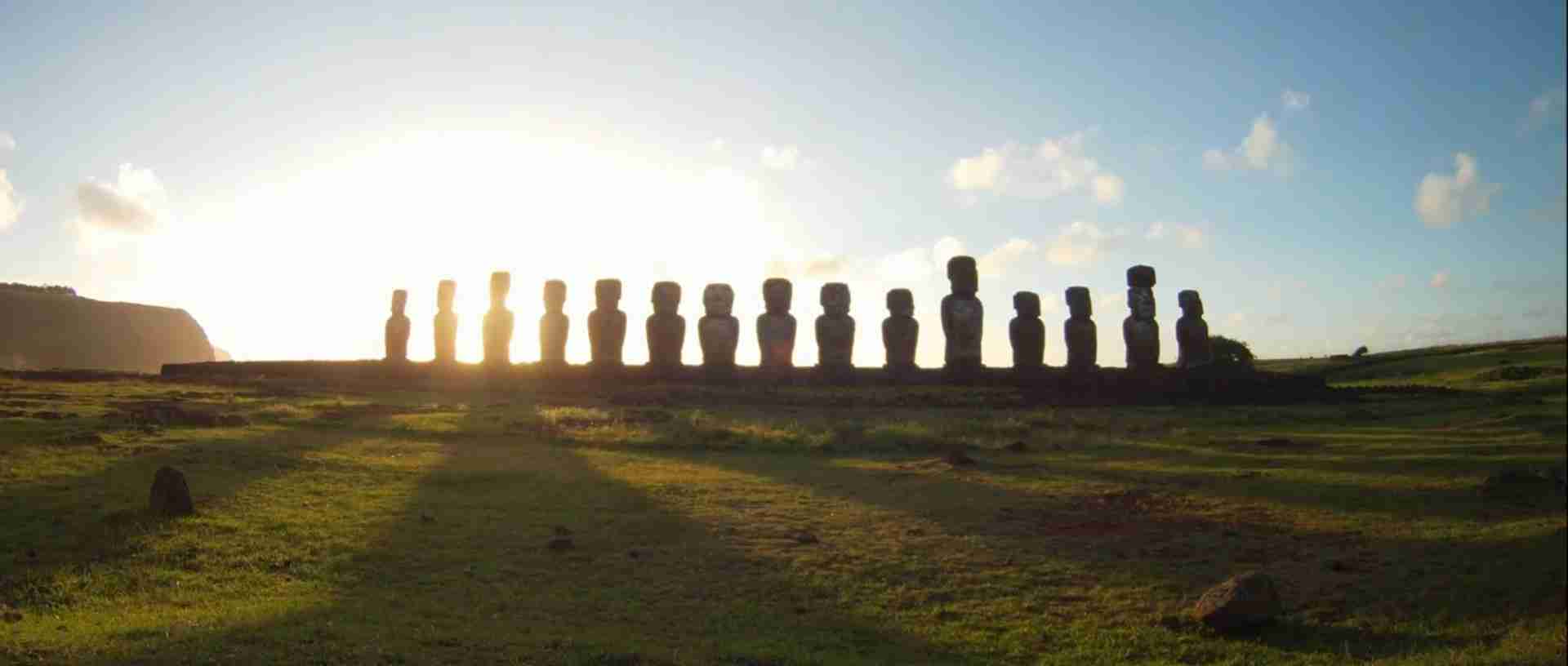
Ahu Tongariki Sunrise 2026: Easter Island’s Most Iconic View
Key Takeaways:
- Ahu Tongariki sunrise occurs between 6:30-7:30 AM depending on season, with the site opening at 6:00 AM specifically for dawn photographers and visitors
- The 15 restored moai create Easter Island’s most photographed vista as morning light gradually illuminates their faces against the Pacific Ocean horizon
- National park entry costs $80 USD for international visitors in 2026 with 10-day validity (check conaf.cl for current official rates as pricing may vary)
- Arrive 30-45 minutes before sunrise to secure optimal viewing positions along the designated area 100 meters from the platform
- Rental vehicles ($50-80 daily) provide the most flexible transportation for the 30-minute pre-dawn drive from Hanga Roa
- Temperature ranges 12-16°C at sunrise requiring layered clothing and wind protection for the exposed coastal location
The Ahu Tongariki Sunrise Experience 2026
Ahu Tongariki at sunrise stands as Easter Island’s quintessential photographic moment and a profoundly moving encounter with Rapa Nui’s ancestral legacy. The massive platform measuring 100 meters long supports 15 moai ranging from 5 to 9 meters tall, creating an imposing array of stone figures that become silhouetted against the brightening eastern sky during the magical pre-dawn period. As the sun gradually rises behind these massive statues, the evolving light transforms the scene from pure silhouette to partially illuminated forms to fully revealed faces catching the golden morning rays.
The platform’s southeastern coastal location on Easter Island’s Poike Peninsula positions the moai perfectly for sunrise viewing, with the Pacific Ocean stretching endlessly behind the platform and no visual obstructions between the viewing area and the horizon. This geographical advantage creates the dramatic backlighting that makes Ahu Tongariki sunrise photography so compelling—the statues emerge from darkness as day breaks, their imposing forms gradually revealing detail as natural light floods across the volcanic landscape.
What elevates the experience beyond mere photography is the atmospheric quality of dawn at this remote archaeological site. The early morning silence, interrupted only by Pacific waves breaking against the rocky shore 50 meters behind the platform, creates a contemplative environment where visitors can appreciate the moai as more than tourist attractions. These are representations of Rapa Nui chiefs carved 500-700 years ago by a sophisticated Polynesian society that engineered remarkable monuments without metal tools or written language, transported multi-ton statues across challenging terrain, and created a cultural legacy that continues to inspire wonder.
In 2026, Ahu Tongariki sunrise remains accessible to all visitors willing to rise early and make the pre-dawn journey to this southeastern coast location. The site accommodates both independent travelers with rental vehicles and those joining organized sunrise tours, though the experience quality improves significantly when you arrive with adequate time to set up photography equipment, find your preferred viewing position, and settle into the unhurried pace that dawn watching demands. The 45-60 minute sunrise period passes quickly, yet leaves lasting impressions that define many visitors’ Easter Island experiences.
People Also Ask About Ahu Tongariki Sunrise 2026
What time does sunrise occur at Ahu Tongariki in 2026?
Sunrise timing at Ahu Tongariki varies throughout 2026 depending on season, ranging from approximately 6:30 AM during summer (December-February) to 7:30 AM during winter (June-August). The most spectacular viewing period begins about 20 minutes before actual sunrise when the eastern sky starts brightening and the moai become visible as silhouettes, then continues through 30 minutes after sunrise as the strengthening light fully illuminates the platform and statues. The total optimal viewing window spans approximately 50-60 minutes during which the scene transforms continuously.
For 2026 planning purposes, target these approximate sunrise times by season: January-February (6:30-6:45 AM), March-April (6:45-7:15 AM), May-June (7:15-7:30 AM), July-August (7:15-7:30 AM), September-October (6:45-7:15 AM), November-December (6:30-6:45 AM). However, verify precise sunrise times using weather apps or sunrise calendars as timing shifts several minutes weekly throughout the year. Arriving 30-45 minutes before the published sunrise time ensures you’re positioned and ready when the eastern sky begins its transformation from pre-dawn darkness to spectacular morning light.
How much does it cost to visit Ahu Tongariki for sunrise in 2026?
Visiting Ahu Tongariki requires purchasing a Rapa Nui National Park ticket, which costs $80 USD for international visitors in 2026 (check conaf.cl for current official rates as pricing may vary). This single ticket provides 10-day access to all archaeological sites across Easter Island including Ahu Tongariki, Rano Raraku quarry, Orongo ceremonial village, Anakena Beach platforms, and dozens of other moai locations. No additional entrance fee applies specifically for sunrise visits—the national park ticket covers access during all operating hours from 6:00 AM to 7:00 PM daily.
Transportation represents the additional primary cost. Rental vehicles range $50-80 per day for compact cars, providing flexibility to arrive at your preferred pre-sunrise time and explore other sites afterward. Fuel costs approximately $15-20 for the round-trip journey from Hanga Roa plus additional site visits that day. Organized sunrise tours cost $40-70 per person including hotel pickup, transportation to/from the site, and guide services during the sunrise viewing period. These tours typically combine Ahu Tongariki sunrise with visits to nearby Rano Raraku quarry afterward, creating half-day excursions that maximize the early morning drive.
Do I need a guide for Ahu Tongariki sunrise in 2026?
Independent sunrise visits to Ahu Tongariki are entirely feasible without guide services in 2026, as the site features straightforward access from the main coastal road with designated parking approximately 200 meters from the viewing area. The platform and moai are self-evident attractions requiring no expert explanation to appreciate, and informational panels in Spanish and English provide archaeological context for visitors who want background information. Many travelers successfully experience Ahu Tongariki sunrise independently, using rental vehicles to arrive at their chosen pre-dawn timing and spending whatever duration they prefer before continuing to other island sites.
However, guided sunrise tours provide several advantages including eliminating the need for pre-dawn driving on unfamiliar roads in darkness, transportation logistics that allow you to relax and enjoy the experience rather than worrying about directions or parking, and knowledgeable commentary that explains the platform’s restoration history, the moai’s cultural significance, and the Rapa Nui civilization that created these remarkable monuments. Guides also share optimal viewing positions, photography tips, and often combine sunrise viewing with post-dawn visits to Rano Raraku quarry located just 5 minutes away, creating comprehensive morning experiences. The choice depends on your comfort with independent travel, interest in cultural context, and whether you prefer solitary experiences or shared group dynamics.
What is the best viewing position at Ahu Tongariki for sunrise photography in 2026?
The designated viewing area at Ahu Tongariki extends approximately 100 meters along a ridge parallel to the platform, positioned at the same elevation as the moai base. The northern end (left side facing the platform) provides the most popular photography position, allowing compositions that include the complete 15-moai array from the leftmost statue through the rightmost figure, with the Pacific Ocean visible beyond and behind the platform. This position captures the full scale and impact of the restored ahu while maintaining the moai-ocean-sunrise relationship that defines the iconic Ahu Tongariki image.
The southern end (right side) offers alternative perspectives that emphasize the largest moai and allow more intimate compositions focusing on smaller groupings of 3-5 statues rather than the complete array. These positions work well for telephoto lenses (70-200mm) that compress the statue spacing and create layered compositions where moai at different distances appear closer together. The southern viewpoint also provides the most direct view of the sun rising directly behind the platform, creating spectacular backlit silhouettes during the peak sunrise moment.
Central viewing positions along the ridge balance complete platform coverage with reasonable proximity to individual moai, working well for mid-range zoom lenses (24-70mm) that capture substantial portions of the array while maintaining detail in individual statues. These central positions receive the most visitor concentration, particularly during peak season (December-February), so arriving early secures your preferred spot. The viewing area features relatively level terrain with volcanic rocks and low vegetation, allowing you to move along the ridge to try different perspectives during the 50-60 minute optimal lighting window.
Can you visit Ahu Tongariki any time of day in 2026?
Ahu Tongariki opens daily from 6:00 AM to 7:00 PM throughout 2026 as part of the Rapa Nui National Park operating schedule, meaning visitors can experience the platform and moai under various lighting conditions throughout the day. The early 6:00 AM opening specifically accommodates sunrise viewing, while late operating hours support sunset photography at western-facing sites elsewhere on the island. However, the dramatic sunrise light and the atmospheric pre-dawn-to-dawn transition make early morning the premier time for Ahu Tongariki visits.
Midday visits (10:00 AM-2:00 PM) reveal the moai under full sunlight that emphasizes their scale and the platform’s engineering sophistication, though the harsh overhead light creates less flattering photography conditions with strong shadows in the statues’ eye sockets and beneath prominent brows. These hours work well for visitors focusing on archaeological appreciation rather than photography, or those who prefer avoiding the early wake-up required for sunrise visits. Late afternoon light (4:00-6:00 PM) provides pleasant sidelight that illuminates the moai’s western faces while maintaining reasonable photography conditions, though it lacks sunrise’s special quality.
Extended multi-day tours – 5+ days
Featured Easter Island Multi-Day Tour Packages
4 days
Chile: Easter Island – The Mysteries of Rapa Nui in 4 DAYS
- ✓ Comprehensive Easter Island tour
- ✓ Expert local guides included
- ✓ All accommodation arranged
- ✓ Transportation provided

4 days
Easter Island Experience 4D/3N
- ✓ Comprehensive Easter Island tour
- ✓ Expert local guides included
- ✓ All accommodation arranged
- ✓ Transportation provided
4 days
Easter Island: Archeology & Sunset with Moais
- ✓ Comprehensive Easter Island tour
- ✓ Expert local guides included
- ✓ All accommodation arranged
- ✓ Transportation provided
4 days
Easter Island Discovery (4 Days)
- ✓ Comprehensive Easter Island tour
- ✓ Expert local guides included
- ✓ All accommodation arranged
- ✓ Transportation provided
Multi-day tour packages powered by TourRadar. Prices and availability subject to change.
Planning Your Ahu Tongariki Sunrise Visit 2026
Optimal Timing Throughout 2026
The sunrise window at Ahu Tongariki shifts significantly across 2026’s seasons, requiring planning adjustments based on your travel dates. Summer months (December-February) feature the earliest sunrises around 6:30-6:45 AM, demanding wake-up times around 5:15-5:30 AM for the 30-40 minute drive from Hanga Roa accommodations. These early hours challenge travelers adjusting to jet lag from international flights, though the dramatic sunrise rewards the effort. Summer also brings increased visitor numbers with 30-50 people typically present during peak holiday periods compared to 10-20 in quieter months.
Autumn (March-May) offers the sweet spot for many visitors with sunrise timing around 6:45-7:15 AM allowing more reasonable wake-up times around 5:45-6:15 AM. The weather remains relatively stable with less rainfall than summer, while tourist numbers decrease substantially after the February peak season concludes. Autumn light quality proves excellent for photography with clear skies and reduced atmospheric haze compared to summer’s more humid conditions. These months represent ideal timing for combining manageable sunrise schedules with favorable weather and fewer crowds.
Winter (June-August) features the latest sunrises around 7:15-7:30 AM, the most visitor-friendly timing that allows 6:15-6:30 AM wake-ups and more relaxed morning preparations. However, winter brings cooler temperatures (12-14°C at sunrise) requiring warmer layered clothing and stronger winds along the exposed coast that challenge photography with tripod stability concerns. Tourist numbers drop to their lowest levels with sometimes just 5-10 people present for sunrise viewing, creating nearly private experiences at Easter Island’s most iconic location. Winter also has shorter days that compress daily activity windows.
Spring (September-November) mirrors autumn’s favorable conditions with gradually earlier sunrises as summer approaches, moderate weather patterns, and manageable tourist volumes. The increasing daylight hours provide extended photography opportunities at both sunrise and sunset throughout your stay. Spring represents another optimal visiting window that balances accessible sunrise timing, pleasant weather, and reasonable crowd levels at Ahu Tongariki and other island sites. Many experienced visitors target autumn or spring specifically for these combined advantages.
Transportation Logistics 2026
Rental vehicles provide the most flexible transportation solution for Ahu Tongariki sunrise visits, allowing you to depart Hanga Roa accommodations at your chosen pre-dawn time and remain at the site for your preferred duration before continuing to Rano Raraku quarry or other southeastern attractions. The drive covers approximately 18 kilometers along Ruta 5, the paved coastal road that circles Easter Island, requiring 30-40 minutes under normal conditions. Nighttime driving poses minimal challenges as the road features clear markings and virtually no traffic during pre-dawn hours, though wildlife including horses and cattle occasionally appear on the roadway requiring attentive driving.
GPS navigation comes standard with most rental vehicles, making the route straightforward even in darkness. From central Hanga Roa, follow Ruta 5 east past Mataveri Airport, continuing along the southern coast as the road curves northeast toward the Poike Peninsula. The well-marked Ahu Tongariki access point appears on the left (ocean side) with a gravel parking area accommodating 15-20 vehicles. Arrive with adequate fuel as no services exist between Hanga Roa and the site—the round-trip plus additional site visits that morning consumes 20-30 kilometers total, easily within any vehicle’s capabilities on a full tank.
Organized sunrise tours ($40-70 per person) offer alternative transportation that eliminates pre-dawn driving responsibilities and navigation concerns. Tour operators provide hotel pickups between 5:15-6:00 AM depending on season and sunrise timing, transporting small groups (typically 6-12 participants) in comfortable vans or minibuses. Guides share information about Easter Island archaeology and Rapa Nui culture during the drive, orient visitors to the site upon arrival, explain optimal viewing positions, and typically remain available for questions during the sunrise period. Most tours conclude with visits to Rano Raraku quarry after sunrise viewing, creating comprehensive 3-4 hour morning experiences.
Taxis from Hanga Roa cost $40-50 each way to Ahu Tongariki, making them practical for couples or small groups who prefer professional driving without committing to full-day vehicle rentals. However, taxi drivers expect agreed-upon wait times at the site (typically 60-90 minutes for sunrise viewing) or will return for pickup at a specified time—clarify these arrangements clearly before departing. The limited taxi availability on Easter Island means pre-booking sunset transportation the previous day ensures reliable service for your early morning departure.
What to Bring for Sunrise Viewing 2026
Layered clothing proves essential for comfortable sunrise viewing at Ahu Tongariki’s exposed coastal location. Start with a base layer (long-sleeve shirt), add a warm fleece or sweater, and top with a windproof jacket—temperatures range 12-16°C at dawn with wind chill reducing perceived temperature by 3-5 degrees. The layers allow you to adjust as the morning warms and the sun rises higher, transitioning from pre-dawn chill to pleasant mid-morning temperatures by 8:00-8:30 AM. Long pants rather than shorts provide leg protection from cool air and the volcanic rock surfaces if you sit during the viewing period.
Camera equipment requires careful planning for optimal sunrise photography. Wide-angle lenses (16-35mm) capture the complete 15-moai array and the dramatic sky-ocean-platform relationship, while 70-200mm telephotos allow intimate compositions of individual moai groups and compression effects that layer multiple statues. Bring a sturdy tripod for low-light pre-sunrise exposures that require slower shutter speeds, though verify stable positioning on the volcanic terrain’s uneven surface. Pack extra batteries as cold temperatures drain charge faster, and multiple memory cards since you’ll shoot dozens or hundreds of images during the evolving light conditions.
Essential accessories include a headlamp or flashlight for navigating from parking to viewing area in pre-dawn darkness, though be courteous by avoiding shining lights toward other photographers’ positions. Bring sufficient water (1-2 liters per person) though you won’t need much during the relatively short sunrise viewing period. Sunglasses become essential 15-20 minutes after sunrise as the strengthening light intensifies. A small backpack organizes your layers as you shed them when warming, plus stores camera accessories and any food items for energy during the visit.
Sun protection grows important even during morning hours—apply SPF 30+ sunscreen before departure and pack extra for reapplication, particularly if continuing to Rano Raraku quarry or other sites after sunrise viewing. A hat with brim protects face and eyes from strengthening sun, though secure it against coastal winds that can reach 15-20 km/h. These preparation details ensure comfortable, focused enjoyment of the sunrise experience rather than distraction from cold, hunger, or inadequate equipment.
Photography Guide for Ahu Tongariki Sunrise 2026
Camera Settings and Exposure Strategy 2026
Sunrise photography at Ahu Tongariki requires adapting camera settings continuously as light conditions evolve from pre-dawn darkness to full sunrise illumination. Begin arriving in darkness (30-45 minutes before sunrise) with your camera set to ISO 800-1600 to maintain reasonable shutter speeds (1/60-1/125 second) for handheld shooting while composing initial frames. Switch to tripod-mounted shooting as the eastern sky begins brightening, allowing you to reduce ISO to 400-800 for better image quality while using slower shutter speeds (1/15-1/60 second) that the tripod stabilizes.
Shoot in RAW format rather than JPEG to maximize post-processing flexibility for the extreme dynamic range between the bright sunrise sky and the shadowed moai silhouettes. Set your camera to aperture priority mode at f/8-f/11, providing adequate depth of field from foreground elements through distant moai while maintaining optimal lens sharpness. Enable exposure bracketing to capture three shots at -2, 0, and +2 EV compensation, ensuring you have frames that properly expose both the bright sky and the darker statues for later blending if desired.
The most challenging exposure occurs during the 10-15 minute period when the sun approaches the horizon behind the moai—the extreme brightness differential between the solar disk and the shadowed platform can exceed your camera’s dynamic range. Prioritize exposing for the sky and sun to prevent blown highlights, accepting that the moai will appear as pure silhouettes during this phase. As the sun rises higher and light spills across the landscape, gradually adjust your exposure to reveal more statue detail while maintaining sky color and texture.
Once sunrise completes and the sun clears the horizon (approximately 20-30 minutes after initial sunrise), transition to more conventional landscape exposures with the harsh direct sun requiring smaller apertures (f/11-f/16) and lower ISO settings (100-200) for optimal quality. This golden hour period lasting 30-45 minutes after sunrise provides excellent light that illuminates the moai’s western faces while maintaining dramatic shadows and warm color tones. Continue shooting throughout this window as the light quality remains excellent though different from the peak sunrise moment.
Composition Techniques 2026
The classic Ahu Tongariki sunrise composition positions the complete 15-moai array horizontally across the frame with the Pacific Ocean visible beyond the platform and the brightening sky occupying the upper portion of the image. This wide-angle perspective (16-35mm) captures the full scale and impact of the restored ahu while including the essential context of ocean and sunrise that defines the location’s visual appeal. Position yourself at the northern end of the viewing area for this comprehensive composition, using the rule of thirds to place the moai approximately in the lower third of your frame with the developing sunrise sky commanding the upper two-thirds.
Vertical compositions work effectively for isolating smaller groupings of 3-5 moai, emphasizing the statues’ height and commanding presence while incorporating dramatic sky directly above. These tighter framings from mid-range focal lengths (24-70mm) reduce the compositional complexity of fitting all 15 statues into a balanced arrangement, allowing you to focus on the relationship between two or three specific moai and the dawn sky. Vertical orientations also work well for social media platforms and print formats that favor portrait aspect ratios.
Telephoto compression (70-200mm) creates distinctive interpretations by layering multiple moai that appear closer together than their actual spacing, producing densely packed compositions that emphasize the repetition of forms and the impressive number of statues on this single platform. These longer focal lengths require shooting from farther back along the viewing area, potentially from the access path behind the main viewing ridge if you want maximum compression. The telephoto approach works throughout the sunrise period but particularly after the sun clears the horizon when stronger light allows faster shutter speeds that compensate for telephoto lenses’ increased motion sensitivity.
Foreground elements add depth and visual interest to Ahu Tongariki compositions—incorporate the volcanic rocks scattered across the viewing area, the distinctive low-growing vegetation adapted to coastal conditions, or the uneven terrain itself into your bottom frame edge. These foreground details create layered images that guide viewers’ eyes through the composition toward the moai and sunrise, producing more engaging photographs than simple horizon-splitting compositions. Position yourself slightly lower (crouching or sitting) to emphasize foreground rocks against the moai background, creating strong vertical depth perception through the layered elements.
Capturing the Light Progression 2026
The pre-dawn phase (starting 30 minutes before sunrise) offers subtle opportunities for minimalist compositions featuring the moai as dark forms against the gradually brightening eastern sky. The color palette transitions from deep blue to purple to orange-pink as sunrise approaches, creating atmospheric images that emphasize shape and silhouette over detail. Longer exposures (2-8 seconds) during this early period create smooth sky tones and can capture subtle color gradations that appear more muted to the naked eye than in long-exposure photographs.
The sunrise moment itself (5-15 minutes surrounding actual sunrise) provides the most dramatic lighting as the sun appears as a brilliant disk behind or adjacent to the moai platform. This peak period requires rapid shooting as the light changes quickly—shoot continuously at 1-2 frames per second, adjusting exposure compensation as the sun climbs and brightness intensifies. Capture the sun at various positions: directly behind the rightmost moai, between statue gaps, and fully above the platform. Each position creates distinct visual effects and emotional responses, so shoot extensively rather than attempting to predict the single “perfect” moment.
The post-sunrise golden hour (20-60 minutes after sunrise) transforms the scene as side-light from the rising sun gradually illuminates the moai’s western faces while maintaining dramatic shadows that emphasize depth and texture. This phase produces the most technically balanced exposures with rich color, good dynamic range, and detailed rendering of the volcanic tuff’s surface characteristics. The warm golden light creates inviting, uplifting images that contrast with the more mysterious and dramatic quality of the silhouette phase. Continue shooting throughout this period, moving along the viewing area to explore different perspectives as the changing sun angle creates new lighting effects.
Blue hour after sunset (5:30-6:30 PM depending on season) offers an alternative atmospheric experience at Ahu Tongariki if you return in the evening, though the statues face inland so they’re backlit during evening light rather than frontlit as at sunrise. This timing requires the same 10-day park ticket and provides quieter experiences with fewer visitors than the popular sunrise viewing. The soft diffused light of approaching dusk creates subtle, contemplative moai portraits that balance historical gravitas with natural beauty. This timing works well for visitors staying multiple days who want to experience the platform under different lighting conditions.
Combining Ahu Tongariki Sunrise with Other Sites 2026
Post-Sunrise Itinerary: Rano Raraku Quarry 2026
Rano Raraku quarry sits just 5 kilometers (5-minute drive) from Ahu Tongariki, making it the logical next destination after sunrise viewing. The quarry opens at 9:00 AM, creating a timing gap that many visitors fill with breakfast in their vehicles, returning to Hanga Roa for a full meal, or relaxing at Ahu Tongariki while morning light illuminates the platform from higher sun angles. The most time-efficient approach involves packing breakfast items (coffee in thermoses, pastries or sandwiches, fruit) to consume at Ahu Tongariki after sunrise photography concludes, then proceeding to Rano Raraku when it opens.
Rano Raraku exploration requires 2-3 hours for the complete trail circuit that covers the exterior quarry slopes, the crater rim viewpoint, and the interior basin where dozens of partially buried moai create extraordinary archaeological landscapes. Morning light (9:00-11:00 AM) illuminates the crater interior effectively, though the most dramatic lighting occurs during afternoon (3:00-5:00 PM) when side-light enhances texture and dimension. The combination of Ahu Tongariki sunrise (6:00-7:30 AM), brief break (7:30-9:00 AM), and Rano Raraku exploration (9:00 AM-12:00 PM) creates a comprehensive half-day experience covering Easter Island’s two most significant moai locations.
Return to Hanga Roa by midday allows lunch, afternoon rest during the hottest hours, and preparation for late-afternoon site visits elsewhere on the island. Alternatively, continue the archaeological circuit by visiting Ahu Te Pito Kura (20-minute drive from Rano Raraku) to see Paro, the largest transported moai, then proceeding to Anakena Beach for lunch and swimming before returning to Hanga Roa. This extended southeastern circuit requires 8-9 hours total from pre-dawn departure through late afternoon return, representing an intensive but rewarding full-day experience.
Multi-Day Sunrise Strategy 2026
Visitors staying 4-5 days or longer on Easter Island sometimes visit Ahu Tongariki for sunrise multiple times, experiencing the platform under different weather conditions, seasonal light angles, and photographic approaches. Each sunrise visit reveals new details or creates distinct emotional responses—clear skies produce vibrant color and crisp light, while cloudy conditions generate moodier atmospheric effects with dramatic cloud formations. Multiple visits also accommodate technical photography experiments like focus stacking, panoramic stitching, or time-lapse sequences that require repeated attempts to perfect.
The multi-visit approach pairs well with other dawn activities on alternate days. Ahu Tahai near Hanga Roa provides sunset viewing opportunities (6:00-7:00 PM depending on season) where moai silhouette against the western horizon as the sun sets over the Pacific. Anakena Beach at sunrise (requiring earlier departure due to greater distance) offers the rare opportunity to photograph moai on white sand with turquoise water, creating distinctly different imagery from Ahu Tongariki’s volcanic coastal setting. These alternate sunrise locations prevent fatigue from repeating identical pre-dawn routines while diversifying your photographic portfolio.
For photographers pursuing comprehensive moai documentation, consider dedicating one sunrise visit to wide-angle environmental portraits showing the complete platform and context, another to telephoto detail work isolating individual statue groupings, and potentially a third to experimental techniques like intentional motion blur or long-exposure effects. This systematic approach ensures you capture diverse interpretations rather than dozens of variations on a single compositional theme. The 10-day park ticket validity supports this multi-visit strategy without additional costs beyond your vehicle rental and fuel consumption.
Sample 2026 Sunrise Visit Itineraries
Classic Sunrise Experience Itinerary 2026
This standard approach focuses entirely on Ahu Tongariki sunrise for a focused, unhurried experience ideal for first-time visitors or those prioritizing photography quality over site quantity.
5:15 AM – Departure from Hanga Roa: Wake around 4:45 AM allowing time for coffee, light breakfast, and preparation with layered clothing and photography equipment. Depart accommodations with 75 minutes before anticipated sunrise, providing generous margin for navigation, possible livestock on roads, and securing preferred viewing position. Pre-packed coffee in thermos and pastries save time versus restaurant breakfast.
5:50 AM – Arrival at Ahu Tongariki: Park in the gravel lot 200 meters from the viewing area. Use headlamp to navigate the short walk in darkness, being courteous to other early arrivals by minimizing light directed toward viewing positions. Scout your composition during the remaining darkness using camera screens and live view to frame shots. Set up tripod securely on the uneven volcanic terrain.
6:00-6:30 AM – Pre-Sunrise Phase: Begin shooting as the eastern sky shows first color, capturing the gradual brightening and the moai as pure silhouettes against the developing dawn. Experiment with various exposures and compositions while light remains relatively constant during this phase. Temperature is coldest now—keep additional layers accessible.
6:30-6:45 AM – Peak Sunrise: Shoot continuously as the sun approaches and breaches the horizon, adjusting exposure compensation to prevent blown highlights around the solar disk. Capture the sun at multiple positions relative to the moai—behind statues, between gaps, clearing the platform. This 15-minute period provides the most dramatic imagery but requires rapid work as light changes constantly.
6:45-7:30 AM – Golden Hour: Continue photographing as strengthening light illuminates the moai’s western faces and reveals detail in the volcanic landscape. Move along the viewing area trying different perspectives and focal lengths. The warming morning allows shedding outer layers as temperature rises and activity generates body heat. Other visitors thin out during this period as many depart after peak sunrise.
7:30-8:00 AM – Breakfast and Relaxation: Consume packed breakfast items while reviewing images on camera screens, discussing the experience with fellow visitors, or simply sitting quietly absorbing the powerful presence of these 15 ancestral figures. The peaceful morning atmosphere and the satisfaction of successful early rising and photography create memorable moments beyond the images themselves.
8:00 AM – Return to Hanga Roa: Depart for the 30-minute drive back to town. Arrive around 8:30 AM allowing a shower, proper breakfast at accommodation or local café, and afternoon rest before resuming activities around 2:00-3:00 PM when temperatures moderate. Alternatively, proceed directly to Rano Raraku quarry when it opens at 9:00 AM for continued site exploration.
National park entry $80 (10-day validity), vehicle rental $50-80, fuel $8-12 for Ahu Tongariki round-trip. Total cost: $138-172 per person excluding meals and accommodation. This focused itinerary prioritizes quality over quantity, ensuring you experience Ahu Tongariki sunrise thoroughly rather than rushing to pack multiple sites into the morning.
Comprehensive Southeastern Circuit 2026
This intensive full-day itinerary combines Ahu Tongariki sunrise with comprehensive exploration of Easter Island’s southeastern archaeological zone, covering the island’s most significant moai sites.
5:15 AM – 7:30 AM – Ahu Tongariki Sunrise: Follow the classic sunrise itinerary with departure, arrival, photography, and post-sunrise relaxation as described above. Park entry included in $80 national park ticket. The sunrise experience sets the archaeological context for understanding subsequent quarry and platform visits.
7:30-9:00 AM – Breakfast Break: Consume packed breakfast at Ahu Tongariki or return partially toward Hanga Roa to the small coastal settlement of Vaihu (10-minute drive) where you can visit the collapsed Ahu Vaihu platform showing pre-restoration moai conditions. The 90-minute break allows relaxation, energy replenishment, and anticipation of Rano Raraku’s opening.
9:00 AM-12:00 PM – Rano Raraku Quarry: Arrive when the quarry opens for comprehensive 3-hour exploration before afternoon crowds. The extended time allows complete coverage of exterior and interior trails, photography of the 397 statues in various completion stages, and appreciation of the carving techniques visible throughout the volcanic slopes. Capacity limits rarely impact early morning arrivals. Quarry access included in park ticket.
12:00-2:00 PM – Ahu Te Pito Kura and North Coast: Drive 30 minutes along the northern coast to visit Paro (the largest transported moai) and the sacred Te Pito O Te Henua stone (20-minute visit). Continue to Ahu Hanga Poukura and Ahu Tongariki’s smaller neighboring platforms that provide cultural context about the density of moai distribution in pre-contact times (30-minute exploration).
2:00-4:00 PM – Anakena Beach: Arrive at Easter Island’s premier beach for lunch at the restaurant, swimming in protected turquoise waters, and visiting the two restored ahu platforms (Ahu Nau Nau with seven moai and Ahu Ature Huki with one). The beach provides essential rest and refreshment during the long touring day while maintaining archaeological focus through platform visits. Lunch $25-35 per person, included in itinerary total.
4:00-5:00 PM – Return Journey: Drive back to Hanga Roa (45 minutes) with optional stops at any sites that warrant re-visiting or locations you didn’t explore thoroughly during the eastbound morning journey. Arrive in town by 5:00 PM allowing dinner preparation, shower, and evening relaxation after the intensive 12-hour touring day.
National park entry $80, vehicle rental $50-80, fuel $30-40 for complete circuit, lunch $25-35, snacks $10-15, drinks $8-12. Total day cost: $203-262 per person (excluding accommodation and dinner). This comprehensive approach covers all major southeastern moai sites in a single intensive day, ideal for visitors with limited time who want to experience Easter Island’s archaeological highlights efficiently while maintaining reasonable pacing through strategic rest breaks.
Practical Considerations for Sunrise Visits 2026
Weather Variables and Backup Planning 2026
Easter Island’s weather patterns influence sunrise quality significantly, with clear skies producing vibrant color and dramatic sun-statue interactions while cloud cover creates moodier atmospheric effects. Summer months (December-February) feature higher rainfall probability with occasional early morning showers that create dramatic cloud formations and saturated color in the developing dawn light. These conditions produce distinctive imagery different from clear-sky sunrises, though heavy rain can obscure the sunrise entirely and reduce visibility across the platform.
Check weather forecasts the evening before your planned sunrise visit using standard weather apps or the hotel reception’s local knowledge. Partial cloud cover often enhances sunrise photography by providing texture and interest in the sky while allowing the sun to break through gaps and create dramatic light rays. However, complete overcast with low clouds may justify postponing your sunrise attempt to another morning during your stay if your schedule allows flexibility—the 10-day park ticket validity supports this adaptive approach.
Wind represents another significant weather variable at this exposed coastal location, with velocities reaching 20-30 km/h during certain seasons that challenge tripod stability and personal comfort during the extended viewing period. Secure your tripod carefully by hanging your camera bag from the center column for added weight, or position tripod legs in rock crevices for maximum stability. Strong winds also accelerate heat loss, making layered clothing and wind-resistant outer shells essential for maintaining comfort during the hour-long sunrise period.
The remote location and pre-dawn timing mean limited backup options if weather proves completely unsuitable. Have contingency activities planned—returning to accommodations for extended breakfast and rest, visiting Hanga Roa’s Anthropological Museum when it opens at 9:30 AM ($2 entry), or rescheduling the sunrise attempt for another morning. The experience of pre-dawn waking and driving becomes part of the adventure regardless of weather outcomes, and even partially successful sunrise viewing provides memorable encounters with Ahu Tongariki’s imposing moai array.
Crowd Management Strategies 2026
Ahu Tongariki sunrise attracts 10-50 visitors depending on season, with peak numbers during summer holidays (December-February) when 40-50 people may gather along the viewing ridge. These concentrations rarely create substantial problems due to the 100-meter viewing area length that accommodates dispersed positioning, though the most popular northern viewpoint (complete platform perspective) sees the highest density. Arriving 30-45 minutes before sunrise ensures you secure your preferred position before the main crowd arrives in the 15 minutes immediately preceding dawn.
Photography etiquette requires awareness of others’ compositions and sightlines—avoid standing directly in front of people with tripods set up, don’t shine lights toward others’ camera positions, and minimize conversation that disturbs the contemplative dawn atmosphere. Most visitors maintain respectful silence or speak in hushed tones, creating a shared experience that enhances rather than detracts from individual sunrise appreciation. The generally respectful visitor behavior at this significant site creates positive communal energy despite the numbers present.
Tour groups arrive in vehicles that park 5-10 minutes before sunrise, creating brief crowding as 10-15 people disembark and move to viewing positions simultaneously. This arrival surge typically occurs 5-7 minutes before actual sunrise as tour operators time their arrivals to maximize the experience within their scheduled timeframes. Independent travelers already positioned have no issues, though be prepared for increased activity and occasional positioning challenges if you’re still scouting composition options when tour groups arrive.
Off-season visits (May-August) see dramatically reduced numbers with 5-15 visitors typical on most mornings and sometimes just 2-3 people during mid-winter periods. These quiet experiences provide nearly private encounters with the moai and sunrise, allowing you to move freely along the viewing area without worrying about blocking others or competing for positions. The trade-off involves cooler temperatures and potentially more challenging weather, though many visitors prize the solitude despite these factors.
Post-Sunrise Energy Management 2026
The early wake-up required for Ahu Tongariki sunrise (4:45-5:15 AM depending on season) significantly impacts many visitors’ energy levels throughout the remaining day, particularly when combined with jet lag from international travel. The initial adrenaline and excitement of sunrise photography sustains focus during the morning hours, but energy often crashes during early afternoon (1:00-3:00 PM) when sleep deficit accumulates and the body expects rest based on circadian rhythms.
Plan your post-sunrise day accounting for this likely energy pattern. The most sustainable approach schedules sunrise viewing, one or two additional morning sites (like Rano Raraku quarry), then return to Hanga Roa by early afternoon for substantial lunch and 1-2 hour rest period. This midday break allows napping, showering, reviewing morning photographs, and general relaxation before resuming activities during the more comfortable late afternoon period (4:00-7:00 PM). Forcing yourself through continuous touring from 5:00 AM through 7:00 PM despite fatigue results in diminished enjoyment and potential safety issues from impaired judgment or slow driving reactions.
Caffeine management proves important—consume coffee or tea before departure to support alertness during driving and early morning activities, then maintain moderate caffeine intake through midday to prevent crashes while avoiding excessive consumption that interferes with afternoon rest. Adequate hydration (2-3 liters throughout the day) helps maintain energy levels and prevents dehydration headaches that compound fatigue from early waking. Light, frequent meals rather than one heavy lunch prevent the post-meal energy dip that intensifies when you’re already tired.
Visitors staying multiple days should avoid scheduling sunrise visits on consecutive mornings as the cumulative sleep deficit impairs enjoyment, photography quality, and physical safety. Alternate early morning outings with normal schedule days that allow natural wake times and better rest. If your schedule permits just one sunrise attempt, make it memorable by prioritizing rest the previous evening (bed by 9:00-10:00 PM) and avoiding alcohol that disrupts sleep quality despite creating drowsiness. The investment in early rising pays dividends through the extraordinary Ahu Tongariki sunrise experience, though requires sensible energy management to maintain enjoyment throughout your visit.
Frequently Asked Questions About Ahu Tongariki Sunrise 2026
Is Ahu Tongariki sunrise worth waking up early for?
Ahu Tongariki sunrise stands as Easter Island’s most iconic experience and one of the world’s most spectacular archaeological sunrise encounters. The combination of 15 massive moai silhouetted against the brightening Pacific horizon, the dramatic evolution of light as dawn breaks, and the powerful presence of these 500-year-old ancestral figures creates a profoundly moving experience that transcends ordinary sightseeing. The effort of pre-dawn waking and driving proves worthwhile for the vast majority of visitors, who consistently rate Ahu Tongariki sunrise among their most memorable travel experiences. The relatively brief discomfort of early rising yields lasting visual memories and photographs that capture Easter Island’s essence.
How cold is Ahu Tongariki at sunrise?
Temperature at Ahu Tongariki during sunrise ranges 12-16°C depending on season, with winter months (June-August) seeing the coolest conditions around 12-14°C and summer (December-February) slightly warmer at 14-16°C. The exposed coastal location experiences consistent wind that adds wind chill effect, reducing perceived temperature by 3-5 degrees below actual measurements. Layered clothing including long pants, long-sleeve shirt, fleece or sweater, and windproof jacket ensures comfort during the hour-long viewing period. As the sun rises and the morning progresses, temperatures climb relatively quickly, allowing you to shed outer layers by 30-45 minutes after sunrise when activity and strengthening sun warm the environment.
Can you see sunrise at other moai platforms?
Ahu Tongariki represents Easter Island’s premier sunrise viewing location due to its eastern coastal position that places the Pacific horizon directly behind the platform and the scale of 15 restored moai creating dramatic silhouettes. Most other ahu platforms face inland following traditional orientation, making them unsuitable for sunrise viewing though they work well for sunset photography at western-facing sites like Ahu Tahai near Hanga Roa. Anakena Beach’s platforms face the ocean and could theoretically provide sunrise viewing, though the bay’s orientation and surrounding topography create less dramatic light compared to Ahu Tongariki’s unobstructed ocean-sky-statue composition.
Do I need to book Ahu Tongariki sunrise in advance?
No advance booking or reservation exists for Ahu Tongariki sunrise visits in 2026—the site operates on a first-come, first-served basis within the national park’s general 6:00 AM-7:00 PM operating hours. Simply purchase your $80 national park ticket (valid 10 days) either at Mataveri Airport upon arrival or at the CONAF office in Hanga Roa, then arrive at Ahu Tongariki at your chosen pre-sunrise time. The viewing area accommodates all visitors comfortably even during peak season, though arriving 30-45 minutes before sunrise ensures preferred viewing positions for photography. Organized sunrise tours require advance booking with tour operators, but independent visitors need no reservations beyond the general park entry ticket.
What if it rains during sunrise at Ahu Tongariki?
Rainfall during sunrise occurs occasionally, particularly in summer months (December-February) when Easter Island receives the highest precipitation. Light rain creates atmospheric effects with mist around the moai and dramatic cloud formations that produce moody, distinctive imagery different from clear-sky sunrises. Bring rain protection for both yourself (waterproof jacket) and camera equipment (rain covers or plastic bags) if forecasts indicate precipitation possibility. Heavy rain may obscure the sunrise entirely and reduce visibility across the platform, potentially justifying postponing your visit to another morning if your schedule allows flexibility. The 10-day park ticket validity supports this adaptive approach without additional costs.
Can you visit Ahu Tongariki for both sunrise and sunset?
Ahu Tongariki faces east making it ideal for sunrise viewing when the sun rises behind the platform and illuminates the moai’s western faces as morning progresses. Sunset visits are possible within the park’s 6:00 AM-7:00 PM operating hours, though the statues face away from the setting sun creating backlit silhouettes without the dramatic ocean-sky-sun alignment that makes sunrise so compelling. For sunset moai photography, visit Ahu Tahai near Hanga Roa where platforms face west and create spectacular silhouettes against the setting sun over the Pacific. Using your single park ticket, you can experience both Ahu Tongariki sunrise and Ahu Tahai sunset within the same day, capturing Easter Island’s moai under optimal lighting at different locations.
How long should I stay at Ahu Tongariki for sunrise?
Plan to spend 90-120 minutes at Ahu Tongariki for comprehensive sunrise viewing, arriving 30-45 minutes before sunrise and remaining 45-60 minutes after the sun clears the horizon. This timing allows pre-dawn setup and composition scouting, captures the evolving light throughout the sunrise sequence, and extends through the golden hour period when strengthening light illuminates the moai’s features and reveals landscape details. Visitors focused primarily on the peak sunrise moment can reduce their stay to 60-75 minutes, though the extended period rewards you with diverse lighting conditions and photography opportunities that brief visits miss. The peaceful morning atmosphere and the powerful presence of the 15 moai encourage lingering rather than rushing.
Is Ahu Tongariki accessible for people with mobility limitations?
Ahu Tongariki provides reasonably accessible sunrise viewing for visitors with moderate mobility limitations, though the site lacks formal wheelchair accessibility or paved paths. The viewing area sits approximately 200 meters from the parking area via a relatively level but unpaved dirt path with some loose volcanic rocks requiring careful foot placement. The viewing ridge features uneven volcanic terrain that makes wheelchair movement difficult, though visitors can experience impressive moai views from positions near the access path without needing to navigate the complete viewing area. Tour operators may arrange closer vehicle access for mobility-challenged visitors when possible, though this requires advance arrangement and depends on site-specific conditions and ranger permissions.
What is the difference between Ahu Tongariki and Rano Raraku?
Ahu Tongariki represents a completed ceremonial platform displaying 15 fully carved, transported, and erected moai in their intended presentation overlooking the community. These statues were carved at Rano Raraku quarry, transported 5 kilometers across the landscape, and installed on the engineered stone platform where they stood as ancestral guardians until toppled during the 18th century then restored in 1992-1995. Rano Raraku is the volcanic crater quarry where Rapa Nui carvers created moai directly from the compressed volcanic tuff, leaving 397 statues at various completion stages when production ended. The quarry shows the creation process while Ahu Tongariki demonstrates the final ceremonial context—visiting both locations provides complete understanding of the moai phenomenon from carving through ceremonial activation.
Can you fly drones at Ahu Tongariki for sunrise photography?
Drone operation over Rapa Nui National Park archaeological sites including Ahu Tongariki is prohibited without special permits issued by CONAF park authorities. Enforcement has increased with rangers monitoring for unauthorized aerial photography that violates both park conservation regulations and Chilean aviation law. The restrictions protect archaeological sites from physical drone damage, prevent visitor experience disruption, and maintain site dignity by controlling commercial imagery. Visitors caught operating drones face substantial fines and potential equipment confiscation. If you require aerial footage for legitimate professional purposes, contact CONAF (conaf.cl) well before your visit to inquire about permit requirements, fees, and application procedures, though permits are rarely granted for general tourism photography.