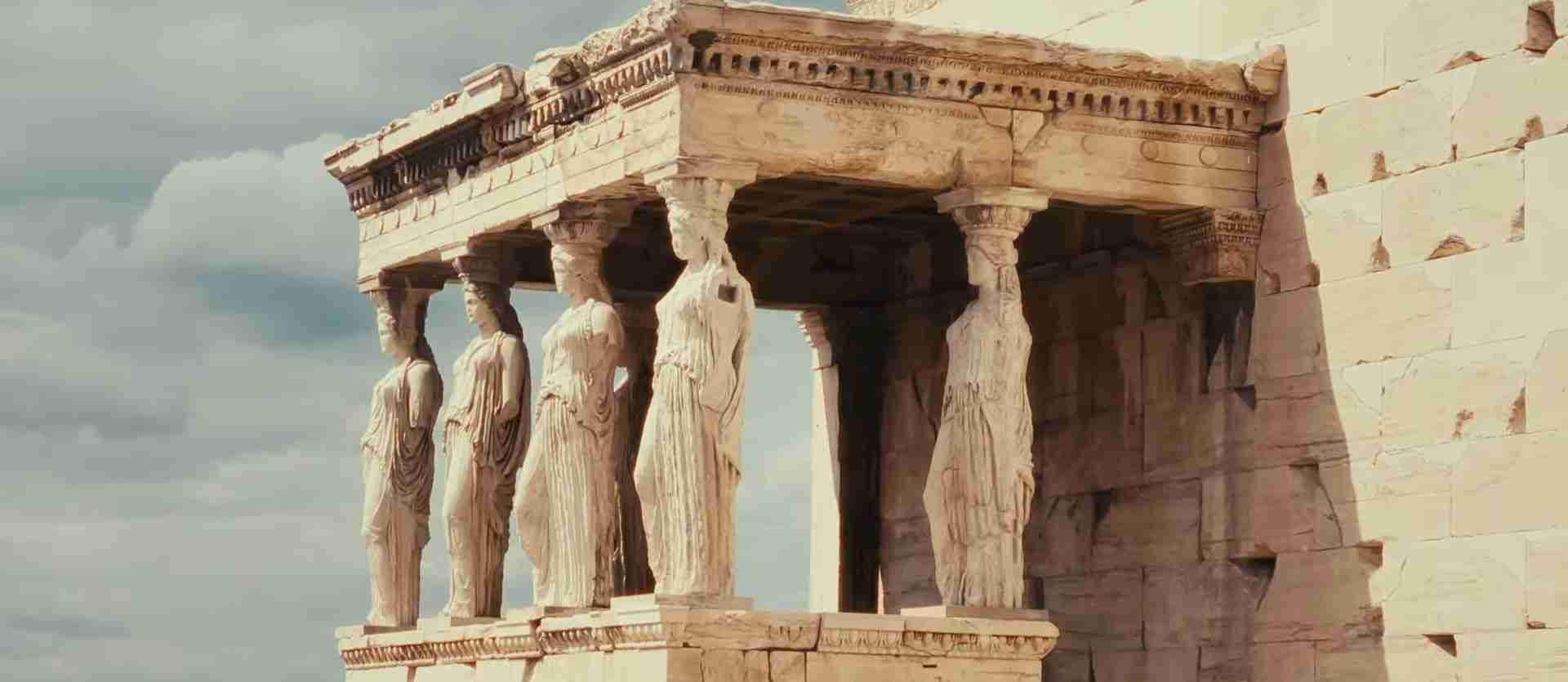
Acropolis Free Things to Do 2026: Budget Travel Guide
The Acropolis and surrounding Athens historic center offer extensive free experiences in 2026 including ten monthly free admission days November through March, spectacular panoramic viewpoints from Areopagus, Lycabettus, and Filopappou hills, pedestrian exploration of Plaka and Anafiotika neighborhoods beneath Acropolis slopes, and cultural activities like Syntagma Square changing of the guard ceremonies. This comprehensive budget guide identifies when the UNESCO World Heritage Acropolis site opens free, where to photograph monuments without entry fees, which neighborhoods deliver authentic Athens experiences at no cost, and how to maximize free cultural encounters across the ancient city center.
Key Takeaways: Free Acropolis Experiences 2026
- Monthly Free Entry Schedule 2026: The Acropolis offers free admission every first and third Sunday from November 1, 2025 through March 31, 2026, totaling ten free entry opportunities (January 4, 18; February 1, 15; March 1, 15), plus special cultural celebration days including March 6 (Memory of Holocaust Martyrs), March 25 (Greek Independence Day), April 18 (International Monuments Day), May 18 (International Museum Day), September 27-28 (European Heritage Days), and October 28 (Ochi Day)
- Premium Free Viewpoints 2026: Areopagus Hill directly opposite the Acropolis entrance delivers sunset views over the Parthenon without admission charges, Lycabettus Hill at 277 meters elevation provides 360-degree panoramas including Acropolis perspectives, Filopappou Hill southwest of the monument offers elevated southern angles with Philopappos Monument foreground, and Pnyx Hill west of the Acropolis combines ancient assembly site history with photography angles
- No-Cost Neighborhood Exploration: Plaka’s pedestrian labyrinth of neoclassical architecture, cafes, and shops sprawls across Acropolis northeastern slopes accessible 24 hours daily, Anafiotika’s whitewashed Cycladic-style lanes cling to eastern slopes creating Greek island atmosphere in Athens, Monastiraki flea market district centers on ancient marketplace remains with weekend shopping and weekday browsing both free, and the Archaeological Promenade pedestrian walkway connects sites without admission
- Year-Round Free Admission Categories: EU citizens under age 25 enter the Acropolis free throughout 2026 with valid identification, children under 5 from all countries receive complimentary access year-round, students from non-EU countries ages 6-25 access reduced admission, and multiple professional categories including archaeologists, journalists with press cards, and museum association members qualify for free entry upon credential presentation
- Timing Strategy for Free Days 2026: Arrive 60-90 minutes before 08:00 opening time on free admission days to secure front-of-queue positions as wait times reach 2-3 hours by mid-morning, winter free Sundays deliver smaller crowds than summer cultural holidays with March dates offering optimal weather (15-18°C) without peak tourist season density, and combining free Acropolis entry with same-day visits to other monuments on their free schedules maximizes budget savings
- Beyond-Acropolis Free Cultural Activities 2026: Syntagma Square changing of the guard ceremonies occur hourly daily with grand Sunday 11:00 AM performances featuring full Evzone unit, National Garden 15-hectare oasis provides shaded pathways and duck pond free to visitors daily, Central Market (Varvakios Agora) immersive food market experience operates Monday-Saturday mornings, and street art concentrated in Psyrri and Metaxourgio neighborhoods delivers open-air gallery walks
People Also Ask About Free Acropolis Activities 2026
Can You See the Acropolis for Free in 2026 Without Entering the Site?
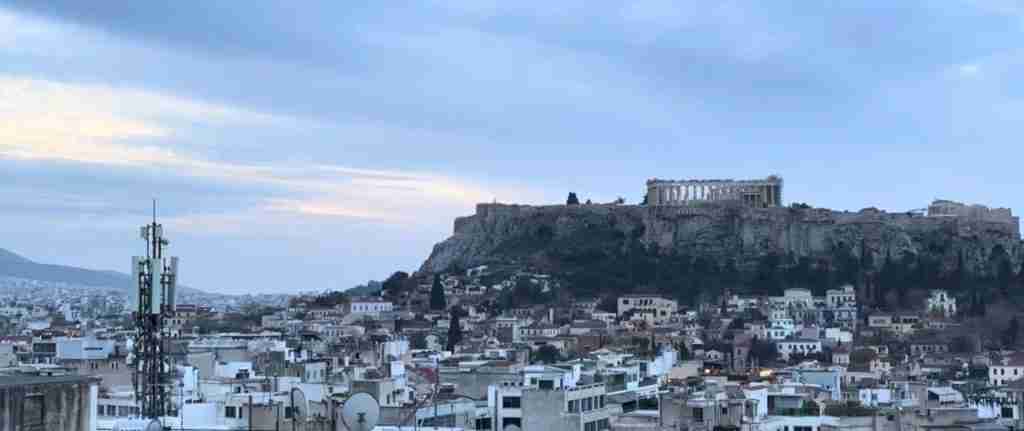
Multiple free viewpoints deliver spectacular Acropolis perspectives in 2026 without monument entry. Areopagus Hill positioned directly west of the Acropolis main entrance provides elevated Parthenon views especially dramatic at sunset when golden hour light illuminates Pentelic marble columns. Access the rocky outcrop via stone steps from Dionysiou Areopagitou pedestrian street with no admission charges or time restrictions. Lycabettus Hill towering 277 meters northeast of the Acropolis offers 360-degree Athens panoramas encompassing the Acropolis, Saronic Gulf, and surrounding mountains, reached by funicular (€10 round-trip) or free hiking trails. Filopappou Hill southwest of the monument delivers southern perspectives with Philopappos Monument (116 AD) occupying the summit and multiple viewpoint ledges along wooded trails accessible daily without fees. The Archaeological Promenade encircling the Acropolis base provides close-range exterior views of fortification walls and slopes from Dionysiou Areopagitou pedestrian walkway. Plaka rooftop cafes and restaurants offer Parthenon sightlines when purchasing drinks or meals, converting dining expenses into viewing platforms.
What Are All the Free Entry Days to the Acropolis in 2026?
The Acropolis provides free admission on seventeen specific dates throughout 2026. Winter period free Sundays include January 4 (first Sunday), January 18 (third Sunday), February 1 (first Sunday), February 15 (third Sunday), March 1 (first Sunday), March 15 (third Sunday), November 1 (first Sunday), November 15 (third Sunday), December 6 (first Sunday), and December 20 (third Sunday), following the consistent first-and-third-Sunday pattern from November through March annually. Cultural celebration free days include March 6 (Memory of Holocaust Martyrs and Heroes in Greece), March 25 (Greek Independence Day national holiday), April 18 (International Monuments Day), May 18 (International Museum Day), September 27 (European Heritage Days weekend), September 28 (European Heritage Days weekend), and October 28 (Ochi Day commemorating Greek refusal of Italian ultimatum in 1940). These dates apply to all Greek state archaeological sites and museums, not exclusively the Acropolis.
How Crowded Are Free Admission Days at the Acropolis in 2026?
Free admission days generate significantly increased visitor volumes compared to paid-entry periods, with queue wait times reaching 2-3 hours by 09:30-10:00 AM and remaining elevated throughout morning hours. Winter free Sundays (November-March) attract moderate crowds with manageable waits when arriving at 08:00 opening time, as off-season tourism generally remains lower than summer peaks and cooler temperatures (8-15°C) deter some visitors. Cultural celebration free days including March 25, May 18, and October 28 experience maximum crowding as these dates coincide with holidays, festivals, and domestic Greek tourism, creating lines extending several hundred meters from entrance gates. Strategic arrival timing 60-90 minutes before opening ensures front-of-queue positions, while afternoon visits after 15:00 see diminished queues as many visitors complete tours and depart. Free days eliminate timed-entry ticket restrictions, operating first-come-first-served admission without online booking options. Perimeter viewpoints like Areopagus and Lycabettus hills receive overflow visitors unable or unwilling to wait in Acropolis queues, creating secondary free viewing opportunities when monument lines appear excessive.
Are There Free Walking Tours of the Acropolis Area in 2026?
Free walking tours operate in Athens in 2026 through platforms like GuruWalks and Athens Free Walking Tour, typically covering Syntagma Square, Plaka neighborhood, exterior Acropolis viewpoints, and Ancient Agora area without requiring upfront payment. These tip-based tours request voluntary gratuity at conclusion (€10-15 per person customary) rather than fixed fees, though participation remains technically free. Tours generally last 2-3 hours departing from central meeting points like Syntagma Square metro station with 10:00 AM and 15:00 standard start times. Guides provide historical context, architectural explanations, and navigation through Plaka’s labyrinthine streets, though tours view the Acropolis from exterior vantage points rather than entering the paid monument. Free walking tours don’t include Acropolis admission tickets, which visitors must purchase separately if combining tours with monument entry. On free admission days, some tour companies offer guided experiences charging only for guide service while monument entry comes free, creating hybrid value propositions. Self-guided walking via downloadable apps and audio guides provides completely free touring alternatives when combining smartphone technology with free viewpoint access.
Extended multi-day tours – 5+ days
Featured Athens Multi-Day Tour Packages
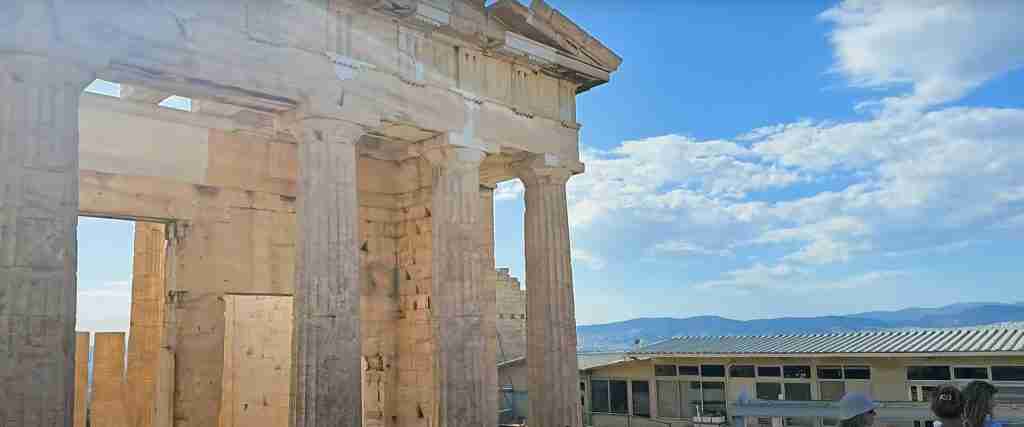
3 days
Athens 3-Day Discovery Tour
- ✓ Comprehensive Athens experience
- ✓ Expert local guides included
- ✓ All accommodation included
- ✓ Transportation provided
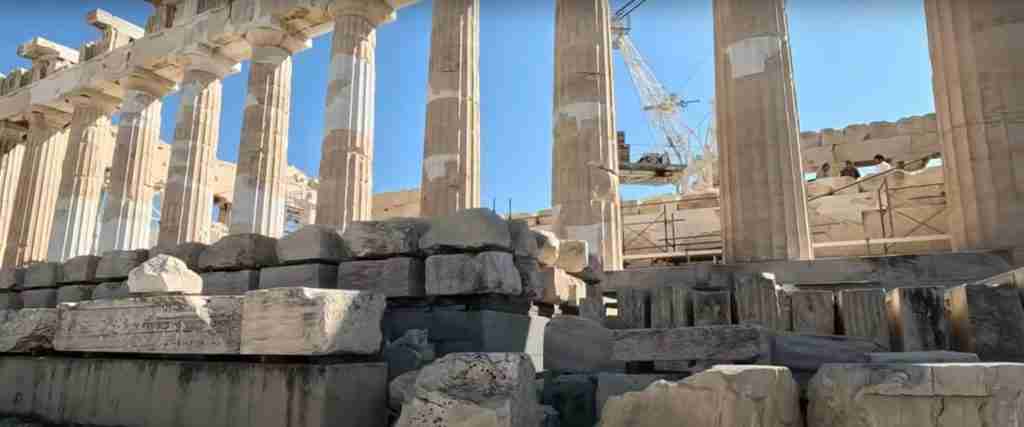
5 days
Athens 5-Day Highlights Experience
- ✓ Comprehensive Athens experience
- ✓ Expert local guides included
- ✓ All accommodation included
- ✓ Transportation provided
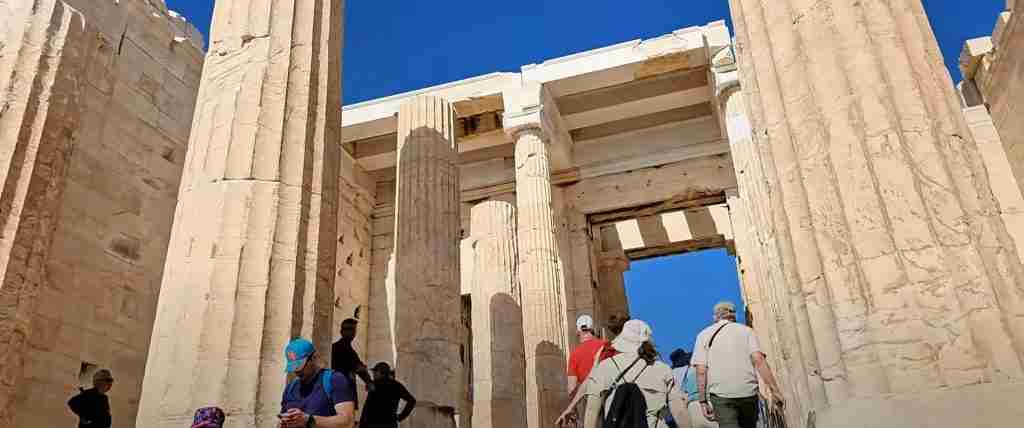
7 days
Athens 7-Day Cultural Journey
- ✓ Comprehensive Athens experience
- ✓ Expert local guides included
- ✓ All accommodation included
- ✓ Transportation provided
10 days
Athens 10-Day Complete Adventure
- ✓ Comprehensive Athens experience
- ✓ Expert local guides included
- ✓ All accommodation included
- ✓ Transportation provided
Multi-day tour packages powered by TourRadar. Prices and availability subject to change.
Introduction: Experiencing the Acropolis Without Breaking Your Budget
The Acropolis of Athens stands as humanity’s most recognized architectural achievement, with the UNESCO World Heritage Site attracting over 3 million annual visitors to its hilltop sanctuary of Classical Greek monuments. While standard admission costs €20 in 2026, strategic planning unlocks extensive free experiences surrounding, viewing, and periodically entering this ancient citadel. Understanding when free access operates, where complimentary viewpoints deliver photography opportunities, which neighborhoods offer cultural immersion at no cost, and how to navigate Athens’ historic center without admission charges transforms budget travel into comprehensive heritage exploration.
The 2026 calendar provides seventeen specific free admission dates including ten monthly winter Sundays and seven cultural celebration days when the Acropolis opens without ticket requirements. These designated dates follow Greek Ministry of Culture policies aimed at democratizing cultural heritage access, though free days simultaneously attract maximum crowds requiring early arrival and patience. Beyond scheduled free entry, the Acropolis radiates value through surrounding free experiences: dramatic sunset viewpoints from adjacent hills, pedestrian exploration of millennia-old neighborhoods preserving traditional character, archaeological promenades connecting ancient sites, and cultural activities from military ceremonies to street art walks.
Athens’ compact historic center concentrates free attractions within 3-kilometer walking radius, eliminating transportation costs while building understanding of how the Acropolis functioned as ancient Athens’ religious, political, and defensive nucleus. The Archaeological Promenade, completed in preparation for 2004 Olympics, created 2.5-kilometer pedestrian walkway linking Syntagma Square, Plaka, the Acropolis, Ancient Agora, Kerameikos, and Gazi without vehicle traffic interruption. This marble-paved route passes tavernas, museums, monuments, and neighborhoods while maintaining free public access 24 hours daily.
Geography shapes the free Acropolis experience. The limestone plateau rises 156 meters above sea level with trapezoidal shape measuring 270 meters east-west and 156 meters north-south. Classical monuments crowning the summit – Parthenon, Erechtheion, Propylaia, Temple of Athena Nike – require paid admission or free-day access, but fortification walls, slopes, and surrounding terrain provide extensive exploration opportunities without entry fees. Northern slopes host cave sanctuaries visible from pathways. Southern slopes accommodate the Theater of Dionysus and Odeon of Herodes Atticus, both accessible from exterior viewing positions. Western approach climbs through Areopagus Hill and Pnyx assembly grounds, both free to visitors.
Neighborhoods radiating from Acropolis base preserve layers of continuous habitation spanning 3,400 years. Plaka occupies northeastern slopes where Byzantine, Ottoman, and neoclassical architecture mixes with contemporary cafes and shops. Anafiotika clings to eastern cliffs where 19th-century workers from Anafi island constructed Cycladic-style dwellings still inhabited today. Monastiraki centers on ancient marketplace remains where weekend flea markets and everyday shopping create vibrant commercial district. These areas charge nothing for pedestrian exploration, offering authentic Athens encounters complementing monument visits.
Free cultural programming extends Athens heritage experience beyond static archaeology. Evzone guards perform ceremonial duties at Syntagma Square’s Tomb of the Unknown Soldier with hourly changing ceremonies and elaborate Sunday morning rituals viewable without charge. National Garden’s 15.5-hectare botanical oasis provides shade, duck ponds, and children’s playgrounds in city center. Street art concentrated in Psyrri and Metaxourgio transforms neighborhoods into open-air galleries. Free concerts, festivals, and performances occur throughout summer months in parks and pedestrian zones. These activities cost nothing yet deliver authentic cultural engagement.
Budget constraints need not limit Acropolis appreciation in 2026. Combining free admission days, perimeter viewpoints, neighborhood exploration, and cultural activities creates comprehensive UNESCO heritage experiences without sacrificing quality or understanding. This guide maps specific free opportunities by category, explains optimal timing strategies, identifies EU/non-EU eligibility differences, and provides practical navigation details for maximizing Athens cultural encounters on limited budgets.
Understanding Free Admission Days Schedule 2026
Greek Ministry of Culture establishes free admission policies serving dual objectives of cultural access democratization and winter tourism stimulation. The 2026 schedule follows consistent patterns established over recent years with modifications reflecting current priorities.
Winter period free Sundays operate from November 1, 2025 through March 31, 2026, granting complimentary Acropolis access every first and third Sunday of these five months. Specific dates include: November 2025 (November 1, November 15), December 2025 (December 6, December 20), January 2026 (January 4, January 18), February 2026 (February 1, February 15), March 2026 (March 1, March 15). This pattern produces ten free Sunday opportunities during months when tourism activity traditionally decreases and Athens experiences cooler weather patterns averaging 8-18°C. The policy aims to incentivize off-season visits while reducing financial barriers during periods when international tourism naturally declines.
Cultural celebration free days commemorate significant Greek historical events, international museum/monument recognition, and European cultural heritage initiatives. March 6 honors Memory of Holocaust Martyrs and Heroes in Greece, acknowledging the Holocaust’s devastating impact on Greek Jewish communities with free access to all state museums and archaeological sites. March 25 celebrates Greek Independence Day, the national holiday commemorating 1821 revolution against Ottoman rule with parades, church services, and widespread patriotic observance plus free monument admission. April 18 marks International Monuments Day (ICOMOS designation) promoting architectural heritage awareness through global site openings and educational programs. May 18 recognizes International Museum Day with worldwide cultural institution participation in access and programming initiatives.
September’s European Heritage Days typically span the last weekend of the month (exact 2026 dates September 27-28, though slight variations occur depending on calendar coordination), celebrating shared European cultural patrimony through site openings, special tours, concerts, and exhibitions across participating nations. Greece enthusiastically supports this Council of Europe program with extensive monument access and cultural events nationwide. October 28 commemorates Ochi Day (Anniversary of the “No”), when Greek Prime Minister Metaxas rejected Italian ultimatum in 1940, precipitating Greek entry into World War II and ultimately contributing to Allied victory. This national holiday combines military parades, school celebrations, and free cultural site access.
These seventeen free admission dates apply uniformly across all Greek state-managed archaeological sites and museums, not exclusively the Acropolis. Visitors can combine free Acropolis access with same-day visits to Ancient Agora, Roman Agora, Hadrian’s Library, Temple of Olympian Zeus, Kerameikos, and other monuments when scheduling around free-day calendars. This coordination multiplies budget savings, though sequential site visits on crowded free days requires energy and time management.
Free admission mechanics differ from standard ticketing procedures. On designated free days, the official online ticketing system at hhticket.gr closes for the Acropolis and participating sites. Visitors cannot pre-purchase free tickets or reserve entry times. Instead, free admission operates first-come-first-served at on-site ticket offices where staff distribute complimentary paper tickets required for entry turnstile passage. This system creates queues as all visitors regardless of age, nationality, or professional status must collect physical tickets at entrance windows before proceeding to monument gates. The absence of advance booking or timed entry slots means crowd management depends entirely on arrival timing and visitor flow rates.
Weather contingencies affect free day operations. Heavy rain, lightning, strong winds, or extreme heat occasionally force temporary closures for visitor safety, particularly affecting elevated Acropolis summit where exposed positions create hazards. The Greek Ministry of Culture announces closures 2-4 hours before scheduled opening when meteorological forecasts indicate dangerous conditions. No compensation, ticket transfers, or alternative arrangements apply when weather cancels free admission days, making flexible travel schedules advisable when planning around specific dates.
Strategic Timing for Free Admission Days 2026
Maximizing free day experiences requires understanding crowd patterns, weather variables, and operational logistics. Strategic arrival timing determines whether visitors enjoy manageable queues and comfortable monument exploration or endure hours-long waits and overcrowded pathways.
Optimal arrival time falls 60-90 minutes before the 08:00 opening hour on free admission days. Visitors queuing by 06:30-07:00 secure front-of-line positions, gaining entry within 15-30 minutes after gates open. Early arrivals complete Acropolis tours by 09:30-10:00 before maximum crowding develops and before midday heat intensifies in warmer months. Morning light enhances Pentelic marble’s golden hue while eastern sun illuminates Parthenon’s western facade dramatically. These advantages compound when combining early free access with subsequent visits to nearby monuments and neighborhoods.
Mid-morning arrivals (09:00-11:00) encounter peak queuing periods as domestic and international visitors converge on free admission opportunities. Wait times extend 90-180 minutes during this window, particularly on cultural celebration holidays when Greek families and school groups supplement international tourist flows. Queue progression slows as ticket office staff process high volumes while maintaining procedures requiring ticket distribution, credential checking for reduced-rate categories, and crowd management communications. Visitors arriving mid-morning should bring water, sun protection, comfortable shoes, and entertainment for extended standing periods.
Afternoon entries after 15:00 provide alternative timing strategies accepting trade-offs between reduced queues and abbreviated monument time. Free day queues diminish significantly by mid-afternoon as many visitors complete tours and depart. Wait times compress to 30-60 minutes versus morning peaks. However, Acropolis closing approaches (17:00 winter, 20:00 summer) limiting available exploration time. Final entry occurs 20 minutes before closing regardless of queue status, meaning afternoon arrivals risk closure before reaching gates if queues exceed capacity. This window suits visitors prioritizing queue avoidance over extended monument time or those combining afternoon Acropolis access with morning activities elsewhere in Athens.
Weather patterns influence optimal timing across 2026’s free day calendar. Winter free Sundays (November-March) feature cooler temperatures (8-18°C), occasional rain showers, and reduced tourist volumes compared to summer months. March dates deliver transitional conditions with warming temperatures (12-18°C), increasing sunshine hours, and blooming vegetation creating pleasant conditions without summer heat. November and December dates risk rain and cold fronts (8-14°C) requiring appropriate clothing and weather monitoring. Summer cultural holidays (May 18, September 27-28) present heat management challenges with temperatures reaching 25-32°C and full sun exposure atop the Acropolis requiring sun protection, hydration, and heat tolerance.
Day-of-week variables affect cultural celebration free days falling on various weekdays. March 25 and October 28 national holidays occur on fixed dates regardless of weekday, creating maximum domestic tourism as Greeks enjoy days off work and school. When these holidays fall on Fridays or Mondays, three-day weekends amplify visitor numbers. April 18 and May 18 international recognition days typically generate moderate crowding without national holiday traffic unless coinciding with school breaks or long weekends. September European Heritage Days consistently attract high participation across the multi-day weekend event period.
Queue management strategies enhance free day experiences beyond simple arrival timing. Traveling in smaller groups (2-4 people) versus large families or tour groups accelerates queue progression as compact parties navigate crowds more efficiently and require less coordination. Arriving with minimal bags eliminates security screening delays at x-ray checkpoints. Pre-studying site layouts and monument locations enables efficient routing once inside, maximizing limited time when afternoon entries or overcrowding compress available exploration periods. Downloading offline maps and guides provides navigation assistance when cellular networks congest under heavy visitor loads.
Premium Free Viewpoints for Acropolis Photography 2026
Multiple elevated vantage points surrounding the Acropolis deliver spectacular panoramic perspectives, photography opportunities, and monument appreciation without admission charges. These free viewpoints function as alternatives or complements to paid monument entry, each offering distinct angles, lighting conditions, and accessibility characteristics.
Areopagus Hill occupies the rocky outcrop immediately west of the Acropolis main entrance, positioned 115 meters elevation with summit accessed via steep stone steps from Dionysiou Areopagitou pedestrian street. This ancient meeting site of the Areopagus Council (high court in Classical Athens) provides frontal Parthenon perspectives 80 meters distant across the intervening valley. Sunset transforms Areopagus into premier photography location as western golden hour light illuminates the Acropolis eastern facades while viewers face optimal angles for capturing monument and sky interactions. The hill receives no admission charges, operates 24-hour access, and accommodates visitors on flat summit outcrop with informal seating on natural rock surfaces. Crowds intensify during sunset hours (18:00-20:00 summer, 16:00-17:30 winter) as photographers, couples, and tourists gather for views and social atmosphere. Caution applies to steep, uneven stone steps and slippery marble surfaces when wet.
Lycabettus Hill towers 277 meters above sea level as Athens’ highest point, located 2 kilometers northeast of the Acropolis in Kolonaki upscale neighborhood. The summit delivers 360-degree panoramas encompassing the Acropolis to southwest, Saronic Gulf and Piraeus port to south, surrounding mountains (Parnitha, Penteli, Hymettus) on various horizons, and sprawling Athens urban fabric in all directions. Access options include funicular railway (€10 round-trip, operating 09:00-02:30) or hiking trails winding through pine-forested slopes requiring 30-45 minutes moderate exertion. Free hiking access operates 24 hours with multiple trail options varying in difficulty and directness. Summit facilities include St. George Chapel (19th-century Byzantine-style church), panoramic terrace, cafe-restaurant, and ample viewing positions. Photography captures distant Acropolis within broader Athens urban context rather than close monument details, creating cityscape compositions particularly effective during blue hour twilight when city lights illuminate while sky retains color. Summer sunset hours (20:00-21:00) and weekend evenings generate maximum summit crowds.
Filopappou Hill (also Philopappos Hill) rises southwest of the Acropolis across Dionysiou Areopagitou street, reaching 147 meters elevation with Philopappos Monument (116 AD Roman funerary monument honoring Syrian prince) crowning the summit. Wooded pathways wind through pine groves with multiple viewpoint clearings offering southern and southeastern Acropolis perspectives emphasizing Parthenon southern colonnade and Propylaia entrance structures. The hill functions as local recreation area with joggers, dog walkers, and families utilizing shaded trails throughout day. Free access operates 24 hours via multiple entry points from surrounding streets. Photography benefits from elevated southern angles contrasting with typical northern/western viewpoints, creating compositional variety. Foreground elements including Philopappos Monument, pine trees, and wildflowers (spring months) add depth to Acropolis backgrounds. Sunset from Filopappou’s western slopes captures Acropolis in warm light with Athens urban sprawl extending to Saronic Gulf horizon. The hill sees moderate visitor traffic compared to Areopagus crowds or Lycabettus popularity, offering quieter appreciation opportunities.
Pnyx Hill sits west of the Acropolis between Areopagus and Filopappou, functioning as ancient Athenian assembly meeting site where democratic decisions shaped Classical civilization. This historical significance combines with practical viewing positions overlooking the Acropolis northwestern facades and surrounding landscape. Flat assembly terrace provides spacious viewing platform while walking paths connect to adjacent hills creating continuous elevated circuit around Acropolis western and southern perimeters. Free access operates continuously with entrances from Apostolou Pavlou pedestrian street. The hill attracts fewer tourists than primary viewpoints while delivering comparable Acropolis perspectives plus historical interest in democratic assembly origins. Combined Areopagus-Pnyx-Filopappou walking circuits occupy 90-120 minutes covering all three viewpoints via connecting trails.
Strefi Hill in Exarchia neighborhood 1.5 kilometers north of the Acropolis provides alternative perspective from northern vantage point rarely photographed in mainstream tourism images. The abandoned quarry transformed into informal park offers Acropolis southern facades silhouetted against urban backgrounds with distinctly local rather than tourist atmosphere. Free access via residential streets attracts neighborhood residents for sunset views, casual socializing, and alternative culture ambiance characteristic of Exarchia district. Photography captures different Acropolis orientation with lighting and compositional opportunities unavailable from conventional southern viewpoints.
Rooftop cafes and hotel terraces throughout Plaka and Monastiraki neighborhoods convert commercial establishments into temporary viewing platforms when purchasing drinks or meals. Notable locations include A for Athens rooftop bar, 360 Cocktail Bar, Couleur Locale rooftop restaurant, and numerous Plaka establishments advertising Acropolis views. While requiring commercial transactions (drinks €5-12, meals €15-30), these venues provide comfortable seating, amenities, and perspectives combining close-range monument views with neighborhood ambiance. Sunset drinks or dinners create multi-purpose experiences blending viewing, dining, and cultural immersion.
Exploring Plaka Neighborhood Without Spending Money 2026
Plaka occupies the Acropolis northeastern slopes as Athens’ oldest continuously inhabited neighborhood, preserving layers of Byzantine, Ottoman, and neoclassical architecture within pedestrian labyrinth accessible 24 hours daily without admission charges. This district delivers quintessential Greek atmosphere through narrow cobblestone lanes, bougainvillea-draped balconies, traditional architecture, and village-like character persisting in modern capital city.
The neighborhood extends from Syntagma Square southern edge to Acropolis northern base, bounded by Ermou shopping street to north, Adrianou street to west (separating Plaka from Monastiraki), and Acropolis fortification walls to south. Compact geography permits comprehensive exploration within 60-90 minute walks covering major lanes and discovering hidden corners. Free pedestrian access operates continuously with vehicle restrictions maintaining walking-friendly environment. Map navigation proves challenging as irregular street patterns, name inconsistencies, and tourist-oriented shop signage create orientation difficulties, making wandering and discovery preferable to rigid route-following.
Architectural diversity reveals 3,000+ years of continuous habitation. Byzantine church ruins and Ottoman-era buildings incorporate ancient marble blocks recycled from Classical structures. Neoclassical mansions built 1830-1920 during modern Greek kingdom period preserve elaborate doorways, painted shutters, and interior courtyards occasionally visible through open gates. Renovated buildings house boutiques, galleries, tavernas, and residences while maintaining protected facades per heritage regulations. Street-level observation costs nothing while delivering architecture education through visual comparison across periods and styles.
Anafiotika sub-neighborhood occupies the Acropolis eastern slopes immediately below fortification walls, accessed via steep lanes climbing from Plaka’s upper elevations. This micro-district preserves whitewashed Cycladic-style houses built 1860s-1870s by workers from Anafi island hired for palace construction who replicated home-island architecture in capital city. Narrow passages barely wider than shoulder-width wind between cubic white structures with blue-painted doors, shutters, and flower pots creating Greek island ambiance without ferry travel. The district remains residentially inhabited with private homes displaying “residents only” signs discouraging tourist intrusion, though public pathways permit respectful walking and photography. Free access operates continuously with optimal visiting during early morning (06:00-09:00) or late afternoon (17:00-20:00) when resident activity remains minimal and soft light enhances photography.
Street life and cultural observation constitute Plaka’s primary free experiences. Morning activities include bakery deliveries, shop preparations, and resident routines providing authentic glimpses of neighborhood function beyond tourist commerce. Afternoon siesta (14:00-17:00) sees quieter streets as businesses close for traditional rest periods. Evening volta (promenade) brings residents into lanes for socializing, walking, and cafe gatherings observable by visitors. Cats populate the district with semi-feral populations lounging in sunny spots, interacting with tourists, and contributing to Greek street scene character. Observing these patterns costs nothing while building understanding of Mediterranean urban rhythms.
Staircases and elevated walkways create vertical exploration opportunities with upper paths providing Acropolis proximity and different neighborhood perspectives. Stairs climbing from Adrianou toward Anafiotika pass Byzantine churches (Agios Nikolaos Rangavas, Metamorphosis tou Sotiros) with exterior viewing of painted iconography and architectural details. Elevated paths skirting Acropolis base approach fortification walls closely while offering downward neighborhood vistas. These vertical routes require moderate physical capability but reward effort with varied viewpoints and quieter corridors away from main tourist flows.
Cultural institutions offering free or donation-based entry include Museum of Greek Folk Musical Instruments (Diogenous 1-3, free admission, Tuesday-Sunday 10:00-14:00) displaying 1,200 traditional instruments with audio stations enabling listening to regional musical traditions. Jewish Museum of Greece (Nikis 39, donation requested €6 but not mandatory) documents Greek Jewish communities’ 2,300-year history through artifacts, photographs, and Holocaust documentation. Church of Panagia Kapnikarea (Ermou Street, free entry during open hours) maintains 11th-century Byzantine structure in modern shopping district with frescoes and architectural details viewable when unlocked.
Photography opportunities throughout Plaka cost nothing beyond camera/smartphone ownership. Picturesque lane compositions with colorful buildings, overhanging plants, and Acropolis backgrounds populate Instagram and photography portfolios. Street art and graffiti particularly on Adrianou periphery and Psyrri transitional zones add contemporary visual interest. Architectural details including painted ceilings, elaborate doorways, and decorative balconies reward observant photographers. Optimal lighting occurs during golden hours (morning 07:00-09:00, evening 18:00-20:00 summer) when directional sun illuminates building facades while avoiding harsh midday overhead light.
Window shopping and gallery browsing provide free entertainment without purchase obligations. Art galleries displaying contemporary Greek artists welcome browsers viewing paintings, sculptures, and crafts. Jewelry shops showcase traditional Greek designs including evil eye talismans, Byzantine-inspired pieces, and modern interpretations. Souvenir stores display mass-produced tourist goods but also quality ceramics, textiles, and olive wood items observable without buying. Antiquarian bookshops contain Greek literature, historical prints, and vintage publications browseable by interested visitors. The neighborhood commercial character accepts lookers alongside buyers, making window shopping culturally acceptable.
Monastiraki and Ancient Agora Free Exploration 2026
Monastiraki district centers on the ancient Athenian marketplace remains where commercial activity continues in modern flea market configuration, creating 2,500-year continuity of commercial exchange at the same geographic location. The neighborhood extends from Monastiraki Square metro station westward to Kerameikos ancient cemetery and southward to Acropolis northern base, encompassing Ancient Agora archaeological site perimeter, commercial streets, and mixed residential-tourist zones accessible without charges except specific monument entries.
Monastiraki Square functions as district focal point with metro station (Lines 1 and 3 intersection), Church of the Pantanassa (10th-century Byzantine structure), and commercial activity radiating in all directions. The square operates as public space with benches, kiosks, and constant pedestrian traffic creating people-watching opportunities and orientation reference point. Free access operates 24 hours with strongest activity daytime (08:00-20:00) when shops, markets, and cafes conduct business. Sunday mornings see maximum flea market activity when dealers spread goods on Ifestou Street and surrounding lanes.
Monastiraki Flea Market sprawls across multiple streets north and west of the square with varying formality levels. Permanent shops along Ifestou, Adrianou, and Pandrossou streets sell antiques, vintage items, books, records, clothing, and miscellaneous goods in established storefronts operating Monday-Saturday regular hours. Sunday flea market transforms these streets into open-air bazaar with additional dealers spreading goods on sidewalks, plazas, and available surfaces creating chaotic browsing environment. Merchandise quality ranges from genuine antiques and quality crafts to mass-produced tourist souvenirs and outright junk. Browsing costs nothing with no pressure to purchase despite merchant engagement attempting sales. Bargaining remains acceptable for larger purchases though prices generally reflect tourist market positioning rather than negotiable local markets. Photography of merchandise and street scenes proceeds freely though asking permission before photographing individual dealers or their displays demonstrates courtesy.
Ancient Agora archaeological site occupies the valley northwest of the Acropolis containing excavated remains of Classical Athens’ commercial, political, and social center including the Temple of Hephaestus (best-preserved ancient Greek temple), Stoa of Attalos (reconstructed 2nd-century BC colonnade housing Agora Museum), and scattered foundations of public buildings, shops, and facilities. Entry requires admission tickets (€10, or included in former multi-site pass), but perimeter viewing from public streets and elevated positions provides extensive free perspectives. Adrianou Street bordering the Agora eastern edge permits walking the site boundary with views into excavated areas and Temple of Hephaestus dominating northern heights. Elevated walkways climbing toward Areopagus Hill overlook Agora southern portions with good vantage points for understanding site layout and photographing temple structures. While interior access requires tickets, perimeter positions deliver 40-50% of visual information without admission costs.
Hadrian’s Library ruins occupy Monastiraki Square’s northern edge with partial wall structures and columns visible from surrounding sidewalks. Original 2nd-century AD complex functioned as imperial library, lecture hall, and garden enclosure with monumental entrance and extensive interior colonnade. Modern excavations revealed foundations and wall fragments now protected as archaeological park requiring admission (€6 individual ticket). However, substantial ruins remain visible from Areos Street pedestrian viewing along western perimeter where standing walls and architectural fragments demonstrate Roman construction scale. This exterior viewing provides free appreciation of monument significance and architectural character without interior access.
Church of the Pantanassa (Monastiraki Square) functions as active Greek Orthodox church with free entry during open hours (typically morning 07:00-10:00 and evening 17:00-19:30, varying by service schedules). This 10th-century Byzantine structure preserves original architecture despite modern alterations, displaying characteristic middle-Byzantine plan with cross-in-square design, dome, and apse. Interior frescoes suffered damage over centuries but remaining fragments indicate medieval painting programs. Visiting during non-service hours permits architecture observation and photography (flash photography prohibited, modest dress required covering shoulders and knees). The church demonstrates continuous religious function spanning 1,000+ years while offering free cultural and architectural encounter.
Athinaş Street pedestrian corridor connects Monastiraki to Omonia Square through Central Market (Varvakios Agora) district providing authentic Athenian commercial atmosphere distinct from tourist-oriented Plaka. This working-class shopping street maintains local character with shops serving neighborhood residents rather than visitors. Window shopping, street life observation, and walking the corridor between squares costs nothing while delivering alternative Athens perspective. Morning hours (08:00-12:00) show maximum activity as shoppers purchase goods and merchants conduct business.
Street musicians and performers populate Monastiraki Square and adjacent pedestrian zones particularly weekends and evenings, providing free entertainment through music, juggling, and various acts. Quality varies from accomplished musicians to amateur performers, but presence adds cultural vitality and European city atmosphere. Viewers enjoy performances without tipping obligations though donations support artists.
Year-Round Free Admission Categories 2026
Beyond scheduled free admission days, specific visitor categories qualify for complimentary Acropolis access throughout 2026 based on age, nationality, professional status, or institutional affiliations. Understanding eligibility criteria and documentation requirements enables qualified visitors to plan year-round free entry.
EU citizens under age 25 receive free Acropolis admission every day of the year when presenting valid identification proving both EU citizenship and age eligibility. Accepted documentation includes government-issued ID cards, passports, or national identity documents clearly stating birthdate and citizenship country. This benefit extends to all Greek state archaeological sites and museums, not exclusively the Acropolis. The United Kingdom’s Brexit withdrawal from the European Union eliminated UK citizens from this benefit category effective January 31, 2020 (transition period ended December 31, 2020). Current EU member states in 2026 include Austria, Belgium, Bulgaria, Croatia, Cyprus, Czech Republic, Denmark, Estonia, Finland, France, Germany, Greece, Hungary, Ireland, Italy, Latvia, Lithuania, Luxembourg, Malta, Netherlands, Poland, Portugal, Romania, Slovakia, Slovenia, Spain, and Sweden. Young adults from these countries visiting Athens enjoy substantial budget advantages through free monument access.
Children under age 5 from all countries worldwide enter the Acropolis free year-round regardless of citizenship or residence. Parents or guardians must present documentation proving child’s age when questioned by ticket staff or security personnel. Birth certificates, passports, or official identification documents suffice for verification. This universal free access recognizes that very young children derive minimal educational benefit from archaeological monuments while accompanying parents paying admission.
Students ages 6-25 from non-EU countries qualify for reduced admission rather than free access, paying €10 versus standard €20 adult rate. Valid international student identification cards (ISIC cards) or university-issued student IDs with photos, enrollment dates, and institution names provide required verification. This 50% discount benefits international students though represents less generous treatment than EU students receiving completely free entry. The age limit strictly enforces 25th birthday cutoff, making 26-year-old students ineligible for reduced rates regardless of enrollment status.
Professional archaeologists receive free Acropolis admission when presenting credentials from recognized archaeological institutions, university departments, or professional associations. Active research permits, academic affiliation letters, or professional membership cards from organizations like the Archaeological Institute of America or European Association of Archaeologists demonstrate eligibility. This professional courtesy recognizes archaeologists’ contributions to heritage preservation and research advancement while facilitating fieldwork and comparative study.
Journalists holding valid press cards issued by recognized journalism organizations or government press offices access archaeological sites free when conducting professional reporting activities. International press cards (IAPF International Association of Press Photographers credentials) or national journalist association memberships satisfy documentation requirements. This media access policy facilitates cultural heritage coverage and publicity benefiting both journalism and archaeological site promotion.
Museum association members from recognized Greek and international organizations receive free admission privileges. Friends of the Acropolis, ICOM (International Council of Museums), ICOMOS (International Council on Monuments and Sites), and similar institutional memberships qualify upon credential presentation. Annual membership fees ($50-100 typically) create indirect costs making this “free” access actually prepaid through organizational dues, though members visiting multiple Greek sites throughout year recoup costs through accumulated admissions.
Disabled visitors and necessary companions access archaeological sites free when presenting disability certification documents. Greek disability cards, EU disability parking permits, or medical documentation establishing mobility limitations, visual impairment, cognitive disabilities, or other qualifying conditions enable complimentary entry for the person with disabilities plus one accompanying caregiver. The Acropolis provides elevator access on the northern slope specifically serving mobility-impaired visitors reaching the upper plateau without climbing traditional entrance steps. Elevator availability requires advance inquiry (phone +30 210 321 4172) confirming operational status as weather conditions occasionally force temporary closures.
Greek armed forces personnel, police officers, and firefighters receive free admission when presenting active service identification cards. This benefit recognizes public service contributions and extends to uniformed personnel from all Greek security and emergency services. Foreign military personnel generally pay standard admission unless reciprocal agreements exist between Greece and their home countries.
Applying for free or reduced admission requires approaching ticket windows rather than using online purchasing systems. Staff verify credentials, stamp official exemption on tickets, and distribute complimentary passes identical to paid tickets except for pricing notations. This manual process functions identically on paid admission days and scheduled free days, though free admission days eliminate eligibility verification since all visitors receive complimentary tickets regardless of status. Documentation should be readily accessible rather than buried in bags as ticket staff process high volumes during peak hours and limited patience exists for extensive document searching.
Free Cultural Activities Beyond the Acropolis 2026
Athens cultural landscape extends far beyond ancient monuments into living traditions, ceremonial observances, green spaces, and contemporary arts accessible without admission charges. These free activities complement Acropolis visits while building comprehensive understanding of Greek capital’s multifaceted character.
Changing of the Guard ceremonies at Syntagma Square’s Tomb of the Unknown Soldier occur hourly daily with full ceremonial performance Sundays at 11:00 AM. Evzone guards wearing traditional fustanella (white kilts), red caps with tassels, and clogs with pom-poms execute precise choreographed movements honoring fallen soldiers from Greek wars. Hourly changes (every hour on the hour 24/7) feature two guards performing coordinated movements replacing previous sentries in brief 10-minute ceremony. Sunday morning’s grand ceremony involves entire Evzone unit (approximately 120 soldiers) with marching band, flag processional, and extended performance lasting 45 minutes. These presidential guard ceremonies cost nothing to watch with public viewing areas along monument perimeter and optimal photography positions on Vasilissis Sofias Avenue sidewalks. Crowds intensify Sunday mornings requiring early arrival (10:00-10:30) for front-row positions. Respectful behavior requirements include remaining quiet during ceremony, not crossing guard pathways, and refraining from mocking or imitating distinctive uniform and movements.
National Garden (formerly Royal Garden) provides 15.5-hectare green oasis in Athens center between Syntagma Square and Panathenaic Stadium. This botanical park created 1838-1840 for royal palace grounds now operates as public park with shaded walking paths, duck pond, children’s playground, outdoor cafe, and diverse plantings including Mediterranean species and exotic imports. Free admission operates sunrise to sunset daily (approximately 06:00-20:00 summer, 07:00-19:00 winter) with multiple entrances from Vasilissis Sofias Avenue, Irodou Attikou, and Zappeion areas. The garden functions as Athens’ primary downtown green space hosting joggers, families, couples, and tourists seeking refuge from urban concrete and traffic. Attractions include small zoo enclosures housing goats and birds, botanical specimens labeled with species information, decorative ponds, mosaic pathways, and neoclassical architectural follies scattered throughout grounds. Shaded benches provide rest stops during hot summer days when temperatures exceed 30°C, making the garden valuable respite during midday heat. Safety remains generally good though evening hours after sunset see reduced lighting and fewer visitors creating less secure environment for solo travelers, particularly women.
Panathenaic Stadium (Kallimarmaro) exterior viewing from surrounding streets provides free perspectives on this ancient athletic venue reconstructed 1896 for first modern Olympic Games. The all-marble stadium seating 50,000 spectators occupies the site of 4th-century BC Panathenaic Games venue, rebuilt by Romans 2nd century AD, abandoned in medieval period, excavated 19th century, and reconstructed using Pentelic marble for 1896 Olympics. Interior access requires admission tickets (€5), but walking the stadium perimeter on Vasileos Konstantinou Avenue permits exterior photography and architectural appreciation. Track and field visible through entrance gates when open provide glimpses into interior without payment. The white marble structure gleaming in sunlight creates iconic Athens landmark photographable from multiple free vantage points.
Central Market (Varvakios Agora) on Athinaş Street operates Monday-Saturday mornings (07:00-14:00) as Athens’ primary wholesale and retail food market where restaurants, tavernas, and residents purchase meat, fish, produce, and specialty items. The 1886 neoclassical market building houses meat vendors in interior halls with refrigerated cases displaying cuts, whole carcasses, and butchering operations visible to public. Fish market occupies adjacent hall with daily catches, live seafood, octopus, and Mediterranean species arranged on ice beds. Surrounding streets host fruit and vegetable vendors, spice dealers, olive merchants, and specialty food shops. Walking through market areas costs nothing while delivering sensory immersion in Greek culinary traditions, observing shopping behaviors, identifying unfamiliar ingredients, and experiencing working-class commercial Athens distinct from tourist districts. Photography of market life proceeds freely though asking permission before photographing individual vendors demonstrates courtesy. The market functions as authentic local institution where tourism remains secondary to resident commerce.
Street art concentrated in Psyrri and Metaxourgio neighborhoods transforms post-industrial districts into open-air galleries accessible 24 hours without charges. Psyrri occupies the area northwest of Monastiraki extending to Kerameikos with gentrified streets mixing galleries, bars, restaurants, and street art covering building walls, shutters, and available surfaces. International and Greek artists create murals, stencils, and installations commenting on politics, culture, and urban life. Metaxourgio continues this aesthetic further northwest with grittier edge reflecting ongoing neighborhood transition from working-class district to arts quarter. Walking tours following street art locations operate informally through self-guided exploration using smartphone apps mapping notable murals or guided free walking tours organized by GuruWalks and similar platforms. Photography produces colorful portfolio material while engagement with contemporary Greek urban culture costs nothing.
Free concerts and performances occur throughout summer months (May-September) in parks, pedestrian zones, and cultural venues as Athens Municipality and private organizations sponsor cultural programming. Technopolis industrial museum complex in Gazi hosts free concerts, exhibitions, and festivals in converted gasworks buildings. Ziller Building in Syntagma Square presents free classical music performances and cultural events in neoclassical mansion. Stavros Niarchos Foundation Cultural Center (4 kilometers south of Acropolis in Kallithea) programs free concerts, films, and activities in parklands surrounding National Library and Opera House. Event schedules appear on This Is Athens tourism website, municipality cultural calendars, and flyers posted in cultural venues. Quality ranges from amateur community performances to professional artists in free civic programming. Attending requires only arriving at venues during scheduled times, though seating capacities create first-come-first-served attendance for popular performances.
Hill of the Muses (including Filopappou and Pnyx) functions as local recreation zone with walking trails, picnic areas, and neighborhood gathering spaces accessible 24 hours without charges. Athenians utilize these hills for morning jogging, dog walking, evening strolls, and weekend family outings creating authentic local atmosphere beyond tourist-dominated central zones. Joining these activities costs nothing while providing cultural observation opportunities and exercise combining recreation with Acropolis viewpoints described in previous sections.
Combining Free Experiences into Full-Day Itineraries 2026
Strategic combinations of free Acropolis viewpoints, neighborhood explorations, cultural activities, and scheduled free admission days create comprehensive Athens experiences without accommodation or meals costs. These sample itineraries demonstrate how free elements sequence into satisfying daily programs.
Winter Free Sunday Itinerary with Acropolis Entry
06:30 – Arrive Acropolis entrance area, join forming queue for 08:00 free admission opening. Bring water, snacks, reading material for wait time. 08:00 – Gates open, collect free ticket at booth, enter monument area. 08:15-10:00 – Tour Acropolis including Parthenon, Erechtheion, Propylaia, Temple of Athena Nike, Theater of Dionysus viewpoint, and panoramic photography from various positions. Morning light ideal for eastern facades. 10:00 – Exit via southern gate, walk Archaeological Promenade toward Plaka. 10:15-12:00 – Explore Plaka neighborhood including Anafiotika sub-district, Byzantine churches, neoclassical architecture, and lane wandering. Coffee stop at cafe (€3-5 cost for drink and restroom access). 12:00-13:00 – Visit Ancient Agora perimeter viewpoints from Adrianou Street observing Temple of Hephaestus and excavated areas without entry charges. 13:00-14:00 – Lunch break in Monastiraki (budget €8-15 for souvlaki or taverna meal, or pack picnic to eliminate costs). 14:00-15:00 – Monastiraki Flea Market browsing without purchase obligations, street life observation. 15:00-16:00 – Walk to National Garden via Syntagma Square, observe Changing of Guard hourly ceremony (15:00 performance). 16:00-17:00 – National Garden relaxation, duck pond, shaded pathways providing midday rest. 17:00-18:00 – Walk to Areopagus Hill for sunset perspectives (18:00 winter sunset, adjust summer). 18:00-19:00 – Sunset viewing from Areopagus as golden hour illuminates Acropolis, crowd gathering for shared experience. 19:00 – Descend to Plaka for evening atmosphere, window shopping, dinner (separate budget), or return to accommodation.
Total costs: Free Acropolis admission (normally €20 saved), coffee €3-5, optional lunch €8-15. Transportation walking eliminates metro costs. Full day Athens cultural immersion approximately €10-20 spent versus €40-50 with paid Acropolis admission.
Viewpoints and Neighborhoods Circuit Without Acropolis Entry
08:00 – Breakfast at accommodation or budget cafe in Plaka. 08:30-10:00 – Lycabettus Hill hike from Kolonaki neighborhood base (30-45 minute ascent via footpaths, zero cost versus €10 funicular). Summit 360-degree panoramas including Acropolis. 10:00-10:30 – Descent from Lycabettus. 10:30-11:00 – Walk or metro to Syntagma Square (€1.20 metro ticket if using transit). 11:00-11:45 – Changing of Guard grand Sunday ceremony at Tomb of Unknown Soldier, full Evzone unit with band and processional. 11:45-12:30 – National Garden walking paths, botanical species observation, duck pond, children’s playground area. 12:30-13:30 – Lunch break in Plaka or picnic in National Garden grounds. 13:30-15:00 – Plaka neighborhood exploration including architecture photography, Anafiotika whitewashed lanes, Byzantine churches, and shopping street window browsing. 15:00-16:00 – Ancient Agora perimeter viewing from public streets observing Temple of Hephaestus and excavated Classical marketplace. 16:00-16:30 – Walk to Areopagus Hill. 16:30-18:00 – Areopagus summit exploring ancient court meeting location, Acropolis perspectives, and crowd gathering for sunset. 18:00-19:00 – Sunset photography from Areopagus optimal position for western light on Acropolis eastern facades. 19:00-20:00 – Descend to Monastiraki for flea market evening atmosphere, street musicians, dinner options (separate budget).
Total costs: Optional metro €1.20, breakfast/lunch/dinner (budget separately €15-25 daily for meals). Comprehensive Athens experience viewing Acropolis from multiple angles without monument admission, spending minimal funds for full-day cultural immersion.
Cultural Celebration Free Day Itinerary (May 18 International Museum Day Example)
07:00 – Early arrival at Acropolis queue before crowds intensify for free admission day. 08:00-10:00 – Acropolis tour during morning coolness before heat develops. May temperatures reach 25-28°C requiring sun protection and hydration. 10:00-11:00 – Acropolis Museum free admission (also free on May 18), viewing Parthenon sculptures, Caryatids, and archaeological excavations beneath building. 11:00-12:00 – Walk Archaeological Promenade to Ancient Agora, free admission on cultural celebration day. 12:00-13:30 – Ancient Agora exploration including Temple of Hephaestus, Stoa of Attalos museum, excavated foundations and agora layout understanding. 13:30-14:30 – Lunch in Monastiraki (budget €10-15). 14:30-15:30 – Hadrian’s Library free entry (normally €6), Roman-era ruins and architectural fragments. 15:30-16:30 – Roman Agora free admission (normally €8), Tower of the Winds viewing, Ottoman-era mosque architecture. 16:30-17:30 – Kerameikos ancient cemetery free entry (normally €8), Classical grave markers, pottery workshops archaeological evidence. 17:30-18:30 – Plaka evening atmosphere, street musicians, cultural celebration festival events potentially occurring. 18:30-19:30 – Dinner in traditional taverna (budget €15-25).
Total costs: Meals approximately €25-40, zero admission charges on free cultural day versus €62 combined normal ticket costs (Acropolis €20, Acropolis Museum €15, Ancient Agora €10, Hadrian’s Library €6, Roman Agora €8, Kerameikos €8). Major savings maximizing free day opportunities across multiple monuments.
Practical Information for Free Acropolis Visits 2026
Operational logistics, access details, and practical considerations affect free Acropolis visit planning beyond simply identifying free admission dates and viewpoint locations.
Opening hours vary seasonally with winter schedule (November 1-March 31) operating 08:00-17:00, last entry 16:40, and summer schedule extending to 08:00-20:00 closing, last entry 19:40. Free admission days follow these standard hours with no extended access despite potentially longer queues. Visitors entering before closing time receive full monument access regardless of how long tours extend past official closing, though staff encourage timely completion to facilitate grounds clearing. The 20-minute buffer between last entry and closing allows reasonable tour completion for final entrants.
Weather contingencies close the Acropolis during severe conditions including thunderstorms with lightning risk, winds exceeding safe thresholds for exposed hilltop positions, and occasionally extreme heat exceeding 40°C when visitor safety concerns predominate. Staff announce closures via loudspeakers and signage when conditions develop during operating hours, requiring immediate evacuation. Pre-opening closures appear on Ministry of Culture website and tourist information outlets 2-4 hours before scheduled opening when weather forecasts indicate dangerous conditions. Rain alone rarely forces closures unless accompanied by lightning or extreme winds, though marble surfaces become dangerously slippery when wet requiring cautious movement. Winter free Sundays risk rain closures more frequently than summer cultural holiday free days when weather reliability improves.
Accessibility accommodations include elevator access on the Acropolis northern slope serving mobility-impaired visitors, wheelchair users, and parents with multiple small children requiring mechanical assistance. The elevator operates during monument hours though weather conditions (particularly strong winds) occasionally force temporary closures for safety. Advance inquiry recommended (phone +30 210 321 4172) confirming elevator availability before planning visits dependent on this access. Elevator reaches the upper plateau north of Erechtheion temple, requiring pathways navigation to Parthenon western facades and other monument areas. While reaching the summit mechanically, uneven ancient pathways, marble surfaces, and scattered architectural fragments create ongoing wheelchair navigation challenges requiring attendant assistance. Accessible restroom facilities operate near elevator arrival point.
Photography permissions allow amateur photography and video throughout Acropolis grounds using smartphones, compact cameras, and standard equipment without special permits. Commercial photography requiring professional equipment, models, tripods, lighting gear, or drone operation requires advance permits from Ministry of Culture archaeological authorities with fees and restrictions applying. Amateur photographers may bring tripods for personal use though crowded conditions on free admission days make tripod setup impractical and potentially hazardous to other visitors. Flash photography restrictions don’t apply to outdoor Acropolis monuments unlike interior museum environments, though flash provides limited benefit in full daylight conditions. Sharing photos on social media, blogs, and personal websites proceeds freely while commercial publication or stock photography sales require licensing agreements.
Restroom facilities operate at entrance areas with additional facilities near elevator access point on upper plateau. Free admission days generate maximum usage creating potential congestion and supply shortages. Toilet paper availability varies, making tissue packet carrying advisable. Facilities operate on Greek plumbing standards requiring used paper disposal in waste bins rather than flushing to prevent antiquated sewage system blockages. Hand-washing sinks and soap generally available though paper towel supplies inconsistent.
Food and drink policies prohibit consuming meals on monument grounds though water bottles remain permissible and essential for hydration particularly summer months. Backpack checks at security screening identify prohibited food items which staff request removal from bags or consumption before entry. The policy aims to prevent litter, pest attraction, and oil/grease damage to ancient marble surfaces. Water fountains don’t operate on Acropolis summit requiring visitors to bring adequate bottled water (1-2 liters per person recommended for summer visits). Nearby cafes and kiosks at Acropolis base sell water and snacks for pre-entry purchase or post-visit consumption.
Security screening at entrance gates requires all visitors regardless of age or eligibility status to pass through metal detectors and submit bags for x-ray inspection. The process operates similarly to airport security with prohibited items including weapons, sharp objects, large bags exceeding size limits, tripods without permits, and commercial photography equipment. Wait times compress during free admission day peak hours as single security checkpoint serves entire visitor flow. Arriving with minimal belongings expedites screening and reduces wait exposure.
Guidebook and audio guide availability from commercial vendors operates at entrance areas though these constitute purchases rather than free resources. Smartphone apps offering self-guided tours (some free, others paid) download before arrival enabling offline access without mobile data consumption or roaming charges. Free audio tour content appears on platforms like Rick Steves Audio Europe, Google Arts & Culture Acropolis content, and various archaeological apps though quality and comprehensiveness vary compared to professional paid options.
Frequently Asked Questions About Free Acropolis Experiences 2026
Do I Need to Book Free Admission Days in Advance for 2026?
No advance booking exists for Acropolis free admission days in 2026. The official online ticketing system at hhticket.gr closes on scheduled free dates, eliminating pre-purchase and timed entry slot reservations that operate during paid admission periods. Free admission functions exclusively first-come-first-served at on-site ticket offices where staff distribute complimentary paper tickets required for turnstile entry. This policy applies universally to all visitors regardless of age, nationality, or professional status. Visitors cannot bypass queues or secure guaranteed entry through advance arrangements, making arrival timing the sole queue management strategy. The absence of online ticketing reflects Greek Ministry of Culture policy that free access days should operate through in-person distribution ensuring equal opportunity without technological barriers or advance planning requirements that potentially exclude less digitally connected visitors.
Can I Visit the Acropolis Museum Free on the Same Days as the Acropolis Site?
Acropolis Museum and Acropolis archaeological site operate independent free admission schedules in 2026. The museum provides complimentary entry on specific dates that partially overlap but don’t completely align with site free days. Museum free dates include: March 25 (Greek Independence Day), May 18 (International Museum Day), September 27-28 (European Heritage Days), October 28 (Ochi Day), plus additional museum-specific free days announced annually. Winter monthly free Sundays (first and third Sundays November-March) apply exclusively to archaeological sites including the Acropolis monument but NOT the Acropolis Museum, which maintains paid admission (€15 standard, €10 reduced) throughout winter months except on specifically designated dates. Visitors planning budget-optimized itineraries should check both calendars separately, potentially timing visits to coincide with overlapping free dates like May 18 when both site and museum offer complimentary access simultaneously, maximizing savings and enabling comprehensive Acropolis exploration.
Are Free Viewpoints Like Areopagus Hill Safe at Night in 2026?
Areopagus Hill and other Acropolis viewpoints remain accessible 24 hours without gates or closure times, though safety considerations vary by time of day. Daytime visits deliver optimal safety with crowds, visibility, and active surroundings creating secure environments. Sunset hours (18:00-20:00 summer, 16:00-17:30 winter) generate maximum visitor concentrations as photographers and tourists gather for views, maintaining safety through numbers while potentially creating crowding and pickpocketing opportunities requiring belongings awareness. Late evening and overnight hours see dramatically reduced visitor presence with isolated individuals and small groups occupying dark hilltop positions. While violent crime remains rare in Athens tourist zones, late-night viewpoint visits present elevated risks including theft, harassment, and personal safety concerns particularly for solo travelers and women. Alcohol consumption by local youth gathering for socializing contributes to noise and potential confrontations. Additionally, uneven rocky surfaces, steep drops, and absence of lighting create fall hazards when navigating in darkness. Recommended practices include visiting during daylight and sunset hours, traveling in groups rather than solo after dark, maintaining awareness of surroundings and belongings, and avoiding late-night isolated viewpoint visits unless comfortable with associated risks.
How Long Do I Need to Tour the Acropolis on Free Admission Days?
Comprehensive Acropolis tours require 90-120 minutes covering major monuments, viewpoints, photography positions, and auxiliary structures when navigating at relaxed pace with time for observation and contemplation. Free admission days don’t alter monument content or available areas, maintaining identical access to Parthenon, Erechtheion, Propylaia, Temple of Athena Nike, Theater of Dionysus viewpoint, Odeon of Herodes Atticus exterior, fortification walls, and various vantage points. However, increased crowds on free days potentially extend tour duration through congestion at photography positions, narrower pathways clogged with visitors, and longer waits accessing specific monument areas. Budget 2 hours minimum for satisfactory free day visits accounting for crowd navigation and popular position queuing. Visitors prioritizing major monuments exclusively while skipping auxiliary areas complete abbreviated tours in 60-75 minutes, though rushed pacing diminishes experiential quality and photography opportunities. The site covers approximately 3 hectares with moderate elevation changes requiring uphill walking from entrance to Parthenon summit and lateral movement between scattered structures. Physical capability and walking pace influence duration alongside crowd conditions and photographic ambitions.
Can I Use Free Admission to Enter and Exit the Acropolis Multiple Times in One Day?
Acropolis tickets function as single-entry passes prohibiting re-entry after exiting monument gates regardless of paid or free admission status. Visitors leaving the site through exit turnstiles cannot re-enter using the same ticket even on free admission days when tickets cost nothing. This policy applies uniformly preventing visitors from making multiple short visits, retrieving forgotten items from bags checked at entrance, or returning for different lighting conditions. Once departing the monument, visitors wishing to return must join entrance queues again, collect new tickets (free on designated free days, requiring payment on regular days), and pass through security screening fresh. The single-entry restriction aims to manage visitor flow, prevent overcrowding, and maintain orderly access patterns. Practical implications require visitors to complete intended tours comprehensively before exiting, coordinate group members to avoid separations necessitating departures and re-entries, verify all equipment and materials brought before entry, and plan photography comprehensively rather than making multiple trips for different conditions. Free admission days don’t exempt visitors from single-entry policies despite zero ticket costs.
Do Restaurants in Plaka Charge Fees for Using Restrooms Without Purchasing?
Greek hospitality culture generally permits restroom access in cafes, tavernas, and restaurants without purchase obligations, though expectations vary by establishment size, location, and management philosophy. Traditional tavernas and family-run businesses typically allow restroom use without demanding purchases, viewing this as basic courtesy extended to all visitors. Larger tourist-oriented restaurants in prime Plaka locations increasingly post “customers only” restroom policies, sometimes locking facilities or posting staff at entrances to verify patron status. Polite restroom requests in Greek or English usually succeed even at stricter establishments, though purchasing small items like coffee (€3-5), bottled water (€2-3), or pastries (€2-4) ensures access while supporting businesses whose facilities you utilize. Public restrooms exist at Monastiraki metro station (€0.50 charge), National Garden park (free), and various public squares, though cleanliness and supply standards often fall below private establishment facilities. Budget travelers minimizing expenses can strategically plan using public facilities, purchasing occasional drinks to access quality restrooms, or asking politely at small family businesses more likely to accommodate non-customers compared to large commercial operations.
Is Photography Allowed at All Free Viewpoints Around the Acropolis?
Photography proceeds freely from all public viewpoints surrounding the Acropolis including Areopagus Hill, Lycabettus Hill, Filopappou Hill, Pnyx Hill, and street-level positions throughout Plaka and Monastiraki. These locations function as public spaces without photography restrictions beyond standard Greek law prohibiting intrusive photography of private residences, individuals without consent for commercial purposes, and military installations. Amateur photography using smartphones, cameras, and personal equipment encounters no prohibitions or permit requirements at viewpoints. Commercial photography requiring models, professional crews, lighting equipment, or drone operation may face restrictions depending on specific location regulations and flight restrictions over archaeological zones, requiring advance verification with municipal authorities or photography permit offices. Tripod usage on public hillsides and streets operates without prohibition though crowded conditions particularly during sunset hours at Areopagus create practical difficulties setting up equipment without obstructing pathways or other photographers. Courteous tripod users arrive early to claim positions before crowds gather and remain aware of blocking others’ views or creating trip hazards. Rooftop cafes and restaurants permitting photography vary individually with some prohibiting professional equipment or commercial shooting while allowing personal photography without restrictions. When uncertain, asking permission from establishment staff before beginning extensive photography demonstrates respect and avoids potential conflicts.
Do Free Admission Days Include Access to South Slope Theaters?
Free admission days at the Acropolis include access to both the upper monument plateau and southern slope structures including the Theater of Dionysus and Odeon of Herodes Atticus viewing positions. The unified Acropolis archaeological site encompasses the entire hilltop and slope areas administered as single monument complex. Free tickets distributed on designated dates grant entry to all accessible areas within the complex without separate charges for southern slope structures. Theater of Dionysus, originating in 6th century BC as birthplace of Greek theatrical tradition and expanded 4th century BC to seat 17,000 spectators, allows visitors to walk stage area, view seating sections, and explore throne of the high priest and marble decorative elements. However, restoration work periodically closes sections creating temporary access limitations unrelated to admission policies. Odeon of Herodes Atticus, the 161 AD Roman theater still hosting summer Athens Festival performances, permits viewing from upper pathways overlooking the semicircular auditorium seating 5,000 though interior seating area access depends on whether performances or rehearsals occupy the space. Free admission policies apply uniformly across both upper monuments and southern slope theaters without distinction or separate ticketing, though operational considerations around active theater use and conservation work may temporarily restrict specific areas regardless of ticket status.
Can I Bring Food and Have a Picnic on Areopagus or Lycabettus Hills?
Areopagus Hill, Lycabettus Hill, Filopappou Hill, and other public viewpoints around the Acropolis permit food consumption, picnicking, and beverage enjoyment as these function as unrestricted public spaces rather than ticketed monuments with usage regulations. Local Athenians regularly utilize these hills for outdoor dining, bringing sandwiches, snacks, wine, and full picnic spreads particularly during pleasant weather months and sunset hours. Visitors can similarly bring purchased or homemade food, consuming meals while enjoying views without prohibitions or restrictions. This practice reduces daily food budgets by eliminating restaurant costs while creating memorable outdoor dining experiences with Acropolis backdrops. Practical considerations include bringing trash bags for waste removal as littering creates environmental problems and offends local residents who utilize spaces for recreation, carrying adequate water particularly summer months when heat and sun exposure increase dehydration risks, and exercising caution with alcohol consumption as intoxication on uneven rocky surfaces with steep drops presents safety hazards. Glass bottles should be avoided favoring plastic or metal containers reducing breakage risks. Lycabettus summit features commercial cafe-restaurant charging for table service and facility usage, though visitors can consume own food at non-commercial viewing positions without purchasing from establishment. Filopappou and Areopagus lack commercial facilities making picnicking more straightforward without conflicts between free consumption and commercial interests.
Are There Guided Walking Tours That Operate on Free Admission Days?
Multiple walking tour companies and independent guides offer Acropolis tours timed to coincide with free admission days, charging guide fees while monument entry comes free, creating hybrid value propositions. Athens Walking Tours, Get Your Guide, Viator, and similar platforms list options ranging €25-75 per person for 2-4 hour guided experiences combining Acropolis monument access with historical commentary, photography guidance, and area context. Free admission days reduce total costs by eliminating €20 monument tickets that typically bundle into guided tour pricing. Independent guides licensed by Greek tourism authorities offer private tours on free days charging €100-200 for small groups (up to 6-8 people) covering guide service while participants access monuments free. Free walking tour platforms like GuruWalks operate tip-based city tours (€10-15 customary gratuity) covering Acropolis area exteriors, viewpoints, and neighborhoods without monument interior entry, functioning year-round independent of admission day schedules. Booking guided tours for free admission days requires advance planning as popular dates fill capacity quickly with guides accepting limited group sizes. Benefits include professional historical interpretation, optimized routing avoiding worst crowd congestion, group security reducing solo travel concerns, and shared transportation coordination. Downsides include fixed scheduling limiting flexibility, group pacing potentially too fast or slow for individual preferences, and guide fees partially offsetting admission savings. Solo travelers and couples comfortable with self-guided exploration using guidebooks or apps may prefer independent visits maximizing free admission savings without guide costs.