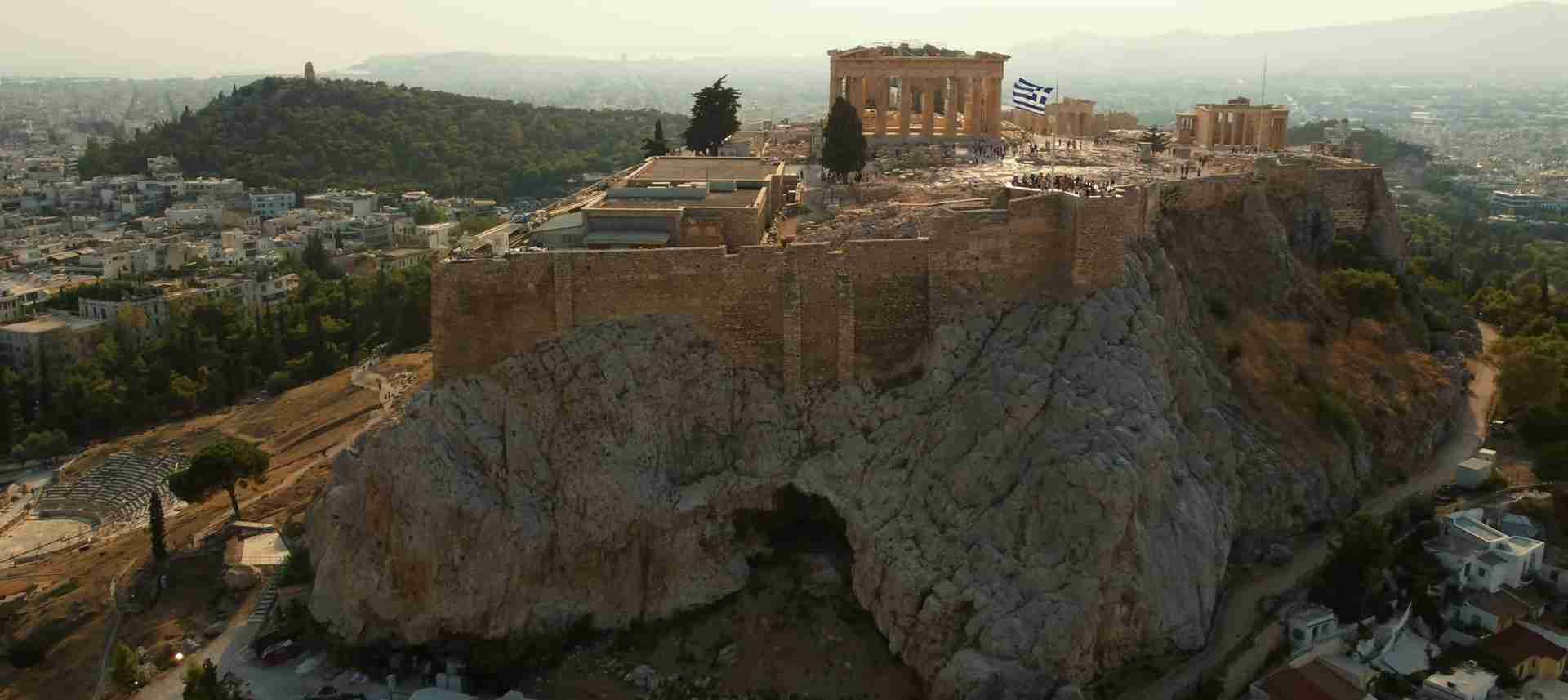
Athens Best Tours & Walking Routes 2026: Complete Travel Guide
Athens concentrates its ancient treasures, Byzantine churches, and vibrant neighborhoods within a remarkably walkable 3km radius, making both guided tours and self-directed exploration exceptionally rewarding. The 2026 season brings enhanced pedestrian infrastructure, verified tour operator pricing, and expanded options ranging from €59 Meteora day trips to €150 comprehensive food tours, alongside completely free walking routes through the historic center that reveal 2,500 years of civilization.
Key Takeaways: Athens Tours and Walking Routes 2026
- Acropolis Access 2026: Admission costs €30 year-round with skip-the-line guided tours starting at €35-50 per person, operating daily from 8 AM with strategic early morning visits avoiding peak crowds and 30-35°C summer temperatures
- Self-Guided Walking Efficiency: Essential Athens monuments (Acropolis, Ancient Agora, Plaka, Syntagma) cluster within 5-7km routes requiring 3-4 hours with moderate elevation gain (280 vertical meters), completed independently using free Rick Steves audio guides and clear English archaeological signage
- Food Tour Value 2026: Authentic Greek food tours range €70-150 with 15-20+ tastings across Central Market, family tavernas, and artisan shops, offering better restaurant discovery and cultural context than independent dining while replacing full meal costs
- Meteora Day Trip Logistics: UNESCO monastery excursions from Athens cost €59-105 for 13.5-hour experiences departing 8 AM and returning 10:30 PM, visiting 3 of 6 monasteries with €5 cash entrance fees per monastery and included lunch options
- Optimal Tour Timing 2026: Spring (April-May) and autumn (September-October) provide 18-25°C walking temperatures with reduced crowds, while summer tours (June-August) require 7-8 AM starts before temperatures reach 30-35°C and extended midday café breaks
- Walking vs. Guided Value: Self-guided routes save €20-40 per person versus organized tours while allowing personalized pacing, though licensed guides provide architectural insights, answer questions, and point out overlooked details that significantly enhance first-time visitor comprehension
People Also Ask About Athens Tours and Walking Routes 2026
What is the best walking route for first-time visitors to Athens in 2026?
The Classic Acropolis Circuit represents the optimal first-time Athens walking route, covering 5-7km across 4-6 hours including site visits and rest breaks. Start at the Acropolis at 8 AM opening (€30 admission), descend through the Dionysou Areopagitou pedestrian promenade to the Acropolis Museum (€20 entry starting January 2026), walk through Plaka’s labyrinth streets with coffee stops (€3-5 for freddo cappuccino), explore the Ancient Agora (€10 admission), and conclude at Syntagma Square for the hourly Evzone guard change ceremony. This route concentrates Athens’ essential 2,500-year historical narrative within moderate walking distance, requires no public transport, and costs €43-45 per person for admissions plus modest café expenses.
Are food tours in Athens worth the cost in 2026?
Athens food tours priced €70-150 deliver exceptional value by combining restaurant discovery, cultural education, and substantial tastings that replace full meals. A typical 3.5-hour tour includes 15-20+ tastings across Central Market vendors, family-owned tavernas, artisan bakeries, and spice shops, with guided explanations of Greek culinary history, ingredient sourcing, and cooking traditions. Tours visit establishments locals frequent rather than tourist-oriented restaurants, provide insider recommendations for independent dining throughout your stay, and include traditional meze lunches with wine. The €70-150 cost compares favorably to independent restaurant meals (€35-45 per person for comparable quality and quantity) while adding professional cultural context unavailable when dining alone. First-time Athens visitors gain optimal city orientation and food knowledge justifying the premium over self-guided eating.
How much do Meteora day trips from Athens cost in 2026?
Meteora day trips from Athens range €59-105 in 2026 depending on inclusions, with base tours at €59 covering round-trip bus transportation, English or Spanish-speaking local guide, visits to all 6 monastery exteriors with interior access to 3 monasteries, and hermit cave exploration. Premium tours at €80-105 add traditional Greek lunch, upgraded transportation with enhanced Wi-Fi, and smaller group sizes (maximum 15-20 participants versus 30-50 on budget tours). Monastery entrance fees cost €5 per monastery payable in cash only (total €15 for 3 interior visits), not included in tour prices. Tours depart Athens 8 AM and return approximately 10:30 PM (13.5 hours total), making the €59-105 investment reasonable for hassle-free UNESCO site access with expert guidance avoiding complex self-drive logistics and overnight accommodation costs.
Can you explore Athens without booking organized tours in 2026?
Athens supports excellent independent exploration given its compact 3km historic center radius, abundant English signage at archaeological sites, and free audio guide apps (Rick Steves Audio Europe, Athens Audio Guide) providing monument explanations via smartphone. Self-guided walking requires basic orientation using the Acropolis as a visible landmark, comfortable shoes for 5-7km daily walking on uneven marble and cobblestone surfaces, and pre-purchased online tickets for major sites avoiding queues. The pedestrianized archaeological zone along Dionysou Areopagitou Street, numbered information panels at monuments, and widely available quality guidebooks (Lonely Planet, Rick Steves, DK Eyewitness) enable comprehensive understanding comparable to guided tours while saving €20-40 per person in tour fees. Independent exploration allows personalized pacing, extended photography time, spontaneous neighborhood detours, and flexible scheduling around weather and crowds. First-time visitors comfortable with maps and historical reading achieve excellent results self-guiding, though organized tours provide deeper architectural insights and insider stories about ancient life easily overlooked during solo visits.
Extended multi-day tours – 5+ days
Featured Athens Multi-Day Tour Packages

3 days
Athens 3-Day Discovery Tour
- ✓ Comprehensive Athens experience
- ✓ Expert local guides included
- ✓ All accommodation included
- ✓ Transportation provided
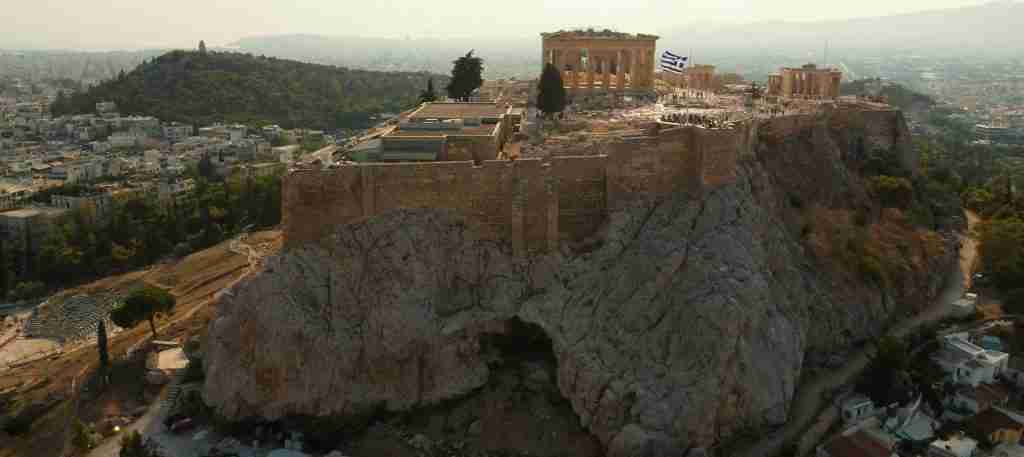
5 days
Athens 5-Day Highlights Experience
- ✓ Comprehensive Athens experience
- ✓ Expert local guides included
- ✓ All accommodation included
- ✓ Transportation provided
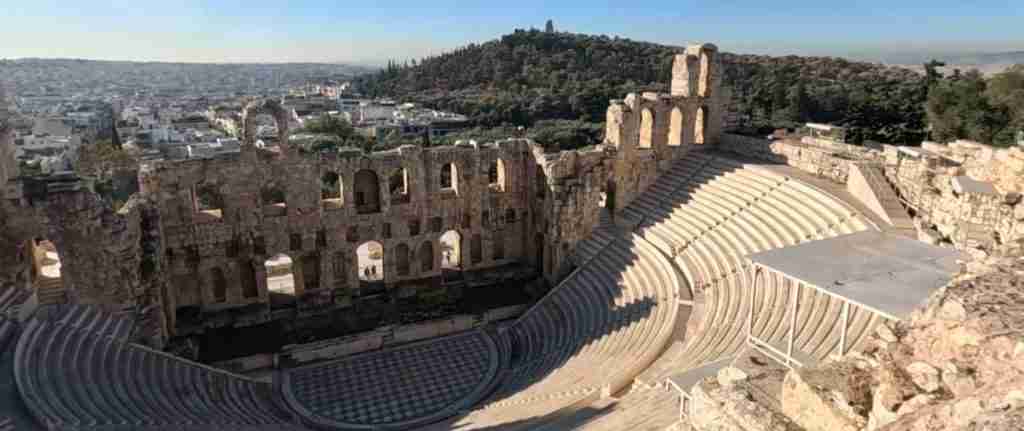
7 days
Athens 7-Day Cultural Journey
- ✓ Comprehensive Athens experience
- ✓ Expert local guides included
- ✓ All accommodation included
- ✓ Transportation provided
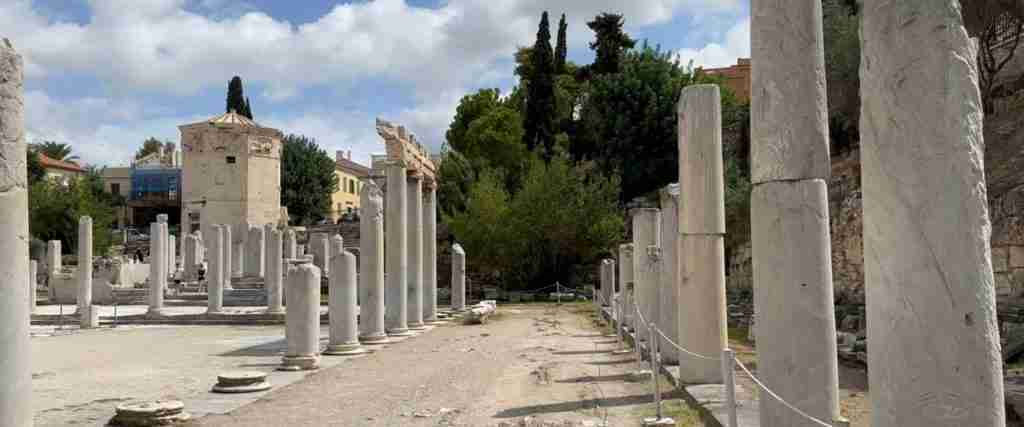
10 days
Athens 10-Day Complete Adventure
- ✓ Comprehensive Athens experience
- ✓ Expert local guides included
- ✓ All accommodation included
- ✓ Transportation provided
Multi-day tour packages powered by TourRadar. Prices and availability subject to change.
Introduction: Navigating Athens Tours and Walking Options in 2026
Athens presents a distinctive touring paradox: a metropolis housing half of Greece’s population concentrates its essential historical experiences within an exceptionally compact, walkable core. The 3km radius surrounding the Acropolis encompasses 2,500 years of architectural evolution from Classical temples to Byzantine churches to Ottoman mosques to neoclassical 19th-century buildings, all accessible via pedestrianized archaeological zones and enhanced 2026 infrastructure including completed Dionysou Areopagitou promenade renovations and extended Ermou Street car-free zones.
The 2026 touring landscape offers expanded choices across three primary categories: organized guided tours providing expert historical context and skip-the-line access for €35-150 depending on specialization, self-guided walking routes utilizing free audio apps and clear English signage for independent exploration saving €20-40 per person, and hybrid approaches combining professional guides for complex sites like the Acropolis (€35-50) with independent neighborhood wandering through Plaka, Monastiraki, and Psyri districts.
Tour pricing has stabilized following 2025 adjustments, with verified 2026 rates including Acropolis admission at €30 year-round (no seasonal variation), Acropolis Museum entry increasing to €20 January 2026 (previously €15 summer/€10 winter), comprehensive food tours ranging €70-150 with 15-20+ tastings, and popular Meteora day trips from Athens priced €59-105 covering 13.5-hour experiences with monastery visits and local guides. These costs represent current market rates confirmed through multiple tour operators in February 2026, providing reliable planning figures for budget allocation.
Strategic tour selection depends on travel style, historical knowledge level, physical fitness, and time availability. First-time visitors benefit from guided Acropolis tours (2-3 hours, €35-50) establishing foundational understanding of Classical Greece before independent exploration, while repeat visitors often prefer self-guided routes allowing deeper engagement with specific interests like Byzantine architecture or contemporary street art. Physical considerations matter significantly given 5-7km daily walking distances and 280 vertical meters climbing the Acropolis hill, with summer months (June-August) requiring early 7-8 AM tour starts before temperatures reach 30-35°C.
This comprehensive guide evaluates organized tour categories including archaeological site tours, food and culinary experiences, day trips to Meteora and Delphi, and specialized photography or architecture walks, alongside detailed self-guided walking routes through essential neighborhoods. Each option includes verified 2026 pricing, realistic time requirements, physical difficulty assessments, and strategic recommendations for optimal experience based on visitor profile and seasonal considerations.
Understanding Athens Tour Categories and Options in 2026
Athens tour offerings divide into distinct categories serving different visitor priorities, time availability, and budget allocations. The organized tour market has matured significantly with professional operators providing reliable services, verified pricing structures, and consistent quality standards reflected in thousands of verified customer reviews across platforms like GetYourGuide, Viator, and TripAdvisor.
Archaeological and Historical Tours in Athens 2026
Archaeological site tours represent the most popular category, focusing on Athens’ ancient monuments with licensed guides providing historical context, architectural analysis, and mythological narratives. The flagship Acropolis guided tour operates as a 2-3 hour walking experience priced €35-50 per person including skip-the-line admission (€30 Acropolis entry included in premium tours, separate purchase required for budget tours). Guides explain Parthenon optical illusions, Erechtheion caryatid engineering, and Temple of Athena Nike historical significance while pointing out architectural details invisible to solo visitors.
Combination archaeological tours extend beyond the Acropolis to include Ancient Agora (€10 admission), Roman Agora (€8 entry), Temple of Olympian Zeus (€8 admission), and Panathenaic Stadium (€5 entry), typically operating as 4-5 hour experiences priced €65-85 per person with all entrance fees included. These comprehensive tours provide chronological narrative spanning Classical Athens (5th-4th century BC) through Roman occupation (146 BC – 267 AD) to Byzantine transformation (330-1453 AD), connecting disparate archaeological sites into coherent historical understanding unavailable when visiting monuments independently.
Private archaeological tours offer personalized experiences for 2-8 participants, priced €200-400 total (not per person) for 3-4 hour Acropolis and city center exploration. Private formats allow customized pacing, specific thematic focus (engineering, warfare, philosophy, daily life), extended question opportunities, and family-friendly explanations for children ages 8-15. The per-person cost becomes competitive versus group tours when traveling with 4+ companions, while providing significantly enhanced educational value through individualized attention.
Food and Culinary Walking Tours Athens 2026
Food tours have evolved into sophisticated cultural experiences combining gastronomy with neighborhood exploration, local market visits, and culinary history education. Standard small-group food tours (maximum 12-15 participants) operate as 3.5-4 hour walking experiences priced €70-90 per person, visiting 6-8 establishments including Central Market (Varvakios Agora) vendors, family tavernas, artisan bakeries, specialty cheese shops, and traditional mezze restaurants. Tastings include loukoumades (Greek donuts), spanakopita (spinach pie), souvlaki, dolmades, Greek yogurt with honey, olives and olive oil, charcuterie, local cheeses, baklava, and wine or ouzo.
Premium food tours priced €120-150 per person extend to 5-6 hours with 15-20+ tastings, adding seated meze lunches with wine pairings, spice shop visits with aromatic herb education, and specialized stops at honey producers, bakeries using traditional wood-fired ovens, and rooftop restaurants with Acropolis views. These extended experiences replace both lunch and dinner through substantial tasting portions, making the €120-150 cost comparable to independent restaurant meals (€35-45 per person for quality equivalent) while adding professional cultural context.
Private food tours accommodate 2-8 participants at €250-400 total cost (not per person), allowing dietary restriction customization (vegetarian, vegan, gluten-free options confirmed when booking), personalized pacing, and family-friendly adaptations for children. Private formats prove economical for groups of 4+ travelers while providing enhanced flexibility unavailable in fixed-itinerary group tours.
The Athens Free Food Tour operates on a pay-what-you-wish gratuity model with no set tour price beyond food expenses (approximately €15 per person for tastings). Guides work primarily for tips (suggested €10-20 per person based on satisfaction), making this option budget-friendly for cost-conscious travelers while maintaining quality comparable to paid tours. The free tour model succeeds through small group sizes (maximum 8-10 participants) and passionate local guides sharing authentic neighborhood establishments rather than commission-paying tourist restaurants.
Day Trips from Athens: Meteora, Delphi, Cape Sounion 2026
Meteora day trips represent Athens’ most popular excursion, visiting UNESCO World Heritage cliff-top monasteries 350km northwest requiring 4-4.5 hours one-way bus travel. Standard group tours cost €59-79 including round-trip air-conditioned coach transportation, English or Spanish-speaking local guide, visits to all 6 monastery exteriors with interior access to 3 monasteries (€5 cash entrance fee per monastery, total €15 not included in tour price), hermit cave exploration, and strategic photo stops at panoramic viewpoints. Tours depart Athens 8 AM from Larissa Railway Station and return approximately 10:30 PM (13.5 hours total duration).
Premium Meteora tours priced €85-105 add traditional Greek lunch (moussaka, Greek salad, tzatziki included), upgraded transportation with enhanced Wi-Fi and USB charging, smaller group sizes (15-20 participants versus 30-50 on budget tours), and extended monastery visit time allowing deeper exploration. The lunch inclusion proves valuable given limited quality restaurant options in Kalambaka village and time constraints of day-trip schedules.
Delphi day trips visit the ancient Oracle sanctuary and archaeological museum 180km northwest of Athens, operating as 10-11 hour experiences (depart 8:30 AM, return 6:30-7 PM) priced €65-85 per person including transportation, guided archaeological site tour, and museum entry (€12 admission included). Tours often combine Delphi with stops at Arachova mountain village and scenic Parnassus viewpoints, providing geographic diversity beyond pure archaeological focus.
Cape Sounion sunset tours visit the clifftop Temple of Poseidon 70km southeast of Athens along the Athenian Riviera coast, operating as 4-5 hour half-day experiences (depart 3-4 PM for sunset arrival) priced €35-50 per person including coastal drive, temple admission (€10 entry included), and sunset viewing from the archaeological site. The shorter distance and duration make Sounion tours accessible for travelers with limited time or physical constraints preventing full-day Meteora excursions.
Specialized Tours: Photography, Architecture, Street Art 2026
Photography tours cater to amateur and enthusiast photographers seeking optimal shooting locations, golden hour timing, and composition guidance. Athens photography walks operate as 3-4 hour experiences priced €55-75 per person, visiting Anafiotika’s whitewashed Cycladic houses, Philopappos Hill for panoramic Acropolis shots, Monastiraki rooftop cafés with temple views, and street photography opportunities in Psyri’s graffiti-covered alleys. Guides provide camera setting recommendations (aperture, shutter speed, ISO for various lighting conditions), composition techniques utilizing leading lines and framing, and access to lesser-known viewpoints invisible to casual tourists.
Architecture tours focus on Athens’ layered building styles from Classical temples to Byzantine churches to neoclassical 19th-century mansions to contemporary structures. These specialized 3-4 hour walks (€60-80 per person) compare the “Athens Trilogy” neoclassical buildings on Panepistimiou Street (Academy, University, National Library) with Byzantine gems like Panagia Kapnikarea church, Ottoman-era structures, and modernist apartment blocks in Kypseli neighborhood. Architecture guides explain building techniques, stylistic evolution, and historical context that general tours overlook.
Street art and graffiti tours explore Athens’ vibrant contemporary art scene concentrated in Psyri, Exarchia, and Metaxourgeio neighborhoods. These 2.5-3 hour walking experiences (€40-55 per person) identify works by prominent Greek street artists, explain political and social messages embedded in murals, and distinguish between commissioned art installations versus illegal graffiti tags. The tours provide contemporary cultural perspective balancing Athens’ ancient historical focus.
Self-Guided Walking Routes Athens 2026: Complete Itineraries
Self-guided walking routes offer complete flexibility, zero tour costs beyond site admissions, and personalized pacing unavailable in organized group tours. Athens’ compact geography, abundant English signage, and free audio guide apps make independent exploration highly feasible for travelers comfortable with maps and basic navigation.
Classic Acropolis Circuit: Essential Athens Self-Guided Walk (4-6 Hours)
The Classic Acropolis Circuit covers Athens’ must-see monuments in logical geographic sequence, requiring 5-7km walking with 280 vertical meters elevation gain and 4-6 hours including site visits and rest breaks. Start at Acropolis main entrance (Dionysou Areopagitou Street side) at 8 AM opening to avoid crowds and heat, purchasing €30 admission online via official Hellenic Ministry of Culture website or at ticket booth (credit cards accepted, minimal queue at early hours).
Acropolis visit duration averages 1.5-2 hours exploring Propylaea gateway, Parthenon temple (exterior viewing only, interior closed for conservation), Erechtheion with caryatid porch, Temple of Athena Nike, Theater of Dionysus, and Odeon of Herodes Atticus. Download Rick Steves Athens Audio Tour (free via Rick Steves Audio Europe app) or purchase printed guidebook for historical context explaining each monument’s purpose, architectural innovations, and mythological associations. The elevated position provides panoramic city views identifying neighborhoods, hills, and distant Mount Hymettus.
Descend via the Dionysou Areopagitou pedestrianized promenade (completed renovations in 2026 improve pavement smoothness and shade coverage) toward the Acropolis Museum located 300 meters southeast at the hill’s base. The museum requires separate €20 admission (increased from €15 in January 2026), operating 9 AM – 8 PM with Friday extended hours until 10 PM. Allocate 1.5-2 hours exploring the Parthenon Gallery’s relocated frieze sculptures, archaic statue collection, and glass floor revealing archaeological excavations beneath the building. The museum café on the third floor offers reasonably priced lunch (€12-18 for salads, sandwiches, Greek mezze) with floor-to-ceiling windows framing Parthenon views.
Continue northwest into Plaka neighborhood via Adrianou Street, Athens’ oldest continuously inhabited road with 2,500-year existence. Plaka’s labyrinth streets feature neoclassical houses, small Byzantine churches (Panagia Kapnikarea, Agios Nikolaos Rangavas), souvenir shops, and traditional tavernas. Strategic coffee break at café with Acropolis views costs €3-5 for freddo cappuccino and pastry, providing rest before continuing exploration.
Walk through Anafiotika micro-neighborhood on the Acropolis north slope, where 50 whitewashed Cycladic-style houses built by 19th-century workers from Anafi island create island village atmosphere in central Athens. The unnamed narrow streets climbing the hillside require 20-30 minutes exploration, offering unique photography opportunities and peaceful escape from Plaka’s tourist density.
Proceed to the Ancient Agora entrance (Adrianou Street) purchasing €10 admission for Athens’ ancient marketplace and civic center. The sprawling archaeological park requires 1-1.5 hours visiting the remarkably preserved Temple of Hephaestus (best-preserved ancient Greek temple in existence), reconstructed Stoa of Attalos housing the Agora Museum, and foundations of administrative buildings, law courts, and commercial structures. Free printed site maps available at entrance identify each building’s historical function.
Conclude the circuit at Syntagma Square (15-minute walk from Agora via Ermou pedestrian shopping street), timing arrival for the hourly Evzone guard change ceremony at the Tomb of the Unknown Soldier (on the hour). The formal ritual with traditional uniforms provides unique cultural experience and photography opportunity. Syntagma Metro station (Lines 2 and 3) offers convenient public transport connections to accommodation or afternoon activities.
Total cost for this self-guided circuit: Acropolis €30, Acropolis Museum €20, Ancient Agora €10, coffee and pastry €3-5 = €63-65 per person, significantly less than equivalent guided tour pricing (€85-110 for comparable coverage) while allowing personalized pacing and extended time at preferred monuments.
Monastiraki to Lycabettus Hill: Markets and Panoramas Route (3-4 Hours)
This alternative self-guided route explores Athens’ commercial heart and highest viewpoint, requiring 6-8km walking with significant elevation gain (277 meters climbing Lycabettus Hill) and 3-4 hours duration. Begin at Monastiraki Square (Metro: green and blue lines) where the small stone Pantanassa church, Ottoman-era Tzistarakis Mosque (now Museum of Greek Folk Art), and Hadrian’s Library ruins (€8 admission optional) converge with Acropolis backdrop creating photogenic multi-era composition.
Enter the Athens Central Market (Varvakios Agora) via Athinas Street, Greece’s largest covered food market operating Monday-Saturday 7 AM – 3 PM (closed Sundays). The fish and meat sections display Mediterranean seafood, lamb, pork, and beef with vendors calling out prices and offering samples. The surrounding spice shops sell aromatic herbs, dried fruits, nuts, and specialty ingredients unavailable in standard supermarkets. Budget €10-15 for market purchases (honey, olives, pistachios, dried oregano) making excellent souvenirs or picnic components.
Walk north on Athinas Street to Omonia Square viewing the large fountain (2020 renovation restoration), then turn east on Panepistimiou Street to view the “Athens Trilogy” neoclassical buildings: Academy of Athens (national university), University of Athens main building, and National Library. These 1880s structures represent Athens’ 19th-century cultural renaissance with marble columns, sculptural decoration, and symmetrical proportions echoing ancient Greek architectural principles.
Continue to Lycabettus Hill via Kolonaki neighborhood’s upscale boutiques and cafés. The hill’s 277-meter summit offers Athens’ best panoramic views with the Acropolis, Piraeus port, Aegean Sea, and surrounding mountains visible on clear days. Access options include steep walking path (40-50 minutes climbing), funicular railway (€7.50 round-trip, departs every 30 minutes), or combination ascent by funicular and descent via walking trail. The small Chapel of St. George crowns the summit with traditional whitewashed architecture and bell tower.
Sunset visits (arrive 90 minutes before sunset for optimal photography) provide spectacular golden hour lighting transforming the Acropolis and city into warm honey tones. The hilltop café (expensive €8-12 drinks) offers refreshments with unmatched views, though bringing water and snacks from below saves money on the captive-audience pricing.
Byzantine and Ottoman Athens: Religious Architecture Walk (2-3 Hours)
This specialized self-guided route focuses on Athens’ medieval religious heritage often overlooked by visitors prioritizing ancient monuments. The 4-5km circuit requires 2-3 hours exploring small Byzantine churches scattered throughout the modern city center, most offering free admission with modest dress code requirements (shoulders and knees covered).
Begin at Panagia Kapnikarea church on Ermou Street, an 11th-century Byzantine structure featuring cruciform floor plan, terracotta brick exterior, and dome construction typical of Middle Byzantine architecture. The church continues active worship services (entrance permitted outside service times), maintaining spiritual continuity across 1,000 years while surrounded by contemporary retail shops.
Proceed to the Church of Panagia Gorgoepikoos (also called Little Metropolis) beside Athens Cathedral, an exquisite 12th-century chapel incorporating ancient Greek and Roman marble fragments in its exterior walls creating unique architectural palimpsest. The small scale (12 x 8 meters) and intricate decorative details reward close examination revealing Ionic column capitals, relief sculptures, and inscriptions from demolished Classical buildings repurposed as construction material.
Visit the Benaki Museum’s Islamic Art collection (€9 admission, closed Tuesdays) housed in a neoclassical mansion, displaying Ottoman-era ceramics, textiles, metalwork, and architectural elements from Athens’ 1458-1832 Turkish occupation. The collection contextualizes the city’s 374-year Ottoman period rarely addressed in tourist narratives focusing on Classical Greek heritage.
Conclude at the Roman Agora (€8 admission) viewing the Tower of the Winds, an octagonal marble structure functioning as both sundial and weather vane in the 1st century BC. The Ottoman-era Fethiye Mosque within the Roman Agora archaeological park illustrates Athens’ layered religious history through converted Byzantine church architecture.
Acropolis Tours Athens 2026: Options and Strategies
Acropolis tours represent Athens’ highest-demand organized experience, with dozens of operators offering seemingly identical products at varying price points. Understanding the distinctions between tour types, what’s included versus excluded in advertised prices, and strategic booking considerations significantly impacts value and experience quality.
Acropolis Guided Tour Pricing and Inclusions 2026
Acropolis guided tours separate into budget and premium tiers with meaningful differences in group size, guide credentials, and admission fee handling. Budget Acropolis tours priced €35-42 per person typically require separate €30 admission ticket purchase (total cost €65-72) and operate with larger groups (20-30 participants) led by trainee guides building experience. These tours provide basic historical information covering major monuments (Parthenon, Erechtheion, Propylaea, Temple of Athena Nike) during 1.5-2 hour walking experiences departing multiple times daily (8 AM, 10 AM, 2 PM, 4 PM common schedules).
Premium Acropolis tours priced €48-60 per person include the €30 admission fee within the total cost (no separate ticket purchase required) and limit groups to 12-15 participants with licensed archaeological guides holding university degrees in history, archaeology, or classical studies. The smaller groups enable better question access, clearer audio during guide explanations, and more personalized attention particularly beneficial for families with children or visitors with specific historical interests. Premium tours extend to 2-3 hours with deeper architectural analysis explaining Parthenon optical illusions, Ionic versus Doric column distinctions, and caryatid engineering principles.
Skip-the-line access advertised by most tours proves misleading in 2026 implementation: while tour companies secure timed entry slots avoiding ticket purchase queues, all visitors regardless of tour or independent status must undergo security screening at the entrance gates. Security lines move at variable speeds depending on daily crowds, adding 10-30 minutes even with pre-purchased tickets during peak season (April-October). The “skip-the-line” designation means avoiding the ticket window line, not bypassing security, setting realistic expectations for entry efficiency.
Combination Acropolis and Museum tours priced €65-85 per person extend the experience to include the Acropolis Museum visit with guided explanations of the Parthenon Marbles controversy, archaic statue collection, and architectural fragment displays. These 4-5 hour combined tours provide comprehensive understanding connecting hilltop monuments with excavated artifacts displayed in climate-controlled galleries, though the extended duration requires good physical fitness and comfortable shoes.
Best Times for Acropolis Tours in 2026
Strategic timing significantly impacts Acropolis tour enjoyment, with crowd density and temperature varying dramatically across daily and seasonal schedules. Early morning tours departing 8 AM (Acropolis opens 8 AM year-round) provide optimal experience with fewest crowds, coolest temperatures (particularly critical May-September when midday highs reach 30-35°C), and best photography lighting with soft morning sun illuminating east-facing Parthenon columns.
Late afternoon tours departing 4-5 PM offer secondary advantages including smaller crowds as day-trippers depart, golden hour photography opportunities with warm sunset light, and cooler temperatures compared to midday heat. However, summer months with 8 PM sunset provide rushed experiences as archaeological sites close at designated times (typically 7-8 PM depending on season), limiting exploration time.
Midday tours (10 AM – 2 PM departures) during summer months (June-August) encounter harsh overhead lighting creating washed-out photography, intense heat on exposed marble surfaces lacking shade coverage, and peak crowd density as cruise ship groups, independent tourists, and school groups converge. These slots prove tolerable during spring (April-May) and autumn (September-October) when temperatures moderate to 18-25°C and crowd pressure reduces compared to peak summer influx.
Winter tours (November-February) avoid crowds and provide comfortable walking temperatures (12-16°C), though shorter daylight hours limit optimal photography timing and occasional rain showers disrupt outdoor experiences. Winter represents excellent value for travelers prioritizing uncrowded access over perfect weather conditions, particularly given consistent €30 year-round Acropolis admission (no winter discount applied as in previous years).
Private Acropolis Tours: When Worth the Premium 2026
Private Acropolis tours accommodate 2-8 participants at €200-350 total cost (not per person), making them economically competitive versus group tours when traveling with 4+ companions (€50-88 per person for group of 4, €40-70 per person for group of 5). Beyond cost parity, private tours deliver meaningful advantages including completely customized pacing allowing extended time photographing preferred angles, deeper question opportunities with full guide attention, family-friendly explanations adapted for children ages 8-15, and thematic focus options (engineering, mythology, daily life, warfare) matching specific interests.
Private tours benefit families with young children (ages 6-12) requiring frequent rest breaks, bathroom access, and simplified explanations unavailable in adult-focused group tours. The ability to pause whenever necessary, adjust walking speed, and abbreviate or extend site visits based on real-time child engagement levels justifies private tour premiums for traveling parents.
Photography enthusiasts gain substantial value from private tours allowing extended composition time at optimal viewpoints, strategic timing for lighting conditions, and guide assistance identifying lesser-known angles producing unique shots unavailable during rushed group tour schedules. Professional photographers and serious amateurs producing portfolio work find the customization worth €200-350 investment.
Private tours prove less necessary for young couples or solo travelers comfortable in group settings, where social interaction with fellow tourists often enhances experience through shared reactions and diverse perspectives. The premium paid for privacy delivers minimal marginal value when group tour pacing and content already meets needs satisfactorily.
Athens Food Tours 2026: Value Analysis and Options
Food tours have matured into sophisticated cultural experiences providing restaurant discovery, culinary education, and neighborhood orientation while delivering substantial tastings replacing full meals. The €70-150 price range spans various formats, inclusions, and quality levels requiring careful evaluation to match tour selection with dining priorities and budget constraints.
Standard Food Tour Format and Value Proposition 2026
Standard small-group food tours operate as 3.5-4 hour walking experiences priced €70-90 per person, accommodating 12-15 participants led by English-speaking local guides with culinary expertise. The typical itinerary visits 6-8 establishments including Central Market vendors explaining seasonal produce and meat selection, family-owned tavernas serving traditional dishes in neighborhood settings avoided by casual tourists, artisan bakeries demonstrating phyllo dough preparation, specialty cheese shops offering tastings of feta varieties across different Greek regions, and mezze restaurants providing seated lunches with wine pairings.
Tastings total 15-20+ items providing substantial food quantity: loukoumades (Greek donuts) with honey or chocolate, spanakopita (spinach pie) and other phyllo pastries, grilled souvlaki, dolmades (stuffed grape leaves), Greek yogurt with honey and walnuts, olive and olive oil varieties, charcuterie boards with local cured meats, multiple cheese types, baklava and other sweets, plus wine, ouzo, or Greek coffee. The collective tasting volume equals or exceeds a typical restaurant meal, with many participants unable to eat dinner afterward given fullness levels.
Beyond food consumption, tours provide neighborhood cultural education explaining Athens’ market systems, family business traditions spanning 3-4 generations, culinary history connecting ancient Greek dietary practices to modern cooking, and ingredient sourcing from specific islands, mountain regions, or agricultural districts. Guides share restaurant recommendations for independent dining throughout the trip, identify quality indicators for olive oil and feta cheese purchases, and explain menu terminology enabling informed ordering at traditional tavernas.
The €70-90 cost compares favorably to equivalent independent restaurant spending: a quality taverna dinner with appetizers, main courses, dessert, and wine costs €35-45 per person, making the food tour price reasonable for the quantity consumed plus the added value of cultural context, expert guidance, and neighborhood discovery impossible during solo dining. First-time Athens visitors gain optimal city orientation and culinary foundation justifying the tour investment, while repeat visitors familiar with neighborhoods and restaurants may find independent dining more economical and personally rewarding.
Premium Food Tours: Extended Experiences €120-150
Premium food tours priced €120-150 per person extend to 5-6 hours with enhanced tastings, additional stops, and upgraded dining venues while maintaining small group sizes (maximum 10-12 participants) for personalized attention. These experiences add seated traditional taverna lunches with multiple courses (Greek salad, tzatziki, grilled octopus, moussaka or pastitsio, dessert, wine), specialty ingredient shops including honey producers explaining different floral sources (thyme, pine, fir, orange blossom), spice vendors demonstrating traditional herb blends, and rooftop restaurants with Acropolis views providing scenic dining environments.
The extended format allows deeper neighborhood immersion with time allocated for shopping at visited establishments, purchasing olive oil, honey, spices, and specialty products at source pricing below tourist shop markups. Many participants acquire €20-40 worth of culinary souvenirs during tours, partially offsetting the higher tour cost through retail savings on quality Greek food products.
Premium tours justify €120-150 pricing through comprehensiveness replacing both lunch and dinner (participants consume 2-3 full meals worth of food across extended tasting sequence), upgraded venue selection featuring establishments with premium ingredient sourcing and traditional cooking methods, and expanded cultural education covering regional Greek cooking variations, wine production, and agricultural traditions. The value equation improves for serious food enthusiasts, culinary professionals seeking authentic cooking insights, or travelers prioritizing gastronomic experiences as primary trip motivations.
Private Food Tours and Dietary Customization 2026
Private food tours accommodate 2-8 participants at €250-400 total cost (not per person), becoming economically competitive versus group tours when traveling with 4+ companions (€62-100 per person for group of 4, €50-80 per person for group of 5). Beyond cost considerations, private formats enable complete dietary customization including vegetarian and vegan options (replacing meat and cheese with additional vegetable preparations, legume dishes, and plant-based mezze), gluten-free adaptations (confirming safe establishments and ingredient sourcing), and family-friendly modifications accommodating children’s taste preferences and picky eaters.
Private tours allow strategic timing flexibility departing at preferred hours (early morning market tours at 9 AM versus standard 10 AM starts, evening tours at 6 PM for romantic sunset dining), personalized pacing with extended time at favorite venues and abbreviated stops at less interesting establishments, and complete route customization focusing on specific cuisine types (seafood-only tours, vegetarian specializations, dessert and pastry focuses) impossible in fixed-itinerary group formats.
Families with children ages 8-15 benefit substantially from private tour adaptations including kid-friendly food selections (familiar items like grilled chicken, potatoes, fresh bread alongside traditional dishes), interactive elements (watching phyllo dough preparation, visiting bakery ovens, selecting ingredients at markets), and flexible break scheduling accommodating bathroom needs and rest requirements. The ability to customize content and pacing justifies private premiums for traveling families prioritizing stress-free experiences over budget constraints.
Meteora Day Trips from Athens 2026: Logistics and Value
Meteora day trips transport Athens visitors 350km northwest to UNESCO World Heritage cliff-top monasteries perched atop towering rock pinnacles in Thessaly plains. The 13.5-hour round-trip experiences (8 AM departure, 10:30 PM return) represent Athens’ most popular excursion despite lengthy transportation requirements, justified by Meteora’s unique geological formations and Byzantine monastic heritage unavailable elsewhere in Greece.
Standard Meteora Day Trip Format and Costs 2026
Standard Meteora day trips priced €59-79 operate with air-conditioned 37-50 seat coaches departing Athens Larissa Railway Station at 8 AM and returning approximately 10:30 PM. The 4-4.5 hour one-way journey includes strategic rest stops every 90-120 minutes at coastal villages (not highway service areas) providing bathroom access, coffee purchases (€2-3), and photo opportunities along the scenic coastline. Upon Meteora arrival around 12:30-1 PM, tours transition to smaller local vans or minibuses for monastery exploration given narrow mountain roads prohibiting full-size coach access.
Local English or Spanish-speaking guides lead 4-4.5 hour Meteora explorations visiting all 6 active monastery exteriors (Great Meteoron, Varlaam, Roussanou, St. Nicholas Anapafsas, Holy Trinity, St. Stephen) with interior access to 3 monasteries requiring €5 cash entrance fee per monastery (total €15 per person, not included in tour price). Interior visits reveal Byzantine frescoes, religious icon collections, ancient manuscripts, and monk living quarters while guides explain monastic history, construction methods (how 14th-16th century monks hoisted building materials via rope and pulley systems), and current religious community life (several monasteries maintain active monk or nun populations).
The itinerary includes exclusive access to Badovas hermit caves, natural rock shelters where early 9th-10th century Christian ascetics lived before monastery construction, providing historical context for Meteora’s religious significance. Strategic photo stops at panoramic viewpoints capture multiple monastery formations in single frames, addressing photography priorities given limited individual monastery visit time.
Lunch breaks in Kalambaka or Kastraki villages provide 45-60 minutes for independent dining at local tavernas (budget €12-18 for traditional Greek lunch with drink) or pre-purchased sandwiches from morning rest stops. Tours depart Meteora 5:30-6 PM for the 4-4.5 hour return journey to Athens, arriving Larissa Station 10-10:30 PM with travelers returning to accommodations via metro (final trains depart approximately 11:30 PM) or taxi (€10-15 to central Athens hotels).
Premium Meteora Tours: Lunch Inclusion and Upgrades €85-105
Premium Meteora day trips priced €85-105 add traditional Greek lunch (moussaka, Greek salad, tzatziki, bread, soft drink or beer included) served at family tavernas in Kalambaka, eliminating independent dining logistics and ensuring quality meals versus rushed fast-food alternatives. The lunch inclusion proves valuable given limited quality restaurant options in small mountain villages and time pressure of day-trip schedules.
Enhanced transportation features include upgraded coaches with superior Wi-Fi connectivity (functional for full journey versus budget tours losing signal in mountain areas), individual USB charging ports at each seat, more comfortable seating with increased legroom, and smaller group sizes (maximum 20-25 participants versus 35-50 on budget tours) improving personal space and guide interaction.
Extended monastery visit time allocates additional 30-45 minutes for photography, contemplative monastery garden exploration, and souvenir shopping at monastery gift shops selling religious icons, incense, honey produced by monks, and handicrafts. The less rushed pacing benefits serious photographers and travelers prioritizing thorough rather than superficial site engagement.
Audio guide apps included with premium tours provide multilingual explanations (11 languages typically available) via smartphone apps, offering monument details during independent exploration periods and transportation segments. Travelers bring personal earphones or headphones for app use, expanding educational content beyond guide’s live commentary.
Meteora Day Trip Alternatives: Private Tours and Overnight Stays 2026
Private Meteora day trips accommodate 2-8 participants in Mercedes vans or minibuses priced €600-900 total (not per person), becoming cost-competitive versus group tours when traveling with 6+ companions (€100-150 per person for group of 6). Private formats provide complete itinerary flexibility including earlier Athens departures (6-7 AM) allowing extended Meteora exploration time, personalized monastery selection visiting preferred interiors based on specific interests (frescoes, architecture, religious artifacts), and customized lunch timing and restaurant choices beyond pre-selected tour operator establishments.
Two-day Meteora overnight trips eliminate exhausting same-day return journeys, allowing sunset monastery visits (Byzantine buildings illuminated against evening sky create spectacular photography), relaxed exploration pacing with 6-8 hours across two days for comprehensive monastery coverage, and overnight accommodation in Kalambaka village hotels (€40-80 per person for mid-range options). Two-day trips cost €120-180 per person including transportation, guide services, and hotel accommodation (meals excluded), providing superior experience quality for travelers with flexible schedules and intolerance for 13.5-hour single-day marathons.
Independent train travel to Meteora via Greek Railways (OSE) represents the most economical option at approximately €30-40 round-trip for Athens-Kalambaka routes, though current infrastructure limitations create challenges: the direct Athens-Kalambaka rail service experiences irregular operation due to ongoing track maintenance and modernization projects, with buses often substituting for rail segments. Travelers choosing independent access must research current service status via official OSE website or contact railway stations directly confirming actual transport mode (train versus bus substitution) for planned travel dates. Independent travelers join local Meteora tours departing Kalambaka at €59-79 for guided monastery visits, making total independent cost competitive versus Athens day trips while allowing overnight flexibility.
Walking Route Safety and Practical Considerations 2026
Athens walking routes concentrate within the remarkably safe historic center where violent crime remains exceptionally rare and standard travel precautions prove sufficient for confident exploration. Understanding specific practical considerations regarding footwear, weather adaptation, water access, and emergency protocols enhances walking experience quality and prevents common tourist difficulties.
Physical Requirements and Footwear for Athens Walking 2026
Essential Athens monuments require 5-7km daily walking distance with 280 vertical meters elevation gain climbing the Acropolis hill, manageable for average fitness levels with appropriate pacing and rest breaks. The most physically demanding segment ascends the Acropolis via marble steps and pathways worn smooth by millions of visitors creating slippery surfaces particularly dangerous when wet. The elevation gain equals climbing a 28-story building, requiring 15-20 minutes sustained uphill walking from entrance gate to Parthenon summit.
Proper footwear proves essential rather than optional: athletic shoes or hiking shoes with grippy rubber soles provide necessary traction on smooth marble surfaces, while fashion sneakers with minimal tread patterns create slip hazards. Sandals and flip-flops prove inadequate for archaeological sites combining uneven ancient paving stones, marble steps with inconsistent dimensions, and scattered gravel areas. Many female tourists attempt high heels or wedge sandals creating twisted ankle risks given surface irregularities invisible during casual glances.
Comfortable broken-in shoes prevent blister formation during extended walking on cobblestone streets in Plaka and Monastiraki neighborhoods. New shoes purchased specifically for the trip should be worn extensively prior to Athens arrival, as foot pain from ill-fitting footwear ruins exploration enjoyment and forces premature return to accommodation. Experienced walkers bring moleskin or blister prevention products addressing hot spots developing during multi-hour urban walking.
Summer Heat Management Strategies 2026
Summer walking (June-August) requires strategic heat management given 30-35°C midday temperatures and limited shade coverage at archaeological sites built in open-air locations maximizing ancient Greek architectural sunlight principles. Optimal summer walking schedules start routes 7-8 AM before peak heat, take extended midday breaks 1-4 PM in air-conditioned museums or shaded cafés, and resume evening walks after 6 PM when temperatures moderate and golden light illuminates ancient marble creating superior photography conditions.
Hydration proves critical with water consumption requirements increasing substantially during hot weather walking. Athens provides abundant bottled water availability at kiosks and mini-markets (€0.50-1 for 500ml bottles, €1-1.50 for 1.5L bottles), with carrying capacity for 1-1.5L per person recommended during summer walking. Archaeological sites permit water bottle entry with security screening, allowing hydration during monument visits rather than requiring consumption exclusively between sites.
Sun protection including high-SPF sunscreen (reapplied every 2 hours), wide-brimmed hats providing face and neck shade, and sunglasses blocking UV rays prevents sunburn and heat exhaustion during extended outdoor exposure. The Acropolis and Ancient Agora offer minimal natural shade with trees planted in limited areas insufficient for crowd capacity during peak visiting hours. Strategic rest breaks beneath available tree coverage or covered colonnade structures provide brief heat respite during monument exploration.
Heat exhaustion symptoms including dizziness, nausea, excessive sweating, and confusion require immediate response: move to shaded areas, drink water slowly, remove restrictive clothing, and seek medical assistance if symptoms persist beyond 15-20 minutes rest period. Athens pharmacies (identifiable by green cross signs) staff trained professionals providing basic medical consultation and over-the-counter remedies for minor heat-related illness.
Accessibility and Mobility Considerations Athens Walking Routes 2026
Athens historic center presents significant accessibility challenges for travelers with mobility limitations, wheelchair users, or temporary injuries reducing walking capacity. The Acropolis lacks wheelchair accessibility given ancient marble steps, uneven pathways, and elevation changes integral to the monument’s hilltop design, though a lift accessing the summit operates for visitors with severe mobility restrictions requiring advance reservation via official Hellenic Ministry of Culture channels (48-hour minimum advance booking recommended).
The Acropolis Museum provides complete wheelchair accessibility with elevators connecting all floors, wide gallery spaces accommodating mobility devices, accessible restrooms on each level, and tactile exhibits designed for visually impaired visitors. The museum represents Athens’ best accessibility example with contemporary building design incorporating universal access principles from initial construction.
Plaka and Monastiraki neighborhoods feature narrow cobblestone streets with irregular pavement, step transitions without ramps, and curb cuts absent or poorly maintained creating obstacles for wheelchair users and travelers with limited mobility. Restaurants and cafés often occupy buildings with step entrances and no ground-floor accessible restrooms, requiring advance research identifying specific accessible establishments via specialized travel resources or hotel concierge recommendations.
Metro system stations feature elevators and escalators providing accessibility between street level and platforms, with modern Line 2 (red) and Line 3 (blue) stations built with comprehensive accessibility compared to older Line 1 (green) stations retrofitted with partial accommodations. The metro represents Athens’ most accessible public transportation option for travelers with mobility limitations, superior to buses lacking wheelchair lifts and operating on routes with frequent stops requiring boarding and alighting.
Booking Strategies and Avoiding Common Mistakes 2026
Strategic tour booking maximizes value through proper platform selection, timing optimization, and careful review of inclusions versus exclusions preventing unexpected costs and disappointments. Understanding common tourist mistakes enables proactive prevention rather than reactive problem-solving during limited vacation time.
Optimal Booking Platforms and Timing for Athens Tours 2026
Tour booking platforms divide into consolidators (GetYourGuide, Viator, TripAdvisor Experiences) aggregating multiple operators versus direct operator websites offering identical tours at sometimes lower prices. Consolidator platforms provide advantages including 24-hour cancellation policies (versus stricter operator-direct terms), verified customer review transparency (thousands of reviews versus selective testimonials on operator sites), and instant confirmation with mobile ticket delivery eliminating paper printing requirements.
Direct operator booking sometimes saves €5-10 per person through commission elimination, though reputable operators typically price-match consolidator platforms making savings minimal. Direct booking benefits specialized requests like dietary restrictions for food tours, specific guide requests for private tours, or customized itinerary modifications impossible through consolidator standardized booking systems. The optimal strategy combines consolidator platforms for standard tours prioritizing flexibility and review transparency with direct operator contact for customized private tours requiring specific accommodations.
Advance booking timing impacts both availability and pricing, with popular tours (Acropolis guides, food tours, Meteora day trips) selling out 2-3 days in advance during peak season (April-October). Booking 3-7 days before desired tour date ensures slot availability without excessive advance commitment limiting travel flexibility. Last-minute same-day bookings often encounter sold-out availability or reduced departure time options forcing suboptimal scheduling around afternoon heat or evening restaurant closures.
Early bird discounts prove rare in Athens tour market given consistent demand and limited pricing pressure, making advance booking primarily about availability guarantee rather than cost savings. Low season (November-March) occasionally features promotional discounts of 10-15% for winter tours, though reduced demand already creates easy booking availability even 24 hours in advance.
Common Tour Booking Mistakes and Prevention 2026
The most common booking error involves misunderstanding admission fee inclusion, particularly for Acropolis tours advertising €35-42 per person requiring separate €30 site admission purchase (total cost €65-72 versus advertised price). Careful reading of tour descriptions distinguishes “admission included” tours bundling the €30 Acropolis entry within quoted price from tours requiring independent ticket purchase. Budget-conscious travelers easily overspend through inadvertent admission fee duplication paying both tour operator and separate site entrance.
Meeting point confusion causes stress and occasional tour missing when travelers misidentify assembly locations or arrive at incorrect metro stations. Athens contains multiple similarly named locations (Acropolis Metro Station versus Acropolis main entrance, Monastiraki Square versus Monastiraki Metro Station) requiring precise confirmation of meeting addresses. Tour confirmation emails typically include exact meeting point photos, landmarks for orientation, and local guide mobile phone numbers enabling real-time contact if location uncertainty arises.
Unrealistic physical fitness assumptions lead to exhausted participants unable to complete walking tours or maintain group pace during archaeological site climbs. Tour descriptions specify walking distances (5-7km typical) and elevation changes (280 meters Acropolis climb) enabling realistic self-assessment of capabilities. Seniors, travelers with minor knee or hip issues, and generally sedentary individuals benefit from conservative tour selection choosing shorter 2-3 hour experiences or booking private tours allowing personalized pacing rather than fixed-schedule group formats.
Weather-inappropriate clothing creates discomfort particularly for tours with dress code requirements: Meteora monastery visits mandate long skirts or pants for women (no shorts or short dresses permitted) and covered shoulders for all visitors regardless of gender. Some monasteries provide wrap-around skirts at entrances for improperly dressed tourists, though relying on this availability creates risk of denied entry if supply exhausted during busy periods. Checking specific dress codes in tour descriptions and packing appropriate coverage prevents last-minute wardrobe problems.
Refund Policies and Weather Contingencies 2026
Tour cancellation policies vary significantly across operators with consolidator platforms (GetYourGuide, Viator) generally offering 24-hour advance cancellation with full refund versus direct operator policies often implementing 48-72 hour cancellation windows or non-refundable bookings. The 24-hour cancellation flexibility proves valuable given Athens travel unpredictability including sudden weather changes, unexpected flight delays, or personal schedule adjustments requiring tour rescheduling.
Weather-related cancellations initiated by tour operators (rare occurrence given Athens’ generally reliable weather) result in automatic full refunds or alternative date rescheduling at customer preference. Light rain does not constitute cancellation justification as tours operate with umbrella accommodation and slightly modified routes favoring covered archaeological areas. Severe weather including electrical storms, heavy rainfall creating flash flooding, or extreme heat advisories (issued when temperatures exceed 40°C) trigger operator-initiated cancellations with guaranteed refunds.
Traveler-initiated weather cancellations (customer decides conditions too unpleasant) generally do not qualify for refunds under standard cancellation policies unless pre-paid weather insurance coverage purchased at booking time (typically €3-5 additional fee enabling cancellation for any reason up to 4 hours before tour start). The weather insurance proves economical risk mitigation for travelers highly sensitive to heat, rain, or wind who prefer maintaining scheduling flexibility based on day-of conditions.
Alternative Tour Options: Bike Tours, Segway Tours, Electric Scooters 2026
Athens offers transportation-enhanced tour alternatives for travelers seeking extended geographic coverage beyond walking range or preferring mechanized assistance reducing physical exertion. Bike tours, Segway tours, and electric scooter rentals provide distinct advantages and limitations compared to traditional walking experiences.
Athens Bike Tours: Coverage and Considerations 2026
Athens bike tours operate as 3-4 hour experiences priced €40-60 per person, covering 12-15km routes visiting neighborhoods and monuments inaccessible during equivalent-duration walking tours. Typical itineraries include Panathenaic Stadium (viewing from exterior, no interior entry while cycling), National Garden quiet paths, coastal Athenian Riviera neighborhoods, Lycabettus Hill approach (cycling to base, optional funicular to summit), and extended Plaka exploration via widened pedestrian streets permitting bicycle access.
Bike tours provide efficient ground coverage particularly valuable for travelers with limited Athens time (1-2 days) seeking broad city overview versus deep engagement with individual monuments. The cycling pace allows visual appreciation of architecture and neighborhood character while maintaining forward momentum preventing extended dwelling at specific sites characteristic of walking tours.
Limitations include prohibited bicycle access within archaeological sites (Acropolis, Ancient Agora) requiring tours to view monuments from exterior perimeters without interior exploration, reduced historical detail given guide attention diverted to navigation and safety instructions, and physical fitness requirements for cycling 12-15km in sometimes hilly terrain (though electric bike options at €10-15 premium reduce exertion). Families with children ages 10-16 find bike tours engaging alternatives to walking tours, maintaining youth interest through mechanical activity versus pure pedestrian sightseeing.
Segway Tours Athens: Novelty Versus Practicality 2026
Segway tours operate as 2-3 hour experiences priced €55-75 per person, combining motorized transportation with standing platform operation creating novel sightseeing method attracting curiosity and photography. Routes cover 8-10km visiting Syntagma Square, National Garden paths, Panathenaic Stadium exterior, Zappeion Hall, and Plaka’s widened streets permitting Segway access under current traffic regulations.
The Segway format delivers entertainment value through unusual transportation method and typically generates participant laughter and enjoyment during operation. First-time Segway users require 15-20 minute training period learning acceleration, braking, and turning techniques before actual tour departure, with safety equipment (helmets) mandatory for all participants.
Practical limitations significantly reduce Segway tour utility: archaeological sites prohibit Segway entry restricting experiences to exterior monument viewing, limited maximum participant weight (typically 110-120kg) excludes heavier travelers, minimum age requirements (usually 12-14 years depending on operator) prevent family tours with younger children, and self-conscious tourists may feel awkward operating unfamiliar devices in public tourist areas. Segway tours function primarily as entertainment activities rather than efficient sightseeing alternatives, appealing to novelty-seeking travelers rather than history-focused visitors.
Electric Scooter Self-Guided Exploration 2026
Electric scooter rental services operate throughout Athens with companies like Lime, Bolt, and local operators providing app-based access to scooters distributed across the city center. Rental costs range €0.15-0.25 per minute after €1 unlock fee (typical 30-60 minute riding session totals €5-10), offering economical mechanized transportation for point-to-point movement between archaeological sites or neighborhood exploration.
Electric scooters excel at replacing metro or taxi trips for distances 2-5km where walking proves too time-consuming but public transport involves inconvenient transfers or waiting periods. Practical applications include traveling from Syntagma to Lycabettus Hill base (3km, 12-15 minutes versus 35-minute walk), connecting Ancient Agora to National Archaeological Museum (2.5km, 10 minutes), or reaching coastal neighborhoods along the Athenian Riviera (variable distances).
Safety considerations require attention given Athens’ sometimes aggressive traffic patterns, uneven pavement creating scooter instability, and pedestrian-crowded streets limiting riding speeds. Helmet usage remains optional but strongly recommended, with rental companies not providing helmets requiring travelers to bring personal equipment. Electric scooters work optimally for confident urban riders with prior scooter experience rather than complete beginners attempting first-time operation in unfamiliar foreign city traffic patterns.
Free and Budget Athens Experiences 2026
Athens offers substantial free and ultra-low-cost experiences for budget-conscious travelers willing to invest time in independent research and self-guided exploration. Strategic planning combines zero-cost activities with economical paid admissions maximizing sightseeing value within constrained budgets.
Free Athens Attractions and Activities 2026
Athens provides free admission to major archaeological sites on specific calendar dates including March 6 (Melina Mercouri Memorial Day), March 25 (Greek Independence Day), April 18 (International Monuments Day), May 18 (International Museum Day), the last weekend of September (European Heritage Days), October 28 (Ochi Day), and every first Sunday November-March (winter season free Sundays). Strategic trip timing capturing these free entry days saves €30 Acropolis admission, €10 Ancient Agora entry, and €20 museum fees (Acropolis Museum, National Archaeological Museum), totaling €60+ per person in admission savings for multi-site visitors.
Free walking areas include Plaka neighborhood’s labyrinth streets, Anafiotika’s whitewashed houses, Monastiraki Flea Market’s bustling vendor stalls (free browsing, purchases optional), Syntagma Square’s hourly guard change ceremony, and National Garden’s 28-acre green space with duck ponds, botanical collections, and shaded pathways. These experiences require zero admission fees while providing authentic Athens cultural exposure and photography opportunities comparable to paid attractions.
Free viewpoints offering Acropolis panoramas include Areopagus Hill (Mars Hill) adjacent to the Acropolis entrance providing sunset viewing platform, Philopappos Hill’s monument and surrounding paths accessing elevated perspectives, and various Plaka rooftop café terraces where purchasing single €3-4 coffee secures extended sitting with monument views (effectively minimal-cost rather than truly free, but far cheaper than paid observation platforms).
Free cultural events during March 2026 include Athens Municipality’s guided tour program offering free walking tours of archaeological sites, museums, historic neighborhoods, and cultural landmarks throughout the month. Organized in collaboration with the Athens Association of Licensed Guides, these free experiences require advance online booking (slots fill quickly once announced) but provide professional guide services identical to paid tours at zero cost for participants securing reservations.
Budget Dining Strategies Enhancing Walking Tours 2026
Athens offers exceptional budget dining opportunities enhancing walking tour experiences through strategically timed food breaks at economical establishments. Traditional bakeries sell koulouri (sesame bread rings) for €0.80-1.20, spanakopita (spinach pie) and tiropita (cheese pie) for €2-3, and loukoumades (honey donuts) for €3-4 per portion, providing authentic Greek snacks at minimal cost compared to tourist-oriented restaurants charging €8-12 for equivalent items.
Souvlaki shops throughout Plaka, Monastiraki, and Syntagma serve grilled meat wraps (pork or chicken souvlaki) for €2.50-3.50 with tomatoes, onions, tzatziki, and fries wrapped in pita bread, constituting filling lunch options replacing formal restaurant meals at one-third the cost. Quality souvlaki shops frequented by locals versus tourist traps identify through Greek signage, minimal English menu translation, and local customer predominance rather than tour group crowds.
Central Market (Varvakios Agora) surrounding tavernas cater to market workers and neighborhood residents with generous portion sizes and rock-bottom pricing: €7-10 for complete meals including appetizer, main course, bread, and house wine. These working-class establishments operate Monday-Saturday lunch hours (12:30-4 PM) with limited English but enthusiastic service welcoming curious tourists despite communication challenges.
Supermarket picnic assemblies from chains like Lidl, AB Vassilopoulos, or Sklavenitis cost €5-8 per person for fresh bread, Greek salad ingredients (tomatoes, cucumbers, feta, olives), cold cuts, fruit, and bottled water, consumed in National Garden shaded areas or archaeological park benches (where permitted). This ultra-budget strategy proves particularly economical for families with children or extended-stay visitors eating multiple Athens meals rather than short-term tourists prioritizing restaurant experiences over cost savings.
Frequently Asked Questions: Athens Tours and Walking Routes 2026
Do I need to book Acropolis tours in advance or can I join on arrival?
Acropolis guided tours sell out 2-3 days in advance during peak season (April-October) requiring advance booking to guarantee preferred departure times and dates. Popular early morning tours (8 AM starts) and weekend slots fill first given optimal crowd avoidance and photography conditions. Last-minute walk-up tour purchases occasionally succeed during weekdays in shoulder season (March, November) but risk limited availability forcing suboptimal afternoon schedules when heat and crowds peak. Booking 3-7 days before desired tour date ensures availability without excessive advance commitment limiting travel flexibility. Independent Acropolis entry without guided tour permits same-day ticket purchase at entrance gates (€30 admission) or online via official Hellenic Ministry of Culture website with minimal advance requirement.
Are Athens walking tours safe for solo female travelers in 2026?
Athens walking tours and independent exploration prove exceptionally safe for solo female travelers with violent crime rare in tourist areas and standard travel precautions sufficient for confident movement. The compact historic center maintains heavy pedestrian traffic throughout daylight hours and evening periods creating natural safety through crowd presence and visibility. Organized tours provide additional security through group structure and professional guide oversight, though solo independent walking during daylight presents minimal risk. Evening walking after 10 PM in less-trafficked neighborhoods (Exarchia, Metaxourgeio) warrants increased awareness and well-lit route selection, though violent crime remains uncommon even in these areas. Pickpocketing in crowded tourist zones (Monastiraki, Plaka markets) represents the primary security concern requiring bag security and wallet awareness rather than personal safety threats. Solo female travelers report overwhelmingly positive Athens experiences with friendly locals, helpful assistance when lost, and minimal harassment compared to other European capitals.
Can children participate in Athens walking tours and what age works best?
Athens walking tours accommodate children with age-appropriate content and pacing varying significantly across tour types and operators. Family-friendly Acropolis tours designed for ages 6-14 incorporate simplified historical narratives, mythological storytelling emphasizing gods and heroes, interactive elements like columns counting or architectural scavenger hunts, and frequent rest breaks with snack permissions maintaining child engagement. These specialized family tours (€40-60 per person including children over age 6) operate 2-2.5 hours versus standard 3-hour adult tours accounting for shorter attention spans and reduced physical stamina. Food tours generally suit children ages 10+ comfortable trying new foods and walking 3-4 hours, while younger children (ages 4-9) struggle with extended standing at market stalls and unfamiliar taste experiences. Private tours offer optimal family experiences through complete customization accommodating specific child ages, interests, dietary restrictions, and energy levels, justifying €200-350 premium for traveling families prioritizing stress-free exploration over budget constraints. Independent family walking allows maximum flexibility for spontaneous ice cream breaks, playground stops in National Garden, and abbreviated monument visits when children lose interest, though parents miss expert historical context provided by professional guides.
What happens if it rains during my booked walking tour in Athens?
Athens walking tours operate during light to moderate rainfall with guides providing umbrella accommodation, route modifications favoring covered archaeological areas like Ancient Agora’s Stoa of Attalos colonnade, and museum option substitutions when outdoor walking becomes unpleasant. Standard tour cancellation policies do not permit traveler-initiated weather cancellations for light rain, with full refunds available only when tour operators cancel due to severe weather conditions including electrical storms, heavy rainfall creating flash flooding risks, or extreme wind making outdoor walking dangerous. Severe weather cancellations remain rare in Athens given generally reliable Mediterranean climate with rainfall primarily concentrated November-March and summer months (June-August) experiencing minimal precipitation. Travelers seeking weather flexibility should purchase optional weather insurance (€3-5 additional fee at booking) enabling cancellation for any reason up to 4 hours before tour start, or select tour operators offering 24-hour advance cancellation with full refund through platforms like GetYourGuide and Viator. Practical rain preparations include waterproof footwear with grippy soles (marble archaeological surfaces become dangerously slippery when wet), compact umbrella or lightweight rain jacket, and waterproof bag protecting cameras, phones, and documents during unexpected showers.
How much should I tip Athens tour guides in 2026?
Athens tour guide tipping follows discretionary standards with suggested amounts ranging €5-10 per person for excellent group tour service (2-3 hour Acropolis tours), €10-15 per person for extended experiences (4-5 hour combination tours, full-day Meteora trips), and €20-40 total (not per person) for exceptional private tour guides providing personalized attention. Tipping remains voluntary rather than mandatory in Greek service culture, with guides appreciating gratuities for superior service while not expecting compensation for merely adequate performance. Food tour tipping typically increases to €10-15 per person given extended duration, multiple establishment coordination, and substantial food provision replacing full meals. Pay-what-you-wish free tours operate exclusively on gratuities with suggested €10-20 per person based on satisfaction, as guides derive primary income from tips rather than fixed wages. Cash tips prove preferable to credit card additions given guides receiving full amounts immediately rather than processed through company accounting potentially reducing actual compensation. Tipping occurs at tour conclusion with cash handed directly to guides, accompanied by verbal appreciation for specific aspects of excellent service (detailed explanations, answered questions, photography assistance) reinforcing which elements travelers valued most highly.
Are Athens food tours worth it for vegetarians in 2026?
Athens food tours accommodate vegetarians with substantial Greek vegetarian cuisine tradition providing diverse meatless options beyond simple salad alternatives. Traditional vegetarian dishes featured in tours include spanakopita (spinach pie), tiropita (cheese pie), dolmades with rice filling (grape leaves), gigantes plaki (giant beans in tomato sauce), Greek salads with authentic feta, olives and olive oil tastings, fresh bread with dips (tzatziki, melitzanosalata eggplant spread, tirokafteri spicy cheese), Greek yogurt with honey and walnuts, and extensive dessert selections. Standard group food tours include vegetarian options as part of normal tasting sequences, though some stops feature meat-centric specialties (grilled octopus, souvlaki) where vegetarians receive substitute items or additional portions of vegetable-based dishes. Private food tours enable complete vegetarian customization selecting exclusively plant-based establishments including vegetable markets, artisan cheese shops, specialty pastry bakeries, and traditional tavernas preparing vegetarian mezze spreads. When booking group tours, vegetarians should confirm vegetarian accommodation in tour descriptions or contact operators directly specifying dietary needs, as some budget tours provide limited vegetarian variety compared to premium experiences specifically accommodating diverse dietary requirements. Greek cuisine’s Mediterranean heritage emphasizing vegetables, legumes, grains, and dairy products makes Athens particularly vegetarian-friendly compared to meat-heavy Northern European or American culinary traditions.
Can I do both Acropolis and Meteora in one day from Athens?
Combining Acropolis exploration with Meteora day trip proves physically impossible given time constraints: Meteora tours depart Athens 8 AM and return 10:30 PM (13.5 hours total duration), while Acropolis requires minimum 2-3 hours for meaningful visit creating irreconcilable schedule conflict. Travelers attempting both experiences should allocate separate full days for each, visiting the Acropolis on one day (ideally early morning 8-11 AM before heat and crowds peak) and booking Meteora day trip for different date. Alternative strategies for time-limited visitors include abbreviated Athens walking routes focusing on Acropolis-only visits (2-3 hours including admission and basic exploration) on arrival or departure days, while reserving central vacation days for full Meteora excursions. Two-day Meteora overnight trips eliminate same-day return requirements and allow Athens exploration on departure or return days, though this option requires flexible schedules and willingness to pack overnight bags separate from main luggage stored at Athens hotels. Realistic Athens itinerary planning allocates minimum 2-3 full days for comprehensive city exploration (Acropolis, Ancient Agora, museums, neighborhoods) plus one additional full day for Meteora excursion, totaling 3-4 days minimum for satisfactory coverage of both essential experiences without exhausting rushed schedules.
Do Athens tours include hotel pickup or must I reach meeting points independently?
Standard Athens walking tours and group experiences require participants to reach designated meeting points independently via metro, taxi, or walking from central accommodations. Common assembly locations include Acropolis Metro Station (red line), Monastiraki Square (green and blue lines intersection), and Syntagma Square (red and blue lines) chosen for easy public transport access and clear landmark identification. Tour confirmation emails provide detailed meeting point descriptions with photos, nearby landmarks, and local guide mobile phone numbers enabling real-time contact if location confusion arises. Hotel pickup services appear primarily in premium private tours, full-day excursions (Meteora, Delphi day trips often include central Athens hotel collection), and specialized experiences where meeting point logistics prove complex. Private tour hotel pickup typically adds €20-40 to total costs depending on hotel location and group size, offering convenience justifying premiums for travelers unfamiliar with Athens public transport or carrying mobility limitations. Budget-conscious travelers easily navigate meeting point requirements using Athens Metro system (€1.20 single journey ticket, €4.10 24-hour unlimited pass) reaching all common assembly locations within 10-15 minutes from central accommodation areas (Plaka, Syntagma, Monastiraki). Travelers staying in distant neighborhoods or arriving from airport on tour day should budget additional travel time reaching meeting points, with 45-60 minutes recommended safety margin preventing late arrivals from metro delays or navigation errors.
What’s the best order to visit Athens attractions for first-time visitors?
Optimal Athens sightseeing sequence for first-time visitors begins with early morning Acropolis visit (8-10 AM) establishing foundational understanding of Classical Greek civilization while avoiding midday heat and crowds. The elevated Acropolis position provides geographic orientation identifying neighborhoods, monuments, and natural features (Lycabettus Hill, Piraeus port, Aegean Sea) visible from summit viewpoints, creating mental map for subsequent ground-level exploration. Following Acropolis descent, visit the adjacent Acropolis Museum (2-3 hours) while historical narratives remain fresh in memory, connecting hilltop ruins with excavated artifacts and architectural fragments displayed in climate-controlled galleries. The museum’s third-floor café offers reasonably priced lunch with Parthenon views (€12-18 for Greek salads, sandwiches, mezze) providing midday rest break during coolest indoor period. Afternoon hours (2-5 PM) suit neighborhood walking through Plaka and Anafiotika when archaeological site heat becomes uncomfortable, exploring Byzantine churches, souvenir shopping, and café stops at shaded establishments. Late afternoon or early evening (5-7 PM) proves ideal for Ancient Agora visit when temperatures moderate and golden light illuminates the well-preserved Temple of Hephaestus, allocating 1-1.5 hours for marketplace ruins and museum exploration. First-day itinerary concludes with Syntagma Square guard change ceremony (on the hour) and traditional taverna dinner in Plaka or Monastiraki neighborhoods (€25-35 per person for complete meal with wine). Second-day priorities include National Archaeological Museum morning visit (2-3 hours viewing world-class ancient Greek sculpture and artifact collections), Central Market and food-focused neighborhood exploration, and afternoon options including Lycabettus Hill sunset viewing, Byzantine church walking route, or National Garden relaxation depending on energy levels and specific interests.
Are Athens hop-on hop-off bus tours worth it versus walking in 2026?
Athens hop-on hop-off bus tours priced €18-25 for 24-hour passes or €28-35 for 48-hour tickets provide limited value compared to walking and metro combination given the city’s compact size and excellent pedestrian infrastructure. The essential Athens monuments (Acropolis, Ancient Agora, Plaka, Syntagma) cluster within 3km radius easily covered via walking (5-7km daily requiring 3-4 hours at comfortable pace) or brief metro rides (€1.20 per journey). Hop-on hop-off buses navigate traffic-congested streets creating unpredictable schedules (15-30 minute headways advertised, often extending to 45-60 minutes during peak traffic), waste passenger time sitting in Athens’ notoriously heavy traffic, and require waiting at designated stops reducing spontaneity compared to walking’s complete route flexibility. The buses prove useful primarily for mobility-limited travelers unable to walk moderate distances or climb Acropolis steps, providing seated transportation between major sites with audio commentary (typically 14 languages available) explaining monument history during transit segments. However, even mobility-limited visitors often achieve better results using accessible metro system (Lines 2 and 3 feature elevators and escalators at all stations) combined with strategic taxi rides for specific difficult segments (€5-8 for trips across central Athens). Audio guide apps (Rick Steves Audio Europe, Athens Audio Guide) available free via smartphone download provide historical commentary equivalent to bus tours while walking independently, eliminating the €18-35 bus ticket cost. Travelers with very limited Athens time (single day or long airport layover) might justify hop-on hop-off tickets for maximum efficiency, though these rushed schedules sacrifice meaningful engagement with monuments for superficial exposure prioritizing quantity over quality. The optimal Athens experience combines walking for neighborhood immersion and monument appreciation with occasional metro rides for longer distances and midday heat avoidance, rendering hop-on hop-off buses largely redundant for mobile travelers comfortable with basic navigation.