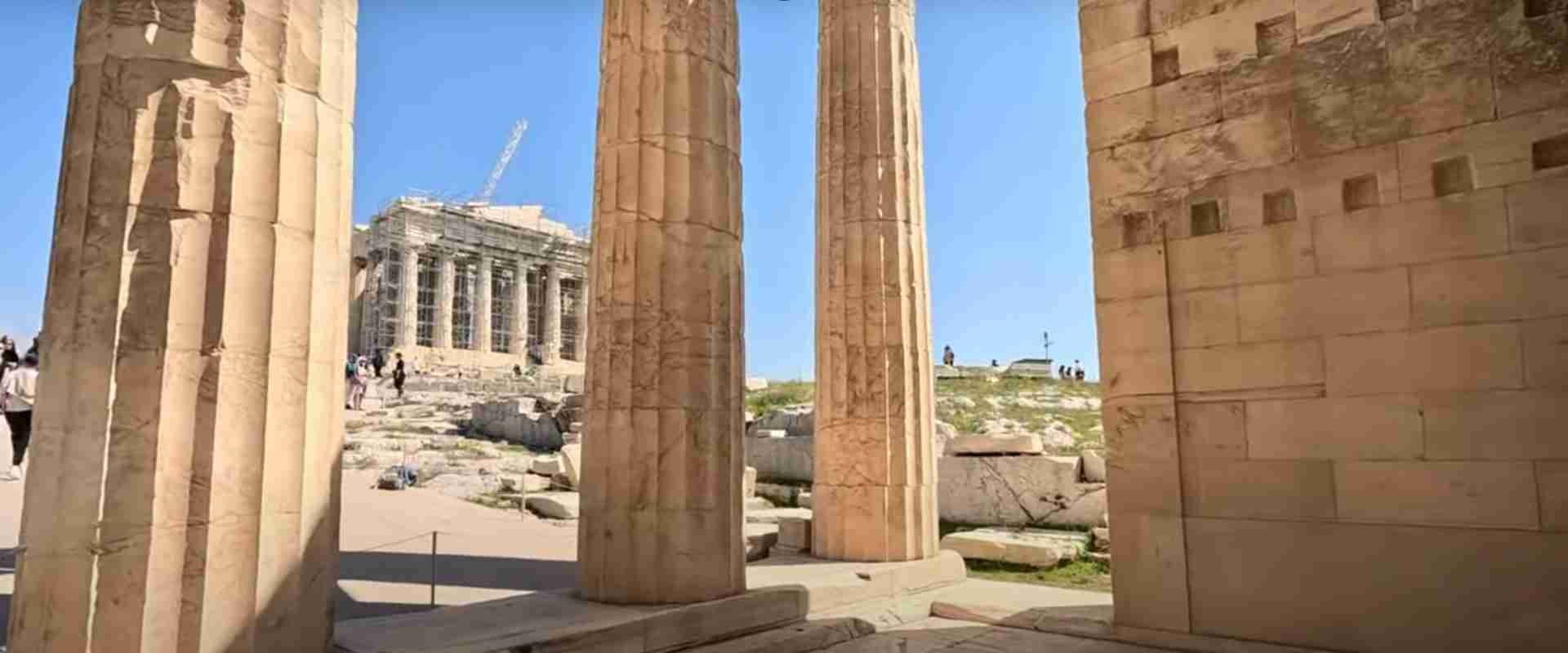
Acropolis Athens with Kids: Family Guide to Greece’s Greatest Wonder
Key Takeaways
- Children under 5 enter free from all countries – EU kids under 18 get additional discounts
- Strollers must be left at entrance – bring baby carriers for infants and plan alternative transport
- No food allowed inside – pack snacks for before/after and use surrounding cafes for meal breaks
- Visit duration: 1.5-2 hours max to maintain kids’ attention and energy levels
- Interactive Acropolis Museum features kids’ corner with digital games and family audio guides
- Safety priority: sturdy shoes essential – marble surfaces are uneven and slippery for small feet
Visiting the Acropolis of Athens with children transforms from a potential family disaster into an unforgettable educational adventure with proper planning and realistic expectations. While the ancient site presents unique challenges for families – from climbing steep marble steps to managing restless kids in crowds – the rewards of sharing Western civilization’s birthplace with your children create memories that last lifetimes.
This comprehensive family guide addresses every parent’s concern, from practical logistics like stroller restrictions to engaging kids with ancient Greek mythology stories that bring crumbling stones to life. Discover how thousands of families successfully navigate Greece’s most important cultural site while keeping everyone happy, safe, and inspired.
Age-Appropriate Planning: Making History Come Alive
Different age groups require distinct approaches to make the Acropolis engaging rather than overwhelming. Understanding developmental considerations helps tailor the experience for maximum family enjoyment.
Toddlers and Preschoolers (Ages 2-5)
Attention Span Reality: 30-45 minutes maximum before fatigue sets in
Focus Strategy: Emphasize visual elements and simple stories rather than complex history
Engagement Techniques:
- Greek Mythology Stories: Tell simplified versions of Athena vs. Poseidon contest for Athens
- Architecture Scavenger Hunt: Count columns, find carved animals, spot different shaped buildings
- Size Comparisons: “This building is older than 100 great-great-grandparents!”
- Interactive Elements: Let them touch approved stone surfaces and feel ancient craftsmanship
Practical Considerations:
- Bring baby carriers instead of strollers (required by site rules)
- Pack extra snacks for energy crashes
- Allow frequent rest breaks during the climb
- Focus on 2-3 main monuments rather than comprehensive coverage
Elementary Age (Ages 6-10)
Attention Span: 1-1.5 hours with strategic breaks
Learning Opportunity: Perfect age for mythology introduction and historical context
Educational Activities:
- Greek Gods Introduction: Connect each temple to specific deities and their powers
- Architecture Appreciation: Explain how columns support heavy stone roofs
- Time Perspective: Help them understand “2,500 years ago” through family timeline examples
- Cultural Connections: Relate ancient Greek innovations to modern life (democracy, theater, sports)
Interactive Museum Connection: The Acropolis Museum’s Kids Corner (second floor) provides hands-on activities, digital games, and age-appropriate exhibits that reinforce site learning.
Tweens and Teens (Ages 11-17)
Attention Span: 2-3 hours with interest-based engagement
Engagement Strategy: Connect ancient history to modern topics they care about
Advanced Discussions:
- Democracy Origins: Relate ancient Athenian democracy to current political systems
- Engineering Marvels: Explain construction techniques still used today
- Cultural Impact: Discuss Greek influence on art, literature, and philosophy
- Photography Projects: Encourage artistic documentation with smartphones
Logistics: Navigating Family Challenges
The Acropolis’s ancient design never considered modern family needs, requiring creative solutions for common logistical challenges.
Stroller Restrictions and Alternatives
Site Policy: Strollers must be left at the main entrance storage facility
Storage Cost: Free for visitors with valid tickets
Security: Attended storage with minimal theft risk
Baby Carrier Alternatives:
- Structured Carriers: Ergobaby, Tula, or similar for extended comfortable carrying
- Ring Slings: Lightweight option for toddlers who walk part-time
- Hiking Backpack Carriers: Best for active families planning extended exploration
Special Consideration: Parents caring for two or more children individually may use the accessibility elevator (300 meters from main entrance) with advance arrangement.
Food and Hydration Strategy
Site Restrictions: No food consumption allowed within archaeological areas
Water Policy: Water bottles permitted and essential for family safety
Family Meal Planning:
- Pre-Visit Breakfast: Substantial meal at hotel or nearby Plaka cafes
- Snack Timing: Feed kids immediately before entering and plan post-visit treats
- Hydration Priority: Bring 1+ liter per family member, use on-site water fountains for refills
- Emergency Snacks: Keep small items in bags for energy crashes (enforcement varies)
Restroom and Comfort Facilities
Restroom Locations:
- Main entrance area (before security screening)
- Accessibility elevator area (limited access)
- Acropolis Museum (excellent family facilities)
- Surrounding Plaka neighborhood cafes
No restrooms exist on the Acropolis summit itself, making pre-visit bathroom breaks essential for family comfort.
Safety Considerations for Families
The Acropolis presents unique safety challenges for families, from uneven ancient surfaces to summer heat exposure that requires constant vigilance.
Physical Safety Priorities
Footwear Requirements:
- Closed-toe shoes mandatory for all family members
- Non-slip soles essential on smooth marble surfaces
- Ankle support recommended for uneven stone pathways
- Avoid sandals, flip-flops, or smooth-soled shoes
Supervision Strategies:
- Maintain constant visual contact in crowded areas
- Establish meeting points at major monuments
- Use bright colored clothing for easy identification
- Consider safety harnesses for very active toddlers
- Designate adults for specific children in larger family groups
Weather-Related Safety
Summer Heat Protection:
- Visit only during 8 AM opening time in summer months
- Bring 1+ liters water per person
- Apply sunscreen every hour (marble reflects UV)
- Use wide-brimmed hats for all family members
- Watch for heat exhaustion symptoms (dizziness, nausea, fatigue)
Winter Weather Challenges:
- Marble becomes extremely slippery when wet
- Layer clothing for temperature changes
- Bring umbrellas for sudden rain showers
- Consider postponing visits during storms
Educational Activities: Bringing History to Life
Transform the Acropolis from boring old ruins into exciting adventures through age-appropriate educational activities that engage children’s natural curiosity.
Pre-Visit Preparation
Mythology Introduction: Read simplified Greek myths before visiting to provide context for what kids will see. Focus on Athena’s wisdom, Poseidon’s sea powers, and the contest for Athens’ patronage.
Visual Preparation: Show pictures of how the Parthenon looked when new – colorfully painted with giant gold statues inside. This helps kids imagine the site’s original grandeur beyond current ruins.
Ancient Greek Daily Life: Explain how families lived 2,500 years ago, what children did for fun, and how different life was without modern technology.
On-Site Activities
Architecture Exploration:
- Count Parthenon columns together (46 total)
- Compare different column styles (Doric vs. Ionic)
- Find the curved lines that make columns appear straight
- Spot where original sculptures once attached
Mythology Connections:
- Point out Athena’s sacred olive tree behind the Erechtheion
- Explain the contest between Athena and Poseidon
- Discuss why ancient Greeks built temples on high places
- Connect temple functions to modern religious buildings
Modern Connections:
- Compare ancient democracy to modern voting
- Relate ancient theater to movies and TV shows
- Discuss how ancient sports led to modern Olympics
- Connect ancient art to museums and galleries
Optimal Family Timing
Family visits require careful timing coordination that balances children’s schedules with site conditions and crowd patterns.
Best Times for Different Age Groups
Families with Toddlers: 8 AM opening provides coolest conditions and smallest crowds before nap times. Plan 1-hour visits maximum with immediate museum transition for climate control.
School-Age Children: 8 AM or 4-6 PM slots work well, avoiding extreme heat while maintaining energy levels. Allow 1.5-2 hours for comprehensive exploration with breaks.
Teenagers: Evening visits often appeal more to teens, providing photography opportunities and connecting to social media interests. The sunset timing creates natural enthusiasm for participation.
Seasonal Family Considerations
Summer Family Strategy:
- 8 AM opening mandatory – any later risks heat exhaustion
- Bring freeze packs for water bottles
- Plan immediate post-visit air conditioning (museum, hotel, restaurant)
- Have backup plans for heat wave closures
Winter Family Benefits:
- 50% ticket savings benefit family budgets significantly
- Minimal crowds create safer, more relaxed experiences
- Dramatic weather often excites children more than perfect conditions
- Cozy post-visit cafe time becomes part of the adventure
The Acropolis Museum: Perfect Family Complement
The ultramodern Acropolis Museum provides ideal family experiences that complement the outdoor archaeological site with climate-controlled comfort and interactive learning opportunities.
Family-Specific Museum Features
Kids Corner (Second Floor):
- Interactive digital games teaching ancient Greek culture
- Hands-on activities explaining archaeological discovery
- Child-height displays and seating areas
- Educational coloring books and activity sheets
Family Audio Guides:
- Free family-specific audio tours with age-appropriate content
- Shorter segments maintaining children’s attention
- Interactive questions encouraging family discussion
- Multiple language options including major European and Asian languages
Museum Practical Advantages
- Climate Control: Comfortable temperatures year-round
- Excellent Facilities: Clean restrooms, cafes, and seating areas
- Stroller Friendly: Full accessibility throughout all floors
- Flexible Pacing: No time pressure for breaks and exploration
Many families use the museum visit to decompress after the physical challenges of climbing the Acropolis while reinforcing historical learning through artifacts and interactive displays.
Managing Logistics: Transportation and Timing
Family logistics require additional planning to account for multiple schedules, energy levels, and potential meltdowns.
Family-Friendly Transportation
Metro with Kids:
- Akropoli Station (Red Line M2): Closest to southeast entrance
- Elevator access available at most stations
- Children under 6 travel free
- Stroller-friendly throughout system
- Air conditioning provides relief during hot weather
Walking Considerations:
- 15-minute walk from Syntagma Square through pedestrian areas
- Gradual uphill approach via Dionysiou Areopagitou Street
- Multiple cafe stops available for breaks
- Souvenir shops to build excitement during approach
Taxi/Ride-Share:
- Most convenient for families with luggage or tired children
- Drop-off near main entrance
- Higher cost but eliminates transport stress
- Useful for quick hotel returns during midday heat
Optimal Family Visit Duration
Age-Based Timing:
- Ages 2-5: 45-60 minutes maximum
- Ages 6-10: 1.5 hours with strategic breaks
- Ages 11+: 2+ hours with educational engagement
Strategic Break Points:
- Parthenon east side – longest flat area for rest
- Erechtheion north porch – shaded area during afternoon
- Propylaea interior – natural gathering space
- Theater seating areas – kids enjoy sitting on ancient stone
Safety First: Family-Specific Precautions
Ancient archaeological sites present unique safety challenges that require extra vigilance when traveling with children of any age.
Physical Hazards and Prevention
Uneven Surfaces: The Acropolis features 2,500-year-old marble pavement with significant wear, gaps, and irregular surfaces that challenge small feet and distracted children.
Safety Equipment:
- Proper Footwear: Closed-toe shoes with good grip mandatory for all family members
- Sun Protection: Wide-brimmed hats, sunglasses, and SPF 50+ sunscreen
- Hydration Supplies: 1 liter minimum per person, more for active children
- First Aid Kit: Basic supplies for scrapes and minor injuries
Crowd Management:
- Hold younger children’s hands in crowded areas
- Establish clear family meeting points at major monuments
- Use bright clothing for easy identification
- Teach children to find uniformed security personnel if separated
Weather-Related Family Safety
Summer Heat Precautions:
- Mandatory 8 AM visits only – later times risk heat exhaustion
- Recognize heat exhaustion symptoms: excessive sweating, fatigue, nausea
- Plan immediate air-conditioned refuge (museum, hotel, restaurant)
- Pack cooling towels and electrolyte supplements
Winter Weather Preparedness:
- Layer clothing for temperature changes
- Waterproof shoes for rainy conditions
- Emergency shelter plans for sudden weather changes
- Warm beverages available at nearby cafes
Making Ancient History Exciting for Kids
Transforming 2,500-year-old ruins into exciting adventures requires creative storytelling and hands-on learning approaches that capture children’s imagination.
Greek Mythology Storytelling
The Contest for Athens: Tell the exciting story of Athena and Poseidon’s competition to become the city’s patron god. Athena’s gift of the olive tree (still growing behind the Erechtheion) beat Poseidon’s spring of salt water, making her Athens’ protector.
Interactive Elements:
- Show kids the actual olive tree mentioned in the myth
- Explain why ancient Greeks valued olive oil so highly
- Connect Athena’s wisdom to school learning and homework
- Relate Poseidon’s sea powers to family beach vacations
Perseus and Medusa Connection: The Parthenon originally displayed scenes of Perseus defeating Medusa, connecting to popular children’s books and movies about Greek heroes.
Architecture Made Simple
Engineering Marvels for Kids:
- Column Counting Game: Challenge kids to count all 46 Parthenon columns
- Weight Comparisons: “Each column weighs as much as 10 elephants!”
- Construction Puzzles: How did ancient Greeks lift heavy stones without modern machines?
- Optical Illusions: Show how curved columns appear straight from distance
Time Perspective Activities:
- Calculate family generations back to ancient times
- Compare ancient construction time (15 years) to modern buildings
- Discuss what has changed and stayed the same over 2,500 years
Budget-Friendly Family Strategies
Family travel costs multiply quickly, but strategic planning reduces Acropolis expenses while maintaining high-quality experiences.
Admission Cost Savings
Free Admission Categories:
- Children under 5: Free from all countries
- EU citizens under 18: Free admission
- EU students under 25: Free on specific days
Reduced Rate Options:
- EU families with 3+ children: 50% discount
- Large family groups: Possible educational discounts
Winter Savings: 50% reduced admission (€10 vs €20) during November-March significantly benefits family budgets
Additional Cost Management
Transportation Savings:
- Children under 6 ride Athens metro free
- 24-hour family passes more economical than individual tickets
- Walking combines sightseeing with transportation
Food Cost Control:
- Hotel breakfast buffets provide substantial pre-visit meals
- Picnic lunches in nearby National Gardens (post-visit)
- Local markets offer authentic Greek snacks at local prices
- Plaka tavernas often provide generous children’s portions
Entertaining Restless Kids: Emergency Strategies
Even well-planned family visits encounter moments when children lose interest or energy. Having backup engagement strategies prevents meltdowns and preserves family harmony.
Quick Distraction Techniques
Photography Missions:
- Give kids cameras (or phones) to document their own perspectives
- Create photo scavenger hunts for specific architectural elements
- Encourage artistic shots of shadows, textures, and patterns
- Challenge them to take pictures telling stories
Imagination Games:
- Pretend to be ancient Greek gods living in the temples
- Imagine daily life for ancient Greek children
- Create stories about what the colorful original buildings looked like
- Role-play ancient ceremonies and festivals
Educational Rewards System
Learning Incentives:
- Special souvenir for completing the full visit
- Ice cream treats for good behavior and participation
- Extra screen time featuring ancient Greece documentaries
- Choice of next family activity for engaged participation
Accessibility for Special Needs Families
Families with special needs children require additional planning but can absolutely enjoy meaningful Acropolis experiences with proper preparation.
Mobility Considerations
Wheelchair Access: Available via elevator on north side of site, requiring advance coordination (tel: +30 210 321 4172). The elevator reaches plateau level with accessible pathways to major monuments.
Sensory Considerations:
- Crowds can overwhelm children with autism or sensory processing differences
- Early morning or winter visits provide quieter environments
- Noise-canceling headphones help manage crowd sounds
- Visual supports and social stories aid preparation
Cognitive and Developmental Accommodations
Preparation Strategies:
- Social stories with site photos to reduce anxiety
- Clear expectations about walking, climbing, and time duration
- Flexible timing allowing for breaks and sensory regulation
- Backup plans for overstimulation or behavioral challenges
Local Family Culture: Greek Hospitality
Greek culture strongly values families and children, creating welcoming environments throughout Athens for international families visiting cultural sites.
Cultural Attitudes Toward Children
Greeks demonstrate exceptional patience and warmth toward visiting families, often going out of their way to help with directions, recommendations, and cultural explanations. Site staff frequently interact positively with children, sharing interesting facts and encouraging questions.
Local families also visit the Acropolis regularly, especially during weekends and holidays, providing opportunities for cultural exchange and demonstrating that the site remains living heritage rather than just tourist attractions.
Family Dining Culture
Greek restaurants welcome families with children and typically accommodate special dietary needs without fuss. Traditional tavernas often provide crayons and drawing paper to keep children occupied while adults enjoy leisurely Mediterranean dining pace.
Kid-Friendly Local Foods:
- Pita bread with honey: Simple, familiar flavors
- Grilled chicken souvlaki: Protein kids recognize
- Greek yogurt with fruit: Healthy familiar option
- Fresh orange juice: Vitamin C boost for active days
Technology Integration: Modern Tools for Ancient Sites
Smart technology integration enhances family experiences while maintaining respect for the site’s cultural significance.
Educational Apps and Resources
Augmented Reality Apps: Several apps provide AR reconstructions showing how monuments appeared when new, helping children visualize original colorful decorations and giant statues.
Interactive Maps: Digital maps with audio narration guide families through optimal routes while providing age-appropriate historical context.
Photography Games: Apps that gamify photography by challenging kids to capture specific angles, details, or compositions.
Social Media Integration
Encourage older children to document experiences through family-friendly social media, creating digital scrapbooks and sharing excitement with friends back home. This approach maintains engagement while creating lasting memory records.
Combining Athens Family Attractions
Strategic planning combines the Acropolis with other family-friendly Athens attractions to create comprehensive cultural experiences without overwhelming young travelers.
Half-Day Family Itineraries
Morning Cultural Focus:
- 8 AM: Acropolis visit (1.5 hours)
- 10 AM: Acropolis Museum with Kids Corner (1 hour)
- 11:30 AM: National Gardens playground and picnic
- Afternoon: Hotel pool or beach time
Evening Adventure:
- 4 PM: Acropolis Museum interactive exhibits
- 5:30 PM: Acropolis sunset visit (1.5 hours)
- 7:30 PM: Traditional Plaka dinner with live music
- 9 PM: Illuminated monument viewing from Areopagus Hill
Full-Day Athens Family Experience
Cultural Immersion Day:
- Morning: Acropolis and Museum (3 hours total)
- Lunch: Traditional taverna in Plaka
- Afternoon: Ancient Agora exploration with playground elements
- Evening: Changing of the Guard ceremony at Syntagma Square
- Dinner: Rooftop restaurant with Acropolis views
Emergency Planning: When Things Go Wrong
Family travel requires contingency planning for common challenges that can derail carefully planned cultural visits.
Common Family Emergencies
Child Meltdowns:
- Identify quiet areas for calming down (north side of Erechtheion)
- Have backup entertainment ready (tablets, books, snacks)
- Know quickest exit routes to reduce overwhelming situations
- Plan alternative activities if early departure becomes necessary
Physical Injuries:
- Site first aid stations located near main entrance
- Security personnel trained in emergency response
- European emergency number: 112
- Nearby hospitals: Evangelismos Hospital (10 minutes by taxi)
Weather Emergencies:
- Museum provides immediate indoor shelter
- Plaka neighborhood cafes offer weather protection
- Metro stations provide covered waiting areas
- Hotel returns easy via nearby transportation
Post-Visit Activities: Extending the Learning
Maximize educational value by continuing ancient Greece exploration through Athens’ numerous family-friendly cultural attractions and activities.
Immediate Extensions
Ancient Agora Exploration: The birthplace of democracy features wide open spaces perfect for kids to run while learning about ancient civic life. The reconstructed Stoa provides shade and museum facilities.
National Archaeological Museum: World-class collections include golden masks, bronze statues, and ancient toys that captivate children while providing deeper historical context.
Benaki Museum: Rotating exhibitions often feature hands-on activities and family workshops that make ancient cultures accessible to young learners.
Creative Follow-Up Activities
Art Projects:
- Draw or paint favorite monuments from memory
- Create family travel journals with photos and stories
- Build Parthenon models using blocks or clay
- Design family coats of arms inspired by ancient Greek symbols
Educational Extensions:
- Read age-appropriate books about ancient Greece
- Watch family-friendly documentaries about Greek mythology
- Research other UNESCO World Heritage Sites for future trips
- Connect learning to school history and social studies curricula
Family Photography: Capturing Memories
Creating lasting family memories requires balancing monument documentation with natural family interactions and cultural education.
Family Portrait Strategies
Classic Family Shots:
- Parthenon background with full family in foreground
- Caryatids backdrop for artistic family portraits
- Panoramic Athens views with family silhouettes
- Action shots of kids exploring and discovering
Individual Child Documentation:
- Kids touching approved ancient surfaces
- Natural expressions of wonder and excitement
- Learning moments with explanatory plaques
- Candid interactions with site features
Creating Photo Stories
Document the complete family experience rather than just monument snapshots:
- Metro journey and anticipation building
- First glimpses of the Parthenon from entrance
- Children’s reactions to different monuments
- Family interactions and teaching moments
- Post-visit celebrations and reflections
Special Events and Family Programs
The Acropolis and surrounding institutions offer special family programming that enhances standard visits with structured educational activities.
Acropolis Museum Family Programs
Weekend Family Workshops: Monthly hands-on activities including ancient pottery making, mosaic creation, and archaeological simulation games.
School Holiday Programs: Extended educational activities during Greek school holidays, often featuring storytelling, costume workshops, and interactive historical recreations.
Family Audio Tours: Specialized family versions of audio guides with shorter segments, interactive questions, and age-appropriate historical explanations.
Seasonal Family Events
International Museum Day (May 18): Free admission with special family programming, though expect larger crowds than normal days.
European Heritage Days (September): Special tours, demonstrations, and family activities highlighting archaeological preservation and discovery processes.
Greek National Holidays: Traditional celebrations sometimes include family-oriented cultural demonstrations in surrounding areas.
Frequently Asked Questions
What age children can enjoy the Acropolis?
Children as young as 3-4 can appreciate basic elements like climbing, counting columns, and simple mythology stories. Ages 6-10 represent the sweet spot for educational engagement, while teenagers can grasp complex historical and cultural concepts.
How long should I plan for an Acropolis visit with kids?
Plan 45-60 minutes for toddlers, 1.5 hours for elementary age, and 2+ hours for teens. Always build in extra time for breaks, photos, and slower movement through crowds.
Can I bring strollers to the Acropolis?
Strollers must be left at the entrance storage facility (free for ticket holders). Bring baby carriers instead for infants and toddlers. Parents with 2+ young children may access the accessibility elevator with advance arrangement.
Are there restrooms inside the Acropolis site?
No restrooms exist on the Acropolis summit. Use facilities at the entrance area before entering or at the nearby Acropolis Museum. Plan bathroom breaks strategically for family comfort.
What should I do if my child gets scared of crowds?
Visit during 8 AM opening or winter months for smaller crowds. Use the southeast entrance which typically has fewer people. Have escape plans ready and consider the quieter Acropolis Museum as an alternative if outdoor crowds become overwhelming.
Can we eat lunch during our Acropolis visit?
No food is allowed inside the archaeological site. Plan substantial pre-visit meals and save lunch for afterward in nearby Plaka restaurants or the Acropolis Museum cafe, which offers excellent family dining with monument views.
How do I make ancient history interesting for kids?
Focus on stories over facts – Greek mythology, heroic adventures, and “what if you lived here” scenarios. Use counting games, size comparisons, and hands-on exploration of approved surfaces. The Acropolis Museum Kids Corner provides excellent interactive reinforcement.
Is the Acropolis safe for small children?
Yes, with proper supervision and precautions. The main safety concerns are uneven marble surfaces, potential falls from elevated areas, and summer heat exposure. Maintain constant supervision and use appropriate safety equipment.
What’s the best weather for visiting with kids?
Spring (April-May) and autumn (September-October) offer ideal temperatures and manageable crowds. Avoid summer midday heat which can be dangerous for children. Winter provides budget advantages but requires weather contingency planning.
Should I hire a family-specific tour guide?
Family guides excel at engaging children with age-appropriate stories and activities. They also navigate logistics, provide safety oversight, and adapt pacing to family needs. Consider this investment for stress-free experiences with multiple children.