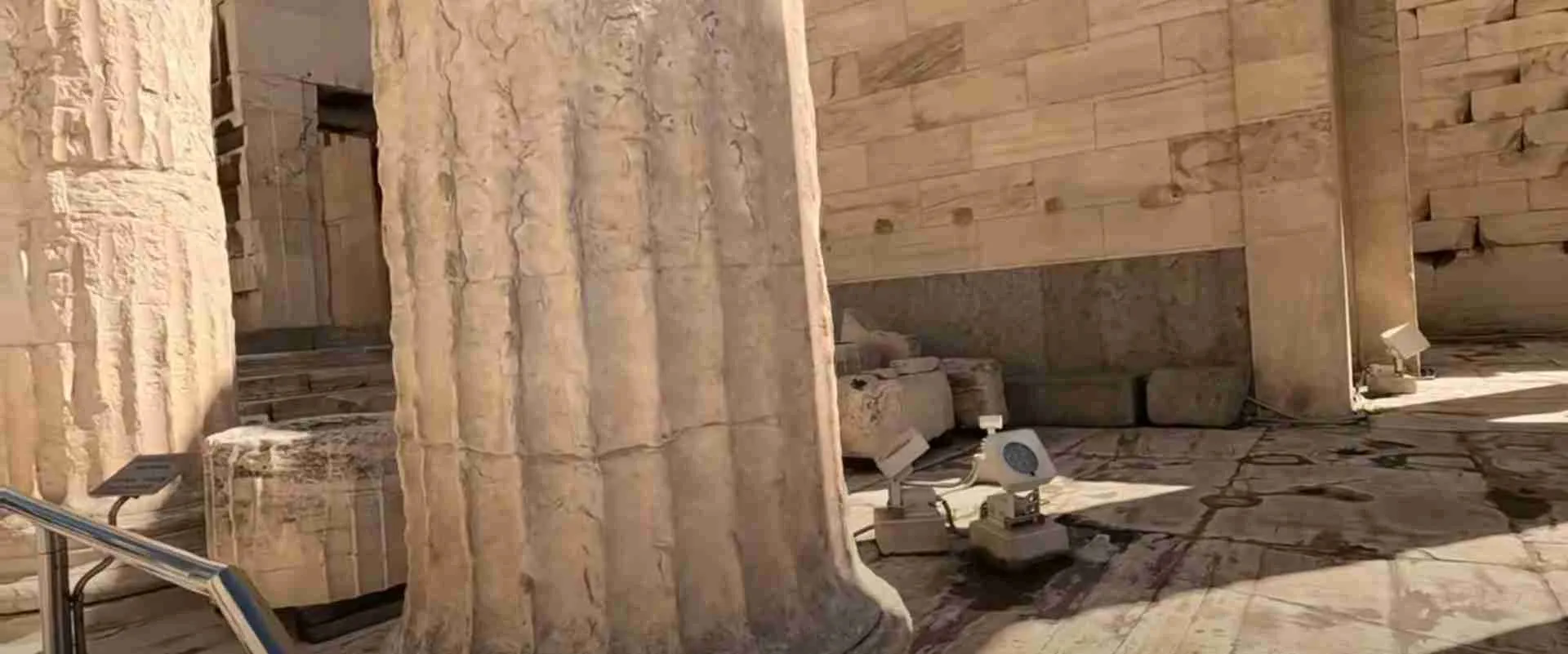
Best Time to Visit Acropolis Athens: Insider Secrets to Beat 3 Million Tourists
Key Takeaways
- 8 AM opening time offers the most peaceful experience with golden photography light
- April-May and September-October provide perfect weather with 50% fewer crowds than summer
- Avoid 10 AM-2 PM when cruise ships and tour groups create 2-3 hour wait times
- Evening visits (2 hours before closing) deliver stunning sunset views with minimal crowds
- Weekdays in winter offer €10 tickets and virtually empty sites for budget travelers
- Free entry days exist but attract massive crowds – skip unless extremely budget-conscious
With over 3 million visitors annually, the Acropolis of Athens ranks among the world’s most crowded UNESCO World Heritage Sites. But insider knowledge reveals secret windows when this ancient wonder transforms from tourist mayhem into a transcendent cultural experience. This comprehensive timing guide exposes exactly when to visit for maximum impact while avoiding the crushing crowds that ruin most people’s first encounter with Greece’s greatest treasure.
After analyzing visitor patterns, weather data, and local insights from Athens tourism professionals, we’ve identified the precise time slots that separate magical experiences from tourist disasters.
The Golden Hours: 8 AM Opening Strategy
The single most important decision for your Acropolis visit is arriving at 8 AM sharp when gates open. This strategy provides multiple advantages that compound throughout your visit.
Why 8 AM is Pure Magic
During the first hour after opening, you’ll encounter fewer than 200 other visitors across the entire 7-acre site – compared to over 2,000 people during peak midday hours. The early morning light illuminates the Parthenon’s eastern facade with warm golden hues, creating perfect photography conditions while temperatures remain comfortable.
Most importantly, cruise ship tourists don’t arrive until 9:30-10 AM. These groups typically account for 40% of daily visitors during peak season, arriving in waves that transform the serene morning atmosphere into crowded chaos.
The Cruise Ship Effect
Athens receives 3-5 massive cruise ships daily during peak season, each disgorging 2,000-4,000 passengers directly into tour buses heading to the Acropolis. These groups create predictable crowd surges:
- 9:30-10:30 AM: First wave arrives from overnight ships
- 11 AM-12 PM: Peak congestion as morning ships add to the mix
- 1-2 PM: Slight lull as some groups depart for lunch
- 2:30-4 PM: Afternoon wave from ships arriving at noon
By starting at 8 AM, you’ll complete your visit before the human tsunami arrives, emerging from the site as frustrated tourists line up for 2-3 hour waits.
Practical 8 AM Strategy
Book the 8 AM time slot online (mandatory since 2024) at least 3 days in advance during peak season. Arrive at 7:45 AM to allow time for security screening and initial orientation. The slight investment in lost sleep delivers exponential returns in experience quality.
Metro service begins at 5:30 AM, providing reliable transportation from central Athens hotels. The Red Line (M2) Akropoli station sits just 2 minutes from the southeast entrance, making early arrival logistically simple.
The Sunset Secret: Evening Golden Hour
Evening visits during the final 2 hours before closing offer the Acropolis’s best-kept secret. While most tourists assume morning visits are superior, experienced travelers know that late afternoon provides equally stunning – often superior – experiences.
Why Evening Visits Excel
As the day progresses, crowds naturally thin out. Tour groups depart for dinner destinations, day-trippers head to hotels, and families with tired children abandon their plans. By 5 PM (summer) or 3 PM (winter), visitor numbers drop by 70% from peak levels.
The late afternoon sun bathes the white Pentelic marble in increasingly dramatic golden light, reaching maximum intensity during the “golden hour” before sunset. This warm light enhances architectural details and creates perfect conditions for both photography and contemplation.
Sunset Photography Advantages
Evening light illuminates the Parthenon’s western facade, highlighting the temple’s sculptural details while backlighting the columns for dramatic silhouettes. The surrounding Athens cityscape transforms into a sea of lights as dusk approaches, creating magical contrast between ancient and modern worlds.
Professional photographers often prefer evening visits for portraits and architectural photography, as the warm light flatters both monuments and people while eliminating harsh shadows common during midday visits.
Evening Visit Strategy
Plan to enter 2 hours before closing time to allow sufficient exploration while maximizing golden hour light. During summer (April-September), this means 5:30-6 PM entry for 7:30 PM closing. Winter visits (October-March) require 3-3:30 PM entry for 5 PM closing.
Evening visits also connect perfectly with Athens nightlife. After watching sunset from the Acropolis, descend into the Plaka neighborhood for traditional taverna dining with illuminated monument views.
Seasonal Mastery: When Weather Meets Crowds
Understanding Athens’ seasonal patterns helps optimize your visit timing for specific priorities – whether minimizing crowds, maximizing comfort, or reducing costs.
Shoulder Season Perfection (April-May, September-October)
These four months represent the absolute sweet spot for Acropolis visits, combining ideal weather with manageable crowds and reasonable prices.
April-May Advantages:
- Perfect temperatures (18-25°C/64-77°F) for comfortable exploration
- Wildflowers bloom around archaeological sites
- Easter season brings cultural celebrations but manageable crowds
- Hotel rates 30-40% lower than peak summer
- Extended daylight hours for evening visits
September-October Benefits:
- Crystal-clear skies with exceptional visibility
- Warm sea temperatures for post-visit beach trips
- Harvest season creates vibrant local food scenes
- Reduced summer heat stress on ancient monuments
- Ideal conditions for combining Athens with Greek islands
Peak Summer Reality (June-August)
Summer brings maximum crowds, intense heat, and highest prices, but strategic timing can still deliver excellent experiences for unavoidable summer travelers.
Summer Survival Strategy:
- 8 AM only: Any later risks dangerous heat exposure
- Midday closures: Recent heat waves force 12 PM-5 PM closures for safety
- Evening alternative: If morning slots sell out, book final 2 hours
- Emergency preparations: Bring 1+ liters water per person
- Heat protection: Wide-brim hats, sunscreen, light long sleeves
Summer temperatures regularly exceed 35°C (95°F), creating potentially dangerous conditions on exposed marble surfaces. The reflective stone amplifies heat and UV exposure, making shade breaks essential during ascent.
Winter Value Season (November-March)
Budget travelers discover exceptional value during winter months, with dramatic cost savings offsetting weather unpredictability.
Winter Advantages:
- 50% ticket discount: €10 vs €20 peak season pricing
- Minimal crowds: Often fewer than 100 daily visitors
- Dramatic weather: Storm clouds create spectacular photography
- Hotel bargains: Athens accommodation at lowest annual rates
- Cultural immersion: Experience Athens like locals do
Winter Challenges:
- Unpredictable weather from sunny 18°C to rainy 5°C
- Shorter hours (8 AM-5 PM) limit visit flexibility
- Marble surfaces extremely slippery when wet
- Some outdoor restaurants closed in Plaka area
Weekly Patterns: Weekdays vs Weekends
Day-of-week selection significantly impacts crowd levels, with clear patterns emerging from visitor data analysis.
Weekday Advantages
Tuesday-Thursday consistently show the lowest visitor numbers, as most tourists concentrate weekend trips around Friday arrivals and Monday departures. School groups typically visit on weekdays but in smaller, more manageable numbers than weekend family crowds.
Business travelers often extend trips into weekends, creating predictable patterns where mid-week days offer the most peaceful experiences.
Weekend Realities
Saturday and Sunday attract both international tourists and local Greek families, creating the week’s highest visitor numbers. However, weekend mornings still maintain the 8 AM advantage, as families with children rarely arrive before 10 AM.
Weekend evening visits often provide better experiences than weekend mornings, as local families typically depart by 4 PM for early dinners.
Monthly Deep Dive: Optimizing Your Specific Travel Month
Each month presents unique advantages and challenges for Acropolis visits. This detailed breakdown helps optimize timing within your travel window.
January-February: Winter Warriors
Best for: Budget travelers, photographers seeking dramatic weather, cultural immersion
Crowd Level: Minimal (1/10)
Weather: Unpredictable, 5-18°C (41-64°F)
Ticket Price: €10 (50% discount)
These months offer the most intimate Acropolis experiences, with some days seeing fewer than 50 visitors total. Clear winter days provide exceptional visibility extending to surrounding islands, while occasional snow creates magical photography opportunities.
Rain occurs 8-10 days monthly, making weather monitoring essential. When conditions cooperate, winter visits deliver profound cultural experiences impossible during tourist seasons.
March: Awakening Season
Best for: Budget-conscious travelers wanting pleasant weather
Crowd Level: Low-moderate (3/10)
Weather: Improving, 8-16°C (46-61°F)
Ticket Price: €10 (low season)
March represents transition from winter bargains to spring popularity. Early March maintains winter pricing and crowd levels, while late March sees gradual increases in both visitors and temperatures.
Wildflowers begin blooming around archaeological sites, adding natural beauty to monument photography. This month offers the best balance of low costs and improving weather.
April: Spring Excellence
Best for: Optimal weather and manageable crowds
Crowd Level: Moderate (5/10)
Weather: Excellent, 12-20°C (54-68°F)
Ticket Price: €20 (peak season)
April marks the beginning of ideal visiting conditions. Temperatures remain comfortable throughout the day, crowds stay manageable outside peak hours, and spring blooms enhance the site’s natural beauty.
Easter celebrations (varying dates) can impact specific weekends with increased local visitors, but overall crowd levels remain reasonable compared to summer months.
May: Peak Spring
Best for: Perfect weather with pre-summer crowds
Crowd Level: Moderate-high (6/10)
Weather: Ideal, 16-26°C (61-79°F)
Ticket Price: €20 (peak season)
May delivers Athens’ most consistently pleasant weather, with comfortable temperatures and minimal rainfall. This attracts increasing numbers of international visitors but crowd levels remain manageable with proper timing.
Late May sees the first significant increases in cruise ship arrivals, making early morning visits increasingly important for crowd avoidance.
June-August: Summer Challenge
Best for: Unavoidable summer travelers with proper preparation
Crowd Level: Extreme (9-10/10)
Weather: Hot and potentially dangerous, 25-38°C (77-100°F)
Ticket Price: €20 (peak season)
Summer months present the greatest challenges but reward prepared visitors with extended daylight hours and reliable weather. Heat safety becomes paramount, with recent years seeing emergency closures during extreme heat events.
Visitor numbers peak in July-August, making advance booking essential and 8 AM visits non-negotiable for comfortable experiences.
September: Autumn Excellence
Best for: Combining Athens with Greek islands
Crowd Level: Moderate-high (6-7/10)
Weather: Excellent, 20-28°C (68-82°F)
Ticket Price: €20 (peak season)
September rivals April as the ideal visiting month, with summer’s heat beginning to moderate while maintaining excellent weather reliability. Sea temperatures peak for post-visit beach trips to nearby islands.
Early September maintains summer crowd levels, but significant decreases occur after mid-month as European school terms resume.
October: Autumn Perfection
Best for: Optimal balance of all factors
Crowd Level: Moderate (5/10)
Weather: Excellent, 15-24°C (59-75°F)
Ticket Price: €20 (peak season)
October represents the year’s sweet spot, combining ideal weather with significantly reduced crowds as summer tourists return home. Clear skies and comfortable temperatures create perfect conditions for extended exploration.
This month offers the best photography conditions, with crisp air providing exceptional clarity for both architectural details and panoramic Athens views.
November-December: Early Winter Value
Best for: Budget travelers and authentic local experiences
Crowd Level: Low (2-3/10)
Weather: Variable, 8-18°C (46-64°F)
Ticket Price: €10 (low season)
These months return to winter pricing and minimal crowds while maintaining more moderate weather than deep winter. Rain increases but interspersed with clear, crisp days ideal for monument photography.
Holiday season (late December) brings modest increases in visitor numbers but nothing approaching summer levels.
Special Considerations: Free Days and Closures
Several factors beyond regular patterns affect optimal timing, including free admission days and holiday closures.
Free Admission Days (Proceed with Caution)
The Acropolis offers free admission on specific days throughout the year:
- March 6: European Heritage Days
- April 18: International Monuments Day
- May 18: International Museums Day
- October 28: Ohi Day (Greek national holiday)
- First Sunday of each month (November-March)
- Third Sunday of each month (November-March, introduced 2024-2025)
Free Day Reality Check: These occasions attract 3-5 times normal visitor numbers, creating potentially miserable experiences. Wait times can exceed 4 hours, with overcrowding making monument appreciation difficult.
Only consider free days if budget constraints make paid admission impossible, and prepare for significant crowds regardless of timing strategy.
Holiday Closures
The Acropolis closes completely on:
- January 1 (New Year’s Day)
- March 25 (Greek Independence Day)
- May 1 (Labour Day)
- Easter Sunday (varying date)
- December 25-26 (Christmas)
Plan around these dates, especially during short Athens visits when alternative days may not be available.
Weather Contingency Planning
Athens’ Mediterranean climate generally provides excellent visiting conditions, but occasional weather extremes require contingency planning.
Heat Wave Protocols
Climate change has intensified Athens heat waves, with temperatures exceeding 40°C (104°F) becoming more common. Recent summers have seen emergency closures during midday hours for visitor safety.
Heat Wave Indicators:
- Temperature forecasts above 38°C (100°F)
- Heat wave warnings from Greek meteorological service
- Social media reports of midday closures
Heat Wave Strategy:
- Book earliest possible time slot (8 AM mandatory)
- Bring 2+ liters water per person
- Wear maximum sun protection
- Consider rescheduling if extreme heat predicted
- Have indoor alternatives ready (Acropolis Museum)
Rain Day Alternatives
While Athens receives limited rainfall, winter storms can make Acropolis visits dangerous due to slippery marble surfaces.
Rainy Day Options:
- Acropolis Museum: Climate-controlled environment with 4,000 artifacts
- National Archaeological Museum: World-class collection of ancient Greek art
- Covered markets: Central Market and Monastiraki Flea Market
- Traditional cafes: Plaka neighborhood coffee culture
Booking Strategy: Securing Your Ideal Time Slot
The 2024 introduction of mandatory timed entry makes advance booking essential for optimal timing, especially during peak season.
Advance Booking Timeline
Peak Season (April-October):
- 8 AM slots: Book 7-10 days ahead minimum
- Evening slots: Book 3-5 days ahead
- Midday slots: Often available same day (not recommended)
Low Season (November-March):
- All slots: Usually available 1-2 days ahead
- Same-day booking often possible
Booking Platform Strategy
Official Website (etickets.tap.gr): Most reliable with official pricing, but limited English support
Authorized Resellers: Better customer service with small convenience fees
- Viator: Excellent for combo tours and transfers
- GetYourGuide: User-friendly interface, good cancellation policies
- Tiqets: Mobile-optimized booking, instant delivery
Flexible Booking Options
Book refundable options when possible, as weather or personal circumstances may require timing changes. Most authorized resellers offer 24-hour cancellation policies, providing planning flexibility worth small premium costs.
Transportation Timing Coordination
Coordinating transportation with your chosen visit time ensures smooth logistics and prevents timing delays.
Early Morning (8 AM) Transportation
Metro Service: Begins 5:30 AM daily, providing reliable early access
Taxi/Uber: Available 24/7 but more expensive than metro
Walking: 15 minutes from Syntagma Square hotels
Allow 45 minutes minimum for early morning transportation and security entry, arriving by 7:45 AM for 8 AM slots.
Evening Visit Transportation
Evening visits align perfectly with Athens dinner culture, as restaurants don’t begin serving until 8-9 PM. Plan post-visit dining in nearby Plaka or Monastiraki neighborhoods.
Metro service continues until midnight, providing convenient return transportation to hotels after combining Acropolis visits with traditional taverna experiences.
Crowd Psychology: Understanding Tourist Behavior
Understanding tourist behavior patterns helps predict and avoid peak congestion periods beyond basic timing strategies.
Tour Group Patterns
Large Bus Tours: Typically arrive 9:30-10:30 AM and 2-3 PM
Cruise Ship Groups: Follow ship arrival schedules, usually 10 AM-4 PM
School Groups: Weekday mornings, but in smaller, more manageable numbers
Private Tours: Distributed more evenly but tend to avoid extreme early/late slots
Individual Traveler Patterns
Families with Children: Rarely arrive before 9 AM or stay past 5 PM
Elderly Visitors: Prefer moderate temperatures, avoiding early morning and peak heat
Photography Enthusiasts: Concentrate during golden hours (first/last 2 hours)
Casual Tourists: Follow guidebook advice for midday visits (avoid these times)
Professional Photography Timing
Photographers require specific timing considerations to capture optimal light conditions and minimize tourist interference.
Golden Hour Scheduling
Morning Golden Hour: First hour after sunrise
- Summer: 6:30-7:30 AM (pre-opening for professionals with permits)
- Winter: 7:30-8:30 AM (coincides with opening)
Evening Golden Hour: Hour before sunset
- Summer: 6:30-7:30 PM
- Winter: 4-5 PM
Blue Hour Opportunities
The blue hour immediately after sunset provides dramatic opportunities for capturing illuminated monuments against twilight skies. While the Acropolis closes at sunset, surrounding viewpoints offer excellent blue hour photography of the illuminated site.
Best Blue Hour Viewpoints:
- Philopappos Hill
- Mount Lycabettus
- Areopagus Hill
- Acropolis Museum restaurant terrace
Frequently Asked Questions
What is the absolute best time to visit the Acropolis?
8 AM on a Tuesday-Thursday in April, May, September, or October. This combination provides ideal weather, minimal crowds, and perfect photography light while avoiding cruise ship arrival patterns.
How early should I arrive for an 8 AM time slot?
Arrive by 7:45 AM to allow time for security screening and initial orientation. Metro service begins at 5:30 AM, making early arrival logistically feasible from central Athens hotels.
Is it worth visiting during summer despite the crowds and heat?
Yes, but only with proper preparation and 8 AM entry. Avoid midday visits entirely due to heat safety concerns and overwhelming crowds. Consider evening slots if morning times are unavailable.
Should I visit on free admission days?
Generally no. Free days attract 3-5 times normal visitor numbers, creating wait times up to 4 hours and overcrowded conditions that diminish the experience. Only consider if budget absolutely requires it.
How do weather conditions affect the best visiting times?
Summer heat makes midday visits dangerous, requiring early morning or evening timing. Winter rain creates slippery conditions but fewer crowds. Spring and autumn offer the most flexibility in timing options.
Can I change my timed entry ticket if weather looks bad?
Official tickets are generally non-refundable, but many authorized resellers offer 24-hour cancellation policies. Book through providers with flexible policies when weather uncertainty exists.
What happens if I miss my timed entry slot?
Tickets include a 30-minute grace period (15 minutes before to 15 minutes after). Arriving outside this window may result in denied entry, though gate staff sometimes show flexibility during low-traffic periods.
Do evening visits provide good photography opportunities?
Excellent opportunities. Evening golden hour light dramatically enhances the white marble while providing perfect conditions for silhouette photography. Many professionals prefer evening over morning light.
How do cruise ship schedules affect crowd patterns?
Cruise ships typically dock overnight and discharge passengers 9:30-10:30 AM, creating predictable crowd surges. Afternoon ships arriving around noon create secondary peaks 2:30-4 PM.
Is winter really worth considering despite potential weather issues?
Absolutely for the right traveler. Winter offers 50% ticket discounts, minimal crowds, and often spectacular dramatic weather. Clear winter days provide exceptional visibility and intimate experiences impossible during tourist season.