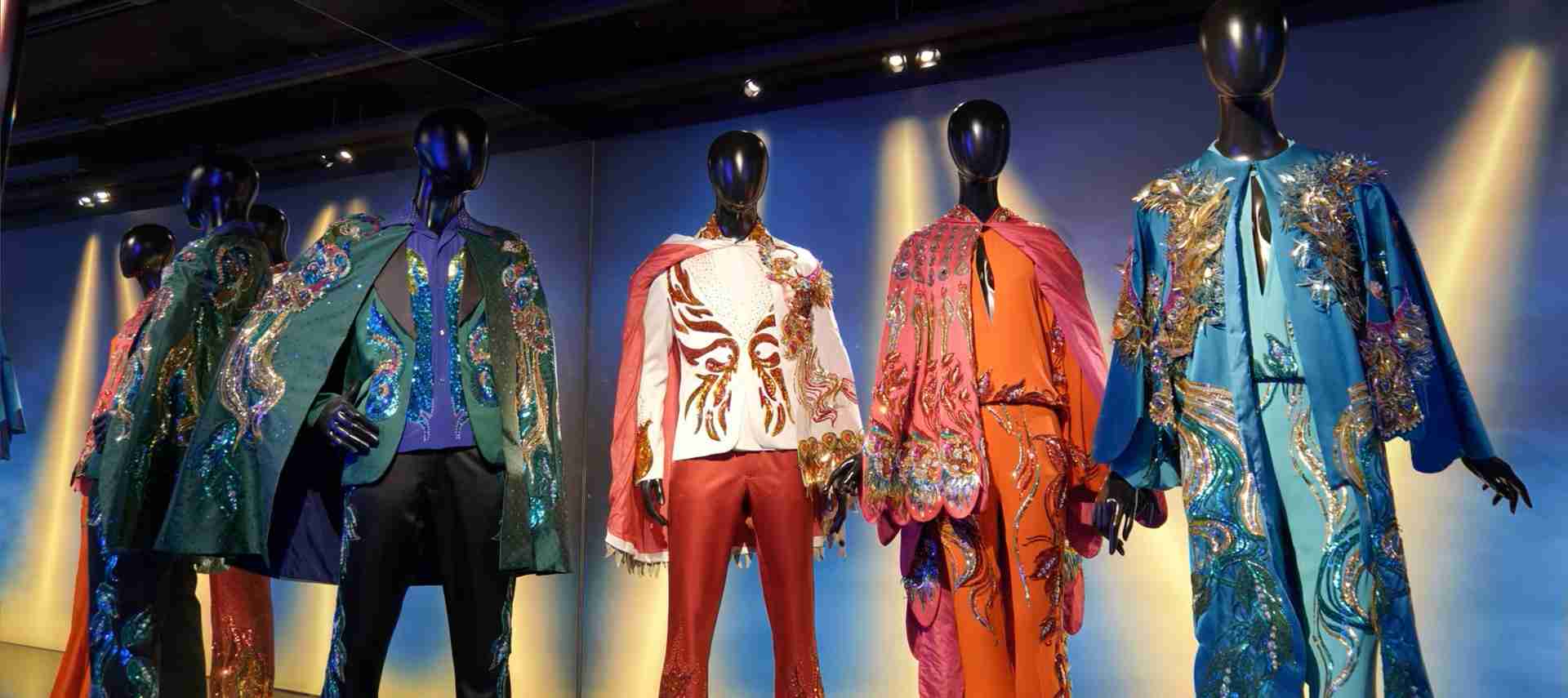
ABBA The Museum Stockholm: Complete Visitor’s Guide
ABBA The Museum in Stockholm offers one of the world’s most interactive pop music experiences, transforming fans into the fifth member of Sweden’s legendary band. Located on the island of Djurgården alongside Stockholm’s premier cultural attractions, this immersive museum combines authentic memorabilia, cutting-edge technology, and hands-on exhibits that let visitors sing, dance, and perform alongside holographic versions of Agnetha, Björn, Benny, and Anni-Frid.
Key Takeaways
- Interactive Experience: Step onto a virtual stage, record vocals in a replica Polar Studio, try on digital ABBA costumes, and dance alongside holographic band members through state-of-the-art technology
- Authentic Memorabilia: View original stage costumes, handwritten lyrics, gold records, Eurovision 1974 artifacts, and personal items donated by the band members themselves
- Timed Entry System: Admission tickets cost 250 SEK (€22) for adults with timed entry slots, allowing 1.5-2 hours inside the exhibition after your designated entry window
- Prime Location: Situated on Djurgården island alongside the Vasa Museum, Skansen, and Gröna Lund, easily accessible via Tram 7 or Bus 67 to Liljevaljchs/Gröna Lund stop
- Audio Guide Included: Free multilingual audio guide features the band members themselves narrating their story in Swedish and English, with additional languages available
- Year-Round Operation: Open daily 10 AM – 6 PM throughout the year, with peak crowds during summer months and weekends requiring advance online booking
People Also Ask About ABBA The Museum
What makes ABBA The Museum different from a traditional music museum?
ABBA The Museum pioneered the interactive pop music museum concept, focusing on participatory experiences rather than passive observation. Visitors become active participants through technology-driven exhibits including a full-scale concert stage where you perform alongside holographic ABBA members, a recording studio where you sing ABBA hits with your vocals mixed into the original tracks, and a digital wardrobe system that projects iconic ABBA outfits onto your reflection. The museum uses RFID wristbands to create personalized experiences, allowing you to save performances, photos, and recordings to access later online. This participatory approach distinguishes it from conventional museums that display artifacts behind glass—here, you engage directly with ABBA’s music through singing, dancing, and creative interaction.
How long does a typical visit to ABBA The Museum take?
The museum recommends allowing 1.5 to 2 hours for a complete visit, though enthusiastic fans often spend longer exploring every interactive feature. Your timed entry ticket provides a 30-minute window to enter (for example, a 10:00 slot allows entry between 10:00-10:30), after which you can stay until closing time. The exhibition flows chronologically through ABBA’s career, with each section offering different experiences—from trying on virtual costumes to recording vocals. Most visitors spend 20-30 minutes in the interactive performance areas, 30-45 minutes viewing memorabilia and watching archival footage, and additional time in the gift shop. Plan extra time if visiting with children, as the sing-along and dance features prove particularly engaging for young visitors.
Can you take photos and videos inside ABBA The Museum?
Photography is welcome throughout the museum, with flash photography prohibited to protect sensitive artifacts and maintain the ambiance. You can photograph yourself with the holographic band members on stage, capture your digital costume try-on sessions, and document the extensive memorabilia collection. Video recording faces restrictions—you cannot film the exhibition spaces generally, but filming yourself while using interactive features is permitted. This means you can record your performance on the virtual stage or your vocal recording session, creating personal mementos of your ABBA experience. The museum encourages social sharing, with designated photo opportunities and backdrops designed specifically for capturing memorable images.
Is ABBA The Museum suitable for people who aren’t familiar with ABBA’s music?
The museum caters effectively to both devoted fans and casual visitors, offering historical context that makes ABBA’s cultural impact accessible regardless of prior knowledge. The chronological exhibition structure guides visitors through ABBA’s formation, Eurovision breakthrough, global dominance, and lasting legacy, with detailed explanations of their musical innovations and cultural significance. Interactive exhibits appeal universally—singing, dancing, and performing alongside music legends requires no specialized knowledge. The audio guide, narrated partly by the band members themselves, provides comprehensive background that enriches the experience for newcomers. Many visitors report gaining new appreciation for ABBA’s musical craftsmanship and cultural influence even without previous familiarity with their catalog.
Extended multi-day tours – 5+ days
Featured Stockholm Multi-Day Tour Packages

3 days
Stockholm 3-Day Discovery Tour
- ✓ Comprehensive Stockholm experience
- ✓ Expert local guides included
- ✓ All accommodation included
- ✓ Transportation provided

5 days
Stockholm 5-Day Highlights Experience
- ✓ Comprehensive Stockholm experience
- ✓ Expert local guides included
- ✓ All accommodation included
- ✓ Transportation provided

7 days
Stockholm 7-Day Cultural Journey
- ✓ Comprehensive Stockholm experience
- ✓ Expert local guides included
- ✓ All accommodation included
- ✓ Transportation provided

10 days
Stockholm 10-Day Complete Adventure
- ✓ Comprehensive Stockholm experience
- ✓ Expert local guides included
- ✓ All accommodation included
- ✓ Transportation provided
Multi-day tour packages powered by TourRadar. Prices and availability subject to change.
The Museum Experience: Interactive Exhibits and Technology
ABBA The Museum opened in 2013 after years of planning by Björn Ulvaeus and museum curator Ingmarie Halling, who served as wardrobe supervisor during ABBA’s 1970s world tours. The museum occupies a purpose-built space within the Swedish Music Hall of Fame building, sharing the premises with the Backstage Hotel, which features ABBA-themed design elements throughout.
The exhibition journey begins with ABBA’s pre-formation history, exploring the individual careers of the four members before they united. Interactive touchscreens provide detailed biographies, early recordings, and footage showing Agnetha Fältskog, Björn Ulvaeus, Benny Andersson, and Anni-Frid Lyngstad before they became global superstars.
The Stage Performance Experience
The museum’s centerpiece features a full-scale concert stage where visitors perform alongside life-sized holographic projections of the band members. The technology creates the illusion of sharing the stage with ABBA during their prime, complete with synchronized choreography and authentic concert visuals. Visitors stand on designated marks on the stage, and the system integrates your image with the holograms, creating a seamless composite that appears on multiple screens around the space.
The experience includes professional lighting, concert-quality sound systems, and multiple camera angles that capture your performance from various perspectives. Groups of up to six people can perform together, making this a popular activity for families and friends. The system saves your performance video, accessible through your personal museum account using the RFID wristband provided at entry.
Polar Studios Recording Experience
A meticulously recreated version of Polar Studios—where ABBA recorded many of their greatest hits—allows visitors to step into the legendary Stockholm recording facility. The replica captures the authentic 1970s aesthetic, complete with period-appropriate mixing boards, microphones, and studio furniture that matches the original space where classics like “Dancing Queen” and “Waterloo” took shape.
The recording booth features professional-grade equipment where you sing selected ABBA songs into studio microphones. The system captures your vocal performance and mixes it into the original ABBA instrumental tracks, creating a personalized version you can access later. The experience includes technical assistance through the audio guide, which provides vocal tips and background on each song’s recording history.
The Audition Room
This interactive karaoke experience places visitors in a recreation of Polar Studios’ audition space, where aspiring musicians tried to join ABBA’s touring band and backing vocals. The room features a complete karaoke setup with professional audio equipment, allowing you to perform ABBA songs with full instrumental backing tracks and on-screen lyrics.
The Audition Room accommodates groups, making it a highlight for families and friend groups. The system records audio and video of performances, which becomes part of your personal museum collection accessible through your digital account.
Digital Costume Wardrobe
The costume experience uses augmented reality technology to project iconic ABBA outfits onto your reflection in special mirrors. The system scans your body position and overlays historically accurate recreations of the band’s most famous stage wear, from platform boots and flared pants to the legendary “Waterloo” costumes that won Eurovision 1974.
Each costume includes detailed information about its creation, designer, and the performances where it appeared. The system captures photos of you wearing the digital costumes, adding another personalized element to your museum experience. The technology demonstrates impressive accuracy, adjusting costume size and position to match your movements and proportions.
The Walk of Fame
This section features floor tiles containing personal messages and tributes from contemporary artists who cite ABBA as an influence. Musicians ranging from Madonna to Kylie Minogue have contributed tiles, creating a tangible representation of ABBA’s enduring impact on popular music across multiple generations and genres.
Authentic Memorabilia and Historical Collection
Beyond interactive technology, the museum houses an extraordinary collection of authentic artifacts donated directly by the band members and their families. The memorabilia provides tangible connections to ABBA’s history, displayed in climate-controlled cases with detailed contextual information.
Original Stage Costumes
The costume collection represents some of the most iconic fashion in pop music history. Designed primarily by Owe Sandström, who served as ABBA’s costume designer throughout their career, these garments showcase the theatrical, flamboyant aesthetic that became synonymous with the band’s visual identity. The collection includes the Eurovision 1974 outfits that marked ABBA’s international breakthrough, platform-era ensembles from their mid-1970s peak, and the more sophisticated designs from their later albums.
Each costume display includes design sketches, fabric samples, and detailed explanations of construction techniques. The museum rotates certain pieces to prevent light damage, meaning repeat visitors may encounter different costumes on subsequent visits. Ingmarie Halling’s intimate knowledge of these garments—having maintained them during tours—provides unique insights into their creation and use.
Gold and Platinum Records
ABBA’s remarkable commercial success appears in tangible form through walls displaying gold and platinum certification plaques from countries worldwide. The collection illustrates the band’s global reach, with certifications from markets as diverse as Australia, Japan, South Africa, and throughout Europe and the Americas.
The display explains certification standards in different countries, showing how ABBA consistently achieved multi-platinum status across varied markets. Particularly notable are certifications for “ABBA Gold,” which became one of history’s best-selling compilation albums with continuous chart presence decades after its 1992 release.
Eurovision 1974 Artifacts
The museum dedicates significant space to ABBA’s Eurovision Song Contest victory, the pivotal moment that launched their international career. Artifacts from the Brighton Dome performance include original set pieces, the trophy itself, backstage passes, and personal items the band members wore that evening.
Video displays show the complete “Waterloo” performance alongside contemporary news coverage and the band’s reactions to their victory. The exhibition contextualizes how Eurovision served as a launching platform, transforming a Swedish pop group into global superstars virtually overnight.
Handwritten Lyrics and Musical Manuscripts
Original handwritten lyrics by Björn Ulvaeus offer insights into ABBA’s creative process. The manuscripts show edits, alternative verses, and the evolution of songs from initial concepts to final recorded versions. Particularly fascinating are lyrics showing English translations from Swedish originals, illustrating the careful attention ABBA paid to crafting authentic-sounding English lyrics despite Swedish being their native language.
Musical notation manuscripts by Benny Andersson demonstrate the sophisticated compositional techniques underlying ABBA’s seemingly simple pop songs. Music theory enthusiasts can study the harmonic progressions, modulation techniques, and melodic development that characterized ABBA’s distinctive sound.
Personal Items and Memorabilia
The collection includes personal belongings that humanize the superstar image—childhood photos, school reports, early demo recordings, and family mementos that predate ABBA’s formation. These items provide context for the individuals behind the phenomenon, showing their backgrounds, early musical experiences, and the paths that eventually converged to create one of pop music’s most successful groups.
Chronicling ABBA’s Career: The Chronological Exhibition
The museum’s layout guides visitors through ABBA’s story in chronological sequence, creating a narrative arc from formation through dissolution and beyond.
The Formation Years (Pre-1974)
The exhibition begins with the pre-ABBA careers of all four members. Agnetha Fältskog had already achieved solo success in Sweden with hits like “Jag var så kär” before joining the group. Björn Ulvaeus came from the successful folk-pop group Hootenanny Singers. Benny Andersson played keyboards with The Hep Stars, one of Sweden’s most popular bands. Anni-Frid Lyngstad won a Swedish talent competition and released solo material.
This section explains how romantic relationships between the couples (Agnetha and Björn, Anni-Frid and Benny) evolved alongside their musical collaboration. Early recordings under various names—including Björn & Benny, Agnetha & Anni-Frid—show the gradual development of their distinctive sound before settling on the ABBA name.
Eurovision Breakthrough (1974)
The Eurovision victory receives extensive coverage, contextualized within Sweden’s national pride and ABBA’s strategic positioning for international appeal. The museum explains how “Waterloo” represented a deliberate shift toward English-language material with universal themes, moving beyond the Swedish-language pop that had characterized their earlier work.
The section includes the complete Eurovision broadcast, reaction footage, and documentation of the immediate aftermath as booking requests flooded in from around the world. This pivotal moment marked ABBA’s transition from regional success to global phenomenon.
Global Domination (1975-1979)
ABBA’s peak years receive the most extensive coverage, documenting their unprecedented commercial success across all continents. The museum presents this era through multiple lenses—commercial achievements, artistic development, touring experiences, and cultural impact.
Displays document record-breaking sales figures, sell-out tours, film projects including “ABBA: The Movie,” and their experimental approaches to music video production that presaged the MTV era. The chronological presentation shows how ABBA’s sound evolved from straightforward pop toward more sophisticated arrangements, minor-key melodies, and complex harmonic structures that elevated their music beyond typical disco-era productions.
Tour memorabilia includes stage setups, lighting designs, and setlists from legendary performances. The 1977 Australian tour, which created unprecedented frenzy comparable to Beatlemania, receives particular attention through news footage, fan testimonials, and documentary material.
Musical Evolution and Mature Phase (1980-1982)
The museum addresses ABBA’s later period, when personal relationships dissolved (both couples divorced) but creative collaboration continued. Albums like “Super Trouper” and “The Visitors” showed darker lyrical themes and more experimental production techniques, reflecting both the band members’ personal struggles and their growth as artists.
This section honestly addresses the tensions between ABBA’s public success and private difficulties, showing how they maintained professional excellence despite personal challenges. The museum presents their 1982 final recordings without definitive announcement of a split—ABBA simply stopped recording together, maintaining ambiguity about future reunions until officially confirming their disbanded status years later.
Legacy and Continuing Influence (1983-Present)
The post-ABBA section documents the band’s enduring cultural presence through “ABBA Gold” compilations, theatrical productions (particularly “Mamma Mia!”), and their influence on contemporary artists. The “Walk of Fame” tiles from modern musicians demonstrate ABBA’s impact across genres and generations.
The museum covers the 2021 “Voyage” project, where ABBA created digital avatars (“ABBAtars”) for a London residency show, allowing the 70-year-old musicians to perform as their younger selves through revolutionary technology. This project represents the band’s continued innovation and willingness to embrace new possibilities decades after their original disbanding.
The Audio Guide Experience
Every admission includes a free audio guide accessible by scanning QR codes throughout the exhibition with your smartphone. The guide offers unprecedented intimacy with ABBA’s story, as the band members themselves narrate in Swedish and English versions, sharing personal memories, creative insights, and behind-the-scenes stories.
Agnetha, Björn, Benny, and Anni-Frid provide first-person commentary on specific artifacts, performances, and periods in their career. Hearing them discuss their creative process, touring experiences, and personal reflections adds emotional depth beyond what traditional museum text could achieve.
Additional language versions include German, Finnish, French, Spanish, Italian, Russian, Chinese, and Japanese. While these translations don’t feature the band members’ voices, they provide the same informational content, making the museum accessible to international visitors.
The audio guide integrates with the exhibition flow, with QR codes positioned strategically to provide context before, during, and after each section. The system allows you to replay segments, skip ahead, or explore content in your preferred sequence.
ABBA The Museum Cinema
A dedicated screening room shows ABBA documentaries and concert footage continuously throughout the museum’s operating hours. No scheduled showtimes exist—simply enter the cinema and enjoy whatever is playing, with programs looping to ensure you can see complete films if you watch for an extended period.
The cinema programs include:
- “ABBA: The Movie” (1977): The theatrical documentary-concert film directed by Lasse Hallström, capturing the band’s 1977 Australian tour with unprecedented behind-the-scenes access
- Contemporary Documentaries: Modern productions examining ABBA’s cultural impact, musical legacy, and the creative process behind their biggest hits
- Archival Concert Footage: Complete performances from various eras, showing ABBA’s evolution as live performers and the spectacular production values of their tours
- Interview Compilations: Rarely-seen interviews with all four members discussing their music, fame, and artistic philosophy
- Studio Sessions: Footage from Polar Studios showing recording processes, vocal arrangements, and the meticulous production techniques that characterized ABBA’s sound
The cinema provides comfortable seating and professional screening quality, creating a respite from the interactive exhibits while deepening your understanding of ABBA’s artistry and cultural significance.
Practical Visitor Information
Tickets and Admission
Standard adult admission costs 250 SEK (approximately €22), with prices varying by time period and demand. The museum operates a timed entry system—you select a specific time slot when booking, which provides a 30-minute window for entry. For example, a 10:00 ticket allows entry between 10:00 and 10:30. After entering, you can stay until the museum closes.
Check the official website for current rates, as pricing fluctuates based on seasonality and expected attendance. Online booking guarantees your preferred time slot and often provides better rates than walk-in purchases.
Student tickets require valid student ID from any country. Senior tickets apply to visitors 65 and older, requiring age verification through pension certificates or equivalent documentation. Children under 7 enter free but must be accompanied by adults. Children 7-15 pay reduced rates.
Family tickets accommodate two adults and up to three children under 16. School groups receive special rates for educational visits, with one adult chaperone per 10 students admitted free.
Combination tickets pair ABBA The Museum with other Stockholm attractions including the Avicii Experience (housed in the same building), Skansen open-air museum, and Vasa Museum. The Stockholm Pass includes ABBA Museum admission alongside 50+ other attractions, providing value for visitors planning extensive sightseeing.
Opening Hours and Best Times to Visit
The museum opens daily from 10:00 AM to 6:00 PM year-round, with last entry one hour before closing. The consistent schedule simplifies planning across all seasons, unlike many Stockholm attractions that reduce winter hours.
Peak crowd periods occur during summer months (June-August), weekends, and Swedish school holidays. The busiest hours typically fall between 11:00 AM and 3:00 PM. For a less crowded experience, book the first entry slot at 10:00 AM or later afternoon slots after 4:00 PM.
Weekday mornings outside summer months offer the most relaxed visiting conditions, allowing ample time with interactive exhibits without queuing. The museum’s climate-controlled environment makes it an excellent rainy-day activity when outdoor sightseeing becomes less appealing.
Location and Transportation
ABBA The Museum occupies Djurgårdsvägen 68 on the island of Djurgården, Stockholm’s premier cultural and recreational district. The location places it among Stockholm’s most visited attractions including the Vasa Museum, Skansen, Gröna Lund amusement park, and Nordiska Museet.
Public transportation options include:
Tram 7: The most convenient option, departing from central Stockholm with stops throughout the city before reaching Djurgården. Exit at Liljevaljchs/Gröna Lund stop, a 3-minute walk from the museum entrance. Trams run frequently throughout the day, approximately every 10 minutes during peak hours.
Bus Routes 67, 69, and 76: All stop near the museum, with route 67 offering the most frequent service. These buses connect to multiple Stockholm neighborhoods and the Tunnelbana (metro) system.
Djurgården Ferry: A seasonal ferry service operates from Slussen to Djurgården, providing a scenic 8-minute water crossing. This option adds tourism value while serving practical transportation needs. The ferry runs frequently during summer months but operates reduced schedules or suspends service during winter.
Walking: Djurgården lies approximately 20 minutes walking distance from central Stockholm via the Djurgårdsbron bridge. The walk traverses attractive waterfront areas and passes the Nordic Museum, making it a pleasant approach during good weather.
Driving: Parking on Djurgården proves limited and expensive, with no dedicated museum parking. The museum strongly recommends public transportation. If driving proves necessary, park at Norra Djurgården and take tram 7 to the museum.
Accessibility and Facilities
The museum provides full wheelchair accessibility with elevators connecting all levels. Wheelchair users encounter no barriers to exhibition access, including interactive features. The museum accommodates up to five wheelchairs simultaneously, though capacity constraints may create brief waiting periods during peak times.
Two manual wheelchairs are available on loan—contact the museum in advance to reserve. Personal care assistants and attendants for visitors with disabilities enter free, collecting complimentary tickets at entry.
Free lockers (limited number) store coats, bags, and personal items during your visit. No storage exists for large luggage or suitcases—plan accordingly if visiting directly from travel accommodation or before airport departure.
The museum operates cashless—all purchases require payment cards (Visa or Mastercard). This policy applies to admission, gift shop purchases, and any other transactions. Bring appropriate payment methods, as cash cannot be accepted.
Food and beverages are not permitted inside exhibition spaces. A bistro near the museum entrance serves refreshments, coffee, and light meals. Djurgården offers numerous dining options within walking distance, from casual cafés to upscale restaurants, making meal planning straightforward.
Restrooms include family facilities and accessible options. Baby changing stations are available.
Duration and Visit Planning
The museum recommends allocating 1.5 to 2 hours for a comprehensive visit, though enthusiasts often spend 3+ hours exploring every detail. Your timed entry ticket provides flexibility once inside—you can stay until closing time regardless of your entry slot.
Factor additional time for the gift shop, which offers extensive ABBA merchandise including exclusive items unavailable elsewhere. The shop operates during museum hours and does not require admission ticket entry, allowing non-visiting companions to shop while you tour the exhibition.
Consider combining your ABBA Museum visit with other Djurgården attractions. The island’s compact size makes it practical to visit multiple museums in a single day. The Vasa Museum (housing a preserved 17th-century warship) lies 5 minutes away, Skansen open-air museum is 10 minutes distant, and Gröna Lund amusement park operates seasonally adjacent to the museum district.
Guided Tours and Special Experiences
While ABBA The Museum emphasizes self-guided exploration through interactive exhibits and the audio guide, several specialized tour options enhance the experience for groups and dedicated enthusiasts.
Private Museum Tours
Private guided tours accommodate groups up to 20 people, led by educated guides who provide approximately 45 minutes of narrated context before participants explore interactive exhibits independently. Tours are available in Swedish or English, with additional languages (Chinese, Czech, Danish, Estonian, Finnish, French, German, Italian, Japanese, Polish, Russian, and Spanish) available upon request though not guaranteed.
Weekday tours cost 4,000 SEK per guide, while weekend and public holiday tours cost 4,500 SEK. Admission fees for each participant add to the guide cost. These tours work well for corporate groups, music education programs, and family gatherings seeking expert-led context before individual exploration.
The 45-minute guided portion covers ABBA’s career chronology, the museum’s conception and creation, highlights of the memorabilia collection, and optimal strategies for experiencing interactive exhibits. After the guided segment, your group enjoys unlimited time to sing, dance, record, and explore at your own pace.
Ingmarie Halling Tours
Exclusive tours with Ingmarie Halling, the museum’s curator and creative director who served as ABBA’s wardrobe supervisor during their 1970s tours, offer unparalleled insider perspectives. These special experiences provide firsthand accounts of backstage happenings, costume creation processes, and the behind-the-scenes reality of ABBA’s touring life.
Halling’s intimate knowledge of the artifacts stems from her direct involvement in their original use—she maintained, repaired, and transported the costumes and equipment now displayed in the museum. Her tours reveal stories and context unavailable through any other source, making them highly valued by serious ABBA enthusiasts.
These tours require advance booking and operate on limited schedules. Contact the museum directly for availability and pricing.
Djurgården Walking Tours
Specialized walking tours explore ABBA’s connection to Djurgården island, visiting locations where iconic 1970s promotional photos were taken. The approximately 60-minute walks precede your museum visit, providing geographical and historical context for ABBA’s relationship with Stockholm.
Tours cost 4,000 SEK on weekdays or 4,500 SEK on weekends and holidays for groups up to 25 people, plus individual admission fees. Available languages include Swedish, English, French, German, and Spanish.
The walk covers outdoor locations around Djurgården where ABBA posed for album covers, publicity shots, and promotional materials. Guides explain the 1970s Stockholm context, the band’s relationship with their hometown, and changes in the area since ABBA’s heyday.
Evening with Owe Sandström
Periodic special events feature Owe Sandström, ABBA’s costume designer, discussing the creative process behind the band’s legendary wardrobe. These “True Story Behind the Costumes” events combine presentation, audience Q&A, and intimate access to Sandström’s design philosophy.
Check the museum’s event calendar for scheduled dates, as these special programs occur irregularly throughout the year.
Private Venue Rental
The museum offers exclusive evening rentals for corporate events, private parties, and special occasions. After-hours access allows your group to experience the full exhibition without public crowds, with catering options and customizable programming.
Rental packages can include conferences, dinner service in unique museum settings, and full access to interactive exhibits. This option appeals to corporate entertainment, milestone celebrations, and event planners seeking memorable Stockholm venues with distinctive character.
The Gift Shop and Museum Store
ABBA The Museum shop operates independently of the exhibition—you can shop without purchasing museum admission. Located immediately upon entering the building, the store is accessible during museum operating hours.
Merchandise ranges from affordable souvenirs to premium collectibles:
- Vinyl Records: Original ABBA albums in vintage vinyl format, including rare pressings and limited editions
- Clothing: T-shirts, hoodies, and accessories featuring ABBA imagery, logos, and album artwork
- Posters and Prints: High-quality reproductions of concert posters, album covers, and promotional photographs
- CDs and Digital Media: Complete discography, compilations, and special editions
- Books: Biographies, photography collections, sheet music, and coffee table volumes documenting ABBA’s career
- Exclusive Museum Items: Merchandise available only at the museum shop, including limited-edition releases and special collaborations
An online shop extends accessibility to ABBA merchandise for fans worldwide unable to visit Stockholm. The online inventory mirrors in-store offerings with international shipping available.
Nearby Attractions and Combination Visits
Djurgården island concentrates Stockholm’s premier museums and attractions within easy walking distance, making it efficient to visit multiple sites in a single day.
Vasa Museum
Five minutes walking from ABBA The Museum, the Vasa Museum houses the only preserved 17th-century warship in the world. The Vasa sank on its maiden voyage in 1628 and was recovered in 1961, remarkably intact. The museum built around this massive vessel provides fascinating maritime history and conservation science.
Skansen Open-Air Museum
The world’s oldest open-air museum, founded in 1891, Skansen recreates Swedish life across centuries through preserved buildings, craft demonstrations, and cultural programs. The sprawling complex includes a zoo featuring Scandinavian wildlife, making it appealing for families. Located 10 minutes from ABBA The Museum.
Gröna Lund Amusement Park
Stockholm’s historic amusement park operates seasonally (typically April-September) adjacent to ABBA The Museum. The waterfront location provides unique aesthetics for thrill rides, concerts, and family attractions. ABBA performed at Gröna Lund during their career, adding historical resonance for fans.
Nordiska Museet
The Nordic Museum documents Swedish cultural history from 1520 to present through decorative arts, folk traditions, fashion, and domestic life exhibitions. The impressive Renaissance Revival building alone merits the visit. Located 10 minutes from ABBA The Museum.
Avicii Experience
Housed in the same building as ABBA The Museum, the Avicii Experience celebrates Swedish DJ and producer Tim Bergling (Avicii). Combination tickets provide value when visiting both museums, offering comprehensive Swedish music history from ABBA’s 1970s pop dominance to Avicii’s 2010s electronic dance music innovations.
Prince Eugen’s Waldemarsudde
The former residence of Prince Eugen (1865-1947), an accomplished landscape painter, now operates as an art museum featuring his works alongside temporary exhibitions. The beautiful waterfront setting and sculpture gardens provide peaceful contrast to busier museums. Located at Djurgården’s southern tip.
School Groups and Educational Programs
ABBA The Museum offers specialized programming for school classes from elementary through high school. School tickets accommodate groups of up to 30 students with one adult chaperone per 10 students admitted free.
Weekday school tickets cost 2,000 SEK per group, weekend rates are 2,500 SEK. School pricing operates September through April, excluding summer months when school visits decrease.
Educational components include:
- Music History Context: ABBA’s role in popular music evolution, Swedish music industry development, and cultural export
- Cultural Studies: Examining 1970s society through ABBA’s music, visual aesthetics, and global reception
- Technology and Production: Music recording techniques, studio technology advancement, and production methodology
- Business and Marketing: ABBA’s innovative approach to merchandising, video production, and international market penetration
- Language Learning: English-language acquisition through music, analyzing how Swedish speakers crafted authentic English lyrics
Teachers can contact the museum to customize visits around specific curricular goals, with staff providing guidance on maximizing educational value.
Accommodation: Backstage Hotel
The Backstage Hotel operates within the same building as ABBA The Museum, offering boutique accommodation with music-themed design throughout. The hotel provides convenient access to the museum with package deals combining accommodation and admission.
The hotel’s aesthetic reflects the creative energy of the museum, incorporating contemporary design with musical elements and artistic touches. Royal Djurgården location places guests steps from multiple museums, waterfront paths, and green spaces while remaining 15-20 minutes from central Stockholm.
Package deals often include museum tickets, breakfast, and sometimes guided tour access. These packages appeal to ABBA enthusiasts planning dedicated Stockholm trips centered on the museum experience.
ABBA The Museum Foundation
The ABBA The Museum Foundation operates as a non-profit entity dedicated to preserving and publicly displaying artifacts related to ABBA and Swedish music life. The foundation accepts donations of relevant objects and monetary contributions used to acquire items available on the market.
The foundation’s mission extends beyond simply housing the current collection—it actively works to locate, acquire, and preserve additional artifacts that enhance understanding of ABBA’s impact and Swedish music culture more broadly.
Visitors interested in supporting the foundation can contact [email protected] to discuss donations, whether artifacts, documents, or financial contributions. The foundation ensures donated materials receive proper conservation treatment and appropriate public display.
Photography and Social Media
ABBA The Museum encourages photography throughout the exhibition, with designated photo opportunities designed specifically for social sharing. The museum maintains active social media presence, often sharing visitor photos and videos.
Photography guidelines include:
- Flash Photography: Prohibited to protect sensitive artifacts and maintain appropriate ambiance
- Personal Photography: Welcome throughout exhibition spaces for personal use
- Video Recording: Restricted to interactive exhibits where you’re capturing your own performances; general exhibition filming prohibited
- Commercial Photography: Requires advance permission and fee arrangements
- Tripods and Large Equipment: Generally discouraged due to space constraints and crowd management
The museum provides numerous backdrops, props, and staging areas specifically designed for memorable photos. These photo opportunities integrate into the exhibition flow, encouraging visitors to document their ABBA experience creatively.
Social media sharing using museum hashtags often receives official reposting or acknowledgment, creating community among ABBA fans worldwide. The museum monitors social platforms for visitor content, occasionally featuring exceptional posts on official channels.
Tips for Maximizing Your Visit
Enhance your ABBA Museum experience with these strategic approaches:
Book Online in Advance: Secure your preferred time slot and often receive better pricing than walk-in rates. Summer weekends and holidays sell out weeks ahead, making advance booking essential during peak season.
Visit During Off-Peak Hours: First entry slot (10:00 AM) or late afternoon (after 4:00 PM) provide less crowded conditions. Weekday mornings outside summer months offer optimal experiences.
Allow Adequate Time: The recommended 1.5-2 hours feels rushed for enthusiasts. Budget 2.5-3 hours to fully experience interactive exhibits, view memorabilia carefully, and spend quality time with favorite features without hurrying.
Engage with Interactive Elements: The museum’s value comes primarily from participatory experiences. Don’t just observe the stage—actually perform on it. Record vocals in the studio. Try on digital costumes. The interactive features distinguish this museum from conventional exhibitions.
Use the Audio Guide Thoroughly: The band members’ personal narration provides context and emotional connection unavailable through text panels. Take time with the audio guide rather than rushing through exhibition spaces.
Explore the Cinema: The screening room offers respite while deepening your understanding. Even 20-30 minutes watching archival footage enriches your appreciation of artifacts and interactive exhibits.
Visit the Gift Shop Last: Save shopping for after your museum visit to avoid carrying purchases through exhibition spaces and lockers. The shop doesn’t require museum admission, allowing you to return later if needed.
Combine with Other Djurgården Attractions: The island’s concentration of museums makes it efficient to visit multiple sites. ABBA Museum pairs well with Vasa Museum for a music-and-maritime day, or with Skansen for comprehensive Swedish cultural immersion.
Consider Combination Tickets: If planning extensive Stockholm sightseeing, the Stockholm Pass or specific combination tickets (ABBA + Avicii, ABBA + Vasa, etc.) provide better value than individual admissions.
Check for Special Events: The museum hosts periodic special programs including costume designer talks, curator presentations, and themed events. Check the event calendar when planning your visit to potentially access unique programming.
Arrive Slightly Before Your Time Slot: While your ticket provides a 30-minute entry window, arriving near the start of your slot maximizes time inside before potential crowds from later slots arrive.
Bring Comfortable Shoes: The exhibition involves considerable standing and some walking. Comfortable footwear enhances enjoyment, particularly if combining with other Djurgården museums requiring extended walking.
Download Your Digital Content: The RFID wristband system saves performances, photos, and recordings to your digital account. Download this content soon after visiting while access remains active.
Frequently Asked Questions
Do I need to book tickets in advance or can I buy at the door?
While walk-up ticket purchases are possible subject to availability, online advance booking is strongly recommended. The timed entry system means popular slots sell out, particularly during summer months, weekends, and holidays. Advance booking guarantees your preferred time and often provides better pricing. Purchase tickets through the official museum website to ensure authentic pricing and avoid third-party markups.
Is the museum suitable for young children?
Children ages 7-15 enjoy the interactive singing and dancing features, though younger children may find the historical content less engaging. The minimum age for visiting without an adult is 16. Children under 7 enter free but must remain with adult supervision. The museum works well for families with music-interested children, though very young kids may struggle with the 1.5-2 hour recommended duration. The interactive elements—particularly the stage performance and karaoke room—typically engage children more than static displays.
How do I access the performances and photos I create at the museum?
You receive an RFID wristband at entry that links to a personal digital account. The wristband automatically captures your stage performances, vocal recordings, and costume photos as you experience each interactive exhibit. After your visit, access this content through the museum’s website using credentials provided with your wristband. Download or share your content while access remains available—the museum specifies retention periods for digital content storage.
Can I visit the gift shop without buying a museum ticket?
Yes, the museum shop operates independently and welcomes visitors whether or not they’re touring the exhibition. The shop is located immediately upon entering the building, before the ticketed museum entrance. This allows non-visiting companions to shop for ABBA merchandise while others tour the museum, and enables return visits to the shop without additional museum admission.
Is food available inside the museum?
Food and beverages cannot be brought into or consumed within exhibition spaces. A bistro near the museum entrance serves refreshments, coffee, and light meals. Djurgården offers numerous dining options within 5-10 minutes walking distance, from casual cafés to upscale restaurants. Plan to eat before your visit, during a break (you can exit and re-enter within operating hours), or after completing the museum tour.
What happens if I arrive late for my timed entry slot?
Timed entry tickets provide a 30-minute window for admission. A 10:00 ticket allows entry between 10:00-10:30. Arriving slightly after your slot starts typically poses no problem, but arriving after your 30-minute window closes may result in denied entry or reassignment to the next available slot subject to capacity. The museum cannot guarantee admission for significantly late arrivals. Build buffer time into your schedule to account for Stockholm traffic and public transportation timing.
Are there lockers for storing bags and coats?
The museum provides a limited number of free lockers for coats, bags, and personal items. These lockers accommodate typical day bags and outerwear but cannot store large luggage or suitcases. If visiting Stockholm with significant luggage, arrange storage at your hotel or a luggage storage facility before visiting the museum. The lockers operate on a first-come basis during busy periods.
Can I bring a stroller into the museum?
Strollers are not recommended inside the exhibition due to space constraints and potential congestion, particularly around interactive exhibits where visitors gather. If bringing a stroller to Djurgården for the day (many families visit multiple island attractions), park it in designated areas or use museum lockers if your stroller folds compactly. Baby carriers and backpack-style child carriers work better for navigating the exhibition spaces.
Does the museum offer group discounts?
Formal group rates apply primarily to school classes and organized educational visits (2,000-2,500 SEK for up to 30 students). Private guided tours accommodate groups up to 20 people (4,000-4,500 SEK plus admission fees). For informal friend or family groups, standard ticket prices apply, though combination tickets with other attractions may provide overall savings. Corporate groups and large private parties should contact the museum directly to discuss potential private rental options with customized pricing.
What languages are supported at the museum?
The audio guide—included with admission—offers content in Swedish, English, German, Finnish, French, Spanish, Italian, Russian, Chinese, and Japanese. Swedish and English versions feature the band members themselves narrating, while other languages provide professional translations of the same content. Exhibition text panels appear primarily in Swedish and English. Guided tours operate in Swedish or English, with additional languages available upon request though not guaranteed.