Machu Picchu is a world-famous destination. It’s an ancient Incan city in the Andes Mountains. Visiting Machu Picchu needs careful planning and attention to detail.
In this guide, we’ll share tips for an unforgettable trip. You’ll learn how to hike the Inca Trail or explore by train. We’ll cover everything you need to know for your visit to this UNESCO World Heritage site.
Key Takeaways
- Machu Picchu is located at an altitude of around 2,450 meters, so be prepared for potential altitude sickness.
- Obtain permits and tickets for the Inca Trail and Huayna Picchu well in advance, as they can sell out quickly.
- Consider visiting Machu Picchu during the dry season (April to October) for the best weather and fewer crowds.
- Plan to spend at least one night in Aguas Calientes, the gateway town to Machu Picchu, to maximize your time at the site.
- Book your train tickets and Machu Picchu entrance tickets online ahead of time to avoid long lines and limited availability.
- Contact us for a comfortable and personalized itinerary (Free Service)
Unveiling the Mysteries of Machu Picchu
Understand the Significance and History of Machu Picchu
Machu Picchu is a legendary Inca citadel. It shows the ingenuity and cultural richness of the Inca civilization. Built in the 15th century, it was a royal estate for the Inca emperor Pachacuti.
For over 200 years, it was hidden after the Spanish conquest. In 1911, American explorer Hiram Bingham discovered it.
Explore the Remarkable Architectural Marvels
The buildings, temples, and palaces of Machu Picchu are well-preserved. The Spanish never reached the site. This preservation gives us a glimpse into the Incas’ advanced skills.
Visitors can see the Intihuatana stone, which tracks the sun’s movements. It shows the Incas’ knowledge of astronomy. The royal tomb and ceremonial baths also highlight their masonry skills.
For a breathtaking view, climb Huayna Picchu. This mountain stands behind Machu Picchu. It offers a deeper appreciation for the Incas’ engineering.
Machu Picchu’s architecture and history captivate visitors worldwide. Its preservation and the Incas’ construction techniques are a testament to their ingenuity. This makes Machu Picchu a true archaeological wonder.
Planning Your Machu Picchu Adventure
Choosing the Best Time to Visit Machu Picchu
Timing is key when planning your Machu Picchu trip. The dry season, from April to October, is the best time to visit. This period offers clearer skies and better weather for exploring.
July and August are the busiest months. If you want to avoid the crowds, visit in the shoulder seasons of April-June or September-October.
The rainy season, from November to March, brings more rain. But it also makes the landscape green and beautiful. Always pack right for the changeable mountain weather.
Obtaining Permits and Tickets in Advance
Getting permits and tickets for Machu Picchu needs early planning. There’s a daily limit on visitors. So, book your tickets early, especially for the Inca Trail.
Permits for the Inca Trail can sell out 6 months or more in advance in peak season. Tickets for Machu Picchu and extras like Huayna Picchu climb should be bought early too. The new ticket system has different circuits, so carefully review the options to match your interests.
“Only 4,500 tickets are available per day for Machu Picchu, indicating a fixed daily visitor limit.”


Getting to Machu Picchu
Many travelers dream of visiting Machu Picchu. There are a few ways to get there. First, fly to Lima, Peru’s capital. Then, take a flight to Cusco.
From Cusco, you can take a train or go on a trek. Both options offer unique experiences.
Traveling from Cusco by Train or Trek
The train ride from Cusco to Aguas Calientes is breathtaking. You’ll see the Urubamba River and the Andes. It takes about 3.5 hours.
Several companies, like Inca Rail and Peru Rail, run the train. Booking early is key, especially in peak season.
For a deeper experience, hike the Inca Trail. It goes through the Sacred Valley to Machu Picchu. This trek needs planning and a permit.
Navigating to Aguas Calientes and Beyond
After reaching Aguas Calientes, you have two ways to Machu Picchu. You can take a bus or hike. The bus ride is 30 minutes, while hiking takes 2 hours.
Start hiking early to beat the crowds. Aguas Calientes also has attractions like Mandor Waterfalls and Putucusi mountain.
“Machu Picchu is one of the world’s most dreamed-about destinations visited by millions of people annually.”
Machu Picchu Tour Options
There are many ways to explore Machu Picchu, from solo trips to guided tours. Choosing a guided machu picchu tour means you get to hear from local experts. They share a lot of interesting facts and stories.
Many tour companies offer guided tours of machu picchu. These tours include transportation and all the necessary permits. They also focus on the history, architecture, and importance of Machu Picchu. This way, you learn a lot about this famous Inca site.
If you want something more unique, machu picchu tour packages can be tailored for you. You might visit the Inca Bridge or climb Huayna Picchu for amazing views. These special tours let you see Machu Picchu and its surroundings at your own speed.
Whichever tour you pick, make sure to book early. Tickets to Machu Picchu sell out fast, especially in June, July, and August.
“Machu Picchu is one of the most magnificent and mysterious places on Earth. Exploring it with a knowledgeable guide is a truly unforgettable experience.”
Whether you go for a guided tour or a solo adventure, Machu Picchu is a must-see. It’s a chance to dive into its rich history and see its incredible natural beauty.
Essential Packing Tips for Machu Picchu
Going to Machu Picchu means packing carefully. The high altitude and changing weather need special clothes and gear. Whether hiking the Inca Trail or visiting on a day trip, these tips will prepare you for your Machu Picchu journey.
Footwear and Layers
Wear sturdy, comfortable hiking boots for the rough terrain. Choose layers that keep you cool or warm as the day changes. Bring a warm jacket and something to keep you dry, as the Andes weather can change fast.
Sun and Altitude Protection
Protect yourself from the strong sun with a wide hat, sunglasses, and sunscreen. Trekking poles can help with the tough climbs and downs. Drinking plenty of water is key at high altitudes, so bring a refillable bottle.
Essentials and Extras
- First-aid kit with essential medications, bandages, and remedies for altitude sickness
- Camera or smartphone to capture the breathtaking vistas and historical wonders
- Snacks and energy bars to fuel your exploration
- Lightweight, breathable layers to adapt to the changing weather conditions
- Comfortable, broken-in hiking shoes or boots
Pack lightly and avoid heavy bags, as you’ll be walking a lot. With the right gear and planning, you’ll enjoy every moment of Machu Picchu.
Staying in Aguas Calientes
Aguas Calientes, at the base of Machu Picchu, offers many places to stay. You can find budget-friendly hostels or luxury hotels near Machu Picchu. This town has something for everyone.
Accommodation Options Near Machu Picchu
The Machu Picchu Sanctuary Lodge is the closest hotel to the ruins. It lets guests get there early and avoid the crowds. Other hotels in Aguas Calientes also offer easy access with regular buses.
If you’re on a budget, Aguas Calientes has many hostels and affordable places. These spots offer basic needs and shared spaces. They’re a great choice for exploring the area without spending a lot.
| Hotel | Distance from Machu Picchu | Price Range |
|---|---|---|
| Machu Picchu Sanctuary Lodge | Immediate access | $500 – $800 per night |
| Inkaterra Machu Picchu Pueblo Hotel | 10-minute walk | $300 – $600 per night |
| El Mapi by Inkaterra | 5-minute walk | $150 – $300 per night |
| Hostal Warmi Wasi | 15-minute walk | $50 – $100 per night |
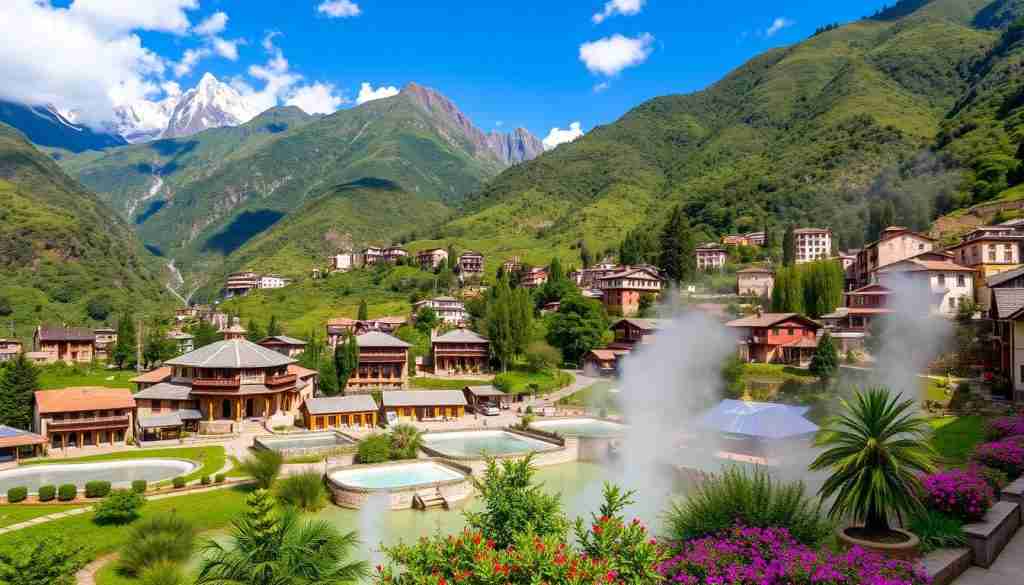
“Staying in Aguas Calientes allows you to immerse yourself in the charming local culture and easily access the magnificent Machu Picchu at your own pace.” – Travelers’ Review
Budgeting for Your Machu Picchu Trip
Visiting Machu Picchu is an unforgettable experience. But, it’s important to budget carefully. You’ll need to think about machu picchu entrance fees, transportation, places to stay, and any extra activities or tours.
The machu picchu cost for the entrance ticket is about $42 for adults and $20 for students. But, the total machu picchu travel expenses can change a lot. It depends on what you prefer and how much you want to spend.
| Travel Option | Estimated Cost |
|---|---|
| Independent travel by road | From $120 USD |
| Independent travel by train | From $180 USD |
| Organized tour by road | From $100 USD |
| Organized tour by train | From $250 USD |
| Inca Trail Trek | From $780 USD |
| Salkantay Trek | From $150 USD to $500 USD |
Accommodations in Aguas Calientes, the town at Machu Picchu’s base, vary. You can find budget hostels or luxury hotels. The Machu Picchu Sanctuary Lodge is the priciest. You’ll also need to think about transportation costs, whether by train, bus, or trekking. Plus, any tours or activities you want to do.
To enjoy your machu picchu trip fully, plan ahead. Look for early booking discounts or package deals. With good planning, you can have a great and affordable Machu Picchu adventure.
tips for visiting machu picchu travel information
Visiting Machu Picchu, a UNESCO World Heritage Site in Peru, needs careful planning. This ensures a smooth and memorable trip. Here are key tips for your Machu Picchu adventure:
- Secure Permits and Tickets: Due to its popularity, Machu Picchu tickets and permits must be booked early. This is especially true for the Inca Trail, often 6-8 weeks ahead during peak season (May to September).
- Understand Ticket Pricing: Ticket prices differ for foreign adults, Peruvian adults, children, and students. There are also fees for Huayna Picchu and Machu Picchu Mountain.
- Choose the Best Time to Visit: The best time to visit is May to September, but the weather is nice all year. Be aware of the rainy season (December to March) and plan your trip.
- Prepare for Altitude: Cusco, near Machu Picchu, is over 11,000 feet high. Give yourself time to acclimatize and pack altitude sickness medications.
- Pack Wisely: Wear comfortable hiking shoes, layers, sun protection, and any needed medications. Remember, selfie sticks and tripods are banned from Machu Picchu.
By following these tips, you’ll have a great Machu Picchu experience. You’ll be able to fully enjoy this ancient Inca citadel.
| Ticket Type | Foreign Adult | Peruvian Adult | Children 8-17 years | Students with ISIC |
|---|---|---|---|---|
| Machu Picchu | 152 s/ | 64 s/ | 77 s/ | 77 s/ |
| Huayna Picchu | 200 s/ | 112 s/ | 118 s/ | 125 s/ |
Visiting Machu Picchu is a unique chance. Plan well and enjoy every moment in this ancient wonder.
Respecting the Inca Heritage at Machu Picchu
Machu Picchu is a UNESCO World Heritage site. It has strict machu picchu rules and machu picchu regulations to protect its Inca heritage and environment. Visitors must stay on paths and trails. They should avoid touching or climbing on ancient structures and not litter or disturb wildlife.
Prohibited Activities at Machu Picchu
Some prohibited activities at machu picchu include smoking, flying drones, and bringing in outside food and drinks. It’s key to follow all signs and guides’ instructions. This helps protect this amazing archaeological wonder.
- Smoking is strictly prohibited throughout Machu Picchu.
- Flying drones or any other unmanned aerial vehicles is not allowed.
- Bringing in outside food and drinks, except for small snacks, is not permitted.
Respecting these rules is vital for Machu Picchu’s future. Those who don’t follow the rules might face fines or be denied entry.
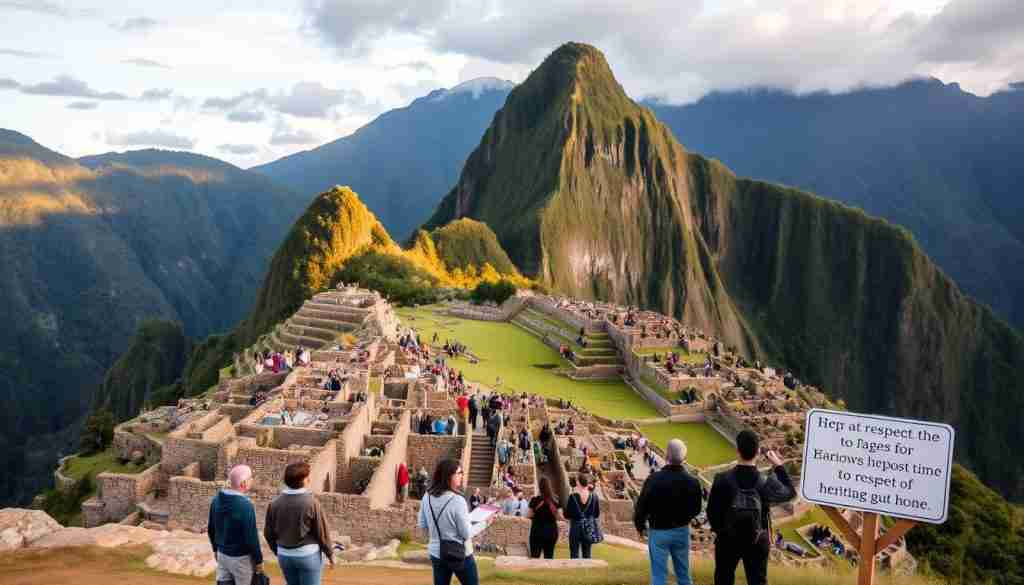
“Machu Picchu is a sacred place, and we must treat it with the utmost respect and care.”
By following the machu picchu rules and machu picchu regulations, travelers help preserve this incredible Inca treasure. They ensure it remains accessible for everyone to enjoy and appreciate.
Exploring Beyond Machu Picchu
Machu Picchu is Peru’s star attraction, but there’s more to see. The Sacred Valley has Ollantaytambo ruins and town, showing the Inca’s skill. The Nazca Lines, Lake Titicaca islands, and Rainbow Mountain are also must-sees. Peru is full of wonders.
Other Inca Sites and Peruvian Highlights
Visiting other spots in Peru gives a fuller picture of its history and beauty. You’ll find ancient sites and natural wonders beyond Machu Picchu.
- Ollantaytambo Ruins: These ruins in the Sacred Valley show the Inca’s engineering and architecture. They have huge stone terraces and temples.
- Nazca Lines: These desert geoglyphs are a mystery. They fascinate visitors with their designs and origins.
- Lake Titicaca: This high-altitude lake is on the Peru-Bolivia border. It has floating Uros islands where Andean cultures live.
- Rainbow Mountain: Known as Vinicunca, this mountain is colorful. It’s a favorite day trip from Cusco.
Exploring beyond Machu Picchu reveals Peru’s rich culture and nature. You’ll find amazing experiences in the Inca sites and beyond. Peru is a destination that will amaze you.
Machu Picchu Photography Tips
Machu Picchu is a dream for photographers, with its stunning mountains and ancient ruins. To get the best machu picchu photography, come early in the morning. The light is softer, and there are fewer people around.
The top best machu picchu photo spots are at the Inti Punku, or Sun Gate. Huchuy Picchu and Huayna Picchu peaks also offer amazing views. Remember, some photo gear might be off-limits.
When photographing machu picchu, try different angles and shots. Be patient and flexible, as the weather and light can change fast at high altitudes.
- Machu Picchu’s gates open at 6 am, with crowds starting to form by 9 am.
- Optimal time for fewer crowds and better lighting is around 3 pm, after most visitors have left.
- Consider visiting during the wet season for fewer people, although it may mean dealing with rainy weather.
| Camera Type | Recommendation |
|---|---|
| Compact, Point-and-Shoot | Recommended for the best Machu Picchu photos, with spare batteries. |
| GoPro | A good option, with spare batteries. |
Don’t forget essential camera accessories. These include spare batteries, a power bank, an extra SD card, a waterproof cover or bag, a daypack cover, and a rain poncho.
“For the best Machu Picchu photos, it’s recommended to use a compact, point-and-shoot camera or a GoPro with spare batteries.”
When photographing machu picchu, take wide-angle shots, close-up shots, framed shots, and people-focused shots. Don’t forget shots with the local llamas. Keep up with Machu Picchu’s changing rules for a smooth photo shoot.
Think about joining a Machu Picchu photography tour for expert tips and unique ideas. Spending at least two days can help you get crowd-free photos of this amazing site.
Conclusion
Planning a trip to Machu Picchu, the iconic Inca citadel in Peru, needs careful planning. You must get the right permits and tickets. Also, you need to figure out how to get there and deal with the high altitude.
This guide has given you the key info for a great visit. Whether you take the famous Inca Trail or the train, you’ll see the Inca civilization’s amazing work. With the tips from this Machu Picchu travel guide, you can plan your trip well. This way, you’ll make the most of your time at this incredible UNESCO World Heritage Site.
Peru has more than just Machu Picchu. There are many Inca ruins and natural wonders to see. By diving into the local culture and trying the Andean food, your trip will be unforgettable. You’ll also get to see amazing views, making your Machu Picchu adventure truly special.
