The Inca Trail is a famous trek in Peru, covering 26 miles (42 km) over 4 days and 3 nights. It begins at Km 82 near Ollantaytambo and ends at Machu Picchu’s Sun Gate (Inti Punku). This trail is a key part of a large network of Inca paths leading to the sacred citadel. Hikers must book with licensed tour operators, as solo trekking is not allowed.
The trail combines ancient ruins, stunning landscapes, and cultural experiences. It’s a unique adventure.
Key Takeaways
- The Inca Trail is a 26-mile (42 km) trek through Peru’s stunning landscapes, leading to the iconic Machu Picchu citadel.
- Hikers must book through licensed tour operators, as independent trekking is not permitted on the Inca Trail.
- The trail offers a diverse range of experiences, from exploring ancient Inca ruins to immersing in the local Quechua culture.
- Trekkers can expect to encounter challenging hikes, significant changes in elevation, and varying weather conditions along the way.
- The Inca Trail is a popular destination for Machu Picchu treks and Peru adventure travel, with permits often selling out months in advance.
- Contact us for a comfortable and personalized itinerary (Free Service)
Overview of the Inca Trail Experience
The Inca Trail is a famous hike that shows us the mysterious past of the Ancient Inca ruins. It was a key path in the Inca Empire, now the only way to enter Machu Picchu National Park. The trail is special because it mixes ancient sites, different landscapes, and Peruvian cultural experiences.
The History Behind the Inca Trail
The Inca Trail was once a 25,000-mile trade route in the Inca Empire. For 15 years, many Cusco hiking trails have been set up. They let travelers see the trail’s history and natural beauty.
What Makes the Inca Trail Unique
Hikers on the Inca Trail have a unique and memorable adventure. They see many landscapes, from cloud forests to jungle. The trail also has ancient Inca ruins, showing the Inca’s engineering and their bond with nature.
| Inca Trail Trekking Options | Distance | Duration |
|---|---|---|
| 5-day Classic Inca Trail | 25 miles | 5 days, 4 nights |
| 4-day Traditional Inca Trail | 33.7 miles | 4 days, 3 nights |
| 6-day Inca Trail Salkantay Trek | N/A | 6 days, 5 nights |
The Inca Trail is very popular. The Peruvian government limits it to 500 hikers a day. Now, you need a permit from a certified tour company to hike it.
Essential Preparations for Your Journey
Starting the Inca Trail is an exciting journey. But, you need to prepare well to have a safe and fun trip. This includes choosing the right gear and getting used to the high altitude. These steps are key before you begin your Peru adventure travel.


Recommended Gear for Hiking
Getting the right gear is important for hiking in the Andes. Make sure you have sturdy, comfortable hiking boots for the rough terrain. Wear lightweight, breathable clothes that you can easily change as the weather does.
A small backpack, 24-28 liters, is perfect for carrying what you need. It won’t weigh you down.
Tips for Acclimatization
Getting used to the high altitude is crucial for a good Inca trail journey. Arrive in Cusco, the starting point, 3-4 days early. This lets your body adjust to the 11,152 feet (3,399 meters) elevation.
Do some light exercise and drink lots of water. This helps your body adjust faster.
Best Time to Hike the Inca Trail
The dry season, from May to September, is the best time to hike the Inca Trail. The weather is mild and dry, making the hike better. But, remember, many people want to hike here, so book your trek early, often months before.
By preparing well, you’re ready for an amazing adventure on the Inca Trail. You’ll explore the Andes and dive into Peru’s rich culture.
Exploring Ancient Inca Ruins
As hikers walk the Inca Trail, they see the ancient Inca world. They find well-kept sites along the way. These sites show the Inca’s history and culture.
Discovering Patallacta
Patallacta is one of the first stops on the trail. It was a place for Inca travelers to rest on their way to Machu Picchu. At 2,840m (9,300 ft), it shows the Inca’s skill in building and planning.
Exploring Sayacmarca
Reaching Sayacmarca, or the “Inaccessible Town,” is a challenge. But the view from its 3,600m (11,800 ft) spot is worth it. It shows the Inca’s smart building and defense strategies.
The Significance of Phuyupatamarca
Phuyupatamarca, or the “Town in the Clouds,” is a highlight of the Inca Trail. At 3,600m (11,800 ft), it has terraces, irrigation, and baths. It gives a peek into the Inca’s advanced planning and Peruvian cultural experiences.
“The Inca Trail is a treasure trove of ancient wonders, each site offering a unique glimpse into the ingenuity and sophistication of this remarkable civilization.”
The Inca ruins on the trail amaze hikers. They show the Inca’s skill in building and their bond with the land. Visiting these sites lets hikers dive into Peruvian cultural experiences and understand the Inca’s lasting impact.
Witnessing Breathtaking Scenery
The Andes mountain trekking adventure in Peru is famous for its stunning landscapes. You’ll see towering peaks and lush cloud forests. Each day brings new and breathtaking views that stay with you forever.
Views from Dead Woman’s Pass
The Dead Woman’s Pass is a key highlight of the trek. It’s the highest point at 13,828 feet (4,215 m). From here, you get panoramic views of the Andean peaks. It’s a true showcase of Peru’s Cusco hiking trails.
The Beauty of Cloud Forests
As you trek, you’ll pass through lush cloud forests. These misty areas are full of life. You’ll see colorful orchids and many bird species, making it a true Peru adventure travel experience.
Landscapes of the Sacred Valley
The Sacred Valley is visible from the trail. It gives a peek into the ancient Inca world. You’ll see their terraces and the Andes’ snow-capped peaks. It’s a chance to see the history and culture of this area.
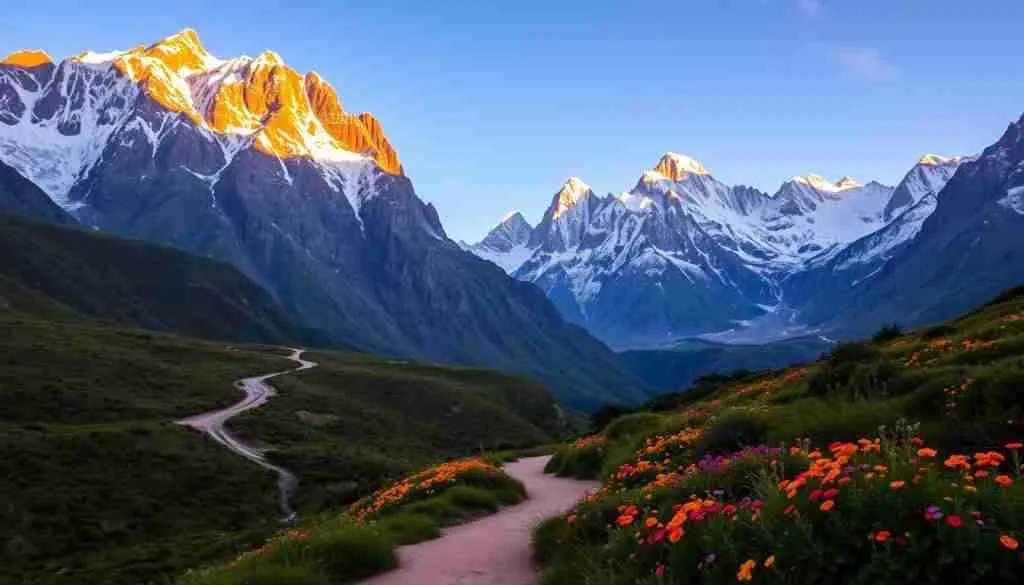
“The Inca Trail is a true feast for the senses, where every step reveals new wonders of the natural world.”
Engaging with Local Culture
Walking the Inca Trail lets you dive into the vibrant Peruvian cultural experiences. You’ll meet the Quechua people, who are the Inca civilization’s descendants.
Interacting with the Quechua People
The Quechua people have a strong bond with their land and traditions. Many porters and guides on the Inca Trail come from these communities. They love to share their culture with visitors.
You might visit weaving or pottery workshops. There, artisans show their skills and welcome you to join in.
Trying Traditional Andean Cuisine
Trying Andean cuisine is a highlight of the Inca trail things to do. The chefs use fresh, local ingredients to make delicious dishes. You’ll enjoy quinoa soup, cuy, and pachamanca.
Meeting the Quechua people and tasting their food are key parts of the Inca Trail. They show the lasting cultural value of this area.
Enjoying Outdoor Activities Along the Trail
The Inca Trail in Peru is more than just a hike. It’s a chance to try many outdoor activities. You can watch birds, take photos, and enjoy the beautiful nature around you.
Birdwatching Opportunities
There are over 300 bird species in the Machu Picchu and Inca Trail area. Bird lovers will find it exciting. You might see the Andean Cock-of-the-rock, the national bird of Peru.
Other birds include the Andean Condor and Scarlet-bellied Mountain-Tanager. Hummingbirds are also common. The best times to see birds are early morning and dusk.
Photography Tips for the Inca Trail
The Inca Trail is perfect for photographers. You’ll see mountains, forests, and ruins everywhere. Wake up early to catch the sunrise.
Use a tripod for better photos. Watch the light and weather change during the day. Photos of the local Quechua people and their textiles are also great.
| Outdoor Activity | Highlights | Best Time |
|---|---|---|
| Birdwatching | Spot over 300 species, including the Andean Cock-of-the-rock | Early morning and dusk |
| Photography | Capture stunning mountain vistas, ancient ruins, and local culture | Early morning for sunrises |
Whether you love birds, photography, or just nature, the Inca Trail is great. It offers many chances for adventure. With the right equipment and a good eye, you’ll make unforgettable memories.

Participating in Guided Tours
Hiking the Inca Trail to Machu Picchu is a dream for many. While you can go alone, joining a guided tour has many benefits. In fact, guided tours are required to access the Inca Trail, ensuring a safe and enriching journey.
Benefits of Joining a Guided Group
Guided Inca trail tours offer expert knowledge on Inca history, local ecology, and safety. Your guide will take care of all the details, like permits, meals, and camp setup. This lets you enjoy the journey without worrying about the logistics.
Choosing the Right Tour Company
When picking an Inca trail tours or Machu Picchu treks provider, consider a few things. Look for companies that treat porters fairly and ethically. Also, choose tours with small groups, around 14 hikers, for a more personal Peru adventure travel experience.
Alpaca Expeditions, a local Peruvian company, is known for its excellent service and sustainable practices. They ensure porters carry no more than 20 kg, offer career growth, and provide quality camping gear. Alpaca Expeditions also offers a promo code (TWS) for free sleeping air mat and trekking poles rentals.
“Joining a guided Inca trail tour allowed us to fully immerse ourselves in the history and culture of the region, without having to worry about the logistics. It was an unforgettable experience.”
Camping Under the Stars
Camping is a key part of the Inca trail things to do in Peru. Along the famous Inca Trail, hikers find amazing campsites. Each camp offers unique views and is close to ancient ruins.
Best Campsites Along the Trail
The Wiñay Wayna campsite is just 3 miles from Machu Picchu. It’s known for its great views. Phuyupatamarca campsite, at 3,680m, offers a high-altitude experience.
The Wayllabamba campsite is on the first day. It’s the most booked by Peru adventure travel tour operators.
Essentials for a Comfortable Camp Experience
For a cozy camp, bring a warm sleeping bag and a sleeping pad. A good headlamp is key for night navigation. Most tours offer quality tents and meals.
Some tours even have luxury options. Early risers can see stunning sunrises and enjoy stargazing.
“The Inca Trail campsites are regulated to marked areas that are safe for campers to minimize environmental damage and ensure safety.”
Camping on the Inca Trail is unforgettable. It lets you enjoy the Andes’ beauty and connect with Inca history. With the right gear and an adventurous spirit, you’ll make memories to last a lifetime.
Discovering Flora and Fauna
As you start your Cusco hiking trails adventure, get ready to see amazing plants and animals. The Inca Trail, a key part of the Andes, is full of life. It shows the incredible variety of the Andean ecosystem.
Unique Plant Species to Look For
Look out for the colorful plants along the Inca Trail. You might see:
- Orchids: These flowers are delicate and colorful, adding beauty to the trail.
- Bromeliads: These plants, often mistaken for orchids, grow in clusters and come in many colors.
- Medicinal Plants: The Inca Trail goes through the Cusco Amazonian Andean Biological Corridor. Here, you might see plants like coca and muña, used in traditional medicine.
Wildlife Spotting on the Inca Trail
The Inca Trail is not just about history; it’s also a wildlife paradise. As you explore the Andes, watch for these animals:
- Spectacled Bears: These rare and majestic bears are the only ones left in South America. They might be seen in the Andes.
- Pumas: Though rare, these big cats roam the Inca Trail and nearby areas.
- Andean Condors: These huge birds are common in the sky above the Inca Trail. They symbolize the Andes.
- Hummingbirds: These small, colorful birds fly around flowers and leaves. They add magic to your journey.
With local guides, you’ll learn about the plants and animals you see. They’ll share the ecological and cultural importance of these species on your Peru adventure.
“The Inca Trail is not only a journey through the ancient Inca Empire, but also a window into the incredible biodiversity of the Andes. Every step along the way reveals new wonders of nature.”
Tips for a Sustainable Trek
Exploring the Inca Trail in Peru requires us to care for this place. We must follow Leave No Trace principles and support local Peruvian cultural experiences. This way, we can help keep the trail beautiful for others to see.
Leave No Trace Principles
- Pack out all your waste, including food scraps and litter, to maintain the trail’s pristine condition.
- Stay on the marked trails to avoid damaging fragile ecosystems and disturbing the local flora and fauna.
- Respect the wildlife and avoid approaching or feeding animals, as this can disrupt their natural behaviors.
Supporting Local Communities
Choose tour operators that care about the environment and people. These companies help local businesses and give jobs to Peruvian communities near the Inca Trail. Buying local crafts, tipping fairly, and staying in local places helps the community.
It’s important to respect the Quechua-speaking porters who carry your gear. Learning a few words in their language shows you value their hard work. Make sure to pay them the minimum wage of 45 Soles per day.
“Sustainable trekking ensures future generations can enjoy this unique experience.”
By being mindful of our actions, we can make a big difference. Our Peru adventure travel will be more meaningful because we’re caring for the land and people.
Conclusion: Creating Lasting Memories on the Inca Trail
The Inca Trail is a mix of adventure, history, and nature that makes a big impact. It takes you through different landscapes, like cloud forests and high mountains. You also get to see Machu Picchu, making it a memorable trip for Inca trail things to do, Machu Picchu treks, and Peru adventure travel.
To make the most of the Inca Trail, prepare well, respect the local culture and nature, and stay open-minded. You’ll face challenges like Dead Woman’s Pass and see amazing views. Witnessing the sunrise over Machu Picchu is a highlight.
This journey leaves you with memories that last forever. By facing challenges, learning about the local culture, and enjoying the stunning views, you connect deeply with this UNESCO World Heritage Site. You gain a better understanding of Peru’s rich history and culture.
