
3 Days in Maui 2026: Complete Planning Guide
Maui delivers an extraordinary concentration of experiences within three days—from volcanic sunrise vistas at Haleakalā’s 10,023-foot summit to hidden waterfalls along the legendary Road to Hāna and world-class snorkeling at Molokini Crater. This comprehensive guide provides detailed day-by-day itineraries, verified costs across three budget tiers, strategic planning advice, and insider tips to maximize your Valley Isle adventure in 2026.
Key Takeaways for Your Maui 3-Day Trip 2026
- Budget Flexibility 2026: Three days in Maui costs $480-750 per person for budget travelers, $930-1,350 for mid-range comfort, or $1,740-2,745 for luxury experiences, all assuming two people sharing accommodation.
- Essential Advance Booking: Haleakalā sunrise reservations ($1 per vehicle) sell out 60 days ahead and require booking alongside the $30 park entrance fee for 2026 visits.
- Strategic Geographic Planning: Base yourself in South Maui (Kihei/Wailea) or West Maui (Kaanapali/Lahaina) to minimize driving time while accessing the island’s premier attractions within 45-90 minutes.
- Transportation Requirements 2026: Rental cars are essential for three-day Maui itineraries, costing $50-130 daily depending on season and vehicle class, as public transportation cannot reach key attractions.
- Seasonal Timing Advantages: April-May and September-November offer ideal conditions for 2026 visits with lower accommodation costs, excellent weather, and reduced crowds compared to peak winter whale-watching season.
- Three-Day Coverage Capability: This timeframe allows thorough exploration of one major region (Haleakalā sunrise plus South Maui beaches, or Road to Hāna plus West Maui coastline) while sampling the island’s cultural, natural, and culinary highlights.
People Also Ask About 3 Days in Maui 2026
Is 3 Days Enough Time to Visit Maui in 2026?
Three days provides sufficient time to experience Maui’s essential attractions—Haleakalā National Park sunrise, either Road to Hāna or Molokini snorkeling, multiple beach experiences, and quality dining—though you’ll sample rather than exhaustively explore the island. Budget travelers spend $480-750 per person for three days, mid-range visitors $930-1,350, and luxury travelers $1,740-2,745, all assuming two sharing accommodation. This timeframe works exceptionally well for first-time visitors seeking Maui’s highlights or travelers combining multiple Hawaiian islands in one trip.
How Much Money Do You Need for 3 Days in Maui in 2026?
Three days in Maui requires $480-750 per person for budget travel (shared budget hotels, food trucks, free beaches), $930-1,350 for mid-range comfort (three-star hotels, sit-down restaurants, paid tours), or $1,740-2,745 for luxury experiences (resort properties, fine dining, premium activities). These totals assume two people sharing accommodation and include lodging, meals, car rental, attractions, and park fees. Budget-conscious travelers cut costs by cooking breakfast, packing beach lunches, and focusing on free activities like hiking and shore snorkeling rather than paid tours.
What Are the Must-See Attractions for a 3-Day Maui Visit in 2026?
Haleakalā National Park sunrise stands as Maui’s most iconic experience, requiring advance $1 reservation plus $30 vehicle entrance fee. Road to Hāna offers 52 miles of rainforest waterfalls, black sand beaches, and dramatic coastal scenery best experienced via guided tour or confident self-drive. Molokini Crater snorkeling tours ($120-220 per person) provide world-class underwater visibility and marine life encounters. Wailea and Kaanapali beaches deliver postcard-perfect Hawaiian beach experiences with excellent swimming, snorkeling, and sunset viewing—all free except parking fees at select locations.
Should You Stay in One Location or Move Hotels During 3 Days in Maui 2026?
Staying in one location for three days minimizes packing hassle, eliminates check-in/check-out time waste, and often secures better rates through multi-night bookings, making it the recommended strategy for short Maui visits in 2026. South Maui (Kihei, Wailea) positions you 90 minutes from Haleakalā summit and 2.5 hours from Hāna, with immediate beach access and abundant dining options. West Maui (Kaanapali, Lahaina) offers similar proximity to attractions with more resort amenities and historic town atmosphere. Moving hotels consumes 2-3 hours of your limited time and provides minimal practical benefit for three-day itineraries.
Extended multi-day tours – 5+ days
Featured Hawaii Multi-Day Tour Packages
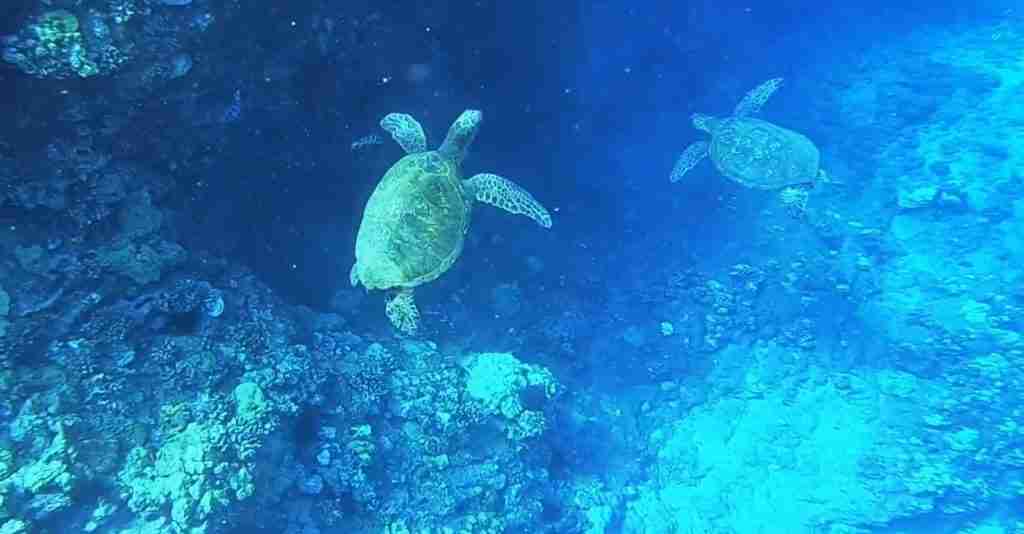
3 days
Hawaii 3-Day Discovery Tour
- ✓ Comprehensive Hawaii experience
- ✓ Expert local guides included
- ✓ All accommodation included
- ✓ Transportation provided
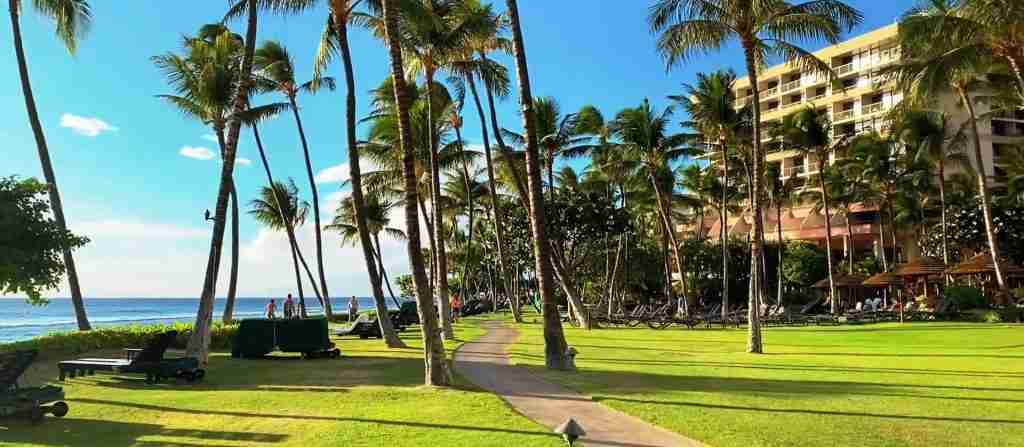
5 days
Hawaii 5-Day Highlights Experience
- ✓ Comprehensive Hawaii experience
- ✓ Expert local guides included
- ✓ All accommodation included
- ✓ Transportation provided

7 days
Hawaii 7-Day Cultural Journey
- ✓ Comprehensive Hawaii experience
- ✓ Expert local guides included
- ✓ All accommodation included
- ✓ Transportation provided
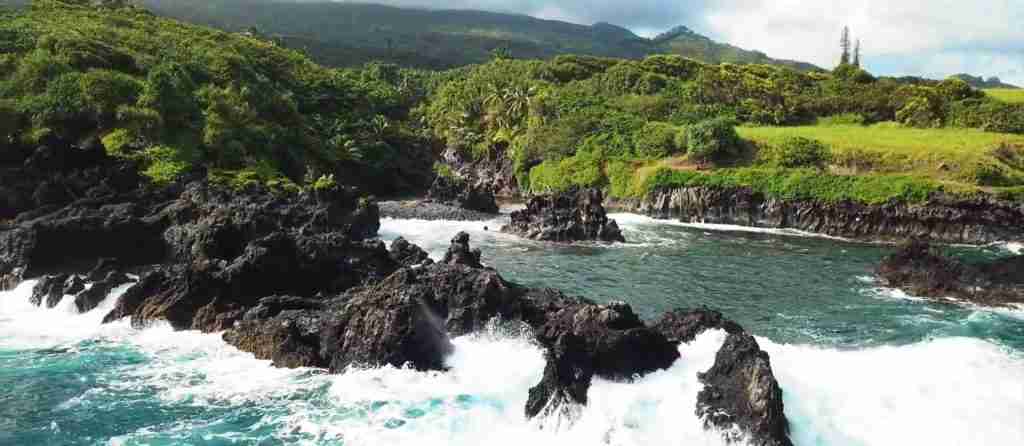
10 days
Hawaii 10-Day Complete Adventure
- ✓ Comprehensive Hawaii experience
- ✓ Expert local guides included
- ✓ All accommodation included
- ✓ Transportation provided
Multi-day tour packages powered by TourRadar. Prices and availability subject to change.
Introduction: Planning Your Perfect 3-Day Maui Adventure in 2026
Maui earned its “Valley Isle” designation from the isthmus connecting two massive volcanoes—dormant Haleakalā in the east and the eroded West Maui Mountains—creating landscapes ranging from volcanic desert to tropical rainforest within a compact 727 square miles. This geographic diversity delivers extraordinary variety for three-day visits: sunrise above the clouds at 10,023 feet, waterfalls cascading through bamboo forests, black and red sand beaches formed from ancient lava flows, and protected bays where green sea turtles graze on reef algae mere feet from shore. Kahului Airport serves as the primary arrival point, located centrally on the island’s north shore with 45-90 minute drives to major resort areas.
The 2026 travel landscape brings several operational changes affecting three-day itineraries. Haleakalā National Park entrance fees remain $30 per vehicle (valid three consecutive days), with sunrise reservations ($1 per vehicle) required for 3:00 AM to 7:00 AM entry and typically selling out 30-60 days ahead. Waianapanapa State Park on the Road to Hāna requires advance reservations and charges $10 per non-resident vehicle. South Maui’s Kamaole Beach Parks I, II, and III implement Park Maui parking management in early 2026, charging visitors $10 daily with weekend resident-priority access until 10:00 AM. Accommodation taxes increased to 11% Transient Accommodations Tax plus 3-4.5% county lodging taxes and 4-4.5% General Excise Tax, totaling approximately 19% on all lodging—among the highest rates nationwide.
Strategic planning maximizes limited time. Three-day itineraries work best when focusing on either South/Central Maui (Haleakalā, Wailea beaches, Kihei dining, perhaps Molokini snorkeling) or the Road to Hāna plus West Maui coastline rather than attempting comprehensive island coverage. The volcano sunrise experience claims one early morning, Road to Hāna requires a full day, and quality beach time deserves at least one relaxed day. Budget allocation follows established patterns: accommodation consumes 40-50% of total costs, dining 25-35%, transportation 15-20%, and activities 10-15%. Mid-range travelers spending $310-450 daily per person find excellent value through three-star hotels, lunch at casual restaurants paired with one nice dinner, and one paid tour balanced with free beach days.
Weather patterns favor April through early June and September through November for 2026 visits. These shoulder seasons deliver consistent sunshine (Wailea averages under four rainy days monthly), comfortable temperatures (highs 78-84°F, lows 65-70°F), calmer ocean conditions for snorkeling, and 20-30% lower accommodation costs versus peak December-March whale season or summer family vacation period. Haleakalā summit temperatures drop 30-40 degrees below sea level (35-50°F at sunrise), requiring layers even during warm months. Trade winds blow strongest April-October, creating ideal conditions for windsurfing but occasionally generating choppy water for boat tours.
Three days allows meaningful immersion in Maui’s character—the contrast between luxury resort strips and agricultural Upcountry, the blend of Native Hawaiian culture with plantation-era influences, the rhythm of island time where sunset watching holds equal importance to scheduled activities. You’ll grasp why locals describe Maui as offering “a little bit of everything Hawaii has to offer” within one island, though you’ll inevitably depart with a list of places to explore during your return visit.
Understanding Maui’s Regions for 3-Day Planning 2026
Maui divides into six distinct regions, each offering different experiences, accommodation options, and proximity to major attractions. Three-day itineraries benefit from understanding these geographic divisions to optimize lodging location and daily routing.
West Maui: Resort Corridor and Historic Town 2026
West Maui encompasses Kaanapali Beach Resort, Lahaina town, Kapalua, and Napili, forming the island’s most developed tourist zone. Kaanapali Beach stretches three miles of golden sand fronting major resort hotels (Hyatt, Sheraton, Westin, Marriott) with daily rates $300-600 for mid-range properties and $500-1,000+ for luxury resorts. Black Rock at Kaanapali’s north end delivers excellent snorkeling directly from shore with dramatic cliff diving and abundant tropical fish. Kapalua Bay five miles north offers calmer conditions ideal for families and less confident swimmers, consistently ranked among America’s best beaches.
Lahaina town served as Hawaiian Kingdom capital from 1820-1845 and whaling industry headquarters during the mid-1800s, leaving a historic district with preserved buildings, art galleries, restaurants, and Front Street waterfront. The August 2023 wildfire devastated much of historic Lahaina, though reconstruction continues through 2026 with gradual reopening of businesses and attractions. Visitors checking 2026 status before planning Lahaina activities ensures current operational information.
West Maui positioning places you 45 minutes from Kahului Airport, 90 minutes from Haleakalā summit, and three hours from Hāna, making it ideal for travelers prioritizing beach resort amenities, sunset viewing (west-facing shoreline), and water activities over hiking and rainforest exploration. Dining options range from food trucks ($12-25 per meal) to oceanfront fine dining ($80-150 per person), with happy hour specials at resort bars offering $5-10 appetizers and discounted drinks 3:00-5:00 PM daily.
South Maui: Beach Towns and Luxury Resorts 2026
South Maui stretches from Maalaea Harbor through Kihei to Wailea and Makena, offering Maui’s most consistent sunshine (300+ sunny days annually) and extensive beach access. Kihei functions as South Maui’s main town with condominiums ($150-300 nightly), modest hotels, grocery stores (Safeway, Foodland), and casual dining along six miles of coastline. Kamaole Beach Parks I, II, and III provide excellent swimming and snorkeling with lifeguards, restroom facilities, and the new 2026 Park Maui system ($10 daily parking for non-residents, free for residents with 10:00 AM weekend priority access).
Wailea Resort area features upscale properties (Four Seasons, Grand Wailea, Fairmont Kea Lani) with nightly rates $400-1,200, championship golf courses, high-end shopping at The Shops at Wailea, and five crescent beaches connected by coastal walking path. Wailea Beach and Ulua Beach offer superb conditions for swimming and snorkeling with gentle entry, clear water, and frequent sea turtle sightings. Makena’s Big Beach (Oneloa Beach) and Little Beach deliver wild, undeveloped beauty with powerful shore break ideal for bodysurfing but requiring strong swimming ability.
South Maui location provides 35 minutes to Kahului Airport, 90 minutes to Haleakalā summit via Highway 37, and 2.5 hours to Hāna. Molokini Crater snorkel tours ($120-220) depart from Maalaea Harbor at South Maui’s northern edge, offering 6:30-7:00 AM departures that return by 12:30 PM, allowing afternoon beach time. The leeward position creates calm morning ocean conditions ideal for water activities, though afternoon trade winds can generate choppy surfaces after 1:00 PM.
Central Maui: Gateway and Local Life 2026
Central Maui includes Kahului (airport, big-box stores, Costco), Wailuku (county seat, historic architecture), and the agricultural isthmus connecting the island’s two volcanic masses. Budget travelers find practical lodging options here ($120-200 nightly) located 20-30 minutes from beaches but offering significant cost savings and authentic local atmosphere. Kahului’s shopping centers (Queen Kaahumanu Center, Maui Mall) provide grocery supplies, pharmacy needs, and retail services missing from resort areas.
Wailuku’s Main Street preserves early 20th-century plantation-era buildings housing local restaurants, thrift shops, and Iao Valley State Monument entrance. Iao Valley’s lush rainforest canyon contains the 1,200-foot Iao Needle rock formation with short paved trails, though the park charges $5 per non-resident vehicle and closes during heavy rain for safety.
Three-day itineraries rarely base in Central Maui given beach proximity trade-offs, but the region serves practical purposes: Costco runs for snorkel gear rental and bulk snacks, rental car pickup/return at Kahului Airport, and dining at authentic local spots like Sam Sato’s (saimin, dry mein) and Tasty Crust (malasadas, plate lunch) where $8-15 delivers generous portions unavailable in resort zones.
Upcountry Maui: Mountain Slopes and Farm Country 2026
Upcountry encompasses Makawao, Kula, and Pukalani on Haleakalā’s western slopes between 1,500-4,000 feet elevation, where cooler temperatures (10-15 degrees below coast), eucalyptus forests, and ranch land create surprising rural tranquility. Accommodations consist primarily of bed & breakfasts and vacation rentals ($150-350 nightly) attracting visitors seeking escape from beach resort atmosphere and positioning for Haleakalā sunrise access (45-60 minutes to summit versus 90-120 minutes from coastal areas).
Makawao town maintains paniolo (Hawaiian cowboy) heritage with wooden storefronts, rodeo grounds, and galleries. Kula farms produce strawberries, protea flowers, lavender, and vegetables sold at roadside stands and Upcountry Farmers Market (Saturdays 7:00 AM-12:00 PM). Alii Kula Lavender Farm offers self-guided walking tours through cultivated lavender fields with panoramic ocean views ($3 admission).
Three-day itineraries rarely justify Upcountry lodging unless specifically seeking cooler climate, rural setting, or optimal Haleakalā access, as distance from beaches (30-45 minutes to coast) and limited dining options create logistical challenges for short visits.
East Maui: Road to Hāna and Kipahulu 2026
East Maui follows the famous Road to Hāna (Highway 360) along 52 miles of winding coastline from Paia through Hāna town to Kipahulu and beyond. The drive requires 2.5-3.5 hours one direction with 620 curves and 59 bridges, passing waterfalls, bamboo forests, black sand beaches, and dramatic coastal vistas. Paia town at the route’s starting point offers final fuel, food, and restroom facilities before the journey, with surf shops, cafes, and laid-back hippie/surfer atmosphere.
Hāna town remains small and remote with limited services (two gas stations, small grocery, handful of restaurants), deliberately preserving quiet character despite tourist traffic. Hāna accommodations range from basic hotels ($200-300) to luxury Hana-Maui Resort ($500-1,200), though most visitors make Road to Hāna a day trip rather than overnight destination given limited evening activities and next-morning need to repeat the long drive out.
Kipahulu District of Haleakalā National Park (same $30 entrance pass as summit but separate location) provides access to Oheo Gulch (Seven Sacred Pools), Pipiwai Trail to Waimoku Falls, and Hāna’s most dramatic coastal scenery. Waianapanapa State Park features the black sand beach at Pailoa Bay, sea caves, and native hala forests, requiring advance reservation and $10 non-resident vehicle fee for 2026 visits.
Three-day itineraries incorporate East Maui as a full-day excursion from South or West Maui base, not overnight destination, maximizing efficient use of limited time.
North Shore: Windsurfing and Local Beaches 2026
North Shore from Paia to Kapalua via Hana Highway’s northern section offers consistent trade winds creating world-class windsurfing and kiteboarding conditions at Hookipa Beach and Kanaha Beach. Accommodations remain limited to small inns and vacation rentals ($150-400), with most visitors including North Shore as driving route between Central Maui and West Maui rather than lodging destination.
Hookipa Beach Park serves as spectator venue for professional windsurfers riding waves and performing aerial maneuvers, particularly impressive during November-March winter swell season. Baldwin Beach Park offers long stretch of sand with picnic facilities, though powerful shore break requires strong swimming ability. Both beaches provide free parking and facilities, unlike South Maui’s new parking fees.
Three-day itineraries rarely allocate specific North Shore time beyond driving through Paia for provisions or watching windsurfers at Hookipa during transit between regions.
Day 1: Haleakalā Sunrise and South Maui Beaches 2026
Pre-Dawn Summit Experience 2026
Haleakalā National Park sunrise represents Maui’s most celebrated natural spectacle, requiring commitment to wake at 2:00-2:30 AM for the journey from sea level to 10,023-foot summit. The experience justifies early alarm: watching first light illuminate clouds below your feet while standing above 97% of Earth’s atmosphere creates genuine awe regardless of how many sunrise photos you’ve seen. Clear conditions reveal Maui’s entire coastline, neighboring islands Molokai and Lanai, and occasionally Big Island’s Mauna Kea 90 miles distant.
Advance preparation proves essential for 2026 visits. Book sunrise reservation ($1 per vehicle) up to 60 days ahead at Recreation.gov—slots typically sell out 30-60 days prior during peak season. The reservation permits park entry between 3:00 AM and 7:00 AM; you’ll still pay the $30 vehicle entrance fee (valid three consecutive days for both Summit and Kipahulu districts) at the entrance station via credit card (park no longer accepts cash). Bring confirmation on phone or printed.
Depart accommodation 2.5-3 hours before sunrise (check exact time for your visit date—ranges 5:45-6:30 AM seasonally). The drive from Kihei or Wailea takes 90-100 minutes via Highway 37 through Pukalani and Highway 378 up the mountain. From Kaanapali or Lahaina, allow 2-2.5 hours. Roads are well-maintained but completely dark and winding—drive cautiously and watch for wild axis deer crossing. Gas stations close overnight; fuel up the previous evening.
Summit temperatures range 35-50°F with wind chill dropping perceived temperature significantly. Dress in warm layers: long pants, closed shoes, jacket, hat, gloves. Visitors in shorts and sandals shiver miserably during the 45-minute wait for full sunrise. Many hotels provide loaner blankets for summit visits—inquire at front desk.
Arrive at summit parking areas by 5:00-5:30 AM (60-90 minutes before sunrise) to secure parking and optimal viewing position. Park rangers direct traffic to Haleakalā Visitor Center parking (9,740 feet) or summit Puuulaula (Red Hill) Overlook (10,023 feet) based on space availability. Both locations offer excellent viewing, with summit providing 360-degree panoramas and visitor center offering more shelter from wind.
The show begins 30-40 minutes before official sunrise as sky transitions from black to deep blue to purple, orange, and gold. Clouds below often form a complete blanket, appearing as a second ocean with island peaks protruding like rocky archipelagos. The actual sunrise moment when sun crests horizon generates applause from gathered viewers—a wonderfully communal experience shared with strangers at dawn.
After sunrise, explore summit area until 9:00-10:00 AM while light remains optimal and before afternoon clouds form. Walk the 0.4-mile paved trail to summit building observation deck for crater views. Haleakalā’s “crater” is actually erosional valley seven miles long, two miles wide, and 2,600 feet deep—large enough to contain Manhattan. Cinder cones dot the valley floor in shades of red, orange, gray, and black. Silversword plants (ahinahina) grow only in this high-elevation volcanic environment, living up to 50 years before blooming once and dying—spot them along crater rim trails.
For hikers, Sliding Sands Trail descends into crater from parking area, dropping 1,400 feet over four miles to valley floor through alien landscape resembling Mars surface. Most visitors walk 30-60 minutes downhill then return uphill (significantly more challenging at high elevation). Full crater crossing to Halemau’u trailhead requires 10-12 hours and advance planning.
Descend mountain by 10:00-11:00 AM, stopping at Kula Lodge (8,200 feet elevation) for breakfast ($15-25 per person). The restaurant serves generous portions with expansive valley and ocean views. Alternative: purchase pastries and coffee at Kula Lodge bakery counter ($8-12) and picnic at scenic pullouts during descent.
Afternoon Beach Introduction 2026
Return to accommodation by noon for nap (sunrise wake-up creates sleep deficit) and late lunch. Resume activities 2:00-3:00 PM for beach introduction, choosing location based on lodging area and desired experience.
Wailea Beach (South Maui) provides quintessential Hawaiian beach experience with gentle waves, clear water ideal for swimming and snorkeling, white sand, and luxury resort backdrop. Public access via parking lot north of Four Seasons Resort—arrive before 2:00 PM for space or use valet parking at adjacent Shops at Wailea ($3 first hour, $5-10 additional hours). The beach offers showers, restrooms, and lifeguards. Rent beach chairs and umbrella ($30-40 daily) or spread beach towel on sand. Snorkeling along rocky points at beach ends reveals Hawaiian green sea turtles (honu) grazing on algae—maintain required 10-foot distance from protected species.
Kamaole Beach Park III (South Maui) offers similar swimming conditions with free amenities (showers, restrooms, lifeguards, picnic tables) and local family atmosphere versus resort polish. Under 2026 Park Maui system, non-resident parking costs $10 daily with mobile payment. The beach sits adjacent to shops and restaurants for post-swim refreshments.
Kaanapali Beach (West Maui) stretches three miles fronting resort hotels with multiple public access points. Black Rock (Puu Kekaa) at north end provides Maui’s best easily accessible snorkeling—volcanic outcrop creates reef habitat attracting tropical fish, occasional reef sharks, and sea turtles. Arrive before 3:00 PM for best underwater visibility before afternoon trade winds. Black Rock also hosts daily cliff diving ceremony at sunset. Beach services (chair rental $15-20, umbrellas $10-15) available through resort vendors.
Napili Bay (West Maui) offers more intimate setting with cove beach protected from afternoon winds, calm conditions for children and nervous swimmers, and free street parking (competitive—arrive before 1:00 PM). The small beach gets crowded by 3:00 PM. No facilities beyond portable restroom.
Spend 2-4 hours at beach: swimming, snorkeling, reading, or simply relaxing in island atmosphere. Bring reef-safe sunscreen (chemical sunscreens banned in Hawaii), drinking water, and beach towels. Most beaches lack shade—umbrellas or beach chairs with canopies provide relief from intense tropical sun.
Evening Dining and Sunset 2026
Shower at accommodation and prepare for dinner, timing meal to conclude around sunset (varies seasonally 5:45 PM in winter to 7:15 PM in summer).
Budget option: Food trucks near Kihei or Paia offer plate lunches, fish tacos, poke bowls, and local specialties $12-20 per person. Horhito’s Lunch Wagon (Kihei) serves authentic Hawaiian plates. 808 Grindz (multiple locations) provides generous portions of local favorites. Purchase food then bring to beach for sunset picnic—environmental-minded travelers pack reusable containers and utensils.
Mid-range dining: Monkeypod Kitchen (Kihei or Kaanapali) features farm-to-table cuisine, wood-fired pizzas ($18-24), and craft cocktails ($12-16) with 3:00-5:30 PM happy hour offering half-price appetizers and $10 pizzas. Three’s Bar & Grill (Kihei) delivers casual oceanfront atmosphere with seafood and burgers $20-35. Both restaurants accept reservations—book 2-3 days ahead for sunset window seating.
Upscale experience: Ferraro’s Bar e Ristorante at Four Seasons Wailea provides Italian cuisine directly on sand with waves lapping feet from tables—entrees $40-65, reserve 7-10 days ahead for sunset seating. Merriman’s Kapalua (West Maui) champions Hawaii Regional Cuisine using 90% island-sourced ingredients—dinner $45-75 per person before drinks, spectacular ocean views, book week ahead.
After dinner, walk along beach or resort grounds to watch sunset. West-facing beaches (Kaanapali, Kapalua, Lahaina) provide direct sunset ocean views. East-facing beaches (Wailea, Kihei) offer pastel sky colors and mountain silhouettes as indirect sunset experience. The rapid tropical sunset lasts 15-20 minutes from golden hour through final light—arrive 30 minutes before official sunset time for optimal photography and gradual color transitions.
Return to accommodation by 8:30-9:00 PM. Three-day itineraries benefit from early rest after pre-dawn summit wake-up, ensuring energy for Day 2 full activities.
Day 1 Cost Summary 2026
Budget traveler: Haleakalā entrance $15 per person (vehicle fee split), breakfast pastry $10, beach parking $10, food truck dinner $18, fuel $15. Total approximately $68 per person.
Mid-range traveler: Haleakalā entrance $15, Kula Lodge breakfast $22, beach chair rental $20, casual restaurant dinner $40, drinks $15, fuel $15. Total approximately $127 per person.
Luxury traveler: Haleakalā entrance $15, guided sunrise tour alternative $160 (eliminates driving), resort lunch $35, fine dining dinner $85, cocktails $30. Total approximately $325 per person.
Day 2: Road to Hāna or Molokini Snorkeling 2026
Day 2 presents strategic choice between two of Maui’s signature experiences—each requires full day commitment and delivers completely different adventure types. Choose based on personal interests, weather conditions, and physical comfort levels.
Option A: Road to Hāna Full-Day Journey 2026
The Road to Hāna (Highway 360) traces 52 miles of Maui’s northeastern coastline through 620 curves and 59 one-lane bridges, requiring 2.5-3.5 hours driving time one direction plus stops at waterfalls, beaches, hiking trails, and scenic overlooks. The complete out-and-back journey consumes 10-12 hours, creating legitimately exhausting but deeply rewarding day showcasing tropical Hawaii’s most dramatic scenery.
Depart accommodation 6:30-7:00 AM to reach Paia by 7:30 AM for fuel (last readily available gas until Hāna 52 miles ahead) and provisions. Purchase breakfast items, snacks, water, and lunch supplies at Paia town shops—limited food options exist along route. Mana Foods natural grocery offers sandwiches, fresh fruit, trail mix. Alternative: grab breakfast sandwich and coffee at Paia Bay Coffee ($10-15 per person).
Highway 360 officially begins at Mile Marker 0 east of Paia. The narrow, winding road demands full attention—passenger enjoys scenery while driver focuses on tight curves, blind corners, and frequent yield points at one-lane bridges. Pull over at designated turnouts to let faster traffic pass; local drivers know the road and travel significantly quicker. Motion-sensitive travelers should consider Dramamine taken 30 minutes before departure.
Key stops traveling toward Hāna (Mile Markers increase eastward):
Twin Falls (MM 2): First major stop features easy 10-minute walk to small waterfalls and swimming pools. Parking $5 per vehicle (private property), fruit stand sells fresh banana bread and coconut candy. Good practice stop for waterfall hiking before more challenging locations ahead. Allocate 30-45 minutes.
Garden of Eden Arboretum (MM 10): Manicured botanical gardens with waterfalls, labeled plants, and scenic overlooks—$20 per person admission. Many travelers skip in favor of free natural sites ahead.
Keanae Peninsula (MM 16-17): Black lava rock coastline jutting into ocean with violent waves crashing against shore. Pull over for photos and witness powerful surf. No facilities, 10-minute stop. Aunty Sandy’s Banana Bread stand sells famous Hawaiian sweet bread ($8-10) at turnoff—cash only, worth purchasing.
Halfway to Hāna Stand (MM 17): Fruit stand selling fresh coconuts, smoothies, banana bread, and coconut candy. Restroom facilities (tip jar appreciated). Good mid-journey pause. 15 minutes.
Upper Waikani Falls (Three Bears) (MM 19): Three-tiered waterfall visible from roadside turnout—excellent photography without hiking. 10 minutes.
Pua’a Ka’a State Wayside (MM 22): Accessible waterfall and swimming pool with restroom facilities and picnic tables. Popular swimming spot, allocate 45-60 minutes for water time. Water temperature cool but refreshing on warm day.
Wailua Falls Overlook (MM 45): Two large waterfalls visible from roadside—no hiking required. 10 minutes.
Arrive Hāna town 11:30 AM-12:30 PM for lunch. Hana Ranch Restaurant offers burgers, salads, plate lunches $15-22 with ocean views and outdoor seating. Alternatively, picnic at Hāna Bay Beach Park using provisions from Paia—peaceful black sand beach with facilities.
After lunch, continue 10 miles south on Highway 31 (now called Piilani Highway) to Kipahulu District of Haleakalā National Park. Your $30 entrance pass from Day 1 Haleakalā sunrise remains valid (three consecutive days). If visiting Kipahulu without previous park visit, pay $30 entrance fee at self-serve station.
Kipahulu District (Beyond Hāna): Oheo Gulch (Seven Sacred Pools) features series of waterfall-fed pools descending to ocean. The pools’ traditional name “Oheo Gulch” is accurate—”Seven Sacred Pools” was marketing creation. Swimming allowed in pools when water levels safe (rangers close access during high flow from rainfall). Walk 10 minutes from parking to lower pools. Upper pools require 15-minute uphill hike—less crowded and equally scenic.
Pipiwai Trail: Haleakalā National Park’s premier rainforest hike climbs 4 miles round-trip (2 hours total) through bamboo forest to 400-foot Waimoku Falls. Trail begins at Kipahulu Visitor Center parking area. Well-maintained boardwalks and steps ease moderate elevation gain. Bamboo forest section creates magical light filtering through dense stalks—creaking sounds from swaying bamboo add otherworldly atmosphere. Waimoku Falls thunders down sheer cliff face into shallow pool (swimming prohibited due to rock fall danger). Allow 2.5-3 hours total for trail including photograph time. Essential Hāna experience for hikers.
Waianapanapa State Park (Just Before Hāna): Black sand beach at Pailoa Bay, sea caves, coastal trail, and native hala forest. The beach—photographed in countless Hawaii marketing materials—delivers dramatic contrast of black volcanic sand, turquoise waves, and lush green vegetation. Swimming possible but currents dangerous; wading in calm areas safer. Short coastal trail (1.5 miles one direction) leads to additional coves and blowholes. Park requires advance reservation and charges $10 per non-resident vehicle for 2026—book at gowaianapanapa.com up to 30 days ahead. Entry slots (7:00 AM-7:00 PM) sell out during peak season. Allocate 60-90 minutes. Many Road to Hāna itineraries visit Waianapanapa on return journey rather than initial drive, reducing morning stops.
Begin return journey by 3:00-3:30 PM to reach Paia before dark (sunset 5:45-7:15 PM seasonally). Some travelers continue past Hāna around southern coast via Piilani Highway back to Kihei/Wailea—40 miles of rough, winding road (15 miles unpaved) through remote ranch land. Rental car companies officially prohibit this route and won’t provide assistance if vehicle breaks down. The drive offers spectacular coastal scenery but demands experienced confident driver and daylight hours. Most visitors return via same Road to Hāna route—familiar roads feel faster on return even covering identical distance.
Arrive accommodation 6:30-8:00 PM exhausted but exhilarated. Shower and order takeout or eat simple meal at nearby casual restaurant—energy depleted after full day. Thai Cuisine (Kihei, $12-20), Da Kitchen (multiple locations, plate lunch $15-22), or pizza delivery from Fabiani’s (Wailea, $18-28) provides low-effort dinner solutions.
Alternative: Guided Road to Hāna Tour: Professional tour companies navigate the challenging drive while narrating cultural history, geological formation, and local legends. Tours include transportation from hotels, strategic stops at best locations, lunch, and return journey—typically 10-12 hours total. Cost $180-260 per person. Benefits include stress-free experience (no driving concentration), insider knowledge from local guides, and bathroom-equipped tour buses or comfortable Mercedes Sprinter vans. Recommended for travelers uncomfortable with challenging drives, motion-sensitive passengers (larger vehicles more stable), or visitors preferring narrated context over independent exploration. Valley Isle Excursions and Temptation Tours receive consistent positive reviews.
Option B: Molokini Crater Snorkeling Adventure 2026
Molokini Crater—crescent-shaped remnant of volcanic cone protruding from ocean three miles off Maui’s south coast—offers Hawaii’s premier snorkeling conditions with underwater visibility often exceeding 100 feet and prolific reef fish populations. The protected marine sanctuary prohibits fishing, allowing tropical species to thrive in remarkable concentrations easily viewed by snorkelers floating above coral formations.
Tour options range from large catamaran vessels carrying 100+ passengers to small boat intimate groups of 10-20. Pricing reflects boat size, departure time, meal quality, and additional stops. Book online 3-7 days ahead—popular tours sell out during high season. Read reviews carefully regarding crowd levels, snorkel instruction quality, and food service.
Standard Half-Day Tours (3.5-4.5 hours, $120-160 per person): Depart Maalaea Harbor 6:30-7:30 AM, spend 60-75 minutes snorkeling Molokini Crater, stop at second location (often Coral Gardens or Turtle Arches) for additional 45 minutes, return to harbor 11:30 AM-12:30 PM. Includes continental breakfast (coffee, pastries, fruit), deli lunch, snorkel equipment, flotation devices, and basic instruction. Large catamarans (Calypso, Pride of Maui, Pacific Whale Foundation) offer stability for nervous ocean swimmers, multiple decks for sun/shade preference, freshwater shower, and restrooms. Consider: crowds at popular times, minimal personal attention, assembly-line feel during gear distribution and water entry.
Premium Small-Group Tours (4-5 hours, $180-220 per person): Maximum 20-25 passengers allows personalized snorkel coaching, less crowded water experience, and higher-quality food service. Many premium operators serve hot breakfast and upgraded deli lunch rather than continental breakfast. Boats often visit less-trafficked second snorkel site avoiding main tour crowds. Consider: higher cost, faster-moving smaller vessels potentially challenge motion-sensitive passengers despite stabilizer equipment.
Deluxe Experiences (5-6 hours, $250-320 per person): Luxury catamarans with maximum 40 passengers offer premium open bar, chef-prepared hot meals, upgraded snorkel equipment (prescription masks available), underwater photography services, and possible third snorkel location. Trilogy Excursions pioneered luxury snorkel tours in Hawaii with consistent five-star ratings—morning Molokini tour includes three snorkel sites, BBQ lunch, open bar, and coral reef ecology presentation. Consider: significant cost premium, tours often book weeks ahead during high season.
What to bring: reef-safe sunscreen (applied 30 minutes before water entry to dry), towel, light cover-up or rash guard for sun protection, underwater camera, motion sickness medication if prone (take 30-60 minutes before departure), cash for tips ($10-20 per person standard for crew). Wear swimsuit under clothes—changing facilities limited. Most tours provide wetsuit tops for warmth and sun protection at no charge.
Molokini underwater experience: Clear turquoise water reveals coral reef formations 20-40 feet below surface. Hundreds of tropical fish species—yellow tang, parrotfish, triggerfish, butterfly fish, surgeonfish—swarm around snorkelers and investigate masks with curious behavior. Guides point out Hawaiian green sea turtles, whitetip reef sharks (harmless to humans), moray eels in coral crevices, and occasional manta rays or eagle rays passing through deeper water. The crater wall drops 150 feet creating dramatic underwater cliff face habitat. Beginners stay in shallow 10-25 foot depths inside crater; confident swimmers explore crater perimeter where depth reaches 100+ feet and larger pelagic species patrol.
Second snorkel stops vary by tour: Coral Gardens near Wailea coastline features extensive coral heads and resident sea turtle population. Turtle Arches showcases lava tube formations and guaranteed turtle encounters. Manawai (Five Graves) offers adventurous conditions with caves and swim-throughs. Water entry methods differ—some boats use swim steps and ladders, others employ “giant stride” entry jumping from boat deck. Crew provides assistance for uncertain swimmers.
Return to harbor between 11:30 AM and 1:00 PM depending on tour length. Shower at accommodation, lunch on provided deli meal or at Maalaea Grill ($15-25), then afternoon at beach or hotel pool recovering from morning ocean activity. The physical exertion of swimming and sun exposure creates fatigue—relaxed afternoon perfectly acceptable on three-day itinerary.
Evening: Sunset beach walk followed by casual dinner near accommodation. After full morning on water, lighter evening activities suit energy levels. Take-out from local favorites (poke bowls, Thai food, pizza) consumed on hotel lanai provides low-key ending to active day.
Weather Considerations: Ocean tours operate year-round but conditions vary significantly. December-March brings larger winter swells and increased chance of tour cancellation (most operators offer full refund or reschedule). June-October provides calmest conditions with nearly guaranteed smooth crossings. Trade winds pick up midday year-round—early morning departures (6:30-7:30 AM) ensure best underwater visibility and smoothest seas. Tours occasionally cancel due to high surf or strong winds even in summer—book early in three-day itinerary to allow rescheduling flexibility.
Day 2 Cost Summary 2026
Budget Road to Hāna: Fuel $40, Paia provisions $20, Twin Falls parking $5, Waianapanapa entry $10, banana bread $10, takeout dinner $18. Total approximately $103 per person (split vehicle costs).
Mid-range Road to Hāna: Fuel $40, breakfast Paia $15, Hana Ranch lunch $20, Waianapanapa entry $10, snacks $12, casual dinner $28. Total approximately $125 per person (split vehicle costs).
Budget Molokini tour: Standard tour $135, taxi to harbor $15, lunch/snacks $18, casual dinner $20. Total approximately $188 per person.
Mid-range Molokini tour: Premium small-group $200, Uber to harbor $18, afternoon beach club lunch $30, dinner $35. Total approximately $283 per person.
Luxury Molokini tour: Deluxe experience $280, private car service $40, spa afternoon $150, fine dining $90. Total approximately $560 per person.
Day 3: West Maui Exploration and Cultural Experiences 2026
Day 3 balances relaxation with remaining must-see experiences, creating satisfying conclusion to three-day visit without exhausting final day energy.
Morning: Kapalua Coastal Trail and Beach 2026
Depart accommodation 8:30-9:00 AM for West Maui’s Kapalua area (40 minutes from Kihei/Wailea, 20 minutes from Kaanapali). Kapalua Coastal Trail provides easy 1.7-mile walking path connecting Kapalua Bay Beach and D.T. Fleming Beach Park through luxury resort grounds with dramatic ocean vistas, tide pools, lava rock formations, and possible sea turtle sightings in nearshore waters.
Park at Kapalua Bay Beach public parking (arrive before 9:30 AM for space—lot fills by 10:00 AM). Walk north along coastal trail—mostly flat terrain with occasional lava rock steps. The path traces scenic coastline with crashing waves, blowholes during high surf, and native plants labeled with identification signs. Round-trip walking takes 60-75 minutes at leisurely pace with photograph stops.
Return to Kapalua Bay Beach for swimming and snorkeling. The protected cove offers calm conditions ideal for families, children, and nervous swimmers. Rocky outcrops at bay edges create fish habitat attracting tropical species easily viewed in 10-15 feet of clear water. Sea turtles frequently rest on sandy bottom or swim through bay. Arrive early (before 11:00 AM) for best underwater visibility—afternoon trade winds create rippled surface reducing clarity. Beach provides restrooms, showers, and limited shade from ironwood trees. No beach services—bring own chairs or towels.
Alternative morning: Napili Bay Beach offers similar protected cove atmosphere in more intimate setting. The small crescent beach attracts locals and regulars who arrive early (8:00-9:00 AM) to claim prime sand spots. Snorkeling at rocky points reveals tropical fish and occasional turtles. Free street parking competitive—circle neighborhood blocks for spaces. No facilities beyond portable restroom.
Mid-morning: Stop at Honolua Store (historic Kapalua general store from 1929) for shaved ice, smoothies, or fresh fruit ($5-10). The building maintains original character with wooden floors, vintage signs, and local vibe despite tourist location.
Midday: Lahaina Town and Historic Sites 2026
Drive south to Lahaina (15 minutes from Kapalua) for lunch and cultural exploration. Note: August 2023 wildfire devastated historic Lahaina with ongoing reconstruction through 2026. Check current status of specific sites and businesses before visit—many have reopened while others remain closed. Support for local businesses through patronage assists community recovery.
Lunch options in operational Lahaina areas: Cool Cat Cafe (burgers, sandwiches $12-18, local gathering spot), Ululani’s Hawaiian Shave Ice (island’s best, $6-9), Down the Hatch (waterfront seafood and sandwiches $15-28). Alternative: drive to adjacent Kaanapali resorts for lunch at hotel restaurants or beach clubs.
Lahaina historic walking tour (self-guided, free): Download map from Lahaina Restoration Foundation website or pick up printed version at operating visitor information locations. Key sites include: Banyan Tree (planted 1873, largest in United States covering entire town square), Old Lahaina Courthouse (1859, now houses Lahaina Heritage Museum with free admission showcasing whaling era history), Pioneer Inn (1901, Hawaii’s oldest hotel still operating), Baldwin Home Museum (1834 missionary home, $10 admission), and Front Street shopping/gallery district. Allocate 60-90 minutes for walking tour.
Lahaina Harbor departure point for multiple boat tours—sunset dinner cruises, whale watching (December-April), sailing charters, fishing trips. Three-day itineraries rarely justify additional paid boat tour if already completing Molokini snorkeling Day 2, though sunset sail provides romantic evening option for couples ($80-120 per person for 2-hour cruise with cocktails).
Afternoon: Final Beach Time or Cultural Activity 2026
Choose based on energy levels and remaining interests:
Option A: Kaanapali Beach and Black Rock: Return to Kaanapali Beach (adjacent to Lahaina) for final beach hours at Maui’s most famous resort stretch. Black Rock snorkeling offers last chance to see tropical fish and turtles before departure. The area provides multiple beach bars and restaurants for afternoon cocktails and pupus (appetizers)—Cliff Dive Bar at Sheraton ($12-18 appetizers, $8-15 cocktails) overlooks Black Rock with front-row seats for cliff jumping ceremony at sunset (torch lighting and Hawaiian chant precede dive).
Option B: Maui Ocean Center Aquarium: Hawaii’s premier aquarium (Maalaea, South Maui) showcases Pacific marine life in world-class exhibits. The 750,000-gallon Open Ocean exhibit features 40-foot walk-through tunnel with reef sharks, rays, and pelagic fish swimming overhead. Separate exhibits highlight Hawaiian green sea turtles, living coral reef ecology, jellyfish, octopus, and seahorses. Naturalists provide daily talks and feeding demonstrations. Admission $28 per adult in 2026 (check official website for current rates as pricing may vary). Allow 2-3 hours. Educational experience particularly valuable for families with children or visitors who didn’t complete Molokini snorkeling. Located directly on route between South and West Maui.
Option C: Iao Valley State Monument: Lush rainforest canyon features iconic Iao Needle rock formation rising 1,200 feet above valley floor. Short paved trails (10-30 minutes) lead to viewpoints of needle and surrounding cliffs. Heavy rainfall required to maintain rainforest creates frequent cloudy conditions—morning visits (before 11:00 AM) provide best chance of clear needle views. Park charges $5 per non-resident vehicle, closes during heavy rain. Historical significance: site of 1790 Battle of Kepaniwai where King Kamehameha I conquered Maui in unification of Hawaiian islands. Located in Central Maui above Wailuku, 20 minutes from Kihei, 35 minutes from Kaanapali.
Option D: Upcountry Farm Experience: Alii Kula Lavender Farm (Kula, Upcountry) offers self-guided walking tours through cultivated lavender fields with panoramic ocean and mountain views—admission $3 per person. The farm shop sells lavender products, local honey, and fresh-baked lavender scones. Alternative: Ocean Vodka Organic Farm and Distillery (Kula) provides free farm tours at 9:00 AM and 1:00 PM daily showcasing sustainable agriculture and organic vodka production—tastings $15 per person (21+ only). Upcountry location requires 45-60 minutes driving from beaches but delivers dramatic change of scenery from coastal resort areas.
Evening: Farewell Dinner and Sunset 2026
Reserve special dinner for final Maui evening, celebrating three-day adventure with elevated dining experience at price point matching trip budget.
Budget: Coconut’s Fish Cafe (multiple locations, $12-20) serves fresh fish tacos, fish and chips, burgers with local casual vibe. Da Kitchen Express (takeout only, $15-22) offers generous plate lunches with mix-and-match proteins. Both provide authentic local flavor at accessible prices. Add grocery store haupia (coconut pudding) or malasadas from Krispy Kreme for dessert ($3-8).
Mid-range: Mama’s Fish House (Paia, North Shore) represents Maui’s most photographed restaurant—Polynesian architecture directly on beach, fresh fish caught daily by local fishermen with menu listing fisher’s name and catch location. Entrees $40-65, reserve 2-3 weeks ahead for sunset seating. Spago (Wailea) brings Wolfgang Puck’s California-Hawaii fusion to resort setting—dinner $45-75, inventive presentations, reserve week ahead. Three’s Bar & Grill (Kihei) provides oceanfront casual fine dining—seafood and steaks $30-50, sunset views, live music most evenings.
Luxury: Merriman’s Kapalua champions farm-to-table Hawaii Regional Cuisine in cliffside setting with sunset ocean views—90% ingredients sourced from island farms, entrees $45-75, wine list emphasizes Hawaiian and West Coast selections, reserve 7-14 days ahead. Ferraro’s at Four Seasons Wailea offers beachfront Italian fine dining—tables literally on sand with waves lapping nearby, exceptional wine program, $50-85 entrees, reserve 10-14 days ahead for prime sunset seating.
After dinner, final sunset viewing from beach location meaningful to your three days—perhaps beach where you first entered Maui water, location of memorable wildlife encounter, or vista that captured island’s beauty. The ritual closing creates satisfying conclusion to compact but rich island experience.
Pack for departure (most flights leave early morning), organize receipts and souvenirs, prepare departure logistics. Three-day visits pass swiftly—final evening provides moment to appreciate compressed adventure before returning to mainland rhythm.
Day 3 Cost Summary 2026
Budget: Kapalua parking free, picnic lunch provisions $15, Iao Valley entry $5, shave ice $8, budget dinner $20. Total approximately $48 per person.
Mid-range: Morning snorkel gear rental $15, lunch $25, Maui Ocean Center admission $28, mid-range dinner $55, sunset cocktails $18. Total approximately $141 per person.
Luxury: Private beach club access $75, upscale lunch $45, spa treatment $180, fine dining $95, premium cocktails $30. Total approximately $425 per person.
Complete 3-Day Maui Budget Breakdown 2026
Comprehensive cost analysis across three budget tiers provides realistic financial planning for three-day Maui visits in 2026, accounting for all major expense categories and hidden fees.
Budget Tier 3-Day Costs 2026
Budget-conscious travelers minimize costs through strategic accommodation selection, food truck dining, focus on free natural attractions, and self-guided exploration rather than paid tours. The approach delivers authentic Maui experiences without luxury amenities.
Accommodation: Budget hotel or condo in Kihei $150-250 nightly, three nights $450-750. Per person (two sharing): $225-375.
Meals: Breakfast grocery provisions and coffee $8-12, lunch food trucks or deli sandwiches $12-18, dinner casual local restaurants or takeout $15-25. Daily total $35-55, three days $105-165.
Car rental: Compact vehicle $50-70 daily including taxes and fees, three days $150-210. Fuel approximately $60 total. Per person (two sharing): $105-135.
Activities: Haleakalā entrance $15 per person, parking fees $15-20, shave ice and treats $15. Total $45-50.
Total per person: Accommodation $225-375, meals $105-165, transport $105-135, activities $45-50. Total 3-day cost $480-725, rounded to $480-750 per person.
Budget strategies: Shop at Costco or Safeway for breakfast supplies and beach snacks. Cook breakfast in condo kitchenette. Pack lunch for beach days. Eat dinner at food trucks rather than restaurants. Focus on free beaches, hiking, scenic drives rather than paid tours. Rent snorkel gear for week ($30-40) instead of daily beach rentals. Book accommodation 3-6 months ahead for best rates. Travel during shoulder season (April-May, September-November) for 20-30% lower hotel costs.
Mid-Range Tier 3-Day Costs 2026
Mid-range budgets balance comfort, convenience, and quality without resort luxury or extreme frugality. This tier delivers satisfying Maui experience with three-star hotels, mixed dining at casual restaurants and one upscale meal, and one paid activity or tour.
Accommodation: Mid-range hotel or condo $300-450 nightly, three nights $900-1,350. Per person (two sharing): $450-675.
Meals: Breakfast at hotel or cafe $15-22, lunch at casual restaurant $20-30, dinner mix of casual ($25-40) and one upscale restaurant ($50-65), daily average $65-100. Three days $195-300.
Car rental: Mid-size vehicle $80-100 daily including taxes and fees, three days $240-300. Fuel approximately $70. Per person (two sharing): $155-185.
Activities: Haleakalā entrance $15, Molokini snorkel tour OR Road to Hāna guided tour $140-200, Maui Ocean Center $28, parking $15-20, beach equipment rental $30-40. Total $230-305.
Total per person: Accommodation $450-675, meals $195-300, transport $155-185, activities $230-305. Total 3-day cost $1,030-1,465, rounded to $930-1,350 per person (noting wider spread in mid-range acknowledges significant variation in choices within this tier).
Mid-range optimization: Book Molokini tour or Road to Hāna early in visit allowing reschedule flexibility if weather cancels. Make restaurant reservations 3-7 days ahead for preferred seating times. Mix one fine dining experience with two casual meals daily. Rent beach chairs once for full day versus multiple hourly rentals. Book hotels with free parking to avoid $20-40 daily fees.
Luxury Tier 3-Day Costs 2026
Luxury travelers prioritize resort amenities, fine dining, premium tours, spa services, and convenience over cost considerations. Five-star properties, gourmet restaurants, private guides, and upgraded experiences define this tier.
Accommodation: Luxury resort $600-1,000+ nightly, three nights $1,800-3,000. Per person (two sharing): $900-1,500.
Meals: Resort breakfast buffet $30-45, lunch at upscale venue $35-55, fine dining dinner $80-130, cocktails and drinks $40-60, daily average $185-290. Three days $555-870.
Car rental: Premium SUV or convertible $100-130 daily including taxes and fees, three days $300-390. Fuel approximately $80. Per person (two sharing): $190-235.
Activities: Haleakalā sunrise guided tour $160-200, deluxe Molokini snorkel experience $250-320, private Road to Hāna tour alternative $400-600 (or helicopter tour $300-400), spa treatment $150-280, Maui Ocean Center $28, resort amenities and equipment $80-150. Total $1,068-1,978.
Total per person: Accommodation $900-1,500, meals $555-870, transport $190-235, activities $1,068-1,978. Total 3-day cost $2,713-4,583, rounded to $1,740-2,745 per person (acknowledging luxury tier shows highest variation based on resort choice and activity selection).
Luxury enhancements: Butler service at ultra-luxury properties. Private chef dinner on beach. Helicopter tour alternative to ground-based Road to Hāna. Private snorkel charter versus shared tour boat. Couples spa packages. Golf at championship courses. Private photography session for vacation portraits.
Additional Cost Considerations 2026
Beyond core categories, several expenses affect three-day budgets across all tiers:
Resort fees: Many hotels charge mandatory resort fees $30-60 daily covering WiFi, pool access, beach amenities—not included in advertised rates. Always check total cost including fees when booking.
Parking: Resort hotels charge $25-50 daily for self-parking, $35-60 for valet. Street parking free but limited. Public beach parking $10 per day at select locations under Park Maui system. Budget $30-60 total parking costs across three days.
Tips: Standard U.S. tipping applies. Restaurants 18-20% on pre-tax bill, tour guides $10-20 per person, hotel housekeeping $5-10 daily, valet $5 per retrieval, spa services 18-20%.
Sunscreen and supplies: Reef-safe sunscreen (required by Hawaii law) costs $15-25 per bottle in Hawaii versus $10-15 on mainland. Purchase before arrival or at Costco for savings. Beach towels, snorkel gear, cooler—either pack in luggage or purchase at Target/Walmart for $30-50 total.
Travel insurance: Consider trip insurance ($50-150 depending on coverage) protecting against flight cancellations, medical emergencies, hurricane disruption, or sudden travel restrictions.
Souvenirs and shopping: Budget $50-200 for gifts, local products (coffee, macadamia nuts, Hawaiian honey), clothing, or art depending on shopping interest.
Accommodation Options for 3-Day Maui Stays 2026
Lodging selection significantly impacts three-day Maui experience through location convenience, amenities access, and cost efficiency. Understanding regional differences and property types guides optimal choice for individual preferences and budgets.
South Maui Accommodation Options 2026
Kihei provides Maui’s most budget-friendly beach accommodations with condos and modest hotels starting $150-250 nightly. Older properties lack resort polish but deliver beach proximity and practical amenities (kitchenettes, laundry, parking). Mana Kai Maui, Maui Sunseeker LGBT Resort, and Nona Lani Cottages receive consistent positive reviews for value, location, and friendly service. Proximity to grocery stores (Safeway, Foodland), casual restaurants, and free beaches makes Kihei ideal for budget-conscious travelers.
Wailea luxury resorts ($400-1,200 nightly) include Four Seasons Resort Maui at Wailea, Grand Wailea (a Waldorf Astoria Resort), Fairmont Kea Lani, and Hotel Wailea—all offering five-star service, multiple pools, full-service spas, championship golf, fine dining, and direct beach access. Properties cater to honeymooners, luxury travelers, and guests seeking resort experience without leaving property. Three-day stays rarely justify full resort immersion given limited time, though comfort and amenities provide pleasant home base between daily excursions.
Vacation rentals through Vrbo and Airbnb range $150-500 nightly for South Maui condos with kitchens, living space, and washer/dryer—practical for families or groups splitting costs. Verify legal licensing (TA number and GET number required for short-term rentals in Hawaii) to avoid illegal operations that authorities may shut down mid-stay.
West Maui Accommodation Options 2026
Kaanapali Beach Resort features wall-to-wall luxury hotels along three-mile beach strip: Sheraton Maui Resort ($300-600), Hyatt Regency Maui Resort & Spa ($400-800), The Westin Maui Resort & Spa ($350-700), and smaller properties. Daily resort fees $30-50 cover WiFi, fitness centers, cultural activities, and pool access. Parking adds $25-50 daily. Resort positioning enables walk-to-beach convenience, multiple on-site restaurants, and evening entertainment—valuable for travelers preferring contained resort experience versus driving to scattered locations.
Napili and Kahana (north of Kaanapali) offer condo resorts and smaller boutique properties $200-450 nightly in quieter residential setting. Napili Kai Beach Resort garners loyal repeat guests for old-Hawaii charm, excellent beach, and reasonable rates. Proximity to Kapalua attractions and beaches provides West Maui access without mega-resort atmosphere or pricing.
Lahaina town accommodations remain limited post-wildfire with reconstruction ongoing through 2026—check current status before booking Lahaina properties.
Strategic Accommodation Selection for 3 Days 2026
Three-day itineraries favor staying one location versus splitting nights between regions. Single-base approach minimizes packing/unpacking, maximizes beach time and relaxation, and often secures better rates through multi-night bookings. Choose base location prioritizing primary interests:
Choose South Maui (Kihei/Wailea) if: Budget-conscious (Kihei offers best value), plan Haleakalā sunrise (shorter drive), want consistent sunshine (leeward coast receives less rain), prefer multiple beach options within 10-minute drive, enjoy casual dining scene, book Molokini snorkel tour (Maalaea Harbor proximity).
Choose West Maui (Kaanapali/Napili) if: Prefer resort amenities and full-service properties, prioritize sunset viewing (west-facing beaches), want walkable evening restaurant options, interested in historic Lahaina exploration (when reopened), favor slightly larger waves for bodysurfing, seek upscale shopping at Whalers Village.
Alternative: Central Maui budget option sacrifices beach proximity for cost savings and geographic centrality. Practical for extremely budget-limited travelers willing to drive 20-30 minutes to beaches daily in exchange for $120-200 nightly rates versus $200-350 at coastal locations.
Dining Guide for 3-Day Maui Visits 2026
Maui’s culinary scene spans food trucks serving $12 plate lunches to oceanfront fine dining exceeding $100 per person, with quality options across price spectrum drawing on Hawaii Regional Cuisine traditions, plantation-era cultural influences, and fresh local ingredients from land and sea.
Budget Dining Options Maui 2026
Food trucks cluster near Kihei beaches, Paia town, and Kahului, offering authentic local flavors at accessible prices $12-20 per meal. Geste Shrimp Truck (North Shore) serves garlic butter shrimp plates with rice and salad ($14-18). South Maui Fish Taco food trucks like Maui Fresh Streatery deliver fish tacos, poke bowls, and fresh catch plates $12-18. Tin Roof (Kahului) combines local comfort food with Asian influences—pork belly bao, Korean fried chicken, ahi poke bowls $12-22.
Plate lunch restaurants provide Hawaii’s signature meal format: two scoops rice, macaroni salad, and protein (teriyaki chicken, kalua pork, loco moco, shoyu chicken) for $10-16. Da Kitchen (multiple locations) serves generous portions with local recipes. Ono Gelato (multiple locations) offers tropical flavors and reasonable portions $6-9—perfect beach dessert.
Grocery stores (Safeway, Foodland, Whole Foods) feature prepared food sections with poke (raw seasoned fish), sushi, roasted chicken, and salads $8-15 per pound. Purchase for beach picnics or condo dining. Costco (Kahului) provides bulk options for groups and best beer/wine prices.
Mid-Range Dining Maui 2026
Casual restaurants deliver quality meals $20-40 per person in comfortable settings without fine dining formality. Monkeypod Kitchen (Kihei, Kaanapali) champions farm-to-table ingredients with wood-fired pizzas, fresh fish, craft cocktails, and 3:00-5:30 PM happy hour offering half-price appetizers and $10 pizzas. Three’s Bar & Grill (Kihei) provides oceanfront casual dining with seafood emphasis $25-45.
Paia Fish Market (Paia, Kihei, Lahaina) serves fresh catch plates, fish tacos, burgers $15-28 with quick service and local reputation. Coconut’s Fish Cafe (multiple locations) specializes in grilled fish preparations with healthy sides $15-25—excellent value for quality seafood.
Kihei Caffe (South Maui) draws breakfast crowds for enormous omelets, pancakes, and Portuguese sausage plates $10-18—arrive before 8:00 AM to avoid 30+ minute waits. Breakwall Shave Ice & BBQ (Maalaea) combines local BBQ plates $15-22 with best shave ice outside Ululani’s.
Fine Dining Maui 2026
Upscale restaurants emphasize Hawaii Regional Cuisine philosophy: island-sourced proteins and produce, Asian-Pacific flavors, and ocean settings. Reservations essential 7-14 days ahead for prime sunset seating at popular venues.
Mama’s Fish House (Paia) represents Maui’s most iconic restaurant—Polynesian-style building directly on beach, menu listing each fish’s fisher name and catch location, entrees $40-65. Signature dishes include macadamia nut-crusted mahi-mahi, Polynesian Black Pearl (seared ahi in black pepper sauce), and stuffed Tahitian prawns. Reserve 2-4 weeks ahead for sunset window. Expect $150-200 per person with appetizers, entrees, dessert, drinks.
Merriman’s Kapalua brings chef Peter Merriman’s farm-to-table ethos to cliffside setting with sunset ocean views. Menu changes seasonally highlighting 90% island-sourced ingredients—local beef, line-caught fish, Upcountry vegetables. Entrees $45-75. Three-course prix fixe $85. Reserve week ahead.
Ferraro’s Bar e Ristorante (Four Seasons Wailea) offers beachfront Italian fine dining with tables literally on sand. Fresh pasta, wood-fired pizzas, seafood with Italian preparations. Entrees $40-75. Exceptional wine program. Live music most evenings. Reserve 10-14 days ahead for oceanfront sunset tables.
Lahaina Grill (Lahaina—check 2026 operational status post-wildfire) earned decades of accolades for New American cuisine in intimate historic setting. Signature dishes include Kona lobster crab cake, macadamia nut roasted lamb rack, tequila shrimp and firecracker rice. Three-course prix fixe $80-95.
Hidden Gems and Local Favorites 2026
Leoda’s Kitchen and Pie Shop (Olowalu, between Maalaea and Lahaina) serves breakfast, sandwiches, and award-winning pies $8-18 in plantation-style building. Banyan tree pie (banana with honey and mac nuts in caramel sauce) achieved legendary status. Outdoor seating with mountain views. Often crowded—arrive before 11:30 AM lunch rush or after 2:00 PM.
Nalu’s South Shore Grill (Kihei) delivers upscale-casual oceanfront dining with reasonable prices—fresh fish, steaks, burgers $18-38. Happy hour 2:00-5:00 PM offers food and drink specials. No reservations—arrive 15-30 minutes early or accept wait.
Choice Health Bar (multiple locations) provides acai bowls, fresh smoothies, healthy breakfast and lunch options $10-16. Popular with locals seeking nutritious fuel rather than tourist crowd.
Tasty Crust (Wailuku, Central Maui) operates since 1921 serving local breakfast classics—Portuguese sausage, Spam and eggs, malasadas, pancakes $8-15. Authentic Central Maui atmosphere without tourist veneer. Cash only.
Transportation and Getting Around Maui 2026
Rental cars function as virtual necessity for three-day Maui itineraries given distances between attractions, limited public transit, and time constraints requiring efficient movement across island. Understanding rental process, driving conditions, and alternatives enables smooth logistics.
Rental Car Essential Information 2026
Kahului Airport houses all major rental agencies (Alamo, Budget, Enterprise, Hertz, National, Avis, Thrifty, Dollar) with shuttle buses connecting terminal to rental facility. Book online 3-6 months ahead for best rates and vehicle availability—peak seasons (December-March, June-August) often see shortages with prices spiking to $150+ daily for remaining vehicles. Shoulder seasons (April-May, September-November) offer better rates $50-100 daily.
Vehicle selection depends on passengers and comfort preferences. Compact cars ($50-70 daily) provide adequate transportation for two people with light luggage. Mid-size sedans ($70-90) accommodate two passengers comfortably with full luggage. SUVs ($100-130) suit families or groups needing more space and luggage capacity. Convertibles ($110-150) offer open-air driving but limited trunk space. Jeep Wranglers popular for perceived adventure aesthetic but offer minimal comfort advantages over standard vehicles for three-day beach/sightseeing itineraries—save money with practical sedan unless specifically seeking off-road capability (which no Maui rental contract permits anyway).
Insurance considerations: Decline rental company insurance if personal auto policy covers rentals (verify with insurer before travel). Major credit cards (Visa Signature, Mastercard World, premium Amex) provide rental collision damage waiver when used to pay rental—confirm coverage terms. Hawaii law requires liability insurance—if declining rental company coverage, ensure personal policy includes Hawaii. Budget $15-35 daily if purchasing rental company insurance.
Fuel policy: Rental companies require return with same fuel level as pickup (typically full tank). Kahului area has multiple gas stations near airport for pre-return filling. Prepaid fuel option costs significantly more than self-service stations—always decline and refuel yourself.
Road conditions: Paved highways connect all major destinations with well-maintained surfaces. Highway 36/360 (Road to Hāna) features narrow lanes and tight curves requiring careful driving but remains fully paved and accessible to standard vehicles. Highway 31 beyond Hāna through southern route includes 15 miles of unpaved road—rental contracts prohibit this section and deny coverage/assistance for breakdowns. GPS navigation works reliably on Maui with cell service reaching most populated areas (though Hāna route has gaps).
Parking: Resort hotels charge $25-50 daily self-parking, $35-60 valet. Street parking in town areas (Paia, Kihei, Lahaina when reopened) offers free options with varying availability. Popular beaches require early arrival (before 10:00 AM) for parking—Kapalua Bay, Napili Bay, Wailea beaches fill quickly. Haleakalā National Park, Iao Valley, and Waianapanapa State Park provide designated parking included with entrance fees.
Public Transportation Limitations 2026
Maui Bus operates 14 routes connecting major towns but cannot reach key tourist destinations (Haleakalā summit, Road to Hāna, Molokini departure harbor, many beaches). Service runs limited hours (roughly 6:00 AM-8:00 PM) with infrequent schedule (30-90 minute intervals). Fare $2 per ride, $4 day pass. Practical for airport-to-Kahului hotel transfers or budget travelers based in Kihei accessing nearby beaches, but inadequate for three-day comprehensive itineraries.
Alternative Transportation Options 2026
Uber and Lyft operate in Kahului, Kihei, Wailea, and Kaanapali with typical fares: Airport to Kihei $25-40, Airport to Kaanapali $50-70, Kihei to Wailea $10-18, Wailea to Kaanapali $40-60. Ride-share provides practical solution for airport transfers if accommodation includes parking or for evening dinner transportation avoiding driving after drinks. Not viable for full-day touring given limited driver availability in remote areas and accumulating costs ($100-200 daily).
Taxis charge metered rates higher than ride-share: Airport to Kihei $40-60, Airport to Kaanapali $70-100. Advance reservation recommended. Less convenient than ride-share apps.
Tour operators provide transportation for specific activities (Road to Hāna tours, Molokini boats, Haleakalā sunrise tours) including hotel pickup. These eliminate driving for that particular activity but don’t solve broader transportation needs for three days.
Bicycles work for local area exploration (beach-to-beach in Kihei, around Kaanapali resort) but can’t cover distances to major attractions. Some hotels offer complimentary bike use. Rental shops charge $30-50 daily for quality bikes.
Driving Distances and Times Maui 2026
Understanding travel times between regions guides realistic daily planning:
Kahului Airport to Kihei: 20 minutes (12 miles)
Kahului Airport to Wailea: 30 minutes (17 miles)
Kahului Airport to Kaanapali: 40 minutes (26 miles)
Kihei to Wailea: 10 minutes (6 miles)
Wailea to Kaanapali: 45 minutes (32 miles)
Kihei to Haleakalā Summit: 90 minutes (41 miles)—winding mountain road
Kaanapali to Haleakalā Summit: 2 hours (54 miles)
Kahului to Hāna: 2.5-3 hours (52 miles)—extremely winding road with stops
Kihei to Paia (Road to Hāna start): 35 minutes (24 miles)
Kaanapali to Kapalua: 15 minutes (7 miles)
Maalaea Harbor (Molokini tours) to Kihei: 10 minutes (6 miles)
Maalaea Harbor to Kaanapali: 25 minutes (17 miles)
Best Time to Visit Maui for 3-Day Trips 2026
Seasonal variations in weather, ocean conditions, tourist crowds, and accommodation pricing significantly impact three-day Maui experiences. Understanding monthly patterns guides optimal visit timing based on priorities and constraints.
Peak Season: December through March 2026
Winter months attract highest visitor numbers seeking escape from mainland cold, creating crowded conditions, elevated prices, and advance booking requirements. December holiday weeks and late February-early March spring breaks generate absolute peak traffic with hotels near capacity and popular restaurants fully booked.
Weather advantages: Consistent sunshine in South and West Maui (Wailea averages 3 rainy days monthly, Kaanapali 5 days). Daytime temperatures 76-82°F, evening lows 65-70°F—comfortable without heat stress. Humpback whale season (December-April peak) brings thousands of whales to Maui waters for calving—spouting and breaching visible from shore at South and West Maui beaches, whale-watching boat tours 95%+ success rate.
Weather challenges: North shore and Upcountry receive more winter rain. Larger ocean swells create powerful shore break dangerous for weak swimmers—lifeguards post high surf warnings frequently. Molokini snorkel tours occasionally cancel due to rough conditions (most operators provide full refund or rebooking). Haleakalā summit colder (35-45°F) with occasional freezing conditions above 9,000 feet.
Crowd impact: Popular beaches crowded by 10:00 AM. Haleakalā sunrise reservations sell out 60 days ahead. Restaurant reservations essential 10-14 days advance for upscale venues. Road to Hāna extremely congested—200+ vehicles daily create parking challenges at popular stops.
Pricing: Accommodation rates 30-50% higher than shoulder season. Mid-range Kihei hotels $250-400 nightly versus $180-280 in spring/fall. Wailea resorts $600-1,000 versus $450-700. Car rentals often $100-150 daily versus $60-90 off-peak. Molokini tours slightly higher winter pricing.
Shoulder Season: April-May and September-November 2026
Spring and fall shoulder seasons deliver Maui’s optimal value proposition—excellent weather, reduced crowds, significantly lower costs, and easier logistics. Three-day visits during shoulder months maximize experience quality while minimizing budget impact.
April-May advantages: Winter rains taper to minimal precipitation by April. Ocean conditions calm from winter swell—excellent snorkeling visibility and smooth boat rides. Temperatures warm gradually (78-84°F days, 67-72°F evenings). Haleakalā wildflowers bloom through May. Hotel rates drop 20-30% below winter peak. Fewer tourists create pleasant beach atmosphere and available restaurant seating without long advance reservations.
September-November advantages: Summer crowds depart after Labor Day while weather remains consistently excellent through November. Ocean temperatures reach annual warmest (78-80°F) in September-October. Hurricane season (June-November) brings minimal actual risk—Hawaii averages one direct hurricane impact every 15 years with September-October highest probability months. Monitor forecasts if booking September-October. Accommodation rates match April-May shoulder pricing. Thanksgiving week begins gradual winter season transition.
Seasonal activities: No whale watching outside December-April season. Mango and lychee fruit seasons (May-September) at farm stands and farmers markets. Lavender peak bloom in Upcountry (April-June).
Summer Season: June through August 2026
Summer brings family vacation traffic creating secondary peak season (though less intense than December-March). School schedules drive mid-June through mid-August high demand.
Weather: Warmest temperatures (82-88°F days) create occasional heat stress during midday beach activities. Trade winds strengthen providing cooling effect but sometimes generate choppy afternoon ocean surfaces. Minimal rainfall across island. Long daylight hours (sunrise 5:45 AM, sunset 7:15 PM in July) maximize activity time. Haleakalā summit milder (45-55°F at sunrise) requires less extreme cold-weather gear.
Crowds: Family groups with children dominate beaches and attractions. Molokini tours fully booked most days—reserve 7-14 days ahead. Road to Hāna busy but manageable except holiday weekends (July 4th, Labor Day). Restaurants crowded dinner hours—early dining (5:00-5:30 PM) or late (8:00+ PM) provides better availability.
Pricing: Rates elevated 15-25% above shoulder season but below December-March peak. Late August sees gradual softening as families return for school start.
Recommended 2026 Visit Windows
For optimal 3-day Maui experience balancing weather, crowds, and value:
First choice: Late April through May, or September through mid-November. Best overall conditions.
Second choice: Early April or late November-early December (before holiday surge). Excellent weather with transitional pricing.
Acceptable: Summer months if family schedule requires—just expect crowds and book everything well ahead.
Consider avoiding: Late December through early January (extreme prices and crowds), mid-February through mid-March spring breaks, major holiday weekends (Memorial Day, July 4th, Labor Day, Thanksgiving).
Money-Saving Strategies for 3-Day Maui Trips 2026
Strategic planning reduces total trip costs 20-40% without sacrificing experience quality through timing, booking approaches, and resource allocation optimization.
Accommodation Cost Reduction
Book 3-6 months ahead for best rates—last-minute deals rare in Maui market. Compare hotel direct websites against booking platforms (Hotels.com, Expedia)—often identical pricing but direct bookings sometimes offer perks (free parking, resort credit, upgrade consideration). Vacation rental platforms (Vrbo, Airbnb) frequently provide better value than hotels for groups or families when comparing per-person costs of multi-bedroom units versus multiple hotel rooms.
Target Tuesday-Wednesday-Thursday arrival dates—weekend rates higher at most properties, especially Friday-Saturday. Mid-week positioning saves $30-80 per night in many cases. Request higher floor or better view at check-in without upgrade charge—hotels often accommodate when available. Join hotel loyalty programs before booking—free membership occasionally provides rate discounts or complimentary benefits.
Consider geographic trade-offs: Kihei condos offer 30-50% lower rates than Wailea resorts two miles south while providing similar beach access. Central Maui hotels (Kahului, Wailuku) cost 40-60% less than beachfront properties—practical for extremely budget-conscious travelers willing to drive 25 minutes to beaches daily.
Dining Cost Management
Grocery shop first day for breakfast provisions (coffee, yogurt, fruit, bagels, eggs if kitchen access) and beach snacks (granola bars, nuts, crackers, cheese, local fruits). Safeway and Foodland offer rewards programs with digital coupons—download apps before arrival. Costco (Kahului) provides best prices for groups on bulk items, beverages, and prepared foods—day pass available for non-members ($5 surcharge on purchases).
Focus food budget on one excellent dinner daily rather than three restaurant meals. Breakfast from grocery provisions ($3-6 per person), lunch from food trucks or deli ($12-18), quality dinner at mid-range or upscale restaurant ($30-70) creates satisfying pattern at lower total cost than three mediocre restaurant meals. Many restaurants offer 3:00-5:30 PM happy hours with half-price appetizers and drink specials—early dinner timing saves 30-40%.
Avoid resort hotel restaurants for casual meals—captive audience pricing creates $20-30 breakfast buffets and $18-25 sandwiches versus $8-15 equivalent quality at nearby off-property restaurants. Make coffee in room rather than $6 hotel lobby espresso. Pack reusable water bottles and refill from filtered taps—$4-6 convenience store water bottles accumulate quickly.
Activity and Tour Savings
Balance free activities (beaches, hiking, scenic drives, sunset viewing) with one paid highlight (Molokini snorkel tour OR Road to Hāna tour OR whale watching). Three-day itineraries function well with single premium tour versus multiple paid experiences competing for limited time and budget. Haleakalā National Park $30 entrance covers both Summit and Kipahulu districts for three consecutive days—exceptional value when visiting both locations.
Compare tour operators carefully—price differences of 30-40% exist between budget large-boat operations and premium small-group experiences. Evaluate value versus cost rather than defaulting to cheapest option—poor tour creates lasting negative memory that $40 savings doesn’t justify. Book tours directly through operator websites versus third-party platforms (Viator, GetYourGuide) when possible—eliminates 10-20% markup from booking platform commission.
Rent snorkel equipment by week ($30-40 from shops in Kihei or Lahaina) versus daily beach rentals ($15-20) if planning multiple snorkel days. Reef-safe sunscreen purchased mainland costs $10-15 versus $20-25 in Hawaii—bring from home. Beach chairs and umbrella rental once for full day ($30-40) versus hourly rental multiple times provides better value.
Transportation Cost Control
Book rental car early through comparison sites (AutoSlash, Costco Travel for members) capturing advance rates before price increases. Decline prepaid fuel option—always costs more than self-service stations. Fill tank near airport before return. Decline rental company insurance if personal auto policy or credit card provides coverage—save $15-35 daily.
Split rental car and fuel costs if traveling with companion—per-person transportation expense drops 50% immediately. Consider smaller vehicle if only two passengers—compact cars cost $20-40 less daily than SUVs while providing identical functionality for beach/sightseeing itineraries. Pack light to avoid checked bag fees on flights—three days requires minimal luggage manageable in carry-on.
Timing and Seasonal Strategies
Travel during shoulder seasons (April-May, September-November) for 20-30% lower accommodation costs and reduced activity pricing. Avoid holiday weeks (Christmas/New Year’s, Thanksgiving, Presidents Day, Spring Break) when rates surge 40-60% above baseline. Book flights on Tuesdays and Wednesdays—statistically cheaper than Friday/Sunday/Monday travel days. Monitor flight prices 2-3 months ahead and book when reasonable rates appear rather than hoping for last-minute deals rarely seen in Hawaii market.
Seasonal Activities and Special Experiences 2026
Certain Maui experiences occur only during specific seasons or under particular conditions, adding timing considerations to three-day planning.
Whale Watching Season: December through April
Approximately 12,000 North Pacific humpback whales migrate annually to Hawaiian waters for breeding and calving, with highest concentrations in channels between Maui, Molokai, and Lanai. Peak viewing runs January through March with whales visible from shore at South and West Maui coastal locations—spouting, tail slapping, and breaching behaviors observable without boats.
Dedicated whale-watching boat tours ($50-90 per person, 2 hours) maximize sighting probability through positioning in active channels and naturalist narration explaining behaviors. Many Molokini snorkel tours incorporate whale watching during transit December-April—no additional cost. Pacific Whale Foundation operates research-focused tours with scientist guides and contributes fees to marine conservation.
Shore viewing hotspots include Papawai Point Lookout between Maalaea and Kihei, McGregor Point north of Maalaea, and any South or West Maui beach with clear ocean views. Bring binoculars for detailed observation. Whales typically surface every 8-12 minutes during rest periods, every 3-5 minutes during active behaviors.
Lavender and Protea Blooms: April through June
Upcountry Maui’s cooler climate supports lavender cultivation at Alii Kula Lavender Farm (Kula, 4,000 feet elevation). Peak bloom runs April through June with purple fields, panoramic ocean views, and fragrant walking paths. Self-guided admission $3, guided tours $15. Farm shop sells lavender products—lotions, soaps, honey, culinary items. Combine with lunch at Kula Lodge featuring lavender-infused menu items.
Protea flowers—South African natives thriving in Upcountry’s volcanic soil—bloom year-round with peak season April-June. Protea farms along Highway 377 sell fresh-cut bouquets and dried arrangements $10-40—excellent unique gift lasting weeks/months without water when dried. Sunrise Protea Farm offers self-service sales with honor-system payment.
Mango and Lychee Season: May through September
Tropical fruit seasons peak summer months with roadside stands selling tree-ripened mangoes, lychee, papaya, and Maui gold pineapple. Upcountry farms and North Shore stands offer best selections. Hana Highway fruit stands sell fresh coconuts, banana bread, smoothies. Prices $2-6 per pound significantly below mainland shipped fruit while providing vastly superior flavor from local tree-ripening versus commercial picking of green fruit.
Saturday morning farmers markets (Upcountry Farmers Market in Kula 7:00 AM-12:00 PM, Maui Swap Meet in Kahului 7:00 AM-1:00 PM) showcase seasonal produce alongside prepared foods, crafts, and local products. Markets provide cultural immersion and practical snack provisioning—worth 1-2 hour Saturday morning visit if schedule allows.
Surf Season: November through March
Winter swells from North Pacific storms generate powerful surf on Maui’s north-facing shores. Hookipa Beach Park becomes spectator venue for professional windsurfers and big-wave surfers riding 10-20 foot faces. Pe’ahi (Jaws) offshore break attracts tow-in surfers during rare 30-50 foot swells—viewable from clifftop vantage on extreme swell days announced via surf media and local news. South and west shores experience calmer conditions during winter with best swimming and snorkeling.
Summer (May-September) reverses pattern with south swells affecting Wailea and Makena beaches while north shore calms. Year-round trade winds create consistent windsurfing and kiteboarding conditions—Maui ranks among world’s premier wind sports destinations with competitions March-October.
Sea Turtle Nesting: May through October
Hawaiian green sea turtles (honu) nest on select Maui beaches May-October with peak July-August. While nesting occurs at night away from human activity, turtles remain abundant in nearshore waters year-round at consistent locations—Black Rock (Kaanapali), Wailea Beach, Turtle Town (Maluaka Beach), Honolua Bay. Maintain required 10-foot distance from turtles when swimming or observing on beach—$500+ fines for harassment of protected species, closely monitored by marine patrol.
Safety and Practical Tips for Maui 2026
Understanding local conditions, potential hazards, and practical realities ensures safe, smooth three-day experiences while respecting Hawaiian environment and culture.
Ocean Safety
Pacific Ocean currents and swells create powerful conditions unfamiliar to visitors from calm Atlantic beaches or lakes. Heed lifeguard warnings and posted conditions. High surf warnings indicate dangerous shore break capable of tumbling swimmers against sand causing injuries. Strong current advisories signal rip currents pulling swimmers offshore—escape by swimming parallel to shore until free of current then angle back to beach.
Best swimming beaches with gentle conditions: Kapalua Bay, Napili Bay, Wailea Beach, Kamaole Beach Parks (South Maui), Polo Beach (Wailea), Baby Beach (Lahaina). Beaches requiring strong swimming ability or dangerous for weak swimmers: Big Beach (Makena), Hamoa Beach (Hana), Baldwin Beach (North Shore), any location with active shore break warnings.
Snorkeling safety: Always snorkel with buddy. Inform someone on shore of plans. Don’t snorkel alone at isolated locations. Wear flotation device (snorkel vest) if uncertain swimming ability. Avoid touching coral (damages reef ecosystem and causes cuts that infect easily). Enter/exit through sandy areas rather than over rocks. Check conditions before entering—cloudy water, strong currents, or large waves create hazardous snorkeling.
Portuguese man-of-war (jellyfish-like organism with painful sting) occasionally wash ashore 8-10 days after full moon. Blue/purple inflated sac visible on beach indicates presence—avoid water if numerous specimens present. Treat stings with vinegar and seek medical attention for severe reactions.
Sun Protection
Tropical Hawaiian sun at 20 degrees north latitude delivers significantly more intense UV radiation than mainland locations. Sunburn occurs rapidly—30-60 minutes unprotected exposure during midday burns most skin types. Apply reef-safe sunscreen (mineral-based zinc or titanium, no oxybenzone or octinoxate chemicals) 30 minutes before sun exposure. Reapply every 90 minutes and after swimming. Hawaii law bans sale of chemical sunscreens harmful to coral reefs—verify reef-safe formulation before purchase.
Wear wide-brim hats during beach time and hiking. Rash guards or UV-protection shirts prevent shoulder and back burns while snorkeling—reflected water surface intensifies sun exposure from below. Seek shade during peak UV hours (10:00 AM-2:00 PM)—many beaches lack natural shade requiring umbrellas or pop-up shelters. Drink water consistently—tropical heat and sun create dehydration risk even during seemingly mild activity.
Hiking and Trail Safety
Flash floods occur rapidly in Hawaiian rainforest valleys during heavy rainfall. Never enter streams or rivers during rain or if water appears brown/muddy from upstream runoff. Pipiwai Trail and other waterfall hikes become dangerous when rain increases flow—heed park ranger closures. Leptospirosis bacteria in freshwater streams causes illness through contact with open wounds or mucous membranes—avoid swimming in streams, especially if cuts present.
Trail conditions vary significantly. Paved paths at Haleakalā Visitor Center suit all fitness levels. Moderate trails like Pipiwai require reasonable fitness but manageable for most adults. Sliding Sands Trail descent into Haleakalā Crater presents deceptively difficult return requiring high-altitude climbing—assess capability honestly before descending far. Wear closed-toe shoes with traction—sandals and flip-flops cause slips on wet rocks and roots.
Carry water, snacks, sun protection, and phone with emergency contacts. Download offline maps before hiking in areas with limited cell service (Haleakalā, Hana, upcountry). Inform someone of hiking plans and expected return time.
Driving Safety
Road to Hāna demands full attention and careful driving—620 curves and 59 one-lane bridges require constant alertness. Pull over at designated turnouts to let faster traffic pass. Yield to oncoming traffic at one-lane bridges when approaching uphill (downhill traffic yields). Drive during daylight hours—nighttime Hana Highway travel extremely dangerous due to darkness, curves, and limited guardrails. Motion sickness affects many passengers—Dramamine taken 30 minutes before departure helps significantly.
Haleakalā mountain road features steep grades, sharp curves, and high-altitude conditions. Drive slowly on descent allowing brakes to cool periodically—continuous braking overheats brake systems causing fade. Watch for endangered nene geese (Hawaiian state bird) crossing roads in park. Freezing conditions possible above 8,000 feet during winter mornings—drive cautiously if frost present.
Never leave valuables visible in parked vehicles—break-ins occur at beach parking lots and trailheads. Lock belongings in trunk before arriving at destination (thieves watch people stowing items). Rental cars advertised by barcode stickers attract targeted theft—remove or cover identifying stickers when possible.
Cultural Respect and Local Etiquette
Hawaii remains homeland to Native Hawaiian people with living culture and sacred sites deserving respectful behavior. Don’t remove rocks, coral, or sand from beaches—traditional beliefs hold that taking Hawaii natural materials brings bad luck, plus it’s illegal. Avoid entering areas marked kapu (forbidden/sacred) or with no trespassing signs. When hiking or exploring, stay on established trails avoiding shortcuts that cause erosion damage.
Support local businesses when possible rather than exclusively chain restaurants and retailers—Hawaii’s economy relies on tourism but benefits most when dollars circulate within community. Tip service workers generously (18-20% minimum)—cost of living in Hawaii significantly exceeds mainland while many service jobs pay only minimum wage. Show patience and kindness to staff—Hawaii values “aloha spirit” of warmth and consideration versus mainland rush culture.
Avoid using terms “Hawaiian” for all local people—”Hawaiian” specifically refers to Native Hawaiian ethnicity while “local” describes any long-term island resident regardless of ethnicity. Learn basic Hawaiian words (mahalo = thank you, aloha = hello/goodbye/love, ohana = family, keiki = children) and pronounce place names correctly—locals appreciate effort even if imperfect.
What to Pack for 3 Days in Maui 2026
Strategic packing for three-day Maui visit balances multiple climate zones (beach, mountain summit, air-conditioned interiors) with airline luggage constraints and activity requirements.
Essential Clothing
Swimsuits (2-3 for daily rotation allowing drying time), lightweight shorts (3-4), casual short-sleeve shirts or tank tops (4-5), one pair long pants or maxi dress for upscale dinner, light cover-up or sundress for beach-to-lunch transitions, flip-flops for beach, comfortable walking shoes or sneakers for hiking and general touring, water shoes if planning rocky beach entry or stream crossings. Lightweight rain jacket or windbreaker serves dual purpose—occasional rain showers and Haleakalā summit wind protection.
Haleakalā sunrise requires warm layers—temperatures 35-50°F with significant wind chill. Pack long pants, closed-toe shoes, warm jacket, hat, and gloves. Many hotels provide loaner blankets specifically for summit visits—inquire at check-in saving luggage space. Layering system (base layer, fleece or sweatshirt, wind-blocking outer jacket) works better than single heavy coat allowing adjustment as conditions change during mountain ascent.
Beach and Water Activity Gear
Reef-safe sunscreen (mineral-based, purchase mainland or bring from home for cost savings), after-sun lotion, sunglasses with UV protection, wide-brim hat or visor, beach towel (most hotels provide but pack lightweight quick-dry towel for flexibility), waterproof phone case or dry bag for beach valuables protection, reusable water bottle (avoiding $4-6 single-use plastic bottles), snorkel mask if preferred over rental equipment (personal mask ensures proper fit and seal).
Underwater camera or GoPro captures memorable snorkeling footage—affordable waterproof cameras available $100-300, GoPro rental in Maui $30-50 daily. Rash guard or UV swim shirt provides sun protection while snorkeling and swimming—prevents shoulder and back burns from hours in tropical sun. Waterproof sunscreen stick (mineral-based) allows easy face reapplication while in water.
Technology and Documents
Phone with downloaded offline maps (Google Maps allows downloading specific regions), portable charger/battery pack (full days touring drain phone batteries quickly), standard electrical adapters unnecessary (Hawaii uses U.S. plugs), camera with extra memory cards if bringing dedicated camera versus phone photography, e-reader or tablet loaded with books and entertainment for beach downtime.
Printed or digital copies of: flight confirmations, hotel reservations, rental car booking, tour confirmations, travel insurance policy (if purchased), credit card and health insurance information, driver’s license and credit cards. Store digital copies in cloud-accessible location (email to self, Dropbox, Google Drive) for backup if phone lost/stolen.
First Aid and Medications
Prescription medications in original containers (bring extra supply covering unexpected delays), over-the-counter remedies (pain reliever, antihistamine, anti-diarrheal, motion sickness medication if prone), basic first aid supplies (adhesive bandages, antibiotic ointment, blister treatment—important for hiking), aloe vera gel for sunburn treatment, insect repellent (mosquitoes present in rainforest areas and evening beach time), contact lenses and solution if worn (bring backup pair).
Optional but Recommended
Small daypack or beach bag for carrying supplies, ziplock bags for protecting electronics and documents from water exposure, collapsible cooler for beach provisions and post-grocery-shopping transport, snorkel gear (mask, snorkel, fins) if planning multiple snorkel days—rental costs $15-20 daily versus $50-80 purchase of decent quality equipment usable on future Hawaii trips, travel umbrella for sudden rain showers, headlamp or flashlight for Haleakalā pre-dawn summit arrival.
What Not to Bring
Skip formal wear—even upscale Maui restaurants embrace “island formal” (aloha shirt and dress slacks for men, sundress or nice casual for women) versus mainland jacket-and-tie expectations. Don’t pack heavy jackets, winter coats, or boots—Haleakalā layering system manages cold without bulk. Avoid packing bulky beach chairs, umbrellas, or large coolers—rentals available inexpensively if needed. Don’t bring chemical sunscreens with oxybenzone or octinoxate—illegal for sale in Hawaii and harmful to reefs.
Three-Day Maui Itinerary Variations 2026
While this guide presents recommended Day 1-2-3 structure, alternative approaches suit different interests and travel styles.
Adventure-Focused Itinerary
Day 1: Road to Hāna full-day journey including Pipiwai Trail hike and Waianapanapa black sand beach. Day 2: Haleakalā sunrise followed by Sliding Sands Trail descent into crater (2-4 miles round-trip) and afternoon beach recovery. Day 3: Molokini snorkel tour morning, kayaking or stand-up paddleboarding afternoon. Suits active travelers prioritizing physical activities and natural experiences over relaxation and resort amenities. Requires strong fitness level and comfort with challenging conditions.
Relaxation and Beach-Focused Itinerary
Day 1: Sleep in and late breakfast, afternoon arrival at Wailea or Kaanapali beach for swimming and initial acclimation. Day 2: Molokini morning snorkel tour, lunch at oceanfront restaurant, spa treatment afternoon, sunset beach walk and upscale dinner. Day 3: Haleakalā sunrise (only early morning commitment), return for late breakfast and beach time through afternoon, casual dinner and evening resort amenities. Emphasizes rest, recovery, and luxury experiences versus cramming maximum activities into limited timeframe. Appropriate for honeymoons, anniversaries, or travelers seeking true vacation versus sightseeing marathon.
Cultural and Historical Focus Itinerary
Day 1: Iao Valley State Monument and cultural interpretation, Lahaina historic walking tour (checking 2026 status post-wildfire), afternoon at Maui Ocean Center learning marine ecology, sunset luau experience. Day 2: Haleakalā sunrise with ranger program on Hawaiian cosmology and volcano formation, Upcountry farm tours visiting Kula lavender farm and protea cultivation, farm-to-table dinner at Kula Lodge. Day 3: Road to Hāna appreciating traditional Hawaiian land divisions (ahupua’a), stopping at Keanae Peninsula taro farming community, swimming at culturally significant Waianapanapa, exploring Kipahulu District learning traditional resource management. Provides deeper cultural context and Hawaiian perspective versus pure beach-and-scenery tourism.
Family with Children Itinerary
Day 1: Maui Ocean Center aquarium morning (2-3 hours), lunch at family-friendly restaurant, afternoon at calm beach (Kapalua Bay, Wailea) with gentle swimming conditions, casual dinner. Day 2: Modified Road to Hāna with child-appropriate stops (Twin Falls easy waterfall walk, fruit stands, Waianapanapa beach playing, skipping advanced hiking), picnic lunch, return early to avoid child fatigue. Day 3: Sleep in recovery from previous day, hotel pool time, beach afternoon with snorkel gear and boogie boards, sunset ice cream tradition. Balances activities with downtime recognizing child attention spans and energy limits. Skips Haleakalā pre-dawn wake-up which creates difficult logistics with young children. Focuses on interactive experiences (aquarium, swimming, exploring) over scenic viewpoints.
Photography-Focused Itinerary
Day 1: Haleakalā sunrise for golden hour crater photography, mid-morning landscape photography at summit, afternoon Upcountry light on ranch lands and farms. Day 2: Pre-dawn departure for Road to Hāna capturing empty roads and early light on waterfalls, Waianapanapa dramatic seascapes, jungle/rainforest scenes, return golden hour through Upcountry. Day 3: Beach sunrise silhouettes, morning underwater photography snorkeling at Black Rock or Molokini tour, sunset at west-facing beach (Kaanapali Black Rock cliff diving ceremony or Kapalua). Optimizes timing for best light conditions and minimizes midday harsh-light periods. Requires early starts and patience for optimal conditions.
Frequently Asked Questions About 3 Days in Maui 2026
Can you see all of Maui in 3 days?
No, three days allows sampling Maui’s highlights but cannot provide comprehensive island coverage. A realistic three-day itinerary encompasses Haleakalā National Park (sunrise or hiking), either Road to Hāna full-day journey or Molokini Crater snorkeling, beach time at 2-3 locations, and perhaps one cultural or historical site. You’ll miss West Maui’s full coastline exploration, Upcountry farm experiences, multiple hiking trails, various beaches in each region, and time for spontaneous discoveries. Three days works excellently for first-time visitors seeking Maui’s essence or travelers combining multiple Hawaiian islands, though return visits reveal depths missed during initial compressed itinerary. Budget $930-1,350 per person for mid-range three-day experience assuming two sharing accommodation.
Should I rent a car for 3 days in Maui?
Yes, rental cars are virtually essential for three-day Maui visits. Haleakalā National Park, Road to Hāna, best snorkeling beaches, and most attractions cannot be reached via public transportation. Maui Bus operates limited routes connecting major towns but runs infrequent schedules (30-90 minute intervals) and doesn’t serve tourist destinations. Uber and Lyft exist in resort areas but accumulate expensive costs ($100-200 daily) for full touring and lack availability in remote regions. Rental cars cost $50-130 daily depending on vehicle size and season, with fuel adding $20-30 daily. Book rentals 3-6 months ahead for best rates—peak seasons see shortages and price spikes. Split costs if traveling with companion to reduce per-person expense.
What is the best area to stay in Maui for 3 days?
South Maui (Kihei or Wailea) offers the best single location for three-day visits, providing consistent sunshine, immediate beach access, proximity to Molokini tour departure harbor, reasonable driving distance to Haleakalā (90 minutes), and range of dining options from budget food trucks to upscale restaurants. Kihei delivers best value with condos and modest hotels $150-300 nightly, while Wailea provides luxury resort experience $400-1,200 nightly with five-star amenities. West Maui (Kaanapali) functions as equally valid alternative, offering resort corridor convenience, sunset-facing beaches, and slightly better access to Road to Hāna starting point, though generally higher costs and less consistent weather than South Maui’s leeward position. Three-day itineraries benefit from staying one location versus splitting nights—minimizes packing/unpacking, maximizes usable time, and often secures better multi-night rates.
Is Road to Hāna worth it for a short Maui trip?
Road to Hāna delivers Maui’s most dramatic scenery—52 miles of winding coastal highway through rainforest, past waterfalls, to black sand beaches—but requires 10-12 hours total including stops for full out-and-back journey. The experience justifies full-day commitment for travelers seeking natural beauty, comfortable with challenging drives (620 curves, 59 one-lane bridges), and possessing motion sickness resistance. Highlights include Twin Falls, Waianapanapa State Park black sand beach ($10 entry, advance reservation required), Pipiwai Trail bamboo forest hike to Waimoku Falls, and numerous roadside waterfalls. Alternative: guided tours ($180-260 per person) eliminate driving stress while providing narrated cultural and geological context. Skip Road to Hāna if uncomfortable with narrow winding roads, easily motion sick, prefer water activities over scenic drives, or want more beach relaxation time—Molokini snorkeling provides equally memorable but completely different Maui signature experience in half-day format.
When is the best time to visit Maui to avoid crowds in 2026?
April through May and September through mid-November offer optimal crowd levels while maintaining excellent weather and significantly lower costs than peak December-March whale season or summer July-August family vacation period. Shoulder season sees 30-50% fewer visitors creating pleasant beach atmosphere, available restaurant seating without long advance reservations, less congested Road to Hāna traffic, and easier Haleakalā sunrise reservation booking. Accommodation rates drop 20-30% below peak pricing—Kihei mid-range hotels cost $180-280 nightly shoulder season versus $250-400 winter peak. Weather remains excellent with minimal rainfall, comfortable temperatures (78-84°F days), and calm ocean conditions ideal for snorkeling and swimming. Only trade-off: no whale watching outside December-April season. Avoid major holiday periods (Thanksgiving week, Christmas/New Year’s, Presidents Day weekend, Spring Break weeks) when crowds and prices surge even during normally quiet months.
Do I need advance reservations for Maui attractions in 2026?
Yes, several key Maui attractions require advance reservations creating essential planning requirements. Haleakalā National Park sunrise viewing demands reservation ($1 per vehicle) booked up to 60 days ahead at Recreation.gov—slots typically sell out 30-60 days prior during peak season. You’ll also pay $30 vehicle entrance fee valid three consecutive days. Waianapanapa State Park on Road to Hāna requires reservation and $10 non-resident vehicle fee at gowaianapanapa.com, booking up to 30 days ahead. Molokini snorkel tours sell out during high season—book 3-14 days ahead depending on time of year. Popular restaurants (Mama’s Fish House, Merriman’s, Ferraro’s) need 7-14 day advance reservations for sunset seating. Activities without required reservations: beaches, general Haleakalā park entry after 7:00 AM, most hiking trails, Maui Ocean Center (though advance online purchase saves wait time), Iao Valley State Monument. Book major elements early in trip planning allowing scheduling flexibility for weather-dependent activities.
What should I pack for Haleakalā sunrise in Maui?
Haleakalā summit reaches 35-50°F at sunrise with significant wind chill from 20-40 mph winds—dramatically colder than sea-level 70-75°F pre-dawn temperatures. Pack long pants, closed-toe shoes, warm jacket, hat, and gloves. Layering system works best: base layer (long-sleeve shirt), middle insulation layer (fleece or sweatshirt), wind-blocking outer jacket. Many hotels provide loaner blankets specifically for summit visits—inquire at front desk before purchasing items you’ll never use again. Bring flashlight or headlamp for pre-dawn parking and walking in darkness, camera for sunrise photography, snacks and coffee/hot beverage in thermos (no food service at summit), and your $30 park entrance pass confirmation plus $1 sunrise reservation confirmation on phone or printed. Dress warmer than you think necessary—cold misery ruins the experience, while layers can be removed if too warm. After sunrise as temperatures rise to 50-65°F, outer layers become unnecessary for summit hiking and exploration.
Can you swim year-round in Maui?
Yes, Maui’s tropical location enables year-round swimming with ocean temperatures ranging 75-80°F depending on season. Winter months (December-March) see coolest water temperatures (75-77°F) but remain comfortable for most swimmers—some visitors wear thin wetsuit tops for extended snorkeling. Summer (June-September) brings warmest water (78-80°F) ideal for hours of swimming and snorkeling without chill. Ocean conditions vary seasonally rather than temperatures creating swimming differences. Winter brings larger north swells generating powerful shore break on north-facing beaches—lifeguards post high surf warnings when dangerous. South-facing beaches (Wailea, Kihei) maintain calmer conditions during winter. Summer reverses pattern with south swells affecting southern beaches while north shore calms. Best year-round swimming beaches with protected conditions: Kapalua Bay, Napili Bay, Wailea Beach, Kamaole Beach Parks (South Maui). Check daily surf reports and heed lifeguard warnings—Hawaiian ocean swells create significantly more powerful conditions than mainland Atlantic or Gulf beaches.
How much money should I budget for food for 3 days in Maui?
Food costs in Maui range $105-165 per person for three days on budget tier (grocery breakfast $8-12, food truck lunch $12-18, casual restaurant or takeout dinner $15-25 daily), $195-300 for mid-range dining (cafe breakfast $15-22, sit-down lunch $20-30, mixed casual and upscale dinner averaging $40-60 daily), or $555-870 for luxury dining (resort breakfast $30-45, upscale lunch $35-55, fine dining dinner $80-130, plus cocktails and premium beverage $40-60 daily). These ranges assume three meals daily with one or two restaurant meals depending on tier. Significant savings possible by grocery shopping for breakfast provisions (coffee, yogurt, fruit, bagels) and beach lunch components (sandwiches, snacks, drinks)—many accommodations include kitchenettes enabling simple meal preparation. Happy hour dining (3:00-5:30 PM at many restaurants) provides half-price appetizers and drink specials reducing dinner costs 30-40%. Hawaii’s elevated food costs reflect remote island location requiring shipping of most ingredients—expect 30-50% higher prices than mainland restaurants of comparable quality.
Are there free activities in Maui worth doing?
Yes, Maui’s best experiences include numerous free activities delivering exceptional value. All beaches remain free for public access (some parking fees $10 daily under new 2026 Park Maui system at select South Maui locations). Swimming, snorkeling from shore, sunset viewing, and beach relaxation cost nothing beyond transportation. Black Rock snorkeling at Kaanapali provides world-class reef fish viewing and sea turtle encounters without tour boat costs. Hiking trails through Haleakalā National Park (after $30 vehicle entrance covering three days) include Sliding Sands Trail crater descent and summit walking paths with otherworldly volcanic landscapes. Coastal walking path at Kapalua connects beaches through resort grounds with dramatic ocean views. Twin Falls on Road to Hāna offers waterfall swimming for $5 parking fee. Scenic drives including Hana Highway and mountain ascent to Haleakalā deliver jaw-dropping scenery without admission charges. Farmers markets (Saturday mornings) provide free cultural immersion and local atmosphere. Sunset at west-facing beaches with daily cliff diving ceremony at Black Rock costs nothing. Free activities easily fill one full day of three-day itinerary, allowing budget allocation to one or two paid premium experiences (Molokini tour, guided Road to Hāna, sunrise reservation).