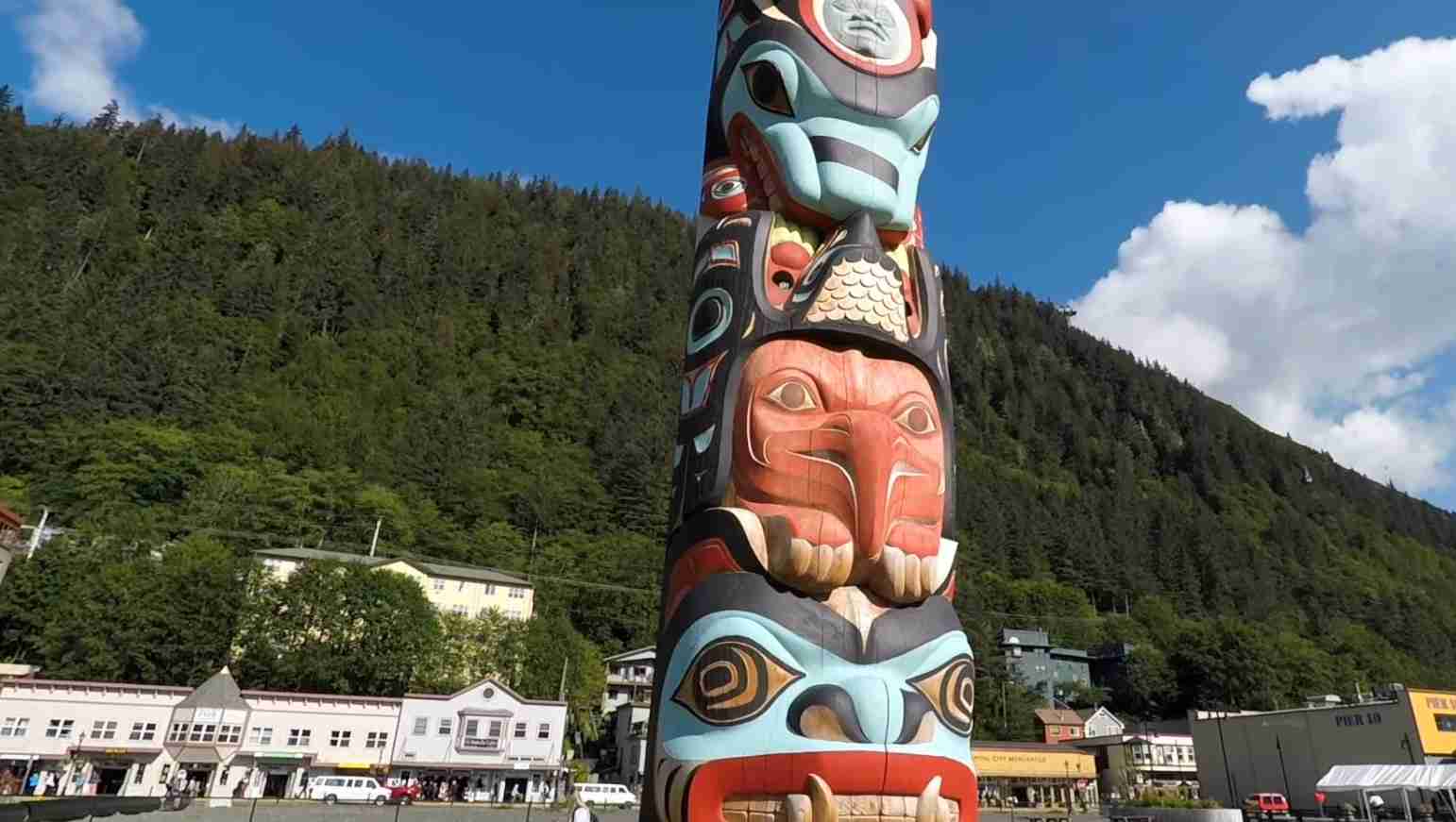
3-Day Juneau Itinerary 2026: Complete Planning Guide
Three days in Alaska’s capital city provides the ideal timeframe to experience tidewater glaciers, humpback whale encounters, historic downtown exploration, and temperate rainforest hiking without the rushed pace of cruise ship port calls. This detailed itinerary balances Juneau’s signature outdoor adventures with cultural attractions and practical logistics, creating a comprehensive introduction to Southeast Alaska’s unique landscape accessible only by air or sea.
Key Takeaways
- Optimal Three-Day Structure 2026: Day 1 focuses on arrival logistics and downtown exploration including Mount Roberts Tramway, Day 2 dedicates full time to Tracy Arm Fjord glacier cruises, and Day 3 combines Mendenhall Glacier with whale watching for efficient dual-attraction coverage before departure.
- Total Trip Budget 2026: Expect approximately $1,195-1,750 per person for a complete three-day visit (calculation: accommodation $300-600 + activities $609-739 + meals $150-225 + transportation and miscellaneous $135-185, minimum $300+609+150+135 = $1,194 rounded to $1,195, maximum $600+739+225+185 = $1,749 rounded to $1,750), excluding round-trip flights from home cities ($300-500 Seattle-Juneau typical range).
- Advance Booking Essential: Tracy Arm Fjord tours and whale watching excursions fill 2-4 weeks before departure dates during peak summer months (June-August), requiring immediate booking upon finalizing travel dates to secure preferred departure times and avoid sold-out situations.
- Weather Flexibility Required: Southeast Alaska’s temperate rainforest climate brings rain approximately 230 days annually—successful trips embrace precipitation as normal rather than disappointment, with waterproof layered clothing enabling enjoyment regardless of conditions.
- Transportation Logistics 2026: Juneau has no roads connecting to other cities, requiring flights from Seattle or other Alaska hubs ($300-500 round-trip in 2026), while local transportation needs include airport transfers ($30-40 taxi), occasional taxis to Auke Bay ($30-40), and tour-included transport for major excursions.
- Seasonal Timing Optimization: Late May through early September offers full tour operator schedules and peak wildlife activity, with June-July providing longest daylight hours (18+ hours) and warmest temperatures (55-65°F), while September delivers value pricing and fewer crowds with acceptable weather trade-offs.
People Also Ask About 3 Days in Juneau 2026
Is 3 days enough for Juneau in 2026?
Three days provides sufficient time to experience Juneau’s premier attractions without feeling rushed, covering the essential trifecta of glacier viewing, whale watching, and downtown exploration that defines the Southeast Alaska experience. This timeframe allows one full day for Tracy Arm Fjord or Mendenhall Glacier intensive exploration, one day for whale watching combined with shorter activities, and one day for Mount Roberts Trail, downtown museums, and local dining. Travelers wanting comprehensive coverage of multiple glaciers (both Mendenhall and Tracy Arm), extended hiking on backcountry trails, or day trips to Skagway via ferry would benefit from 4-5 days. However, most visitors find three days strikes the optimal balance between depth and efficiency, delivering memorable experiences across diverse activity types without the repetition that can occur in longer stays focused on a single location. Cruise ship passengers with only 7-8 hours in port should view independent three-day visits as substantially more rewarding, allowing proper glacier approaches, unhurried wildlife observation, and flexibility to wait for optimal photography conditions rather than adhering to tight ship departure schedules.
What is the best 3-day itinerary for Juneau in 2026?
The optimal three-day Juneau itinerary in 2026 structures activities to balance physical demands, weather dependencies, and logical geographic flow. Day 1 begins with morning arrival flights (most Seattle-Juneau flights land 11:00 AM-2:00 PM), hotel check-in, afternoon Mount Roberts Tramway ascent for orientation views over the city and Gastineau Channel, and evening downtown dining to recover from travel. Day 2 commits fully to Tracy Arm Fjord full-day cruise departing 7:30 AM and returning 4:00-4:30 PM, delivering the trip’s most dramatic glacial scenery and likely wildlife encounters during the eight-hour expedition. Day 3 books the Mendenhall Glacier and whale watching combination tour (5.5-6 hours total), providing efficient coverage of both signature experiences before afternoon flights home or continuing to other Alaska destinations. This structure front-loads the longest physically demanding day (Tracy Arm) when travelers feel freshest after arrival rest, saves the more flexible combination tour for the final day when flight departure times may constrain available hours, and provides built-in weather backup—if Day 2 weather proves marginal for Tracy Arm, swapping Days 2 and 3 maintains logical flow while optimizing conditions for glacier photography.
How much does 3 days in Juneau cost in 2026?
Three days in Juneau in 2026 costs approximately $1,195-1,750 per person including accommodation, activities, meals, and local transportation but excluding round-trip flights from home cities (calculation: accommodation $300-600 + activities $609-739 + meals $150-225 + transportation $135-185, minimum $300+609+150+135 = $1,194 rounded to $1,195, maximum $600+739+225+185 = $1,749 rounded to $1,750). Accommodation at mid-range hotels costs $300-600 for two nights ($150-300 per night downtown properties with modern amenities). Activities total $609-739 per person across three days: Day 1 downtown exploration and Mount Roberts Tramway $85-115, Day 2 Tracy Arm Fjord cruise $334-394 including gratuities, Day 3 Mendenhall Glacier plus whale watching combination $190-230 including fees and gratuities. Meals average $50-75 daily per person ($150-225 for three days) at mid-range restaurants mixing casual lunch spots with sit-down dinner venues. Local transportation including airport taxi transfers and occasional rides to Auke Bay Harbor totals $135-185. Budget travelers selecting hostel accommodation ($80-120 for two nights), packing some meals, and choosing independent options can reduce total costs to approximately $915-1,180 per person. Luxury travelers booking waterfront hotels ($600-900 for two nights), private whale watching charters, helicopter glacier tours, and upscale dining throughout push totals to $2,360-3,430 per person.
When should I visit Juneau for a 3-day trip in 2026?
Late June through mid-July represents the optimal window for three-day Juneau visits in 2026, combining peak wildlife activity, maximum daylight hours (approximately 18 hours enabling early morning and late evening photography), warmest average temperatures (58-65°F), and full tour operator schedules with multiple daily departure times providing booking flexibility. Humpback whales concentrate in feeding areas near Juneau throughout the May-September season, but June-July brings peak numbers and most active surface feeding behaviors. Black bears appear at Mendenhall Glacier’s Steep Creek salmon viewing platform from mid-July through September as spawning runs intensify. Early June (first two weeks) offers excellent conditions with slightly fewer crowds and competitive pricing as high season begins, while late August through early September provides value pricing and reduced tourist volumes at the cost of increased rainfall frequency and shorter days. May remains transitional with variable weather patterns and some tour operators still establishing full schedules, better suited for flexible travelers willing to adapt itineraries based on conditions. Avoid late September when decreasing daylight hours (under 12 hours by month end) limit available activity time and some seasonal tour operations conclude for winter.
Extended multi-day tours – 5+ days
Featured Alaska Multi-Day Tour Packages
13 days
13-Day Alaskan Highlight Lodging Adventure Tour
- ✓ Comprehensive Alaska tour
- ✓ Expert local guides included
- ✓ All accommodation arranged
- ✓ Transportation provided
7 days
Nature's Best: Alaska
- ✓ Comprehensive Alaska tour
- ✓ Expert local guides included
- ✓ All accommodation arranged
- ✓ Transportation provided
20 days
Alaska Adventure – 20 Days
- ✓ Comprehensive Alaska tour
- ✓ Expert local guides included
- ✓ All accommodation arranged
- ✓ Transportation provided
6 days
6-Day Best of Grand Alaska Highlights over 50's Tour
- ✓ Comprehensive Alaska tour
- ✓ Expert local guides included
- ✓ All accommodation arranged
- ✓ Transportation provided
Multi-day tour packages powered by TourRadar. Prices and availability subject to change.
Introduction: Planning Your Perfect 3-Day Juneau Experience 2026
Juneau exists in a state of geographic isolation that paradoxically enhances rather than limits its appeal as a travel destination. Alaska’s capital city spreads across steep terrain where the Gastineau Channel meets mountains rising 3,000 feet within a mile of tidewater, accessible only by air or sea with no roads connecting to other communities. This insularity concentrates visitors around a compact downtown core where gold rush-era buildings house modern galleries, restaurants, and shops, while extraordinary wilderness experiences lie remarkably close—the Mendenhall Glacier sits just 13 miles from downtown, whale watching boats depart from Auke Bay Harbor 13 miles north, and floatplanes lift off from the waterfront to reach glaciers, fjords, and bear viewing areas inaccessible by any other means.
The three-day timeframe represents the minimum duration that allows meaningful engagement with Juneau’s diverse attractions without the compressed schedules that characterize cruise ship port calls. Single-day cruise passengers must choose between glacier viewing or whale watching, lacking time for both, while accepting abbreviated visits to any selected attraction. Three independent days provide breathing room to experience both signature wildlife encounters and glacial landscapes at proper pace, explore downtown without clock-watching stress, and maintain schedule flexibility when weather affects specific activities. The additional days also allow strategic activity sequencing—placing physically demanding full-day boat trips when travelers feel freshest, scheduling weather-sensitive photography during optimal light conditions, and building rest time between consecutive active days.
Successful three-day Juneau itineraries require accepting several planning realities that differ from most tourist destinations. Weather variability means rain gear and layered clothing prove essential regardless of forecast—Southeast Alaska’s temperate rainforest climate delivers precipitation frequently, and tour operators proceed with scheduled departures through rain that would cancel activities elsewhere. Advance booking becomes critical during peak summer months when limited tour boat capacity and hundreds of daily cruise ship passengers create intense competition for spaces on popular excursions. The lack of road connections to other communities means flight schedules largely determine arrival and departure times, influencing how Day 1 and Day 3 can be structured around available morning or afternoon hours.
This guide presents a tested three-day itinerary optimized for first-time Juneau visitors wanting comprehensive coverage of the destination’s signature experiences. The daily structure balances outdoor adventures with cultural attractions, provides realistic time allocations that prevent rushed schedules, and includes practical logistics covering transportation, dining, and backup planning for weather variables. Cost breakdowns distinguish between essential expenses and optional upgrades, allowing budget-conscious travelers to understand minimum trip costs while luxury-focused visitors can identify premium experience opportunities. The itinerary assumes May-September travel when full tour operator schedules provide maximum flexibility, though specific recommendations note optimal timing within this window for different priorities like photography, wildlife observation, or value pricing.
Pre-Trip Planning Essentials for Juneau 2026
Successful three-day Juneau visits begin weeks before departure with advance bookings, appropriate gear acquisition, and transportation coordination that prevents last-minute stress or disappointing sold-out situations. The compressed timeline of a three-day trip provides no buffer for rebooking activities cancelled by weather or rescheduling tours missed due to poor planning, making thorough preparation more critical than longer visits where flexibility exists to adjust on the fly.
Flight booking to Juneau requires understanding seasonal pricing patterns and limited route options that constrain arrival flexibility. Alaska Airlines dominates Juneau service with multiple daily flights from Seattle (2.5-3 hour flight time) costing approximately $300-500 round-trip in 2026 when booked 6-8 weeks in advance (check current fares from Alaska Airlines as pricing varies seasonally). Alternative routing through Anchorage adds connections and travel time but sometimes offers lower total fares. Most Seattle-Juneau flights depart morning hours (7:00-10:00 AM) arriving Juneau 10:00 AM-1:00 PM, enabling afternoon activity on Day 1. Return flights concentrate in afternoon slots (2:00-5:00 PM departure from Juneau), requiring morning completion of Day 3 activities. Travelers should book flights before reserving tours, as arrival and departure times determine available hours on first and last days that constrain activity options.
Accommodation selection in Juneau balances location convenience against budget constraints and amenity preferences. Downtown hotels within walking distance of cruise ship docks, restaurants, and Mount Roberts Tramway cost $150-300 per night for mid-range properties in 2026, with the Baranof Hotel and Silverbow Inn representing quality options combining historic character with modern updates. These properties eliminate taxi expenses for downtown dining and evening activities, though they sit 13 miles from Auke Bay Harbor where many tours depart—this distance matters less since tour operators include round-trip transportation from downtown in package pricing. Properties near the airport (8 miles from downtown) cost $100-200 per night and reduce arrival/departure taxi fares but require transportation to reach downtown dining and attractions. Budget travelers find hostel dormitory beds at $40-60 per night at Juneau Hostel, accepting shared facilities for significant cost savings that fund additional activities. Booking 4-6 weeks in advance secures preferred properties during peak summer months when downtown hotels fill quickly.
Tour reservations represent the highest priority booking task, as popular excursions sell out weeks ahead during June-August. Tracy Arm Fjord full-day cruises and whale watching tours maintain limited capacity (typically 40-49 passengers per vessel maximum) that fills rapidly when multiple cruise ships dock bringing thousands of competing travelers. Booking immediately upon finalizing flight reservations prevents disappointment—waiting until 1-2 weeks before departure often results in sold-out primary choices, forcing acceptance of less desirable departure times or inferior tour operators. Book directly with tour companies rather than through third-party booking sites to ensure best pricing and direct communication channels if weather or emergencies require schedule changes. Major operators include Allen Marine Tours and True Alaskan Tours for Tracy Arm Fjord, Harv and Marv’s and Juneau Tours for whale watching, and M&M Tours for Mendenhall Glacier shuttles.
Packing for Juneau requires prioritizing waterproof layered clothing over warm-weather gear despite summer timing. The essential clothing list includes waterproof rain jacket and rain pants (not cheap ponchos that fail in steady rain), insulating mid-layers using synthetic or wool fabrics (never cotton that loses all warmth when wet), moisture-wicking base layers, waterproof hiking boots with ankle support, warm hat and waterproof gloves, and sunglasses plus sunscreen for UV protection intensified by water and ice reflection. Travelers should pack assuming 40-50°F perceived temperatures despite 60°F forecasts, as wind during boat travel and time spent stationary during wildlife observation creates cold conditions. A small daypack carries extra layers, camera gear, water bottles, and snacks during full-day excursions. Photography enthusiasts need waterproof camera bags, lens cloths for managing moisture, extra batteries (cold drains capacity faster), and polarizing filters to reduce glare off water and ice surfaces.
Travel insurance covering trip cancellation, interruption, and medical emergencies provides valuable protection for three-day trips where weather cancellations or flight delays could eliminate entire days of planned activities. Policies costing 5-7% of total trip cost (approximately $60-125 for $1,200-1,800 three-day Juneau trips) reimburse non-refundable tour deposits and accommodation if covered reasons force trip cancellation. Medical evacuation coverage particularly matters in Alaska where serious injuries or illnesses requiring specialized treatment necessitate air transport to Seattle or Anchorage costing $25,000-50,000 without insurance. Purchase travel insurance within 14-21 days of making initial trip deposits to qualify for pre-existing condition waivers and maximum coverage options.
Local transportation planning should account for limited public transit and reliance on taxis or tour-provided shuttles. Capital Transit operates bus routes covering downtown and some residential areas but provides infrequent service (60-90 minute headways) unsuitable for time-sensitive tour connections. Taxis from Juneau airport to downtown hotels cost $30-40 for 8-mile trips, while rides from downtown to Auke Bay Harbor total $30-40 for 13-mile distances. Most tour packages include round-trip transportation from downtown hotels to departure points, eliminating these expenses for primary activities. Budget-conscious travelers can use Capital Transit ($2 per ride) for airport transfers if arrival timing aligns with bus schedules, though limited luggage space makes this impractical with large bags. Rental cars provide flexibility for Mendenhall Glacier independent visits and exploration of Juneau’s limited road network (only 45 total miles) but cost $60-90 daily plus parking fees at downtown hotels, rarely justifying expense for three-day visits where tour transportation covers most needs.
Day 1: Arrival, Downtown Exploration, and Mount Roberts 2026
The first day balances recovery from morning travel with afternoon activities that provide geographic orientation and cultural introduction to Juneau’s character, avoiding the physical demands of full-day boat excursions better saved for Day 2 when travelers feel fully rested.
Morning: Arrival and Hotel Check-In
Most visitors arrive Juneau on morning or midday flights from Seattle landing between 10:00 AM and 2:00 PM, with the 2.5-3 hour flight crossing British Columbia’s Coast Range to approach Juneau through the scenic Gastineau Channel corridor. Juneau International Airport sits 8 miles northwest of downtown in the Mendenhall Valley, a modern facility handling Alaska Airlines jets plus smaller regional carriers serving Southeast Alaska communities. Baggage claim operates efficiently with typical 15-20 minute waits, and the compact terminal size prevents navigational confusion common at larger airports.
Transportation from airport to downtown hotels costs $30-40 via taxi (readily available outside baggage claim) for the 15-20 minute drive along Egan Drive skirting the Gastineau Channel waterfront. Visitors should request taxi drivers to point out landmarks during the drive—views of downtown’s hillside development, the state capitol building’s distinctive architecture, cruise ship docks where massive vessels dwarf surrounding buildings, and across the channel to Douglas Island’s forested slopes. Hotel check-in typically allows room access by 3:00 PM, though many properties accommodate early arrivals if rooms are ready. Store luggage with hotel bell service if rooms remain unavailable, allowing immediate downtown exploration rather than waiting in lobbies.
Arrival day lunch provides first opportunity to sample Juneau’s dining scene mixing Alaska seafood traditions with modern culinary approaches. Tracy’s King Crab Shack operates from a red food stand at the cruise ship dock, serving Alaskan king crab legs by the pound ($40-60 per pound in 2026), Dungeness crab, crab rolls, and bisque to waterfront picnic tables—casual atmosphere and peak quality seafood at reasonable prices make this an ideal first meal. Alternatively, downtown restaurants like Salt and The Rookery deliver sit-down experiences featuring local halibut, salmon, and seasonal ingredients in refined preparations costing $18-28 for lunch entrees. Budget-conscious travelers find satisfying meals at Pel’meni for Russian dumplings ($8-10) or Sandpiper Cafe for breakfast-lunch comfort food ($10-15).
Afternoon: Mount Roberts Tramway and Trail Exploration
The Mount Roberts Tramway represents Juneau’s most accessible orientation activity, ascending 1,760 feet in six minutes from the downtown base station (adjacent to cruise ship docks) to an alpine environment providing panoramic views over the city, Gastineau Channel, Douglas Island, and surrounding mountains. Tramway tickets cost $40 per adult in 2026 for round-trip access (check official Mount Roberts Tramway website for current rates as pricing may vary), operating daily May through September with departures every few minutes during peak afternoon hours. The base station includes ticket sales, gift shop, and restrooms, while the upper terminal houses a restaurant, theater showing cultural films about Tlingit heritage, nature center with interpretive displays, and outdoor viewing decks.
The alpine environment at 1,760 feet elevation transitions from the temperate rainforest covering Juneau’s waterfront into stunted trees, alpine meadows, and exposed rock offering different ecological perspectives than sea level. Multiple hiking trails originate from the upper terminal, ranging from the 0.3-mile Alpine Loop (easy, mostly boardwalk, 20-30 minutes) circling the immediate summit area to the 4-mile Mount Roberts Ridge Trail (strenuous, 800 additional feet elevation gain, 3-4 hours round-trip) reaching higher viewpoints. Most Day 1 visitors select the Alpine Loop or venture partway along the Mount Roberts Trail for 1-2 hours of hiking, saving extended backcountry exploration for travelers with more time or those specifically prioritizing hiking over boat-based activities during their three days.
Wildlife viewing from Mount Roberts includes bald eagles soaring on thermal updrafts, ravens and Steller’s jays common around the upper terminal buildings, and occasionally black bears visible on slopes below the station during salmon runs (July-September). Wildflowers bloom June through early August depending on elevation, with alpine species covering meadows in subtle displays contrasting sharply with the lush temperate rainforest below. Photography from upper decks benefits from afternoon light (3:00-6:00 PM) illuminating downtown Juneau and cruise ships while Gastineau Channel reflects golden tones. Bring layers as temperatures average 10-15°F cooler than sea level, and wind at the exposed summit creates additional chill.
Budget alternative to tramway: Hiking the Mount Roberts Trail from its base trailhead in downtown reaches the tramway upper terminal after 2.5 miles and 1,760 feet elevation gain, requiring 2-3 hours uphill effort. This free option suits fit travelers comfortable with steep, sustained climbing on well-maintained trail, and allows tramway descent ($20 one-way ticket) to eliminate knee stress from downhill return. The trail begins behind the Juneau-Douglas City Museum at 114 West 4th Street, clearly marked with signage.
Evening: Downtown Dining and Waterfront Exploration
Evening hours provide opportunity for downtown wandering without specific time pressure, recovering from travel while establishing familiarity with Juneau’s compact core before next day’s early departure. The downtown historic district encompasses approximately six square blocks bounded by the waterfront (South Franklin Street), hillside residential areas, and the state capitol complex. Walking this area reveals architectural layers—Victorian-era commercial buildings from the 1890s gold rush, Art Deco government structures from Alaska’s territorial period, and modern developments integrating into historic fabric.
Dinner represents the day’s main meal expenditure, with mid-range restaurants costing $25-40 per person for entrees plus drinks and tips. Hangar on the Wharf occupies a waterfront building with floatplane dock access, serving Alaska seafood and steaks in casual atmosphere overlooking Gastineau Channel ($28-45 entrees). Tracy’s Crab Shack extends evening hours serving the same exceptional crab preparations as lunch. The Island Pub on Douglas Island (short drive or taxi across bridge) delivers local favorite status with gastropub menu and Alaska beer selection in neighborhood setting removed from tourist concentrations. Budget dining includes Pel’meni (Russian dumplings $8-10), quick service adequate for travelers prioritizing early sleep before next day’s 7:00 AM Tracy Arm departure over elaborate meals.
Post-dinner walking explores South Franklin Street’s galleries displaying Alaska Native art, jewelry stores featuring locally crafted pieces, and the Red Dog Saloon where sawdust floors and gold rush memorabilia create authentic frontier atmosphere (though heavy tourist traffic). The Alaska State Museum (closed evenings but noted for next-day optional visit) and Juneau-Douglas City Museum provide cultural context about regional history and Tlingit heritage. Sunset occurs late during summer months (10:00-11:00 PM in June-July), enabling extended evening exploration in natural light.
Day 1 Cost Summary
Accommodation first night $150-300, airport taxi $30-40, lunch $12-20, Mount Roberts Tramway $40, dinner $25-40, incidental expenses (snacks, coffee, gift shop purchases) $15-25. Total Day 1 costs approximately $272-465 per person including first night accommodation (calculation: minimum $150+30+12+40+25+15 = $272, maximum $300+40+20+40+40+25 = $465), or $122-165 excluding accommodation already accounted in overall trip budget.
Day 2: Tracy Arm Fjord Full-Day Glacier Cruise 2026
The second day commits entirely to Juneau’s premier day trip destination—Tracy Arm Fjord (or Endicott Arm depending on ice conditions)—delivering eight hours of dramatic glacial scenery, wildlife encounters, and wilderness immersion that justifies dedicating a complete day without competing activities.
Early Departure and Transit to Endicott Arm
Tracy Arm Fjord tours depart downtown Juneau around 7:30 AM, requiring early wake-up and substantial breakfast before departure as the next meal comes via boxed lunch around noon. Tour operators pick up passengers at the Mount Roberts Tramway parking lot or designated downtown locations, transporting groups to vessels docked at either downtown piers or Auke Bay Harbor depending on specific operator. Modern high-speed catamarans feature enclosed heated cabins with large windows, multiple outdoor viewing decks, bathrooms, and snack bars selling beverages and light food supplementing included items.
The outbound transit covers approximately 45 miles through Stephens Passage, a major waterway connecting northern and southern Inside Passage routes. This 1.5-2 hour segment provides whale watching opportunities as humpback whales feed in these nutrient-rich waters during summer months, with experienced captains slowing or stopping when whales surface nearby. Bald eagles perch in shoreline trees, harbor seals haul out on rocks and floating logs, and black bears occasionally appear on beaches during low tide foraging. Onboard naturalists begin interpretive presentations during transit, explaining glacial geology, Tongass National Forest ecology, and wildlife behaviors that help passengers identify and appreciate observations.
Ice conditions in 2026 will determine whether vessels enter the original Tracy Arm or the equally spectacular Endicott Arm—both feature tidewater glaciers, towering granite cliffs, and pristine wilderness character. Endicott Arm extends 30 miles inland, narrowing to less than half a mile wide in places as sheer walls rise 3,000-4,000 feet directly from sea level. Waterfalls cascade hundreds of feet down vertical rock faces, fed by snowmelt from peaks above. The fjord’s jade-colored water results from glacial flour—fine rock particles ground by moving ice and suspended in meltwater, creating distinctive turquoise tones.
Dawes Glacier Close Approach and Iceberg Viewing
Dawes Glacier terminates Endicott Arm, presenting a blue-white wall of ice approximately one mile wide and 200 feet tall at the waterline, with additional ice extending 600+ feet below sea level. Vessels maneuver as close as 1,000-1,500 feet from the glacier face, balancing passenger viewing opportunities against safety requirements—sudden calving events can create waves and ice fragments traveling substantial distances. The glacier’s active nature means ice regularly breaks from the face with thunderous crashes that echo off canyon walls, plunging into the fjord and creating icebergs that drift throughout the waterway.
Iceberg colors range from white (recent calving with air pockets) to deep cobalt blue (ancient compressed ice where air has been squeezed out over centuries). Some bergs tower 30-40 feet above waterline with 90% of total mass hidden beneath the surface, while others barely protrude as they drift and melt. Harbor seals use ice platforms as hauling-out locations safe from predators like orcas and Steller sea lions, with hundreds of seals visible during summer pupping season when females give birth on stable bergs. The seals’ spotted coats camouflage against mottled ice, requiring careful observation to spot individuals among ice fragments.
Captains typically pause at the glacier face for 45-90 minutes, allowing extended photography and observation time while narrating ice dynamics and answering passenger questions. The temperature differential between 50-55°F air temperature and near-freezing ice creates palpable cold near the glacier—passengers venturing to outdoor decks should wear all available layers including gloves and hats. The sound environment includes wind, lapping water, occasional bird calls, and sporadic rumbles when ice shifts within the glacier interior or small fragments calve from the face.
Return Transit and Wildlife Observation
The return journey retraces the route through Endicott Arm and Stephens Passage, with afternoon light creating different photographic opportunities than morning transit. Captains maintain watch for additional wildlife missed during outbound travel, and passenger reports of sightings (whale blows, bears on shore, sea lion colonies) prompt investigative approaches. The included boxed lunch typically contains sandwich, chips, apple, and cookie, with hot beverages (coffee, tea, hot chocolate) available throughout the day. Some vessels sell beer, wine, and cocktails for passengers wanting alcoholic beverages during the return.
Extended time aboard boats during eight-hour days can prove tiring despite spectacular scenery—most passengers experience energy lags during afternoon hours, making comfortable indoor seating valuable. Vessels provide sufficient indoor space for all passengers to sit comfortably, though outdoor deck access remains important for photography and direct environmental engagement. Passengers prone to seasickness should take preventive medication before departure, as Stephens Passage can produce moderate chop when wind opposes tidal currents.
Tours return to Juneau between 4:00-4:30 PM, with downtown drop-off at original pickup locations. The full day provides minimal time for additional structured activities, though energy typically remains for casual evening downtown dining and early sleep before next day’s Mendenhall Glacier and whale watching combination.
Day 2 Cost Summary
Tracy Arm Fjord cruise $289-329 per person, gratuity for naturalist and crew approximately $45-65 (15-20% of tour cost), breakfast before departure $10-15, dinner after return $25-40, accommodation second night $150-300. Total Day 2 costs approximately $519-749 per person including accommodation, or $369-449 excluding accommodation already budgeted.
Day 3: Mendenhall Glacier and Whale Watching Combination 2026
The final day maximizes efficiency by combining two signature Juneau experiences in a 5.5-6 hour package that completes before afternoon flight departures while avoiding the expense and time commitment of booking activities separately.
Mendenhall Glacier Exploration and Nugget Falls Trail
Combination tours typically visit Mendenhall Glacier first, departing downtown Juneau around 8:00-8:30 AM and arriving at the U.S. Forest Service visitor center after a 30-minute narrated drive through Juneau’s Mendenhall Valley. The glacier flows 13 miles from the Juneau Icefield to terminate at Mendenhall Lake, representing the only glacier in Southeast Alaska accessible by road—this convenience explains the 400,000+ annual visitors making it the region’s most-visited natural attraction.
Tours allocate approximately 75-90 minutes at the glacier site, sufficient time for either the visitor center and Photo Point Trail or the longer Nugget Falls Trail but not both. Passengers must choose priorities based on personal interests and physical capabilities. The visitor center provides interpretive exhibits about glacial geology, climate change impacts on retreating glaciers, and temperate rainforest ecology, plus an observation room with floor-to-ceiling windows framing the glacier across Mendenhall Lake. A theater screens a 15-minute documentary about glacial formation every 20 minutes. Forest Service rangers staff information desks and sometimes lead short guided walks on schedules posted at the entrance.
The Nugget Falls Trail (1 mile one-way, 100 feet elevation gain, 40-60 minutes round-trip at average pace) represents the recommended choice for combination tour participants wanting outdoor immersion over indoor exhibits. The gravel path follows Mendenhall Lake’s shoreline through temperate rainforest featuring towering Sitka spruce, western hemlock, and dense understory vegetation, emerging at viewing platforms facing a 377-foot waterfall plunging from the mountainside. Mist from falling water creates rainbow effects during sunny conditions, and the close proximity to moving water and ice produces palpable cold even during summer. The trail provides multiple photo opportunities framing Nugget Falls with Mendenhall Glacier visible across the lake.
Black bears appear regularly at Steep Creek (adjacent to the visitor center parking area) during salmon spawning season from July through September, when Forest Service interpreters staff viewing platforms explaining bear behavior and salmon ecology. Trail closures occur temporarily when bears approach too close to human areas, prioritizing safety for both visitors and wildlife. Mountain goats occasionally appear on high rocky slopes visible from the visitor center observation room, requiring binoculars for clear observation.
Whale Watching in Auke Bay and Favorite Channel
After Mendenhall Glacier exploration, tours transport passengers to Auke Bay Harbor (located conveniently between Mendenhall Glacier and downtown Juneau) for the whale watching portion of the combination experience. The allocated two hours on water provides substantial time for humpback whale encounters, with captains navigating to locations where whales actively feed based on real-time radio communication among the local tour fleet sharing sighting information.
Auke Bay and adjacent Favorite Channel attract humpback whales during May-September feeding season as nutrient-rich waters support herring, krill, and small fish populations. An estimated 600+ individual humpback whales summer in Southeast Alaska’s Inside Passage, with many returning to the same feeding territories year after year based on tail fluke identification matching patterns documented over decades. The concentration of whales in relatively confined waters near Juneau produces remarkably high sighting success rates—professional operators document whale encounters on 95%+ of summer departures.
Whale behaviors observable during tours include surface lunge feeding (whales accelerating from below to engulf fish and water), tail slapping (repeatedly hitting the water surface with tail flukes), breaching (launching full body out of water), and bubble-net feeding where groups of 3-12 whales coordinate to create underwater bubble curtains trapping fish schools before simultaneously rushing upward through the column. Bubble-net feeding represents the most spectacular cooperative behavior but occurs less frequently than other observable actions, making it a fortunate highlight when encountered rather than an expected standard occurrence.
Additional marine wildlife includes Steller sea lions hauling out at specific rookery locations, harbor seals on rocks and floating logs, Dall’s porpoises occasionally bow-riding alongside boats, and sea otters floating in kelp beds. Bald eagles nest along shorelines throughout the region, and black bears sometimes forage on beaches during low tide. Onboard naturalists provide running narration about whale biology, migration patterns, and individual identification, plus answer passenger questions throughout the tour.
Return to Downtown and Departure Logistics
Combination tours return passengers to downtown Juneau around 2:00-2:30 PM, providing adequate time for travelers with 4:00-5:00 PM flight departures to collect luggage from hotels, arrange taxi transport to the airport (20 minutes travel time), and complete airport check-in procedures. Alaska Airlines recommends arrival 90 minutes before departure for domestic flights, creating tight but manageable scheduling when tours return on time. Travelers with earlier flight departures should book morning-only activities (Mendenhall Glacier shuttle only, downtown museum visits, shorter whale watching tours) rather than 5.5-6 hour combination packages that risk missing flights if any delays occur.
Alternative Day 3 structure for late afternoon/evening departures: Complete the standard combination tour, then add final downtown activities like the Alaska State Museum ($5 admission, excellent collections of Alaska Native art and territorial-era artifacts), Alaskan Brewing Company tour (free brewery tour with beer tastings for adults 21+, operating hours vary), or last souvenir shopping along South Franklin Street before airport transfer. This extended Day 3 works well for flights departing 6:00 PM or later, allowing relaxed post-tour schedule without rushing.
Day 3 Cost Summary
Mendenhall Glacier and whale watching combination tour $160-190 per person, Forest Service visitor center day-use fee $5, gratuity for guides approximately $25-35 (15-20% of tour cost), lunch between activities or packed from hotel $12-18, airport taxi from downtown $30-40, miscellaneous expenses $10-20. Total Day 3 costs approximately $242-308 per person.
Complete 3-Day Trip Budget Breakdown 2026
Understanding total costs requires summing daily expenses across activity categories and making strategic choices about accommodation quality, dining frequency, and tour operator selections. This breakdown presents baseline costs using mid-range selections, then notes budget and luxury alternatives.
Accommodation Costs for Two Nights
Mid-range downtown hotels: $300-600 total for two nights at $150-300 per night. Properties like Baranof Hotel, Silverbow Inn, and Alaskan Hotel provide central locations, modern amenities, and historic character. Budget alternative: Juneau Hostel dormitory beds $80-120 total for two nights at $40-60 per night, accepting shared facilities and limited privacy. Luxury upgrade: Waterfront hotels or boutique properties $600-900 total for two nights at $300-450 per night, featuring upscale amenities, water views, and premium service.
Activity and Attraction Costs
Day 1 activities total $85-115 per person: Mount Roberts Tramway $40, miscellaneous downtown attractions (museum admission, gallery visits) $45-75. Day 2 Tracy Arm Fjord cruise $289-329 per person with gratuities $45-65 totaling $334-394. Day 3 combination tour $160-190 per person, Forest Service fee $5, gratuities $25-35 totaling $190-230. Three-day activity total: $609-739 per person (calculation: minimum $85+334+190 = $609, maximum $115+394+230 = $739).
Meal Costs Across Three Days
Mid-range dining averages $50-75 daily per person, totaling $150-225 for three days. This assumes breakfast $10-15, lunch $12-20, dinner $25-40, plus coffee/snacks $8-12. Budget reduction strategies: Pack breakfasts from grocery stores or use hotel continental breakfast when included ($0 cost), pack trail lunches reducing midday costs to $5-8, select casual dinner venues $15-25, total $30-45 daily or $90-135 for three days. Luxury dining: Upscale restaurants for dinner $45-70, nice lunches $18-28, specialty coffee and bakery items $12-18, total $75-115 daily or $225-345 for three days.
Transportation and Miscellaneous Expenses
Airport transfers round-trip $60-80 (taxi $30-40 each direction), occasional taxis to Auke Bay if needed $30-40 (most tours include transportation), downtown coffee/snacks/incidentals $45-65 across three days. Transportation and miscellaneous total: $135-185 per person.
Complete Trip Total Summary
Mid-range three-day Juneau trip costs per person: accommodation $300-600, activities $609-739, meals $150-225, transportation and miscellaneous $135-185. Grand total: approximately $1,195-1,750 per person (calculation: minimum $300+609+150+135 = $1,194, maximum $600+739+225+185 = $1,749, rounded to $1,195-1,750). This excludes round-trip flights from home cities ($300-500 Seattle-Juneau typical range).
Budget traveler modifications reduce costs to approximately $915-1,180 per person (calculation: hostel $80-120 + activities $609-739 + budget meals $90-135 + transportation $135-185, minimum $80+609+90+135 = $914 rounded to $915, maximum $120+739+135+185 = $1,179 rounded to $1,180). Luxury modifications increase costs to approximately $2,360-3,430 per person (calculation: premium accommodation $600-900 + upgraded activities $1,400-2,000 + upscale dining $225-345 + transportation $135-185, minimum $600+1400+225+135 = $2,360, maximum $900+2000+345+185 = $3,430), plus premium experiences like Taku Lodge floatplane dinner ($250-300) or Pack Creek bear viewing ($600-800).
Alternative Itinerary Options and Substitutions 2026
While the recommended three-day structure serves most first-time visitors well, specific interests or constraints may warrant alternative activity selections that maintain trip quality while addressing individual priorities.
Photography-Focused Modification
Replace Day 2 Tracy Arm Fjord cruise with morning helicopter glacier landing ($350-450) for close ice detail photography, followed by afternoon independent Mendenhall Glacier visit ($60-75 shuttle, $5 Forest Service fee) allowing extended time at multiple viewpoints as light changes. Day 3 books small-group whale watching ($230-250) on intimate 6-passenger vessels providing unrestricted photography positions. This modification increases total activity costs to approximately $730-895 (calculation: Day 1 unchanged $85-115 + helicopter $350-450 + shuttle $60-75 + Forest Service $5 + whale watching $230-250, minimum 85+350+60+5+230 = 730, maximum 115+450+75+5+250 = 895) but delivers superior photography opportunities through helicopter access, flexible glacier timing, and uncrowded whale watching platforms. Weather dependency increases significantly—helicopter tours cancel frequently for clouds and fog, requiring schedule flexibility.
Budget-Conscious Modification
Day 1 remains unchanged. Day 2 substitutes Tracy Arm Fjord with independent Mendenhall Glacier full-day visit ($60-75 shuttle, $5 fee) including extensive hiking on all major trails, followed by afternoon Mount Roberts Trail hike from base (free) to tramway terminal with descent via tramway ($20). Day 3 books whale watching only ($230-279) without glacier combination, since Day 2 provided comprehensive glacier coverage. This modification reduces activity costs to approximately $400-495 (calculation: Day 1 unchanged $85-115 + shuttle $60-75 + Forest Service $5 + tramway descent $20 + whale watching $230-279, minimum 85+60+5+20+230 = 400, maximum 115+75+5+20+279 = 494 rounded to 495) while maintaining glacier, whale, and hiking experiences. Trade-off involves missing Tracy Arm Fjord’s dramatic scenery considered by many travelers as trip highlight.
Luxury Upgrade Modification
Day 1 adds private floatplane tour over Juneau Icefield and multiple glaciers ($250-300 per person for one-hour flights) after standard Mount Roberts Tramway visit. Day 2 maintains Tracy Arm Fjord full-day cruise. Day 3 substitutes combination tour with private 6-passenger whale watching charter ($1,200 total, or $200 per person with full boat) followed by helicopter glacier landing with dog sledding ($500-650). This modification increases activity costs to approximately $1,325-1,585 (calculation: Day 1 tramway $40 + floatplane $250-300 + Day 2 Tracy Arm with gratuities $334-394 + Day 3 private whale charter $200 + helicopter dog sledding $500-650, minimum 40+250+334+200+500 = 1,324 rounded to 1,325, maximum 40+300+394+200+650 = 1,584 rounded to 1,585) per person while delivering exclusive access, personalized routing, and premium experiences unavailable on standard tours.
Extended Hiking Focus
Day 1 unchanged. Day 2 books Mendenhall Glacier shuttle ($60-75) arriving early for full-day hiking covering West Glacier Trail (3.4 miles one-way to glacier access, strenuous, 1,400 feet elevation gain) or East Glacier Loop (3.5 miles, moderate to strenuous, 500 feet elevation gain), packed lunch. Day 3 hikes Perseverance Trail (3 miles one-way from Basin Road trailhead to abandoned mining area, moderate difficulty) in morning, afternoon whale watching tour ($230-279). This modification reduces costs to approximately $375-470 (calculation: Day 1 unchanged $85-115 + shuttle $60-75 + whale watching $230-279, minimum 85+60+230 = 375, maximum 115+75+279 = 469 rounded to 470) while emphasizing backcountry hiking over boat-based glacier viewing. Requires strong fitness levels and proper hiking gear.
Family-Friendly Adaptation
Day 1 unchanged but adds afternoon visit to Macaulay Salmon Hatchery ($12 adults) featuring interactive salmon lifecycle exhibits children enjoy. Day 2 substitutes Tracy Arm Fjord (eight-hour duration challenging for young children) with combination Mendenhall Glacier plus shorter 2-hour whale watching ($160-190) allowing earlier return. Day 3 morning visits Alaska State Museum ($5 adults, children under 18 free) with excellent Alaska Native cultural exhibits, afternoon Glacier Gardens ($35-45) featuring rainforest tours via enclosed golf carts suitable for all ages. This modification maintains similar costs while reducing long-duration boat trips that tire children and providing more diverse activity types.
Weather Contingency Planning and Backup Options 2026
Southeast Alaska’s temperate rainforest climate delivers precipitation approximately 230 days annually, making rain during three-day visits statistically likely rather than unfortunate bad luck. Successful trips embrace weather variability through proper gear and activity flexibility rather than disappointment when forecasts predict rain.
Rain Doesn’t Cancel Tours
Tour operators rarely cancel for rain, clouds, or typical Southeast Alaska weather conditions—Tracy Arm Fjord cruises, whale watching tours, and Mendenhall Glacier shuttles proceed as scheduled during precipitation that would close outdoor activities in most destinations. Glaciers appear equally impressive under overcast skies versus sunshine, wildlife activity continues regardless of rain, and modern tour boats provide heated indoor viewing areas where passengers remain comfortable despite external conditions. This operational consistency means advance bookings remain valid even when weather forecasts look poor, eliminating the uncertainty of waiting for better conditions before committing to tours.
Activities Most Affected by Weather
Helicopter tours and floatplane operations face the highest weather cancellation risk, as low clouds and fog prevent safe flight operations under visual flight rules. Summer months in Juneau average 50-60% flyable days based on cloud ceiling and visibility requirements, with morning departures having slightly better success rates than afternoon flights. Travelers booking helicopter glacier landings should schedule these early in three-day visits (Day 1 afternoon or Day 2) allowing rebooking opportunities if weather forces cancellations. Photography quality deteriorates during heavy rain when water on camera lenses prevents sharp focus and moisture fogs optics, though persistent drizzle proves manageable with proper gear and technique.
Indoor Backup Activities
The Alaska State Museum provides comprehensive cultural and natural history exhibits requiring 1.5-2 hours for thorough exploration, costing $5 admission for adults (children under 18 free). Collections include Alaska Native art and artifacts from Tlingit, Haida, Tsimshian, Athabascan, and other cultures, Russian-American colonial period materials, and natural history dioramas depicting regional ecosystems. The Juneau-Douglas City Museum focuses on local gold mining history and community development, charging no admission and requiring 45-60 minutes for complete viewing. The Alaska State Capitol building offers free guided tours during legislative sessions (January-April) or self-guided visits year-round, showcasing territorial-era architecture and government operations.
Alaskan Brewing Company operates free brewery tours with beer tastings for visitors 21+ (hours vary seasonally, check website for current schedule), providing 45-minute facility tours explaining brewing processes and Alaska beer culture. The Sealaska Heritage Institute operates a cultural center with rotating exhibits, performances, and artist demonstrations focusing on Tlingit, Haida, and Tsimshian heritage. Shopping along South Franklin Street’s galleries and stores offers weather-protected browsing, though recognize that many businesses cater to cruise ship passengers with pricing and inventory reflecting tourist rather than local market.
Modifying Itinerary Sequence
The recommended Day 1-2-3 structure provides some flexibility for weather-driven resequencing. If Day 2 forecast predicts exceptional conditions (clear skies, calm winds) ideal for photography while Day 3 shows rain probability, swap the days—complete combination tour (faster schedule completion) on Day 2, save Tracy Arm Fjord full-day cruise for Day 3 despite rain. This adjustment optimizes photography weather for the shorter activities where timing matters more, while Tracy Arm’s extended duration and dramatic scenery justify proceeding even in rain. The swap requires verifying tour operator availability and hotel willingness to adjust checkout timing if Day 3 now involves 4:00 PM return versus midday departure.
Practical Tips and Common Mistakes to Avoid
Three-day Juneau visits benefit from learning typical visitor mistakes and applying practical solutions that prevent common frustrations.
Booking Errors and Solutions
Mistake: Booking flights before verifying tour availability, then discovering premier excursions are sold out for travel dates. Solution: Research tour availability and contact operators about capacity before purchasing airline tickets, as tour schedule should drive flight timing rather than reverse order. Mistake: Failing to account for tour transportation logistics, assuming taxis provide easy access to all departure points. Solution: Verify whether tours include pickup transportation or require self-arrival at departure locations possibly requiring expensive taxi rides.
Packing Oversights
Mistake: Bringing warm-weather clothing based on “Alaska summer” assumptions, then suffering cold and wet conditions in cotton t-shirts and jeans. Solution: Pack complete waterproof layering system regardless of forecast, as weather shifts rapidly and boat-based activities generate cold conditions even during 60°F air temperatures. Mistake: Forgetting polarizing filter for camera lenses, limiting ability to manage glare off water and ice. Solution: Purchase quality polarizing filter matching lens diameter before travel rather than attempting to buy specialized gear in Juneau’s limited photography stores.
Schedule Management
Mistake: Attempting to add afternoon activities after full-day Tracy Arm Fjord return, underestimating fatigue from eight hours on boats. Solution: Accept Tracy Arm days as single-focus days ending with casual dinner and early sleep rather than forcing additional structured activities. Mistake: Booking Day 3 activities incompatible with flight departure times, creating stress about missing flights if tours run late. Solution: Select combination tours (5.5-6 hours) for final days with afternoon departures, book only morning activities for early afternoon flights, or extend stay if evening flights unavailable.
Cost Surprises
Mistake: Budgeting tour costs alone without accounting for gratuities (15-20% expected), Forest Service fees, and transportation between activities. Solution: Calculate total activity costs at 120-125% of base tour prices to cover expected additional expenses. Mistake: Underestimating meal costs in Alaska where food prices exceed lower-48 averages due to shipping expenses and limited local agriculture. Solution: Budget $50-75 daily per person for mid-range dining rather than $30-40 typical elsewhere.
Photography Challenges
Mistake: Using auto-exposure modes on cameras when photographing glaciers, resulting in underexposed images as meters read the bright ice as needing darkness compensation. Solution: Apply +1 to +2 exposure compensation when photographing ice and snow, or use manual exposure ensuring ice appears white rather than gray. Mistake: Shooting only during midday hours when harsh light creates contrast problems. Solution: Prioritize early morning and late afternoon for landscape photography, using midday hours for indoor attractions or rest.
Frequently Asked Questions About 3-Day Juneau Itineraries 2026
Can you see the Northern Lights in Juneau during a 3-day summer trip in 2026?
Northern Lights (aurora borealis) viewing in Juneau during summer months (May-September when most three-day visits occur) is essentially impossible due to extended daylight hours that eliminate the darkness required for aurora visibility. Juneau’s latitude of approximately 58°N places it within the aurora viewing zone, but summer solstice (June 21) brings nearly 18.5 hours of daylight with only 2-3 hours of true darkness, and even those dark hours occur during twilight when aurora visibility remains poor. Aurora activity also peaks during equinox periods (March-April and September-October) rather than summer months. Visitors wanting Northern Lights experiences in Alaska should plan winter trips (November-March) to Fairbanks or other interior locations at higher latitudes with longer winter darkness periods and clearer skies than coastal Southeast Alaska.
Do I need a car rental for a 3-day Juneau visit in 2026?
Car rentals prove unnecessary for the recommended three-day itinerary as tour operators include round-trip transportation from downtown hotels to all major activity departure points. Tracy Arm Fjord cruises, whale watching tours, and Mendenhall Glacier combination packages provide door-to-door service eliminating rental car need. Juneau’s limited road network (only 45 total miles of connected roads) offers minimal driving exploration opportunities that justify $60-90 daily rental costs plus parking fees at downtown hotels. Airport taxis ($30-40 each direction) and occasional rides between downtown and Auke Bay if needed ($30-40) total less than multi-day rental expenses. Car rentals benefit travelers planning extensive independent hiking at remote trailheads, wanting flexibility to visit Shrine of St. Therese and other sites outside tour operator coverage, or extending stays beyond three days with emphasis on self-guided rather than guided activities. The standard three-day visitor saves money and hassle by relying on tour transportation and occasional taxis.
What’s the best hotel location in Juneau for a 3-day stay in 2026?
Downtown Juneau hotels within the six-block core bounded by South Franklin Street waterfront and the state capitol provide optimal locations for three-day visits, placing restaurants, Mount Roberts Tramway, museums, and evening entertainment within easy walking distance. Properties like the Baranof Hotel (123 N Franklin Street), Silverbow Inn (120 2nd Street), and Alaskan Hotel (167 S Franklin Street) combine central locations with quality accommodations at mid-range pricing ($150-300 per night). The downtown location matters most during evenings when wandering between dinner venues, galleries, and waterfront areas occurs on foot, and for tour pickup coordination as operators designate downtown meeting points. Hotels near the airport (8 miles from downtown) reduce arrival/departure taxi fares by $15-20 each direction but require transportation to reach downtown dining and attractions every evening, eliminating walkability advantages. Properties in residential areas offer no particular benefit for three-day visitors focused on major attractions. Budget travelers accept Juneau Hostel location (614 Harris Street, several blocks from downtown core) trading some convenience for $40-60 per night dormitory pricing. Luxury seekers prioritize water views at properties like the Silverbow Inn’s waterfront rooms despite premium costs ($250-400 per night).
Can I do Tracy Arm Fjord and whale watching on the same day in Juneau 2026?
Combining Tracy Arm Fjord full-day cruises (departing 7:30 AM, returning 4:00-4:30 PM) with whale watching tours on the same calendar day is physically impossible due to overlapping schedules—no whale watching operators offer departures after 4:30 PM, and the 8-hour Tracy Arm commitment precludes morning whale watching before departure. The recommended itinerary structure dedicates separate full days to each activity (Day 2 for Tracy Arm, Day 3 for whale watching as part of Mendenhall Glacier combination), recognizing that both deserve undivided attention rather than rushed execution. Travelers with only two days in Juneau face a genuine choice between Tracy Arm Fjord’s dramatic glacial scenery or whale watching’s marine wildlife encounters, as combining both requires three-day minimum stays. The combination tour pairing whale watching with Mendenhall Glacier (not Tracy Arm) represents the most efficient dual-attraction option completing within 5.5-6 hours, but substituting it for separate Tracy Arm and whale watching days produces abbreviated experiences of each activity compared to dedicated full-day focus.
What if weather cancels my Day 2 Tracy Arm Fjord tour in 2026?
Weather cancellations for Tracy Arm Fjord boat tours occur extremely rarely, as operators proceed with scheduled departures through rain, wind, and cloudy conditions that passengers might consider poor. Boat-based tours cancel only when severe weather creates unsafe operating conditions (high winds, dangerous seas) or when ice accumulation blocks fjord access entirely preventing glacier approach—these situations occur perhaps 1-2 times per season out of 100+ daily summer departures. If weather does force cancellation, tour operators provide full refunds or offer rebooking for alternate dates if itinerary allows. The three-day timeframe limits rebooking options, but swapping Day 2 and Day 3 activities (moving Tracy Arm to Day 3, conducting combination tour on Day 2) provides one internal flexibility option. Travelers should purchase trip cancellation insurance covering non-refundable tour deposits and accommodation if weather forces significant itinerary changes affecting overall trip quality. The realistic probability of weather cancellation remains very low—visitors should pack appropriate rain gear and proceed with scheduled tours rather than worrying about unlikely cancellations.
Are Juneau restaurants open on Sundays in 2026?
Most Juneau restaurants operate seven days per week during summer tourist season (May-September) including Sundays, as cruise ship traffic brings thousands of potential customers daily regardless of day of week. Major downtown dining venues like Hangar on the Wharf, Tracy’s Crab Shack, Salt, The Rookery, and casual options like Pel’meni and Sandpiper Cafe maintain Sunday hours matching other days. Some local favorite establishments outside the tourist core operate reduced Sunday hours or close entirely, and a few businesses catering primarily to state government workers rather than tourists may close Sundays. Hotel restaurants and bars remain open daily during tourist season. Visitors should verify specific restaurant hours via websites or phone calls rather than assuming Sunday operation, though downtown waterfront establishments serving cruise ship passengers reliably operate full schedules. The Alaska State Museum and some other attractions close Sundays or operate reduced hours—verify admission hours before planning Sunday visits to cultural attractions.
Can I see bears at Mendenhall Glacier during a 3-day Juneau visit in 2026?
Black bear sightings at Mendenhall Glacier’s Steep Creek viewing platform occur regularly but not guaranteed, with visibility depending heavily on salmon spawning timing and daily bear activity patterns. Bears appear most reliably from mid-July through September when pink and chum salmon run up Steep Creek to spawn, attracting bears to easy feeding opportunities visible from Forest Service viewing platforms. June through mid-July brings occasional bear sightings but less consistent activity as salmon runs haven’t peaked. Bears feed most actively during early morning hours (before 10:00 AM) and late evening (after 6:00 PM), with midday periods showing reduced activity as bears rest in forest cover during warmest hours. The 75-90 minute glacier visits on combination tours provide brief viewing windows that may or may not align with bear activity, while independent full-day visits allowing flexible timing increase encounter probability. Forest Service interpreters staff viewing platforms when bears are actively fishing, providing educational context about bear behavior and salmon ecology. Travelers wanting guaranteed bear viewing should book specialized bear viewing tours to Pack Creek on Admiralty Island ($600-800 per person including floatplane transport), though this commitment exceeds standard three-day itinerary scope.
Should I book Juneau tours through my cruise ship or independently for a 3-day visit in 2026?
Independent travelers spending three days in Juneau based at local hotels should always book tours directly with operators rather than through cruise ship shore excursion desks, as cruise bookings apply only to ship passengers during port calls. The cruise ship booking option exists exclusively for passengers whose cruise itinerary includes a Juneau port day—these travelers pay premium pricing ($75-125 more per person than independent booking) in exchange for guaranteed ship waits if tours run late preventing missed ship departures. Independent three-day visitors face no ship departure constraints and should book directly with tour operators via company websites or phone reservations, accessing lower pricing without cruise line markup while maintaining identical tour content, vessels, and naturalist guides. Direct booking also provides superior communication channels if weather forces schedule changes or personal circumstances require reservation modifications. Some confusion arises when independent travelers research Juneau activities via cruise line websites then assume quoted pricing applies to non-cruise bookings—always verify current rates directly from tour operator websites when planning independent visits rather than relying on cruise excursion pricing intended for ship passengers.
What clothes should I pack for 3 days in Juneau in summer 2026?
Waterproof layered clothing represents the essential packing priority for Juneau summer visits, with the recommended system including waterproof rain jacket and rain pants (not cheap ponchos), insulating mid-layers using fleece or synthetic fill (never cotton), moisture-wicking base layers in synthetic or merino wool, waterproof hiking boots with ankle support, warm hat and waterproof gloves, sunglasses, and sunscreen SPF 30+. Pack assuming 40-50°F perceived temperatures despite 60°F forecasts, as wind during boat travel and time spent stationary during wildlife observation creates cold conditions requiring all available layers. Bring 2-3 changes of mid-layers allowing dry options if persistent rain soaks one set despite rain gear. Avoid cotton entirely including t-shirts, jeans, and sweatshirts—when wet cotton provides zero warmth and takes hours to dry, creating genuine hypothermia risk during full-day boat excursions. A small daypack carries extra layers, camera gear protected in waterproof bags, water bottles, and trail snacks during activities. Casual clothes for evening downtown dining should still avoid cotton in favor of quick-dry synthetic or wool fabrics given persistent moisture in Southeast Alaska’s temperate rainforest climate. Most travelers overpack warm-weather clothing and underpack rain protection, then suffer discomfort aboard boats when conditions deteriorate.
Is three days in Juneau better than adding extra days in Glacier Bay for 2026?
Three days in Juneau provides more diverse activity options and logistical convenience than adding days specifically for Glacier Bay National Park, which requires expensive travel (multi-day cruise ships or day boat tours from Gustavus costing $200-300 per person plus $150-200 Gustavus-Juneau flights) to access the park’s protected waters. Juneau-based three-day itineraries deliver glacier viewing at both Tracy Arm Fjord and Mendenhall Glacier, whale watching in productive feeding areas, accessible hiking trails, and cultural attractions within a compact geographic area served by frequent flights from Seattle. Glacier Bay visits provide unquestionably spectacular scenery with multiple tidewater glaciers and pristine wilderness, but the access complexity, limited accommodation options in tiny Gustavus, and high costs make standalone Glacier Bay trips better suited for travelers with week-long Alaska itineraries combining multiple destinations. Budget-conscious travelers find Juneau delivers comparable glacier and wildlife experiences at lower costs with superior accommodation and dining infrastructure. Photography enthusiasts and serious naturalists justify Glacier Bay’s premium expense for its unique protected status and more extensive glacier coverage, but most first-time Alaska visitors gain equivalent satisfaction from Juneau’s accessible attractions without Glacier Bay’s logistical challenges.