Giorgio Vasari’s Rome: Renaissance Masterpieces Guide
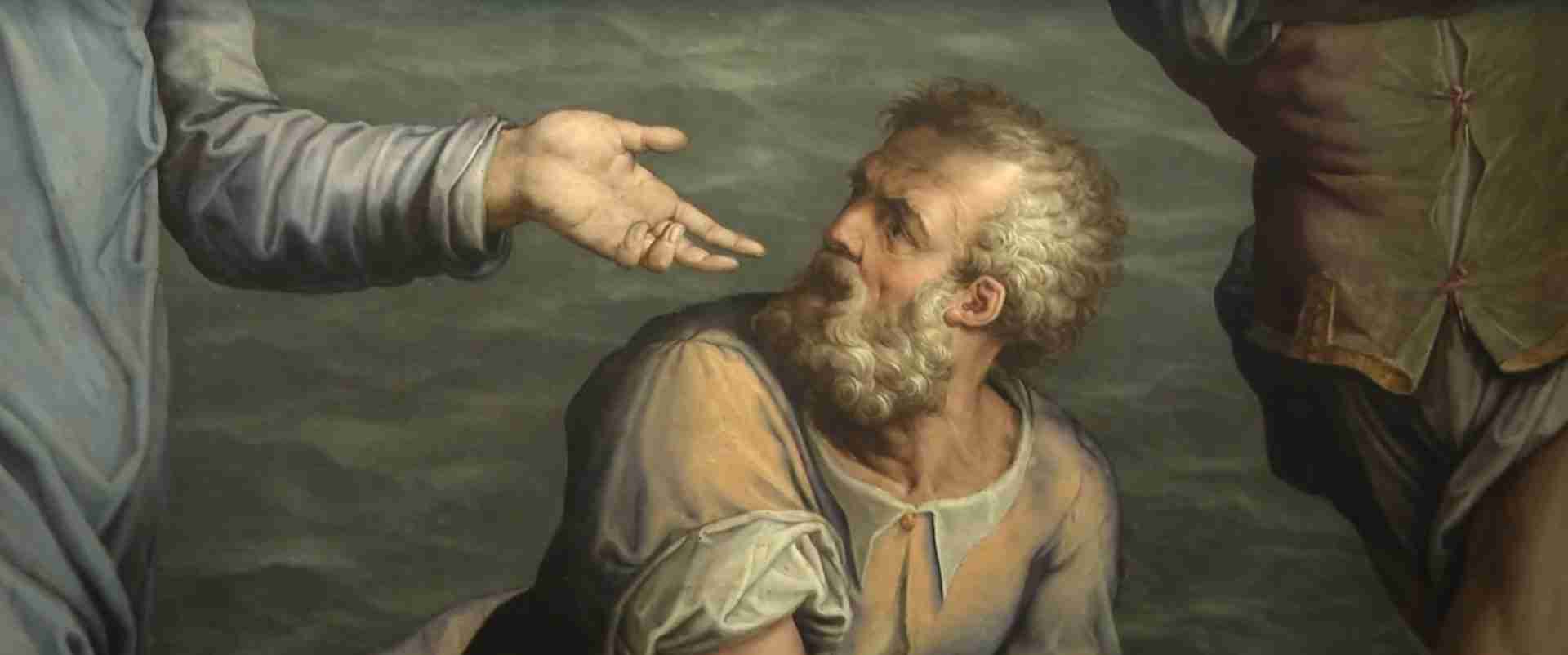
Giorgio Vasari’s Roman legacy extends beyond his celebrated frescoes to encompass architectural innovations, papal commissions, and writings that fundamentally shaped Renaissance art history. While Florence claims Vasari as its native son, Rome provided the grand stage where his mature vision flourished under successive papal patrons, resulting in masterworks that bridge Mannerist experimentation with High Renaissance grandeur. This guide explores the churches, palaces, and hidden corners of Rome where Vasari’s genius remains visible today, offering insight into an artist whose influence on Western art transcends his individual creations.
Key Takeaways
- Sala dei Cento Giorni Triumph: Vasari’s most significant Roman achievement occupies the great hall of Palazzo della Cancelleria, where he completed monumental frescoes celebrating Pope Paul III in an astonishing hundred-day period, demonstrating both technical mastery and organizational genius in managing a vast workshop.
- Papal Patronage Network: Successive popes—Paul III, Julius III, and Pius V—commissioned Vasari for projects ranging from intimate devotional paintings to grand architectural schemes, positioning him as a bridge between Florentine and Roman artistic traditions during the Counter-Reformation.
- Mannerist Innovation in Sacred Spaces: Vasari introduced sophisticated Mannerist compositional strategies to Roman ecclesiastical decoration, particularly visible in his altarpieces at Santa Maria dell’Anima and Santi Apostoli, where elongated figures and dramatic spatial recession create intense devotional experiences.
- Architectural Contributions: Beyond painting, Vasari participated in architectural projects including the Villa Giulia design collaboration and urban planning initiatives, demonstrating the Renaissance ideal of the artist-architect-scholar exemplified in his own theoretical writings.
- Documentary Legacy: Vasari’s residence in Rome from 1542-1546 and subsequent visits profoundly influenced his “Lives of the Artists,” the foundational text of art history, as he studied ancient monuments and contemporary masters while gathering biographical material that would shape centuries of scholarship.
- Workshop Innovation: Vasari pioneered organizational methods for managing large-scale fresco campaigns, training assistants in standardized techniques while maintaining artistic unity—practices that became standard for Baroque decorative programs that would dominate Roman churches in subsequent generations.
People Also Ask About Giorgio Vasari’s Rome
Who was Giorgio Vasari and why is he significant to Roman art?
Giorgio Vasari (1511-1574) was a Florentine painter, architect, and writer whose influence on Roman Renaissance art extended far beyond his painted works. Born in Arezzo and trained under Andrea del Sarto and Michelangelo, Vasari arrived in Rome in 1542 with established credentials but found his mature artistic voice through papal commissions that demanded grand-scale narrative cycles. His significance to Roman art rests on three pillars: his monumental frescoes that introduced Florentine Mannerism to Roman ecclesiastical decoration, his architectural collaborations that shaped Counter-Reformation sacred spaces, and most importantly, his pioneering art historical writings that codified how Renaissance artists—Roman and otherwise—would be understood for centuries.
Vasari’s “Lives of the Most Excellent Painters, Sculptors, and Architects” (first edition 1550, expanded 1568) established art history as a discipline while promoting a Tuscan-centric narrative that nevertheless documented Roman artistic achievements with unprecedented detail. His firsthand accounts of Roman workshops, his descriptions of destroyed or relocated works, and his biographical sketches of Roman artists from Cavallini through his own contemporaries created an invaluable record. In Rome, Vasari positioned himself not merely as a practitioner but as a theorist-historian who understood his commissions within broader artistic genealogies—a self-awareness that shaped his approach to papal projects and ensured his works engaged in dialogue with Roman artistic traditions from ancient frescoes through Raphael’s Vatican masterpieces.
What are Vasari’s most important works in Rome today?
Vasari’s most important surviving Roman work stands in Palazzo della Cancelleria, where the Sala dei Cento Giorni (Hall of the Hundred Days) showcases frescoes celebrating Pope Paul III Farnese completed in 1546. These monumental scenes depicting papal accomplishments demonstrate Vasari’s mastery of complex multi-figure compositions, sophisticated architectural illusionism, and rapid fresco execution—the hundred-day completion period became legendary, though Michelangelo reportedly quipped “it shows” upon viewing the finished work. The hall’s ceiling and walls present an integrated decorative scheme where real and painted architecture merge, creating spatial effects that influenced subsequent Roman palace decoration.
Beyond the Cancelleria, Vasari’s Roman legacy includes several significant altarpieces and chapel decorations dispersed across the city’s churches. At Santa Maria dell’Anima, the German national church, his “Deposition” altarpiece (1546) combines Florentine anatomical precision with Roman coloristic richness. The church of Santi Apostoli houses his “Immaculate Conception” (1541), an early Roman commission showing his adaptation to local devotional sensibilities. Santo Stefano del Cacco preserves fragments of his decorative work, while various Roman collections contain his panel paintings and drawings. The Galleria Borghese holds “Judith and Holofernes,” demonstrating his skill in psychologically charged narrative scenes. These scattered works collectively reveal how Vasari synthesized Florentine draughtsmanship, Venetian color, and Roman grandeur into a distinctive personal style that would influence later Mannerist and early Baroque developments.
Where can you see Vasari’s art in Rome today?
Palazzo della Cancelleria, located near Campo de’ Fiori in the Centro Storico, provides the most comprehensive encounter with Vasari’s Roman achievement through the Sala dei Cento Giorni frescoes. The palazzo, built for Cardinal Raffaele Riario and later appropriated by the Farnese family, houses the Papal Chancery and requires advance arrangements for visits, though occasional public openings occur during special exhibitions or heritage events. The monumental hall preserves Vasari’s frescoes in their original architectural context, allowing appreciation of his sophisticated integration of painted and built environments.
Santa Maria dell’Anima, the German-speaking community’s church located near Piazza Navona, offers accessible viewing of Vasari’s “Deposition” altarpiece during regular visiting hours. This church provides intimate engagement with his sacred painting in its intended liturgical setting. The church of Santi Apostoli, situated near the Trevi Fountain, displays his “Immaculate Conception” altarpiece within its chapel spaces. For paintings outside their original contexts, the Galleria Borghese includes Vasari works within its Renaissance collections, viewable during museum hours with advance reservations. The Vatican Museums occasionally display Vasari drawings and paintings from their reserves, though specific works shown vary by exhibition rotation. Santo Stefano del Cacco, a small church near the Pantheon, retains decorative elements attributed to Vasari’s workshop, though these receive less scholarly attention than his major commissions. Visiting these dispersed sites requires planning, as church hours vary and some locations require appointment scheduling.
How did Vasari influence Roman Renaissance art and architecture?
Vasari’s influence on Roman Renaissance art operated through three interconnected channels: his introduction of Florentine Mannerist principles to Roman decorative programs, his pioneering workshop organization methods that established models for large-scale fresco production, and his theoretical writings that shaped how Roman artists understood their own practices and historical position. His Cancelleria frescoes demonstrated that Mannerist sophistication—elongated proportions, complex spatial recession, artificial color harmonies, and learned iconographic programs—could be successfully integrated into Roman palazzo decoration, opening pathways for later Mannerist painters like Taddeo and Federico Zuccari who would dominate mid-century Roman commissions.
Vasari’s workshop innovations proved equally consequential for Roman artistic practice. His systematic approach to managing multiple assistants, standardizing preparatory methods, and maintaining stylistic unity across vast fresco surfaces established organizational principles that Baroque masters would expand when decorating Rome’s Counter-Reformation churches. His emphasis on disegno (design/drawing) as the foundation of all visual arts reinforced Tuscan academic principles while challenging Venetian colorism, influencing Roman art theory and pedagogy. Architecturally, his collaborations on Villa Giulia with Vignola and Ammannati introduced Florentine spatial concepts to Roman villa design, though his architectural contributions remained secondary to his Florentine projects like the Uffizi. Most profoundly, his “Lives of the Artists” created a historical framework that positioned Roman art within a progressive narrative culminating in Michelangelo’s divine accomplishments—a teleology that shaped Roman artistic self-understanding and established Vasari himself as the paradigmatic artist-scholar whose theoretical sophistication equaled his practical skill.
Extended multi-day tours – 5+ days
Featured Rome Multi-Day Tour Packages

5 days
The Ultimate Rome Food & Cultural Small-Group Tour Package – 5 Days
- ✓ Comprehensive Rome tour
- ✓ Expert local guides included
- ✓ All accommodation arranged
- ✓ Transportation provided
3 days
3-Day Pompeii, Capri & Sorrento Mini Tour
- ✓ Comprehensive Rome tour
- ✓ Expert local guides included
- ✓ All accommodation arranged
- ✓ Transportation provided
3 days
Advent in Rome: Markets, Churches & Tiramisu
- ✓ Booking needs min. 2 travelers
5 days
Ciao Italia: 5 Days, 2 Cities, Infinite Wonders
- ✓ Comprehensive Rome tour
- ✓ Expert local guides included
- ✓ All accommodation arranged
- ✓ Transportation provided
Multi-day tour packages powered by TourRadar. Prices and availability subject to change.
Introduction: Vasari in the Eternal City
Giorgio Vasari arrived in Rome in 1542 as an accomplished artist already known for Florentine projects, but the papal capital transformed his career trajectory and historical significance. Rome in the mid-sixteenth century was recovering from the traumatic 1527 Sack, with successive popes channeling resources toward ambitious artistic programs that would reassert Catholic authority against Protestant challenges while beautifying a city still marked by medieval decay and Renaissance ambitions. Pope Paul III Farnese, having secured Michelangelo for the Sistine Chapel Last Judgment and the ongoing St. Peter’s construction, sought additional talents for the proliferating commissions demanded by Counter-Reformation politics and Farnese family aggrandizement.
Vasari entered this charged environment with unique qualifications. His Florentine training under Andrea del Sarto had provided impeccable draughtsmanship, while his reverence for Michelangelo—both personal and professional—aligned with Roman artistic priorities that placed the divine Buonarroti at the apex of contemporary achievement. Vasari’s literary education and humanist connections distinguished him from mere craftsmen, positioning him to engage with learned prelates and aristocratic patrons who demanded sophisticated iconographic programs requiring classical erudition alongside artistic skill. His ability to complete projects rapidly without sacrificing quality—a talent spectacularly demonstrated in the hundred-day Cancelleria frescoes—made him invaluable to popes governing an institution perpetually balancing spiritual mission against political exigencies and limited timeframes.
Yet Vasari’s most profound impact on Roman art emerged not from his paintings but from his writings. During his Roman residences from 1542-1546 and subsequent visits through the 1560s, Vasari researched the biographical material and artistic observations that would comprise his “Lives of the Most Excellent Painters, Sculptors, and Architects.” This monumental text, first published in 1550 and expanded in 1568, established art history as a literary genre while documenting Roman artistic achievements from Cimabue through Michelangelo. Vasari’s accounts of Roman artists—Cavallini, Giotto’s Roman works, Masaccio’s lost frescoes, Raphael’s Vatican stanze, contemporary masters like Perino del Vaga—preserved information about destroyed works and provided eyewitness testimony about artistic practices, patronage networks, and workshop organizations that would otherwise remain unknown.
His Roman sojourn also refined his critical faculties through direct engagement with antiquity and Renaissance masterworks. Walking through ancient ruins, studying surviving Roman frescoes at the Domus Aurea, analyzing Raphael’s compositions in the Vatican, and observing Michelangelo’s working methods provided the empirical foundation for his theoretical positions. Vasari’s “Lives” reflects this Roman education, presenting artistic development as progressive improvement from medieval crudeness through trecento naturalism toward Renaissance perfection culminating in Michelangelo’s transcendent achievements—a narrative framework that privileged Florentine artists but nevertheless acknowledged Roman contributions at crucial moments in this teleological progression.
Understanding Vasari’s Roman legacy requires appreciating this dual identity: he was simultaneously a productive artist completing significant commissions and a documenting scholar whose writings would shape art historical discourse for centuries. His paintings represent one artist’s contribution to mid-sixteenth-century Roman decoration, impressive but ultimately overshadowed by Michelangelo’s Sistine accomplishments and the Baroque explosions that would transform Roman churches in subsequent generations. His writings, however, created interpretive frameworks that continue influencing how we understand Renaissance art—including his own Roman works—making Vasari essential to Roman art history in ways transcending his individual paintings’ aesthetic achievements. This guide explores both dimensions: Vasari the painter-architect working within specific Roman contexts, and Vasari the historian-theorist whose documentation preserved knowledge of a vanished artistic world.
Vasari’s Life and Roman Career Development
Giorgio Vasari was born in Arezzo on July 30, 1511, into a family of modest means—his surname derived from “vasaio” (potter), indicating artisan origins. His early training began locally before influential connections secured his entrance to Florence’s elite artistic circles. Cardinal Silvio Passerini, recognizing the boy’s talent, placed him in the household of Duke Alessandro de’ Medici where he studied alongside the future Duke Cosimo I, establishing relationships that would sustain his career. Florentine apprenticeship under Andrea del Sarto provided rigorous training in disegno, while exposure to Michelangelo’s works—particularly the Medici Chapel sculptures—instilled the devotion to Buonarroti that would shape his artistic philosophy and critical judgments.
Vasari first visited Rome in 1531-1532, accompanying Cardinal Ippolito de’ Medici during the tumultuous period following the 1527 Sack. This initial Roman exposure, though artistically unproductive, allowed study of antiquities and contemporary works while establishing connections within the papal court’s Florentine expatriate community. Returning to Florence, he secured commissions demonstrating growing sophistication—altarpieces for Aretine churches, decorative work for Florentine patrons—that built his reputation as a reliable, rapid executant capable of learned iconographic programs. His 1538 marriage to Nicolosa Bacci, a respectable Aretine woman, provided social stability, though the marriage produced no children and features minimally in his biographical writings.
The pivotal Roman period began in 1542 when Cardinal Alessandro Farnese, grandson of Pope Paul III, summoned Vasari to decorate rooms in the Cancelleria palace. This commission, culminating in the legendary hundred-day fresco cycle, established Vasari’s Roman reputation and demonstrated his capacity for managing large-scale projects requiring workshop coordination, rapid execution, and sophisticated iconographic elaboration. Pope Paul III, impressed by these accomplishments, commissioned additional work including contributions to the Belvedere decoration and consultation on architectural projects. Vasari’s Roman residence from 1542-1546 proved formative, as daily exposure to ancient monuments, contemporary masterworks, and artistic discourse refined his critical perspectives while providing material for the “Lives” that would occupy him through subsequent decades.
Subsequent Roman visits occurred during gaps in his Florentine commitments. Pope Julius III (Giovanni Maria Ciocchi del Monte, reigned 1550-1555) commissioned Vasari for Villa Giulia architectural collaborations and decorative projects, though most of this work has been lost or substantially altered. These commissions kept Vasari engaged with Roman artistic developments while his primary energies increasingly focused on Florence, where Duke Cosimo I employed him for the Palazzo Vecchio transformations, the Uffizi construction, and the corridor linking Palazzo Pitti with the government palace—projects that would dominate his final decades. Pope Pius V (reigned 1566-1572) consulted Vasari on artistic matters, though by this period his advancing age and Florentine responsibilities limited extended Roman residences.
Vasari’s final Roman visit occurred around 1566 when he presented the expanded second edition of his “Lives” to Pius V, a gesture acknowledging papal authority while securing protection for a work that had generated controversy through its critical judgments and Florentine partisanship. He died in Florence on June 27, 1574, having achieved remarkable success as painter, architect, and writer—a tripartite career embodying Renaissance ideals of universal accomplishment. His Roman chapter, though briefer than his Florentine dominance, proved disproportionately influential through both the physical works he left and the documentary legacy his “Lives” provided, ensuring that his name would remain inseparable from our understanding of Renaissance artistic achievement in the papal capital and beyond.
Palazzo della Cancelleria: The Sala dei Cento Giorni Masterwork
The Sala dei Cento Giorni (Hall of the Hundred Days) in Palazzo della Cancelleria represents Vasari’s most ambitious and significant Roman achievement, a vast fresco cycle celebrating Pope Paul III Farnese completed with legendary rapidity in 1546. Cardinal Alessandro Farnese, the pope’s grandson and a powerful patron commanding substantial resources, commissioned the decoration for the great hall of his family’s appropriated palace—originally built for Cardinal Raffaele Riario but seized after the Riario family fell from papal favor. The commission demanded grand-scale narrative celebrating Farnese accomplishments while demonstrating artistic sophistication worthy of the dynasty’s imperial pretensions, creating an ideal match for Vasari’s talents in rapid execution, complex composition, and learned iconography.
The frescoes occupy the hall’s extensive ceiling and walls in an integrated decorative scheme where painted architecture extends and complicates the room’s actual architectural features. Vasari organized the composition around central panels depicting major scenes from Paul III’s reign, surrounded by subsidiary scenes, allegorical figures, grotesque ornament, and feigned architectural elements creating sophisticated spatial illusions. The principal narrative panels represent Pope Paul III overseeing various accomplishments: constructing fortifications, establishing ecclesiastical institutions, promoting theological councils, and demonstrating the temporal and spiritual authority that Counter-Reformation popes claimed as successors to both St. Peter and the Roman emperors.
The hundred-day completion timeframe became legendary, though Vasari’s own accounts and subsequent scholarship suggest he managed this achievement through extraordinary workshop organization rather than supernatural individual speed. He arrived in Rome with trained assistants from Florence, established efficient preparatory procedures including detailed drawings and cartoons that could be rapidly transferred to wet plaster, and implemented systematic division of labor where specialists handled architectural elements, drapery, landscape backgrounds, and ornamental details while Vasari himself concentrated on principal figures and compositional supervision. This industrial approach to fresco production, though criticized by purists who valued individual craftsmanship, enabled completion of vast programs within compressed timeframes—a practical necessity for papal patrons whose political fortunes and physical health might not allow extended projects.
Michelangelo’s reported dismissal—upon hearing of the hundred-day accomplishment, he supposedly remarked “si vede” (it shows)—reflects the inevitable tension between rapid execution and refined quality. The frescoes indeed display uneven achievement: some passages, particularly architectural perspectives and allegorical figures, demonstrate Vasari’s sophisticated design capabilities, while others reveal workshop formulae and hasty execution that sacrifice nuance for coverage. The ceiling’s central vault employs complex illusionistic architecture creating feigned spaces populated by allegorical figures representing papal virtues—Justice, Prudence, Temperance, Fortitude—executed with anatomical precision if somewhat mechanical repetition. The wall frescoes depicting historical events show more vivid characterization and spatial sophistication, suggesting these received more of Vasari’s direct attention.
The iconographic program reflects humanist learning typical of Farnese patronage. Classical references abound: ancient Roman architectural motifs frame Christian narratives, pagan allegorical figures complement Christian virtues, and the overall composition consciously evokes imperial triumphal imagery adapted to papal purposes. This syncretism expressed Counter-Reformation ideology positioning the Catholic Church as heir to both early Christian purity and imperial Roman grandeur—a claim visualized through artistic programs that merged sacred and secular, Christian and classical, into seamless decorative unity. Vasari’s success in executing this complex program within the allotted timeframe secured his reputation as an artist capable of satisfying demanding humanist patrons while maintaining the organizational efficiency that Renaissance politics increasingly demanded.
The Sala dei Cento Giorni established models for subsequent Roman palace decoration. Its integration of ceiling and wall compositions, its sophisticated spatial illusionism blurring boundaries between real and painted architecture, and its successful merger of historical narrative with allegorical glorification influenced later decorators from the Zuccari brothers through early Baroque ceiling masters like Pietro da Cortona. Vasari’s demonstration that Mannerist sophistication—elongated figures, artificial colors, complex spatial recession—could enhance rather than undermine grand dynastic celebration encouraged Roman patrons to embrace Tuscan stylistic innovations, gradually transforming mid-century Roman painting from High Renaissance naturalism toward Mannerist artificiality and eventually Baroque dynamism. The hall thus functions simultaneously as Vasari’s personal masterpiece and as a pivotal monument in Roman decorative painting’s evolution, marking the moment when Florentine Mannerism successfully colonized papal taste.
Vatican Commissions and Papal Patronage Networks
Vasari’s relationship with the Vatican extended beyond isolated commissions to encompass multiple projects under successive popes, positioning him within the complex patronage networks that sustained Rome’s artistic production throughout the turbulent mid-sixteenth century. Pope Paul III Farnese, impressed by the Cancelleria accomplishment, engaged Vasari for various projects including contributions to the Sala Regia decoration—the ceremonial hall where popes received ambassadors and conducted state business—though much of this work was subsequently altered or replaced by later campaigns. The Belvedere courtyard projects, involving decorative elements and architectural consultation, similarly suffered from Vatican building’s perpetual renovations that destroyed or obscured mid-sixteenth-century contributions beneath later accretions.
Paul III’s death in 1549 might have ended Vasari’s Vatican career, but his successor Julius III proved equally sympathetic to Florentine talent. Giovanni Maria Ciocchi del Monte, elected pope in 1550, had literary and artistic interests that aligned with Vasari’s humanist credentials, commissioning work for his newly constructed Villa Giulia on Rome’s northern periphery. This suburban villa, designed as a retreat from Vatican formality, involved architectural collaboration between Vasari, Vignola, and Ammannati—a partnership demonstrating how major Roman projects often required combining complementary talents rather than relying on single master-builders. Vasari’s specific contributions remain debated among scholars, as subsequent alterations and incomplete documentation obscure individual responsibilities within collaborative enterprises.
The Villa Giulia commission reveals the complex nature of papal artistic patronage in Counter-Reformation Rome. Julius III simultaneously supported religious reform initiatives demanding austerity while indulging personal pleasure in elaborate villa construction—a contradiction reflecting broader papal struggles to balance spiritual leadership with temporal magnificence. Vasari navigated these tensions through his theoretical writings, which consistently elevated artistic achievement as glorifying both patron and God, positioning magnificent commissions as expressions of piety rather than worldly vanity. This ideological framework made him attractive to popes seeking intellectual justification for continued artistic patronage despite Protestant criticisms of Catholic excess.
Pope Pius V (Antonio Ghislieri, reigned 1566-1572) represented a more austere Counter-Reformation sensibility, canonized as a saint for his rigorous reforms and victory over Ottoman forces at Lepanto. His engagement with Vasari primarily involved consultation rather than major commissions, as his priorities emphasized militant orthodoxy over artistic elaboration. Nevertheless, Pius V received Vasari at the Vatican in 1566 when the artist presented the expanded second edition of his “Lives,” a gesture acknowledging papal authority while securing implicit approval for a work that had generated controversy through its critical evaluations and Florentine bias. This papal reception legitimized Vasari’s art-historical project, transforming what might have remained merely a Tuscan partisan document into a text bearing implicit Vatican blessing.
Vatican patronage provided Vasari more than commissions and income; it offered intellectual validation and institutional authority for his broader artistic-theoretical agenda. His “Lives” positioned papal Rome as a crucial site in artistic development’s progressive narrative, acknowledging that while Florentine artists achieved the highest perfection, Rome provided essential venues for their mature accomplishments—Michelangelo’s Sistine Chapel, Raphael’s Vatican stanze, Bramante’s St. Peter’s. This diplomatic formulation allowed Vasari to maintain Tuscan pride while recognizing Roman institutional power, a balance that secured his continued favor with both Medicean Florence and papal Rome despite potential conflicts between these competing centers of Italian cultural authority.
The fragmentary survival and limited documentation of Vasari’s Vatican projects—compared to his well-preserved Florentine works—reflects both Rome’s continuous renovation cycles that routinely destroyed earlier decorations and the collaborative nature of papal commissions that obscured individual contributions. Later Baroque campaigns systematically replaced or covered mid-sixteenth-century decorations, with Vasari’s works particularly vulnerable as they represented transitional Mannerist aesthetics that subsequent generations found less appealing than High Renaissance classicism or Baroque dynamism. What survives demonstrates his capacity to satisfy papal demands for learned iconography and rapid execution, while his “Lives” preserve descriptions of lost works that allow reconstruction of a more extensive Vatican engagement than physical evidence alone would suggest.
Santa Maria dell’Anima and Sacred Commissions
Santa Maria dell’Anima, the German-speaking community’s church in Rome’s centro storico near Piazza Navona, houses one of Vasari’s finest sacred paintings—the “Deposition from the Cross” altarpiece completed in 1546. This commission, contemporary with his Cancelleria frescoes, demonstrates Vasari’s capacity to shift registers from grand palatial celebration to intimate devotional intensity, adapting Mannerist sophistication to Counter-Reformation piety. The German confraternity that governed the church sought an altarpiece combining theological orthodoxy with artistic sophistication, a balance Vasari achieved through compositional strategies that merged Florentine draughtsmanship with Roman coloristic richness and northern European devotional earnestness.
The “Deposition” composition centers on Christ’s pale, elongated body being lowered from the cross, surrounded by mourning figures whose exaggerated proportions and contorted poses express spiritual anguish through physical distortion—characteristic Mannerist devices that Vasari employed to heighten emotional impact. The Virgin Mary collapses in grief, supported by attendant women whose flowing draperies and elegant gestures recall Raphael’s Vatican compositions while the dramatic lighting and intense color harmonies suggest Vasari’s awareness of Venetian developments. This synthesis of multiple regional traditions demonstrates Vasari’s cosmopolitan sophistication, his ability to incorporate diverse influences into a coherent personal style that satisfied patrons seeking works that acknowledged multiple artistic genealogies.
The theological program reflects Counter-Reformation devotional priorities. The Deposition subject—Christ’s removal from the cross after crucifixion—allowed meditation on sacrifice and redemption while avoiding Protestant controversies surrounding Virgin adoration or saint veneration. Vasari handled the subject with orthodox restraint: Christ’s dignity remains paramount despite physical suffering, the Virgin’s grief expresses appropriate maternal sorrow without excessive theatrical display, and the overall composition directs attention toward Christ’s sacrifice rather than subsidiary figures or decorative elaboration. This theological caution characterizes Vasari’s sacred works generally, as he navigated Counter-Reformation sensitivities while maintaining artistic sophistication—a balance increasingly difficult as Trent Council reforms imposed stricter requirements on religious imagery.
Santa Maria dell’Anima provided an ideal venue for this work. The church, serving Rome’s German-speaking Catholics, occupied a unique position between northern European reform movements and Roman orthodoxy, making its artistic commissions particularly sensitive to Protestant criticisms of Catholic visual excess. The confraternity sought paintings that demonstrated artistic excellence while avoiding the decorative elaboration that reformers attacked as worldly distraction from spiritual substance. Vasari’s “Deposition,” with its sophisticated composition serving clearly legible devotional purpose, satisfied both requirements—a model of how Mannerist complexity could enhance rather than obscure religious content when deployed with theological awareness and liturgical sensitivity.
Beyond Santa Maria dell’Anima, Vasari completed additional sacred commissions scattered across Roman churches, though many have been lost, relocated, or substantially altered. The church of Santi Apostoli houses his “Immaculate Conception” (1541), an earlier work predating the Cancelleria commission that shows his initial adaptation to Roman sacred painting conventions. This altarpiece demonstrates less Mannerist distortion than the Anima “Deposition,” suggesting Vasari progressively increased stylistic sophistication as he gained confidence in Roman contexts. Santo Stefano del Cacco preserves fragments attributed to his workshop, though scholarly debate continues regarding Vasari’s direct involvement versus assistants’ execution of his designs.
The dispersion and variable preservation of Vasari’s Roman sacred works reflects broader patterns in church renovation and artistic taste evolution. Counter-Reformation churches continuously updated decorations to reflect changing devotional emphases and aesthetic preferences, with earlier works removed to make space for new commissions or relocated to less prominent positions when they no longer satisfied current liturgical or artistic standards. Baroque renovations proved particularly destructive to mid-sixteenth-century sacred art, as new campaigns systematically replaced Mannerist sophistication with Baroque dynamism, theatrical lighting, and emotional immediacy. Vasari’s surviving sacred works thus represent fragments of a more extensive engagement with Roman ecclesiastical patronage, valuable for demonstrating his adaptability to sacred contexts while suggesting the larger corpus of religious painting that once occupied Roman churches before Baroque transformations.
Architectural Contributions and Villa Giulia Collaboration
Vasari’s architectural practice, though secondary to his painting, demonstrates Renaissance ideals of universal artistic competence while contributing to Roman architectural development during the transition from High Renaissance classicism toward Mannerist experimentation. His most significant Roman architectural engagement involved Villa Giulia, the suburban retreat constructed for Pope Julius III from 1551-1553 on land north of Rome’s urban center. This project required collaboration between multiple designers—Vasari, Giacomo Barozzi da Vignola, and Bartolomeo Ammannati—creating one of Rome’s most sophisticated mid-century architectural achievements while raising complex questions about individual attribution within collaborative practice.
Villa Giulia’s design responds to classical villa typologies documented in ancient texts, particularly Pliny the Younger’s letters describing his Laurentine and Tuscan villas, which Renaissance architects studied as authoritative models for suburban retreat architecture. The complex integrates building with landscape through elaborate garden arrangements, nymphaeum grottoes, fountains, and carefully orchestrated views that blur boundaries between constructed and natural environments. The semicircular courtyard, sunken nymphaeum with its elaborate water features, and the sequence of spaces moving from enclosed to open demonstrate sophisticated spatial manipulation characteristic of Mannerist architectural experimentation—a move away from High Renaissance centralized planning toward more dynamic, experiential spatial sequences.
Distinguishing Vasari’s specific contributions from Vignola’s and Ammannati’s proves difficult given incomplete documentation and collaborative working methods. Vasari’s biographer-editor Karl Frey suggested he primarily contributed to the villa’s decorative program and overall design coordination rather than detailed architectural execution, which Vignola’s greater architectural expertise likely dominated. Ammannati, a Florentine sculptor-architect and Vasari associate, appears responsible for sculptural elements and perhaps the nymphaeum design. This division of labor reflects standard Renaissance practice for major commissions: a principal architect-coordinator (possibly Vasari) established overall concepts, while specialists contributed technical expertise in specific areas—structural engineering, decorative sculpture, hydraulic engineering for fountain systems.
The Villa Giulia collaboration influenced Vasari’s subsequent Florentine architectural projects, particularly the Uffizi construction that would occupy his final decades. Roman exposure to Vignola’s sophisticated understanding of classical orders, proportional systems, and spatial sequences refined Vasari’s architectural thinking, though he remained fundamentally a painter-theorist approaching architecture through decorative and spatial concerns rather than the structural-engineering focus that characterized specialized architects like Vignola or Palladio. His architectural writings in the “Lives”—particularly the technical introduction discussing architectural elements and proportions—reflect this decorator’s perspective, emphasizing visual effects and iconographic programs over structural innovation or engineering challenges.
Beyond Villa Giulia, Vasari participated in various Roman architectural consultations and urban planning discussions, though these engagements left limited physical evidence. His correspondence mentions involvement with projects ranging from church facades to palace renovations, typically as consultant rather than principal designer. This advisory role suited his position as court artist to the Medici dukes, who valued his broad expertise across painting, architecture, and art theory but employed him primarily for decorative campaigns rather than major building projects. Rome offered opportunities to observe contemporary architectural developments—Michelangelo’s St. Peter’s work, Vignola’s advancing projects—that informed his theoretical writings while his practical contributions remained circumscribed by limited structural expertise and competing obligations in Florence.
Vasari’s architectural legacy in Rome thus exists more in theoretical influence and collaborative participation than in buildings unambiguously attributable to his design. His “Lives” provided the first systematic treatment of Renaissance architecture as a progressive art evolving from medieval crudeness through Brunelleschi’s revival of classical principles toward Michelangelo’s transcendent achievements—a narrative that positioned architecture within the same teleological framework governing his treatment of painting and sculpture. This theoretical contribution, positioning architectural history as artistic history rather than mere building record, established frameworks that would shape subsequent architectural historiography and criticism, making Vasari’s architectural significance extend beyond his limited building practice to encompass his role in creating architecture as an intellectual discipline worthy of historical documentation and critical analysis.
Vasari’s Artistic Style and Technical Innovations
Vasari’s mature artistic style represents a synthesis of Florentine disegno (design/drawing) traditions with Roman coloristic richness and Mannerist sophistication, creating a distinctive approach that influenced mid-sixteenth-century Italian painting while establishing methodological principles for large-scale decorative programs. His technical innovations primarily concerned workshop organization and rapid execution rather than fundamental changes in painting materials or techniques, but these organizational advances proved consequential for subsequent decorative painting practice. Understanding Vasari’s style requires distinguishing his theoretical positions articulated in the “Lives” from his actual painting practice, as tensions between ideal and execution characterize his career.
Vasari’s theoretical writings consistently privileged disegno—drawing and design—as the foundation of all visual arts, a position reflecting his Florentine training and devotion to Michelangelo. The “Lives” famously describe the arts’ origin in disegno, presenting drawing as the intellectual component distinguishing artistic creation from mere craft. This theoretical commitment manifested in Vasari’s extensive preparatory drawing, with hundreds of his compositional studies, figure sketches, and architectural details surviving in museum collections worldwide. These drawings reveal his working method: initial compositional sketches establishing overall arrangements, detailed figure studies from models or memory, and careful architectural drawings ensuring accurate perspective and proportional relationships in painted architecture.
Yet Vasari’s actual painting frequently subordinates Florentine linear precision to coloristic effects and rapid execution demands. His Roman works particularly show this tension: the Cancelleria frescoes employ color harmonies more characteristic of Venetian painting than Florentine tradition, with warm golden tones, rich fabric textures, and atmospheric effects that sacrifice linear definition for overall chromatic unity. This adaptation to Roman taste—which valued Venetian colorism increasingly through the sixteenth century—demonstrates Vasari’s pragmatic flexibility, his willingness to adjust theoretical ideals to practical requirements and patron preferences. The hundred-day execution necessitated rapid application prioritizing overall effect over detailed finish, resulting in passages where color and light create spatial recession and volumetric modeling rather than precise contour drawing.
Vasari’s Mannerist characteristics emerge clearly in his Roman sacred paintings. Elongated figure proportions, with heads small relative to bodies and limbs extended beyond anatomical naturalism, create elegant attenuation that expresses spiritual transcendence through physical distortion. Complex spatial arrangements where foreground figures occupy shallow stages before receding architectural or landscape backgrounds demonstrate the Mannerist preference for artificial spatial construction over Renaissance perspectival clarity. Acid color combinations—harsh pinks against sulfurous greens, electric blues juxtaposed with orange-yellows—reject High Renaissance tonal harmony for discordant chromatic effects that heighten emotional intensity while declaring the artist’s sophisticated rejection of obvious naturalism.
His technical innovations primarily concerned fresco execution efficiency. Vasari developed systematic cartoon transfer methods allowing rapid translation of detailed drawings onto wet plaster, using pouncing (pricking holes along drawn lines and dusting with charcoal) and incising techniques that preserved design accuracy while accelerating execution. He trained assistants in standardized approaches to common elements—architectural details, landscape backgrounds, drapery folds—that could be executed reliably without constant supervision, freeing him to concentrate on principal figures and compositional supervision. This division of labor, though criticized by purists who valued individual craftsmanship, enabled completion of vast programs within compressed timeframes while maintaining reasonable artistic unity.
The question of quality versus speed haunted Vasari’s reputation from Michelangelo’s dismissive “si vede” through subsequent critical assessments. Vasari himself acknowledged this tension, defending rapid execution as demonstrating mastery—the truly skilled artist could produce quality quickly—while critics countered that haste inevitably compromised refinement. His Roman works display both sides: passages of sophisticated compositional invention and technical assurance alongside areas of formulaic repetition and hasty execution. This unevenness partly reflects workshop collaboration’s realities, where assistant contributions varied in quality, but also demonstrates Vasari’s prioritizing overall decorative effect over uniform finish. He conceived programs as integrated wholes where individual passages’ varying quality mattered less than the ensemble’s success—a perspective that anticipated Baroque decorative thinking while violating Renaissance ideals of consistent excellence throughout a composition.
Vasari’s color palette in Roman works shows distinctive characteristics: warm golden browns dominating flesh tones, rich crimsons and deep blues in draperies, sulfurous yellows and acid greens in landscape elements, with liberal use of metallic highlights suggesting textile richness and celestial radiance. These choices created decorative splendor appropriate to palatial settings while advancing Mannerist color theories that valued artificial harmonies over natural observation. His handling of paint varies from smooth, finished surfaces in principal figures to more gestural, abbreviated brushwork in backgrounds and secondary elements, creating hierarchies of finish that direct viewer attention while accommodating rapid execution’s practical demands. This technical flexibility, adapting approach to specific compositional requirements rather than pursuing uniform surface quality, demonstrates the decorative painter’s pragmatism that characterized Vasari’s professional practice despite his theoretical emphasis on disegno’s intellectual primacy.
Influence on Roman Renaissance Art and Subsequent Developments
Vasari’s influence on Roman Renaissance art extended through multiple channels: his physical works establishing stylistic models that subsequent decorators adapted and transformed, his workshop organization methods that became standard for large-scale fresco production, and his theoretical writings that shaped how Roman artists understood their practices and historical positions within broader artistic development. The Cancelleria frescoes particularly functioned as a reference point for mid-century Roman decorators seeking to integrate Florentine Mannerist sophistication with Roman grandeur, demonstrating that elongated figures, complex spatial arrangements, and artificial color harmonies could successfully enhance palatial celebration rather than undermining it through excessive refinement or obscurity.
The Zuccari brothers—Taddeo (1529-1566) and Federico (1540-1609)—represent the most direct beneficiaries of Vasari’s Roman example. Taddeo Zuccari arrived in Rome as Vasari completed the Cancelleria project, studying those frescoes intensively while developing his own mature style. His subsequent commissions at Villa Giulia and Palazzo Farnese at Caprarola demonstrate clear debts to Vasari’s compositional strategies, workshop organization, and integration of narrative with decorative elements, though Taddeo’s greater coloristic brilliance and spatial sophistication suggest he improved upon his model. Federico Zuccari, continuing his brother’s work after Taddeo’s early death, became Rome’s dominant decorator through the later sixteenth century, completing vast programs that standardized the Mannerist decorative approach Vasari had introduced—a standardization that paradoxically diminished Mannerism’s initial sophistication through formulaic repetition.
Vasari’s workshop methods profoundly influenced Roman fresco production organization. His systematic approach—detailed preparatory drawings, efficient cartoon transfer, specialized assistant training, rapid execution coordinated across multiple hands—established models that subsequent decorators expanded when tackling the enormous decorative campaigns demanded by Counter-Reformation church building. The Gesù church decoration, Sistine Chapel Library frescoes, and countless palace and villa programs employed organizational principles Vasari had demonstrated, though often at scales and timeframes that would have challenged even his legendary rapidity. This industrialization of fresco production, transforming what had been essentially artisanal craft into coordinated workshop enterprise, enabled the Baroque decorative explosion that would transform Roman church interiors through the seventeenth century.
His theoretical influence operated through the “Lives,” which Roman artists read, debated, and sometimes contested. Vasari’s Tuscan-centric narrative—positioning Florentine artists as perfecting principles that lesser regional schools merely approximated—provoked defensive Roman responses, most notably Cardinal Gabriele Paleotti’s “Discourse on Sacred and Profane Images” (1582) and Giovanni Baglione’s “Lives of Painters, Sculptors and Architects” (1642), which sought to establish Roman artistic achievements as equally or more significant than Florentine accomplishments. These responses ironically confirmed Vasari’s success in establishing biographical writing as the proper mode for art historical discourse, even as Roman authors contested his specific judgments and genealogies.
Vasari’s emphasis on disegno as visual art’s intellectual foundation influenced Roman artistic pedagogy and academic discussions through the later sixteenth century. The Accademia di San Luca, founded in Rome in 1593 under Federico Zuccari’s leadership, institutionalized drawing instruction and theoretical education as essential components of artistic training, directly reflecting Vasarian principles even as the academy’s establishment in Rome rather than Florence challenged Tuscan claims to artistic supremacy. Academic debates about disegno versus colore (Florentine linear design versus Venetian coloristic modeling) structured Roman artistic discourse through the seventeenth century, with Vasari’s “Lives” providing foundational texts that subsequent theorists engaged whether in agreement or opposition.
The transition from Mannerism to Baroque involved both continuation and rejection of Vasarian principles. Baroque decorators like Pietro da Cortona inherited Vasari’s organizational methods, his integration of painting with architecture, and his approach to palatial decoration as comprehensive programs merging narrative, allegory, and ornament. Yet they rejected Mannerist artificiality for more direct emotional communication, abandoned elongated proportions for more naturalistic anatomy, and replaced acid color harmonies with warmer, more unified palettes. The Baroque preference for illusionistic ceiling painting that dissolved architectural boundaries into infinite celestial visions represented both a logical extension of Vasari’s painted architecture and a fundamental rejection of Mannerist spatial complexity in favor of more immediately legible spatial effects.
Vasari’s ultimate influence on Roman art rests less in his specific stylistic legacy—which Baroque developments largely superseded—than in his establishment of art as an intellectual discipline worthy of historical documentation, critical analysis, and theoretical elaboration. His “Lives” created frameworks for understanding artistic development as progressive improvement, positioned individual artists as worthy subjects of biographical attention, and established critical vocabulary for discussing style, quality, and historical significance. These contributions transcended his physical works’ aesthetic merits, ensuring that even as his paintings fell from critical favor during later centuries’ stylistic shifts, his historiographic legacy remained foundational to how Renaissance art—Roman and otherwise—would be understood, studied, and transmitted to subsequent generations.
Visiting Vasari’s Works in Rome: Practical Guide
Experiencing Vasari’s Roman legacy requires planning, as his major works occupy locations with varying accessibility ranging from occasionally opened palaces to churches with regular visiting hours. The Palazzo della Cancelleria, housing the Sala dei Cento Giorni, presents the greatest challenges and rewards. Located near Campo de’ Fiori at Piazza della Cancelleria 1, the palazzo currently houses the Papal Chancery and Roman Rota (ecclesiastical court), restricting public access. Special openings occur during Giornate FAI (Italian Environmental Fund heritage days, typically spring and fall), occasional cultural events, or through specialized tour operators arranging access to normally closed sites. Advance monitoring of cultural event calendars and heritage organization schedules proves essential for viewing these frescoes in their original architectural context.
Santa Maria dell’Anima, the German-speaking community’s church, provides the most accessible encounter with Vasari’s sacred painting through the “Deposition” altarpiece. Located at Via di Santa Maria dell’Anima 64, near Piazza Navona, the church maintains regular visiting hours typically 9 AM-12:45 PM and 3 PM-7 PM, though schedules vary for religious services and occasional closures. The German-Hungarian College that administers the church welcomes visitors during open hours, with the Vasari altarpiece prominently displayed in a side chapel allowing close examination. This intimate setting provides ideal conditions for appreciating his compositional sophistication and devotional intensity without the crowding that affects more famous tourist churches.
The church of Santi Apostoli, situated at Piazza dei Santi Apostoli 51 near the Trevi Fountain, houses Vasari’s “Immaculate Conception” altarpiece within its Baroque-renovated interior. Visiting hours typically run 7 AM-12 PM and 4 PM-7 PM, though the church sometimes closes for extended periods for restoration work or liturgical events. The Vasari altarpiece occupies a side chapel where nineteenth-century renovations and lighting changes somewhat compromise optimal viewing, but the work’s quality remains apparent despite less-than-ideal presentation. This location conveniently combines with other central Rome attractions, making it accessible within standard tourist itineraries.
Galleria Borghese includes Vasari works within its extensive Renaissance and Baroque collections, though specific paintings displayed vary as the museum rotates works from its reserves. The gallery, located at Piazzale Scipione Borghese 5 in the Villa Borghese park, requires advance timed-entry reservations through its official website, with tickets selling out days or weeks ahead during peak tourist seasons. Two-hour visit windows beginning at designated times allow systematic exploration of the collection’s chronologically and thematically organized galleries. Vasari’s “Judith and Holofernes” appears when displayed in the Renaissance painting galleries, demonstrating his narrative skill and Mannerist sophistication within the museum’s superb comparative context of contemporary Italian painting.
Santo Stefano del Cacco, a small church near the Pantheon at Via di Santo Stefano del Cacco 26, preserves decorative elements attributed to Vasari’s workshop, though scholarly debate continues regarding his direct involvement versus assistants’ execution of his designs. The church maintains irregular hours, often opening only for morning masses around 7-9 AM, making visits require flexible scheduling. The modest scale and limited tourist traffic create quiet conditions for contemplation, though the attributional uncertainties and fragmentary preservation make this location primarily interesting for dedicated Vasari scholars rather than general visitors seeking his undisputed masterworks.
Vatican Museums occasionally display Vasari drawings and paintings from their extensive reserves, though works shown vary by exhibition rotation and gallery reorganization. The museums’ standard admission procedures apply—advance online ticket purchase strongly recommended, especially during peak tourist seasons—with Vasari works, when displayed, typically appearing in Renaissance painting galleries or special exhibitions rather than in dedicated spaces. The Vatican Library and Secret Archives hold additional Vasari materials including drawings and correspondence, though accessing these research collections requires scholarly credentials and advance appointment arrangements through official Vatican channels.
Optimal visiting strategies depend on available time and specific interests. Serious Vasari enthusiasts should monitor Palazzo della Cancelleria opening announcements months in advance, as these rare opportunities provide the essential encounter with his major Roman achievement. Santa Maria dell’Anima offers the most reliable regular access to significant Vasari sacred painting, making it a priority for visitors with standard tourist schedules. Combining Santi Apostoli with nearby attractions like Trevi Fountain creates efficient itineraries incorporating Vasari within broader Rome exploration. Galleria Borghese visits require advance planning but reward with exceptional comparative context showing Vasari among his Roman and Florentine contemporaries. Photography policies vary by location: churches generally permit non-flash photography during visiting hours, while Galleria Borghese prohibits photography throughout. Palazzo della Cancelleria policies during special openings depend on specific event organizers’ regulations, announced when access is arranged.
Frequently Asked Questions
What distinguishes Vasari’s Roman works from his Florentine paintings?
Vasari’s Roman works demonstrate greater coloristic richness and atmospheric effects compared to his Florentine paintings’ linear precision and sculptural modeling. The Roman environment, with its established tradition valuing Venetian colorism and atmospheric illusionism alongside central Italian disegno, encouraged Vasari to soften his characteristically Florentine emphasis on sharp contours and anatomical definition. The Cancelleria frescoes particularly show warm golden tonalities, subtle gradations creating atmospheric recession, and color harmonies prioritizing overall decorative unity over local color accuracy—characteristics distinguishing them from his contemporary Florentine works like the Palazzo Vecchio decorations, which maintain harder edges, colder palettes, and more sculptural figure modeling reflecting Michelangelo’s influence and Florentine academic preferences.
How did Vasari’s art historical writings influence perceptions of his own paintings?
Vasari’s “Lives of the Artists” created complex dynamics where his historical-critical authority both enhanced and complicated reception of his paintings. His positioning himself within art history’s teleological narrative—as a devoted follower of Michelangelo representing the final refinement of Renaissance principles—established interpretive frameworks that subsequent critics adopted when evaluating his works, often unfavorably comparing him to the divine Buonarroti whose supremacy Vasari himself had proclaimed. His theoretical emphasis on disegno over coloristic effects created standards against which his own relatively coloristic Roman works seemed deficient, as critics applied his principles more rigorously than his practice could sustain. Paradoxically, his historical documentation of destroyed works and artistic practices became so valuable that his standing as an art historian eventually overshadowed his reputation as a painter, with later centuries valuing the “Lives” far more than the paintings that had sustained his Renaissance career.
Why have so many of Vasari’s Roman works been lost or altered?
Multiple factors explain the limited survival of Vasari’s Roman works compared to his better-preserved Florentine projects. Rome’s continuous renovation cycles, driven by successive papal building campaigns and evolving liturgical requirements, routinely destroyed earlier decorations to accommodate new artistic programs reflecting current tastes and devotional emphases. Baroque renovations proved particularly destructive to mid-sixteenth-century works, as seventeenth-century decorators systematically replaced Mannerist sophistication with Baroque dynamism, considering earlier styles outmoded. Vasari’s collaborative Roman projects made attribution difficult, with later generations uncertain which elements deserved preservation versus replacement, while his secondary status compared to Michelangelo or Raphael provided less protective reverence. Florentine works benefited from Medici family continuity and civic pride protecting monuments associated with the city’s artistic supremacy, while Roman institutions showed less loyalty to non-Roman artists whose contributions represented merely one moment in the papal capital’s multi-layered artistic history.
What role did Vasari play in Counter-Reformation artistic developments?
Vasari occupied a transitional position in Counter-Reformation art, working during the period when Trent Council reforms began reshaping religious imagery requirements but before the systematic enforcement that would characterize later decades. His Roman sacred paintings demonstrate awareness of emerging Counter-Reformation sensitivities—theological orthodoxy, restrained emotionalism, clear narrative legibility—while maintaining Mannerist sophistication that later reformers would criticize as excessively artificial and potentially distracting from devotional purposes. His theoretical writings anticipated Counter-Reformation emphasis on art’s didactic function, consistently arguing that painting served religious instruction and moral edification rather than merely decorative pleasure, yet his actual practice often prioritized formal sophistication over simple clarity. This ambiguity made him both a model for Counter-Reformation artists seeking to balance theological correctness with artistic ambition and a cautionary example of Mannerist excess that subsequent reforms would discipline through stricter iconographic and stylistic regulations.
How reliable are Vasari’s biographical accounts of Roman artists in his “Lives”?
Vasari’s reliability varies significantly depending on subject and source access. For contemporary artists he knew personally—Michelangelo, Perino del Vaga, Francesco Salviati—his accounts provide valuable eyewitness testimony about working methods, personality, and artistic relationships, though always filtered through his Tuscan biases and desire to present Michelangelo as supreme. For earlier artists—Cavallini, Giotto’s Roman works, early Renaissance masters—he relied on oral tradition, workshop legends, and incomplete documentation, resulting in accounts mixing accurate observation with legendary accretion and chronological confusion. His Roman architectural and topographical information proves generally reliable for sixteenth-century conditions but sometimes errs regarding earlier periods, as he lacked systematic archaeological method for distinguishing building phases or attributions. Modern scholarship treats Vasari’s “Lives” as an invaluable but problematic source requiring corroboration from documentary evidence, physical examination, and critical evaluation of his stated and unstated biases, recognizing that while his accounts preserve otherwise unknown information, they simultaneously promoted interpretive frameworks serving his broader agenda of establishing Florentine artistic supremacy.
What technical methods did Vasari employ for his rapid fresco execution?
Vasari’s legendary hundred-day Cancelleria completion relied on sophisticated workshop organization rather than supernatural individual speed. He arrived in Rome with trained Florentine assistants already familiar with his working methods, established efficient preparatory procedures including detailed compositional drawings and full-scale cartoons that could be rapidly transferred to wet plaster through pouncing or incising techniques, and implemented systematic division of labor where specialists handled repetitive elements—architectural details, landscape backgrounds, decorative grotesques, drapery patterns—while Vasari himself concentrated on principal figures and compositional supervision. He employed standardized formulas for common elements that assistants could execute reliably without constant oversight, accepted varying finish levels across compositions where less important passages received abbreviated treatment, and organized plastering schedules coordinating multiple painters working simultaneously on different sections. This industrial approach, though criticized by purists valuing individual craftsmanship, enabled completion of vast programs within compressed timeframes demanded by papal politics and patron mortality, establishing organizational models that subsequent Roman decorators expanded when tackling even larger Baroque church programs.
Which Roman collections hold significant Vasari drawings and preparatory studies?
The Vatican Library and Secret Archives hold the largest Roman concentration of Vasari drawings and documentary materials, including preparatory studies for his papal commissions, architectural designs, and correspondence with Roman patrons and artists. These collections require scholarly access credentials and advance appointment arrangements through official Vatican channels, making them primarily research resources rather than public viewing opportunities. The Gabinetto Nazionale delle Stampe (National Print Collection) in Palazzo Corsini occasionally displays Vasari drawings during special exhibitions, though most holdings remain in reserve storage. Various Roman private collections and religious institutions preserve scattered drawings, though these rarely appear in public exhibitions. The Uffizi Gallery in Florence, while outside Rome, holds the most comprehensive Vasari drawing collection worldwide, assembled partly during Vasari’s lifetime and subsequently expanded through Medici family acquisitions, providing essential comparative material for understanding his Roman working methods and stylistic development through examination of preparatory studies for both Florentine and Roman projects.
How did Vasari’s architectural contributions influence subsequent Roman villa design?
Vasari’s Villa Giulia collaboration introduced spatial concepts and decorative integration strategies that influenced mid-century Roman villa development, though his specific contributions remained circumscribed by limited architectural expertise compared to specialist collaborators like Vignola. The villa’s sophisticated sequence of spaces moving from enclosed to open, its integration of building with landscape through elaborate garden arrangements and water features, and its revival of classical villa typologies documented in ancient texts established models that subsequent villa designers adapted and expanded. The emphasis on experiential progression through varied spatial conditions—compressed courtyards opening to expansive gardens, sunken nymphaea creating vertical spatial drama, carefully orchestrated views framing landscape and architectural elements—demonstrated Mannerist spatial complexity applied to villa planning, moving beyond High Renaissance centralized symmetry toward more dynamic, picturesque arrangements. Later Roman villas including Villa Lante and Villa d’Este developed these principles at grander scales with more elaborate hydraulic engineering, but Villa Giulia’s fundamental strategies of integrating architecture, sculpture, water, and landscape into unified experiential sequences established precedents these later projects refined rather than fundamentally reconceived.
What relationship existed between Vasari and Michelangelo during Vasari’s Roman period?
Vasari maintained complex personal and professional relationships with Michelangelo throughout his Roman residences, characterized by genuine admiration and devotion mixed with Michelangelo’s often caustic criticism and Vasari’s self-serving promotion of the master whose supremacy validated his own position as faithful follower. They likely first met during Vasari’s Florence youth when Michelangelo worked on the Medici Chapel, with subsequent Roman encounters allowing Vasari to observe Michelangelo’s working methods while gathering biographical material for the “Lives.” Michelangelo’s reported dismissal of the Cancelleria frescoes with “si vede” (it shows) exemplifies his disdain for rapid execution that sacrificed refinement for speed, yet he tolerated Vasari’s company and provided information for biographical accounts, perhaps recognizing useful services Vasari could render through his literary skills and court connections. Vasari’s “Lives” elevated Michelangelo to divine status as the culmination of artistic progress, a positioning that served both men’s interests—Michelangelo gained unparalleled literary glorification while Vasari established himself as the authoritative interpreter and devoted follower of acknowledged perfection. This symbiotic relationship, mixing genuine respect with calculated advantage, characterized their interactions during Vasari’s Roman years when proximity allowed regular contact while Michelangelo’s St. Peter’s work and Vasari’s papal commissions occasionally brought them into collaborative proximity.
How do conservation challenges affect viewing Vasari’s Roman frescoes today?
Vasari’s Roman frescoes face multiple conservation challenges that affect contemporary viewing experiences, ranging from environmental deterioration to previous restoration interventions that sometimes altered original appearances. The Cancelleria frescoes have undergone periodic restoration campaigns addressing water damage from roof leaks, atmospheric pollution depositing harmful particulates, and structural movement causing plaster cracking—typical challenges for sixteenth-century frescoes in continuously occupied historic buildings. Some passages show evidence of repainting during earlier restorations when interventionist approaches prioritized visual coherence over preserving only secure original material, creating difficulties distinguishing Vasari’s work from subsequent additions. Lighting conditions present additional challenges: the Sala dei Cento Giorni’s current artificial lighting, while protecting frescoes from damaging daylight, creates illumination conditions different from original natural light through windows, potentially altering color relationships and spatial effects Vasari designed for specific lighting circumstances. Access restrictions limiting visitation reduce deterioration from human presence—humidity, carbon dioxide, physical contact—but prevent the regular viewing that might justify costly conservation campaigns. Sacred painting survivals face different challenges: church environments with fluctuating temperature and humidity from seasonal heating changes and liturgical activities accelerate deterioration, while altarpiece paintings on panel or canvas substrates face structural stresses different from fresco preservation issues, requiring specialized conservation approaches addressing support stability alongside surface cleaning and consolidation.