
10 UNESCO Sites Every Machu Picchu Lover Should Visit
Key Takeaways
- Mountain Citadels: Discover ancient fortified cities like Sigiriya and Mesa Verde that mirror Machu Picchu’s dramatic clifftop locations
- Lost Civilizations: Explore mysterious archaeological sites including Angkor Wat, Petra, and Chichen Itzá that share Machu Picchu’s enigmatic past
- Sacred Landscapes: Visit spiritual mountain sites like Mount Fuji and Meteora where geography and culture converge as at Machu Picchu
- Engineering Marvels: Marvel at sophisticated ancient construction techniques at sites like Sacsayhuamán and Great Wall of China
- Cultural Heritage: Experience indigenous cultures and traditions that have survived centuries, just like those surrounding Machu Picchu
- Adventure Access: Plan challenging treks and expeditions to reach these remote archaeological wonders
If the mystique of Machu Picchu captivated your imagination, you’re not alone. This ancient Inca citadel, perched dramatically on an Andean ridge, represents everything we love about archaeological discovery: mystery, breathtaking scenery, sophisticated engineering, and deep cultural significance. But Machu Picchu isn’t unique in its magic – across the globe, other UNESCO World Heritage Sites share these same captivating qualities that make them irresistible to cultural adventurers.
As a seasoned traveler who has explored over 200 UNESCO sites worldwide, I’ve discovered that certain destinations possess that same “Machu Picchu factor” – an intoxicating blend of historical mystery, stunning natural settings, and profound cultural depth. Whether you’re drawn to Machu Picchu’s clifftop drama, its archaeological puzzles, or its spiritual energy, these ten UNESCO World Heritage Sites will satisfy that same deep wanderlust.
Each destination on this carefully curated list shares specific characteristics with Peru’s crown jewel: dramatic mountaintop locations, ancient civilizations shrouded in mystery, sophisticated pre-modern engineering, and that ineffable sense of standing in a place where history feels alive. These aren’t just tourist attractions – they’re transformative travel experiences that will expand your understanding of human civilization and natural beauty.
1. Sigiriya Rock Fortress, Sri Lanka – The Lion’s Rock Marvel
Rising 660 feet above the Sri Lankan jungle, Sigiriya shares Machu Picchu’s most defining characteristic: a breathtaking ancient city built on seemingly impossible terrain. This 5th-century royal citadel, known as the “Lion’s Rock,” demonstrates the same audacious architectural vision that makes Machu Picchu so compelling.
King Kasyapa transformed this granite monolith into a fortress-palace complex complete with elaborate water gardens, frescoes of celestial maidens, and a massive lion’s head gateway carved directly into the rock face. Like Machu Picchu, Sigiriya was mysteriously abandoned and reclaimed by jungle for centuries before rediscovery.
The parallels are striking: both sites feature sophisticated water management systems, terraced construction following natural contours, and strategic defensive positions that seem to defy gravity. The climb to Sigiriya’s summit requires the same determination as scaling Huayna Picchu, rewarding visitors with panoramic views across endless green landscapes.
Planning Your Visit: The best time to visit Sigiriya is during Sri Lanka’s dry season (December to March). Arrive early morning to avoid crowds and heat. The climb takes 2-3 hours, and you’ll need good fitness levels. Combine your visit with nearby Polonnaruwa and Dambulla for a comprehensive ancient cities tour.
2. Angkor Archaeological Park, Cambodia – Temple City of the Khmer Empire
If Machu Picchu’s scale impressed you, Angkor Wat will leave you speechless. This 12th-century temple complex represents the pinnacle of Khmer civilization, covering over 400 square kilometers and containing more than 1,000 temples. Like the Inca citadel, Angkor showcases a civilization at its technological and artistic peak.
The engineering parallels are remarkable: both cultures mastered moving massive stone blocks without wheeled transport, created sophisticated irrigation systems, and aligned their constructions with astronomical phenomena. Angkor Wat’s central spire represents Mount Meru, the sacred mountain of Hindu cosmology, mirroring how Machu Picchu served as a royal estate connected to sacred Andean peaks.
The jungle setting creates an atmosphere similar to approaching Machu Picchu via the Inca Trail – ancient stones emerging from dense vegetation, creating that magical sense of discovery. The interplay between human architecture and natural environment that makes Machu Picchu so photogenic reaches even more dramatic heights at Ta Prohm temple, where massive tree roots embrace stone galleries.
Beyond the main temples, explore Banteay Srei’s intricate pink sandstone carvings, the massive faces of Bayon temple, and the fortified city of Angkor Thom. Each structure tells part of the Khmer empire’s story, much like how different sections of Machu Picchu served distinct royal, religious, and agricultural functions.
Insider Tip: Purchase a 3-day pass to fully appreciate Angkor’s scope. Rent a bicycle for eco-friendly temple hopping, hire a knowledgeable local guide to understand the complex Hindu and Buddhist symbolism, and time your visit to famous temples for optimal lighting – sunrise at Angkor Wat and sunset at Pre Rup.
3. Petra, Jordan – The Rose City Carved in Stone
Petra offers the same jaw-dropping reveal as Machu Picchu, but instead of approaching through mountain passes, you enter through the narrow Siq gorge to suddenly encounter the Treasury’s elaborate facade carved directly into rose-colored sandstone cliffs. This 2,000-year-old Nabataean trading city demonstrates the same harmony between natural landscape and human ingenuity that defines Machu Picchu.
Like the Incas, the Nabataeans were master engineers who created a thriving city in an unlikely location through sophisticated water management. Petra’s complex system of dams, cisterns, and channels carved into rock faces enabled this desert metropolis to flourish along ancient trade routes, similar to how Machu Picchu’s terraces and fountains supported a mountaintop population.
The archaeological mystery factor is equally compelling: both sites were essentially “lost” to the outside world for centuries (Petra until 1812, Machu Picchu until 1911) and continue revealing new structures to archaeologists. Recent LiDAR discoveries around Petra mirror ongoing revelations about Machu Picchu’s larger urban complex.
The Treasury, Monastery, and Royal Tombs showcase the same sophisticated understanding of astronomy and sacred geography found in Inca architecture. Both cultures aligned major structures with celestial events and integrated religious symbolism into every architectural element.
Adventure Planning: Petra requires at least two full days. Stay in nearby Wadi Musa for easy access. The challenging hike to the Monastery (800 rock-cut steps) provides the same sense of pilgrimage as climbing Huayna Picchu. Consider the Jordan Pass for entry fee savings and add Wadi Rum desert for a complete adventure.

4. Mesa Verde National Park, USA – Ancestral Puebloan Cliff Dwellings
North America’s answer to Machu Picchu, Mesa Verde showcases the architectural genius of the Ancestral Puebloans (formerly called Anasazi) who built elaborate cliff dwellings between 600 and 1300 CE. These sophisticated stone cities, built into natural alcoves in canyon walls, share Machu Picchu’s dramatic integration with challenging topography.
Cliff Palace, Mesa Verde’s largest dwelling with 150 rooms and 23 kivas (ceremonial chambers), demonstrates the same advanced planning and construction techniques as Inca architecture. Both cultures precisely fitted stones without mortar, created multi-story buildings that have survived centuries, and incorporated ceremonial spaces into residential areas.
The mystery surrounding Mesa Verde’s abandonment around 1300 CE parallels questions about Machu Picchu’s relatively short occupation. Both sites show evidence of sophisticated societies that inexplicably relocated, leaving behind perfectly preserved architectural achievements for future generations to discover and study.
Mesa Verde’s setting in Colorado’s high desert provides landscapes as striking as Machu Picchu’s Andes. The play of light and shadow across sandstone canyons creates the same dramatic photography opportunities, while the elevated vantage points offer sweeping vistas of natural beauty.
Visitor Experience: Mesa Verde is open year-round, but guided tours of major cliff dwellings operate seasonally (April-October). Book tours well in advance through recreation.gov. The Chapin Mesa Archaeological Museum provides excellent context, similar to Machu Picchu’s site museum. Consider camping at nearby national forests for a complete Southwest adventure.
5. Chichen Itza, Mexico – Mayan Astronomical Observatory
Chichen Itza rivals Machu Picchu as one of the New Seven Wonders of the World, and for good reason. This ancient Mayan city demonstrates the same sophisticated understanding of astronomy, engineering, and urban planning that makes the Inca citadel so remarkable. Both sites served as ceremonial centers where architecture merged with cosmic observation.
El Castillo pyramid, Chichen Itza’s centerpiece, creates the famous serpent shadow during spring and autumn equinoxes – a feat of astronomical engineering that parallels Machu Picchu’s precisely aligned Intihuatana stone. Both cultures built elaborate structures that served as calendars, observatories, and ceremonial spaces simultaneously.
The Great Ball Court at Chichen Itza showcases Mayan engineering prowess through its perfect acoustics – a whisper at one end can be clearly heard 500 feet away. This attention to acoustic properties mirrors the careful sound engineering found in Machu Picchu’s ceremonial plazas and temples.
Both sites reveal sophisticated water management systems essential for supporting large populations in challenging environments. Chichen Itza’s sacred cenotes (natural sinkholes) provided fresh water and served religious functions, while Machu Picchu’s elaborate fountain system supplied the citadel’s residents and ritual needs.
Cultural Immersion: Visit during the spring or autumn equinox to witness the serpent shadow phenomenon. Arrive early to avoid crowds and heat. The nearby cenotes offer refreshing swimming after exploring ruins. Consider staying in colonial Valladolid for authentic Yucatecan culture and cuisine, adding depth to your Mayan discovery experience.

6. Great Wall of China – The Dragon’s Backbone
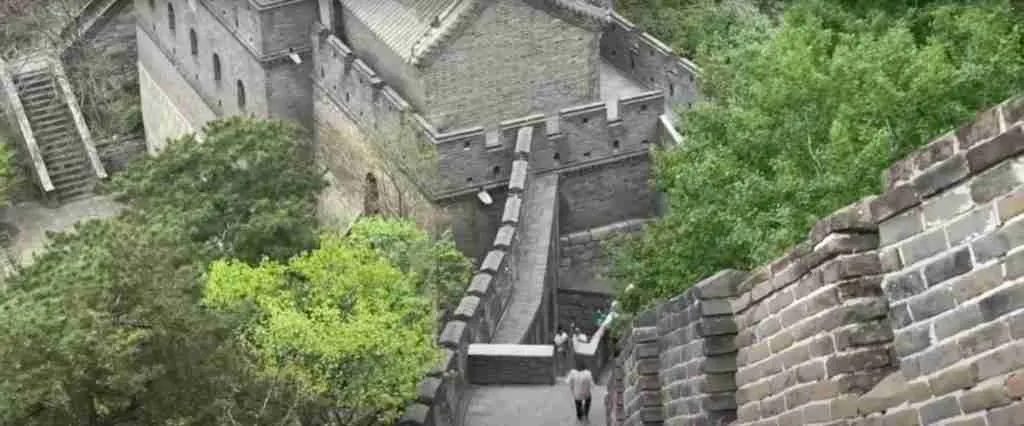
While vastly different in purpose, the Great Wall of China shares Machu Picchu’s most awe-inspiring quality: seemingly impossible construction across mountainous terrain. Both represent civilizations pushing engineering capabilities to their absolute limits, creating structures that appear to flow naturally with dramatic topography.
The Wall’s most scenic sections, particularly around Mutianyu and Jinshanling, follow mountain ridges with the same breathtaking drama as Machu Picchu’s terraces flowing down Andean slopes. Both monuments demonstrate how master builders can enhance rather than dominate natural landscapes.
Construction techniques show remarkable parallels: both cultures transported massive stones across difficult terrain without modern machinery, employed sophisticated dry-stone construction methods, and integrated defensive architecture with natural barriers. The Wall’s watchtowers served similar functions to Machu Picchu’s lookout posts, providing strategic surveillance over vast territories.
The scale of ambition is comparable – while Machu Picchu represents a perfect small city, the Great Wall represents humanity’s largest construction project, stretching over 13,000 miles. Both projects required mobilizing enormous resources and coordinating thousands of workers across challenging geography.
Epic Adventure: Avoid crowded Badaling section. Jinshanling to Simatai offers the most dramatic scenery and authentic wall-walking experience. The 10-kilometer hike takes 4-6 hours through varied terrain. Stay overnight in local guesthouses for sunrise photography opportunities. Winter visits provide fewer crowds and stunning snow-covered landscapes.
7. Mount Fuji, Japan – Sacred Mountain and Cultural Landscape
Mount Fuji shares Machu Picchu’s most profound characteristic: the seamless integration of natural wonder and cultural significance. Both locations transcend simple tourism – they represent sacred landscapes where indigenous peoples have found spiritual meaning for millennia, creating the same sense of pilgrimage and reverence.
The Fujisan cultural landscape encompasses not just the mountain itself but the network of shrines, climbing routes, and artistic traditions surrounding Japan’s most sacred peak. Similarly, Machu Picchu cannot be understood separately from its position within the larger Inca sacred valley and the network of ceremonial sites connecting sacred Andean peaks.
Both mountains inspired centuries of artistic representation: Hokusai’s woodblock prints immortalized Fuji’s perfect volcanic cone, while Inca stone work celebrated Huayna Picchu’s dramatic profile. These aren’t just geographical features – they’re cultural symbols that have shaped national identity and artistic expression.
The climbing seasons create similar experiences of pilgrimage and challenge. Fuji’s official climbing season (July-September) sees thousands of pilgrims ascending through the night to witness sunrise from the summit, echoing the spiritual journey many travelers experience hiking to Machu Picchu via the Inca Trail.
Sacred Journey: Climb Fuji during official season (July-early September) when mountain huts operate. The Yoshida Trail offers the most facilities. Start climbing in late afternoon to reach the summit for sunrise. Outside climbing season, explore the Fuji Five Lakes region for spectacular mountain views and cultural sites like Chureito Pagoda for iconic photography.
8. Meteora, Greece – Monasteries in the Sky
Meteora creates the same jaw-dropping first impression as Machu Picchu: seemingly impossible architecture perched on dramatic rock formations. These 14th-century Orthodox monasteries, built atop towering sandstone pillars, demonstrate the same audacious vision and engineering skill that characterizes the Inca citadel.
The original access to these “monasteries in the sky” required rope ladders and nets – pilgrims literally risked their lives to reach these sacred spaces, creating the same sense of spiritual pilgrimage and physical challenge that draws trekkers to Machu Picchu. Both locations required absolute commitment from their builders and visitors.
Six monasteries remain active today, preserving Byzantine art, manuscripts, and Orthodox traditions much like how Andean communities around Machu Picchu maintain Inca cultural practices. The continuity of spiritual tradition adds depth beyond mere architectural appreciation – these are living cultural landscapes.
Meteora’s rock formations, carved by wind and water over millions of years, provide the same dramatic backdrop that makes Machu Picchu so photogenic. The interplay between human construction and natural sculpture creates endless opportunities for striking photography, especially during golden hour lighting.
Spiritual Exploration: Base yourself in Kalambaka town. Six monasteries remain open to visitors (with varying schedules), each offering unique perspectives and artifacts. The easiest to reach are Great Meteoron and Varlaam. For adventure seekers, rock climbing is permitted on designated formations. Visit during shoulder seasons (spring/autumn) for optimal weather and smaller crowds.
9. Machu Picchu’s Sister Site – Sacsayhuamán, Peru
No list for Machu Picchu lovers would be complete without Sacsayhuamán, the massive Inca fortress overlooking Cusco. While not technically a separate UNESCO site (it’s included within Cusco’s World Heritage designation), Sacsayhuamán offers the purest example of Inca military architecture and demonstrates construction techniques even more impressive than those at Machu Picchu.
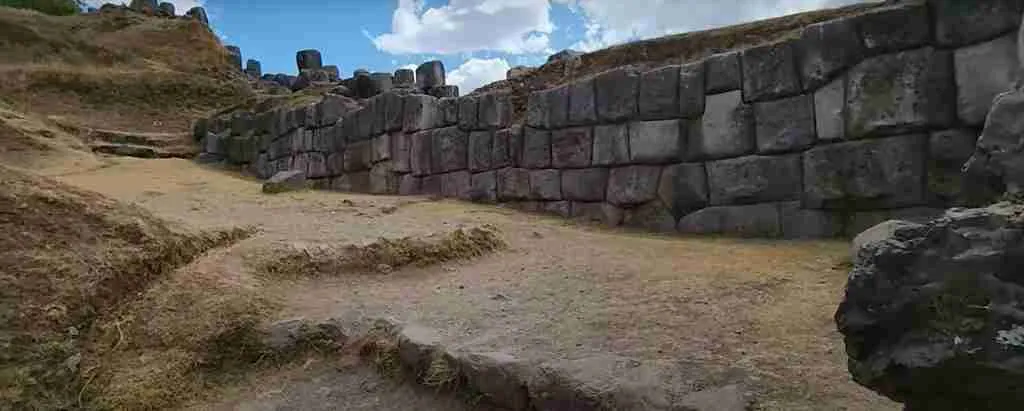
The fortress walls feature stones weighing over 200 tons, fitted together with precision that still baffles engineers. These megalithic blocks, some over 20 feet high, showcase Inca masonry at its absolute pinnacle. The construction makes Machu Picchu’s already impressive stonework seem modest by comparison.
Sacsayhuamán served as the northern defensive anchor of Cusco, the Inca capital, just as Machu Picchu served as a royal retreat. Together, these sites demonstrate the full range of Inca architectural achievement – from intimate royal residences to massive military installations.
The site offers insights into Inca military strategy, urban planning, and religious practices that complement what you learn at Machu Picchu. The June winter solstice festival of Inti Raymi, recreated annually at Sacsayhuamán, provides living cultural context for understanding Inca ceremonies.
Cusco Extension: Sacsayhuamán is easily accessible from Cusco city center via taxi or walking (about 30 minutes uphill). Combine with other nearby Inca sites: Qenko’s carved rock chambers, Puka Pukara’s red stone fortress, and Tambomachay’s water temples. The Cusco tourist ticket (Boleto Turístico) provides access to all major archaeological sites around the former Inca capital.
10. Borobudur, Indonesia – Buddhist Universe in Stone
Borobudur represents the same architectural ambition and spiritual depth as Machu Picchu, but expressed through Buddhist rather than Inca cosmology. This 9th-century temple complex, built without mortar from over two million stone blocks, creates a three-dimensional mandala representing the Buddhist universe – a feat of religious architecture comparable to Machu Picchu’s integration of Inca spiritual beliefs.
The temple’s design guides pilgrims through Buddhist teachings via a symbolic journey from base to summit, similar to how movement through Machu Picchu’s different sectors represented Inca concepts of sacred space. Both monuments require physical and spiritual engagement – they’re not merely observed but experienced through ritual movement.
Borobudur’s 2,672 relief panels tell Buddhist stories in stone, creating one of the world’s largest narrative art installations. This storytelling through architecture parallels how every aspect of Machu Picchu’s construction conveyed Inca cosmological beliefs and royal ideology.
The temple was abandoned and buried under volcanic ash for centuries, discovered and restored only in the 19th and 20th centuries – creating the same sense of rediscovery and archaeological revelation that makes Machu Picchu so compelling. Both sites represent civilizations speaking across centuries through preserved stone testimony.
Sunrise Revelation: Book sunrise tours well in advance through official channels. The early morning light illuminating Borobudur’s stupas with Mount Merapi in the background creates photography opportunities rivaling Machu Picchu’s dramatic vistas. Combine with nearby Prambanan temple complex and traditional Yogyakarta culture for a comprehensive Indonesian heritage experience.
Planning Your UNESCO World Heritage Adventure
These ten destinations offer the same transformative travel experiences that make Machu Picchu unforgettable, but each adds unique perspectives on human achievement and natural beauty. From Sigiriya’s royal excess to Mesa Verde’s cliff-dwelling ingenuity, from Petra’s desert rose facades to Meteora’s sky-bound monasteries, each site proves that remarkable civilizations have flourished in every corner of our planet.
Practical Adventure Planning: Consider organizing these sites into regional clusters for efficient travel: combine Angkor Wat with Borobudur for a Southeast Asian temple circuit; pair Petra with nearby Jordanian and Israeli UNESCO sites; or create a “Lost Cities of the Americas” tour connecting Machu Picchu, Chichen Itza, and Mesa Verde.
Many tour operators now offer themed UNESCO itineraries focusing on archaeological wonders or “lost civilizations.” However, independent travel allows for deeper exploration and more flexible timing to capture optimal photography conditions and avoid crowds.
Best Times to Visit: Schedule visits during shoulder seasons when possible – you’ll encounter fewer crowds, better weather for hiking, and more opportunities for meaningful cultural interaction. Many of these sites, like Machu Picchu, benefit from early morning or late afternoon visits when lighting enhances architectural details and crowd levels decrease.
Each destination rewards travelers who approach with the same respect and wonder that Machu Picchu demands. These aren’t just tourist checkboxes – they’re opportunities to witness humanity’s greatest architectural achievements and connect with cultures that have shaped our collective heritage.
Whether you’re drawn to dramatic mountain settings, archaeological mysteries, or spiritual landscapes, these UNESCO World Heritage Sites will satisfy the same deep curiosity and sense of adventure that first led you to Peru’s most famous citadel. The journey from Machu Picchu to these equally remarkable destinations reveals the incredible diversity and consistent brilliance of human civilization across time and geography.

Frequently Asked Questions
Q: Which of these sites requires the most physical fitness to visit?
A: Mesa Verde and Meteora require the most climbing and physical exertion, similar to reaching Huayna Picchu at Machu Picchu. Sigiriya involves a steep 660-foot climb up ancient rock steps. However, all sites offer varying levels of accessibility – most have easier viewing areas alongside more challenging exploration options.
Q: Can I visit multiple sites on a single trip?
A: Yes! Several regional combinations work well: Angkor Wat and Borobudur in Southeast Asia (2-3 weeks), Petra with Mount Fuji via Middle East-Asia routing, or Chichen Itza with Mesa Verde for a North American archaeological circuit. Plan 3-4 days minimum per major site for proper exploration.
Q: Which sites are best for photography enthusiasts?
A: All these sites offer exceptional photography opportunities, but Angkor Wat, Petra, and Meteora provide the most dramatic lighting conditions. Sunrise and sunset timing is crucial – arrive early and stay late for optimal conditions. Borobudur and Mount Fuji offer particularly spectacular sunrise photography.
Q: Do I need special permits or advance booking for these sites?
A: Most sites require advance booking, especially during peak seasons. Meteora monasteries have limited daily visitors, Angkor Wat requires passes purchased in advance, and Mesa Verde’s guided tours book months ahead. Plan 2-6 months in advance for popular visiting periods.
Q: What’s the best order to visit these sites?
A: There’s no single best order, but consider starting with more accessible sites (Chichen Itza, Angkor Wat) before tackling more physically challenging ones (Sigiriya, Mesa Verde). Alternatively, organize by geography for efficient travel routing and budget management.
Q: Are these sites suitable for families with children?
A: Most sites welcome families, but consider age and fitness levels. Angkor Wat, Chichen Itza, and Borobudur are most family-friendly with minimal climbing. Sigiriya, Mesa Verde, and Meteora require more physical capability. All offer educational opportunities that engage curious young minds.
Q: How do costs compare to visiting Machu Picchu?
A: Costs vary significantly by location. Sites in Southeast Asia (Angkor Wat, Borobudur) and Jordan (Petra) offer excellent value. Japan (Mount Fuji) and USA (Mesa Verde) tend to be more expensive. Greece (Meteora) and Mexico (Chichen Itza) fall in the middle range. Budget 2-3x your Machu Picchu trip costs for comprehensive exploration.
Q: What’s the best time of year for visiting multiple UNESCO sites?
A: Spring (April-May) and autumn (September-October) provide optimal weather for most destinations. Avoid monsoon seasons in Southeast Asia and extreme summer heat in desert locations like Petra. Winter can be excellent for some sites (fewer crowds) but may limit access to mountain locations.
Q: Should I hire guides at these sites?
A: Professional guides significantly enhance the experience at complex sites like Angkor Wat, Borobudur, and Petra where understanding religious symbolism and historical context is crucial. For natural sites like Mount Fuji, guides are less essential but can provide cultural insights and ensure safety.
Q: Which site offers the experience most similar to Machu Picchu?
A: Sigiriya in Sri Lanka provides the closest experience – dramatic clifftop architecture, mysterious abandonment, jungle setting, and challenging access. Mesa Verde offers similar archaeological mystery and integration with natural landscape, while Petra provides the most comparable sense of “lost city” discovery and revelation.