
Zimbabwe vs Zambia Victoria Falls 2026: Which Side Should You Visit?
Key Takeaways for Choosing Your Side in 2026
- Zimbabwe offers frontal views of approximately 75% of Victoria Falls’ width with 16 viewpoints along a 1.7-kilometer path—the most comprehensive viewing experience for 2026 visitors
- Zambia provides closer access to the eastern cataract, unique experiences like Devil’s Pool (September-December 2026), and a more intimate, less crowded atmosphere
- Zimbabwe park entry costs $50 versus Zambia’s $25, but Zimbabwe’s more extensive infrastructure often justifies the higher fee for first-time 2026 visitors
- The KAZA UniVisa ($50) allows unlimited crossings between both countries for 30 days—essential for visitors wanting to experience both perspectives in 2026
- High water season (March-May 2026) favors Zimbabwe viewing; low water season (September-December 2026) offers unique Zambia experiences including Devil’s Pool swimming
- Victoria Falls town (Zimbabwe) provides superior restaurants, nightlife, and accommodation variety; Livingstone (Zambia) offers a quieter, more affordable alternative
Introduction to the Zimbabwe vs Zambia Decision 2026
Every visitor to Victoria Falls faces a fundamental question: should you view the falls from Zimbabwe, Zambia, or both? This decision shapes your entire 2026 experience, from the viewpoints you’ll access and the activities available to your accommodation options and overall costs. While conventional wisdom suggests visiting both sides for a complete experience, time constraints, budget limitations, and seasonal variations mean many travelers must choose—and that choice deserves careful consideration.
Victoria Falls spans 1,708 meters across the border between Zimbabwe and Zambia, with approximately 75% of the falls’ width visible from the Zimbabwe side and the remaining 25% (including the dramatic Eastern Cataract) viewed from Zambia. However, these percentages tell only part of the story. The viewing experience differs dramatically between the two countries—Zimbabwe offers comprehensive frontal vistas across the entire width, while Zambia provides intimate proximity and unique opportunities like swimming at the falls’ edge during low-water months.
The 2026 season brings specific considerations to this choice. Infrastructure improvements continue on both sides, the KAZA UniVisa simplifies dual-country visits, and seasonal water variations create distinctly different experiences throughout the year. Understanding how these factors align with your priorities—photography, adventure activities, wildlife, budget, or simply contemplating one of Earth’s greatest natural wonders—enables an informed decision that maximizes your Victoria Falls experience.
People Also Ask About Zimbabwe vs Zambia 2026
Which side of Victoria Falls is better in 2026?
Zimbabwe offers the more comprehensive viewing experience for 2026 visitors, with frontal views of approximately 75% of the falls’ width across 16 designated viewpoints. First-time visitors and photographers prioritizing the classic Victoria Falls panorama should choose Zimbabwe. Zambia provides a more intimate experience with closer proximity to the Eastern Cataract and unique opportunities like Devil’s Pool swimming during low-water months (September-December 2026). For the complete experience, visit both sides using the KAZA UniVisa ($50), which allows unlimited border crossings for 30 days.
Is Zimbabwe or Zambia cheaper for Victoria Falls in 2026?
Zambia offers lower park entry fees ($25 versus Zimbabwe’s $50) and less expensive accommodation options in Livingstone compared to Victoria Falls town. Budget accommodation in Livingstone starts at $12-20 for dorm beds versus $15-25 in Victoria Falls town. Mid-range hotels average $80-150 in Livingstone versus $120-200 in Victoria Falls. However, Zimbabwe provides more viewpoints per dollar spent and a more developed tourism infrastructure. For 2026 visitors on tight budgets, basing in Livingstone while day-tripping to Zimbabwe offers the best value combination.
Can you see the whole of Victoria Falls from one side in 2026?
No single side offers complete views of Victoria Falls. Zimbabwe provides frontal views of approximately 75% of the falls’ width, including the Main Falls, Horseshoe Falls, and Rainbow Falls. Zambia offers views of the remaining 25%, including the Eastern Cataract and close-up perspectives of Devil’s Cataract. During high-water months (March-May 2026), spray obscures detailed viewing from both sides, while low-water months (September-December 2026) reveal the geological structure from both perspectives. For photographic completeness, visiting both sides is essential.
Is it easy to cross between Zimbabwe and Zambia in 2026?
Crossing between Zimbabwe and Zambia is straightforward with proper documentation. The Victoria Falls Bridge border operates 6:00 AM – 10:00 PM daily, with typical processing times of 15-30 minutes. The KAZA UniVisa ($50) allows unlimited crossings for 30 days—essential for visitors planning multiple crossings. Without this visa, each crossing requires separate visa fees (Zimbabwe $30-45, Zambia $50-80), making the KAZA UniVisa economical even for single crossings. Walking across the bridge takes 10-15 minutes and offers spectacular gorge views.
Extended multi-day tours – 5+ days
Featured Park Victoria Falls Multi-Day Tour Packages
3 days
Park Victoria Falls 3-Day Discovery Tour
- ✓ Comprehensive Park Victoria Falls experience
- ✓ Expert local guides included
- ✓ All accommodation included
- ✓ Transportation provided

5 days
Park Victoria Falls 5-Day Highlights Experience
- ✓ Comprehensive Park Victoria Falls experience
- ✓ Expert local guides included
- ✓ All accommodation included
- ✓ Transportation provided
7 days
Park Victoria Falls 7-Day Cultural Journey
- ✓ Comprehensive Park Victoria Falls experience
- ✓ Expert local guides included
- ✓ All accommodation included
- ✓ Transportation provided

10 days
Park Victoria Falls 10-Day Complete Adventure
- ✓ Comprehensive Park Victoria Falls experience
- ✓ Expert local guides included
- ✓ All accommodation included
- ✓ Transportation provided
Multi-day tour packages powered by TourRadar. Prices and availability subject to change.
Comparing the Viewing Experiences 2026
Zimbabwe Viewpoints and Access 2026
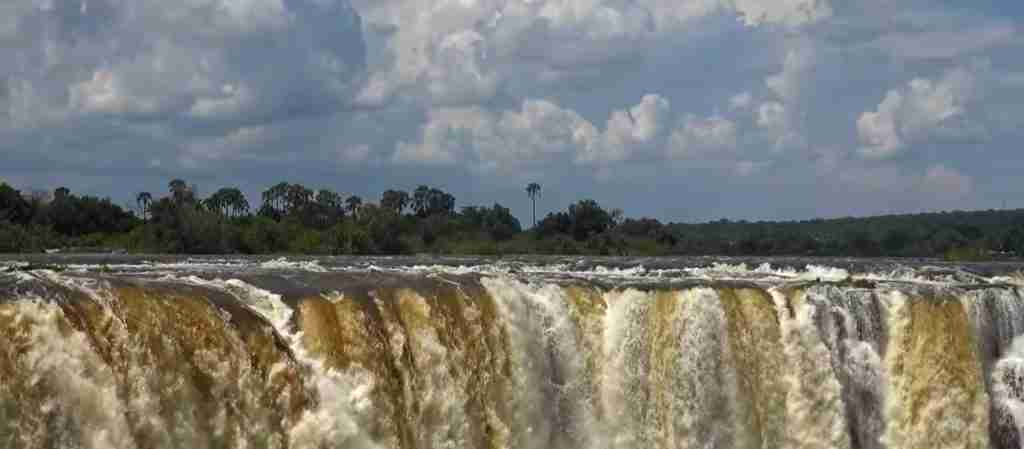
Victoria Falls National Park (Zimbabwe) provides access to 16 numbered viewpoints along a 1.7-kilometer rainforest path created by the falls’ constant spray. These viewpoints deliver frontal perspectives across approximately 75% of the falls’ width, presenting the classic Victoria Falls panorama recognized worldwide. The viewing sequence progresses from Devil’s Cataract on the western end through Main Falls, Horseshoe Falls, and Rainbow Falls, culminating at Danger Point with views toward the Zambian side.
The Zimbabwe path maintains excellent infrastructure for 2026 visitors—paved walkways, sturdy railings, and well-marked viewpoints enable comfortable exploration regardless of fitness level. During high-water months (March-June 2026), the path becomes a rainforest experience in itself, with spray creating constant mist and supporting lush vegetation including wild figs and ebony trees. Viewpoints 7-11 receive the heaviest spray during peak flow, requiring waterproof gear but offering the most dramatic close-up experiences.
Photographic opportunities from Zimbabwe’s viewpoints remain unmatched anywhere else at Victoria Falls. The frontal perspective captures the falls’ full scale and allows composition across multiple cataracts simultaneously. Sunrise lighting (6:00-8:00 AM) illuminates the falls’ eastern face, while mid-morning (9:00-11:00 AM) produces the most reliable rainbow formation. Serious photographers should allow 3-4 hours to fully work the Zimbabwe viewpoints during optimal lighting conditions.
Zambia Viewpoints and Access 2026
Mosi-oa-Tunya National Park (Zambia) provides a distinctly different Victoria Falls experience, emphasizing intimacy over comprehensiveness. The Zambian viewpoints focus on the Eastern Cataract and offer closer proximity to the falling water than any Zimbabwe viewpoint. The Knife Edge Bridge, extending over the Batoka Gorge, delivers vertiginous perspectives of the gorge walls and the churning waters below—an experience unavailable from the Zimbabwe side.
The Zambian path is shorter than Zimbabwe’s but steeper in places, with the descent to the Boiling Pot (the churning pool at the base of the falls) requiring reasonable fitness. During low-water months (September-December 2026), the reduced spray reveals geological features obscured during high water, and exposed rocks create natural viewing platforms extending toward the falls’ edge. This period transforms Zambia from a spray-drenched experience into clear-view territory.
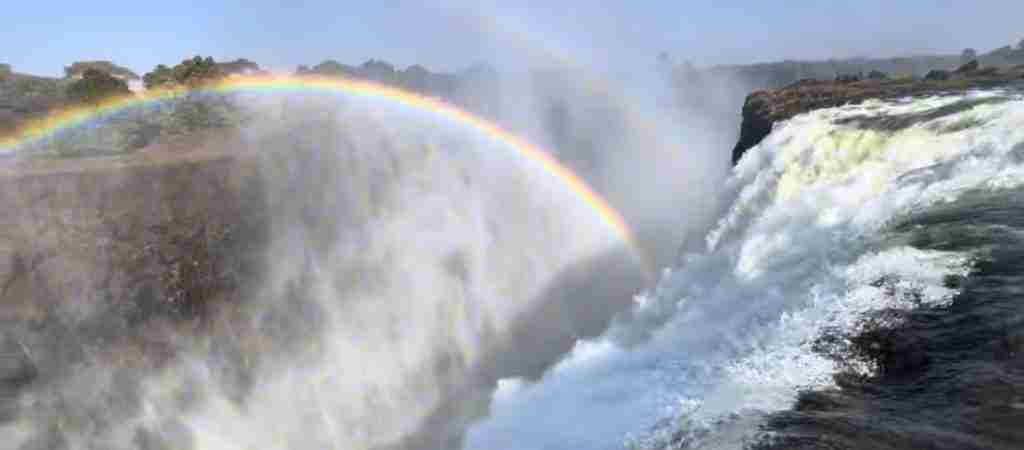
Devil’s Pool represents Zambia’s most unique attraction—a natural rock pool at the very lip of Victoria Falls where swimmers can peer over the edge during low-water season (typically mid-August through December, water levels permitting). This experience is unavailable from Zimbabwe and draws visitors specifically for this once-in-a-lifetime opportunity. Tours to Devil’s Pool cost $100-130 including park fees, boat transfer, and guide, with morning and afternoon sessions available.
Seasonal Variations Affecting Each Side 2026
High water season (February-May 2026) dramatically favors Zimbabwe viewing. The massive spray cloud generated during peak flow obscures direct views from both sides, but Zimbabwe’s more distant viewpoints allow photography of the overall falls width beneath the spray column. Zambia’s closer viewpoints become essentially a rainforest shower experience—exhilarating but limiting visibility to a few meters. First-time visitors during high water should prioritize Zimbabwe.
Shoulder season (June-August 2026) provides balanced experiences on both sides. Water levels remain impressive while spray reduces enough for clear photography. Both Zimbabwe and Zambia viewpoints deliver excellent visibility, and the season’s dry, comfortable weather makes extended exploration pleasant. This period represents the optimal time for visitors wanting quality experiences on both sides.
Low water season (September-December 2026) shifts advantages toward Zambia. While Zimbabwe’s Main Falls and Horseshoe Falls maintain impressive flow year-round, the Zambian side’s Eastern Cataract reduces significantly, sometimes to a trickle by late November. However, this exposed rock creates the conditions necessary for Devil’s Pool access and reveals the geological structure of the gorge. Visitors specifically seeking the Devil’s Pool experience must plan for this season.
Activities Comparison by Country 2026
Zimbabwe-Based Activities 2026
Victoria Falls town (Zimbabwe) serves as the primary hub for adrenaline activities, with most operators based here regardless of activity location. The Victoria Falls Bridge bungee jump ($160), bridge swing ($160), and zipline ($50) operate from the Zimbabwe side of the bridge, though the jump itself occurs over neutral territory in the gorge. Wild Horizons and Shearwater Adventures maintain headquarters in Victoria Falls town, offering convenient booking and departure points.
Helicopter flights operate from both countries but Zimbabwe departures offer certain advantages. The Victoria Falls Airport proximity means quick transfers, and flight paths from the Zimbabwe side provide comprehensive coverage of the falls’ width plus the gorge system downstream. The standard 12-minute “Flight of Angels” costs $170 from Zimbabwe operators, while extended 25-minute flights including the Zambezi River upstream cost $250.
Zambezi National Park borders Victoria Falls town, enabling morning and afternoon game drives within 10 minutes of most hotels. This 56,000-hectare park supports elephants, buffalo, sable antelope, and various predators, with the advantage of minimal travel time compared to Chobe or other regional alternatives. Game drives cost $85-110 for 3-hour experiences, with walking safaris available at $100-120.
White-water rafting on the Zambezi operates from both sides, but Zimbabwe-based operators access certain rapids unavailable from Zambia. The full-day rafting experience ($150-180) covers up to 25 rapids, with equipment, lunch, and dramatic exit hike from the gorge included. High-water periods (February-May 2026) intensify rapids to Grade 5+, while low water (August-December 2026) offers more consistent conditions.
Zambia-Based Activities 2026
Devil’s Pool swimming represents Zambia’s exclusive headline attraction—no Zimbabwe equivalent exists. The natural rock pool at the falls’ lip creates a swimming experience literally at the edge of a 108-meter drop, with only a submerged rock wall preventing swimmers from washing over. Tours operate from Livingstone Island (accessible only by boat from Zambia) and cost $100-130 including all logistics. Advance booking is essential during September-October 2026 when demand peaks.
Livingstone Island tours provide access even when water levels prevent Devil’s Pool swimming, offering guided exploration of the island where David Livingstone first viewed the falls in 1855. The historical context, combined with close-up falls viewing and the option to swim in Angel’s Pool (a secondary natural pool), creates compelling half-day experiences ($100-130, 3-4 hours).
Mosi-oa-Tunya National Park offers rhino tracking experiences unavailable in Zimbabwe’s Zambezi National Park. The park’s white rhino population enables guided walking safaris specifically focused on locating these endangered animals, with success rates exceeding 90% for morning departures. Rhino tracking costs $75-100 for 3-hour experiences, providing intimate wildlife encounters distinct from vehicle-based game drives.
Microlight flights operate primarily from the Zambia side, offering open-cockpit experiences distinct from enclosed helicopter tours. The 15-minute microlight flight ($200-250) places passengers in the front seat with unobstructed 360-degree views, flying low over the falls and gorge. The experience appeals to aviation enthusiasts and photographers seeking unique angles unavailable from helicopters.
Accommodation Comparison 2026
Victoria Falls Town (Zimbabwe) Accommodation 2026
Victoria Falls town offers the most developed tourist infrastructure at the falls, with accommodation ranging from backpacker hostels to colonial-era luxury hotels. The town’s compact layout places most hotels within walking distance of restaurants, shops, and the falls entrance, creating a convenient base for 2026 visitors prioritizing easy access and diverse dining options.
Budget accommodation in Victoria Falls town costs $15-25 for dormitory beds and $45-70 for private rooms. Shoestrings Backpackers and Victoria Falls Backpackers both offer pool facilities, social atmospheres, and activity booking services. These establishments provide excellent value for 2026 budget travelers, though quality varies—inspect rooms before committing if possible.
Mid-range hotels cluster along Park Way and Livingstone Way, with prices ranging $120-250 per night for double rooms in 2026. The Victoria Falls Rainbow Hotel ($130-180) offers falls-view dining and reliable standards. Ilala Lodge ($180-250) provides boutique accommodation with wildlife wandering the grounds—elephants and warthogs regularly traverse the property. A’Zambezi River Lodge ($150-200) sits upstream on the Zambezi, offering river views and distance from town activity.
Luxury properties include The Victoria Falls Hotel ($450-650), operating since 1904 with colonial elegance and falls views from the Stanley Terrace. Victoria Falls Safari Lodge ($350-500) delivers bush-lodge atmosphere with waterhole views and nightly wildlife sightings. These properties command premium rates during July-October 2026, with advance booking essential.
Livingstone (Zambia) Accommodation 2026
Livingstone offers a quieter, more affordable alternative to Victoria Falls town, with the falls entrance located 10 kilometers from the town center. The town retains more local character than its Zimbabwe counterpart, with fewer purpose-built tourist developments and a more authentic Zambian atmosphere. Budget-conscious 2026 visitors often base here while day-tripping to Zimbabwe for the more comprehensive viewpoints.
Budget accommodation costs $12-20 for dormitory beds and $40-55 for private rooms in Livingstone. Jollyboys Backpackers has operated for decades, maintaining reliable standards and an excellent information network for activities and onward travel. Fawlty Towers offers similar budget value with a quieter atmosphere. These prices represent 20-30% savings compared to Zimbabwe equivalents.
Mid-range accommodation in Livingstone runs $80-150 per night, offering better value than Zimbabwe equivalents. Chanters Lodge ($80-110) provides comfortable rooms with breakfast included, while Protea Hotel by Marriott Livingstone ($120-180) offers international chain reliability near the town center. The local guesthouse scene includes numerous family-run options providing authentic hospitality at competitive rates.
Luxury properties on the Zambia side focus on riverside locations. The Royal Livingstone by Anantara ($500-800) occupies prime real estate directly at the falls, the only hotel offering lounge views of Victoria Falls. Tongabezi Lodge ($600-1000) upstream provides romantic cottage accommodation with exceptional personalized service. Sanctuary Sussi & Chuma ($700-1200) combines treehouse-style lodges with walking safari access in adjacent Mosi-oa-Tunya National Park.
Cost Comparison for 2026
Entry Fees and Visas 2026
Zimbabwe charges $50 for Victoria Falls National Park entry (foreign adults), while Zambia charges $25 for Mosi-oa-Tunya National Park. On face value, Zambia offers better value—but Zimbabwe’s 16 viewpoints covering 75% of the falls versus Zambia’s smaller viewing area means cost-per-view may favor Zimbabwe for first-time visitors prioritizing comprehensive viewing.
Visa costs add another dimension to the comparison. Single-entry Zimbabwe visas cost $30, while Zambia charges $50 for single entry. The KAZA UniVisa ($50) covers both countries for 30 days with unlimited crossings—essential value for anyone planning even one border crossing. Without this visa, visiting both sides costs $80+ in visa fees alone versus $50 with KAZA.
For 2026 visitors planning to experience both countries, the total entry cost calculation runs: KAZA UniVisa $50 + Zimbabwe park entry $50 + Zambia park entry $25 = $125 total for complete access. This represents excellent value for experiencing both perspectives of a UNESCO World Heritage Site.
Daily Budget Comparison 2026
Zimbabwe Budget Breakdown (per person, per day):
Budget level: Dorm bed $20, local meals $25-35, activities $50-100, local transport $10. Total daily cost: €105-165 per person (excluding park entry).
Mid-range level: Private room $80-120, restaurant meals $50-70, activities $150-200, taxis $20. Total daily cost: €300-410 per person (excluding park entry).
Luxury level: Premium hotel $250-400, fine dining $100-150, premium activities $300-400, private transfers $50. Total daily cost: €700-1000 per person (excluding park entry).
Zambia Budget Breakdown (per person, per day):
Budget level: Dorm bed $15, local meals $20-30, activities $50-100, local transport $8. Total daily cost: €93-153 per person (excluding park entry).
Mid-range level: Private room $60-90, restaurant meals $40-60, activities $150-200, taxis $15. Total daily cost: €265-365 per person (excluding park entry).
Luxury level: Premium lodge $350-600, fine dining $80-120, premium activities $300-400, private transfers $40. Total daily cost: €770-1120 per person (excluding park entry).
Making Your Decision for 2026
Choose Zimbabwe for 2026 If…
First-time visitors to Victoria Falls should prioritize Zimbabwe in 2026 if they must choose a single side. The comprehensive frontal views across 75% of the falls’ width deliver the iconic panoramas that define Victoria Falls in global consciousness. The 16 viewpoints provide multiple perspectives and compositions, enabling extended exploration and photography under varying light conditions.
Photography-focused visitors find Zimbabwe superior for capturing the falls’ full scale. The frontal perspectives allow wide-angle compositions encompassing multiple cataracts, while the morning sun illuminates the falls directly for optimal lighting. During high-water season (March-May 2026), Zimbabwe’s more distant viewpoints enable photography through heavy spray that obscures Zambian viewpoints entirely.
Visitors preferring developed tourism infrastructure appreciate Victoria Falls town’s restaurant variety, nightlife options, and walkable layout. The town’s activity operators, accommodation range, and convenience justify the higher costs compared to Livingstone for travelers prioritizing ease and options over budget optimization.
Choose Zambia for 2026 If…
Devil’s Pool swimmers must choose Zambia—no alternative exists. The natural infinity pool at the falls’ lip operates only during low-water season (typically mid-August through December 2026) and only from the Zambian side. Visitors specifically seeking this bucket-list experience should plan their entire trip around Zambia access during appropriate water levels.
Budget-conscious travelers find better value basing in Livingstone, with accommodation and dining costs running 20-30% below Zimbabwe equivalents. The $25 park entry versus $50 for Zimbabwe helps, though serious budget optimization involves basing in Zambia while day-tripping to Zimbabwe for superior viewpoints.
Visitors seeking a quieter, more authentic experience appreciate Livingstone’s lower tourist density and more local atmosphere. The town hasn’t been purpose-built around tourism to the same degree as Victoria Falls town, offering glimpses of everyday Zambian life alongside tourist activities. Travelers uncomfortable with heavy tourist infrastructure may find Livingstone more appealing.
Rhino tracking enthusiasts should choose Zambia for Mosi-oa-Tunya National Park’s specialized walking safaris focused on white rhino encounters. This experience is unavailable in Zimbabwe’s Zambezi National Park and provides intimate wildlife encounters distinct from vehicle-based game drives.
Choose Both Sides for 2026 If…
Visitors with two or more full days should experience both sides of Victoria Falls in 2026. The KAZA UniVisa ($50) makes border crossing seamless, and the combined experience reveals perspectives unavailable from either side alone. The Knife Edge Bridge views, Devil’s Pool opportunity (seasonal), and Eastern Cataract intimacy complement Zimbabwe’s comprehensive frontal panoramas.
Serious photographers benefit from both perspectives, capturing the falls’ width from Zimbabwe and intimate details from Zambia. Different lighting conditions throughout the day make both sides photographically productive—Zimbabwe morning, Zambia afternoon creates a natural workflow.
Adventure activity enthusiasts find value in both sides’ offerings. Zimbabwe-based rafting and bungee operations combine with Zambia’s microlight flights and Livingstone Island tours for comprehensive adventure coverage. The border crossing itself—walking across Victoria Falls Bridge with gorge views below—becomes part of the experience.
Practical Tips for 2026 Border Crossing
Border Procedures and Timing 2026
The Victoria Falls Bridge border crossing operates 6:00 AM – 10:00 PM daily. Morning crossings (before 9:00 AM) typically process fastest, with minimal queues before tour groups begin their day. Avoid crossing during 8:00-9:30 AM and 4:00-6:00 PM when commercial traffic and returning tour groups create congestion.
With a KAZA UniVisa, the crossing involves stamping out of one country and into the other—15-20 minutes total during quiet periods. Have your passport ready with the visa page clearly visible. Immigration officers process KAZA holders efficiently since documentation is already validated.
Walking across the bridge takes 10-15 minutes and provides exceptional photo opportunities of the Batoka Gorge, the bungee platform, and the spray rising from the falls. The bridge marks the exact border between Zimbabwe and Zambia, with clear signage indicating the crossing point. No-man’s land in the middle offers unique photo spots where you can stand in neither country.
Logistics for Day Tripping 2026
Day tripping from Zimbabwe to Zambia (or reverse) works efficiently for 2026 visitors. Walk across the bridge, complete immigration, and take a taxi ($15-20) to Mosi-oa-Tunya National Park entrance or Livingstone town center. Alternatively, many activity operators provide cross-border transfers included in tour prices.
Suggested day trip schedule from Victoria Falls town (Zimbabwe): Depart hotel 7:00 AM, cross border 7:30-8:00 AM, Zambian park viewing 8:30-11:00 AM, lunch in Livingstone 11:30 AM – 1:00 PM, return crossing 2:00 PM, back to Zimbabwe for afternoon activities or rest.
Currency considerations: US dollars work on both sides, but Zambian Kwacha is useful for small purchases in Livingstone. Exchange small amounts at the border (rates are acceptable) or withdraw from ATMs in Livingstone. Zimbabwe operates primarily in USD, so returning with leftover Kwacha requires planning.
Frequently Asked Questions About Zimbabwe vs Zambia 2026
Which side has better rainbows at Victoria Falls in 2026?
Zimbabwe offers superior rainbow viewing with sun position favoring frontal views during morning hours (9:00-11:00 AM). The spray rising from the falls creates rainbow arcs that span multiple cataracts when viewed from Zimbabwe’s viewpoints 7-11. Zambia’s afternoon lighting creates different rainbow effects, but the Eastern Cataract focus limits span compared to Zimbabwe’s panoramic opportunities.
Can I do activities on both sides in one day during 2026?
Yes, with efficient planning. Many visitors view Zimbabwe falls at sunrise (6:00-9:00 AM), cross to Zambia for Devil’s Pool or park viewing (10:00 AM – 2:00 PM), return to Zimbabwe for afternoon helicopter flight, then finish with a sunset cruise departing Zimbabwe. The KAZA UniVisa makes multiple same-day crossings practical.
Which side is better for families visiting Victoria Falls in 2026?
Zimbabwe offers more family-friendly infrastructure with gentler walking paths, more viewpoint options for children of varying ages, and superior restaurant variety in Victoria Falls town. The Zambian side’s steep paths and Knife Edge Bridge may challenge younger children. However, Zambia’s rhino tracking provides excellent family wildlife experiences. Families with multiple days should experience both.
Is the helicopter cheaper from Zimbabwe or Zambia in 2026?
Helicopter prices are comparable between countries—$170-190 for 12-15 minute flights, $250-280 for 25-minute extended flights. The experience differs slightly: Zimbabwe departures often route over the town and upstream Zambezi, while Zambia departures focus more on the gorge system. Neither offers significant cost advantages; choose based on departure convenience from your accommodation.
What if I only have half a day at Victoria Falls in 2026?
Choose Zimbabwe for the most comprehensive half-day experience. Enter at 6:00 AM opening, spend 2-3 hours at viewpoints, and depart by 9:30 AM before peak crowds. This captures optimal sunrise lighting, fewer tourists, and the iconic panoramas. With strict time limits, Zimbabwe’s 16 viewpoints covering 75% of the falls outweigh Zambia’s more limited perspectives.
Which side is better during full moon at Victoria Falls in 2026?
Both countries offer lunar rainbow (“moonbow”) viewing during full moon periods when water spray is sufficient (typically February-July). Zimbabwe provides more viewpoint options and organized moonbow tours, while Zambia’s closer proximity can enhance the experience during optimal conditions. Check lunar calendars when planning 2026 visits if moonbow viewing is a priority.
Do I need different currencies for Zimbabwe and Zambia in 2026?
US dollars are accepted throughout both countries’ tourist areas. Zimbabwe officially operates in USD, so dollars are essential there. Zambia uses Zambian Kwacha, but tourist businesses accept USD at reasonable rates. Carrying USD eliminates currency complications; have small bills ($1, $5) for tips and minor purchases on both sides.
Which side has better souvenir shopping in 2026?
Zimbabwe’s Victoria Falls town offers more extensive craft markets with stone sculptures, wood carvings, and African art—the main market near the park entrance features dozens of vendors. Livingstone’s markets are smaller but often offer better prices due to less tourist foot traffic. Quality is comparable; bargaining is expected on both sides.