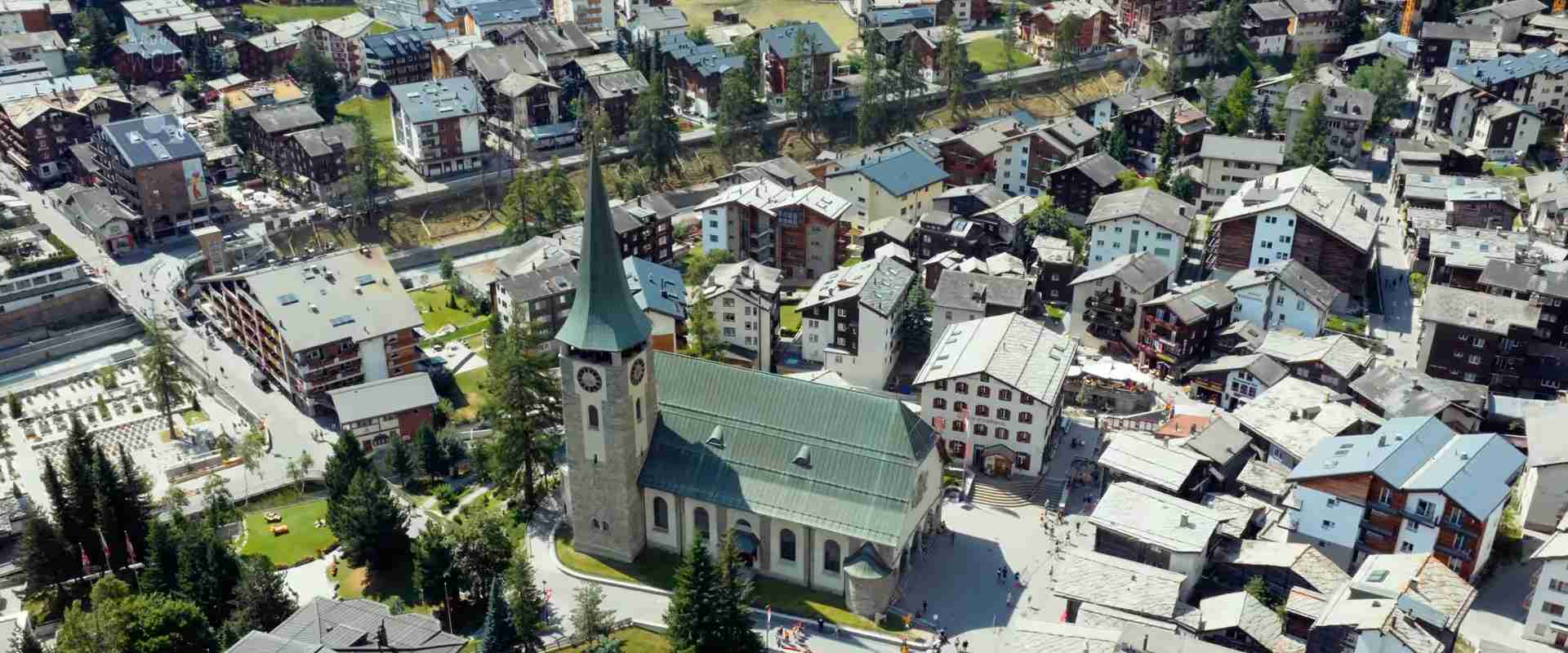
Zermatt Day Trip from Geneva: Complete Guide 2026
Standing beneath the iconic pyramid of the Matterhorn, one of the world’s most photographed mountains, represents a pinnacle Swiss experience achievable as a day trip from Geneva. This guide provides everything you need to plan a memorable excursion to Zermatt, including transportation logistics, mountain railway options, timing strategies, and complete cost breakdowns for 2026.
Key Takeaways: Zermatt Day Trip from Geneva 2026
- Journey Time & Logistics: The train journey from Geneva to Zermatt takes 3 hours 40 minutes to 4 hours each way with one change at Visp. Departing Geneva by 7:00 AM allows arrival in Zermatt around 11:00 AM, providing approximately 5-6 hours in Zermatt before catching a return train around 5:00 PM for an 9:00 PM arrival back in Geneva.
- Mountain Experience Choice: Time constraints on a day trip force a strategic decision between Matterhorn Glacier Paradise at 3,883 meters (Europe’s highest cable car station with glacier views across three countries) or Gornergrat Railway at 3,089 meters (classic Matterhorn viewpoint with easier logistics). Attempting both attractions leaves insufficient time to enjoy either properly.
- Swiss Travel Pass Economics: The 3-day Swiss Travel Pass at CHF 254 ($280) covers the entire Geneva-Zermatt return journey plus provides 50% discounts on mountain railways, making it cost-effective even for a single day trip when compared to individual tickets totaling CHF 268-348 ($295-385) for transport and one mountain excursion.
- Budget Day Trip Cost: Expect CHF 205-255 ($225-280) per person for the day including return train tickets CHF 135-175 ($150-190), mountain railway with discount CHF 48-66 ($53-73), and modest meals CHF 22-30 ($24-33). This assumes advance ticket purchase and basic dining choices.
- Mid-Range Day Trip Cost: Plan for CHF 305-380 ($335-420) per person including Swiss Travel Pass benefit or standard return tickets CHF 210-250 ($230-275), mountain railway CHF 66-99 ($73-110), and quality restaurant meals CHF 45-65 ($50-72). Gornergrat option typically costs CHF 30-50 ($33-55) less than Matterhorn Glacier Paradise.
- Optimal Travel Strategy 2026: Book train tickets 2-3 months in advance for best prices, depart Geneva no later than 7:30 AM, choose one mountain destination based on weather forecast (Gornergrat better for Matterhorn photography, Glacier Paradise for altitude experience), and build in 30-minute buffers for connections to avoid missing return trains.
People Also Ask About Zermatt Day Trips from Geneva 2026
Is a day trip from Geneva to Zermatt worth it in 2026?
A Geneva to Zermatt day trip offers genuine value despite the 7-8 hours of travel time. The journey itself provides spectacular alpine scenery along Lake Geneva and through the Rhone Valley. Upon arrival, 5-6 hours in Zermatt allows time for one major mountain excursion (Matterhorn Glacier Paradise or Gornergrat) plus 1-2 hours exploring the car-free village with its traditional wooden chalets and Matterhorn views from street level. The experience delivers Switzerland’s most iconic mountain landscape without requiring overnight accommodation in expensive Zermatt hotels (which range CHF 300-800 / $330-880 per night). However, travelers seeking multiple mountain excursions, extended hiking, or leisurely alpine village atmosphere should consider spending at least one night in Zermatt.
What’s the total cost for a Zermatt day trip from Geneva in 2026?
Total costs range CHF 205-380 ($225-420) per person depending on choices. Budget travelers using advance-purchase train tickets (CHF 135-175 / $150-190 return) plus Gornergrat Railway with Half-Fare Card discount (CHF 48-66 / $53-73) and basic meals (CHF 22-30 / $24-33) spend approximately CHF 205-255 ($225-280). Mid-range visitors purchasing a 3-day Swiss Travel Pass (CHF 254 / $280) for flexibility, adding Matterhorn Glacier Paradise with pass discount (CHF 50 / $55), and dining at quality restaurants (CHF 45-65 / $50-72) total CHF 305-380 ($335-420). The Swiss Travel Pass proves cost-effective even for a single day trip when compared to individual ticket costs totaling CHF 268-348 ($295-385) without the pass.
Should I choose Matterhorn Glacier Paradise or Gornergrat Railway for a day trip?
Gornergrat Railway provides the superior Matterhorn photography perspective with the classic pyramid silhouette visible across Gorner Glacier from 3,089 meters. The cogwheel train journey takes 29 minutes each way and operates reliably in most weather conditions. Matterhorn Glacier Paradise offers the altitude bragging rights at 3,883 meters (Europe’s highest cable car station) with panoramic views across 38 Alpine peaks in Switzerland, Italy, and France plus the unique Glacier Palace ice cave experience. However, the 40-minute cable car journey with multiple changes proves more complex and faces occasional weather-related closures. For day trippers prioritizing Matterhorn photography, choose Gornergrat. For those seeking maximum altitude and glacier immersion, select Glacier Paradise. The cost difference runs CHF 30-50 ($33-55) higher for Glacier Paradise in summer season.
What time should I depart Geneva for a Zermatt day trip in 2026?
Departing Geneva between 7:00 AM and 7:30 AM maximizes time in Zermatt while ensuring return to Geneva at reasonable evening hours. A 7:00 AM departure from Geneva station arrives Zermatt around 10:40-11:00 AM, allowing cable car or railway ascent by 11:30 AM, 3-4 hours at altitude with lunch, descent by 3:30-4:00 PM, 1-2 hours village exploration, and departure Zermatt around 5:00-5:30 PM for 8:40-9:30 PM arrival Geneva. Later departures compress mountain time unacceptably. Earlier departures (6:00-6:30 AM) add morning hours but require pre-dawn wake times that may not suit all travelers. Swiss trains run precisely on schedule, making the 7:00-7:30 AM departure window optimal for balancing experience quality with reasonable travel day length.
Extended multi-day tours – 5+ days
Featured Geneva Multi-Day Tour Packages
6 days
Switzerland in a Nutshell Small Group Tour 2026
- ✓ Comprehensive Geneva tour
- ✓ Expert local guides included
- ✓ All accommodation arranged
- ✓ Transportation provided

5 days
5-Days in Genava : Scenic Switzerland Wonders of Annecy & Zermatt
- ✓ Comprehensive Geneva tour
- ✓ Expert local guides included
- ✓ All accommodation arranged
- ✓ Transportation provided
6 days
Barcelona to Zurich (11 destinations)
- ✓ Comprehensive Geneva tour
- ✓ Expert local guides included
- ✓ All accommodation arranged
- ✓ Transportation provided

6 days
Switzerland in a Nutshell Small Group Tour 2027
- ✓ Comprehensive Geneva tour
- ✓ Expert local guides included
- ✓ All accommodation arranged
- ✓ Transportation provided
Multi-day tour packages powered by TourRadar. Prices and availability subject to change.
Understanding the Geneva to Zermatt Journey 2026
The rail connection between Geneva and Zermatt ranks among Switzerland’s most scenic train routes, transitioning from the French-speaking lakeside elegance of Geneva through increasingly dramatic alpine terrain to the German-speaking Walser village beneath the Matterhorn. Swiss Federal Railways (SBB) operates frequent service with modern InterRegio trains offering comfortable seating, WiFi, power outlets, and panoramic windows perfect for viewing the constantly changing landscape.
The journey requires one change at Visp, a small town in the Rhone Valley where standard-gauge trains from Geneva meet the narrow-gauge Matterhorn Gotthard Railway continuing to Zermatt. Connection times typically range 6-15 minutes, sufficient for transferring across the platform with luggage. Visp station provides clear signage in English, German, French, and Italian, and platform displays show real-time train information. The final leg from Visp to Zermatt climbs steadily through the Mattertal valley, passing traditional villages and offering first glimpses of surrounding peaks.
Swiss trains operate with legendary punctuality. Delays exceeding 3 minutes trigger compensation protocols. The integrated ticketing system allows single ticket purchase covering the entire journey including the connection at Visp. Seat reservations are not required or offered on this route; seating operates first-come, first-served with ample capacity on most services.
Train Schedule and Frequency 2026
Geneva to Zermatt trains depart every hour throughout the day from approximately 6:00 AM to 10:00 PM, with some variations on weekends and holidays. Journey duration ranges 3 hours 40 minutes to 4 hours depending on connection times at Visp. The fastest services complete the trip in 3 hours 32 minutes; slower connections with extended transfer times may reach 4 hours 15 minutes.
For day trip planning, optimal outbound departures from Geneva run between 6:00 AM and 8:00 AM. The 7:00 AM departure represents the sweet spot, arriving Zermatt around 10:45 AM and allowing full mountain excursion plus village time before evening return. Departures after 8:30 AM compress Zermatt time to 4 hours or less, insufficient for meaningful mountain experience.
Return journeys from Zermatt operate hourly until approximately 9:00 PM. The 5:00-6:00 PM departure window from Zermatt provides balanced timing, allowing 6-7 hours in the destination while returning to Geneva by 9:00-10:00 PM for dinner or hotel arrival.
Trains run year-round with minimal service variations between winter and summer. Weather conditions rarely affect valley services between Geneva and Visp. The Visp to Zermatt section operates in all but the most extreme winter storms, with the Matterhorn Gotthard Railway equipped with snow-clearing equipment and heated track switches for reliable winter operation.
Station Locations and Navigation
Geneva’s main station (Gare de Genève-Cornavin) sits in the city center, a 10-minute walk from lakefront hotels and 6-minute train ride from Geneva Airport. The station serves as Switzerland’s second-largest rail hub with clear signage and comprehensive facilities including luggage storage, restaurants, and travel information desks.
Zermatt station occupies the village’s northern edge, directly across from the Gornergrat Railway departure point and 5 minutes’ walk from the Matterhorn Glacier Paradise cable car base station. The compact, car-free village makes navigation simple; most hotels lie within 10-15 minutes’ walk from the station. Electric taxis and hotel shuttle vehicles provide luggage transport for those preferring not to walk.
The station area includes ticket offices, tourism information, luggage lockers, and basic food options. Free public WiFi operates throughout the station. Exchange offices and ATMs provide currency services, though most establishments accept credit cards and Swiss Francs.
Train Ticket Options and Pricing Strategies 2026
Understanding Swiss rail pricing unlocks significant savings potential. Unlike many European rail systems with complex fare structures, Swiss trains price tickets based on distance and class rather than time of booking or demand. However, several ticket types and passes offer advantages depending on travel plans.
Point-to-Point Standard Tickets
Standard second-class return tickets from Geneva to Zermatt cost CHF 268 ($295) when purchased at full price. First-class tickets run CHF 427 ($470). These tickets remain valid for one month from purchase date, allowing flexible travel within that window without advance time commitment.
Individual tickets make sense for travelers planning only this single journey in Switzerland without other train travel. Purchase occurs at station ticket machines, online through SBB website or mobile app, or at staffed ticket counters. Digital tickets delivered instantly via mobile app provide convenience and eliminate paper ticket concerns.
Advance purchase provides no discount on standard Swiss domestic tickets. Prices remain consistent whether bought three months or three minutes before departure. This differs from many European countries where advance booking yields savings.
Supersaver Tickets (Limited Availability)
SBB occasionally releases Supersaver tickets on select routes and departure times at discounted prices starting CHF 49 ($54) one-way. These deeply discounted fares come with restrictions: specific train binding, no changes permitted, no refunds. Availability varies unpredictably and sells out quickly.
For Geneva-Zermatt routing, Supersaver tickets appear infrequently. Checking 2-3 months before travel occasionally reveals options, particularly for off-peak weekday departures. However, reliable day trip planning cannot depend on Supersaver availability.
Swiss Travel Pass (Recommended for Most Visitors)
The Swiss Travel Pass provides unlimited train, bus, and boat travel throughout Switzerland’s public transport network for consecutive days (3, 4, 6, 8, or 15 days). The 3-day second-class pass costs CHF 254 ($280) in 2026, essentially matching the Geneva-Zermatt return ticket price while adding unlimited additional travel and mountain railway discounts.
Pass benefits particularly relevant to Zermatt day trips include coverage of the complete Geneva-Zermatt return journey, 50% discount on Matterhorn Glacier Paradise and Gornergrat Railway, free city transport in Geneva and 90+ other Swiss towns, free admission to 500+ museums, and flexibility to add additional day trips or destinations without additional ticket purchase.
The economics favor the Swiss Travel Pass even for travelers planning only the Zermatt excursion if considering total costs. Example calculation: Standard return ticket CHF 268 ($295) plus Gornergrat Railway without discount CHF 132 ($145) totals CHF 400 ($440). Swiss Travel Pass CHF 254 ($280) plus Gornergrat with 50% discount CHF 66 ($73) totals CHF 320 ($353), saving CHF 80 ($87) while adding unlimited transport for three days.
Purchase Swiss Travel Pass online through official SBB website or authorized retailers. Digital passes activate on first use, loaded to mobile phone via SBB app. Physical passes ordered by mail require 10-15 days delivery to addresses outside Switzerland.
Swiss Half-Fare Card Alternative
The Half-Fare Card costs CHF 150 ($165) and provides 50% discount on all Swiss trains, buses, boats, and mountain railways for one month. This option suits travelers planning multiple journeys but uncertain about daily travel frequency that makes the Swiss Travel Pass optimal.
For a Zermatt day trip specifically: Geneva-Zermatt return with Half-Fare Card CHF 134 ($147), Gornergrat Railway with Half-Fare Card CHF 66 ($73), total CHF 200 ($220) plus the CHF 150 ($165) card cost equals CHF 350 ($385) – more expensive than the Swiss Travel Pass option but useful if planning other Swiss travel across 30 days rather than consecutive days.
The Half-Fare Card makes financial sense for travelers spending 2+ weeks in Switzerland with sporadic rather than daily train use, or for those planning to rent cars for portions of their trip while maintaining train access for specific routes.
Choosing Between Matterhorn Glacier Paradise and Gornergrat Railway
Time constraints inherent to day trips from Geneva force prioritization between Zermatt’s two premier mountain railways. While overnight visitors can experience both attractions across separate days, day trippers must choose strategically based on priorities, weather conditions, and personal interests.
Matterhorn Glacier Paradise: Europe’s Highest Cable Car Station
The Matterhorn Glacier Paradise cable car system ascends from Zermatt (1,620 meters) to Klein Matterhorn (3,883 meters) in approximately 40 minutes including two intermediate changes at Furi, Schwarzsee, and Trockener Steg. The journey showcases dramatic elevation gain through multiple climate zones, from alpine meadows to permanent snowfields to the high glacier environment.
At the summit, Europe’s highest cable car station provides access to viewing platforms offering 360-degree panoramas across 38 Alpine peaks spanning Switzerland, Italy, and France. On clear days, Mont Blanc (4,809 meters) appears on the western horizon, while the Matterhorn’s north face dominates the southern view from a unique perspective showing the mountain’s full mass.
The Glacier Palace, carved 15 meters beneath the glacier surface, features ice sculptures, frozen grottoes, and illuminated tunnels demonstrating glacier structure. This unique attraction allows visitors to stand inside the glacier, experiencing the compressed ice layers that form over centuries. The Cinema Lounge presents multimedia exhibits on alpine geology, climate change impacts on glaciers, and Matterhorn climbing history.
Summit facilities include a restaurant serving hot meals CHF 25-45 ($28-50), self-service cafeteria, restrooms, and gift shop. Outdoor platforms provide photography opportunities, though extreme cold (often -10 to -25°C even in summer) limits comfortable exposure time to 20-30 minutes without proper winter clothing.
Return tickets for Matterhorn Glacier Paradise cost CHF 99 ($110) at standard 2026 prices. Swiss Travel Pass holders receive 50% discount, paying CHF 50 ($55). The ticket includes all intermediate stations, allowing exit at Schwarzsee or Trockener Steg for hiking before descending. Operating hours extend 8:30 AM to 4:00 PM year-round with extended summer hours to 5:00 PM June through August.
Weather significantly impacts the Glacier Paradise experience. Cloud cover above 3,000 meters obscures summit views. Check weather forecasts and webcams before committing to this option. The Zermatt tourism website and Swiss meteorological service provide real-time summit conditions and visibility reports.
Gornergrat Railway: Classic Matterhorn Viewpoint
The Gornergrat cogwheel railway departs directly opposite Zermatt train station, climbing from 1,604 meters to 3,089 meters in 33 minutes via open-air electric trains operating since 1898. This Europe’s highest open-air cogwheel railway maintains tradition with period-style carriages and vintage station buildings along the route.
The journey passes through five intermediate stations (Findelbach, Riffelalp, Riffelberg, Rotenboden, Gornergrat), each offering distinct perspectives on the surrounding peaks. Passengers may exit at any station for hiking, then board later trains to continue ascent or begin descent. The scenic highlight occurs after Riffelberg station when the Matterhorn’s full pyramid emerges into view across Gorner Glacier.
Gornergrat summit provides the definitive Matterhorn photography location. The viewing platform positions the pyramid against blue sky with Gorner Glacier spreading below, creating the iconic composition appearing in countless Swiss tourism images. The spectacle includes 29 four-thousand-meter peaks in a single panorama, including Switzerland’s highest summit, Dufourspitze (4,634 meters), visible to the east.
The summit hosts the Gornergrat Hotel, open for day visitors seeking shelter and refreshment. The 3100 Kulmhotel Restaurant serves traditional Swiss cuisine with floor-to-ceiling windows framing Matterhorn views. Expect CHF 35-55 ($38-60) for main courses. The Zooom the Matterhorn multimedia exhibition explores the mountain’s geology, climbing history, and cultural significance through interactive displays and virtual reality experiences.
Gornergrat Railway pricing follows seasonal structure: winter (November to April) CHF 96 ($105) return, summer (May to October) CHF 132 ($145) return. Swiss Travel Pass holders receive 50% discount regardless of season. The ticket permits unlimited stop-offs and re-boarding throughout validity day. Trains depart every 24 minutes during peak season (June to September), every 40 minutes in shoulder seasons.
Operating hours run 7:00 AM to approximately 7:00 PM in summer, with reduced winter schedules starting 8:00 AM. Sunrise and sunset special departures operate select dates for photographers seeking optimal lighting conditions on the Matterhorn.
Comparative Analysis: Which Mountain Railway to Choose
Gornergrat offers superior Matterhorn photography with the classic pyramid view across the glacier, simpler logistics with direct access from Zermatt station and no cable car changes, more reliable operation with fewer weather closures, lower cost at CHF 30-50 ($33-55) less than Glacier Paradise, and comfortable altitude for most visitors with fewer concerns about altitude sickness at 3,089 meters versus 3,883 meters.
Matterhorn Glacier Paradise provides the altitude record as Europe’s highest accessible point by cable car, unique glacier interior experience through the Glacier Palace ice caves, broader international vista spanning three countries on clear days, summer snow guarantee for those seeking permanent snowfield environments, and more dramatic vertical ascent showcasing multiple climate zones during the cable car journey.
For day trippers from Geneva with limited Zermatt time, Gornergrat generally delivers higher satisfaction due to reliability, photography opportunities, and time efficiency. The railway’s direct station-to-station operation eliminates cable car transfer complexity. However, visitors who prioritize maximum altitude and glacier immersion should select Matterhorn Glacier Paradise, accepting the trade-offs in time and complexity.
Weather conditions should drive final decision on the day of travel. Check morning forecasts and summit webcams before committing. Cloud cover at 3,000+ meters renders both experiences disappointing, but Gornergrat faces fewer weather closures and retains value even with reduced visibility due to the shorter ascent time and lower ticket cost.
Sample Zermatt Day Trip Itinerary 2026
This practical schedule demonstrates how to maximize a Geneva to Zermatt day trip while maintaining comfortable pacing and building in contingency time for connections.
Recommended Timeline: Gornergrat Focus
6:30 AM: Arrive Geneva Cornavin station with tickets pre-loaded to mobile phone or Swiss Travel Pass activated. Identify departure platform from information boards. Purchase train breakfast (croissant and coffee approximately CHF 8 / $9) from station bakery if desired.
7:03 AM: Board Geneva to Visp train, finding window seat on right side for Lake Geneva views during first hour. Journey proceeds along lake’s northern shore through Lausanne, Montreux, and into Rhone Valley. WiFi allows work or entertainment during travel time. Dining car serves hot meals CHF 20-30 ($22-33) if breakfast not taken at station.
9:42 AM: Arrive Visp station. Follow signs to Matterhorn Gotthard Railway platform (typically platform 2 or 3). Connection time 7 minutes allows comfortable transfer with luggage. Platform displays confirm Zermatt train departure track.
9:49 AM: Board narrow-gauge train to Zermatt. Sit on left side for best mountain views as train climbs Mattertal valley. Small villages pass outside windows as elevation increases. The Matterhorn appears gradually as train approaches Zermatt.
10:52 AM: Arrive Zermatt station. Exit directly across street to Gornergrat Railway station visible from platform. Purchase Gornergrat ticket at window or machine if not already included in pass. Luggage storage available if carrying bags (CHF 8 / $9 for small locker).
11:10 AM: Board Gornergrat cogwheel train. Select right side for Matterhorn views after Riffelberg. Dress in warm layers; temperature drops 15-20°C from village to summit even in summer.
11:43 AM: Arrive Gornergrat summit. Proceed to viewing platforms for Matterhorn photography. Panorama spans Monte Rosa massif, Gorner Glacier, and surrounding peaks. Plan 60-90 minutes at summit for photos, walking viewing points, and potential lunch.
12:00-1:00 PM: Lunch options include 3100 Kulmhotel Restaurant (CHF 35-55 / $38-60 for hot meals), self-service cafeteria (CHF 18-28 / $20-31 for soup and sandwich), or packed lunch from Geneva eaten at outdoor picnic areas. Visit Zooom the Matterhorn exhibition if time and interest permit.
1:20 PM: Board descending Gornergrat train. Consider exiting at Rotenboden station (3 minutes below summit) for 20-minute walk to Riffelsee, a small alpine lake famous for Matterhorn reflections in calm morning conditions. This adds 40 minutes to schedule if pursued.
2:00 PM: Arrive back at Zermatt valley station. Begin village exploration on foot. The car-free environment allows easy walking through main street (Bahnhofstrasse) lined with shops, hotels, and restaurants.
2:15-4:15 PM: Explore Zermatt village. Key sights include Hinterdorf (old quarter with traditional wooden granaries on stone stilts), Matterhorn Museum Zermatlantis (underground museum showing alpine village history, CHF 12 / $13 admission), main shopping street with mountain sports equipment and Swiss souvenirs, and various photography angles of the Matterhorn from town.
3:00 PM (optional): Afternoon coffee at traditional cafe. Expect CHF 6-8 ($7-9) for espresso or cappuccino, CHF 10-15 ($11-17) with cake. Popular spots include Cafe du Pont, Fuchs Cafe, or any terrace with Matterhorn view.
4:30 PM: Return to Zermatt station for departure preparation. Use restrooms, purchase water or snacks for return journey, and locate departure platform.
5:06 PM: Board Zermatt to Visp train. Retraces morning route down Mattertal valley.
6:08 PM: Arrive Visp. Transfer to Geneva-bound train (6 minutes connection time).
6:14 PM: Depart Visp on Geneva train. Sunset lighting illuminates Lake Geneva during final hour if traveling May through August. Consider dining car meal or snacks from station.
8:51 PM: Arrive Geneva Cornavin station. Walk to hotel or continue to airport if flying out same evening.
This schedule provides 5 hours 15 minutes in Zermatt (11:00 AM to 4:15 PM) with 3 hours at Gornergrat summit and village, 2 hours village exploration, and built-in buffers at connections. Total day length from Geneva hotel to return runs approximately 14 hours including all transit.
Alternative Timeline: Matterhorn Glacier Paradise Focus
For travelers selecting Glacier Paradise over Gornergrat, adjust the schedule: Depart Geneva on same 7:03 AM train arriving Zermatt 10:52 AM. Walk 5 minutes from train station to Matterhorn Glacier Paradise base station, arriving 11:05 AM. Purchase tickets and board cable car by 11:30 AM. Journey to summit takes 40 minutes with changes at Furi and Trockener Steg, reaching Klein Matterhorn by 12:10 PM. Spend 2-2.5 hours at summit (12:10-2:40 PM) exploring Glacier Palace, viewing platforms, and summit restaurant. Begin descent 2:40 PM, reaching Zermatt village 3:20 PM. Village exploration 3:30-4:30 PM before departing Zermatt 5:06 PM on return train to Geneva.
This compressed village time reflects Glacier Paradise’s longer journey duration. The trade-off delivers maximum altitude experience at expense of Zermatt atmosphere immersion.
Complete Cost Breakdown: Zermatt Day Trip from Geneva 2026
Understanding total expenses allows accurate budgeting and prevents unexpected costs. The following detailed breakdowns reflect current 2026 pricing for various budget levels and travel choices.
Budget Day Trip Calculation
Budget-conscious travelers can complete a meaningful Zermatt day trip for CHF 205-255 ($225-280) per person by making strategic choices at each expense category:
Transportation: Advance-purchase standard return tickets Geneva to Zermatt CHF 135-175 ($150-190) depending on availability, or Half-Fare Card CHF 150 ($165) one-time purchase plus discounted tickets CHF 134 ($147) if planning additional Swiss travel within 30 days. Select second-class seating and bring food from Geneva rather than purchasing on trains.
Mountain Railway: Gornergrat Railway winter season CHF 96 ($105) at full price, or CHF 48 ($53) with Half-Fare Card discount. Summer increases to CHF 132 ($145) full price or CHF 66 ($73) with discount. Budget travelers gain CHF 30-50 ($33-55) savings by choosing winter travel dates November through April if schedule permits.
Meals: Budget CHF 22-30 ($24-33) total for the day. Morning coffee and pastry at Geneva station CHF 6-8 ($7-9). Pack lunch from Geneva supermarket (sandwich, fruit, water) CHF 8-12 ($9-13) consumed at Gornergrat summit outdoor areas. Afternoon coffee or snack in Zermatt CHF 6-8 ($7-9). Skip restaurant meals entirely to minimize costs.
Incidentals: Budget CHF 5-15 ($6-17) for potential luggage storage CHF 8 ($9) if needed, restroom fees CHF 2 ($2.20) at unmanned facilities, and emergency snack or drink purchases. Many restrooms in train stations and at mountain railways remain free with ticket purchase.
Total budget day trip: CHF 205-255 ($225-280) delivers complete Zermatt mountain experience with basic comfort level suitable for budget-conscious or younger travelers prioritizing experience over amenities.
Mid-Range Day Trip Calculation
Most visitors prefer mid-range comfort balancing cost with experience quality at CHF 305-380 ($335-420) per person:
Transportation: Swiss Travel Pass 3-day CHF 254 ($280) provides optimal flexibility covering complete return journey plus mountain railway discount, free city transport in Geneva, and bonus days for additional Swiss exploration. Alternatively, standard return tickets CHF 210-250 ($230-275) for second-class without pass commitment.
Mountain Railway: Matterhorn Glacier Paradise CHF 99 ($110) full price, or CHF 50 ($55) with Swiss Travel Pass 50% discount. This higher-cost option adds CHF 30-50 ($33-55) versus Gornergrat but delivers unique glacier experience and European altitude record. Budget-flexible travelers can choose based on weather and interest rather than purely cost consideration.
Meals: Allocate CHF 45-65 ($50-72) for comfortable dining. Breakfast at Geneva cafe or hotel CHF 12-18 ($13-20). Lunch at Gornergrat summit restaurant or Glacier Paradise self-service CHF 25-35 ($28-38) for hot meal and beverage. Afternoon coffee and pastry in Zermatt CHF 8-12 ($9-13). This budget allows proper sit-down meals with table service and Swiss specialties rather than packed food.
Incidentals: Plan CHF 15-30 ($17-33) for luggage storage if needed, museum admission to Matterhorn Museum CHF 12 ($13) if visiting, and potential souvenir or emergency items. Comfortable buffer prevents stress over small expenses.
Total mid-range day trip: CHF 305-380 ($335-420) provides quality experience with flexibility, comfortable dining, and elimination of most cost-driven compromises on choices. Swiss Travel Pass at this level transforms from pure economy decision to value-added convenience enabling spontaneous additional stops or museum visits.
Premium Day Trip Calculation
Premium travelers prioritizing maximum comfort and experience completeness can expect CHF 460-580 ($510-640) per person:
Transportation: Swiss Travel Pass 3-day first-class CHF 405 ($445) delivers spacious seating, quieter environment, and often complimentary newspapers on longer routes. Alternative standard first-class return tickets CHF 380-420 ($420-465) provide comfort without pass flexibility.
Mountain Railway: Matterhorn Glacier Paradise CHF 99 ($110) or CHF 50 ($55) with pass discount, selecting Glacier Paradise for maximum altitude experience. Consider adding Gornergrat as second mountain railway if time permits (depart Geneva 6:00 AM, compress village time) for CHF 66-132 ($73-145) additional depending on season and discounts.
Meals: Budget CHF 85-120 ($94-133) for full-service dining throughout day. Quality Geneva breakfast CHF 22-30 ($24-33). Summit restaurant three-course lunch with wine CHF 50-75 ($55-83). Zermatt afternoon tea or aperitif at premium hotel terrace CHF 18-25 ($20-28). This level enables experiencing Zermatt’s renowned gastronomy and alpine dining culture.
Additional Experiences: Allocate CHF 40-80 ($44-88) for museum visits, guided village walking tour, shopping for Swiss chocolate or watches, or upgrading to special railway experiences like sunrise or sunset departures with champagne service (offered select dates, book in advance).
Total premium day trip: CHF 460-580 ($510-640) eliminates all compromises, providing maximum comfort, flexibility, and experience depth. This level suits travelers for whom the Zermatt excursion represents a highlight experience worthy of premium investment.
Organized Tour vs Independent Travel Cost Comparison
Organized bus tours from Geneva to Zermatt and Matterhorn Glacier Paradise operate year-round at approximately CHF 324 ($360) per person including return bus transport, Zermatt shuttle, and Glacier Paradise cable car. These packages appear competitive with independent travel until examining the details.
Tour schedules typically depart Geneva 8:00 AM and return 8:00 PM (12-hour day) but include 7-8 hours bus time with stops in Lausanne and Montreux for additional passenger pickups. Actual Zermatt time runs only 3-4 hours total, split between Glacier Paradise visit (1.5-2 hours) and village exploration (1-1.5 hours). The rushed pace prevents meaningful experience depth, requires strict adherence to group schedule, and offers zero flexibility for weather-based decisions.
Independent travel via train provides 5-6 hours in Zermatt, flexibility to choose mountain railway based on weather and interest, freedom to adjust schedule if enjoying particular location, and significantly more comfortable transport via scenic train versus highway bus. The cost difference of CHF 0-80 ($0-88) depending on ticket choices proves minimal relative to experience quality improvement.
Organized tours make sense only for travelers uncomfortable navigating Swiss trains independently, those without time for trip research, or groups seeking guaranteed English-speaking guide commentary. The overwhelming majority of visitors achieve superior experience value through independent train travel using this guide’s planning framework.
Seasonal Considerations and Best Time to Visit 2026
Zermatt operates year-round as both winter ski resort and summer hiking destination, with distinct seasonal characteristics affecting day trip planning and experience quality.
Summer Season (June-September): Peak Visibility and Access
Summer delivers optimal conditions for Zermatt day trips with longer daylight hours enabling early departures and late returns, higher probability of clear weather and Matterhorn visibility, all mountain railways operating maximum frequency schedules, hiking trail access at all elevations including high-altitude routes from Gornergrat and Glacier Paradise, and warmest temperatures reducing clothing and preparation requirements.
Expect average temperatures 20-25°C (68-77°F) in Zermatt village, 5-10°C (41-50°F) at Gornergrat summit, and -5 to +5°C (23-41°F) at Glacier Paradise summit. Afternoon thunderstorms occur frequently July through August, typically developing 2:00-5:00 PM and clearing by evening. Plan mountain excursions for morning hours when weather remains most stable.
Tourist volume peaks July and August with crowded trains, cable cars, and summit platforms. Book accommodations and make reservations well in advance if combining with overnight stay. Day trippers encounter fewer crowd issues as most serious congestion occurs at hotels rather than transport infrastructure.
Pricing reaches maximum during summer season with Gornergrat costing CHF 132 ($145) versus winter CHF 96 ($105), representing 38% premium for peak-season travel. Matterhorn Glacier Paradise maintains year-round pricing CHF 99 ($110), though occasional summer surcharges may apply during extreme peak periods.
Spring Season (April-May): Shoulder Season Value
Spring offers compelling advantages including reduced tourist numbers creating uncrowded mountain experiences, lower accommodation costs if overnight stay desired, clear skies with excellent visibility on stable high-pressure days, and dramatic snow coverage creating photogenic alpine landscapes.
However, weather variability increases with potential late-season snowstorms affecting train reliability and mountain railway operations. Some high-elevation hiking trails remain snow-covered and inaccessible without winter equipment. Temperature swings between valley (10-20°C / 50-68°F) and summits (-10 to 0°C / 14-32°F) require careful clothing layering.
Gornergrat Railway transitions from winter to summer pricing in late April or early May depending on specific year. Travelers visiting early to mid-April benefit from winter rates CHF 96 ($105) while enjoying increasingly favorable weather conditions.
Fall Season (October-November): Autumn Colors and Clarity
Autumn delivers exceptional photographic conditions with crystal-clear atmosphere following summer humidity, golden larch forests creating stunning color contrast against permanent snowfields, reduced tourist crowds returning to summer levels, and continued operation of all mountain railways through October.
Daylight hours shorten progressively through fall, requiring earlier Geneva departures (6:00-7:00 AM) to maximize Zermatt time. Weather stability decreases in November with increased precipitation and early winter storms. Check extended forecasts carefully before committing to November travel dates.
Gornergrat Railway returns to winter pricing November 1st, providing 27% cost reduction from summer rates while weather and access often remain excellent through early November. This represents the best value period for budget-conscious travelers.
Winter Season (December-March): Ski Resort Atmosphere
Winter transforms Zermatt into one of Europe’s premier ski resorts with unique atmosphere created by skiers, snowboarders, and winter sports enthusiasts filling village streets and mountain facilities. Guaranteed snow coverage at all elevations creates dramatic white landscapes and extensive skiing terrain accessible from both Gornergrat and Glacier Paradise areas.
Daytrippers must navigate shorter daylight hours limiting practical departure windows, extremely cold summit temperatures requiring full winter clothing even for brief viewing platform visits, potential train delays or cancellations during severe winter storms, and crowded conditions during Christmas, New Year, and February school holiday weeks.
The Matterhorn presents spectacular appearance in winter lighting, particularly during clear high-pressure systems when temperatures drop but visibility soars. Morning light creates dramatic shadows on the mountain’s faces, while sunset alpenglow transforms the peak into brilliant orange-pink during golden hour.
Winter pricing on Gornergrat CHF 96 ($105) versus summer CHF 132 ($145) provides significant savings for budget travelers. Combined with lower Geneva hotel costs outside peak periods, winter day trips can reduce total expenses CHF 50-100 ($55-110) per person versus identical summer itineraries.
Practical Tips for a Successful Day Trip 2026
Decades of accumulated traveler experience reveal specific strategies maximizing Zermatt day trip success while minimizing common frustrations.
Weather Monitoring and Contingency Planning
Swiss mountain weather changes rapidly and dramatically impacts experience quality. Check detailed forecasts from Swiss meteorological service MeteoSwiss (www.meteoswiss.ch) including specific mountain summit predictions. Standard Geneva or valley forecasts prove insufficient for planning mountain railway excursions.
Monitor summit webcams on the morning of travel at www.zermatt.ch showing real-time conditions at Gornergrat and Glacier Paradise. Clear views on webcams at 8:00 AM typically indicate favorable day ahead. Cloud-obscured summits suggest delaying mountain ascent until afternoon or reconsidering the excursion entirely.
Maintain flexibility in mountain railway selection. If weather favors one peak over another (Gornergrat clear while Glacier Paradise clouded), adjust plans accordingly rather than rigidly following predetermined itinerary. Tickets purchased on arrival allow this weather-based decision making.
Build in backup plans for completely poor weather days. Zermatt village offers indoor attractions including Matterhorn Museum, shopping arcades, and cafes that provide enjoyable experiences even without mountain visibility. Alternatively, the Swiss Travel Pass enables spontaneous pivots to alternate destinations like Montreux or Lausanne if Zermatt weather proves unsuitable.
Clothing and Equipment Recommendations
Temperature differentials between Geneva (lowland, lake-influenced climate) and mountain summits (high alpine, glacier-influenced) exceed 20-30°C even in summer. Proper clothing prevents discomfort and potential health issues.
Essential items include warm jacket suitable for below-freezing temperatures at Glacier Paradise, multiple thin layers allowing adjustment as elevation and activity level changes, sunglasses with UV protection (critical at high altitude where UV intensity increases significantly), sun protection cream SPF 50+ for exposed skin at altitude, comfortable walking shoes with good grip for village cobblestones and mountain station platforms, and water bottle for hydration at altitude (cabin air on trains quite dry).
Recommended additions include camera with extra batteries (cold rapidly drains battery power), small backpack for carrying layers and purchases, snacks or energy bars for summit consumption, and binoculars for wildlife and peak viewing if interested in detailed mountain observation.
Altitude effects begin around 2,500 meters for some individuals. Stay hydrated, avoid alcohol before and during mountain ascent, move slowly upon reaching summit to allow acclimatization, and descend if experiencing persistent headache, dizziness, or nausea. Gornergrat at 3,089 meters proves more comfortable than Glacier Paradise at 3,883 meters for altitude-sensitive individuals.
Photography Optimization
The Matterhorn ranks among the world’s most photographed mountains, challenging photographers to capture distinctive images among millions of existing photos. Several strategies elevate photography beyond tourist snapshots.
Timing proves critical for optimal lighting. Morning light (8:00-11:00 AM) illuminates the Matterhorn’s east face beautifully from Gornergrat position. Afternoon light (2:00-5:00 PM) favors different angles. Golden hour (final hour before sunset) creates dramatic warm tones on snow and rock. Plan mountain railway timing around desired light direction.
Gornergrat provides classic Matterhorn composition with the pyramid reflected in Riffelsee lake (accessible via 20-minute walk from Rotenboden station). Visit in early morning for best reflection conditions; wind picks up midday creating ripples that disrupt mirror surface. This iconic shot requires calm weather and patience.
Matterhorn Glacier Paradise offers unique perspectives showing the north face from above, unusual for most Matterhorn photography. Include foreground elements (other peaks, glacier features, viewing platform railings) to create depth and context rather than isolating the mountain against sky.
Village photography benefits from exploring side streets beyond main Bahnhofstrasse. Hinterdorf (old quarter) provides traditional wooden granaries and chalets with Matterhorn visible between buildings. Kirchbrucke (church bridge) offers classic village and mountain composition particularly effective in evening light.
Mobile Phone and Data Considerations
Swiss mobile networks provide excellent coverage throughout the journey including trains, Zermatt village, and mountain railways. SBB trains offer free WiFi with registration. Data connections enable real-time schedule checking, weather updates, and emergency communications.
International travelers should verify roaming charges before departure. European Union visitors benefit from roam-like-home regulations eliminating roaming fees in Switzerland. Non-EU travelers face potentially high roaming costs and should consider local SIM card purchase at Geneva airport or station (approximately CHF 20-40 / $22-44 for tourist data packages).
Download offline maps and Swiss Travel System apps before departure if preferring to avoid data charges. SBB Mobile app includes complete Swiss train schedules available offline after initial download. Offline Google Maps sections covering Geneva and Zermatt provide navigation without connectivity.
Battery conservation becomes important during long travel days. Bring portable charger or power bank. Train power outlets (available at most seats on InterRegio trains) allow device charging during journey but not guaranteed on all services.
Language and Communication
Switzerland’s multilingual environment generally presents minimal challenges for English speakers. Geneva operates primarily in French; Zermatt uses Swiss German dialect but tourist facilities function fluently in German, English, French, and Italian.
SBB train station signage and announcements occur in local language plus English on major routes. Ticket machines offer English language selection. Train staff and tourism information personnel universally speak functional English at minimum, often quite fluently.
Learning basic Swiss greetings enhances interactions. “Grüezi” (groo-et-see) for hello in Swiss German Zermatt, “Bonjour” for French-speaking Geneva, “Merci” for thank you works in both regions, and “Excuse me” or “Entschuldigung” for attracting attention. Effort at local language, however minimal, generates positive response even when conversation continues in English.
Luggage and Storage Solutions
Day trippers should minimize luggage to single small backpack or day bag if possible. Large rolling suitcases prove cumbersome on trains and problematic on mountain railways. Swiss trains include luggage racks above seats and at coach ends, but space limits exist during busy periods.
If arriving Geneva with checked luggage before day trip or departing Geneva evening of day trip, use station luggage storage. Geneva Cornavin offers left-luggage service CHF 12 ($13) per item for up to 24 hours located in station’s main hall. Automated lockers cost CHF 8-15 ($9-17) depending on size.
Zermatt station provides luggage lockers and left-luggage counter for travelers combining day trip with overnight elsewhere. Most visitors manage entire excursion with items fitting standard backpack: water bottle, snacks, camera, extra clothing layer, sunglasses, and wallet.
Alternative Transportation Options from Geneva
While the standard train route via Visp provides the primary connection, several alternative approaches exist for reaching Zermatt from Geneva, each with distinct characteristics and trade-offs.
Direct Organized Tours
Multiple operators run daily bus tours from Geneva to Zermatt and Matterhorn Glacier Paradise. These packages include round-trip coach transport, Zermatt shuttle, and cable car tickets for approximately CHF 324 ($360) per person.
Tours depart Geneva Bus Station (Gare Routière) around 8:00 AM and return approximately 8:00 PM, creating 12-hour total journey. Actual Zermatt time totals 3-4 hours after accounting for 3.5-4 hours highway drive each direction plus stops in Lausanne and Montreux for additional passenger pickups.
The guided format provides English commentary during drive and eliminates navigation concerns for less confident independent travelers. However, the compressed schedule, bus-based transport versus scenic train, and lack of flexibility for weather-based decisions significantly reduce experience quality compared to independent train travel at similar total cost.
Scenic Route via Montreux and Golden Pass
Train enthusiasts can enhance the journey by routing through Montreux and incorporating portions of the Golden Pass panoramic route. Depart Geneva to Montreux (1 hour), change to Visp via Rhone Valley (2 hours), transfer to Zermatt (1 hour), total journey time 4.5-5 hours versus direct route’s 3h 40m.
This option adds 45-60 minutes to travel time while enabling stop-offs in Montreux (lakeside resort with Chillon Castle), enhanced scenic views along different routing, and use of some panoramic train coaches equipped with larger windows, though full Golden Pass panoramic service operates only Montreux to Interlaken sector, not toward Zermatt.
The Swiss Travel Pass covers this routing completely. Point-to-point ticket pricing increases minimally (CHF 10-20 / $11-22) for the extended routing. Day trippers must weigh whether scenic enhancement justifies reduced Zermatt time.
Car Rental Considerations
Driving from Geneva to Täsch (parking location for Zermatt access, as Zermatt itself is car-free) covers approximately 230 kilometers requiring 3-3.5 hours via A9 highway through Rhone Valley. This timing mirrors train journey without accounting for Täsch parking and train shuttle to Zermatt (additional 30 minutes).
Car rental costs CHF 60-120 ($66-133) per day depending on vehicle class, plus CHF 30-40 ($33-44) fuel, CHF 25 ($28) Täsch parking (24-hour rate), and potential highway vignette CHF 40 ($44) if not included in rental. Total vehicle costs CHF 155-225 ($171-248) compare unfavorably to two train tickets at CHF 134-268 ($147-295), particularly when accounting for door-to-door convenience of Geneva and Zermatt train stations versus parking and shuttle requirements.
Driving provides flexibility for stops at Rhone Valley attractions (Sion castle, Lavaux vineyards) but eliminates scenic viewing during travel and adds stress navigating mountain roads versus relaxing on trains with WiFi and refreshment facilities. The overwhelming majority of day trippers achieve superior experience via train.
Extending Your Visit: Nearby Attractions from Zermatt
Zermatt’s location in the upper Mattertal valley provides access to additional alpine attractions suitable for travelers with extra time or those spending overnight.
Five Lakes Walk: Accessible Alpine Hiking
The Five Lakes Walk (5-Seenweg) ranks among Switzerland’s most spectacular accessible hiking routes, circling through five alpine lakes each offering distinct Matterhorn reflections. The 9.3-kilometer trail requires 2.5-3 hours hiking time at moderate pace with 650 meters elevation change.
Access begins via Sunnegga funicular from Zermatt (8 minutes, CHF 30 / $33 return), then Sunnegga to Blauherd gondola (10 minutes). The trail descends gradually through alpine meadows, passing Stellisee, Grindjisee, Grünsee, Moosjisee, and Leisee before returning to Sunnegga.
This route suits day trippers arriving early (7:00 AM Geneva departure) who complete the hike before afternoon return to Geneva, or overnight visitors dedicating a second day to hiking rather than additional mountain railways. The walk operates June through October when trails remain snow-free; earlier or later season requires checking conditions.
Schwarzsee Paradise: Mid-Mountain Experience
Schwarzsee station (2,583 meters) on the Matterhorn Glacier Paradise cable car provides an alternative destination offering Matterhorn proximity without full summit altitude. The location delivers dramatic close-range views of the north face, access to hiking trails around Schwarzsee lake, and excellent mountain restaurant Schwarzsee Hotel serving traditional Walser cuisine.
Schwarzsee-only cable car tickets cost CHF 62 ($68) return versus CHF 99 ($110) for Glacier Paradise, creating budget-friendly option for travelers more interested in mountain atmosphere than maximum altitude. The 20-minute cable car journey from Zermatt proves less time-consuming than full Glacier Paradise ascent.
Day trippers can combine Schwarzsee visit with extended village time or museum visits, creating balanced itinerary less dominated by transport logistics than full Glacier Paradise commitment requires.
Sunnegga: Family-Friendly Mountain Access
The Sunnegga funicular climbs from Zermatt to 2,288 meters in just 3 minutes via underground railway, making it Switzerland’s fastest mountain transport. The summit provides excellent Matterhorn views, sunny terrace restaurant, children’s playground, and hiking trail access without the time or cost investment of higher mountain railways.
Return tickets cost CHF 30 ($33), significantly lower than Gornergrat or Glacier Paradise. The minimal journey time (6 minutes total) allows quick Matterhorn viewing and return to village, ideal for day trippers prioritizing time efficiency over maximum altitude experience.
Leisee lake sits 5 minutes’ walk from Sunnegga summit, offering swimming in summer months (water temperature 15-18°C / 59-64°F) and picnic areas with Matterhorn backdrop. Families with children often prefer Sunnegga’s lower altitude and activity variety over higher mountain stations.
Frequently Asked Questions: Zermatt Day Trip from Geneva 2026
Can I visit both Gornergrat and Matterhorn Glacier Paradise on the same day trip from Geneva?
Attempting both mountain railways on a single day trip from Geneva proves theoretically possible but delivers unsatisfying rushed experience. The combined logistics require departing Geneva at 6:00 AM, selecting one mountain for brief 1-hour visit and second mountain for 1.5 hours, eliminating village exploration time, and accepting reduced photography opportunities at both locations due to time pressure. Most visitors achieve higher satisfaction concentrating fully on one mountain railway with comfortable pacing, allowing 2-3 hours at chosen summit plus 1-2 hours in Zermatt village before evening return to Geneva. Travelers desiring both mountain experiences should plan overnight stay in Zermatt, dedicating separate days to each railway with appropriate time for full enjoyment.
What happens if my train is delayed and I miss my connection at Visp?
Swiss Federal Railways operates one of the world’s most reliable rail systems with average punctuality exceeding 92%. Delays occur infrequently and usually measure 2-5 minutes. If delay causes missed connection at Visp, the next Zermatt-bound train departs within 20-30 minutes throughout the day. Your ticket remains valid on any train that day regardless of originally planned connection, so simply board the next available service. For significant delays exceeding 60 minutes or causing substantial trip disruption, Swiss law entitles passengers to compensation: 25% ticket refund for 60+ minute delay, 50% refund for 120+ minute delay. File claims online through SBB website within one month of travel. Swiss Travel Pass holders receive same delay compensation rights as standard ticket holders.
Is the Zermatt day trip suitable for travelers with mobility limitations?
Modern Swiss trains and mountain railways provide good accessibility for most mobility limitations. Standard SBB InterRegio trains include designated wheelchair spaces, level boarding platforms at major stations including Geneva and Zermatt, accessible restrooms, and audio-visual announcements. The Gornergrat Railway offers wheelchair-accessible carriages on all trains, accessible summit viewing platforms via elevator, and accessible restrooms at Gornergrat station. Matterhorn Glacier Paradise provides wheelchair-accessible cable cars, elevators at summit station, and accessible viewing platforms, though the Glacier Palace involves stairs and uneven ice surfaces unsuitable for wheelchairs. Contact Swiss Travel System accessibility service in advance for specific journey planning assistance. Some limitations apply: Findelbach and Rotenboden stations on Gornergrat route lack accessible platforms, and extreme weather may occasionally limit accessible operations.
Should I book train tickets in advance or purchase on the day of travel?
Swiss domestic train tickets maintain consistent pricing regardless of purchase timing, unlike many European countries where advance booking yields discounts. Standard tickets cost the same whether bought three months or three minutes before departure. However, advance purchase provides specific advantages: guaranteed seat availability during peak travel periods (summer weekends, holidays), digital ticket delivery to mobile phone eliminating queuing at station, ability to review schedules carefully when planning rather than rushing at station, and peace of mind knowing transport secured before travel day. For Supersaver ticket opportunities (rare but available on some dates), advance purchase becomes essential as these limited-availability discounts sell out quickly. The Swiss Travel Pass requires advance purchase only if desiring physical card delivered by mail; digital passes can be purchased and activated same-day via mobile app.
Can I store luggage in Zermatt if continuing to another destination after the day trip?
Zermatt railway station offers comprehensive luggage services including automated lockers (CHF 8-12 / $9-13 depending on size) accessible 24 hours, and staffed left-luggage counter (CHF 12 / $13 per item) open 7:00 AM to 8:00 PM daily. Large suitcases, ski equipment, and oversized items all fit in large lockers or can be checked at counter. For travelers routing Geneva to Zermatt to onward destination (Interlaken, Lucerne, etc.), store luggage during Zermatt visit then collect before boarding onward train. Many hotels also store luggage after checkout for guests continuing elsewhere, though this requires asking and may not suit day trippers not staying overnight. The luggage storage allows comfortable Zermatt exploration without dragging bags to mountain railways or through village streets.
What happens if weather prevents mountain railway operation on my planned day?
Mountain railways close only during extreme weather conditions threatening passenger safety: sustained winds exceeding 70 km/h at Matterhorn Glacier Paradise, heavy snowfall reducing visibility below 50 meters, or rare technical issues. Closures typically affect only highest sections; Gornergrat operates reliably except during once-or-twice-per-winter major storms. When closures occur, no compensation applies from railway operators as tickets purchase implies acceptance of weather-dependent mountain access. However, several recourse options exist: tickets remain valid on following day(s) for completion of journey when operations resume, some operators allow partial refunds for unused portions, and Swiss Travel Pass holders lose no value as pass covers all travel days within validity period. Day trippers should monitor weather forecasts and webcams before departing Geneva, potentially delaying trip by 24-48 hours if severe weather predicted. Most hotels and accommodations offer flexible rebooking for weather-related changes.
Are restaurants and facilities open year-round in Zermatt?
Zermatt operates as year-round destination without the shoulder-season closures common in smaller Swiss resorts. Major facilities including Matterhorn Glacier Paradise, Gornergrat Railway, shops, and restaurants remain open 365 days annually. However, specific establishments may close for short maintenance periods: Gornergrat Railway shuts 1-2 weeks in May and November for track maintenance, Glacier Paradise occasionally closes cable car sections for maintenance May-June and October-November, and some restaurants close during quiet periods April-May and November. Village shops and restaurants mostly maintain year-round operation, though some exclusive boutiques or gourmet restaurants may close April-May or November. Day trippers visiting July-August or December-March encounter everything fully operational. Spring (April-May) and late fall (November) travelers should verify specific attraction hours before finalizing plans, particularly if targeting specific restaurants or smaller museums.
How cold does it get at the mountain summits and what clothing should I bring?
Summit temperatures at Gornergrat (3,089 meters) average -10 to +5°C (14-41°F) in winter, +5 to +15°C (41-59°F) in summer. Matterhorn Glacier Paradise (3,883 meters) runs significantly colder at -20 to -5°C (-4 to 23°F) in winter, -5 to +5°C (23-41°F) in summer. Wind chill at exposed viewing platforms reduces perceived temperature an additional 5-10 degrees. These conditions require proper preparation even during warm valley days. Essential items include warm jacket rated for freezing temperatures (down or synthetic insulation), multiple thin layers allowing flexible adjustment (base layer, fleece or wool mid-layer, windproof outer shell), warm hat covering ears, gloves or mittens, and neck protection (scarf or neck gaiter). Summer visitors often underestimate summit cold; bring full winter clothing year-round for comfort during 30-60 minutes at viewing platforms. Indoor facilities at both summits provide warm respite, but optimal photography and viewing occurs outdoors requiring cold tolerance.
What food and dining options exist during the day trip?
Diverse dining options span budget to premium throughout the journey. Geneva Cornavin station offers bakeries (croissants, sandwiches CHF 6-10 / $7-11), cafes (coffee and pastry CHF 8-15 / $9-17), and fast food (McDonald’s, Burger King CHF 15-20 / $17-22). Trains feature dining cars with hot meals (CHF 20-30 / $22-33), snacks, and beverages, though many travelers prefer bringing food from Geneva supermarkets (Coop, Migros near station) for substantial savings. Gornergrat summit hosts 3100 Kulmhotel Restaurant with table service and Matterhorn views (main courses CHF 35-55 / $38-60) plus self-service cafeteria (soups, sandwiches CHF 18-28 / $20-31). Matterhorn Glacier Paradise provides summit restaurant with sit-down service (CHF 25-45 / $28-50) and self-service area (CHF 15-25 / $17-28). Zermatt village presents hundreds of restaurants spanning budget pizzerias (CHF 20-30 / $22-33), traditional Swiss cuisine (CHF 45-75 / $50-83), and Michelin-starred fine dining (CHF 100+ / $110+). Budget travelers can complete the entire day trip spending CHF 25-35 ($28-38) on food by combining packed Geneva lunch with strategic cafe stops.
Can I use Euros or credit cards throughout the journey, or do I need Swiss Francs?
Switzerland maintains the Swiss Franc (CHF) as official currency despite surrounded by Eurozone countries. Most tourist establishments in Geneva and Zermatt accept Euros but provide change in Swiss Francs at unfavorable exchange rates (typically 5-10% worse than official rates), making Euro payment expensive for any significant purchases. Credit cards (Visa, Mastercard) receive universal acceptance at hotels, restaurants, train ticket machines, and most shops, often providing best exchange rates through bank processing. However, some small establishments, mountain restaurants, and vending machines remain cash-only or cash-preferred. Optimal strategy: obtain CHF 100-200 ($110-220) cash from ATM using debit card (choose “without conversion” when offered dynamic currency conversion to get best rate), use credit cards for major purchases (train tickets, restaurant meals), and maintain small cash reserve for purchases at unstaffed facilities or traditional establishments. Train tickets purchased through SBB website or app accept international credit cards. Swiss Travel Pass purchases from official retailers accept major credit cards including those issued outside Switzerland.