
Zadar Travel Guide 2026: Croatia’s Underrated Coastal Gem
Zadar emerges as Croatia’s most compelling value proposition for 2026—a coastal city where Roman forums meet wave-powered musical instruments, where UNESCO World Heritage sites anchor pedestrian-only streets, and where authentic Dalmatian culture thrives without Dubrovnik’s crowds or prices. This ancient maritime capital delivers sophisticated experiences at mid-range budgets, positioning perfectly as northern Dalmatia basecamp for exploring three national parks, pristine archipelago islands, and some of Europe’s most creative public art installations.
Key Takeaways
- Exceptional Value Positioning: Zadar costs 25-40% less than Split or Dubrovnik for equivalent experiences—mid-range hotels average €65-110 nightly versus €120-180 elsewhere, restaurant mains €12-18 versus €18-25, creating sustainable daily budgets €70-150 per person versus €120-220 in premium coastal cities
- Free Signature Attractions Drive Budget Efficiency: Sea Organ, Greeting to the Sun, Roman Forum, and waterfront promenade deliver Zadar’s defining experiences at zero cost, while paid attractions (St. Anastasia Cathedral €5, bell tower €2) remain exceptionally affordable compared to regional standards
- Strategic Geographic Position for Day Trip Exploration: Three national parks accessible within 90 minutes (Plitvice Lakes, Paklenica, Kornati), plus archipelago islands (Ugljan, Dugi Otok) reachable via €6-12 ferries, enable diverse experiences from single accommodation base without premium island hotel costs
- Walkable Old Town Eliminates Transportation Costs: Compact 1.2-kilometer peninsula contains all major attractions, accommodations, and dining within 15-minute walking radius, with free beach access at Kolovare and efficient €1.60 city bus system for outlying areas
- Shoulder Season Excellence May-June and September-October: Optimal weather (22-28°C), 40-60% fewer tourists than July-August peaks, 20-30% lower accommodation costs, full restaurant operations, and reliable ferry schedules create ideal visitation windows for 2026 planning
- Authentic Local Culture Persists Despite Tourism: Year-round residential population maintains genuine neighborhood character, traditional konoba dining culture, local markets (Pazar), and Croatian language dominance outside tourist zones—contrast to seasonally-focused destinations losing local identity to tourism monoculture
People Also Ask About Zadar 2026
How Many Days Do You Need in Zadar in 2026?
Three to four days enables comprehensive Zadar exploration in 2026 while balancing value against repetition. Two days covers Old Town attractions (Roman Forum, St. Donatus Church, Sea Organ, Greeting to the Sun, St. Anastasia Cathedral, waterfront promenade), beach time at Kolovare, sunset experience, and dining at quality konobas—delivering essential Zadar immersion but rushing key experiences. Three days adds comfortable pacing with one full-day excursion to Plitvice Lakes National Park or island exploration (Dugi Otok or Ugljan ferry trips), museum visits (Museum of Ancient Glass), and unhurried evening experiences discovering local restaurants beyond tourist zones. Four days permits two day trips (combining Plitvice with Kornati boat tour or Paklenica hiking), extended beach time, deeper neighborhood exploration, and relaxed dining without schedule pressure. Five-plus days suits slow travelers, digital nomads using Zadar as work base, or those treating Zadar as home base for extensive regional exploration rather than standalone destination. Budget travelers benefit from longer stays—spreading fixed costs (transportation to/from Zadar) across more days while daily costs remain low through self-catering and free attractions. Most travelers find 3-night/4-day format optimal: arrival afternoon (sunset at Sea Organ), full day Old Town exploration, full day national park excursion, departure morning with final café breakfast—delivering complete experience without excess accommodation expense or activity exhaustion.
Is Zadar Better Than Split or Dubrovnik in 2026?
Zadar excels for budget-conscious travelers, national park access, and authentic local atmosphere in 2026, while Split and Dubrovnik offer different strengths justifying “better” by individual priorities rather than objective superiority. Zadar advantages include 25-40% lower costs across accommodations, dining, and activities; superior national park proximity (Plitvice 90 minutes, Paklenica 45 minutes versus 2-3 hours from Split/Dubrovnik); walkable compact Old Town versus Split’s sprawl or Dubrovnik’s crowd density; and genuine residential character maintaining Croatian cultural authenticity. Split advantages deliver superior ferry connections for island hopping (20+ daily routes to Hvar, Brač, Vis), Diocletian’s Palace providing more dramatic historical site than Zadar’s Roman Forum, livelier nightlife scene, and better international flight connections. Dubrovnik advantages include UNESCO-listed city walls creating iconic imagery, Game of Thrones tourism infrastructure, Montenegro/Bosnia day trip access, and upscale dining/shopping concentration. Ideal strategy combines destinations: fly into Split (superior connections), explore Split 2-3 days, bus to Zadar 3-4 days (€15-25, 2.5 hours) for budget relief and national park access, continue south to Dubrovnik 2-3 days (€20-30 bus, 6-7 hours with coastal scenery) for southern highlights. Solo first-time Croatia visitors often favor Split for infrastructure and social hostel scene. Budget backpackers choose Zadar for sustainable daily costs. Luxury travelers select Dubrovnik for refined experiences. Families benefit from Zadar’s walkability and value. Digital nomads prefer Zadar’s lower monthly costs and quieter work environment versus Split’s party intensity.
What is Zadar Famous For in 2026?
Zadar gained international recognition for two waterfront art installations—Sea Organ (Morske Orgulje) and Greeting to the Sun (Pozdrav Suncu)—alongside Alfred Hitchcock’s 1964 proclamation of Zadar’s sunsets as world’s most beautiful, creating unique positioning as Croatian coastal city famous for creative public art rather than conventional historical monuments alone. Sea Organ, designed by architect Nikola Bašić and completed 2005, transforms coastal promenade into massive musical instrument with 35 organ pipes beneath marble steps producing haunting melodies from wave and wind pressure—UNESCO noted this installation as innovative example of urban regeneration blending nature, architecture, and art. Greeting to the Sun, also by Bašić (opened 2008), creates 22-meter diameter circle of 300 glass solar panels collecting energy daily then producing spectacular light show after dark with colored LED patterns synchronized to water movements—both installations occupy Zadar’s northwestern peninsula tip creating sunset gathering location combining natural beauty, artistic innovation, and social atmosphere. Beyond contemporary art, Zadar maintains significance as Dalmatia’s oldest continuously inhabited city (3,000+ years), featuring largest Roman Forum east of Italy’s Adriatic coast, 9th-century St. Donatus Church representing finest pre-Romanesque architecture in Croatia, and Renaissance city walls earning UNESCO World Heritage designation. Religious heritage includes St. Anastasia Cathedral (Dalmatia’s largest church), multiple medieval monasteries, and St. Simeon’s silver reliquary casket. Culinary reputation centers on maraschino cherry liqueur (originated in Zadar’s Franciscan monasteries), quality Dalmatian wine production, and fresh Adriatic seafood preparation in traditional konoba settings. 2026 travelers recognize Zadar as creative coastal city balancing historical significance with contemporary cultural innovation at accessible prices and authentic atmosphere.
Can You Swim in Zadar in 2026?
Zadar offers excellent swimming opportunities from May through October 2026 at multiple accessible beaches and swimming spots surrounding the Old Town peninsula and nearby coastal areas. Kolovare Beach, located 500 meters south of Old Town’s southern tip, provides Zadar’s primary swimming location with concrete platforms, pebble sections, gradual entry, changing facilities, beach café, and free access—water quality meets EU Blue Flag standards with crystal-clear Adriatic conditions, though rocky bottom benefits from water shoes for comfortable entry. Swimming season reliability: May water temperatures 18-20°C (cool but manageable for hardy swimmers), June 21-23°C (comfortable), July-August 24-26°C (perfect swimming), September 23-25°C (warmest from summer heating), October 20-22°C (decreasing but viable). Borik Beach, 3 kilometers north in Borik resort area, delivers similar concrete platform and pebble beach setup with more developed facilities including beach bars, water sports rentals (kayaks, paddleboards €10-20/hour), and less crowded conditions than Kolovare during peak season. Diklo and Puntamika beaches extend further north offering quieter local atmosphere and free parking versus Old Town congestion. Island swimming via short ferry rides: Ugljan island (25-minute ferry from Zadar, €6 one-way) provides pristine swimming coves near Preko village; Dugi Otok’s Sakarun Beach (day trip excursion €40-60) delivers Caribbean-like white sand and turquoise water rivaling Croatia’s finest beaches. Beach facilities remain minimal at most Zadar locations—bring own towels, umbrellas, and beach equipment as sunbed/umbrella rentals appear inconsistently (€10-15 where available). Rocky coastline dominates versus sandy beaches—water shoes essential for barefoot entry comfort. Swimming safety excellent with calm protected waters, minimal currents, occasional jellyfish August-September (mild stinging varieties only), and lifeguard presence at major beaches during summer season. Zadar swimming delivers quality Adriatic experience without remote location challenges or premium beach club entrance fees required at some Croatian destinations.
Extended multi-day tours – 5+ days
Featured Zadar Multi-Day Tour Packages
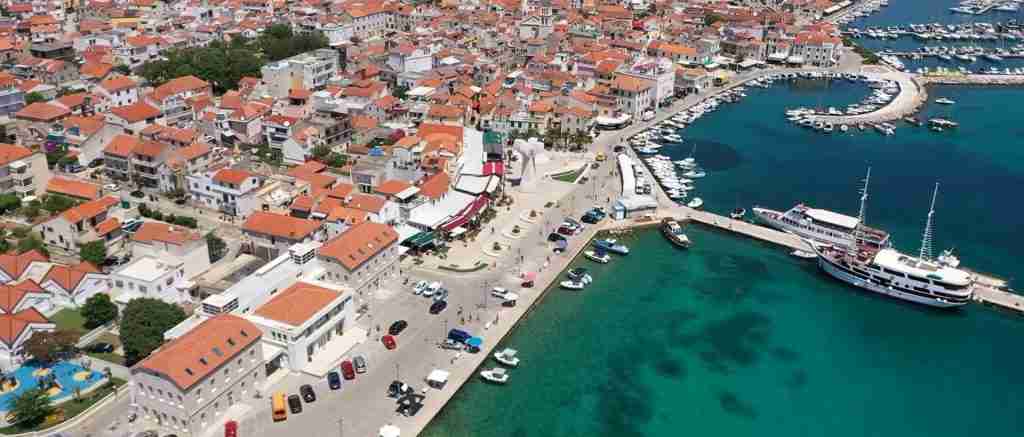
3 days
Zadar 3-Day Discovery Tour
- ✓ Comprehensive Zadar experience
- ✓ Expert local guides included
- ✓ All accommodation included
- ✓ Transportation provided
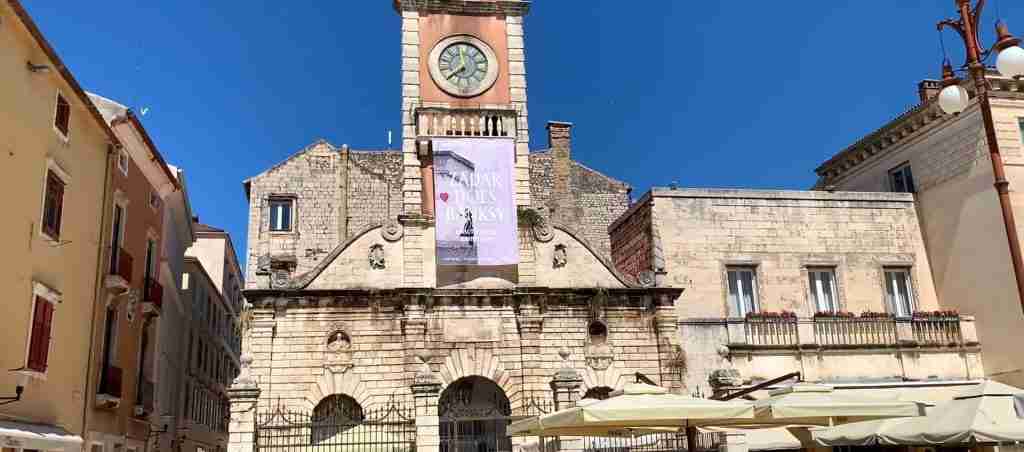
5 days
Zadar 5-Day Highlights Experience
- ✓ Comprehensive Zadar experience
- ✓ Expert local guides included
- ✓ All accommodation included
- ✓ Transportation provided
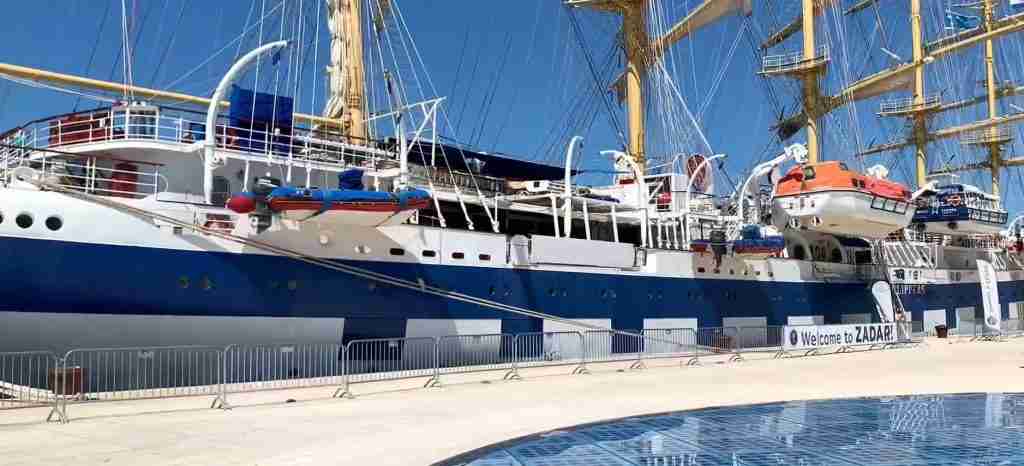
7 days
Zadar 7-Day Cultural Journey
- ✓ Comprehensive Zadar experience
- ✓ Expert local guides included
- ✓ All accommodation included
- ✓ Transportation provided
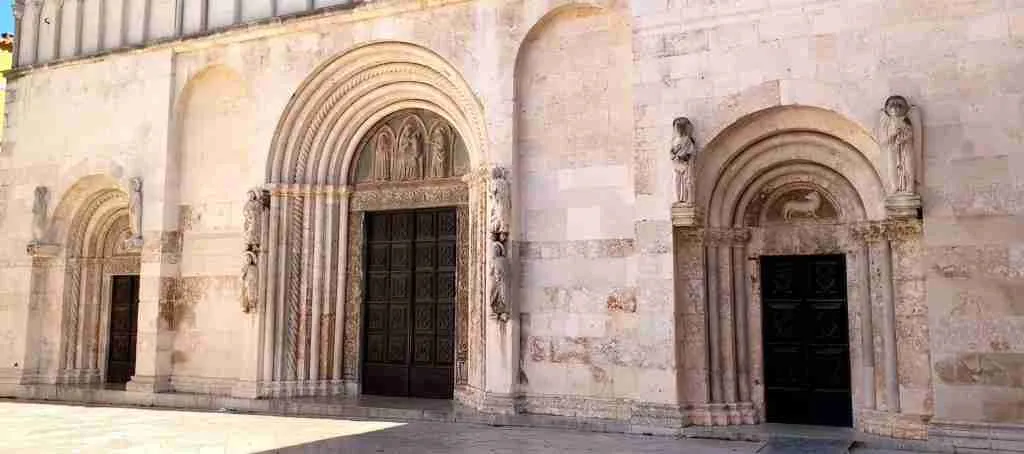
10 days
Zadar 10-Day Complete Adventure
- ✓ Comprehensive Zadar experience
- ✓ Expert local guides included
- ✓ All accommodation included
- ✓ Transportation provided
Multi-day tour packages powered by TourRadar. Prices and availability subject to change.
Understanding Zadar’s Position in Croatian Tourism for 2026
Zadar occupies distinctive positioning within Croatia’s coastal tourism landscape—neither budget backpacker magnet like coastal camping zones nor luxury destination like Hvar or upscale Dubrovnik accommodations, instead serving as sophisticated mid-market city where authentic Dalmatian culture, significant historical attractions, and contemporary creative installations merge at sustainable price points. This positioning creates strategic advantages for 2026 travelers seeking comprehensive Croatian coastal experiences without premium pricing or overwhelming tourist crowds.
The city’s 75,000 permanent residents maintain year-round economic and cultural life beyond tourism seasonality, contrasting with Croatian island destinations transforming into temporary tourism villages each summer then hibernating winters. This residential stability preserves genuine neighborhood character—local markets operate daily serving Croatian shoppers, neighborhood konobas cater to regular clientele rather than one-time tourist meals, Croatian language dominates residential districts outside Old Town tourist zones, and traditional festivals and cultural events continue serving local community rather than tourism entertainment. The result feels less performed than destinations where tourism completely displaced other economic activity.
Geographically, Zadar bridges northern Croatian coast (Istria, Kvarner Gulf) and southern Dalmatia (Split, Dubrovnik), creating natural stopping point for travelers traversing Croatian coastline by car or bus. International airport (Zadar Airport) 8 kilometers from Old Town enables direct access from European cities avoiding Split or Dubrovnik routing, though flight frequency and routing options remain less comprehensive than Split’s superior connections. Ferry port provides archipelago access to Zadar islands (Ugljan, Pašman, Dugi Otok) plus seasonal connections to Italian ports (Ancona), though Split maintains vastly superior island ferry network for serious island-hopping itineraries.
Historical significance positions Zadar as Dalmatia’s ancient capital predating Split’s later prominence—continuous habitation since Illyrian tribes (9th century BCE), Roman colonization (1st century BCE establishing Iadera), Byzantine control, Croatian Kingdom integration, Venetian Republic rule (1409-1797 leaving architectural legacy), brief Napoleonic and Austrian periods, Yugoslav incorporation, and Croatian independence (1991). This layered history manifests through archaeological remains (Roman Forum ruins, ancient city walls), medieval religious architecture (34 churches in Old Town alone, St. Donatus Church, St. Anastasia Cathedral), Renaissance fortifications (Land Gate, Sea Gate, city walls earning UNESCO recognition), and Habsburg-era urban planning creating elegant grid streets and public squares. Unlike coastal villages preserving single historical period, Zadar’s urban palimpsest reveals 3,000 years continuous development.
Tourism development accelerated post-1990s war recovery, with strategic waterfront regeneration projects (Sea Organ 2005, Greeting to the Sun 2008) catalyzing international attention and UNESCO Creative Cities designation for innovative approach blending historical preservation with contemporary design. However, tourism intensity remains markedly lower than Split or Dubrovnik—July-August daily visitor counts reach 15,000-20,000 versus Split’s 40,000+ or Dubrovnik’s 50,000+ creating compressed density in smaller historic zones. This moderate tourism pressure maintains better preserved local atmosphere while still supporting quality restaurant, accommodation, and activity infrastructure.
For 2026 planning, Zadar’s positioning suggests optimal role as 3-5 day northern Dalmatia base rather than brief stopover or extended multi-week stay. The combination of walkable Old Town, accessible beaches, day-trip-distance national parks, affordable pricing, and authentic cultural atmosphere creates sustainable mid-journey experience balancing budget conservation (versus expensive Dubrovnik/Hvar days) against activity variety (versus small islands’ limited options). Strategic itinerary placement after budget-intensive destinations enables cost recovery while maintaining quality experiences, or positioning before premium destinations conserves budget for later splurges.
Getting to Zadar in 2026: Transportation Options and Arrival Logistics
Zadar accessibility improved significantly over past decade through airport expansion and improved bus connections, though options remain more limited than Split or Dubrovnik requiring strategic planning for 2026 arrivals.
Zadar Airport (ZAD) operates 8 kilometers southeast of Old Town, serving seasonal European routes primarily May-October with year-round reduced schedules. Major carriers include Ryanair (largest operator with routes to 15+ European cities including London, Dublin, Frankfurt, Paris, Brussels, Stockholm), Eurowings, Lufthansa, and Croatia Airlines. Flight frequency peaks July-August with daily or multiple daily services to major hubs, reducing to 2-4 weekly flights shoulder season and minimal winter operations. Airport shuttle bus connects terminal to Zadar bus station (20 minutes, €5 per person, synchronized with flight arrivals) with onward bus connections throughout Old Town. Taxis from airport cost €25-35 to Old Town depending on destination within peninsula. Rental car agencies (Sixt, Europcar, Budget, local operators) maintain airport desks enabling immediate vehicle pickup for travelers planning road-trip-based Croatian exploration.
Bus connections provide reliable year-round access from major Croatian cities and European capitals. Split to Zadar buses operate 15-20 daily (2.5 hours journey, €15-25 depending on company and booking timing), with hourly departures during summer season and reduced 6-8 daily winter schedules. Zagreb to Zadar runs 10-15 daily buses (3.5-4 hours, €20-30) connecting capital to coast. Dubrovnik to Zadar requires longer commitment (6-7 hours, €30-45, 3-5 daily departures) but delivers spectacular coastal scenery worth daytime travel versus overnight options. International routes connect Zadar to Trieste Italy (6 hours, €35-50), Ljubljana Slovenia (5 hours, €30-45), and seasonal connections to Germany, Austria, and other European cities. Zadar bus station occupies location 1.5 kilometers southeast of Old Town’s edge, walkable with light luggage (20 minutes) or €8-12 taxi ride to accommodations. Purchase tickets advance online (GetByBus.com, BusCroatia.com) for guaranteed seats and sometimes modest discounts versus station purchases, though summer peak season rarely sells out except holiday weekends.
Ferry connections from Italian ports enable maritime arrival avoiding long bus journeys for travelers originating Italian regions. Ancona to Zadar overnight ferry operates seasonally (approximately April-September) with 2-3 weekly crossings (8-9 hours overnight journey, €60-100 deck passage, €100-200 cabin accommodations, vehicles €80-150 depending on size). This route suits travelers combining Italian and Croatian exploration or those preferring overnight maritime travel to daytime bus transit. Zadar ferry port (Gaženica) sits 3 kilometers southeast of Old Town requiring bus (€1.60) or taxi (€12-18) onward connection. Domestic ferry services connect Zadar to archipelago islands (Ugljan, Pašman, Dugi Otok) departing from nearby Old Port location 500 meters from Old Town center—these function as island excursion transport rather than Zadar arrival method.
Driving to Zadar suits travelers planning multi-destination Croatian road trips or those requiring vehicle flexibility for Dalmatian coast exploration. Highways connect Split northbound (A1 motorway, 140 kilometers, 1.5 hours, €12-15 tolls) and Zagreb southbound (A1, 280 kilometers, 2.5-3 hours, €20-25 tolls) with excellent road conditions and dramatic Adriatic coastal and Velebit mountain scenery. Parking in Old Town proves challenging—limited street parking exists with residential permit zones, while paid parking lots cluster at peninsula base (€2-3 per hour, €20-30 daily) requiring 10-15 minute walk to central attractions. Many Old Town accommodations lack parking, directing guests to public lots. Travelers staying multiple Zadar days benefit from parking at accommodation (if offered, typically €10-15 daily) and walking, versus daily parking fees for Old Town access. Rental cars prove most valuable for day trip excursions (Plitvice, Paklenica, Krka National Parks) rather than Old Town mobility given walkable distances.
Arrival timing considerations for 2026: Summer afternoon arrivals (2:00-6:00 PM) align well with accommodation check-in timing, enable evening Old Town stroll and sunset Sea Organ experience, and avoid morning rush-hour complications. Morning arrivals (before noon) force luggage management if accommodation check-in unavailable—many establishments accept early luggage storage enabling immediate Old Town exploration versus wasted hours sitting in cafés awaiting room access. Late evening arrivals (after 8:00 PM) complicate accommodation check-in requiring advance coordination with properties, limit restaurant dinner options as many konobas complete service by 10:00 PM, and eliminate first-evening sunset experience opportunity. Winter arrivals face reduced bus frequencies and earlier sunset timing (4:30-5:30 PM November-February) compressing useful arrival afternoon hours.
Where to Stay in Zadar 2026: Neighborhood Guide and Accommodation Strategies
Zadar accommodation divides between historic Old Town peninsula positioning and surrounding modern neighborhoods, with strategic selection significantly impacting daily experiences and total trip costs for 2026 visits.
Old Town Zadar Accommodation (Budget €50-80, Mid-Range €80-130, Luxury €150-280 Per Night)
Old Town peninsula accommodations position travelers within 5-15 minute walk of all major attractions, restaurants, and waterfront sunset locations. Limited vehicle access within pedestrian-only historic core means dragging luggage over cobblestones from parking areas or bus station, though many properties offer luggage transport assistance upon request. Accommodation styles include renovated stone townhouses converted to boutique hotels (8-20 rooms), private apartments in historic buildings, and heritage properties occupying palaces or merchants’ residences.
Budget Old Town options (€50-80 nightly) cluster as private rooms or apartments in residential buildings sharing Old Town space with local residents. These provide basic furnishings, private or shared bathrooms, occasional kitchenettes, and no services beyond key exchange and basic communication. Location convenience justifies prices exceeding non-Old Town budget options—10-minute walk to Sea Organ versus 25-minute walk from budget neighborhoods creates meaningful daily time and energy savings. Book 2-3 months advance for summer season as Old Town budget inventory remains limited, with shoulder season permitting 2-4 weeks notice.
Mid-range Old Town properties (€80-130 nightly peak season, €60-95 shoulder) deliver comfortable contemporary rooms in historic shells—stone walls and wooden beams meet air conditioning, modern bathrooms, WiFi, and breakfast inclusion at many establishments. Hotels like Hotel Bastion, Teatro Verdi Hotel, and numerous 3-star properties occupy Old Town locations with professional service, daily housekeeping, and concierge assistance. Private apartment rentals through Booking.com or Airbnb proliferate, offering kitchenettes reducing food costs and space exceeding hotel rooms at comparable pricing. Mid-range Old Town suits travelers prioritizing location over space or amenities, accepting €20-40 daily premiums versus equivalent quality outside peninsula for zero commute to attractions and restaurants.
Luxury Old Town accommodations (€150-280 nightly) include Heritage Hotel Bastion (Relais & Châteaux member), boutique design hotels in converted palaces, and upscale rental apartments with heritage character and contemporary comfort. These properties feature design-focused interiors, premium bedding and bathrooms, in-room breakfast service or included hotel restaurants, and authentic architectural elements (exposed stone walls, vaulted ceilings, original wooden beams) creating atmospheric experience justifying premium positioning. Old Town luxury makes sense for short 2-3 night stays celebrating special occasions or travelers valuing walkable access to restaurants and nightlife over resort amenities (pools, spa facilities) concentrated in Borik resort areas.
Borik and Diklo Neighborhoods (Budget €35-60, Mid-Range €60-95, Luxury €120-220 Per Night)
Borik neighborhood sits 3 kilometers north of Old Town, developed as purpose-built resort district in 1960s-1980s with large hotel complexes, apartment developments, and recreational facilities fronting pine-forest-backed coastline. Modern hotels dominate (Falkensteiner properties, Hotel Kolovare, numerous 3-4 star establishments) offering pools, private beach access, organized activities, all-inclusive options, and family-friendly amenities. Accommodation costs run 20-35% below Old Town equivalent quality—€80 Borik mid-range hotel matches €110-120 Old Town property in room comfort and services.
Trade-offs include 25-30 minute walks to Old Town attractions (manageable and scenic along waterfront promenade) or €1.60 city bus rides every 15-20 minutes. Borik restaurants cluster as hotel operations and casual beach cafés rather than atmospheric Old Town konobas, though quality dining options exist. The neighborhood suits families seeking resort atmosphere with kids’ pools and organized activities, budget-conscious travelers accepting short commute for 25-35% cost savings, and extended-stay visitors using Zadar as work-from-beach base where daily Old Town access proves unnecessary. Borik’s developed beach infrastructure (concrete platforms, beach bars, water sports rentals) exceeds minimal Kolovare Beach facilities near Old Town.
Diklo extends north beyond Borik as newer residential and tourist development with similar cost-location tradeoffs, adding 5-10 minutes additional distance but reducing costs another 10-15% versus Borik pricing. Private apartments dominate Diklo inventory enabling self-catering budget optimization.
Arbanasi and Stanovi Neighborhoods (Budget €30-55, Mid-Range €55-85 Per Night)
Arbanasi and Stanovi occupy areas south and east of Old Town within 15-25 minute walks or short bus rides, functioning as residential neighborhoods hosting tourism accommodation without resort infrastructure. These deliver authentic local atmosphere—residents shop at neighborhood markets, children play in parks, cafés serve Croatian clientele—while maintaining proximity enabling practical Old Town access. Accommodation consists primarily of private apartments and guesthouses in modern buildings offering basic comfort at Croatia’s most competitive coastal pricing.
Budget travelers benefit most from these neighborhoods—€35-45 private apartments with kitchenettes enable self-catering food budget optimization while maintaining Old Town access incomparable to locations requiring lengthy bus commutes or expensive taxis. The residential character means minimal tourist services (restaurants, bars, tour operators) concentrating activities in Old Town requiring daily commutes, though local supermarkets (Konzum, Plodine) support self-catering strategies.
Accommodation Selection Strategy for 2026
First-time visitors prioritizing convenience and atmosphere should budget Old Town accommodations at mid-range tier (€80-130 nightly), accepting premium for walkable access to Zadar’s defining experiences and evening flexibility dining at quality restaurants without return commute considerations. Budget travelers maximizing day-count within fixed budget benefit from Arbanasi/Stanovi apartments (€35-50 nightly) with self-catering food strategies, treating occasional €1.60 bus rides as minor expense justified by 50-60% accommodation savings enabling extended stays. Families with children favor Borik resort properties combining accommodation with recreational facilities and beach access, eliminating separate activity expenses and providing structured kids’ entertainment freeing parents for relaxation. Digital nomads and remote workers staying 7+ days optimize value through monthly Arbanasi/Diklo apartments (€600-900 monthly mid-range) combining workspace-friendly environments with budget sustainability and neighborhood immersion. Luxury celebration trips or short 2-3 night weekend escapes justify Old Town premium positioning (€150-250 nightly) maximizing limited time through zero commute inefficiencies.
Booking timeline for 2026: Reserve Old Town peak season (July-August) 2-3 months advance ensuring prime location and property selection. Shoulder season (May-June, September-October) requires 4-6 weeks notice for Old Town, 2-3 weeks for Borik/Diklo. Budget neighborhoods maintain availability permitting 2-4 weeks advance booking even during peak season. Winter months (November-April) feature 40-60% below peak pricing with next-day or walk-in availability at properties maintaining year-round operations, though many seasonal establishments close entirely limiting selection.
Top Attractions in Zadar 2026: What to See and Do
Zadar concentrates signature attractions within compact Old Town enabling comprehensive exploration over 2-3 days without transportation beyond walking. Entry fees remain minimal with primary experiences offered free, creating exceptional value proposition.
Sea Organ (Morske Orgulje) and Greeting to the Sun (Pozdrav Suncu) – Free Admission
Sea Organ occupies northwestern peninsula waterfront as 70-meter marble staircase descending to Adriatic waters, concealing 35 organ pipes beneath steps producing haunting musical tones from wave and wind pressure cycling air through pipes and emerging via holes in marble surface. Created 2005 by architect Nikola Bašić as urban regeneration project transforming war-damaged waterfront into innovative public art, the installation operates continuously creating ever-changing natural symphony. Visit timing matters significantly—sunset hours (6:00-9:00 PM summer) concentrate locals and tourists gathering on marble steps listening to organ tones while watching sun descend over Zadar archipelago, creating social atmosphere and photographic opportunities. Early morning (6:00-8:00 AM) delivers quiet contemplative experience with fewer people and softer light. Rough sea conditions produce louder, more dramatic organ tones versus calm days’ subtle whispers—weather watching enhances experience through varied sonic textures.
Greeting to the Sun sits adjacent to Sea Organ as 22-meter diameter circle of 300 multilayer glass solar panels collecting sunlight energy during day then producing spectacular light show after dark. LED lights beneath glass create colorful patterns synchronized to wave movements detected at Sea Organ, changing colors and intensity creating mesmerizing display best viewed fully dark (after 8:30-9:00 PM summer, 5:00-6:00 PM winter). The installation represents world’s first monument converting renewable solar energy into artistic light display while educating about solar system—glass plates arranged representing sun and planets with relative size and distance information. Combined Sea Organ-Greeting experience requires 45-90 minutes for proper sunset appreciation, musical listening, and light show viewing. Bring portable seating (collapsible chairs or cushions) as marble steps grow uncomfortable during extended sitting, and arrive 30-45 minutes before sunset during summer season securing position amid crowds.
St. Donatus Church and Roman Forum – Church Entry €5, Forum Free
St. Donatus Church (Crkva sv. Donata) stands as Croatia’s finest pre-Romanesque architecture example and Zadar’s visual symbol, constructed 9th century on circular plan with central dome and circular nave. The massive stone structure built atop Roman Forum ruins incorporates Roman columns and architectural elements into medieval design creating unique hybrid aesthetic. Interior features stark stone surfaces with exceptional acoustics utilized for occasional summer classical music concerts (separate ticket purchase required, schedule varies annually). Regular church service ended decades ago transforming building into museum and concert venue. Entry fee €5 includes access to church interior and small archaeological collection, with €2 additional bell tower access delivering 360-degree Old Town panoramic views from 50-meter height—180-step climb via narrow staircase rewards effort with exceptional photography opportunities.
Roman Forum extends as outdoor archaeological site adjacent St. Donatus, revealing Dalmatia’s largest ancient forum with foundations, columns, and paving stones from 1st-3rd century CE Roman Iadera. Free access enables wandering among ruins imagining original forum functioning as ancient city’s commercial, political, and social center. Interpretive signage provides historical context though weathering makes some text difficult reading. The forum’s preservation owes to continuous use—medieval churches and buildings incorporated Roman elements, and modern urban planning respected archaeological significance enabling in-situ preservation versus museum relocation. Budget 30-45 minutes combined St. Donatus and Forum exploration unless attending concert event.
St. Anastasia Cathedral (Katedrala sv. Stošije) – Entry €5
St. Anastasia Cathedral claims title as Dalmatia’s largest church, originally constructed 5th century to house Saint Anastasia’s remains then rebuilt 12th-13th centuries achieving current late Romanesque appearance. Façade features elaborate stone carving with central rose window, while interior spans three naves with stone columns and minimal decoration maintaining austere Romanesque character. Major attraction remains bell tower completed 1890s by English architect Thomas Graham Jackson—separate €2 entry (beyond church’s €5 admission) enables 180-step climb to viewing platform delivering superior Old Town and harbor vistas rivaling St. Donatus perspectives but from different vantage point. Cathedral operates as active church with occasional services requiring visitor silence and appropriate dress (shoulders and knees covered). Combined cathedral interior and bell tower exploration requires 45-60 minutes.
Museum of Ancient Glass (Muzej antičkog stakla) – Entry €7
Museum of Ancient Glass showcases exceptional Roman glass collection within beautifully restored Cosmacendi Palace, featuring artifacts spanning Roman, medieval, and Renaissance periods with emphasis on glass-making techniques. Highlight includes live glass-blowing demonstrations (scheduled times daily, approximately 30-45 minutes) where artisans recreate ancient Roman glass-working methods using traditional tools and furnaces. The museum occupies former palace with contemporary renovation preserving historic architecture while creating modern exhibition spaces—cool stone interiors provide welcome summer heat relief. Collection emphasizes local archaeological discoveries from Zadar region revealing area’s historical significance as glass-production center. Entry €7 represents excellent value for quality exhibition, educational demonstrations, and air-conditioned comfort during summer exploration breaks. Budget 90-120 minutes for complete visit including demonstration viewing.
Land Gate (Kopnena Vrata) and City Walls – Free Access
Land Gate serves as Old Town’s main entrance from mainland, constructed 1543 by Venetian architect Michele Sanmicheli as triumphal arch celebrating Venetian Republic control. Stone arch features ornate Renaissance details including winged lion of Venice relief, Latin inscriptions, and classical proportions creating elegant threshold between modern Zadar and historic peninsula. The gate marks beginning of Široka ulica (Kalelarga), Old Town’s primary pedestrian street lined with shops, cafés, and restaurants stretching to waterfront.
Zadar’s defensive walls surrounding Old Town earned UNESCO World Heritage designation as part of Venetian Works of Defense system recognized across multiple cities. Walk segments remain accessible along northeastern and southern waterfront providing elevated promenade views over harbor and city. Captain’s Tower (five-sided defensive tower near Land Gate) operates as exhibition space with winding staircase connecting four floors—free or minimal admission depending on current exhibition. Wall walking provides excellent photography perspectives and historical context for understanding Zadar’s military significance through centuries. Budget 45-60 minutes exploring gate, accessible wall segments, and Captain’s Tower.
People’s Square (Narodni Trg) and Kalelarga – Free Access
People’s Square functions as Old Town’s social heart since medieval period, surrounded by Renaissance and Venetian architecture including City Guard building, City Loggia (13th century), and Palace. The square operates as gathering place for locals and tourists with outdoor café seating, events, and people-watching. Adjacent Kalelarga (officially Široka ulica) stretches from Land Gate to Roman Forum as Old Town’s primary artery—marble-paved pedestrian street lined with shops selling Croatian products, clothing, jewelry, and souvenirs plus cafés and restaurants. Evening passeggiata tradition sees locals and visitors strolling Kalelarga in 6:00-9:00 PM window creating social atmosphere. Street musicians, occasional cultural events, and architectural discovery make wandering essential Zadar experience at zero cost.
Five Wells Square (Trg Pet Bunara) – Free Access
Five Wells Square features 16th-century public water system constructed during Turkish siege threat—five stone wellheads drawing water from underground cistern ensuring city water supply during siege conditions. Captain’s Tower guards square’s edge, while small park provides green space and shade. The square represents practical Renaissance urban planning addressing security concerns while creating functional public space. Park seating enables rest during Old Town exploration, with nearby cafés offering refreshment. Historical significance outweighs visual drama—budget 15-20 minutes viewing wells and tower exterior unless entering tower exhibition.
Beaches and Swimming in Zadar 2026
Zadar beaches deliver quality Adriatic swimming within walking distance of Old Town, though facilities and beach character differ markedly from sandy paradise expectations requiring adjusted visitor anticipations for 2026 planning.
Kolovare Beach extends along peninsula’s southern waterfront 500 meters from Old Town’s southern tip, providing Zadar’s primary swimming location with free public access. Concrete platforms and pebble beach sections dominate with gradual water entry enabling comfortable swimming for various skill levels. Facilities include changing rooms, outdoor showers, beach café serving coffee, snacks, and light meals (€3-8), and sunbed/umbrella rental available select sections (€10-15 daily, limited availability). Water quality maintains EU Blue Flag standards with crystal-clear Adriatic conditions and minimal current due to protected position. Pine trees provide natural shade at beach edges, though central areas require bringing umbrellas for sun protection during peak midday hours. Rocky bottom creates challenging barefoot entry—water shoes significantly improve comfort enabling confident movement over uneven surfaces and sharp stones. Swimming season extends May-October with water temperatures 18-26°C, peaking July-September.
Kolovare proves adequate rather than exceptional—crowded summer afternoons (2:00-6:00 PM) create limited space with noise levels reflecting urban beach atmosphere versus pristine island cove tranquility. Morning swimming (7:00-10:00 AM) and evening sessions (6:00-8:00 PM) offer better space and sunset swimming experiences. The location convenience enables quick beach breaks during Old Town exploration—return to accommodation for swimsuits, 10-minute walk to Kolovare, 1-2 hour swim, return to shower and continue sightseeing creates flexible schedule impossible at distant beach locations requiring dedicated half-day commitments.
Borik Beach sits 3 kilometers north in Borik resort district, accessible via 25-30 minute waterfront promenade walk or €1.60 city bus. Similar concrete platform and pebble beach character with more developed facilities including multiple beach bars, water sports equipment rentals (kayaks €15-20/hour, paddleboards €12-18/hour, jet ski €50-80/hour), volleyball courts, and organized activities during summer season. Larger beach area accommodates crowds better than Kolovare with less intense density even during peak season. Pine forests back beach providing extensive shade and scenic walking paths. Borik suits day-long beach experiences versus Kolovare’s quick-dip positioning.
Puntamika Beach extends north of Borik another 2 kilometers offering similar facilities with residential neighborhood character and less tourist concentration. Local Croatian families dominate versus international tourist crowds, creating authentic atmosphere. Free parking (scarce Kolovare/Borik) enables vehicle access from Old Town accommodations requiring 10-minute drive.
Island beaches accessible via short ferry rides dramatically improve swimming quality trading convenience for superior water clarity, reduced crowds, and natural cove settings. Ugljan island ferry from Zadar Old Port (25 minutes crossing, €6 one-way, hourly summer departures reducing to 4-6 daily winter) reaches Preko village with walking-distance pebble beaches and pine-forest-backed coves. Zadar ferries enable morning departure, day-long island beach experience, evening return creating proper beach day without Zadar mainland’s urban beach limitations. Dugi Otok’s Sakarun Beach requires organized excursion (€40-60 day trip including transport and guide) or independent ferry plus bus/taxi connections, but delivers white-sand Caribbean-aesthetic beach rivaling Croatia’s finest swimming locations.
Beach strategy for 2026 Zadar visit: Use Kolovare for convenient 1-2 hour swimming breaks during Old Town exploration days. Dedicate one full day to Ugljan ferry trip enabling quality island beach experience at minimal cost (€12 return ferry plus picnic lunch supplies). Consider Borik beach for resort atmosphere and water sports if staying Borik accommodation. Accept rocky-bottom reality requiring water shoes for comfort. Bring own beach equipment (towels, umbrellas, snacks, water) as beach facilities remain minimal and concession pricing runs high. Plan swimming timing around Old Town activities rather than treating beaches as all-day destination—Zadar’s value proposition emphasizes cultural attractions and national park access over premium beach experiences better found on Croatian islands.
Food and Dining Budget for Zadar 2026
Zadar dining costs run 20-30% below Split or Dubrovnik while maintaining quality traditional Croatian cuisine, creating sustainable food budgets across traveler categories for 2026 visits.
Budget dining in Zadar costs €8-15 per person for satisfying meals through strategic selection. Local bakeries (pekara, including Mlinar chain) serve Croatian breakfast staples with burek (savory pastries filled with cheese, meat, or vegetables) €2-3, plain or filled rolls €1-2, pastries €1.50-2.50, and coffee €1.50-2. Self-catering breakfast from supermarket supplies (bread, cheese, yogurt, fruit, coffee) costs €5-8 for two people. Fast casual lunch options include pizza slices €3-4, ćevapi or pljeskavica (grilled meat) plates at grill stands €6-9, and sandwich shops €4-7. Budget konobas away from waterfront tourist zones serve traditional plates: pasta dishes €8-12, grilled fish €12-16, meat plates €10-14, and salads €4-7. Combine bakery breakfast (€3), light lunch (€6-9), and konoba dinner (€12-15) creating €21-27 daily food budget—add €3-5 snacks and beverages reaching €24-32 per person daily through consistent budget choices.
Mid-range dining delivers quality Croatian cuisine at €15-25 per person main courses in 2026. Konobas in Old Town side streets (avoiding waterfront premium positions) prepare fresh Adriatic seafood: grilled squid or octopus €16-22, seafood risotto €14-19, fish of the day (sea bass, sea bream, John Dory) €18-26 per person depending on weight and market pricing, and traditional peka (slow-cooked meat or octopus under iron bell) €18-24 per person requiring 2-hour advance order. Include appetizers (Dalmatian ham and cheese platter €10-15, octopus salad €10-14), soups €5-8, sides €4-6, and desserts €5-7 for complete €30-45 meals without wine. Croatian wines in konoba settings cost €15-30 bottles for regional wines, €35-60 for premium Dalmatian producers (Plavac Mali, Pošip varietals). Mid-range daily budget allocating café breakfast €8-12, light lunch at casual spot €10-15, and quality konoba dinner with wine €40-55 per person totals €58-82 daily food spending enabling regular restaurant meals showcasing Dalmatian culinary traditions.
Fine dining experiences at Zadar’s upscale restaurants require €35-60+ per person for mains in 2026. Establishments like Restaurant Foša, Kornat, and Pet Bunara deliver contemporary Croatian cuisine with creative preparations, premium ingredients, and elegant atmospheres. Expect seafood tasting menus €50-80, creative fish dishes €30-45, premium meat preparations €28-40, and innovative vegetarian options €22-32. Wine lists emphasize Croatian boutique producers (€40-120 bottles) alongside international selections. Multi-course tasting menus with wine pairings reach €100-180 per person. Fine dining suits special occasion meals 1-2 times during Zadar stay rather than daily pattern, with most travelers finding mid-range konobas delivering 85% of fine dining experience at 50-60% pricing.
Beverages significantly impact dining budgets. Draft beer (Karlovačko, Ožujsko local brands) costs €2.50-4 for 500ml, craft beers €4-6, bottled imports €4-5. House wines by carafe €10-18 per liter in konobas, mid-tier Croatian bottles €20-35 in restaurants, premium selections €40-80. Cocktails range €6-10 standard bars, €10-15 waterfront lounges. Coffee prices: espresso €1.40-2, cappuccino €2-3, specialty drinks €3-5. Non-alcoholic beverages: bottled water €1.50 supermarkets / €3-5 restaurants, soft drinks €2.50-4, fresh juices €4-6. Reduce beverage costs through supermarket wine purchases (quality bottles €6-15), brewery brands versus imports, and moderate cocktail consumption focusing on wine with meals.
Self-catering dramatically reduces food expenses—supermarkets (Konzum, Plodine, Lidl) enable full meal preparation at accommodation with kitchenettes. Local markets including Pazar (traditional open-air market) offer fresh produce, cheeses, olive oil, bread, and prepared items at authentic pricing. Daily self-catering supplies for two: breakfast €6-10 (bread, cheese, yogurt, coffee, fruit), lunch picnic €10-15 (salami, cheese, bread, vegetables, fruit), ingredients for simple dinner €15-22 (pasta, sauce, salad ingredients, wine) totals €31-47 versus €60-100 for restaurant equivalent meals. Hybrid approaches combining self-catered breakfast and lunch with restaurant dinners balance budget savings against authentic dining experiences.
Daily food budget targets for 2026 Zadar visit: budget travelers €25-35 per person through self-catering emphasis and selective budget konoba meals; mid-range visitors €50-70 including café breakfasts, casual lunches, and regular konoba dinners with wine; comfortable travelers €80-110 featuring upgraded dining venues and premium beverage selections; luxury emphasis €130-180+ with fine dining experiences and extensive wine consumption. These ranges assume moderate alcohol—heavy drinking or cocktail-focused socializing adds €20-40 daily per person. Location strategy matters—dining in waterfront tourist zones costs 25-35% more than equivalent quality restaurants 3-5 minutes inland in residential streets. Zadar’s food costs enable authentic Dalmatian culinary immersion at sustainable budgets, contrasting with premium coastal destinations where dining expenses force budget travelers into constant self-catering compromising experiential quality.
Getting Around Zadar in 2026: Local Transportation
Zadar’s compact Old Town peninsula eliminates transportation requirements for primary attractions, with efficient public transit and walkable distances handling outlying area access for 2026 visitors.
Walking serves as primary transportation within Old Town’s 1.2-kilometer by 500-meter peninsula containing all major historical attractions, restaurants, shops, and waterfront promenades. Flat terrain, pedestrian-only streets, and marble paving create easy walking conditions requiring 15 minutes maximum between any two Old Town points. Kolovare Beach sits 500 meters (7-minute walk) from southern Old Town edge. Exhaustive Old Town exploration including Roman Forum, churches, museums, shopping streets, and waterfront stroll totals 3-5 kilometers daily walking distance—comfortable for most fitness levels without transportation requirements.
City buses operated by Liburnija Zadar connect Old Town to Borik resort area, residential neighborhoods, bus station, and outlying areas. Single tickets cost €1.60 purchased from driver (exact change helpful), or €1.27 via SmartCity mobile app (20% discount). Tickets validate 90 minutes enabling transfers within validity period. Buses run every 15-20 minutes on main routes (Line 5 connecting Old Town-Borik-Diklo operates most frequently) during 6:00 AM-11:00 PM daily, reducing to 30-60 minute frequencies early morning, late evening, and Sundays. Route maps available from tourist information centers and online at Liburnija website. Key routes for tourists: Line 5 (Old Town-Borik beaches-Diklo), Line 4 (Old Town-Bus Station-Airport shuttle connection), Line 8 (Old Town-residential neighborhoods). Bus stops marked with Liburnija signage, with main Old Town stop at Old Town’s eastern edge near Land Gate.
Taxis operate throughout Zadar via telephone request or taxi stands at transportation hubs (bus station, ferry port, main squares). Meter starting fare €3.30 with €1.10 per kilometer, reaching €8-15 for typical Old Town to Borik trips, €12-18 to ferry port Gaženica, €25-35 to airport. Late night surcharges and luggage fees may apply. Order taxis via phone (accommodation reception assists) or apps including Uber-equivalent local services. Taxis prove useful for airport transfers with luggage, late-night restaurant returns to distant accommodations, or accessing beaches/locations poorly served by buses. Budget travelers minimize taxi use given bus system efficiency—€1.60 bus versus €10-15 taxi represents meaningful savings multiplied across multi-day stays.
Bicycle rentals available from shops near Old Town enable alternative mobility for exploring Zadar’s extended waterfront and residential areas. Standard bikes cost €12-18 daily, e-bikes €25-35 daily. Flat coastal terrain suits cycling with dedicated paths along waterfront stretches Borik to Diklo. Bicycles prove most useful for exploring beyond Old Town at faster pace than walking without bus schedule constraints—cycling Old Town to Borik beaches (3 kilometers) takes 12-15 minutes versus 25-30 minute walk or waiting for buses. However, Old Town’s pedestrian-only streets require bike parking at peninsula edges, and rocky beach entry makes water activities challenging without returning bikes to rental shop. Cycling serves active travelers seeking exercise combined with transportation rather than essential mobility solution.
Rental cars prove unnecessary for Old Town-focused Zadar visits given walkability and bus system efficiency. Parking challenges (limited spaces, €2-3 hourly rates, 10-15 minute walks from lots to Old Town center) plus daily rental and fuel costs (€40-60 daily rental, €10-15 daily fuel for typical use) create €50-75 daily expenses delivering minimal value for Old Town exploration. Cars become valuable for day trip excursions to national parks (Plitvice, Paklenica, Krka) enabling independent schedules and direct access versus organized tour constraints. Consider rental car for specific day-trip days rather than full visit duration—rent car morning of national park excursion, return evening same day minimizing expenses to €60-80 single day versus €280-450 weekly rental plus parking fees.
Ferry transportation from Old Port connects Zadar to nearby archipelago islands. Ugljan island ferry (to Preko village) operates hourly summer schedule reducing to 6-8 daily winter crossings, journey time 25 minutes, foot passenger fare €6 one-way (return tickets €12). Pašman island connections available via Ugljan with onward ferry or bus. Dugi Otok ferries depart Gaženica port (3 kilometers from Old Town requiring bus connection) with 2-3 daily services depending on season, 90-120 minute journey to Zadar or Brbinj depending on route, €10-15 foot passenger fare. Ferries accommodate vehicles at significantly higher pricing (€50-80) though most island exploration works via foot passenger arrival plus rental bikes/scooters on islands or organized island tours. Purchase ferry tickets at port offices or online for guaranteed space during summer peaks—walk-up tickets usually available except weekend demand surges.
Transportation strategy for 2026 Zadar visit: Walk all Old Town movements. Use €1.60 buses for Borik beach access or residential neighborhood restaurants. Budget €10-20 total bus expenses for 3-4 day visit. Include €12-24 return ferry ticket for one island beach day excursion. Rent car single day for national park self-drive rather than full visit. Minimize taxis to airport transfers and late-night restaurant returns only. Total 3-4 day Zadar local transportation budget: €25-50 per person excluding airport transfers, delivering complete mobility at fraction of costs in destinations requiring extensive taxi or rental car use.
Day Trips from Zadar 2026: National Parks and Islands
Zadar’s strategic position enables day-trip access to three spectacular national parks plus pristine archipelago islands, creating destination value beyond Old Town attractions for 2026 planning.
Plitvice Lakes National Park Day Trip (90 Minutes, Entry €20-40 Seasonal)
Plitvice Lakes National Park ranks as Croatia’s most visited natural attraction, featuring 16 terraced travertine lakes connected by waterfalls, wooden walkways threading crystal-clear turquoise waters, and pristine forest landscapes earning UNESCO World Heritage designation. Located 90 minutes inland from Zadar via highway, the park operates year-round with seasonal entry pricing: €20-25 off-peak (November-March), €30-35 shoulder season (April-May, October), €40 peak summer (June-September). Organized day tours from Zadar cost €55-75 per person including transport, park entry, and guide (check if entry included or additional expense). Independent access requires rental car (€60-80 daily including fuel) enabling flexible timing and self-guided exploration saving €20-30 versus tour costs when traveling pairs or groups.
Visit timing significantly impacts experience—arrive before 9:00 AM avoiding tour bus rush that descends 10:00 AM-3:00 PM creating congested walkways and reduced photography opportunities. Lower Lakes section closest entrance handles crowds better with more space, while Upper Lakes remain quieter. Budget 5-7 hours for comprehensive park exploration covering both lake systems via interconnected trails (8-18 kilometers depending on route selection). Park operates electric boats and vintage trains included in entry enabling efficient inter-area transport. Bring packed lunch avoiding expensive park restaurant concessions (€10-15 basic meals), comfortable walking shoes for extended trail hiking, and water bottles refillable at park fountains.
Season considerations: Summer (June-August) delivers fullest water flow and vibrant forest greens but maximum crowds reducing experience quality. Spring (April-May) features powerful waterfalls from snow melt and early wildflowers with manageable visitor numbers. Autumn (September-October) showcases fall foliage colors and decreased crowds. Winter (November-March) operates reduced sections with frozen waterfall formations creating magical ice sculptures but limiting accessible trails and requiring careful footing on potentially icy walkways. Plitvice suits nature-focused travelers comfortable with 3-4 hours driving combined with 4-6 hours park hiking in single day—demanding but achievable full-day excursion delivering Croatia’s premier natural spectacle from Zadar base.
Paklenica National Park Day Trip (45 Minutes, Entry €6-12 Seasonal)
Paklenica National Park encompasses dramatic karst canyon landscapes in Velebit mountain range where two canyons (Velika Paklenica and Mala Paklenica) cut through limestone creating rock climbing paradise and hiking destination. Located 45 minutes northeast of Zadar, the park offers easier access than Plitvice with lower entry costs (€6-8 off-peak, €10-12 peak season) and less intense tourist pressure. The park attracts serious rock climbers (400+ established routes up to 400 meters vertical) plus casual hikers accessing canyon trails, educational centers explaining Velebit flora/fauna, and cave exploration.
Main hiking route follows Velika Paklenica canyon from entrance climbing gradually 6 kilometers to Paklenica mountain hut, passing scenic pools, rock formations, and forest sections with 400-meter elevation gain over 2-3 hours each direction. Shorter 2-4 hour moderate hikes available for less ambitious visitors. Independent access requires rental car (no organized tours operate regularly), though car costs split among group deliver economical full-day nature immersion (€15-25 per person including car rental, fuel, entry when splitting among 3-4 people). Bring hiking boots for rocky terrain, substantial water (2-3 liters summer), lunch supplies, and layers for mountain elevation temperature drops.
Paklenica combines well with coastal beach day—morning hiking (7:00 AM start avoiding heat, 4-5 hours including round-trip and breaks), midday return to Zadar, afternoon beach swimming recovery creating varied full-day experience balancing mountain exertion with coastal relaxation. The park suits active travelers seeking authentic Croatian mountain landscapes and solitude versus Plitvice’s manufactured accessibility and tour bus crowds. Less photogenic than Plitvice’s fairytale lakes but delivering raw nature experience at fraction of cost and effort.
Kornati National Park Boat Tour (Full Day, €60-90 Per Person)
Kornati National Park comprises 89 mostly uninhabited islands creating lunar-like archipelago landscape with white stone karst formations, turquoise Adriatic waters, hidden coves, and minimal vegetation. Accessible exclusively via boat, organized day tours from Zadar operate May-October with full-day excursions (typically 8:00 AM-6:00 PM) costing €60-90 per person including boat transport, island stops for swimming in pristine coves, park entry fee (€15-20), and lunch at island restaurant (included or additional €15-25 depending on tour). Boats accommodate 20-50 passengers with sun deck, shaded areas, and onboard bathrooms.
Itineraries vary by operator but typically include 3-4 island stops with 30-60 minute swimming breaks at sheltered coves featuring crystal-clear water perfect for snorkeling (bring own equipment or rent onboard €10-15), monastery visit on Kornat island, cliff viewpoints showcasing archipelago panoramas, and lunch stop at family-run island konoba serving grilled fish and traditional dishes. The tour delivers Croatia’s most unique seascape—dramatic white cliffs rising from azure waters create otherworldly aesthetic rivaling Greek islands at fraction of costs. Photography opportunities peak during golden hour approaches (60-90 minutes before sunset) though daytime harsh light challenges optimal photography—morning and late afternoon offer better conditions.
Kornati suits travelers seeking remote island beauty without independent boating logistics, comfortable with full-day boat excursion time commitment (10 hours total including transport), and willing to allocate €70-90 for premium nature experience. The tour represents single largest day-expense but delivers unrepeatable Croatian coastal immersion impossible via land-based access. Alternative private boat charters cost €300-600 full day for 6-12 passengers, becoming economical for groups wanting custom itineraries and timing flexibility.
Dugi Otok Island Day Trip (Ferry €20-30 Return, Sakarun Beach)
Dugi Otok island, largest Zadar archipelago island, features Sakarun Beach ranking among Croatia’s finest swimming locations with white sand, turquoise shallow waters, and pine forest backdrop creating Caribbean aesthetic. Independent access requires ferry from Zadar Gaženica port to Brbinj or Zadar (island town) with 90-120 minute crossings and €10-15 one-way foot passenger fares. Organized day tours cost €40-60 including transport, beach time, and usually Telašćica Nature Park visit (southern island dramatic cliffs and saltwater lake). Ferry schedules limit independent day-trip viability—morning departure 8:00-9:00 AM, return ferries 5:00-6:00 PM create tight timing requiring bus or taxi connections from ferry port to Sakarun Beach (northern island location) adding expense and logistical complexity.
Organized tour proves more practical for day-visit purposes despite €20-30 premium over independent ferry costs, eliminating island transportation coordination and maximizing beach time. Tours deliver proper beach experience with 4-5 hours Sakarun access, beach bar refreshments, swimming in pristine conditions, and Telašćica Nature Park nature walk viewing 160-meter vertical cliffs descending into Adriatic creating dramatic natural architecture. The excursion suits beach-focused travelers willing to commit full day for quality sand beach experience (versus Zadar mainland’s pebble and concrete options) and those seeking photographable Croatian coastal scenery without requiring premium resort accommodations on expensive islands like Hvar or Brač.
Ugljan Island Easy Day Trip (Ferry €12 Return, 25 Minutes)
Ugljan island provides easiest Zadar island excursion via frequent ferries from Old Port to Preko village (hourly summer departures, 6-8 daily winter, 25-minute crossing, €6 one-way foot passengers). The proximity and ferry frequency enable flexible day structuring—morning departure for beach day returning afternoon, or afternoon island visit for sunset dinner returning evening. Preko village offers pebble beaches within walking distance of ferry arrival, traditional konoba restaurants serving fresh seafood, bike rentals exploring island interior, and quiet atmosphere contrasting Old Town tourist intensity.
Ugljan lacks dramatic spectacular attractions but delivers authentic Croatian island life—fishing boats in harbor, elderly locals playing cards at waterfront cafés, chickens wandering residential streets, family-run restaurants preparing daily catch. Budget €20-35 per person for full Ugljan day: €12 return ferry, €8-15 konoba lunch, €5-8 coffee and snacks. The island suits travelers seeking low-key authentic experience over Instagram-worthy destinations, those wanting beach swimming without Zadar mainland crowds, and budget-conscious visitors requiring €25-35 excursion versus €70-90 Kornati boat tour costs. Consider combining Ugljan beach morning with Zadar Old Town afternoon creating hybrid day balancing island atmosphere against urban cultural attractions.
Day Trip Budget Planning for 2026
Strategic day trip selection balances desired experiences against budget constraints and physical demands. Plitvice Lakes represents essential Croatia natural attraction justifying €55-90 expense and full-day commitment for most visitors—skip only if time extremely limited or nature indifferent. Kornati boat tour delivers unique experience worth €60-90 for those valuing remote island beauty and sea-based exploration. Paklenica suits hikers wanting mountain experiences at minimal cost (€20-35 including rental car split among group, entry, supplies). Ugljan provides budget-friendly island taste for €20-35 when premium island tours (Dugi Otok €40-60, Kornati €60-90) exceed budget tolerance. Budget 1-2 day trips for 3-4 night Zadar stay, 2-3 day trips for 5-7 night extended visits. Total day trip expenses range €60-180 per person depending on selection—budget travelers choosing Ugljan and Paklenica (€40-70 total), mid-range visitors adding Plitvice (€95-150 total), comprehensive experience seekers booking all major excursions (€150-230 total).
Sample Zadar Itineraries for 2026: Budget, Mid-Range, and Luxury
The following sample itineraries demonstrate practical daily planning across budget categories for 3-day Zadar visits, with total costs excluding international flights to Croatia.
Budget Itinerary 3 Days/2 Nights (€135-195 Per Person Total)
Day 1 (€40-60): Arrive afternoon via bus from Split, walk to Arbanasi budget apartment (€35-45 nightly split double occupancy = €18-23 per person), store luggage, walk Old Town exploring Roman Forum and Kalelarga (free), sunset at Sea Organ (free), dinner budget konoba (€12-15), evening stroll Greeting to the Sun light show (free). Day costs: accommodation €18-23, food €15-22, entry free.
Day 2 (€50-75): Bakery breakfast (€3), morning St. Donatus Church and bell tower entry (€7), Museum of Ancient Glass visit (€7), lunch budget spot (€8-10), afternoon Kolovare Beach swim (free), grocery shopping for dinner supplies, cook simple dinner at apartment (€10-12 for two split = €5-6 per person), evening Old Town walk. Day costs: accommodation €18-23, food €16-22, entries €14.
Day 3 (€45-60): Breakfast at apartment (€4), Ugljan island ferry day trip (€12 ferry, €12 konoba lunch, picnic snacks €5), depart evening bus to Dubrovnik or other destination. Day costs: accommodation €0, food €21, transport €12.
Total 3 days: €135-195 per person (accommodations €36-46 across 2 nights, food €52-65, activities/entries €21, ferry €12, no daily transportation costs). Budget approach combines strategic accommodation location enabling walking everywhere, self-catering meals except selective konoba experiences, free major attractions, and single low-cost island excursion. Achievable budget delivering authentic Zadar immersion through disciplined spending and strategic choices.
Mid-Range Itinerary 3 Days/2 Nights (€310-450 Per Person Total)
Day 1 (€105-150): Arrive afternoon, Old Town 3-star hotel (€80-120 nightly double = €40-60 per person), afternoon Sea Organ and waterfront walk (free), sunset wine at café (€8-12), quality konoba dinner with wine (€35-50), Greeting to the Sun evening. Day costs: accommodation €40-60, food/drink €43-62, entries free.
Day 2 (€130-190): Hotel breakfast included, morning St. Donatus and Cathedral visits (€10 combined entries), Museum of Ancient Glass (€7), lunch mid-range restaurant (€18-25), afternoon Kolovare Beach swim (free), early dinner (€30-45), evening old town stroll. Day costs: accommodation €40-60, food €48-70, entries €17.
Day 3 (€75-110): Hotel breakfast, Plitvice Lakes organized day tour (€65-85 including transport and entry), quick dinner return (€10-15), depart. Day costs: accommodation €0, food €10-15, tour €65-85.
Total 3 days: €310-450 per person (accommodations €80-120 across 2 nights, food €101-147, entries/activities €82-102, minimal local transport €5-10). Mid-range approach delivers comfortable Old Town positioning enabling maximum convenience, regular restaurant dining showcasing Croatian cuisine, comprehensive attraction access, and major national park day trip. Sustainable approach for most travelers balancing value against experience quality.
Luxury Itinerary 3 Days/2 Nights (€680-950 Per Person Total)
Day 1 (€235-330): Arrive, boutique heritage hotel Old Town (€200-280 nightly double = €100-140 per person), afternoon private Old Town walking tour with local guide (€40-60), sunset cocktails waterfront lounge (€20-30), fine dining dinner (€70-100), evening Greeting to the Sun. Day costs: accommodation €100-140, food/drink €90-130, guide €40-60.
Day 2 (€245-340): Hotel gourmet breakfast included, morning cathedral and museums with private guide (€50-70 including entries), afternoon private boat trip to secluded coves (€80-120 split among 2-4 passengers = €40-60 per person), beach club lunch (€35-50), evening spa treatment hotel (€60-80), fine dining (€60-90). Day costs: accommodation €100-140, food €95-140, activities €90-130.
Day 3 (€200-280): Hotel breakfast, private car Plitvice day trip with driver/guide (€180-250 split 2 passengers = €90-125 per person), park entry and lunch (€50-75), return evening departure. Day costs: accommodation €0, food €30-50, private tour €90-125.
Total 3 days: €680-950 per person (accommodations €200-280, food/beverage €215-320, activities/entries €220-315, private transport €45). Luxury approach emphasizes heritage accommodation character, private guides and experiences enabling customized pacing, fine dining highlighting Croatian culinary excellence, and exclusive access creating memorable sophisticated experiences. Appropriate for celebratory trips, luxury-standard travelers, or those treating Zadar as premium coastal destination rather than value-positioning approach.
Money-Saving Strategies for Zadar 2026
Strategic planning reduces Zadar costs significantly while maintaining quality experiences for 2026 visits across budget levels.
Timing selection creates largest savings opportunity—visiting May-June or September-October instead of July-August reduces accommodation 20-30%, enables advance booking 3-4 weeks versus 2-3 months, and decreases restaurant crowding enabling walk-in dining without reservations. Within any season, Sunday-Thursday nights cost 15-20% less than Friday-Saturday rates at most accommodations given weekend demand surges. Shoulder-season weather (22-28°C, sunny, 21-25°C water) remains excellent for all activities while crowd levels drop 40-60% creating superior experience quality alongside cost savings.
Accommodation location strategy balances convenience against cost. Arbanasi or Stanovi neighborhood apartments (€30-55 nightly) save 40-60% versus equivalent Old Town properties (€60-95) while maintaining walkability (15-20 minutes) or minimal bus expenses (€1.60 per ride). For groups or families, renting 2-bedroom apartments versus multiple hotel rooms reduces per-person costs 30-50% while adding kitchenettes enabling food expense reduction. Extended stays negotiating weekly or monthly rates (vs nightly pricing) save 15-25%—digital nomads and slow travelers benefit contacting properties directly about extended-stay discounts.
Self-catering food approach cuts costs 50-70% versus full restaurant dining. Apartments with kitchenettes enable breakfast and lunch preparation from supermarket supplies (€15-25 daily for two versus €40-60 restaurant equivalent), reserving restaurant budget for quality dinners showcasing Croatian cuisine. Even travelers without kitchen facilities reduce expenses buying bakery breakfast (€3-5 versus €10-15 café breakfast) and assembling picnic lunches from market ingredients (€8-12 versus €15-25 restaurant lunch). Hybrid approaches combining self-catered breakfast/lunch with konoba dinners balance budget optimization against authentic dining experiences.
Transportation discipline controls daily expenses. Walking all Old Town movements plus using €1.60 buses for Borik beach or outlying areas costs €5-10 weekly versus €40-80 taxi expenses for equivalent trips. Ugljan island ferry (€12 return) delivers proper island experience at fraction of organized boat tour costs (€60-90 Kornati tours). Renting car for single Plitvice day trip (€70-90 split among 2-3 passengers = €25-35 per person) versus organized tour (€65-85 per person) saves money while adding flexibility for groups. Bicycle rentals (€12-18 daily) provide economical transportation extending mobility range beyond walking without per-trip bus fares.
Activity selectivity prevents expense accumulation—Zadar’s free signature attractions (Sea Organ, Greeting to the Sun, Roman Forum, city walls, waterfront promenade) deliver defining experiences at zero cost. Selective paid entries (St. Donatus €5, Cathedral €5, Museum of Ancient Glass €7) total €17-25 for comprehensive museum access creating minimal attraction budget burden. Prioritizing one major day trip (Plitvice €55-90 or Kornati €60-90) over attempting all excursions maintains experience quality while controlling costs. Beach emphasis using free Kolovare access and Ugljan ferry versus premium beach clubs (€20-40 daily entry) or expensive island accommodations saves significantly.
Dining strategies beyond self-catering include lunch as main meal (lunch menus often offer €10-15 two-course deals versus €18-25 dinner mains), eating in residential neighborhoods versus waterfront tourist zones (30-40% cost reduction for equivalent quality), sharing plates in konobas (traditional Croatian dining enables family-style portions splitting costs), and grocery store wine purchases (€6-15 quality bottles) for accommodation consumption versus restaurant markups (€25-50 bottles). Morning and late-afternoon restaurant timing sometimes offers “happy hour” specials or early-bird discounts though less common than cocktail bar happy hours.
Free walking tour introduction (tip-based, €5-10 voluntary contribution) provides excellent Old Town orientation, historical context, and local recommendations rivaling paid guided tours costing €25-40 per person. Tourist information centers offer free maps, activity schedules, and local insights versus tour booking agency premium commission pricing.
Cumulative savings impact: shoulder-season visit (25% accommodation savings), Arbanasi apartment (€35 vs €80 nightly = €45 daily savings), self-catered breakfast/lunch (€20 daily savings), bus versus taxi transportation (€10-15 daily savings), Ugljan island versus organized boat tour (€40-50 savings), free activity emphasis (€15-25 daily attraction budget versus €40-60 comprehensive museum passes) enables €70-110 daily per person budget versus €180-250 for equivalent experience quality with less strategic approach. Three-day Zadar visit total: €210-330 versus €540-750 representing 60-65% cost reduction through disciplined budget optimization maintaining authentic experiences and quality accommodation comfort.
When to Visit Zadar in 2026: Seasonal Planning
Zadar experiences Mediterranean climate creating distinct seasonal windows requiring strategic timing selection for optimal 2026 experiences.
Peak summer season (July-August) delivers guaranteed excellent weather—28-32°C daytime temperatures, minimal rainfall, 11-13 sunshine hours daily, 24-26°C sea temperatures perfect for extended swimming. However, this period creates significant challenges: accommodation costs peak 150-200% above shoulder season rates (€80-110 mid-range rooms reaching €120-180 July-August), tourist crowds intensify with 15,000-20,000 daily Old Town visitors creating compressed density on narrow streets, restaurant reservations require 2-5 days advance for desired timing, and midday heat (1:00-4:00 PM often exceeding 32°C) forces indoor refuge reducing productive sightseeing hours. Demographic skews toward families with school-age children and young party-focused travelers creating different atmosphere than shoulder seasons’ couples and mature travelers. July-August selection suits travelers requiring school vacation timing, those prioritizing guaranteed sunshine over value or crowds, and visitors comfortable with tourist-intensive environments.
Shoulder seasons—early summer (May-June) and early autumn (September-October)—deliver Zadar’s optimal combination of weather quality, manageable crowds, and reasonable pricing for most travelers. June offers 25-28°C temperatures, 21-23°C comfortable swimming conditions, 10+ sunshine hours, occasional brief rainfall, and emerging summer atmosphere as seasonal restaurants open and ferry schedules increase. Accommodation costs fall 20-30% below July-August peaks while maintaining full availability without advance booking pressure (2-4 weeks notice suffices). September extends season with 23-26°C air temperatures, 24-25°C sea temperatures (warmest of year from summer heating), harvest season cultural events, and sophisticated traveler demographic as families return home. Both months maintain full restaurant operations, reliable ferry schedules, and comfortable exploration conditions without peak heat or crowds overwhelming experience quality.
May and October represent budget shoulder season edges with trade-offs. May delivers 20-23°C temperatures, 18-20°C water (cool but swimmable for hardy swimmers), spring wildflowers, and lowest shoulder-season accommodation costs (30-40% below summer peaks with mid-range rooms €50-75). Some seasonal restaurants delay opening until June limiting dining variety. October offers 20-22°C days, 21-22°C water from summer warmth retention, wine harvest festivals, and similar budget pricing. Weather reliability decreases with occasional autumn storms, and many seasonal establishments close after mid-October reducing restaurant/activity selection. Ferry schedules reduce from 10+ daily to 4-6 daily affecting island access flexibility. May and October suit budget travelers accepting weather variability and operational limitations for 30-40% cost savings, off-season atmosphere seekers, and those avoiding tourist crowds completely.
Winter (November-April) transforms Zadar into quiet local city with minimal tourism infrastructure and dramatic cost reductions. Temperatures average 8-15°C with increased rainfall and cloud cover. Swimming proves impractical except hardy locals. Most seasonal hotels close (limited year-round properties remaining, primarily Old Town), restaurants narrow to establishments serving local clientele (perhaps 30-40% summer capacity), and ferry schedules maintain reduced 2-4 daily services. However, accommodation costs plummet 50-70% below summer (€30-60 mid-range rooms), attractions operate without crowds enabling intimate museum experiences, and authentic local atmosphere dominates without tourist overlay. Winter suits writers, artists seeking quiet creative environments, budget-conscious extended-stay travelers, and cultural immersion enthusiasts accepting weather limitations. March-April shoulder period transitions toward spring with improving weather (15-20°C), increasing operational hours, and blooming landscapes while maintaining winter low pricing until late April.
Specific 2026 event considerations: Croatian summer festival season (late June-August) brings outdoor concerts, cultural performances, and local celebrations though Zadar maintains lower-key cultural programming versus Split or Dubrovnik’s major festival infrastructure. St. Donatus Church musical concert series operates July-August with classical performances utilizing church acoustics (separate ticket purchases required). Religious celebrations (Easter, Assumption mid-August) create local activity surges affecting accommodation availability. Check 2026 specific event calendar when planning around cultural programming interests.
Optimal 2026 timing recommendations: First-time visitors seeking reliable weather with reasonable value should target early June or early September. Budget travelers accepting variable weather should visit May or late September-October. Party-focused young travelers require July-August despite premiums. Families with school-age children bound to July-August should book 3-4 months advance and consider Borik area accommodations reducing costs. Digital nomads and extended-stay visitors benefit from May-June or September-October balancing pleasant weather against sustainable costs. Culture and photography enthusiasts favor September-October for autumn light and harvest season activities. Avoid late October-November transition when weather deteriorates, restaurants close seasonally, and ferry schedules reduce but accommodation pricing hasn’t yet reached winter lows creating poor value period.
Practical Information for Zadar 2026: Essential Details
Understanding Zadar’s operational details, currency, language, and practical logistics optimizes smooth 2026 experiences minimizing common frustrations.
Currency and payment infrastructure operates on euro (EUR) since Croatia’s January 2023 adoption, eliminating currency exchange complexity. ATMs cluster throughout Old Town providing reliable cash access with €1-4 withdrawal fees plus home bank international charges. Use bank-affiliated ATMs (Zagrebačka Banka, Erste Bank, Privredna Banka) avoiding yellow Euronet machines charging €4-6 fees. Credit and debit cards (Visa, Mastercard predominantly, American Express less universal) work at most hotels, restaurants, larger shops, and tour operators. However, 30-40% of establishments remain cash-only including small cafés, bakeries, some konobas, beach kiosks, and market vendors. Withdraw €100-200 covering 2-3 days cash needs versus small frequent withdrawals accumulating transaction fees. Contactless payment penetration increases but remains inconsistent—carry physical cards rather than relying exclusively on smartphone payment apps.
Language environment features Croatian as primary tongue with strong English proficiency in tourism sector. Hotel staff, restaurant servers, tour operators, and younger residents (under 40) typically communicate English fluently from educational emphasis and media exposure. Older generations may prefer Italian (historical Venetian connections), German (tourism legacy), or Croatian exclusively creating occasional communication challenges in traditional neighborhood konobas or when seeking local assistance outside tourist infrastructure. Basic Croatian phrases—”hvala” (thank you), “molim” (please/you’re welcome), “dobar dan” (good day), “bok” (hello/bye informal)—demonstrate cultural respect generating warm responses even when conversations continue English. Restaurant menus maintain Croatian-English bilingualism in tourist areas, with staff explaining dishes when needed. Google Translate camera function resolves untranslated menus or signage. Ferry announcements and bus information include English translations. Overall language environment creates comfortable English-operation without foreign language stress.
WiFi availability extends broadly across tourist infrastructure—nearly all accommodations provide free WiFi (quality varies from basic messaging/browsing to business-grade connections supporting video calls and streaming), restaurants and cafés offer customer WiFi, and public spaces maintain occasional hotspots. Mobile coverage via Croatian networks (A1, Hrvatski Telekom, Tele2) delivers reliable 4G/LTE throughout Old Town and developed areas with occasional gaps in remote national park zones. EU mobile plans typically include Croatia roaming without additional charges—verify carrier policies. Non-EU travelers should purchase Croatian prepaid SIM cards at airport, mobile shops, or newsstands (€10-20 covering week-long visit with 5-10GB data). Tourist-focused packages offer 30 days unlimited data starting €25-35. Phones require unlocking to accept Croatian SIMs. 5G coverage expands in Zadar Old Town though comprehensive island coverage remains 4G-based 2026.
Safety and health considerations show Zadar maintains excellent security typical of Croatian tourism destinations. Violent crime against tourists proves extremely rare with pickpocketing and petty theft representing primary risks concentrated in crowded Old Town peak season periods. Unattended belongings at beaches create theft opportunities—use waterproof pouches for swimming with minimal valuables (credit card, small cash), leaving other items secured at accommodations. Nighttime safety remains generally excellent with well-lit streets, though standard urban caution applies avoiding isolated areas late night and monitoring drink consumption preventing vulnerability. Medical facilities include general hospital with emergency services and multiple pharmacies (ljekarna) dispensing medications and providing health consultations. Serious medical emergencies may require evacuation to Split hospitals. Travel insurance covering medical evacuation proves essential—verify coverage before departure. European Health Insurance Card (EHIC) enables EU citizens Croatian public healthcare access while non-EU travelers require private insurance or cash payment. Sun exposure and heat create genuine risks—aggressive sun protection (SPF 50+, repeated applications, hats, shade during 1:00-4:00 PM peak), adequate hydration (2-3 liters daily summer), and heat awareness prevent sunburn and heat-related illness affecting unprepared visitors.
Tipping practices follow Croatian standards—service charges rarely included in bills. Round up café bills (€2.50 coffee to €3), leave 10% restaurant tips for good service (€5-7 on €50 meal), provide €1-2 per bag for luggage assistance, and round taxi fares to nearest euro. Tour guides appreciate €5-10 per person for quality day tours. Cash tips preferred over card additions.
Shopping hours operate Monday-Saturday 8:00 AM-8:00 PM for most shops with Sunday closures or reduced hours (larger chains open Sunday mornings). Supermarkets maintain longer hours including Sundays. Restaurants typically serve 12:00-3:00 PM lunch and 6:00-11:00 PM dinner with some operating continuously. Traditional Croatian dining peaks 8:00-10:00 PM. Cafés open early (7:00 AM) serving breakfast and coffee through late evening (11:00 PM-midnight).
Water quality allows safe tap water drinking meeting EU standards though mineral content and chlorine taste prompt many visitors and locals preferring bottled water (€1-1.50 liter supermarkets, €3-5 restaurants). Tap water works perfectly for teeth brushing and cooking. Sensitive stomachs occasionally react to mineral content during first days—probiotics help adaptation. Public fountains in Old Town provide potable drinking water. Sustainable travelers carry reusable bottles filling from accommodation taps reducing plastic waste.
Emergency numbers: 112 universal European emergency number (English-speaking operators), Croatian police 192, ambulance 194, fire 193. Tourist police operate Old Town during summer providing English-language visitor assistance. Croatian embassies and consulates provide citizen support for serious problems—note contact information before travel.
Frequently Asked Questions About Zadar 2026
Is Zadar Worth Visiting in 2026?
Zadar absolutely merits visiting in 2026 for travelers seeking authentic Dalmatian coastal experiences at sustainable budgets with strategic positioning enabling national park day trips. The combination of significant historical attractions (Roman Forum, medieval churches, Renaissance architecture), innovative contemporary installations (Sea Organ, Greeting to the Sun), accessible beaches, three national parks within 90 minutes, and genuine residential character creates comprehensive Croatian coastal immersion without Dubrovnik’s overwhelming crowds or Hvar’s premium pricing. Zadar proves particularly worthwhile for budget-conscious travelers (25-40% lower costs than Split/Dubrovnik), first-time Croatia visitors wanting diverse experiences from single base, active travelers prioritizing national park access, and those valuing authentic local atmosphere over tourist-fabricated destinations. Skip Zadar only if requiring premium luxury resort experiences (Hvar/Brač better options), prioritizing extensive island-hopping itineraries (Split superior ferry network), seeking intensive nightlife (Split delivers better club scene), or traveling extremely limited time where major destinations (Dubrovnik, Plitvice) require full allocation. For 3-7 day Croatia coastal visits, Zadar delivers exceptional value-experience ratio justifying inclusion in most itineraries.
What is the Best Area to Stay in Zadar in 2026?
Old Town peninsula represents optimal accommodation area for first-time Zadar visitors prioritizing convenience and atmosphere in 2026 despite 20-30% cost premiums versus outlying neighborhoods. Old Town positioning delivers 5-15 minute walks to all major attractions, restaurants, Sea Organ sunset experiences, and waterfront promenades while maintaining atmospheric cobblestone streets and heritage building character creating authentic Croatian coastal ambiance. Mid-range budget travelers should target Old Town accommodations (€80-130 nightly double occupancy) accepting higher pricing for zero transportation costs, flexible evening dining without return commute concerns, and maximum time efficiency. Budget travelers benefit from Arbanasi or Stanovi residential neighborhoods (€30-55 nightly) maintaining 15-20 minute walks or €1.60 bus access while delivering 40-60% cost savings enabling extended stays and self-catering food budget optimization through kitchenette availability. Families with children favor Borik resort area (€60-95 mid-range) combining accommodation with recreational facilities (pools, kids’ activities, beach access) eliminating separate entertainment expenses while accepting 25-30 minute commute to Old Town attractions. Digital nomads and monthly visitors optimize value through Diklo or extended Borik apartments (€600-900 monthly) balancing workspace environments against sustainable long-term budgets. Luxury celebration trips justify Old Town boutique heritage hotels (€150-280 nightly) maximizing limited time through superior positioning and atmospheric accommodation experiences. Avoid areas requiring lengthy bus commutes (30+ minutes) or expensive daily taxi expenses eroding budget savings—strategic location selection significantly impacts total trip costs and daily experience quality.
Can You Do a Day Trip to Plitvice Lakes from Zadar in 2026?
Plitvice Lakes National Park day trips from Zadar prove entirely feasible and popular in 2026, requiring early morning departure and full-day commitment (10-12 hours total) but delivering Croatia’s premier natural attraction from Zadar base. Organized day tours operate year-round (€55-75 per person including transport and park entry, verify if entry included or additional €20-40 expense) with typical 7:00-8:00 AM Zadar departure, 1.5 hour drive to park, 5-6 hours park exploration time including lower and upper lakes circuits, lunch break, and 6:00-7:00 PM Zadar return. Independent access requires rental car (€60-80 daily including fuel) enabling flexible timing and self-guided exploration—depart Zadar 7:00 AM arriving park 8:30 AM before tour bus crowds, explore 5-7 hours comprehensively covering both lake systems, return Zadar 6:00-7:00 PM creating similar timeframe. Car rental becomes cost-effective when traveling pairs or small groups splitting expenses (€25-35 per person versus €55-75 organized tour) while adding schedule flexibility. Public bus options exist but create timing challenges with limited Zadar-Plitvice frequencies requiring extremely early departure and late return on fixed schedules. Day trip timing demands—3 hours driving plus 5-7 hours park hiking totals 8-10 hours commitment—suits active travelers comfortable with demanding full day rewarded by exceptional natural scenery. Budget consideration: organized tour €55-75 or rental car €60-80 (split among passengers) plus park entry €20-40 seasonal represents single largest day expense but delivers essential Croatia experience unrepeatable elsewhere. Alternative strategy allocates Plitvice as separate 2-day destination with overnight park-adjacent accommodation enabling two-day comprehensive exploration versus rushed single-day excursion, though this requires additional planning and transportation logistics beyond simple Zadar day trip approach.
How Do You Get from Split to Zadar in 2026?
Split to Zadar transportation operates primarily via frequent reliable bus service covering 140 kilometers in 2.5 hours with 15-20 daily departures throughout year and €15-25 fares depending on bus company and booking timing. Purchase tickets advance online (GetByBus.com, BusCroatia.com, FlixBus.com) guaranteeing seats and occasional modest discounts versus walk-up station purchases, though summer season rarely sells out except holiday weekends enabling flexible booking. Buses depart Split’s main bus station (1.5 kilometers from Diocletian’s Palace Old Town, walkable or short taxi/bus ride) arriving Zadar bus station (1.5 kilometers from Old Town peninsula). Morning departures (6:00-10:00 AM) enable afternoon Zadar arrival coordinating with accommodation check-in timing, while afternoon buses (2:00-6:00 PM) suit travelers maximizing final Split morning before transit. Direct buses avoid intermediate stops completing journey 2-2.5 hours versus local service stopping coastal villages extending travel to 3+ hours. Modern air-conditioned buses provide comfortable seats, onboard toilets, and WiFi on some routes—select direct express services for fastest transit. Alternative rental car option costs €40-60 daily plus €12-15 highway tolls plus €10-15 fuel, becoming economical when traveling 3-4 passengers splitting costs (€20-30 per person total) versus €15-25 each bus tickets. Driving enables flexible timing, coastal scenery appreciation, and luggage convenience though parking challenges in Zadar Old Town require paid lot usage (€20-30 daily). Very limited flight options exist between Split and Zadar airports but create inefficient routing requiring expensive transfers versus direct bus simplicity. Most practical Split-Zadar strategy: morning bus departure, 2.5-hour comfortable transit, afternoon Zadar arrival enabling partial first-day Old Town exploration and sunset Sea Organ experience.
Is Zadar Good for Families with Kids in 2026?
Zadar welcomes families with children though strategic planning regarding accommodation location, activity selection, and expectation management optimizes 2026 family experiences. Family advantages include compact walkable Old Town eliminating stroller challenges while maintaining 15-minute maximum distances between attractions reducing children’s walking fatigue, free signature experiences (Sea Organ, Greeting to the Sun) engaging kids through interactive sound/light elements without entry costs accumulating across family members, accessible swimming at Kolovare Beach within 10 minutes Old Town providing quick beach breaks during sightseeing days, and lower pricing versus premium Croatian destinations enabling family budget sustainability. Borik resort area accommodations deliver family-optimized infrastructure—kids’ pools, organized activities, playgrounds, beach access—concentrating entertainment at hotel versus requiring separate expensive excursions, though sacrificing Old Town atmospheric character for purpose-built resort environment. Challenges include rocky beach entries requiring water shoes for children’s comfort, intense summer heat demanding midday indoor breaks and aggressive sun protection for young skin, late Croatian dining hours (restaurants peak 8:00-10:00 PM) conflicting with children’s schedules requiring earlier restaurant timing or apartment meal preparation, and limited child-specific attractions beyond beaches and interactive installations. Family-friendly day trips include Ugljan island ferry (short 25-minute crossing preventing seasickness, village beaches with calm waters, €12 return ferry economical for families versus expensive boat tours), while Plitvice Lakes suits older children comfortable with 4-6 hours hiking but proves challenging for toddlers/young children lacking stamina. Restaurant family-friendliness varies—traditional konobas welcome children though child-specific menus appear inconsistently, requiring adult dishes shared or simple pasta/pizza requests. Overall assessment: Zadar functions well for families accepting urban coastal character rather than dedicated beach resort expectations, those comfortable with self-catering some meals managing children’s schedules and budgets, and families with children 6+ years old capable of walking Old Town distances and participating national park hikes. Families with toddlers or seeking comprehensive kids’ resort facilities may find Borik area better suited than Old Town positioning.
What Should I Pack for Zadar in 2026?
Summer visits (June-September) require lightweight breathable clothing managing 25-32°C temperatures and intense sun exposure. Minimum 3-4 swimsuits enable continuous beach rotation with drying time. Women: 4-5 sundresses or light skirts/tops, 2-3 shorts, 1-2 pants for evening dining, light cardigan for air-conditioned restaurants. Men: 4-5 t-shirts, 2-3 shorts, 1-2 lightweight pants, collared shirt for upscale restaurants. Both: walking sandals for town, water shoes essential for rocky beach entries, athletic shoes for national park hiking, one dressy pair for nice restaurants. Sun protection proves critical—high SPF sunscreen (50+) requiring daily application and midday reapplication, sunglasses with UV protection, wide-brimmed hat, after-sun lotion. Beach equipment includes large towel (most accommodations provide bathroom towels only), waterproof phone pouch, reusable water bottle, small dry bag for valuables. Technical essentials: European two-pin power adapters (Type C/F plugs, 230V), portable battery pack for full-day excursions, waterproof camera for beach/boat photography. Shoulder seasons (May, September-October) add light jacket for cooler evenings (15-20°C), long pants and long-sleeve shirts, compact rain jacket addressing increased rainfall probability. Day pack carries daily essentials—water, sunscreen, towel, snacks, camera, layers. Avoid excessive formal clothing (Zadar maintains Mediterranean casual standards even upscale restaurants), hair dryers (accommodations provide), beach umbrellas (cumbersome transport), and large toiletry quantities available locally. Pack light favoring carry-on for short visits (3-7 days)—wheeled luggage complicates cobblestone Old Town navigation while backpacks maintain mobility. Documents and valuables: passport with 6+ months validity, printed accommodation confirmations and ferry tickets (backup for phone battery failure), travel insurance documentation, credit cards and modest cash reserves (€200-300 covering initial days), photocopies of critical documents stored separately from originals.
Does Zadar Have Good Nightlife in 2026?
Zadar nightlife operates at moderate intensity between quiet coastal villages and Split’s intensive club scene, delivering quality experiences for casual socializers while disappointing hardcore party-focused travelers expecting Zrce Beach (Pag island) or Split intensity in 2026. Old Town waterfront promenade concentrates evening atmosphere with harbor-view cocktail bars, cafés operating late hours (11:00 PM-1:00 AM), and outdoor seating creating social scenes. The Garden (Petrčane, 10 kilometers north) operates as Zadar’s premier beach club venue attracting international DJs summer season with electronic music, waterfront location, and festival atmosphere—entrance €10-20 depending on evening, cocktails €8-15, operating primarily July-August with occasional May-June and September events. Old Town bars cluster near People’s Square and waterfront including Kult Café-Bar, Arsenal, and various cocktail lounges delivering 8:00 PM-1:00 AM social drinking environments with cocktails €6-12, local beers €2.50-4, Croatian wines €4-8 by glass. Limited traditional nightclub infrastructure exists—The Garden represents primary late-night option with music-focused dancing versus Old Town’s café-bar conversation atmosphere. Live music appears sporadically at select venues including traditional Croatian music performances and occasional acoustic sets at harbor restaurants. Overall nightlife suits couples enjoying sunset cocktails and civilized evening socializing, casual travelers wanting moderate drinking without intense club commitment, and those appreciating outdoor waterfront atmosphere over indoor club environments. Party-focused young travelers (18-25 demographic) seeking all-night clubbing, extensive DJ programming, and intensive social scenes find Zadar disappointing versus Split’s superior offerings or Zrce Beach’s dedicated festival atmosphere. Strategic approach: experience Zadar’s sunset cocktails and waterfront evening scene (exceptional quality for what it is), then allocate 2-3 Split nights for serious nightlife immersion if this remains priority. Zadar’s strength emphasizes cultural attractions, natural beauty access, and value positioning rather than nightlife infrastructure—adjust expectations accordingly for optimal satisfaction.
Can You See Zadar in One Day in 2026?
One-day Zadar visit proves feasible covering essential highlights though rushing experiences and eliminating depth exploration, becoming worthwhile only for travelers with extremely limited coastal Croatia time or those treating Zadar as brief stopover between other destinations in 2026. Optimized one-day itinerary: arrive early morning (8:00-9:00 AM), store luggage at accommodation or bus station, walk Old Town exploring Roman Forum and St. Donatus Church exterior (1 hour), St. Anastasia Cathedral entry (30 minutes), Kalelarga shopping street stroll to Sea Gate (30 minutes), lunch budget konoba (1 hour), afternoon Museum of Ancient Glass visit (90 minutes), Kolovare Beach swim (2 hours), return Old Town for sunset Sea Organ experience (6:30-8:00 PM summer), Greeting to the Sun light show after dark (8:30-9:30 PM), dinner konoba (1.5 hours), depart evening. This compressed schedule covers Zadar’s signature attractions and delivers basic immersion but eliminates: bell tower panoramic views, detailed museum exploration, relaxed beach time, national park day trips, island excursions, neighborhood wandering discovering local character, and unhurried dining appreciating Croatian culinary culture. One-day visits create rushed photography opportunities (particularly sunset requiring specific timing coordination with other activities), force choosing between beach time and complete cultural attraction coverage, and prevent experiencing Zadar’s morning and evening atmospheric shifts creating distinct neighborhood characters. Budget implications: one-day visit eliminates accommodation costs but reduces food expense optimization (no self-catering options), forces expensive luggage storage (€5-10), and prevents spreading fixed transportation costs across multiple days reducing per-day averages. Better strategy: allocate minimum 2 nights/3 days enabling proper Zadar immersion with one Old Town exploration day, one beach/island day, and one national park excursion creating complete experience justifying transportation expense and time investment versus superficial one-day sampling.
What is the Local Food Specialty in Zadar in 2026?
Zadar’s culinary identity centers on fresh Adriatic seafood, traditional Dalmatian preparations, and unique maraschino cherry liqueur originated in local Franciscan monasteries creating distinctive food culture for 2026 dining exploration. Seafood dominance includes locally caught fish (sea bass, sea bream, John Dory, dentex) typically grilled with olive oil, garlic, and herbs served with blitva (Swiss chard) and boiled potatoes, octopus prepared in various forms (octopus salad, grilled octopus, octopus under peka slow-cooked with potatoes), squid (calamari) grilled or fried, mussels (dagnje) prepared buzara-style (white wine, garlic, breadcrumbs), and shellfish including Adriatic shrimp. Traditional peka cooking method—meat or seafood with vegetables slow-roasted under iron bell covered with hot coals creating steam environment—requires 2+ hours advance order at konobas but delivers exceptionally tender preparations maintaining authentic Croatian culinary heritage. Pašticada represents Dalmatian beef stew slow-cooked in wine sauce with prunes and vegetables, though lamb and veal preparations also feature prominently. Cheese and cured meat traditions include Pag island sheep’s cheese (paški sir), Dalmatian prosciutto (pršut), and local hard cheeses paired with olive oil and bread. Maraschino liqueur—transparent cherry brandy originated 16th-century Zadar monasteries using local marasca cherries—appears in cocktails, desserts, and standalone digestif consumption, with Maraska distillery maintaining production tradition. Modern Zadar dining incorporates contemporary interpretations of traditional dishes alongside classic preparations, with upscale restaurants featuring creative seafood presentations while neighborhood konobas preserve authentic unchanged recipes. Vegetarian options exist though meat/seafood dominates traditional menus—request pasta with tomato sauce, risotto, grilled vegetables, salads when seeking meat-free meals. Desserts include Croatian pastries (kremšnita custard cake, rožata crème caramel), though Italian influences mean quality gelato widely available. Wine focus emphasizes Dalmatian varieties including Plavac Mali (robust red from Pelješac peninsula), Pošip and Grk (white wines from Korčula), and local Zadar region productions. Dining strategy: prioritize fresh grilled fish at quality konobas showcasing simple preparations highlighting ingredient quality, experience peka at least once despite advance order requirements, sample maraschino in cocktail or digestif form appreciating local specialty, and request server recommendations for daily catch ensuring freshest seafood selections versus menu standards.