
Yosemite National Park Travel Tips 2026: Expert Planning Guide
Yosemite National Park challenges even experienced travelers with complex reservation systems, unpredictable weather patterns, strict wildlife regulations, and infrastructure limitations that catch first-time visitors off guard.
Key Takeaways
- Reserve campgrounds and lodging 5 months in advance on the 15th of each month at 7 AM PT when reservation windows open
- Park entrance costs $35 per vehicle for 7 days in 2026, with annual passes at $70 providing unlimited access (check nps.gov/yose for current official rates as pricing may vary)
- Cell service works only in Yosemite Valley and limited areas, requiring offline maps and advance planning for backcountry trips
- Afternoon thunderstorms occur regularly June through September, demanding early morning starts for high-elevation hikes and proper weather gear
- Bear canisters are mandatory for all overnight wilderness trips, with rentals available at $5 per trip or purchase options at $80-300
- Download offline maps, permit information, and trail details before arrival as connectivity remains unreliable throughout most of the park
Introduction: Navigate Yosemite Like a Pro in 2026
Success in 2026 requires understanding advance booking deadlines, seasonal timing strategies, safety protocols, and practical logistics that transform chaotic visits into seamless adventures. This comprehensive guide provides battle-tested strategies from wilderness permits to bear safety, weather preparation to crowd avoidance, ensuring you maximize every moment in this UNESCO World Heritage site.
The difference between frustrating disappointment and extraordinary experiences often comes down to knowing specific details: which campground reservation windows open when, where cell service actually works, how afternoon weather patterns affect hiking schedules, and which mistakes consume time and money. Armed with practical insider knowledge covering everything from water filtration to wildlife encounters, parking strategies to communication backup plans, you’ll navigate Yosemite’s complexities with confidence while avoiding common pitfalls that diminish countless visits each season.
People Also Ask About Yosemite Travel Tips 2026
What Are the Most Important Things to Know Before Visiting Yosemite in 2026?
Reserve accommodations exactly 5 months before your arrival date at 7 AM Pacific Time when booking windows open, as campsites and lodges sell out within minutes during summer months. Park entrance costs $35 per vehicle for 7 days in 2026, with annual America the Beautiful passes at $80 covering all national parks (check nps.gov/yose for current official rates as pricing may vary). Cell service works only in Yosemite Valley, Wawona, and Tuolumne Meadows, requiring offline map downloads and printed permit information before entering remote areas. Afternoon thunderstorms develop regularly above 8,000 feet from June through September, demanding early morning hiking starts and proper rain gear for high-elevation adventures.
Bear-proof food storage remains mandatory throughout the park, with violations resulting in $5,000 fines and vehicle impoundment in extreme cases. Bring approved bear canisters for backcountry camping, available for rent at wilderness centers for $5 per trip or purchase at $80-300 for personal ownership. Download the NPS Yosemite app before arrival for offline trail maps, real-time road conditions, and facility information. Pack all essentials including water filtration, first aid supplies, emergency shelter, and navigation tools, as the nearest full-service stores sit 30-60 minutes outside park boundaries with limited selection and premium prices inside Yosemite Valley.
How Do I Avoid Crowds at Yosemite in 2026?
Visit during shoulder seasons in April-May or September-October when visitor numbers drop 40-60% compared to peak July-August crowds, with May offering maximum waterfall flow and September providing stable weather with autumn colors. Start popular hikes before 6 AM to reach trailheads before tour buses arrive and secure parking at high-traffic locations like Glacier Point and Vernal Fall. Choose weekdays over weekends when overnight visitor counts decrease by 30-40%, particularly avoiding holiday weekends when day-use visitors surge. Explore less-visited areas including Hetch Hetchy Valley, Wawona, and northern reaches of Tuolumne Meadows where trails see 70-80% fewer hikers than valley floor attractions.
Use the free shuttle system during peak hours instead of driving, as parking fills completely by 9-10 AM at popular trailheads throughout summer. Reserve backcountry permits for wilderness camping, escaping 95% of park visitors who remain within one mile of roads. Visit major landmarks like Tunnel View and Valley View at sunrise or sunset rather than midday when tour groups concentrate. Book lodging in gateway communities including Mariposa, Oakhurst, or Lee Vining for lower rates and easier access, driving into the park during off-peak morning hours before crowds accumulate.
What Safety Precautions Are Essential for Yosemite in 2026?
Store all food, toiletries, and scented items in bear-proof lockers or canisters as black bears actively patrol campsites and parking areas, learning to recognize coolers, backpacks, and food containers. Never approach wildlife, maintaining 25 yards from deer and other animals, 100 yards from bears, with penalties reaching $5,000 for feeding or harassing wildlife. Carry bear spray in wilderness areas, though deployment rarely becomes necessary with proper food storage and awareness. Hike with partners on remote trails, inform someone of your route and expected return time, and carry emergency communication devices as cell service fails throughout most backcountry areas.
Bring water filtration systems or purification tablets for all backcountry water sources, as giardia and other waterborne pathogens contaminate even pristine-looking streams. Pack the Ten Essentials including navigation tools, sun protection, insulation, illumination, first aid, fire starter, repair kit, nutrition, hydration, and emergency shelter for all day hikes. Watch for afternoon thunderstorms at high elevations, descending immediately when lightning approaches as exposed granite attracts strikes. Recognize altitude sickness symptoms including headache, nausea, and dizziness at elevations above 8,000 feet, descending and seeking medical attention if conditions worsen.
What Should I Pack for Yosemite in 2026?
Bring layered clothing for temperature swings ranging from 30°F overnight to 90°F afternoon highs in summer, with moisture-wicking base layers, insulating mid-layers, and waterproof outer shells for sudden weather changes. Pack sturdy hiking boots broken in before arrival, as new footwear causes blisters on Yosemite’s steep, rocky trails. Carry reusable water bottles holding 3-4 liters per person for day hikes, plus filtration systems for refilling from streams and lakes. Include sun protection with SPF 50+ sunscreen, wide-brimmed hats, and UV-blocking sunglasses, as high elevation intensifies exposure with 20-30% stronger UV radiation than sea level.
Download offline maps through apps like Gaia GPS or AllTrails before arrival, as cell service fails outside major developed areas. Bring portable battery packs for device charging, though conserve power by using airplane mode and limiting photo usage. Pack headlamps or flashlights with extra batteries for early starts and emergency situations. Include basic first aid supplies, blister treatment, pain relievers, allergy medication, and any prescription medicines with extra days’ supply. Bring binoculars for wildlife viewing, maintaining safe distances while observing bears, bighorn sheep, and other animals. Pack insect repellent for mosquitoes in wet meadows and riparian areas, particularly intense during June-July.
Extended multi-day tours – 5+ days
Featured Park Yosemite National Park Multi-Day Tour Packages
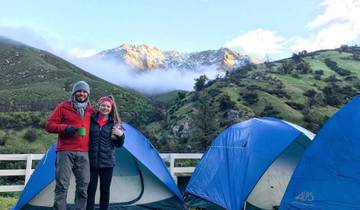
3 days
Yosemite Escape Camping – 3 Days
- ✓ Comprehensive Park Yosemite National Park tour
- ✓ Expert local guides included
- ✓ All accommodation arranged
- ✓ Transportation provided
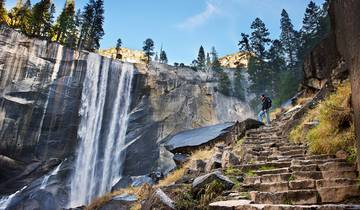
6 days
Hiking in Yosemite National Park
- ✓ Comprehensive Park Yosemite National Park tour
- ✓ Expert local guides included
- ✓ All accommodation arranged
- ✓ Transportation provided
3 days
Yosemite Escape Lodging – 3 Days
- ✓ Comprehensive Park Yosemite National Park tour
- ✓ Expert local guides included
- ✓ All accommodation arranged
- ✓ Transportation provided
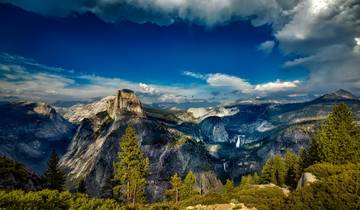
8 days
Hiking Sequoia, Kings Canyon, and Yosemite
- ✓ Comprehensive Park Yosemite National Park tour
- ✓ Expert local guides included
- ✓ All accommodation arranged
- ✓ Transportation provided
Multi-day tour packages powered by TourRadar. Prices and availability subject to change.
Essential Reservation Strategies 2026
Understanding Yosemite’s Booking System
Yosemite operates on a rolling reservation system opening exactly 5 months before arrival dates at 7 AM Pacific Time on the 15th of each month through recreation.gov. For July visits, reservations open February 15th at 7 AM PT, requiring immediate action as popular campsites sell out within 2-3 minutes of window opening. Create a recreation.gov account weeks before booking dates, saving payment information and setting up search filters for desired locations to minimize checkout time. Queue early by refreshing the booking page 5-10 minutes before 7 AM, as the system places users in random order once the window opens.
Lodging reservations at Yosemite Valley Lodge, Ahwahnee Hotel, and Curry Village open 366 days in advance through aramark.com at 7 AM PT, with premium rooms disappearing within minutes for peak summer dates. Set multiple alarms and prepare backup dates, as system crashes and sellouts occur frequently during high-demand booking windows. Consider campground alternatives including Wawona, Hodgdon Meadow, or Bridalveil Creek which experience lower competition than Upper Pines and North Pines. First-come-first-served sites at Tamarack Flat, Yosemite Creek, and Porcupine Flat open mid-June through September, requiring early arrival by 8-10 AM for same-day availability.
Wilderness Permit Strategies
Wilderness permits for overnight backcountry camping become available 24 weeks (168 days) before entry dates through recreation.gov, with 60% of quota allocated through advance lottery and 40% held for walk-up permits issued one day before trips. Submit lottery applications during the two-week application period for each month, selecting multiple entry dates and alternative trailheads to improve selection chances. Popular trails including Half Dome via Little Yosemite Valley, Cloud’s Rest from Sunrise Lakes, and Cathedral Lakes sell out completely through advance lottery, while lesser-known trailheads maintain availability.
Walk-up permits become available at 11 AM the day before entry dates at wilderness centers in Yosemite Valley, Tuolumne Meadows, Wawona, Hetch Hetchy, and Big Oak Flat, operating first-come-first-served basis. Arrive 1-2 hours before opening during peak summer months to secure permits for popular routes. Permits cost $5 per person plus $5 per reservation, with maximum group sizes of 15 people and 8 stock animals. Flexible trip planning increases success rates—maintaining backup routes and alternative dates provides options when first-choice permits sell out.
Weather Preparation and Seasonal Timing
Understanding Yosemite’s Weather Patterns
Yosemite experiences dramatic weather variations based on elevation and season, with valley floors 2,000 feet lower and 10-20°F warmer than Tuolumne Meadows and high country areas. Summer temperatures reach 90-95°F in valleys during July-August afternoons while overnight lows drop to 50-60°F, requiring layered clothing for 40°F daily temperature swings. High elevations above 8,000 feet remain 15-25°F cooler with afternoon thunderstorms developing regularly from late June through September, typically building by 2-4 PM and lasting 1-3 hours.
Winter brings snow accumulation averaging 6-8 feet in valley areas and 15-30 feet at higher elevations, with Tioga Road and Glacier Point Road closing November through May-June depending on snowpack. Spring weather remains highly variable with temperatures ranging from freezing mornings to 70°F afternoons, plus rain showers occurring frequently through May. Fall provides the most stable conditions with clear skies, mild temperatures averaging 60-75°F, and minimal precipitation from September through October before winter storms arrive in November.
Packing for Variable Conditions
Bring moisture-wicking base layers, fleece or down insulation, and waterproof-breathable rain jackets for three-season visits from April through October. Pack warm hats, gloves, and additional insulation for high-elevation trips where temperatures drop 3-5°F per 1,000 feet elevation gain. Include sun protection through lightweight long-sleeve shirts, wide-brimmed hats, neck gaiters, and glacier glasses for snow travel. Carry microspikes or traction devices for early season hiking when snowfields persist on trails through June-July.
Download weather forecasts before entering areas without cell service, checking the NPS website and weather.gov for detailed predictions including hourly temperature, precipitation probability, and thunderstorm timing. Monitor afternoon cloud development when hiking at high elevations, descending immediately if thunderstorms approach as lightning strikes exposed granite ridges and peaks regularly. Bring emergency shelter including space blankets or bivy sacks for unexpected weather changes, as conditions shift rapidly at altitude with temperature drops of 20-30°F possible during storm fronts.
Safety Guidelines and Regulations
Bear Safety and Food Storage
Black bears inhabit all elevations of Yosemite, actively seeking human food through learned behaviors that associate campgrounds and parking areas with easy meals. Store all food, toiletries, medications, and scented items in provided bear-proof lockers at campsites and parking areas, never leaving items in vehicles where bears break windows and peel doors to access interior contents. Violations result in mandatory court appearances with fines starting at $5,000, plus vehicle impoundment and camp eviction for repeat offenses.
Use approved bear canisters for all overnight wilderness trips, renting containers at wilderness centers for $5 per trip or purchasing personal units at $80-300 through outdoor retailers. Proper canisters meet Interagency Grizzly Bear Committee (IGBC) certification standards, featuring smooth surfaces without ridges or handles that allow bears to grip and open containers. Store canisters 100 feet from campsites and water sources, placing units on level ground rather than slopes where bears roll containers attempting to break seals. Cook and eat meals 100 yards downwind from sleeping areas, cleaning dishes thoroughly and disposing of waste in provided containers.
Wildlife Encounter Protocols
Maintain minimum distances of 25 yards from all wildlife including deer, coyotes, and birds, with 100-yard separation required for bears. Never feed animals or leave food accessible, as habituated wildlife becomes aggressive and faces removal or euthanasia when dangerous behaviors develop. Observe bears from vehicles or buildings when possible, backing away slowly while facing animals if encountered on trails. Make noise while hiking through blind corners and dense vegetation, clapping hands or calling out to alert bears of human presence and prevent surprise encounters.
Report aggressive wildlife behavior to rangers immediately, providing location details and animal descriptions to support management decisions. Store garbage in provided bear-proof containers, never leaving trash bags outside tents or vehicles. Keep pets leashed at all times in developed areas, with animals prohibited on trails beyond paved valley paths. Watch for rattlesnakes in rocky areas below 6,000 feet elevation during warm months, giving snakes space to retreat without provocation. Avoid approaching or touching any wildlife for photographs, as stressed animals defend themselves through biting, charging, or other dangerous responses.
Hiking Safety Essentials
Start hikes before 7 AM during summer months to avoid afternoon heat and thunderstorms, completing high-elevation routes before weather deteriorates by 2-3 PM. Carry 3-4 liters of water per person for full-day hikes, refilling from streams using filtration systems or purification tablets as all natural water sources contain potential pathogens. Inform someone of hiking plans including route, expected return time, and emergency contact information, signing trail registers when available to document backcountry travel.
Stay on established trails to prevent erosion and avoid getting lost, as cross-country travel requires advanced navigation skills and wilderness experience. Recognize signs of altitude sickness including headache, nausea, dizziness, and shortness of breath at elevations above 8,000 feet, descending immediately if symptoms worsen. Turn back before reaching destinations if weather deteriorates, time runs short, or physical conditions exceed abilities—summits and viewpoints remain available for future visits. Carry whistles for emergency signaling, blowing three short bursts to attract attention if lost or injured.
Technology and Communication
Cell Service and Connectivity
Verizon provides the most reliable coverage in Yosemite with service in Yosemite Valley, Wawona, and Tuolumne Meadows, while AT&T and T-Mobile offer limited connectivity in valley areas only. Cell service fails completely in wilderness areas, along Tioga Road between Crane Flat and Tuolumne, throughout Hetch Hetchy, and in most campgrounds outside developed areas. Download offline maps through Google Maps, Gaia GPS, or AllTrails before arriving, saving entire park regions for navigation without cellular data.
Public WiFi operates at Yosemite Valley Lodge, Ahwahnee Hotel, Curry Village, and visitor centers with limited bandwidth supporting basic web browsing and email. Bring portable battery packs rated 10,000-20,000 mAh to recharge devices, as electrical outlets remain scarce in campgrounds and backcountry areas lack any charging infrastructure. Use airplane mode to conserve battery life, enabling service only when needed for emergency communication or critical information retrieval. Consider satellite communicators like Garmin inReach or SPOT devices for backcountry emergencies, providing two-way messaging and SOS functions anywhere in the park.
Navigation and Information Resources
Download the official NPS Yosemite app before arrival, providing offline trail maps, facility information, real-time road conditions, and wildlife sighting reports without cellular connectivity. Save digital copies of wilderness permits, campground confirmations, and lodging reservations to device photo galleries as backup documentation. Print paper maps as primary navigation tools, as electronic devices fail due to dead batteries, water damage, or screen cracks during outdoor activities.
Purchase detailed topographic maps at visitor centers or outdoor retailers, with Tom Harrison and National Geographic Trails Illustrated series offering accurate 1:24,000 and 1:31,680 scale coverage. Bring compasses and learn basic navigation skills including map reading, bearing taking, and terrain association before attempting wilderness travel. Study routes in advance using trip reports from websites including AllTrails, HikingGuy, and YosemiteHikes.com, noting current trail conditions, seasonal hazards, and realistic timing estimates. Check the NPS website and information boards at visitor centers for current conditions including trail closures, wildlife warnings, and weather forecasts before departing on hikes.
Food, Water, and Supplies
Food Planning and Storage
Yosemite Valley offers limited grocery shopping at Village Store and Curry Village with prices 30-50% higher than outside communities, stocking basic supplies including canned goods, snacks, beverages, and limited fresh produce. Purchase groceries in gateway towns including Mariposa, Oakhurst, or Lee Vining before entering the park, with full-service supermarkets offering better selection and standard pricing. Pack coolers with block ice rather than cubed ice, as larger pieces melt slower and maintain temperatures for 2-3 days in quality insulated containers.
Plan meals requiring minimal refrigeration for camping trips, focusing on shelf-stable items including pasta, rice, canned proteins, dried fruits, nuts, and energy bars. Bring portable stoves for cooking as campfire restrictions apply frequently during dry summer months, with fires prohibited in wilderness areas above certain elevations. Store all food in bear-proof lockers immediately after arriving at campsites, never leaving items unattended even briefly as bears patrol areas constantly seeking accessible food sources. Dispose of waste properly in provided bear-proof dumpsters and trash cans, packing out all garbage from wilderness areas following Leave No Trace principles.
Water Sources and Treatment
Treat all water from natural sources including streams, rivers, and lakes as giardia, cryptosporidium, and other pathogens contaminate even pristine-looking water in wilderness areas. Bring filtration systems rated to 0.2 microns or smaller, with popular options including Sawyer Squeeze, Katadyn BeFree, and MSR Guardian removing bacteria and protozoa effectively. Consider adding chemical treatment through iodine or chlorine dioxide tablets as backup purification, waiting recommended contact times before consuming treated water.
Fill water bottles at campground spigots and visitor center filling stations, as tap water meets federal safety standards throughout developed areas. Carry 3-4 liters per person for full-day hikes during summer months, increasing to 5-6 liters for strenuous routes or extremely hot conditions. Locate reliable water sources along trails using maps and trip reports, as some streams dry up completely by late summer requiring longer carries between refill opportunities. Bring electrolyte supplements or sports drinks to replace minerals lost through sweating during strenuous activities, preventing dehydration headaches and muscle cramps.
Money-Saving Strategies
Entrance and Annual Passes
Seven-day entrance passes cost $35 per vehicle, $30 per motorcycle, or $20 per individual entering by foot, bicycle, or non-commercial bus in 2026 (check nps.gov/yose for current official rates as pricing may vary). Purchase America the Beautiful annual passes at $80 covering all national parks and federal recreation sites, paying for itself after three visits to national parks within one year. Senior passes (age 62+) cost $20 annually or $80 for lifetime access, while Access passes for permanent disability holders provide free lifetime entry plus 50% discounts on camping and tours.
Buy passes online through store.usgs.gov before trips or at park entrance stations, with no convenience fees added to online purchases. Share vehicle passes among friends or family making multiple trips, as passes admit vehicles rather than individual visitors. Visit during free entrance days including Martin Luther King Jr. Day, first day of National Park Week, Great American Outdoors Act anniversary, National Public Lands Day, and Veterans Day when all national parks waive entrance fees.
Lodging and Camping Alternatives
Camp at first-come-first-served campgrounds including Tamarack Flat ($12 per night), Yosemite Creek ($12 per night), and Porcupine Flat ($12 per night) rather than reservable locations charging $26-36 nightly during summer. Book lodging in gateway communities including Mariposa, Midpines, El Portal, Oakhurst, and Lee Vining where rates run $80-150 per night compared to $200-500 inside the park. Use free dispersed camping on national forest lands surrounding Yosemite, with sites along Highway 120 west of park boundaries and Highway 140 near Briceburg offering no-cost alternatives.
Reserve lodging 9-12 months ahead for best rates and selection, as last-minute bookings face limited availability and premium pricing. Consider sharing accommodations with travel partners, splitting costs for cabins or vacation rentals that sleep 4-8 people for $40-80 per person nightly. Visit during shoulder seasons in April-May or September-October when lodging rates drop 20-40% compared to peak July-August pricing. Bring camping gear for flexibility, booking refundable hotel reservations as weather backup while planning tent camping for cost savings.
Common Mistakes to Avoid
Planning and Preparation Errors
Underestimating hiking distances and elevation gains leads to exhaustion and dangerous situations, as Yosemite’s steep terrain requires double the time compared to flat trails covering similar distances. Failing to reserve accommodations months in advance results in last-minute scrambles for expensive lodging 60-90 minutes from park entrances or complete trip cancellations. Ignoring altitude adjustment when arriving from sea level causes headaches, nausea, and reduced performance, particularly on strenuous hikes above 8,000 feet elevation.
Overpacking vehicles with unnecessary gear wastes space and fuel, while underpacking essentials including water filtration, emergency supplies, and proper clothing creates safety hazards. Scheduling aggressive itineraries without contingency time prevents adapting to weather changes, trail conditions, or unexpected closures. Assuming cell service will work throughout the park leaves visitors without navigation or emergency communication in wilderness areas. Skipping physical conditioning before trips leads to injuries and inability to complete planned hikes, as Yosemite’s trails demand cardiovascular fitness and leg strength.
On-Site Operational Mistakes
Leaving valuables visible in parked vehicles attracts thieves who break windows to steal cameras, laptops, wallets, and other items in seconds while owners hike trails. Starting popular hikes late in the morning guarantees parking struggles, afternoon heat exposure, thunderstorm risks, and crowded trails diminishing wilderness experiences. Feeding wildlife creates dangerous habituation patterns resulting in aggressive animals, destroyed property, and potential removal of bears showing problematic behaviors.
Hiking in inappropriate footwear including sandals, casual sneakers, or new boots causes blisters, twisted ankles, and foot pain ending trips prematurely. Drinking untreated water from streams leads to giardia infections causing severe gastrointestinal distress beginning 7-14 days after exposure. Underestimating afternoon thunderstorm dangers at high elevations puts hikers at risk of lightning strikes, hypothermia, and navigation difficulties in reduced visibility. Ignoring parking regulations results in $100-300 tickets and possible vehicle towing from restricted areas.
Practical Logistics
Parking Strategies
Arrive at popular trailheads including Glacier Point, Vernal Fall, and Nevada Fall before 7 AM during summer months to secure parking spaces that fill completely by 9-10 AM. Use the free shuttle bus system in Yosemite Valley rather than driving, as shuttles run every 10-20 minutes stopping at all major attractions, trailheads, and lodging facilities. Park in day-use lots near Curry Village or Yosemite Village and shuttle to destinations, avoiding frustrating searches for nonexistent parking at peak locations.
Leave valuables hidden or removed from vehicles, as car break-ins occur frequently at remote trailheads and parking areas throughout the park. Lock all doors and windows, with soft-top vehicles particularly vulnerable to quick entry by thieves. Display valid parking passes or entrance receipts on dashboards to avoid citations from rangers checking permits. Respect parking restrictions in campgrounds, loading zones, and reserved spaces, as violations result in immediate tickets and possible towing at owner expense.
Fuel and Vehicle Services
Fill gas tanks before entering Yosemite as fuel stations operate only in Wawona and Crane Flat with prices 40-60% higher than outside communities. The nearest fuel outside park boundaries sits in El Portal (20 minutes west), Mariposa (45 minutes west), Oakhurst (35 minutes south), and Lee Vining (15 minutes east of Tioga Pass). Bring emergency fuel containers if planning remote areas or extended visits, as running out of gas requires expensive towing services from distant communities.
Check tire pressure, fluid levels, and brake condition before mountain driving, as steep grades stress vehicles and accelerate wear on brakes and transmissions. Carry spare tires and basic tools, as roadside assistance response times reach 2-4 hours in remote areas. Shift manual transmissions into lower gears on descents to control speed without overheating brakes, while automatic transmissions often include manual override modes for engine braking. Allow engines to cool after steep climbs before shutting off, preventing vapor lock and cooling system damage in older vehicles.
Frequently Asked Questions
Do I Need a Reservation to Enter Yosemite in 2026?
No entrance reservations are required for Yosemite National Park in 2026. Visitors pay the $35 per vehicle entrance fee (check nps.gov/yose for current official rates) at entry stations and enter without advance reservations. However, overnight accommodations including campgrounds, lodges, and wilderness permits require advance reservations made months before arrival dates. Day visitors enter freely once paying entrance fees, though arriving early prevents parking difficulties and crowded conditions at popular locations.
What Items Are Prohibited in Yosemite?
Firearms discharge, fireworks, unleashed pets, drones, motorized vehicles on trails, and removal of natural resources including rocks, plants, and cultural artifacts are prohibited throughout Yosemite. Campfires face seasonal restrictions based on fire danger levels, with fires prohibited in wilderness areas above certain elevations. Feeding wildlife or leaving food accessible results in mandatory fines starting at $5,000. Bicycles remain restricted to paved roads and designated paths, prohibited on hiking trails and wilderness areas.
Is Drinking Water Available Throughout the Park?
Potable water flows from spigots at all developed campgrounds, visitor centers, and major facilities in Yosemite Valley, Wawona, and Tuolumne Meadows during operating seasons. Wilderness areas and remote locations lack treated water sources, requiring visitors to carry filtration systems or purification tablets for treating natural water from streams and lakes. Fill containers at campgrounds before hiking, as some trails lack reliable water sources during late summer when smaller creeks dry completely.
What Emergency Services Operate in Yosemite?
Yosemite Medical Clinic in Yosemite Valley provides emergency and routine medical care daily, with 24-hour emergency services available through calling 911 or using emergency phones located throughout developed areas. National Park Service rangers respond to emergencies including search and rescue, medical incidents, and law enforcement situations. Cell service works only in limited areas, making 911 calls impossible from most wilderness locations—consider satellite communicators for backcountry emergency communication.
Can I Have Campfires in Yosemite?
Campfires are permitted in provided fire rings at developed campgrounds below 6,000 feet elevation when fire danger remains low to moderate. Wilderness areas above designated elevations prohibit fires year-round, requiring stoves for all cooking needs. Collect only downed wood from ground level, never cutting live or standing dead trees. Check current fire restrictions at visitor centers and campground information boards, as regulations change based on seasonal conditions and drought severity. Use established fire rings only, never creating new fire sites or burning trash.
What Should I Do If I Encounter a Bear?
Stay calm and back away slowly while facing the bear, avoiding direct eye contact that animals interpret as threats. Make yourself appear larger by raising arms and standing on logs or rocks if the bear approaches. Make noise by shouting, clapping hands, or banging objects together to encourage the bear to leave. Never run from bears as flight triggers chase responses, and never climb trees as black bears climb expertly. Report all bear encounters to rangers, providing location and behavior details to support wildlife management programs.
Are There Showers and Laundry Facilities?
Public showers operate at Curry Village and Housekeeping Camp in Yosemite Valley year-round, charging $5 per person with towel and soap provided. Coin-operated laundry facilities function at Housekeeping Camp with washers and dryers available daily during operating seasons. No shower or laundry facilities exist in wilderness areas or most campgrounds, requiring visitors to plan for limited hygiene options during extended camping trips. Gateway communities including Mariposa and Oakhurst offer commercial shower and laundry services for travelers camping outside the park.
What’s the Best Way to See Yosemite With Limited Mobility?
Drive the Tioga Road scenic route from Crane Flat to Tuolumne Meadows, stopping at Olmsted Point, Tenaya Lake, and Cathedral Lakes trailhead for spectacular views from parking areas. Visit Tunnel View, Valley View, and Glacier Point for wheelchair-accessible overlooks providing iconic perspectives without hiking. Ride the free valley shuttle bus to major attractions, with all buses equipped with wheelchair lifts and priority seating. Walk the paved paths in Yosemite Valley including Lower Yosemite Fall Trail (1 mile round trip) and Mirror Lake Loop (5 miles with smooth surfaces). Request accessible campsites and lodging when making reservations, with modified facilities available at all developed campgrounds and hotels.
How Much Time Should I Spend in Yosemite?
Spend minimum 3-4 days to experience major valley attractions, take several day hikes, and explore Glacier Point and Tuolumne Meadows areas without rushing. Plan 5-7 days for comprehensive visits including multiple full-day hikes, backcountry exploration, and thorough coverage of different park regions. Weekend trips provide introduction to Yosemite but require prioritizing limited destinations and accepting missed opportunities. Consider 10-14 day visits for wilderness backpacking trips, in-depth photography projects, or complete exploration of all accessible areas including Hetch Hetchy and remote northern sections.
What Should I Do About Altitude Sickness?
Ascend gradually when traveling from low elevations to high country areas above 8,000 feet, spending nights at intermediate elevations to allow acclimatization. Recognize symptoms including headache, nausea, dizziness, fatigue, and shortness of breath that indicate altitude sickness developing. Descend immediately if symptoms worsen or don’t improve with rest and hydration, as conditions can progress to life-threatening situations. Stay hydrated by drinking 3-4 liters of water daily, avoid alcohol and heavy meals, and reduce physical exertion during the first 24-48 hours at altitude. Take over-the-counter pain relievers for headaches, though severe or persistent symptoms require descending to lower elevations and seeking medical attention at Yosemite Medical Clinic.