
York Travel Guide 2026: Complete Visitor’s Guide to England’s Medieval City
York stands as England’s most perfectly preserved medieval city, where 2,000 years of history unfold within ancient Roman walls that still embrace cobblestone streets, Gothic masterpieces, and Viking archaeological treasures. This comprehensive 2026 planning guide delivers everything you need to experience York’s extraordinary blend of historical grandeur and contemporary vitality, from navigating the towering magnificence of York Minster to discovering hidden lanes where timber-framed buildings lean across narrow passages unchanged since the 14th century.
Key Takeaways for York 2026
- Budget Planning 2026: Daily costs range £70-105 per person for budget travelers (two sharing budget accommodation), £140-210 for mid-range comfort (two sharing mid-range hotel), and £280-435 for luxury experiences (two sharing luxury hotel), with accommodation representing the largest expense category across all tiers.
- Prime Visiting Windows 2026: April through June and September through October deliver optimal conditions combining pleasant weather, manageable crowds, and moderate pricing, while July-August peak season brings premium hotel rates 40-55% higher than shoulder months alongside maximum visitor density at major attractions.
- Essential Attractions Mix 2026: York’s compelling draw combines spectacular free experiences including the complete 2-mile medieval wall circuit, the world-class National Railway Museum, and atmospheric Shambles street exploration with ticketed treasures like York Minster at £13-28, JORVIK Viking Centre at £18 ($24), and York Castle Museum at £15-18.
- Accommodation Strategy 2026: Book city center properties within medieval walls for premium walking access to all major sights at £120-250 nightly, or choose locations near York Railway Station offering excellent connectivity and parking convenience at £80-140 nightly, with advance reservations essential for April-September peak periods.
- Transportation Efficiency 2026: York’s compact medieval core makes walking the primary transportation mode for sightseeing, supplemented by affordable local buses at £2-3 per ride for outer attractions, while arriving by train from London via LNER services delivers you directly into the walkable historic center in approximately 2 hours.
- York Pass Value 2026: The York Pass providing entry to 30+ attractions including York Minster, JORVIK Viking Centre, Castle Museum, and Clifford’s Tower delivers significant savings for visitors planning to explore 4-5 paid attractions daily, with 1-day passes starting around £55 adults, 2-day passes £75, and 3-day passes £85.
People Also Ask About York Travel 2026
How Much Does a Trip to York Cost Per Day in 2026?
Daily costs in York range £70-105 per person for budget travelers (two sharing budget accommodation including hostel dormitories or budget guesthouses at £60-80 per room), £140-210 per person for mid-range visitors (two sharing mid-range hotels at £120-180 per room), and £280-435 per person for luxury experiences (two sharing upscale hotels at £250-400 per room). Budget travelers minimize expenses through hostel accommodation, supermarket meal preparation, free museums, and walking-based transportation. Mid-range visitors stay in comfortable city center hotels, dine at traditional pubs and bistros, purchase attraction tickets individually, and utilize local buses for convenience. Luxury travelers select boutique heritage properties or The Grand York five-star hotel, experience fine dining at award-winning restaurants, book private guided tours, and employ taxis for all transportation needs. These calculations assume two people sharing hotel accommodation with per-person costs reflecting half the nightly room rate, combined with individual expenses for meals, local transport, and attraction admissions.
What is the Best Time to Visit York in 2026?
The optimal periods to visit York in 2026 span late April through June and September through mid-October, when spring flowers or autumn colors enhance the city’s scenic beauty, temperatures hover comfortably between 12-18°C, hotel rates remain 30-40% below July-August peaks, and attraction crowds thin to manageable levels allowing relaxed exploration. April brings the York Literature Festival alongside blooming gardens in Museum Gardens and Dean’s Park surrounding York Minster. May through June delivers the longest daylight hours exceeding 16 hours daily, perfect for extended wall walks and evening riverside strolls. September hosts the York Food & Drink Festival celebrating Yorkshire’s culinary heritage with tastings, demonstrations, and local producer showcases throughout the city center. Early October maintains pleasant weather before temperatures drop, with autumn foliage framing York’s medieval architecture in golden hues. July and August, while offering guaranteed warm weather and extended attraction hours, bring hotel rates climbing to £160-280 for mid-range properties alongside maximum tourist density requiring advance bookings for popular restaurants and timed-entry attractions. Winter months December through February present atmospheric Christmas markets and festive decorations but shorter daylight hours, colder temperatures around 4-7°C, and reduced attraction operating hours.
Is York Expensive Compared to Other UK Cities in 2026?
York positions itself as moderately priced within UK destination rankings, delivering significantly better value than London where equivalent mid-range accommodation costs £180-300 nightly compared to York’s £120-180, restaurant meals average £35-50 versus York’s £25-35, and attraction tickets command premium pricing throughout. York’s costs align closely with similar historic cities including Bath, Cambridge, and Edinburgh, all offering comparable mid-range daily budgets of £140-210 per person. York provides exceptional value through its extensive free attractions including the complete medieval wall circuit offering 2-3 hours of exploration, the world-renowned National Railway Museum displaying priceless locomotive collections without admission charges, and atmospheric street wandering through Shambles and surrounding medieval lanes requiring zero expenditure. Budget-conscious travelers exploit York’s compact geography enabling walking as primary transportation, its numerous supermarkets including Sainsbury’s and Tesco Metro for self-catering options, and its traditional pubs offering substantial Yorkshire portions at £10-15 per meal. The city’s moderate pricing combined with concentrated attractions within a walkable medieval core delivers strong value compared to dispersed destinations requiring extensive public transport investment.
How Many Days Do You Need in York in 2026?
Three days provides ideal duration to experience York’s essential attractions thoroughly without rushing, allowing one full day exploring York Minster, city walls, and Shambles area, a second day visiting JORVIK Viking Centre and York Castle Museum alongside River Ouse walks, and a third day for the National Railway Museum, Yorkshire Museum, and optional day trips to nearby Castle Howard or Yorkshire Dales. Two-day visits remain viable for travelers prioritizing efficiency, covering York Minster, Shambles, city walls, and one major museum daily while accepting selective choices between multiple worthy attractions. Extended four-to-five-day stays reward visitors with relaxed exploration pace, opportunities for multiple day trips, thorough museum immersion, specialized interest pursuits like photographing medieval architecture or researching family history at York’s genealogical resources, and discovering neighborhood character beyond tourist zones. First-time visitors should allocate minimum two nights (two full days) to capture York’s essential medieval character, Viking heritage, and railway history, while history enthusiasts and repeat visitors easily fill four-to-five days exploring specialized collections, attending walking tours covering specific historical periods, and penetrating lesser-known attractions including merchant guildhalls, restored medieval gardens, and archaeological sites.
Extended multi-day tours – 5+ days
Featured York Multi-Day Tour Packages
4 days
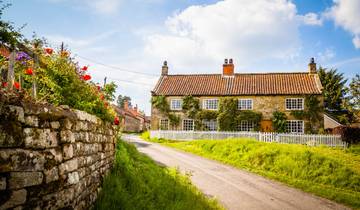
The Best of York Small-Group Tour – 4 Days
- ✓ Comprehensive York tour
- ✓ Expert local guides included
- ✓ All accommodation arranged
- ✓ Transportation provided
6 days
6 Day London And York By Train
- ✓ Comprehensive York tour
- ✓ Expert local guides included
- ✓ All accommodation arranged
- ✓ Transportation provided

6 days
England in a Week (Classic, Winter)
- ✓ Comprehensive York tour
- ✓ Expert local guides included
- ✓ All accommodation arranged
- ✓ Transportation provided
5 days
From Edinburgh: 5 Day York, the Dales, Lake District & Hadrian's Wall
- ✓ Comprehensive York tour
- ✓ Expert local guides included
- ✓ All accommodation arranged
- ✓ Transportation provided
Multi-day tour packages powered by TourRadar. Prices and availability subject to change.
Introduction: Discovering York’s Timeless Medieval Magnificence in 2026
York emerges from England’s northern landscape as the nation’s supreme medieval time capsule, where Roman foundations support Viking-era street patterns overlaid with Norman fortifications, Gothic ecclesiastical grandeur, and Georgian elegance, all preserved within Britain’s most complete circuit of medieval defensive walls. This ancient city, first established as Roman Eboracum in 71 AD, evolved through successive civilizations leaving archaeological layers that today deliver extraordinary historical depth rarely matched in European destinations. York served as capital of the northern Roman Empire, principal settlement of the Viking Kingdom of Jorvik, and throughout medieval centuries functioned as England’s ecclesiastical heart second only to Canterbury in religious significance. The magnificent York Minster, northern Europe’s largest Gothic cathedral, dominates the skyline with soaring towers visible across Yorkshire’s rolling countryside, while beneath modern streets lie Viking-age dwellings preserved in anaerobic clay, Roman military headquarters foundations, and medieval merchant houses revealing daily life across twenty centuries.
Modern York seamlessly integrates its historical treasures with contemporary vitality, creating a destination that satisfies both serious historians and casual visitors seeking atmospheric medieval exploration. The compact city center, entirely walkable within 30-40 minutes across any dimension, concentrates major attractions within medieval walls that now serve as an elevated walkway offering panoramic city views. Shambles, Britain’s best-preserved medieval street where butchers’ shops once operated from timber-framed buildings with upper floors projecting over narrow cobblestone lanes, now houses chocolate shops, tea rooms, and craft boutiques attracting millions of visitors annually. The National Railway Museum, situated just beyond the station, presents the world’s largest collection of railway heritage including royal trains, Japanese Shinkansen technology, and the record-breaking Mallard steam locomotive, offering world-class experiences with completely free admission. York Castle Museum recreates Victorian streets and domestic interiors with unparalleled authenticity, while JORVIK Viking Centre delivers immersive time-travel through reconstructed 10th-century Viking settlement built on actual archaeological excavation sites.
Planning York visits for 2026 requires understanding seasonal dynamics affecting both costs and experience quality. Peak summer months July-August deliver extended daylight hours ideal for wall walks and riverside evening strolls but bring hotel rates climbing 40-55% above shoulder season baseline alongside maximum tourist density requiring advance restaurant reservations and timed attraction entries. Shoulder seasons April-June and September-October provide optimal balance combining pleasant weather, moderate pricing, thinner crowds, and full attraction operating schedules. Winter months December-February present atmospheric Christmas markets and Victorian-themed festivities but impose shorter daylight hours, colder temperatures, and reduced museum hours requiring adjusted itinerary planning. York’s culinary scene showcases Yorkshire specialties including massive Yorkshire puddings served as meal vessels filled with roast meats, Wensleydale cheese featured at numerous cheese shops, and traditional afternoon tea experiences ranging from budget-friendly tea rooms to luxurious Betty’s Café Tea Rooms requiring weeks-advance booking.
York’s accessibility enhances its appeal as a UK destination, positioned just 2 hours from London Kings Cross via frequent LNER train services, 1 hour from Manchester, and 1.5 hours from Edinburgh, with York Railway Station delivering arrivals directly adjacent to the medieval walls within 10-minute walk of major attractions. The city’s compact geography eliminates transportation complexity found in larger cities—most visitors walk everywhere within the medieval core, supplemented by inexpensive local buses for outer attractions including the Designer Outlet shopping center or York Maze seasonal attraction. This walkability combined with concentrated world-class attractions creates exceptional efficiency for short-break visitors while offering depth rewarding extended stays. York operates as perfect standalone destination meriting 2-5 days focused exploration, serves as ideal base for Yorkshire Dales and North York Moors day trips, and functions effectively within multi-city UK itineraries connecting London, Edinburgh, and Lake District routes.
This comprehensive 2026 guide addresses every practical planning dimension from budget calculations across three spending tiers to neighborhood accommodation strategies, seasonal pricing variations to attraction prioritization frameworks, transportation logistics to money-saving techniques, dining recommendations to day trip options. Whether you’re planning first-time exploration of York’s essential medieval and Viking heritage, returning to penetrate specialized museums and hidden historical corners, traveling with family requiring child-friendly attraction mixes, or seeking romantic weekend escapes within atmospheric medieval settings, this guide provides detailed intelligence enabling confident booking decisions and efficient on-ground navigation. York rewards prepared visitors who understand its layered history, recognize seasonal trade-offs, and approach the city with appreciation for both its spectacular headline attractions and its quieter medieval corners where timber-framed buildings, ancient churches, and narrow snickelways preserve authentic medieval urban character increasingly rare in modern Europe.
Understanding York’s Appeal and Character in 2026
York distinguishes itself among British destinations through exceptional preservation of complete medieval urban fabric, presenting visitors with authentic historical environments rather than isolated monument experiences. The city’s unique appeal stems from its intact 2-mile circuit of medieval walls enclosing a street pattern largely unchanged since Viking settlement, creating immersive historical atmosphere where every turn reveals timber-framed buildings, ancient church towers, or narrow medieval passageways called snickelways. This preservation resulted from York’s economic decline during Industrial Revolution when the city’s merchants lacked capital for wholesale Victorian redevelopment that demolished medieval quarters in prosperous manufacturing cities like Manchester and Leeds. Economic stagnation paradoxically preserved York’s heritage, which twentieth-century conservation efforts then protected through strict planning controls ensuring new development respects medieval scale and character.
York’s historical significance extends beyond mere preservation to genuine historical importance across multiple periods. As Roman Eboracum, the city served as capital of Britannia Inferior province with emperors including Septimius Severus dying here in 211 AD and Constantine the Great proclaimed emperor by his troops in York’s Roman fortress in 306 AD. The Anglian period saw York become Northumbria’s principal city and early Christian center where Paulinus established the first Minster in 627 AD. Viking conquest in 866 AD transformed the settlement into Jorvik, capital of the Viking Kingdom of York and major trading center connecting Scandinavian, Irish, and continental trade networks. Archaeological excavations at Coppergate in the 1970s uncovered extraordinarily preserved Viking-age buildings, artifacts, and organic materials including leather shoes, wooden vessels, and textile fragments, providing unparalleled insights into Viking urban life now presented at JORVIK Viking Centre built directly over excavation sites.
Medieval York flourished as England’s second city, ecclesiastical capital of the north, and wealthy merchant center whose guilds constructed elaborate halls still standing today. York Minster, constructed 1220-1472 over earlier Norman cathedral and Roman headquarters site, represents pinnacle of English Gothic architecture, housing the world’s largest concentration of medieval stained glass including the Great East Window spanning 23.7 meters high with 311 panels depicting biblical narrative from Creation to Apocalypse. The medieval walls, constructed primarily 1250-1350 on Roman foundations, protected thriving city of 15,000 inhabitants engaged in wool trade, cloth manufacturing, and religious pilgrimage. York’s 40+ medieval churches, though many now redundant, demonstrate the city’s religious and economic power during this golden age. Georgian period brought refined architecture particularly around Bootham and Micklegate areas where wealthy families constructed elegant townhouses, while Victorian era saw railway arrival transforming York into major railway junction spawning the railway engineering works that employed thousands well into twentieth century.
Contemporary York balances heritage preservation with living city vitality, maintaining resident population around 210,000 within greater urban area while welcoming 8 million visitors annually. The city functions as regional retail center, university town with University of York enrolling 20,000+ students, and increasingly important digital economy hub. This resident population ensures York operates as authentic living city rather than open-air museum, with neighborhood shops, local pubs, and community services extending beyond tourist zones. The university presence brings cultural venues including York Theatre Royal, York Barbican concert hall, and numerous festivals throughout the year covering literature, food, early music, and Viking heritage. York’s contemporary restaurant scene increasingly showcases Yorkshire ingredients and modern British cuisine alongside traditional establishments serving classic roasts and Yorkshire puddings.
York’s geographic position in Yorkshire’s Vale of York, surrounded by North York Moors to northeast, Yorkshire Dales to northwest, and Yorkshire Wolds to southeast, provides spectacular day trip opportunities into England’s finest countryside. The city sits at confluence of Rivers Ouse and Foss, with riverside paths offering pleasant walking particularly along Ouse’s western bank from Lendal Bridge to Millennium Bridge. York’s climate follows typical British maritime patterns with mild winters averaging 4-7°C, cool summers averaging 17-19°C, and moderate rainfall distributed throughout the year averaging 650mm annually. This temperate climate enables year-round visiting, though summer months May-August deliver most reliable weather for outdoor activities including wall walks, riverside strolls, and garden visits. The city’s northerly latitude 53.96°N ensures extended summer daylight with sunset occurring after 9:30 PM in June-July, contrasting winter’s brief daylight ending around 3:45 PM in December.
York’s cultural calendar animates the city with festivals celebrating its diverse heritage. The JORVIK Viking Festival in February recreates Viking combat, crafts, and daily life through reenactments, demonstrations, and living history camps attracting thousands of participants and spectators. York Literature Festival in March brings authors, poets, and literary discussions to historic venues throughout the city. York Early Music Festival in July showcases medieval, Renaissance, and Baroque music in period-appropriate settings including city churches and guildhalls. York Food & Drink Festival in September celebrates Yorkshire’s culinary traditions with producer markets, tasting events, and chef demonstrations in Parliament Street and surrounding areas. York’s Christmas markets transform St. Nicholas Fair site into festive wonderland featuring wooden chalets selling crafts, foods, and seasonal items from late November through December, creating magical atmosphere enhanced by medieval backdrop.
York Minster: England’s Gothic Masterpiece in 2026
York Minster stands as northern Europe’s largest Gothic cathedral and England’s supreme ecclesiastical monument, dominating York’s skyline with towers rising 60 meters above the medieval city. The current building, constructed 1220-1472 though incorporating elements from earlier Norman cathedral demolished during reconstruction, represents 252 years of continuous building spanning Early English, Decorated, and Perpendicular Gothic periods, creating architectural encyclopedia of English Gothic style evolution. The Minster occupies site of Roman headquarters building where Constantine was proclaimed emperor in 306 AD, with archaeological remains visible in the Undercroft Museum beneath the cathedral floor. Visiting York Minster represents essential York experience combining architectural grandeur, historical significance, and artistic treasures in single overwhelming monument requiring minimum 90-minute exploration to appreciate its principal features adequately.
Admission to York Minster in 2026 costs £13-28 for adults depending on ticket type, with standard admission at £16 including cathedral access, Undercroft Museum, and free guided tours, while Tower Climb tickets at £28 add 275-step ascent to Central Tower’s viewing platform 60 meters above ground level offering spectacular panoramic views across York and surrounding Yorkshire countryside. Children under 17 enter free when accompanied by paying adult, making York Minster exceptionally family-friendly among major European cathedrals. York residents receive free entry upon presenting proof of address. Tickets purchased online provide modest discounts and skip standard admission queues, though timed entry slots rarely fill except during peak summer months July-August or major events. Annual passes at £40 provide unlimited return visits for 12 months, valuable for local residents or visitors planning extended York stays with multiple cathedral visits.
The Minster’s interior overwhelms visitors with vast spatial volume spanning 158 meters length by 76 meters transept width, covering 7,300 square meters floor area beneath vaulted ceilings soaring 31 meters above nave floor. The Great West Window installed 1338 displays heart-shaped tracery earning its popular name “Heart of Yorkshire,” while the Chapter House window’s geometric tracery represents finest surviving example of Decorated Gothic style from 1280s. The Minster houses over half of all medieval stained glass surviving in England, with 128 windows containing approximately 2 million individual glass pieces creating luminous colored environments that shift with daylight movement. The Great East Window, created 1405-1408 by John Thornton of Coventry, presents biblical narrative from Creation to Apocalypse across 311 panels in window measuring 23.7 meters high by 9.4 meters wide, claiming title as world’s largest single medieval stained glass window still in original location.
The Tower Climb experience, available as separate ticket or upgrade, delivers York’s ultimate panoramic viewpoint after ascending 275 steps through narrow medieval staircases passing through roof spaces, bell chamber housing bells dating to 1845, and finally emerging onto external viewing platform encircling Central Tower 60 meters above ground. The climb requires reasonable fitness and is unsuitable for those with mobility limitations, claustrophobia, or severe vertigo as staircases are narrow, steep, and in some sections spiral tightly within medieval stonework. However, the reward justifies the effort—panoramic views extend across York’s rooftops revealing the city’s compact medieval core enclosed by walls, with clear days allowing views to Yorkshire Dales moorland 40 kilometers distant. The viewing platform provides interpretive panels identifying landmarks including Clifford’s Tower, York Castle, River Ouse, and surrounding city walls, while the ascent through roof spaces offers fascinating insights into cathedral’s structural engineering and bell ringing operations.
The Undercroft Museum, included with standard admission and accessed via stairs from cathedral floor, presents treasures spanning 2,000 years of York history beginning with Roman fortress foundations and column bases preserved in situ beneath cathedral. The museum displays the Minster’s silver collection including elaborate processional crosses and candlesticks, ancient carved stones recovered during excavations, and architectural fragments from earlier cathedral buildings. Interactive displays explain cathedral construction techniques, stone mason skills, and the massive 1960s-1970s engineering project that saved the Minster from collapse by constructing new foundations beneath existing medieval pillars while keeping the cathedral open for worship. The museum’s highlight involves walking across glass floors revealing archaeological excavations showing Roman headquarters building beneath Norman crypt beneath current Gothic cathedral, creating visceral connection across twenty centuries of continuous religious and military use of this single site.
York Minster’s free guided tours, included with admission and departing regularly throughout opening hours, provide expert interpretation illuminating architectural features, historical events, and religious significance that independent exploration might overlook. Guides explain the medieval building sequence, identify significant stained glass windows by subject matter and artistic period, describe the Minster’s role during English Reformation when it narrowly escaped destruction suffered by many monastic institutions, and share contemporary conservation challenges maintaining Gothic structure against modern pollution, weather, and visitor wear. The tours typically last 45-60 minutes covering nave, transepts, choir, and usually the Chapter House if not closed for events, though excluding Tower Climb which remains separate optional activity. For visitors seeking deeper engagement, the Minster offers specialized Hidden Tours accessing areas normally closed to public including the Mason’s Loft where medieval craftsmen shaped stones, or the Chapter House roof displaying medieval carpentry techniques.
Timing York Minster visits strategically enhances the experience significantly. Morning visits immediately following 9:00 AM opening encounter thinner crowds before tour groups arrive around 10:30 AM, offering peaceful contemplation of architectural grandeur and unobstructed photography. Evensong services Tuesday-Saturday at 5:15 PM and Sunday at 4:00 PM allow visitors to experience the Minster as functioning cathedral rather than museum, with York Minster Choir performing sacred music in stunningly acoustic environment while late-afternoon sunlight streams through medieval stained glass creating ethereal atmosphere. Tower Climb slots fill quickly during July-August peak season requiring advance booking, while shoulder months April-June and September-October typically accommodate walk-up Tower Climb requests. Sunday opening hours differ with cathedral closed to tourists until 12:45 PM following morning services, then open 12:45 PM-2:30 PM with reduced access, making Sunday suboptimal for first-time visitors seeking comprehensive exploration. The Minster closes occasionally for special services or events, so checking the online calendar before visiting prevents disappointment.
Medieval City Walls and Historic Gates in 2026
York’s medieval city walls represent Britain’s most complete circuit of defensive walls, stretching 2 miles around the historic core with approximately 2.5 miles of walkable rampart sections offering elevated perspectives across medieval rooftops, gardens, and the surrounding Yorkshire landscape. The current walls primarily date from 1250-1350 construction period, though they follow Roman defensive line established around 71 AD when the Ninth Legion built initial timber and earth fortifications later upgraded to stone. Walking York’s walls delivers free, spectacular, and uniquely York experience combining historical immersion, exercise, and panoramic photography opportunities, requiring 1.5-2 hours for complete circuit including stops at gatehouses and viewpoints, or selective sections can be explored in 30-45 minute segments.
The wall circuit remains accessible throughout daylight hours with main sections including Bootham Bar to Monk Bar along the northern wall overlooking York Minster and providing classic cathedral views framed by medieval stonework, Monk Bar to Walmgate Bar along eastern walls passing through residential areas with excellent perspectives across city center, Walmgate Bar to Skeldergate Bridge along southeastern section, and Lendal Bridge to Bootham Bar completing the circuit with views over Museum Gardens and River Ouse. Some short sections around Lendal Bridge and along riverfront remain at ground level where medieval walls were demolished for Victorian development or damaged during Civil War bombardment. The walls feature narrow walkways typically 2-3 meters wide bordered by chest-height battlements, with regular staircases allowing access at multiple points enabling flexible walking segments rather than requiring complete circuit.
Four principal gatehouses called “bars” punctuate the walls at cardinal points, each displaying unique architectural features reflecting construction periods and defensive requirements. Bootham Bar guards the northwest entrance where Roman Via Principalis entered through the fortress walls, with current structure primarily 14th-century displaying medieval portcullis groove and barbican remains. Monk Bar, tallest and most elaborate of the four main gates, features working portcullis mechanism, murder holes in entrance passageway ceiling for dropping projectiles on attackers, and small museum displaying historical information about York’s defensive history. Micklegate Bar, the ceremonial entrance for monarchs arriving from London, displays royal heraldry and features museum rooms above the gate passage. Walmgate Bar uniquely retains its barbican and timber doors, presenting most complete surviving example of medieval gatehouse architecture.
Walking the walls reveals layers of York’s architectural history through unobstructed views across gardens, church towers, and rooftops ordinarily obscured by medieval street patterns. The northern section from Bootham Bar to Monk Bar provides spectacular York Minster views with the cathedral’s towers framed by medieval crenellations, creating York’s most photographed perspective particularly effective during morning light or late afternoon golden hour. This northern section passes Museum Gardens containing St. Mary’s Abbey ruins, Roman fortress remains, and Yorkshire Museum, all visible from elevated wall walkway. The eastern walls from Monk Bar to Walmgate Bar traverse residential neighborhoods offering glimpses into local life beyond tourist zones, with gardens, playing fields, and Victorian terraces visible beyond the ramparts. The Minster views continue along this section from different angles, while Red Tower, a 15th-century brick artillery fortification, marks the wall’s southeastern corner near River Foss.
The walls’ accessibility varies by section and season. Main sections maintained by City of York Council remain open during daylight hours year-round, though winter months see earlier closures around 4:00-5:00 PM while summer extends access until 8:00-9:00 PM leveraging extended daylight. Some sections close temporarily during adverse weather conditions when ice or high winds create safety hazards on exposed elevated walkways. Wheelchair accessibility remains limited with most wall sections requiring stair access, though Museum Gardens and some street-level stretches accommodate mobility-impaired visitors seeking wall views without climbing. The narrow walkways and unprotected battlement edges require supervision of young children, while the absence of restroom facilities along the circuit necessitates planning stops at ground-level cafes or public conveniences before ascending.
Combining wall walks with attraction visits optimizes sightseeing efficiency. The northern section from Bootham Bar to Monk Bar positions walkers directly adjacent to York Minster, Yorkshire Museum, and Museum Gardens, enabling seamless integration of wall walking with major attraction visits. The Monk Bar section descends near Jorvik Viking Centre and Shambles shopping area, allowing afternoon wall walks after morning attraction visits. Strategic timing enhances wall walking experiences—early morning 7:00-9:00 AM encounters minimal foot traffic and captures soft morning light ideal for photography, while late afternoon 4:00-6:00 PM provides angled sunlight dramatically illuminating York Minster’s western facade. Sunset walks during summer months deliver spectacular golden hour light bathing medieval city in warm tones, though winter sunset arrives around 3:45-4:15 PM limiting this opportunity to brief afternoon window.
JORVIK Viking Centre: Immersive Viking Experience in 2026
JORVIK Viking Centre presents one of Britain’s most innovative historical attractions, built directly over the Coppergate archaeological excavation site where 1976-1981 excavations uncovered extraordinarily preserved Viking-age settlement from 10th-century Jorvik. The center recreates Viking-era street scenes with meticulous attention to archaeological evidence, transporting visitors through reconstructed buildings inhabited by realistic mannequins engaged in daily activities including leather working, metalsmithing, and textile production, while authentic period smells including damp earth, animals, and cooking fires enhance sensory immersion. Adult admission costs £18 ($24) in 2026 with timed entry slots requiring advance online booking especially during school holidays and summer peak season, while children’s tickets cost £12 with tickets valid for unlimited return visits throughout 12-month period from first use.
The JORVIK experience begins with multimedia presentation establishing historical context about Viking conquest and settlement of York in 866 AD, when Viking army captured the Anglo-Saxon city and established Jorvik as capital of Viking kingdom that would endure until 954 AD. The center’s signature attraction involves riding time-capsule vehicles through full-scale reconstruction of 10th-century Viking streets, witnessing daily life as mannequins go about activities from cooking to trading, blacksmithing to boat building, with multilingual audio commentary explaining scenes passing by. The reconstruction’s authenticity stems directly from archaeological evidence, with building layouts, artifact positions, and even refuse pits replicated according to excavation records. The experience proves somewhat dark and potentially intense for very young children under 5-6 years, with realistic mannequins, dim lighting simulating pre-electric environments, and strong period-accurate smells occasionally startling sensitive visitors.
Following the ride experience, visitors enter archaeological gallery displaying actual artifacts recovered during Coppergate excavations, including leather shoes preserving remarkable detail after 1,000 years in oxygen-free clay, wooden vessels showing Viking woodworking skills, jewelry demonstrating metalwork sophistication, and organic materials including textiles, seeds, and animal bones revealing diet and daily life details. The artifacts demonstrate Viking Jorvik’s extensive trade connections, with items originating from Scandinavia, Ireland, continental Europe, and even Byzantine Empire reaching York through Viking trade networks. Glass floor sections allow viewing down into actual excavation trenches where Viking-age buildings stood, creating direct visual connection between modern visitor level and archaeological past preserved below.
Interactive elements throughout JORVIK engage visitors actively with Viking history. Face-in-hole photo opportunities allow posing as Viking warriors or residents, while touchscreens provide deeper information about specific artifacts, archaeological methods, and Viking daily life aspects including diet, clothing, trade, warfare, and religious practices. The center includes dedicated children’s areas with hands-on activities where young visitors handle replica artifacts, try on Viking clothing, and participate in archaeological simulation activities. The shop stocks extensive Viking-themed merchandise from historically-accurate replica jewelry based on archaeological finds to children’s toys and books covering Viking history at various reading levels.
JORVIK Viking Centre typically opens 10:00 AM daily closing 4:00-5:00 PM depending on season, with extended hours during summer peak and school holiday periods. The complete experience requires 60-75 minutes including ride, gallery exploration, and interactive elements, though visitors can spend additional time examining artifact details or engaging with staff interpreters stationed throughout the center. Advance timed-entry booking proves essential during school holidays and July-August peak season when popular time slots fill days ahead, while shoulder season months April-June and September-October typically accommodate same-day bookings. The center operates year-round including most holidays, with February featuring special Viking Festival events when the center extends hours and coordinates with citywide Viking-themed programming including combat reenactments and living history demonstrations in surrounding streets.
The center’s location on Coppergate in York’s medieval core positions it ideally within walking distance of complementary attractions. The adjacent Shambles medieval street lies 2 minutes’ walk away, while York Castle Museum sits 5 minutes distant enabling logical morning-afternoon pairing visiting both attractions. The Coppergate Shopping Centre housing JORVIK provides limited parking, though Castle Car Park 3 minutes’ walk away offers more extensive spaces. Visitors arriving by train from York Railway Station walk approximately 15 minutes through city center streets to reach JORVIK, passing York Minster and St. Helen’s Square along the way. The center’s urban setting means no surrounding gardens or external spaces, with the experience entirely indoors making it valuable weather-backup option during York’s occasional rainy days.
The Shambles and Medieval Shopping Streets in 2026
The Shambles, officially Britain’s best-preserved medieval street and one of Europe’s most photographed lanes, embodies York’s medieval character through timber-framed buildings with overhanging upper floors leaning so dramatically across the narrow cobblestone passage that people in opposing second-floor windows could shake hands. The street name derives from “shamel,” medieval term for benches where butchers displayed meat, with the Shambles functioning as York’s principal butchers’ quarter from at least 1400s through late 19th century. Current buildings primarily date from 14th-16th centuries, though some incorporate earlier medieval fabric, with wide ground-floor window shelves originally serving as meat display counters now housing chocolate shops, fudge sellers, and craft boutiques attracting millions of visitors annually making the Shambles York’s most commercially successful street despite measuring merely 200 meters length.
The Shambles’ fame amplified significantly following claims connecting it to Harry Potter’s Diagon Alley, with the street’s medieval architecture, overhanging buildings, and magical atmosphere resembling descriptions from J.K. Rowling’s books. While Rowling herself never confirmed the Shambles as inspiration, multiple shops now capitalize on Potter connections selling wands, house merchandise, and themed gifts drawing Potter fans globally. The street now hosts at least three Harry Potter-themed shops including The Shop That Must Not Be Named and two others stocking official Warner Brothers licensed merchandise alongside independently created wizard-themed items. Beyond Potter commercialism, the Shambles retains genuine medieval character particularly visible in early morning before 9:00 AM when delivery vehicles depart and shop staff prepare for opening, allowing contemplation of architecture without jostling crowds.
Traditional York businesses persist alongside tourist-oriented shops, with butchers, bakers, and small independent retailers maintaining presence in buildings their trades occupied for centuries. Local chocolatiers including Monk Bar Chocolatiers and specialist fudge shops create products on-premises allowing visitors to watch artisan production through shop windows. Traditional tea rooms serve Yorkshire tea with scones, cakes, and light lunches in atmospheric medieval interiors featuring exposed timber beams, uneven floors, and low ceilings characteristic of 500-year-old construction. Some shops occupy buildings with visible medieval features including massive timber beams, original stone hearths, and historical plaques identifying building dates and previous occupants, creating living museum atmosphere where commercial activity continues in spaces unchanged fundamentally for five centuries.
The Shambles connects to network of narrow passages called snickelways, medieval pedestrian shortcuts cutting between main streets allowing residents to navigate city efficiently while avoiding horse-drawn traffic on wider thoroughfares. These snickelways preserve medieval street pattern largely unchanged, with passages like Mad Alice Lane, Coffee Yard, and Lady Peckett’s Yard leading from Shambles to parallel streets and hidden courtyards. Exploring these passages reveals quieter medieval corners away from tourist crowds, with small artisan shops, craft galleries, and independent businesses occupying spaces too small for chain retailers. The snickelways frequently surprise visitors with sudden views of York Minster towers framed by timber-framed buildings or unexpected courtyards containing outdoor seating where locals drink coffee removed from tourist thoroughfares.
Peak visiting times July-August see the Shambles become extremely congested between 10:00 AM-5:00 PM, with shoulder-to-shoulder crowds making photography difficult and shopping experiences frustrating. Strategic timing dramatically improves the experience—early morning 8:00-9:00 AM before shops open allows peaceful photography capturing medieval atmosphere with minimal people, while evening 6:00-7:00 PM after many day-trippers depart brings more comfortable crowd levels. Winter months outside Christmas market period offer most relaxed Shambles exploration with significantly reduced visitor numbers making medieval architecture appreciation easier despite shorter daylight hours. The street’s narrow width concentrates people, creating density perception greater than actual visitor numbers, with brief waits sometimes necessary for groups to pass through particularly tight sections where upper floors nearly meet overhead.
Shambles’ immediate vicinity contains York’s densest concentration of medieval streets including Stonegate, Petergate, and Goodramgate radiating from the quarter, each lined with medieval and Georgian buildings housing independent shops, galleries, pubs, and restaurants. This medieval core functions as York’s primary shopping district combining tourist-oriented businesses with retail serving local residents, creating authentic urban atmosphere beyond simple tourist attraction. The area surrounds York Minster within 5-minute walk, enabling efficient sightseeing routing that combines cathedral visit, wall walking, and Shambles exploration in single morning or afternoon. Multiple public houses in surrounding streets serve traditional Yorkshire ales and pub food, offering rest stops during medieval quarter exploration while experiencing authentic local pub culture within buildings often dating to 16th-17th centuries.
York Castle Museum: Victorian Streets Recreation in 2026
York Castle Museum delivers one of Britain’s finest social history museums, occupying former debtors’ and women’s prisons dating to 18th century, presenting everyday life across four centuries through meticulously recreated period environments and extraordinary artifact collections spanning Victorian street scenes to 1960s living rooms. The museum’s signature attraction, Kirkgate Victorian street, recreates complete 19th-century urban environment including operational shopfronts for chemist, sweet shop, pub, photographer’s studio, and numerous other businesses displaying period-appropriate goods within authentic architectural settings salvaged from demolished York buildings and reassembled within the museum. Adult admission costs £15-18 depending on season with tickets valid for unlimited return visits within 12 months, making the Castle Museum exceptional value given typical 3-4 hour comprehensive exploration time compared to JORVIK’s single-hour experience at similar price point.
Kirkgate street recreation functions as immersive historical environment rather than traditional museum galleries, with visitors walking cobblestone surface past gas-lit shopfronts displaying Victorian merchandise from soap bars to medical remedies, period newspapers to children’s toys, all arranged as they would have appeared in functioning 1890s shops. The street includes atmospheric elements including period sounds, subtle smells suggesting coal fires and leather goods, and lighting mimicking gas illumination creating convincing Victorian urban environment. Audio commentary available via free museum app provides historical context explaining Victorian daily life, shopping practices, social conditions, and the transformation of British society during industrial revolution. The recreation allows close examination of Victorian consumer goods revealing manufacturing quality, design aesthetics, and the limited product variety compared to modern supermarket abundance, providing tangible understanding of historical daily life impossible through text descriptions alone.
Beyond Kirkgate, the museum presents comprehensive social history collections arranged chronologically and thematically across multiple galleries. The Sixties gallery recreates 1960s living room, kitchen, and bedroom complete with period furniture, appliances, television, and decorative items allowing visitors to experience the aesthetic and technological environment of post-war Britain. The Toy gallery displays centuries of children’s playthings from simple wooden dolls to early electronic games, demonstrating changing childhood experiences and manufacturing techniques. The Costume gallery presents clothing spanning 400 years showing evolving fashion, textile production methods, and the dramatic changes in daily dress from elaborate 18th-century formal wear to modern casual clothing. Each gallery provides contextual information explaining social history connections, enabling visitors to understand how material culture reflects broader historical patterns.
The museum occupies buildings with their own historical significance including prison cells where notorious highwayman Dick Turpin allegedly awaited execution in 1739, preserved with period furnishings and interpretive displays explaining criminal justice history and Turpin’s celebrity criminal status. The Georgian debtors’ prison galleries demonstrate harsh conditions faced by people imprisoned for debt, a practice abolished only in 1869, with authentic cells, exercise yards, and administrative spaces revealing Victorian penal philosophy. The prison architecture itself, designed by architect John Carr in 1780, represents significant Georgian institutional building, with later additions creating complex building group now serving modern museum functions while preserving architectural heritage.
Interactive elements throughout the Castle Museum engage visitors actively with historical material culture. The Toy gallery allows children to play with replica Victorian toys including wooden tops, simple dolls, and parlor games providing hands-on historical experience. The museum’s education spaces offer craft activities during school holidays including Victorian-themed workshops where children create period-appropriate crafts using historical techniques. Audio-visual presentations throughout galleries provide additional context, with films explaining Victorian photography processes, clothing construction methods, and social history topics enriching gallery exploration. The museum cafe occupies atmospheric vaulted rooms within the former prison, serving light meals and refreshments in unique architectural setting.
York Castle Museum’s location adjacent to Clifford’s Tower and Eye of York area positions it conveniently for combining multiple attractions in single visit. The medieval Clifford’s Tower sits immediately opposite providing English Heritage monument access in 5-minute walk, while Fairfax House Georgian townhouse museum lies 3 minutes distant. The Castle Museum sits approximately 10 minutes’ walk from York Railway Station and similar distance from Shambles area, enabling efficient routing through York’s attraction cluster. The museum operates daily 10:00 AM-5:00 PM year-round with last admission 4:00 PM allowing adequate time for comprehensive exploration before closing. The museum’s indoor nature makes it excellent weather-backup option, while its diverse content spanning multiple periods and themes appeals to broad audience including families with children, history enthusiasts, and visitors seeking comprehensive understanding of British social history beyond elite political and military narratives.
National Railway Museum: World-Class Free Attraction in 2026
The National Railway Museum presents the world’s largest collection of railway vehicles, locomotives, and railway heritage artifacts with completely free admission, offering world-class museum experience without entrance fees making it exceptional value for York visitors of all budgets. The museum houses over 100 locomotives spanning British railway history from earliest steam engines to modern high-speed trains, including celebrity engines like Mallard holding the world speed record for steam traction at 126 mph achieved in 1938, the Japanese Shinkansen bullet train demonstrating technological transfer between railway nations, and multiple royal trains including Queen Victoria’s luxurious Victorian saloon exhibiting opulent traveling accommodations designed for monarchy. The museum occupies massive former railway depot buildings providing cathedral-scale exhibition spaces accommodating full-length trains displayed along multiple tracks, creating spectacular visual impact impossible in conventional museum galleries.
The Great Hall, the museum’s principal exhibition space, displays iconic locomotives arranged chronologically demonstrating British railway engineering evolution from Stephenson’s Rocket replica representing 1829 railway dawn through Victorian express passenger engines to powerful 20th-century freight locomotives. Each locomotive carries interpretive panels explaining technical specifications, operational history, and significance within railway development narrative. The Flying Scotsman, Britain’s most famous locomotive, frequently appears on display when not operating on heritage railways, drawing railway enthusiasts and casual visitors alike to witness the engine that achieved first authenticated 100 mph run by steam locomotive in 1934 and completed non-stop London-Edinburgh run establishing legendary status. The museum’s collection includes international locomotives demonstrating comparative railway technology, with American, European, and Asian engines revealing different engineering philosophies solving similar transportation challenges.
The Station Hall contains additional locomotives, rolling stock, and railway architecture including original Victorian station structures relocated from demolished stations across Britain. The platform displays enable close examination of passenger carriages revealing traveling conditions across different classes and periods, from third-class carriages with wooden benches serving working-class passengers to luxurious first-class saloons with upholstered seats, elaborate woodwork, and dining facilities. The royal trains section displays saloons used by British monarchs, demonstrating lavish interiors designed for royal travel including Queen Victoria’s twin saloons from 1869, King Edward VII’s 1902 saloon, and Queen Elizabeth II’s modern royal train carriages equipped with 20th-century comforts while maintaining traditional elegance.
Interactive elements throughout the museum engage visitors actively with railway technology and history. The Works area allows observation of locomotive restoration and maintenance activities, with craftsmen performing traditional skills including metalworking, painting, and mechanical repairs on historic engines. Some locomotives feature cut-away sections exposing internal mechanisms revealing boilers, cylinders, valve gear, and other components, making abstract engineering concepts tangible through direct observation. Simulators allow visitors to experience train driving from locomotive cab perspective, while turntable demonstrations show massive rotating platform technology used for turning locomotives in confined engine sheds. The museum provides extensive children’s activities including play areas designed as railway stations, interactive exhibits explaining railway science through hands-on experiments, and regular family-oriented events during school holidays.
The museum’s extensive grounds include outdoor demonstration tracks where operational steam locomotives perform turning operations on historic turntable, creating dynamic experiences beyond static displays. The South Yard contains additional rolling stock including freight wagons, industrial locomotives, and specialized railway vehicles demonstrating the diverse equipment required for comprehensive railway operations beyond glamorous passenger express services. The museum’s workshop facilities visible through glass windows allow observation of ongoing restoration projects, demonstrating the continuous work required to maintain historic locomotive collections in presentable condition and occasionally return engines to operational status for heritage railway operations.
Free admission makes the National Railway Museum accessible to all visitors regardless of budget, while voluntary donation boxes encourage contributions supporting museum operations. The absence of admission charges removes pressure for rushed visits, enabling relaxed exploration matching individual interest levels from brief 90-minute overview to extensive 3-4 hour comprehensive examination of collections. The museum operates daily 10:00 AM-6:00 PM with free entry and no advance booking required except for occasional special events or demonstrations with limited capacity. The museum café serves reasonably priced meals and refreshments, while the shop stocks extensive railway-related merchandise from children’s toys to serious railway history books and locomotive model kits.
The museum’s location adjacent to York Railway Station, merely 5-minute walk along Leeman Road from station exit, provides exceptional convenience for visitors arriving by train, enabling museum visits immediately upon arrival or before departure without requiring city center navigation. This proximity also allows brief visits utilizing pre-departure waiting time, with visitors able to explore collections for 45-60 minutes before returning to station for onward journeys. For visitors staying in York city center within medieval walls, the museum lies approximately 15-minute walk or short bus ride from central areas, with local bus services and pedestrian routes clearly signed throughout the city center.
Daily Budget Breakdown by Traveler Type in 2026
Understanding realistic daily costs across different spending tiers enables confident budget planning for York visits in 2026, with expenses varying dramatically based on accommodation choices, dining preferences, attraction selections, and transportation approaches. This comprehensive breakdown analyzes per-person daily costs assuming two travelers sharing hotel accommodation, with individual expense components clearly itemized to demonstrate where money flows and where strategic choices deliver savings. All costs reflect 2026 pricing incorporating moderate inflation from 2024-2025 baseline rates, with hotel rates quoted as per-person shares of double room rates demonstrating the significant advantage of traveling in pairs versus solo travel bearing full room costs.
Budget Traveler Daily Costs 2026: £70-105 Per Person
Budget travelers in York minimize expenses through hostel accommodation or budget guesthouses, self-catering for breakfast and some meals, prioritizing free attractions, and walking as primary transportation mode. Daily budget allocation: hostel dormitory bed or budget guesthouse £60-80 per room translates to £30-40 per person when sharing a double room in properties like Safestay York Micklegate hostel offering clean dormitories with shared bathrooms located within medieval walls providing excellent access to all major sights without premium city center hotel pricing. Breakfast costs £5-8 when purchased from supermarkets including Sainsbury’s Local or Tesco Express branches throughout York, buying bread, eggs, yogurt, and fruit for self-preparation in hostel kitchens or guesthouse breakfast rooms, versus £12-18 for hotel breakfast buffets or cafe full English breakfasts.
Lunch expenses reach £8-12 for budget-conscious options including meal deals from Greggs bakery chain offering sandwich, snack, and drink combination for £4-5, Pret A Manger sandwiches and salads at £6-8, or Wetherspoon pub chain lunches providing substantial plates of fish and chips, burgers, or curry with drink included for £8-10. Dinner costs £12-18 at budget-friendly restaurants including additional Wetherspoon locations serving evening meals at similar pricing to lunches, takeaway fish and chips from traditional chippies costing £8-10 for substantial portions, or Tesco supermarket meal deals providing ready-prepared main courses, sides, and dessert for £10-12 enabling hotel room dining. Transport costs remain minimal at £5-8 daily for budget travelers who walk extensively throughout compact medieval core, occasionally utilizing £2-3 local buses to reach National Railway Museum or outer attractions, avoiding taxis entirely through advance planning and comfortable walking shoes.
Attraction costs for budget travelers reach £10-18 daily through strategic prioritization of free museums and experiences. York’s exceptional free offerings include the National Railway Museum world-class collection requiring 2-3 hours, complete medieval wall circuit consuming 1.5-2 hours with spectacular city views, Shambles and snickelways exploration at zero cost, and church visits including All Saints North Street displaying medieval stained glass. Budget travelers select one paid attraction daily choosing between York Minster at £16, JORVIK Viking Centre at £18, or York Castle Museum at £15-18, spacing major ticketed attractions across multiple days rather than intensive single-day clustering. Alternative budget strategies include purchasing York Pass at £55-85 depending on duration, delivering value when visiting 3-4 paid attractions daily but requiring intensive touring schedule budget travelers often avoid favoring relaxed pace with fewer attractions.
Combining all expense categories, budget travelers require £70-105 per person daily in York assuming two sharing accommodation. A budget-conscious traveler minimizing costs through hostel dormitory sleeping, supermarket breakfast, lunch meal deal, Wetherspoon dinner, extensive walking, and free attraction focus reaches the £70 lower threshold. A slightly more comfortable budget approach selecting budget guesthouse private rooms, occasional cafe breakfasts, pub lunches, takeaway dinners, bus rides to distant attractions, and one paid museum daily approaches the £105 upper range. Three-day York visits cost budget travelers £210-315 per person, while week-long stays reach £490-735 per person, demonstrating York’s accessibility for cost-conscious tourists compared to London where equivalent budget travel requires £120-150 daily.
Mid-Range Traveler Daily Costs 2026: £140-210 Per Person
Mid-range travelers in York balance comfort with reasonable pricing, selecting three-star city center hotels, dining at established restaurants and traditional pubs, purchasing individual attraction tickets, and occasionally using taxis for convenience. Daily budget allocation: mid-range hotel £120-180 per room in properties like Hampton by Hilton York Piccadilly, Holiday Inn Express York City Centre, or independent boutique hotels within medieval walls translates to £60-90 per person sharing double rooms featuring en-suite bathrooms, complimentary WiFi, and often breakfast inclusion. When hotels exclude breakfast, costs reach £10-15 per person at hotel restaurants or nearby cafes serving full English breakfast with coffee, juice, and toast, or lighter continental options with pastries and fruit.
Lunch expenses climb to £15-22 at mid-range establishments including Shambles area tea rooms serving toasted sandwiches, jacket potatoes, and quiche with tea or coffee, traditional pubs like Three Legged Mare or Golden Fleece offering lunch menus with roasts, pies, and fish dishes accompanied by wine or beer, or Bettys Café Tea Rooms iconic Yorkshire institution charging premium prices £18-22 for afternoon tea experience but delivering authentic heritage ambiance. Dinner costs £25-35 per person at quality restaurants including Italian trattorias around Goodramgate, Indian restaurants along Fossgate, contemporary British gastropubs throughout city center, or traditional establishments serving Yorkshire specialties like massive Yorkshire puddings filled with roast meats, all typically including two-course meal with soft drinks or modest wine consumption.
Transport costs for mid-range travelers reach £8-15 daily combining walking as primary mode within compact medieval core with convenient bus rides for reaching National Railway Museum or outer attractions, plus occasional £8-12 taxi rides when weather deteriorates or fatigue sets in during evening returns to hotels. Mid-range travelers prioritize comfort over absolute economy, viewing £10 taxi ride as reasonable expenditure avoiding 20-minute walk through rain after full sightseeing day. Attraction spending reaches £20-35 daily for mid-range visitors purchasing individual tickets rather than multiday passes, typically visiting 2-3 attractions daily mixing major ticketed sites like York Minster £16 and JORVIK Viking Centre £18 with free experiences like National Railway Museum and wall walks, plus occasional specialty attractions including York’s Chocolate Story £17 or Castle Howard day trip £22 admission.
Combining all expense categories, mid-range travelers require £140-210 per person daily in York assuming two sharing accommodation. A cost-conscious mid-range approach selecting lower-priced city center hotels, pub lunches and casual dinners, bus-based transport, and selective attraction purchases reaches the £140 lower threshold. More comfortable mid-range spending choosing boutique hotels, quality restaurant meals, mixed bus-taxi transport, and comprehensive attraction coverage approaches the £210 upper range. Three-day York visits cost mid-range travelers £420-630 per person, while week-long stays reach £980-1,470 per person. Mid-range budgets deliver comfortable York experiences without luxury pricing, accessing quality accommodations, diverse dining, and thorough attraction exploration while maintaining reasonable overall costs compared to similar historic British cities.
Luxury Traveler Daily Costs 2026: £280-435 Per Person
Luxury travelers in York prioritize exceptional accommodations, fine dining experiences, premium tours, and unrestricted spending across all categories. Daily budget allocation: luxury hotel £250-400 per room at properties like The Grand York five-star Edwardian railway headquarters conversion, Dean Court Hotel overlooking York Minster, or Middlethorpe Hall country house hotel in parkland setting translates to £125-200 per person sharing premium rooms or suites featuring luxury bedding, marble bathrooms, 24-hour room service, concierge assistance, on-site spas, and often award-winning restaurants. These properties deliver heritage ambiance within historic buildings combined with modern luxury amenities, creating memorable accommodations experiences beyond simple overnight lodging.
Breakfast costs £18-25 at luxury hotels offering extensive buffets with hot and cold options, premium coffee service, and elegant dining room settings, or alternatively at Bettys Café Tea Rooms for special breakfast experience in York’s most iconic cafe. Lunch reaches £30-45 at quality restaurants including The Star Inn The City riverside location serving modern British cuisine with local ingredients, Le Cochon Aveugle tasting menu restaurant, or upscale hotel restaurants throughout the city center. Dinner expenses climb to £50-75 per person at fine dining establishments including Roots York innovative tasting menu experiences, Skosh small plates restaurant earning regional recognition, The Park restaurant at Marmadukes Hotel, or The Grand York’s Legacy fine dining room, typically including multiple courses, wine pairings, and sophisticated preparation showcasing Yorkshire ingredients.
Transport costs for luxury travelers reach £15-30 daily employing taxis exclusively for convenience and comfort, avoiding bus schedules and weather exposure entirely through on-demand private transportation. Luxury visitors view transportation as invisible convenience rather than visible expense, booking taxis via hotel concierge or apps like Uber for direct hotel-to-attraction transfers eliminating walking even short distances when weather disappoints or shopping bags accumulate. Attraction spending climbs to £40-60 daily for luxury travelers booking premium experiences including private guided tours of York Minster at £150-200 for personalized small-group cathedral exploration, Hidden York walking tours focusing on architectural details and historical connections, premium afternoon tea at Bettys requiring weeks-advance booking at £54-61 per person, and special access experiences like after-hours Minster visits or exclusive curator-led museum tours.
Combining all expense categories, luxury travelers require £280-435 per person daily in York assuming two sharing accommodation. The lower £280 threshold reflects moderate luxury selecting upscale boutique hotels, fine-casual dining, taxi transport, and quality tour purchases. The £435 upper range represents comprehensive luxury choosing The Grand York five-star accommodation, fine dining for all meals, unrestricted taxi use, and premium private tours throughout the visit. Three-day York luxury visits cost £840-1,305 per person, while week-long stays reach £1,960-3,045 per person. Luxury budgets deliver exceptional York experiences emphasizing heritage accommodation character, culinary excellence showcasing regional specialties, exclusive access to attractions, and seamless logistics through private transportation, creating memorable visits where financial constraints never compromise experience quality.
Seasonal Visiting Patterns and Pricing Variations in 2026
York’s appeal spans all seasons though costs, crowds, and experience quality fluctuate significantly throughout the year, with strategic timing delivering optimal balance between pleasant weather, manageable visitor density, reasonable pricing, and full attraction operating schedules. Understanding seasonal patterns enables informed booking decisions maximizing value while aligning York visits with personal priorities whether emphasizing budget economy, crowd avoidance, special events, or optimal weather conditions. This analysis examines each season’s distinct characteristics helping visitors select ideal York visiting periods matching individual preferences and constraints.
Spring Season (March-May 2026): Optimal Value Period
Spring emerges as York’s premium visiting season combining awakening gardens, moderate temperatures, extending daylight hours, and shoulder-season pricing before summer premium rates take effect. March brings early spring with temperatures climbing from 6-11°C, daffodils blooming in Museum Gardens and Dean’s Park surrounding York Minster, and York Literature Festival late-month attracting authors and literary discussions to historic venues throughout the city. Hotel rates remain winter-moderate through mid-March at £80-120 for mid-range properties before beginning steady climb toward summer peaks. March sees occasional cold snaps and rain showers requiring layered clothing and waterproof outerwear, though sunny periods increasingly dominate as month progresses.
April delivers classic British spring weather with temperatures 8-14°C, longer daylight extending to 7:30 PM sunset by month’s end enabling extended evening exploration, and full spring bloom transforming York’s gardens and riverside areas with tulips, cherry blossoms, and fresh green foliage. The York Easter celebrations including Good Friday services at York Minster and various church concerts create spiritual atmosphere within the historic cathedral city, while chocolate shops throughout Shambles showcase elaborate Easter displays capitalizing on York’s chocolate heritage. Hotel rates climb steadily through April reaching £100-140 for mid-range properties, still significantly below July-August peaks but reflecting increasing demand as British school Easter holidays fall during April first half bringing domestic visitor surge.
May represents spring’s peak with temperatures 11-17°C approaching summer comfort, gardens achieving full bloom throughout Museum Gardens, York’s residential neighborhoods, and surrounding Yorkshire countryside, and reliable weather with longer dry spells though rain showers remain possible any day. May Bank Holiday weekends first and last Monday create three-day weekends when British domestic tourism peaks causing hotel rate spikes to £140-180 for mid-range properties and requiring advance booking, while mid-week periods maintain more moderate £110-140 rates. Late May sees 9:00 PM sunset providing extensive evening daylight perfect for long wall walks, extended attraction visits, and riverside pub garden enjoyment in comfortable temperatures.
Spring visiting advantages include moderate hotel pricing 20-30% below summer peaks, thinner crowds at major attractions enabling relaxed exploration, pleasant weather increasingly reliable as season progresses, beautiful garden displays throughout the city, and full attraction operating schedules without winter reduced hours. Spring disadvantages involve variable weather requiring adaptable clothing including waterproofs, occasional cold periods particularly early March, and popular Easter period bringing domestic visitor concentration requiring advance bookings. Overall spring delivers optimal value combining comfortable conditions with reasonable pricing, making it ideal season for first-time York visitors seeking comprehensive exploration without summer crowd intensity or premium pricing.
Summer Season (June-August 2026): Peak Crowds and Premium Pricing
Summer constitutes York’s peak tourism season bringing maximum visitor numbers, highest hotel rates, longest daylight hours, and warmest temperatures, creating vibrant bustling atmosphere while requiring advance planning to secure accommodations and manage crowd congestion at major attractions. June launches summer with temperatures 14-19°C, extended daylight reaching 9:30 PM sunset by month’s end providing extraordinary 16+ hour daylight days, and Yorkshire Day late June celebrating regional identity through events and activities throughout York. Hotel rates escalate to £140-200 for mid-range properties reflecting high demand, while budget accommodations see similar percentage increases from winter baselines.
July and August represent absolute peak season with temperatures 16-21°C occasionally reaching 25°C during hot spells, consistent warm weather reducing rain probability though showers remain possible, and maximum tourist density creating crowded conditions throughout Shambles, York Minster, and other major attractions. The York Early Music Festival in July brings period-instrument concerts to historic venues celebrating medieval, Renaissance, and Baroque music in architecturally-appropriate settings. Hotel rates peak at £160-280 for mid-range properties with luxury hotels exceeding £300-500 nightly, representing 40-55% premium over spring shoulder season and requiring booking months advance for desirable city center locations.
The peak summer crowds concentrate particularly in Shambles where narrow medieval street struggles to accommodate masses of visitors between 10:00 AM-5:00 PM creating shoulder-to-shoulder density making photography difficult and shopping frustrating. York Minster implements timed entry during peak periods to manage crowds, while JORVIK Viking Centre and York Castle Museum see queues forming for popular time slots. Major attractions extend operating hours during summer with York Minster remaining open until 6:00 PM versus 4:30 PM winter schedule, National Railway Museum extending to 6:00 PM, and various attractions adding evening programs capitalizing on extended daylight and visitor demand.
Summer visiting advantages include warmest most reliable weather, longest daylight enabling extended daily exploration, full attraction operating schedules with extended hours, vibrant street life and outdoor dining atmospheres, and various cultural festivals throughout the season. Summer disadvantages involve highest accommodation costs reducing budget flexibility, maximum crowd density at major attractions requiring patience and advance timed-entry bookings, restaurant reservation challenges particularly popular establishments, and reduced authenticity as tourist crowds overwhelm local character in medieval core. Summer remains ideal for visitors prioritizing guaranteed weather for outdoor activities, families constrained by school holiday schedules, and travelers willing to pay premium pricing for optimal conditions despite crowd challenges.
Autumn Season (September-November 2026): Second-Best Value Window
Autumn provides excellent York visiting conditions combining pleasant weather through September-October, dramatic seasonal color changes, reduced crowds following summer peak, and shoulder-season pricing before Christmas market period. September maintains summer-like temperatures 14-18°C with slightly shorter daylight as sunset retreats from 8:15 PM early-month to 6:45 PM by month-end, while autumn colors begin emerging in Museum Gardens and surrounding countryside. The York Food & Drink Festival dominates September cultural calendar, transforming Parliament Street and surrounding areas into showcase for Yorkshire producers, with tastings, demonstrations, and specialty food markets celebrating regional culinary traditions. Hotel rates decrease to £120-160 for mid-range properties as summer peak subsides, delivering good value given continued pleasant weather and full attraction schedules.
October delivers classic autumn conditions with temperatures 10-14°C requiring layered clothing, spectacular fall foliage framing York’s medieval architecture in golden and amber hues particularly beautiful along riverside walks and in Museum Gardens, and continued shoulder-season pricing through month’s end. The Heritage Open Days in September typically extend into early October, offering free access to normally closed historic buildings throughout York including private chapels, guildhalls, and architectural tours unavailable during standard operating periods. October half-term school holiday late-month brings temporary domestic visitor increase and modest hotel rate bump, though nowhere near summer peak intensity.
November transitions toward winter with temperatures 6-10°C and shorter daylight ending around 4:15 PM by month’s end, creating cozy atmosphere as traditional pubs offer refuge from cooling evenings and York’s Christmas preparations begin. The Christmas markets commence late November with wooden chalet installations in St. Nicholas Fair site and Parliament Street, creating festive atmosphere though full market operations typically launch early December. Hotel rates dip to £90-130 for mid-range properties as tourist season concludes before Christmas period, offering excellent value for visitors unbothered by shorter days and cooler temperatures.
Autumn visiting advantages include pleasant weather through October, spectacular fall colors enhancing photography opportunities, significantly reduced crowds compared to summer enabling relaxed attraction exploration, shoulder-season hotel pricing, and cultural festivals particularly September food celebrations. Autumn disadvantages involve increasingly variable weather with rain probability rising and temperatures dropping through season, progressively shorter daylight limiting evening activities particularly November, and some attractions reducing operating hours or closing early as winter approaches. Autumn particularly suits photographers seeking dramatic seasonal colors, budget-conscious travelers accepting weather trade-offs for significant savings, and visitors preferring quieter exploration over summer’s vibrant but crowded atmosphere.
Winter Season (December-February 2026): Christmas Magic and Budget Opportunities
Winter delivers York’s most atmospheric season combining Christmas market festivities, Victorian-themed decorations, cozy pub refuge, and lowest accommodation pricing, though accepting shortest daylight hours, coolest temperatures, and some attraction schedule reductions. December brings Christmas magic to York with elaborate markets operating through most of the month, Victorian costumed carol singers performing throughout medieval streets, festive window displays in Shambles shops, and special Christmas services at York Minster including atmospheric candlelight carol concerts. Hotel rates vary dramatically within December—early month sees moderate £100-140 pricing, mid-month Christmas market period jumps to £140-200 as visitors attend festivities, then drops sharply after Christmas to £80-110 through New Year as tourism subsides.
January and February represent York’s quietest tourist months with temperatures 3-7°C requiring warm layers and waterproof outerwear, brief daylight ending around 3:45-4:30 PM limiting daily exploration windows, but delivering exceptional value for budget-focused visitors. The JORVIK Viking Festival in February creates winter activity highlight with combat reenactments, craft demonstrations, and Viking-themed events throughout the city over approximately 10-day period, partially compensating winter’s otherwise quiet cultural calendar. Hotel rates reach annual lows at £70-100 for mid-range properties representing 40-50% savings compared to summer peaks, while restaurants and attractions offer various winter promotions attracting off-season visitors.
Winter visiting advantages include magical Christmas atmosphere particularly early December, lowest accommodation rates enabling luxury property access at moderate budgets, atmospheric cozy ambiance in traditional pubs and tea rooms, absence of summer tourist crowds allowing intimate attraction experiences, and Viking Festival February providing unique cultural programming. Winter disadvantages involve shortest daylight hours around 7.5 hours mid-winter limiting daily activities, coolest temperatures requiring substantial warm clothing, some attractions operating reduced hours or closing days, and increased rain probability though York’s relatively eastern location sees less precipitation than western Britain. Winter particularly suits travelers prioritizing Christmas markets and festive atmosphere, budget-conscious visitors accepting daylight and weather trade-offs for maximum savings, and return visitors exploring York without summer’s tourist intensity.
York Accommodation Strategies and Neighborhood Guide 2026
Selecting appropriate York accommodation location significantly impacts visitor experience through walking convenience to major attractions, parking availability and costs, local atmosphere beyond tourist zones, and pricing variations between neighborhoods. York’s compact medieval core concentrations major attractions within walkable radius, making city center locations premium choices for first-time visitors prioritizing sightseeing efficiency, while areas beyond medieval walls offer parking convenience, lower rates, and authentic residential character. This comprehensive neighborhood analysis examines accommodation options across York’s principal visitor areas, helping travelers select locations matching priorities, budget constraints, and transportation preferences.
City Center Within Medieval Walls: Premium Location, Maximum Convenience
Accommodation within York’s medieval walls delivers ultimate convenience positioning visitors within walking distance of York Minster, Shambles, JORVIK Viking Centre, York Castle Museum, and complete wall circuit, enabling efficient sightseeing without requiring buses or taxis for major attractions. This prime location comes at premium pricing with mid-range hotels costing £140-220 nightly versus £100-160 for equivalent properties outside walls, representing 30-40% premium for convenience. City center properties include boutique hotels occupying converted Georgian townhouses, modern chain hotels like Hampton by Hilton York Piccadilly and Holiday Inn Express York City Centre offering contemporary amenities, and heritage buildings including The Grand York five-star luxury property occupying former railway headquarters with Edwardian architectural grandeur.
The city center accommodation advantages extend beyond attraction proximity to include atmospheric medieval surroundings where hotel windows overlook cobblestone lanes, timber-framed buildings, and church towers creating authentic heritage ambiance. Evening exploration proves simple with restaurants, pubs, and entertainment venues surrounding accommodations within 5-minute walk, enabling spontaneous dining decisions and return trips for forgotten items without taxi coordination. The dense urban environment means limited parking with most city center hotels either lacking parking entirely or charging £15-25 nightly for limited spaces in nearby car parks, making this location ideal for train arrivals or visitors planning minimal driving during York stays.
Specific city center neighborhoods offer distinct characters within the walls. Properties around Bootham and St. Leonard’s Place near York Minster entrance provide closest access to the cathedral plus Museum Gardens and Yorkshire Museum. Accommodations around Micklegate and Blossom Street opposite medieval Micklegate Bar offer quieter residential character with traditional pubs and local shops alongside tourist businesses, positioned 10-minute walk from Shambles versus 5-minute walk from Minster-area properties. Fossgate and Walmgate areas toward eastern walls present emerging neighborhoods featuring independent shops, cafes, and restaurants frequented by locals alongside visitors, offering authentic urban atmosphere with slightly lower rates than absolute city center around Minster and Shambles.
York Railway Station Area: Arrival Convenience, Parking Access
Accommodation near York Railway Station positioned just outside medieval walls western edge delivers excellent convenience for train arrivals, good parking availability at reasonable costs, and 10-15 minute walk to city center attractions. This area contains various hotel options including Premier Inn York City Centre, Holiday Inn York City Centre, and numerous independent guesthouses offering mid-range accommodation at £100-150 nightly, approximately 25-30% below premium within-walls properties while maintaining easy attraction access. The station area hotels suit travelers arriving by train from London, Edinburgh, or Manchester, enabling immediate hotel check-in upon arrival without navigating medieval streets with luggage.
The National Railway Museum’s location immediately adjacent to York Railway Station area makes this neighborhood particularly appealing for railway enthusiasts who can visit the world-class free museum multiple times during stay without transportation requirements. The station area features various restaurants and cafes serving commuters and travelers, though character remains more functional commercial than atmospheric medieval found within walls. The nearby River Ouse offers pleasant riverside walks connecting station area to city center via Lendal Bridge or Museum Gardens route, transforming potentially mundane walk into scenic riverside stroll taking 12-15 minutes to reach Minster or Shambles.
Parking availability represents this neighborhood’s significant advantage with various car parks including York Railway Station car park charging £20-25 daily, hotel-associated parking at similar rates, and some guesthouses offering included parking, contrasting limited expensive parking within medieval walls. Visitors planning Yorkshire Dales or North York Moors day trips find station area accommodation practical for car access without navigating narrow medieval streets unsuited to vehicles. The area’s good bus connections provide alternatives to walking, with local buses departing station area every 10-15 minutes heading into city center for visitors preferring minimal walking or during adverse weather.
Clifton and North York: Residential Character, Value Pricing
The Clifton neighborhood north of medieval walls across Bootham area presents residential character with Victorian terraces, modern developments, and institutional presence including parts of University of York, offering accommodation at £80-130 nightly representing 30-40% savings compared to within-walls properties while maintaining reasonable 15-20 minute walk to York Minster and city center attractions. This area contains numerous guesthouses, B&Bs, and small hotels occupying Victorian houses, delivering personal service and home-cooked breakfasts in comfortable though not luxurious settings suitable for budget-conscious travelers prioritizing value over premium location.
Clifton’s appeal extends beyond pricing to authentic local atmosphere where visitors experience residential York beyond tourist zones, with neighborhood shops, local pubs, and parks used primarily by York residents rather than visitors. The area’s numerous small B&Bs and guesthouses offer parking included or at modest £5-10 daily supplements, crucial advantage for driving visitors. The Water End and Clifton Green conservation areas display attractive Victorian architecture creating pleasant walking environments, while Homestead Park and Clifton Green provide green spaces for relaxation and children’s play, valuable amenities for family travelers.
The 15-20 minute walk from Clifton accommodations to city center attractions remains entirely manageable for mobile visitors, following pleasant routes through residential streets to Bootham Bar entrance through medieval walls. Local buses provide alternatives for visitors preferring minimal walking, with services running every 15-20 minutes connecting Clifton to city center. Some Clifton properties position within 10-minute walk of city center, particularly those near Bootham area, delivering near-city-center convenience at neighborhood pricing. The area suits value-focused travelers accepting modest walk trade-off for significant savings, families appreciating residential atmosphere and included parking, and visitors planning multiple-night stays where daily attraction visits alternate with rest days.
South Bank and Bishopthorpe Road: Emerging Foodie Quarter
South Bank neighborhood across River Ouse from central York presents emerging foodie district along Bishopthorpe Road featuring independent restaurants, cafes, delis, and specialty food shops creating vibrant culinary scene popular with York residents and increasingly recognized by food-focused visitors. Accommodation options remain limited compared to city center but include The Principal York luxury hotel occupying former railway headquarters building, various smaller hotels and guesthouses, and some Airbnb properties, with pricing £90-140 for mid-range options representing moderate savings versus city center while maintaining convenient 10-15 minute walk to attractions via Millennium Bridge or Skeldergate Bridge.
Bishopthorpe Road’s independent restaurant concentration delivers exceptional dining options within walking distance of accommodations, from Italian trattorias to Asian fusion, traditional British gastropubs to contemporary vegetarian establishments, enabling varied culinary exploration without venturing into more tourist-oriented city center dining zones. Local bakeries, coffee roasters, and specialty shops serve neighborhood residents creating authentic local atmosphere. The Millennium Bridge pedestrian crossing connects South Bank directly to York city center near Castle Museum and Clifford’s Tower, making attraction access straightforward despite technically being outside medieval walls.
This neighborhood particularly appeals to food enthusiasts seeking quality dining beyond tourist-oriented establishments, repeat York visitors exploring beyond standard tourist zones, and travelers appreciating emerging neighborhood vitality over polished heritage-focused areas. The South Bank’s riverside location provides pleasant walking routes along Ouse’s southern bank, with benches and green spaces offering relaxation spots with city center views. Limited parking availability mirrors city center challenges though some hotels offer parking at £15-20 daily. The area’s ongoing development continues adding new restaurants and shops, suggesting increasing visitor attention in coming years though maintaining local character through independent business dominance over chain establishments.
Transportation and Getting Around York in 2026
York’s compact medieval geography makes walking the primary and most efficient transportation mode for visitors exploring the historic core, with most major attractions positioned within 20-minute walks of each other and the entire walled city center traversable in 30-40 minutes end-to-end. This walkability combined with pedestrianized streets throughout Shambles and surrounding medieval quarters creates car-free exploration environment where automobiles prove unnecessary and often counterproductive for sightseeing within York itself, though vehicles remain valuable for Yorkshire Dales or North York Moors day trips. Understanding York’s transportation options enables efficient movement between accommodations, attractions, dining venues, and shopping areas while minimizing unnecessary expenses and time wasted on inappropriate transport modes.
Walking: Primary Transportation Mode Within York
Walking dominates York transportation for visitors staying within or near medieval walls, with typical daily itineraries covering 8-12 kilometers through comfortable paced exploration including attraction visits, meal breaks, and leisurely wandering through medieval streets discovering hidden corners and photographing architectural details. The city’s pedestrian-friendly design with wide pavements along major routes, extensive pedestrianized zones throughout Shambles and surrounding streets, and clear signage directing visitors to major attractions makes navigation straightforward even for first-time visitors without smartphone mapping. York’s flat topography, situated in the Vale of York at approximately 16 meters elevation, eliminates challenging hills making walking accessible for most fitness levels though cobblestone surfaces in medieval areas require sturdy footwear preferably avoiding high heels or thin-soled fashion shoes unsuited to uneven historic paving.
Strategic walking routes optimize sightseeing efficiency while minimizing backtracking. A typical full-day itinerary might commence at York Minster exploring 9:00 AM opening through mid-morning, walk medieval walls northern section from Bootham Bar to Monk Bar capturing elevated city views and cathedral perspectives, descend at Monk Bar for Shambles exploration and lunch at nearby pub or tea room, afternoon visit to JORVIK Viking Centre 5-minute walk from Shambles, then conclude with riverside walk along Ouse enjoying late afternoon light and stopping at riverfront pub for early dinner before returning to hotel. This routing covers approximately 10 kilometers through varied terrain mixing monument interiors with outdoor walking, consuming 7-8 hours including attraction visits and meal breaks at comfortable pace avoiding rushing.
Evening walks along medieval streets provide atmospheric experiences as tourist crowds thin after 6:00 PM, with illuminated churches, floodlit York Minster, and traditional pub atmospheres creating romantic ambiance particularly appealing couples. The River Ouse riverside paths on both banks offer pleasant walking removed from traffic, with benches providing rest stops and various bridges including pedestrian-only Millennium Bridge enabling circular routes returning via opposite bank. Museum Gardens provides peaceful green space within city center ideal for picnic lunches or rest breaks during intensive sightseeing days, with Roman fortress ruins, botanical collections, and river frontage creating restorative environment within historic surroundings.
Local Buses: Convenient for Outer Attractions
York’s local bus network, operated primarily by First York with additional routes by Transdev, provides convenient connections between city center and outer attractions including National Railway Museum, Designer Outlet shopping center, and residential neighborhoods beyond medieval walls. Standard single fares cost £2-3 depending on distance, with day passes at £5-6 providing unlimited travel throughout York area making them economical for visitors planning multiple bus journeys daily. Buses serve most major visitor needs though frequency varies by route, with central corridors running every 10-15 minutes while outer routes may operate 30-60 minute intervals requiring schedule checking to avoid excessive waits.
The National Railway Museum, despite its proximity to York Railway Station, sits approximately 15-minute walk from city center through relatively uninteresting commercial areas, making brief bus rides appealing alternatives particularly for visitors with mobility limitations or during adverse weather. Local buses departing from stops around York Railway Station and city center reach the museum in 5-8 minutes, depositing passengers directly at museum entrance. Similarly, the Designer Outlet at York, located 3 miles south beyond practicable walking distance, connects via bus services departing city center every 30 minutes, enabling shopping trips without requiring taxis or personal vehicles.
Bus information displays at major stops throughout York provide real-time arrival information, while First York mobile app allows journey planning, ticket purchase, and live tracking of approaching buses. However, most visitors find bus use unnecessary given York’s walkability, with buses primarily valuable for reaching National Railway Museum, Designer Outlet, or accommodations in distant neighborhoods like Clifton during rainy weather when 20-minute walks lose appeal. Visitors staying in outer neighborhoods find regular bus services convenient for reaching city center attractions, though most properties within 15-20 minute walk enable perfectly reasonable pedestrian commutes supplemented by occasional bus rides when desired.
Taxis and Ride-Sharing: Convenience at Premium Cost
Taxis and ride-sharing services via Uber operate throughout York providing convenient door-to-door transportation though at significant cost premium over walking or buses, with typical city center to Railway Station rides costing £8-10, central accommodation to National Railway Museum £8-12, and city center to outer neighborhoods £12-18. Traditional black cab taxis queue at ranks throughout York including outside Railway Station, around Minster, and at St. Sampson’s Square, while Uber vehicles require app-based booking with 3-8 minute wait times depending on demand and driver availability. Both options provide similar pricing and service quality, with choice depending primarily on personal preference between traditional taxi hailing versus smartphone app convenience.
Taxi utility for most York visitors remains limited given the city’s walkability, with common usage scenarios including Railway Station to city center hotel transfers upon arrival when managing luggage, late evening returns from restaurants or pubs when walking medieval streets in darkness seems unappealing particularly for solo travelers, adverse weather conditions when heavy rain makes 20-minute walks unpleasant, and day trip returns from Yorkshire Dales or North York Moors when visitor fatigue after countryside hiking makes walking final mile to hotel unwelcome. Budget travelers typically avoid taxis entirely through advance planning and acceptance of occasional wet walks, while luxury visitors employ taxis freely viewing £10-15 expenditures as insignificant compared to overall trip costs and comfort value.
Evening taxi demand peaks 10:00 PM-midnight when restaurants and pubs close, sometimes requiring 10-15 minute waits at ranks or extended Uber pickup times during Friday-Saturday nights. Booking taxis advance for early morning Railway Station departures prevents schedule stress, particularly important for catching 7:00-8:00 AM London trains requiring 6:30 AM hotel departures. Most York hotels provide taxi booking services through reception, offering convenient alternative to app-based booking particularly for older travelers less comfortable with smartphone applications. Agreed-fare arrangements for day trips to Castle Howard or Yorkshire Dales villages typically cost £60-100 for 4-5 hour excursions including waiting time, providing flexible alternative to scheduled bus tours for small groups or families.
Driving and Parking: Generally Unnecessary, Often Problematic
Personal vehicle operation within York’s medieval core proves generally unnecessary and frequently problematic, with narrow streets unsuited to automobile traffic, extensive pedestrianized zones prohibiting vehicle access, limited expensive parking, and efficient walking negating transportation needs for standard sightseeing itineraries. Most first-time York visitors arriving by train never require vehicles during their stays, walking comfortably throughout the compact historic center while utilizing occasional buses for outer attractions. Vehicles become valuable primarily for visitors planning day trips beyond York to Yorkshire Dales villages, North York Moors, Castle Howard, or coastal towns like Whitby, where public transport options prove limited requiring either guided tour participation or personal vehicle operation.
Parking within York’s medieval walls remains severely limited and expensive, with most city center hotels either lacking parking entirely or offering limited spaces at £18-25 nightly supplements. Public car parks including Castle Car Park, St. George’s Field, and Monk Bar Car Park charge £12-18 for 6-8 hour periods and £20-25 for full days, with locations requiring 5-10 minute walks to major attractions though still positioned more conveniently than attempting to park on restricted medieval streets. The innovative Park & Ride system operating from five peripheral sites around York enables drivers to park free in spacious lots then ride frequent shuttle buses into city center for £3-4 per person return, with services operating 7:00 AM-7:00 PM Monday-Saturday and reduced hours Sundays, creating economical parking solution though requiring approximately 30-minute total time investment traveling from parking site to city center.
Visitors planning Yorkshire Dales or North York Moors day trips benefit from car rental enabling flexible exploration of rural areas with limited public transport, with rental costs £35-55 daily for compact cars suitable for narrow country lanes characterizing Yorkshire countryside. Hertz, Enterprise, and Europcar maintain offices near York Railway Station providing convenient pickup immediately upon arrival by train. However, visitors focusing exclusively on York city itself derive minimal benefit from vehicles given walkability and adequate public transport for outer attractions, with car rental costs, parking fees, and fuel expenses totaling £60-80 daily far exceeding occasional £10-15 taxi expenditures serving equivalent purposes more efficiently for urban exploration.
Money-Saving Strategies for York in 2026
York’s reputation as moderately-priced British destination masks significant savings opportunities for informed budget-conscious travelers who understand attraction pass economics, recognize free versus paid experience value relationships, exploit shoulder-season pricing, and employ strategic dining and accommodation approaches. This comprehensive savings analysis identifies proven techniques reducing York visit costs by 30-50% compared to standard visitor spending without sacrificing experience quality, enabling budget travelers to access York’s exceptional heritage through intelligent planning rather than simple expenditure restriction.
York Pass Value Analysis and Strategic Usage
The York Pass provides all-inclusive entry to 30+ attractions including York Minster, JORVIK Viking Centre, York Castle Museum, Clifford’s Tower, York’s Chocolate Story, and numerous smaller sites, with 1-day passes costing approximately £55 adults, 2-day passes £75, and 3-day passes £85 in 2026. The pass delivers financial value when visiting 3-4 major paid attractions daily, with break-even calculations showing 1-day pass pays for itself after visiting York Minster £16 plus JORVIK Viking Centre £18 plus Castle Museum £16 totaling £50 individual admission, making fourth attraction pure savings. However, visitors focusing on relaxed exploration with 1-2 attractions daily plus extensive free experiences find individual tickets more economical than daily pass costs, with the pass fundamentally suited to intensive touring schedules exhausting multiple attractions daily rather than leisurely paced York appreciation.
Strategic York Pass usage maximizes value through careful attraction selection and daily scheduling. Optimal 1-day pass days concentrate expensive ticketed sites including York Minster £16, JORVIK Viking Centre £18, York Castle Museum £16, and Clifford’s Tower £8, achieving £58 individual admission value versus £55 pass cost plus providing additional free entry to 5-6 minor attractions. Days without the pass focus on free experiences including National Railway Museum, medieval wall circuit, Shambles exploration, and church visits, creating alternating pattern where intensive paid-attraction days justify pass purchase while relaxed free-activity days eliminate unnecessary pass expenditure. Multi-day passes suit visitors maintaining aggressive 3-4 attractions daily pace throughout stay, though most travelers find intensity exhausting leading to underutilization and reduced pass value.
The York Pass delivers non-financial benefits including skip-the-line access at some attractions during peak season, eliminating queueing time valuable when maximizing daily touring efficiency. Additionally, the pass provides practical convenience avoiding repeated ticket purchases and payment transactions at each venue, particularly appealing to older travelers or those uncomfortable with multiple credit card uses. However, the pass requires activation on first use then expires after consecutive calendar days, preventing flexible usage patterns where visitors skip days between intensive touring, unlike individual tickets offering unlimited scheduling flexibility. Budget-conscious travelers calculate precise break-even scenarios matching personal touring pace before purchasing passes, recognizing that perceived savings often disappear when actual attraction visits fall short of optimistic pre-trip planning.
Exploiting Free Attraction Excellence
York’s remarkable free attractions create budget-friendly itineraries delivering authentic historical experiences without admission charges, with strategic free-focus days reducing overall visit costs significantly while maintaining quality educational and aesthetic experiences. The National Railway Museum alone justifies full-day allocation exploring world-class locomotive collections, interactive exhibits, and outdoor demonstration areas consuming 3-4 hours comprehensive visit at zero cost beyond optional donation. The complete medieval wall circuit provides 1.5-2 hour elevated exploration with spectacular city views, architectural appreciation, and atmospheric immersion in York’s defensive heritage without spending a pound. Shambles street and surrounding snickelways deliver medieval urban environment exploration requiring zero expenditure while enabling excellent photography, craft shop browsing, and architectural appreciation.
Additional free York experiences include All Saints Church North Street housing important medieval stained glass, Holy Trinity Goodramgate preserving authentic medieval atmosphere with box pews and uneven floors, and St. Martin le Grand displaying various architectural periods. Museum Gardens provides free peaceful green space within Roman fortress walls, containing St. Mary’s Abbey ruins, Roman fortress remains, and botanical collections creating restorative environment ideal for picnic lunches and relaxation between attraction visits. The riverside Ouse paths on both banks offer extended walking opportunities with benches, garden views, and pub stops, enabling free evening entertainment watching boats navigate locks and enjoying sunset over medieval skyline.
Strategic free-day scheduling within multi-day York visits reduces accommodation costs by enabling budget hotel selection rather than premium properties justified by intensive paid-attraction touring, with free-focus days proving less physically demanding allowing comfortable longer walking distances to budget accommodations outside expensive city center. A typical budget-conscious 3-day York itinerary might allocate Day 1 to National Railway Museum plus wall walks and Shambles, Day 2 to York Minster and Castle Museum as concentrated paid attractions justifying potential day pass purchase, and Day 3 returning to free experiences including Yorkshire Museum modest admission plus church visits and final riverside walks before departure, achieving comprehensive York exploration at £16-32 attraction costs versus £60-90 for visitors purchasing entry to every ticketed site.
Accommodation Booking Strategies and Timing
Accommodation represents largest single expense category for York visitors, with strategic booking timing and location choices delivering savings potentially reaching 40-50% without sacrificing comfort or safety. Booking 2-3 months advance for shoulder season April-June and September-October visits typically secures best rates before remaining inventory diminishes causing prices to climb, while summer peak July-August requires 3-4 months advance booking to access reasonable pricing before hotels recognize high demand and implement premium rates. Comparison shopping across booking platforms including Booking.com, Hotels.com, direct hotel websites, and Expedia frequently reveals £10-20 nightly price variations for identical rooms on identical dates, with some platforms offering loyalty discounts, while direct hotel bookings sometimes yield unpublished rates or complimentary upgrades though requiring price comparison vigilance rather than assuming direct booking advantages.
Weekday stays Sunday-Thursday typically cost 20-30% less than Friday-Saturday weekends across most properties, with this pattern particularly pronounced in business hotels serving corporate travelers weekdays leaving weekend excess capacity requiring promotional pricing to attract leisure visitors. Extending York visits to include weekday rather than purely weekend stays captures these savings while experiencing York with fewer domestic UK tourists who concentrate visits around weekends. The numerous York guesthouses and B&Bs offer personal service and substantial breakfasts at £70-100 nightly, representing 30-40% savings versus equivalent-standard city center hotels at £100-140, though typically requiring 15-20 minute walks from outer neighborhood locations trading premium positioning for budget economy.
The growing York hostel sector provides budget accommodation alternative with dormitory beds at £25-35 nightly enabling solo budget travelers to minimize accommodation expenses while accessing social common areas facilitating fellow traveler connections. Safestay York Micklegate hostel offers city center location within medieval walls at budget pricing, while YHA York provides institutional-quality accommodation in larger Victorian building requiring 10-minute city center walk. Private rooms in hostels costing £60-80 split between two travelers deliver per-person costs comparable to dormitory accommodation while providing privacy appealing to couples or friends traveling together.
Dining Economics and Strategic Meal Planning
Dining costs for York visitors range dramatically from £10-15 budget pub meals to £50-75 fine dining experiences per person, with strategic meal planning across this spectrum enabling food budget reductions of 40-60% without resorting to exclusively self-catered supermarket meals eliminating restaurant cultural experiences. The numerous Wetherspoon pub locations throughout York serve substantial plates including fish and chips, burgers, curry, and all-day breakfasts at £8-12 including drink, providing authentic British pub atmosphere at budget pricing though lacking refined cuisine or intimate ambiance. Traditional independent pubs throughout medieval core and neighborhoods offer similar value with slightly higher quality at £12-18 for main courses, frequently featuring Yorkshire specialties including locally-sourced meats, proper Yorkshire puddings, and regional ales creating authentic regional dining experiences.
Lunch represents optimal meal for restaurant splurges with many establishments offering reduced-price lunch menus at £12-18 delivering £20-30 equivalent dinner quality, enabling visitors to experience York’s better restaurants without evening premium pricing. The fixed-price lunch approach allows sampling establishments like Skosh, The Park, or Roots York contemporary cuisine at affordable pricing, reserving dinners for casual pub meals or takeaway reducing overall daily food costs. Afternoon tea experiences, while expensive at £25-40 per person at quality venues, effectively function as combined lunch and snack replacing two separate meals and delivering cultural experience justifying occasional indulgence within budget framework.
Strategic supermarket utilization supplements restaurant meals economically, with Sainsbury’s Local and Tesco Express branches throughout York offering meal deal combinations providing sandwich, snack, and drink for £4-5 perfect for picnic lunches in Museum Gardens or riverside benches. Self-catered breakfasts utilizing supermarket purchases of bread, eggs, yogurt, fruit, and coffee reduce daily costs £10-15 compared to hotel breakfast charges or cafe full English breakfast pricing, with many budget accommodations providing guest kitchen access or in-room kettles enabling basic meal preparation. This selective self-catering mixed with restaurant experiences balances budget economy with cultural immersion, avoiding both financially unsustainable constant restaurant meals and culturally impoverished exclusively self-catered eating denying York’s culinary traditions.
Day Trips from York: Yorkshire Countryside Exploration in 2026
York’s strategic position in central Yorkshire enables exceptional day trip opportunities to countryside landscapes, historic houses, coastal towns, and picturesque villages rarely accessible via public transport making York an ideal base for visitors combining urban heritage exploration with rural Yorkshire discovery. The surrounding region encompasses Yorkshire Dales National Park to the northwest featuring limestone gorges, traditional villages, and dramatic fell landscapes, North York Moors National Park to the northeast offering heather moorland and coastal scenery, stately homes including Castle Howard and Harewood House showcasing aristocratic heritage, and historic towns like Harrogate, Whitby, and Beverley each offering distinct character. These day trips require personal vehicles or organized tours, with most destinations positioned 45-90 minutes from York enabling comfortable morning departures, full-day exploration, and early evening returns.
Castle Howard: Baroque Palace and Extensive Grounds
Castle Howard, located 15 miles northeast of York requiring 30-minute drive through rural Yorkshire landscapes, represents Britain’s finest Baroque country house, designed by Sir John Vanbrugh and built 1699-1712 for 3rd Earl of Carlisle, featuring palatial architecture, extraordinary art collections, and 1,000-acre estate with formal gardens, ornamental lakes, and parkland providing full-day exploration justifying day trip investment. Adult admission costs £22 in 2026 for house and garden access, with grounds-only tickets at £14 appealing to visitors prioritizing landscape appreciation over interior touring. The estate gained international recognition as principal filming location for Brideshead Revisited television adaptation, with distinctive central dome and surrounding architecture instantly recognizable to fans of the series.
The house interior displays lavish state rooms including Great Hall with 70-foot-high dome decorated with dramatic ceiling painting, Long Gallery stretching entire east wing displaying family portraits and classical sculptures, and multiple period rooms showcasing 18th-19th century aristocratic living. The extensive art collections include works by Holbein, Gainsborough, Reynolds, and other Old Masters, creating gallery-quality viewing experience within functioning family residence still occupied by Howard family descendants. Guided tours provide historical context and family stories enriching independent exploration, while free-flow visiting allows extended contemplation of favorite rooms and artworks.
The gardens and grounds rival the house as attraction, with formal areas including Atlas Fountain, Ray Wood showcasing exotic species, and Temple of the Four Winds providing elevated viewpoints across parkland designed by landscape architect Capability Brown. The estate’s scale enables multiple walking routes from brief 30-minute garden circuits to extensive 2-hour estate perimeter walks encountering ornamental buildings, lakes, and parkland vistas. The Stable Courtyard contains shops, cafe serving light meals and afternoon tea, and plant sales tempting gardening enthusiasts with estate-grown specimens. Castle Howard hosts various events throughout the year including open-air theatre performances summer, craft fairs, and Christmas-themed festive displays, making multiple visits worthwhile for repeat York visitors.
Castle Howard day trips require personal vehicles or guided tours from York, with organized half-day and full-day tours costing £45-65 per person including transportation and admission, providing convenient car-free option though limiting flexibility compared to self-drive visits. Public transport connections prove impractical with infrequent bus services requiring multiple transfers. The estate typically opens 10:00 AM-5:00 PM with house access restricted to afternoon hours some days requiring schedule checking. Allocate 3-4 hours minimum for comprehensive exploration, with 4-5 hours enabling relaxed pace including lunch at estate cafe and extended grounds walking. The day trip combines excellently with visits to nearby Malton market town or Howardian Hills countryside, creating full-day Yorkshire countryside experience centered on Britain’s premier Baroque country house.
Yorkshire Dales National Park: Limestone Landscapes and Traditional Villages
Yorkshire Dales National Park, positioned northwest of York with access points 45-90 minutes’ drive depending on specific destination, encompasses 841 square miles of dramatic limestone countryside featuring dry stone walls dividing pastoral fields, traditional stone villages preserving vernacular architecture, limestone gorges cut by glacier action, and network of public footpaths enabling varied walking experiences from gentle valley strolls to challenging fell ascents. The Dales appeal to outdoor enthusiasts, photographers seeking iconic British countryside imagery, and visitors appreciating traditional rural culture preserved in market towns and farming communities maintaining centuries-old agricultural practices. Day trips enable sampling Dales landscapes and village character though comprehensive exploration requires multiple visits or extended stays in Dales accommodation.
Recommended Dales destinations include Malham village positioning visitors for classic circular walk visiting Malham Cove 80-meter limestone cliff, Gordale Scar dramatic limestone gorge, and Janet’s Foss waterfall, creating 6-8 kilometer moderate hike consuming 3-4 hours showcasing quintessential Dales geology and scenery. Grassington, the Dales largest village, offers cobbled market square, traditional pubs, craft shops, and access to riverside walks along Wharfedale valley with limestone outcrops and dry stone walls framing pastoral scenes. Aysgarth Falls cascades over limestone steps creating three-tiered waterfall system particularly impressive following rainfall, with riverside paths and woodland providing pleasant walking requiring 1-2 hours exploration.
Bolton Abbey ruins situated within Wharfedale valley combines historical ecclesiastical architecture with riverside and moorland walking, featuring medieval priory ruins providing atmospheric photography opportunities plus 5-8 kilometer circular routes along River Wharfe passing through woodland, open moors, and agricultural landscapes. The estate encompasses Strid, narrow gorge where river forces through 2-meter gap between rock faces creating dangerous though spectacular natural feature demanding extreme caution and respect for warning signs. Traditional Dales market towns including Skipton with medieval castle, Settle with characteristic limestone architecture, and Hawes with Wensleydale Creamery visitor center producing famous Yorkshire cheese provide cultural experiences complementing landscape appreciation.
Yorkshire Dales day trips require personal vehicles given limited public transport, with most valley roads proving narrow winding single-track requiring patient driving and passing place awareness, though rewarding careful navigation with spectacular scenery throughout journeys. Organized tours from York offer car-free alternatives at £65-85 per person for full-day excursions typically visiting 2-3 villages plus short guided walks, though limiting flexibility and spontaneity compared to self-drive exploration. Weather significantly impacts Dales experiences with sunshine revealing limestone cliff drama and fell vistas while rain and fog obscure views and make exposed walking unpleasant, making flexible scheduling valuable enabling visit cancellation during poor conditions. Allocate full days 9:00 AM-6:00 PM for worthwhile Dales experiences given driving time and the region’s appeal for extended walking rather than brief tourist stops.
Whitby: Coastal Town with Gothic Atmosphere
Whitby, historic fishing port positioned 50 miles northeast of York requiring 90-minute drive along scenic routes through North York Moors National Park, combines working harbor character with Gothic literary associations inspiring Bram Stoker’s Dracula novel, medieval abbey ruins dramatically situated on cliff overlooking town, traditional fish and chip shops serving fresh-caught seafood, and characteristic red-roofed architecture climbing steep hillsides above River Esk estuary. The town’s distinctive atmosphere attracting Goth subculture devotees twice annually for major festivals alongside traditional seaside visitors creates unique character rare among British coastal destinations. Day trips enable experiencing Whitby’s principal features though overnight stays reward visitors with atmospheric evening harbor views and full abbey exploration possibilities.
Whitby Abbey ruins occupy clifftop position 199 steps above town level, with 13th-century Gothic architecture providing spectacular coastal views alongside architectural appreciation and historical context about medieval monastic life. Adult admission costs £9 English Heritage site with grounds and visitor center explaining abbey’s role in early English Christianity including hosting of Synod of Whitby 664 AD establishing Easter dating protocol adopted throughout England. The abbey inspired Bram Stoker during 1890 Whitby residence when he developed Dracula narrative, with numerous Dracula-themed walking tours operating throughout town explaining literary connections and Gothic atmosphere pervading narrow lanes and ancient churchyard surrounding St. Mary’s Church adjacent to abbey.
The harbor area centers Whitby life with working fishing fleet landing daily catches, fish market selling fresh seafood, traditional smokehouses producing kippers through century-old techniques, and numerous fish and chip shops including Magpie Cafe with national reputation for quality preparations requiring queues during peak lunch hours. The characterful old town climbing steep hillsides features narrow yards and lanes lined with independent shops selling jet jewelry, nautical antiques, local pottery, and Whitby-themed souvenirs, creating atmospheric exploration environment contrasting modern seafront developments. The 199 steps connecting harbor level to clifftop abbey provide excellent exercise and photography opportunities with progressive views revealing harbor, river, and coastline, though challenging visitors with limited mobility who can alternatively drive to abbey car park avoiding steps entirely.
Whitby day trips from York typically consume 9-10 hours including 90-minute drives each direction, 5-6 hours town exploration encompassing abbey visit, harbor area wandering, fish and chips lunch, cliff walk, and shopping, creating full-day commitment worthwhile given distinctive atmosphere and coastal scenery unavailable inland. The town’s popularity means summer weekends and school holidays bring heavy traffic congestion approaching Whitby and limited parking availability requiring arrival before 10:00 AM securing reasonable parking locations, with seafront pay-and-display car parks charging £8-12 daily. Off-season visits September-March encounter quieter conditions though some attractions reduce hours or close entirely, while many shops and restaurants maintain year-round operations serving local populations alongside diminished tourist numbers. Whitby combines effectively with North York Moors scenic driving through Goathland village and moorland landscapes, extending day trip duration but maximizing coastal and moorland experience variety.
Family Travel with Children in York 2026
York delivers exceptionally family-friendly destination combining educational historical attractions with interactive experiences engaging children, compact walkable geography eliminating lengthy transport between sites, numerous free activities reducing family budget pressure, and playground facilities throughout the city providing energy-release opportunities between cultural attractions. The city’s Viking heritage, medieval architecture, railway history, and chocolate associations create diverse interest points appealing to different age groups, while York’s abundance of fish and chip shops, ice cream vendors, and child-friendly pubs ensures dining remains straightforward even with fussy young eaters. Strategic family planning emphasizing attraction variety, manageable daily schedules avoiding child fatigue, and incorporating playground breaks creates successful York experiences for families with children ranging from toddlers through teenagers.
Top Family Attractions and Age-Appropriate Experiences
The National Railway Museum ranks as York’s supreme family attraction combining completely free admission eliminating cost barriers with extensive interactive exhibits, locomotive climbing opportunities, play areas designed as railway stations, and the sheer visual spectacle of massive engines arrayed along multiple tracks creating excitement even for children with minimal railway interest. The museum provides children’s activity backpacks containing games, challenges, and discovery activities guiding young visitors through collections, while regular family events during school holidays include craft workshops, themed trails, and special exhibits addressing children’s curiosity about trains and transportation history. Allocate 2-3 hours minimum allowing children adequate time for play areas, simulator experiences, and locomotive exploration without rushing, with museum cafe providing family-friendly meals and snacks at reasonable pricing.
JORVIK Viking Centre’s time-capsule ride through reconstructed Viking streets engages children through sensory immersion including period-accurate smells, realistic mannequins, and atmospheric environments creating memorable experiences beyond typical museum static displays. The archaeological gallery following the ride features interactive elements where children handle replica artifacts and participate in archaeological simulations. However, parents should consider child sensitivity to dark environments and realistic mannequins potentially frightening children under 5-6 years, with the center’s somewhat intense atmosphere proving better suited to ages 7+ who appreciate historical context and find Viking warrior culture exciting rather than scary. The center provides Little Archaeologist activity sheets guiding children through exhibits while completing age-appropriate challenges.
York Castle Museum’s Victorian street recreation Kirkgate provides excellent family exploration where children engage directly with period shopfronts, identifying unfamiliar Victorian products and comparing historical daily life with contemporary experiences. The museum’s extensive toy collection showcasing centuries of playthings from simple wooden dolls to early electronic games demonstrates changing childhood across time in tangible ways children comprehend through familiar toy contexts. The 1960s recreation room allows older children and parents to compare their different childhood experiences, creating intergenerational dialogue about technological and social changes. Dick Turpin’s prison cell adds mildly thrilling historical criminal justice element appealing to children’s fascination with outlaws and adventure stories. The museum’s scale requires 2-3 hours comprehensive exploration though families can focus selectively on Victorian street and toy gallery for shorter 90-minute visits.
York’s medieval walls provide excellent family activity combining exercise, fresh air, and spectacular views with historical exploration. The elevated ramparts create adventurous atmosphere as children navigate battlements and look through arrow slits imaging medieval soldiers defending York against attackers. The northern section from Bootham Bar to Monk Bar proves most family-suitable with good condition walkways, regular staircase access points enabling route shortening if children tire, and spectacular York Minster views maintaining visual interest. The complete 2-mile circuit proves overly ambitious for young children under 7-8 requiring 90-120 minutes continuous walking, though selective segments like Bootham Bar-Monk Bar northern section consuming 30-45 minutes delivers satisfying wall experience without exhausting young legs.
Practical Family Logistics and Child-Friendly Dining
York’s compact geography benefits families by enabling accommodation selection within walking distance of major attractions, eliminating complicated public transport navigation with pushchairs or tired children. City center hotels and guesthouses position families for quick returns to accommodations when children need naps, forgotten items require retrieval, or weather drives retreat to hotel for indoor activities before resuming afternoon sightseeing. Many York hotels offer family rooms sleeping 4-5 with configurations including double beds plus single beds or bunk beds, costing £120-180 nightly representing better value than booking multiple rooms though requiring advance reservation as family room inventory remains limited at most properties.
Pushchair and stroller navigation proves generally straightforward on York’s main pedestrianized streets though medieval snickelways’ narrow passages and steps create challenges, with parents of toddlers finding baby carriers more versatile than pushchairs for comprehensive medieval quarter exploration. Major attractions including York Minster, Castle Museum, and National Railway Museum provide good accessibility with ramps, lifts, and wide corridors accommodating pushchairs, though JORVIK Viking Centre’s ride requires folding pushchairs and transferring children to laps during experience. Public baby-changing facilities operate throughout York in major attractions, shopping centers, and some public restrooms, though quality and cleanliness vary requiring tolerance for basic facilities or returning to hotel for more hygienic changing options.
Family dining proves uncomplicated in York with numerous child-friendly establishments providing kids’ menus, high chairs, and tolerance for inevitable children’s restaurant behaviors. Wetherspoon pubs throughout York offer excellent family value with children’s meals at £5-7 including drink, adult-sized portions at £8-12, and casual atmosphere where children’s noise blends with general pub bustle eliminating concerns about disturbing other diners. Traditional fish and chip shops provide take-away options enabling riverside or garden picnics, with children typically enjoying simple fried fish and chips more reliably than complicated restaurant meals. The various Shambles area chocolate shops and ice cream vendors provide treats appealing to all ages, useful as bribery tools encouraging cooperation during morning sightseeing with afternoon ice cream rewards.
Age-Specific York Itinerary Recommendations
Families with young children ages 3-7 should prioritize National Railway Museum for interactive train experiences and play areas, York Castle Museum for Victorian street accessible history, brief wall walk segments for outdoor activity and views, and extensive playground time at Museum Gardens play area or Rowntree Park larger playground facility 15-minute walk from city center. This age group requires shorter attraction visits 45-60 minutes maximum before restlessness develops, with daily schedules accommodating afternoon naps through hotel returns and limiting ambitious touring covering 2-3 major attractions daily maximum with substantial free play time ensuring happy cooperative children versus exhausted cranky ones compromising family experience.
Families with children ages 8-12 can embrace fuller York itineraries including York Minster exploration especially Tower Climb for adventurous children meeting 8+ age requirement, JORVIK Viking Centre appealing to this age group’s developing historical interest, wall circuit walks managing full 2-mile distance building endurance, and National Railway Museum capitalizing on this age’s deeper transportation technology appreciation. This demographic responds well to challenge-based exploration using scavenger hunts, photography assignments documenting favorite discoveries, or journaling daily highlights creating engaged participation versus passive tourist experiences. Daily schedules can incorporate 3-4 attractions mixing major ticketed sites with free experiences and playground breaks, with children this age managing full days 9:00 AM-6:00 PM if attractions maintain variety preventing boredom.
Teenage family members ages 13+ can participate in adult-level York exploration though requiring different motivation approaches acknowledging adolescent preferences. York’s Gothic atmosphere, dark history including Viking warfare and medieval executions, photography opportunities throughout medieval streets appealing to social media documentation instincts, and contemporary shopping options in independent boutiques and craft galleries maintain teenage engagement. Teenagers often respond positively to having input in itinerary planning and decision-making regarding attraction selection, dining venue choices, and daily scheduling, creating ownership investment improving cooperation versus parental-dictated touring generating resistance. York’s small city scale enables safely allowing teenagers independent exploration periods within medieval core given clear communication about return times and meeting points, building autonomy while maintaining family cohesion.
Frequently Asked Questions About York Travel in 2026
Is York Worth Visiting for First-Time UK Travelers?
York absolutely merits inclusion in first-time UK itineraries, delivering concentrated medieval heritage, architectural grandeur, and historical significance rivaling Cambridge and Bath while offering superior value compared to London’s premium pricing and providing authentic northern English culture distinct from southeastern tourist trail. The city’s extraordinary preservation of complete medieval urban fabric creates immersive historical atmosphere impossible to experience in modernized cities, while York’s manageable scale enables comprehensive exploration in 2-3 days versus sprawling destinations requiring week-long commitments. York functions excellently as London-Edinburgh connection point, positioned 2 hours from London Kings Cross via frequent LNER trains enabling morning London departure arriving York early afternoon for same-day sightseeing, then continuing to Edinburgh after 2-3 night York stay creating logical multi-city routing showcasing British historical and architectural diversity.
How Does York Compare to Other Historic British Cities?
York distinguishes itself from comparable historic cities through exceptional medieval preservation spanning complete wall circuit, intact street patterns, and dense concentration of timber-framed buildings creating authentic medieval urban environment. Cambridge rivals York in architectural heritage through college courts and ecclesiastical monuments though lacking defensive walls and Viking heritage, while offering superior riverside punting experiences. Bath surpasses York in Georgian architectural uniformity and Roman bath preservation though offering less medieval fabric and compressed attraction variety into smaller geographic area. Chester provides comparable wall circuit and Tudor architecture though with more Victorian reconstruction versus York’s authentic medieval fabric, serving more limited regional market versus York’s international destination status. Edinburgh delivers superior castle drama and Georgian New Town grandeur though at significantly higher costs and more challenging navigation across dramatic topography. York’s combination of complete medieval preservation, diverse historical periods from Roman through Victorian, exceptional free attractions, and moderate pricing creates compelling overall package particularly appealing budget-conscious travelers and history enthusiasts.
Can You Visit York as a Day Trip from London?
Day trips from London to York prove technically feasible given 2-hour LNER train journeys enabling 7:00 AM London departure arriving York 9:00 AM, then 6:00-7:00 PM York departure arriving London 8:00-9:00 PM, providing approximately 8-9 hours York exploration time. However, this compressed schedule suits only travelers with extraordinary time constraints or those combining York with nearby destinations justifying northern England visits. The lengthy train journeys consume 4 hours total travel time plus station transit and waiting periods, while York’s concentration of attractions merits 2-3 days comprehensive exploration rather than rushed single-day sampling. Day-trip visitors prioritize York Minster, Shambles, and single additional attraction like JORVIK Viking Centre or National Railway Museum, necessarily omitting wall walks, Castle Museum, and relaxed medieval quarter wandering that creates memorable York experiences. Budget considerations make day trips questionable given £80-140 return train fares from London potentially exceeding two-night York accommodation costs when combined with reduced attraction coverage. Visitors should allocate minimum two nights (two full days) for worthwhile York experiences, with three nights (three full days) enabling comprehensive exploration without rushed scheduling pressure.
What Should I Pack for York Visit in 2026?
York visits require layered clothing suitable for variable British weather, with waterproof jacket essential year-round given rain possibility any season, comfortable walking shoes with good support for 8-12 kilometers daily walking over cobblestone medieval streets, and adaptable layers enabling temperature adjustment throughout days spanning cool mornings warming to comfortable afternoons then cooling again evenings. Summer visits June-August require sun protection including hat, sunglasses, and sunscreen for extended daylight outdoor exploration, light breathable fabrics for warm afternoons reaching 20-25°C, plus light jacket for cooler evenings around 12-15°C. Spring and autumn visits demand warmer layers including fleece or light wool sweater, waterproof trousers for serious walkers planning extended countryside day trips, and gloves for April and October when temperatures dip mornings and evenings. Winter visits necessitate substantial warm clothing including heavy coat, warm hat covering ears, gloves, and thermal layers given temperatures around 4-7°C and wind chill factor on exposed wall ramparts and open medieval streets. All seasons benefit from small daypack carrying water bottle, camera, snacks, and weather layers, with larger luggage remaining at accommodations during daily sightseeing given York’s compact walkable geography eliminating luggage transport needs.
Are York Accommodations Expensive Compared to Other UK Cities?
York accommodation pricing positions moderately within UK destination spectrum, costing significantly less than London where equivalent mid-range hotels command £180-300 nightly versus York’s £120-180, while aligning closely with Cambridge, Bath, and Edinburgh pricing for comparable standard properties. York’s advantage stems from diverse accommodation inventory spanning luxury heritage hotels, mid-range chains, independent guesthouses, hostels, and budget properties creating competitive marketplace preventing price gouging found in supply-constrained destinations. Budget travelers access dormitory accommodation at £25-35 nightly or budget guesthouse doubles at £60-80, delivering overnight costs comparable to European youth hostel pricing while maintaining quality standards. Mid-range visitors find excellent value at £120-160 for comfortable city center hotels with breakfast inclusion, en-suite facilities, and WiFi, representing fair pricing given York’s UNESCO World Heritage ambitions and concentrated visitor demand. Luxury seekers access heritage properties including The Grand York at £250-400 though this represents substantial premium over luxury hotel pricing in less tourist-focused British cities.
How Accessible is York for Visitors with Mobility Limitations?
York presents mixed accessibility depending on specific mobility limitations and attraction priorities. The medieval wall circuit, York’s signature free experience, proves largely inaccessible for wheelchair users given staircase-only access points and rampart surface conditions, though some ground-level wall stretches and Museum Gardens provide partial medieval fortification appreciation. York Minster offers good accessibility with level access through west entrance, lift to crypt and Undercroft Museum, and accessible restrooms, though Tower Climb remains impossible for mobility-impaired visitors given 275 narrow steps without lift alternative. The National Railway Museum delivers excellent accessibility with level access throughout, lifts to all floors, accessible restrooms, and mobility scooter loans enabling comprehensive exploration without limitations. JORVIK Viking Centre accommodates wheelchair users on its ride experience though requiring advance booking for dedicated wheelchair time slots given technical constraints limiting one wheelchair per ride cycle.
York’s medieval street network creates navigation challenges for wheelchair users and those using walking aids, with cobblestone surfaces throughout Shambles and surrounding medieval quarters proving bumpy though passable for manual wheelchairs and mobility scooters willing to tolerate rough conditions. The main pedestrianized streets maintain smoother surfaces enabling easier wheeling, while dropped curbs at most intersections facilitate street crossing though not universally present. City center hotels vary dramatically in accessibility, with modern properties providing lifts, accessible rooms with wider doorways and roll-in showers, and level access, while heritage buildings occupying Georgian townhouses often feature stairs as only floor access and narrow corridors preventing wheelchair passage. Accessibility-conscious visitors should specifically request accessibility information during booking process rather than assuming all properties accommodate mobility limitations. York’s compact geography benefits mobility-limited visitors by reducing necessary travel distances, with taxis providing convenient alternative to extensive walking for visitors managing short distances but unable to sustain all-day pedestrian sightseeing.
What Weather Should I Expect in York Throughout 2026?
York experiences typical British maritime temperate climate characterized by moderate temperatures year-round, relatively modest rainfall averaging 650mm annually compared to western Britain’s heavier precipitation, and variable conditions making weather forecasting beyond 3-4 days unreliable. Spring March-May sees temperatures climbing from 6-11°C in March to 11-17°C by May, with increasing sunshine hours and decreasing rainfall as season progresses though showers remaining possible any day requiring waterproof clothing carried routinely. Summer June-August delivers warmest most reliable weather with temperatures 14-21°C occasionally reaching 25-28°C during hot spells, extended daylight exceeding 16 hours daily at June-July peak enabling evening activities through 9:30 PM, and lowest rainfall probability though showers never entirely absent.
Autumn September-November shows temperatures declining from 14-18°C September to 6-10°C November, with rainfall increasing and daylight contracting dramatically as season progresses from 8:15 PM September sunset to 4:15 PM November sunset significantly limiting daily exploration time. Winter December-February brings coolest temperatures 3-7°C rarely dropping below freezing given maritime influences, shorter daylight around 7.5 hours mid-winter from 8:00 AM sunrise to 3:45 PM sunset, and increased precipitation though York’s eastern position sees less rainfall than Lake District or Wales receiving Atlantic weather systems first. Snowfall occurs occasionally but rarely accumulates significantly or persists beyond 2-3 days given maritime temperatures remaining marginally above freezing. York’s inland position 60 miles from North Sea coast moderates maritime influences providing slightly warmer summers and cooler winters versus coastal locations while maintaining lower rainfall than western Britain’s Atlantic-exposed regions.
Is Advance Booking Necessary for York Attractions in 2026?
Advance booking requirements vary significantly by attraction and season, with York Minster, JORVIK Viking Centre, and some specialty tours requiring or strongly recommending pre-booking especially during July-August peak season and school holiday periods, while most other attractions accommodate walk-up visitors throughout the year with minimal wait times. York Minster technically allows walk-up ticket purchases though online booking provides modest discounts and skip-the-line benefits during busy periods, while Tower Climb specifically requires advance timed-entry booking during summer preventing disappointment when popular morning slots fill. JORVIK Viking Centre operates mandatory timed-entry system requiring specific arrival slot selection during booking process, with summer peak and school holidays seeing popular times filling days or weeks ahead necessitating advance planning, while shoulder season months typically accommodate same-day or next-day bookings for less-popular afternoon time slots.
The National Railway Museum’s free admission eliminates booking entirely with visitors simply arriving during operating hours, while York Castle Museum, Clifford’s Tower, and most churches accept walk-up visitors throughout the year without pre-booking. Restaurant reservations prove advisable for upscale establishments particularly weekend dinners and special occasions, with venues like Skosh, The Park, and Le Cochon Aveugle often booking solid 2-3 weeks ahead for prime Friday-Saturday evening slots, while casual pubs and cafes welcome walk-in diners without reservations except perhaps brief queues during peak 12:30-1:30 PM lunch and 6:30-7:30 PM dinner periods. Accommodation requires advance booking during peak summer months and events including York races when hotel inventory diminishes rapidly, with 2-3 months advance reservation securing best availability and pricing versus last-minute booking finding limited options at premium rates.
Can I Visit York’s Attractions with Dogs in 2026?
York’s dog-friendly policies vary dramatically by venue, with outdoor spaces generally welcoming leashed dogs while indoor attractions impose varied restrictions requiring advance research for dog-owning visitors. The medieval wall circuit permits leashed dogs throughout the walkway sections, with York’s numerous parks including Museum Gardens and Rowntree Park welcoming dogs though requiring leads in designated areas and adherence to waste disposal regulations. Riverside paths along the Ouse welcome dogs on leads, creating pleasant walking routes combining exercise with scenic river views. The city’s streets and shopping areas including Shambles permit leashed dogs, though narrow crowded medieval lanes during peak periods create challenging navigation with larger dogs potentially causing congestion.
Major indoor attractions impose restrictions, with York Minster prohibiting dogs except registered assistance dogs, JORVIK Viking Centre similarly restricting entry to assistance dogs only given the sensory experience including sounds and smells potentially distressing to animals, and National Railway Museum while officially allowing only assistance dogs frequently accommodating well-behaved leashed dogs at staff discretion given the museum’s extensive space and industrial character making dog presence less disruptive than in tighter museum galleries. York Castle Museum enforces strict assistance-dogs-only policy given densely-packed galleries and period recreations. The numerous York pubs vary in dog policies, with traditional establishments frequently welcoming dogs in bar areas though excluding them from dining rooms or kitchens, while contemporary gastropubs increasingly impose dog bans citing food hygiene regulations though this remains venue-specific requiring inquiry before arrival.
What Are York’s Best Instagram and Photography Spots in 2026?
York delivers exceptional photography opportunities combining medieval architecture, elevated viewpoints, and atmospheric street scenes creating highly shareable Instagram content. The northern section of medieval walls from Bootham Bar to Monk Bar captures York’s most iconic shot framing York Minster’s towers through medieval crenellations, best photographed during morning light 8:00-10:00 AM when sun illuminates the cathedral’s western facade while avoiding afternoon backlight washing out detail. Shambles street delivers quintessential medieval street photography with timber-framed buildings leaning toward each other across narrow cobblestone lane, optimal shooting during early morning 7:30-8:30 AM before tourist crowds fill the street or late afternoon 5:30-6:30 PM when softer sidelight emphasizes building textures and overhead projections create dramatic shadows.
The River Ouse from Lendal Bridge or Millennium Bridge provides classic York skyline compositions with Minster dominating background while riverside buildings and boats create foreground interest, particularly photogenic during evening golden hour 1-2 hours before sunset when warm light bathes medieval architecture in amber tones. Museum Gardens offers multiple angles capturing St. Mary’s Abbey ruins framed by mature trees and seasonal flowers, with spring daffodils and tulips providing colorful foregrounds enhancing gray stone architecture. King’s Manor courtyard delivers elegant Tudor architecture surrounding peaceful quadrangle perfect for architectural detail photography emphasizing geometric patterns, ornamental windows, and carved stonework. The numerous York Minster perspectives from surrounding streets including Stonegate, Petergate, and Chapter House Street provide varied cathedral views integrating medieval urban context versus isolated monument photography.