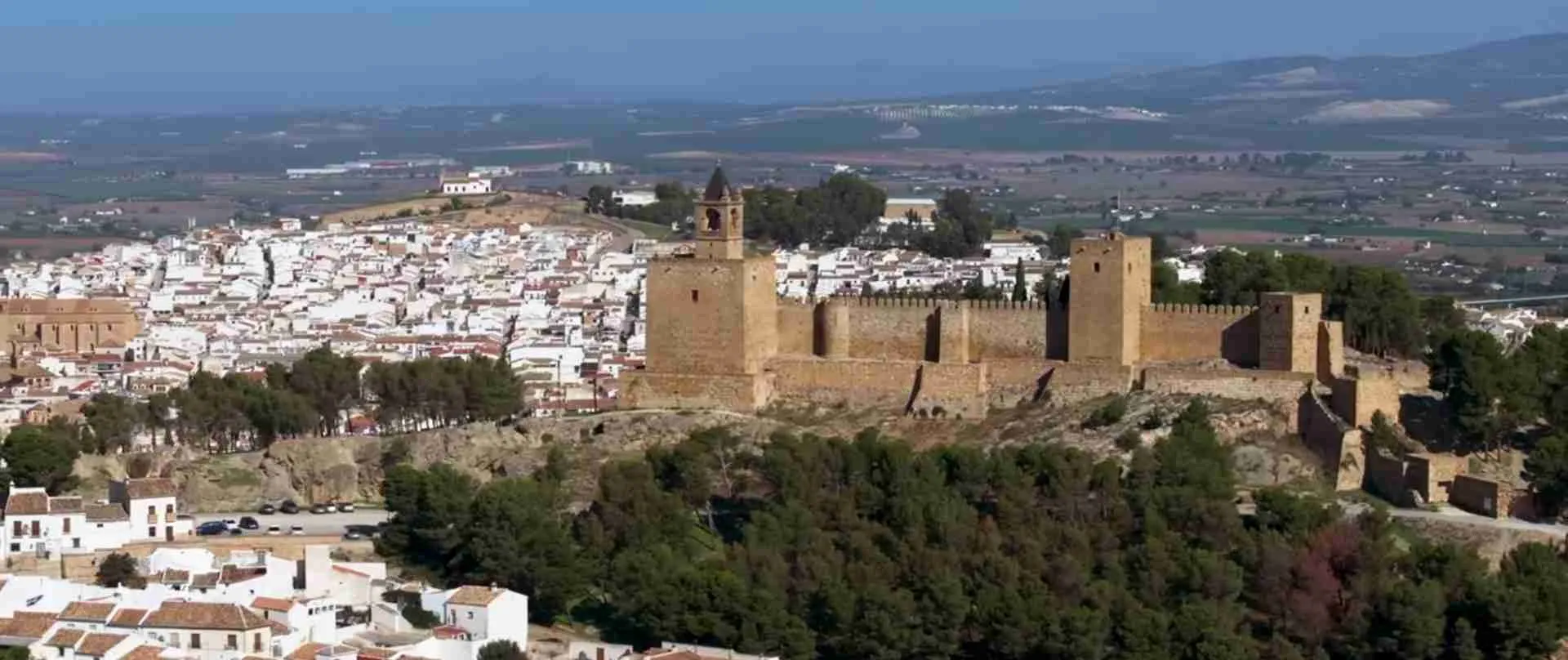
White Villages Day Trip from Seville 2026: Pueblos Blancos Complete Planning Guide
Key Takeaways
- White Villages day trips from Seville cost €85-150 per person for organized tours, or €60-90 for self-drive adventures in 2026
- Ronda, Zahara de la Sierra, and Grazalema form the classic triangle route, offering dramatic mountain scenery and authentic Andalusian culture
- Best timing for 2026 visits falls in April-June and September-October, avoiding summer heat and ensuring comfortable village exploration
- Book organized tours 2-3 weeks ahead for guaranteed departure, especially during spring wildflower season and autumn harvest periods
- Self-drive options provide maximum flexibility, allowing 3-4 village visits versus typical 2-3 on guided tours
- Overnight stays in villages like Arcos de la Frontera or Ronda enhance the experience, revealing pueblos blancos after day-trippers depart
Discovering Andalusia’s White Villages from Seville in 2026
The Pueblos Blancos of Andalusia represent one of Spain’s most photogenic landscapes, where whitewashed villages cascade down mountain slopes against dramatic limestone peaks. These ancient settlements, established during Moorish rule and fortified during Christian reconquest, preserve architectural traditions spanning eight centuries. Their distinctive white facades, created by annual limewash applications, reflect intense Andalusian sun while creating stunning visual contrast with terracotta roofs and surrounding olive groves.
Day trips from Seville provide accessible entry to this mountain region, positioned 90-140 kilometers from the provincial capital. The Sierra de Grazalema Natural Park forms the backdrop for most villages, creating microclimates that support unique Mediterranean flora and dramatic weather patterns. Villages maintain populations ranging from 2,000 to 30,000 residents, with economies traditionally based on olive cultivation, sheep herding, and increasingly, cultural tourism.
Planning 2026 visits requires understanding seasonal patterns that shape village life and accessibility. Spring wildflower blooms transform mountainsides into botanical gardens, while autumn harvests bring olive pressing festivals and traditional celebrations. Summer temperatures exceed 38°C in valleys, making early departures essential, whereas winter brings occasional snowfall to higher elevations like Grazalema. Each season reveals different aspects of pueblo life, from spring fiestas to autumn gastronomic events.
The white villages designation encompasses 19 municipalities across Cádiz and Málaga provinces, forming a route officially recognized by Andalusian tourism authorities. Most day trips from Seville concentrate on western villages including Ronda, Zahara de la Sierra, Grazalema, and Arcos de la Frontera, allowing comprehensive mountain experiences within 10-12 hour excursions. Eastern villages near Antequera offer alternative routes with different architectural and historical characteristics.
People Also Ask About White Villages Day Trips from Seville 2026
How much does a White Villages day trip from Seville cost in 2026?
Organized group tours cost €85-110 per person for standard full-day excursions visiting 2-3 villages, including transportation and professional guides. Premium small-group tours range €130-150 with enhanced experiences like wine tastings and extended village time. Check tour operator websites for current pricing as rates vary by season and group size. Private tours cost €400-600 for groups up to 4 people, offering maximum flexibility in village selection and timing.
Self-drive options provide budget alternatives, with rental cars costing €35-50 daily for compact vehicles suitable for mountain roads. Fuel expenses add €25-35 for typical 280-kilometer round trips to Ronda circuit. Village parking costs €2-5 daily in most locations, with free parking available in smaller pueblos. Total self-drive costs reach €60-90 excluding meals, allowing independent scheduling and spontaneous village discoveries.
Which White Villages are best for first-time visitors in 2026?
Ronda dominates first-visit itineraries, offering dramatic gorge views, substantial historical monuments, and comprehensive tourist infrastructure. The Puente Nuevo bridge, completed 1793, provides iconic photography opportunities spanning 120-meter chasm. Ronda’s size (population 33,000) ensures restaurant variety and convenient facilities while maintaining pueblo character in old town quarters.
Zahara de la Sierra delivers quintessential white village aesthetics, with houses climbing steep hillsides to 12th-century castle ruins. Population 1,400 creates intimate village atmosphere while providing essential services including restaurants and small shops. Lake views from upper village offer spectacular mountain panoramas across Grazalema Natural Park.
Grazalema represents authentic mountain pueblo life, positioned at 812 meters elevation in Spain’s wettest location. Traditional wool industry maintains economic base alongside tourism, with workshops demonstrating historical textile production. Compact village center allows 90-minute comprehensive walking tours through maze-like streets revealing architectural details.
Do I need advance bookings for White Villages tours in 2026?
Organized tours require 2-3 weeks advance booking during peak seasons (April-June, September-October) to guarantee departure and preferred dates. Tour operators maintain minimum passenger requirements, with small-group tours needing 4-6 participants for confirmation. Last-minute bookings remain possible during shoulder seasons (March, November) when demand decreases and operators offer promotional rates.
Self-drive options need no advance arrangements beyond car rental reservations, which should be made 1-2 weeks ahead for competitive rates and vehicle availability. Village restaurants accommodate walk-in diners except during major festivals when advance reservations ensure seating. Overnight accommodation in popular villages like Ronda or Arcos requires 2-4 weeks advance booking for weekend stays during high season.
What’s the best time for White Villages day trips in 2026?
April through June provides optimal conditions, with spring wildflowers transforming hillsides and comfortable temperatures ranging 18-26°C. May brings peak bloom periods when poppies, lavender, and wild orchids create spectacular displays across Grazalema Natural Park. Village festivals celebrate spring with processions and traditional events, adding cultural dimensions to architectural exploration.
September through October offers autumn advantages including harvest activities, moderate temperatures 20-28°C, and reduced tourist crowds compared to spring peaks. Olive harvest begins late October, allowing observation of traditional collection methods in surrounding groves. Autumn light provides enhanced photography conditions with lower sun angles creating dramatic shadows across white facades.
July and August bring intense heat exceeding 38°C in valley locations, making early morning departures essential for comfortable exploration. Mountain villages like Grazalema maintain 3-5°C cooler temperatures than Ronda, offering relative relief during peak summer. Winter months (December-February) see reduced tourist services and occasional road closures during rare snowfall events, though mild days allow peaceful village wandering.
Extended multi-day tours – 5+ days
Featured Andalucia Multi-Day Tour Packages
6 days
6 Day Malaga including visit to Gibraltar, Granada, Alhambra and Caminito del Rey
- ✓ Comprehensive Andalucia tour
- ✓ Expert local guides included
- ✓ All accommodation arranged
- ✓ Transportation provided
11 days
Flavors of Spain: A 11 Day Journey Through Madrid, Seville, Granada & Barcelona
- ✓ Comprehensive Andalucia tour
- ✓ Expert local guides included
- ✓ All accommodation arranged
- ✓ Transportation provided
11 days
A Taste of Spain: : 11 Days Across Madrid, Seville, Granada & Barcelona
- ✓ Comprehensive Andalucia tour
- ✓ Expert local guides included
- ✓ All accommodation arranged
- ✓ Transportation provided
5 days
Granada: Crossroads of Arab and Christian Cultures
- ✓ Booking needs min. 2 travelers
Multi-day tour packages powered by TourRadar. Prices and availability subject to change.
Essential Planning Information for 2026 White Villages Trips
Understanding Distance and Travel Times from Seville
Ronda sits 128 kilometers southeast of Seville, requiring 1 hour 45 minutes via A-376 and A-374 highways under normal traffic conditions. Direct routes traverse olive grove plains before climbing into Ronda mountains through increasingly dramatic terrain. Morning departures from Seville by 8:00 AM allow arrival before peak tourist hours and optimal lighting conditions for gorge photography.
Arcos de la Frontera lies 91 kilometers from Seville, positioned as gateway to white villages region. The 1 hour 15 minute drive follows A-4 and A-382, passing through agricultural flatlands before approaching dramatic pueblo setting atop limestone cliff. Arcos serves as ideal first stop on clockwise village circuits, allowing gradual mountain acclimatization.
Zahara de la Sierra requires 139 kilometers travel from Seville, reaching destination in 1 hour 50 minutes via A-375 mountain road from Arcos. Winding mountain highways demand cautious driving, with hairpin curves and steep grades requiring reduced speeds. Buffer time of 15-20 minutes ensures relaxed driving pace accommodating photo stops at scenic viewpoints.
Grazalema adds 20 kilometers and 30 minutes beyond Zahara via CA-9104 mountain road traversing natural park interior. Single-lane sections require patience during high season when tour buses and recreational traffic converge. Total round-trip distance from Seville reaches 280-320 kilometers depending on route variations and village combinations.
Current Costs and Pricing for 2026 Visits
Organized group tours cost €85-110 for full-day excursions departing Seville around 8:30 AM and returning by 7:00 PM, including air-conditioned transportation and bilingual guides. Check tour operator websites for current official rates as pricing varies by season and inclusions. Premium small-group tours (maximum 8 participants) range €130-150, offering extended village time, wine cellar visits, and traditional lunch experiences in family restaurants.
Private tour options cost €400-600 for groups up to 4 people, providing maximum flexibility in village selection, departure timing, and activity choices. Private tours allow customized itineraries combining major pueblos with lesser-known villages like Setenil de las Bodegas or Olvera. Multi-day private tours add €150-200 per additional day, enabling comprehensive white villages exploration with overnight stays.
Self-drive rental cars cost €35-50 daily for economy and compact categories suitable for mountain driving, with automatic transmission adding €8-12 daily. Full coverage insurance adds €15-20 daily but eliminates deposit holds and provides peace of mind on unfamiliar mountain roads. GPS navigation systems cost €8-10 daily or use smartphone apps with downloaded offline maps for areas with weak mobile signals.
Village entrance fees remain minimal, with most churches, viewpoints, and historic quarters accessible without charge. Ronda bullring museum costs €9 adults, Arab Baths €4, and combined monuments pass €15. Castle ruins in Zahara and Grazalema offer free access. Guided village walking tours cost €8-12 per person when available, though most visitors explore independently using village maps from tourist offices.
Meal costs range €12-18 per person for traditional lunch menus in village restaurants, featuring local specialties like gazpacho, wild asparagus, and lamb stew. Tapas portions cost €3-5 each, allowing sampler approaches to regional cuisine. Higher-end restaurants in Ronda charge €25-40 for complete meals with wine, while village bars offer economical bocadillos (sandwiches) at €4-6.
Understanding the White Villages (Pueblos Blancos)
The Pueblos Blancos tradition originated during Moorish rule of Andalusia (711-1492 CE), when Berber settlers from North Africa established mountain communities using traditional construction techniques from their homeland. Whitewash applications served practical purposes including solar reflection during intense summers, insect deterrence through lime’s alkaline properties, and antiseptic benefits reducing disease transmission in dense medieval quarters.
Annual whitewashing became mandatory under municipal regulations during 18th century, transforming individual practice into collective cultural identity. Spring whitewashing campaigns, typically completed April-May, employ traditional lime mixtures requiring multiple coats and community participation. Modern regulations maintain whitewash requirements, with municipalities providing subsidies encouraging facade maintenance and architectural continuity.
Architectural characteristics distinguish white villages from other Andalusian settlements, including narrow streets designed for shade creation and wind channeling, flat-roofed houses maximizing interior space and providing drying areas, and defensive layouts reflecting frontier positions during Christian-Muslim conflicts. Many villages occupy strategic hilltop positions chosen for military advantages during centuries of territorial disputes.
Sierra de Grazalema Natural Park provides environmental context for most white villages, designated UNESCO Biosphere Reserve in 1977 for unique Mediterranean ecosystems. The park receives Spain’s highest rainfall (2,000mm annually), supporting pinsapo fir forests found nowhere else on Iberian Peninsula. Limestone geology creates dramatic karst formations including caves, gorges, and underground river systems shaping village locations.
Economic transformation from agriculture to tourism began 1980s, following Spain’s democratic transition and Andalusian tourism promotion campaigns. Traditional industries including olive cultivation, wool production, and livestock herding now supplement rather than dominate local economies. Many villages maintain agricultural character through preserved terracing systems, working olive mills, and sheep herding visible during mountain drives.
Best White Villages Routes for 2026 Day Trips
Classic Triangle Route: Arcos-Grazalema-Ronda
The classic circuit covers 280 kilometers total, departing Seville 8:00 AM for Arcos de la Frontera arrival by 9:15 AM. Arcos exploration requires 75-90 minutes walking compact historic center, climbing to Castle viewpoint overlooking Guadalete River valley, and photographing Plaza del Cabildo’s cliff-edge setting. Departure by 10:45 AM allows A-372 and A-384 routing to Grazalema.
Grazalema arrival by 12:15 PM provides pre-lunch village wandering through artisan workshops and textile museum showcasing traditional wool production. Lunch reservations at village restaurants ensure seating during peak seasons, with local specialties including mountain cheese, cured meats, and hearty stews. Post-lunch departure by 2:30 PM follows CA-9104 through dramatic park scenery to Zahara de la Sierra.
Zahara arrival by 3:00 PM allows afternoon exploration during optimal light for lake photography and castle climb. The pueblo’s compact scale permits 60-75 minute comprehensive visits including upper village wandering and viewpoint photography. Departure by 4:15 PM routes through Ronda via A-373 for final major stop.
Ronda arrival by 5:00 PM provides 90 minutes exploring old town highlights including Puente Nuevo bridge, bullring, and Arab baths before tourist crowds disperse. Evening departure by 6:30 PM reaches Seville by 8:15 PM via A-374 and A-376 highways, completing full-day circuit during daylight hours spring through autumn.
Ronda-Centric Extended Route
Concentrated Ronda exploration departs Seville 8:30 AM, arriving Ronda 10:15 AM for extended 4-hour city experience. Morning itinerary covers bullring tour, old town wandering, bridge photography from multiple viewpoints, and Arab baths exploration before 2:00 PM lunch in traditional restaurant near Plaza del Socorro.
Afternoon adds Setenil de las Bodegas, located 18 kilometers north via A-374 and A-376. This unique pueblo integrates houses beneath overhanging rock formations, creating cave-like dwellings along river gorge. Setenil requires 75-90 minutes exploring distinctive Cuevas del Sol and Cuevas de la Sombra quarters plus refreshment stop at riverside bar.
Return routing via Arcos de la Frontera adds 45 minutes versus direct highway return, allowing sunset photography of Arcos’ dramatic cliff position before final 90-minute drive to Seville. This route prioritizes depth over breadth, providing substantial time in two contrasting villages plus Ronda’s comprehensive attractions.
Northern Circuit: Olvera-Setenil-Zahara
Northern emphasis departs Seville 8:00 AM via A-92 highway toward Antequera before branching south on A-384 to Olvera. Arrival by 10:00 AM allows exploration of this spectacular hilltop pueblo crowned by 12th-century castle and neoclassical church. Olvera’s via verde (greenway) cycle path, following abandoned railway line, attracts active visitors though requires separate planning.
Setenil de las Bodegas lies 28 kilometers via A-376, reached by 11:00 AM for late morning exploration. The cave houses require 90 minutes comprehensive wandering including both sun-side and shade-side quarters plus traditional bars serving local wines and cured meats. Lunch in Setenil provides economical options with authentic atmosphere.
Zahara de la Sierra sits 35 kilometers via mountain road CA-9104, arriving 2:30 PM for afternoon exploration during optimal photography light. Castle climb and lakeside viewpoints provide dramatic scenery before 4:00 PM departure. Return to Seville via Villamartín and Jerez follows A-384 and A-381, reaching home base by 7:00 PM.
This northern circuit avoids Ronda’s crowds while showcasing equally dramatic pueblos with distinctive characteristics. The route works well for repeat visitors seeking alternatives to classic circuits and photographers prioritizing less-documented villages.
Transportation Options for 2026 Day Trips
Organized Group Tours from Seville
Small-group tours accommodate 8-16 participants in minibus format, providing air-conditioned transport with multilingual guides and flexible pacing compared to large coach tours. Departure from central Seville hotels occurs 8:30-9:00 AM, with returns by 6:30-7:00 PM allowing full-day exploration without overnight requirements. Tours include 2-3 village stops with 60-90 minutes each location plus lunch break in traditional restaurant.
Standard itineraries visit Ronda, Zahara de la Sierra, and one additional village (typically Grazalema or Setenil), chosen for scenic variety and complementary characteristics. Professional guides provide historical context, architectural explanation, and local culture insights throughout day, with English and Spanish commentary standard. Photo stops at scenic viewpoints add 15-20 minutes to driving segments.
Tour inclusions cover transportation and guide services, with entrance fees, meals, and optional activities charged separately. Monument visits like Ronda bullring remain optional allowing independent budget management. Some operators include wine tasting stops at village wineries or olive oil mills, adding €10-15 supplements for specialty experiences.
Booking flexibility allows cancellations up to 48 hours before departure for full refunds on most tours, accommodating weather concerns or schedule changes. Peak season availability requires 2-3 weeks advance booking, especially for weekend departures when demand peaks. Shoulder season (March, November) offers last-minute availability and occasional discounted rates.
Private Tour Options
Private tours provide maximum flexibility, allowing customized itineraries combining villages based on personal interests and photography priorities. Groups up to 4 participants travel in comfortable sedan or small SUV with dedicated driver-guide, while 5-8 person groups use minivan format. Departure timing adapts to preferences, enabling early starts for sunrise photography or relaxed late morning departures.
Village selection expands beyond standard tour routes, incorporating lesser-known pueblos like Olvera, Ubrique, or El Gastor based on interests. Extended stops allow thorough exploration without group schedule constraints, with village time ranging 90 minutes to 3 hours as desired. Lunch locations include family-run restaurants often inaccessible to large tour groups, providing authentic culinary experiences.
Photography-focused private tours emphasize optimal timing for lighting conditions, multiple viewpoint visits, and patience waiting for ideal moments without group pressure. Guides assist identifying best angles, suggesting composition strategies, and managing crowd timing in popular spots. Extended golden hour stops accommodate serious photographers seeking perfect conditions.
Multi-day private tours enable comprehensive white villages exploration with overnight stays in traditional accommodations. Two-day itineraries cover 6-8 villages thoroughly, allowing evening experiences after day-trippers depart and revealing pueblos’ authentic nightlife. Cost includes accommodation, most meals, and continuous guide services throughout extended exploration.
Self-Drive Adventures
Rental car flexibility allows independent scheduling, spontaneous village discoveries, and customized route combinations impossible on organized tours. Compact and economy cars handle mountain roads effectively, with manual transmission standard though automatic available for €8-12 daily supplement. GPS navigation systems or downloaded smartphone maps prevent wrong turns on unfamiliar mountain roads.
Mountain driving requires confidence handling hairpin curves, steep grades (up to 15%), and narrow village streets. A-class roads maintain good condition though secondary CA-routes show rougher surfaces and tighter curves. Parking in villages ranges from free roadside spaces in smaller pueblos to paid lots (€2-5 daily) in Ronda and Arcos.
Fuel availability decreases in mountain areas, with strategic refueling in Arcos or Ronda preventing low-tank anxiety on remote roads. Service stations close Sundays and evenings in small villages, making weekday travel more convenient for fuel security. Full fuel tanks at Seville departure provide comfort margin for entire circuit.
Self-drive timing allows early departures catching sunrise over villages and avoiding midday tour bus crowds. Extended photography stops, spontaneous lunch choices, and flexible village combinations provide freedom impossible on scheduled tours. However, drivers miss guide commentary and local insights available through organized options.
Insurance considerations include full coverage collision damage waiver eliminating deposit holds and reducing liability for mountain road incidents. Super coverage adds €15-20 daily but provides peace of mind on unfamiliar terrain. Credit card insurance coverage varies by card and country, requiring verification before declining rental company options.
Public Transportation Challenges
Public bus services connect Seville to major towns including Ronda and Arcos, but lack convenient timing and routing for same-day multi-village exploration. Ronda buses depart Seville twice daily (morning and afternoon), requiring overnight stay for village exploration. Journey takes 2 hours 30 minutes, costing €15-18 one-way, but allows no intermediate village stops.
Intermittent village bus connections operate weekdays only, with limited schedules unsuitable for day-trip logistics. Grazalema receives one daily bus from Ronda, Zahara lacks regular services, and smaller pueblos depend on school bus routes with tourist-unfriendly timing. This fragmented network makes public transport impractical for comprehensive white villages exploration.
Train services don’t reach white villages region, with nearest stations in Ronda and Jerez de la Frontera. Ronda train requires 3 hours from Seville with connection in Bobadilla, costing €25-30 one-way. While romantic option for Ronda-only visits, train timing prevents same-day returns with adequate exploration time.
Sample 2026 Itineraries for White Villages Day Trips
Classic Three-Village Self-Drive Circuit
8:00 AM – Departure from Seville
Leave central Seville via A-4 toward Jerez, then A-382 to Arcos de la Frontera. Morning traffic stays light on weekdays, with journey time 1 hour 15 minutes covering 91 kilometers. Roadside bar near Arcos provides optional coffee stop if departing without breakfast.
9:15 AM – Arcos de la Frontera Arrival
Park in municipal lot near Plaza del Cabildo (€2 daily rate). Walk compact old town exploring Plaza del Cabildo’s cliff-edge setting, Castle viewpoint, and Santa María church facade. Photo opportunities maximize in morning light before tour groups arrive around 10:30 AM. Allow 75-90 minutes comprehensive exploration.
10:45 AM – Departure for Grazalema
Route via A-372 and A-384 through agricultural plains before climbing into Grazalema Natural Park. Stop at Puerto de las Palomas pass (1,357m elevation) for panoramic views across pinsapo fir forests. Journey covers 62 kilometers in 1 hour 15 minutes with photo stop.
12:00 PM – Grazalema Exploration and Lunch
Park in village outskirts following signage (free parking). Walk compact center visiting wool textile museum, artisan workshops, and main square. Reserve lunch at traditional restaurant for 1:00 PM, sampling mountain cuisine including local cheese, cured meats, and hearty stews. Budget 2 hours total including meal.
2:00 PM – Departure for Zahara de la Sierra
Follow CA-9104 mountain road traversing park interior with spectacular scenery. Route requires 30 minutes covering 20 kilometers with careful driving on winding sections. Afternoon timing provides optimal light for lake photography upon arrival.
2:30 PM – Zahara de la Sierra Visit
Park in lower village lot (free). Climb through pueblo to castle ruins, allowing 20-25 minutes ascent. Upper viewpoints provide dramatic lake and mountain panoramas ideal for late afternoon photography. Descend exploring narrow streets and stopping for refreshment at village bar. Allow 90 minutes total.
4:00 PM – Departure for Ronda
Route via A-373 through olive groves and mountain terrain. Journey covers 33 kilometers in 45 minutes, arriving Ronda during golden hour optimal for gorge photography. Alternative extends trip visiting Setenil de las Bodegas (adds 45 minutes).
4:45 PM – Ronda Evening Exploration
Park in underground lot near bullring (€8 daily). Walk old town focusing on Puente Nuevo bridge from multiple angles, Plaza de Toros exterior, and Arab quarter. Evening light creates dramatic shadows across gorge. Allow 90 minutes before departure.
6:15 PM – Return to Seville
Follow A-374 and A-376 highways through agricultural plains. Journey covers 128 kilometers in 1 hour 45 minutes, arriving Seville by 8:00 PM before dark in summer months. Spring and autumn require earlier departure for daylight driving comfort.
Day Cost Summary:
Rental car €45, fuel €30, parking €10, Arcos coffee €3, Grazalema lunch €18, Zahara refreshment €5, Ronda drink €4. Total day cost: €115 per person (excluding accommodation).
Premium Organized Small-Group Tour
8:30 AM – Hotel Pickup in Seville
Professional guide collects participants from central Seville hotels using comfortable air-conditioned minibus (8 passenger maximum). Morning briefing covers day’s itinerary, village highlights, and practical logistics during 15-minute city exit.
10:15 AM – Grazalema Arrival and Walking Tour
Guided village tour explores textile tradition, wool workshops, and mountain architecture. Professional commentary explains natural park significance, local culture, and historical context. Extended photo stops at scenic viewpoints provide documentation opportunities. Allow 90 minutes including village wandering.
11:45 AM – Drive to Zahara de la Sierra
Scenic mountain routing with multiple viewpoint stops for photography and natural park appreciation. Guide provides geological and ecological context during 30-minute journey with stops. Arrive Zahara for late morning exploration under optimal light.
12:15 PM – Zahara de la Sierra Guided Exploration
Climb through pueblo to castle ruins with historical commentary from guide. Lake views and mountain panoramas provide spectacular backdrops during 75-minute guided tour. Group descends for traditional lunch in family-run village restaurant.
1:30 PM – Traditional Andalusian Lunch
Three-course meal at village restaurant features regional specialties including gazpacho, mountain lamb or fish, and local dessert. Wine and water included, with vegetarian alternatives provided. Leisurely pace allows cultural immersion and group interaction. Allow 90 minutes for complete dining experience.
3:00 PM – Departure for Ronda
Afternoon drive follows scenic mountain roads to Ronda with photo stops at dramatic viewpoints. Guide explains geological formations and historical significance of frontier settlements during 45-minute journey.
3:45 PM – Ronda Guided Tour
Comprehensive exploration includes Puente Nuevo bridge engineering explanation, bullring history and architecture, old town districts, and Arab baths. Optional bullring museum entrance (€9) provides deeper cultural context. Allow 2 hours including independent exploration time.
5:45 PM – Return Journey to Seville
Highway routing provides relaxed return with sunset views across olive grove plains. Arrive Seville hotels by 7:15 PM with evening free for dinner and relaxation.
Tour Cost Summary:
Tour €140 (small-group premium), includes transportation, guide, village entries, traditional lunch with wine. Ronda bullring €9 optional, personal refreshments €8-12, tips €5-10. Total tour cost: €162-171 per person (excluding accommodation).
Two-Day Extended White Villages Immersion
Day 1: Seville to Arcos with Overnight Stay
2:00 PM – Afternoon Departure from Seville
Relaxed afternoon timing avoids morning rush and allows late checkout from Seville hotel. Drive A-4 and A-382 to Arcos de la Frontera, arriving by 3:15 PM during quiet afternoon hours. Check into historic parador or boutique hotel within old town walls.
3:30 PM – Arcos Afternoon Exploration
Thorough village exploration during relaxed pace impossible on day trips. Visit Plaza del Cabildo, climb to castle ruins, explore Santa María church interior, and wander through white-washed alleys discovering hidden corners. Afternoon light provides excellent photography conditions.
6:00 PM – Sunset from Castle Viewpoint
Evening golden hour from upper village viewpoints reveals Arcos at its most magical, with setting sun illuminating white facades and Guadalete valley. Local residents emerge for evening paseo (stroll), providing cultural immersion opportunities.
8:00 PM – Traditional Dinner
Reserve dinner at local restaurant specializing in Cádiz province cuisine. Sample local wines, fresh fish from nearby coast, and traditional tapas in authentic atmosphere after day-trippers depart. Evening reveals pueblo’s genuine character.
Day 1 Cost Summary:
Rental car €45, fuel €12, Arcos accommodation €90-120 (mid-range double), dinner €35-45, drinks €8-12. Total Day 1 cost: €190-234 per person.
Day 2: Grazalema-Zahara-Ronda Circuit
8:30 AM – Breakfast and Departure
Hotel breakfast before early departure maximizes mountain driving in comfortable morning temperatures. Route to Grazalema via A-372 and A-384 arrives 10:00 AM.
10:00 AM – Grazalema Extended Morning
Thorough exploration includes textile museum visit, artisan workshop browsing, and natural park visitor center. Extended time reveals village life impossible during rushed day-trip stops. Mid-morning coffee in local bar provides resident interaction.
12:00 PM – Zahara de la Sierra Lunch Stop
Arrive Zahara for lakeside views and castle climb before lunch. Traditional restaurant lunch features local ingredients and regional recipes. Post-lunch village siesta demonstrates authentic Andalusian rhythms.
2:30 PM – Afternoon in Ronda
Extended Ronda exploration includes bullring tour, comprehensive old town wandering, Arab baths, multiple bridge viewpoints, and shopping in local artisan stores. Relaxed timing allows photography patience and spontaneous discoveries.
5:30 PM – Return to Seville
Evening departure via A-374 and A-376 highways arrives Seville by 7:15 PM, completing two-day immersion with comprehensive white villages experience and authentic cultural insights.
Day 2 Cost Summary:
Hotel breakfast included, fuel €30, Grazalema coffee €3, Zahara lunch €20-28, Ronda bullring €9, refreshments €8-12. Total Day 2 cost: €70-82 per person (excluding Seville accommodation).
Two-Day Total:
Rental car €90 (2 days), fuel €42, Arcos accommodation €90-120, meals €66-88, activities €9, parking €5. Total trip cost: €302-354 per person (excluding Seville accommodation).
Budget Planning for 2026 White Villages Trips
Economy Day Trip Strategies
Budget-conscious approaches emphasize self-drive flexibility over organized tour convenience, reducing costs from €140-160 per person to €70-90 for comparable village coverage. Rental car sharing among 3-4 travelers further reduces per-person transportation costs to €15-20, making self-drive economical option for groups.
Early morning departures from Seville by 7:00-7:30 AM capture best village lighting while avoiding parking challenges and restaurant rush periods. Packed breakfast from Seville hotels or supermarkets eliminates village cafe costs (saving €5-8 per person). Strategic picnic supplies from Seville supermarkets provide economical lunch alternatives to restaurant meals.
Free village exploration predominates, with castle ruins, viewpoints, churches (usually), and historic quarters accessible without entrance fees. Ronda bullring exterior photography provides iconic images without €9 museum admission. Walking tours using downloaded village maps or tourist office guides replace paid guide services.
Meal strategies emphasize lunch menus del día in village restaurants, offering complete three-course meals with wine for €12-15 compared to €25-40 dinner prices. Tapas lunches in local bars cost €3-5 per portion, allowing economical sampling of regional specialties. Supermarket stops in larger villages provide snack and drink supplies at local prices rather than tourist markups.
Accommodation savings come through choosing shoulder season dates when hotel rates drop 30-40% compared to peak spring/autumn periods. Weekday visits avoid weekend premium pricing in popular villages like Ronda where Friday-Saturday rates increase significantly. Seville base eliminates village overnight costs while allowing comfortable evening returns.
Photography timing maximizes free golden hour opportunities, with dawn and dusk providing spectacular light conditions in dramatic village settings. Sunset viewpoint sessions in Zahara or Arcos create memorable experiences without commercial costs beyond fuel for driving.
Mid-Range Comfort Options
Mid-range budgets allow small-group tour participation while maintaining value consciousness. Premium small-group tours at €130-150 provide professional guidance, convenient transportation, and cultural insights enhancing village understanding compared to independent exploration. Shared tour costs eliminate driving stress and parking challenges.
One-night village accommodations transform day trips into immersive experiences revealing pueblos after tourist departures. Mid-range hotels and rural guesthouses cost €90-120 for double rooms, providing authentic settings within historic buildings. Evening and early morning village wandering reveals local life invisible during day-visit windows.
Restaurant selections emphasize quality local establishments serving regional specialties and traditional recipes. Lunch budgets of €20-28 per person include wine and provide substantial three-course meals showcasing mountain cuisine. Dinner splurges in Ronda’s renowned restaurants cost €35-50 per person, offering memorable culinary experiences in historic settings.
Selective monument entries focus on signature attractions providing maximum cultural value. Ronda bullring museum (€9) offers architectural and cultural insights worth admission price. Arab baths (€4) reveal Moorish heritage through preserved medieval structures. Combined monument passes in Ronda (€15) provide economies for visitors seeking comprehensive cultural immersion.
Wine tasting stops at village wineries or olive oil mills add €10-15 per person while providing product knowledge and local agricultural context. These supplementary experiences enhance understanding of regional traditions and economic foundations beyond architectural tourism.
Luxury and Premium Experiences
Private tour options at €400-600 for groups up to 4 people provide ultimate flexibility, personalized pacing, and customized itineraries impossible on group tours. Photography-focused private tours accommodate professional equipment, extended golden hour sessions, and multiple-angle compositions at signature locations.
Luxury accommodation in historic paradors or boutique hotels ranges €180-280 per night, offering restored palaces, castle conversions, or aristocratic mansions with period details and modern amenities. Arcos Parador occupies cliff-edge position with spectacular valley views and gourmet restaurant.
Culinary experiences emphasize Michelin-recognized restaurants and chef-driven establishments in Ronda and larger villages. Tasting menus cost €60-90 per person, showcasing contemporary interpretations of traditional Andalusian cuisine using local ingredients. Wine pairings add €30-50, featuring regional productions and rare selections.
Extended multi-day private tours allow comprehensive white villages exploration with overnight stays in multiple locations. Three-day circuits covering 8-10 villages provide thorough regional understanding with expert commentary throughout. Costs reach €1,200-1,500 per person including luxury accommodation, most meals, and continuous guide services.
Helicopter transfers from Seville to Ronda (available through specialty operators) reduce driving time to 40 minutes while providing aerial perspectives of mountain landscapes. Costs start €1,200 for up to 5 passengers, appealing to time-constrained visitors seeking maximum efficiency and unique experiences.
Best Time for White Villages Day Trips in 2026
Spring Season Advantages (March-May)
Spring wildflower blooms transform mountainsides and valleys into botanical displays during April and May peak periods. Poppies, lavender, wild orchids, and endemic species create spectacular color contrasts against white village facades. Photography opportunities maximize during bloom peak typically mid-April through mid-May depending on winter rainfall.
Temperature comfort ranges 15-24°C, ideal for village walking without summer heat stress. Light layers accommodate morning cool and midday warmth, with minimal temperature variation during stable spring weather patterns. Rainfall decreases compared to winter, though occasional April showers bring fresh green landscapes.
Easter week (Semana Santa) brings elaborate religious processions and cultural celebrations to many villages, adding festive atmosphere and photographic opportunities. However, accommodation prices increase and availability tightens during this major Spanish holiday period. Booking 4-6 weeks ahead ensures lodging and tour availability.
May festivals celebrate spring harvest and religious events in various villages, with traditional music, dancing, and gastronomy showcased. Local participation provides authentic cultural immersion opportunities beyond typical tourist experiences. Village tourist offices publish annual festival calendars allowing strategic timing around preferred celebrations.
Crowd levels increase compared to winter but remain manageable except during Easter week. Weekdays offer quieter experiences than weekends when Spanish domestic tourists increase village populations. Early morning and late afternoon timing avoids midday tour bus concentrations in popular locations like Ronda.
Summer Considerations (June-August)
High temperatures exceed 35°C in valley locations during July and August, making midday exploration uncomfortable without strategic timing. Mountain villages like Grazalema maintain 3-5°C cooler temperatures than Ronda, offering relative comfort during peak heat. Early morning departures by 7:00 AM and evening extensions until 9:00 PM take advantage of comfortable conditions.
Extended daylight hours allow flexible scheduling with sunset occurring 9:00-9:30 PM, enabling afternoon siesta patterns followed by evening village explorations. Many restaurants and shops close 2:00-5:00 PM during traditional siesta hours, requiring timing adjustments for meal planning and shopping.
Tourist crowds peak during July and August when European vacation season concentrates travel activity. Ronda experiences significant congestion with tour buses and independent travelers converging throughout day. Lesser-known villages maintain quieter atmospheres even during high season, rewarding visitors seeking authentic experiences.
Accommodation prices reach annual peaks during summer months, with advance booking essential for preferred locations and dates. Village hotels in Ronda and Arcos fill completely during summer weekends, requiring 6-8 weeks advance reservations. Seville-based day trips eliminate village accommodation challenges while allowing air-conditioned hotel comfort.
Evening village life flourishes during summer, with outdoor dining, street festivals, and social activities extending past midnight. Overnight stays reveal authentic Andalusian rhythms impossible during day-trip windows, with plaza life and local interaction opportunities maximizing after 10:00 PM.
Autumn Excellence (September-October)
September through October provides optimal conditions combining comfortable temperatures, reduced crowds, and agricultural activity visibility. Temperatures range 20-28°C, ideal for all-day exploration without heat stress. Autumn light creates enhanced photography conditions with lower sun angles producing dramatic shadows across white facades.
Olive harvest begins late October, allowing observation of traditional collection methods in surrounding groves. Family operations spread nets beneath trees and hand-harvest olives using traditional techniques visible from village approaches. Local olive mills press fresh oil, with some offering tasting opportunities and agricultural context.
Grape harvest (vendimia) occurs September in mountain vineyards, with villages celebrating wine tradition through festivals and special events. Some wineries welcome visitors for harvest observation and fresh must tasting, providing seasonal experiences unavailable other times.
Tourist crowds decrease significantly compared to spring and summer peaks, with weekday visits revealing villages in relative solitude. Restaurants and hotels maintain full services unlike winter but operate without summer stress levels. Reservation requirements relax, allowing spontaneous planning 1-2 weeks ahead.
Autumn festivals celebrate harvest traditions, religious events, and cultural heritage through music, dancing, and gastronomy. Village tourist offices publish calendars allowing strategic timing around preferred celebrations. These authentic local events provide deeper cultural understanding than standard tourist attractions.
Winter Factors (November-February)
Reduced tourist numbers reveal villages in authentic off-season modes, with local life predominating over tourism activity. Some restaurants and accommodations close during winter months, particularly in smaller villages, requiring advance research on service availability. Winter rates drop 30-50% compared to peak seasons, offering value for budget-conscious travelers.
Temperature ranges 8-16°C prove comfortable for walking with appropriate layers, though occasional cold snaps bring temperatures near freezing in mountain locations. Grazalema receives significant rainfall during winter, earning distinction as Spain’s wettest location. Waterproof gear becomes essential during December through February visits.
Mountain roads face occasional closures during rare snowfall events, particularly passes above 1,000 meters elevation. Winter storms create dramatic cloud formations and atmospheric conditions enhancing mountain photography, though requiring weather flexibility. Checking road conditions before departure prevents unexpected detours or delays.
Christmas celebrations and New Year festivities bring decorated villages and traditional events during late December, adding festive atmosphere to winter visits. Many villages maintain holiday markets and nativity scenes (belenes) throughout December and January. Accommodation availability improves significantly during January-February quiet period.
Winter light provides excellent photography conditions with lower sun angles throughout day, creating dramatic shadows and textural emphasis on white facades. Clear winter days deliver exceptional visibility across mountain landscapes, revealing distant villages and Mediterranean coast from high viewpoints.
Booking and Planning Strategies for 2026
Organized Tour Reservations
Small-group tour booking should occur 2-3 weeks ahead during peak seasons (April-June, September-October) to guarantee departure dates and preferred tour formats. Most operators require minimum participant numbers (typically 4-6 people) for confirmation, with last-minute cancellations possible if minimums aren’t met. Email confirmation provides backup documentation during check-in.
Peak season weekend tours fill earliest, especially Saturday departures popular with both international and Spanish domestic visitors. Weekday tours maintain better availability and sometimes offer promotional rates during quieter periods. Flexible date travelers maximize options and occasionally secure discounted rates for less popular departure days.
Tour comparison focuses on group size, village inclusions, lunch arrangements, and guide expertise. Premium small-group tours (maximum 8 participants) provide intimate experiences with personalized attention impossible on larger buses. Standard tours accommodate 12-16 participants using minibus format, balancing social atmosphere with manageable group size.
Cancellation policies vary by operator, with most allowing full refunds for cancellations 48+ hours before departure. Weather cancellations initiated by operators result in full refunds or alternative date arrangements. Travel insurance covering trip cancellations provides protection for unexpected changes beyond standard operator policies.
Communication preferences include confirmation emails with meeting point details, emergency contact numbers, and itinerary specifics. Multilingual guides accommodate English, Spanish, and often French speakers, with language preferences indicated during booking process. Special requirements including dietary restrictions or mobility limitations should be communicated during reservation.
Self-Drive Planning Essentials
Rental car reservations should occur 1-2 weeks ahead for competitive rates and vehicle category availability, particularly during summer high season. Automatic transmission vehicles require advance booking as most Spanish rentals default to manual transmission. Compact or economy categories handle mountain roads effectively while maintaining fuel efficiency.
Insurance decisions involve comprehensive coverage options eliminating deposit holds and reducing liability exposure during unfamiliar mountain driving. Credit card rental insurance varies by card issuer and international coverage, requiring verification before declining rental company coverage. Super coverage costing €15-20 daily provides maximum peace of mind.
GPS navigation systems or downloaded smartphone maps prevent wrong turns on mountain roads where mobile signals weaken. Google Maps offline functionality works well, though dedicated GPS devices eliminate phone battery concerns during extended days. Traditional paper maps provide backup when technology fails or signal disappears.
Fuel strategy includes full tank departure from Seville and strategic refueling in Arcos or Ronda where station availability and pricing remain competitive. Mountain villages have limited fuel options with higher prices and restricted hours. Sunday closures eliminate fuel access in many locations, making weekday travel more convenient.
Emergency contact information includes rental company roadside assistance numbers (24-hour services typically available), insurance provider contacts, and local emergency services (112 universal European emergency number). Storing these numbers before departure prevents scrambling during stressful situations.
Accommodation Booking Strategies
Village overnight stays require 2-4 weeks advance booking during peak seasons, with Ronda and Arcos filling earliest due to popularity and limited inventory. Weekends command premium rates and tight availability, making weekday stays more economical and accessible. Boutique hotels in historic buildings fill months ahead, requiring early planning for preferred properties.
Location priorities balance old town atmospheric settings against parking convenience and price considerations. Within-walls properties maximize authentic experiences but challenge vehicle access, while outskirt locations provide parking ease and lower rates. Many historic properties lack elevators and feature steep stairs, relevant for mobility-limited travelers.
Rate comparisons across booking platforms sometimes reveal pricing differences, with direct hotel bookings occasionally matching or beating aggregator sites while providing flexible cancellation. Loyalty programs through major booking platforms accumulate points toward future stays. Hotel direct bookings sometimes include breakfast or upgrades not available through third-party reservations.
Cancellation flexibility proves valuable given weather uncertainties and schedule changes, with free cancellation options available up to 24-48 hours before arrival at most properties. Peak season bookings sometimes involve non-refundable rates offering 10-15% discounts for committed reservations. Travel insurance provides backup protection for unavoidable cancellations beyond property policies.
Special requests including room views, quiet locations, or specific amenities should be communicated during booking and reconfirmed week before arrival. Historic properties feature unique room configurations with character variations impossible in modern hotels. Reviewing property photos and guest feedback prevents surprises regarding room size, layouts, or facility limitations.
Practical Tips for 2026 White Villages Visits
Photography Equipment and Techniques
Wide-angle lenses (16-35mm) capture village panoramas and dramatic cliff settings essential for pueblos blancos photography. Standard zooms (24-70mm) handle street scenes, architectural details, and candid village life documentation. Telephoto options (70-200mm) compress mountain layers and isolate distant village details across valleys.
Tripods prove valuable for early morning and evening golden hour sessions when slower shutter speeds capture optimal light. However, tripod use in narrow village streets creates obstacles during crowded periods, with handheld stabilization sufficient for most situations. Monopods provide compromise between stability and mobility in tight spaces.
Polarizing filters reduce sky glare and enhance cloud contrast in mountain settings, particularly valuable given Andalusia’s intense sunlight. These filters also deepen blue tones and reduce whitewash glare from building facades. Neutral density filters allow long exposures during daylight, creating motion blur in clouds or removing people from busy plazas.
Golden hour timing transforms white villages with warm directional light emphasizing texture and three-dimensional forms. Sunrise sessions reveal villages before tourist arrivals but require overnight stays or very early departures from Seville. Sunset photography works easily for day-trippers, with extended summer daylight allowing comfortable exploration after 7:00 PM.
Composition strategies emphasize foreground elements framing distant villages, with wildflowers, agricultural terracing, or natural features adding depth and context. Elevated viewpoints from castle ruins or mountain passes reveal village layouts impossible from street level. Exploring multiple angles around each pueblo rewards patient photographers with varied perspectives.
Cultural Etiquette and Local Customs
Residential areas require respectful behavior recognizing villages as living communities beyond tourist attractions. Photography through windows or into private courtyards invades resident privacy, with street scenes and public spaces appropriate documentation. Asking permission before photographing identifiable individuals demonstrates courtesy, particularly elders in traditional dress.
Afternoon siesta hours (2:00-5:00 PM) bring quiet periods when shops close and streets empty as residents retreat indoors. Restaurant reservations for lunch should target 1:00-2:00 PM before closing, with dinner service beginning 8:00 PM (earlier tourists accepted). Adapting to Spanish meal timing enhances cultural immersion and avoids frustration seeking services outside operating hours.
Church visits require modest dress covering shoulders and knees, with many churches requesting quiet respect during religious services. Photography may be restricted during mass or ceremonies, with signs indicating policies. Small donations support church maintenance when entrance remains free.
Spanish greetings include “buenos días” (good morning), “buenas tardes” (good afternoon after 2:00 PM), and “buenas noches” (good evening after dark). Shop and restaurant entries warrant greetings, with “por favor” (please) and “gracias” (thank you) demonstrating courtesy. Basic Spanish phrases facilitate interactions despite most tourism workers speaking English.
Support for local businesses strengthens village economies, with craft purchases from artisan workshops, meals in family restaurants, and overnight stays in small hotels directing funds to communities. Mass-market souvenirs produced elsewhere provide no local benefit compared to authentic handicrafts including ceramics, textiles, and food products.
Safety and Practical Considerations
Mountain driving requires attention to hairpin curves, narrow roads, and occasional livestock or agricultural vehicles. Reduced speeds prevent accidents while allowing scenery appreciation and wildlife observation. Passing opportunities appear infrequently on winding roads, requiring patience behind slower vehicles.
Village walking involves steep cobblestone streets, uneven surfaces, and occasional stair climbs reaching castle ruins or upper viewpoints. Sturdy walking shoes with ankle support prevent slips on smooth stones, particularly after rain. Trekking poles assist steep ascents for visitors with knee concerns or balance challenges.
Hydration needs increase during warm weather village walking, with water bottles essential particularly May through September. Public fountains exist in most villages though water quality varies, with bottled water purchased before village arrival ensuring safe hydration. Sunscreen, hats, and sunglasses protect against intense Andalusian sun reflecting off white facades.
Medical facilities range from basic health clinics in smaller villages to hospitals in Ronda and Arcos. European Health Insurance Cards (EHIC) provide EU citizens with Spanish public health access, while travel insurance covers non-EU visitors and emergency repatriation. Pharmacies display green crosses and provide over-the-counter medications for minor ailments.
Mobile phone coverage reaches most villages though signal weakens in remote mountain passes and valleys. Downloaded maps, confirmed accommodations reservations, and saved emergency contacts prevent connectivity-dependent stress. International roaming charges apply for non-EU visitors unless local SIM cards or temporary plans activated before travel.
Weather Preparation and Seasonal Packing
Spring and autumn require layered clothing accommodating morning cool and midday warmth, with light jackets or sweaters for 15-20°C temperatures. Rain gear including waterproof jacket or umbrella protects during occasional April showers or autumn storms. Grazalema’s distinction as Spain’s wettest location makes rain preparation essential particularly November through March.
Summer demands light, breathable fabrics protecting from sun while maintaining comfort in 30-38°C temperatures. Wide-brimmed hats provide shade for face and neck during extended outdoor exposure. Evening temperatures cool 5-8°C from daytime peaks but rarely require heavy layers even at higher elevations.
Winter visits need warm layers including fleece or down jackets for 8-16°C temperatures, particularly during morning and evening. Mountain locations experience stronger winds requiring windproof outer layers. Waterproof boots handle winter rainfall and occasional muddy conditions on unpaved village approaches.
Daypack essentials include water bottles, snacks, camera equipment, sun protection, and light layers regardless of season. Small backpacks distribute weight comfortably during village walking and allow hands-free photography. Valuables remain secure in front-worn or body-contact positions preventing opportunistic theft in crowded situations.
Frequently Asked Questions About White Villages Day Trips 2026
Can I visit multiple White Villages in one day from Seville?
Three-village circuits prove realistic for full-day excursions departing Seville 8:00 AM and returning by 8:00 PM, covering approximately 280-300 kilometers. The classic combination includes Arcos de la Frontera, Grazalema, and Ronda, allowing 75-90 minutes per village plus driving time and lunch. Organized tours follow similar patterns with 2-3 village stops. Four-village attempts compromise exploration quality with rushed timing, though possible during extended summer daylight (departure 7:00 AM, return 9:00 PM). Self-drive flexibility allows spontaneous village additions when schedule permits, whereas organized tours maintain fixed itineraries.
Do I need to speak Spanish to visit the White Villages?
English speakers manage comfortably in larger villages like Ronda and Arcos where tourism infrastructure includes multilingual staff at hotels, restaurants, and tourist offices. Menu translations appear increasingly common, with visual menu options or translation apps facilitating restaurant ordering. Smaller villages like Grazalema and Zahara have limited English speakers outside primary tourist businesses, though gestures and translation apps bridge communication gaps. Organized tour guides provide bilingual commentary eliminating language barriers during transportation and village orientation. Basic Spanish phrases enhance interactions and demonstrate cultural respect, with “buenos días,” “gracias,” and “por favor” facilitating courteous exchanges.
Are the White Villages suitable for visitors with mobility limitations?
Village accessibility varies significantly based on hilltop positions and medieval layouts predating wheelchair considerations. Ronda offers reasonable accessibility in new town areas and along gorge promenade, with old town featuring steep cobblestone streets and stairs limiting mobility-impaired access. Smaller villages like Grazalema and Zahara involve steep climbs, narrow passageways, and uneven surfaces challenging for wheelchair users or visitors with significant walking limitations. Organized tours rarely accommodate mobility equipment, with minibus steps and village terrain creating barriers. Private tours with advance notice can adjust itineraries emphasizing accessible viewpoints and minimizing walking distances. Villages near parking areas like Arcos’ lower sections allow limited exploration from vehicle access points without extensive walking.
What’s the best way to experience White Villages for photography?
Self-drive flexibility maximizes photography opportunities, allowing early morning and evening golden hour sessions when light transforms village character and tour crowds disappear. Overnight stays in villages provide sunrise and sunset timing impossible during day trips from Seville, revealing pueblos at their most photogenic. Spring wildflower season (April-May) adds foreground color interest to village compositions, while autumn light (September-October) creates dramatic shadows emphasizing architectural forms. Multiple angle exploration around each village rewards patient photographers, with elevated viewpoints from castle ruins or mountain passes revealing layouts impossible from street level. Photography-focused private tours accommodate professional equipment and extended shooting time at signature locations.
Can children enjoy White Villages day trips?
Children ages 8+ typically enjoy white villages exploration, particularly villages with castle ruins allowing climbing adventures and dramatic viewpoints. Ronda’s bridge creates memorable impressions with its 120-meter gorge, while village wandering reveals hidden squares and authentic local life. Shorter day trips work better than extended 10-12 hour circuits, with 2-village combinations reducing driving time and fatigue. Car games and audiobooks maintain engagement during mountain drives, while village breaks provide running space and exploration opportunities. Organized tours suit patient children comfortable with group schedules and extended sitting, though restless younger children challenge tour format. Self-drive flexibility allows spontaneous stops, snack breaks, and timing adjustments impossible on scheduled tours.
What local foods should I try in the White Villages?
Mountain cuisine emphasizes hearty preparations suited to agricultural lifestyles and cooler temperatures. Gazpacho appears on most summer menus, with variations including white garlic-based versions and tomato classics. Wild asparagus (tagarninas) harvested from surrounding hillsides features in spring dishes, while locally raised lamb appears roasted or stewed in traditional preparations. Grazalema produces distinctive mountain cheese from sheep and goat milk, with sharp flavors reflecting high-altitude pasture diets. Local cured meats including chorizo and morcilla accompany tapas spreads. Almond-based sweets reflect Moorish influence, with yemas (candied egg yolks) popular in many villages. Regional wines from Ronda denomination pair well with mountain cuisine, featuring bold reds and light whites.
Are there hiking trails connecting the White Villages?
Extensive trail networks traverse Sierra de Grazalema Natural Park connecting villages through mountain terrain, with difficulty levels from easy valley walks to demanding ridge scrambles. The Pinsapo Trail near Grazalema showcases rare Spanish fir forests through moderate 5-kilometer loop requiring permits during high season. Zahara-Grazalema trail covers 18 kilometers through spectacular scenery, suitable for experienced hikers with proper equipment. However, point-to-point hiking proves impractical for most visitors without vehicle shuttles or return transportation arrangements. Day trip visitors typically reserve hiking for village approaches or castle climbs rather than inter-village trekking. Multi-day hiking itineraries exist for dedicated trekkers with village accommodation support, requiring advance planning and potentially guide services for unfamiliar terrain.
What’s the difference between Ronda and the smaller White Villages?
Ronda functions as regional city (population 33,000) with substantial tourism infrastructure including hotels, restaurants, museums, and commercial services contrasting smaller pueblos’ intimate scales. The dramatic gorge setting and Puente Nuevo bridge create iconic scenery attracting mass tourism, while historical significance includes Spain’s oldest bullring and extensive Moorish heritage. Smaller villages like Grazalema (population 2,100) and Zahara (population 1,400) maintain authentic community atmospheres where agriculture and traditional industries supplement rather than dominate economies. Architectural purity increases in smaller villages where uniform whitewash and traditional construction better preserve historical character. Ronda requires 2-3 hours comprehensive exploration, whereas smaller villages reveal themselves in 60-90 minutes. Combined itineraries balance Ronda’s substantial attractions against smaller villages’ intimate authenticity.
Is it better to stay overnight in a White Village or return to Seville?
Overnight village stays reveal pueblos blancos after day-trippers depart, exposing authentic rhythms impossible during brief afternoon visits. Evening and early morning lighting provides spectacular photography conditions with dramatic gorge shadows and golden village glow. Local life emerges after 8:00 PM when residents occupy plazas for social gatherings impossible during tour group hours. However, village accommodation options limit budget choices and require advance booking during high season. Seville returns allow comfortable hotel bases with familiar amenities, extensive restaurant options, and flexibility changing plans without accommodation commitments. Decision factors include schedule flexibility, budget considerations, and desire for cultural immersion versus touring convenience. Two-day itineraries combining village overnight with Seville base optimize both approaches.
What should I know about driving mountain roads to White Villages?
Mountain roads feature numerous hairpin curves, steep grades up to 15%, and narrow sections where passing proves difficult. Reduced speeds (40-60 km/h common on curves) prevent accidents while allowing scenery appreciation. Manual transmission vehicles suit mountain driving, with lower gears maintaining control on descents and providing power for climbs. Automatic transmissions work adequately though drivers should understand manual mode for grade management. Oncoming traffic on blind curves requires horn signals warning other drivers, particularly on single-lane mountain sections. Livestock and agricultural vehicles appear occasionally, demanding patient following until passing opportunities arise. Parking in villages ranges from challenging (narrow streets, tight spaces) to straightforward (designated lots), with compact cars maneuvering easier than large vehicles.
Frequently Asked Questions
How physically demanding are White Villages day trips?
Moderate physical fitness handles most village exploration involving 2-4 hours total walking on cobblestone surfaces and steep streets. Castle climbs add 15-20 minutes strenuous ascent on uneven steps, optional for visitors preferring lower village wandering. Self-paced independent exploration allows rest breaks and personalized intensity levels. Organized tours maintain group pacing suitable for average fitness, with rest stops and flexible timing for varied abilities. Summer heat increases physical demands, making spring and autumn visits more comfortable for extended walking.
Can I buy local products to take home from White Villages?
Artisan products include hand-woven textiles from Grazalema wool workshops, local ceramics featuring traditional designs, mountain cheese from regional producers, and olive oil from surrounding groves. Quality varies significantly, with authentic handcrafts commanding appropriate prices reflecting skilled labor. Mass-produced tourist items lack local significance despite white village branding. Food products including cheese, cured meats, and olive oil face customs restrictions for international travelers, requiring verification of import regulations for destination countries. Textile products and ceramics travel easily and provide meaningful souvenirs supporting local artisans.
Are there restroom facilities available in White Villages?
Public restrooms exist in village centers near tourist offices, main squares, and parking areas, though availability and cleanliness vary. Café and restaurant patronage provides reliable restroom access with purchase expectations. Tourist-oriented villages maintain better public facilities than smaller pueblos where infrastructure limitations exist. Organized tour stops include restroom breaks at restaurants or visitor centers. Remote mountain viewpoints lack facilities, requiring planning for comfort stops in villages before/after scenic detours. Carrying hand sanitizer addresses variable cleanliness standards in public facilities.
What’s the WiFi and mobile connectivity situation in White Villages?
Hotels, restaurants, and cafés in larger villages provide WiFi access, though speeds and reliability fall below urban standards. Smaller villages have limited public WiFi availability outside accommodation. Mobile phone coverage reaches most villages through major Spanish carriers, though signal weakens in remote mountain passes and valleys. Data speeds support basic messaging and email but struggle with video streaming or large file transfers. Downloaded offline maps, saved accommodation confirmations, and stored emergency contacts prevent connectivity-dependent stress. International visitors should verify roaming coverage and costs before depending on mobile services.
Are White Villages tours suitable for solo travelers?
Organized small-group tours provide social opportunities for solo travelers sharing cultural interests, with groups typically including solo participants and couples. Shared transportation eliminates single-occupancy vehicle costs, making tours economical for independent travelers. Group dynamics create conversation opportunities during drives and meals, though allowing independent village exploration maintains personal pacing. Self-drive solo options prove less economical than group tours given full rental costs, though providing maximum independence. Some tour operators accommodate single travelers without surcharges on shared tours, while private tours require full rate regardless of participant count.
Can I visit White Villages as extension from other Andalusia destinations?
Granada lies 180 kilometers from Ronda, allowing day trips or en-route stops during destination transitions. Málaga sits 100 kilometers from Ronda, providing convenient base for western white villages exploration. Jerez de la Frontera positions ideally for Arcos visits, located just 30 kilometers away. Córdoba requires 2 hours reaching nearest white villages, making day trips marginally practical though possible for determined visitors. Multi-destination Andalusia itineraries incorporate white villages naturally as connections between major cities, optimizing travel time and route efficiency. Two-night Ronda stays allow thorough regional exploration from central white villages position.
What wildlife might I see during White Villages trips?
Sierra de Grazalema Natural Park supports diverse wildlife including Spanish ibex (mountain goats) on rocky slopes, griffon vultures soaring on thermal currents, and wild boar in forested areas. Spring brings butterfly diversity with dozens of species including rare endemics. Raptors including golden eagles, Bonelli’s eagles, and various hawk species patrol mountain ridges. Smaller mammals remain elusive during day visits, with activity concentrated dawn and dusk. Wildflower enthusiasts discover botanical diversity including rare orchids, endemic lupines, and dramatic poppy displays. Birdwatching peaks during spring migration (April-May) and autumn passage (September-October) when species diversity increases significantly.
Are there alternative White Villages routes less crowded than Ronda?
Northern circuit villages including Olvera, Setenil de las Bodegas, and Torre Alháquime receive significantly fewer visitors while maintaining architectural charm and dramatic settings. Eastern white villages near Antequera (Archidona, Alcalá la Real) provide alternative routes completely separate from main tourist circuits. Málaga province villages including Frigiliana and Comares showcase different architectural styles with coastal rather than mountain contexts. Midweek visits to any villages reduce crowds compared to weekend concentrations. Winter timing (January-February) reveals even popular villages in relative solitude with substantially reduced visitor numbers.