
Where to Stay Near Venice 2026: Accommodation Guide
Selecting the right accommodation dramatically impacts your Venice experience, influencing daily logistics, budget totals, and access to major UNESCO heritage sites. Venice’s six districts (sestieri) each offer distinct characteristics, from tourist-concentrated San Marco to authentic residential Castello, artistic Dorsoduro to budget-friendly mainland Mestre alternatives.
Key Takeaways
- Neighborhood Selection: San Marco offers proximity to major sites but premium pricing (€200-400), while Cannaregio and Dorsoduro deliver authentic atmosphere at better value (€140-260)
- Booking Timeline: Reserve accommodations 4-6 months ahead for April-October visits, securing optimal rates and selection before high-demand periods sell out
- Budget Range: Expect €80-150 (budget/Mestre), €150-280 (mid-range historic center), or €350-600+ (luxury Grand Canal properties) per night depending on season
- Vaporetto Access: Prioritize hotels near vaporetto stops for efficient transportation, as walking with luggage over numerous bridge steps creates significant challenges
- Alternative Options: Mainland Mestre hotels cost 40-50% less than historic center properties with 10-minute train connections to Venice Santa Lucia station
- Room Size Reality: Historic palazzo conversions feature small rooms (150-250 sq ft) by US standards, reflecting Venice’s architectural constraints and centuries-old buildings
Introduction
This comprehensive accommodation guide analyzes each Venice neighborhood with specific hotel recommendations across budget categories. We examine booking strategies, seasonal pricing patterns, and location trade-offs helping US travelers choose accommodations matching their priorities whether budget maximization, authentic atmosphere, or luxury comfort.
Understanding Venice’s accommodation landscape prevents common mistakes including booking too close to major tourist sites, underestimating the value of vaporetto proximity, or failing to account for Venice’s unique architectural constraints affecting room sizes and amenities. Strategic accommodation selection sets the foundation for successful 2026 Venice visits.
People Also Ask About Venice Accommodation 2026
What is the best area to stay in Venice?
Dorsoduro offers the best overall Venice location, balancing authentic neighborhood character with excellent museum access, vaporetto connections, and moderate pricing (€150-250 nightly). Cannaregio provides similar value with quieter atmosphere. San Marco delivers proximity to major sites but premium rates and maximum tourist density make it less ideal for extended stays.
How far in advance should I book Venice hotels?
Book Venice hotels 4-6 months ahead for April-October visits to secure optimal rates and selection. Peak summer (July-August) and special events like Carnival (February) require 6-8 months advance booking. Winter visits allow 4-6 week booking windows with excellent availability and negotiable rates.
Is it better to stay in Venice or Mestre?
Stay in Venice’s historic center for immersive experiences and evening/early morning atmosphere after day-trippers depart. Choose Mestre for 40-50% cost savings with easy 10-minute train access (€1.50). Mestre suits budget travelers and those visiting Venice as part of broader Italy itineraries requiring convenient train connections.
Are Venice hotel rooms small?
Venice rooms average 150-250 square feet in converted palazzo hotels, significantly smaller than US hotel standards. Historic building constraints and centuries-old architecture limit room sizes. Luxury hotels offer 350-450 square foot rooms. Accept smaller spaces as part of authentic Venice accommodation experiences in buildings predating modern construction standards.
Extended multi-day tours – 5+ days
Featured Venice Multi-Day Tour Packages
3 days
Venice 3-Day Discovery Tour
- ✓ Comprehensive Venice experience
- ✓ Expert local guides included
- ✓ All accommodation included
- ✓ Transportation provided

5 days
Venice 5-Day Highlights Experience
- ✓ Comprehensive Venice experience
- ✓ Expert local guides included
- ✓ All accommodation included
- ✓ Transportation provided
7 days
Venice 7-Day Cultural Journey
- ✓ Comprehensive Venice experience
- ✓ Expert local guides included
- ✓ All accommodation included
- ✓ Transportation provided
10 days
Venice 10-Day Complete Adventure
- ✓ Comprehensive Venice experience
- ✓ Expert local guides included
- ✓ All accommodation included
- ✓ Transportation provided
Multi-day tour packages powered by TourRadar. Prices and availability subject to change.
Venice Neighborhoods and Accommodation Districts
San Marco: Central Tourist Hub
San Marco concentrates Venice’s most famous landmarks around St. Mark’s Square including the basilica, Doge’s Palace, and Campanile. This district delivers maximum proximity to major sites with 2-minute walks to primary attractions. Hotels range from three-star boutiques (€180-300) to luxury palace properties (€400-800) with rates reflecting premium locations.
The district experiences maximum tourist density throughout the day with crowds thinning after 8 PM when day-trippers depart. Evening and early morning San Marco reveal quieter atmosphere unavailable during peak hours. Restaurants near the square charge premium prices with better dining options found 5-10 minutes away in adjacent neighborhoods.
San Marco accommodations suit first-time visitors prioritizing convenience and those with limited mobility preferring minimal walking distances. The area’s compact size and central location allow efficient sightseeing but sacrifice authentic neighborhood atmosphere found in less tourist-concentrated districts.
Recommended Hotels: Hotel Metropole (€250-450, boutique luxury), Locanda Orseolo (€180-320, central boutique), Hotel Al Ponte dei Sospiri (€200-380, romantic setting)
Dorsoduro: Arts and Authentic Atmosphere
Dorsoduro stretches from the Accademia Bridge to Punta della Dogana, housing major art museums including Gallerie dell’Accademia and Peggy Guggenheim Collection. The district combines cultural attractions with authentic residential neighborhoods where locals maintain traditional Venetian life. Hotels cost €140-260 for quality three-star properties and €280-450 for upscale options.
Campo Santa Margherita serves as Dorsoduro’s social center with student population from nearby Ca’ Foscari University creating vibrant evening atmosphere. The Zattere waterfront promenade along the Giudecca Canal provides spacious walking areas and sunset views unavailable in more crowded districts. Multiple vaporetto stops ensure efficient transportation throughout Venice.
Dorsoduro delivers excellent value balancing location, atmosphere, and pricing. The area suits travelers seeking authentic Venice experiences away from overwhelming tourist concentrations while maintaining easy access to major sites via short vaporetto rides or 15-minute walks.
Recommended Hotels: Pensione Accademia (€180-280, garden setting), Hotel Galleria (€140-240, Accademia Bridge views), Ca’ Maria Adele (€250-420, boutique luxury)
Cannaregio: Residential Venice
Cannaregio extends from the train station eastward to the Jewish Ghetto and beyond, representing Venice’s largest and most residential district. The area combines convenient train station proximity with authentic neighborhood character away from San Marco tourist masses. Hotels range €120-220 for mid-range properties and €250-400 for luxury accommodations.
The Jewish Ghetto provides historical significance while neighborhood campi host traditional markets and local-focused restaurants. Strada Nova main thoroughfare connects the station to Rialto with heavy foot traffic, but parallel streets reveal quieter residential Venice. Fondamente Nove waterfront offers lagoon views and vaporetto access to Murano and Burano.
Cannaregio suits travelers seeking authentic atmosphere, value pricing, and easy train access for day trips or onward Italian travel. The district provides genuine neighborhood experiences while maintaining reasonable proximity to major attractions via walking or vaporetto. Evening atmosphere showcases residential Venice with locals dining and socializing in campi.
Recommended Hotels: Hotel Abbazia (€160-260, former monastery), Ai Mori d’Oriente (€140-240, canal views), NH Collection Venezia Grand Hotel Palazzo dei Dogi (€220-380, upscale comfort)
Castello: Eastern Tranquility
Castello stretches east from San Marco to Venice’s eastern edge, transitioning from tourist areas near the basilica to quiet residential neighborhoods around the Arsenale. The district offers diverse accommodation from busy areas near major sites to peaceful eastern sections rarely visited by tourists. Hotels cost €130-240 mid-range and €260-450 luxury.
The Riva degli Schiavoni waterfront provides stunning lagoon views while interior neighborhoods reveal authentic Venetian daily life. The Arsenale area hosts Biennale exhibitions and the Naval History Museum. Eastern Castello maintains traditional neighborhood character with local shops, markets, and long-established restaurants serving residents rather than tourists.
Castello delivers value and tranquility with walkable access to San Marco. Choose western Castello for proximity to major sites or eastern sections for authentic atmosphere at better prices. The district works well for travelers seeking peaceful accommodations while maintaining convenient access to tourist attractions via short walks.
Recommended Hotels: Hotel Bucintoro (€160-280, lagoon views), Locanda La Corte (€140-240, quiet courtyard), Hotel Danieli (€450-800, luxury landmark)
San Polo and Santa Croce: Rialto Area
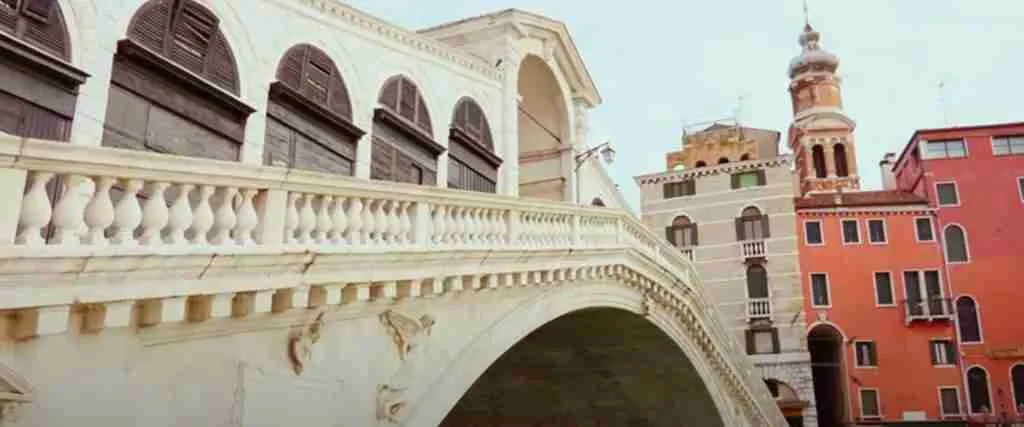
San Polo and Santa Croce surround the Rialto Bridge and market, combining commercial Venice with residential neighborhoods. These central districts provide excellent access to both Rialto and San Marco while offering better value than San Marco itself. Hotels range €150-260 mid-range and €280-500 luxury with several boutique properties occupying converted palazzi.
The Rialto Market area comes alive mornings with fish and produce vendors creating authentic Venetian atmosphere. Frari Church houses exceptional art while nearby Scuola Grande di San Rocco displays Tintoretto masterworks. The districts’ central location allows efficient access to all Venice areas via walking or vaporetto.
These districts suit travelers wanting central location without San Marco premium pricing. Morning market activity provides cultural experiences while evening neighborhood atmosphere reveals local life. Multiple vaporetto stops ensure convenient island excursions and transportation throughout the lagoon.
Recommended Hotels: Hotel Al Ponte Mocenigo (€170-280, canal-side comfort), Ca’ Nigra Lagoon Resort (€200-350, Grand Canal location), Palazzo Barbarigo (€180-320, historic palazzo)
Giudecca: Island Alternative
Giudecca island sits across the Giudecca Canal from Dorsoduro, offering peaceful atmosphere with stunning historic center views. The island maintains residential character with limited tourist presence. Hotels include luxury properties (Belmond Hotel Cipriani at €600-1,200) and budget options (Generator Venice hostel at €30-120). Vaporetto Lines 2 and 4.1 connect Giudecca to central Venice in 5-10 minutes.
Giudecca suits travelers seeking peaceful accommodations away from tourist crowds while maintaining easy vaporetto access to major sites. The island provides sunset views across the lagoon toward Venice’s skyline. Limited restaurant and shop options require vaporetto trips to the main islands for dining and activities.
Mainland Mestre: Budget Alternative
Mestre on the mainland offers budget accommodation at €70-140 for quality hotels, saving 40-50% versus historic center properties. Frequent trains (€1.50, 10 minutes) connect Mestre to Venice Santa Lucia station from 5 AM to midnight with service every 10-15 minutes. The area features modern hotels with standard amenities, parking availability, and convenient highway/train access for broader Italy travel.
Mestre lacks Venice’s historic charm but delivers practical budget solutions. Evening returns to Mestre after Venice daytime sightseeing work well for budget-conscious travelers. The location suits multi-city Italy itineraries requiring efficient train connections to Milan, Florence, and other destinations. Modern hotel construction provides larger rooms and contemporary amenities unavailable in historic center palazzi.
Recommended Hotels: Hotel Venezia (€80-140, near station), Plaza Hotel Mestre (€90-160, modern comfort), Best Western Hotel Bologna (€85-150, reliable chain quality)
Accommodation Categories and Budget Levels
Budget Accommodations (€80-150 Per Night)
Budget Venice accommodation includes hostels with dorm beds (€30-50) and private rooms (€80-120), basic one and two-star hotels (€90-140), and religious institution rooms (€70-110). These properties offer clean, simple accommodations with shared or basic private bathrooms, minimal amenities, and small room sizes. Locations range from historic center periphery to mainland Mestre.
Venice hostels like Generator Venice (Giudecca), WeLike Hostel (Cannaregio), and Anda Venice Hostel (Dorsoduro) provide social atmosphere and basic private rooms for budget travelers. Basic hotels include properties in Cannaregio and Castello offering authentic buildings with updated necessities but limited comfort amenities.
Budget properties rarely include breakfast, air conditioning, or elevators. Expect walk-up stairs to upper floors and compact rooms reflecting historic building constraints. Book 2-4 months ahead during peak season as limited budget inventory sells quickly. Winter rates drop to €50-90 for properties costing €110-150 in summer.
Mid-Range Accommodations (€150-280 Per Night)
Mid-range accommodations dominate Venice’s hotel landscape with three-star properties and boutique hotels throughout historic center neighborhoods. These properties occupy converted palazzi maintaining period architectural details including exposed beams, terrazzo floors, and Venetian-style furnishings. Rooms average 180-250 square feet with private bathrooms, air conditioning, WiFi, and typically breakfast inclusion.
Mid-range hotels deliver authentic Venice experiences in historic buildings with helpful staff, strategic vaporetto proximity, and comfortable amenities. Properties include Hotel Ai Mori d’Oriente (Cannaregio), Locanda San Barnaba (Dorsoduro), and Hotel Flora (San Marco). Daily housekeeping, concierge services, and local recommendations add value beyond basic accommodation.
Book 4-6 months ahead for peak season optimal rates and selection. Mid-range represents the sweet spot for most travelers balancing authentic character, convenient location, and reasonable pricing. Seasonal variations see winter rates at €120-200 rising to €180-280 summer. Some properties offer canal-view rooms at €20-40 premiums worth considering for romantic occasions.
Luxury Accommodations (€350-600+ Per Night)
Luxury Venice hotels include four and five-star properties occupying grand canal palaces with exceptional service, refined restaurants, spa facilities, and museum-quality art collections. Rooms reach 350-600 square feet with marble bathrooms, high-end amenities, and often Grand Canal views. Properties include Gritti Palace (€550-900), Aman Venice (€800-1,500), Hotel Danieli (€450-800), and The Westin Europa & Regina (€400-700).
Luxury hotels provide concierge services arranging private tours, restaurant reservations impossible for independent travelers, and water taxi coordination. Breakfast costs €35-50 unless included in specific rate packages. These properties deliver privileged Venice experiences with exclusive access, impeccable service, and prestigious locations along the Grand Canal.
Book luxury accommodations 6-8 months ahead for peak season and special events. Rates remain elevated year-round though winter offers modest 15-25% savings. Luxury properties justify premium pricing through exceptional service, historic palazzo settings, and refined amenities unavailable at lower-tier hotels.
Apartment Rentals
Apartment rentals through Airbnb, Vrbo, and local agencies cost €120-280 for one-bedroom units accommodating 2-3 guests. Apartments provide kitchen facilities, living spaces, and washing machines valuable for stays exceeding 5 days or families needing space. Two-bedroom units range €180-380 nightly with costs decreasing per person as group size increases.
Verify apartments display proper registration numbers complying with Venice regulations. Apartments offer authentic neighborhood living but lack hotel services including daily housekeeping, concierge assistance, and reception desks. Grocery shopping and meal preparation reduce dining costs significantly over restaurant-only options.
Apartment locations throughout residential neighborhoods provide intimate glimpses of Venetian daily life. Book directly through apartment owners when possible for better rates and clear communication. Evaluate total costs including cleaning fees (€50-100) and security deposits typically required by apartment rentals.
Booking Strategies and Timing
Optimal Booking Timeline
Peak season accommodation (June-August) requires 4-6 months advance booking for good selection and moderate rates. Shoulder seasons (April-May, September-October) allow 2-4 month booking windows maintaining reasonable choice. Winter permits 4-8 week advance booking except Christmas week requiring 4-5 months and Carnival demanding 8-10 month planning.
Special events including Carnival, Venice Biennale openings, and Film Festival require extended booking timelines. Book 6-8 months ahead for these periods when accommodation sells out rapidly and rates surge. Monitor event calendars when planning 2026 visits to avoid unexpected accommodation challenges during major festivals.
Direct Booking Versus Third-Party Platforms
Compare rates across direct hotel websites, Booking.com, Expedia, and Hotels.com before finalizing reservations. Many Venice hotels offer identical or better rates when booking directly, often including breakfast or room upgrades unavailable through third parties. Direct bookings typically provide more flexible cancellation policies and easier communication with properties.
Third-party platforms offer centralized reviews and easy comparison but charge hotels 15-25% commissions passed through to consumers via higher rates or restricted benefits. Read cancellation policies carefully as third-party bookings often feature stricter terms. Sign up for platform loyalty programs providing occasional discounts offsetting commission premiums.
Cancellation Policies and Flexibility
Free cancellation windows typically close 7-14 days before arrival though some properties require 30+ days notice. Peak season and special events feature stricter policies with partial or full prepayment required 60-90 days ahead. Book refundable rates when travel plans remain uncertain, accepting 10-20% rate premiums for flexibility.
Non-refundable rates deliver 15-30% savings but lock travelers into bookings. Consider travel insurance covering cancellations for medical emergencies or unexpected situations. Read policy details thoroughly as many cancellation conditions prove more restrictive than initially apparent.
Seasonal Pricing Patterns
Venice accommodation costs fluctuate 100-150% between winter lows and summer peaks. Track seasonal patterns when planning 2026 visits: January-February minimums (except Carnival week), March-April rising rates, May-August peaks, September moderate high-season pricing, October declining rates, November-December winter lows (except Christmas/New Year).
Book during pricing sweet spots when rates drop but weather and attractions remain favorable. Early November and late March offer good value approaching shoulder season quality. Avoid Italian national holidays (April 25, May 1, June 2) when domestic tourism increases rates without proportional value increases for international visitors.
Accommodation Amenities and Expectations
Room Sizes and Layout Constraints
Venice rooms average 150-250 square feet in mid-range hotels, substantially smaller than US standards. Historic building conversions follow original palazzo layouts creating irregularly shaped rooms with period features including exposed beams, original floors, and sometimes sloped ceilings. Luxury hotels offer 350-450 square foot rooms approaching US standard sizes.
Small bathrooms reflect centuries-old architecture with limited space for modern fixtures. Showers often feature handheld sprayers rather than fixed heads with occasional drain issues in historic buildings. Accept these quirks as authentic features of Venice’s architectural heritage unavailable in modern construction.
Air Conditioning and Climate Control
Air conditioning operates June-September in most hotels with varying efficiency depending on building age and insulation. Historic properties struggle maintaining consistent temperatures due to thick stone walls and limited modernization options. Budget hotels may offer fans rather than air conditioning or charge supplements for climate control.
Winter heating operates November-March though historic buildings heat slowly and unevenly. Pack layers year-round as room temperatures fluctuate based on building characteristics. Request specific rooms if temperature sensitivity proves important to your comfort.
Elevator Access and Stair Navigation
Many Venice hotels lack elevators due to historic building constraints and narrow staircases. Properties with elevators often feature tiny cabins accommodating 2-3 people maximum. Request ground floor rooms when mobility limitations or heavy luggage create stair challenges. Venice’s stepped bridges complicate luggage transport regardless of hotel elevator availability.
Breakfast Inclusions
Mid-range and luxury hotels typically include breakfast with room rates. Italian breakfasts feature cappuccino, pastries, bread, cold cuts, cheese, and fruit rather than American-style hot options. Budget properties rarely include breakfast, requiring cafe purchases (€5-10) or self-catering options. Evaluate breakfast value based on food quality and convenience versus nearby cafe alternatives.
WiFi and Technology
WiFi operates as standard amenity across all hotel categories though speed and reliability vary by building infrastructure. Historic thick walls sometimes limit signal strength to lobby areas or specific rooms. Business travelers requiring reliable high-speed connections should verify WiFi performance in reviews before booking.
Location Considerations
Vaporetto Stop Proximity
Prioritize hotels within 5-minute walks of vaporetto stops for efficient transportation. Venice’s stepped bridges and narrow streets make luggage transport challenging. Properties advertising “near San Marco” may require 15-20 minute walks with no vaporetto access along routes. Verify actual walking distances and routes before booking rather than trusting vague location descriptions.
Bridge Count and Accessibility
Count bridges between hotels and major destinations when comparing properties. Routes with 10+ bridges prove exhausting with luggage or for travelers with mobility limitations. Google Maps walking directions show bridge locations helping assess accommodation accessibility. Some areas feature numerous bridges in short distances creating stair-climbing challenges.
Tourist Density Management
Hotels in San Marco and along main tourist routes experience constant pedestrian traffic affecting noise levels and atmosphere. Choose accommodations on quiet side canals or campi away from primary walking routes for peaceful evenings. Dorsoduro, eastern Castello, and northern Cannaregio provide authentic atmosphere with minimal tourist throughput outside major sites.
Restaurant and Shopping Access
Evaluate neighborhood restaurant density and quality when selecting accommodations. San Marco surroundings feature tourist-trap restaurants while residential areas host authentic trattorias serving locals. Proximity to alimentari shops, bakeries, and markets proves valuable for breakfast supplies and snacks reducing meal costs.
Frequently Asked Questions
Should I stay near St. Mark’s Square?
Stay near St. Mark’s Square only if proximity to the basilica and Doge’s Palace justifies 30-50% accommodation premiums and maximum tourist density. Most travelers benefit from Dorsoduro, Cannaregio, or San Polo locations offering better value and authentic atmosphere with easy 10-20 minute walks or quick vaporetto rides to San Marco.
Are Venice hotels really expensive?
Venice costs 20-30% more than Rome or Florence for comparable accommodation. Mid-range hotels range €150-280 versus €120-220 in other Italian cities. Strategic neighborhood selection, mainland Mestre alternatives, and winter timing reduce costs substantially. Venice accommodation represents necessary expenses for experiencing this unique UNESCO heritage destination.
Can I find accommodation with Grand Canal views?
Grand Canal view rooms exist at premium pricing adding €30-80 nightly over standard rooms. Some three-star hotels offer partial canal views at €20-40 premiums while luxury properties command €100+ supplements. Evaluate whether view justifies cost as limited room time during active sightseeing days reduces view value for many travelers.
Do Venice hotels have luggage storage?
Most Venice hotels offer complimentary luggage storage before check-in (after arrival) and after checkout (before departure). This service proves valuable for arrival-day and departure-day sightseeing. Venice Santa Lucia station provides paid luggage storage (€6-8 per bag daily) as alternative option for travelers needing storage without hotel arrangements.
Is breakfast included in Venice hotels?
Mid-range and luxury hotels typically include breakfast while budget properties rarely offer meal inclusions. Italian hotel breakfasts feature continental options (coffee, pastries, bread, cold cuts, cheese) rather than American hot breakfasts. Evaluate breakfast quality through reviews as some mediocre buffets prove less valuable than nearby cafe alternatives at €5-10.
Can I book last-minute Venice accommodation?
Last-minute booking (1-2 weeks before arrival) proves possible during winter months but risky for spring-summer travel. Limited availability drives premium pricing for remaining rooms. Peak season last-minute bookings cost 30-50% more than advance rates with choice restricted to less desirable properties or locations. Book ahead whenever possible for optimal selection and pricing.
Are Airbnb rentals legal in Venice?
Airbnb and other short-term rentals remain legal in Venice when properly registered and displaying official registration numbers. Verify listings show registration numbers complying with local regulations. Illegal rentals risk authorities shutting properties during your stay. Legitimate apartments provide alternatives to hotels though some neighborhoods restrict short-term rentals in residential buildings.
Do I need air conditioning in Venice hotels?
Air conditioning proves essential for June-August visits when temperatures reach 85-90°F with high humidity. Confirm AC availability when booking summer accommodation as some budget properties offer fans only. Spring and fall visits (April-May, September-October) typically don’t require AC though warm days benefit from cooling options. Winter visits need heating rather than cooling.
Can I walk to my Venice hotel from the train station?
Walking from Venice Santa Lucia station proves feasible for properties within 15-20 minutes and with minimal luggage. The station to San Marco walk requires 30-40 minutes crossing multiple bridges. Use vaporetto Lines 1 or 2 for accommodation along the Grand Canal or water taxis (€60-80) for direct door-to-door luggage delivery minimizing bridge negotiations.
What’s the quietest area to stay in Venice?
Eastern Castello and northern Cannaregio provide Venice’s quietest accommodations away from tourist thoroughfares and major sites. Giudecca island offers peaceful isolation with easy vaporetto access. These areas suit travelers prioritizing tranquil evenings and authentic neighborhood atmosphere over maximum proximity to tourist attractions. Even busy districts quiet significantly after 9 PM when day-trippers depart.