Nestled high in the Andes Mountains, Cusco captivates travelers with its unique fusion of Inca legacy and Spanish colonial grandeur. Once the capital of the Inca Empire, this UNESCO World Heritage Site breathes history through its cobblestone streets and ancient stone walls. The city’s charm lies in its ability to weave centuries-old traditions with vibrant modern energy.
Wandering through Cusco feels like stepping into a living museum. Iconic landmarks like the Plaza de Armas showcase stunning colonial architecture built atop meticulously crafted Inca foundations. Visitors often describe an intangible magic here—a blend of indigenous Quechua culture, Spanish influences, and the warmth of local communities.
Beyond its architectural marvels, the city serves as a gateway to ancient wonders like Machu Picchu. Yet Cusco itself deserves exploration, from its colorful markets bursting with alpaca textiles to innovative Andean-fusion cuisine. This guide reveals how to experience both iconic highlights and hidden gems while honoring the region’s deep cultural roots.
Key Takeaways
- Blend of Inca stonework and Spanish colonial architecture creates unique urban landscapes
- Strategic base for exploring archaeological sites and Sacred Valley adventures
- Living cultural hub with thriving Quechua traditions and festivals
- Elevation (11,152 ft) requires thoughtful trip planning for acclimatization
- UNESCO recognition preserves the city’s exceptional historical value
- Contact us by filling out the trip planner form, our expert travel advisors will work closely with you to create your tailor-made itinerary (Free Service)
Discovering the Inca and Colonial Legacy of Cusco
Walking through Cusco feels like traversing centuries in a single stride. The city’s streets reveal layers of history where Inca engineering meets Spanish artistry—a testament to resilience and reinvention.
Inca Foundations and Spanish Constructions
Massive stone walls from the 15th century still anchor modern buildings, their precision-cut blocks defying earthquakes. Spanish colonizers repurposed these marvels, constructing churches atop sacred sites. The most striking example? The Church of Santo Domingo, built over Coricancha—once an Inca temple sheathed in gold.
Convents and cathedrals borrowed Inca foundations but added ornate Baroque facades. This fusion created hybrid masterpieces where Quechua symbols hide in Catholic carvings. Even the materials tell stories: colonial church built projects used stones pillaged from nearby ruins.
Cultural Vibrancy Through the Ages
Local traditions absorbed Spanish influences without losing their roots. Today’s festivals blend Catholic saints’ days with sun worship rituals. Artisans weave pre-Columbian patterns into textiles sold near church built landmarks.
The culture thrives in daily life—women in traditional pollera skirts sell quinoa soup beside colonial arcades. At Qoyllur Rit’i, dancers honor mountain spirits just steps from Santo Domingo’s altar. Cusco wears its dual identity proudly, inviting visitors to decode its living history.
What is so special about Cusco? Unveiling its Unique Attractions
The city’s magnetic charm lies in its ability to balance world-renowned attractions with hidden sanctuaries. From architectural marvels that dominate postcards to quiet corners pulsing with local life, these contrasts create compelling reasons to explore every stone-layered alley.
Legendary Landmarks and Iconic Sites
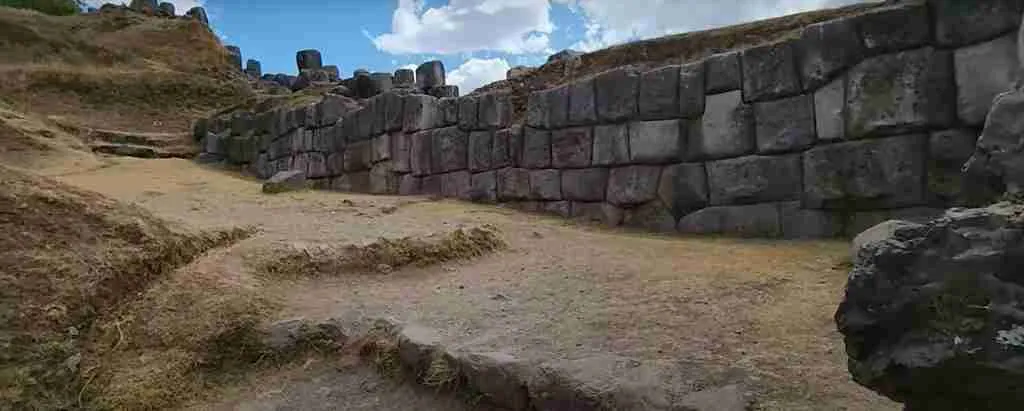
Sacsayhuamán stands as one best example of Inca ingenuity, its zigzagging walls formed by 300-ton stones. Nearby, Qorikancha’s sun temple dazzles with Spanish Baroque additions atop sacred Inca foundations. These sites don’t just showcase history—they let visitors trace fingertips along grooves carved by ancient stonemasons.
Hidden Gems Off the Tourist Trail
Behind unassuming doors in San Blas, artisan workshops reveal textile traditions unchanged since pre-colonial times. The lesser-visited site of Tipón showcases terraced aqueducts still channeling spring water after 600 years. For one best local experience, join morning prayers at San Pedro Market—where flower vendors share stories between blessings.
Whether marveling at iconic places or discovering tucked-away courtyards, each location weaves personal connections to the Andes’ living heritage. This duality transforms sightseeing into cultural time travel.
Immersive Cultural Experiences in Cusco
Cusco’s cultural heartbeat pulses strongest where daily life unfolds—bustling markets brimming with rainbow-hued textiles, artisan workshops preserving ancient techniques, and streets transformed into ceremonial stages during vibrant festivals. These living traditions offer travelers authentic connections to Andean heritage.
Local Markets and Artisan Crafts
At San Pedro Market, sensory overload becomes a cultural education. Vendors arrange pyramids of purple corn and golden quinoa beside stalls selling handwoven aguayos (traditional cloths). Artisans demonstrate backstrap loom weaving techniques passed through generations, their fingers dancing as they create geometric patterns symbolizing mountain spirits.
| Market Feature | Cultural Significance | Visitor Tip |
|---|---|---|
| Textile stalls | Preserves Inca-era designs | Ask artisans about pattern meanings |
| Spice section | Showcases Andean biodiversity | Sample dried ají peppers |
| Ceramics corner | Uses pre-Columbian techniques | Watch clay shaping demonstrations |
Traditional Festivals and Community Events
Festivals like Inti Raymi (Sun Festival) turn the city into a living theater. Locals in feathered headdresses reenact Inca rituals while people crowd balconies to shower petals on processions. Smaller neighborhood fiestas reveal intimate traditions—families brewing food offerings for Pachamama (Earth Mother) in clay pots.
Morning visits to markets avoid crowds while maximizing interactions. Learn basic Quechua phrases like “Imaynallan” (How are you?) to spark conversations with textile artists. These exchanges transform souvenirs into meaningful cultural bridges.


A Photographic Journey Through Cusco’s Streets and Plazas
Cusco’s visual identity unfolds through its postcard-perfect urban landscapes, where colonial balconies frame snow-capped peaks and weathered stone walls glow amber at dusk. The city’s plazas and alleyways offer endless inspiration for photographers seeking to capture Andean soul through their lenses.
Stunning Views at Plaza de Armas
The Plaza de Armas remains Cusco’s beating heart and ultimate photographic stage. Framed by ornate cathedrals and arched galleries, this historic square comes alive with golden-hour reflections dancing across its stone fountain. Early risers capture crisp mountain light illuminating Baroque facades, while twilight transforms the plaza into a silhouette-rich theater.
Wander surrounding streets where Inca-cut stones support Spanish balconies draped in bougainvillea. The play of shadows on cobblestones creates natural leading lines, guiding eyes toward architectural details like hand-carved wooden doors or Quechua symbols hidden in colonial art.
For impactful shots:
- Visit at dawn to photograph locals laying flower offerings
- Use evening crowds as dynamic foreground elements
- Focus on contrasting textures—smooth adobe vs. pitted volcanic rock
Beyond the main plaza, hidden courtyards reveal weathered saints’ statues and vibrant murals blending indigenous motifs with street art styles. These visual narratives immortalize Cusco’s layered identity, making every snapshot a traveler’s keepsake and cultural document.
Exploring the Iconic Ruins and Fortresses
The ancient stones of Sacsayhuaman whisper tales of Inca ingenuity, their colossal forms defying time and tectonic forces. This fortress complex towers above the city, its zigzagging walls forming a stone puzzle that has baffled engineers for centuries.
Sacsayhuaman and Its Legendary Stones
Workers quarried limestone blocks weighing up to 300 tons, transporting them 20 miles without wheels. The stones interlock with surgical precision—not even a credit card slips between their joints. Historians believe the zigzag pattern symbolized lightning, honoring the Inca weather god Illapa.
Morning light reveals hidden details: carvings of serpents near the ceremonial plaza, and grooves that once channeled sacred water. Guides recommend arriving by 8 AM to avoid crowds and witness alpacas grazing among the ruins.
Other Archaeological Treasures Nearby
Q’enqo’s labyrinthine tunnels served as ceremonial chambers, while Tambomachay’s cascading aqueducts demonstrate advanced hydraulic engineering. The Palace of Huayna Capac near Plaza de Armas hides beneath colonial buildings—its polished walls visible through basement windows.
For optimal exploration:
- Combine Sacsayhuaman with lesser-known sites like Puka Pukara
- Hire Quechua-speaking guides for deeper cultural insights
- Allow three hours minimum to appreciate the scale
These ruins form a stone atlas of Andean history—each weathered surface mapping the Inca’s spiritual and technological mastery. Their presence amid modern hotels and cafes creates a striking dialogue between epochs.
Adventures Beyond the City: Trekking and Excursions
Cusco’s rugged outskirts transform into a trekker’s paradise, where ancient footpaths wind through cloud forests and glacial valleys. These routes offer more than physical challenges—they’re immersive journeys through South America’s living history and biodiversity.
Trekking Routes to Machu Picchu and Alternative Treks
The iconic Inca Trail remains a bucket-list trip, guiding hikers past archaeological wonders to sunrise views of Machu Picchu. This 26-mile route demands permits booked months ahead but rewards with stone-paved paths and mist-shrouded ruins.
For quieter adventures, the Lares Trek weaves through Quechua villages where textile traditions thrive. The 5-day Salkantay route challenges trekkers with high-altitude passes before descending into lush coffee plantations. Both alternatives avoid crowds while showcasing Peru’s diverse ecosystems.
| Trek Name | Duration | Crowd Level | Key Feature |
|---|---|---|---|
| Inca Trail | 4 days | High | Sun Gate arrival |
| Lares Trek | 3 days | Low | Cultural immersion |
| Salkantay | 5 days | Moderate | Glacial landscapes |
Acclimatize for 2-3 days in Cusco before tackling high-elevation trails. Pack layers—temperatures swing from freezing nights to sunny days swiftly. Guided tours provide logistical support and cultural context, transforming strenuous hikes into educational journeys.
Lesser-known routes like the Huchuy Qosqo Trek reveal secluded ruins accessible in a single day. These shorter excursions let time-conscious travelers experience Andean panoramas without multi-day commitments. Every path rewards with breathtaking vistas and stories etched into the land.
Luxurious Accommodations and Boutique Stays in Cusco
Cusco’s hospitality scene masterfully transforms historical treasures into immersive living spaces. Boutique hotels occupy restored colonial mansions, where original Inca stonework blends with contemporary design. Guests sleep under vaulted ceilings that once sheltered Spanish nobility, their modern comforts framed by 500-year-old walls.
Properties like historic convents-turned-hotels showcase this architectural alchemy. Sunlit courtyards feature pre-Columbian carvings beside sleek lounges, while spa treatments incorporate ancient healing rituals. Many places employ local staff who share insider tips for exploring the city, creating cultural bridges beyond typical tourist experiences.
Travelers can choose from:
- Lavish suites in UNESCO-protected buildings
- Intimate guesthouses with private Inca wall displays
- Eco-lodges offering mountain views and altitude-adjusted amenities
Central locations near Plaza de Armas prove ideal for first-time visitors. Waking steps from major sites allows leisurely morning walks before crowds arrive. For those seeking tranquility, quieter neighborhoods provide retreats with easy visit Cusco shuttle access.
The true magic lies in details—handwoven alpaca throws on king beds, or cocktails served in repurposed sacramental silver. These stays don’t just offer lodging; they curate journeys through time, ensuring every night becomes part of your Andean story.

Savoring Andean Flavors: Food and Dining in Cusco
Cusco’s culinary landscape tells stories through every bite, blending Inca agricultural wisdom with Spanish influences. Locals honor Pachamama (Earth Mother) through seasonal ingredients like quinoa, oca tubers, and rainbow corn. This edible heritage thrives in both humble street carts and award-winning restaurants.
Local Delicacies and Must-Try Dishes
Start with cuy al horno (roasted guinea pig), a ceremonial dish served on clay plates. Food stalls near San Pedro Market offer lomo saltado—stir-fried beef with native potatoes. For adventurous palates, chiriuchu combines roasted meats with dried algae from Lake Titicaca.
| Restaurant | Specialty | Atmosphere |
|---|---|---|
| Chicha por Gastón | Modern takes on rocoto relleno | Colonial courtyard with Inca walls |
| Limo | Nikkei-Peruvian fusion | Panoramic plaza views |
| Jack’s Café | Artisanal coffee blends | Cozy expat favorite |
Morning brings steaming empanadas from bakeries lining Triunfo Street. Afternoon explorers refuel with restaurants serving chuño soup—freeze-dried potatoes in herb broth. Evening diners savor alpaca steaks paired with chicha morada, a purple corn drink.
Locally grown coffee shines in specialty cafés like Three Monkeys. Baristas roast beans from nearby Quillabamba Valley, creating profiles from chocolatey to citrus-forward. Pair espresso drinks with alfajores cookies for authentic merienda (afternoon snack).
Experience the Vibrant Nightlife and Festivals
As dusk falls, Cusco transforms into a vibrant tapestry of music and tradition. Locals and travelers alike gather in historic plazas and cozy bars, where Andean rhythms fuse with contemporary beats. This nocturnal energy reveals a different dimension of the city’s cultural identity.
Evening Entertainment and Cultural Parties
Traditional peñas (music venues) like Ukukus pulse with live nightly performances of huayno folk dances. Visitors clap along to charango melodies while sipping chicha morada. Meanwhile, modern cocktail bars along Plaza Regocijo mix pisco sours with panoramic views of illuminated colonial architecture.
| Venue Type | Experience | Best Time |
|---|---|---|
| Traditional Peñas | Live Andean music | 8 PM – Midnight |
| Festival Plaza | Community dances | Seasonal celebrations |
| Rooftop Bars | City light vistas | Sunset – 11 PM |
Annual events like Inti Raymi spill into the night with torchlit processions. During Corpus Christi, people carry religious statues through flower-strewn streets until dawn. These celebrations blend Catholic traditions with Inca solar rituals, creating unforgettable spectacles.
For safe enjoyment, share taxis with groups and avoid isolated areas after dark. Respect local customs by asking permission before photographing ceremonies. The interplay of ancient heritage and modern revelry makes every evening here a time-travel adventure through living culture.
Practical Tips for a Memorable Cusco Visit
Exploring Cusco’s wonders requires smart preparation to balance adventure with comfort. High-altitude challenges and cultural nuances demand thoughtful strategies. These insights help travelers navigate logistics while respecting local traditions.
Acclimatization, Transportation, and Local Etiquette
Altitude sickness affects many visitors due to Cusco’s 11,152-foot elevation. Acclimatize gradually: hydrate with coca tea, avoid heavy meals, and rest the first day. Most hotels offer oxygen supplements for acute symptoms.
Public transit includes buses and colectivos (shared vans), but taxis are safer for evening travel. Licensed drivers display company logos and fixed rates. For day trips, guided tours simplify access to remote sites like Moray or Maras.
Respect local customs by greeting people with “Buenos días” and asking permission before photographing ceremonies. Tipping 10% in restaurants shows appreciation for service.
Planning Your Itinerary and Insider Advice
Divide your trip into high- and low-energy days. Visit Sacsayhuamán early to avoid crowds, then explore San Blas artisans in the afternoon. Reserve mornings for Plaza de Armas photography when light illuminates colonial facades.
Download Maps.me for offline navigation and PeruHop for bus schedules. Locals recommend arriving at popular sites by 8 AM—tour groups dominate by 10 AM. Pack layers: sunny days shift to chilly nights swiftly.
“Spend three days minimum to fully adapt and appreciate the city’s rhythm,” advises a Cusco-based guide. Pair major landmarks with hidden gems like the quiet Cristo Blanco viewpoint for balanced day plans.
Conclusion
Cusco stands as a living testament to human resilience and cultural fusion. Its cobblestone arteries pulse with history—Inca stonemasonry supporting Baroque spires, Quechua chants echoing past Spanish courtyards. This UNESCO-protected city offers not just sights, but transformative encounters.
Travelers find compelling reasons to explore every corner. From Sacsayhuamán’s monumental stones to San Pedro Market’s spice-scented aisles, things here tell stories. Modern cafes brew locally grown coffee steps from 15th-century walls, embodying Cusco’s timeless appeal.
Those planning to visit gain more than photos—they collect cultural wisdom. Understanding layered legacies enriches treks to Machu Picchu and market interactions alike. Our guide’s insights help travelers navigate altitude challenges while savoring authentic experiences.
Let Cusco’s dual heritage ignite your wanderlust. Whether tracing Inca aqueducts or sampling fusion cuisine, this destination rewards curiosity. Start crafting your journey today—where every discovery connects past wonders with present-day marvels.
