Planning a visit to Peru’s iconic Incan citadel requires careful preparation, starting with selecting the right entry pass. With multiple ticket categories available, travelers often face confusion about which option aligns with their interests. From panoramic viewpoints to challenging hikes, each admission package unlocks distinct areas of this UNESCO World Heritage Site.
According to official sources, visitors can choose between three primary circuits that govern their exploration routes. The Panoramic route offers sweeping vistas of ancient terraces, while the Classic path provides deeper access to architectural marvels like the Temple of the Sun. Adventurous travelers might prefer specialized passes for trails like Huayna Picchu, where daily availability remains limited.
Understanding these differences ensures travelers maximize their experience without missing key attractions. Our guide breaks down every ticket’s inclusions, from site access to hiking permits, helping visitors match their priorities with the ideal admission type. With practical comparisons and booking tips, we empower explorers to create unforgettable journeys through this archaeological wonder.
Key Takeaways
- Three main circuits (Panoramic, Classic, Royal) offer varying levels of site access
- Specialized passes required for Huayna Picchu and Machu Picchu Mountain hikes
- Student discounts available with valid ISIC card verification
- Daily entry limits make early booking essential for popular routes
- Ticket inclusions determine access to temples, trails, and viewpoints
- Contact us by filling out the trip planner form, our expert travel advisors will work closely with you to create your tailor-made itinerary (Free Service)
Overview of Machu Picchu Ticket Options
Your journey to this Andean marvel begins with choosing the right gateway. Three distinct machu picchu tickets shape how travelers interact with the 15th-century ruins, each unlocking specific routes and privileges. Understanding these options ensures visitors craft an experience aligned with their curiosity and stamina.
The basic entry pass grants access to the citadel’s main areas but limits exploration to shorter routes. Upgraded options focus on specialized circuit paths that reveal hidden temples and panoramic overlooks. During peak season (April-October), these routes rotate daily to manage foot traffic while preserving fragile structures.
Guided tour packages often bundle tickets with expert insights, ideal for history enthusiasts. Independent explorers might prefer self-paced admission, though all visitors must select morning or afternoon entry windows. Early slots offer cooler temperatures and thinner crowds, while later arrivals enjoy golden-hour photography opportunities.
Seasonal demand dramatically affects availability. Winter months (November-March) see 30% fewer visitors, making spontaneous bookings feasible. Regardless of travel dates, securing machu picchu tickets early remains crucial for accessing prime circuit routes like the Sun Gate trail or Temple of the Condor.
These foundational choices directly shape your experience – whether you’re tracing ancient stonework up close or surveying terraced slopes from elevated vantage points. Our following sections detail how each tour tier maximizes discovery while respecting conservation efforts.
What does each type of Machu Picchu ticket include?
Navigating the options for exploring Peru’s ancient wonder reveals distinct advantages tailored to different travel styles. Admission passes unlock specific pathways through the ruins, with time allocations and access privileges shaping every visitor’s journey.
Detailed Breakdown of Ticket Benefits
The basic circuit provides 2.5-hour access to panoramic terraces and ceremonial plazas. Visitors traverse compacted stone paths with minimal elevation gain, ideal for those seeking iconic photo spots without strenuous climbs.
Upgraded passes extend exploration to 4 hours, granting entry to architectural highlights like the Sacred Rock and Temple of the Sun. These routes require navigating steep staircases but reward travelers with intimate views of engineering marvels.
For adventurers, specialized picchu tickets include timed entry to restricted trails. The Huayna Picchu ascent demands 90 minutes of rigorous climbing, while the Inca Bridge route offers a 40-minute detour along cliffside pathways with safety cables.
Guided tours enhance visits through expert insights into Incan astronomy and construction techniques. As one ranger notes: “Visitors who engage local interpreters often leave with deeper connections to the site’s spiritual significance.”
Key distinctions between passes:
- Royal Route (Circuit 3) access to exclusive terraces (180-minute minimum)
- Classic Circuit (Circuit 2) inclusion of agricultural zone pathways
- Panoramic (Circuit 1) tickets restricted to upper observation decks
All passes permit photography at main landmarks, but only certain tiers include the Inca Bridge – a thrilling stone pathway clinging to mountain cliffs. Early morning entries provide optimal lighting for capturing this engineering feat.
Comparing Panoramic, Classic, and Royal Routes
Exploring Machu Picchu’s ancient pathways reveals three distinct journeys through history. Each route delivers unique perspectives on Incan engineering, with terrain and access shaping memorable moments.
Panoramic Circuit Experience
This route treats visitors to postcard-perfect views from elevated terraces. Wide-angle photography thrives here, with the Sun Gate and Guardhouse offering iconic backdrops. During high season, morning slots fill quickly as crowds seek unobstructed vistas.
Classic Route Insights
Winding through the citadel’s heart, this path reveals the Temple of Three Windows and Sacred Plaza. Narrow staircases demand steady footing but reward explorers with close-up encounters of precision stonework. Afternoon light enhances textures for detail-focused photographers.
Royal Route Highlights
Adventurers tackle steep ascents to Picchu Mountain‘s summit, where 360-degree panoramas stretch across the Urubamba Valley. Limited daily permits make this route exclusive year-round. As one guide notes: “The climb tests stamina, but the sunrise view from the peak justifies every step.”
Seasonal shifts dramatically shape access. High season (June-August) sees all routes operational but crowded, while winter rains occasionally close Picchu Mountain trails. The adjacent Inca Trail remains accessible through most weather, maintaining its status as South America’s most historic hike.
Ticket Features and Benefits
Securing admission to this archaeological treasure unlocks carefully curated experiences. Every pass balances citadel exploration with panoramic rewards, though specific privileges vary by tier. Smart selection transforms a standard visit Machu Picchu into a personalized historical journey.
Access to Inca Citadel and Scenic Views
Base tickets grant entry to the citadel‘s central plazas and lower agricultural terraces. Upgraded options reveal hidden gems like the Priest’s House and ceremonial baths. The Royal Route provides exclusive access to the Temple of the Moon through narrow stone corridors.
| Ticket Type | Citadel Access | Scenic Views | Restrictions |
|---|---|---|---|
| Panoramic | Upper terraces | Sun Gate vistas | No temple entry |
| Classic | Main plazas | Terraced valleys | Time-limited |
| Royal | Restricted areas | 360° summit | Fitness required |
Additional Perks and Limitations
Those booking tickets Machu Picchu through official channels receive digital maps and ranger assistance. However, dry season crowds (May-October) often reduce photo opportunities at popular viewpoints. As noted by TicketMachupicchu.com:
“Morning entries during rainy months offer clearer trails with 40% fewer visitors.”
While all passes allow visit Machu Picchu’s core structures, only specific tiers include the Intihuatana Stone. Travelers should note afternoon tickets exclude re-entry – plan hydration and sunscreen accordingly before passing through the main gate.


Planning Your Visit: Regular vs. High Season
Timing shapes every aspect of a Machu Picchu adventure. Seasonal shifts dramatically influence crowd sizes, trail conditions, and reservation requirements. Understanding these patterns helps travelers secure ideal entry time slots while avoiding bottlenecks.
Seasonal Differences and Ticket Availability
High season (June-August) brings dry weather but reduces ticket availability by 40% compared to regular months. Morning entry times sell out weeks ahead, particularly for premium routes. During wetter months (November-March), last-minute bookings become feasible with 30% fewer daily visitors.
| Season | Visitor Capacity | Booking Window | Entry Times |
|---|---|---|---|
| Regular | 4,500/day | 2-4 weeks | Flexible slots |
| High | 5,600/day | 3-6 months | 6 AM rush |
Optimal Booking Times and Entry Schedules
Securing advance reservations remains critical year-round. TicketsMachupicchu.com data shows 78% of prime sunrise slots disappear 90 days before visits. Early birds gain access to:
- Unrestricted circuit choices
- Guaranteed hiking permits
- Flexible rebooking options
Smart planners allocate 4-6 hours for thorough exploration. Morning entries (6-8 AM) offer cooler temperatures and clearer photography conditions. Afternoon slots (12-2 PM) work well for shorter visits but limit mountain trail access.
“Booking 3-6 months advance ensures preferred time windows during peak demand,” advises a TicketsMachupicchu.com representative.
Consider shoulder seasons (April-May, September-October) for balanced crowds and favorable weather. These transitional periods provide 25% more same-day ticket availability than summer months while maintaining dry trail conditions.
Booking Process and Pricing Details
Securing entry to this ancient site demands strategic planning and timely decisions. The reservation system combines digital efficiency with strict entry controls to preserve the landmark’s integrity while accommodating global visitors.
How to Reserve Your Ticket
Through Tuboleto.cultura.pe, travelers complete a streamlined process:
- Create an account with passport details
- Select preferred entry date/time (6 AM – 2 PM hours)
- Choose between foreigner/local pricing tiers
- Pay via Visa/Mastercard or PayPal
Confirmation arrives instantly with QR codes for mobile or print. Groups of 10+ people must submit all members’ IDs simultaneously. A site representative confirms: “Last-minute slots occasionally open 48 hours pre-visit during shoulder seasons.”
Understanding Prices, Discounts, and Advance Purchase Tips
Pricing structures reward early planners while supporting conservation:
| Visitor Category | Base Price | Hike Add-ons |
|---|---|---|
| Foreign Adults | $70 | +$25-45 |
| Peruvian Nationals | $40 | +$15-25 |
| Students* | $35 | +$20-40 |
*Requires valid ISIC card uploaded during purchase. Early birds gain:
- 8-week trip planning buffer for popular dates
- Priority access to Machu Picchu Mountain hikes
- Flexibility to modify entry hours
Groups of 5+ people receive 5% discounts when booking through authorized agencies. All passes include 4-hour site access unless combined with premium trails. For sunset seekers, afternoon slots offer 20% lower demand than morning entries.
Tips for a Successful Machu Picchu Experience
Maximizing your adventure at this UNESCO World Heritage site requires blending practical preparation with cultural sensitivity. Smart choices before and during your visit enhance safety while deepening connections to Incan history.
Essential Preparations and What to Bring
Packing strategically proves crucial for navigating stone pathways and changing weather. Consider this expert-recommended checklist:
| Category | Essentials | Pro Tips |
|---|---|---|
| Footwear | Ankle-support hiking shoes | Break them in 2 weeks prior |
| Protection | SPF 50+, wide-brim hat | Reapply every 90 minutes |
| Hydration | 1L water + electrolytes | Refill stations unavailable |
Arriving during early morning hours (6-8 AM) reduces crowds by 60% at photo hotspots. Travel blogger Elena Torres notes:
“Those first golden-hour moments with mist-shrouded ruins feel truly magical – worth setting three alarms for!”
On-Site Guidance for First-Time Visitors
Acclimatize in Cusco or Sacred Valley for 48 hours before ascending. Licensed guides ($25-$40) unlock hidden symbolism in stonework, like how the Temple of the Sun aligns with solstices.
Respect preservation efforts by staying on marked site pathways. Designated rest areas near the Guardhouse and agricultural terraces offer shaded recovery spots. Pace yourself – the combination of altitude and steep climbs demands frequent breaks.
First-time visitors often overlook these key strategies:
- Use restrooms at the entrance – none exist within the archaeological zone
- Carry passport for checkpoint verification
- Download offline maps – cellular service remains unreliable
Exploring Additional Trails and Attractions
Beyond the well-trodden paths of the ancient citadel, adventurous explorers discover hidden gems through specialized routes. These mountain trails reward hikers with unparalleled views and intimate encounters with Incan engineering.
Huayna Picchu and Mountain Routes
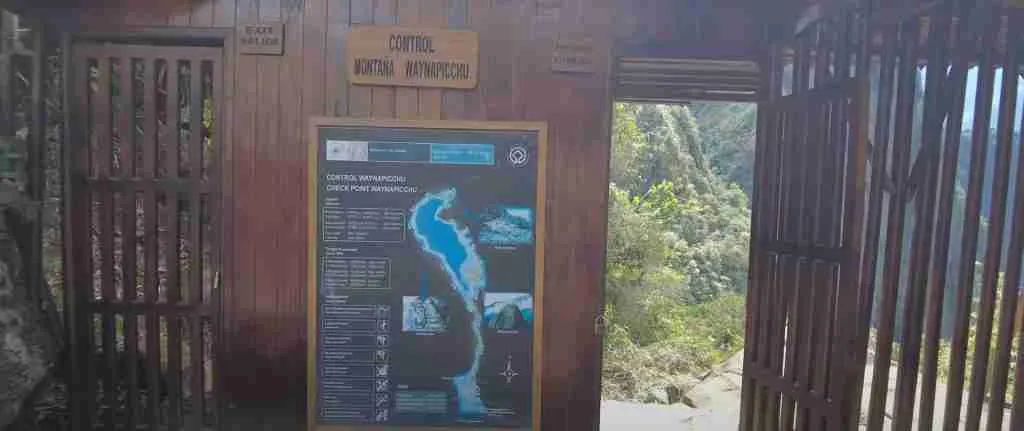
The legendary Huayna Picchu climb challenges visitors with steep stone steps and narrow passages. This 2-hour hike culminates at the “Stairs of Death,” offering panoramic views of the Urubamba River snaking below. Only 400 daily permits ensure uncrowded trails for sunrise seekers.
| Trail | Duration | Difficulty | Highlights |
|---|---|---|---|
| Huayna Picchu | 2-3 hours | Advanced | 360° summit views |
| Huchuy Picchu | 45 minutes | Moderate | Terraced overlooks |
Other Notable Hiking Opportunities
Huchuy Picchu provides a gentler alternative with shorter ascents and stunning agricultural terrace vistas. The trail winds past ancient storehouses before reaching ceremonial platforms. As noted by TicketMachupicchu.com:
“Early morning hikers often spot Andean condors soaring above the mountain peaks.”
Three lesser-known routes expand exploration options:
- Inca Bridge Trail: 20-minute cliffside walk with safety cables
- Sun Gate Path: Gradual 90-minute ascent following original Incan roads
- Machu Picchu Mountain: 4-hour trek to the site’s highest viewpoint
These hikes require separate permits but transform standard visits into multi-dimensional adventures. Proper footwear and altitude acclimation remain essential for all mountain excursions.
Understanding New Circuits and Ticket Changes
Recent updates to Machu Picchu’s visitor management system have streamlined exploration while preserving its archaeological integrity. The site now operates four consolidated circuits instead of nine fragmented routes, creating smoother navigation paths through the ruins.
Recent Circuit Updates and Their Impact
The redesigned circuits group attractions thematically, ensuring visitors encounter top landmarks within their chosen route. Morning and afternoon entry hour slots now align with specific pathways, reducing overcrowding at popular viewpoints by 25% during peak season.
Ticket validation processes have been reworked to prioritize efficiency. Staff now scan QR codes at multiple checkpoints, a way to monitor real-time visitor distribution. This change allows same-day adjustments if certain areas become congested.
Key improvements include:
- Extended access to top attractions like the Temple of the Sun across all morning sessions
- Dedicated 2-hour windows for photography at prime viewpoints
- Dynamic routing that redirects groups based on live capacity data
A Ministry of Culture representative notes:
“These updates protect fragile structures while letting travelers experience the site’s top wonders without rush.”
Though the new way of managing tickets requires earlier planning, it guarantees 90% of visitors complete their chosen circuit within the allocated hours. Evening slots now include guided sunset tours – an enhancement previously unavailable under the old system.
Conclusion
Choosing the ideal Machu Picchu adventure requires matching your curiosity with the right access pass. Our guide illuminates how different machu picchu tickets unlock unique perspectives – from royal terraces to heart-pounding mountain trails.
Whether prioritizing architectural deep dives or panoramic photography, each tour tier delivers distinct advantages. Early planners gain access to sunrise hikes and exclusive routes, while spontaneous travelers find flexibility in off-peak seasons.
This resource empowers visitors to:
- Align ticket features with personal interests
- Secure limited-availability hiking permits
- Optimize their trip timeline for ideal conditions
Understanding these nuances transforms a standard visit into an enriched experience. The historic site reveals its full grandeur when travelers select passes matching their exploration style.
Let this comprehensive breakdown streamline your planning process. With the right machu picchu tickets, your journey through ancient stone corridors and cloud-kissed peaks becomes a culturally immersive tour – a truly unforgettable experience at one of humanity’s greatest archaeological treasures.
