Vitoria-Gasteiz Travel Guide 2026: Basque Capital Guide
Key Takeaways:
- Hotels range €60-180 per night with budget options from €23 per person in hostels
- Daily costs average €170-192 per person including accommodation, food, and transportation
- Airport connects to Madrid, Barcelona, Seville, Alicante, and European cities including Brussels and Milan
- Tram system operates 2 lines with 10-minute frequency connecting all major city areas
- Medieval Quarter preserves almond-shaped historic layout with Cathedral de Santa María restoration tours
- Green Ring offers 160km of bike paths through six major parks including Salburua wetlands
Planning Your Vitoria-Gasteiz Visit in 2026
Vitoria-Gasteiz stands as the political capital of the Basque Country, offering travelers a unique combination of medieval heritage, modern urban design, and exceptional green spaces. The city earned European Green Capital status in 2012, maintaining over 160 kilometers of bike paths and six major parks forming the Green Ring around the historic center. With direct flights from major Spanish and European cities, efficient public transportation, and moderate costs compared to other Basque destinations, Vitoria-Gasteiz provides an accessible introduction to Basque culture without the crowds of San Sebastián or Bilbao.
The city’s compact layout makes walking the primary mode of exploration, with virtually all major attractions within the pedestrian-friendly medieval quarter or the elegant 19th-century Ensanche district. Founded in the late 12th century, the city preserves its historic almond-shaped old town while expanding into modern neighborhoods connected by an efficient tram system. Visitors discover traditional Basque pintxos bars alongside contemporary art museums, Renaissance palaces next to green parks, and centuries-old iron-working heritage in museums and monuments.
Language presents minimal barriers as Spanish dominates daily communication, with Basque (Euskera) commonly understood. English speakers find assistance at tourist offices, hotels, and major attractions, though learning basic Spanish phrases enhances the experience. The city operates as a government hub hosting the Basque Parliament, creating a professional atmosphere with excellent infrastructure and services. Cultural events fill the calendar, including the prestigious Vitoria-Gasteiz Jazz Festival each July attracting 100,000+ visitors and injecting €5-7 million into the local economy annually.
People Also Ask About Vitoria-Gasteiz 2026
How much does it cost to visit Vitoria-Gasteiz in 2026?
Daily costs average €170-192 per person including accommodation, meals, local transportation, and sightseeing in 2026 (check current rates on booking platforms for updated pricing). Hotels range €60-180 per night for mid-range options, while hostels offer budget accommodation from €23 per person. Meals cost €15-30 for lunch and €30-50 for dinner at mid-range restaurants. Public transportation uses single tram tickets at approximately €1.50-2 per ride, with day passes available for unlimited travel. Museums and attractions typically charge €3-8 admission, while many parks and outdoor spaces remain free.
What is the best time to visit Vitoria-Gasteiz in 2026?
Spring (March-May) and autumn (September-November) offer ideal conditions in 2026 with mild temperatures, moderate tourism, and reasonable accommodation prices. Summer (July-August) brings warm weather, peak tourism during the Jazz Festival, and higher hotel rates requiring advance booking. The Virgen Blanca Festivities (August 4-9) create the city’s busiest period with maximum crowds and premium pricing. Winter (December-February) provides lowest costs with 59% hotel discounts in January, though cold weather affects outdoor activities. Easter weekend triggers price increases despite falling in shoulder season.
How do you get to Vitoria-Gasteiz in 2026?
Vitoria-Gasteiz Airport offers direct flights from Madrid and Barcelona with Volotea, plus connections to Seville, Alicante, Brussels-Charleroi, and Milan-Bergamo with Ryanair (Málaga and Palma de Mallorca routes begin March 2026). A3700 bus line connects the airport to city center via Autobuses La Unión. Bilbao Airport provides alternative access with Bizkaibus urban service to the central bus station, followed by a one-hour journey to Vitoria-Gasteiz. Train service via RENFE connects to major Spanish cities, while N-1 highway provides road access less than one hour from Bilbao, one hour from Pamplona, and four hours from Madrid.
Where should you stay in Vitoria-Gasteiz in 2026?
Medieval Quarter (Casco Viejo) places visitors within walking distance of historic attractions, restaurants, and pintxos bars in atmospheric Renaissance buildings. Ensanche district offers modern hotels along elegant avenues near shopping, dining, and transportation hubs. Budget travelers find hostels and affordable hotels near the bus and train stations with easy access to public transportation. Luxury options concentrate in the city center and near the Green Ring parks. Booking 2-3 months ahead secures best rates and availability, especially during Jazz Festival (July) and Virgen Blanca Festivities (August).
Extended multi-day tours – 5+ days
Featured Basque Country Multi-Day Tour Packages

3 days
Basque Country 3-Day Discovery Tour
- ✓ Comprehensive Basque Country experience
- ✓ Expert local guides included
- ✓ All accommodation included
- ✓ Transportation provided
5 days
Basque Country 5-Day Highlights Experience
- ✓ Comprehensive Basque Country experience
- ✓ Expert local guides included
- ✓ All accommodation included
- ✓ Transportation provided

7 days
Basque Country 7-Day Cultural Journey
- ✓ Comprehensive Basque Country experience
- ✓ Expert local guides included
- ✓ All accommodation included
- ✓ Transportation provided

10 days
Basque Country 10-Day Complete Adventure
- ✓ Comprehensive Basque Country experience
- ✓ Expert local guides included
- ✓ All accommodation included
- ✓ Transportation provided
Multi-day tour packages powered by TourRadar. Prices and availability subject to change.
Essential Planning Information 2026
Understanding Vitoria-Gasteiz Costs in 2026
Hotels range €60-180 per night for standard double rooms in 2026 (check booking platforms for current rates as pricing varies by season). Budget hostels offer €23 per person for dormitory beds, while luxury four-star properties cost €150-250 per night. January provides cheapest accommodation with 59% discounts from peak summer rates, making winter visits exceptionally affordable. Friday rates typically increase compared to Monday bookings. Most hotels include free WiFi and basic amenities, with breakfast often adding €8-12 per person.
Restaurant meals cost €15-30 for lunch and €30-50 for dinner at mid-range establishments serving traditional Basque cuisine. Pintxos bars offer small plates at €3-5 each, allowing budget-conscious travelers to sample multiple dishes affordably. Grocery stores provide self-catering options reducing daily food costs to €30-40 per person. Coffee costs €1.50-2.50, while local wine starts at €3-4 per glass. Markets and bakeries offer fresh produce, bread, and regional specialties at reasonable prices.
Public transportation operates efficiently with tram single tickets around €1.50-2, daily passes approximately €4-5 for unlimited travel. Taxis charge standard urban rates starting at €3-4 base fare plus distance and time. Bike rentals cost €8-15 per day, ideal for exploring the extensive Green Ring network. Most city-center attractions sit within walking distance, minimizing transportation expenses. Regional bus service connects to nearby towns and attractions for day trips.
Current Regulations and Entry Requirements
Spain maintains standard European Union entry requirements for 2026 visits. EU citizens need valid passport or national ID card for entry. Non-EU visitors require passport valid six months beyond departure date, with visa requirements depending on nationality and length of stay. Schengen Area rules apply, allowing 90 days within 180-day period for tourist visits. No specific health certificates or vaccinations required for entry, though travel insurance remains recommended.
The city enforces smoking restrictions in all indoor public spaces including restaurants, bars, and hotels. Most accommodations offer non-smoking rooms as standard, with designated outdoor smoking areas. Noise ordinances limit nighttime disruption, with quiet hours typically 11 PM-7 AM in residential areas. Environmental regulations protect the Green Ring parks, prohibiting littering and requiring responsible use of natural spaces.
Best Time to Visit Vitoria-Gasteiz 2026
Seasonal Weather and Travel Patterns 2026
Spring (March-May) delivers mild temperatures ranging 12-20°C (54-68°F) with increasing daylight and blooming parks throughout the Green Ring. March and April offer shoulder-season pricing with fewer crowds, though Easter weekend triggers temporary price increases. May provides optimal weather for outdoor activities, cycling, and walking tours without summer heat or winter cold. Rain occurs moderately, requiring light jackets and occasional umbrellas.
Summer (June-August) brings warmest weather at 20-28°C (68-82°F) with longest days extending outdoor activities until 10 PM. July hosts the prestigious Jazz Festival attracting 100,000+ visitors and requiring advance hotel bookings. The Virgen Blanca Festivities (August 4-9) create peak tourism with maximum crowds, sold-out accommodations, and premium pricing. Summer provides ideal conditions for Green Ring exploration, outdoor concerts, and terrace dining despite occasional heat waves.
Autumn (September-November) maintains pleasant temperatures 15-22°C (59-72°F) with golden foliage transforming park landscapes. September preserves warm weather with declining crowds as students return to school. October offers excellent value with moderate pricing and comfortable conditions for sightseeing. November transitions toward winter with cooler temperatures and shorter days, though cultural events continue year-round.
Winter (December-February) experiences cold weather at 5-12°C (41-54°F) with occasional frost and rare snow affecting outdoor activities. January provides lowest hotel rates with 59% discounts from summer prices, ideal for budget travelers accepting weather limitations. December and February offer slightly warmer conditions than January. Indoor attractions including museums, restaurants, and the Cathedral de Santa María restoration tours operate normally throughout winter months.
2026 Festival and Event Calendar
Vitoria-Gasteiz Jazz Festival (mid-July) ranks among Europe’s premier jazz events, transforming the city with international artists performing at Mendizorroza Pavilion, Teatro Principal Antzokia, and outdoor venues including Falerina Gardens. The festival began in 1977 and attracts over 100,000 visitors annually, offering headliner concerts, late-night jam sessions, and educational workshops. Book accommodations 3-4 months ahead for festival dates.
Virgen Blanca Festivities (August 4-9) celebrate the city’s patron saint with traditional Basque music, dance, outdoor concerts, street parties, and regional cuisine. The festival fills Plaza de la Virgen Blanca with stages, food stalls, and cultural performances. Accommodations sell out months in advance, with prices reaching annual peaks. The opening ceremony features the symbolic descent of Celedón, a figure representing a 19th-century peasant, from the bell tower.
Azkena Rock Festival (June) brings international rock acts to the city with multi-day concerts, camping options, and outdoor stages. FesTVal television festival showcases Spanish television productions, industry panels, and celebrity appearances. Smaller cultural events occur throughout the year including art exhibitions at Artium Museum, theater productions, food markets, and traditional Basque celebrations.
Accommodation Strategies 2026
Medieval Quarter and Historic Center Options
Casa de Los Arquillos occupies an 18th-century building next to Plaza de la Virgen Blanca, featuring rooms decorated with local artwork, flat-screen TVs, and complimentary coffee, tea, and baked goods. The historic property includes a common lounge with books, newspapers, and internet access. Nearby restaurants, bars, and cafés provide diverse dining options within walking distance. Rates vary seasonally, book directly for potential discounts.
Hotel Palacio de Elorriaga offers 21 air-conditioned rooms with minibars, safes, satellite TV, and individually decorated interiors in a historic palace setting. The property features a restaurant, bar, and complimentary bicycles for Green Ring exploration. Located in the atmospheric old town with easy access to medieval streets and monuments. Business amenities include desks, phones, and high-speed WiFi at 50+ Mbps.
Boutique hotels in the medieval area provide character-filled accommodations in renovated historic buildings, combining original architectural elements with modern amenities. Expect higher rates reflecting prime locations and unique properties, typically €100-150 per night for doubles. Limited parking requires advance arrangements, though many offer discount tickets for nearby public garages. The medieval quarter’s pedestrian streets create atmospheric settings with restaurant and bar noise potentially affecting light sleepers.
Ensanche District Modern Hotels
Holiday Inn Express Vitoria provides contemporary chain-hotel comfort with free breakfast, free WiFi, and free parking near the city center. Rooms feature standard European layouts with functional design, air conditioning, and modern bathrooms. The location balances accessibility to attractions with quieter surroundings compared to the medieval quarter. Rates typically €80-120 per night with advance booking discounts.
Silken Ciudad de Vitoria and NH Canciller Ayala Vitoria rank among the city’s most popular hotels for travelers seeking reliable mid-range accommodations near Mendizorroza Stadium and central attractions. Both properties offer business-friendly amenities, restaurants, and bars. Expect €90-140 per night depending on season and booking timing. These hotels appeal to both leisure tourists and business travelers attending conferences or government meetings.
Aparthotels including Apartahotel Líbere Vitoria provide self-catering options with full kitchens, living areas, and separate bedrooms ideal for families or extended stays. Rooms feature cooktops, microwaves, refrigerators, and complete cookware sets. Rooftop terraces and outdoor pools (seasonal) enhance summer visits. Rates compete with hotels at €70-130 per night, saving money through meal preparation. Grocery stores and markets stock regional products for authentic Basque home cooking.
Budget Accommodation and Hostels
Vitoria-Gasteiz offers limited hostel selection compared to larger Spanish cities, making budget accommodation challenging for backpackers. Available hostels provide dormitory beds from €23 per person, though shared facilities and social atmospheres vary. Budget hotels near the train and bus stations offer double rooms from €60-70 per night, providing private bathrooms and basic amenities without hostel dormitory arrangements.
Residencia Universitaria locations operate year-round with university residence rooms available to travelers, featuring shared kitchens, laundry facilities, and basic furnishings at student-friendly rates. These options require advance booking and may impose minimum stay requirements. Vacation rentals through platforms offer apartments at €50-90 per night for entire units, splitting costs among groups or families reduces per-person expenses below hotel rates.
The budget accommodation shortage creates challenges for solo travelers facing full room rates without companions to share costs. Consider staying in nearby Bilbao (one hour away) where hostel options expand significantly, then day-tripping to Vitoria-Gasteiz via frequent bus service. Alternatively, visit during January’s low season when hotel discounts reach 59%, bringing mid-range properties into budget range.
Transportation Guide 2026
Getting to Vitoria-Gasteiz 2026
Vitoria-Gasteiz Airport (VIT) sits just minutes from the city center with direct flights from Madrid and Barcelona via Volotea, plus connections to Seville, Alicante, Brussels-Charleroi, and Milan-Bergamo via Ryanair. Beginning March 2026, Ryanair adds routes to Málaga and Palma de Mallorca, expanding destination options. A3700 bus line provides airport transfers to the city center via Autobuses La Unión with service coordinating with flight schedules. Taxis charge approximately €15-20 for airport-to-city transfers. Free unsupervised parking serves passengers and buses near the terminal.
Bilbao Airport (BIO) offers significantly more international connections for travelers from distant origins. Bizkaibus urban service operates from Bilbao airport to the central bus station, connecting with buses to Vitoria-Gasteiz completing the journey in under one hour. Total travel time including transfers reaches 1.5-2 hours depending on connections. This routing provides access to wider flight options including intercontinental connections through Bilbao’s larger airport infrastructure.
RENFE train service connects Vitoria-Gasteiz to Madrid, Barcelona, and other major Spanish cities via the national rail network. The train station sits near the city center with easy access to public transportation and walking routes. High-speed connections reduce travel times significantly, though regional services offer budget alternatives. Book tickets online through RENFE website for advance-purchase discounts and guaranteed seats during busy periods.
Bus service links Vitoria-Gasteiz to surrounding Basque Country cities including Bilbao (one hour), San Sebastián (1.5 hours), and Pamplona (one hour). The central bus station provides comprehensive regional connections with companies operating regular schedules throughout the day. Movelia platform enables online ticket purchases and schedule checking. Intercity buses offer comfortable coaches with luggage storage and reasonable fares, making bus travel competitive with driving costs when factoring parking and fuel.
Driving to Vitoria-Gasteiz via N-1 highway provides flexibility for travelers exploring multiple Basque Country destinations. The city stands at the crossroads of major routes connecting Madrid to France, with excellent road infrastructure. However, limited parking in the medieval quarter (resident-only restrictions) and pay-and-display zones throughout the city center create challenges. Underground parking garages charge daily rates, while surface lots near attractions fill quickly during peak season. Consider car rental for regional exploration while using public transportation and walking within Vitoria-Gasteiz proper.
Moving Around Vitoria-Gasteiz 2026
Tram service operates two lines connecting major city areas with 10-minute frequency during daytime hours and extended service on weekends and holidays. Ibaiondo-Unibertsitatea line and Abetxuko-Florida line originate from Angulema Street in the city center, reaching northern neighborhoods efficiently. Single tickets cost approximately €1.50-2 purchased from machines at tram stops, requiring validation before boarding. Day passes provide unlimited travel at approximately €4-5. The tram system operates since 2008, offering quick access avoiding traffic congestion.
Bus network encompasses 10 lines connecting all city points with approximately 10-minute frequency during peak hours. Service operates 6 AM-midnight daily with reduced frequency late evenings. Night buses and special lines serve specific destinations including Buesa Arena basketball pavilion, Alava Technology Park, and the airport. BAT NFC card enables contactless payment and recharging via mobile app. Single fares mirror tram pricing at €1.50-2, with day passes available for frequent users. The bus network integrates with the Barik regional card system used throughout Basque Country.
Walking serves as the primary mode for exploring Vitoria-Gasteiz’s compact historic center. The medieval quarter’s almond shape concentrates attractions within 15-minute walks, while the Ensanche district’s grid layout simplifies navigation. Virtually all major sights remain accessible on foot from central accommodations. The city’s flat terrain (excluding the hilltop medieval quarter) makes walking comfortable for all fitness levels. Pedestrian-friendly streets in the old town eliminate vehicle traffic, creating pleasant environments for strolling and discovering hidden corners.
Cycling capitalizes on the city’s 160+ kilometers of dedicated bike paths forming the extensive Green Ring network. Relatively flat terrain facilitates easy cycling for all abilities, though the medieval quarter’s hill requires modest fitness. Bike rental services operate throughout the city charging €8-15 per day for standard city bikes. The Green Ring connects six major parks including Salburua wetlands, offering nature exploration without leaving urban boundaries. Secure bike parking and facilities encourage cycling as practical transportation and recreation.
Taxis serve the city with standard meters charging base fares around €3-4 plus distance and time. Radio Taxi service operates 24/7 via phone (945 27 35 00) for pickups anywhere in the city. Taxis wait at designated stands near major attractions, hotels, and transportation hubs. For airport transfers, trains, or late-night service, taxis provide reliable alternatives to public transportation. Expect higher rates during night hours and special events.
Top Attractions and Experiences 2026
Cathedral de Santa María
The Cathedral de Santa María anchors Vitoria-Gasteiz’s medieval quarter as both architectural masterpiece and innovative cultural attraction. The long-term restoration project allows visitors to explore construction techniques, naves, atrium, and walls normally hidden during traditional restoration methods. Over one million visitors have experienced this “open restoration” concept, inspiring novels by Ken Follett and Toti Martínez de Lezea. The Gothic cathedral demonstrates centuries of architectural evolution with medieval foundations supporting Renaissance and Baroque modifications.
Guided tours lead groups through active restoration areas, explaining construction methods, architectural challenges, and historical significance. Tours operate in multiple languages including English, Spanish, and Basque with advance reservations recommended during peak summer months. The experience combines architectural education with cathedral history spanning from medieval origins through modern conservation efforts. Tours last approximately 90 minutes with moderate physical demands including stairs and uneven surfaces.
The cathedral occupies the hilltop site where Gasteiz, the original medieval settlement, began in the late 12th century. The building’s strategic location provided defensive advantages while establishing religious authority over the growing town. Recent archaeological discoveries during restoration revealed foundations from earlier structures and medieval urban planning details. The cathedral’s prominent position creates Vitoria-Gasteiz’s most recognizable skyline feature visible throughout the historic center.
Plaza de la Virgen Blanca and Medieval Quarter
Plaza de la Virgen Blanca serves as Vitoria-Gasteiz’s social and ceremonial center, hosting festivals, markets, and daily gatherings. The plaza features the monument to the Battle of Vitoria (1813) where Wellington defeated Napoleon’s forces during the Peninsular War. Surrounding buildings showcase neoclassical and Renaissance architecture with elegant arcades sheltering cafés and restaurants. The 14th-century Church of San Miguel overlooks the square, adding Gothic architectural elements to the plaza’s diverse styles.
The medieval quarter spreads in an almond shape around the hilltop, preserving the original 12th-century street pattern with minimal vehicle access. Street names reflect medieval guild activities: Cuchillería (cutlers), Herrería (blacksmiths), Pintorería (painters), and Correría (harness makers) recall specialized craftsmen’s workshops. The quarter earned Historic Site designation protecting architectural heritage including Renaissance palaces, Gothic churches, and traditional Basque townhouses.
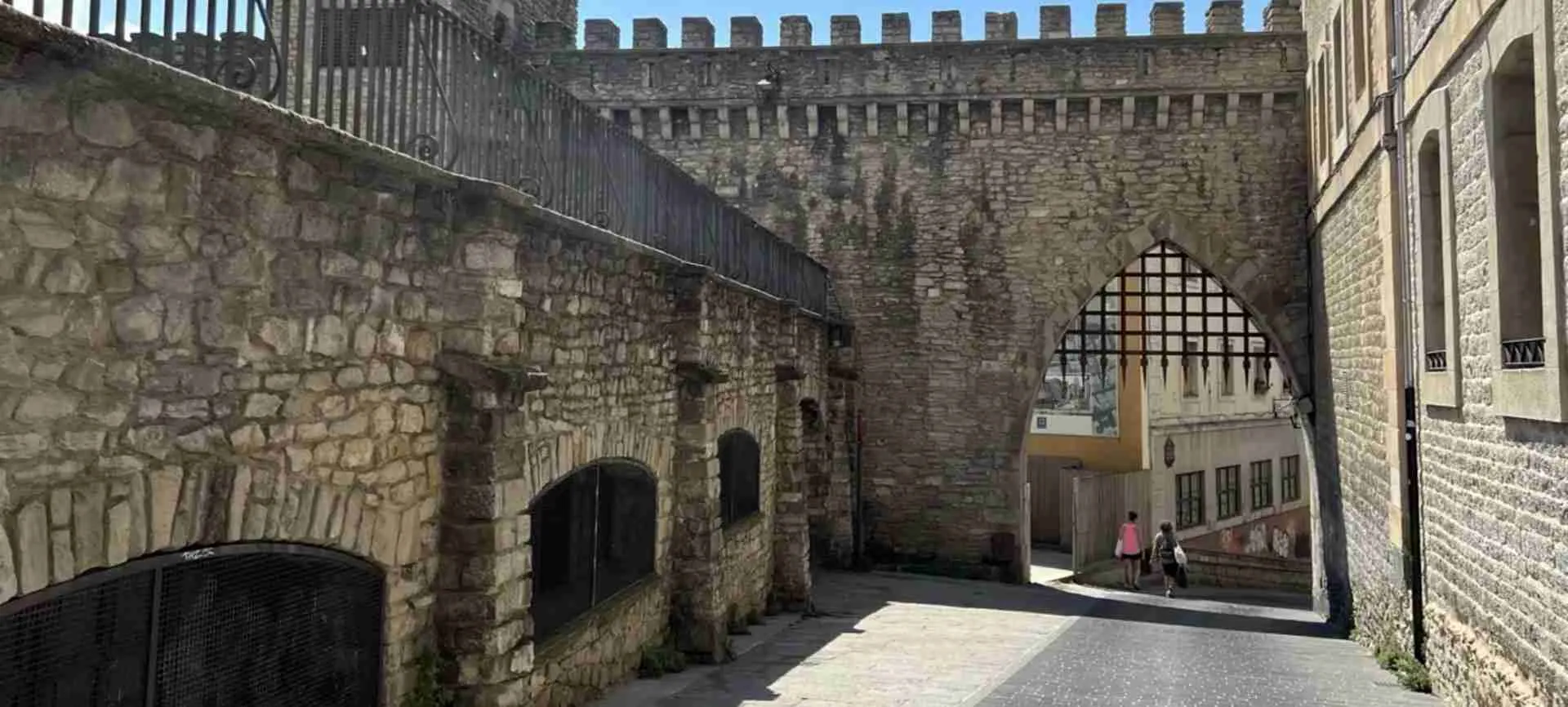
Walking tours explore the medieval streets discovering hidden courtyards, restored noble houses, and centuries-old details preserved in doorways, windows, and building facades. The defensive medieval walls remain partially intact with towers and gates marking the original city boundaries. Los Arquillos arcaded walkway connects the medieval quarter to lower neighborhoods while creating a distinctive covered passage. Plaza de la Burullería showcases vivid street art murals transforming historic buildings into outdoor galleries, contrasting medieval architecture with contemporary artistic expression.
Green Ring and Salburua Wetlands
The Green Ring (Anillo Verde) forms a 33-kilometer perimeter around Vitoria-Gasteiz connecting six major parks through dedicated walking and cycling paths. This extensive green infrastructure earned the city European Green Capital status in 2012, demonstrating innovative urban planning integrating nature within metropolitan boundaries. The network provides continuous access to natural spaces without requiring vehicle transportation, supporting the city’s sustainability commitments and resident quality of life.
Salburua wetlands represent the Green Ring’s ecological highlight, protecting 200+ hectares of restored marshland supporting diverse bird populations. The wetlands occupy a privileged migration route position, attracting seasonal visitors including herons, ducks, and rare species observable from elevated walkways and bird-watching hides. Interpretive centers explain wetland ecology, conservation efforts, and seasonal wildlife patterns. The area demonstrates successful environmental restoration transforming degraded agricultural land into thriving habitat.
Florida Park, Olarizu, Armentia, Zabalgana, Zadorra River Corridor, and Errekaleor parks complete the Green Ring system, each offering distinct landscapes, facilities, and activities. Florida Park provides formal gardens, playgrounds, and cultural spaces near the city center. Olarizu operates botanical gardens with native plant collections and educational programs. Armentia combines historic sites with natural areas around the Basilica of San Prudencio. The diversity ensures varied experiences across seasons and interests.
Museums and Cultural Attractions
Artium Museum presents contemporary Basque and Spanish art in a striking modern building near the old town. Permanent collections span 20th and 21st-century works including painting, sculpture, photography, and installation art. Rotating temporary exhibitions feature international artists and thematic shows exploring contemporary artistic movements. The museum operates a café, shop, and educational programming including workshops and lectures. Admission typically costs €5-8 with reduced rates for students and seniors.
Museo Fournier de Naipes specializes in playing card history and design, housing one of the world’s largest collections. The museum occupies the 16th-century Palacio de Bendaña in the medieval quarter, combining architectural interest with specialized exhibitions. Displays trace playing card evolution across cultures, manufacturing techniques, and artistic styles. Admission remains free, making this a budget-friendly cultural option demonstrating Vitoria-Gasteiz’s diverse museum offerings.
Cathedral de Maria Inmaculada, the “new cathedral,” contrasts the medieval Santa María with neo-Gothic architecture from the early 20th century. The building impresses with stunning stained glass windows casting colored light across the interior. Free entrance enables appreciation of architectural details, religious art, and peaceful contemplation. The cathedral serves active religious functions while welcoming tourist visitors outside service times.
Armory Museum of Alava displays historical weapons, armor, and military artifacts tracing regional military history from medieval periods through modern conflicts. The collection includes swords, firearms, uniforms, and battle standards with explanatory contexts connecting artifacts to Basque and Spanish history. Located near the medieval quarter with modest admission fees around €3-5.
Dining and Pintxos Culture 2026
Traditional Pintxos Bars Experience
Pintxos (small plates similar to tapas) define Basque culinary culture, with Vitoria-Gasteiz offering extensive options throughout the medieval quarter and Ensanche district. The tradition involves moving between bars sampling each establishment’s specialty pintxo, creating a progressive dining experience called “poteo” or “txikiteo” in Basque. Each bar displays pintxos on counters, with some requiring order from kitchen for hot preparations. Prices range €3-5 per pintxo, allowing diverse sampling without large expense.
Traditional pintxos feature bread bases topped with ingredients like jamón ibérico, cheese, seafood, peppers, or tortilla española. Modern creative pintxos combine contemporary techniques with traditional flavors, presenting sophisticated small plates rivaling restaurant appetizers. Bars specialize in specific preparations: one excels at cod preparations, another offers exceptional croquetas, a third creates innovative vegetarian options. Locals recommend asking bar staff for house specialties rather than ordering randomly.
The peak pintxos hour occurs around 2 PM before lunch (14:00 traditional meal time in Spain) and 8-9 PM before dinner. Bars fill with locals and tourists standing at counters, creating lively social atmospheres. The experience combines culinary exploration with social interaction and cultural immersion. Expect crowded conditions during peak times, though turnover moves quickly. Some bars offer limited seating, while others operate standing-only encouraging patron movement.
Calle Dato, the main shopping street, hosts numerous pintxos bars alongside retail stores. The medieval quarter concentrates historic bars in atmospheric Renaissance buildings. Plaza de España and surrounding areas feature traditional establishments serving regional Basque Country specialties. Prices remain consistent citywide, avoiding tourist trap premiums common in coastal resort towns. Local wine (txakoli) pairs perfectly with pintxos at €3-4 per glass.
Restaurants and Dining Options
El Portalón occupies a 15th-century building with Gothic, Renaissance, and Mudejar architectural features in Plaza de la Burullería. Originally serving as inn and carriage house (note the large door allowing wagon entry), the restaurant now ranks among Vitoria-Gasteiz’s favorites for traditional Basque cuisine. Exposed wooden beams, stone, and brickwork create historic ambiance complementing seasonal menus featuring regional ingredients. Reservations recommended for dinner, especially weekends and festivals.
Mid-range restaurants throughout the city serve lunch menus (menú del día) at €15-20 including multiple courses, bread, and drink. These fixed-price lunches provide exceptional value, offering restaurant-quality meals at modest cost. Dinner in equivalent establishments costs €30-50 per person for à la carte selections. Basque cuisine emphasizes fresh fish and seafood despite the inland location, with excellent beef from regional farms and vegetables from Rioja Alavesa agricultural areas.
International cuisine options include Italian, Asian, and fusion restaurants supplementing traditional Basque offerings. The university presence and government worker population support diverse dining scenes. Vegetarian and vegan options remain limited compared to larger Spanish cities, though awareness increases with dedicated restaurants emerging in recent years. Most traditional restaurants accommodate dietary restrictions with advance notice.
Markets including Mercado de Abastos provide fresh produce, regional cheeses, charcuterie, and prepared foods for self-catering travelers. Morning visits ensure best selection and freshest products. Prices significantly undercut restaurant costs while offering authentic regional products. Bakeries sell traditional bread varieties, pastries, and regional specialties throughout the city.
Day Trips and Regional Exploration 2026
Rioja Alavesa Wine Region
Rioja Alavesa wine region lies 30-40 minutes south of Vitoria-Gasteiz, producing prestigious tempranillo wines within view of the Sierra de Cantabria mountains. The area encompasses medieval hilltop villages, centuries-old underground wine cellars, and contemporary architectural wineries designed by internationally renowned architects. Laguardia, the region’s main town, preserves medieval walls, cobblestone streets, and historic churches within fortress-like defenses.
Winery visits include tours through production facilities, barrel-aging rooms, and wine caves carved into hillsides. Tastings feature estate wines with explanations of terroir, grape varieties, and winemaking techniques. Many wineries require advance reservations, particularly during harvest season (September-October) and summer weekends. Prices vary €15-40 per person depending on winery prestige and tasting complexity. Some establishments offer food pairings, vineyard walks, or multi-sensory experiences.
Marqués de Riscal winery features Frank Gehry-designed titanium Hotel Marqués de Riscal, creating architectural landmark comparable to Bilbao’s Guggenheim Museum. The undulating metal structures contrast dramatically with traditional stone wineries and vineyard landscapes. Public tours explore both historic wine production areas and contemporary facilities. Ysios Winery, designed by Santiago Calatrava, presents another architectural masterpiece with wave-like aluminum roof mimicking surrounding mountain profiles.
Organized tours from Vitoria-Gasteiz typically visit 2-3 wineries, include transportation, and cost €60-90 per person. Self-driving allows flexibility visiting multiple villages, stopping at viewpoints, and exploring at individual pace. Designated driver requirements make group tours practical for wine tasting. Bus service connects Laguardia and major wine towns, though schedules limit flexibility. Bicycling appeals to active travelers, though distances between wineries and hilly terrain demand good fitness.
Nearby Basque Country Cities
Bilbao sits one hour north offering the Guggenheim Museum, old quarter pintxos bars, contemporary waterfront development, and industrial heritage sites. The proximity enables morning departures, full-day exploration, and evening returns to Vitoria-Gasteiz accommodations. Bilbao’s larger scale, international museum collections, and coastal influences contrast Vitoria-Gasteiz’s government-capital character. Regular bus and train service eliminates driving complications and parking expenses.
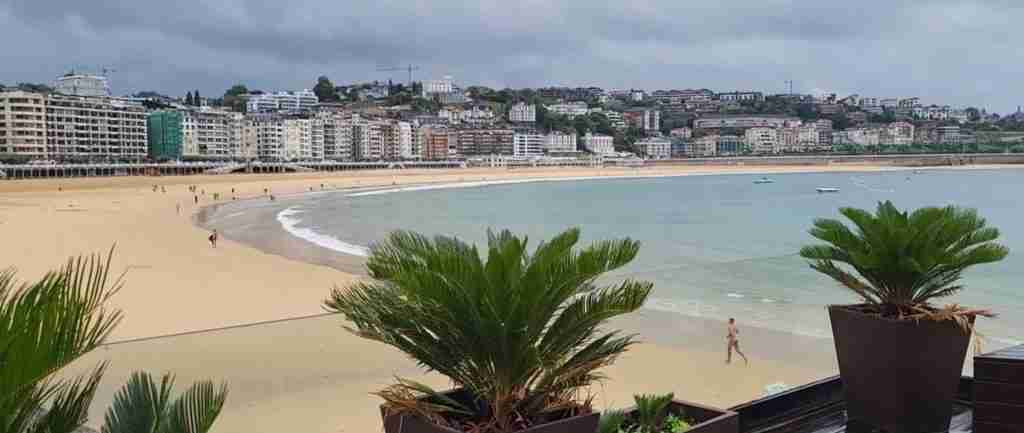
San Sebastián, 1.5 hours northwest, delivers world-renowned cuisine, beautiful beaches, and Belle Époque elegance. The coastal city offers completely different experiences from inland Vitoria-Gasteiz, justifying day-trip effort despite longer travel times. The old town concentrates highest density pintxos bars in the Basque Country, while La Concha beach provides postcard-perfect urban beach landscapes. Consider overnight stays in San Sebastián given travel distances and extensive exploration opportunities.
Pamplona, capital of Navarra region, lies one hour southeast featuring Gothic cathedral, Plaza del Castillo, and Running of the Bulls fame. The city combines Basque and Navarrese cultural elements with Roman historical roots. Pamplona’s old quarter preserves medieval character while modern areas demonstrate contemporary urban planning. The city serves as another Camino de Santiago stop, creating complementary experiences for pilgrimage-interested travelers.
Natural Parks and Outdoor Destinations
Valderejo Nature Reserve protects pristine mountain landscapes west of Vitoria-Gasteiz with hiking trails, wildlife viewing, and traditional Basque mountain villages. The reserve encompasses limestone formations, beech forests, and river valleys supporting diverse ecosystems. Day hikes range from easy valley walks to challenging mountain ascents, accommodating various fitness levels. The reserve operates visitor center explaining local ecology, conservation programs, and trail options.
Gorbeia Nature Reserve straddles the Alava-Biscay boundary, containing the Basque Country’s highest peak at 1,481 meters. The mountain offers hiking routes, rock formations, waterfalls, and panoramic views extending to the Bay of Biscay on clear days. Gorbeia’s accessibility from Vitoria-Gasteiz, Bilbao, and surrounding areas makes it popular weekend destination for Basque outdoor enthusiasts. Trails vary from gentle forest walks to technical mountain routes requiring proper equipment and experience.
Izki Nature Reserve preserves extensive oak forests rare in Mediterranean Spain, protecting ecosystems and traditional forest management practices. The reserve supports rich biodiversity including rare bird species and forest fauna. Educational programs explain sustainable forestry, conservation challenges, and ecological importance. Hiking trails wind through mature oak groves creating peaceful natural experiences within easy reach of Vitoria-Gasteiz.
Money-Saving Strategies 2026
Budget Optimization Techniques
Visit during January’s low season to access hotel rates 59% below summer prices, bringing mid-range properties into budget territory. The weather trade-off involves cold temperatures and shorter daylight, though major indoor attractions operate normally. Book Monday arrivals when hotel rates average lowest compared to Friday-Sunday premium pricing. Combine low-season timing with weekday stays to maximize savings while accepting reduced weather conditions.
Eat main meal at lunch when restaurants offer menú del día fixed-price menus at €15-20 versus €30-50 for equivalent dinner selections. The substantial midday meal follows Spanish tradition, providing excellent value for restaurant-quality food. Supplement lunch with lighter pintxos dinners sampling multiple bars’ specialties at €3-5 per item. This strategy combines cultural authenticity with budget consciousness. Self-cater breakfasts from markets and bakeries saving €8-12 per person daily compared to hotel breakfast charges.
Walk and cycle rather than relying on taxis and multiple public transportation rides. The compact city center makes walking practical for most attractions, while the Green Ring’s extensive bike paths enable free nature exploration. Rent bicycles for full-day use at €8-15, providing transportation and recreation simultaneously. The flat terrain (except medieval quarter hill) accommodates casual cyclists without demanding fitness or special equipment.
Access free attractions including Museo Fournier de Naipes, Cathedral de Maria Inmaculada, Green Ring parks, medieval quarter walking tours, and street art murals. These quality experiences cost nothing while providing authentic cultural insights. Many churches allow free entry outside service times for architectural appreciation. Public spaces including plazas, markets, and historic streets offer constant activity and people-watching without admission charges.
Advance Booking Benefits 2026
Book accommodations 2-3 months ahead for general travel, 4-6 months for Jazz Festival (July) and Virgen Blanca Festivities (August). Early reservations secure better rates, preferred locations, and guaranteed availability during peak periods. Last-minute bookings during festivals face sold-out situations or premium pricing as remaining inventory depletes. Off-season travel permits shorter booking windows with spontaneous flexibility.
Purchase advance transportation tickets through RENFE for trains and Movelia for buses, accessing early-bird discounts and guaranteed seats. Flights booked months ahead through airline websites or comparison platforms like Skyscanner typically cost significantly less than last-minute purchases. Monitor fare trends using price alert tools, booking when rates drop to acceptable levels. Flexibility with travel dates enables optimization around lowest-cost departure and return options.
Pre-book wine tours, guided city tours, and special experiences including Cathedral de Santa María restoration visits. Popular activities sell out during peak season, while advance bookings often include discounts compared to walk-up rates. Online booking platforms like Viator, GetYourGuide, and direct provider websites display availability and enable comparison shopping. Review cancellation policies before booking, particularly for weather-dependent outdoor activities.
Sample 2026 Itineraries
Three-Day Weekend Itinerary 2026
Day 1: Medieval Quarter and Cathedral
Morning arrival via train or flight connects to city center accommodations in the medieval quarter or Ensanche district. Check-in completes, then walking tour explores Plaza de la Virgen Blanca, Los Arquillos, and medieval streets including Cuchillería, Herrería, and Correría. Cathedral de Santa María guided restoration tour (€8-10) reveals Gothic architecture, construction techniques, and historical significance through 90-minute exploration. Mid-afternoon pintxos sampling visits 3-4 bars in the old quarter testing house specialties at €3-5 per pintxo. Evening dinner at El Portalón or similar traditional restaurant serves Basque cuisine in historic setting.
Cathedral tour €8-10, pintxos sampling €15-20, dinner €30-40, local transportation €5. Total day cost: €58-75 per person (excluding accommodation).
Day 2: Green Ring and Museums
Morning bicycle rental (€8-15) begins Green Ring exploration starting with Salburua wetlands for bird watching and nature walks. The elevated walkways and interpretive centers explain wetland ecology and seasonal wildlife patterns. Midday picnic uses market-purchased supplies (€10-15) enjoyed in park settings. Afternoon returns to city center visiting Artium Museum (€5-8) for contemporary art exhibitions and Museo Fournier de Naipes (free) for playing card collections. Evening pintxos tour explores Calle Dato establishments sampling creative and traditional preparations.
Bicycle rental €8-15, market picnic €10-15, Artium admission €5-8, pintxos dinner €20-30. Total day cost: €43-68 per person (excluding accommodation).
Day 3: Rioja Alavesa Wine Tour
Morning departure for Rioja Alavesa via organized tour (€60-90) or rental car explores Laguardia medieval village, visits 2-3 wineries for tours and tastings, and includes lunch at wine region restaurant. Tours typically last 6-8 hours, returning early evening. Alternative self-guided visits using bus transportation requires advance winery reservations and designated driver for tastings. Evening free time allows relaxed plaza sitting, final pintxos sampling, or packing for departure. Late dinner at casual restaurant (€25-35) concludes the weekend.
Wine tour €60-90, dinner €25-35. Total day cost: €85-125 per person (excluding accommodation).
Weekend Total: €186-268 per person excluding accommodation. Accommodation €180-360 for two nights (€60-180 per night). Complete weekend: €366-628 per person.
Five-Day Comprehensive Itinerary 2026
Day 1: Arrival and Medieval Quarter Introduction
Afternoon arrival allows accommodation check-in, orientation walking tour of medieval quarter, Plaza de la Virgen Blanca exploration, and initial pintxos experience sampling 3-4 bars. Evening relaxation in hotel or plaza sitting adjusts to city pace and time zone if arriving internationally. Light dinner (€20-30) avoids over-commitment first evening.
Pintxos sampling €15-20, dinner €20-30, local transport €5. Total day cost: €40-55 per person (excluding accommodation).
Day 2: Cathedral and Historic Sites
Morning Cathedral de Santa María restoration tour explores Gothic architecture and construction techniques. Midday menú del día lunch (€15-20) provides substantial meal at good value. Afternoon visits medieval walls, Los Arquillos walkway, Plaza de España, and Church of San Miguel. Evening allows free time for shopping Calle Dato, relaxing in hotel, or additional museum visits. Dinner at traditional restaurant (€30-40) features regional Basque specialties.
Cathedral tour €8-10, menú del día €15-20, dinner €30-40. Total day cost: €53-70 per person (excluding accommodation).
Day 3: Green Ring Full Exploration
Full day bicycle rental explores complete Green Ring system visiting Salburua wetlands, Florida Park, Olarizu botanical gardens, and additional green spaces. Pack lunch from morning market visit (€10-15) eaten in park. The extensive cycling covers 25-30 kilometers at relaxed pace with frequent stops for bird watching, photography, and nature appreciation. Evening return includes bicycle return and hotel rest. Pintxos dinner (€20-30) offers lighter evening meal after active day.
Bicycle rental €8-15, market lunch €10-15, pintxos dinner €20-30. Total day cost: €38-60 per person (excluding accommodation).
Day 4: Rioja Alavesa Wine Experience
Full-day organized wine tour visits Laguardia, 2-3 prestigious wineries, includes tastings and lunch. Tours cost €80-120 per person covering transportation, winery fees, and typically lunch. The comprehensive experience explores wine culture, architecture, medieval villages, and regional gastronomy. Evening return allows relaxation and informal dining (€25-35) at casual local restaurant.
Wine tour €80-120, dinner €25-35. Total day cost: €105-155 per person (excluding accommodation).
Day 5: Museums and Cultural Attractions
Morning visits Artium Museum for contemporary art, Armory Museum of Alava for military history, and Cathedral de Maria Inmaculada for stained glass windows. Midday lunch (€20-30) at casual restaurant. Afternoon shopping for regional products including wine, cheese, and crafts. Final evening allows farewell dinner at upscale restaurant (€40-60) or continued pintxos exploration. Late packing prepares for next-morning departure.
Museum admissions €10-15, lunch €20-30, shopping €30-50, dinner €40-60. Total day cost: €100-155 per person (excluding accommodation).
Five-Day Total: €336-495 per person excluding accommodation. Accommodation €240-720 for four nights (€60-180 per night). Complete five-day visit: €576-1,215 per person.
Practical Travel Tips 2026
Language and Communication
Spanish dominates daily communication with excellent functionality for travelers possessing basic to intermediate Spanish language skills. Basque (Euskera) appears on signs, menus, and official documents alongside Spanish translations. English speakers receive assistance at tourist offices, major hotels, and attractions, though proficiency varies in restaurants, shops, and transportation settings. Learning basic Spanish phrases for greetings, ordering food, and asking directions significantly improves interactions and demonstrates cultural respect.
Tourist information offices at Plaza de España operate daily 9 AM-7 PM providing English-language maps, attraction information, accommodation assistance, and activity booking. Staff members typically speak English, French, and German alongside Spanish and Basque. The offices distribute free city maps, public transportation guides, and current event listings. Additional information desks at the train station and airport serve arriving travelers.
Mobile connectivity operates reliably throughout the city with 4G/5G coverage from Spanish providers including Movistar, Vodafone, and Orange. International travelers activate roaming services or purchase Spanish SIM cards for data access and local calls. Most hotels, restaurants, cafés, and tourist attractions provide free WiFi requiring passwords typically displayed or available from staff. Public WiFi exists in plazas and major streets, though security considerations recommend caution with sensitive information on open networks.
Safety and Health Considerations
Vitoria-Gasteiz maintains excellent safety with low crime rates typical of Spanish mid-sized cities. Violent crime remains extremely rare, with petty theft representing primary visitor concern in crowded areas including festivals, busy pintxos bars, and tourist attractions. Standard precautions include securing bags with zippers, wearing backpacks frontward in crowds, and avoiding wallet display in back pockets. The city lacks aggressive pickpocket operations common in Barcelona or Madrid, creating relatively stress-free environment for tourists.
Emergency services operate via European standard 112 number connecting to police, fire, and medical assistance with English-speaking operators available. Hospital Universitario de Araba provides comprehensive medical care including emergency services, while numerous pharmacies throughout the city sell over-the-counter medications, prescriptions, and health supplies. EU citizens present European Health Insurance Cards for treatment coverage, while non-EU travelers require private travel insurance for medical expenses. Pharmacies display green crosses and operate extended hours with duty rotation for 24-hour coverage.
Water quality meets European Union standards with safe tap water throughout the city suitable for drinking without filtration or treatment. Restaurants serve tap water free upon request, reducing plastic bottle consumption. The moderate climate eliminates concerns about extreme heat, though summer days occasionally reach uncomfortable temperatures requiring sun protection and hydration. Air quality remains good compared to larger Spanish cities, benefiting from limited industrial presence and extensive green spaces.
Cultural Etiquette and Local Customs
Spanish dining schedules differ significantly from Northern European and American patterns, with lunch served 2-3:30 PM and dinner beginning 9-10 PM. Restaurants closing between service times create timing challenges for travelers accustomed to continuous food availability. Adapt to local schedules experiencing authentic culture, or target tourist-oriented establishments offering earlier dinner service. Pintxos bars operate more flexibly, serving throughout afternoon and evening hours.
Tipping customs remain modest compared to American expectations, with small amounts (5-10% or rounding up) considered generous for good service. Many Spanish customers leave loose coins rather than percentage-based tips. Taxi drivers receive rounding to next euro, while hotels expect small amounts for porters and cleaning staff. The practice remains discretionary rather than obligatory, with quality service warranting recognition through appropriate tips.
Dress codes remain casual for most situations, though churches request modest coverage (shoulders and knees) for entry. The government-capital atmosphere creates slightly more formal dress among residents compared to coastal resort towns, though tourists face no restrictions wearing comfortable walking clothes. Evening dining at upscale restaurants may warrant business casual attire, though strict dress codes remain rare outside special event venues.
Photography receives general acceptance at public spaces, monuments, and tourist attractions. Cathedral de Santa María and museums establish specific policies regarding flash photography and tripods, with staff providing guidance. Photographing strangers without permission remains impolite, particularly during cultural events or private moments. Street performers may request tips after photographs, a reasonable courtesy for documented performances.
2026 Planning Resources and Booking
Official Information Sources
Official Vitoria-Gasteiz tourism website (www.vitoria-gasteiz.org) provides comprehensive planning information including attraction descriptions, event calendars, transportation details, and accommodation listings. The multilingual site operates in Spanish, Basque, English, French, and German accommodating international visitors. Downloadable PDF guides cover specific topics including cycling routes, walking tours, and Green Ring exploration. The site updates regularly with current information, making it reliable for 2026 planning.
Turismo Euskadi (tourism.euskadi.eus) represents broader Basque Country tourism authority offering regional context, suggested itineraries, and connections between destinations. The platform helps travelers planning multi-city Basque Country visits understand transportation options, complementary attractions, and regional cultural themes. English-language content ensures accessibility for international travelers researching beyond single-city focus.
Vizcaya Bridge and other specific attractions maintain dedicated websites with current hours, admission prices, special events, and booking information. Cross-referencing multiple sources verifies accuracy and identifies schedule changes or temporary closures affecting travel plans. Subscribe to attraction newsletters or follow social media accounts for updates approaching travel dates.
Booking Platforms and Strategies
Accommodation booking platforms including Booking.com, Hotels.com, and Expedia aggregate Vitoria-Gasteiz properties with user reviews, photos, and competitive pricing. Filter searches by neighborhood (medieval quarter vs. Ensanche), amenities (free WiFi, breakfast included, parking), and price range. Read recent reviews for current property conditions and service quality, prioritizing comments from travelers with similar priorities and standards. Book refundable rates when possible, allowing flexibility if plans change or better deals emerge.
Direct hotel bookings sometimes offer better rates or added perks (free breakfast, room upgrades) not available through third-party platforms. Check hotel websites after researching via booking platforms, comparing prices and benefits between channels. Loyalty programs with major chains provide points and status benefits for frequent travelers, potentially justifying direct bookings over minimal savings through platforms.
Activity and tour bookings through Viator, GetYourGuide, and local platforms enable advance reservations with clear pricing, cancellation policies, and user reviews. These platforms simplify comparing multiple tour operators, activity durations, and included elements. Some activities offer better rates booking directly with providers, particularly smaller companies maintaining websites rather than paying platform commissions. Factor convenience and refund policies against potential savings when choosing booking channels.
Transportation booking through official providers (RENFE for trains, airlines for flights, bus company websites) ensures legitimate tickets and direct customer service. Third-party booking sites may charge fees or complicate refunds and changes. Monitor prices across multiple channels but execute bookings through reliable sources protecting against fraud and ensuring proper documentation. Save all confirmation emails, receipts, and booking references in accessible formats for easy retrieval during travel.
FAQ Section
How many days should I spend in Vitoria-Gasteiz?
Two to three days allow thorough exploration of the medieval quarter, Cathedral de Santa María restoration tour, Green Ring highlights, pintxos culture experience, and one major museum. Five days enable comprehensive visits including all attractions, complete Green Ring cycling, day trip to Rioja Alavesa wine region, and relaxed pace exploring neighborhoods. Single-day visits provide introductory experiences focusing on cathedral and medieval quarter, though insufficient for deeper engagement. Consider using Vitoria-Gasteiz as base for exploring broader Basque Country with day trips to Bilbao, San Sebastián, and regional attractions.
Is Vitoria-Gasteiz worth visiting?
Vitoria-Gasteiz rewards travelers seeking authentic Basque culture without coastal resort crowds or international tourist saturation affecting San Sebastián and parts of Bilbao. The city offers unique attractions including the Cathedral de Santa María “open restoration” concept, exceptional Green Ring urban nature system, preserved medieval architecture, and accessible Rioja Alavesa wine region proximity. Lower costs compared to coastal Basque destinations make the city appealing for budget-conscious travelers. However, visitors prioritizing beaches, international museums, or bustling nightlife may find the government-capital atmosphere less exciting than alternatives. The city suits travelers appreciating history, nature, architecture, wine, and authentic cultural experiences over tourist-oriented entertainment.
What is Vitoria-Gasteiz famous for?
Vitoria-Gasteiz earned European Green Capital designation in 2012 for pioneering urban sustainability and extensive green space integration. The 160+ kilometer Green Ring connecting six major parks represents innovative urban planning balancing development with nature preservation. The Cathedral de Santa María restoration project pioneered “open restoration” allowing visitors to explore ongoing conservation work, inspiring novels and attracting over one million visitors. The city serves as Basque Country political capital hosting the regional parliament and government institutions. The Vitoria-Gasteiz Jazz Festival ranks among Europe’s premier jazz events with 40+ year history. Proximity to Rioja Alavesa wine region makes the city gateway to prestigious tempranillo wines and architectural wineries.
What language do they speak in Vitoria-Gasteiz?
Spanish serves as primary language for daily communication, business, and tourist interactions. Basque (Euskera) enjoys co-official status with usage among regional government employees, signage, and cultural contexts. Most residents understand Basque even if Spanish dominates their speech. English proficiency varies, with tourist offices, major hotels, and attractions providing English-speaking staff, while smaller restaurants, shops, and local businesses operate primarily in Spanish. French speakers may find some understanding given regional proximity to France and historical connections. Learning basic Spanish phrases significantly improves communication and demonstrates cultural respect.
How do you get from Bilbao to Vitoria-Gasteiz?
Direct buses operate hourly between Bilbao and Vitoria-Gasteiz completing the journey in approximately one hour for €8-12 per person. Departures from Bilbao’s Termibus station connect to Vitoria-Gasteiz central bus station with comfortable coaches and luggage storage. RENFE trains provide alternative rail service with similar journey times and pricing, operating from Bilbao Abando station to Vitoria-Gasteiz station. Car rental or driving covers 66 kilometers via A-8 and AP-68 highways in under one hour, offering flexibility for intermediate stops and regional exploration. Taxis and private transfers cost €70-100 for direct service, practical for groups sharing costs or travelers with extensive luggage.
Can you visit Vitoria-Gasteiz without speaking Spanish?
Yes, though basic Spanish knowledge significantly improves the experience. Tourist offices, major hotels, guided tours, and primary attractions provide English-speaking staff assisting with essential planning and logistics. Restaurants in tourist areas often include English menus or staff capable of explaining dishes. Translation apps enable menu navigation and basic communication when language barriers emerge. The relatively small international tourist volume means less English than coastal destinations, requiring patience and creativity in communication. Learning restaurant phrases, numbers, and basic greetings demonstrates respect and facilitates interactions. The friendly local atmosphere encourages attempts at Spanish communication even with limited proficiency.
What is the best way to see Rioja Alavesa from Vitoria-Gasteiz?
Organized wine tours provide comprehensive experiences visiting 2-3 wineries, Laguardia village, transportation, and typically lunch for €80-120 per person. Tours eliminate driving concerns, provide expert guides, and handle winery reservations and logistics. Self-driving offers maximum flexibility exploring multiple villages, stopping at viewpoints, and customizing itinerary, though requires designated driver for tastings. Public bus service connects Laguardia and major wine towns, though limited schedules restrict flexibility and multiple winery visits prove challenging. Advance winery reservations remain essential regardless of transportation method, particularly during harvest season and summer weekends. Full-day excursions allow proper exploration without rushing through experiences.
Is Vitoria-Gasteiz safe for tourists?
Vitoria-Gasteiz maintains excellent safety with low crime rates and minimal tourist-targeted theft compared to larger Spanish cities. The government-capital function creates professional atmosphere with visible security around official buildings. Standard precautions against petty theft suffice, including securing bags in crowded areas, avoiding wallet display, and maintaining awareness in busy pintxos bars and festival crowds. Violent crime remains extremely rare, with tourists facing minimal personal safety concerns. Solo travelers, families, and elderly visitors safely explore throughout day and evening hours. The compact size, good lighting, and active street life create comfortable environment for tourists navigating unfamiliar areas.
When is the Vitoria-Gasteiz Jazz Festival in 2026?
The Vitoria-Gasteiz Jazz Festival typically occurs in mid-July, though 2026 specific dates require confirmation via the official festival website (www.jazzvitoria.com) as schedules announce several months ahead. The festival spans approximately one week with concerts at multiple venues including Mendizorroza Pavilion for major acts, Teatro Principal Antzokia for intimate performances, and outdoor stages in parks and plazas. Book accommodations 4-6 months ahead for festival dates as the event attracts 100,000+ visitors creating high demand. Ticket sales open several months prior with single-concert and multi-day pass options. The festival significantly raises hotel rates and fills restaurants, requiring advance planning for optimal experiences.
What are the best free things to do in Vitoria-Gasteiz?
Green Ring exploration via walking or personal bicycles provides exceptional free nature experiences through six major parks, Salburua wetlands bird watching, and 160+ kilometers of paths. Medieval quarter walking tours discover historic streets, plazas, architecture, and Los Arquillos arcaded walkway without admission charges. Museo Fournier de Naipes offers free playing card collection access in historic palace setting. Cathedral de Maria Inmaculada allows free entry outside service times for stained glass window appreciation. Plaza de la Virgen Blanca and Plaza de España provide people-watching, café terraces (consumption required), and regular events. Street art murals throughout the old town create outdoor gallery experiences. Sunday markets offer free browsing of local products, crafts, and regional specialties.