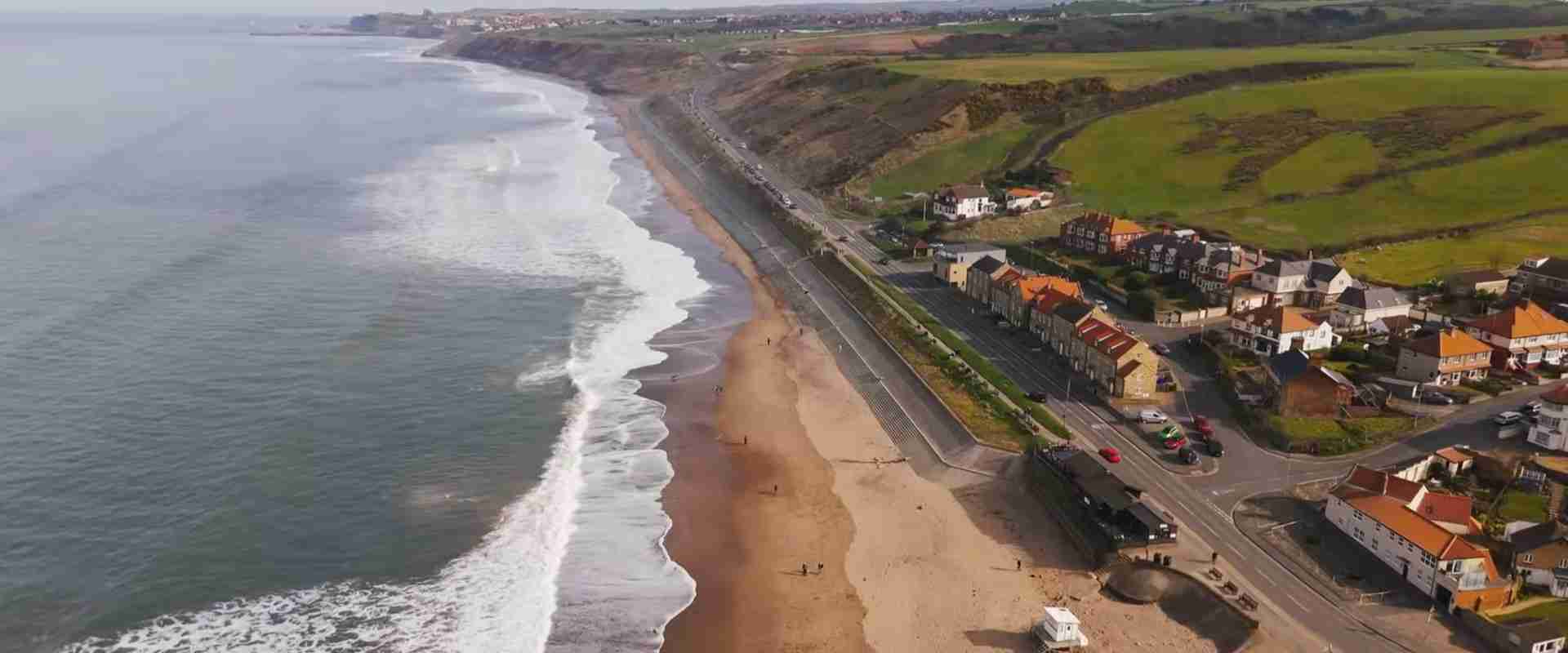
Visiting Yorkshire: Ultimate Planning Resource & Travel Guide 2027
Yorkshire, England’s largest historic county, stretches from the wild heather moorland of the north to the reinvented industrial heritage of the west, from the dramatic limestone pavements of the Dales to the sandy beaches and clifftop abbey ruins of the east coast. Whether you are drawn by the medieval streets of York, the literary landscape of Brontë Country, the sweeping grandeur of the Yorkshire Dales National Park, or the thriving food and culture scenes of Leeds and Sheffield, this guide covers everything you need to plan a memorable 2027 visit — with verified costs, practical logistics, and destination advice for every travel style and budget.
Key Takeaways
- Budget travelers need approximately £70-120 ($90-150) per person daily (two sharing budget accommodation); mid-range travelers spend approximately £140-220 ($180-280); luxury visitors invest approximately £245-415 ($310-525) — all figures assuming two people sharing a room.
- York is the essential anchor for first-time visitors, combining Roman, Viking, and medieval heritage in one of England’s most walkable city centers; the National Railway Museum offers free entry and alone justifies the journey.
- Yorkshire spans five distinct zones — the Yorkshire Dales, the North York Moors and coast, major cities including York, Leeds, and Sheffield, the agricultural Vale of York, and the East Riding — requiring at least seven days to sample the breadth of the county.
- Studley Royal Park, which includes the ruins of Fountains Abbey, is Yorkshire’s UNESCO World Heritage Site and one of England’s most spectacular heritage landscapes; Saltaire, a UNESCO World Heritage Site near Bradford, adds a second inscribed destination to the county’s heritage offer.
- LNER trains reach York from London King’s Cross in approximately two hours, with advance fares from around £30-50 one way; a hire car is strongly recommended for exploring the Dales and Moors independently, as rural bus services are infrequent and limited in scope.
- May through September offers the most reliable conditions for outdoor exploration in 2027; book peak-season accommodation in York, Harrogate, and coastal towns well in advance, as properties at all price points sell out on summer weekends.
People Also Ask About Visiting Yorkshire 2027
How much does it cost to visit Yorkshire per day in 2027?
Daily costs in Yorkshire vary considerably by travel style, but the county is significantly more affordable than London across all categories. Budget travelers (two sharing a budget hotel or guesthouse at around £50-80 per room) need approximately £70-120 ($90-150) per person daily, covering accommodation around £25-40 per person, simple pub meals and fish and chips, local transport, and the many free attractions. Mid-range visitors (two sharing a comfortable hotel at £110-170 per room) typically spend approximately £140-220 ($180-280) per person daily with restaurant dining, paid heritage sites, and regional excursions included. Luxury travelers at quality spa hotels and country house properties invest approximately £245-415 ($310-525) per person daily. For planning purposes, a week-long mid-range trip costs approximately £980-1,540 ($1,245-1,955) per person including all accommodation, meals, transport, and attractions.
What is the best time to visit Yorkshire in 2027?
May through September is the best overall window for visiting Yorkshire in 2027. Late spring (May and June) combines long daylight hours, wildflower-covered Dales meadows, and moderate visitor numbers before the school holiday surge. July and August bring the warmest temperatures — typically 18-22°C in sheltered valleys — but also the highest crowds and peak accommodation prices, particularly in York, Harrogate, and coastal towns. September is outstanding: crowds thin from mid-month, autumn color begins spreading across the North York Moors, and walking conditions remain excellent. For city-focused visits to York or Leeds, April and October offer mild conditions, lower prices, and a more local atmosphere. Winter visits to York in November through January reward visitors with Christmas markets and an unusually atmospheric historic city largely returned to residents.
How do I get to and around Yorkshire in 2027?
LNER trains connect London King’s Cross with York in approximately two hours and Leeds in approximately two hours fifteen minutes, with advance single fares from around £30-50. Once in Yorkshire, trains and buses serve the main cities reliably, but the Yorkshire Dales, North York Moors, and most rural villages require a hire car for independent exploration. Car hire starts from approximately £35-55 per day for a compact vehicle, available at York train station, Leeds Bradford Airport, and Leeds and Sheffield city centers. The seasonal Moorsbus (North York Moors) and Dales Bus operate summer weekend services into the national parks, providing car-free access on specific corridors, but schedules are limited and should be verified before travel.
How many days do I need to explore Yorkshire in 2027?
Three days give a genuine introduction to Yorkshire, allowing York, one heritage day trip (Fountains Abbey is the classic choice), and a coastal or moorland excursion. Five days allows a more rounded visit covering York, either the Dales or the Moors and coast, and a day in a second city such as Harrogate or Leeds. Seven days is the recommended minimum for visitors wanting to experience multiple regions: York, the Dales around Skipton and Grassington, the moorland villages of the North York Moors, the coast at Whitby, and a cultural day in Leeds or Bradford. For a comprehensive circuit covering all five Yorkshire regions — including the East Riding and Beverley — plan ten to fourteen days with a hire car for the rural legs.
Extended multi-day tours – 5+ days
Featured Yorkshire Multi-Day Tour Packages

3 days
Yorkshire 3-Day Discovery Tour
- ✓ Comprehensive Yorkshire experience
- ✓ Expert local guides included
- ✓ All accommodation included
- ✓ Transportation provided

5 days
Yorkshire 5-Day Highlights Experience
- ✓ Comprehensive Yorkshire experience
- ✓ Expert local guides included
- ✓ All accommodation included
- ✓ Transportation provided

7 days
Yorkshire 7-Day Cultural Journey
- ✓ Comprehensive Yorkshire experience
- ✓ Expert local guides included
- ✓ All accommodation included
- ✓ Transportation provided
10 days
Yorkshire 10-Day Complete Adventure
- ✓ Comprehensive Yorkshire experience
- ✓ Expert local guides included
- ✓ All accommodation included
- ✓ Transportation provided
Multi-day tour packages powered by TourRadar. Prices and availability subject to change.
Introduction: Yorkshire in 2027
Covering some 6,000 square miles in northern England, Yorkshire is a destination of extraordinary breadth and character. Its popular title, “God’s Own County,” reflects the fierce pride residents take in a landscape that ranges from some of England’s most dramatic wilderness — the limestone valleys and gritstone fells of the national parks — to thriving post-industrial cities remade as cultural and culinary destinations. York sits at the geographic and emotional heart of the county, a medieval city encircled by ancient walls and layered with Roman foundations, Viking settlement, Norman conquest, and Tudor drama. The Yorkshire Dales National Park to the northwest offers limestone pavements, cascading waterfalls, and stone-walled pastures of almost theatrical beauty. The North York Moors deliver some of England’s most open and uninterrupted moorland, dropping to a dramatic cliff-fringed coast at Whitby and Scarborough. In the west, Leeds, Bradford, and Sheffield are dynamic cities with world-class free museums, celebrated food scenes, and creatively reinvented industrial heritage.
Yorkshire’s accessibility from London makes it one of England’s most logical choices for a long weekend or week-long domestic trip for international visitors based in the capital. The LNER rail corridor delivers a journey time of approximately two hours to York, and the region’s accommodation infrastructure is strong across all budget categories. For 2027, a key planning consideration is booking ahead: York in summer, Harrogate on bank holiday weekends, and Whitby throughout the school holidays all attract substantial demand. This guide provides everything needed to plan, budget, and organize a Yorkshire visit in 2027, from the logistics of getting around the national parks to the practical details of individual attraction pricing.
Yorkshire’s Five Regions in 2027: Where to Focus Your Time
Yorkshire is not a single destination but a collection of distinct landscapes and experiences. Understanding the five main regions before building a 2027 itinerary will help you allocate time, base yourself strategically, and avoid the common error of underestimating travel time between areas.
City of York and the Vale of York
York is the most visited city in Yorkshire and one of England’s finest historic cities. Set on the River Ouse in the flat agricultural Vale of York, it is compact enough to explore almost entirely on foot. The circuit of medieval city walls takes approximately two hours to walk and provides an elevated view across the rooftops and toward York Minster. The Minster itself — one of the largest Gothic cathedrals in northern Europe — dominates the skyline and is charged for entry; the National Railway Museum, adjacent to the station, is free. The Shambles, a surviving medieval street of overhanging timber-framed buildings, is the most photographed lane in Yorkshire. The city also offers the Jorvik Viking Centre, York Castle Museum, and the Merchant Adventurers’ Hall among its paid attractions. York is the natural base for any Yorkshire itinerary and has the county’s broadest range of accommodation options at all price points.
The Yorkshire Dales
The Yorkshire Dales National Park covers approximately 840 square miles of limestone valleys, waterfalls, and upland pastures in the northwest of the county. Skipton, the market town at its southern gateway, has direct rail connections to Leeds and is the most practical entry point without a car. The key landscapes include Wharfedale, Swaledale, and Wensleydale — each with its own character of stone walls, field barns, and small market towns. Malham Cove, a curved limestone cliff rising approximately 260 feet, and Aysgarth Falls on the River Ure in Wensleydale are the most visited natural features. The Yorkshire Three Peaks — Pen-y-ghent, Whernside, and Ingleborough — form one of England’s most popular long-distance walking challenges. Entry to the national park itself is free; the main costs are parking at popular trailheads (typically £3-7 per day) and any guided or activity-based experiences.
North York Moors and the East Coast
East of the Vale of York, the North York Moors National Park presents an entirely different landscape: open, rolling heather moorland above deeply wooded river valleys. Helmsley, Pickering, and Kirkbymoorside are the main market town bases. Whitby, on the northeast coast, combines a working fishing harbour, 199 steps to the clifftop ruins of Whitby Abbey, and a significant literary connection: Bram Stoker used the town as a setting in Dracula, published in 1897, and it continues to attract literary and gothic-themed tourism. Scarborough, to the south, is Yorkshire’s largest seaside resort, with two bays separated by a castle promontory and a well-established day-tripper culture. Robin Hood’s Bay, a village of steeply stacked fishermen’s cottages, is the finest of the smaller coastal settlements and an excellent rock-pooling location at low tide.
West Yorkshire: Leeds, Bradford, Haworth, and Saltaire
West Yorkshire clusters around the former textile-mill heartland. Leeds is the regional capital: a city of covered Victorian arcades, an acclaimed arts and music scene, and free institutions including Leeds Art Gallery, the Henry Moore Institute, and the Royal Armouries museum. Bradford, seven miles west, holds UNESCO City of Culture heritage and is home to Saltaire, a UNESCO World Heritage Site — a remarkably intact model Victorian mill village built from 1851 by the industrialist Sir Titus Salt. Haworth, above the Worth Valley, is the pilgrimage destination for admirers of the Brontë family; the village and its surrounding open moor drew visitors from around the world to the Brontë Parsonage Museum long before the literary tourism industry formalized the concept. The Keighley and Worth Valley Railway, a heritage steam line, connects Keighley (on the main Bradford-Leeds rail route) with Haworth and the terminus at Oxenhope.
South Yorkshire and the East Riding
Sheffield, in the south, has reinvented itself as a city of culture, creative industries, and outdoor pursuits, with the Peak District national park beginning almost on its western edge. The city’s museums — including the Kelham Island Museum, which documents Sheffield’s industrial history — are worth a dedicated visit. The east, centered on Hull (Kingston upon Hull) and the East Riding, offers a less-visited but genuinely rewarding circuit: the chalk Wolds, the estuary landscapes around Spurn Point, and Beverley, whose medieval Minster is widely regarded as one of the finest Gothic buildings in England and draws comparatively small visitor numbers despite its exceptional quality.
Getting to Yorkshire in 2027
By Train from London and Other UK Cities
Train is the fastest and most practical way to reach Yorkshire from London in 2027. LNER operates frequent direct services from London King’s Cross to York — journey time approximately 1 hour 55 minutes to 2 hours 20 minutes depending on the service — and to Leeds, typically 2 hours 10 minutes to 2 hours 30 minutes. Advance single fares start from around £30-50 when booked several weeks ahead; standard off-peak returns typically run £80-140. Peak-time travel and last-minute booking are noticeably more expensive. Transpennine Express and Northern Rail serve routes between Yorkshire cities and from Manchester, Newcastle, and Edinburgh. Hull is served from London via the East Midlands and a change at Doncaster or Brough; Sheffield is accessible from London St Pancras and King’s Cross. Check lner.co.uk and nationalrail.co.uk for current timetables and advance ticket availability before your 2027 travel dates.
By Road
Driving from London to York takes approximately four to five hours on the A1(M) motorway under normal traffic conditions. The M62 provides east-west access across northern England, connecting Leeds, Bradford, and Hull. For groups of three or more, driving becomes cost-competitive with rail once fuel and hire vehicle costs are calculated per head. Parking in York city center is expensive and capacity-constrained; city-center car parks charge approximately £15-22 per day. The park-and-ride facilities at six locations around York’s periphery cost approximately £3-5 per car per day including the bus transfer in both directions and are the strongly recommended option for drivers visiting the city center.
By Air
Leeds Bradford Airport handles scheduled services from multiple UK and European cities and is the most convenient airport for arrivals targeting Leeds, Harrogate, and the Dales. Manchester Airport, approximately 45 minutes by road from the Yorkshire border near Huddersfield, is the most practical option for long-haul international arrivals continuing to Yorkshire. Edinburgh and Newcastle airports provide reasonable alternatives for those content to travel south by train. Bus and taxi connections from Leeds Bradford Airport into Leeds city center and Harrogate take approximately 30-45 minutes depending on service and traffic.
Getting Around Yorkshire in 2027
Yorkshire’s internal transport infrastructure is strong within the major cities and along the main rail corridors, but significantly thinner in rural areas. Planning your onward transport before arrival is one of the most important practical steps for a smooth 2027 trip.
Rail within Yorkshire
The rail network connects all major Yorkshire cities and many market towns with good frequency. The York-Leeds-Bradford corridor is reliable and frequent. From Leeds, trains reach Skipton (the Dales gateway) in around 45 minutes, Harrogate in 35-40 minutes, and Selby in under 30 minutes. Scarborough is linked to York by a scenic cross-country service through Malton; the journey takes approximately 45-50 minutes. Whitby is served from Middlesbrough and, seasonally, by the heritage North Yorkshire Moors Railway from Pickering, though the NYMR operates as a tourist attraction with its own ticketing rather than as a regular commuter service. Rail fares within Yorkshire for city-to-city journeys typically run £8-18 single depending on distance and booking timing. Northern Rail ranger day passes covering Yorkshire area routes offer better value than multiple point-to-point fares on days of multi-stop travel; check the Northern Rail and National Rail websites for current pass products before your 2027 travel dates.
Bus Services
Bus services within Yorkshire’s major cities — Leeds, Sheffield, Bradford, and Hull — are comprehensive and reasonably reliable. York has a compact city bus network supplemented by hop-on hop-off sightseeing services. Rural bus services to villages in the Dales and Moors are significantly less frequent; many run only on specific weekdays or seasonally. The Moorsbus, operated during summer weekends and bank holidays, connects Pickering, Helmsley, and moorland villages. The Dales Bus provides routes into Wharfedale and Wensleydale on similar seasonal patterns. Both require advance planning; always download or carry a printed schedule because rural mobile signal in the national parks is genuinely unreliable.
Car Hire in Yorkshire
For visitors wanting to explore the Yorkshire Dales, North York Moors, the East Riding Wolds, or multiple regions in one trip, car hire is near-essential. Hire car desks operate at Leeds Bradford Airport, York train station forecourt, Leeds city center, and Sheffield. Standard vehicle hire in Yorkshire starts from approximately £35-55 per day for a compact car, rising to £70-100 for a larger vehicle; always include collision damage waiver and budget for fuel separately. Parking at popular trailheads and beauty spots in both national parks is organized with pay-and-display car parks (typically £3-7 per vehicle per day, increasingly cashless). Rural Yorkshire roads in the Dales and Moors are frequently single-track with passing places — drive cautiously, never block farm gateways, and give way generously to agricultural vehicles and livestock.
Yorkshire’s Essential Attractions in 2027
York Minster and the City Walls
York Minster is the dominant monument of Yorkshire and one of the great Gothic cathedrals of northern Europe. The building was constructed predominantly during the 13th to 15th centuries, though the site of Christian worship on this ground is considerably older; the exact sequence of pre-Norman structures is a matter of continuing scholarly study. The cathedral is celebrated for its medieval stained glass, which includes the Five Sisters Window in the north transept and the Great West Window; the Rose Window is among the most photographed interior features. Admission is charged for the main cathedral and a separate ticket covers the tower climb, which rewards fit visitors with panoramic views across the Vale of York and the surrounding countryside. Check yorkminster.org for current admission pricing before your visit, as rates are reviewed periodically. The walk around York’s medieval circuit of walls — approximately three miles of largely intact rampart — is free of charge and is arguable the finest free urban experience in the county, particularly the elevated section above Micklegate and the stretch near Monk Bar.
National Railway Museum, York
The National Railway Museum is one of the largest railway museums in the world, and admission is free. Located adjacent to York train station, it houses an internationally significant collection of locomotives including LNER No. 4468 Mallard (the world’s fastest steam locomotive on verified record, reaching 126 mph in 1938), Stephenson’s Rocket, and a Japanese Shinkansen bullet train. The combination of genuine historical depth, excellent interpretation, and free entry makes the museum an outstanding anchor for any York itinerary. Budget at least two to three hours for a focused visit; families with young children typically spend a full day. The on-site café and picnic areas make a planned half-day into a comfortable full day without significant additional cost.
Fountains Abbey and Studley Royal Park
Fountains Abbey, combined with the Georgian water garden of Studley Royal Park, forms Yorkshire’s UNESCO World Heritage Site, inscribed in 1986. The ruins of the Cistercian monastery — founded in 1132 and among the largest and best-preserved abbey remains in England — stand within a designed landscape of ornamental lakes, cascades, and woodland walks created in the 18th century by John Aislabie and continued by his son William after John’s death. The combination of Cistercian ruin and Georgian landscape design is widely considered one of the finest heritage landscapes in England. The site is managed by the National Trust; adult admission for non-members is approximately £16-20 in 2027 (National Trust annual membership covers entry and is worth calculating against your broader travel plans — check nationaltrust.org.uk for current membership rates and admission pricing). Allow at least three to four hours; the full circuit of the water garden, the deer park, and the abbey ruins covers several miles of gentle walking on well-maintained paths.
Yorkshire Dales: Malham, Aysgarth, and the Three Peaks
The Yorkshire Dales National Park contains no single dominant landmark but rather an accumulation of natural and agricultural landscapes of exceptional quality. Malham Cove, a curved limestone cliff rising approximately 260 feet, is one of the most dramatic natural features in northern England; the limestone pavement at its summit rewards the steady walk up and, on clear days, provides views deep into the surrounding Dales. Aysgarth Falls in Wensleydale — three broad stepped waterfalls on the River Ure — are accessible within a short walk from the National Park car park and are particularly impressive in winter spate. The Yorkshire Three Peaks — Pen-y-ghent, Whernside, and Ingleborough — form one of England’s most popular walking challenges; the full circular route of approximately 24 miles is typically completed in 10-12 hours by fit walkers and should not be underestimated in poor weather. Entry to the national park itself is free; the main costs are car parking at popular trailheads (£3-7 per day) and refreshments or accommodation in the market towns.
Whitby Abbey and the North Yorkshire Coast
Whitby is the most atmospheric of Yorkshire’s coastal towns. The twin stone piers frame the working fishing harbour; 199 stone steps climb the East Cliff to Whitby Abbey, the ruins of a monastery whose origins are in the 7th century, though the surviving Gothic fabric largely reflects rebuilding in the 13th and 14th centuries. The atmospheric clifftop ruins, set above the sea, provided Bram Stoker with material for the Dracula scenes set in Whitby, published in 1897 and still driving significant literary tourism to the town. The abbey is managed by English Heritage; adult admission is approximately £10-13 in 2027 — check english-heritage.org.uk for current pricing before your visit. Whitby’s harbourside fish and chip shops draw visitors from across Yorkshire and beyond; the town has a well-established reputation for quality preparation using locally landed catch, and queues at popular establishments form quickly in summer.
Castle Howard
Castle Howard, situated in the Vale of Pickering north of York, is one of England’s finest baroque country houses. The house was designed by Sir John Vanbrugh and begun in 1699 for Charles Howard, third Earl of Carlisle; it is generally considered one of Vanbrugh’s two masterworks alongside Blenheim Palace. Castle Howard served as the fictional Brideshead in the 1981 ITV television adaptation and the 2008 film of Evelyn Waugh’s novel. The house, walled garden, and grounds are open to visitors; adult admission is approximately £22-26 in 2027, covering the state rooms, gardens, and the parkland walks including the Temple of the Four Winds and the mausoleum. Check castlehoward.co.uk for current pricing and seasonal opening patterns before your visit. Allow a full half-day at minimum; the grounds alone reward two to three hours of walking.
Brontë Parsonage Museum, Haworth
The Parsonage in Haworth where Charlotte, Emily, and Anne Brontë lived with their father Patrick Brontë is preserved as a museum by the Brontë Society. The building retains significant original furnishings and features; the collection includes original manuscripts, personal belongings, and first editions of all three sisters’ major works. Haworth village, with its steep cobbled main street, backs directly onto the open moor that provided the landscape for Wuthering Heights. Adult admission to the Brontë Parsonage Museum is approximately £9-12 in 2027; check bronte.org.uk for current pricing and any time-slot booking requirements. The village, churchyard, and the moorland path toward the ruins locally associated with Wuthering Heights are free to explore and together form a walking circuit of three to four hours from the village center.
Royal Armouries Museum, Leeds
The Royal Armouries in Leeds is the national museum of arms and armor and admission is free. Relocated from the Tower of London to purpose-built premises on the Leeds waterfront in 1996, the museum holds one of the world’s most important collections of historic weaponry and military equipment, presented across five themed galleries: War, Tournament, Oriental, Self-Defence, and Hunting. The museum works well for visitors of all ages and typically requires two to three hours for a thorough visit. It anchors the Leeds waterfront regeneration area alongside restaurants and bars, making it a practical centerpiece for a Leeds day.
Where to Stay in Yorkshire 2027
Yorkshire’s accommodation offer ranges from city-center chain hotels and historic coaching inns to country house hotels, rural B&Bs, walkers’ hostels in the national parks, and glamping sites in the Dales. Location is a significant variable: basing in York gives easy access to the medieval city and rail connections across the county, while rural guesthouse accommodation in the Dales or Moors provides an immersive landscape experience but makes car-free exploration difficult.
Budget Accommodation in Yorkshire 2027
Budget accommodation in Yorkshire is genuinely accessible and geographically well-distributed. York has a youth hostel in a converted Georgian building close to the city center where dormitory beds start from around £22-35 per person; private rooms in the same property run higher. Budget chain hotels (Travelodge, Premier Inn) operate in York, Leeds, Sheffield, Bradford, Hull, and most major towns, with double rooms typically running £50-80 per room per night — equating to £25-40 per person for two sharing. In rural areas, camping and glamping sites in the Dales and Moors start from approximately £15-25 per person per night in peak season. Walkers’ hostels and bunkhouses in Hawes, Horton in Ribblesdale, and other Dales settlements offer dormitory-style accommodation from around £20-30 per person per night and are well-suited to walkers on long-distance routes.
Mid-Range Hotels and B&Bs in Yorkshire 2027
Yorkshire’s mid-range accommodation is well-developed, particularly in York, Harrogate, and the Dales market towns. York’s mid-range city-center hotels — typically 3 to 4-star independent properties or branded hotels — run approximately £110-170 per room per night, equating to £55-85 per person for two sharing a standard double. Harrogate sustains a strong mid-range hotel offer at similar price points, driven by its spa tradition and conference trade. In the Yorkshire Dales, rural B&Bs and farmhouse guesthouses typically run £80-140 per room per night; these often include generous full cooked breakfasts that partially offset separate meal costs elsewhere in the day. Booking at least two to three months in advance is strongly recommended for peak-season weekends (July-August) and school holidays in York, Harrogate, and coastal towns including Whitby and Scarborough.
Luxury Hotels and Country House Stays in Yorkshire 2027
Yorkshire’s luxury accommodation sector has expanded considerably over the past decade. Converted country houses with spa facilities, fine dining restaurants, and extensive grounds anchor the top end of the market; properties including Swinton Park in Masham (North Yorkshire), Grantley Hall near Ripon, and the Principal Hotel York are among the established names. Room rates at top-tier properties typically run £200-350 per room per night, equating to £100-175 per person for two sharing. Harrogate sustains several high-quality spa hotels. For a genuinely local luxury experience, a multi-night stay at a quality Dales country house hotel — with guided walks, estate cooking, and access to private moorland — represents something unavailable in the London hotel market at any price.
Yorkshire Budget Guide 2027: Complete Daily Cost Breakdown
Yorkshire is comfortably cheaper than London across almost every cost category. The following breakdowns apply the standard of two people sharing accommodation, with all costs expressed per person per day. Hotel rates are divided by two before being added to individual expenses. All tier totals are calculated as ranges and rounded to the nearest £5.
Budget Travel in Yorkshire 2027
Budget travelers keeping costs tight find Yorkshire particularly rewarding given the substantial number of free attractions. Component costs per person daily (two sharing a budget hotel or guesthouse): accommodation £25-40 (two sharing a room at £50-80 per night), meals £25-40 (self-catering or café breakfast, pub lunch £8-12, fish and chips or similar dinner £10-15), local transport £10-20 (day bus pass or short train journeys), attractions £10-20 (many top attractions are free or low-cost; one paid attraction per day is realistic). Total: approximately £70-120 ($90-150) per person daily. A week at budget level costs approximately £490-840 ($620-1,065) per person for all accommodation, meals, transport, and attractions.
Mid-Range Travel in Yorkshire 2027
Mid-range travel allows restaurant dining at every meal, comfortable hotel accommodation, and the full range of paid heritage sites without significant financial constraint. Component costs per person daily (two sharing a mid-range hotel): accommodation £55-85 (two sharing a hotel room at £110-170 per night), meals £50-75 (restaurant breakfast or included plus café, mid-market restaurant lunch £15-20, dinner with drinks £38-55), transport £15-25 (regional rail journeys, day passes, and occasional taxi), attractions £20-35 (heritage sites, museum admissions, one guided experience). Total: approximately £140-220 ($180-280) per person daily. A week at mid-range level costs approximately £980-1,540 ($1,245-1,955) per person.
Luxury Travel in Yorkshire 2027
Luxury travel in Yorkshire encompasses country house hotels, fine dining, private guides, and chauffeured transfers for longer rural excursions. Component costs per person daily (two sharing a luxury hotel): accommodation £100-175 (two sharing at £200-350 per room per night), meals £90-130 (breakfast included in room rate, restaurant lunch £30-45, fine dining dinner with wine £65-90), transport £25-50 (hire car or private transfers), premium activities and exclusive experiences £30-60. Total: approximately £245-415 ($310-525) per person daily. A week at luxury level costs approximately £1,715-2,905 ($2,180-3,690) per person.
Food and Drink in Yorkshire 2027
Yorkshire’s Culinary Identity
Yorkshire food culture is robust, proud, and increasingly celebrated beyond the county’s borders. The Yorkshire pudding — a baked batter dish classically served alongside roast beef — is the county’s most internationally recognized culinary contribution; a full Sunday roast at a traditional Yorkshire pub with a properly risen pudding is close to a mandatory experience. Parkin, a dense oat and black treacle ginger cake traditionally eaten around Bonfire Night in November, is found in bakeries throughout the autumn. Yorkshire curd tart, a baked pastry case filled with a mildly sweet curd cheese mixture, appears in traditional bakeries across the county. Wensleydale cheese — a crumbly, mild white cheese produced in Wensleydale — is at its finest from the Wensleydale Creamery in Hawes. The Rhubarb Triangle, a small area around Wakefield, Morley, and Rothwell in West Yorkshire, produces forced pink rhubarb in traditional heated sheds from January through March; the resulting early-season stems have protected geographical status and appear on restaurant menus and market stalls across the county in late winter.
Fish and chips remain a near-obligatory coastal experience; Whitby’s harbourside establishments are widely regarded among the best in England, preparing locally landed haddock and cod in beef dripping or vegetable oil. Yorkshire’s pub culture is embedded deeply in the county’s social life; regional ales from breweries including Timothy Taylor’s in Keighley, Theakston’s in Masham, and Samuel Smith’s in Tadcaster, alongside the numerous craft producers centred on Leeds, are at their best in the local pubs that serve as their primary outlets. Harrogate’s Bettys café tea rooms, established in 1919, maintain their status as one of England’s most celebrated afternoon tea institutions; long queues are routine and no advance reservations are taken for walk-in tables at peak times.
Dining Costs in Yorkshire 2027
Eating in Yorkshire is substantially cheaper than in London for comparable quality. A pub lunch with a soft drink or beer in a market town typically costs £12-18 per person; fish and chips from a quality harbourside chippy run £10-16 per portion. A dinner for two at a well-regarded mid-range restaurant with a bottle of wine costs approximately £70-100. Fine dining at Yorkshire’s top restaurants — several of which hold or have recently held Michelin recognition — runs approximately £80-130 per head for a full tasting menu or à la carte with wine. For self-caterers and budget travelers, Bradford’s Kirkgate Market, Leeds Market, and the covered markets in most Yorkshire towns offer excellent locally sourced produce at market-stall prices well below supermarket equivalents.
Sample Yorkshire Itineraries 2027
3-Day Yorkshire Highlights Itinerary 2027
Day 1 — York: Walls, Minster, and Medieval Streets. Arrive at York by train from London or another base. Walk the full city walls circuit (free; approximately 2 hours). Visit York Minster and consider the tower climb for panoramic views; budget approximately £12-16 adult for the cathedral and tower combined. Explore The Shambles and the maze of Snickelways in the afternoon. Dinner at a traditional Yorkshire pub serving seasonal local ingredients. Estimated mid-range day cost including accommodation per person (two sharing): approximately £140-175.
Day 2 — National Railway Museum and Fountains Abbey. Begin the morning at the National Railway Museum (free entry; approximately 2-3 hours is ideal). Collect a hire car or join an afternoon tour and drive approximately 30 minutes northwest to Fountains Abbey and Studley Royal Park (adult admission approximately £16-20; allow 3-4 hours for the full circuit). Return to York for dinner. Estimated mid-range day cost (excluding overnight accommodation already paid): approximately £55-80 per person.
Day 3 — North York Moors and Whitby. Drive east through the North York Moors to Whitby (approximately 1 hour 15 minutes from York via the scenic A169 over the moor). Visit Whitby Abbey ruins (approximately £10-13 adult), walk the harbor, climb the 199 steps, and lunch on fish and chips from a harbourside chip shop. Return to York via Pickering and the moorland road. Estimated mid-range day cost (excluding accommodation): approximately £50-75 per person.
7-Day Complete Yorkshire Tour 2027
Days 1-2: York. Follow the 3-day itinerary above for Days 1-2. A second full day in York rewards with a visit to the Jorvik Viking Centre (approximately £14-16 adult), York Castle Museum, and the Merchant Adventurers’ Hall. The city’s medieval quarter and riverside are best absorbed at a relaxed pace over two full days.
Day 3: Yorkshire Dales — Skipton and Malham. Train to Skipton (approximately 45 minutes from Leeds; change from York at Leeds). Visit Skipton Castle, one of England’s best-preserved medieval castles (approximately £10-13 adult). Take the Dales Bus or a hire car onward to Malham and walk to Malham Cove and the limestone pavement (free entry; allow 3-4 hours return from the village). Overnight in Skipton or a Dales guesthouse.
Day 4: Wensleydale and Aysgarth Falls. Drive the scenic route north through Wharfedale and over the watershed into Wensleydale. Visit Aysgarth Falls (free access; parking approximately £4 at the National Park car park). Stop at the Wensleydale Creamery in Hawes to sample and purchase cheese. Continue to Richmond at the head of Swaledale if time allows — the castle ruin above the market square is managed by English Heritage (approximately £7-9 adult). Overnight in a Dales market town.
Day 5: Leeds — Royal Armouries, Markets, and Culture. Drive or train to Leeds. Visit the Royal Armouries Museum (free entry; allow 2-3 hours). Explore the Victorian arcades including the Grand Arcade and Thorntons Arcade. Consider the Henry Moore Institute or Leeds Art Gallery, both free to enter. Overnight in Leeds. Estimated mid-range day cost (excluding accommodation): approximately £50-70 per person.
Day 6: Haworth and the Brontë Country. From Leeds, reach Haworth via the Keighley and Worth Valley Railway from Keighley (approximately £10-14 adult return on the heritage railway; Keighley is reached from Leeds in 20 minutes on the main rail line). Visit the Brontë Parsonage Museum (approximately £9-12 adult). Walk the moorland path toward the ruins at Top Withens, associated with Wuthering Heights, and return via the Brontë Falls (allow 3-4 hours for the moor circuit). Return to Leeds or continue to your next base overnight.
Day 7: Harrogate and Departure. Train to Harrogate (35-40 minutes from Leeds). Walk the Valley Gardens and the Stray, visit Bettys tea rooms for afternoon tea (allow time for a queue at peak season), and explore the Victorian shopping streets. Return to York, Leeds, or London for onward travel. For a 7-day mid-range trip the total budget for all accommodation, transport, meals, and attractions is approximately £980-1,540 ($1,245-1,955) per person.
Best Time to Visit Yorkshire in 2027: Seasonal Guide
Spring and Early Summer 2027 (April-June)
Late April through June is arguably the most rewarding period to visit Yorkshire in 2027. The Dales meadows come into wildflower bloom in May and June — a landscape of buttercups, orchids, and wood anemone in the limestone pastures that is among the most visually distinctive in England. Daylight hours are long (sunset after 9 PM in late June), walking conditions on the fells are generally dry, and visitor numbers have not yet reached the school-holiday peak. Accommodation across Yorkshire is available at spring rates in April and May, with prices beginning to climb in June. The York Viking Festival in February and various Dales and Moors events in spring provide additional interest for visitors with specific interests.
High Summer 2027 (July-August)
July and August bring the warmest temperatures Yorkshire typically offers — 18-22°C in sheltered Dales valleys, cooler and windier on the Moors and coast — and also the highest visitor numbers. The six-week school summer holiday (approximately mid-July through late August) fills York, Harrogate, Whitby, Scarborough, and Skipton with domestic and international visitors. Accommodation in these locations sells out well in advance and commands peak-season premiums. For visitors with school-age children who must travel in this window, booking three to six months ahead is not excessive for York city center and coastal properties. Heather on the North York Moors typically peaks in mid to late August and is a genuinely spectacular landscape event worth timing a visit around.
Autumn and Winter 2027 (September-March)
September is among the best months in Yorkshire for visitors who have flexibility: crowds thin from mid-month, autumn color spreads across the Moors and through the Dales river valleys, temperatures remain mild for walking, and accommodation prices drop. October brings spectacular moorland colors but also deteriorating weather; waterproofs and warm layers are essential above 1,000 feet from October onward. November through January see low visitor numbers outside York, which sustains its appeal through the Christmas market season (typically late November through December). The Yorkshire Dales above 1,000 feet can experience heavy snow from December through February; some remote rural guesthouses close for winter. Hull, Harrogate, Leeds, and Sheffield maintain full year-round urban attractions regardless of weather. The York Viking Festival in late February — a major annual heritage event with re-enactment, lectures, and market — draws participants and visitors from across Europe and is one of the county’s most distinctive seasonal events.
Money-Saving Tips for Yorkshire 2027
- Book train tickets as far in advance as possible. LNER advance single fares from London King’s Cross to York can be as low as £30; the equivalent walk-on off-peak fare is three to four times higher. The advance booking window typically opens approximately 12 weeks before the travel date.
- Build your itinerary around Yorkshire’s free attractions. The National Railway Museum (York), Royal Armouries (Leeds), Henry Moore Institute and Leeds Art Gallery (Leeds), Harrogate’s Valley Gardens and Stray, and the entire landscapes of the Yorkshire Dales and North York Moors cost nothing to enter. A two-day York itinerary centered on free attractions — walls, the railway museum, the medieval streets, and the riverside — can reduce daily attraction costs to near zero.
- Consider National Trust membership if you plan multiple visits. Annual membership covers entry to Fountains Abbey, Brimham Rocks, Malham Tarn, and several other Yorkshire properties, plus hundreds of sites across England, Wales, and Northern Ireland. At approximately £90-115 for an adult annual membership in 2027 (check nationaltrust.org.uk for current rates), membership covers its cost after three to four Yorkshire visits alone.
- Use York’s park-and-ride instead of city-center parking. Six park-and-ride sites around York charge approximately £3-5 per car per day including the return bus into the city center, compared with £15-22 per day at city-center multi-story car parks.
- Travel midweek and avoid bank holidays. Yorkshire accommodation — particularly in York, Harrogate, and the coastal resorts — is typically 20-40% cheaper Sunday through Thursday than on Friday and Saturday nights. Arriving on Sunday and staying until Thursday can produce substantial savings without compromising on choice or quality.
- Eat at market halls and covered markets. Skipton Market (Monday, Wednesday, Friday, Saturday), Bradford’s Kirkgate Market, and the markets in Beverley, Ripon, and Leyburn all offer hot food, local baked goods, and produce at prices well below restaurant costs. A substantial market lunch in Skipton typically costs £6-10 per person.
- Stay slightly outside the city center in York. Accommodation in the Bishopthorpe Road and Fishergate areas — five to ten minutes’ walk from the medieval walls — is typically 20-30% cheaper than properties directly inside the bar walls, with no meaningful reduction in access to the sights.
- Download the Ordnance Survey and Google Maps offline. Avoid data roaming charges and unreliable rural signal by downloading offline maps for the Dales and Moors before leaving your accommodation. The OS Maps app provides the 1:25,000 Explorer mapping used by walkers and is the most accurate for footpath navigation.
Hidden Costs and Practical Fees in Yorkshire 2027
Several costs catch first-time visitors by surprise and are worth budgeting explicitly for 2027 travel:
- National park parking. Most popular trailheads and viewpoints in the Yorkshire Dales and North York Moors charge for parking (typically £3-7 per vehicle per day). Payment is increasingly cashless-only; confirm your card works before driving into remote areas.
- Heritage railway fares. The North Yorkshire Moors Railway (Pickering to Whitby via the moors) and the Keighley and Worth Valley Railway (Keighley to Haworth and Oxenhope) charge fares separately from the national rail network and are not covered by standard rail passes or railcards. Budget approximately £18-30 return for an adult on the NYMR depending on journey length; check nymr.co.uk for current timetables and prices before your 2027 travel dates.
- Bettys waiting time. Not a financial cost, but a significant planning consideration: queuing at Bettys tea rooms in Harrogate or York on summer weekends and bank holidays can take 30-60 minutes before being seated. No advance reservations are taken for walk-in tables. Plan for this in your day’s schedule or visit on a weekday morning when waits are shorter.
- York Minster tower access. The main cathedral admission and the tower climb are ticketed separately; both together cost noticeably more than the cathedral alone. Budget accordingly if the panoramic view from the tower is important to your visit.
- Gratuity expectations. Tipping at table-service restaurants in Yorkshire is customary at approximately 10-15% for good service. Check the bill for service charges added automatically (increasingly common at higher-end establishments in 2027). Tipping is not standard at pubs serving food ordered at the bar.
- Cash versus card in rural areas. A small but meaningful minority of remote pubs, farm shops, village post offices, and rural car parks operate as cash-only businesses. Carrying £20-30 in cash as a contingency for rural visits avoids inconvenience.
Family Travel in Yorkshire 2027
Yorkshire is an excellent family destination with a wide and varied range of activities calibrated to different ages. The National Railway Museum in York — free to enter and consistently voted among England’s top family attractions — is the single best starting point for families with children of any age. The Jorvik Viking Centre, with its time-capsule reconstruction of 10th-century Viking York and its archaeological collections, works well for children aged roughly six and above; adult admission is approximately £14-16 in 2027, with children under five typically free and family ticket rates available — check jorvikvikingcentre.co.uk for current pricing and advance booking options.
Walking in the Dales and Moors is highly family-friendly at lower levels. Malham Cove, Aysgarth Falls, and the riverside paths at Bolton Abbey near Skipton are all accessible for confident family walkers and require no technical equipment. The Embsay and Bolton Abbey Steam Railway, a heritage line near Skipton, is a popular family half-day excursion. On the coast, Scarborough offers classic seaside activities — two bays, an amusement park, a castle, and a Sea Life aquarium — while Robin Hood’s Bay is one of the finest rock-pooling locations on the English coast, particularly productive for families at low tide when the reef platforms are fully exposed. Yorkshire Wildlife Park near Doncaster provides a full family day out with a wide range of large animals including polar bears and lions; adult admission is approximately £20-28 in 2027, with family tickets offering better per-head value — check yorkshirewildlifepark.com for current pricing and booking.
Practical Tips for Visiting Yorkshire in 2027
- Weather preparation is genuinely essential. Yorkshire weather is unpredictable at every season. Always carry waterproofs and an extra warm layer when heading into either national park, even in July. The Met Office mountain forecast for northern England is significantly more useful than a general city forecast for planning walking days in the Dales and Moors.
- Public footpath access is extensive. England’s right-of-way network is more developed than in most European countries; a dense network of legally registered public footpaths and bridleways crosses private farmland throughout Yorkshire. Walking these marked routes is legal; always close gates securely behind you and keep dogs on leads near livestock.
- Book popular attractions in advance for summer. Fountains Abbey, Castle Howard, and Whitby Abbey have capacity and timing requirements; checking in advance whether pre-booked entry is available or required saves on-the-day frustration in peak season.
- Yorkshire is a large county — factor in drive times. York to Whitby is approximately 1 hour 20 minutes by road; York to Hawes in upper Wensleydale is approximately 1 hour 40 minutes; Leeds to Helmsley in the North York Moors is approximately 50 minutes. Plan your driving days conservatively, particularly on single-track rural roads where journey times are unpredictable.
- Bank holidays and school half-term weeks significantly increase demand. Easter, the May bank holidays, and the six-week summer school holiday (approximately mid-July through late August) see accommodation prices spike and availability narrow across the county. If visiting during these periods, booking three to six months in advance is not excessive for central York and coastal properties.
- Access the national parks’ own planning resources. Both the Yorkshire Dales National Park (yorkshiredales.org.uk) and North York Moors National Park (northyorkmoors.org.uk) maintain comprehensive, up-to-date visitor information including transport options, seasonal events, and footpath conditions. These official sources are the most reliable for 2027 planning detail.
Frequently Asked Questions About Visiting Yorkshire 2027
Is Yorkshire expensive to visit compared to other English destinations?
Yorkshire is significantly more affordable than London and broadly comparable with or cheaper than other popular English destinations outside the capital. Budget travelers can manage comfortably on approximately £70-120 ($90-150) per person daily (two sharing); mid-range travel runs approximately £140-220 ($180-280) per person daily. Yorkshire has an unusually strong collection of free-entry attractions — the National Railway Museum, Royal Armouries, city walls of York, national park landscapes, and most of the city galleries in Leeds and Sheffield — that substantially reduce baseline attraction costs compared with destinations where major museums charge admission. The main cost pressures are peak-season accommodation in York, Harrogate, and coastal towns, and hire car costs for rural exploration.
Do I need a car to see Yorkshire properly?
A car is not required for a York-focused visit or for city sightseeing in Leeds, Sheffield, or Harrogate, all of which are well-connected by rail. However, for anyone wanting to explore the Yorkshire Dales properly — beyond Skipton and Malham — or reach remote moorland villages and coastal locations in the North York Moors outside Whitby and Scarborough, a hire car is strongly recommended. Rural bus services exist but are seasonal, infrequent, and limited in geographic coverage; the most scenic parts of both national parks are not served at all by public transport. Car hire in Yorkshire starts from approximately £35-55 per day for a compact vehicle. A practical compromise for a week-long trip is to base the first two days in York on foot, then hire a car from York train station for the rural days and return it before departure.
What are Yorkshire’s UNESCO World Heritage Sites?
Yorkshire has two UNESCO World Heritage Sites. Studley Royal Park including the Ruins of Fountains Abbey was inscribed in 1986, recognizing the combined significance of the Cistercian monastery ruins (founded 1132) and the Georgian water garden designed from the 1720s by John Aislabie. The site is managed by the National Trust and is located near Ripon in North Yorkshire. Saltaire, a model Victorian industrial village in West Yorkshire built from 1851 by industrialist Sir Titus Salt, was inscribed separately in 2001 in recognition of its exceptional preservation as an example of Victorian philanthropic industrial planning. Saltaire is located near Shipley, close to Bradford and the Keighley and Worth Valley Railway, and is free to explore as a village (the Salts Mill building with its David Hockney gallery charges no admission for the gallery itself).
Is York worth a day trip from London or does it require an overnight stay?
York is technically viable as a long day trip from London — the LNER service in approximately two hours leaves sufficient time for city walls, the Minster, and The Shambles before returning — but an overnight stay unlocks a substantially richer experience and is recommended for first-time visitors. The city’s atmosphere in the early morning, before day visitors arrive from London’s first trains, and in the evening, when the crowds have left and the medieval streets revert to near-quiet, is one of York’s most distinctive qualities and is inaccessible to day visitors. For those who can only spare one night, arriving early evening, spending a full day sightseeing, and returning on the late afternoon train is a practical and rewarding format. Two nights allow the addition of a half-day excursion to Fountains Abbey or a full day on the coast at Whitby.
What is the North Yorkshire Moors Railway and is it worth the fare?
The North Yorkshire Moors Railway is a heritage steam railway operating between Pickering in the Vale of Pickering and Whitby on the coast, traversing approximately 18 miles of open moorland through the heart of the North York Moors National Park before descending into the Esk Valley and Whitby. A standard adult return from Pickering to Whitby is approximately £25-30 in 2027; check nymr.co.uk for current timetables, pricing, and seasonal schedules before your visit. For many visitors the moorland journey is as significant an experience as the destinations at either end, particularly in late August and September when the heather on both sides of the line is in full purple bloom. The railway does not accept standard rail passes or railcards; it is a separately ticketed heritage attraction. Services are seasonal and schedules vary significantly between summer and winter; advance booking is recommended in the peak summer months.
Where should I base myself to explore both the Yorkshire Dales and York?
York is the most practical single base combining easy access to the city and rail connections toward the Dales. Direct trains run from York to Leeds (20-25 minutes), from where Skipton and the southern Dales are a further 45 minutes. With a hire car, the drive from York to the Dales National Park boundary via Harrogate and Skipton takes approximately one hour. For visitors wanting immersive rural access to the Dales, splitting the accommodation between York (two nights) and a Dales market town (two to three nights) provides the best of both environments. Skipton is the most practical Dales base with its rail link; Grassington in Wharfedale, Leyburn in Wensleydale, and Hawes in upper Wensleydale offer more remote and scenically dramatic locations for those with their own transport.
Are there good day trips from Leeds in 2027?
Leeds sits at an excellent position for day trips across Yorkshire. Harrogate is 35-40 minutes by train — a complete change of pace from the industrial city to Victorian spa elegance, with the Valley Gardens, Bettys, and the Royal Pump Room Museum. Haworth and the Brontë Parsonage Museum are reachable via train to Keighley then the Keighley and Worth Valley Railway. Saltaire, a UNESCO World Heritage Site, is a fifteen-minute train ride on the main Bradford line and easily combined with a half-day in Bradford itself. Skipton (45 minutes) provides access to the Dales. York is only 25 minutes away on a fast LNER service, making it accessible as a very full day trip or, better, an overnight from a Leeds base.
What should first-time visitors to Yorkshire eat and drink?
Several food and drink experiences are genuinely regional and distinctive enough to be worth prioritizing. Fish and chips in Whitby or Scarborough, prepared from locally landed North Sea haddock or cod, represent the coast’s essential culinary contribution and are best eaten from the paper wrapper on the harbourside. A traditional Sunday roast with proper Yorkshire pudding at a good village pub — a different and larger dish than the bite-sized versions served elsewhere — is the county’s defining meat course. Wensleydale cheese from the Wensleydale Creamery in Hawes is best tasted at source before purchasing to take home. For drinks, seek out a pint of Timothy Taylor’s Landlord (Keighley) or Theakston’s Old Peculier (Masham) at a traditional pub: both are Yorkshire originals with a national reputation and are best at the source. Afternoon tea at Bettys in Harrogate or York, while expensive relative to a café, is a genuine institution and includes the house-baked fat rascals — a currant-studded scone hybrid that Bettys has produced to the same recipe for decades.
Is Yorkshire safe and welcoming for solo travelers and LGBTQ+ visitors?
Yorkshire is generally a safe and welcoming destination. York, Leeds, and Sheffield in particular have active hostel and solo traveler communities, lively pub and bar scenes, and well-established LGBTQ+ communities and venues, particularly in Leeds where the Canal Street and Call Lane areas have an established scene. Rural and market town Yorkshire is overwhelmingly welcoming to visitors of all backgrounds, though the social scene in small Dales and Moors villages is more traditional. Solo walkers in the national parks should take the standard precautions of any remote hiking environment: inform someone of your route and expected return, carry adequate equipment including waterproofs and navigation tools, check the weather forecast, and do not attempt high-level routes alone in poor visibility. Mobile signal is genuinely unreliable in much of the Dales and Moors; an offline map and a charged power bank are sensible precautions rather than excessive ones.
How do I get from York to Whitby without a car?
Getting from York to Whitby without a car requires a combination of services and some planning. The most direct public transport route goes from York to Scarborough by train (approximately 45-50 minutes), then from Scarborough by bus to Whitby along the coast road (approximately 1 hour on the X93 or 93 service). Journey planning via the Traveline Yorkshire or Google Maps transit function will show current service times. Alternatively, from York take a train to Middlesbrough (approximately 1 hour 10 minutes via Northallerton or Darlington), then the scenic Esk Valley Railway to Whitby (approximately 1 hour 20 minutes — one of England’s most beautiful rail lines in its own right). Arriving at Whitby by train via the Esk Valley is itself a worthwhile experience and avoids changing at Scarborough, though journey times are longer overall. Check Transpennine Express and Northern Rail websites for 2027 timetables before travel.